
Visiting your 1st orthodontist can feel both exciting and a little intimidating. Many people wonder what will happen during the appointment, whether it will hurt, how long it will take, and what treatment options might be recommended. The truth is that a 1st orthodontist consultation is typically a relaxed, informative visit designed to evaluate your teeth and bite while helping you understand possible orthodontic solutions. Orthodontic care focuses on correcting the alignment of teeth and jaws, which improves not only the appearance of your smile but also long-term oral health. 😁
A 1st orthodontist appointment usually begins with a conversation about your dental history, concerns, and expectations. The orthodontist or dental team will ask about previous dental treatments, oral hygiene habits, and whether you have experienced issues like crowding, gaps, jaw pain, or difficulty chewing. This information helps the specialist understand your oral condition and determine whether orthodontic treatment might benefit you. The 1st orthodontist visit is therefore more than just a quick check-up; it is a detailed evaluation that lays the foundation for future treatment.
During your 1st orthodontist consultation, the specialist will carefully examine the alignment of your teeth and how your upper and lower jaws fit together. This process often includes a visual inspection, bite analysis, and sometimes digital imaging. Orthodontists are trained dental specialists who focus specifically on diagnosing and correcting misaligned teeth and jaw irregularities. If you are seeing a 1st orthodontist for the first time, you may hear terms such as malocclusion, crowding, overbite, underbite, or spacing. These are common orthodontic conditions that specialists evaluate during an initial consultation.
Another important aspect of a 1st orthodontist visit is diagnostic imaging. The orthodontic team may take digital X-rays, intraoral photographs, or 3D scans of your teeth. These images help the orthodontist evaluate tooth roots, jaw structure, and eruption patterns that cannot be seen during a simple visual examination. Modern orthodontic clinics frequently use advanced scanning technology that replaces messy dental impressions with comfortable digital models. These tools allow your 1st orthodontist to create precise treatment plans tailored to your specific needs.
Patients often ask whether orthodontic treatment is necessary or purely cosmetic. In reality, a 1st orthodontist consultation frequently reveals functional benefits beyond appearance. Properly aligned teeth are easier to clean, which reduces the risk of cavities and gum disease. Correct bite alignment can also prevent uneven tooth wear, jaw strain, and temporomandibular joint problems. According to information shared by professional dental organizations such as the American Dental Association, orthodontic care plays an important role in maintaining long-term oral health and improving bite function.
During your 1st orthodontist visit, the orthodontist may also discuss possible treatment options if alignment issues are detected. These could include traditional metal braces, ceramic braces, lingual braces, or clear aligner systems. However, the initial appointment usually focuses on evaluation rather than starting treatment immediately. Your 1st orthodontist will explain the benefits and limitations of each option and help you understand which treatment approach might be most appropriate.
One advantage of attending a 1st orthodontist consultation is that you can ask questions and clarify concerns about treatment duration, comfort, and lifestyle impact. Many orthodontists encourage patients to discuss their expectations openly. For example, some individuals want the most discreet treatment possible, while others prioritize shorter treatment times. By understanding your preferences, the 1st orthodontist can design a treatment plan that aligns with your goals.
Another helpful outcome of a 1st orthodontist visit is receiving a personalized assessment of your oral health. Even if immediate orthodontic treatment is not necessary, the orthodontist may recommend monitoring tooth development or scheduling future evaluations. This is particularly common for younger patients whose permanent teeth are still emerging. Early evaluations allow a 1st orthodontist to identify potential alignment problems before they become more complicated.
For adults, a 1st orthodontist consultation can also open the door to modern orthodontic solutions that are far more comfortable and discreet than many people expect. Advances in orthodontic technology have made treatment faster and more efficient than in the past. Clear aligners, digital treatment planning, and customized brackets have significantly improved patient experiences. Because of these innovations, visiting a 1st orthodontist is no longer something limited to teenagers; adults of all ages can benefit from orthodontic evaluation and treatment.
If you are considering orthodontic care, scheduling a 1st orthodontist consultation is the most important first step. The appointment provides valuable information about your smile, bite alignment, and potential treatment options. It also gives you the opportunity to build trust with a qualified orthodontic specialist who can guide you through every stage of treatment. If you would like professional advice or want to schedule an evaluation, you can reach out through the Redent Klinik Contact Page to connect with experienced dental professionals.
Ultimately, a 1st orthodontist visit is designed to be informative, comfortable, and empowering. By understanding your dental structure and discussing treatment possibilities, the orthodontist helps you make confident decisions about your oral health. Whether your goal is improving your smile, correcting bite problems, or preventing future dental issues, the guidance you receive during your 1st orthodontist appointment can set the stage for healthier teeth and a more confident smile for years to come. 🌟
What Happens at Your 1st Orthodontist Appointment?
Your 1st orthodontist appointment is an important milestone in improving your smile and overall oral health. Many patients feel curious or even slightly nervous before meeting an orthodontic specialist for the first time. However, the purpose of the 1st orthodontist consultation is not to begin complicated procedures immediately. Instead, it is a comfortable and informative visit designed to assess your teeth, evaluate your bite, and discuss possible treatment options. During this appointment, the orthodontist gathers detailed information that will help determine whether orthodontic treatment is needed and what type of solution might work best for you.
A 1st orthodontist consultation usually takes between 30 and 60 minutes depending on the complexity of the examination. Throughout the visit, the orthodontic team will guide you through several steps, including reviewing your dental history, performing a clinical examination, and taking diagnostic records if necessary. These steps allow the 1st orthodontist to understand your oral structure and create a personalized plan if treatment is recommended.
Initial Patient Consultation and Medical History
The first stage of your 1st orthodontist visit usually involves discussing your dental and medical background. The orthodontist or dental assistant may ask questions about previous dental treatments, oral hygiene habits, and any discomfort related to your bite or jaw. This conversation is essential because certain health conditions or medications can influence orthodontic planning.
During this part of the 1st orthodontist consultation, patients are encouraged to express their goals and concerns. Some individuals are primarily interested in improving the appearance of their smile, while others may want to fix functional issues such as crowding, spacing, or jaw misalignment. By understanding these expectations, the 1st orthodontist can provide recommendations that align with your needs and lifestyle.
Common Questions Asked During the Consultation
Patients visiting a 1st orthodontist appointment often hear questions such as:
- Have you previously worn braces or aligners?
- Do you experience jaw pain or clicking sounds when chewing?
- Are you concerned about crowded or crooked teeth?
- Do you have difficulty biting or chewing certain foods?
- What are your goals for your smile?
These questions help the orthodontist gather valuable information before performing a physical examination. The answers also help identify underlying bite problems that may require orthodontic correction.
Comprehensive Examination of Teeth and Bite
Once the consultation discussion is complete, the orthodontist performs a detailed examination of your teeth and jaw alignment. The goal of this part of the 1st orthodontist visit is to evaluate how the upper and lower teeth fit together and whether any orthodontic issues are present.
The orthodontist may check for several common conditions including:
- Crowded teeth
- Spacing between teeth
- Overbite or deep bite
- Underbite
- Crossbite
- Jaw misalignment
During the 1st orthodontist evaluation, the orthodontist carefully studies how your teeth interact when you close your mouth. Proper bite alignment is important because misaligned teeth can cause uneven tooth wear, chewing difficulties, and sometimes jaw discomfort. Detecting these problems early allows the 1st orthodontist to design an effective treatment strategy.
Diagnostic Imaging and Digital Scans
Modern orthodontics relies heavily on advanced diagnostic technology. During a 1st orthodontist appointment, the orthodontist may recommend taking digital X-rays, photographs, or 3D scans of your teeth. These images provide detailed insights into areas that cannot be seen during a visual examination alone.
For example, X-rays reveal the position of tooth roots, developing teeth, and jawbone structure. Digital scans allow the 1st orthodontist to create an accurate 3D model of your teeth, which can be used to simulate potential treatment outcomes. These digital tools have replaced traditional dental impressions in many clinics, making the process more comfortable for patients.
Benefits of Digital Orthodontic Technology
Using digital imaging during a 1st orthodontist consultation offers several advantages:
- More accurate diagnosis of alignment problems
- Better visualization of bite relationships
- Improved treatment planning
- Ability to simulate future smile results
- Enhanced patient understanding of treatment options
These technologies help the orthodontist design a precise orthodontic plan tailored to each patient.
Treatment Discussion and Personalized Recommendations
After completing the examination and reviewing diagnostic images, the orthodontist will discuss the findings with you. This is often the most informative part of the 1st orthodontist visit because it explains the condition of your teeth and possible treatment options. If orthodontic treatment is recommended, the orthodontist will describe different solutions such as traditional braces, ceramic braces, lingual braces, or clear aligners.
At this stage of the 1st orthodontist consultation, the orthodontist may also explain how long treatment might take and what results you can realistically expect. Treatment timelines vary depending on the severity of alignment problems, but most orthodontic treatments range between 12 and 24 months.
Many orthodontists also discuss lifestyle considerations during the 1st orthodontist visit. For instance, patients may ask about comfort levels, dietary restrictions, oral hygiene routines, and follow-up appointments. Understanding these factors helps patients feel more prepared before starting orthodontic treatment.
Why the First Orthodontic Visit Matters
Your 1st orthodontist appointment is much more than a simple check-up. It provides a detailed understanding of your dental structure and helps identify issues that could affect long-term oral health. Orthodontic evaluation is important because untreated bite problems may lead to tooth wear, gum problems, or jaw strain over time.
The information gathered during the 1st orthodontist consultation also allows patients to make informed decisions about their treatment. With professional guidance and advanced diagnostic tools, the orthodontist can create a customized plan designed to improve both function and appearance.
Ultimately, the 1st orthodontist appointment is the starting point for a healthier and more confident smile. By understanding what happens during this visit, patients can feel comfortable and prepared for the orthodontic journey ahead. A well-planned consultation ensures that every patient receives the most effective orthodontic care tailored to their individual needs. 😁
Signs You Should See a 1st Orthodontist Consultation
Many people assume orthodontic treatment is only necessary when teeth appear obviously crooked. In reality, there are several subtle signs that indicate it may be time to schedule a 1st orthodontist consultation. Orthodontists specialize in diagnosing and correcting issues related to tooth alignment and jaw positioning. Recognizing these signs early can prevent long-term oral health complications and make treatment more efficient. Visiting a 1st orthodontist early allows specialists to evaluate developing problems and recommend appropriate solutions before they become more severe.
A 1st orthodontist appointment is not only for teenagers. Adults and even children can benefit from early orthodontic evaluation. Dental professionals often recommend an orthodontic assessment when the first signs of bite irregularities appear. Whether you notice aesthetic concerns or functional difficulties when chewing or speaking, a 1st orthodontist consultation can help determine whether orthodontic treatment is needed.
Crooked or Crowded Teeth
One of the most common reasons people schedule a 1st orthodontist consultation is visible tooth crowding or crooked alignment. When teeth do not have enough space to grow properly, they may overlap, twist, or shift out of position. Crowded teeth are not only a cosmetic concern but also a functional one because they can make brushing and flossing more difficult.
During a 1st orthodontist visit, the orthodontist carefully evaluates how crowded teeth affect oral hygiene and bite function. Poor alignment can increase the risk of plaque buildup, tooth decay, and gum disease. By addressing crowding early, a 1st orthodontist can create a treatment plan that improves both the appearance and health of your smile.
Common Causes of Crowded Teeth
- Genetic jaw size limitations
- Early loss of baby teeth
- Prolonged thumb sucking in childhood
- Delayed eruption of permanent teeth
Identifying these causes during a 1st orthodontist evaluation helps determine the most appropriate orthodontic solution.
Difficulty Chewing or Biting
Another important sign that you should visit a 1st orthodontist is difficulty when biting or chewing food. If your teeth do not meet properly when you close your mouth, you may have a bite issue known as malocclusion. This condition can affect how efficiently you chew and may lead to uneven pressure on certain teeth.
A 1st orthodontist consultation allows the specialist to analyze your bite pattern and detect problems such as overbite, underbite, crossbite, or open bite. These issues can gradually worsen over time if left untreated. Correcting bite alignment with orthodontic treatment can improve chewing efficiency and protect teeth from excessive wear.
Symptoms of Bite Misalignment
- Difficulty biting into foods like apples or sandwiches
- Teeth that do not touch evenly when the mouth closes
- Jaw shifting while chewing
- Frequent biting of the inner cheeks
When these symptoms appear, scheduling a 1st orthodontist visit is often the best step toward identifying the underlying cause.
Jaw Pain or Clicking Sounds
Jaw discomfort is another warning sign that may indicate the need for a 1st orthodontist evaluation. Misaligned teeth can place additional strain on the temporomandibular joint (TMJ), which connects the jawbone to the skull. Over time, this strain can lead to pain, stiffness, or clicking sounds when opening and closing the mouth.
During a 1st orthodontist appointment, the orthodontist will assess jaw movement and evaluate whether bite misalignment may be contributing to TMJ discomfort. Orthodontic treatment may help reduce this strain by aligning the teeth and improving the balance of the bite.
Speech or Pronunciation Difficulties
Speech problems can sometimes be related to dental alignment issues. If teeth are severely misaligned or spaced, they may interfere with proper tongue placement when speaking. A 1st orthodontist consultation can determine whether orthodontic treatment could improve speech clarity.
Certain sounds, particularly “s,” “sh,” or “th,” may be affected by tooth positioning. During the 1st orthodontist evaluation, the orthodontist observes how the teeth interact with the tongue and lips during speech. Correcting alignment problems may help improve pronunciation and communication confidence.
Early or Late Loss of Baby Teeth
For children, unusual patterns in baby tooth loss may signal the need for a 1st orthodontist consultation. If baby teeth fall out too early or remain longer than expected, the eruption pattern of permanent teeth may be affected. This can lead to crowding or spacing problems later in life.
An early visit to a 1st orthodontist allows specialists to monitor tooth development and guide permanent teeth into proper positions. In some cases, early orthodontic intervention can simplify future treatment and reduce the need for more complex procedures during adolescence.
Why Early Orthodontic Evaluation Matters
- Detects alignment issues before they worsen
- Guides proper jaw growth
- Creates space for emerging permanent teeth
- Reduces the complexity of future treatment
These preventive benefits are one of the reasons dental professionals often recommend scheduling a 1st orthodontist consultation for children around the age of seven.
Gaps or Excessive Spacing Between Teeth
Large gaps between teeth can also indicate the need for a 1st orthodontist evaluation. While some spacing is normal during childhood, persistent gaps in adulthood may affect bite balance and aesthetics. Spacing issues may result from missing teeth, abnormal tooth size, or jaw structure differences.
A 1st orthodontist consultation helps determine whether orthodontic treatment could close these gaps and create a more balanced smile. Aligning spaced teeth can also improve chewing function and reduce the likelihood of food becoming trapped between teeth.
Why Scheduling a 1st Orthodontist Visit Is Important
Recognizing the signs that indicate the need for a 1st orthodontist consultation can significantly improve oral health outcomes. Orthodontic issues often develop gradually, and early detection makes treatment more effective. Whether the concern is cosmetic or functional, a 1st orthodontist appointment provides professional guidance and a clear understanding of available treatment options.
Ultimately, scheduling a 1st orthodontist evaluation ensures that potential alignment problems are identified and addressed before they progress. By understanding these warning signs and seeking timely orthodontic care, patients can protect their oral health and work toward achieving a balanced, confident smile. 😊
How to Prepare for Your 1st Orthodontist Visit
Preparing for your 1st orthodontist visit can make the experience smoother, more informative, and less stressful. While the appointment itself is usually comfortable and non-invasive, knowing what to expect and how to prepare can help you get the most value from the consultation. A 1st orthodontist appointment is an opportunity to evaluate your dental alignment, discuss possible treatment options, and ask important questions about your smile goals. Whether you are visiting an orthodontist for cosmetic reasons or to solve functional bite issues, preparation ensures that your 1st orthodontist consultation provides clear answers and accurate diagnosis.
Many patients arrive at their 1st orthodontist appointment without knowing what information they should bring or what steps they should take beforehand. While orthodontists are fully equipped to guide patients through the process, being prepared allows you to maximize the effectiveness of the visit. From gathering dental records to maintaining proper oral hygiene before the appointment, several simple steps can help you feel confident during your 1st orthodontist consultation. 😊
Schedule Your Appointment at the Right Time
One of the first things to consider before your 1st orthodontist visit is scheduling. Choose a time when you are not rushed or stressed, since orthodontic consultations often involve discussion, examination, and sometimes imaging procedures. A relaxed schedule allows you to focus on understanding the orthodontist’s recommendations and asking questions about treatment options.
If the 1st orthodontist appointment is for a child or teenager, parents should ensure that enough time is available to review treatment options and financial considerations. Because orthodontic treatment is a long-term commitment, the consultation is an important opportunity to evaluate all aspects of care. Planning ahead ensures that your 1st orthodontist consultation is informative and productive.
Maintain Good Oral Hygiene Before the Appointment
Good oral hygiene is essential before attending a 1st orthodontist appointment. Brushing and flossing your teeth thoroughly ensures that the orthodontist can clearly evaluate your dental structure. Clean teeth also allow the orthodontist to identify potential issues such as cavities, plaque buildup, or gum inflammation that might affect orthodontic treatment.
Although orthodontists focus on alignment, overall oral health plays an important role in treatment success. During the 1st orthodontist visit, the orthodontist will examine not only the position of your teeth but also the health of your gums and supporting structures. Maintaining proper oral hygiene before the appointment helps ensure an accurate assessment.
Recommended Oral Hygiene Routine Before the Visit
- Brush your teeth for at least two minutes
- Use dental floss to remove food particles
- Rinse with antibacterial mouthwash
- Avoid sugary snacks immediately before the visit
Following these steps before your 1st orthodontist consultation helps create the best conditions for a thorough examination.
Bring Your Dental Records and Medical Information
If you have recently visited a general dentist, bringing dental records can help your 1st orthodontist better understand your oral health history. Previous X-rays, treatment records, or referral notes from your dentist may provide valuable insights that support the orthodontic evaluation.
In addition to dental records, it is helpful to bring information about medications, allergies, or existing medical conditions. These factors can sometimes influence orthodontic planning. Providing complete information during your 1st orthodontist consultation allows the orthodontist to design a safe and effective treatment strategy.
Prepare Questions for Your Orthodontist
Your 1st orthodontist appointment is the perfect opportunity to ask questions and clarify concerns. Orthodontic treatment often involves long-term care, so understanding every aspect of the process is important. Preparing a list of questions before your 1st orthodontist consultation ensures that you leave the appointment feeling informed and confident.
Important Questions to Ask During the Visit
- What orthodontic problems do I currently have?
- Do I need braces, aligners, or another treatment?
- How long will treatment take?
- Will orthodontic treatment improve my bite or only my smile?
- Are there any lifestyle adjustments required during treatment?
Discussing these topics during your 1st orthodontist appointment helps you fully understand your orthodontic options and expected results.
Understand Possible Diagnostic Procedures
Many patients are surprised to learn that a 1st orthodontist visit may include several diagnostic procedures. These are necessary for accurate treatment planning. During the appointment, the orthodontist may take digital X-rays, intraoral photographs, or 3D scans of your teeth and jaws.
These diagnostic tools help the 1st orthodontist analyze tooth position, jaw relationships, and bone structure. Digital scans are particularly helpful because they create a precise model of your teeth, allowing the orthodontist to simulate treatment outcomes. Understanding that these procedures are part of the 1st orthodontist consultation can help patients feel more comfortable during the visit.
Know What Happens After the Consultation
After completing the examination and reviewing diagnostic images, the orthodontist will discuss findings and possible treatment recommendations. The 1st orthodontist appointment usually ends with a personalized treatment discussion rather than immediate orthodontic procedures. This discussion may include information about treatment types, estimated duration, and follow-up appointments.
In many cases, patients choose to schedule a second visit to begin orthodontic treatment after their 1st orthodontist consultation. This allows time to consider different options and prepare for the orthodontic journey. Understanding the process ahead of time helps patients feel confident about moving forward.
Why Preparation Makes Your First Orthodontic Visit Better
Taking time to prepare for your 1st orthodontist consultation helps ensure that the appointment is productive and informative. When patients arrive prepared with clean teeth, relevant dental records, and a list of questions, the orthodontist can focus entirely on evaluating alignment and recommending appropriate treatment.
A well-prepared 1st orthodontist visit also helps patients feel more relaxed. Instead of worrying about the unknown, you can approach the appointment with confidence and curiosity. Orthodontists understand that many patients are new to orthodontic care, so they aim to make the 1st orthodontist consultation welcoming and educational.
Ultimately, preparing for your 1st orthodontist appointment is the first step toward achieving a healthier smile. With proper preparation and professional guidance, patients can begin their orthodontic journey with clarity, comfort, and confidence. A successful 1st orthodontist visit provides valuable insights that guide every stage of orthodontic treatment moving forward. ✨
Common Orthodontic Problems Identified by a 1st Orthodontist
During a 1st orthodontist consultation, one of the main goals is to identify alignment and bite problems that may affect oral health, chewing ability, and the appearance of the smile. Many patients assume orthodontic treatment is only for cosmetic improvement, but a skilled 1st orthodontist evaluates a much wider range of functional dental conditions. These issues can influence jaw balance, speech, chewing efficiency, and even long-term dental stability. By carefully examining teeth, jaw alignment, and bite relationships, the 1st orthodontist can diagnose problems early and design a treatment plan tailored to the patient’s needs.
A 1st orthodontist visit often reveals orthodontic conditions that patients may not have noticed before. Some issues develop gradually and may only become visible when a specialist analyzes the teeth from different angles. Modern orthodontic assessments frequently include visual examination, digital imaging, and bite analysis. These tools help the 1st orthodontist determine the severity of alignment problems and recommend effective treatment options.
Crowded Teeth
One of the most common problems identified during a 1st orthodontist evaluation is dental crowding. Crowding occurs when there is not enough space in the jaw for all teeth to align properly. As a result, teeth may overlap, rotate, or grow in irregular positions. This condition can make brushing and flossing more difficult, increasing the risk of plaque accumulation and gum disease.
A 1st orthodontist consultation allows specialists to measure available space in the jaw and determine whether crowding is mild, moderate, or severe. In many cases, orthodontic treatment such as braces or clear aligners can gradually move teeth into proper alignment. Correcting crowding early can improve both dental health and the appearance of the smile.
Symptoms of Dental Crowding
- Teeth overlapping or twisting
- Difficulty flossing between teeth
- Frequent plaque buildup
- Gums becoming inflamed or sensitive
These symptoms often lead patients to schedule a 1st orthodontist consultation for professional evaluation.
Overbite (Deep Bite)
Another issue frequently detected by a 1st orthodontist is an overbite. This occurs when the upper front teeth significantly overlap the lower front teeth when the mouth is closed. While a slight overlap is normal, a pronounced overbite can lead to excessive pressure on certain teeth and cause uneven wear over time.
During a 1st orthodontist examination, the orthodontist measures the degree of overlap between upper and lower teeth. Severe overbites may contribute to jaw discomfort, gum irritation, and difficulty biting food. Orthodontic treatment helps reposition teeth and restore proper bite balance.
Underbite
An underbite is another bite condition that may be identified during a 1st orthodontist consultation. In this case, the lower teeth extend beyond the upper teeth when the mouth is closed. Underbites often result from jaw growth differences or genetic factors.
A 1st orthodontist evaluation helps determine whether the underbite is caused by tooth alignment issues or jaw structure differences. Treatment options may include braces, aligners, or specialized orthodontic appliances designed to guide jaw positioning. Early diagnosis by a 1st orthodontist can prevent long-term complications associated with severe underbites.
Effects of an Untreated Underbite
- Difficulty chewing certain foods
- Jaw strain and discomfort
- Uneven tooth wear
- Speech difficulties
These functional concerns often become clear during a 1st orthodontist examination.
Crossbite
A crossbite occurs when some upper teeth sit inside the lower teeth rather than outside them. This condition may involve front teeth, back teeth, or both. During a 1st orthodontist consultation, the orthodontist carefully evaluates how the upper and lower arches interact to determine whether a crossbite is present.
Crossbites can cause uneven tooth wear, gum recession, and jaw imbalance if left untreated. Identifying this condition during a 1st orthodontist visit allows the orthodontist to recommend early correction methods that improve bite alignment and jaw function.
Spacing or Gaps Between Teeth
While crowding occurs when there is insufficient space, some patients experience the opposite issue—excessive spacing between teeth. A 1st orthodontist consultation often reveals gaps that affect both aesthetics and dental function. These gaps may occur due to missing teeth, differences in tooth size, or abnormal jaw development.
Orthodontic treatment recommended during a 1st orthodontist evaluation can gradually close these spaces, improving bite balance and creating a more uniform smile. Aligning spaced teeth also helps prevent food particles from becoming trapped between teeth.
Open Bite
An open bite is another condition frequently diagnosed during a 1st orthodontist visit. In this situation, the upper and lower teeth do not touch when the mouth is closed, leaving a visible gap between the front teeth. Open bites are sometimes associated with habits such as thumb sucking or tongue thrusting.
During the 1st orthodontist evaluation, the orthodontist assesses how the teeth and jaws interact when biting down. Correcting an open bite often involves orthodontic appliances that guide teeth into proper positions. Early detection by a 1st orthodontist can simplify treatment and improve long-term results.
Common Signs of an Open Bite
- Front teeth do not meet when biting
- Difficulty biting foods like sandwiches
- Speech challenges with certain sounds
- Excessive pressure on back teeth
These indicators are often discovered during a 1st orthodontist consultation.
Jaw Alignment Problems
Sometimes orthodontic issues are related not only to teeth but also to jaw positioning. A 1st orthodontist evaluation includes analyzing how the upper and lower jaws align with each other. Jaw discrepancies may lead to functional problems such as chewing difficulty or facial asymmetry.
The orthodontist may use imaging tools during the 1st orthodontist consultation to evaluate jaw growth patterns. Early detection allows for orthodontic or orthopedic treatments that guide jaw development and improve facial balance.
Why Early Diagnosis by a 1st Orthodontist Is Important
Identifying orthodontic problems early allows patients to receive timely treatment and avoid more complicated dental issues later. A 1st orthodontist consultation provides a comprehensive analysis of tooth alignment, bite function, and jaw structure. Early diagnosis means that many orthodontic issues can be corrected using simpler treatment methods.
Whether the concern involves crowding, bite imbalance, spacing, or jaw alignment, a 1st orthodontist evaluation provides valuable insights into oral health. By understanding these common orthodontic problems and addressing them early, patients can achieve improved dental function, better oral hygiene, and a confident smile that lasts for years.
Diagnostic Tools Used by a 1st Orthodontist
During a 1st orthodontist consultation, accurate diagnosis is essential for creating an effective orthodontic treatment plan. Orthodontists rely on a combination of clinical examination and advanced diagnostic technologies to understand how teeth, jaws, and facial structures interact. These diagnostic tools allow the 1st orthodontist to detect alignment problems, evaluate bite relationships, and identify issues that may not be visible during a routine dental check-up. By gathering precise data, the 1st orthodontist can design customized treatment strategies that improve both the appearance and function of your smile.
Modern orthodontics has evolved significantly thanks to digital technology and advanced imaging systems. In the past, orthodontic diagnosis relied heavily on physical impressions and simple X-rays. Today, a 1st orthodontist often uses digital scanners, 3D imaging, and computer-based treatment simulations. These tools make the diagnostic process faster, more comfortable, and more accurate for patients. Understanding the diagnostic methods used during a 1st orthodontist appointment helps patients feel more confident and informed during their consultation.
Comprehensive Clinical Examination
The first diagnostic step performed by a 1st orthodontist is a detailed clinical examination. During this evaluation, the orthodontist visually inspects the teeth, gums, jaw alignment, and bite pattern. This examination provides an overview of the patient’s oral structure and helps identify visible orthodontic concerns.
During the clinical assessment, the 1st orthodontist may examine several aspects of oral health, including tooth positioning, spacing between teeth, crowding, and jaw symmetry. The orthodontist will also observe how the upper and lower teeth come together when the patient bites down. This analysis helps determine whether the patient has bite issues such as overbite, underbite, crossbite, or open bite.
Key Factors Evaluated in the Clinical Examination
- Alignment of teeth and dental arches
- Relationship between upper and lower jaws
- Signs of crowding or spacing
- Condition of the gums and supporting structures
- Jaw movement and bite functionality
The findings from this examination provide the 1st orthodontist with essential information that guides further diagnostic procedures.
Digital Dental X-Rays
X-rays are one of the most important diagnostic tools used during a 1st orthodontist consultation. Digital radiographs allow orthodontists to see structures that are not visible during a visual examination, such as tooth roots, developing teeth, and jawbone structure. These images help the 1st orthodontist evaluate whether teeth are erupting correctly and whether hidden dental problems exist.
A common type of X-ray used during a 1st orthodontist visit is the panoramic radiograph. This image provides a complete view of the entire mouth, including both jaws and all teeth. Another commonly used radiograph is the cephalometric X-ray, which analyzes jaw relationships and facial bone structure. These diagnostic images allow the 1st orthodontist to evaluate how teeth and jaws interact within the overall facial profile.
Advantages of Digital X-Ray Technology
- Lower radiation exposure compared to traditional X-rays
- High-resolution images for accurate diagnosis
- Immediate image availability
- Improved treatment planning precision
Because of these benefits, digital radiography has become a standard diagnostic tool during a 1st orthodontist evaluation.
Intraoral Photographs
Another important diagnostic tool used by a 1st orthodontist is intraoral photography. These photographs capture detailed images of the teeth, gums, and bite alignment from multiple angles. Photographs help orthodontists document the current condition of the patient’s teeth and monitor progress during treatment.
During the 1st orthodontist appointment, several images may be taken, including close-up shots of the front teeth, side views of the bite, and pictures of the upper and lower dental arches. These images allow the orthodontist to analyze subtle alignment issues and communicate findings clearly with patients.
Photographs taken during the 1st orthodontist visit also serve as a reference point for future comparisons. As orthodontic treatment progresses, new photographs can be compared with the original images to track improvements in tooth positioning.
Digital 3D Scanning
One of the most advanced tools used during a 1st orthodontist consultation is digital intraoral scanning. Instead of traditional dental impressions that require biting into a tray filled with impression material, digital scanners create a precise three-dimensional model of the patient’s teeth. The scanning process is quick, comfortable, and highly accurate.
When performing a digital scan, the 1st orthodontist moves a small handheld scanner around the patient’s mouth. The device captures thousands of images that are instantly converted into a detailed 3D model. This digital model allows the orthodontist to analyze tooth positioning and bite relationships with remarkable precision.
Benefits of 3D Dental Scanning
- Eliminates the discomfort of traditional impressions
- Provides highly accurate digital models
- Allows virtual simulation of orthodontic treatment
- Improves treatment planning efficiency
Because of these advantages, digital scanning has become a valuable diagnostic method used by many orthodontists during a 1st orthodontist consultation.
Computerized Treatment Simulation
Some orthodontic clinics use advanced software that allows the 1st orthodontist to simulate potential treatment outcomes. Using digital scans and imaging data, orthodontic software can create a visual representation of how teeth may move over time. This technology helps patients understand how orthodontic treatment can transform their smiles.
During the 1st orthodontist consultation, the orthodontist may show patients a digital preview of expected results. Seeing a visual representation of the final outcome helps patients make informed decisions about treatment options.
Why Diagnostic Tools Are Essential for Orthodontic Planning
The combination of clinical examination, digital imaging, and advanced scanning technologies allows a 1st orthodontist to perform a comprehensive orthodontic evaluation. Each diagnostic tool provides different information about tooth positioning, jaw alignment, and facial structure. When combined, these tools create a complete picture of the patient’s oral health.
Accurate diagnosis ensures that orthodontic treatment is tailored to the patient’s specific needs. Without these diagnostic tools, it would be difficult for a 1st orthodontist to predict tooth movement or design an effective treatment plan. By using modern diagnostic technology, orthodontists can provide more precise, efficient, and comfortable orthodontic care.
Ultimately, the diagnostic process during a 1st orthodontist consultation lays the foundation for successful orthodontic treatment. With accurate data and advanced technology, orthodontists can guide patients toward healthier bites, improved dental alignment, and more confident smiles that last a lifetime. 😁
Treatment Options Your 1st Orthodontist May Recommend
During your 1st orthodontist consultation, one of the most valuable parts of the visit is learning about possible treatment options. After examining your teeth, bite alignment, and jaw structure, the orthodontist will explain which orthodontic solutions may be appropriate for your specific condition. Every smile is different, so the treatment recommendations made during a 1st orthodontist appointment are always personalized. The orthodontist evaluates several factors such as age, severity of misalignment, oral health status, and lifestyle preferences before suggesting a treatment plan.
Modern orthodontics offers a variety of treatment options that can correct dental alignment problems effectively and comfortably. Many patients are surprised by how advanced orthodontic technology has become. During a 1st orthodontist consultation, the orthodontist will typically explain both traditional and modern orthodontic solutions so patients can choose the option that fits their needs. Understanding these treatment options helps patients feel confident and prepared after their 1st orthodontist evaluation.
Traditional Metal Braces
Traditional metal braces remain one of the most reliable treatments recommended by a 1st orthodontist. These braces consist of small metal brackets attached to each tooth and connected by an orthodontic wire. The wire gradually applies gentle pressure that moves teeth into proper alignment over time.
Although many people associate metal braces with teenagers, they are still widely used for patients of all ages. During a 1st orthodontist consultation, the orthodontist may recommend metal braces when severe crowding, spacing, or bite problems are present. These braces are highly effective and allow orthodontists to control tooth movement precisely.
Advantages of Metal Braces
- Highly effective for complex orthodontic problems
- Durable and resistant to damage
- Often more affordable than other orthodontic options
- Suitable for both teenagers and adults
For patients with significant alignment issues, the 1st orthodontist may explain that traditional braces provide the most predictable results.
Ceramic Braces
Ceramic braces are another treatment option that may be discussed during a 1st orthodontist consultation. These braces function similarly to traditional metal braces but use tooth-colored or clear brackets that blend more naturally with the teeth. As a result, they are less noticeable than metal braces.
Many adult patients prefer ceramic braces because they provide effective orthodontic treatment while maintaining a more discreet appearance. During the 1st orthodontist appointment, the orthodontist will determine whether ceramic braces are suitable based on the patient’s orthodontic needs.
Benefits of Ceramic Braces
- Less visible than metal braces
- Effective for moderate orthodontic problems
- Similar treatment efficiency to traditional braces
- Preferred by adults seeking subtle orthodontic care
However, the 1st orthodontist may also explain that ceramic brackets require careful maintenance because they can stain if oral hygiene is not maintained properly.
Clear Aligners
Clear aligners have become one of the most popular orthodontic treatments discussed during a 1st orthodontist consultation. These removable aligners are made from transparent plastic and gradually shift teeth into their correct positions. Unlike braces, clear aligners can be removed when eating or brushing teeth.
During a 1st orthodontist evaluation, the orthodontist may recommend clear aligners for patients with mild to moderate alignment problems. Aligners are particularly popular among adults and professionals who prefer a nearly invisible orthodontic treatment option.
Advantages of Clear Aligners
- Nearly invisible appearance
- Removable for eating and oral hygiene
- No metal brackets or wires
- Comfortable smooth plastic material
While aligners are convenient, the 1st orthodontist will emphasize that patients must wear them for the recommended number of hours each day to achieve the best results.
Lingual Braces
Lingual braces are another orthodontic solution that may be introduced during a 1st orthodontist consultation. Unlike traditional braces that are placed on the front surface of the teeth, lingual braces are attached to the back side of the teeth. This makes them completely hidden when smiling.
Some patients prefer lingual braces because they provide the effectiveness of traditional braces while remaining invisible from the front. During the 1st orthodontist evaluation, the orthodontist will assess whether the patient’s dental structure is suitable for this treatment method.
Features of Lingual Braces
- Completely hidden behind the teeth
- Effective for many orthodontic cases
- Customized brackets designed for each patient
- Ideal for patients seeking discreet treatment
The 1st orthodontist may also explain that lingual braces require a short adjustment period because they are positioned close to the tongue.
Early Orthodontic Appliances for Children
When children visit a 1st orthodontist, the orthodontist may recommend early orthodontic appliances instead of full braces. These devices guide jaw growth and help create space for permanent teeth. Early orthodontic treatment is sometimes called interceptive orthodontics because it addresses developing problems before they become severe.
The 1st orthodontist may recommend appliances such as palatal expanders, space maintainers, or growth-modification devices. These tools help correct jaw development and prevent severe crowding later in life.
Benefits of Early Orthodontic Treatment
- Guides proper jaw growth
- Creates space for permanent teeth
- Reduces the need for complex treatment later
- Improves facial balance and bite alignment
Parents often appreciate early orthodontic evaluation because it allows the 1st orthodontist to monitor dental development and intervene at the right time.
Retainers and Post-Treatment Stabilization
Even though retainers are typically used after orthodontic treatment, the 1st orthodontist may discuss them during the initial consultation. Retainers help maintain the new alignment of teeth once braces or aligners have completed their work. Without retainers, teeth may gradually shift back toward their original positions.
During the 1st orthodontist visit, patients often learn that orthodontic care involves both active treatment and long-term retention. Understanding the importance of retainers helps patients maintain their results after orthodontic treatment is complete.
Choosing the Best Treatment After Your 1st Orthodontist Visit
The treatment recommended during your 1st orthodontist consultation depends on several factors, including the severity of alignment problems, lifestyle preferences, and treatment goals. Orthodontists carefully evaluate each patient’s condition before recommending the most effective option.
Ultimately, the goal of every 1st orthodontist consultation is to provide clear information and help patients make confident decisions about their smile. With modern orthodontic treatments ranging from traditional braces to nearly invisible aligners, patients have more choices than ever before. By working with a skilled orthodontist, individuals can select a treatment option that improves their dental health while fitting comfortably into their daily lives.
Understanding these treatment options ensures that patients leave their 1st orthodontist consultation feeling informed, empowered, and ready to begin their orthodontic journey toward a healthier and more confident smile. 😁
Average Costs Discussed During a 1st Orthodontist Consultation
One of the most common topics patients want to understand during a 1st orthodontist consultation is the cost of orthodontic treatment. While orthodontic care can vary widely depending on individual needs, the 1st orthodontist appointment often includes a general discussion about treatment pricing, payment plans, and insurance coverage. Understanding the financial aspects of orthodontic treatment helps patients make informed decisions and plan for their dental care more effectively.
During a 1st orthodontist visit, the orthodontist typically evaluates the complexity of your alignment issues before estimating treatment costs. Factors such as the severity of misalignment, type of orthodontic treatment selected, length of treatment, and geographic location of the clinic can influence the overall price. Because each patient’s situation is unique, the cost estimates provided during a 1st orthodontist consultation are usually customized rather than standardized.
It is important to remember that orthodontic treatment is a long-term investment in oral health. A 1st orthodontist consultation often highlights the benefits of correcting bite problems and improving tooth alignment, which can help prevent future dental complications. When patients understand both the health benefits and financial considerations, they can approach orthodontic treatment with greater confidence.
Typical Price Ranges for Orthodontic Treatments
During a 1st orthodontist consultation, orthodontists may provide estimated cost ranges based on common treatment options. These estimates help patients understand the potential financial commitment involved in orthodontic care.
Estimated Orthodontic Treatment Costs
- Traditional Metal Braces: $3,000 – $7,000
- Ceramic Braces: $4,000 – $8,000
- Clear Aligners: $3,500 – $8,500
- Lingual Braces: $8,000 – $12,000
- Early Orthodontic Appliances (Children): $2,000 – $5,000
These ranges are often discussed during a 1st orthodontist appointment to help patients compare different treatment options. The orthodontist will explain how the complexity of tooth movement, treatment duration, and orthodontic technology can influence the final cost.
Factors That Influence Orthodontic Treatment Costs
The cost of orthodontic treatment discussed during a 1st orthodontist consultation is influenced by several factors. Orthodontists consider both clinical and practical elements when determining treatment pricing.
Key Factors Affecting Orthodontic Costs
- Severity of Alignment Issues: More complex cases may require longer treatment times.
- Type of Orthodontic Appliance: Different treatments have different manufacturing and maintenance costs.
- Treatment Duration: Longer treatments may involve additional visits and adjustments.
- Technology Used: Digital scanning and advanced orthodontic systems may influence pricing.
- Geographic Location: Orthodontic costs vary depending on regional healthcare pricing.
The 1st orthodontist consultation allows the orthodontist to evaluate these factors and explain how they relate to your individual treatment plan.
Insurance Coverage and Orthodontic Benefits
Many patients ask about insurance coverage during their 1st orthodontist consultation. Some dental insurance plans include orthodontic benefits that partially cover the cost of braces or aligners. However, coverage levels vary depending on the specific policy.
During the 1st orthodontist appointment, the orthodontic team may help review your insurance information and determine whether orthodontic benefits are available. Some plans provide a fixed amount toward orthodontic treatment, while others cover a percentage of total costs. Understanding insurance options during the 1st orthodontist consultation helps patients better estimate their out-of-pocket expenses.
Flexible Payment Plans
Many orthodontic clinics understand that orthodontic treatment represents a significant investment. For this reason, flexible payment plans are often discussed during a 1st orthodontist consultation. Instead of paying the full treatment cost upfront, patients may be able to divide payments into monthly installments.
During the 1st orthodontist visit, orthodontists may explain financing options such as interest-free payment plans, extended payment schedules, or third-party financing programs. These financial solutions help make orthodontic care accessible for a wider range of patients.
Examples of Payment Options
- Monthly installment plans
- Interest-free financing programs
- Healthcare financing providers
- Discounts for upfront payments
By discussing these options during a 1st orthodontist consultation, patients gain a clearer understanding of how orthodontic treatment can fit within their budget.
Cost vs. Value of Orthodontic Treatment
Although orthodontic treatment involves financial considerations, a 1st orthodontist consultation often emphasizes the long-term value of orthodontic care. Correcting alignment problems can reduce the risk of tooth wear, gum disease, and jaw strain. Straight teeth are also easier to clean, which supports long-term oral hygiene.
In addition to functional benefits, orthodontic treatment can significantly improve confidence and self-esteem. Many patients report that investing in orthodontic care was one of the best decisions for their dental health. A 1st orthodontist appointment provides an opportunity to evaluate these long-term benefits while discussing financial aspects openly.
Why Cost Discussions Are Important During Your 1st Orthodontist Visit
Discussing treatment costs during a 1st orthodontist consultation ensures that patients have realistic expectations before beginning orthodontic care. Transparent financial conversations allow patients to explore different treatment options and choose the solution that aligns with both their dental needs and budget.
The 1st orthodontist appointment is not only about diagnosing dental alignment problems—it also provides guidance on planning orthodontic treatment responsibly. By understanding cost estimates, insurance coverage, and payment options, patients can approach orthodontic care with clarity and confidence.
Ultimately, the financial information provided during a 1st orthodontist consultation helps patients make informed decisions about their orthodontic journey. With proper planning and professional guidance, achieving a healthy, well-aligned smile can be both manageable and rewarding. 😊
Questions You Should Ask Your 1st Orthodontist
Your 1st orthodontist consultation is not only about examinations and diagnostics—it is also an opportunity to gather valuable information. Asking the right questions during your 1st orthodontist appointment helps you understand the orthodontic process, evaluate treatment options, and feel confident about your dental care decisions. Many patients feel unsure about what to ask during their 1st orthodontist visit, but preparing thoughtful questions can significantly improve the quality of the consultation.
Orthodontic treatment often lasts several months or even years, which makes communication with your orthodontist extremely important. During your 1st orthodontist consultation, the orthodontist expects patients to ask questions about treatment procedures, timelines, comfort, and financial planning. By actively participating in the discussion, you can ensure that the treatment plan recommended during your 1st orthodontist visit aligns with your expectations and lifestyle.
Understanding Your Orthodontic Diagnosis
One of the most important topics to discuss during a 1st orthodontist consultation is your diagnosis. The orthodontist will evaluate your teeth, bite alignment, and jaw structure to determine whether orthodontic treatment is necessary. Asking questions about your diagnosis ensures that you fully understand the dental issues identified during the 1st orthodontist evaluation.
Important Questions About Diagnosis
- What orthodontic problems do I currently have?
- How severe are my alignment or bite issues?
- Will my condition worsen if left untreated?
- What benefits will orthodontic treatment provide?
By asking these questions during your 1st orthodontist appointment, you can gain a clearer understanding of your dental health and the reasons behind the recommended treatment.
Exploring Treatment Options
Another critical part of your 1st orthodontist visit is learning about available treatment options. Orthodontists today offer several types of treatment solutions, including braces, clear aligners, and specialized orthodontic appliances. Asking detailed questions allows you to compare these options and determine which approach suits your preferences.
Questions About Treatment Methods
- Which orthodontic treatment do you recommend for my case?
- Are clear aligners suitable for my dental condition?
- What are the advantages of braces versus aligners?
- Will treatment require additional orthodontic appliances?
Understanding these options during the 1st orthodontist consultation helps patients feel more confident about their orthodontic journey.
Expected Treatment Timeline
Orthodontic treatment requires patience, and many patients want to know how long the process will take. During your 1st orthodontist consultation, the orthodontist will provide an estimated treatment timeline based on the complexity of your alignment issues.
While each case is different, most orthodontic treatments last between 12 and 24 months. Asking about the expected duration during the 1st orthodontist appointment helps patients plan their schedules and maintain realistic expectations.
Questions About Treatment Duration
- How long will my orthodontic treatment take?
- How often will I need adjustment appointments?
- Will treatment time vary depending on my progress?
- What factors could extend the treatment duration?
These questions allow patients to better understand what to expect after the 1st orthodontist consultation.
Lifestyle and Comfort Considerations
Orthodontic treatment can affect daily routines, including eating habits and oral hygiene practices. During your 1st orthodontist appointment, it is helpful to ask about lifestyle adjustments that may be required during treatment.
For example, patients with braces may need to avoid certain foods that could damage brackets or wires. Clear aligner users must wear their aligners for a specific number of hours each day to achieve the best results. Understanding these expectations during your 1st orthodontist consultation ensures that you are prepared for the responsibilities associated with orthodontic care.
Questions About Daily Life During Treatment
- Will orthodontic treatment affect my diet?
- How should I clean my teeth while wearing braces or aligners?
- Will orthodontic appliances cause discomfort?
- Can I continue sports or musical activities?
Discussing these concerns during the 1st orthodontist visit helps patients maintain their normal lifestyle while undergoing treatment.
Costs and Payment Planning
Financial considerations are another important topic to address during your 1st orthodontist consultation. Orthodontic treatment costs vary depending on the complexity of the case and the type of treatment selected. Asking questions about pricing ensures that patients understand their financial responsibilities before beginning treatment.
Questions About Financial Planning
- What is the estimated cost of my treatment?
- Does my dental insurance cover orthodontic care?
- Are monthly payment plans available?
- What happens if treatment takes longer than expected?
The orthodontist or clinic staff will often explain payment plans and financing options during the 1st orthodontist appointment, helping patients plan their orthodontic investment.
Post-Treatment Maintenance
Another topic that patients may not immediately think about during their 1st orthodontist consultation is post-treatment care. Once orthodontic treatment is complete, retainers are typically required to maintain the new alignment of the teeth. Asking about long-term maintenance during your 1st orthodontist visit helps patients understand the full orthodontic process.
Questions About Retention
- Will I need to wear a retainer after treatment?
- How long should retainers be worn each day?
- What happens if I stop wearing my retainer?
- Will I need future orthodontic check-ups?
By discussing these topics during the 1st orthodontist consultation, patients gain a complete understanding of the orthodontic journey from start to finish.
Why Asking Questions During Your 1st Orthodontist Visit Matters
Your 1st orthodontist appointment is the perfect opportunity to build trust with your orthodontic specialist and gain clarity about your dental health. Asking thoughtful questions allows you to understand the diagnosis, explore treatment options, and prepare for the orthodontic process.
Patients who actively participate in their 1st orthodontist consultation often feel more confident about their treatment decisions. Clear communication ensures that expectations are aligned and that patients fully understand the benefits of orthodontic care.
Ultimately, the questions you ask during your 1st orthodontist visit can shape the entire orthodontic experience. By preparing in advance and discussing your concerns openly, you can make informed decisions that support a healthy bite, improved dental function, and a confident smile that lasts for years to come. 😊
How Early Orthodontic Treatment Improves Long-Term Oral Health
One of the most important topics often discussed during a 1st orthodontist consultation is the value of early orthodontic treatment. Orthodontic care is not only about straightening teeth for aesthetic reasons—it also plays a significant role in protecting long-term oral health. When patients visit a 1st orthodontist early enough, orthodontists can identify developing alignment problems before they become more severe. Early evaluation allows specialists to guide tooth and jaw development, which can prevent complex dental issues later in life.
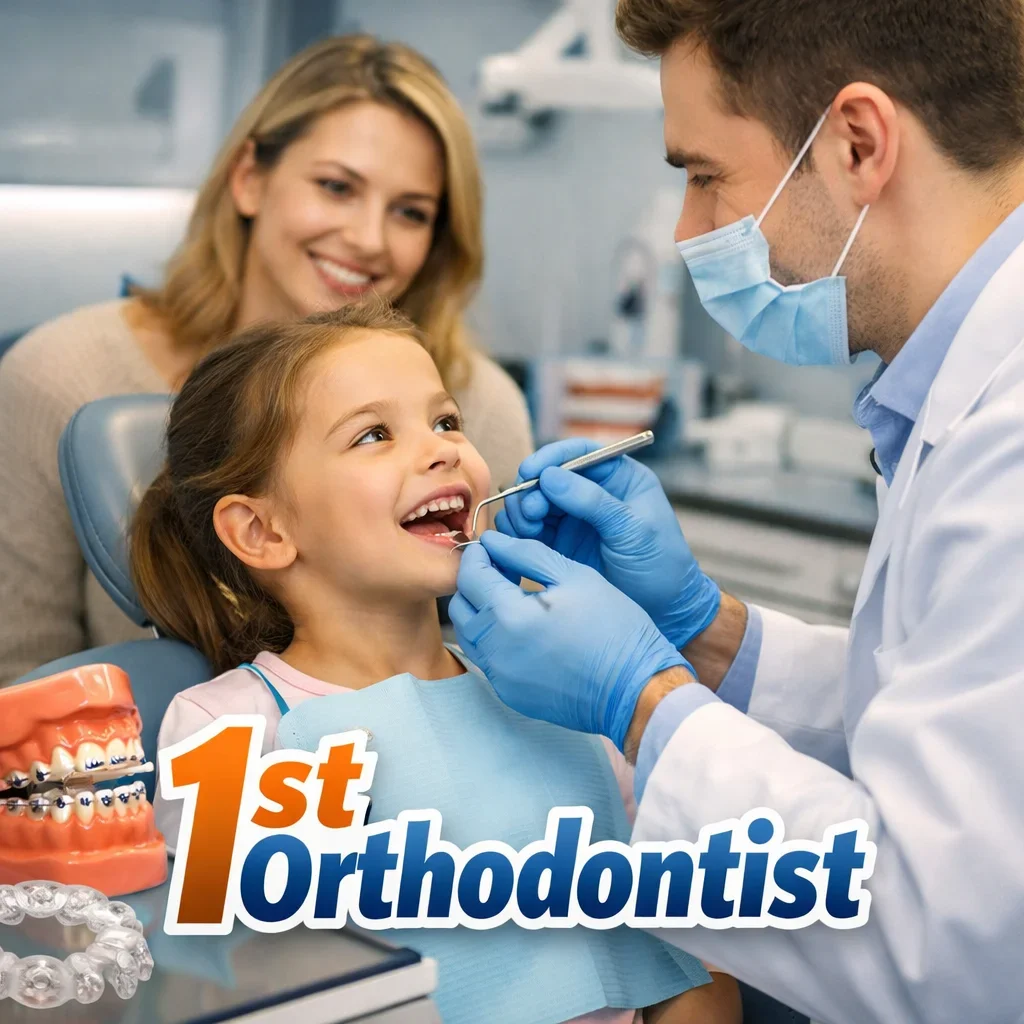
Orthodontists frequently recommend that children receive their 1st orthodontist evaluation around the age of seven. At this stage, many permanent teeth have begun to emerge, and orthodontists can assess how the teeth and jaws are developing. Early orthodontic intervention does not always mean immediate braces; instead, the 1st orthodontist may monitor dental growth and recommend preventative measures that help guide teeth into healthier positions.
Adults can also benefit from early orthodontic diagnosis if alignment problems are detected before they lead to complications. A 1st orthodontist visit allows orthodontists to evaluate bite function, detect subtle alignment issues, and design preventative treatment strategies. Early orthodontic care improves oral health outcomes, reduces treatment complexity, and contributes to a healthier smile over time.
Guiding Proper Jaw Development
One of the primary benefits identified during a 1st orthodontist consultation is the ability to guide proper jaw development. In children, the jawbones are still growing and remain flexible. This growth stage provides orthodontists with an opportunity to influence how the upper and lower jaws develop.
If the 1st orthodontist detects jaw alignment issues such as underbite, crossbite, or narrow dental arches, early orthodontic appliances may be recommended. These appliances can gradually guide jaw growth so that teeth align more naturally as permanent teeth erupt. Early correction reduces the likelihood that complex orthodontic treatment will be needed later.
Examples of Early Orthodontic Appliances
- Palatal expanders
- Space maintainers
- Growth modification appliances
- Partial braces
The orthodontist may discuss these tools during a 1st orthodontist visit if early intervention is necessary.
Reducing the Risk of Severe Crowding
Another advantage of early orthodontic evaluation during a 1st orthodontist consultation is the ability to prevent severe dental crowding. Crowding occurs when there is insufficient space in the jaw for all permanent teeth. If detected early, orthodontists can create additional space before permanent teeth fully emerge.
During the 1st orthodontist examination, orthodontists assess the size of the jaw relative to the size of developing teeth. If crowding is likely to occur, early treatment may include expanding the dental arch or guiding tooth eruption. These interventions can significantly reduce the need for tooth extractions or complex orthodontic procedures later.
Improving Bite Function
Bite alignment plays a critical role in oral health, and many bite issues are identified during a 1st orthodontist consultation. Malocclusion—an improper alignment of the upper and lower teeth—can cause uneven pressure on teeth, jaw discomfort, and difficulty chewing food properly.
By visiting a 1st orthodontist early, patients can address bite issues before they place excessive strain on teeth and jaw joints. Orthodontic treatment helps distribute biting forces evenly across the dental arches. Balanced bite alignment protects teeth from premature wear and improves chewing efficiency.
Common Bite Problems Detected Early
- Overbite
- Underbite
- Crossbite
- Open bite
These conditions are often identified during a 1st orthodontist visit and can be treated effectively when addressed early.
Supporting Better Oral Hygiene
Properly aligned teeth are much easier to clean. During a 1st orthodontist consultation, orthodontists frequently explain how crowded or misaligned teeth can make brushing and flossing more difficult. When teeth overlap or rotate, plaque can accumulate in hard-to-reach areas.
Early orthodontic treatment recommended after a 1st orthodontist evaluation can straighten teeth and create healthier spacing. This improvement makes oral hygiene routines more effective and reduces the risk of cavities and gum disease. Straight teeth also help prevent food particles from becoming trapped between teeth.
Preventing Future Dental Complications
Many dental complications develop gradually over time, often beginning with minor alignment problems. A 1st orthodontist consultation allows orthodontists to detect these issues early and intervene before they worsen. Early orthodontic treatment can prevent problems such as excessive tooth wear, gum recession, and jaw discomfort.
For example, untreated bite misalignment can place uneven pressure on certain teeth, causing them to wear down faster. Addressing these issues during a 1st orthodontist visit helps preserve tooth structure and maintain long-term dental health.
Boosting Confidence and Self-Esteem
In addition to improving dental health, orthodontic treatment can significantly enhance confidence. Many patients feel self-conscious about crooked or misaligned teeth. A 1st orthodontist consultation helps patients understand how orthodontic treatment can transform their smiles.
For younger patients, early orthodontic care may prevent social discomfort related to dental appearance. For adults, visiting a 1st orthodontist can open the door to modern orthodontic solutions that provide discreet and effective smile improvements. A confident smile often contributes to improved self-esteem and social confidence.
Why Early Evaluation by a 1st Orthodontist Matters
Early orthodontic evaluation offers numerous benefits that extend beyond cosmetic improvements. Visiting a 1st orthodontist allows dental specialists to analyze the relationship between teeth, jaws, and facial structures. Early detection of alignment issues ensures that orthodontic treatment can be planned strategically and efficiently.
By identifying orthodontic problems at an early stage, the 1st orthodontist can recommend preventive strategies that simplify future treatment. Patients who receive early orthodontic care often experience shorter treatment times and improved oral health outcomes.
Ultimately, scheduling a 1st orthodontist consultation is one of the most proactive steps a patient can take for their dental health. Early orthodontic treatment supports proper jaw growth, improves bite function, enhances oral hygiene, and contributes to a lifetime of healthy smiles. With professional guidance and early intervention, patients can enjoy long-term oral health benefits and a confident smile that lasts for years to come. 😁