
Dental emergencies rarely happen at convenient times. A sudden toothache at midnight, a broken crown during dinner, or a knocked-out tooth after a weekend accident can cause panic and discomfort. This is where a 24h dentist becomes essential. A 24h dentist provides immediate professional dental care outside standard office hours, ensuring that patients receive urgent treatment when they need it most. Unlike traditional dental practices that operate during business hours, a 24h dentist is available evenings, nights, weekends, and even holidays. This accessibility can make the difference between saving and losing a tooth.
A 24h dentist is specifically trained and equipped to manage urgent oral health situations. These include severe tooth pain, dental abscesses, cracked or broken teeth, lost fillings or crowns, gum infections, trauma-related injuries, and more. In many cases, delaying treatment can lead to complications such as spreading infection, nerve damage, or permanent tooth loss. That is why having access to a reliable 24h dentist offers both medical and psychological reassurance. Patients know they are not alone in an emergency situation. 🦷
The primary goal of a 24h dentist is to relieve pain quickly, stabilize the condition, and prevent further damage. Emergency dental care focuses first on pain management and infection control. For example, if a patient arrives with intense tooth pain caused by pulp inflammation, the 24h dentist may perform an emergency root canal or prescribe antibiotics to control infection. If a tooth has been knocked out, immediate reimplantation within the first hour significantly increases the chance of saving it. Timing is critical, and a 24h dentist ensures immediate action.
Many people wonder whether a 24h dentist offers the same level of care as a daytime dental clinic. The answer is yes. Emergency dentists follow the same clinical standards and guidelines set by reputable organizations such as the American Dental Association. They use modern diagnostic tools, including digital X-rays, intraoral cameras, and advanced sterilization protocols. The difference lies in availability, not quality. A qualified 24h dentist maintains strict hygiene standards and evidence-based treatment protocols at all times.
It is important to understand that a 24h dentist is not only for dramatic accidents. Severe, persistent toothaches are among the most common reasons patients seek emergency dental care. Pain that disrupts sleep, swelling in the face or jaw, bleeding that does not stop, or signs of infection such as fever all require urgent evaluation. Ignoring these symptoms can lead to systemic health risks. Dental infections can spread beyond the mouth and affect overall health, making rapid intervention by a 24h dentist crucial.
Another key aspect of a 24h dentist service is patient guidance. In emergency calls, dentists often provide immediate first-aid instructions before the patient arrives at the clinic. For instance, if a tooth is knocked out, the patient may be advised to store it in milk or saliva and avoid touching the root. If swelling occurs, applying a cold compress can reduce inflammation. This kind of professional advice can dramatically improve outcomes before treatment even begins.
Accessibility is also vital for international patients and travelers. When visiting another city or country, knowing that a 24h dentist is available reduces stress. If you are unsure where to go during a dental emergency, contacting a trusted clinic such as the Redent Klinik Contact Page can help direct you to immediate assistance. Many modern clinics coordinate emergency appointments quickly and efficiently.
Some people hesitate to contact a 24h dentist because they are unsure whether their situation qualifies as an emergency. A good rule of thumb is simple: if you are experiencing intense pain, visible damage, uncontrolled bleeding, or swelling, you should seek urgent care. Waiting until regular business hours can worsen the problem and increase treatment complexity. A 24h dentist evaluates the urgency, provides stabilization, and schedules any necessary follow-up care.
In summary, a 24h dentist plays a critical role in modern oral healthcare. Emergencies do not follow a schedule, and neither should your access to treatment. Immediate intervention can preserve teeth, prevent infection spread, and relieve severe discomfort. Whether it is a cracked tooth late at night, an abscess on a Sunday morning, or trauma during a holiday, a 24h dentist ensures professional support when it matters most. Having access to round-the-clock dental care provides peace of mind and protects both your smile and your overall health. 😊
When Should You Call a 24h Dentist Immediately?
Knowing exactly when to contact a 24h dentist can prevent serious complications and protect your long-term oral health. Many people hesitate, hoping the pain will fade or the problem will resolve on its own. Unfortunately, dental emergencies rarely improve without professional care. A 24h dentist exists specifically to manage urgent oral health situations at any hour of the day or night. If you are unsure whether your condition requires immediate attention, understanding the warning signs can help you make the right decision quickly. ⏰🦷
Severe, Persistent Tooth Pain
One of the most common reasons to call a 24h dentist is intense tooth pain that does not subside with over-the-counter pain relievers. Sharp, throbbing, or radiating pain may indicate nerve inflammation, deep decay, or an abscess. Pain that wakes you from sleep or prevents normal eating and speaking should never be ignored. A 24h dentist can diagnose the underlying cause using clinical examination and digital imaging, then provide immediate relief through emergency root canal therapy, drainage, or temporary restorations.
Warning Signs of Infection
If tooth pain is accompanied by swelling in the face, jaw, or gums, you should contact a 24h dentist immediately. Swelling may signal a spreading infection. Additional symptoms such as fever, difficulty swallowing, bad taste in the mouth, or pus discharge are strong indicators of a dental abscess. Infections in the oral cavity can spread to surrounding tissues and, in severe cases, become life-threatening. A qualified 24h dentist will act quickly to control infection, prescribe antibiotics when necessary, and prevent further complications.
Knocked-Out or Dislodged Tooth
Dental trauma is another urgent situation requiring a 24h dentist. If a permanent tooth has been knocked out due to sports, falls, or accidents, time is critical. The best outcomes occur when the tooth is reinserted within 30 to 60 minutes. A 24h dentist can attempt reimplantation and stabilize the tooth to preserve it. Until you reach the clinic, handle the tooth carefully by the crown (not the root), rinse gently if dirty, and store it in milk or saliva.
If the tooth is not fully knocked out but feels loose or displaced, immediate care from a 24h dentist can prevent permanent damage. Stabilization procedures, splinting, and close monitoring are often required to protect the tooth’s nerve and supporting structures.
Uncontrolled Bleeding
Bleeding that does not stop after applying gentle pressure for 10–15 minutes is a clear reason to contact a 24h dentist. This may occur after tooth extraction, injury, or gum trauma. Persistent bleeding can indicate deeper tissue damage. A 24h dentist will evaluate the area, apply appropriate hemostatic techniques, and ensure proper healing.
Broken, Cracked, or Fractured Teeth
A cracked or fractured tooth may not always cause immediate pain, but it can expose the inner layers of the tooth to bacteria. If you experience sharp pain when biting or notice visible damage, contacting a 24h dentist is advisable. Emergency care may involve placing a temporary crown, smoothing sharp edges, or performing urgent restorative treatment. Ignoring structural damage increases the risk of infection and tooth loss.
Lost Crowns or Fillings
Although losing a filling or crown may not seem urgent, it can expose sensitive tooth tissue. If significant discomfort occurs, a 24h dentist can place a temporary solution to protect the area. Waiting too long can result in further decay or structural weakening.
Swelling and Facial Trauma
Facial injuries from accidents or sports often require immediate evaluation by a 24h dentist. Even if there is no visible tooth damage, internal injuries may be present. Jaw pain, difficulty opening the mouth, or changes in bite alignment should be assessed promptly. Early intervention by a 24h dentist can prevent long-term functional issues.
When in Doubt, Call
If you are uncertain whether your situation qualifies as an emergency, it is always safer to consult a 24h dentist. Many clinics provide phone consultations to help determine urgency. Delaying care can transform a manageable problem into a complex procedure requiring more extensive treatment.
Ultimately, you should call a 24h dentist immediately if you experience severe pain, swelling, bleeding, trauma, or signs of infection. Rapid response not only relieves discomfort but also protects your oral and overall health. Acting quickly can save teeth, reduce costs, and prevent complications. When it comes to emergencies, a 24h dentist is your most reliable partner in preserving your smile—anytime, day or night. 🌙✨
Common Dental Emergencies Treated by a 24h Dentist
Dental emergencies can happen unexpectedly and often require immediate professional attention. A 24h dentist is trained to manage urgent situations efficiently, minimizing pain and preventing further complications. Understanding the most common emergencies treated by a 24h dentist helps patients recognize when fast action is necessary. Prompt care can protect your natural teeth, control infection, and restore comfort quickly. 🦷⚡
Severe Toothache and Pulp Inflammation
One of the most frequent reasons patients contact a 24h dentist is intense tooth pain. Severe toothaches are often caused by deep decay that reaches the dental pulp, where nerves and blood vessels are located. When bacteria invade this area, inflammation develops, resulting in throbbing or sharp pain that may radiate to the jaw, ear, or head.
A 24h dentist will perform a clinical examination and may take digital X-rays to determine whether the issue requires emergency root canal therapy or temporary pain relief measures. Immediate intervention prevents the infection from spreading and reduces the risk of abscess formation. In many cases, timely care from a 24h dentist can save the tooth.
Dental Abscess and Infection
An abscess is a serious infection that forms at the root of a tooth or within the gum tissue. It can cause swelling, fever, bad taste in the mouth, and facial tenderness. If left untreated, the infection may spread beyond the oral cavity.
Signs You Should Not Ignore
- Facial swelling or jaw swelling
- Fever or general malaise
- Pus discharge
- Difficulty swallowing or breathing
These symptoms require immediate care from a 24h dentist. Treatment typically includes drainage of the abscess, prescription antibiotics, and stabilization of the affected tooth. Early action by a 24h dentist is critical to prevent systemic complications.
Knocked-Out (Avulsed) Tooth
Traumatic injuries are another major reason to seek a 24h dentist. If a permanent tooth is completely knocked out, fast response is essential. The survival of the tooth depends on how quickly it is reimplanted. Ideally, the patient should see a 24h dentist within 30 to 60 minutes.
Before reaching the clinic, handle the tooth carefully by the crown and avoid touching the root. Rinse gently if dirty and store it in milk or saliva. A 24h dentist will attempt reimplantation and stabilize the tooth using splinting techniques.
Broken, Cracked, or Fractured Teeth
Teeth can fracture due to accidents, biting hard foods, or untreated decay. A cracked tooth may expose inner layers, increasing sensitivity and infection risk. Visiting a 24h dentist ensures that damage is assessed immediately.
Types of Tooth Fractures
- Minor enamel cracks
- Fractures involving dentin
- Severe fractures exposing pulp
- Split teeth
A 24h dentist may place a temporary crown, perform bonding, or initiate root canal treatment depending on severity. Quick care prevents further structural weakening and preserves functionality.
Lost Fillings or Crowns
Although sometimes overlooked, a lost filling or crown can expose sensitive areas of the tooth. If pain or discomfort occurs, contacting a 24h dentist is advisable. Temporary restorations can protect the area until permanent repair is completed. Delaying treatment may allow bacteria to enter the exposed region.
Uncontrolled Bleeding
Bleeding that does not stop after applying pressure is a serious concern. Whether caused by trauma or post-extraction complications, a 24h dentist can identify the source and apply appropriate measures to control it. Immediate intervention prevents excessive blood loss and supports proper healing.
Soft Tissue Injuries
Injuries to the lips, tongue, or gums may accompany dental trauma. A 24h dentist evaluates these injuries, cleans the wound, and may place sutures if necessary. Proper management reduces infection risk and supports faster recovery.
Jaw Pain and Suspected Fracture
Severe jaw pain after trauma may indicate a fracture or dislocation. A 24h dentist can assess alignment and recommend further imaging or referral to an oral surgeon. Ignoring jaw injuries can result in long-term functional problems.
In conclusion, a 24h dentist treats a wide range of urgent dental conditions, from severe pain and infection to traumatic injuries and structural damage. Rapid access to emergency dental care prevents complications, protects oral health, and restores comfort quickly. If you experience sudden pain, swelling, bleeding, or trauma, contacting a 24h dentist ensures immediate professional support—any time, day or night. 🌙✨
How to Find a Reliable 24h Dentist Near You
When a dental emergency strikes, time is critical. Whether you are experiencing severe tooth pain, swelling, or trauma, finding a reliable 24h dentist quickly can make the difference between saving and losing a tooth. However, not all emergency dental services offer the same level of quality, experience, and patient care. Knowing how to identify a trustworthy 24h dentist before an emergency happens can reduce stress and ensure you receive immediate, professional treatment when you need it most. 🦷🚑
Start with Online Research and Verified Reviews
The first step in finding a dependable 24h dentist is conducting focused online research. Search engines often display emergency dental clinics in your area along with ratings and patient feedback. Look for consistent positive reviews mentioning fast response times, professionalism, pain relief, and compassionate care. A reputable 24h dentist will typically have detailed testimonials that reflect real emergency experiences rather than generic comments.
Pay attention to how the clinic responds to negative reviews. A professional 24h dentist values transparency and patient satisfaction. Clear communication and respectful responses indicate accountability and reliability.
Check Credentials and Professional Affiliations
It is essential to confirm that the 24h dentist you choose is properly licensed and certified. Reliable emergency dental providers follow established clinical standards and guidelines. Membership in recognized organizations, such as the American Dental Association, demonstrates adherence to professional ethics and up-to-date treatment protocols.
Why Credentials Matter
- Ensures proper training in emergency dental procedures
- Guarantees sterilization and infection control standards
- Provides accountability through professional oversight
- Confirms continuing education in advanced dental care
A qualified 24h dentist should also clearly list their services, qualifications, and experience in emergency dentistry on their website.
Evaluate Availability and Response Time
Not every clinic advertising emergency services operates truly around the clock. Some offices only offer limited after-hours support. A genuine 24h dentist provides clear information about availability, including nights, weekends, and holidays.
Call the clinic in advance, even if you are not currently experiencing an emergency, to understand how their system works. Ask how quickly patients are typically seen and whether a dentist is physically present or on-call. A reliable 24h dentist should have an efficient triage process to prioritize urgent cases.
Assess Technology and Facilities
Modern emergency care requires advanced equipment. A reputable 24h dentist should have access to digital X-rays, intraoral cameras, and sterilization systems. These tools allow for fast diagnosis and immediate treatment planning.
Key Features to Look For
- On-site diagnostic imaging
- Emergency pain management options
- Clear infection control protocols
- Comfort-focused patient environment
A well-equipped 24h dentist can stabilize your condition in one visit rather than referring you elsewhere for basic diagnostics.
Location and Accessibility
During a dental emergency, traveling long distances can be painful and impractical. Choose a 24h dentist located within a reasonable distance from your home or workplace. Easy parking, public transportation access, and clear directions can significantly reduce stress during urgent situations.
If you are traveling or unfamiliar with the area, contacting a trusted clinic like the Redent Klinik Contact Page can help you receive guidance and referrals quickly.
Transparent Pricing and Insurance Policies
Emergency dental care can be stressful, and financial uncertainty adds to that pressure. A professional 24h dentist should provide transparent information about consultation fees, emergency procedures, and insurance acceptance.
Typical emergency exam fees in the United States may range from $100 to $300 depending on complexity. Procedures such as emergency root canal therapy can range between $700 and $1,500, while tooth reimplantation may vary depending on additional stabilization requirements. A reliable 24h dentist will clearly explain costs before starting treatment.
Compassion and Communication
Finally, beyond technical skill, a trustworthy 24h dentist demonstrates empathy and clear communication. Dental emergencies often cause anxiety and fear. A caring professional takes time to explain the diagnosis, treatment options, and next steps in simple, understandable language.
In conclusion, finding a dependable 24h dentist involves careful research, verification of credentials, evaluation of technology, and attention to patient feedback. Preparing in advance ensures that when an emergency occurs, you know exactly where to turn. Choosing the right 24h dentist protects not only your smile but also your overall health and peace of mind. 🌙✨
What to Expect During a 24h Dentist Visit
Visiting a 24h dentist can feel overwhelming, especially if you are in severe pain or facing a sudden dental injury. However, understanding what happens during an emergency appointment can significantly reduce anxiety. A 24h dentist follows a structured, professional approach designed to relieve pain quickly, stabilize the condition, and prevent long-term damage. Whether you arrive late at night, during a weekend, or on a holiday, the clinical process remains organized and patient-focused. 🦷✨
Initial Assessment and Triage
When you contact or arrive at a 24h dentist clinic, the first step is triage. The dental team evaluates the urgency of your condition. If you call ahead, you may be asked about symptoms such as swelling, bleeding, trauma, fever, or severe pain. This allows the 24h dentist to prepare for your arrival and prioritize life-threatening or high-risk cases.
Upon arrival, you will complete a brief medical history update. Even in emergency situations, a 24h dentist must review allergies, medications, and underlying health conditions to ensure safe treatment. This step is crucial for patients with diabetes, heart disease, or immune disorders.
Comprehensive Clinical Examination
After triage, the 24h dentist performs a focused but thorough examination. The goal is to identify the source of the problem quickly and accurately. This may include:
- Visual inspection of teeth and gums
- Gentle percussion testing
- Evaluation of bite alignment
- Assessment of soft tissue injuries
Modern emergency clinics typically use digital X-rays to confirm diagnoses. A 24h dentist relies on imaging to detect hidden fractures, abscesses, bone damage, or deep decay. Accurate diagnosis ensures that treatment is effective and avoids unnecessary procedures.
Advanced Diagnostic Tools
Many 24h dentist facilities are equipped with:
- Digital radiography for rapid imaging
- Intraoral cameras for detailed visualization
- Electronic pulp testing for nerve vitality
These technologies allow the 24h dentist to deliver precise care even under urgent conditions.
Pain Management and Immediate Relief
One of the primary objectives of a 24h dentist visit is immediate pain relief. Local anesthesia is commonly administered to numb the affected area. For severe cases, additional pain management options may be provided.
If infection is present, the 24h dentist may prescribe antibiotics alongside procedural treatment. Emergency root canal therapy, drainage of abscesses, or temporary restorations are often performed during the same visit. Rapid intervention prevents escalation and reduces patient discomfort significantly.
Emergency Procedures You May Receive
Depending on your condition, the 24h dentist may perform one or more of the following procedures:
- Temporary or permanent fillings
- Emergency root canal treatment
- Reimplantation of a knocked-out tooth
- Stabilization (splinting) of loose teeth
- Extraction of severely damaged teeth
- Repair of broken crowns or bridges
The 24h dentist prioritizes procedures that eliminate pain and stabilize oral health. In some cases, definitive treatment may require a follow-up appointment during regular clinic hours.
Clear Communication and Treatment Planning
After emergency stabilization, the 24h dentist explains the findings and outlines next steps. You will receive detailed instructions about medications, oral hygiene, dietary restrictions, and follow-up care. Clear communication ensures that patients understand their condition and recovery plan.
Costs are also discussed transparently. Emergency consultation fees in the United States typically range from $100 to $300. If additional procedures are necessary, such as root canal therapy or extraction, pricing may vary between $700 and $1,500 depending on complexity. A professional 24h dentist explains these details before proceeding whenever possible.
Post-Visit Care Instructions
Before leaving, the 24h dentist provides written aftercare instructions. These may include:
- How to manage swelling with cold compresses
- Recommended pain relief medications
- Signs of complications to monitor
- Scheduling follow-up appointments
Following these guidelines carefully ensures optimal healing and prevents recurrence.
Emotional Support and Patient Comfort
Dental emergencies are stressful. A compassionate 24h dentist understands patient anxiety and provides reassurance throughout the process. Professional clinics prioritize comfort, using calm communication and modern techniques to reduce fear.
In summary, visiting a 24h dentist involves systematic triage, precise diagnosis, immediate pain relief, and clear follow-up planning. The goal is not only to treat the emergency but also to protect your long-term oral health. Knowing what to expect helps you approach the situation with confidence rather than fear. When urgency strikes, a qualified 24h dentist ensures professional care—anytime, day or night. 🌙🦷
Costs and Insurance for 24h Dentist Services
One of the most common concerns patients have before visiting a 24h dentist is the cost of emergency care. Dental emergencies are stressful enough without financial uncertainty. However, understanding how pricing works and what insurance may cover can help you make confident, informed decisions. A professional 24h dentist prioritizes transparency and explains fees clearly before beginning treatment whenever possible. 💳🦷
Emergency dental care often involves immediate diagnostics, pain management, and stabilization procedures. Because a 24h dentist operates outside standard business hours, there may be additional fees associated with after-hours availability. These fees reflect staffing, equipment readiness, and the ability to provide urgent care at any time of day or night.
Typical Emergency Consultation Fees
When you visit a 24h dentist, the first charge usually includes an emergency consultation and diagnostic evaluation. In the United States, this fee typically ranges between $100 and $300, depending on the clinic and geographic location. This initial fee often includes:
- Clinical examination
- Focused dental assessment
- Basic diagnostic imaging (such as digital X-rays)
- Pain evaluation and treatment planning
Some 24h dentist clinics may apply a separate after-hours surcharge, especially for visits between midnight and early morning hours. It is always appropriate to ask about these costs during your initial phone call.
Common Emergency Procedure Costs
The total cost of treatment at a 24h dentist depends on the complexity of your condition. Below are approximate ranges based on average U.S. pricing:
- Emergency root canal therapy: $700 – $1,500
- Tooth extraction (simple): $150 – $400
- Surgical extraction: $300 – $800
- Temporary crown placement: $200 – $600
- Abscess drainage: $300 – $1,000
- Reimplantation of knocked-out tooth: Varies depending on stabilization needs
A qualified 24h dentist will always explain why a particular procedure is necessary and discuss alternative options when available. Immediate treatment may reduce long-term costs by preventing further complications.
Factors That Influence Pricing
Several variables affect the cost of care at a 24h dentist:
- Severity of the dental emergency
- Need for advanced imaging
- Type of anesthesia required
- Complexity of restorative treatment
- Geographic location of the clinic
Urban areas and metropolitan regions often have higher emergency care costs compared to smaller towns. However, the expertise and availability of a 24h dentist can justify these differences.
Insurance Coverage for a 24h Dentist
Most dental insurance plans provide partial coverage for emergency visits to a 24h dentist. Coverage typically depends on whether the procedure is classified as medically necessary. For example, emergency extractions, infection treatment, or trauma management are often covered at a higher percentage than elective procedures.
Patients should review their insurance policy to understand annual maximums, deductibles, and co-payment requirements. Many 24h dentist clinics assist with insurance verification and claims submission to simplify the process.
What Insurance Usually Covers
- Diagnostic exams and X-rays
- Emergency pain relief procedures
- Infection management
- Tooth extractions
Cosmetic treatments or optional restorative upgrades may not be fully covered. A reputable 24h dentist provides clear financial breakdowns before proceeding.
Payment Plans and Financing Options
Because emergencies are unpredictable, many 24h dentist clinics offer flexible payment solutions. These may include:
- Installment payment plans
- Third-party healthcare financing
- Credit card options
- Short-term deferred payment agreements
Discussing financing options openly ensures that financial limitations do not delay necessary treatment. Prompt care from a 24h dentist often prevents more expensive procedures later.
Is Emergency Dental Care Worth the Cost?
Delaying treatment due to cost concerns can result in serious health risks. Untreated infections may spread, fractured teeth can worsen, and minor issues can escalate into complex procedures. Seeking timely care from a 24h dentist protects both oral and overall health. In many cases, early intervention reduces total treatment expenses.
Ultimately, visiting a 24h dentist is an investment in immediate relief and long-term protection. Transparent pricing, insurance support, and flexible payment options make emergency dental care more accessible than many patients expect. When pain strikes or trauma occurs, knowing that a professional 24h dentist is available provides not only clinical expertise but also financial clarity and peace of mind. 🌙✨
How a 24h Dentist Handles Severe Tooth Pain
Severe tooth pain can feel unbearable. It may start suddenly in the middle of the night, intensify while lying down, or become so sharp that it interferes with eating, speaking, or sleeping. In these moments, contacting a 24h dentist is often the fastest and safest solution. A 24h dentist is specifically trained to diagnose the exact cause of intense dental pain and provide immediate relief while preventing further complications. Understanding how emergency professionals manage severe tooth pain can help reduce fear and encourage prompt action. 🦷⚡
Step 1: Identifying the Root Cause of Pain
When you visit a 24h dentist with severe discomfort, the first priority is identifying the source. Tooth pain can result from several underlying conditions, including deep decay, pulp inflammation, cracked teeth, gum infections, or abscess formation. A 24h dentist performs a focused but thorough examination to determine whether the pain originates from the tooth itself, surrounding tissues, or even referred pain from another area.
Diagnostic tools often include digital X-rays, percussion testing, and thermal sensitivity assessments. A skilled 24h dentist uses these methods to quickly narrow down the cause, ensuring that treatment addresses the actual problem rather than simply masking symptoms.
Common Causes of Severe Tooth Pain
- Advanced dental decay reaching the nerve
- Acute pulpitis (nerve inflammation)
- Dental abscess or infection
- Cracked or fractured tooth
- Impacted wisdom teeth
Each condition requires a specific approach, and a 24h dentist tailors treatment accordingly.
Step 2: Immediate Pain Relief
The primary goal of a 24h dentist is to eliminate or significantly reduce pain during the visit. Local anesthesia is typically administered to numb the affected area. In cases of extreme inflammation, the 24h dentist may use additional techniques to ensure complete comfort before beginning treatment.
If infection is present, antibiotics may be prescribed alongside procedural intervention. However, medication alone is rarely enough. A professional 24h dentist focuses on resolving the source of the infection to prevent recurrence.
Step 3: Emergency Treatment Procedures
Depending on the diagnosis, a 24h dentist may perform one of several emergency procedures:
Emergency Root Canal Therapy
If the dental pulp is infected or inflamed, the 24h dentist may begin root canal treatment immediately. This procedure removes infected tissue, cleans the root canals, and seals the area to prevent further bacterial growth. Emergency root canal therapy often provides instant pain relief.
Abscess Drainage
When severe tooth pain is caused by an abscess, the 24h dentist may drain the infection to relieve pressure and reduce swelling. This step is critical in preventing the infection from spreading to other parts of the body.
Temporary Restoration
If a cracked tooth or lost filling is responsible for sensitivity and pain, a 24h dentist may place a temporary filling or crown. This protective measure stabilizes the tooth until permanent restoration can be completed.
Step 4: Monitoring and Follow-Up Planning
After addressing the immediate issue, the 24h dentist develops a follow-up plan. Severe tooth pain often indicates underlying structural damage that requires comprehensive treatment. The 24h dentist explains next steps clearly, whether that involves completing root canal therapy, placing a permanent crown, or scheduling additional evaluations.
Clear communication ensures that patients understand both the urgency and the long-term strategy. A responsible 24h dentist also provides written aftercare instructions to minimize complications.
Why Immediate Action Matters
Ignoring severe tooth pain can lead to serious consequences. Infections may spread to the jaw, sinuses, or bloodstream. Structural damage may worsen, turning a manageable issue into a complex surgical case. Seeking help from a 24h dentist at the first sign of intense pain significantly reduces health risks.
Additionally, early intervention by a 24h dentist often lowers overall treatment costs. Addressing inflammation or infection quickly prevents the need for more invasive procedures later.
Emotional Reassurance and Patient Comfort
Severe tooth pain is not only physically distressing but emotionally draining. A compassionate 24h dentist understands this and prioritizes reassurance alongside clinical care. Calm communication, modern anesthetic techniques, and efficient procedures help restore both comfort and confidence.
In conclusion, a 24h dentist manages severe tooth pain through rapid diagnosis, effective anesthesia, targeted emergency treatment, and structured follow-up planning. Acting quickly ensures immediate relief and protects long-term oral health. When pain becomes intense and persistent, a professional 24h dentist provides the expertise and availability needed—anytime, day or night. 🌙🦷
Preventing Emergencies: Tips from a 24h Dentist
While a 24h dentist is always ready to handle urgent situations, the best dental emergency is the one that never happens. Prevention plays a critical role in protecting your teeth, gums, and overall oral health. Many of the conditions treated by a 24h dentist — such as severe infections, fractures, and abscesses — often develop gradually due to neglect, trauma, or untreated minor issues. By following practical preventive strategies recommended by a 24h dentist, you can significantly reduce your risk of experiencing sudden dental pain or trauma. 🦷✨
Maintain Consistent Oral Hygiene
One of the most important preventive measures emphasized by a 24h dentist is daily oral hygiene. Brushing twice a day with fluoride toothpaste and flossing once daily removes plaque and bacteria that cause decay and gum disease. Poor oral hygiene allows cavities to progress deeper into the tooth structure, eventually leading to nerve infection and the need for emergency care from a 24h dentist.
Effective Brushing Techniques
- Use a soft-bristled toothbrush
- Brush for at least two minutes
- Clean along the gumline gently
- Replace your toothbrush every three months
A 24h dentist often sees patients whose emergencies could have been prevented through simple, consistent hygiene habits.
Attend Regular Dental Checkups
Routine examinations allow dentists to detect early signs of decay, cracks, or gum inflammation before they become painful emergencies. Even if you have access to a 24h dentist, preventive appointments during normal office hours remain essential. Professional cleanings remove hardened plaque that brushing alone cannot eliminate.
A 24h dentist frequently treats advanced conditions that began as minor, painless issues months earlier. Early detection saves time, money, and discomfort.
Protect Your Teeth During Sports and Physical Activities
Dental trauma is one of the leading reasons patients seek a 24h dentist. Wearing a custom-fitted mouthguard during contact sports dramatically reduces the risk of broken or knocked-out teeth. Athletes of all ages benefit from protective gear recommended by dental professionals.
When to Use a Mouthguard
- Contact sports (football, basketball, hockey)
- Martial arts
- Skateboarding or cycling
- High-impact recreational activities
A 24h dentist can treat trauma, but prevention through protective equipment is far more effective.
Avoid Using Teeth as Tools
Many dental fractures occur because people use their teeth to open packages, bottles, or tear objects. A 24h dentist often treats cracked enamel or broken restorations caused by these habits. Teeth are designed for chewing food, not functioning as scissors or pliers.
Manage Teeth Grinding (Bruxism)
Chronic grinding weakens enamel and can lead to fractures requiring intervention from a 24h dentist. If you experience jaw soreness, headaches, or flattened teeth surfaces, consult a dentist about a night guard. Protective appliances prevent excessive pressure and reduce the likelihood of structural damage.
Address Minor Problems Immediately
Small issues rarely stay small. A minor cavity, slight gum swelling, or mild sensitivity can quickly escalate into severe pain that requires a 24h dentist. Seeking prompt treatment during regular hours prevents urgent complications later.
Early Warning Signs to Watch For
- Sensitivity to hot or cold
- Mild but persistent gum bleeding
- Small chips or cracks
- Food frequently getting stuck between teeth
If you notice these symptoms, scheduling a timely appointment can prevent emergency intervention by a 24h dentist.
Maintain a Balanced Diet
Frequent consumption of sugary foods and acidic beverages increases the risk of decay. A 24h dentist often treats advanced cavities that developed due to poor dietary habits. Limiting sugar intake and drinking water after meals helps neutralize acids and protect enamel.
Be Prepared for Unexpected Situations
Even with strong preventive habits, accidents can still happen. A 24h dentist recommends keeping emergency contact information readily accessible. Knowing where to go during urgent situations reduces panic and improves outcomes.
In conclusion, while a 24h dentist provides essential emergency care, prevention remains the most powerful strategy. Consistent oral hygiene, routine checkups, protective measures, and early intervention significantly lower your risk of severe dental problems. By following these practical tips, you protect your smile and reduce the likelihood of needing urgent treatment from a 24h dentist. Prevention not only preserves oral health but also ensures peace of mind — day and night. 🌙🦷
Why Choosing the Right 24h Dentist Protects Your Long-Term Oral Health
Selecting the right 24h dentist is not only about solving an urgent problem in the middle of the night. It is about safeguarding your long-term oral health, preventing recurring complications, and ensuring that every emergency is handled with precision and care. When a dental crisis occurs, patients are often focused solely on immediate pain relief. However, the quality of care provided by a 24h dentist can significantly influence future treatments, overall stability of your teeth, and even your general health. 🦷✨
The Connection Between Emergency Care and Long-Term Outcomes
An experienced 24h dentist does more than eliminate pain. Proper diagnosis, accurate imaging, and evidence-based treatment protocols ensure that the underlying cause of the emergency is fully addressed. Inadequate or rushed treatment may temporarily reduce discomfort but fail to eliminate infection or structural weakness. Over time, this can lead to recurring pain, additional procedures, or even tooth loss.
For example, if a severe infection is only partially treated, bacteria may continue to spread beneath the surface. A skilled 24h dentist ensures complete decontamination of infected tissue and schedules appropriate follow-up care. This thorough approach protects surrounding teeth and supporting bone structures.
Comprehensive Diagnosis Prevents Future Complications
Choosing a qualified 24h dentist means receiving a full evaluation, even in urgent situations. Advanced diagnostic tools such as digital radiography and intraoral imaging allow the dentist to detect hidden fractures, deep decay, or bone involvement. Accurate diagnosis is critical for preventing chronic issues.
Why Detailed Evaluation Matters
- Identifies secondary infections
- Prevents missed root fractures
- Ensures proper bite alignment after trauma
- Reduces risk of repeated emergency visits
A professional 24h dentist understands that emergency stabilization is only the first step. Long-term treatment planning protects both function and aesthetics.
Continuity of Care After Emergency Treatment
One important factor when selecting a 24h dentist is whether the clinic provides follow-up services. Emergency care often requires additional procedures, such as placing a permanent crown after a root canal or completing restorative work after a temporary filling. A reliable 24h dentist coordinates ongoing treatment to ensure seamless care.
Continuity reduces the risk of inconsistent treatment plans. When the same 24h dentist oversees both emergency and follow-up appointments, your dental history, imaging, and treatment records remain centralized. This integrated approach enhances safety and long-term stability.
Protecting Overall Health
Oral infections can impact systemic health. Untreated abscesses may spread bacteria into the bloodstream, potentially affecting the heart or other organs. A competent 24h dentist recognizes these risks and intervenes promptly to control infection. Immediate and comprehensive management supports overall well-being, not just dental comfort.
In addition, a knowledgeable 24h dentist reviews medical history carefully before prescribing medications or performing procedures. This is especially important for patients with diabetes, cardiovascular conditions, or compromised immune systems.
Emotional Confidence and Reduced Anxiety
Repeated dental emergencies can create anxiety and fear. When you trust a dependable 24h dentist, you gain confidence knowing that emergencies will be handled professionally. This peace of mind reduces stress and encourages proactive oral care.
Building Trust with Your 24h Dentist
- Clear communication about treatment options
- Transparent discussion of costs
- Compassionate patient-centered approach
- Consistent availability during urgent situations
A trustworthy 24h dentist fosters a long-term relationship rather than offering one-time solutions.
Investment in Quality Care Saves Future Costs
Although emergency services may involve immediate expenses, choosing a reputable 24h dentist can prevent more costly procedures later. Properly treated infections, stabilized fractures, and well-executed restorations reduce the likelihood of repeat emergencies. Investing in high-quality emergency care ultimately protects your financial and dental health.
Additionally, comprehensive care from a 24h dentist helps preserve natural teeth whenever possible. Maintaining your original tooth structure supports chewing efficiency, jaw alignment, and long-term oral stability.
Making an Informed Choice
When evaluating your options, consider qualifications, technology, patient reviews, and availability. A reliable 24h dentist operates with professionalism, modern equipment, and clear communication. Preparing in advance ensures that when an emergency occurs, you already know where to turn.
In conclusion, choosing the right 24h dentist is a decision that extends beyond immediate relief. Comprehensive emergency care protects long-term oral health, prevents complications, and supports overall well-being. By selecting a skilled and compassionate 24h dentist, you ensure that your smile remains strong, functional, and healthy — no matter when an emergency arises. 🌙🦷
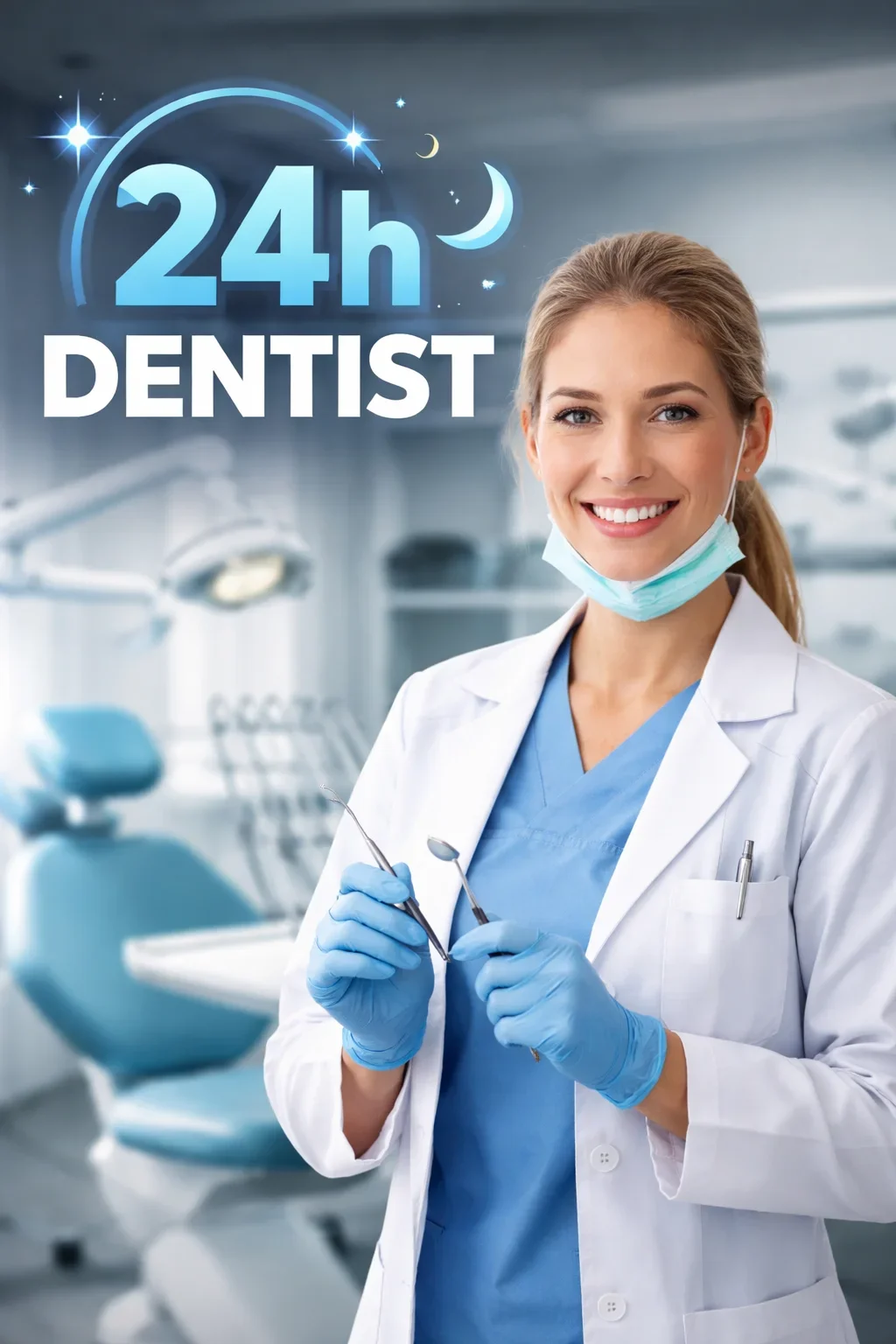
24h Dentist vs. Regular Dentist: What Is the Difference?
Many patients wonder whether there is a real difference between a 24h dentist and a regular daytime dental provider. While both professionals are fully qualified dentists who follow the same clinical standards, the structure, availability, and focus of care can differ significantly. Understanding how a 24h dentist operates compared to a traditional dental office helps you make informed decisions when urgent situations arise. 🦷⏰
A 24h dentist is specifically organized to provide immediate treatment outside of standard business hours. Emergencies rarely follow a predictable schedule. Severe tooth pain, trauma, or infection can develop late at night, during weekends, or on holidays. A 24h dentist ensures access to professional care during those critical moments when waiting is not an option.
Availability and Accessibility
The most obvious difference between a 24h dentist and a regular dentist is availability. Traditional dental offices typically operate during weekday business hours. In contrast, a 24h dentist remains available around the clock, including nights and weekends.
Why Availability Matters
- Immediate relief from severe pain
- Prevention of infection spread
- Rapid treatment after trauma
- Reduced risk of permanent tooth damage
In urgent cases such as a knocked-out tooth or facial swelling, access to a 24h dentist within the first hour can dramatically improve outcomes. Waiting until the next working day may lead to complications that are harder and more expensive to treat.
Type of Treatments Provided
A regular dentist focuses on preventive, restorative, and cosmetic procedures such as cleanings, fillings, crowns, orthodontics, and routine checkups. While these services are essential for maintaining oral health, they are generally scheduled in advance.
A 24h dentist, on the other hand, prioritizes urgent interventions. These may include emergency root canal therapy, abscess drainage, extractions, temporary restorations, and stabilization of dental trauma. The primary goal of a 24h dentist is to relieve pain quickly and prevent further damage.
Emergency-Focused Approach
The workflow of a 24h dentist is structured for rapid assessment and stabilization. Triage systems are often in place to identify high-risk cases immediately. While comprehensive follow-up treatment may occur later, the emergency visit focuses on resolving acute symptoms.
Clinical Standards and Professional Guidelines
Both a 24h dentist and a regular dentist follow the same professional guidelines and ethical standards. Clinical protocols are guided by recognized authorities such as the American Dental Association. Sterilization procedures, diagnostic accuracy, and patient safety remain equally important in both settings.
The difference is not in the quality of care, but in the timing and structure of services. A qualified 24h dentist maintains the same commitment to hygiene, patient comfort, and evidence-based treatment as any reputable daytime clinic.
Cost Considerations
Emergency visits to a 24h dentist may include after-hours fees due to extended availability. Standard consultation fees can range between $100 and $300, while urgent procedures such as root canal therapy or extraction may vary depending on complexity.
Although the cost may be slightly higher outside normal business hours, early treatment from a 24h dentist often prevents more serious and expensive complications later. Delaying care may lead to advanced infection, bone loss, or multiple restorative procedures.
Continuity of Care
Many 24h dentist clinics coordinate follow-up appointments during regular hours to ensure comprehensive treatment completion. Some emergency providers also function as full-service dental practices, offering preventive and restorative services beyond urgent care.
Seamless Transition to Long-Term Care
After stabilizing the emergency, a 24h dentist typically outlines a detailed treatment plan. This may include permanent crowns, further endodontic treatment, or restorative procedures. Proper coordination ensures that the initial emergency visit becomes part of a structured long-term solution.
When Should You Choose Each Option?
If you are scheduling routine cleanings, cosmetic improvements, or non-urgent restorative procedures, a regular dentist during standard hours is appropriate. However, if you experience severe pain, swelling, trauma, uncontrolled bleeding, or signs of infection, a 24h dentist is the safest and fastest choice.
Ultimately, both providers play essential roles in maintaining oral health. A 24h dentist ensures that emergencies are managed immediately and professionally, while regular dental visits focus on prevention and long-term stability. Having access to both options provides complete protection for your smile.
In conclusion, the difference between a 24h dentist and a regular dentist lies primarily in availability and urgency of care. When time is critical, the expertise and accessibility of a 24h dentist safeguard your oral health, reduce pain, and prevent complications — anytime, day or night. 🌙🦷