
Understanding the 2nd molar implant cost is an important step for anyone considering dental implant treatment for a missing back tooth. The second molar plays a crucial role in chewing efficiency, jaw stability, and overall oral health. When this tooth is lost due to decay, trauma, or periodontal disease, replacing it with a dental implant is often considered the most reliable long-term solution. However, one of the first questions patients ask their dentist is simple: what is the actual 2nd molar implant cost and what factors determine it?
The 2nd molar implant cost can vary widely depending on several factors, including the dental clinic, the country where the procedure is performed, the materials used, and the complexity of the case. In many situations, a second molar implant procedure is more technically demanding than replacing other teeth because of its location at the back of the mouth. This area has thicker bone structures, limited access for surgical instruments, and often requires advanced planning with digital imaging technologies.
Typically, the total 2nd molar implant cost includes several different stages of treatment. Dental implant therapy is not just a single appointment; it involves multiple steps designed to ensure that the implant integrates properly with the jawbone and functions like a natural tooth. These stages generally include the initial consultation, diagnostic imaging such as CT scans, surgical placement of the implant post, healing time for osseointegration, and finally the placement of the crown.
When researching the 2nd molar implant cost, patients should also understand that prices often reflect the quality of materials and technology used. High-grade titanium implants, advanced surgical guides, and digital planning systems can improve treatment success rates and long-term durability. For example, clinics that use 3D imaging and computer-guided implant placement can provide more precise results, which may slightly increase the 2nd molar implant cost but significantly improve treatment predictability.
Another important factor affecting the 2nd molar implant cost is bone availability. The second molar region sometimes experiences bone loss after a tooth extraction, especially if the tooth has been missing for a long time. When this happens, additional procedures such as bone grafting or sinus lifting may be required before the implant can be placed. These procedures add to the overall 2nd molar implant cost but are necessary to ensure that the implant remains stable and functional for many years.
Patients researching the 2nd molar implant cost should also compare treatment plans from reputable dental clinics. A detailed consultation allows dentists to evaluate the condition of the jawbone, gum tissue, and surrounding teeth. During this stage, the dentist can provide a personalized estimate for the 2nd molar implant cost and explain the full treatment timeline.
For individuals who want to explore treatment options or receive a professional evaluation, visiting a dental specialist is essential. You can schedule a consultation through the Redent Klinik Contact Page to discuss your specific needs and receive personalized guidance about the 2nd molar implant cost and treatment plan.
It is also helpful to rely on authoritative dental health resources when researching dental implants. Organizations such as the American Dental Association provide reliable information about implant procedures, oral health care, and patient safety. Reviewing trusted sources helps patients better understand what influences the 2nd molar implant cost and how implant treatments are performed according to modern dental standards.
In addition to the financial aspect, patients should remember that replacing a missing second molar offers several long-term benefits. Dental implants restore chewing power, prevent adjacent teeth from shifting, and help maintain jawbone density. Without replacement, missing molars can lead to bite problems, uneven tooth wear, and jaw discomfort over time. Because of these functional advantages, many dentists consider dental implants the gold standard solution despite the initial 2nd molar implant cost.
Another consideration when evaluating the 2nd molar implant cost is longevity. Dental implants are designed to last many years, often decades, when properly maintained. Compared with alternatives like removable partial dentures or bridges, implants may have a higher upfront cost but often provide better long-term value and stability. For many patients, this durability makes the 2nd molar implant cost a worthwhile investment in oral health.
Finally, it is important to recognize that every patient’s situation is unique. The final 2nd molar implant cost will depend on the individual treatment plan created by the dentist after a comprehensive examination. Factors such as gum health, bone quality, implant brand, laboratory costs, and anesthesia options all influence the final price. By understanding these elements and discussing them openly with a qualified dental professional, patients can make informed decisions about their treatment and better prepare for the overall 2nd molar implant cost.
What Is the Average 2nd Molar Implant Cost in 2026?
The 2nd molar implant cost is one of the most frequently researched topics by patients who have lost a back tooth. The second molar sits at the very back of the mouth and plays a critical role in chewing power and bite balance. Because this tooth absorbs significant chewing pressure, replacing it properly is important for long-term oral health. Dental implants are widely considered the most reliable solution, but understanding the 2nd molar implant cost helps patients plan financially and choose the best treatment option.
In 2026, the average 2nd molar implant cost varies significantly depending on the country, clinic technology, materials used, and whether additional procedures are needed. A second molar implant typically includes several stages such as consultation, imaging, surgery, healing, and crown placement. Each stage contributes to the total 2nd molar implant cost.
Typical 2nd Molar Implant Cost Range Worldwide
Globally, the 2nd molar implant cost generally ranges between $1,500 and $6,000 per tooth depending on where the treatment is performed. This wide price range exists because dental care costs vary greatly between countries and healthcare systems.
Average Cost in Different Regions
Here is a typical overview of the 2nd molar implant cost in several major dental treatment destinations:
- United States: $3,500 – $6,000
- United Kingdom: $3,000 – $5,500
- Canada: $3,000 – $5,000
- Germany: $2,500 – $4,500
- Turkey: $900 – $2,500
- Hungary: $1,200 – $2,800
- Mexico: $1,200 – $2,500
These numbers illustrate why many international patients research dental tourism options when comparing the 2nd molar implant cost. Clinics in countries with lower operating expenses can often provide the same high-quality implant systems at a significantly lower price.
However, patients should always evaluate experience, sterilization standards, and implant brands when considering treatment abroad. A low 2nd molar implant cost should never come at the expense of safety or long-term treatment success.
What Is Included in the 2nd Molar Implant Cost?
Many patients assume that the 2nd molar implant cost refers only to the titanium implant itself. In reality, the total treatment cost usually includes several components. Understanding what is included helps avoid confusion when comparing dental clinic quotes.
The standard 2nd molar implant cost generally includes the following steps:
- Initial consultation and oral examination
- Digital X-rays or 3D CT scans
- Implant planning and surgical guide preparation
- Placement of the titanium implant post
- Healing period for osseointegration
- Abutment placement
- Final ceramic crown
Some clinics provide package pricing that includes all of these stages within the total 2nd molar implant cost. Others may list the implant surgery and crown separately. Always ask your dentist for a complete treatment breakdown so you fully understand your estimated 2nd molar implant cost.
Why Second Molars May Cost More Than Other Implants
Another important factor to understand is that the 2nd molar implant cost can sometimes be higher than implants placed in the front of the mouth. This difference is mainly due to the unique anatomy and surgical complexity of the second molar area.
The back of the jaw experiences the strongest chewing forces, meaning the implant must be placed precisely and supported by strong bone. Dentists often use wider or longer implants for molars to withstand these forces. This may slightly increase the 2nd molar implant cost compared with smaller implants used for front teeth.
Additionally, the second molar area can be more difficult to access surgically. Limited mouth opening, thicker bone, and nearby anatomical structures such as the sinus cavity can make implant placement more technically demanding. This complexity can influence the overall 2nd molar implant cost.
Average Treatment Timeline and Cost Distribution
The full treatment process for a second molar implant can take several months. The 2nd molar implant cost is typically divided between different stages of treatment.
A simplified example of cost distribution may look like this:
- Consultation and diagnostics: $100 – $500
- Implant surgery: $1,000 – $3,000
- Abutment placement: $300 – $700
- Crown restoration: $800 – $2,000
When combined, these stages form the final 2nd molar implant cost. Some dental clinics bundle all these elements into one comprehensive treatment package to simplify pricing.
How to Get an Accurate 2nd Molar Implant Cost Estimate
Because every patient’s oral condition is different, the exact 2nd molar implant cost can only be determined after a professional dental evaluation. Dentists must assess bone density, gum health, and bite alignment before recommending implant treatment.
During a consultation, digital scans help determine whether additional procedures such as bone grafting are necessary. If these procedures are required, they may increase the final 2nd molar implant cost. However, they are essential for ensuring that the implant remains stable and functional for many years.
Patients interested in learning more about implant treatment options can schedule a consultation through the Redent Klinik Contact Page. A detailed evaluation will help determine the most accurate estimate for your personal 2nd molar implant cost.
For additional information about dental implant procedures and patient safety standards, trusted organizations such as the American Dental Association provide educational resources about modern dental treatments.
Ultimately, understanding the average 2nd molar implant cost allows patients to prepare financially while making informed decisions about their oral health. Although the initial investment may appear significant, the durability, stability, and natural function of implants make them one of the most valuable long-term solutions for replacing missing molars. By consulting with experienced dental professionals and reviewing all treatment options, patients can confidently move forward with implant therapy while fully understanding their expected 2nd molar implant cost.
Factors That Influence the 2nd Molar Implant Cost
The 2nd molar implant cost is not a fixed number. Instead, it varies depending on several clinical, technical, and geographic factors. When patients begin researching dental implants, they often notice that prices can range widely between clinics or even between different cases within the same clinic. This happens because each patient’s oral condition is unique. Understanding the factors that influence the 2nd molar implant cost helps patients make informed decisions and avoid unexpected expenses during treatment.
Dental implants for second molars require careful planning due to the location of the tooth at the very back of the mouth. This area experiences intense chewing forces and sometimes presents anatomical challenges. For this reason, dentists must evaluate many variables before determining the final 2nd molar implant cost. Below are the most important elements that influence the overall price of second molar implant treatment.
Quality and Brand of the Dental Implant
One of the most important factors affecting the 2nd molar implant cost is the brand and quality of the implant system used. Dental implants are typically made from medical-grade titanium or zirconia, and they come from different manufacturers with varying levels of research, technology, and reliability.
Premium implant brands such as Straumann, Nobel Biocare, and Astra Tech often cost more because they are backed by decades of clinical research and high success rates. These implants offer superior surface technology that promotes faster bone integration and long-term durability. Because of these advantages, using a premium implant system can increase the 2nd molar implant cost, but many dentists recommend them for molars due to the heavy chewing forces placed on these teeth.
Premium vs Standard Implant Systems
- Premium implant brands: Higher cost but extensive clinical research and reliability.
- Mid-range implant brands: Good quality and moderate 2nd molar implant cost.
- Budget implant brands: Lower cost but sometimes limited long-term research.
Choosing the right implant system is an important step when determining the final 2nd molar implant cost.
Experience and Expertise of the Dentist
The experience of the dentist or oral surgeon performing the procedure also affects the 2nd molar implant cost. Highly experienced implant specialists often charge higher fees due to their expertise, advanced training, and proven success rates.
Second molar implants can be technically demanding because the back of the jaw has limited access and sometimes reduced visibility during surgery. A skilled implant dentist must carefully plan the angle, depth, and position of the implant to ensure it functions properly. Choosing an experienced professional may slightly increase the 2nd molar implant cost, but it greatly reduces the risk of complications and implant failure.
Diagnostic Imaging and Technology
Modern implant dentistry relies heavily on digital imaging and planning technologies. Advanced diagnostic tools are used to evaluate the bone structure, nerve position, and surrounding anatomical structures before surgery. These technologies contribute to the overall 2nd molar implant cost, but they significantly improve treatment accuracy and safety.
Technologies That Affect the Cost
- 3D Cone Beam CT scans
- Digital implant planning software
- Computer-guided surgical templates
- Digital intraoral scanning
Clinics that use advanced technology often provide more predictable results, which can justify a slightly higher 2nd molar implant cost.
Bone Density and Jawbone Condition
The condition of the jawbone is another major factor influencing the 2nd molar implant cost. Dental implants require sufficient bone volume to support the titanium implant post. If the bone has deteriorated after tooth loss, additional procedures may be necessary before implant placement.
Bone loss commonly occurs when a tooth has been missing for a long period. Without stimulation from the tooth root, the jawbone begins to shrink over time. If this happens, dentists may recommend bone grafting before placing the implant, which increases the total 2nd molar implant cost.
Procedures That May Increase the Cost
- Bone grafting
- Sinus lift surgery
- Ridge augmentation
- Soft tissue grafting
Although these procedures add to the 2nd molar implant cost, they are essential for ensuring that the implant remains stable and lasts for many years.
Type of Dental Crown Used
The final restoration placed on top of the implant also affects the 2nd molar implant cost. Dental crowns can be made from several different materials, each with varying durability and aesthetics.
- Porcelain fused to metal crowns
- Full ceramic crowns
- Zirconia crowns
For second molars, dentists often recommend zirconia crowns because they are extremely strong and resistant to chewing pressure. Choosing high-quality crown materials may increase the 2nd molar implant cost, but they also provide better long-term durability.
Geographic Location of the Clinic
The location of the dental clinic plays a significant role in determining the 2nd molar implant cost. Dental treatment costs are generally higher in countries with higher living expenses and medical insurance systems.
For example, the 2nd molar implant cost in the United States or the United Kingdom is usually significantly higher than in countries such as Turkey, Hungary, or Mexico. Many patients travel internationally for implant treatment because they can receive the same quality care at a lower 2nd molar implant cost.
Patients interested in exploring implant treatment options can contact specialists through the Redent Klinik Contact Page to receive personalized information about treatment planning and estimated 2nd molar implant cost.
Additional Clinical Services
Some dental clinics include additional services as part of the overall 2nd molar implant cost. These services may improve the treatment experience and provide better long-term results.
Examples of Included Services
- Follow-up appointments
- Post-operative care
- Temporary crowns
- Medication and recovery monitoring
Clinics that provide comprehensive care packages may have a slightly higher 2nd molar implant cost, but these services often make the treatment process smoother and more comfortable for patients.
Patients who want to learn more about implant safety standards and dental treatment guidelines can visit the American Dental Association for additional educational resources.
Ultimately, the 2nd molar implant cost depends on a combination of clinical needs, materials, and professional expertise. By understanding these factors, patients can better evaluate treatment plans and select a dental clinic that offers both quality care and transparent pricing. Investing in a well-planned implant procedure ensures long-term oral health, improved chewing function, and a stable bite that supports the entire dental structure.
Why Second Molar Implants Are More Complex Than Other Teeth
Many patients researching the 2nd molar implant cost are surprised to learn that implants placed in the second molar position are often more complex than implants in other parts of the mouth. The second molar is located at the very back of the dental arch, which means it experiences the strongest chewing forces and sits in a region that can present unique anatomical challenges. These factors can influence both the treatment process and the final 2nd molar implant cost.
Dental implants are designed to replace the root of a missing tooth and support a durable crown that functions like a natural tooth. While the basic concept is the same for all implant procedures, second molar implants require additional planning, specialized surgical techniques, and sometimes more advanced materials. Because of these considerations, the 2nd molar implant cost may differ slightly from implants placed in front teeth or premolar positions.
Location at the Back of the Mouth
The second molar is positioned at the very back of the mouth, which makes access more difficult during surgery. Dentists must work in a smaller operating field with limited visibility and space for surgical instruments. This challenge alone can influence the 2nd molar implant cost because it requires greater surgical precision and planning.
In addition, the patient’s ability to keep the mouth open comfortably during the procedure may be limited when treating molars. Dentists often rely on advanced imaging technology and surgical guides to ensure the implant is placed accurately. These additional tools can contribute to the overall 2nd molar implant cost, but they significantly improve safety and treatment success.
Challenges Associated With Back Teeth Implants
- Limited visibility for the dentist during surgery
- Restricted working space for surgical instruments
- Greater chewing pressure compared to front teeth
- Close proximity to anatomical structures such as the sinus cavity
All of these elements are considered when calculating the final 2nd molar implant cost.
Higher Chewing Forces on Second Molars
Second molars play a major role in chewing food efficiently. These teeth absorb a significant portion of the bite force generated when grinding food. Because of this heavy workload, implants placed in the second molar area must be extremely stable and durable.
To withstand these forces, dentists often use wider or stronger implant fixtures when treating the second molar. These implants provide better support for the crown but may slightly increase the 2nd molar implant cost. However, this investment ensures that the implant can handle daily chewing pressure without complications.
In many cases, dentists also recommend zirconia or high-strength ceramic crowns for molar implants. These crowns are highly resistant to wear and fracture, but they can influence the total 2nd molar implant cost due to the superior materials used.
Jawbone Density Differences
The jawbone surrounding the second molar area can vary significantly from patient to patient. In some cases, the bone may be dense and strong, making implant placement straightforward. In other cases, bone loss may have occurred due to gum disease or long-term tooth loss.
When bone density is insufficient, dentists may recommend bone grafting before placing the implant. This procedure rebuilds the bone structure so the implant can be securely anchored. While bone grafting improves long-term implant stability, it can increase the overall 2nd molar implant cost.
Common Bone-Related Challenges
- Bone resorption after tooth extraction
- Reduced bone height in the upper jaw
- Proximity to the maxillary sinus
- Irregular jawbone shape
Each of these issues may require additional procedures, which ultimately influence the final 2nd molar implant cost.
Proximity to the Maxillary Sinus
For upper second molars, the dental implant must often be placed close to the maxillary sinus cavity. This anatomical structure sits above the upper jaw and can limit the available bone height for implant placement.
If the sinus cavity extends too close to the tooth socket, a sinus lift procedure may be necessary before implant placement. A sinus lift gently raises the sinus membrane and creates space for bone graft material. This allows the implant to be securely placed later.
While sinus lift procedures are highly successful, they can increase the total 2nd molar implant cost. However, they are essential for ensuring proper implant stability and preventing complications.
Advanced Treatment Planning Requirements
Because of these anatomical challenges, dentists must perform detailed treatment planning before placing a second molar implant. Modern implant dentistry relies heavily on digital tools such as 3D cone beam CT scans and computer-guided implant placement.
These technologies allow dentists to analyze bone density, nerve locations, and sinus position with extreme precision. Using these digital tools improves the accuracy of implant placement and reduces surgical risks. However, these advanced planning methods can influence the overall 2nd molar implant cost.
Patients who want to explore treatment options and receive professional advice can contact dental specialists through the Redent Klinik Contact Page. A comprehensive evaluation helps determine the exact treatment plan and the expected 2nd molar implant cost for each individual patient.
Long-Term Benefits Despite Higher Complexity
Although second molar implants can be more complex to place, they offer significant long-term benefits. A properly placed implant restores chewing efficiency, prevents adjacent teeth from shifting, and preserves jawbone density. These advantages make the 2nd molar implant cost a worthwhile investment for many patients.
Dental implants also provide greater durability compared with alternative treatments such as bridges or removable dentures. With proper oral hygiene and regular dental check-ups, an implant replacing a second molar can last decades.
Patients seeking additional educational resources about dental implants and oral health standards can visit the American Dental Association. Trusted dental organizations provide valuable information about implant procedures and patient safety.
Ultimately, the complexity of second molar implants explains why the 2nd molar implant cost may differ from other dental implant procedures. The location, chewing forces, bone conditions, and advanced treatment planning requirements all contribute to the overall price. By understanding these factors, patients can better appreciate the value of implant therapy and make confident decisions about restoring their missing molars.
Breakdown of the Total 2nd Molar Implant Cost
When patients begin researching dental implants, one of the most common questions is how the total 2nd molar implant cost is calculated. Many people assume that the cost only refers to the implant itself, but in reality the price includes several different stages of treatment. Each phase of the implant process contributes to the overall 2nd molar implant cost, from the first consultation to the final crown placement.
A second molar implant is a multi-step treatment designed to replace both the root and visible portion of a missing tooth. Because the second molar sits at the back of the mouth and experiences strong chewing forces, dentists must follow a precise protocol to ensure long-term stability. This careful process is one of the reasons the 2nd molar implant cost may appear higher than some other dental procedures.
Initial Consultation and Diagnostic Evaluation
The first step in determining the 2nd molar implant cost is a comprehensive dental consultation. During this visit, the dentist evaluates the patient’s oral health, examines the missing tooth area, and discusses treatment goals. This evaluation is essential for determining whether the patient is a good candidate for a dental implant.
Diagnostic imaging is usually required at this stage. Modern dental clinics often use digital X-rays or 3D cone beam CT scans to analyze bone density and identify the exact position of nerves or sinus cavities. These images help dentists design a precise treatment plan and accurately estimate the 2nd molar implant cost.
Typical Diagnostic Costs
- Consultation and oral examination: $50 – $200
- Digital X-rays: $50 – $150
- 3D CT scan: $150 – $400
Although these services add to the 2nd molar implant cost, they are essential for safe and predictable implant placement.
Implant Surgery and Titanium Implant Post
The most significant portion of the 2nd molar implant cost usually comes from the surgical placement of the titanium implant. During this procedure, the dentist or oral surgeon inserts a small titanium screw into the jawbone to act as an artificial tooth root.
The titanium implant must be placed precisely so it can support the forces generated during chewing. After placement, the bone gradually integrates with the implant in a process called osseointegration. This healing period typically takes three to six months and is essential for long-term implant success.
Average Implant Surgery Costs
- Titanium implant fixture: $800 – $2,000
- Surgical placement procedure: $500 – $1,500
- Anesthesia or sedation: $200 – $500
These components form a major part of the total 2nd molar implant cost. The final amount can vary depending on the complexity of the surgery and the implant brand used.
Healing Period and Osseointegration
After the implant is placed, the jawbone must heal and fuse with the implant surface. This stage is known as osseointegration and is critical for ensuring that the implant becomes a stable foundation for the replacement tooth.
During this healing period, the dentist may schedule follow-up visits to monitor progress and ensure that the implant integrates correctly. These appointments are usually included in the overall 2nd molar implant cost when treatment is performed as a comprehensive implant package.
Patients should follow their dentist’s instructions carefully during this time. Proper oral hygiene and avoiding excessive chewing pressure help ensure successful healing and protect the investment made in the 2nd molar implant cost.
Abutment Placement
Once the implant has fully integrated with the jawbone, the next step is placing the abutment. The abutment is a small connector that attaches the implant to the final crown. Although it is a relatively small component, it plays an important role in the overall function of the implant.
The abutment must be precisely positioned so the final crown aligns properly with the surrounding teeth. The cost of this component is included in the total 2nd molar implant cost.
Typical Abutment Costs
- Standard titanium abutment: $200 – $400
- Custom abutment: $300 – $600
Custom abutments may slightly increase the 2nd molar implant cost, but they allow dentists to create a more precise and natural-looking restoration.
Final Crown Placement
The final stage of implant treatment is the placement of the dental crown. This crown replaces the visible portion of the tooth and restores chewing ability. Because second molars endure heavy chewing forces, dentists typically recommend strong materials such as zirconia or high-quality ceramic.
The crown must be carefully designed to match the patient’s bite and surrounding teeth. Dental laboratories use advanced digital scanning and manufacturing techniques to create crowns that look and function like natural teeth.
Average Crown Costs
- Porcelain fused to metal crown: $800 – $1,200
- All-ceramic crown: $900 – $1,500
- Zirconia crown: $1,000 – $2,000
The choice of crown material can significantly affect the total 2nd molar implant cost. Stronger materials often cost more but provide superior durability for molars.
Additional Costs That May Apply
In some cases, additional procedures may be necessary before implant placement. These treatments help ensure that the implant has adequate support and stability. When required, these procedures increase the overall 2nd molar implant cost.
Possible Additional Procedures
- Bone grafting: $400 – $1,500
- Sinus lift surgery: $1,000 – $3,000
- Tooth extraction (if needed): $100 – $400
Although these procedures add to the 2nd molar implant cost, they are often essential for long-term implant success.
Total Estimated Cost Summary
When all treatment stages are combined, the full 2nd molar implant cost generally ranges between $1,500 and $6,000 depending on the country, clinic, and complexity of the case. Some dental clinics offer package pricing that includes consultation, implant placement, abutment, and crown in one comprehensive fee.
Patients interested in receiving a personalized estimate can schedule an evaluation through the Redent Klinik Contact Page. A dental specialist will review the patient’s oral condition and provide a detailed breakdown of the expected 2nd molar implant cost.
For further information about dental implant procedures and oral health standards, patients can also explore resources from the American Dental Association. Trusted organizations provide valuable educational materials that help patients understand how treatments are performed and what factors influence the 2nd molar implant cost.
Ultimately, understanding each component of the 2nd molar implant cost helps patients make informed decisions about their dental care. While the initial investment may seem significant, dental implants provide exceptional durability, natural function, and long-term oral health benefits that often make them the most effective solution for replacing a missing second molar.
Does Insurance Cover the 2nd Molar Implant Cost?
One of the most common questions patients ask when researching dental implants is whether insurance will help pay for the treatment. Because dental implants are considered an advanced restorative procedure, coverage policies can vary significantly between insurance providers. Understanding how insurance works in relation to the 2nd molar implant cost can help patients plan financially and avoid unexpected expenses.
Dental insurance plans typically categorize treatments into preventive, basic, and major restorative services. Preventive services often include cleanings and exams, while major procedures include crowns, bridges, and sometimes implants. Since implants are relatively complex procedures, some insurance plans only partially cover the 2nd molar implant cost, while others may exclude it entirely.
However, the situation is changing in many countries. As dental implants have become widely accepted as the most reliable tooth replacement option, more insurance providers are starting to include partial coverage for the 2nd molar implant cost. Patients should carefully review their individual policies to understand what portion of the treatment may be reimbursed.
Why Dental Insurance Coverage Varies
The main reason insurance coverage differs for the 2nd molar implant cost is that implants were historically considered an elective treatment rather than a medically necessary one. In the past, dentists commonly replaced missing teeth using bridges or removable dentures. Because these treatments were less expensive, insurance companies often covered them more readily.
Today, implants are widely recognized for their durability, stability, and ability to preserve jawbone health. Despite these benefits, some insurance plans still classify implants as cosmetic or optional treatments. This classification affects how much of the 2nd molar implant cost insurance providers are willing to reimburse.
Common Insurance Limitations
- Annual coverage limits
- Waiting periods for major procedures
- Partial reimbursement for crowns only
- Exclusions for implant surgery
Because of these limitations, patients may still need to pay a portion of the 2nd molar implant cost out of pocket.
What Parts of the Implant Treatment May Be Covered?
Even if a dental insurance plan does not fully cover implants, it may still pay for some components of the treatment. Since the total 2nd molar implant cost includes several stages, certain parts of the procedure may qualify for reimbursement.
Possible Covered Elements
- Initial consultation and diagnostic imaging
- Tooth extraction before implant placement
- Part of the dental crown
- Bone grafting when medically necessary
For example, a patient’s insurance provider may not cover the implant fixture itself but may contribute toward the cost of the crown placed on top of the implant. In this scenario, the patient still benefits from reduced overall 2nd molar implant cost because part of the treatment is reimbursed.
Typical Insurance Contribution Amounts
Dental insurance plans often cover major restorative procedures at approximately 50% of the treatment cost. However, they usually apply an annual maximum benefit limit. In many cases, this limit ranges between $1,000 and $2,000 per year.
Because the total 2nd molar implant cost can exceed these limits, patients may need to split treatment across two insurance years to maximize their benefits. Dentists sometimes recommend this strategy so patients can reduce the financial impact of the 2nd molar implant cost.
Medical Insurance in Certain Situations
In rare cases, medical insurance may help cover part of the 2nd molar implant cost. This typically occurs when tooth loss results from an accident, injury, or medical condition such as oral cancer treatment.
For example, if a patient loses a molar in a car accident or sports injury, medical insurance may contribute toward surgical procedures related to implant placement. However, policies vary greatly, so patients should always confirm coverage details before starting treatment.
Alternative Financing Options
If insurance does not fully cover the 2nd molar implant cost, many dental clinics offer financing options to help patients manage the expense. These payment solutions allow patients to spread the cost over several months or years.
Common Payment Solutions
- Monthly installment plans
- Medical credit financing
- Dental membership plans
- International dental tourism options
Some patients also choose to receive treatment abroad in countries where the 2nd molar implant cost is significantly lower while maintaining high treatment standards.
Patients interested in receiving personalized treatment plans or learning about financing options can contact a specialist through the Redent Klinik Contact Page. A consultation helps determine the most suitable approach for managing the 2nd molar implant cost.
Insurance Verification Before Treatment
Before beginning implant treatment, it is essential to verify insurance coverage with both the dental clinic and the insurance provider. Many dental offices offer assistance with insurance verification and can submit pre-authorization requests.
This process helps determine how much of the 2nd molar implant cost may be covered and prevents surprises later in the treatment process. Patients should also request a detailed treatment plan that outlines every component of the procedure and its associated cost.
Reliable Information Sources for Dental Implant Coverage
Patients seeking trustworthy information about dental treatments and insurance considerations can consult resources from the American Dental Association. Professional dental organizations provide educational materials that explain implant procedures and common insurance practices.
These resources help patients better understand how treatment costs are structured and what factors influence the total 2nd molar implant cost.
Planning Ahead for Implant Treatment
While insurance may not always cover the entire 2nd molar implant cost, careful planning can significantly reduce financial stress. Patients who understand their insurance benefits, explore financing options, and compare treatment plans are better prepared to manage the cost of implant therapy.
Ultimately, dental implants are an investment in long-term oral health. Although the initial 2nd molar implant cost may appear substantial, implants provide unmatched durability, stability, and comfort compared to alternative tooth replacement methods. By working closely with dental professionals and reviewing insurance coverage carefully, patients can find practical ways to move forward with treatment while maintaining financial confidence.
2nd Molar Implant Cost in Different Countries
The 2nd molar implant cost can vary dramatically depending on where the treatment is performed. Dental care pricing is influenced by many factors, including the country’s healthcare system, clinic overhead costs, dentist expertise, and the cost of advanced dental technology. Because of these differences, patients researching the 2nd molar implant cost often notice large price gaps between countries.
For example, the same implant procedure that costs several thousand dollars in North America may be significantly more affordable in certain European or Asian countries. However, lower cost does not necessarily mean lower quality. Many international dental clinics operate with modern technology, internationally trained dentists, and strict sterilization standards. Understanding global price differences helps patients make informed decisions about their 2nd molar implant cost.
2nd Molar Implant Cost in the United States
The United States is one of the most expensive countries for dental implant treatment. Clinics often use advanced technology and premium implant systems, which contributes to higher pricing. Additionally, operating costs for dental clinics are generally higher in the U.S., which increases the overall 2nd molar implant cost.
Average U.S. Cost Breakdown
- Implant surgery: $1,500 – $3,000
- Abutment: $300 – $600
- Crown restoration: $1,200 – $2,000
When these components are combined, the total 2nd molar implant cost in the United States typically ranges between $3,500 and $6,000. This estimate may increase if additional procedures such as bone grafting or sinus lifting are required.
2nd Molar Implant Cost in the United Kingdom
In the United Kingdom, dental implant treatment is usually performed in private clinics rather than through the public healthcare system. Because implants are considered advanced restorative procedures, they are rarely covered by government-funded dental care. As a result, patients must often pay privately for the 2nd molar implant cost.
Typical UK Pricing
- Complete implant procedure: £2,500 – £4,500 ($3,000 – $5,500)
Although the 2nd molar implant cost in the UK is slightly lower than in the United States, it is still considered relatively high compared to other international destinations.
2nd Molar Implant Cost in Germany
Germany is known for high-quality dental care and advanced implant technology. German dentists often undergo extensive training in implantology and use premium implant systems. Because of these standards, the 2nd molar implant cost in Germany is moderately high but often considered worth the investment.
Average German Implant Costs
- Total implant treatment: €2,200 – €4,000 ($2,500 – $4,500)
German dental clinics frequently provide highly detailed treatment plans and strict quality standards, which may slightly increase the 2nd molar implant cost compared with other European countries.
2nd Molar Implant Cost in Turkey
Turkey has become one of the leading destinations for dental tourism in recent years. Many international patients travel to Turkish clinics because they can receive modern dental treatments at a much lower 2nd molar implant cost compared to Western countries.
Turkish dental clinics often use internationally recognized implant brands and modern technology, while benefiting from lower operating costs. This combination allows clinics to offer competitive pricing without compromising treatment quality.
Typical Turkey Implant Pricing
- Implant and crown package: $900 – $2,500
Because of this affordability, many patients researching the 2nd molar implant cost consider Turkey a practical option for treatment.
Patients who want to learn more about treatment options can schedule a consultation through the Redent Klinik Contact Page to receive personalized information about their expected 2nd molar implant cost.
2nd Molar Implant Cost in Mexico
Mexico is another popular destination for patients seeking lower dental treatment costs. Many clinics located near the U.S. border serve international patients who want to reduce their 2nd molar implant cost while receiving professional care.
Typical Mexico Pricing
- Total implant procedure: $1,200 – $2,500
Although the 2nd molar implant cost is significantly lower than in the United States, patients should carefully evaluate clinic reputation, dentist qualifications, and sterilization standards before choosing treatment abroad.
Why Prices Differ Between Countries
Several factors explain why the 2nd molar implant cost varies so widely across different countries. These differences are not always related to treatment quality but often reflect economic conditions and healthcare systems.
Main Factors Affecting Global Pricing
- Cost of living and operating expenses
- Dentist salaries and training requirements
- Healthcare regulations and insurance systems
- Laboratory costs for crowns and restorations
- Import costs for implant materials
For example, clinics in countries with lower operating costs can offer a more affordable 2nd molar implant cost while still maintaining high treatment standards.
Important Considerations Before Traveling for Treatment
While traveling abroad may reduce the 2nd molar implant cost, patients should carefully research the dental clinic they choose. Selecting a reputable clinic with experienced implant specialists is essential for achieving successful results.
Patients should confirm that the clinic uses internationally recognized implant systems and follows strict sterilization protocols. It is also helpful to review patient testimonials and before-and-after cases before making a decision.
Trusted organizations such as the American Dental Association provide valuable information about dental treatment standards and patient safety. Reviewing educational resources helps patients better understand implant procedures and the factors influencing the 2nd molar implant cost.
Choosing the Best Option for Your Budget
Ultimately, the ideal treatment location depends on a balance between quality, safety, and affordability. While the 2nd molar implant cost may differ between countries, the most important factor is receiving treatment from a skilled and experienced dental professional.
Patients should focus on finding a clinic that provides transparent pricing, advanced technology, and personalized treatment planning. When these factors are combined, patients can confidently invest in implant treatment while ensuring they receive the best possible value for their 2nd molar implant cost.
Additional Procedures That Increase the 2nd Molar Implant Cost
When patients research dental implants, they often focus on the base price of the procedure. However, the total 2nd molar implant cost can sometimes increase if additional dental treatments are required before or during the implant process. These procedures are not optional in many cases; they are necessary to create the proper conditions for a stable and long-lasting implant.
The second molar region of the mouth is particularly prone to complications such as bone loss, sinus proximity, and gum issues. Because of this, dentists must evaluate the area carefully before placing an implant. If the bone structure or surrounding tissue is not ideal, preparatory procedures may be required. These treatments help ensure the implant integrates properly with the jawbone and functions successfully over time, but they can raise the overall 2nd molar implant cost.
Bone Grafting Procedures
Bone grafting is one of the most common procedures that can increase the 2nd molar implant cost. This treatment is necessary when the jawbone does not have enough volume or density to support the implant. Bone loss often occurs after a tooth has been missing for an extended period, as the bone gradually shrinks without stimulation from the tooth root.
During a bone graft, the dentist places bone material into the affected area to rebuild the jaw structure. Over time, this graft integrates with the natural bone, creating a strong foundation for the implant. Although bone grafting adds to the 2nd molar implant cost, it significantly improves the chances of long-term implant success.
Types of Bone Grafts Used in Implant Dentistry
- Autografts: Bone taken from the patient’s own body
- Allografts: Donor bone material
- Xenografts: Bone derived from animal sources
- Synthetic grafts: Artificial bone substitutes
Each graft type may affect the final 2nd molar implant cost differently depending on the material and complexity of the procedure.
Sinus Lift Surgery
For implants placed in the upper jaw, especially near the second molar area, dentists sometimes need to perform a sinus lift procedure. The maxillary sinus cavity sits above the upper molars, and in some patients there may not be enough bone height for secure implant placement.
A sinus lift gently raises the sinus membrane and adds bone graft material underneath. This procedure creates enough space and bone volume to support the implant. While highly effective, sinus lift surgery can increase the overall 2nd molar implant cost because it requires additional surgical time and materials.
Average Sinus Lift Cost
- Minor sinus lift: $1,000 – $1,500
- Major sinus lift with bone grafting: $1,500 – $3,000
Although this procedure raises the 2nd molar implant cost, it is often essential for patients who have experienced bone loss in the upper jaw.
Tooth Extraction Before Implant Placement
In some cases, the damaged second molar may still be present but cannot be saved due to severe decay or fracture. Before placing the implant, the dentist must first extract the tooth. While this step is relatively simple, it still contributes to the total 2nd molar implant cost.
Typical Extraction Costs
- Simple extraction: $100 – $300
- Surgical extraction: $300 – $600
After the extraction, the dentist may wait several weeks for the area to heal before placing the implant. This healing period ensures the bone and gums are ready for the next stage of treatment and helps protect the investment in the 2nd molar implant cost.
Gum Tissue Grafting
Healthy gum tissue is essential for supporting dental implants. If the gums are thin or damaged due to periodontal disease, a gum graft may be necessary before implant placement. This procedure strengthens the soft tissue around the implant site and improves long-term stability.
Gum grafting can slightly increase the 2nd molar implant cost, but it helps prevent complications such as gum recession or implant exposure.
Reasons Gum Grafting May Be Required
- Gum recession around the implant site
- Thin gum tissue
- History of periodontal disease
- Need for better aesthetic support
When combined with other procedures, gum grafting can increase the total 2nd molar implant cost, but it improves the long-term health of the implant.
Temporary Crowns and Healing Components
Some dental clinics provide temporary crowns or healing abutments during the implant process. These components protect the implant site while the jawbone heals and allow patients to maintain chewing function during treatment.
Temporary restorations are sometimes included in the treatment package, but in other cases they may add to the overall 2nd molar implant cost.
Typical Temporary Restoration Costs
- Temporary crown: $200 – $500
- Healing abutment: $100 – $300
These components ensure proper healing and help maintain comfort while waiting for the final crown.
Advanced Diagnostic Planning
Modern implant dentistry often relies on advanced digital planning tools. Dentists may use 3D imaging, computer-guided surgery, and digital modeling to precisely plan implant placement. These technologies improve treatment accuracy but may influence the final 2nd molar implant cost.
Digital planning allows dentists to avoid important anatomical structures such as nerves and sinuses. This precision reduces surgical risk and increases implant success rates, making the slightly higher 2nd molar implant cost worthwhile for many patients.
Consulting a Specialist for Accurate Cost Estimates
Because each patient’s dental condition is unique, the exact 2nd molar implant cost can only be determined after a detailed clinical evaluation. Dentists must assess bone density, gum health, and bite alignment before recommending implant treatment.
Patients who want a personalized treatment plan can request a consultation through the Redent Klinik Contact Page. A professional examination allows the dentist to determine whether additional procedures are needed and to provide an accurate estimate of the 2nd molar implant cost.
For further educational resources about implant procedures and oral health standards, patients can also consult the American Dental Association. Reliable information from trusted dental organizations helps patients understand the treatment process and the factors affecting the 2nd molar implant cost.
In conclusion, while additional procedures may increase the 2nd molar implant cost, they are often essential for ensuring successful implant placement. Treatments such as bone grafting, sinus lifts, and gum grafts create the necessary foundation for a stable implant. By addressing these issues before implant placement, dentists can significantly improve long-term treatment success and protect the patient’s investment in their oral health.
Is a Second Molar Implant Worth the Cost?
Many patients researching dental implants eventually ask a very practical question: is the 2nd molar implant cost really worth it? Because dental implants require a larger upfront investment than alternatives like bridges or dentures, it is natural for patients to evaluate the long-term value of the treatment. However, when dentists analyze function, durability, and oral health benefits, they often conclude that the 2nd molar implant cost provides excellent long-term value.
The second molar plays an important role in chewing efficiency and bite stability. When this tooth is missing, the surrounding teeth and jawbone begin to adapt in ways that may negatively affect oral health. Over time, this can lead to shifting teeth, uneven bite pressure, jaw discomfort, and bone loss. Because of these potential issues, replacing the tooth is often recommended despite the initial 2nd molar implant cost.
The Functional Importance of the Second Molar
The second molar is responsible for grinding food during chewing. This tooth absorbs some of the strongest bite forces in the entire mouth. When a second molar is lost, the chewing load shifts to neighboring teeth, which may not be designed to handle that level of pressure.
This imbalance can lead to accelerated tooth wear, bite misalignment, and strain on the jaw joints. By restoring the missing tooth with an implant, dentists can distribute chewing forces more evenly. Although the 2nd molar implant cost may seem high initially, restoring proper bite balance can prevent future dental problems.
Benefits of Restoring a Missing Second Molar
- Improved chewing efficiency
- Better bite alignment
- Reduced strain on neighboring teeth
- Prevention of jawbone loss
- Long-term oral stability
These functional improvements help explain why many dentists recommend implants despite the 2nd molar implant cost.
Longevity Compared With Alternative Treatments
When evaluating the 2nd molar implant cost, it is important to compare implants with other tooth replacement options. Traditional dental bridges and removable dentures may initially appear less expensive, but they often require replacement or maintenance over time.
Dental implants are designed to integrate with the jawbone and function like natural teeth. With proper oral hygiene and regular dental visits, implants can last several decades. Because of this durability, the 2nd molar implant cost may actually represent a better long-term investment compared to treatments that require repeated replacement.
Comparison of Treatment Lifespans
- Dental implants: 20–30 years or longer
- Dental bridges: 10–15 years
- Partial dentures: 5–10 years
Although the initial 2nd molar implant cost is higher, the longevity of implants often results in fewer replacement procedures over time.
Impact on Jawbone Health
Another important reason implants are considered valuable is their ability to preserve jawbone density. When a natural tooth is lost, the surrounding bone begins to shrink due to lack of stimulation. This process is called bone resorption.
Dental implants mimic the natural tooth root by stimulating the jawbone during chewing. This stimulation helps maintain bone density and prevents the structural changes that can occur after tooth loss. Because of this protective effect, the 2nd molar implant cost may actually help prevent more extensive dental treatments in the future.
Improved Comfort and Stability
Compared with removable dental appliances, implants provide superior comfort and stability. Once the implant integrates with the jawbone, it becomes a permanent part of the mouth. Patients can chew, speak, and smile without worrying about movement or discomfort.
This stability is especially important for second molars because they experience high chewing pressure. A properly placed implant allows patients to eat normally without the limitations sometimes associated with dentures or bridges. For many patients, this functional benefit justifies the 2nd molar implant cost.
Psychological and Lifestyle Benefits
Replacing a missing molar can also improve confidence and quality of life. Many patients feel more comfortable eating in social settings and experience less anxiety about dental problems when their smile is fully restored.
Knowing that the implant is a durable, long-term solution can provide peace of mind. While the 2nd molar implant cost requires financial planning, the improvement in daily comfort and oral function can make the investment worthwhile.
Quality-of-Life Improvements
- Confidence when eating in public
- Reduced concern about tooth shifting
- Greater comfort during daily activities
- Improved long-term oral health
These lifestyle improvements are often overlooked when considering the 2nd molar implant cost, but they play a significant role in patient satisfaction.
Consulting a Dental Specialist
Every patient’s dental condition is unique, so determining whether the 2nd molar implant cost is worthwhile requires professional evaluation. Dentists consider factors such as bone health, bite alignment, and overall oral condition when recommending treatment.
Patients who want to explore implant treatment options can schedule a consultation through the Redent Klinik Contact Page. A personalized evaluation allows dentists to explain the benefits of implants and provide an accurate estimate of the expected 2nd molar implant cost.
Patients may also review educational materials from trusted organizations such as the American Dental Association. These resources provide reliable information about implant treatments and oral health standards.
Evaluating Long-Term Value
Ultimately, deciding whether the 2nd molar implant cost is worth it depends on the patient’s long-term oral health goals. While the upfront expense may seem significant, implants provide unmatched durability, stability, and function compared with other tooth replacement options.
By restoring chewing efficiency, preserving bone structure, and improving overall oral health, dental implants often deliver value that extends far beyond their initial price. For many patients, the benefits clearly outweigh the 2nd molar implant cost, making implant treatment one of the most effective investments in long-term dental health.
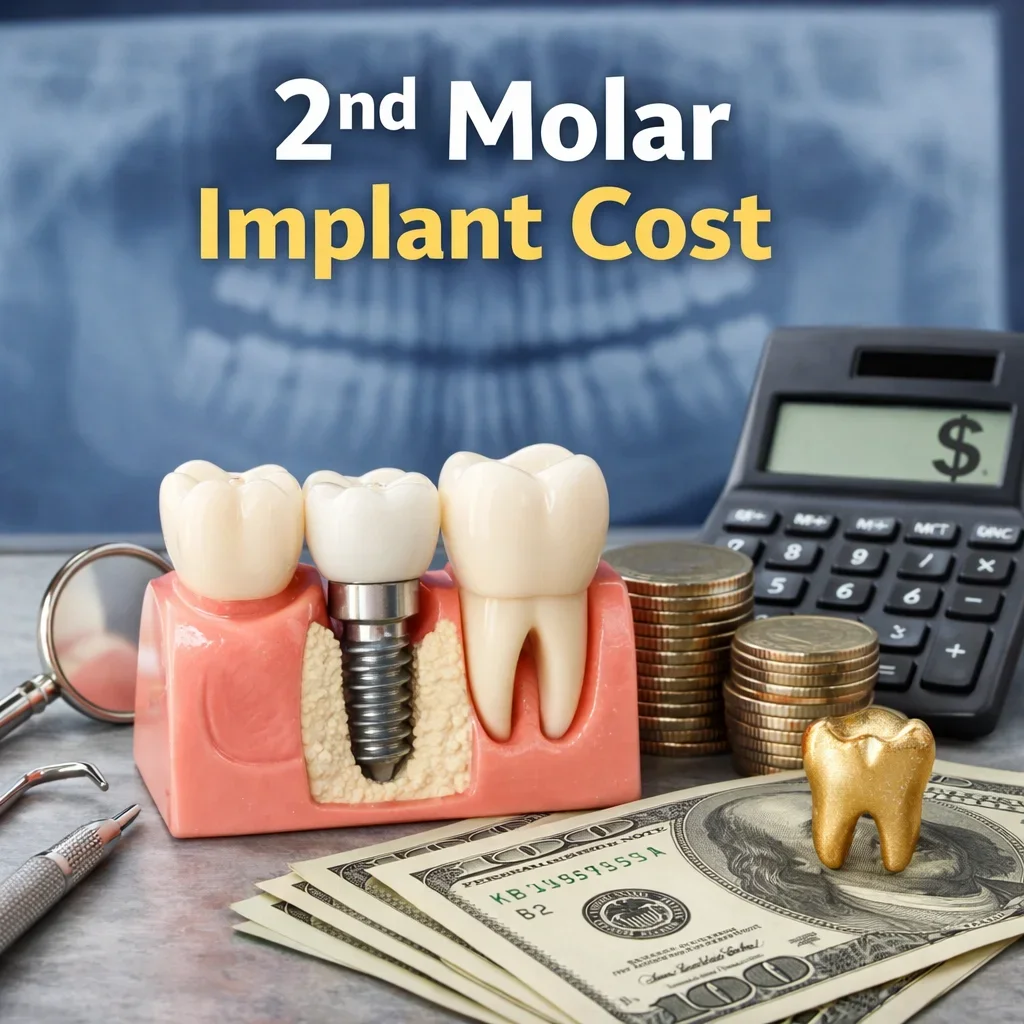
How to Reduce Your 2nd Molar Implant Cost Safely
Many patients researching dental implants eventually look for ways to reduce the overall 2nd molar implant cost without compromising safety or treatment quality. Dental implants are a long-term investment in oral health, but that does not mean patients cannot explore strategies to make the treatment more affordable. With proper planning, research, and consultation with experienced dentists, it is often possible to manage the 2nd molar implant cost while still receiving high-quality care.
Because a second molar implant procedure involves several steps—including consultation, surgery, healing, and crown placement—the total 2nd molar implant cost can seem significant at first. However, by understanding the factors that influence pricing and exploring different options, patients can often find ways to reduce the financial burden without sacrificing treatment success.
Choose an Experienced but Transparent Dental Clinic
One of the best ways to manage the 2nd molar implant cost is by choosing a reputable dental clinic that offers transparent pricing and comprehensive treatment packages. Many modern dental clinics provide clear breakdowns of implant procedures so patients understand exactly what is included.
Clinics that bundle services such as consultations, implant placement, abutments, and crowns into a single package may provide better value than clinics that charge separately for each stage. A transparent treatment plan allows patients to compare options and better evaluate the total 2nd molar implant cost.
What to Look for in a Clinic
- Clear treatment plans and pricing
- Modern implant technology
- Experienced implant specialists
- Strong patient reviews and case studies
Choosing a trustworthy clinic ensures that efforts to reduce the 2nd molar implant cost do not compromise treatment quality.
Consider Dental Tourism Options
Dental tourism has become increasingly popular among patients looking to reduce the 2nd molar implant cost. Many countries offer advanced dental care at significantly lower prices due to lower operating expenses.
Countries such as Turkey, Hungary, and Mexico have developed strong reputations for providing modern implant treatments at competitive prices. In many cases, patients can reduce their 2nd molar implant cost by 50–70% compared to prices in the United States or Western Europe.
Benefits of Dental Tourism
- Lower treatment prices
- Access to experienced implant specialists
- Modern dental technology
- Shorter waiting times
However, patients should always research the clinic thoroughly to ensure safety and quality when seeking a lower 2nd molar implant cost abroad.
Use Insurance Benefits Strategically
Even though dental insurance may not fully cover the 2nd molar implant cost, some plans still contribute to portions of the treatment. For example, insurance may cover diagnostic imaging, extractions, or part of the crown restoration.
Patients can sometimes schedule parts of their implant treatment across two insurance years to maximize coverage limits. By planning treatment carefully, it may be possible to reduce the total out-of-pocket 2nd molar implant cost.
Ways Insurance May Help
- Coverage for diagnostic scans
- Coverage for tooth extraction
- Partial reimbursement for crowns
- Coverage for bone grafting when medically necessary
Understanding your insurance policy can make a meaningful difference in managing the 2nd molar implant cost.
Explore Dental Financing Plans
Many dental clinics offer flexible financing plans to help patients manage the 2nd molar implant cost. These programs allow patients to spread payments over several months or years rather than paying the entire amount upfront.
Medical credit providers and dental financing companies often work directly with clinics to offer installment plans with manageable monthly payments. This approach makes it easier for patients to proceed with treatment while maintaining financial stability.
Common Financing Options
- Monthly payment plans
- Interest-free promotional financing
- Medical credit cards
- Dental membership programs
By choosing the right financing option, patients can make the 2nd molar implant cost much more manageable.
Maintain Strong Oral Health Before Treatment
Another important strategy for controlling the 2nd molar implant cost is maintaining good oral health before implant treatment begins. When patients have healthy gums and adequate bone density, they are less likely to require additional procedures such as bone grafts or gum grafts.
Since these procedures can increase the overall 2nd molar implant cost, maintaining proper oral hygiene and visiting the dentist regularly can help prevent complications that lead to higher treatment expenses.
Preventive Steps
- Regular dental checkups
- Daily brushing and flossing
- Early treatment of gum disease
- Avoiding long delays after tooth loss
Preventive care can significantly reduce the likelihood of needing additional procedures that increase the 2nd molar implant cost.
Request a Personalized Treatment Consultation
The most reliable way to determine and potentially reduce the 2nd molar implant cost is through a personalized consultation with an implant specialist. During this appointment, the dentist evaluates the patient’s oral condition and develops a treatment plan tailored to their needs.
Patients interested in learning more about implant options can schedule an appointment through the Redent Klinik Contact Page. A professional consultation provides accurate pricing and recommendations that may help optimize the total 2nd molar implant cost.
Consult Trusted Dental Organizations
Patients seeking reliable educational information about dental implants can review resources from the American Dental Association. Professional dental organizations provide guidance on implant procedures, patient safety, and treatment planning.
These resources help patients better understand the procedures involved and make informed decisions about managing the 2nd molar implant cost.
Balancing Cost With Long-Term Value
While reducing the 2nd molar implant cost is important, patients should always prioritize safety, expertise, and treatment quality. Dental implants are designed to last many years, often decades, when properly placed and maintained.
Choosing a skilled dentist, using reliable implant systems, and following recommended aftercare practices are essential for long-term success. Although the initial 2nd molar implant cost may appear significant, the durability and functional benefits of implants make them one of the most valuable solutions for replacing missing teeth.
By combining smart financial planning, careful clinic selection, and professional consultation, patients can successfully manage their 2nd molar implant cost while receiving safe and effective implant treatment.