
365 dentistry is a modern, patient-centered approach to oral healthcare that focuses on providing continuous, proactive, and comprehensive dental care throughout the entire year—not just when pain or visible problems arise. Unlike traditional models that often revolve around sporadic visits, 365 dentistry emphasizes prevention, consistency, accessibility, and long-term oral health planning. The concept is simple yet powerful: your teeth and gums function every day of the year, so your dental care strategy should reflect that same level of continuity. 🦷✨
At its core, 365 dentistry integrates routine checkups, preventive treatments, early diagnosis, patient education, and timely interventions into a seamless care journey. This approach recognizes that oral health is closely connected to overall health, influencing areas such as heart health, diabetes management, digestion, and even mental well-being. By maintaining a year-round focus, 365 dentistry helps patients avoid emergency situations, reduce long-term treatment complexity, and preserve natural teeth for as long as possible.
One of the defining strengths of 365 dentistry is its preventive mindset. Instead of waiting for cavities, gum disease, or infections to become painful, dentists following this model aim to identify risks early. Regular professional cleanings, digital imaging, periodontal assessments, and personalized hygiene plans are all essential components. This proactive structure allows issues to be managed while they are still minor, often resulting in simpler procedures and better outcomes for patients. 😊
Another important aspect of 365 dentistry is accessibility and patient engagement. Many clinics adopting this philosophy offer flexible scheduling, clear communication, and ongoing guidance so patients feel supported throughout the year. Education plays a major role here. Patients are taught how daily habits—such as brushing techniques, flossing routines, nutrition choices, and lifestyle factors—directly affect their oral health. Over time, this empowers individuals to take ownership of their smiles rather than relying solely on occasional dental visits.
From a clinical perspective, 365 dentistry also leverages modern dental technologies to ensure accuracy and comfort. Digital X-rays, intraoral scanners, minimally invasive treatment methods, and advanced sterilization protocols help create a safer and more efficient experience. These tools support precise diagnostics and personalized treatment planning, which are essential for maintaining consistent oral health over the long term. When dentistry is approached as a continuous process rather than a reactive service, both patients and clinicians benefit.
Importantly, 365 dentistry is suitable for all age groups. Children benefit from early preventive guidance and cavity prevention strategies, adults gain long-term maintenance and aesthetic support, and seniors receive focused care that addresses gum health, tooth wear, and restorative needs. This life-stage adaptability makes 365 dentistry a sustainable model that evolves alongside the patient’s changing oral health requirements.
For patients seeking trustworthy, patient-focused dental care, aligning with a clinic that follows the principles of 365 dentistry can be a transformative decision. Clinics inspired by this model often align their standards with global best practices and guidance from authoritative organizations such as the American Dental Association, ensuring evidence-based care and ethical treatment planning.
If you are considering a long-term dental care strategy or wish to explore year-round oral health solutions tailored to your needs, connecting with a professional team is an excellent first step. You can reach out directly through the Redent Klinik Contact Page to learn more about comprehensive dental care options and how a 365 dentistry approach can support your smile every day of the year. 🌍
In summary, 365 dentistry is more than a trend—it is a philosophy that redefines how dental care should be delivered and experienced. By prioritizing prevention, education, accessibility, and continuity, this approach helps patients achieve healthier smiles, greater confidence, and peace of mind all year long. When oral care becomes a daily priority rather than an occasional concern, the results speak for themselves.
What Is 365 Dentistry and Why It Matters for Patients
365 dentistry represents a shift from traditional, appointment-based dental care toward a more continuous, proactive, and patient-focused model. Instead of viewing oral health as something that only requires attention during occasional checkups or when discomfort arises, 365 dentistry treats dental care as an ongoing process that supports patients every single day of the year. This approach is especially important in modern healthcare, where prevention, early detection, and long-term planning are proven to deliver better outcomes and a higher quality of life. 🦷
For patients, the value of 365 dentistry lies in consistency and peace of mind. Teeth, gums, and oral tissues are constantly exposed to factors such as diet, stress, aging, and systemic health conditions. A year-round dental care philosophy ensures that these changes are monitored closely, allowing dental professionals to intervene early and guide patients toward healthier habits before small issues become major problems.
Understanding the Concept of Year-Round Dental Care
At its most basic level, 365 dentistry means maintaining an active relationship between the patient and the dental clinic throughout the year. This does not imply constant treatment, but rather continuous awareness and structured follow-up. Regular examinations, preventive cleanings, and scheduled assessments are combined with personalized recommendations tailored to each patient’s oral health profile.
Unlike reactive dentistry, where treatment begins only after pain or visible damage occurs, 365 dentistry focuses on anticipation. Dentists assess risk factors such as plaque accumulation, gum inflammation, bite alignment, enamel wear, and lifestyle habits. By tracking these elements over time, clinicians can make informed decisions that protect oral health proactively.
Preventive Focus Versus Reactive Treatment
A key reason 365 dentistry matters to patients is its strong preventive orientation. Preventive care typically involves professional cleanings, fluoride applications, periodontal evaluations, and patient education. These steps help reduce the likelihood of cavities, gum disease, and tooth loss. In contrast, reactive treatment often involves more invasive procedures that can be avoided with early intervention.
Patients who follow a 365 dentistry model often experience fewer emergencies, less discomfort, and more predictable dental care journeys. This approach also supports better long-term cost management, as preventive care generally reduces the need for complex restorative procedures over time.
Why Patients Benefit from the 365 Dentistry Approach
One of the most significant patient benefits of 365 dentistry is improved overall health awareness. Research consistently shows a strong connection between oral health and systemic conditions such as cardiovascular disease and diabetes. By maintaining consistent dental monitoring, potential warning signs can be identified early, supporting broader health outcomes.
Another advantage is patient education. Clinics that embrace 365 dentistry invest time in teaching patients how daily behaviors impact oral health. Proper brushing techniques, flossing routines, nutrition guidance, and lifestyle counseling are integrated into care plans. Over time, this education empowers patients to actively participate in maintaining their oral health rather than relying solely on clinical interventions. 😊
Accessibility and Patient-Centered Care
365 dentistry also matters because it prioritizes accessibility and communication. Many clinics following this philosophy emphasize flexible scheduling, clear explanations, and ongoing support. Patients are encouraged to ask questions, understand their treatment options, and feel confident about their care decisions. This patient-centered environment builds trust and long-term engagement.
In addition, clinics that practice 365 dentistry often align their standards with internationally recognized guidelines and evidence-based practices. Organizations such as the American Dental Association play an important role in shaping these standards, ensuring that patients receive safe, ethical, and up-to-date care.
365 Dentistry as a Long-Term Investment in Oral Health
Ultimately, 365 dentistry matters because it reframes oral healthcare as a long-term investment rather than a short-term fix. Patients who adopt this mindset are more likely to retain their natural teeth, maintain healthy gums, and enjoy better function and aesthetics as they age. This continuity also reduces anxiety, as patients know their oral health is being consistently monitored and managed.
For anyone seeking a reliable, comprehensive, and future-focused approach to dental care, 365 dentistry offers a clear path forward. By emphasizing prevention, education, and continuous care, this model supports healthier smiles and greater confidence every day of the year. 🌍
The Core Philosophy Behind 365 Dentistry Clinics
The foundation of 365 dentistry clinics is built on a philosophy that views oral health as a continuous, evolving part of a person’s overall well-being. Rather than treating dentistry as a series of isolated appointments, 365 dentistry clinics operate with the belief that consistent care, long-term planning, and patient engagement lead to healthier outcomes and more sustainable oral health. This philosophy reshapes how dental professionals interact with patients and how patients perceive their own responsibility in maintaining a healthy smile. 🦷
At the heart of 365 dentistry is continuity. Teeth and gums are not static; they change due to age, habits, nutrition, stress, and general health conditions. Clinics that follow the 365 dentistry model acknowledge these ongoing changes and structure their care systems to monitor, guide, and adapt treatment plans throughout the year. This ensures that dental care evolves alongside the patient rather than reacting too late to visible problems.
Patient-Centered Care as a Core Principle
One of the most defining aspects of the 365 dentistry philosophy is its strong patient-centered approach. Clinics do not simply focus on procedures; they focus on people. Every patient has unique oral health risks, expectations, and lifestyles, and 365 dentistry clinics aim to reflect this individuality in their care plans.
This means taking the time to understand a patient’s medical history, daily habits, concerns, and long-term goals. Instead of offering one-size-fits-all solutions, dental professionals design personalized strategies that fit seamlessly into the patient’s life. This personalization increases treatment success and helps patients feel valued and understood, which in turn strengthens long-term trust and cooperation.
Education and Empowerment of Patients
Education is a cornerstone of the 365 dentistry philosophy. Clinics believe that informed patients make better decisions about their oral health. Rather than limiting communication to brief explanations during appointments, 365 dentistry emphasizes ongoing education about brushing techniques, flossing habits, nutrition choices, and lifestyle factors such as smoking or stress management.
By empowering patients with knowledge, 365 dentistry clinics encourage daily self-care that complements professional treatments. Over time, patients become active participants in protecting their oral health instead of passive recipients of dental services. 😊
Prevention Over Intervention
Another fundamental belief behind 365 dentistry clinics is that prevention is always preferable to intervention. Preventive dentistry aims to stop problems before they start or catch them at their earliest stages. This includes regular examinations, professional cleanings, risk assessments, and early diagnostic tools.
Clinics operating under the 365 dentistry model invest heavily in preventive protocols because they understand that early action reduces discomfort, complexity, and long-term treatment needs. Preventive care also supports better oral health stability, allowing patients to maintain their natural teeth and healthy gums for as long as possible.
Long-Term Planning and Monitoring
365 dentistry clinics place significant importance on long-term planning. Instead of focusing solely on immediate concerns, dentists evaluate how current conditions may develop over months or years. This forward-thinking approach allows for strategic decision-making that aligns with the patient’s future needs.
Continuous monitoring plays a crucial role here. By tracking changes over time, dental professionals can adjust care plans proactively. This ongoing observation is a defining feature of 365 dentistry, ensuring that treatment remains relevant and effective as circumstances change.
Ethical and Evidence-Based Practice
The philosophy of 365 dentistry is also rooted in ethical, evidence-based practice. Clinics aim to follow scientifically supported guidelines and maintain high professional standards. Aligning with reputable organizations such as the American Dental Association helps ensure that patient care is grounded in current research and best practices.
Ethical transparency is another key element. Patients are informed clearly about their oral health status, treatment options, and expected outcomes. This openness fosters trust and reinforces the collaborative relationship that is central to 365 dentistry.
A Holistic View of Oral and General Health
Finally, 365 dentistry clinics embrace a holistic view of health. Oral health is closely linked to overall wellness, and dentists recognize that conditions in the mouth can reflect or influence systemic health issues. By maintaining year-round awareness and communication, clinics can support not only dental health but also broader well-being.
In essence, the core philosophy behind 365 dentistry clinics is about responsibility, continuity, and partnership. By prioritizing prevention, personalization, education, and ethical care, this model creates a strong foundation for lifelong oral health and confident smiles every day of the year. 🌍
How 365 Dentistry Improves Long-Term Oral Health Outcomes
The true strength of 365 dentistry becomes most visible when examining its impact on long-term oral health outcomes. Unlike traditional dental care models that often focus on treating problems as they arise, 365 dentistry is designed to preserve oral health over years and even decades. By emphasizing continuity, prevention, and strategic planning, this approach helps patients maintain healthier teeth and gums, reduce complications, and enjoy greater confidence in their smiles throughout their lives. 🦷✨
Long-term oral health is not achieved through isolated treatments. Teeth, gums, jaw structure, and oral tissues are influenced by daily habits, aging, medical conditions, and lifestyle choices. 365 dentistry acknowledges these realities and builds a care framework that adapts over time, ensuring that dental strategies remain effective as a patient’s needs evolve.
Early Detection and Continuous Monitoring
One of the most important ways 365 dentistry improves long-term outcomes is through early detection. Small issues such as enamel erosion, early-stage cavities, or mild gum inflammation can often go unnoticed by patients. However, when monitored consistently, these conditions can be identified and managed before they progress into serious problems.
Through regular checkups and ongoing assessments, 365 dentistry allows dental professionals to track subtle changes in oral health. This continuous monitoring helps prevent the escalation of minor concerns into complex procedures like root canal treatments, advanced periodontal therapy, or tooth extractions. Early action not only protects oral health but also supports patient comfort and confidence. 😊
Reducing the Risk of Dental Emergencies
Dental emergencies often occur when underlying issues are left untreated for long periods. A major benefit of 365 dentistry is its ability to significantly reduce the likelihood of sudden pain, infections, or fractures. By maintaining consistent oversight and addressing risks early, patients are far less likely to experience unexpected dental crises.
This proactive approach contributes to a more predictable dental journey. Patients know what to expect, treatments are planned strategically, and oral health remains stable throughout the year.
Preservation of Natural Teeth and Gum Health
Preserving natural teeth is a central goal of 365 dentistry. Long-term tooth retention depends heavily on preventive care, proper hygiene, and timely interventions. Clinics that follow the 365 dentistry model focus on maintaining strong enamel, healthy gums, and balanced bite alignment over time.
Gum health, in particular, plays a critical role in long-term outcomes. Periodontal disease is a leading cause of tooth loss, yet it often progresses silently. 365 dentistry prioritizes regular periodontal evaluations and maintenance, helping patients avoid advanced gum disease and its associated complications.
Supporting Overall Health Through Oral Stability
Healthy teeth and gums contribute to overall health in ways that extend beyond the mouth. Chronic oral infections and inflammation have been linked to systemic conditions such as cardiovascular disease and diabetes. By maintaining oral stability through 365 dentistry, patients support not only their smiles but also their general well-being.
This holistic impact reinforces why long-term oral care should never be underestimated. Consistent dental health supports better nutrition, clearer speech, and improved quality of life.
Personalized Long-Term Treatment Planning
Another reason 365 dentistry delivers superior long-term outcomes is its emphasis on personalized planning. Dentists evaluate each patient’s unique risk factors, including genetics, lifestyle habits, and existing dental conditions. Based on this information, tailored care plans are developed and adjusted over time.
Rather than reacting to problems, 365 dentistry clinics anticipate future needs. This may involve monitoring restorations, planning preventive treatments, or scheduling phased care to minimize disruption and discomfort. Such foresight leads to better results and a more positive patient experience.
Consistency, Trust, and Patient Compliance
Consistency is a key driver of success in 365 dentistry. When patients maintain regular contact with their dental team, trust naturally develops. This trust encourages better communication, higher compliance with recommendations, and greater willingness to follow preventive routines.
Patients who feel supported year-round are more likely to maintain daily oral hygiene, attend scheduled visits, and address concerns promptly. Over time, these behaviors significantly improve long-term oral health outcomes.
Evidence-Based Care and Professional Standards
Clinics practicing 365 dentistry often align their protocols with established, evidence-based guidelines. Organizations such as the American Dental Association provide scientific frameworks that support preventive care, early diagnosis, and ethical treatment planning. This commitment to professional standards ensures that patients receive reliable, up-to-date care throughout their lives.
In conclusion, 365 dentistry improves long-term oral health outcomes by focusing on prevention, early detection, personalization, and consistency. By treating oral care as a continuous process rather than a series of isolated visits, this approach helps patients enjoy healthier smiles, fewer complications, and lasting confidence every day of the year. 🌍
Advanced Technologies Commonly Used in 365 Dentistry
One of the defining strengths of 365 dentistry is its strong integration of advanced dental technologies. Because 365 dentistry focuses on year-round monitoring, prevention, and precision, modern tools play a crucial role in delivering accurate diagnoses, comfortable treatments, and predictable long-term results. Technology is not used for novelty; it is used strategically to support continuity of care and enhance patient outcomes throughout the year. 🦷⚙️
In traditional dental settings, technology may be applied only when a problem becomes severe. In contrast, 365 dentistry clinics rely on advanced systems consistently, allowing dentists to detect changes early, plan treatments more effectively, and track oral health progress over time. This technology-driven approach is essential for maintaining stable oral health and minimizing invasive procedures.
Digital Imaging and Diagnostic Technologies
Digital diagnostics are at the core of 365 dentistry. Tools such as digital X-rays and intraoral cameras allow dentists to visualize oral structures with exceptional clarity. These technologies produce high-resolution images while significantly reducing radiation exposure compared to traditional methods.
For 365 dentistry, digital imaging is especially valuable because it allows clinicians to compare images taken over time. Subtle changes in bone density, enamel wear, or gum levels can be identified early. This continuous visual record supports proactive decision-making and long-term treatment planning rather than reactive care.
Intraoral Cameras for Patient Awareness
Intraoral cameras are another important component of 365 dentistry. These small cameras provide real-time images of the mouth, allowing patients to see exactly what the dentist sees. This transparency improves communication and builds trust.
When patients understand their oral health visually, they are more likely to follow recommendations and maintain daily hygiene routines. This alignment between education and technology strengthens the preventive foundation of 365 dentistry. 😊
Digital Scanning and Impression-Free Dentistry
Traditional dental impressions can be uncomfortable and imprecise. 365 dentistry clinics increasingly rely on digital scanners that capture detailed 3D images of teeth and gums without physical molds. These scans are used for restorations, orthodontic planning, and long-term monitoring.
Digital scanning supports the 365 dentistry philosophy by enabling accurate documentation of oral structures over time. Dentists can assess changes in alignment, wear patterns, and restorations with precision. This technology improves treatment accuracy and enhances patient comfort.
Improved Precision in Restorative Care
When restorative treatments are needed, digital workflows allow for highly precise planning and execution. Crowns, veneers, and other restorations can be designed digitally, ensuring better fit and longevity. In 365 dentistry, this precision supports long-term stability and reduces the likelihood of future complications.
Minimally Invasive Treatment Technologies
Another major advantage of 365 dentistry is the use of minimally invasive technologies. These tools allow dentists to treat issues while preserving as much natural tooth structure as possible. Laser dentistry, air abrasion, and advanced hand instruments are commonly used to support conservative care.
Minimally invasive techniques align perfectly with the goals of 365 dentistry, which prioritizes preservation and prevention. By reducing trauma to teeth and gums, recovery times are shorter, discomfort is minimized, and long-term oral health is better protected.
Technology for Periodontal and Preventive Care
Healthy gums are essential for long-term oral health, and 365 dentistry clinics often use advanced periodontal tools to maintain gum stability. Digital periodontal charting, ultrasonic scaling devices, and targeted diagnostic tools help identify early signs of gum disease.
These technologies enable more effective preventive care and ongoing monitoring. Because periodontal disease often progresses silently, the consistent use of advanced tools in 365 dentistry is critical for early intervention and long-term tooth retention.
Integration with Evidence-Based Standards
The technologies used in 365 dentistry are not chosen randomly. Clinics typically align their technology adoption with evidence-based standards and professional guidelines. Organizations such as the American Dental Association provide guidance on safe, effective dental technologies that support high-quality patient care.
This alignment ensures that technology enhances—not replaces—clinical judgment. In 365 dentistry, advanced tools support accurate diagnosis, patient education, and long-term planning rather than encouraging unnecessary treatments.
Technology as a Tool for Long-Term Success
Ultimately, advanced technologies are essential to the success of 365 dentistry. They enable dentists to monitor oral health continuously, personalize care plans, and deliver treatments with greater precision and comfort. Patients benefit from clearer communication, fewer surprises, and more predictable outcomes.
By integrating modern dental technologies into everyday practice, 365 dentistry creates a care environment where prevention, accuracy, and long-term health are the primary focus. This technology-driven yet patient-centered approach helps ensure healthier smiles and stronger oral health every day of the year. 🌍
365 Dentistry for Families, Adults, and Seniors
365 dentistry is uniquely suited to serve patients at every stage of life, making it an ideal model for families, working adults, and seniors alike. Because oral health needs evolve over time, a year-round, continuous care approach ensures that prevention, monitoring, and treatment remain aligned with each life stage. By adapting care plans as patients age, 365 dentistry supports long-term oral stability, comfort, and confidence for individuals and families. 🦷👨👩👧👦
Traditional dental care often treats age groups separately, but 365 dentistry offers a unified framework that adjusts naturally as needs change. This continuity helps families build lasting relationships with their dental providers while ensuring that each member receives appropriate, personalized care throughout the year.
365 Dentistry for Children and Adolescents
For children and adolescents, 365 dentistry focuses heavily on prevention, education, and early intervention. Young patients are in critical stages of dental development, and consistent monitoring helps ensure proper tooth eruption, healthy enamel, and good oral hygiene habits.
Regular checkups under the 365 dentistry model allow dentists to identify early signs of cavities, bite issues, or developmental concerns. Preventive measures such as professional cleanings, fluoride applications, and sealants help protect young teeth and reduce the risk of future problems.
Building Healthy Habits Early
Education plays a central role in pediatric 365 dentistry. Dentists and hygienists teach children and parents proper brushing and flossing techniques, age-appropriate nutrition choices, and the importance of routine care. These lessons, reinforced throughout the year, help establish lifelong habits that support oral health well into adulthood. 😊
365 Dentistry for Adults with Busy Lifestyles
Adults often juggle work, family responsibilities, and personal commitments, which can make oral health maintenance challenging. 365 dentistry addresses this reality by offering structured, predictable care plans that fit into busy schedules. Regular reminders, efficient appointments, and clear long-term planning help adults stay on track.
For adults, 365 dentistry focuses on maintaining gum health, managing wear and tear, and addressing aesthetic concerns when appropriate. Continuous monitoring allows dentists to detect early signs of gum disease, enamel erosion, or bite problems that may worsen over time if ignored.
Preventing Stress-Related Oral Issues
Stress-related conditions such as teeth grinding or jaw tension are common among adults. Within the 365 dentistry framework, these issues can be identified early and managed proactively. Customized guidance and preventive strategies help minimize long-term damage and discomfort.
365 Dentistry for Seniors and Aging Patients
As patients age, oral health becomes increasingly complex. 365 dentistry provides seniors with consistent oversight that is essential for managing age-related changes such as gum recession, dry mouth, and increased risk of decay. Continuous care ensures that these challenges are addressed promptly and effectively.
Seniors benefit greatly from the long-term planning aspect of 365 dentistry. Dentists can monitor existing restorations, evaluate oral function, and plan care strategies that support comfort and quality of life. Maintaining oral health also supports proper nutrition and clear speech, both of which are vital for overall well-being.
Supporting Overall Health in Older Adults
Oral health is closely linked to systemic health, particularly in older adults. Chronic oral infections and inflammation can contribute to broader health concerns. By maintaining year-round dental oversight, 365 dentistry helps support overall health stability and early identification of potential issues.
Family-Centered Continuity of Care
One of the most valuable aspects of 365 dentistry is its ability to serve entire families under a single, consistent care philosophy. Family members benefit from coordinated care, shared education, and a trusted dental team that understands their collective and individual needs.
This continuity fosters long-term trust and encourages regular attendance. When dental care becomes a familiar, ongoing part of family life, patients of all ages are more likely to maintain healthy routines and seek care proactively.
Professional Standards and Life-Stage Adaptability
365 dentistry clinics often align their care protocols with established professional guidelines to ensure safe and effective treatment across all age groups. Organizations such as the American Dental Association provide evidence-based recommendations that support preventive care and ethical treatment planning.
By adapting these standards to each life stage, 365 dentistry ensures that care remains relevant, effective, and patient-focused from childhood through senior years.
In summary, 365 dentistry offers a flexible, comprehensive approach that supports oral health for families, adults, and seniors alike. By emphasizing continuity, prevention, and personalization, this model helps patients of all ages enjoy healthier smiles and greater peace of mind every day of the year. 🌍
Emergency and Same-Day Treatments in 365 Dentistry
One of the most reassuring aspects of 365 dentistry is its emphasis on preparedness for dental emergencies and the availability of same-day care when urgent needs arise. While prevention is the cornerstone of 365 dentistry, this model also recognizes that unexpected dental issues can occur despite the best preventive efforts. By maintaining year-round readiness, clinics can respond quickly, effectively, and compassionately when patients need immediate attention. 🦷🚨
Dental emergencies can be stressful and disruptive, often causing pain, anxiety, and uncertainty. 365 dentistry aims to reduce this stress by ensuring that patients have access to timely care and clear guidance. Because clinics following this philosophy maintain continuous patient relationships, they are better equipped to assess emergencies accurately and provide appropriate same-day solutions.
What Qualifies as a Dental Emergency?
In the context of 365 dentistry, a dental emergency is any situation that requires prompt professional attention to relieve pain, prevent further damage, or address infection. Common examples include severe toothaches, broken or chipped teeth, swelling, bleeding gums, and dental trauma caused by accidents.
Because 365 dentistry clinics monitor patients regularly, they often have a comprehensive understanding of each patient’s oral health history. This familiarity allows dentists to make faster, more informed decisions during emergencies, improving outcomes and reducing treatment delays.
Early Intervention to Prevent Complications
One of the key advantages of 365 dentistry is the ability to intervene early during urgent situations. Problems that might escalate into severe infections or tooth loss can often be stabilized quickly with same-day care. Early intervention helps protect oral structures and supports faster recovery.
Same-Day Appointments and Immediate Care
Same-day treatment is a defining feature of many 365 dentistry clinics. When patients experience sudden discomfort or injury, waiting days or weeks for care can worsen the problem. A year-round care model prioritizes accessibility, allowing clinics to accommodate urgent visits whenever possible.
Same-day care within 365 dentistry may include pain management, temporary or permanent restorations, infection control, or diagnostic evaluations. The goal is to stabilize the situation promptly while planning any necessary follow-up care as part of the patient’s ongoing treatment strategy.
Reducing Anxiety Through Continuity
Emergency dental visits can be emotionally challenging. Patients often feel anxious when seeking urgent care, especially if they are unfamiliar with the clinic. 365 dentistry reduces this anxiety by ensuring continuity. Patients already know their dental team, understand the clinic environment, and trust the care process.
This familiarity leads to smoother emergency visits and better communication, helping patients feel supported even in stressful situations. 😊
Preventing Emergencies Through Proactive Care
While emergency readiness is essential, 365 dentistry places equal importance on preventing emergencies altogether. Regular examinations, preventive treatments, and risk assessments help identify vulnerabilities before they result in sudden pain or damage.
For example, early detection of cracks, decay, or gum inflammation allows dentists to address issues before they become emergencies. By maintaining consistent oversight, 365 dentistry significantly reduces the frequency and severity of urgent dental problems.
Coordinated Follow-Up After Emergency Treatment
Emergency care does not end once immediate pain is relieved. In 365 dentistry, same-day treatments are integrated into a broader, long-term care plan. After an emergency visit, dentists evaluate the underlying cause and adjust the patient’s ongoing treatment strategy accordingly.
This coordinated follow-up ensures that temporary solutions are supported by lasting care. Patients benefit from clear explanations, structured next steps, and reassurance that their oral health remains under continuous supervision.
Professional Standards and Emergency Protocols
Clinics practicing 365 dentistry often follow established professional standards to guide emergency care. Organizations such as the American Dental Association provide evidence-based recommendations for managing dental emergencies safely and effectively.
By aligning emergency protocols with these standards, 365 dentistry clinics ensure that urgent care is delivered ethically, efficiently, and with patient safety as the top priority.
Peace of Mind Through Year-Round Support
Ultimately, emergency and same-day treatments are an essential part of the 365 dentistry philosophy. Knowing that professional help is available when needed provides patients with peace of mind. This confidence encourages proactive engagement with dental care and reinforces trust in the long-term care relationship.
In summary, 365 dentistry combines prevention with preparedness. By offering reliable emergency response and same-day treatment within a continuous care framework, this model protects patients from unnecessary complications and ensures that support is available every day of the year. 🌍
Choosing the Right 365 Dentistry Clinic for Your Needs
Selecting the right clinic is one of the most important decisions when adopting a 365 dentistry approach. Because 365 dentistry is built on continuity, trust, and long-term planning, the relationship between patient and clinic plays a critical role in overall success. The right clinic does more than provide treatments—it becomes a long-term partner in maintaining and protecting your oral health throughout every stage of life. 🦷🤝
Not all dental clinics operate with the same philosophy. While many offer high-quality treatments, a true 365 dentistry clinic is defined by its commitment to year-round care, preventive strategies, patient education, and transparent communication. Understanding what to look for can help patients make informed decisions and avoid fragmented or reactive dental experiences.
Key Characteristics of a 365 Dentistry Clinic
A genuine 365 dentistry clinic prioritizes ongoing patient relationships rather than isolated appointments. This means structured follow-up systems, regular checkups, and proactive reminders that support consistent care. Clinics should demonstrate a clear focus on prevention, early diagnosis, and long-term planning rather than only addressing immediate concerns.
Another essential characteristic is personalization. 365 dentistry clinics tailor care plans based on individual risk factors, medical history, lifestyle habits, and long-term goals. Patients should feel that their treatment strategies are designed specifically for them, not based on generic templates.
Commitment to Preventive and Long-Term Care
Preventive care is a cornerstone of 365 dentistry. When choosing a clinic, patients should look for an emphasis on professional cleanings, periodontal monitoring, diagnostic evaluations, and patient education. Clinics that invest time in prevention demonstrate a commitment to protecting oral health over the long term.
This preventive focus often results in fewer emergencies, reduced need for invasive procedures, and better oral stability as patients age.
Importance of Communication and Transparency
Clear communication is vital in 365 dentistry. Patients should feel comfortable asking questions and confident that they fully understand their oral health status and treatment options. A trustworthy clinic explains findings clearly, discusses alternatives, and outlines expected outcomes without pressure.
Transparency also extends to treatment planning. 365 dentistry clinics typically present care plans that consider both current needs and future implications. This long-term perspective allows patients to make informed decisions that align with their health priorities.
Patient Education as a Selection Criterion
Education is a strong indicator of a true 365 dentistry practice. Clinics that invest in teaching patients proper oral hygiene techniques, lifestyle considerations, and preventive strategies empower individuals to maintain their oral health between visits.
This educational approach reflects a partnership mindset, where patients are active participants in their care rather than passive recipients of treatment. 😊
Technology and Professional Standards
Modern technology plays a supporting role in 365 dentistry, enabling accurate diagnosis, efficient monitoring, and precise treatment. When choosing a clinic, patients should look for the use of digital imaging, diagnostic tools, and evidence-based treatment protocols.
Equally important is adherence to professional standards. Clinics that align their practices with reputable organizations such as the American Dental Association demonstrate a commitment to ethical, science-based care. This alignment helps ensure patient safety and consistent quality.
Accessibility and Ongoing Support
Accessibility is another defining feature of 365 dentistry. Clinics should offer flexible scheduling, responsive communication, and support for urgent needs. Year-round availability reinforces the idea that oral health is an ongoing priority, not a once-a-year obligation.
Patients should also consider how easy it is to contact the clinic for questions or follow-up care. A strong 365 dentistry clinic encourages communication and provides guidance beyond routine appointments.
Building Long-Term Trust and Comfort
Because 365 dentistry is a long-term commitment, trust and comfort are essential. Patients should feel respected, listened to, and supported by their dental team. A positive clinic environment fosters regular attendance and adherence to care recommendations.
Trust develops over time through consistent experiences, ethical care, and reliable communication. Choosing the right 365 dentistry clinic sets the foundation for a successful, long-lasting partnership focused on oral health stability.
Making an Informed Decision
Ultimately, choosing the right 365 dentistry clinic involves evaluating philosophy, communication, prevention focus, and professional standards. Patients who take the time to assess these factors are more likely to experience the full benefits of year-round dental care.
By selecting a clinic that truly embodies the principles of 365 dentistry, patients invest in a future of healthier smiles, fewer complications, and greater confidence—every day of the year. 🌍
The Future of Oral Healthcare with 365 Dentistry
The future of oral healthcare is increasingly shaped by models that prioritize prevention, personalization, and continuity, and 365 dentistry stands at the center of this transformation. As patient expectations evolve and medical research continues to highlight the connection between oral health and overall well-being, 365 dentistry offers a forward-thinking framework designed to meet modern healthcare demands. Rather than reacting to problems, this model prepares patients and clinics for healthier, more sustainable outcomes over the long term. 🦷🚀
Traditional dentistry is gradually giving way to systems that emphasize ongoing care and patient engagement. 365 dentistry reflects this shift by treating oral health as a lifelong journey. As technology advances and preventive strategies become more refined, this approach is expected to play an even more significant role in shaping how dental care is delivered in the years ahead.
Shifting from Treatment-Based to Health-Based Dentistry
A major trend influencing the future of 365 dentistry is the shift from treatment-based care to health-based care. Instead of measuring success by the number of procedures performed, modern dentistry increasingly focuses on maintaining oral health and preventing disease.
365 dentistry aligns perfectly with this philosophy by emphasizing routine monitoring, patient education, and early intervention. This proactive mindset reduces the need for complex treatments and supports long-term oral stability. As patients become more informed and health-conscious, demand for this type of care is expected to grow significantly.
Redefining the Patient-Dentist Relationship
In the future, the relationship between patients and dental professionals will continue to evolve. 365 dentistry promotes a partnership model where patients and dentists collaborate year-round. This relationship is built on trust, communication, and shared responsibility for oral health.
Such collaboration improves adherence to preventive routines and encourages patients to seek care early, rather than waiting for discomfort to appear. 😊
Technological Innovation and Data-Driven Care
Advancements in dental technology are expected to further strengthen the impact of 365 dentistry. Digital records, imaging tools, and monitoring systems allow dentists to track oral health changes with greater precision over time. These technologies support data-driven decision-making and personalized treatment planning.
As artificial intelligence and digital diagnostics continue to develop, 365 dentistry clinics will be able to identify risk patterns earlier and tailor care strategies even more effectively. This integration of technology enhances both preventive care and patient experience.
Remote Guidance and Continuous Support
The future of 365 dentistry may also include expanded remote communication and guidance. Digital platforms can help patients stay informed, receive reminders, and access educational resources between visits. This continuous support reinforces daily oral care habits and keeps patients engaged throughout the year.
Greater Focus on Preventive and Holistic Health
Preventive care will remain a defining feature of 365 dentistry as healthcare systems place greater emphasis on overall wellness. Oral health is increasingly recognized as a key component of general health, influencing areas such as cardiovascular function, metabolic health, and quality of life.
By maintaining year-round oversight, 365 dentistry supports early identification of oral conditions that may reflect broader health issues. This holistic perspective is likely to become even more important as integrated healthcare models continue to evolve.
Professional Standards and Evidence-Based Progress
The future growth of 365 dentistry will be guided by evidence-based practices and professional standards. Reputable organizations such as the American Dental Association play a vital role in shaping guidelines that support preventive care, ethical treatment planning, and patient safety.
By aligning with these standards, 365 dentistry clinics ensure that innovation is balanced with responsibility and scientific integrity. This balance helps maintain patient trust while advancing the quality of care.
Patient Expectations and Long-Term Value
As patients become more proactive about their health, expectations for dental care are changing. Many individuals now seek long-term value rather than short-term fixes. 365 dentistry meets this expectation by offering continuity, predictability, and a clear focus on maintaining oral health over time.
This approach also supports greater peace of mind. Patients know that their oral health is being monitored consistently, reducing uncertainty and anxiety about unexpected problems.
A Sustainable Model for the Future
Ultimately, 365 dentistry represents a sustainable model for the future of oral healthcare. By prioritizing prevention, personalization, and continuous engagement, it reduces the burden of advanced disease and supports healthier populations.
As healthcare continues to evolve, 365 dentistry is well-positioned to become a standard rather than an exception. Its focus on lifelong care, supported by technology and education, helps ensure that patients can enjoy healthier smiles, better overall health, and greater confidence—every day of the year. 🌍
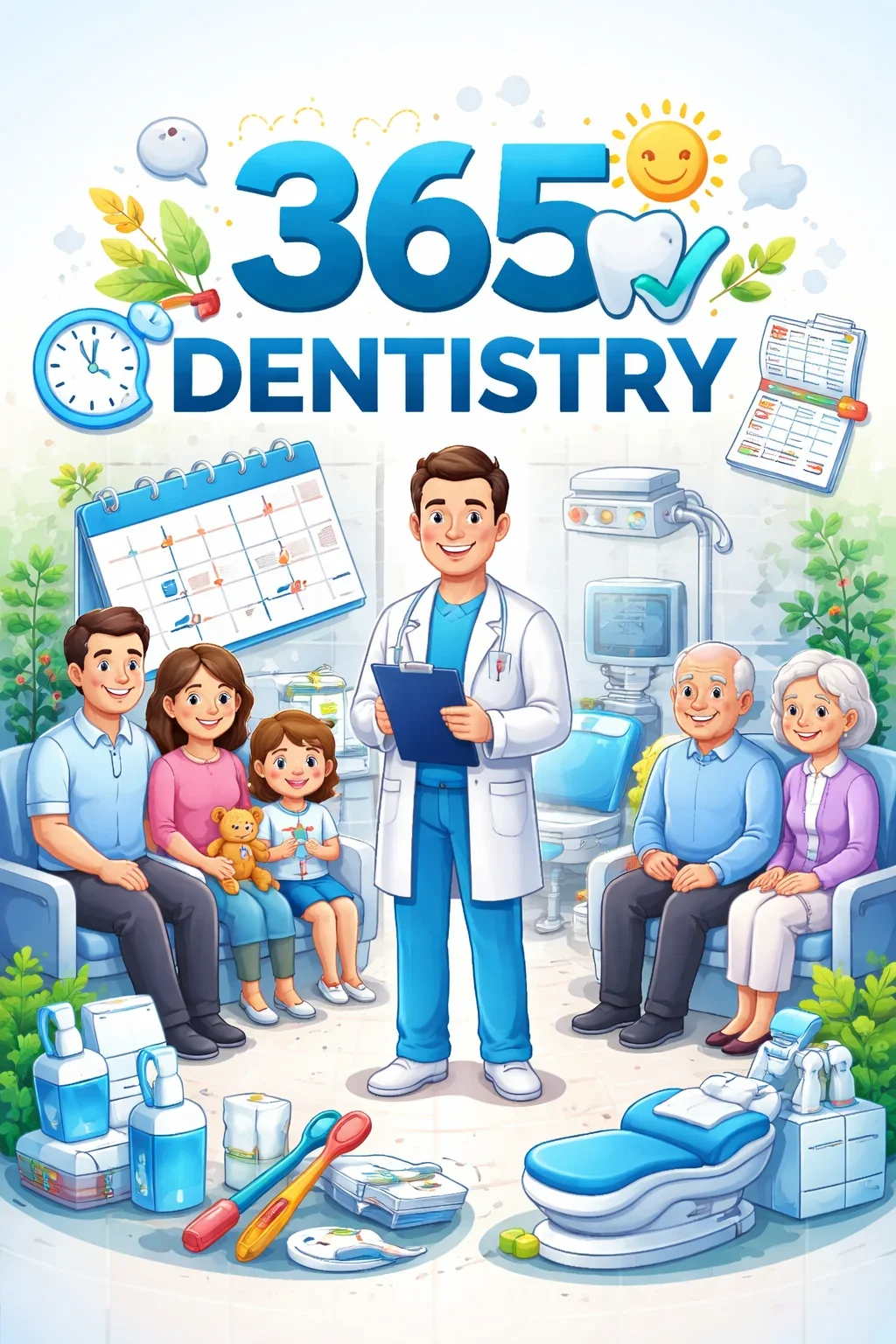
Common Myths and Misconceptions About 365 Dentistry
As 365 dentistry becomes more widely discussed, several myths and misconceptions have emerged that can confuse patients and discourage them from embracing this modern approach to oral healthcare. These misunderstandings often stem from comparing 365 dentistry to traditional dental care models without fully understanding its purpose, structure, and long-term benefits. Clarifying these myths is essential for helping patients make informed decisions about their oral health. 🦷
365 dentistry is not about excessive treatment or unnecessary visits; rather, it is about smarter, more consistent care. By addressing common misconceptions, patients can better appreciate how this year-round dental philosophy supports prevention, comfort, and long-term oral stability.
Myth 1: 365 Dentistry Means Constant Dental Appointments
One of the most common misconceptions is that 365 dentistry requires patients to visit the dentist far more frequently than necessary. In reality, 365 dentistry does not mean daily or monthly appointments. It means maintaining an ongoing care plan that includes appropriately scheduled checkups, preventive visits, and follow-ups based on individual needs.
The goal of 365 dentistry is efficiency, not frequency. Some patients may only need routine visits, while others may benefit from closer monitoring due to specific risk factors. The schedule is personalized, ensuring care is neither excessive nor insufficient.
Personalized Scheduling, Not Over-Treatment
A true 365 dentistry clinic designs visit schedules around each patient’s oral health profile. This individualized approach prevents both neglect and overtreatment, supporting optimal long-term outcomes.
Myth 2: 365 Dentistry Is Only for People with Dental Problems
Another widespread myth is that 365 dentistry is only necessary for patients with existing dental issues. In fact, 365 dentistry is most effective for individuals who want to avoid problems altogether. Prevention is the foundation of this model.
Patients with healthy teeth and gums benefit greatly from 365 dentistry because it helps maintain that health over time. Early detection of minor changes ensures that small concerns never develop into major conditions.
Myth 3: Traditional Dentistry and 365 Dentistry Are the Same
While traditional dentistry and 365 dentistry may share similar tools and procedures, their philosophies differ significantly. Traditional models often focus on treating symptoms when they appear. 365 dentistry, by contrast, emphasizes anticipation, monitoring, and long-term planning.
This difference becomes clear over time. Patients following a 365 dentistry approach often experience fewer emergencies, more predictable care, and greater confidence in their oral health management.
Continuity as the Key Difference
Continuity is what truly sets 365 dentistry apart. Ongoing evaluation and consistent communication allow dentists to adapt care plans as conditions change, something that reactive models struggle to achieve.
Myth 4: 365 Dentistry Is Focused Only on Technology
Some patients believe 365 dentistry is overly technology-driven and impersonal. While advanced tools are important, technology in 365 dentistry serves a supportive role rather than replacing human judgment or patient relationships.
The core of 365 dentistry remains patient-centered care. Technology enhances diagnostics, monitoring, and education, but trust, communication, and personalized attention remain central.
Myth 5: 365 Dentistry Ignores Patient Choice
Another misconception is that 365 dentistry limits patient choice by imposing rigid care plans. In reality, patient involvement is a key principle of 365 dentistry. Dentists work collaboratively with patients, explaining options and respecting individual preferences.
Patients are encouraged to ask questions, understand recommendations, and participate actively in decision-making. This shared responsibility strengthens trust and improves adherence to care plans. 😊
Myth 6: 365 Dentistry Lacks Scientific Support
Some skeptics question whether 365 dentistry is supported by science. In fact, the principles behind 365 dentistry—prevention, early diagnosis, and continuous care—are strongly supported by modern dental research.
Professional organizations such as the American Dental Association consistently emphasize the importance of preventive care and regular monitoring, both of which are central to 365 dentistry.
Understanding the Reality of 365 Dentistry
When misconceptions are removed, the true value of 365 dentistry becomes clear. It is a flexible, evidence-based approach designed to support oral health throughout the year without unnecessary interventions or rigid structures.
Patients who understand the realities of 365 dentistry are better equipped to take advantage of its benefits. By focusing on prevention, personalization, and long-term planning, this model offers a balanced and effective way to maintain oral health.
In conclusion, 365 dentistry is often misunderstood, but when viewed accurately, it represents a thoughtful evolution in dental care. Dispelling myths allows patients to approach year-round oral health with clarity, confidence, and realistic expectations—setting the stage for healthier smiles every day of the year. 🌍