
When searching for reliable information about Invisalign, many people want to understand whether this modern orthodontic treatment is truly effective, comfortable, and worth considering. Invisalign has transformed the way millions of patients straighten their teeth, offering a nearly invisible alternative to traditional metal braces. If you are researching about Invisalign, it is important to understand not only what the treatment is but also how it works, who can benefit from it, and what results you can realistically expect.
Learning about Invisalign begins with understanding its basic concept. Invisalign is an advanced clear aligner system designed to gradually move teeth into their ideal positions. Instead of using metal brackets and wires, the treatment relies on a series of custom-made transparent aligners that fit snugly over the teeth. These aligners are created using sophisticated 3D digital technology, allowing orthodontists and dentists to map out the entire tooth movement process before treatment even begins. 🦷
One of the most attractive aspects about Invisalign is its nearly invisible appearance. Many adults and teenagers avoid orthodontic treatment because they feel self-conscious about wearing traditional braces. Invisalign addresses this concern by providing clear aligners that are difficult to notice during everyday conversations, professional meetings, photographs, and social events.
Another important point about Invisalign is convenience. Unlike traditional braces, Invisalign aligners can be removed before eating, drinking, brushing, and flossing. This means patients can continue enjoying their favorite foods without worrying about damaging brackets or getting food trapped in wires. Maintaining oral hygiene is also much easier because teeth can be cleaned normally throughout treatment.
People researching about Invisalign often wonder whether the system is effective for correcting dental problems. The answer is yes for many cases. Invisalign can successfully address a wide range of orthodontic issues, including:
- Crooked teeth
- Overcrowding
- Gaps between teeth
- Overbite
- Underbite
- Crossbite
- Open bite
- Mild to moderate alignment concerns
Modern Invisalign technology has advanced significantly over the years. Today, specialized attachments, precision cuts, and customized treatment planning allow dentists to treat more complex orthodontic cases than ever before. However, the suitability of Invisalign depends on each patient’s individual condition and should always be evaluated by a qualified dental professional.
Understanding about Invisalign also involves learning how treatment progresses. Patients typically receive several sets of aligners at a time. Each set is worn for approximately one to two weeks before switching to the next aligner in the series. Every aligner applies gentle pressure to specific teeth, gradually moving them toward their planned positions. Most patients are advised to wear their aligners for 20 to 22 hours per day for optimal results.
Comfort is another reason many individuals search for information about Invisalign. While some pressure and mild discomfort may occur when changing to a new aligner, most patients find Invisalign more comfortable than traditional braces. The aligners are made from smooth medical-grade plastic, reducing the risk of irritation to the cheeks, lips, and gums.
When discussing about Invisalign, treatment planning plays a crucial role. Before treatment begins, dentists use digital scanning technology to create a highly accurate model of the patient’s teeth. This digital model allows patients to preview their anticipated results before wearing their first aligner. Seeing a virtual representation of the expected smile transformation can be highly motivating and reassuring.
Many people researching about Invisalign are also interested in the health benefits beyond cosmetic improvements. Properly aligned teeth are generally easier to clean, reducing the risk of plaque accumulation, tooth decay, and gum disease. Improved bite alignment can also help distribute chewing forces more evenly, potentially reducing unnecessary wear on teeth over time.
Another valuable aspect about Invisalign is its flexibility for busy lifestyles. Because appointments are often less frequent than traditional orthodontic visits, Invisalign can be particularly appealing for professionals, students, and individuals with demanding schedules. Many patients only require periodic checkups to monitor progress and receive new aligners.
Anyone learning about Invisalign should understand that success depends heavily on patient compliance. Since aligners are removable, patients must commit to wearing them consistently. Failing to wear aligners for the recommended amount of time can delay treatment progress and affect final outcomes.
It is also wise to seek information from trusted professional organizations when researching about Invisalign. Resources such as the American Dental Association can provide valuable oral health information and guidance regarding orthodontic care.
For individuals considering treatment and seeking personalized advice about Invisalign, consulting an experienced dental provider is essential. The team at Redent Klinik Contact Page can help evaluate your dental needs and determine whether clear aligners are the right solution for your smile goals.
In summary, understanding about Invisalign means recognizing that it is far more than a cosmetic treatment. It is a sophisticated orthodontic solution that combines digital technology, customized treatment planning, patient comfort, and aesthetic advantages. Whether your goal is improving confidence, correcting bite issues, or achieving better oral health, learning about Invisalign is the first step toward making an informed decision about your orthodontic journey. 😊
What Is Invisalign and How Does It Work?
When people begin researching about Invisalign, one of the first questions they ask is, “What exactly is Invisalign and how does it straighten teeth?” Understanding the basics about Invisalign is essential before deciding whether this modern orthodontic treatment is the right choice. Invisalign is a clear aligner system that gradually moves teeth into their ideal positions without the use of traditional metal brackets and wires. Developed using advanced dental technology, Invisalign has become one of the most popular orthodontic solutions worldwide because it combines effectiveness, comfort, and aesthetics. 😊
Unlike conventional braces that remain fixed to the teeth throughout treatment, Invisalign uses a series of removable transparent aligners. Each aligner is custom-made specifically for the patient’s mouth. The aligners apply controlled pressure to selected teeth, gradually guiding them into proper alignment. Learning about Invisalign helps patients understand that successful treatment is based on a carefully planned sequence of tooth movements rather than sudden adjustments.
The Basic Principle Behind Invisalign
To fully understand about Invisalign, it is important to know that every treatment starts with a comprehensive dental assessment. Modern digital scanning technology creates a precise 3D model of the patient’s teeth. This digital model allows dentists to design a customized treatment plan that maps every stage of tooth movement from the starting position to the desired final result.
The aligners are manufactured from a transparent medical-grade thermoplastic material. Because they are clear, they are far less noticeable than traditional braces. This is one of the main reasons many adults seek information about Invisalign before starting orthodontic treatment.
Each aligner is slightly different from the previous one. As patients progress through the series, their teeth gradually shift into better positions. Most aligners are worn for one to two weeks before being replaced with the next set in the sequence.
Step-by-Step Process of Invisalign Treatment
People searching about Invisalign often want a clear explanation of how the treatment process works. Although every case is unique, the general process follows several key stages.
1. Initial Consultation
The journey begins with a professional evaluation. During this appointment, the dentist examines the teeth, bite, jaw alignment, and overall oral health. X-rays, photographs, and digital scans may be taken to determine whether Invisalign is suitable.
2. Digital Treatment Planning
One fascinating aspect about Invisalign is the use of digital treatment simulation. Specialized software predicts how the teeth will move throughout treatment. Patients can often preview their future smile before treatment begins.
3. Fabrication of Custom Aligners
Based on the digital plan, a series of customized aligners is produced. Each aligner is designed to move specific teeth by a small amount, creating gradual and controlled changes.
4. Wearing the Aligners
Patients typically wear their aligners for 20 to 22 hours each day. The aligners should only be removed when eating, drinking anything other than water, brushing, or flossing.
5. Regular Progress Monitoring
Periodic dental appointments allow the dentist to monitor tooth movement and ensure treatment is progressing according to plan. These appointments are often shorter and less frequent than traditional orthodontic visits.
How Invisalign Moves Teeth
A common question about Invisalign concerns the science behind tooth movement. Teeth are not permanently fixed in place. They are supported by surrounding bone and connective tissues. When gentle, consistent pressure is applied, biological changes occur within these tissues. Bone gradually remodels, allowing teeth to shift into new positions.
Each aligner is engineered to apply pressure to carefully selected teeth. The movements are small and precise, helping improve alignment while minimizing discomfort. This controlled force is one reason Invisalign is often described as a comfortable orthodontic option.
Dental Problems Invisalign Can Correct
Many individuals researching about Invisalign are surprised by the variety of conditions that can be treated. Invisalign may help correct:
- Crowded teeth
- Spacing issues between teeth
- Mild to moderate overbites
- Underbites
- Crossbites
- Open bites
- Minor relapse after previous orthodontic treatment
- General tooth misalignment
Advancements in aligner technology have expanded the range of cases that can be managed effectively. However, severe orthodontic issues may still require alternative treatment approaches.
Benefits of Clear Aligner Technology
Understanding about Invisalign also means recognizing its practical advantages. Many patients appreciate the freedom and flexibility that aligners provide.
- Nearly invisible appearance
- Removable for meals
- Easier oral hygiene maintenance
- Fewer emergency appointments
- Smooth material that reduces irritation
- Predictable treatment planning
- Enhanced comfort compared to metal braces
These advantages have contributed significantly to Invisalign’s growing popularity among both teenagers and adults.
Patient Responsibility During Treatment
An important fact about Invisalign is that treatment success depends heavily on patient cooperation. Since aligners are removable, patients must commit to wearing them consistently. Failing to wear aligners for the recommended duration each day can delay results and extend treatment time.
Dentists frequently emphasize that Invisalign works best when patients follow instructions carefully. Wearing aligners less than 20 hours daily may compromise treatment outcomes.
Why Invisalign Has Become So Popular
Interest about Invisalign continues to grow because modern patients increasingly value discreet and convenient orthodontic solutions. Professionals, university students, and adults often prefer clear aligners because they fit seamlessly into daily life. The ability to straighten teeth without drawing attention has made Invisalign one of the most requested cosmetic and orthodontic treatments worldwide.
As more patients learn about Invisalign, they discover that it offers much more than cosmetic improvement. Properly aligned teeth can contribute to better oral hygiene, healthier gums, improved bite function, and enhanced confidence. By combining advanced digital technology with personalized treatment planning, Invisalign provides a modern approach to achieving a healthier and more attractive smile. 🦷✨
Who Is a Good Candidate for Invisalign Treatment?
One of the most common questions people ask when researching about Invisalign is whether they are a suitable candidate for treatment. While Invisalign has become one of the most versatile orthodontic systems available today, it is not necessarily the ideal solution for every dental situation. Understanding who can benefit most from Invisalign helps patients make informed decisions and establish realistic expectations before beginning treatment.
Learning about Invisalign starts with recognizing that successful treatment depends on several factors, including the severity of dental misalignment, overall oral health, age, lifestyle habits, and commitment to wearing aligners consistently. Invisalign is designed to correct a wide range of orthodontic concerns, but the best candidates are typically those who can follow treatment instructions carefully and maintain good oral hygiene throughout the process.
Adults Seeking a Discreet Orthodontic Solution
Many adults researching about Invisalign are attracted to its nearly invisible appearance. Traditional braces can make some adults feel self-conscious in professional or social settings. Invisalign provides a more discreet option because the clear aligners are difficult to notice during conversations, meetings, presentations, and photographs.
Adults who delayed orthodontic treatment during childhood often find Invisalign particularly appealing. Whether correcting long-standing crowding, gaps, bite issues, or shifting teeth, clear aligners offer a modern alternative that fits comfortably into professional lifestyles.
In addition, adults often appreciate the ability to remove aligners while eating and brushing. This convenience is one reason interest about Invisalign continues to grow among working professionals and parents.
Teenagers Who Can Follow Instructions
Another important group learning about Invisalign includes teenagers. Invisalign Teen was specifically developed to address the unique orthodontic needs of younger patients. These aligners include features that help monitor wear time and accommodate developing teeth.
However, teenagers must demonstrate responsibility. Since aligners can be removed, treatment success depends heavily on consistent wear. A teenager who frequently forgets to wear aligners may experience slower progress and less predictable results.
Characteristics of Responsible Teen Candidates
- Ability to wear aligners 20–22 hours daily
- Commitment to oral hygiene routines
- Willingness to attend scheduled appointments
- Motivation to achieve orthodontic goals
- Understanding of treatment requirements
Parents researching about Invisalign should discuss treatment responsibilities with their children before starting therapy.
Patients with Mild to Moderate Orthodontic Problems
A key factor about Invisalign candidacy involves the type and severity of orthodontic issues present. Invisalign is highly effective for many common alignment problems, including:
- Mild to moderate crowding
- Spacing between teeth
- Minor overbites
- Minor underbites
- Crossbites
- Open bites
- Relapse after previous orthodontic treatment
- General tooth misalignment
Modern Invisalign systems can often address more complex cases than earlier generations of aligners. Nevertheless, certain severe skeletal discrepancies or extensive orthodontic issues may require alternative treatment methods. A comprehensive evaluation is always necessary before determining suitability.
People with Healthy Teeth and Gums
When discussing about Invisalign, overall oral health plays a critical role. Candidates should ideally have healthy gums and teeth before beginning treatment. Active dental problems may need to be treated first.
Conditions That May Require Treatment Before Invisalign
- Untreated cavities
- Advanced gum disease
- Severe periodontal infections
- Significant tooth decay
- Poor oral hygiene habits
Healthy gums provide stable support for tooth movement during orthodontic treatment. Dentists often recommend resolving existing oral health concerns before initiating Invisalign therapy.
Patients Who Want Improved Oral Health
Many individuals researching about Invisalign focus primarily on cosmetic improvements. While aesthetics are certainly important, straighter teeth can also provide significant oral health benefits.
Properly aligned teeth are generally easier to clean because there are fewer hard-to-reach areas where plaque and food debris can accumulate. This may help reduce the risk of cavities and gum disease over time. Patients who value both appearance and long-term oral health are often excellent candidates for Invisalign treatment.
People with Busy Lifestyles
Another attractive aspect about Invisalign is its compatibility with busy schedules. Many professionals, students, travelers, and parents appreciate the convenience of removable aligners and fewer emergency visits compared to traditional braces.
Since there are no wires that require adjustment and no brackets that may break, treatment interruptions are often minimized. Patients who want orthodontic treatment with minimal disruption to daily activities frequently find Invisalign to be an ideal solution.
Who May Not Be an Ideal Candidate?
While researching about Invisalign, it is equally important to understand situations where alternative orthodontic treatments may be recommended.
Potential Limitations
- Patients unwilling to wear aligners consistently
- Individuals with severe skeletal jaw discrepancies
- Certain highly complex orthodontic cases
- Patients with uncontrolled periodontal disease
- Individuals seeking extremely rapid treatment results
Orthodontists and dentists evaluate each case individually to determine the most appropriate treatment plan. Invisalign technology continues to advance, allowing more complex cases to be treated successfully than ever before.
The Importance of Professional Evaluation
One of the most important facts about Invisalign is that candidacy cannot be determined solely through online research. Although educational resources are helpful, a professional consultation provides the most accurate assessment.
During an evaluation, dental professionals examine bite relationships, tooth positions, gum health, jaw function, and overall oral conditions. Digital scans and diagnostic records help create a personalized treatment strategy tailored to the patient’s needs.
Patients interested in learning more about Invisalign should schedule a consultation with an experienced provider who can explain treatment options, expected outcomes, and potential limitations.
Final Thoughts on Invisalign Candidates
Understanding about Invisalign involves recognizing that the ideal candidate is not defined by age alone. Successful patients may include teenagers, adults, and even older individuals who maintain healthy teeth and gums. The best candidates are motivated, responsible, committed to wearing aligners as instructed, and seeking a discreet orthodontic solution.
As more people learn about Invisalign, they discover that modern clear aligner therapy can successfully treat a wide range of orthodontic concerns while offering flexibility, comfort, and aesthetic advantages. Whether the goal is improving confidence, enhancing oral health, or achieving a more balanced smile, determining candidacy through professional evaluation is the first step toward successful treatment and lasting results. 😁🦷
Key Benefits of Invisalign Compared to Traditional Braces
When researching about Invisalign, one of the most important topics patients want to understand is how Invisalign compares to traditional braces. Both treatment methods are designed to straighten teeth and improve bite function, but they achieve these goals in very different ways. Modern orthodontics has evolved significantly over the last few decades, and Invisalign has become one of the most requested treatment options because it offers a unique combination of aesthetics, convenience, comfort, and effectiveness.
Learning about Invisalign helps patients make informed decisions regarding their orthodontic journey. While traditional braces remain highly effective for many cases, Invisalign offers several advantages that appeal to teenagers and adults who want a more discreet and flexible solution. Understanding these benefits can help patients determine whether clear aligner therapy aligns with their lifestyle and treatment goals. 😊
Virtually Invisible Appearance
Perhaps the most widely recognized benefit about Invisalign is its nearly invisible appearance. Traditional braces use metal brackets and wires that are clearly visible whenever a person smiles, talks, or laughs. For some individuals, particularly adults and professionals, this visibility can create self-consciousness.
Invisalign aligners are manufactured from transparent medical-grade plastic that fits closely over the teeth. Because the material is clear, most people will not notice the aligners during normal interactions. This discreet appearance is one of the primary reasons why so many adults seek information about Invisalign before choosing orthodontic treatment.
Why Appearance Matters
- Greater confidence during professional meetings
- Less noticeable in photographs
- More comfortable in social situations
- Suitable for public-facing careers
- Minimal impact on daily appearance
Removable Convenience
Another major advantage about Invisalign is that the aligners are removable. Traditional braces remain fixed to the teeth throughout treatment, which can create certain limitations. Invisalign aligners can be removed whenever necessary, allowing patients to enjoy significantly greater flexibility.
Patients can remove their aligners before meals, which means there are virtually no food restrictions. Individuals wearing traditional braces often need to avoid sticky candies, popcorn, hard nuts, chewing gum, and other foods that could damage brackets or wires.
With Invisalign, patients can continue enjoying their favorite foods as long as they remove their aligners beforehand and clean their teeth before reinserting them.
Situations Where Removability Helps
- Dining out at restaurants
- Attending special events
- Professional presentations
- Sports activities
- Maintaining oral hygiene routines
Improved Oral Hygiene
People researching about Invisalign often appreciate how much easier it is to maintain oral hygiene during treatment. Traditional braces can create numerous areas where food particles and plaque accumulate. Cleaning around brackets and wires requires additional effort and specialized tools.
Since Invisalign aligners are removable, patients can brush and floss normally. This allows for more effective plaque removal and may help reduce the risk of cavities and gum inflammation during treatment.
Proper oral hygiene remains essential regardless of treatment type, but Invisalign often simplifies the process considerably.
Greater Comfort During Treatment
Comfort is another frequently discussed topic about Invisalign. Traditional braces rely on metal brackets and wires that can sometimes irritate the cheeks, lips, and gums. Patients occasionally experience soreness after wire adjustments or emergency visits due to broken brackets.
Invisalign aligners are made from smooth plastic material specifically designed for comfort. While patients may feel pressure when switching to a new aligner, this sensation is typically temporary and often less intense than the discomfort associated with orthodontic wire adjustments.
Sources of Invisalign Comfort
- Smooth aligner surfaces
- No metal brackets
- No protruding wires
- Gradual tooth movement
- Reduced soft tissue irritation
Fewer Orthodontic Emergencies
One important benefit about Invisalign that many patients overlook is the reduced likelihood of orthodontic emergencies. Traditional braces can occasionally experience issues such as:
- Broken brackets
- Loose wires
- Poking wire ends
- Damaged elastics
- Emergency adjustment appointments
Because Invisalign does not use brackets or wires, these problems are largely eliminated. This can result in a more predictable treatment experience and fewer unexpected visits to the dental office.
Predictable Digital Treatment Planning
Modern digital technology plays a significant role about Invisalign. Before treatment begins, advanced software creates a three-dimensional model of the patient’s teeth and simulates the planned tooth movements.
This technology provides several benefits:
- Highly customized treatment plans
- Improved treatment accuracy
- Visualization of expected results
- Better communication between patient and dentist
- More predictable tooth movement
Patients often find it motivating to preview their anticipated smile transformation before starting treatment.
Better Lifestyle Compatibility
Many individuals searching about Invisalign are concerned about how orthodontic treatment will affect their daily lives. Invisalign is often favored because it integrates smoothly into modern lifestyles.
Professionals can attend meetings confidently. Athletes can participate in sports comfortably. Students can maintain active social lives without feeling self-conscious about visible orthodontic appliances.
This flexibility is one of the reasons why Invisalign continues to gain popularity among adults who previously avoided orthodontic treatment.
Speech Adaptation Is Often Quick
Some patients researching about Invisalign worry about speech changes. While a brief adjustment period is common, most patients adapt quickly to wearing aligners. Any minor speech differences usually disappear after several days of consistent wear.
Traditional braces may also require an adaptation period, particularly when new appliances are installed.
Psychological and Confidence Benefits
Beyond the physical advantages, there are important emotional benefits about Invisalign. Many patients feel more comfortable pursuing orthodontic treatment because the aligners are discreet. Increased confidence during treatment often encourages greater commitment and satisfaction throughout the orthodontic process.
Knowing that treatment is progressing without dramatically altering appearance can significantly improve the overall patient experience.
Final Comparison Between Invisalign and Braces
Understanding about Invisalign involves recognizing that both Invisalign and traditional braces have valuable roles in orthodontics. However, Invisalign offers several unique advantages that appeal to modern patients. Its nearly invisible appearance, removable design, improved comfort, easier oral hygiene, reduced emergencies, and advanced digital treatment planning make it an attractive option for many individuals.
As more patients learn about Invisalign, they discover that clear aligners provide much more than cosmetic benefits. They offer a comprehensive orthodontic solution designed to fit comfortably into everyday life while helping patients achieve healthier, straighter, and more confident smiles. 🦷✨😁
Step-by-Step Invisalign Treatment Process Explained
For individuals researching about Invisalign, understanding the complete treatment journey is essential before making a decision. One of the biggest advantages of Invisalign is its highly structured and predictable process. Unlike traditional braces, which rely heavily on manual wire adjustments, Invisalign uses advanced digital planning and customized aligners to guide teeth into their ideal positions. Learning about Invisalign treatment stages can help patients feel more confident and prepared for what lies ahead.
The Invisalign process is designed to be systematic, comfortable, and personalized. Every patient receives a treatment plan tailored specifically to their dental condition, ensuring that tooth movements occur gradually and efficiently. While treatment length varies depending on individual needs, the overall process follows a series of clearly defined steps that help achieve optimal results. 🦷✨
Step 1: Initial Consultation and Smile Assessment
The first stage about Invisalign treatment begins with a professional consultation. During this appointment, the dentist or orthodontist evaluates the patient’s teeth, gums, bite alignment, and overall oral health.
The examination may include:
- Visual dental assessment
- Digital photographs
- Dental X-rays
- 3D intraoral scans
- Bite analysis
- Review of medical and dental history
This initial assessment helps determine whether Invisalign is the most suitable treatment option. Patients often use this appointment to ask questions about Invisalign, expected results, treatment duration, and potential limitations.
Why the Consultation Matters
The consultation establishes realistic expectations and allows the provider to identify any issues that should be addressed before treatment begins, such as cavities or gum disease.
Step 2: Digital Scanning and Treatment Planning
One of the most advanced aspects about Invisalign is its use of digital technology. Instead of traditional dental impressions, many providers use intraoral scanners to create a precise three-dimensional model of the patient’s teeth.
These digital scans are uploaded into specialized software that allows the dentist to design a customized treatment plan. Every planned tooth movement is mapped out in advance.
Benefits of Digital Planning
- High treatment precision
- Improved comfort
- Customized aligner design
- Predictable outcomes
- Visualization of expected results
Patients learning about Invisalign are often impressed by the ability to preview their future smile before treatment begins.
Step 3: Manufacturing Custom Aligners
After treatment planning is completed, Invisalign manufactures a series of custom aligners specifically designed for the patient. Each aligner differs slightly from the previous one, allowing gradual tooth movement throughout treatment.
The number of aligners varies depending on case complexity. Some patients may require only a few sets, while others need dozens of aligners to achieve their desired outcome.
This stage about Invisalign highlights the highly personalized nature of treatment. No two patients receive identical aligners because every smile requires unique corrections.
Step 4: Receiving and Wearing the First Aligners
Once the aligners arrive, the patient returns to the dental office for fitting. During this appointment, the provider ensures that the aligners fit correctly and explains how to use them properly.
Patients receive instructions regarding:
- Daily wear requirements
- Aligner cleaning procedures
- Storage recommendations
- Eating and drinking guidelines
- When to switch aligners
A critical fact about Invisalign is that aligners must typically be worn for 20–22 hours per day. They should only be removed for eating, drinking anything other than water, brushing, and flossing.
What Patients Feel Initially
During the first few days, patients may experience mild pressure as their teeth begin responding to the aligners. This sensation is normal and often indicates that the aligners are working effectively.
Step 5: Progressive Tooth Movement
The core principle about Invisalign treatment involves gradual tooth movement through a sequence of aligners. Most patients switch to a new aligner every one to two weeks, depending on the dentist’s recommendations.
Each aligner applies controlled forces to specific teeth. These forces stimulate biological processes within the supporting bone and periodontal tissues, allowing teeth to move safely into new positions.
Over time, patients begin noticing improvements in:
- Tooth alignment
- Smile symmetry
- Bite function
- Spacing issues
- Crowding concerns
Many people researching about Invisalign are surprised by how gradual yet effective these movements can be.
Step 6: Regular Progress Appointments
Throughout treatment, periodic monitoring appointments are scheduled. These visits allow the provider to evaluate progress and ensure that tooth movement is occurring as planned.
What Happens During Monitoring Visits?
- Assessment of aligner fit
- Review of tooth movement
- Discussion of patient concerns
- Delivery of additional aligners
- Adjustments if necessary
Compared to traditional braces, appointments are often less frequent and shorter, which is another appealing aspect about Invisalign for busy individuals.
Step 7: Refinements If Needed
In some cases, additional aligners may be required after the initial treatment phase. These are known as refinements.
Refinements are not necessarily a sign that treatment failed. Instead, they allow the dentist to fine-tune tooth positions and achieve optimal results. Understanding this aspect about Invisalign helps patients maintain realistic expectations throughout treatment.
Step 8: Completing Treatment and Retention
Once the desired tooth positions are achieved, active Invisalign treatment concludes. However, the orthodontic journey does not end there.
Teeth naturally tend to shift over time. To preserve results, patients typically receive retainers.
Why Retainers Are Important
- Maintain tooth alignment
- Prevent relapse
- Protect treatment investment
- Support long-term stability
- Preserve smile aesthetics
Patients who consistently wear retainers are more likely to enjoy lasting treatment results.
What Makes the Invisalign Process Unique?
One of the most remarkable things about Invisalign is the combination of advanced technology, patient convenience, and personalized care. Every stage is carefully designed to maximize efficiency while minimizing disruption to daily life.
Unlike traditional orthodontic methods, Invisalign provides a digital roadmap for treatment from the very beginning. Patients can often see anticipated outcomes before they even start wearing aligners.
Final Thoughts on the Invisalign Treatment Process
Understanding about Invisalign treatment means recognizing that successful orthodontic care involves much more than simply wearing clear trays. From the initial consultation and digital planning to progressive aligner changes and long-term retention, every stage plays a critical role in achieving a healthier smile.
As patients learn more about Invisalign, they often discover that the structured treatment process offers a unique blend of predictability, comfort, aesthetics, and effectiveness. By following professional recommendations and wearing aligners consistently, many individuals can achieve remarkable improvements in both dental function and smile appearance. 😁🦷
How Long Does Invisalign Treatment Usually Take?
One of the most frequently asked questions people have when researching about Invisalign is how long the treatment process typically takes. While Invisalign is known for being a convenient and discreet orthodontic solution, the treatment duration varies significantly from one patient to another. Understanding the factors that influence treatment time can help patients develop realistic expectations and remain committed throughout their smile transformation journey.
When learning about Invisalign, it is important to understand that there is no universal treatment timeline. Every smile is unique, and every orthodontic case presents different challenges. Some patients may complete treatment in only a few months, while others may require one to two years or longer to achieve optimal results.
The good news is that Invisalign treatment is highly customized. The treatment plan is specifically designed according to the patient’s dental condition, ensuring that tooth movements occur safely, effectively, and predictably. 🦷✨
Average Invisalign Treatment Duration
For many patients researching about Invisalign, average treatment times provide a useful reference point. Although exact durations vary, most Invisalign treatments fall within the following ranges:
- Mild alignment issues: 6 to 9 months
- Moderate orthodontic concerns: 12 to 18 months
- Complex cases: 18 to 24 months or more
Many adults are pleasantly surprised to learn that certain cosmetic alignment concerns can be corrected relatively quickly. Minor spacing problems or slight crowding often require less treatment time than severe bite discrepancies.
However, patients should remember that individual results depend on multiple factors beyond the complexity of the case itself.
Factors That Affect Invisalign Treatment Time
Understanding about Invisalign treatment duration requires examining the factors that influence how quickly teeth move.
Severity of Misalignment
The more complex the orthodontic problem, the longer treatment is likely to take. Mild crowding or small gaps between teeth generally require fewer aligners than extensive bite corrections or significant crowding.
For example, correcting a minor spacing issue may involve only a limited number of aligners, whereas correcting an overbite may require more extensive tooth movement over a longer period.
Patient Compliance
One of the most important aspects about Invisalign treatment is patient cooperation. Invisalign aligners must generally be worn for 20 to 22 hours per day.
Patients who remove aligners too frequently may experience delayed progress because teeth are not receiving consistent orthodontic pressure.
Consistent wear remains one of the strongest predictors of treatment success and efficiency.
Biological Response to Tooth Movement
Every individual’s body responds differently to orthodontic treatment. Some patients experience tooth movement relatively quickly, while others progress more gradually.
Factors such as age, bone density, oral health, and genetics can influence how rapidly teeth respond to aligner therapy.
Type of Orthodontic Correction Needed
Certain tooth movements naturally require more time than others. Rotating teeth, correcting bite relationships, or moving teeth vertically can be more challenging than simply closing small gaps.
Patients researching about Invisalign often assume all tooth movements occur at the same rate, but orthodontics involves complex biological processes that require careful control.
How Treatment Progress Is Planned
A unique feature about Invisalign is its digital treatment planning system. Before treatment begins, sophisticated software creates a virtual roadmap showing how the teeth are expected to move throughout the process.
This planning technology helps dentists estimate treatment duration with greater accuracy than many patients expect.
Benefits of Digital Treatment Planning
- Predictable treatment sequencing
- Customized aligner production
- Improved treatment efficiency
- Better patient understanding
- Enhanced progress tracking
While no estimate can guarantee an exact completion date, digital planning provides valuable insight into expected timelines.
Can Invisalign Work Faster Than Braces?
Many individuals researching about Invisalign wonder whether Invisalign works faster than traditional braces. The answer depends on the specific orthodontic issue being treated.
For some mild to moderate cases, Invisalign may achieve results in a similar timeframe or even faster than traditional braces. For more complex situations, treatment duration may be comparable between the two methods.
The real advantage is often convenience rather than speed. Invisalign offers flexibility, comfort, and aesthetics while maintaining effective tooth movement.
Why Some Cases Require Refinements
An important topic about Invisalign treatment duration involves refinements. Refinements are additional aligners prescribed after the initial treatment phase if further adjustments are necessary.
Teeth do not always move exactly as predicted. Small biological variations can occur during treatment, making refinements a normal part of many orthodontic cases.
Reasons Refinements May Be Needed
- Minor tooth movement adjustments
- Optimization of bite alignment
- Fine-tuning smile aesthetics
- Unexpected biological responses
- Patient compliance issues
Patients should not view refinements as treatment failures. Instead, they are often part of achieving the best possible final result.
Tips for Staying on Schedule
Patients interested about Invisalign treatment often ask how they can avoid delays. Several habits can help keep treatment progressing according to plan.
- Wear aligners 20–22 hours daily
- Change aligners as instructed
- Attend scheduled appointments
- Maintain excellent oral hygiene
- Avoid losing or damaging aligners
- Follow all professional recommendations
Consistent adherence to treatment guidelines significantly improves the likelihood of completing treatment on schedule.
What Happens After Treatment Ends?
Learning about Invisalign also involves understanding what happens after active treatment is completed. Once teeth reach their desired positions, retainers are typically prescribed to maintain results.
Without retention, teeth may gradually shift back toward their original positions. Retainers play a crucial role in preserving the investment made during orthodontic treatment.
Final Thoughts on Invisalign Treatment Time
Understanding about Invisalign means recognizing that treatment duration varies according to each patient’s unique needs. While some individuals complete treatment in less than a year, others may require a longer timeframe to achieve ideal results.
The most important factors influencing treatment speed include case complexity, patient compliance, biological response, and overall treatment goals. By wearing aligners consistently and following professional guidance, patients can maximize treatment efficiency and achieve the healthy, confident smile they desire.
As more people learn about Invisalign, they discover that successful orthodontic treatment is not simply about speed—it is about achieving safe, stable, and long-lasting results that improve both oral health and self-confidence for years to come. 😁🦷
Invisalign Cost Factors and What Affects Pricing
One of the most common concerns people have when researching about Invisalign is the overall cost of treatment. While Invisalign offers numerous benefits such as comfort, aesthetics, and convenience, patients naturally want to understand what influences pricing and why treatment costs can vary significantly from one case to another. Learning about Invisalign pricing helps patients make informed decisions and better prepare financially for their orthodontic journey.
It is important to understand that there is no single fixed price for Invisalign treatment. Costs depend on multiple factors, including case complexity, treatment duration, provider experience, geographic location, and the number of aligners required. Because every patient’s smile is unique, Invisalign treatment is highly customized, and pricing reflects this personalized approach. 🦷💰
Average Invisalign Cost Range
When searching for information about Invisalign, patients often encounter a wide range of treatment costs. While exact fees vary by country and clinic, Invisalign treatment generally falls within these approximate ranges:
- Mild cases: $2,000–$4,000
- Moderate cases: $4,000–$6,500
- Complex cases: $6,500–$9,000+
These figures are broad estimates and should only be viewed as general guidelines. The actual cost depends on individual treatment requirements determined during a professional consultation.
Important Note About Pricing
Many clinics offer flexible payment plans, financing options, or installment programs that make Invisalign treatment more accessible for patients seeking orthodontic care.
Case Complexity and Tooth Movement Requirements
One of the largest influences about Invisalign pricing is the complexity of the orthodontic problem being treated.
Simple cosmetic adjustments generally require fewer aligners and shorter treatment times. On the other hand, correcting significant crowding, spacing, bite issues, or multiple alignment problems often requires additional planning, more aligners, and longer monitoring.
Examples of Lower-Complexity Cases
- Small gaps between teeth
- Minor crowding
- Slight cosmetic corrections
- Orthodontic relapse after previous treatment
Examples of Higher-Complexity Cases
- Severe crowding
- Overbite correction
- Crossbite treatment
- Multiple bite discrepancies
- Extensive tooth movement
The greater the complexity, the more resources are generally required throughout treatment.
Length of Treatment
Another major factor about Invisalign costs is treatment duration. Longer treatment plans often require additional aligners, monitoring appointments, and professional oversight.
Patients with mild orthodontic concerns may complete treatment relatively quickly, while more complex cases can require extensive treatment periods. The number of aligners needed directly influences the overall treatment cost.
When evaluating information about Invisalign, patients should focus not only on the initial price but also on the value of achieving long-term orthodontic improvements.
Provider Experience and Expertise
The experience level of the dentist or orthodontist can also affect pricing about Invisalign treatment.
Highly experienced Invisalign providers often manage a larger number of cases and possess extensive expertise in treatment planning. Their knowledge may contribute to more predictable outcomes, especially for complex orthodontic situations.
While experienced providers may sometimes charge higher fees, many patients view this as an investment in treatment quality and clinical expertise.
Benefits of Experienced Providers
- More accurate treatment planning
- Better management of complex cases
- Enhanced predictability
- Improved patient support
- Greater familiarity with Invisalign technology
Geographic Location
An often-overlooked factor about Invisalign pricing is geographic location. Treatment costs can vary considerably between cities, regions, and countries.
Dental clinics operating in areas with higher overhead expenses may charge more than clinics located in regions with lower operating costs. This variation explains why patients researching about Invisalign frequently encounter different price estimates online.
Dental tourism has also become increasingly popular. Some patients travel internationally to receive high-quality Invisalign treatment while potentially benefiting from lower overall costs.
Number of Aligners Required
Every Invisalign treatment plan involves a specific number of aligners. The total number depends on the amount of tooth movement required.
Minor cosmetic corrections may require relatively few aligners, while comprehensive orthodontic treatments can involve dozens of aligner sets.
The manufacturing of additional aligners contributes directly to treatment costs, making this an important consideration about Invisalign pricing.
Additional Procedures and Preparatory Treatments
Some patients learning about Invisalign may require additional dental treatments before beginning orthodontic care.
Examples of Preparatory Procedures
- Dental cleanings
- Cavity treatment
- Periodontal therapy
- Tooth extractions
- Restorative procedures
These treatments are not part of Invisalign itself but may be necessary to establish a healthy foundation for successful orthodontic movement.
Refinements and Additional Aligners
Many patients researching about Invisalign encounter the term “refinements.” Refinements refer to additional aligners that may be prescribed after the initial treatment phase.
Refinements allow dentists to make precise adjustments and optimize final results. Depending on the treatment agreement and provider policies, refinement aligners may or may not be included within the original treatment fee.
Patients should always ask for clarification regarding refinement policies during consultations.
Long-Term Value Versus Initial Cost
While discussions about Invisalign often focus on price, it is equally important to consider long-term value. Orthodontic treatment can contribute to:
- Improved smile aesthetics
- Enhanced self-confidence
- Better oral hygiene
- Healthier gum conditions
- Improved bite function
- Reduced risk of uneven tooth wear
These benefits may continue providing value long after active treatment has ended.
Questions Patients Should Ask During Consultation
To fully understand costs about Invisalign, patients should discuss the following topics during their consultation:
- What is included in the quoted fee?
- Are refinements included?
- Are retainers included after treatment?
- What payment options are available?
- Will additional appointments incur extra costs?
- What happens if treatment requires modifications?
Clear communication helps patients avoid unexpected expenses and better understand their financial commitment.
Final Thoughts on Invisalign Costs
Understanding about Invisalign pricing involves much more than looking at a single number. Treatment costs reflect a combination of personalized planning, advanced technology, professional expertise, treatment complexity, and long-term orthodontic benefits.
As patients learn more about Invisalign, they often realize that the true value of treatment extends beyond aesthetics alone. A healthier bite, improved oral function, enhanced confidence, and long-lasting smile improvements can make Invisalign a worthwhile investment for many individuals seeking modern orthodontic care. 😁🦷✨
Daily Care Tips for Invisalign Aligners
When learning about Invisalign, many people focus primarily on treatment effectiveness, cost, and duration. However, proper daily care is equally important for achieving successful results. Invisalign aligners are designed to be comfortable, discreet, and removable, but they require consistent maintenance to remain clean, transparent, and effective. Understanding proper aligner care is one of the most valuable aspects about Invisalign because daily habits can directly influence treatment outcomes, oral health, and the longevity of the aligners themselves.
Unlike traditional braces, Invisalign aligners are removed several times each day. This creates unique responsibilities for patients. Proper cleaning routines, storage practices, and oral hygiene habits help prevent staining, odors, bacterial buildup, and potential treatment delays. By following professional recommendations, patients can keep their aligners in excellent condition throughout treatment. 🦷✨
Why Daily Invisalign Care Matters
One of the most important things to understand about Invisalign is that aligners remain in close contact with the teeth for approximately 20 to 22 hours every day. If aligners are not cleaned properly, bacteria, plaque, and food particles can become trapped against the teeth and gums.
Poor aligner hygiene may contribute to:
- Bad breath
- Tooth discoloration
- Plaque accumulation
- Increased cavity risk
- Gum irritation
- Aligner staining
Maintaining both oral hygiene and aligner cleanliness is essential for protecting overall dental health during treatment.
Cleaning Aligners Every Day
A fundamental principle about Invisalign care involves cleaning aligners regularly. Patients should clean their aligners every morning and evening, as well as rinse them throughout the day when necessary.
Recommended Cleaning Routine
- Remove aligners carefully.
- Rinse them with lukewarm water.
- Use a soft toothbrush to gently clean the surfaces.
- Remove any visible plaque or debris.
- Rinse thoroughly before reinserting.
Many patients researching about Invisalign mistakenly assume that simply rinsing aligners is sufficient. While rinsing helps remove surface debris, regular cleaning is necessary to maintain hygiene and transparency.
What to Avoid
- Hot water that may warp aligners
- Harsh abrasive toothpaste
- Strong chemical cleaners
- Boiling water
- Colored mouthwashes that may stain aligners
Protecting the integrity of the aligner material is an important aspect about Invisalign maintenance.
Brushing and Flossing Before Reinserting Aligners
One critical habit about Invisalign treatment involves cleaning the teeth before putting aligners back in place. Since aligners fit tightly around the teeth, any trapped food particles can remain against tooth surfaces for extended periods.
Ideally, patients should:
- Brush after every meal
- Floss daily
- Rinse thoroughly when brushing is not possible
- Maintain consistent oral hygiene routines
Patients who neglect oral hygiene may increase their risk of developing cavities or gum inflammation during treatment.
Proper Storage When Aligners Are Removed
Another frequently overlooked topic about Invisalign involves proper storage. Because aligners are removable, they can easily be misplaced, damaged, or contaminated if not stored correctly.
Best Storage Practices
- Always use the protective aligner case
- Keep aligners away from pets
- Avoid wrapping aligners in napkins
- Store in a clean, dry environment
- Protect from excessive heat
Many aligners are accidentally discarded when wrapped in restaurant napkins or left on tables. Proper storage reduces the risk of unnecessary replacement costs and treatment interruptions.
Eating and Drinking Guidelines
People researching about Invisalign often appreciate the fact that aligners can be removed before meals. However, following proper eating and drinking guidelines remains essential.
Foods and Drinks While Wearing Aligners
Generally, only water should be consumed while aligners are in place.
Drinks such as:
- Coffee
- Tea
- Soft drinks
- Fruit juices
- Sports beverages
- Colored drinks
may stain aligners or increase the risk of tooth decay if consumed while wearing them.
Removing aligners before meals helps prevent damage and maintains their clear appearance.
Managing Bad Breath During Treatment
A common concern about Invisalign involves bad breath. In many cases, unpleasant odors are caused by inadequate cleaning of the aligners or poor oral hygiene habits.
Ways to Reduce Bad Breath
- Brush after meals
- Clean aligners daily
- Stay hydrated
- Floss consistently
- Attend regular dental cleanings
Proper hygiene practices help maintain fresh breath and improve overall treatment comfort.
Traveling with Invisalign Aligners
Patients frequently ask questions about Invisalign care while traveling. Maintaining routines away from home is important for keeping treatment on schedule.
Travel Essentials
- Aligner storage case
- Travel toothbrush
- Dental floss
- Extra aligner set if advised
- Cleaning supplies
Having these items readily available helps prevent disruptions to daily care routines.
Protecting Aligners from Damage
An important lesson about Invisalign is that aligners should be handled carefully. Although they are durable, they are not indestructible.
Patients should avoid:
- Biting aligners into place aggressively
- Using hot water
- Leaving aligners in direct sunlight
- Placing them loosely in pockets or bags
- Chewing on aligners
Proper handling helps preserve aligner fit and treatment effectiveness.
Maintaining Long-Term Motivation
One often overlooked aspect about Invisalign care is maintaining consistency throughout treatment. Daily routines may seem repetitive, but every cleaning session and every hour of aligner wear contributes to the final outcome.
Patients who remain disciplined with their care routines often experience smoother treatment progress and better overall satisfaction.
Signs That Aligners Need Attention
Individuals researching about Invisalign should know when aligners may require additional cleaning or professional evaluation.
Warning Signs
- Persistent odor
- Visible buildup
- Cracks or damage
- Poor fit
- Discoloration
- Excessive wear
Reporting concerns promptly helps prevent treatment complications.
Final Thoughts on Invisalign Daily Care
Understanding about Invisalign means recognizing that treatment success depends on more than simply wearing aligners. Daily care routines play a critical role in maintaining oral health, preserving aligner quality, and supporting predictable tooth movement.
By cleaning aligners properly, practicing excellent oral hygiene, following eating guidelines, and storing aligners safely, patients can maximize the benefits of their treatment. As more people learn about Invisalign, they discover that consistent daily care is one of the simplest yet most important steps toward achieving a healthier, straighter, and more confident smile. 😁🦷✨
Common Invisalign Problems and How to Avoid Them
When researching about Invisalign, most people focus on the advantages of clear aligners, such as their discreet appearance, comfort, and convenience. However, like any orthodontic treatment, Invisalign can present certain challenges during the treatment process. Understanding the most common problems about Invisalign and learning how to avoid them can help patients achieve smoother treatment, better oral health, and more predictable results.
It is important to note that most Invisalign-related issues are relatively minor and can often be prevented through proper care, consistent wear habits, and regular communication with the dental provider. Patients who understand potential challenges before treatment begins are generally better prepared to manage them successfully. 🦷✨
Not Wearing Aligners Long Enough
One of the most common concerns about Invisalign treatment is inadequate aligner wear time. Invisalign aligners are designed to apply continuous pressure to the teeth, gradually guiding them into proper positions. This process only works effectively when aligners are worn for the recommended duration.
Most providers advise wearing aligners for approximately 20 to 22 hours each day. Removing them too frequently can slow tooth movement and extend treatment duration.
How to Avoid This Problem
- Wear aligners immediately after meals.
- Use reminders or smartphone apps.
- Track daily wear time.
- Limit unnecessary aligner removal.
- Develop a consistent routine.
Patients who follow these habits generally experience more predictable treatment progress.
Losing Aligners
Another frequently discussed issue about Invisalign involves lost aligners. Because aligners are removable, they can occasionally be misplaced, especially during meals, travel, or social events.
Losing an aligner may interrupt treatment progress and require professional guidance regarding the next steps.
Prevention Tips
- Always use the protective case.
- Never wrap aligners in napkins.
- Avoid placing aligners on restaurant tables.
- Keep aligners away from pets.
- Store them in the same location consistently.
Simple organizational habits can significantly reduce the likelihood of losing aligners.
Aligner Staining
Many patients researching about Invisalign wonder why some aligners become cloudy or stained during treatment. Staining often occurs when patients consume colored beverages while wearing aligners or fail to clean them regularly.
Common staining culprits include:
- Coffee
- Tea
- Red wine
- Soft drinks
- Sports drinks
- Colored mouthwashes
How to Keep Aligners Clear
- Remove aligners before drinking anything except water.
- Clean aligners daily.
- Rinse aligners after removal.
- Maintain excellent oral hygiene.
- Avoid smoking while wearing aligners.
Maintaining transparency is an important aesthetic advantage about Invisalign treatment.
Bad Breath and Odor Issues
Another common concern about Invisalign involves unpleasant odors or bad breath. These problems typically result from bacterial buildup on aligners or inadequate oral hygiene.
When aligners remain in close contact with the teeth for extended periods, poor cleaning habits may create an environment where bacteria thrive.
How to Prevent Bad Breath
- Brush after meals.
- Floss daily.
- Clean aligners regularly.
- Stay hydrated.
- Attend routine dental cleanings.
Good hygiene habits benefit both treatment success and overall oral health.
Mild Discomfort and Pressure
Many individuals researching about Invisalign worry about discomfort. Fortunately, Invisalign is generally considered more comfortable than traditional braces. However, mild pressure is common, especially when switching to a new aligner.
This pressure is usually a positive sign because it indicates that tooth movement is occurring.
Managing Initial Discomfort
- Switch to new aligners before bedtime.
- Follow aligner schedules carefully.
- Stay consistent with wear time.
- Use cold water rinses if needed.
- Consult your provider if discomfort becomes severe.
Most patients adapt quickly within a few days.
Speech Adjustments
Another frequently asked question about Invisalign involves speech changes. Some patients notice a slight lisp or pronunciation difference when they first begin wearing aligners.
This adjustment period is usually temporary and often resolves within several days as the tongue adapts to the aligners.
Improving Speech Adaptation
- Practice speaking aloud.
- Read aloud daily.
- Wear aligners consistently.
- Avoid removing aligners unnecessarily.
Most patients regain completely natural speech quickly.
Aligners Not Fitting Properly
Occasionally, patients researching about Invisalign encounter discussions regarding aligners that appear not to fit correctly.
Potential causes include:
- Insufficient wear time
- Switching aligners too early
- Unexpected tooth movement patterns
- Damaged aligners
What to Do
If aligners are not fitting properly, patients should contact their provider promptly rather than attempting to solve the issue independently.
Early intervention often prevents larger treatment delays.
Poor Oral Hygiene During Treatment
A misconception about Invisalign is that aligners eliminate the need for diligent oral care. In reality, oral hygiene becomes even more important during treatment.
Food particles trapped beneath aligners can increase the risk of:
- Cavities
- Gingivitis
- Plaque buildup
- Tooth discoloration
- Bad breath
Brushing and flossing consistently remain essential components of successful treatment.
Delays Caused by Non-Compliance
Perhaps the most preventable problem about Invisalign involves patient non-compliance. Because aligners are removable, treatment success relies heavily on patient responsibility.
Common compliance issues include:
- Skipping aligner wear
- Forgetting aligners at home
- Extending meal times excessively
- Failing to switch aligners as directed
- Missing appointments
Patients who remain disciplined generally experience faster and more predictable progress.
Psychological Frustration During Treatment
Some individuals researching about Invisalign expect immediate results. Although Invisalign can be highly effective, orthodontic tooth movement is a gradual biological process.
Patients may occasionally feel impatient, especially during the early stages when changes appear subtle.
How to Stay Motivated
- Take monthly progress photos.
- Follow provider recommendations.
- Focus on long-term goals.
- Celebrate small improvements.
- Remember that gradual movement is normal.
Maintaining realistic expectations helps improve treatment satisfaction.
When to Contact Your Provider
Patients learning about Invisalign should know that professional guidance is available whenever concerns arise.
Contact your provider if you experience:
- Severe pain
- Broken aligners
- Persistent fit problems
- Unexpected tooth movement concerns
- Lost aligners
- Significant gum irritation
Prompt communication often prevents minor issues from becoming larger complications.
Final Thoughts on Common Invisalign Problems
Understanding about Invisalign means recognizing that while clear aligners offer many benefits, minor challenges can occasionally occur during treatment. Fortunately, most common problems are highly manageable and often preventable through proper care, consistent aligner wear, and good oral hygiene.
As patients learn more about Invisalign, they often discover that preparation and commitment are key to success. By following professional instructions, maintaining healthy habits, and addressing concerns promptly, most individuals can enjoy a smooth treatment experience and achieve the healthy, attractive smile they desire. 😁🦷✨
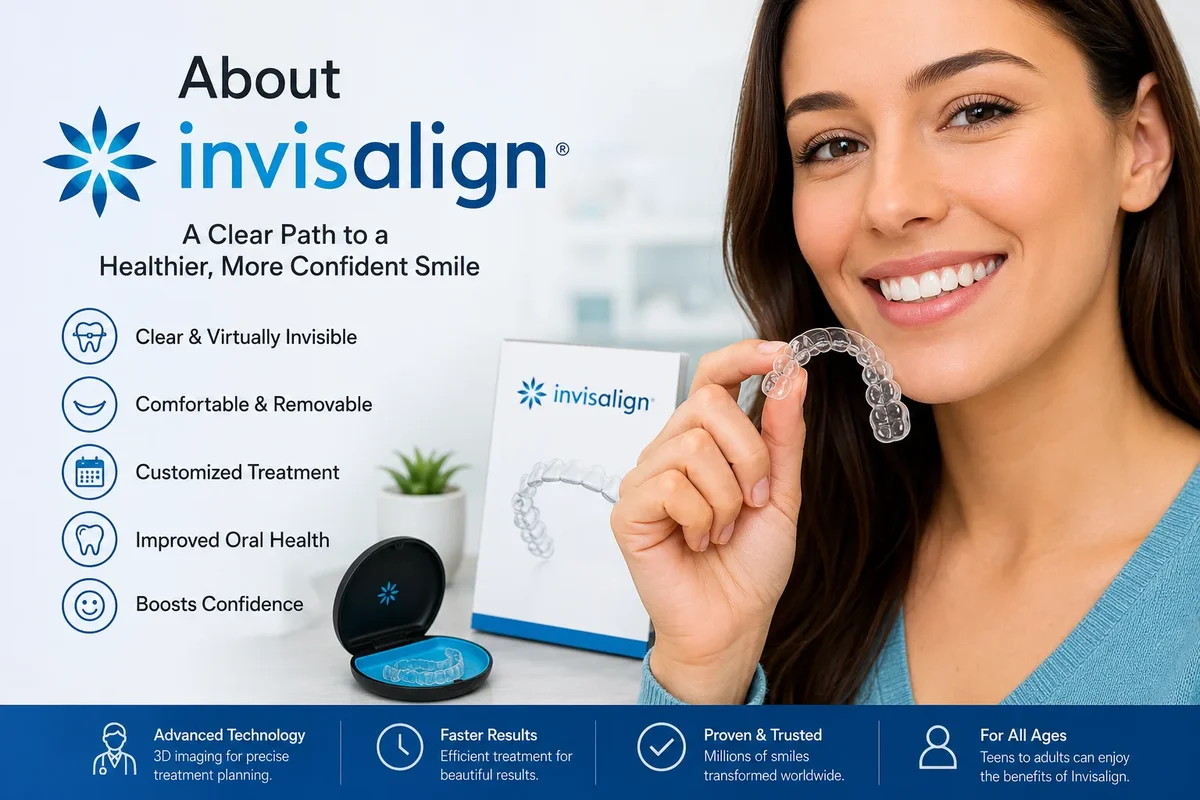
Frequently Asked Questions About Invisalign
When researching about Invisalign, most patients eventually reach a stage where they want direct answers to practical questions. While understanding treatment processes, costs, and benefits is important, many people still have concerns regarding comfort, effectiveness, daily routines, maintenance, and long-term results. This section answers some of the most frequently asked questions about Invisalign in a clear and detailed manner, helping patients make informed decisions before starting treatment.
As interest about Invisalign continues to grow worldwide, patients of all ages are looking for reliable information that addresses their concerns. The following questions represent some of the most common topics discussed during Invisalign consultations. 🦷✨
Does Invisalign Really Work?
One of the first questions people ask about Invisalign is whether it truly works as effectively as traditional braces.
For many orthodontic conditions, the answer is yes. Invisalign has successfully treated millions of patients worldwide and can address issues such as:
- Crowded teeth
- Gaps between teeth
- Overbites
- Underbites
- Crossbites
- Open bites
- Mild to moderate alignment problems
Modern clear aligner technology has advanced significantly, allowing providers to treat increasingly complex orthodontic cases. However, the effectiveness of treatment depends on case selection, treatment planning, and patient compliance.
Is Invisalign Painful?
A very common concern about Invisalign involves discomfort. Most patients experience mild pressure rather than pain, particularly when switching to a new aligner.
This pressure is generally considered a positive sign because it indicates that the aligners are actively moving the teeth.
What Patients Typically Experience
- Mild pressure during the first few days
- Temporary tooth sensitivity
- Short adaptation period
- Minimal soft tissue irritation
Compared with traditional braces, many patients find Invisalign significantly more comfortable because there are no metal brackets or wires.
How Many Hours Per Day Should Aligners Be Worn?
Another frequently asked question about Invisalign concerns daily wear time.
Most providers recommend wearing aligners for 20 to 22 hours per day. Aligners should only be removed for:
- Eating
- Drinking beverages other than water
- Brushing teeth
- Flossing
- Cleaning the aligners
Consistent wear is one of the most important factors influencing treatment success.
Can I Eat Whatever I Want During Treatment?
One of the major advantages about Invisalign is the ability to remove aligners before meals.
Unlike traditional braces, Invisalign does not require extensive dietary restrictions. Patients can continue enjoying foods such as:
- Popcorn
- Nuts
- Chewy foods
- Crunchy vegetables
- Steak
- Chewing gum (after removing aligners)
The key requirement is removing aligners before eating and cleaning the teeth before reinserting them.
Will Invisalign Affect My Speech?
Many individuals researching about Invisalign worry about speech changes.
Some patients experience a temporary lisp or slight pronunciation difference when they first begin treatment. However, most adapt quickly.
How Long Does Speech Adaptation Take?
For most patients, speech returns to normal within a few days to a couple of weeks. Reading aloud and speaking regularly can accelerate adaptation.
How Often Are Dental Appointments Needed?
A practical question about Invisalign involves appointment frequency.
Although schedules vary, many patients attend monitoring appointments every 6 to 10 weeks. These visits allow the provider to:
- Evaluate treatment progress
- Monitor tooth movement
- Provide additional aligners
- Address concerns
- Make necessary adjustments
Compared with traditional braces, Invisalign often requires fewer emergency visits.
Can Invisalign Fix Severe Orthodontic Problems?
Patients often ask about Invisalign and its ability to handle complex cases.
Modern Invisalign systems can successfully treat many cases that were once considered difficult for clear aligners. However, severe skeletal discrepancies or highly complex orthodontic issues may require alternative treatment approaches.
The only way to determine suitability is through a professional evaluation.
How Long Do Results Last?
A very important question about Invisalign concerns the longevity of results.
Successful treatment results can last many years, but retention is essential. Teeth naturally tend to shift over time.
How to Maintain Results
- Wear retainers as instructed
- Attend follow-up appointments
- Maintain good oral health
- Address dental issues promptly
Patients who consistently use retainers generally maintain their orthodontic improvements for the long term.
Are Invisalign Aligners Noticeable?
Many people researching about Invisalign choose the treatment because of its discreet appearance.
Although aligners are not completely invisible, they are generally difficult to notice during normal social interactions. Most people will not realize someone is wearing aligners unless they are specifically looking for them.
This aesthetic advantage is one of Invisalign’s strongest selling points.
Can Teenagers Use Invisalign?
Parents often ask questions about Invisalign for their children.
Invisalign Teen was developed specifically for younger patients and includes features designed to support growing smiles. Many teenagers successfully complete treatment using Invisalign.
However, success depends heavily on responsibility and consistent wear.
What Happens If an Aligner Is Lost?
Another common concern about Invisalign involves lost aligners.
If an aligner is lost, patients should contact their provider as soon as possible. Depending on treatment stage and provider recommendations, patients may be instructed to:
- Wear the previous aligner temporarily
- Advance to the next aligner
- Order a replacement aligner
Prompt communication helps prevent treatment delays.
Is Invisalign Worth It?
Perhaps the most frequently asked question about Invisalign is whether the treatment is worth the investment.
For many patients, the answer is yes. Invisalign offers a combination of:
- Improved smile aesthetics
- Enhanced confidence
- Better oral hygiene access
- Comfortable treatment experience
- Modern digital treatment planning
- Greater flexibility than braces
While every case is unique, many patients report high satisfaction with both the treatment process and final results.
Final Thoughts on Invisalign FAQs
Understanding about Invisalign requires more than simply knowing how clear aligners work. Patients often have important questions regarding comfort, effectiveness, maintenance, treatment duration, and long-term outcomes. By addressing these concerns openly, individuals can approach treatment with greater confidence and realistic expectations.
As more people learn about Invisalign, they discover that clear aligner therapy provides a modern orthodontic solution capable of improving both smile aesthetics and oral health. Through proper treatment planning, patient commitment, and professional guidance, Invisalign can help many individuals achieve lasting orthodontic success and a healthier, more confident smile. 😁🦷✨