
Acrylic braces are a widely used orthodontic solution designed primarily to guide jaw development and correct dental alignment issues, especially in children and teenagers. Unlike fixed orthodontic systems, acrylic braces are typically removable appliances made from a hard acrylic base combined with metal components such as wires or clasps. Their main purpose is not only to straighten teeth but also to influence jaw growth, improve bite alignment, and prevent more complex orthodontic problems later in life 😊.
From a patient’s perspective, acrylic braces are often introduced at an early stage of orthodontic treatment. Dentists and orthodontists commonly recommend acrylic braces when the jaw is still developing, as this allows for more effective redirection of growth. Because they are removable, acrylic braces offer flexibility and comfort, making them a popular choice for younger patients who may not yet be ready for fixed braces.
One of the most important aspects of acrylic braces is how they work. These appliances apply gentle, consistent pressure to specific areas of the teeth and jaw. Over time, this pressure encourages the jaw to expand, shift, or stabilize in a healthier position. Acrylic braces can also include expansion screws that are adjusted periodically by the orthodontist or, in some cases, by parents under professional guidance. This gradual adjustment helps achieve controlled and predictable results.
Acrylic braces are particularly effective for treating issues such as narrow upper jaws, crossbites, mild crowding, and functional bite problems. In many treatment plans, acrylic braces act as a first phase of orthodontic care. After the jaw and teeth reach a better position, patients may later transition to fixed braces or clear aligners for fine-tuning. This phased approach can shorten overall treatment time and improve long-term stability.
Another reason acrylic braces are so commonly recommended is their role in preventive orthodontics. By addressing jaw discrepancies early, acrylic braces can reduce the risk of impacted teeth, severe crowding, and even speech or chewing difficulties. Early intervention with acrylic braces often leads to simpler, less invasive treatments in the future, which is a major advantage for both patients and parents.
Comfort and adaptability are also key benefits. Although there may be a short adjustment period, most patients adapt quickly to wearing acrylic braces. Because they are removable, they can be taken out during meals and cleaning, which helps maintain better oral hygiene compared to fixed systems. However, this convenience also means patient compliance is crucial. For acrylic braces to be effective, they must be worn for the recommended number of hours each day, usually between 14 and 18 hours.
From a materials standpoint, acrylic braces are made from medical-grade acrylic that is durable, safe, and customizable. Orthodontists can choose different colors or designs, which often makes acrylic braces more appealing to younger patients 🎨. This personalization can increase motivation and consistency in wearing the appliance, directly impacting treatment success.
It is also important to understand the limitations of acrylic braces. While they are highly effective for growth modification and early correction, acrylic braces are not designed to handle complex tooth movements on their own. Severe crowding, rotations, or advanced alignment issues usually require fixed orthodontic systems. This is why a thorough orthodontic evaluation is essential before starting treatment with acrylic braces.
Patients considering acrylic braces should always seek professional advice from a qualified dental clinic. A detailed examination, including X-rays and bite analysis, helps determine whether acrylic braces are the most suitable option. Clinics that follow international standards, such as those recommended by the American Dental Association, ensure that treatment planning is both safe and evidence-based.
In summary, acrylic braces are a powerful and patient-friendly orthodontic tool, especially for early-stage treatment. They help guide jaw development, improve bite function, and prepare the mouth for future orthodontic procedures if needed. When used correctly and under professional supervision, acrylic braces can make a significant difference in achieving a healthy, balanced, and confident smile 😁. If you are considering this treatment or want a personalized evaluation, you can always reach out through the Redent Klinik Contact Page to get expert guidance tailored to your needs.
What Are Acrylic Braces and How Do They Work?
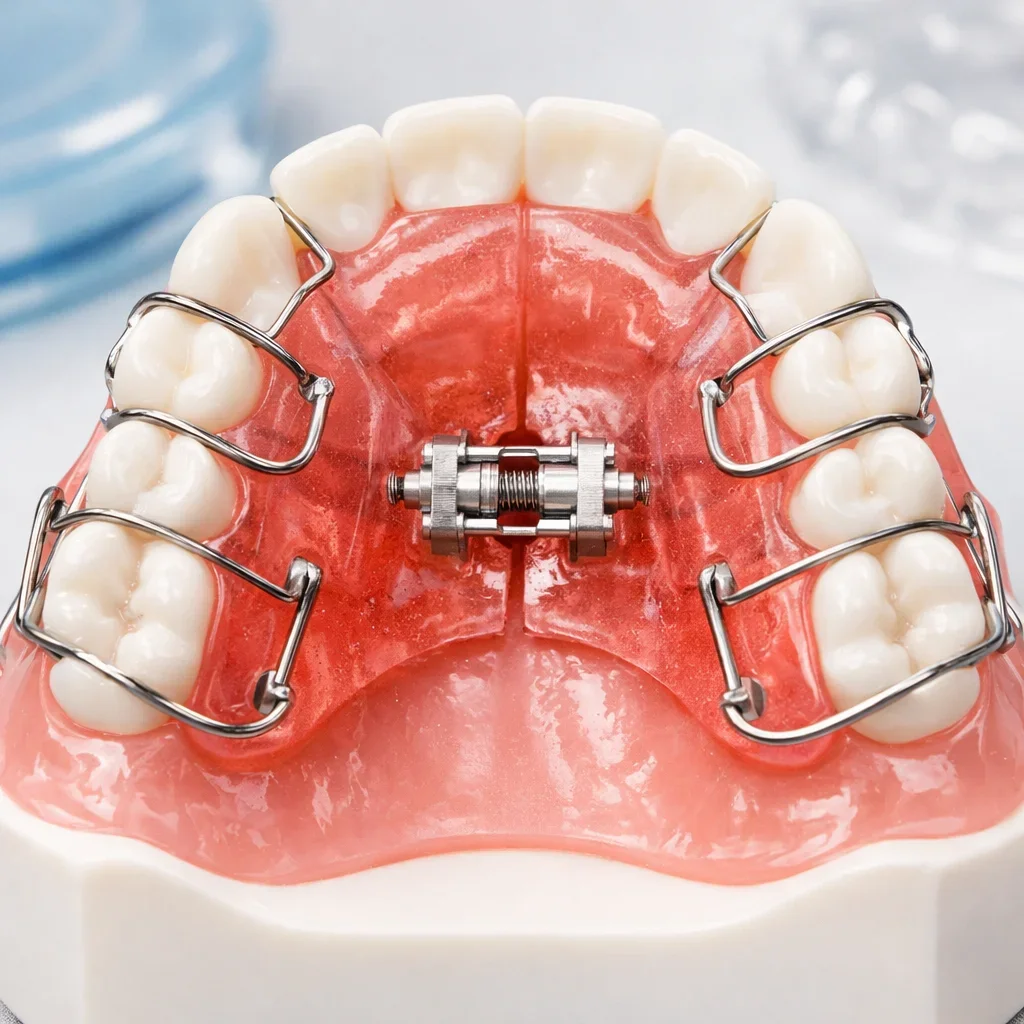
Acrylic braces are removable orthodontic appliances designed to guide jaw development and correct early-stage alignment problems. They are most commonly used in children and adolescents whose jaws are still growing, but in selected cases, adults may also benefit from acrylic braces as part of a broader treatment plan. Unlike fixed braces that are bonded to the teeth, acrylic braces consist of a solid acrylic base that sits against the palate or inner jaw, combined with metal wires, springs, or screws that apply controlled pressure.
The core idea behind acrylic braces is functional orthodontics. Instead of focusing solely on straightening individual teeth, acrylic braces aim to influence how the upper and lower jaws grow and interact. This makes acrylic braces especially effective for correcting bite issues early, reducing the need for more complex orthodontic procedures later in life 😊.
Core Components of Acrylic Braces
To fully understand how acrylic braces work, it is important to break them down into their main components. Each part plays a specific role in guiding dental and skeletal development.
Acrylic Base Plate
The acrylic base plate is the main body of acrylic braces. It is custom-made to fit the patient’s mouth precisely, ensuring comfort and stability. This plate rests against the palate or the inner surface of the jaw and serves as the foundation that supports the appliance. The acrylic material is medical-grade, durable, and safe for long-term oral use. Its close fit allows acrylic braces to distribute pressure evenly, minimizing discomfort while maximizing effectiveness.
Metal Wires and Clasps
Metal components are integrated into acrylic braces to control tooth positioning. These wires gently guide teeth into better alignment and help stabilize the appliance in the mouth. Clasps typically attach to molars, keeping the acrylic braces securely in place during daily activities such as speaking and swallowing.
Expansion Screws
In many cases, acrylic braces include an expansion screw located in the center of the acrylic plate. This screw is gradually adjusted over time, usually under the orthodontist’s instructions. By turning the screw at set intervals, controlled expansion of the jaw is achieved. This feature is particularly useful for correcting narrow upper jaws and crossbites.
How Acrylic Braces Apply Orthodontic Force
Acrylic braces work by applying gentle, continuous pressure rather than aggressive force. This is a key distinction that makes them ideal for growing patients. When worn consistently, acrylic braces influence both tooth movement and jaw growth. The pressure encourages bone remodeling, allowing the jaw to expand or reposition naturally over time.
Because acrylic braces are removable, their success depends heavily on patient compliance. Most orthodontists recommend wearing acrylic braces between 14 and 18 hours per day. Wearing them only at night may not be sufficient in many cases. Consistent use ensures that the forces applied by acrylic braces remain effective and predictable.
Functional Benefits of Acrylic Braces
Acrylic braces do more than just improve alignment. They play an important role in correcting functional problems that affect overall oral health.
One major benefit of acrylic braces is bite correction. Issues such as overbites, underbites, and crossbites often stem from jaw discrepancies rather than tooth position alone. Acrylic braces help guide the jaws into a more harmonious relationship, improving chewing efficiency and reducing strain on jaw joints.
Another functional advantage is improved breathing and tongue posture. By expanding a narrow upper jaw, acrylic braces can increase airway space and encourage proper tongue positioning. This may positively impact speech development and overall oral function, especially in younger patients.
When Acrylic Braces Are Most Effective
The timing of treatment plays a crucial role in the effectiveness of acrylic braces. They are most beneficial during periods of active growth, typically between the ages of 6 and 14. During this stage, the jawbones are more responsive to orthopedic guidance, allowing acrylic braces to produce lasting changes.
However, acrylic braces are not limited exclusively to children. In adult patients, they may be used to stabilize jaw position, prepare the mouth for further orthodontic treatment, or address mild functional issues. A thorough clinical evaluation is essential to determine suitability.
Professional Planning and Safety
Acrylic braces should always be prescribed and monitored by a qualified dental professional. Improper design or incorrect adjustments can lead to discomfort or ineffective results. Reputable clinics follow internationally recognized guidelines, such as those supported by the American Dental Association, to ensure patient safety and optimal outcomes.
In conclusion, acrylic braces are a carefully engineered orthodontic solution that combines comfort, functionality, and preventive care. By guiding jaw growth, correcting bite issues, and preparing the mouth for future treatments, acrylic braces play a vital role in modern orthodontics. When worn as directed and monitored by experienced professionals, acrylic braces can significantly improve both oral health and long-term treatment success 😁.
Who Is a Good Candidate for Acrylic Braces?
Acrylic braces are not a one-size-fits-all orthodontic solution. Their effectiveness depends heavily on the patient’s age, dental development, jaw structure, and specific orthodontic concerns. Understanding who is a good candidate for acrylic braces helps patients and parents set realistic expectations and choose the most effective treatment path 😊.
In general, acrylic braces are most commonly recommended as an early or interceptive orthodontic treatment. They are designed to work with natural growth patterns, which is why patient selection is so important. A professional orthodontic evaluation is always the first step in determining whether acrylic braces are the right option.
Children and Early Adolescents
The ideal candidates for acrylic braces are children and early adolescents, typically between the ages of 6 and 14. During this stage of development, the jawbones are still growing and are highly responsive to orthopedic guidance. Acrylic braces can gently redirect this growth, making it easier to correct structural issues before they become more severe.
Jaw Development Issues
Children with narrow upper jaws, developing crossbites, or early signs of crowding often benefit greatly from acrylic braces. By expanding or guiding the jaw at the right time, acrylic braces can create enough space for permanent teeth to erupt properly. This proactive approach can significantly reduce the need for tooth extractions or complex orthodontic treatments later in life.
Functional Bite Problems
Acrylic braces are also well suited for children with functional bite problems, such as mild overbites or underbites caused by jaw discrepancies. Since these issues are often skeletal rather than dental, acrylic braces are more effective than fixed braces alone at this stage. Correcting these problems early helps improve chewing efficiency and supports healthy facial development.
Teenagers in Transitional Orthodontic Phases
Teenagers who have already developed some permanent teeth may still be good candidates for acrylic braces, especially as part of a two-phase orthodontic treatment. In this scenario, acrylic braces are used first to correct jaw alignment and bite issues. Once these foundational problems are addressed, fixed braces or clear aligners can be used to fine-tune tooth positioning.
This phased approach often leads to shorter overall treatment times and more stable results. Acrylic braces play a supportive but crucial role in setting the stage for successful long-term alignment.
Adult Patients: Limited but Possible Use
Although acrylic braces are most effective during growth periods, certain adult patients may also benefit from them in specific situations. Adults with mild jaw discrepancies, functional bite issues, or those preparing for comprehensive orthodontic treatment may be prescribed acrylic braces as a preliminary step.
Preparation for Further Treatment
In adult cases, acrylic braces are often used to stabilize the bite or slightly expand the jaw before transitioning to fixed orthodontic systems. While the skeletal effects are more limited in adults, acrylic braces can still improve comfort, function, and treatment predictability when used strategically.
Patients Who May Not Be Ideal Candidates
Despite their many benefits, acrylic braces are not suitable for everyone. Patients with severe crowding, complex tooth rotations, or advanced skeletal discrepancies usually require fixed braces, aligners, or even surgical orthodontic interventions. Acrylic braces alone are not designed to handle these complex movements.
Another important factor is patient compliance. Because acrylic braces are removable, they require discipline and consistency. Patients who are unlikely to wear acrylic braces for the recommended number of hours each day may not achieve the desired results. In such cases, fixed appliances may be a more reliable option.
The Importance of Professional Evaluation
Determining candidacy for acrylic braces should never be based on guesswork. A comprehensive orthodontic assessment includes clinical examination, dental impressions, bite analysis, and radiographic imaging. This detailed evaluation helps identify whether acrylic braces can effectively address the patient’s specific needs.
Reputable dental clinics follow evidence-based protocols and international standards, such as those outlined by the American Dental Association, to ensure patient safety and treatment success. Personalized planning is essential for maximizing the benefits of acrylic braces while avoiding unnecessary or ineffective treatments.
In summary, acrylic braces are an excellent option for growing children, many adolescents, and selected adult patients when used appropriately. They are especially effective for early intervention, jaw guidance, and functional bite correction. When prescribed to the right candidate and worn as directed, acrylic braces can significantly improve oral health outcomes and simplify future orthodontic care 😁.
Acrylic Braces vs Metal Braces: Key Differences
When patients or parents begin exploring orthodontic treatment, one of the most common comparisons is between acrylic braces and traditional metal braces. While both aim to improve alignment and oral function, they work in very different ways and are designed for different stages of treatment. Understanding these differences helps patients make informed decisions and align expectations with realistic outcomes 😊.
Acrylic braces and metal braces are not competitors in the strict sense; instead, they often complement each other within a well-planned orthodontic journey. Each option has unique strengths, limitations, and ideal use cases depending on age, dental structure, and treatment goals.
Structural and Design Differences
Design of Acrylic Braces
Acrylic braces are removable appliances made primarily from a rigid acrylic base combined with metal wires, clasps, and sometimes expansion screws. The acrylic portion rests against the palate or inner jaw and is custom-shaped for each patient. Acrylic braces focus on guiding jaw growth and correcting functional bite issues rather than moving individual teeth with precision.
Design of Metal Braces
Metal braces, on the other hand, are fixed orthodontic systems. They consist of metal brackets bonded directly to the teeth and connected by archwires. Metal braces apply continuous force to move teeth into precise positions. Because they are fixed, they do not rely on patient compliance in the same way acrylic braces do.
Function and Treatment Goals
The primary function of acrylic braces is orthopedic rather than purely orthodontic. Acrylic braces influence jaw development, making them particularly effective during growth phases. They help correct skeletal discrepancies, expand narrow jaws, and improve bite relationships.
Metal braces are designed for detailed tooth movement. They excel at correcting rotations, closing gaps, aligning crowded teeth, and refining the final position of each tooth. While metal braces can influence bite alignment to some extent, they are less effective than acrylic braces at modifying jaw growth in younger patients.
Age and Timing Considerations
One of the most significant differences between acrylic braces and metal braces is the ideal age for treatment. Acrylic braces are most effective in children and early adolescents whose jaws are still developing. Early intervention with acrylic braces can prevent more severe alignment problems later on.
Metal braces are commonly used in adolescents and adults once most permanent teeth have erupted. They are suitable for patients of almost any age, provided oral health is stable. In many cases, patients start with acrylic braces and later transition to metal braces for comprehensive alignment.
Comfort and Daily Experience
Comfort is a key factor for many patients. Acrylic braces are removable, which allows patients to take them out while eating and cleaning their teeth. This can make daily life easier and supports better oral hygiene. However, the removable nature of acrylic braces also means they must be worn consistently to be effective.
Metal braces remain in place at all times. While this eliminates compliance concerns, it can make eating and cleaning more challenging. Patients with metal braces must adapt their diets and oral hygiene routines to avoid discomfort and plaque buildup.
Effectiveness and Treatment Scope
Acrylic braces are highly effective for early-stage correction, especially when jaw development is a concern. They can significantly reduce treatment complexity by creating proper space and alignment before permanent teeth settle. However, acrylic braces alone are usually not sufficient for complete orthodontic correction.
Metal braces offer unmatched precision in tooth movement. They are capable of handling complex cases involving severe crowding, misalignment, or bite issues. For this reason, metal braces are often the second phase of treatment after acrylic braces have addressed skeletal concerns.
Aesthetic and Psychological Factors
From an aesthetic standpoint, acrylic braces are often perceived as less intimidating, especially for younger patients. Many acrylic braces can be customized with different colors, making them more appealing and encouraging consistent use 🎨.
Metal braces are more visible and may affect self-confidence for some patients. However, modern designs are smaller and more comfortable than older versions, and many patients adapt quickly.
Professional Guidance and Safety
Choosing between acrylic braces and metal braces should always involve professional consultation. Orthodontists evaluate facial growth, bite function, and dental development before recommending a treatment plan. Trusted standards, such as those supported by the American Dental Association, emphasize individualized treatment planning for optimal results.
In summary, acrylic braces and metal braces serve different but complementary roles in orthodontic care. Acrylic braces are ideal for guiding jaw growth and early correction, while metal braces provide precise tooth alignment and finishing. When used at the right time and for the right reasons, both systems can work together to achieve a healthy, balanced, and confident smile 😁.
Advantages of Choosing Acrylic Braces
Acrylic braces offer a range of benefits that make them a preferred orthodontic option for many patients, particularly children and adolescents. Their design, function, and flexibility distinguish them from other orthodontic appliances and allow dentists to address dental and skeletal issues early and effectively. Understanding the advantages of acrylic braces helps patients and parents appreciate why this treatment is so commonly recommended 😊.
Early Intervention and Preventive Benefits
One of the most significant advantages of acrylic braces is their role in early orthodontic intervention. Acrylic braces are specifically designed to work with natural jaw growth, which means they can prevent small problems from developing into complex orthodontic conditions later on. By guiding the jaw into a healthier position at a young age, acrylic braces often reduce or even eliminate the need for tooth extractions or surgical procedures in the future.
This preventive approach is especially valuable for children with narrow jaws, developing crowding, or early bite issues. Acrylic braces create space and balance in the mouth, allowing permanent teeth to erupt in a more favorable alignment.
Removable Design and Improved Comfort
Ease of Daily Use
Another major advantage of acrylic braces is that they are removable. Unlike fixed orthodontic systems, acrylic braces can be taken out during meals and oral hygiene routines. This makes eating more comfortable and allows patients to brush and floss more effectively, reducing the risk of cavities and gum problems.
Adaptation and Comfort
Acrylic braces are custom-made for each patient, which enhances comfort and fit. Although there may be a brief adjustment period, most patients adapt quickly. The smooth acrylic surface is generally gentle on the oral tissues, making acrylic braces easier to tolerate than some fixed appliances.
Effective Jaw Development Guidance
Acrylic braces are particularly effective at influencing jaw growth. This is a key advantage that sets them apart from many other orthodontic options. By applying gentle and controlled pressure, acrylic braces encourage the jaw to expand or reposition naturally over time.
This jaw guidance improves bite function, facial balance, and overall oral health. Correcting jaw discrepancies early also reduces stress on the jaw joints and muscles, potentially preventing discomfort or functional issues later in life.
Customizable and Patient-Friendly Design
Acrylic braces can be personalized in terms of color and design, which is especially appealing for younger patients 🎨. This customization can increase motivation and compliance, as children are more likely to wear acrylic braces consistently when they feel a sense of ownership over their appliance.
Higher compliance directly translates into better treatment outcomes. Since acrylic braces rely on consistent wear, patient cooperation is a critical factor in success, and personalization plays an important role in encouraging that cooperation.
Flexible Treatment Planning
Another advantage of acrylic braces is their flexibility within a broader orthodontic treatment plan. Acrylic braces are often used as a first phase of treatment, preparing the mouth for future orthodontic appliances such as metal braces or clear aligners.
By addressing jaw alignment and functional issues early, acrylic braces make later stages of treatment more efficient and predictable. This phased approach can shorten overall treatment time and improve the stability of results.
Cost-Effectiveness in Long-Term Care
While orthodontic costs vary depending on region and complexity, acrylic braces are often considered cost-effective when used appropriately. Early treatment with acrylic braces can reduce the need for extensive orthodontic corrections later, potentially lowering overall treatment expenses in the long run.
Additionally, because acrylic braces are durable and adjustable, they can accommodate changes during growth without requiring frequent replacement.
Professional Oversight and Safety
Acrylic braces are designed and monitored by dental professionals, ensuring safe and controlled treatment. Orthodontists follow evidence-based guidelines, such as those supported by the American Dental Association, to ensure that acrylic braces are used appropriately and effectively.
Regular follow-up appointments allow adjustments to be made as needed, ensuring steady progress and minimizing potential complications.
In conclusion, acrylic braces provide numerous advantages, including early intervention, comfort, flexibility, and effective jaw development guidance. Their removable and customizable design makes them especially suitable for young patients, while their preventive benefits support long-term oral health. When used as part of a professionally guided treatment plan, acrylic braces can play a crucial role in achieving a balanced bite, healthy jaw development, and a confident smile 😁.
Potential Disadvantages and Limitations
While acrylic braces offer many clinical and practical advantages, they are not without limitations. Understanding the potential disadvantages of acrylic braces is essential for setting realistic expectations and ensuring patient satisfaction. A balanced view helps patients and parents make informed decisions based on individual needs, lifestyle, and treatment goals 😊.
Dependence on Patient Compliance
Removable Nature Requires Discipline
One of the most significant limitations of acrylic braces is their reliance on patient compliance. Because acrylic braces are removable, their effectiveness depends heavily on how consistently they are worn. Orthodontists typically recommend wearing acrylic braces for 14 to 18 hours per day. Failure to meet this requirement can slow progress or even halt treatment entirely.
Younger patients may forget to wear acrylic braces regularly, while older children and teenagers may remove them for social or comfort reasons. Unlike fixed systems, acrylic braces do not work if they are left in a case instead of the mouth.
Risk of Loss or Damage
Since acrylic braces can be removed, there is also a higher risk of loss or accidental damage. Leaving acrylic braces wrapped in napkins during meals or placing them in unprotected areas can easily result in breakage or disposal. Repairs or replacements may delay treatment and increase overall costs.
Limited Scope of Tooth Movement
Acrylic braces are primarily designed for guiding jaw development and correcting functional bite issues. This means they are not suitable for complex orthodontic cases that require precise tooth movements. Severe crowding, rotated teeth, large gaps, or advanced alignment problems usually cannot be fully corrected with acrylic braces alone.
In many cases, acrylic braces are used as an initial phase of treatment rather than a complete solution. Patients should understand that additional orthodontic appliances, such as metal braces or clear aligners, may still be necessary to achieve optimal results.
Initial Discomfort and Speech Changes
Adaptation Period
Like any orthodontic appliance, acrylic braces require an adjustment period. During the first few days or weeks, patients may experience mild soreness, increased saliva production, or pressure in the jaw. This discomfort is usually temporary and subsides as the mouth adapts.
Temporary Speech Effects
Acrylic braces may also affect speech initially, particularly pronunciation of certain sounds. Because the acrylic base sits against the palate or inner jaw, it can temporarily alter tongue movement. Most patients adapt quickly, but this short-term inconvenience can be frustrating, especially for school-aged children.
Hygiene and Maintenance Challenges
Although acrylic braces can be removed for cleaning, they still require proper maintenance. If not cleaned regularly, acrylic braces can accumulate plaque, bacteria, and unpleasant odors. Poor hygiene can lead to gum irritation or oral infections.
Patients must be diligent about brushing acrylic braces with appropriate tools and avoiding harsh chemicals or hot water that could damage the acrylic material.
Not Ideal for All Age Groups
Acrylic braces are most effective during active growth phases. In adults, the skeletal effects of acrylic braces are limited because jaw growth has already stabilized. While acrylic braces may still be used in select adult cases, their impact is generally reduced compared to younger patients.
This age-related limitation means acrylic braces are not a universal orthodontic solution and must be prescribed selectively based on biological factors.
Aesthetic Considerations
Although acrylic braces are less visible than some fixed appliances, they are not completely invisible. Some patients may feel self-conscious wearing acrylic braces, especially if metal clasps are visible when speaking or smiling. This can influence willingness to wear the appliance consistently.
Importance of Professional Oversight
Improper design, incorrect adjustments, or lack of professional supervision can reduce the effectiveness of acrylic braces or cause discomfort. This is why acrylic braces should always be prescribed and monitored by experienced dental professionals.
Reputable clinics adhere to evidence-based standards, such as those supported by the American Dental Association, to ensure that acrylic braces are used safely and appropriately.
In summary, acrylic braces have clear limitations related to compliance, treatment scope, and patient suitability. They are not designed to replace comprehensive orthodontic systems but rather to complement them in the right clinical context. When patients understand these potential disadvantages and follow professional guidance closely, acrylic braces can still play a highly effective role in early orthodontic care 😁.
How Acrylic Braces Affect Oral Health
Acrylic braces play a significant role not only in orthodontic correction but also in overall oral health. When prescribed correctly and worn as directed, acrylic braces can positively influence dental alignment, jaw function, and long-term oral hygiene outcomes. However, like any orthodontic appliance, their impact on oral health depends on proper use, maintenance, and professional supervision 😊.
Impact on Jaw Alignment and Bite Function
One of the most important ways acrylic braces affect oral health is through bite correction. Many orthodontic problems originate from improper jaw alignment rather than individual tooth position. Acrylic braces are specifically designed to guide jaw growth and improve how the upper and lower teeth come together.
By correcting bite discrepancies such as crossbites, mild overbites, or functional underbites, acrylic braces help distribute chewing forces evenly across the teeth. This balanced function reduces excessive wear on certain teeth and minimizes strain on the jaw joints, supporting healthier long-term oral function.
Influence on Tooth Eruption and Alignment
Creating Space for Permanent Teeth
Acrylic braces are particularly beneficial during childhood because they help create adequate space for permanent teeth to erupt naturally. When the jaw is too narrow, teeth may erupt in crowded or misaligned positions. Acrylic braces gently expand the jaw, reducing the risk of impaction or severe crowding.
This early intervention improves overall alignment and can simplify or shorten future orthodontic treatments. Healthier tooth positioning also makes daily oral hygiene easier, reducing the risk of plaque buildup.
Supporting Natural Dental Development
By guiding teeth and jaws into more favorable positions, acrylic braces support balanced dental development. This alignment contributes to improved chewing efficiency and clearer speech, both of which are essential aspects of oral health.
Effects on Gum Health and Oral Hygiene
Acrylic braces can have a positive impact on gum health when used properly. Because they are removable, patients can brush and floss more effectively compared to fixed orthodontic systems. This accessibility allows for better plaque control and reduces the risk of gingivitis and cavities.
However, oral health benefits are only achieved if acrylic braces are cleaned regularly. If acrylic braces are neglected, bacteria and plaque can accumulate on the appliance itself, potentially irritating the gums or causing unpleasant odors. Proper hygiene routines are essential for maintaining a healthy oral environment.
Jaw Joint Health and Muscle Balance
Another important oral health benefit of acrylic braces is their effect on jaw joints and muscles. Improper bite alignment can place stress on the temporomandibular joints and surrounding muscles, leading to discomfort or functional issues.
By improving jaw positioning, acrylic braces help promote more balanced muscle activity during chewing and speaking. This balanced function can reduce unnecessary strain and support healthier joint movement over time.
Potential Oral Health Risks if Misused
Inconsistent Wear
If acrylic braces are not worn consistently, their benefits to oral health are significantly reduced. Inconsistent use can result in incomplete correction, prolonged treatment, or relapse of previous improvements. This can negatively affect both alignment and function.
Poor Maintenance
Improper cleaning of acrylic braces can compromise oral health. Plaque buildup on the appliance can transfer to the teeth and gums, increasing the risk of cavities and gum inflammation. Patients must follow professional cleaning instructions to avoid these issues.
Professional Monitoring and Oral Health Safety
Regular dental check-ups are essential when wearing acrylic braces. Orthodontists monitor jaw development, tooth movement, and oral tissues to ensure the appliance is supporting healthy outcomes. Adjustments are made as needed to maintain effectiveness and comfort.
Clinics that follow evidence-based standards, such as those recommended by the American Dental Association, prioritize both orthodontic success and overall oral health. This professional oversight ensures that acrylic braces contribute positively rather than causing unintended problems.
In summary, acrylic braces can have a highly positive impact on oral health when used correctly. They support healthy jaw development, improve bite function, facilitate better tooth alignment, and make oral hygiene more manageable. At the same time, their benefits depend on consistent wear, proper maintenance, and regular professional supervision. When these factors are in place, acrylic braces become a valuable tool for promoting long-term oral health and functional balance 😁.
Daily Care and Maintenance of Acrylic Braces
Proper daily care and maintenance are essential for getting the best results from acrylic braces. While acrylic braces are designed to be durable and patient-friendly, their effectiveness and hygiene depend heavily on how well they are looked after. Good maintenance habits not only protect oral health but also ensure that acrylic braces remain comfortable, odor-free, and fully functional throughout treatment 😊.
Why Proper Care of Acrylic Braces Matters
Acrylic braces sit directly against oral tissues and teeth for many hours each day. Because of this close contact, they can easily collect plaque, food particles, and bacteria if not cleaned properly. Poor care of acrylic braces can lead to gum irritation, bad breath, and an increased risk of cavities.
Consistent maintenance also protects the structure of acrylic braces. Scratches, cracks, or warping can reduce comfort and compromise how effectively the appliance works. Developing a daily care routine is therefore a critical part of successful treatment.
Daily Cleaning Routine for Acrylic Braces
Cleaning After Removal
Acrylic braces should be cleaned every time they are removed from the mouth. Ideally, this should be done at least twice a day, in the morning and before bedtime. After removal, acrylic braces should be rinsed under lukewarm water to remove loose debris.
A soft toothbrush designed specifically for orthodontic appliances should be used to gently brush all surfaces of acrylic braces. Special attention should be paid to metal wires, clasps, and any screws, as these areas tend to trap plaque more easily.
Choosing the Right Cleaning Products
Not all cleaning products are suitable for acrylic braces. Regular toothpaste can be abrasive and may scratch the acrylic surface over time. Instead, orthodontists often recommend mild liquid soap, non-abrasive cleaners, or products specifically designed for removable orthodontic appliances.
Harsh chemicals, whitening agents, or alcohol-based solutions should be avoided, as they can damage acrylic braces and cause discoloration.
Oral Hygiene While Wearing Acrylic Braces
Maintaining excellent oral hygiene is just as important as cleaning acrylic braces themselves. Teeth and gums should be brushed thoroughly after every meal, especially before reinserting acrylic braces. Trapped food particles between the appliance and teeth can quickly lead to plaque buildup if oral hygiene is neglected.
Flossing once a day is strongly recommended, as it helps remove plaque from areas that brushing alone may miss. Clean teeth provide a healthier environment for acrylic braces and reduce the risk of gum inflammation.
Safe Storage of Acrylic Braces
Using a Protective Case
When acrylic braces are not being worn, they should always be stored in a protective case. This prevents accidental damage, loss, or contamination. Placing acrylic braces in napkins or pockets is one of the most common reasons appliances are accidentally thrown away or broken.
Avoiding Heat and Pressure
Acrylic braces are sensitive to heat. Hot water, direct sunlight, or leaving the appliance in a hot car can cause warping. Warped acrylic braces may no longer fit properly and could become uncomfortable or ineffective. Always use lukewarm or cool water when cleaning acrylic braces.
Handling Adjustments and Minor Issues
During treatment, orthodontists may adjust screws or wires in acrylic braces to guide progress. Patients or parents should only perform adjustments if they have been clearly instructed to do so by a dental professional. Incorrect adjustments can reduce effectiveness or cause discomfort.
If acrylic braces cause sore spots, cracks, or loosened wires, professional evaluation is necessary. Attempting to fix acrylic braces at home can lead to further damage.
Regular Dental Check-Ups and Professional Care
Routine follow-up appointments are essential when wearing acrylic braces. Orthodontists monitor jaw development, appliance condition, and oral health to ensure treatment stays on track. These visits also allow for professional cleaning and polishing of acrylic braces if needed.
Clinics that follow established standards, such as those supported by the American Dental Association, emphasize both appliance hygiene and overall oral health throughout orthodontic treatment.
In conclusion, daily care and maintenance play a decisive role in the success of acrylic braces. Consistent cleaning, proper storage, excellent oral hygiene, and regular professional supervision work together to protect oral health and ensure effective treatment. When patients take responsibility for caring for their acrylic braces, they greatly increase their chances of achieving comfortable wear, predictable results, and a healthy smile that lasts 😁.
Treatment Duration and Expected Results
Understanding treatment duration and expected results is one of the most important factors for patients considering acrylic braces. While acrylic braces are highly effective when used at the right time and for the right purpose, outcomes depend on several variables, including age, jaw development, consistency of wear, and the specific orthodontic goals of the patient. Having clear expectations helps patients stay motivated and committed throughout the treatment process 😊.
Average Treatment Duration with Acrylic Braces
The treatment duration for acrylic braces varies from patient to patient. On average, acrylic braces are worn for a period ranging from 6 months to 18 months. This timeframe is influenced by how quickly the jaw responds to guidance and how consistently the appliance is worn.
In younger patients who are still experiencing active jaw growth, acrylic braces often produce noticeable improvements within the first few months. Early changes may include better bite alignment, increased jaw width, and improved spacing for erupting teeth. However, even when progress is visible early, continued wear is essential to stabilize results.
Shorter Treatment in Early Intervention
When acrylic braces are used as an early interceptive treatment, the overall duration is often shorter. Guiding jaw growth at the right developmental stage allows acrylic braces to work more efficiently, sometimes reducing the need for prolonged orthodontic treatment later.
Extended Duration Due to Compliance Issues
One of the most common reasons for extended treatment time with acrylic braces is inconsistent wear. Because acrylic braces are removable, patients who do not meet the recommended daily wear time may experience slower progress. In some cases, poor compliance can significantly delay expected results.
Factors That Influence Treatment Results
Age and Growth Potential
Age is a major determinant of success with acrylic braces. Children and early adolescents typically achieve more pronounced and stable results because their jawbones are still developing. Acrylic braces can guide this growth effectively, leading to long-lasting improvements.
In adult patients, where jaw growth has stabilized, acrylic braces may still produce functional benefits, but changes tend to be more limited and gradual.
Consistency of Wear
Wearing acrylic braces for the recommended 14 to 18 hours per day is critical for achieving optimal results. Consistent wear ensures that the gentle forces applied by acrylic braces remain effective over time. Irregular use can lead to partial correction or relapse of previous improvements.
Severity of the Orthodontic Issue
The complexity of the underlying orthodontic problem also affects outcomes. Acrylic braces are highly effective for guiding jaw development, correcting mild to moderate bite issues, and creating space. However, more complex alignment problems may require additional orthodontic phases after acrylic braces have completed their role.
Expected Functional and Aesthetic Improvements
Patients who use acrylic braces as directed can expect several meaningful improvements. Functionally, acrylic braces help create a more balanced bite, improving chewing efficiency and reducing strain on jaw muscles and joints.
Aesthetically, better jaw alignment often leads to improved facial balance and a more harmonious smile. While acrylic braces are not primarily designed for fine tooth alignment, they lay a strong foundation for future orthodontic treatments if needed.
Transition to Further Orthodontic Treatment
In many cases, acrylic braces are part of a phased orthodontic approach. Once the jaw and bite are properly guided, patients may transition to fixed braces or clear aligners for detailed tooth positioning. This transition is usually smoother and faster because acrylic braces have already addressed foundational issues.
This step-by-step strategy often results in shorter overall treatment times and more stable final results.
Monitoring Progress and Adjustments
Regular follow-up appointments are essential during treatment with acrylic braces. Orthodontists monitor progress, adjust screws or wires, and evaluate jaw development to ensure treatment goals are being met. These visits help prevent complications and keep treatment on schedule.
Dental professionals follow evidence-based protocols, such as those supported by the American Dental Association, to ensure safe and predictable outcomes.
Long-Term Stability and Retention
After completing treatment with acrylic braces, retention is an important consideration. Some patients may need to continue wearing the appliance for a short period at night to stabilize results. In other cases, a different type of retainer may be recommended.
When treatment is completed correctly and supported by good compliance, results achieved with acrylic braces are generally stable and long-lasting.
In conclusion, acrylic braces offer predictable and highly beneficial results when used appropriately. Treatment duration typically ranges from several months to just over a year, depending on individual factors. With consistent wear, professional monitoring, and realistic expectations, acrylic braces can successfully guide jaw development, improve bite function, and set the stage for a healthier and more confident smile 😁.
Cost of Acrylic Braces and What Influences Pricing
The cost of acrylic braces is one of the most common questions patients and parents ask before starting orthodontic treatment. While acrylic braces are generally considered more affordable than comprehensive fixed orthodontic systems, their price can vary significantly depending on several clinical and practical factors. Understanding what influences the cost of acrylic braces helps patients plan realistically and avoid unexpected expenses 😊.
Average Cost Range of Acrylic Braces
On average, the cost of acrylic braces typically falls within a moderate range compared to other orthodontic options. In many regions, acrylic braces may cost less than full metal braces because they are often used as an early or first-phase treatment rather than a complete orthodontic solution.
Estimated Price Ranges
Based on general market data and clinical practices:
- Children and early adolescents: Acrylic braces used for early intervention often fall into a lower price range because treatment duration is shorter.
- Two-phase orthodontic plans: When acrylic braces are part of a longer treatment plan, their cost is usually separate from the later fixed braces or aligners.
It is important to note that these figures are estimates and can vary widely depending on location, clinic standards, and treatment complexity.
Key Factors That Influence the Cost of Acrylic Braces
Complexity of the Orthodontic Issue
The severity of the jaw or bite problem plays a major role in determining the cost of acrylic braces. Simple cases involving mild jaw expansion or early bite correction generally require fewer adjustments and shorter treatment time, which helps keep costs lower.
More complex cases may require customized designs, frequent adjustments, or extended treatment duration, all of which can increase the overall cost of acrylic braces.
Duration of Treatment
Treatment length directly affects pricing. Acrylic braces worn for six months will typically cost less than those required for a year or longer. Extended treatment may involve additional follow-up visits, appliance modifications, or replacements, which contribute to higher costs.
Customization and Appliance Design
Acrylic braces are custom-made for each patient, and the level of customization can influence pricing. Appliances that include expansion screws, specialized wires, or reinforced acrylic structures may cost more due to increased laboratory work and materials.
Some patients also choose personalized colors or designs, which may slightly affect the final cost.
Professional Expertise and Clinic Standards
The experience of the orthodontist and the standards of the dental clinic are important cost factors. Clinics that follow advanced diagnostic protocols, use high-quality materials, and provide close monitoring may charge higher fees. However, this often translates into safer treatment and more predictable results.
Clinics that align their practices with internationally recognized guidelines, such as those supported by the American Dental Association, emphasize accuracy, safety, and long-term oral health rather than short-term cost savings.
Additional Costs to Consider
Follow-Up Visits and Adjustments
Most treatment plans with acrylic braces include a set number of follow-up appointments. However, additional visits due to missed appointments, broken appliances, or compliance issues may increase the total cost.
Repairs or Replacements
Because acrylic braces are removable, they can be lost or damaged if not handled carefully. Repairs or replacements are not always included in the initial fee and may add to overall expenses.
Transition to Further Orthodontic Treatment
It is important to remember that acrylic braces are often just one phase of orthodontic care. If fixed braces or clear aligners are needed later, those treatments will have separate costs. However, early treatment with acrylic braces can reduce the complexity and cost of later phases.
Value vs Cost: Long-Term Perspective
While cost is an important consideration, value should be evaluated from a long-term perspective. Acrylic braces can prevent more severe orthodontic problems, reduce treatment duration later in life, and improve overall oral health outcomes. These benefits often outweigh the initial investment.
Parents often find that early intervention with acrylic braces leads to fewer complications, simpler future treatments, and better stability of results.
Consultation and Transparent Pricing
The most accurate way to determine the cost of acrylic braces is through a professional consultation. A detailed examination allows the orthodontist to create a personalized treatment plan and provide transparent pricing based on actual clinical needs.
If you are considering treatment and want a clear, personalized cost assessment, you can consult a qualified dental clinic directly. Reaching out through the Redent Klinik Contact Page allows you to receive expert guidance and detailed information tailored to your specific case.
In conclusion, the cost of acrylic braces depends on multiple factors, including treatment complexity, duration, customization, and professional standards. While prices vary, acrylic braces are generally a cost-effective and valuable option for early orthodontic intervention. When viewed as an investment in long-term oral health, acrylic braces offer both clinical and financial advantages for the right candidates 😁.