
Adin dental implants are a modern, science-backed solution designed to replace missing teeth with a stable, long-lasting, and natural-looking alternative. If you are researching implant options and want a balance between quality, durability, and affordability, understanding how adin dental implants work is essential. This guide is written to fully answer patient questions, align with clinical standards, and help you make an informed decision with confidence 😊.
At their core, adin dental implants are titanium-based fixtures that are surgically placed into the jawbone to act as artificial tooth roots. Over time, the implant integrates with the surrounding bone through a biological process called osseointegration. This integration is what gives adin dental implants their exceptional stability and allows them to function much like natural teeth when chewing, speaking, or smiling.
One of the main reasons patients and dentists choose adin dental implants is their strong focus on precision engineering. Manufactured under strict international quality standards, these implants are designed to fit securely into the jawbone while minimizing trauma to surrounding tissues. This careful design supports faster healing times and predictable long-term results, which is a key concern for anyone considering implant treatment.
From a patient’s perspective, adin dental implants offer both functional and aesthetic benefits. Functionally, they help restore proper bite force, which prevents overloading of neighboring teeth and reduces jawbone deterioration. Aesthetically, adin dental implants support natural-looking crowns that blend seamlessly with existing teeth, helping patients regain confidence in their smile 😁.
Another important aspect of adin dental implants is their versatility. They can be used to replace a single missing tooth, multiple teeth, or even support full-arch restorations such as implant-supported bridges or dentures. This flexibility allows dentists to create personalized treatment plans based on bone quality, oral health status, and patient expectations.
Patients often ask whether adin dental implants are safe and clinically proven. The answer is yes. These implants are widely used in many countries and comply with international dental and medical standards. Their surface technology is specifically engineered to promote strong bone attachment, which is a critical factor in long-term implant success. For patients who want evidence-based care, adin dental implants align well with globally accepted dental implant principles promoted by organizations such as the American Dental Association.
Comfort during and after treatment is another key concern. The placement of adin dental implants is typically performed under local anesthesia, and most patients report minimal discomfort during recovery. Because the implant mimics the function of a natural tooth root, it distributes chewing forces evenly across the jaw, reducing stress on surrounding structures. This makes adin dental implants a comfortable and reliable solution in daily life.
It is also important to highlight the long-term oral health benefits. When a tooth is lost and not replaced, the jawbone in that area can begin to shrink over time. Adin dental implants actively help prevent this bone loss by stimulating the jaw during chewing, preserving facial structure and preventing the sunken appearance often associated with missing teeth. This protective effect is one of the strongest arguments in favor of adin dental implants compared to removable alternatives.
For patients considering treatment abroad or seeking expert consultation, choosing the right clinic is just as important as choosing the implant brand. A professional evaluation ensures that adin dental implants are placed correctly and tailored to your needs. If you would like to discuss your options with experienced dental professionals, you can reach out through the Redent Klinik Contact Page to receive personalized guidance 🦷.
In summary, adin dental implants represent a reliable, patient-focused solution for tooth replacement. They combine advanced materials, proven biological principles, and flexible treatment options to deliver strong, natural, and long-lasting results. Whether your goal is improved chewing function, enhanced appearance, or long-term oral health, adin dental implants are designed to meet modern patient expectations with confidence and precision.
What Are Adin Dental Implants and How Do They Work?
Adin dental implants are advanced tooth replacement systems designed to restore missing teeth in a way that closely mimics natural tooth structure and function. To truly understand why adin dental implants are widely used by dentists and trusted by patients, it is important to look at both what they are made of and how they function inside the mouth over time 🦷.
The Basic Structure of Adin Dental Implants
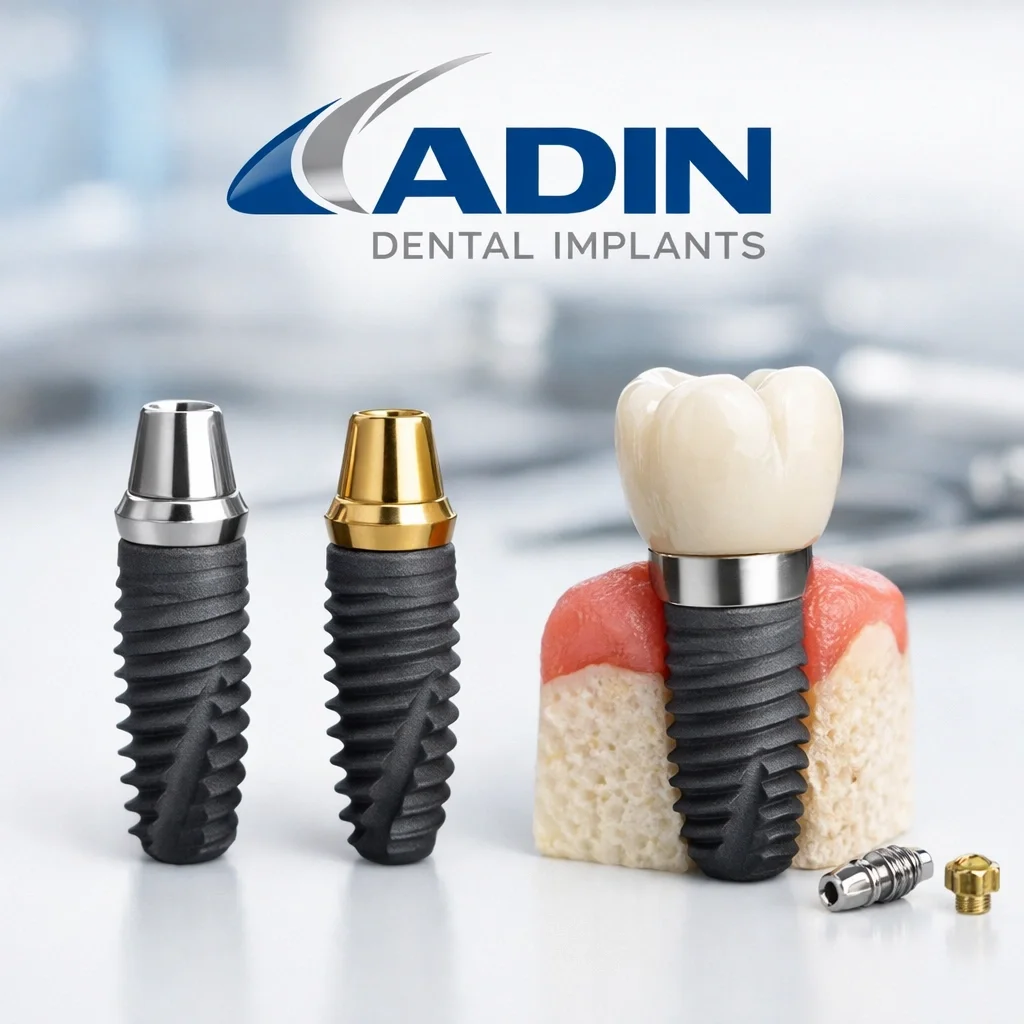
An adin dental implants system typically consists of three main components: the implant fixture, the abutment, and the dental crown. The implant fixture is a small, screw-shaped post made primarily from medical-grade titanium. This material is chosen because it is biocompatible, meaning the human body accepts it without triggering negative reactions. Once placed into the jawbone, the fixture serves as an artificial tooth root.
The abutment is the connector that sits on top of the implant fixture. It acts as a bridge between the implant and the visible tooth. Finally, the crown is the custom-made tooth that is attached to the abutment. With adin dental implants, crowns are carefully shaped and color-matched to blend seamlessly with surrounding teeth, ensuring a natural appearance 😊.
How Adin Dental Implants Integrate with the Jawbone
The key biological process behind adin dental implants is called osseointegration. After the implant fixture is placed into the jawbone, the bone cells gradually grow and bond directly to the implant surface. This creates a strong and stable foundation that allows adin dental implants to function like natural teeth.
The surface of adin dental implants is engineered to support this process. Specialized surface treatments increase the contact area between bone and implant, encouraging faster and stronger integration. This is crucial for long-term success, as proper osseointegration ensures that the implant can handle chewing forces without loosening or failing.
Why Osseointegration Matters for Long-Term Success
Without proper osseointegration, an implant may feel unstable or uncomfortable. Adin dental implants are designed to reduce this risk by promoting predictable bone healing. Once integration is complete, patients can chew, speak, and smile with confidence, often forgetting they even have an implant.
The Functional Role of Adin Dental Implants
From a functional standpoint, adin dental implants play a vital role in restoring oral balance. When a tooth is missing, nearby teeth may shift into the empty space, leading to bite problems and uneven pressure during chewing. By replacing the missing tooth root, adin dental implants help maintain proper alignment and distribute biting forces evenly across the jaw.
Unlike removable dentures, adin dental implants are fixed securely in place. This stability allows patients to enjoy a wider range of foods without fear of movement or discomfort. Over time, this improved chewing efficiency also supports better digestion and overall oral health.
How Adin Dental Implants Protect Jawbone Health
One of the most important benefits of adin dental implants is their ability to preserve jawbone density. When a natural tooth is lost, the jawbone no longer receives stimulation in that area and may begin to shrink. This process, known as bone resorption, can change facial structure and lead to an aged appearance.
Adin dental implants actively prevent this problem by transferring chewing forces directly into the jawbone, just like natural tooth roots. This stimulation signals the body to maintain bone volume, helping preserve facial contours and long-term oral stability.
Comparison with Traditional Tooth Replacement Options
Compared to traditional bridges, adin dental implants do not require grinding down healthy neighboring teeth. This makes them a more conservative and tooth-friendly option. Compared to removable dentures, adin dental implants offer superior stability, comfort, and confidence in daily life.
Clinical Safety and Reliability of Adin Dental Implants
Patients often wonder whether adin dental implants are clinically reliable. These implants are produced under strict quality control standards and are used by dental professionals worldwide. Their design aligns with modern implantology principles supported by leading dental organizations, including the American Dental Association, which emphasizes evidence-based approaches to tooth replacement.
When placed by an experienced dental professional following proper protocols, adin dental implants demonstrate high success rates and predictable outcomes. Regular follow-up visits and good oral hygiene further enhance their longevity.
What Patients Can Expect After Placement
After the surgical placement of adin dental implants, most patients experience mild swelling or discomfort for a few days, which is a normal part of healing. As the implant integrates with the bone, daily comfort steadily improves. Once the final crown is attached, the implant functions like a natural tooth, both aesthetically and practically 😄.
In summary, adin dental implants work by combining advanced materials, precise engineering, and natural biological processes to replace missing teeth in the most effective way possible. They restore function, protect bone health, and provide long-lasting comfort, making adin dental implants a trusted solution for modern dental care.
Who Is a Good Candidate for Adin Dental Implants?
Adin dental implants are designed to help a wide range of patients restore missing teeth, but not everyone is an ideal candidate without proper evaluation. Understanding who can benefit most from adin dental implants helps patients set realistic expectations and ensures long-term treatment success. This section explains the medical, dental, and lifestyle factors dentists consider when recommending adin dental implants 😊.
General Health Requirements for Adin Dental Implants
Good overall health is one of the most important factors when determining eligibility for adin dental implants. Because implant placement is a minor surgical procedure, patients should not have uncontrolled systemic conditions that could interfere with healing. Chronic illnesses such as diabetes, heart disease, or immune system disorders do not automatically disqualify a patient, but they must be well managed.
For example, patients with controlled diabetes can successfully receive adin dental implants, provided blood sugar levels are stable. Dentists carefully review medical history and, when necessary, consult with a patient’s physician to ensure implant treatment is safe and predictable.
Smoking and Its Impact on Implant Success
Smoking is a known risk factor that can reduce the success rate of adin dental implants. Nicotine restricts blood flow, slows healing, and increases the risk of infection. While smokers are not always excluded, dentists often recommend reducing or quitting smoking before and after implant placement to improve outcomes.
Oral Health Conditions That Matter
Healthy gums and sufficient bone structure are essential for adin dental implants. Patients with active gum disease must receive periodontal treatment before implants can be placed. Inflammation or infection around the gums can compromise osseointegration and lead to implant failure.
Bone quantity and quality are also evaluated using dental imaging. Adin dental implants rely on strong jawbone support to remain stable. If bone loss is present, bone grafting procedures may be recommended to create a solid foundation for the implant.
Bone Density and Jaw Structure Assessment
Advanced imaging techniques allow dentists to measure bone height, width, and density accurately. This assessment helps determine whether adin dental implants can be placed immediately or if preparatory procedures are required. The good news is that modern implant techniques have made adin dental implants accessible to patients who were previously told they were not candidates.
Age Considerations for Adin Dental Implants
There is no strict upper age limit for adin dental implants. Older adults often benefit greatly from implant treatment, especially when compared to removable dentures. As long as general health and bone conditions are suitable, adin dental implants can be placed successfully in seniors.
On the other hand, implants are generally not recommended for very young patients whose jawbones are still developing. Dentists usually wait until bone growth is complete before placing adin dental implants to avoid complications.
Lifestyle Factors and Patient Commitment
Successful implant treatment requires patient cooperation and long-term commitment to oral hygiene. Adin dental implants must be cared for just like natural teeth, with regular brushing, flossing, and professional cleanings. Patients who are willing to maintain good oral habits are excellent candidates.
Additionally, patients should be prepared to attend follow-up visits. These appointments allow the dentist to monitor healing, ensure proper integration, and make adjustments if needed. This level of involvement significantly improves the lifespan of adin dental implants.
Who Benefits Most from Adin Dental Implants?
Adin dental implants are particularly beneficial for patients who want a fixed, natural-feeling solution rather than removable dentures. Individuals who struggle with loose dentures, difficulty chewing, or reduced confidence often experience a dramatic improvement after implant treatment.
Patients missing one tooth, several teeth, or even all teeth may be suitable for adin dental implants. The treatment plan is customized based on individual needs, making adin dental implants a flexible option across many clinical situations.
Special Considerations for Complex Cases
Even patients with bone loss, previous dental failures, or long-term tooth loss may still qualify for adin dental implants with proper planning. Techniques such as bone grafting, sinus lifting, or staged implant placement expand eligibility and improve outcomes.
In conclusion, a good candidate for adin dental implants is someone with stable general health, healthy gums, adequate bone support, and a commitment to oral care. With professional evaluation and personalized planning, adin dental implants can successfully restore function, comfort, and confidence for a wide range of patients 😄.
Materials and Technology Behind Adin Dental Implants
One of the main reasons adin dental implants are trusted by dental professionals worldwide is the advanced materials and manufacturing technology used in their design. Dental implants are not just simple metal screws; they are precision medical devices that must integrate safely with the human body, withstand strong chewing forces, and remain stable for many years. Understanding the materials and technology behind adin dental implants helps patients appreciate why they are considered a reliable and long-term solution 🦷.
Medical-Grade Titanium Used in Adin Dental Implants
The core material used in adin dental implants is high-quality medical-grade titanium. Titanium has been used in medicine for decades, not only in dentistry but also in orthopedic and cardiovascular implants. The key reason for this choice is titanium’s exceptional biocompatibility. The human body accepts titanium very well, meaning it rarely causes allergic reactions or immune responses.
For adin dental implants, titanium provides the ideal balance between strength and lightness. It is strong enough to handle daily chewing forces while remaining light and comfortable inside the jaw. This makes adin dental implants suitable for both single-tooth replacements and more complex full-arch restorations.
Why Titanium Is Essential for Osseointegration
Osseointegration is the biological process that allows bone to fuse directly with the implant surface. Titanium plays a crucial role in this process because bone cells naturally attach to it. Adin dental implants are designed to maximize this interaction, creating a stable bond between implant and jawbone that supports long-term success.
Advanced Surface Technology of Adin Dental Implants
Beyond the base material, the surface of adin dental implants is where modern technology truly stands out. Implant surfaces are carefully treated to increase microscopic roughness. This textured surface encourages bone cells to grow onto the implant more effectively, speeding up healing and improving stability.
Adin dental implants use specialized surface treatments developed through extensive research and testing. These treatments increase the surface area in contact with bone, which strengthens the bone-to-implant connection. For patients, this means a more predictable healing phase and reduced risk of implant loosening over time 😊.
How Surface Design Affects Healing Time
A well-designed implant surface can significantly influence how quickly the jawbone heals around the implant. Adin dental implants are engineered to support faster initial stability, which may allow earlier placement of the final crown in suitable cases. While healing time varies from patient to patient, advanced surface technology helps optimize the process.
Precision Engineering and Manufacturing Standards
Adin dental implants are manufactured using high-precision engineering techniques. Every implant is produced with strict dimensional accuracy to ensure a secure fit within the jawbone. Even minor variations can affect implant stability, which is why consistency is critical.
Quality control plays a major role in the reliability of adin dental implants. Each implant undergoes multiple checks during production to ensure it meets international medical and dental standards. This commitment to precision reduces complications and helps dentists achieve consistent clinical results.
Implant Design and Biomechanics
The shape and thread design of adin dental implants are carefully engineered to distribute chewing forces evenly. Proper force distribution is essential to prevent bone stress and long-term implant failure. The thread pattern helps the implant anchor securely while minimizing pressure on surrounding bone.
This biomechanical optimization allows adin dental implants to perform well even in areas of varying bone density. As a result, they can be used successfully in both the front and back of the mouth, where chewing forces differ significantly.
Connection Systems and Abutment Stability
The connection between the implant and the abutment is another critical technological aspect. Adin dental implants feature precise connection systems that reduce micro-movements and prevent bacterial leakage. This tight seal protects surrounding tissues and supports long-term gum health.
Safety, Research, and Clinical Validation
Before being widely used, adin dental implants undergo extensive laboratory testing and clinical evaluation. Their design principles align with modern implantology standards supported by professional dental organizations, including the American Dental Association. This ensures that adin dental implants are not only innovative but also safe and evidence-based.
Continuous research and development further improve implant designs, materials, and surface treatments. This ongoing innovation helps adin dental implants remain competitive and clinically relevant in an evolving dental field.
What This Means for Patients
For patients, the advanced materials and technology behind adin dental implants translate into real-world benefits: improved comfort, faster healing, strong stability, and long-lasting results. When implants are designed with both biology and biomechanics in mind, the outcome feels more natural and reliable.
In summary, adin dental implants combine medical-grade titanium, advanced surface technology, precision engineering, and strict quality control to deliver a dependable tooth replacement solution. These technological foundations are a key reason why adin dental implants continue to be a trusted choice for patients seeking safe, durable, and modern dental implant treatment 😄.
Adin Dental Implants vs Other Implant Brands
When patients research dental implant options, one of the most common questions is how adin dental implants compare to other implant brands on the market. With many manufacturers offering implant systems, understanding the differences in quality, technology, clinical performance, and patient experience is essential. This section provides a clear and detailed comparison to help patients make an informed, confident decision 😊.
Quality Standards and Manufacturing Differences
Adin dental implants are manufactured under strict international quality and medical device standards. Like other reputable implant brands, they use medical-grade titanium and advanced production processes. However, what distinguishes adin dental implants is their strong emphasis on precision engineering combined with cost-effective manufacturing.
Many premium implant brands focus heavily on brand recognition, which can increase overall treatment costs without necessarily improving clinical outcomes. Adin dental implants prioritize functional performance and reliability while remaining accessible to a wider range of patients. This balance makes adin dental implants a strong alternative to more expensive systems.
Consistency and Quality Control
Implant consistency is critical for predictable results. Adin dental implants undergo detailed quality control checks to ensure uniform dimensions, surface quality, and mechanical strength. This level of consistency allows dentists to plan treatments accurately and reduces the risk of complications.
Surface Technology and Osseointegration Comparison
One of the most important factors when comparing implant brands is surface technology. Osseointegration depends heavily on how bone cells interact with the implant surface. Adin dental implants use advanced surface treatments designed to promote strong and reliable bone attachment.
While some high-end implant brands offer proprietary surface technologies, studies and clinical experience show that adin dental implants achieve comparable integration and stability when placed correctly. For patients, this means excellent long-term outcomes without unnecessary cost inflation.
Healing Time and Stability
Compared to other implant brands, adin dental implants provide reliable primary stability and support predictable healing timelines. In many cases, healing times are similar to well-known premium systems, especially when patient bone quality and oral health are favorable.
Design and Biomechanical Performance
The physical design of an implant directly affects how chewing forces are distributed in the jaw. Adin dental implants are engineered with optimized thread patterns and implant shapes to reduce bone stress and improve long-term stability.
Some implant brands focus on highly specialized designs that may be beneficial in niche cases. However, adin dental implants are designed to perform well across a broad range of clinical situations, including single-tooth replacements, multiple implants, and full-arch restorations.
Implant-Abutment Connection Systems
Connection stability is another area where adin dental implants compare favorably. A precise implant-abutment connection minimizes micro-movement and bacterial infiltration, which protects surrounding bone and gum tissue. Adin dental implants use secure connection systems that support healthy soft tissue integration and long-term implant success.
Clinical Flexibility and Treatment Options
One advantage of adin dental implants is their versatility. They can be used in a wide range of treatment plans, from straightforward cases to more complex restorations. Compared to some implant brands that require highly specific components, adin dental implants offer flexibility without compromising quality.
This flexibility allows dentists to tailor treatment based on patient anatomy, bone quality, and aesthetic goals. As a result, adin dental implants are suitable for many patients who want a fixed, natural-feeling solution rather than removable alternatives.
Cost Considerations and Patient Value
Cost is a significant factor for many patients when choosing an implant brand. Premium implant systems often come with higher fees due to branding and marketing rather than clear clinical advantages. Adin dental implants are widely recognized for offering excellent value by combining reliable performance with more accessible pricing.
From a patient perspective, this means receiving a high-quality implant solution without unnecessary financial strain. When placed by an experienced dental professional, adin dental implants can deliver outcomes comparable to higher-priced brands.
Long-Term Success and Maintenance
Long-term success depends more on proper placement, oral hygiene, and follow-up care than on brand name alone. Adin dental implants demonstrate strong success rates when patients maintain good oral habits and attend regular dental check-ups.
Professional Acceptance and Evidence-Based Use
Adin dental implants are used by dentists in many countries and align with modern implantology principles supported by professional organizations such as the American Dental Association. Their widespread clinical use reflects confidence in their safety, performance, and reliability.
In conclusion, when comparing adin dental implants to other implant brands, the key differences lie in value, flexibility, and practical performance. Adin dental implants offer advanced materials, proven technology, and strong clinical outcomes without excessive costs, making them an excellent choice for patients seeking a dependable and patient-focused dental implant solution 😄.
The Advantages of Choosing Adin Dental Implants
Choosing the right dental implant system is a critical decision that affects not only oral health but also overall comfort, confidence, and long-term satisfaction. Adin dental implants stand out as a preferred option for many patients because they combine clinical reliability, modern technology, and patient-centered benefits. Understanding the advantages of adin dental implants helps patients clearly see why this system is widely recommended by dental professionals 😊.
High Biocompatibility and Natural Integration
One of the most important advantages of adin dental implants is their excellent biocompatibility. Made from medical-grade titanium, adin dental implants are designed to work in harmony with the human body. This material allows the jawbone to naturally bond with the implant through osseointegration, creating a stable and durable foundation.
This natural integration means that adin dental implants feel secure and function like real tooth roots. Patients often report that once healing is complete, the implant feels indistinguishable from a natural tooth, which significantly improves daily comfort and confidence.
Reduced Risk of Rejection or Complications
Because of their biocompatible properties, adin dental implants have a low risk of allergic reactions or rejection. This makes them suitable for a broad range of patients and contributes to their high long-term success rates.
Strong Stability and Chewing Performance
Another major advantage of adin dental implants is their ability to restore full chewing strength. Unlike removable dentures, which may shift or cause discomfort, adin dental implants are fixed securely in the jawbone. This stability allows patients to enjoy a wide variety of foods without fear of movement or pain.
By distributing chewing forces evenly across the jaw, adin dental implants help protect surrounding teeth and prevent uneven wear. This functional stability plays a crucial role in maintaining overall oral balance.
Preservation of Jawbone and Facial Structure
Tooth loss often leads to jawbone deterioration over time, which can cause changes in facial appearance. One of the most valuable advantages of adin dental implants is their ability to prevent bone loss. By stimulating the jawbone during chewing, adin dental implants help preserve bone volume and facial contours.
This preservation effect supports a more youthful appearance and prevents the sunken facial look commonly associated with missing teeth or long-term denture use.
Long-Term Oral Health Benefits
By maintaining bone health and proper tooth alignment, adin dental implants contribute to long-term oral stability. This reduces the likelihood of future dental problems and supports overall oral wellness.
Aesthetic Results That Look Natural
Adin dental implants are designed to support highly aesthetic restorations. The crowns placed on top of adin dental implants are custom-made to match the color, shape, and size of natural teeth. This attention to detail ensures a seamless smile that looks natural from every angle 😁.
Unlike traditional bridges, adin dental implants do not rely on neighboring teeth for support. This allows for a more natural emergence profile and healthier surrounding teeth.
Versatility Across Many Treatment Scenarios
One of the strongest advantages of adin dental implants is their versatility. They can be used to replace a single missing tooth, multiple teeth, or even support full-arch restorations. This adaptability allows dentists to design personalized treatment plans that meet each patient’s unique needs.
Even patients with reduced bone volume may still benefit from adin dental implants with the help of modern techniques such as bone grafting or staged implant placement.
Suitable for Complex and Simple Cases
Whether the case is straightforward or complex, adin dental implants offer flexible solutions that support predictable outcomes. This makes them a dependable option in many clinical situations.
Cost-Effectiveness Without Compromising Quality
Compared to some premium implant brands, adin dental implants offer excellent value. They provide high-quality materials, advanced surface technology, and reliable performance at a more accessible cost level. This allows more patients to benefit from implant treatment without sacrificing clinical quality.
When placed by an experienced dental professional, adin dental implants deliver results comparable to higher-priced alternatives, making them a smart and practical choice.
Proven Clinical Use and Professional Trust
Adin dental implants are used by dentists worldwide and align with evidence-based implantology principles supported by organizations such as the American Dental Association. Their widespread adoption reflects confidence in their safety, durability, and patient satisfaction.
In summary, the advantages of adin dental implants include strong biocompatibility, excellent stability, bone preservation, natural aesthetics, treatment flexibility, and cost-effectiveness. These benefits make adin dental implants a reliable and patient-focused solution for restoring smiles and improving quality of life 😄.
Possible Risks and Considerations to Know
While adin dental implants are widely regarded as a safe and effective solution for tooth replacement, it is important for patients to understand that no medical procedure is completely free of risks. Being fully informed about the possible risks and considerations helps patients set realistic expectations and actively participate in their treatment planning. When placed correctly and maintained properly, adin dental implants have high success rates, but awareness is key to long-term satisfaction 😊.
General Surgical Risks of Adin Dental Implants
The placement of adin dental implants involves a minor surgical procedure, and like any surgery, it carries certain general risks. These may include temporary swelling, bruising, mild bleeding, or discomfort in the days following the procedure. For most patients, these symptoms are short-lived and manageable with standard post-operative care.
In rare cases, infection may occur at the implant site. This risk is significantly reduced when proper sterilization protocols are followed and when patients adhere to aftercare instructions. Dentists carefully evaluate oral and general health before placing adin dental implants to minimize such complications.
Importance of Professional Surgical Technique
One of the most critical factors in reducing surgical risks is the experience of the dental professional. Proper planning, accurate implant positioning, and controlled surgical technique greatly increase the success of adin dental implants and reduce the likelihood of complications.
Osseointegration Challenges and Implant Failure
Osseointegration is the biological foundation of adin dental implants, but in some cases, the implant may fail to integrate fully with the jawbone. This can result in implant mobility or discomfort. Factors that may interfere with osseointegration include poor bone quality, uncontrolled systemic conditions, or excessive mechanical stress during healing.
Although implant failure is uncommon, it is important to understand that adin dental implants require adequate healing time. Following your dentist’s recommendations regarding diet, oral hygiene, and activity levels is essential during this phase.
Early vs Late Implant Failure
Early failure typically occurs before the implant has fully integrated, while late failure may happen months or years later due to factors such as infection or excessive bite forces. With proper monitoring and maintenance, the risk of late failure with adin dental implants is significantly reduced.
Bone and Gum Health Considerations
Healthy gums and sufficient bone support are essential for the long-term success of adin dental implants. Patients with untreated gum disease are at higher risk of peri-implantitis, an inflammatory condition affecting the tissues around the implant.
Bone loss around adin dental implants can occur if oral hygiene is poor or if regular dental check-ups are neglected. This highlights the importance of ongoing care and professional monitoring to protect implant stability.
Peri-Implantitis and Prevention
Peri-implantitis is a condition similar to gum disease around natural teeth. It can lead to bone loss if left untreated. Good daily oral hygiene, professional cleanings, and early detection are the most effective ways to prevent this complication in patients with adin dental implants.
Lifestyle Factors That Can Affect Outcomes
Certain lifestyle habits can influence the success of adin dental implants. Smoking is one of the most significant risk factors, as it reduces blood flow to the gums and slows healing. Smokers may experience a higher rate of complications unless smoking is reduced or stopped.
Excessive alcohol consumption and poor nutrition can also negatively impact healing and bone health. Patients who maintain a healthy lifestyle generally experience better outcomes with adin dental implants.
Medical Conditions and Medication Interactions
Some medical conditions and medications may affect implant healing. Conditions such as uncontrolled diabetes, osteoporosis, or immune disorders require careful evaluation before placing adin dental implants. Certain medications, including long-term steroid use or specific bone-modifying drugs, may also influence treatment planning.
This is why a detailed medical history is essential. Dentists assess each patient individually to determine whether adin dental implants are appropriate or if additional precautions are needed.
Long-Term Maintenance Responsibilities
One important consideration often overlooked is the patient’s responsibility after treatment. Adin dental implants are not maintenance-free. They require consistent oral hygiene, including brushing, flossing, and regular professional cleanings.
Patients must also attend follow-up appointments to ensure that adin dental implants remain stable and healthy over time. Long-term success is a shared responsibility between the dentist and the patient.
Realistic Expectations for Longevity
While adin dental implants are designed to last many years, their lifespan depends on care, health, and habits. With proper maintenance, many patients enjoy their adin dental implants for decades.
Balancing Risks with Benefits
When considering adin dental implants, it is important to weigh potential risks against their proven benefits. Compared to alternatives such as removable dentures or traditional bridges, adin dental implants offer superior stability, comfort, and bone preservation.
Professional guidelines supported by organizations such as the American Dental Association emphasize patient education, proper diagnosis, and long-term care as key factors in implant success.
In conclusion, while there are risks and considerations associated with adin dental implants, these risks are generally low when treatment is properly planned and maintained. With informed decision-making, professional care, and good oral hygiene, adin dental implants remain a highly reliable and satisfying solution for tooth replacement 😄.
Step-by-Step Adin Dental Implant Treatment Process
Understanding the full treatment journey is essential for patients considering adin dental implants. Knowing what happens at each stage helps reduce anxiety, sets realistic expectations, and allows patients to actively participate in their care. The treatment process for adin dental implants is systematic, carefully planned, and tailored to each individual’s oral health needs. Below is a comprehensive, step-by-step explanation of how adin dental implants are placed and restored 😊.
Initial Consultation and Clinical Evaluation
The first step in the adin dental implants process is a detailed consultation. During this visit, the dentist evaluates the patient’s oral health, medical history, and treatment goals. Digital X-rays or 3D imaging are typically used to assess bone quantity, bone density, and anatomical structures.
This diagnostic phase is critical because it determines whether adin dental implants can be placed immediately or if preparatory treatments such as bone grafting are required. The dentist also explains the treatment timeline, potential risks, and expected outcomes, ensuring the patient is fully informed.
Treatment Planning and Customization
Based on diagnostic findings, a personalized treatment plan is created. Adin dental implants are selected in appropriate sizes and designs to match the patient’s jaw structure. This level of customization improves implant stability and long-term success.
Preparatory Procedures if Needed
Some patients may require additional procedures before implant placement. These can include tooth extraction, bone grafting, or sinus lift surgery. While not all patients need these steps, they play a vital role in creating a strong foundation for adin dental implants.
Bone grafting helps restore lost bone volume, allowing adin dental implants to be placed securely. Healing time for preparatory procedures varies but is carefully monitored to ensure optimal conditions for implant placement.
Surgical Placement of Adin Dental Implants
The surgical placement of adin dental implants is typically performed under local anesthesia. The dentist creates a small opening in the gum tissue and carefully places the implant into the jawbone. Thanks to modern techniques, this procedure is precise and minimally invasive.
Most patients report only mild discomfort during and after surgery. Post-operative instructions are provided to promote healing and minimize swelling. Pain management is usually straightforward, and normal activities can often be resumed within a short period.
Immediate vs Delayed Placement
In certain cases, adin dental implants may be placed immediately after tooth extraction. In others, a healing period is required before placement. The decision depends on bone quality, infection risk, and overall oral health.
Healing Phase and Osseointegration
After placement, adin dental implants require time to integrate with the jawbone. This healing phase, known as osseointegration, is one of the most important stages of the process. During this period, bone cells grow around the implant, anchoring it firmly in place.
The osseointegration period typically lasts several months, depending on individual healing capacity. Patients are advised to follow a soft diet initially and maintain excellent oral hygiene to support successful integration.
Abutment Placement and Gum Shaping
Once osseointegration is complete, the next step involves placing the abutment. The abutment connects the implant to the final crown. In some cases, this step may be combined with the initial surgery.
The gums are allowed to heal around the abutment, creating a natural-looking contour. This stage is crucial for achieving aesthetic results with adin dental implants, especially in visible areas of the smile.
Final Crown Fabrication and Placement
The final stage of the adin dental implants process is the placement of the custom-made crown. Impressions or digital scans are taken to design a crown that matches the color, shape, and size of natural teeth.
Once attached, the crown restores full function and appearance. Patients can chew, speak, and smile with confidence, often forgetting they have an implant 😄.
Final Adjustments and Bite Check
The dentist ensures that the bite is properly balanced and that the crown fits comfortably. Minor adjustments may be made to optimize function and comfort.
Follow-Up Care and Long-Term Monitoring
Regular follow-up visits are essential after receiving adin dental implants. These appointments allow the dentist to monitor healing, assess gum health, and ensure long-term implant stability.
Professional guidelines supported by organizations such as the American Dental Association emphasize ongoing care and maintenance as key factors in implant success.
In summary, the step-by-step treatment process for adin dental implants is structured, patient-focused, and designed to deliver predictable, long-lasting results. With proper planning, skilled placement, and diligent aftercare, adin dental implants provide a reliable and life-enhancing solution for missing teeth 🦷.
Long-Term Care and Success Rates of Adin Dental Implants
Adin dental implants are designed as a long-term solution for missing teeth, but their longevity depends on proper care, regular monitoring, and realistic expectations. Patients who understand how to maintain adin dental implants and what influences their success rates are far more likely to enjoy stable, comfortable, and natural-looking results for many years. This section explains how long adin dental implants last, how to care for them, and what factors influence their long-term success 😊.
Average Success Rates of Adin Dental Implants
When placed by experienced dental professionals and maintained correctly, adin dental implants demonstrate very high success rates. Clinical data and real-world outcomes show that modern dental implants, including adin dental implants, commonly achieve success rates above 95% over long periods.
Success means that the implant remains stable, fully integrated with the jawbone, free from infection, and able to support normal chewing function. Adin dental implants are engineered to meet these criteria through biocompatible materials, advanced surface technology, and precise design.
Early vs Long-Term Success
Early success refers to proper healing and osseointegration during the first few months after placement. Long-term success focuses on stability, bone preservation, and gum health over many years. With proper care, adin dental implants perform strongly in both phases.
Daily Oral Hygiene for Adin Dental Implants
One of the most important factors affecting the lifespan of adin dental implants is daily oral hygiene. Although implants cannot develop cavities, the surrounding gums and bone can still become inflamed if plaque accumulates.
Patients with adin dental implants should brush at least twice daily using a soft-bristled toothbrush and non-abrasive toothpaste. Flossing or using interdental cleaners around the implant area helps remove plaque that brushing alone may miss.
Special Cleaning Tools for Implants
In some cases, dentists may recommend implant-specific brushes or water flossers. These tools are particularly helpful for cleaning around adin dental implants and maintaining healthy gum tissue.
Professional Maintenance and Follow-Up Visits
Regular dental check-ups are essential for the long-term success of adin dental implants. During these visits, the dentist evaluates implant stability, checks gum health, and removes hardened plaque that cannot be eliminated through home care alone.
Professional cleanings are typically recommended every six months, though some patients may benefit from more frequent visits depending on their oral health. These appointments allow early detection of potential issues before they become serious.
Preventing Peri-Implant Disease
One of the main long-term risks associated with adin dental implants is peri-implant disease, an inflammatory condition affecting the tissues around the implant. This condition is similar to gum disease around natural teeth and can lead to bone loss if untreated.
Preventing peri-implant disease requires consistent oral hygiene, regular professional care, and avoidance of harmful habits. Early intervention greatly improves outcomes and protects the stability of adin dental implants.
Warning Signs to Watch For
Redness, swelling, bleeding gums, or discomfort around the implant area should never be ignored. Reporting these symptoms early allows dentists to take corrective action and preserve implant health.
Lifestyle Factors That Influence Longevity
Lifestyle choices play a significant role in how long adin dental implants last. Smoking is one of the most damaging habits, as it reduces blood flow to the gums and increases the risk of infection and bone loss.
Patients who maintain a balanced diet, manage chronic health conditions, and avoid excessive alcohol consumption generally experience better long-term outcomes with adin dental implants.
Bite Forces and Implant Protection
Excessive bite forces, such as those caused by teeth grinding or clenching, can place stress on adin dental implants. In patients with bruxism, dentists may recommend a custom night guard to protect both implants and natural teeth.
Proper bite alignment is also essential. Regular check-ups allow dentists to adjust the bite if needed, ensuring even force distribution and reducing long-term stress on adin dental implants.
Expected Lifespan of Adin Dental Implants
With good care, adin dental implants are designed to last many years and often decades. While the crown attached to the implant may require replacement over time due to normal wear, the implant fixture itself can remain stable for a very long period.
This longevity makes adin dental implants one of the most durable tooth replacement options available today.
Evidence-Based Confidence in Implant Care
Professional dental organizations such as the American Dental Association emphasize that implant success depends on proper diagnosis, skilled placement, and long-term maintenance. Adin dental implants align well with these evidence-based principles.
In conclusion, long-term care is the key to maximizing the success of adin dental implants. With consistent oral hygiene, regular professional monitoring, healthy lifestyle choices, and early response to warning signs, patients can enjoy stable, comfortable, and natural results for many years. When properly cared for, adin dental implants offer a predictable and highly satisfying long-term solution for restoring smiles and quality of life 😄.
Adin Dental Implants Cost and Global Price Overview
Cost is one of the most common and practical concerns for patients considering adin dental implants. While quality, safety, and long-term success should always come first, understanding the financial aspect helps patients plan their treatment with confidence. The price of adin dental implants can vary significantly depending on location, clinical complexity, and additional procedures, but they are widely recognized for offering strong value without compromising quality 😊.
What Determines the Cost of Adin Dental Implants?
The total cost of adin dental implants is not based on the implant alone. Several factors influence the final price, including the number of implants needed, the condition of the jawbone, and the type of restoration placed on top of the implant. Diagnostic imaging, surgical expertise, and post-treatment care are also part of the overall investment.
In many cases, patients compare adin dental implants to other brands and find that they offer a favorable balance between advanced technology and affordability. This makes adin dental implants especially appealing for patients seeking high-quality treatment without premium-brand pricing.
Single Implant vs Full Treatment Cost
A single adin dental implant typically includes the implant fixture, abutment, and crown. However, if bone grafting, sinus lifting, or extractions are required, these procedures add to the total cost. Full-arch restorations supported by multiple adin dental implants naturally involve a higher investment due to complexity and materials.
Global Price Ranges for Adin Dental Implants
Prices for adin dental implants vary widely around the world due to differences in healthcare systems, labor costs, and clinic infrastructure. Below is a general overview of typical price ranges based on global market observations. These figures are approximate and intended for general guidance only.
Estimated Price Ranges (Per Implant)
• United States & Canada: $2,500 – $4,500
• United Kingdom & Western Europe: $2,000 – $3,500
• Turkey & Eastern Europe: $700 – $1,200
• Middle East: $1,200 – $2,000
• Asia (selected countries): $800 – $1,500
These ranges usually include the implant and crown but may exclude preparatory procedures. Patients considering treatment abroad often choose adin dental implants because they receive the same implant quality at a significantly lower overall cost.
Why Adin Dental Implants Offer Strong Value
One of the key reasons adin dental implants are cost-effective is their manufacturing philosophy. Instead of investing heavily in branding and marketing, the focus is placed on clinical performance, material quality, and engineering precision. This approach allows adin dental implants to remain accessible while meeting international standards.
For patients, this means paying for what truly matters: reliability, safety, and long-term performance. When placed by experienced clinicians, adin dental implants deliver outcomes comparable to higher-priced alternatives.
Cost vs Long-Term Investment Perspective
It is important to view adin dental implants as a long-term investment rather than a short-term expense. Unlike removable dentures or traditional bridges, adin dental implants are designed to last many years, often decades, with proper care.
While the upfront cost may be higher than some alternatives, the long lifespan and reduced need for replacements often make adin dental implants more economical over time. This durability contributes significantly to their overall value.
Maintenance and Future Costs
Routine maintenance costs for adin dental implants are generally low and similar to caring for natural teeth. Regular check-ups and cleanings help protect the implant and surrounding tissues, minimizing the risk of costly complications.
Dental Tourism and Adin Dental Implants
Many patients choose to receive adin dental implants through dental tourism, especially in countries known for high-quality care at lower costs. Clinics offering adin dental implants often provide comprehensive treatment packages that include consultation, imaging, surgery, and follow-up care.
When considering treatment abroad, it is essential to choose a reputable clinic that follows international hygiene and safety protocols. Speaking directly with experienced professionals helps ensure transparency and trust throughout the process.
Insurance Coverage and Financing Options
In many countries, dental implants are not fully covered by standard insurance plans. However, some policies may partially cover diagnostic procedures or restorations. Many clinics also offer financing options to make adin dental implants more accessible.
Discussing payment plans and coverage details during the consultation phase allows patients to plan comfortably without unexpected financial stress.
Making an Informed Cost Decision
Organizations such as the American Dental Association emphasize that implant success depends on proper planning and professional expertise rather than price alone. Choosing adin dental implants based on value, safety, and long-term performance is often a wise decision.
If you are considering adin dental implants and want personalized cost information based on your dental needs, professional consultation is essential. You can reach experienced specialists through the Redent Klinik Contact Page to receive clear guidance and a tailored treatment estimate.
In conclusion, adin dental implants offer a cost-effective, high-quality solution with predictable long-term benefits. When evaluated globally, they provide excellent value by combining advanced implant technology with accessible pricing, making adin dental implants a smart and sustainable choice for restoring your smile 😄.