
In recent years, adults orthodontics has become one of the fastest-growing dental fields, empowering people over 18 to finally achieve the confident, aligned smile they always wanted. For decades, orthodontic treatment was associated mostly with teenagers, but today’s adults seek healthier bites, improved facial harmony, and enhanced oral function through advanced orthodontic solutions. Thanks to modern innovations like clear aligners, ceramic braces, lingual braces, and minimally visible appliances, adults can undergo treatment discreetly and comfortably, without disrupting professional or social life. 😄
People generally search for adults orthodontics because they want detailed, trustworthy information: how treatments work, whether braces hurt, whether clear aligners are effective, how long results last, and how to choose the right clinic. This comprehensive guide provides an in-depth explanation of how adult orthodontic therapy solves bite issues, straightens misaligned teeth, protects long-term oral health, and enhances overall well-being. Our goal is to answer every question thoroughly, using clear language and authoritative references such as the American Dental Association.
One of the biggest motivations behind adults orthodontics is functional improvement. Misaligned teeth can create chewing difficulties, uneven wear, gum problems, headaches, and even jaw discomfort. Adults often struggle with deep bites, open bites, crowding, spacing, crossbites, and skeletal asymmetries that gradually worsen over time. By correcting these issues, orthodontic treatment reduces long-term dental complications and supports better oral hygiene. Another benefit is aesthetic enhancement, which significantly boosts confidence in social and professional settings. A healthier smile often leads to improved communication, self-esteem, and overall quality of life.
Modern adults orthodontics treatments are far more comfortable than traditional methods. Advanced 3D scanning, digital planning, and AI-driven simulations allow orthodontists to predict outcomes with remarkable accuracy. This helps adults visualize their future smile before treatment begins. Aligners, for example, use thermoplastic materials that are smooth and gentle against gums, unlike older metal braces that sometimes caused irritation. Even modern metal or ceramic braces use low-friction wires, applying consistent and lighter force to reduce discomfort. Adults appreciate these improvements because they shorten adjustment periods and make daily routines easier.
It’s also important to understand that adults orthodontics is not only for cosmetic reasons. Many adults undergo treatment because misaligned teeth trap food, making brushing difficult and increasing the risk of decay and gum disease. Orthodontic therapy creates a cleaner oral environment by aligning teeth for better hygiene access. Adults with temporomandibular joint (TMJ) discomfort also benefit from bite correction, which helps reduce pressure on jaw joints and muscles. Proper alignment also enhances chewing efficiency and digestion, allowing the jaw to function as nature intended.
Patients frequently ask whether adults orthodontics takes longer than treatment for teenagers. While adult bones are no longer growing, meaning movement can be slightly slower, modern systems such as self-ligating braces, digital aligners, and acceleration devices help reduce treatment time. Depending on the severity of the case, adults can expect results in 6–24 months. Adults who previously had braces but lost their alignment due to not wearing retainers are often excellent candidates for short-term aligner therapy, which focuses on cosmetic front-tooth alignment in as little as 3–6 months.
The psychological benefits of adults orthodontics are equally important. Many adults feel embarrassed about crowded or crooked teeth, covering their smile during meetings, presentations, or social events. Others may feel reluctant to undergo treatment because they assume braces are only for children. Today’s discreet options eliminate this concern entirely, allowing adults to maintain a natural look throughout their entire treatment. Clear aligners, lingual braces, and tooth-colored ceramic brackets blend seamlessly with everyday life, allowing adults to straighten their smiles confidently and privately.
Financial considerations also influence a patient’s decision to start adults orthodontics. Treatment costs vary depending on the country, clinic expertise, and chosen system. Although exact prices differ globally, most adults consider orthodontics a long-term investment in oral health, confidence, and future stability. Patients doing initial research are encouraged to contact a trusted clinic for personalized guidance. For direct assistance, you can reach us anytime through the Redent Klinik Contact Page.
Another major advantage of adults orthodontics is the ability to customize treatment based on lifestyle. Athletes may prefer removable aligners; professionals may choose lingual braces for maximum discretion; adults with gum issues may need a combined orthodontic-periodontal approach. Every plan is tailored to the individual’s health history, bite condition, and cosmetic goals. Orthodontists also consider factors such as bone density, gum health, and tooth stability before designing a detailed roadmap.
Finally, the long-term stability achieved through adults orthodontics is remarkable. With proper use of retainers and regular check-ups, the alignment achieved through treatment can last a lifetime. Adults appreciate the transformative effect not only on their oral structure but also on their general well-being. When teeth function correctly, the entire oral system—muscles, joints, gums, and bones—works harmoniously, creating a stable and healthy environment for years to come. With today’s technology, achieving a beautiful smile is more accessible, efficient, and comfortable than ever before. ✨
Benefits of Adults Orthodontics for Long-Term Oral Health
The field of adults orthodontics has advanced dramatically, offering adults a wide range of long-term oral health benefits that go far beyond cosmetic improvements. While many people begin orthodontic treatment because they want a more attractive smile, the deeper advantages involve healthier teeth, improved bite function, stronger gum stability, and long-term protection against dental diseases. Adults today are more aware that orthodontic care is an essential investment in lifelong oral wellness. 😄
When teeth are crowded, rotated, or misaligned, they create hidden spaces where plaque and bacteria accumulate. Over time, this leads to gum inflammation, enamel erosion, cavities, and even jaw discomfort. By aligning the teeth and correcting bite irregularities, adults orthodontics prevents these issues from progressing, giving patients a healthier foundation for the future. The improvements are both functional and structural, supporting overall oral longevity.
Healthier Teeth and Gums Through Proper Alignment
One of the most significant benefits of adults orthodontics is the improvement in periodontal health. When teeth are straight, brushing and flossing become far more effective. Misaligned teeth trap food particles, allowing bacteria and plaque to thrive. Over time, this leads to gingivitis, periodontitis, and even bone loss around the teeth. Adults with preexisting gum concerns particularly benefit from orthodontic intervention because it reduces inflammation and supports better gum regeneration.
Aligned teeth also suffer less wear and tear. Crowded or overlapping teeth create friction points that erode enamel, making teeth more sensitive and prone to chips. Proper alignment distributes biting forces evenly, reducing the risk of premature wear. With adults orthodontics, patients protect their enamel for decades to come.
Improved Bite Function and Jaw Stability
Many adults experience bite problems such as overbites, underbites, open bites, and crossbites. These conditions place excessive pressure on the jaw joints, leading to discomfort, headaches, and chewing difficulties. Adults orthodontics addresses these structural imbalances, allowing the jaw to function naturally and efficiently.
When the bite is corrected, chewing becomes smoother, digestion improves, and strain on the temporomandibular joint (TMJ) decreases. Adults with a history of clenching or grinding also benefit from bite correction because properly aligned teeth lower the risk of enamel fractures and muscle tension.
Reduced Risk of TMJ Disorders
Misaligned teeth often cause the jaw to shift in unnatural directions during chewing. Over time, this repeated strain contributes to TMJ discomfort, clicking, or locking. Orthodontic treatment realigns the bite, improving muscle coordination and reducing stress on the joint. Many adults report fewer migraines and less jaw pain after completing orthodontic therapy.
Long-Term Protection Against Tooth Loss
Another major advantage of adults orthodontics is its ability to reduce the risk of tooth mobility and tooth loss. Crowded teeth push against one another, weakening bone support and creating periodontal pockets. Correcting alignment stabilizes the teeth, strengthening the bone structure around them. Adults with early signs of gum recession often see significant improvement after treatment because aligned teeth are easier for both the patient and the periodontist to maintain.
Furthermore, adults orthodontics helps prevent trauma. Protruding front teeth are more vulnerable to injury, especially during sports or accidents. By repositioning the teeth into safer alignment, the treatment decreases the likelihood of fractures and emergency dental problems.
Aesthetic Benefits That Support Mental Well-Being
It is well documented that a confident smile significantly impacts emotional health, especially in social and professional environments. Adults frequently choose orthodontic treatment to feel more comfortable speaking, smiling, and interacting with others. With modern treatment options such as clear aligners, ceramic braces, and lingual braces, adults can straighten their teeth discreetly without drawing unwanted attention.
The psychological transformation can be life-changing. Many adults report improved communication skills, increased self-esteem, and greater confidence during presentations or meetings. Feeling comfortable with one’s smile often leads to higher social engagement and overall well-being, making adults orthodontics a powerful investment in mental health as well.
Better Oral Hygiene and Reduced Dental Costs Over Time
Aligned teeth lead to more effective brushing and flossing, resulting in fewer cavities and fewer periodontal treatments. This reduction in dental problems ultimately saves adults significant long-term costs. Procedures such as deep cleanings, fillings, crowns, and gum surgeries become far less necessary when teeth are properly positioned.
The long-term savings often outweigh the initial investment in orthodontic care. Additionally, adults can prevent expensive restorative treatments later in life by addressing alignment issues earlier. Patients also benefit from more predictable dental outcomes because orthodontic correction prevents many future complications.
Support for Restorative and Cosmetic Dentistry
Adults planning to receive veneers, implants, or crowns often undergo orthodontics first to create optimal alignment. This ensures better durability, symmetry, and accuracy during restorative treatment. Correct alignment allows dentists to work with a stable and harmonious foundation, providing natural-looking results.
For example, aligning the bite before placing implants ensures proper distribution of chewing forces. Similarly, orthodontic treatment before veneer placement minimizes the need for aggressive tooth reduction. This synergy between disciplines is one of the reasons adults orthodontics is highly recommended by professionals.
Access to Trusted Guidance and Expert Resources
Adults who want personalized advice or need to schedule an evaluation can contact us anytime through the Redent Klinik Contact Page. For authoritative scientific information, adults can also refer to the American Dental Association, which provides professional guidance on orthodontic health and long-term care.
Overall, the benefits of adults orthodontics extend beyond a beautiful smile. The improvements in function, hygiene, jaw stability, gum health, and quality of life are profound and long-lasting. With today’s advanced technology and treatment options, adults can experience a healthier, more confident future through comprehensive orthodontic care. ✨
How Modern Orthodontic Treatments Work for Adults
Modern dentistry has transformed the way adults orthodontics is planned, delivered, and monitored. The days of bulky metal braces and uncomfortable tightening sessions are long gone. Today, digital technologies, 3D scans, AI-assisted planning tools, and advanced orthodontic materials allow adults to straighten their teeth with greater precision, comfort, and speed. This section explains in depth how contemporary orthodontic treatments function specifically for adults, why treatment effectiveness is higher than ever, and how each step contributes to long-term oral health. 😄
Adults often believe that orthodontics is more effective for children because their bones are still developing. While growth does provide advantages for younger patients, modern biomechanics and treatment systems now allow adults to achieve equally impressive results. The key difference lies in individualized planning: adults orthodontics takes gum health, bone density, lifestyle, and functional needs into account. With proper digital evaluation and a customized treatment plan, adults can experience predictable alignment and bite correction without compromising comfort.
Digital Diagnostics: The Foundation of Modern Adults Orthodontics
The first step in any contemporary orthodontic treatment is a set of advanced diagnostic evaluations. Traditional molds have been replaced by 3D intraoral scanners, which create precise digital models of the teeth. These scans are fast, non-invasive, and far more accurate than older impressions.
Orthodontists use these digital models to simulate tooth movement throughout the entire treatment. This simulation, combined with AI-driven planning software, allows adults to visualize their final smile before treatment begins. The digital planning process also helps orthodontists predict challenges, calculate movement pathways, and adjust treatment to protect the gums and bone structure.
CBCT Scans for Enhanced Treatment Accuracy
For cases involving bite problems or skeletal asymmetries, cone-beam computed tomography (CBCT) scans offer a 3D view of the jaw structure. These scans help orthodontists assess airway health, root positions, bone density, and joint space. Such precision is especially beneficial in adults orthodontics, where periodontal conditions or bone limitations may require strategic planning.
Clear Aligners: A Modern Solution for Adult Patients
Clear aligners are one of the most popular modern orthodontic options for adults. They consist of a series of transparent trays that gradually shift the teeth into alignment. Each set applies gentle, controlled force, moving the teeth slightly closer to their ideal positions.
Adults prefer aligners because they are:
- Removable for eating, brushing, and social events
- Virtually invisible, offering complete discretion
- Comfortable thanks to smooth thermoplastic edges
- Digitally planned for precise movement
Clear aligners depend heavily on patient compliance. For maximum success, adults must wear them 20–22 hours per day. When used correctly, aligners can correct crowding, spacing, crossbites, open bites, and mild-to-moderate bite problems. Their effectiveness makes them a central part of modern adults orthodontics.
Self-Ligating Braces: Faster and More Comfortable Than Traditional Brackets
Self-ligating braces use sliding mechanisms instead of elastic ties, reducing friction and allowing teeth to move more efficiently. These systems use lighter forces, resulting in less discomfort during adjustment appointments.
Self-ligating braces are especially helpful for adults with:
- Severe crowding
- Wide bite discrepancies
- Complex rotational issues
- Stubborn tooth positions
Although braces are more visible than aligners, ceramic versions blend with natural tooth color, making them a suitable option for professionals who want discreet treatment.
Low-Friction Wires Improve Comfort
Modern nickel-titanium and heat-activated archwires apply gentle but consistent pressure. This significantly reduces discomfort and shortens overall treatment time. These advancements play a major role in the increasing popularity of adults orthodontics worldwide.
Lingual Braces: Hidden Orthodontic Treatment
Lingual braces work similarly to traditional braces but are attached to the inner surfaces of the teeth, making them completely invisible from the outside. They are custom-made with digital technology so that they fit each tooth perfectly.
Advantages of lingual braces include:
- Total invisibility
- High precision for complex movements
- Customization for each patient
These braces are especially preferred by adults in fields such as business, media, leadership, and customer-facing roles. Because lingual braces require specialized expertise, they are often slightly more expensive and technically demanding, but they deliver excellent results.
Accelerated Orthodontic Technologies
Modern adults orthodontics also includes acceleration systems designed to shorten treatment time. These devices use low-frequency vibration or photobiomodulation to stimulate bone remodeling, allowing teeth to move more efficiently.
Adults with busy schedules benefit from these systems because they can reduce treatment duration by several months. When combined with aligners or braces, acceleration technologies create a highly effective pathway to faster alignment.
Role of Periodontal Health in Adults Orthodontics
Adults often present with gum recession, bone loss, or mild periodontal disease. Modern orthodontists collaborate closely with periodontists to ensure that treatment strengthens rather than compromises gum health. Orthodontic forces must be carefully calibrated to prevent root damage or excessive mobility.
Digital evaluation tools help determine safe force limits and predict periodontal responses. As long as gum health is stabilized before treatment begins, most adults achieve excellent results safely.
Follow-Up, Adjustments, and Monitoring
Smart orthodontic systems now include digital monitoring tools that track progress between appointments. For example, remote monitoring apps allow adults to submit photos of their teeth weekly or monthly, enabling orthodontists to make adjustments without requiring in-person visits.
This approach is extremely convenient for adults with demanding schedules. It also ensures continuous oversight, preventing delays or complications.
Accessing Expert Guidance and Support
Adults who are considering modern orthodontic solutions can receive personalized recommendations by contacting us through the Redent Klinik Contact Page. For additional scientific background on new orthodontic technologies, the American Dental Association provides reliable professional insights.
Overall, modern adults orthodontics is highly effective, discreet, personalized, and technologically advanced. Through digital planning, innovative appliances, and precision-focused treatments, adults can now achieve beautifully aligned teeth with unmatched comfort and efficiency. ✨
Clear Aligners vs. Braces: Best Options in Adults Orthodontics
As the demand for adults orthodontics continues to rise, one of the most important questions patients ask is whether clear aligners or traditional braces are the better option for their needs. Both systems have evolved significantly in recent years, offering adults more comfortable, discreet, and efficient solutions than ever before. Understanding how each method works—and what makes them uniquely suitable for different orthodontic problems—helps adults make confident and informed decisions about their treatment. This section provides an in-depth comparison of clear aligners and braces, examining their benefits, limitations, comfort levels, speed of treatment, and suitability for different bite issues.
Although clear aligners have become extremely popular in the world of adults orthodontics, especially among professionals who prefer a nearly invisible solution, traditional braces remain highly effective for complex or severe cases. Modern braces are more aesthetic, lightweight, and efficient than older generations, offering strong biomechanical control and predictable tooth movement. Clear aligners, on the other hand, provide remarkable flexibility and comfort, making them ideal for adults seeking convenience and minimal lifestyle adjustments.
How Clear Aligners Work in Adults Orthodontics
Clear aligners are removable, transparent trays custom-designed to shift teeth gradually. Using digital planning software, orthodontists create a virtual model that maps every stage of tooth movement. Each aligner in the series applies controlled pressure, guiding the teeth into their ideal positions. Adults appreciate aligners because they blend seamlessly into everyday interactions, offering complete discretion.
Key benefits of clear aligners include:
- Discreet appearance — aligners are nearly invisible, ideal for professional environments.
- Removability — adults can eat, brush, floss, and attend special events without braces on their teeth.
- High comfort — smooth edges prevent gum irritation.
- Enhanced hygiene — removing trays makes daily oral care significantly easier.
Clear aligners are especially effective for:
- Mild to moderate crowding
- Spacing issues
- Rotations
- Minor bite discrepancies
With excellent compliance (20–22 hours of daily wear), adults can achieve predictable, long-lasting alignment. The precision of digital planning makes aligners a popular choice in contemporary adults orthodontics.
Limitations of Clear Aligners
Despite their many benefits, aligners have limitations. They may not be ideal for severe bite problems, complex rotations, large tooth movements, or cases involving skeletal discrepancies. Additionally, because they are removable, patient discipline is essential. Adults who frequently forget to wear aligners may not achieve the desired results on schedule.
How Braces Work in Adults Orthodontics
Traditional braces use brackets and archwires to guide teeth into alignment. They apply continuous, gentle force, making them effective even in cases that require significant movement. Modern versions—including ceramic braces and self-ligating systems—are far more aesthetic and comfortable than earlier models. Many adults choose ceramic braces because their tooth-colored brackets blend discreetly with natural enamel.
Braces remain highly effective for adults with:
- Severe crowding
- Major bite irregularities (overbite, underbite, crossbite, open bite)
- Skeletal alignment issues
- Teeth requiring vertical adjustments
- Previous orthodontic relapse
Because braces are fixed in place and cannot be removed, they ensure continuous movement, which is particularly beneficial for adults who need consistent pressure and faster correction of complex problems.
Modern Advancements in Braces
Today’s braces offer:
- Low-friction archwires that reduce discomfort
- Self-ligating brackets that speed up treatment
- Lingual braces placed behind the teeth for complete invisibility
- Miniature bracket designs for improved comfort
These innovations allow braces to remain a cornerstone of adults orthodontics even as clear aligners grow in popularity.
Comparing Comfort: Clear Aligners vs. Braces
Comfort is a major factor for adults undergoing orthodontic treatment. Clear aligners generally cause less irritation because they are smooth and custom-fitted. Aligners also avoid common issues associated with braces such as wire poking or bracket friction. However, braces may feel more stable to some adults because they remain fixed in place.
Both systems cause mild pressure when new trays or archwires are introduced, but this usually subsides within a few days. Pain levels typically remain low with both options thanks to modern orthodontic engineering.
Aesthetics and Lifestyle Considerations
Aesthetics play a significant role in adults orthodontics. Most adults prefer discreet options that do not interfere with professional or social interactions. Clear aligners are the clear winner in this category, offering near invisibility. Ceramic braces and lingual braces, however, offer strong alternatives for adults who require the precision of braces but still want a subtle appearance.
From a lifestyle perspective:
- Aligners provide maximum freedom for eating and oral hygiene.
- Braces require dietary adjustments to avoid damaging brackets.
- Aligners work best for adults who value removability and flexibility.
- Braces are ideal for adults who prefer a “set it and forget it” approach.
Treatment Duration: Which Is Faster?
Both clear aligners and braces can deliver fast results depending on case type. Aligners often work slightly faster for mild alignment issues because the entire sequence is pre-planned. Braces may be faster for complex bite corrections because they apply continuous pressure and allow greater biomechanical control.
In general:
- Aligners: 6–18 months
- Braces: 12–24 months
Adults should consult an orthodontist for a personalized timeline. For direct guidance, the Redent Klinik Contact Page provides access to professional consultations.
Which Option Is Best for Adults?
The best choice in adults orthodontics depends entirely on individual goals, lifestyle, and clinical needs:
- Choose clear aligners if you want discretion, removability, comfort, and a digital workflow.
- Choose braces if you need powerful control, complex bite correction, or faster adjustments for severe irregularities.
Both treatments are supported by strong research and professional guidelines from institutions such as the American Dental Association, ensuring safety and effectiveness.
Ultimately, both clear aligners and braces play essential roles in modern adults orthodontics, each offering unique advantages that transform smiles, protect long-term oral health, and enhance confidence. ✨
Common Bite Problems Treated With Adults Orthodontics
One of the most important aspects of adults orthodontics is its ability to correct a wide range of bite problems that impact oral health, jaw function, facial aesthetics, and long-term dental stability. Bite irregularities—also called malocclusions—can develop during childhood, worsen in adulthood, or appear after tooth loss, gum disease, or trauma. Left untreated, these issues lead to complications such as tooth wear, gum recession, TMJ discomfort, difficulty chewing, and even speech limitations. Adults often turn to orthodontic care to resolve these functional problems, not just for cosmetic improvements. This section provides a detailed, comprehensive explanation of the most common bite problems treated with modern orthodontic systems and how advanced solutions help adults achieve healthier, more stable smiles.
With today’s technology, adults orthodontics can treat even highly complex cases that previously required surgical intervention. Digital planning, 3D imaging, advanced aligners, self-ligating braces, and low-friction wires have made it possible to correct structural and dental issues with efficiency and precision. Orthodontists can customize treatment strategies depending on the patient’s gum health, bone density, lifestyle, and the severity of misalignment. Each bite issue requires a unique approach, and understanding these conditions helps adults recognize why treatment is necessary and how it provides lifelong benefits.
Overbite: Excessive Vertical Overlap
An overbite occurs when the upper front teeth excessively overlap the lower front teeth. While a slight overbite is normal, a deep overbite can cause enamel wear, gum recession behind lower teeth, and jaw discomfort. Adults with deep overbites often experience difficulty chewing certain foods and may notice early signs of aging due to collapsing bite structure.
In adults orthodontics, overbite correction involves a combination of tooth intrusion, alignment, and controlled movement of the upper and lower arches. Clear aligners can correct mild to moderate overbites, while ceramic or self-ligating braces are used for more severe cases. Correcting an overbite protects the teeth from long-term wear and enhances jaw stability.
Symptoms of Deep Overbite
- Visible reduction in lower tooth height
- Jaw fatigue during chewing
- Bite collapse or “sunken” facial appearance
- Increased tooth sensitivity
Underbite: Lower Teeth Positioned Forward
An underbite is present when the lower front teeth sit ahead of the upper front teeth. This condition creates functional challenges, affecting chewing efficiency, speech clarity, and facial symmetry. In adults, underbites often result from skeletal discrepancies or early childhood habits.
Modern adults orthodontics uses a combination of bite-correcting elastics, braces, aligners, and sometimes bite ramps to gradually reposition teeth. While severe skeletal underbites may require surgical collaboration, many moderate cases respond extremely well to orthodontic treatment alone. Correcting underbites enhances facial harmony and prevents premature tooth wear.
Common Issues Linked to Underbites
- Difficulty biting into food
- Chronic jaw strain or TMJ discomfort
- Uneven wear on back teeth
- Speech impediments
Open Bite: Teeth Do Not Meet When Chewing
Open bite refers to a condition where the upper and lower teeth do not touch when the mouth is closed. This gap can occur between the front teeth or in the molar region. Adults often develop open bites due to tongue posture habits, thumb sucking during childhood, or alignment issues that worsen over time.
Open bites are among the most challenging malocclusions to treat, but advancements in adults orthodontics have significantly improved outcomes. Clear aligners can close mild to moderate open bites using vertical tooth movements. Braces combined with elastics or bite blocks help correct more severe cases. Proper correction restores chewing efficiency and improves long-term dental harmony.
Signs of an Open Bite
- Difficulty biting into sandwiches, fruits, or solid foods
- Visible gap between upper and lower teeth when smiling
- Speech issues, especially with “s” and “t” sounds
- Lip strain due to lack of closure support
Crossbite: Upper Teeth Tucking Behind Lower Teeth
Crossbite occurs when one or more upper teeth sit behind the lower teeth instead of overlapping them naturally. This misalignment can happen on one side, both sides, or just in the front. Adults with crossbites often experience uneven tooth wear, gum recession, and jaw asymmetry.
Crossbites are reliably treatable with adults orthodontics using expanders (in certain cases), aligners, or braces combined with elastics. Treating a crossbite early in adulthood prevents long-term complications and stabilizes the bite for decades to come.
Consequences of Untreated Crossbite
- Excessive wear on biting edges
- Gum recession from abnormal pressure
- Jaw discomfort or asymmetry
- Heightened risk of tooth fractures
Crowding: Lack of Space for Proper Alignment
Crowding is one of the most common problems addressed in adults orthodontics. When teeth overlap or rotate due to insufficient space, oral hygiene becomes difficult, increasing the risk of cavities and gum disease. Crowding also affects bite function and aesthetic balance.
Clear aligners are ideal for mild to moderate crowding, while braces offer more forceful correction for severe cases. Strategic tooth reshaping, arch expansion, and occasionally tooth extraction may be required for optimal alignment. Correcting crowding dramatically improves oral hygiene and overall comfort.
Spacing: Gaps Between Teeth
Spacing issues occur when there is too much space in the dental arches, resulting in gaps between teeth. Adults often develop spacing due to missing teeth, gum issues, or genetic factors. These gaps trap food, create aesthetic concerns, and disrupt bite function.
Adults orthodontics closes these spaces using aligners or braces that bring teeth closer together while maintaining symmetry and stability. Completing space closure often restores a more balanced smile and improves chewing efficiency.
How Orthodontic Correction Improves Long-Term Health
Correcting malocclusions provides lifelong advantages, including:
- Stronger gum health and reduced inflammation
- Better chew patterns and digestion
- Improved speech clarity
- Reduced risk of enamel wear
- Enhanced facial balance
For personalized evaluation and expert guidance, adults can reach us using the Redent Klinik Contact Page. The American Dental Association also offers trusted educational materials on bite correction and orthodontic care.
Overall, the ability to treat malocclusions effectively makes adults orthodontics an invaluable solution for anyone seeking to improve oral function, prevent complications, and enhance both health and confidence. ✨
Adult Orthodontic Treatment Timeline: What to Expect
The journey through adults orthodontics is a structured, carefully managed process that blends advanced digital planning, step-by-step adjustments, and personalized monitoring to achieve predictable, long-lasting results. Adults often wonder how long their treatment will take, what each phase includes, whether discomfort is expected, and how frequently they will need to visit the clinic. This detailed section explains the complete orthodontic treatment timeline for adults—from the first consultation to retention—ensuring full clarity and confidence before starting treatment.
While treatment duration varies depending on complexity, most adult orthodontic plans take between 6 and 24 months. Factors such as gum health, bone density, bite severity, tooth mobility, compliance, and appliance type (clear aligners vs. braces) significantly influence timing. Thanks to modern tools like 3D imaging, remote monitoring, and AI-guided planning, adults orthodontics now offers faster, more precise, and more comfortable timelines than ever before.
Initial Consultation and Digital Evaluation
The first step of any orthodontic journey begins with a comprehensive consultation, during which the orthodontist evaluates the patient’s teeth, gums, bite pattern, and overall oral health. Adults frequently arrive with concerns about crowding, bite discomfort, spacing issues, or previous orthodontic relapse. Gathering accurate diagnostic information is critical for designing an effective and safe treatment plan.
The diagnostic phase typically includes:
- Intraoral 3D scanning to map every tooth precisely
- Photographs documenting facial symmetry and smile aesthetics
- Digital X-rays or CBCT scans for jaw, root, and bone assessment
- Periodontal evaluation to ensure gum stability
These data points allow the orthodontist to understand the structural relationships within the mouth. The digital scan is then used to simulate tooth movement over time. This simulation is one of the greatest advantages of modern adults orthodontics, giving patients a preview of their future smile and ensuring every step is mapped out with precision.
Customized Treatment Planning
Once diagnostics are complete, a personalized plan is created. Adults orthodontics planning may include aligners, ceramic braces, lingual braces, self-ligating braces, elastics, or retainers. Adults appreciate how today’s planning tools allow for high-accuracy projections and minimal guesswork. The orthodontist will review the estimated timeline, expected results, budget considerations, and appliance choices with the patient.
Beginning of Treatment: Appliance Placement or Aligner Delivery
After planning is approved, the active phase begins. For aligner patients, the first set of trays is delivered along with attachments—small tooth-colored bumps that help guide movement. Braces patients receive brackets bonded to the teeth and an initial light archwire.
During this phase, patients may experience mild pressure. This is normal and indicates that teeth are responding to controlled force. Most adults adapt quickly, especially with modern appliances designed for comfort.
- Clear aligners: typically replaced every 7–14 days
- Braces: adjustment visits occur every 4–8 weeks
Adult patients often begin noticing subtle changes within the first few weeks, boosting motivation and confidence in the process.
Mid-Treatment Progress and Bite Adjustments
The mid-treatment period is where most of the significant tooth movement occurs. Orthodontists refine alignment, close gaps, correct rotations, and adjust the bite using elastics, interproximal reduction (IPR), or additional aligner sets if needed.
Adults orthodontics often requires careful monitoring of gum health, as adults may have mild recession or previous periodontal therapy. Regular oral hygiene is essential, and orthodontists frequently collaborate with hygienists or periodontists to ensure healthy progress.
The mid-treatment phase focuses on:
- Bite correction to improve chewing efficiency
- Arch coordination to ensure upper and lower teeth meet properly
- Alignment finishing for symmetry and aesthetic balance
- Root positioning to enhance stability
Adults typically have more stable habits than teenagers, meaning compliance with aligner wear or appointment schedules tends to be excellent. This often leads to highly successful outcomes within the expected timeline.
Remote Monitoring Options
Many clinics now offer remote monitoring tools where adults can send digital updates from home. This reduces clinic visits and allows for real-time adjustments without delays. For busy professionals, this feature is a major advancement in adults orthodontics.
Finishing Phase: Refinements and Detailed Adjustments
In the final phase, the goal is perfection. Small refinements are made to fine-tune tooth angles, improve midline alignment, and achieve ideal bite contact. For aligner patients, this involves a refinement set—additional trays designed based on new scans. For braces patients, orthodontists may adjust wire thickness, reposition brackets, or use specialized elastics.
This stage requires patience, as the last millimeters of movement can significantly affect the final aesthetic and functional result. Adults often appreciate this attention to detail, as it ensures both beauty and long-term health.
Debonding or Aligner Completion
When alignment is complete:
- Braces are removed
- Attachments for aligners are polished off
- Final photos and scans are taken
- Retainers are delivered
The moment braces come off or the final aligner set is completed is highly rewarding. Adults frequently report improved confidence, clearer speech, more comfortable chewing, and a brighter outlook on their personal and professional lives. The transformation achieved through adults orthodontics is both functional and emotional.
Retention Phase: Maintaining the Results
Retention is just as important as active treatment. Without retainers, teeth naturally drift due to daily pressure from chewing and soft tissues such as lips and tongue. Adults wear retainers to maintain alignment and protect their investment.
Retention options include:
- Clear removable retainers worn nightly
- Fixed bonded retainers behind the teeth
- Hybrid systems using both types
Regular check-ups ensure stability. Adults who maintain their retainers enjoy long-lasting results, making this phase one of the most crucial elements in adults orthodontics.
Professional Support During Every Step
Adults can access expert guidance at any stage by reaching out through the Redent Klinik Contact Page. For additional scientific resources on orthodontic protocols, the American Dental Association offers trustworthy information.
Overall, the orthodontic timeline is a structured, predictable, and rewarding process. With modern technology and precision planning, adults orthodontics offers a clear pathway from initial consultation to a healthy, confident, lifelong smile. ✨
Pain, Comfort, and Lifestyle Adjustments During Adults Orthodontics
One of the most common questions people ask before starting adults orthodontics is whether treatment will cause pain, require major lifestyle changes, or disrupt professional and social routines. Modern orthodontic systems are designed with adult comfort in mind, providing gentle forces, smooth surfaces, and advanced materials that minimize discomfort. While some sensations of pressure are normal—especially during appliance placement or aligner changes—these feelings are temporary and easily manageable. This section explains in detail how adults experience comfort, adapt to treatment, and maintain their lifestyle while achieving a healthier, more beautiful smile.
Because adults often have more sensitive gums, past dental work, or mild periodontal issues, orthodontists plan treatment with extra care. Advances such as 3D digital mapping, low-friction wires, ceramic brackets, and flexible aligner materials make the entire process smoother and more predictable. The goal of adults orthodontics is not only to correct bite issues but also to ensure minimal disruption to daily life.
Understanding the Sensation of Pressure and Discomfort
It is important to differentiate between pain and pressure. Modern adults orthodontics uses biologically gentle forces that move teeth gradually. This movement creates a feeling of tightness or pressure, especially within the first 24–72 hours after installing braces or switching to a new aligner set. This sensation is completely normal and is a sign that the teeth are responding to treatment.
The degree of discomfort varies depending on the treatment type:
- Clear aligners — Most adults describe the first day of each aligner as “tight,” followed by rapid adjustment.
- Ceramic or metal braces — Pressure is noticeable after adjustments but decreases within a few days.
- Lingual braces — Slight tongue irritation may occur initially due to the position behind the teeth.
How Long Does Discomfort Last?
In most cases:
- Initial discomfort lasts 1–3 days.
- Minor sensitivity may occur for up to a week during early treatment.
- Overall comfort improves dramatically after the first month.
Adults often have a high tolerance for these sensations, especially when they understand that temporary pressure leads to long-term oral health and aesthetic benefits.
Lifestyle Adjustments for Clear Aligners
Clear aligners are among the most comfortable options in adults orthodontics, offering flexibility and convenience. Because they are removable, adults can maintain normal eating habits, enjoy special events, and perform daily oral care with ease.
However, aligners do require responsibility. Adults must wear them 20–22 hours per day to ensure effective movement. Removing aligners for eating and drinking anything besides water helps prevent staining and maintains hygiene.
Advantages for lifestyle include:
- No dietary restrictions
- Easy brushing and flossing
- Discrete appearance for work and social settings
- Confidence in public speaking due to invisible trays
Speech Adjustments With Aligners
Some adults notice slight lisping during the first few days. This improves quickly as the mouth adapts. Speaking out loud or practicing reading helps accelerate adjustment.
Lifestyle Adjustments for Braces
Braces require a bit more adaptation than aligners but remain highly manageable. Adults with braces learn to make small modifications to protect brackets and maintain comfort.
Common adjustments include:
- Avoiding hard or sticky foods (nuts, caramel, hard candies)
- Using orthodontic wax to prevent irritation
- Rinsing after meals to keep brackets clean
- Learning new flossing techniques using threaders or water flossers
Thanks to modern bracket designs, irritation is minimal and typically fades within the first two weeks.
Mouth Sores and Irritations
Adults may occasionally develop small mouth sores from brackets or wires. These heal quickly and can be managed with orthodontic wax, saltwater rinses, or silicone protectors. Over time, the inside of the mouth becomes accustomed to the braces and irritation disappears.
Managing Discomfort With At-Home Solutions
Most discomfort related to adults orthodontics can be easily controlled with simple at-home techniques:
- Cold compresses to reduce inflammation
- Soft foods (soup, smoothies, yogurt) during the first days after adjustments
- OTC pain relievers if needed, taken before adjustments
- Warm saltwater rinses to soothe gums
- Orthodontic wax for bracket protection
Most adults find that these methods significantly improve comfort, especially during the early stages.
Oral Hygiene Requirements During Treatment
Maintaining excellent oral hygiene is essential for adults orthodontics because adults often have old fillings, crowns, or mild gum issues. Alignment improves hygiene long-term, but during treatment, extra care is needed to prevent plaque buildup.
Recommended practices include:
- Brushing at least twice daily
- Daily flossing (or water flossing)
- Using fluoride toothpaste to protect enamel
- Regular professional cleanings every 4–6 months
Aligner users benefit from easier hygiene access, while braces users may require interdental brushes for precision cleaning.
Impact on Professional and Social Life
Adults frequently worry about the effect of orthodontics on career and communication. With modern options, this impact is minimal:
- Clear aligners are virtually invisible during meetings and presentations.
- Ceramic braces blend naturally with the tooth color.
- Lingual braces remain completely hidden.
Most adults report that coworkers hardly notice their treatment. Clear aligners are particularly popular in professions involving public speaking, client communication, or leadership roles.
Emotional Comfort and Confidence Boost
Although there may be minor adjustments during the early phases, psychological benefits quickly outweigh temporary discomfort. Many adults undergoing orthodontics feel more confident as their teeth begin shifting into better alignment. Improved appearance often enhances social interaction, smiling frequency, and self-esteem.
Professional Guidance and Support
Throughout the process, adults are encouraged to maintain communication with their orthodontist. For personalized support or questions regarding comfort management, adults may reach out through the Redent Klinik Contact Page. For additional reading, the American Dental Association provides evidence-based guidance on orthodontic comfort and care.
In conclusion, modern adults orthodontics is designed to be as comfortable and lifestyle-friendly as possible. With the right tools, guidance, and expectations, adults can achieve exceptional results with minimal inconvenience and maximum confidence. ✨
How Much Does Adults Orthodontics Cost Worldwide?
The cost of adults orthodontics varies greatly depending on the country, type of treatment, complexity of the case, and the level of expertise offered by the clinic. Adults often seek orthodontic care not only for cosmetic improvements but also for functional corrections that can prevent long-term dental issues. Because of this, pricing must be considered as an investment in oral health rather than a simple cosmetic expense. In this comprehensive guide, we explore global pricing variations, treatment factors that influence cost, real-world estimate ranges, and what adults can expect financially before beginning their orthodontic journey.
Adult orthodontic prices differ significantly between continents and countries due to healthcare structure, material costs, laboratory fees, and economic conditions. However, one constant remains: modern technologies such as clear aligners, ceramic braces, lingual braces, and 3D digital planning have made treatment more efficient and predictable than ever before. Understanding treatment costs helps adults make informed decisions and choose the most effective solution for their needs.
Factors That Influence the Cost of Adults Orthodontics
The total cost of adult orthodontic treatment is determined by several key factors. These include the type of appliance used, the severity of the malocclusion, treatment duration, clinic location, and additional services included in the orthodontic package.
- Treatment Type — clear aligners, ceramic braces, lingual braces, or metal braces have different base costs.
- Case Complexity — severe bite problems require more resources and longer treatment.
- Technology Involved — 3D scans, digital simulations, and customized appliances increase precision and quality.
- Location and Clinic Expertise — orthodontists with higher experience or major city locations may charge more.
- Retention Phase — retainers and follow-up appointments are included in some packages but not all.
Patients should always request a full cost breakdown from their orthodontist to avoid hidden or unexpected fees.
Additional Costs That May Apply
When researching the total price of adults orthodontics, adults should consider potential additional costs, such as:
- Initial consultation fees
- Diagnostic imaging (X-rays, CBCT scans)
- Additional aligner refinements
- Repairs or replacements of broken appliances
- Long-term retainers
Many clinics offer payment plans or financing to make orthodontic treatment more accessible.
Average Global Cost of Clear Aligners
Clear aligners are among the most popular orthodontic options for adults worldwide. They provide comfort, aesthetics, and removable convenience. However, they usually cost more than traditional braces because they rely on advanced digital planning and custom manufacturing.
Below is a general global cost estimation for clear aligners:
(Data reflects widely available international averages)
- United States: $3,500–$8,000
- United Kingdom: £2,000–£5,500
- Europe (general): €2,000–€6,000
- Canada: $3,000–$7,000 CAD
- Australia: $4,000–$9,000 AUD
- Turkey: $1,200–$3,000
Costs may be higher for advanced systems like Invisalign, Spark, or SureSmile, especially when multiple refinement stages are required.
Cost of Traditional Metal Braces
Metal braces remain an effective and affordable solution for many adults. They offer powerful tooth movement, reliability, and suitability for complex malocclusions.
Approximate global cost ranges for adult metal braces include:
- United States: $3,000–$7,500
- United Kingdom: £1,800–£4,500
- Europe: €1,800–€5,000
- Canada: $2,800–$6,000 CAD
- Australia: $3,500–$7,500 AUD
- Turkey: $900–$2,500
Why Metal Braces May Cost Less
Metal braces generally cost less because they do not require external laboratory fabrication and rely on standardized parts. They are ideal for adults seeking a cost-effective, powerful treatment option.
Ceramic Braces Pricing
Ceramic braces are more aesthetic than metal braces, using tooth-colored brackets that blend with natural enamel. They offer a balance between visibility and force efficiency, making them popular in adults orthodontics.
- United States: $4,000–$8,500
- United Kingdom: £2,800–£5,500
- Europe: €2,500–€6,500
- Canada: $3,500–$7,500 CAD
- Australia: $4,500–$8,500 AUD
- Turkey: $1,200–$3,000
Lingual Braces: The Most Expensive Option
Lingual braces are placed behind the teeth, offering complete invisibility. They require extensive planning, customization, and specialized orthodontic expertise. As a result, they are the most expensive orthodontic method for adults.
- United States: $8,000–$13,000
- United Kingdom: £7,000–£12,000
- Europe: €7,000–€11,000
- Canada: $8,000–$12,500 CAD
- Australia: $9,000–$15,000 AUD
- Turkey: $3,000–$7,000
Cost vs. Value: Why Adults View Orthodontics as an Investment
Although prices vary, adults worldwide increasingly view orthodontics as a long-term health investment. Proper alignment prevents expensive future treatments, improves oral hygiene, and enhances confidence—benefits that far outweigh short-term expenses.
Orthodontic treatment offers:
- Reduced risk of tooth loss
- Lower long-term dental costs
- Better chewing efficiency
- Improved gum health
- Enhanced visual aesthetics
Insurance, Payment Plans, and Financing
Many clinics offer flexible financial options to make adults orthodontics more accessible. These include 0% interest plans, pay-as-you-go systems, and insurance reimbursements where applicable.
Adults should ask their clinic about:
- Monthly installment plans
- Insurance eligibility
- Bundled treatment packages
- Discounts for upfront payment
Finding Accurate Cost Information
Adults seeking a precise quote can contact trusted clinics directly. A personalized consultation often provides the most accurate estimate based on clinical needs. To get a detailed and transparent cost breakdown, you may reach us at the Redent Klinik Contact Page. For scientifically reliable guidelines and professional standards, the American Dental Association remains a trusted resource.
Overall, the cost of adults orthodontics depends on treatment type, complexity, technology, and regional pricing differences. With global advances, adults now have access to a wide range of budget-friendly and premium options, ensuring the right solution for every smile transformation. ✨
Maintenance, Retainers, and Long-Term Results After Treatment
The final phase of adults orthodontics is just as important as the active treatment phase. Once teeth have been aligned and the bite has been corrected, the focus shifts to maintaining these results for life. Proper maintenance ensures that the investment in time, effort, and finances leads to long-term stability, a healthy bite, and a confident smile. This section explains everything adults need to know about long-term care after orthodontics, including the types of retainers, how often to use them, lifestyle adjustments, and professional recommendations for lasting results.
Retention is essential in adults orthodontics because the teeth continue to experience pressure from chewing forces, soft tissues, aging, and natural bone remodeling. Without retainers, the teeth can shift back toward their original positions, a phenomenon known as relapse. To prevent this, orthodontists design customized retention plans tailored to each patient’s needs, ensuring durability and long-term oral stability.
Why Retainers Are Essential After Adults Orthodontics
Many adults mistakenly believe that once braces or aligners come off, the teeth will remain in their new positions forever. In reality, teeth are dynamic structures supported by ligaments that constantly adapt to pressure. After orthodontic treatment, the ligaments and bone surrounding the teeth need time to stabilize. This period is critical, and retainers ensure that the teeth remain aligned during and after this stabilization phase.
Furthermore, throughout adulthood, the bite and dental arch naturally shift due to aging, hormonal changes, or habits such as clenching or chewing on one side. Using retainers reduces the risk of relapse and preserves the alignment achieved through adults orthodontics.
Bite Stability and Bone Remodeling
When orthodontic forces move teeth, the surrounding bone must remodel to support the new positioning. This remodeling continues gradually for months after treatment. Retainers are essential during this period to keep the teeth stable while the bone heals and adapts. Without retention, the bone may not fully stabilize around the corrected tooth positions, increasing the risk of shifting.
Types of Retainers Used in Adults Orthodontics
Retention devices come in several forms, each designed to suit the patient’s lifestyle, comfort preferences, and long-term goals. The most common types include:
- Clear removable retainers — transparent trays used to maintain alignment discreetly.
- Fixed bonded retainers — thin metal wires bonded behind the front teeth, providing permanent stability.
- Hawley retainers — traditional acrylic retainers with a metal wire, offering durability and adjustability.
The election between these options depends on the patient’s needs and the orthodontist’s recommendations. Many adults choose a combination of retainers to maximize long-term stability.
Clear Removable Retainers
These are the most popular retainers for adults orthodontics. They are made of transparent thermoplastic material and resemble clear aligners. Adults appreciate them because they are nearly invisible and easy to clean.
Advantages include:
- High aesthetic appeal
- Comfortable and smooth edges
- Good retention of tooth alignment
- Easy replacement if lost
Fixed Bonded Retainers
Fixed retainers consist of a thin wire bonded behind the front teeth. They are ideal for long-term stability, especially for adults who previously had crowding or spacing issues.
Benefits include:
- Constant stabilization without needing daily compliance
- Ideal for preventing front-teeth relapse
- Invisible from the outside
However, bonded retainers require excellent oral hygiene because plaque can accumulate around the wire if not cleaned properly. Adults orthodontics often pairs bonded retainers with removable night retainers for the best results.
Daily Maintenance After Orthodontic Treatment
Long-term results depend on consistent, simple daily habits that maintain oral health and preserve orthodontic alignment.
Recommended practices include:
- Wearing retainers nightly or as instructed by the orthodontist
- Brushing at least twice daily using fluoride toothpaste
- Flossing daily to remove plaque around bonded retainers
- Regular dental cleanings every 6 months
- Avoiding habits like nail-biting or chewing on pens
Adults with clear retainers should clean them daily using mild soap or special retainer-cleaning tablets. Hot water should be avoided to prevent warping.
Long-Term Results and Stability
With proper care, the results of adults orthodontics can last a lifetime. Aligned teeth reduce stress on the gums and jaw joints, improve chewing efficiency, support clearer speech, and contribute to overall oral harmony. The long-term benefits extend far beyond aesthetics, ensuring healthier gums, reduced enamel wear, and improved bite function.
Adults who maintain their retainers consistently experience minimal to no relapse. Those who neglect retention may see teeth shift back within months or years, requiring retreatment such as aligners or braces. Consistent retention is the simplest and most effective way to protect your investment.
The Role of Lifestyle and Oral Habits
Lifestyle factors play a significant role in determining long-term stability. Adults who grind their teeth at night might require a reinforced retainer to manage pressure. Similarly, individuals with gum recession or bone loss may need additional orthodontic monitoring to ensure stability.
Good oral habits support excellent long-term outcomes:
- Use of nightguards for bruxism
- Reducing acidic or sugary foods
- Maintaining proper tongue posture
These habits help maintain the structural alignment achieved with adults orthodontics.
Professional Follow-Up and Monitoring
Regular follow-up appointments help ensure that everything remains stable. Orthodontists typically schedule visits at:
- 1 month post-treatment
- 6 months post-treatment
- 12 months post-treatment
- Annually thereafter
These visits allow for retainer checks, adjustments, and early detection of potential relapse. If new alignment needs arise, they can be corrected with minimal intervention if addressed promptly.
Access to Expert Care and Support
Adults looking for professional guidance on long-term maintenance can reach us anytime via the Redent Klinik Contact Page. For further scientific reading and professional orthodontic standards, the American Dental Association provides accurate, reliable information.
In summary, proper retention, consistent hygiene, and proactive monitoring are essential components of successful adults orthodontics. With the right care routine, adults can enjoy brilliant, stable, and healthy smiles that last a lifetime. ✨
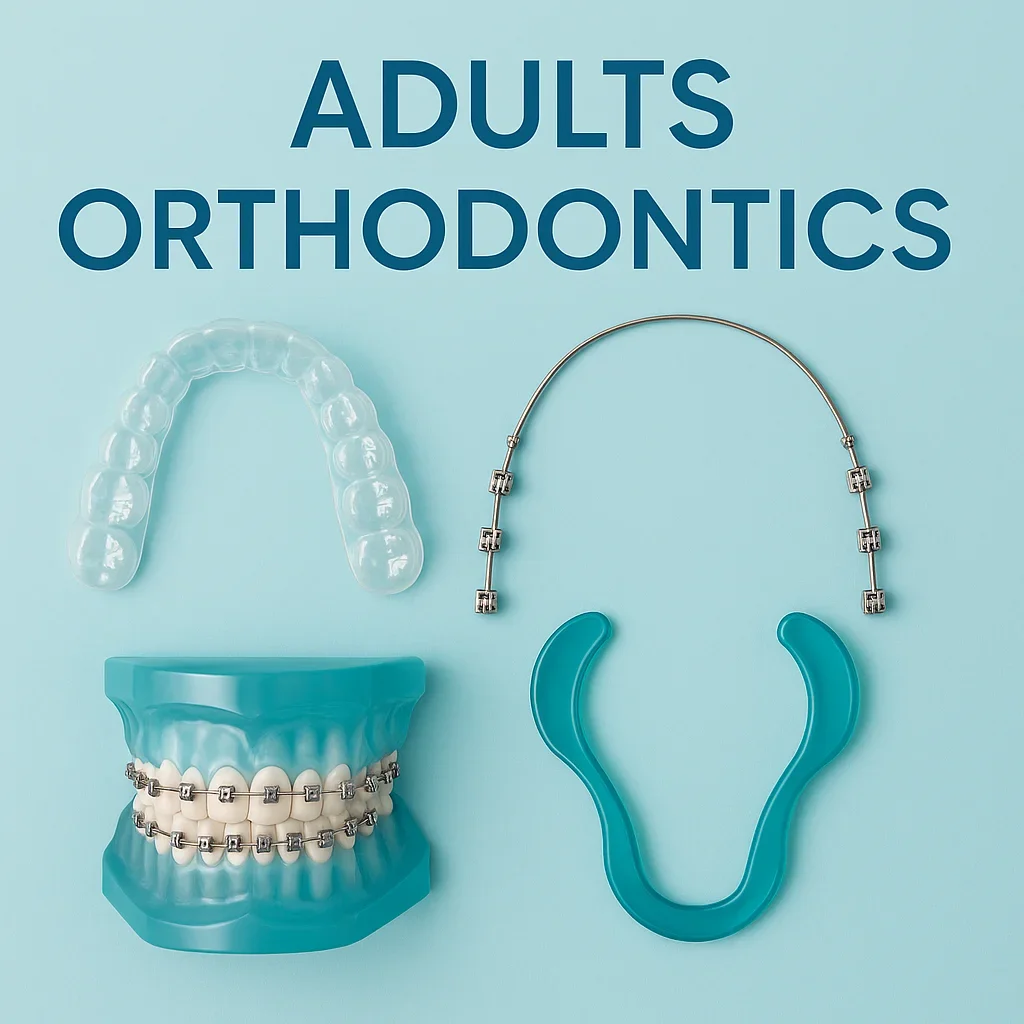
Choosing the Right Clinic for Adults Orthodontics
Selecting the right clinic is one of the most important decisions adults make when beginning adults orthodontics. The quality of the clinic, the skill of the orthodontist, and the technology used can significantly influence treatment results, comfort, efficiency, and long-term stability. Because orthodontics is both a science and an art, choosing a trusted and experienced professional ensures that the investment pays off with a healthy bite, a functional smile, and long-lasting aesthetic results.
This comprehensive section explains exactly what adults should look for when evaluating orthodontic clinics: from credentials and technology to patient care standards, treatment customization, and communication quality. When adults understand how to evaluate a clinic, they can make confident, informed decisions that lead to superior outcomes in adults orthodontics.
Qualifications and Expertise of the Orthodontist
The orthodontist’s expertise is the most critical factor in determining the success of treatment. Not all dental professionals specialize in orthodontics. A qualified orthodontist undergoes additional years of advanced training specifically dedicated to tooth movement, bite correction, facial structure analysis, and biomechanics.
When evaluating a clinic, adults should consider:
- Board-certified orthodontists with advanced credentials
- Specialized experience in adults orthodontics
- Proven track record with before-and-after portfolios
- Commitment to ongoing education and updated training
An orthodontist who focuses heavily on adults orthodontics understands the unique challenges adults face, such as gum recession, bone density variations, old dental restorations, and previous orthodontic relapse. Skillful professionals create customized treatment plans that maximize both aesthetics and oral health.
Why Expertise Matters More for Adults
Adult cases often involve:
- More complex bite problems
- Mature bone structure
- Previous dental trauma or extractions
- Implants, crowns, or bridges
- Periodontal considerations
Only an experienced orthodontist can design a safe and effective treatment strategy that addresses these unique conditions.
Technology and Modern Equipment
A modern clinic uses advanced tools that dramatically improve comfort, speed, accuracy, and the overall success of adults orthodontics. These innovations allow orthodontists to create precise 3D models, predict tooth movement, and deliver custom appliances that fit perfectly.
Adults should look for clinics equipped with:
- 3D intraoral scanners instead of traditional molds
- AI-based treatment planning software
- Digital X-rays and CBCT imaging
- Clear aligner systems such as Invisalign or Spark
- Self-ligating or ceramic braces
- Lingual orthodontic systems
Digital systems greatly reduce error, enhance patient comfort, and help adults visualize final results before treatment even begins.
Importance of Digital Simulation
Digital simulations allow adults to preview their future smile. This increases motivation, transparency, and trust. It also helps the orthodontist refine every tooth movement for optimal results.
Comprehensive Evaluation and Customized Treatment Plans
High-quality clinics focus on individualized care. Because every adult has a unique dental history, bite structure, and aesthetic goals, a one-size-fits-all approach simply does not work in adults orthodontics.
A reliable clinic will:
- Perform detailed diagnostic exams
- Assess gum and bone health
- Provide multiple treatment options
- Explain the pros and cons of each method
- Offer a transparent timeline and clear expectations
A customized plan ensures that the orthodontic treatment enhances both function and aesthetics while also protecting long-term oral health.
Communication and Patient-Centered Care
Orthodontic treatment can last from 6 to 24 months, so having supportive communication between the clinic and the patient is vital. A patient-centered clinic listens to concerns, explains procedures clearly, and provides guidance at every stage.
Look for clinics that offer:
- Regular progress check-ins (in-person or remote)
- Transparent communication about treatment progress
- Availability for urgent concerns
- Comfort-focused visits with gentle techniques
Adults undergoing adults orthodontics often balance treatment with professional, family, and social responsibilities. Supportive communication helps them stay confident and consistent throughout the process.
Remote Monitoring Options
Some clinics offer digital orthodontic monitoring systems. Adults send photos through an app, and orthodontists track progress remotely. This reduces clinic visits and maintains consistent supervision.
Clinic Reputation and Patient Reviews
Real patient experiences offer invaluable insight into the clinic’s professionalism and treatment outcomes. Adults should read verified reviews, check social media pages, and review before-and-after photos to evaluate clinic quality.
Indicators of a trustworthy clinic include:
- Positive long-term reviews
- High success rates
- Transparent pricing information
- Professional recognition
Clinics with a strong reputation typically provide superior adults orthodontics services supported by ethical care and scientific excellence.
Pricing Transparency and Value
While cost should not be the only deciding factor, it plays a significant role for many adults. High-quality clinics offer detailed pricing breakdowns, flexible payment plans, and clear information on what is included in the treatment package.
Essentials to ask about include:
- All-inclusive pricing packages
- Retainer fees
- Cost of refinements
- Follow-up appointments
- Financing and installment options
Adults seeking customized price information or clinic recommendations can contact us through the Redent Klinik Contact Page.
Clinic Hygiene and Safety Standards
Hygiene, sterilization protocols, and clinic organization are non-negotiable elements in adults orthodontics. A clean, well-maintained clinic ensures safety and comfort for every patient.
Strict clinics will:
- Use disposable tools when possible
- Sterilize all reusable instruments
- Maintain immaculate treatment rooms
- Follow ADA-compliant safety standards
Clinics aligned with recognized bodies such as the American Dental Association typically follow high-quality infection control protocols.
Final Tips for Choosing the Best Clinic
Adults should trust their instincts. The ideal orthodontic clinic should feel professional, patient-focused, and technologically advanced. A strong connection with the orthodontist encourages consistency, a positive experience, and beautiful long-term results.
To summarize, the best clinic for adults orthodontics should provide:
- Expertise and advanced qualifications
- State-of-the-art digital equipment
- Personalized treatment planning
- Excellent communication and follow-up
- Transparent pricing and financing options
- High hygiene and safety standards
- Strong patient satisfaction and proven results
By making an informed and well-evaluated choice, adults can secure a smoother treatment journey, a healthier bite, and a confident smile that lasts a lifetime. ✨