
Choosing an advanced dentist today means far more than receiving routine checkups—it means accessing the most innovative technologies, personalized care strategies, and treatment methods designed to protect, restore, and enhance your smile for life. In a rapidly evolving dental world, patients increasingly search for professionals who combine clinical expertise with precision tools, digital workflows, and evidence-based treatments. This is exactly where an advanced dentist stands out. They provide a significantly elevated level of care that blends technology, experience, and patient-centered planning to achieve outcomes that feel comfortable, look natural, and last long. 😄
Modern dentistry has shifted from reactive treatment to proactive, predictive, and minimally invasive approaches. An advanced dentist stays continuously updated with these developments, using digital imaging, AI-assisted diagnostics, 3D scanners, advanced lasers, and biocompatible materials to ensure that every decision is supported by high-resolution data and tailored to the patient’s biology. This means fewer surprises, shorter recovery times, and improved oral health stability.✨
Another major advantage of working with an advanced dentist is their commitment to comprehensive evaluations. Instead of simply treating isolated issues, they examine how your teeth, gums, bite, airway, oral microbiome, and lifestyle habits interact. This holistic perspective reduces the likelihood of recurring dental problems and contributes to better systemic health outcomes. In fact, research continues to show a strong link between oral health and conditions such as diabetes, cardiovascular disease, and inflammation-related disorders. When a dental practitioner uses advanced knowledge and diagnostic systems, they can help prevent risks before they become costly or painful problems for patients.
Additionally, an advanced dentist uses digital communication methods to involve patients in their own care decisions. High-definition intraoral photographs, chairside screens, digital smile simulations, and 3D models help patients fully understand the condition of their teeth and the expected results of treatment. This added clarity eliminates confusion and empowers individuals to make informed choices about their oral health. For example, when planning implant placements or orthodontic treatments, digital scans allow patients to visualize their final outcome long before the procedure begins. This level of transparency naturally builds trust and improves patient satisfaction.
The role of an advanced dentist also extends to preventive dentistry. Their goal is to preserve natural tooth structure and maintain gum health with early interventions. Modern preventive tools such as fluorescence cavity detection, salivary diagnostics, and periodontal genetic testing help identify risk factors that would normally go unnoticed during a traditional exam. Preventing a problem is always more effective—and more comfortable—than treating it once advanced damage has occurred. 🦷
For patients concerned about aesthetics, an advanced dentist integrates cosmetic dentistry with functional harmony. Treatments like porcelain veneers, enamel microcontouring, clear aligners, ceramic crowns, or professional whitening are approached not only as beautification methods but as structural improvements that support long-term oral stability. This balanced strategy ensures that the smile is not only attractive but also biologically sound.
Patients with dental anxiety also benefit greatly from the approach of an advanced dentist. Today’s most skilled practitioners use comfort-driven systems such as needle-free anesthesia options, sedation techniques, noise-reducing tools, and calming digital environments. These modern comforts make dental visits easier than ever, even for individuals who previously avoided the dentist out of fear.
If at any point you feel ready to take the next step toward a healthier, technologically enhanced smile, our team welcomes you to reach out through the
Redent Klinik Contact Page. For additional dental standards and scientific resources, you may also visit the
American Dental Association, which provides extensive evidence-based guidelines.
In summary, choosing an advanced dentist means selecting a professional equipped with the newest tools, the deepest knowledge, and a patient-first philosophy grounded in precision. Whether your goal is preventive maintenance, cosmetic enhancement, functional restoration, or a fully digital smile transformation, this high-level expertise ensures an experience that is safer, gentler, and far more effective than traditional dentistry. By embracing innovation and holistic planning, an advanced provider elevates the entire dental journey—delivering care that feels modern, predictable, and truly personalized. 🌟
What Defines an Advanced Dentist in Today’s Modern Dentistry?
Understanding what truly defines an advanced dentist requires exploring far beyond the basic services found in standard dental clinics. Today’s dental landscape has evolved into a highly sophisticated field driven by digital technologies, cutting-edge diagnostics, patient-centered planning, and minimally invasive treatment philosophies. An advanced dentist stands at the intersection of science, innovation, and compassionate care—offering patients a drastically improved dental experience. Their expertise is not limited to routine cleanings or fillings; instead, they operate through a comprehensive, systems-based approach designed to enhance both oral and overall health. 🦷✨
The Core Characteristics of an Advanced Dentist
An advanced dentist is defined primarily by their commitment to staying ahead of emerging technologies and clinical research. While traditional dentistry relies heavily on manual assessments, advanced practitioners use digital imaging, 3D scans, artificial intelligence–assisted diagnostics, and high-precision instruments. These tools enable them to detect disease earlier, plan treatments more accurately, and deliver superior long-term outcomes. Patients benefit from shorter appointments, reduced discomfort, and significantly improved predictability.
Another defining trait is a dedication to continuous education. Dentistry evolves rapidly, and a professional who embraces the role of an advanced dentist is consistently learning—attending specialized training programs, global conferences, and technology workshops. This ensures they incorporate scientifically proven methods into their daily practice. They are often early adopters of treatments such as digital smile design, guided implant surgery, orthodontic innovation, and laser therapies. In addition, they work holistically, analyzing how the bite, muscles, airway, and gum health interact rather than treating each issue in isolation.
Advanced Knowledge in Oral-Systemic Health
One of the most important distinctions of an advanced dentist is their understanding of the connection between oral health and overall wellness. Research shows that periodontal disease can influence diabetes management, cardiovascular risks, inflammation markers, and even cognitive health. Because of this, an advanced dentist monitors systemic conditions, screens for risk factors, and collaborates with other healthcare professionals when necessary. They bring a medical-grade mindset into dental practice, helping patients prevent long-term complications before they escalate.
Their expertise also extends to identifying genetic predispositions and microbiome imbalances. Tools such as salivary DNA testing allow them to detect pathogens, inflammation markers, and susceptibility to gum disease or tooth decay. This level of precision is rarely seen in conventional dental settings but has become a hallmark of the modern advanced provider.
Digital Diagnostics: A Cornerstone of Advanced Practice
At the core of modern dentistry lies digital diagnostics. An advanced dentist uses technologies such as intraoral scanners, cone-beam computed tomography (CBCT), thermal imaging, and laser bacterial detection. These tools produce high-resolution data that helps pinpoint problems not visible to the naked eye. For example, microfractures, early-stage bone loss, or hidden decay can be identified long before symptoms appear.
Digital systems also significantly improve communication. Patients can view their oral conditions on-screen and gain clarity through 3D models and animated explanations. This transparency builds trust and results in higher treatment acceptance, as individuals understand exactly what is happening inside their mouths.
Enhanced Patient Experience and Comfort
Dentistry has long been associated with anxiety, discomfort, and fear. An advanced dentist specifically works to eliminate these negative associations through comfort-driven environments. Noise-reduction tools, gentle laser treatments, needle-free anesthesia options, and sedation dentistry all contribute to a calmer experience. Many practices incorporate aromatherapy, personalized entertainment, and ergonomic chairs to support patient relaxation.
This emphasis on comfort is not simply aesthetic—it directly influences treatment success. Studies show that relaxed patients heal faster, experience fewer complications, and maintain better dental habits over time.
Ethical Standards and Transparent Communication
Another defining feature of an advanced dentist is unwavering ethical integrity. They do not rush decisions; instead, they provide thorough explanations, present all treatment options, and encourage patient involvement. They avoid unnecessary procedures and rely on digital evidence to justify every recommendation. This transparent and patient-first approach forms the foundation of strong, long-term dentist–patient relationships.
For those seeking dental care that integrates technology, medical insight, comfort-driven techniques, and superior precision, choosing an advanced dentist is the most effective path. If you wish to explore treatment options or schedule a consultation, you may contact our team anytime through the
Redent Klinik Contact Page. For scientific guidelines and professional standards, the
American Dental Association offers valuable resources that support evidence-based dentistry.
Ultimately, what defines an advanced dentist is not just the tools they use, but their mindset. They are innovators, educators, thinkers, and compassionate healthcare providers dedicated to elevating dentistry into a precise, predictable, and life-enhancing field. Their mission is not only to treat teeth but to improve overall health, confidence, and quality of life—one smile at a time. 😄
Cutting-Edge Technologies Used by an Advanced Dentist
Modern dentistry has transformed dramatically in the past decade, and much of this evolution is driven by technology. An advanced dentist utilizes state-of-the-art equipment to ensure precise diagnoses, minimally invasive treatments, and long-lasting results. These innovations have reshaped patient expectations, allowing dental care to become faster, more comfortable, and far more predictable. In this section, we will explore the essential technologies that define a truly advanced practitioner and highlight how these tools enhance every stage of the patient journey. 🦷⚙️
Digital Imaging and 3D Diagnostics
Digital diagnostics are foundational to the work of an advanced dentist. Traditional X-rays provide only two-dimensional views and often lack the detail needed to detect subtle problems. Modern clinics now use cone-beam computed tomography (CBCT), intraoral scanners, and high-resolution digital radiography to capture detailed 3D images of teeth, bone density, nerve pathways, and jaw alignment.
These tools allow dentists to view hidden decay, early bone loss, microfractures, impacted teeth, and airway obstructions more clearly than ever before. With digital imaging, diagnosis becomes faster and far more accurate. Patients also benefit from significantly lower radiation exposure compared to older technologies.
Intraoral Scanners for Precision Treatment Planning
An advanced dentist often replaces old-fashioned impressions with digital scans. These scanners capture the exact shape of the teeth and bite, creating a 3D model that can be used for crowns, veneers, dental implants, orthodontics, and smile design. The process is more comfortable for patients and eliminates the potential errors associated with impression materials.
Digital impressions also integrate seamlessly with CAD/CAM systems, enabling same-day restorations and perfectly fitting prosthetics. This technology reduces wait times, improves accuracy, and enhances long-term durability.
Laser Dentistry for Minimally Invasive Care
One of the defining technologies used by an advanced dentist is soft- and hard-tissue laser systems. Lasers allow clinicians to perform procedures with extraordinary precision while minimizing bleeding, swelling, and patient discomfort.
Laser dentistry can be used for:
- Gum contouring and periodontal therapy
- Treatment of oral infections and bacterial reduction
- Cavity detection and removal
- Biopsies and soft tissue reshaping
- Frenectomies and pediatric treatments
Patients appreciate that most laser procedures require little to no anesthesia. Because lasers sterilize as they work, healing times are significantly faster, making them ideal for individuals seeking comfortable, modern solutions to common dental issues.
AI-Assisted Diagnostics and Predictive Planning
Artificial intelligence (AI) has become one of the most exciting advancements in dentistry. An advanced dentist uses AI-supported software to detect abnormalities, measure bone density, evaluate periodontal pockets, and identify early-stage disease with unmatched accuracy.
AI programs compare patient data with millions of clinical records, providing risk assessments and predictive forecasts. This helps the dentist take proactive steps to prevent disease progression rather than merely treating symptoms.
For example, AI can highlight early bone changes invisible to the human eye, allowing for earlier intervention in gum disease or implant planning. This not only reduces complications but also helps maintain optimal long-term oral health.
Digital Smile Design and Treatment Simulation
One of the favorite tools of an advanced dentist is digital smile design software. Using high-definition photography, facial analysis, and bite recordings, the dentist can create a realistic simulation of the patient’s future smile.
Patients are able to see their expected results before treatment even begins, building confidence and ensuring full alignment between expectations and outcomes. This innovation is especially valuable for cosmetic procedures such as veneers, crowns, and orthodontics.
Robotic and Computer-Guided Implant Surgery
Dental implant placement has benefited enormously from technological advancements. An advanced dentist often performs robotic-assisted implant placement or uses computer-guided surgical templates to ensure precise angulation and depth.
These technologies drastically reduce the margin of error, improve implant success rates, and eliminate guesswork. They also allow for minimally invasive surgery, shorter recovery times, and ideal aesthetic positioning of prosthetics.
Advanced implant planning software synchronizes 3D scans with digital models, producing a full blueprint of the patient’s jaw before a single incision is made. This meticulous preparation ensures outstanding long-term stability.
Biocompatible and Regenerative Materials
Another hallmark of an advanced dentist is the use of biocompatible materials and regenerative therapies. Today’s best practitioners rely on ceramic implants, platelet-rich plasma (PRP), platelet-rich fibrin (PRF), and biomimetic adhesives to preserve natural tissue and promote healing.
These materials integrate harmoniously with the body, reduce inflammation, and extend the lifespan of restorations. PRF and PRP, for instance, accelerate healing after surgery by concentrating growth factors naturally found in the patient’s blood.
Regenerative dentistry represents the future of oral care, and advanced practitioners are already incorporating it to ensure safer, healthier outcomes for their patients.
If you wish to learn more about technological dental care or schedule a personalized consultation, feel free to reach us through the
Redent Klinik Contact Page. For additional scientific standards and guidelines, the
American Dental Association offers extensive resources that support evidence-based innovations.
From digital imaging to AI-driven diagnostics, every tool used by an advanced dentist is designed to enhance accuracy, comfort, and long-term oral health. These innovations ensure a dental experience that is safer, faster, smarter, and significantly more predictable—reshaping what patients can expect from modern dentistry. 😄
Benefits of Choosing an Advanced Dentist for Long-Term Oral Health
Selecting an advanced dentist is one of the most valuable decisions you can make for protecting and improving your long-term oral health. Modern dentistry has evolved far beyond traditional fillings and cleanings; today, it is a sophisticated blend of digital diagnostics, preventive strategies, precision treatments, and personalized care systems. Patients who choose an advanced practitioner benefit from improved accuracy, earlier detection of problems, minimally invasive procedures, and drastically better long-term outcomes. In this detailed section, we will explore how an advanced dentist elevates every step of your dental journey—from prevention to full-mouth rehabilitation—while supporting both oral and systemic well-being. 😄🦷
Earlier Disease Detection and Faster Intervention
One of the primary advantages of visiting an advanced dentist is the ability to diagnose problems long before they cause symptoms. Traditional examinations rely on visual inspection and basic X-rays, which may miss early decay, microfractures, gum inflammation, bone loss, and infection.
However, an advanced practitioner uses 3D imaging, digital radiography, AI-supported analysis, and laser fluorescence tools to identify even the smallest irregularities. Detecting issues early allows for faster, more conservative treatment. This spares patients from developing larger, more expensive, and more uncomfortable problems later.
For example, early gum disease can be reversed with non-invasive therapies when caught promptly. Similarly, small cracks in teeth—often invisible to the naked eye—can be stabilized with bonding or ceramic restorations long before they lead to painful fractures or root canal treatments.
Predictive Planning for Individual Risk Factors
Another remarkable benefit of an advanced dentist is personalized risk assessment. Using digital tools, medical history analysis, and salivary diagnostics, the dentist can determine your exact susceptibility to decay, gum disease, enamel erosion, and inflammation. This allows them to create a plan that prevents problems from ever developing.
Predictive planning is especially valuable for patients with:
- Genetic predispositions to gum disease
- Systemic conditions like diabetes or autoimmune disease
- Bruxism or bite imbalances
- High bacterial load in the oral microbiome
- Stress-related clenching or grinding habits
With this information, your advanced dentist can intervene early, strengthening your oral health foundation and reducing the likelihood of future complications.
Minimally Invasive Treatments and Faster Recovery
Minimally invasive dentistry is a central philosophy for an advanced dentist. Instead of removing large portions of healthy tooth structure, modern techniques focus on preserving as much natural enamel and dentin as possible.
Laser dentistry, air abrasion, digital impressions, and biomimetic materials make it possible to treat dental problems with remarkable gentleness. The benefits include:
- Reduced need for anesthesia
- Less discomfort during and after procedures
- Smaller restorations that last longer
- Little to no bleeding for soft tissue treatments
- Shortened recovery times
Patients who previously feared the dentist often find that the care provided by an advanced practitioner is surprisingly comfortable, calming, and efficient.
Enhanced Cosmetic and Functional Outcomes
Another major benefit of visiting an advanced dentist is access to superior cosmetic and functional results. Today’s advanced clinics use digital smile design, 3D facial mapping, computerized measurements, and AI-enhanced planning to create natural-looking, long-lasting restorations that perfectly complement each patient’s facial features.
This means veneers, crowns, dental implants, and orthodontic aligners fit more precisely and blend seamlessly with natural teeth. Functional improvements—such as correcting bite misalignment—are also designed with long-term stability in mind.
Digital Trial Smiles Before Treatment Begins
One of the most exciting benefits is the ability to preview your results before treatment starts. An advanced dentist can generate digital simulations, allowing you to see exactly how your new smile will look. This transparency improves patient confidence and ensures complete alignment between expectations and outcomes.
This level of precision is particularly valuable for full-mouth reconstructions, cosmetic veneers, and orthodontic planning.
Improved Long-Term Oral Stability
Long-term oral health requires more than fixing occasional dental issues; it depends on maintaining healthy gums, balanced bite forces, stable bone structure, and strong enamel. An advanced dentist focuses on identifying and correcting the underlying causes of dental problems—not just the symptoms.
For example:
- A patient experiencing chronic sensitivity may have undiagnosed acid erosion.
- Jaw pain may be linked to muscular imbalance or airway obstruction.
- Chipped teeth may be the result of untreated bruxism.
By addressing these root causes, an advanced dentist ensures durable and stable results that support long-term health.
Better Integration of Oral and Systemic Health
Oral health is deeply connected to overall wellness. An advanced dentist understands this relationship and incorporates medical knowledge into dental care. They monitor for inflammation, systemic disease warning signs, and risk factors that may impact oral function.
Patients with conditions such as diabetes, heart disease, autoimmune disorders, or sleep apnea particularly benefit from this integrated approach. By coordinating care with physicians and using advanced diagnostics, the dentist can reduce risks and improve whole-body health.
For guidance, resources such as the
American Dental Association provide scientific insight that supports the advanced care model. To connect with a clinic offering this level of precision, you may visit our
Redent Klinik Contact Page.
In summary, choosing an advanced dentist gives you access to earlier diagnosis, more comfortable treatments, superior cosmetic results, and a strong foundation for lifelong oral health. This modern approach ensures that every patient receives personalized, predictable, and preventive-focused care—helping them enjoy a healthier smile and a better quality of life. 🌟
How an Advanced Dentist Designs Personalized Treatment Plans
A defining trait of an advanced dentist is the ability to develop highly personalized, data-driven, and patient-centered treatment plans. Modern dentistry is no longer about offering the same solutions to everyone. Instead, advanced practitioners carefully analyze each patient’s oral structure, facial harmony, medical history, genetic predispositions, and lifestyle habits to build a plan uniquely suited to their needs. This individualized methodology not only improves the accuracy of treatment but also strengthens long-term oral health and patient satisfaction. In this section, we will explore how an advanced dentist uses technology, diagnostics, communication, and precision-based approaches to create tailored treatment plans that lead to predictable, natural-looking results. 🦷✨
Comprehensive Diagnostic Assessments
A personalized plan begins with a meticulous diagnostic process. An advanced dentist does not rely solely on simple visual inspections or traditional X-rays. Instead, they incorporate a suite of digital tools—such as 3D CBCT scans, intraoral scanners, periodontal charting software, salivary analysis kits, and AI-driven imaging—to evaluate every aspect of a patient’s oral condition.
These tools provide a highly detailed blueprint of the mouth, allowing the dentist to identify early signs of bone loss, hidden decay, sinus interactions, nerve pathways, bite imbalances, and airway concerns. By collecting this comprehensive data, the advanced practitioner can see the “full picture,” which becomes the foundation for a precise and predictable treatment plan.
For example, when planning dental implants, 3D imaging allows the dentist to measure bone density, angulation, and nerve proximity with unmatched accuracy. Similarly, orthodontic evaluations become more precise when supported by digital bite analysis and facial symmetry assessments.
Medical History and Systemic Health Review
Another crucial step is reviewing the patient’s systemic health. An advanced dentist recognizes that oral health is deeply interconnected with overall wellness. Conditions such as diabetes, cardiovascular disease, autoimmune disorders, and hormonal changes directly influence oral tissues, healing speed, and inflammation levels.
Because of this, advanced practitioners examine medical records, medications, sleep patterns, nutrition habits, and stress indicators. This allows them to tailor treatments that are safe, biologically compatible, and optimized for each patient’s systemic profile.
Digital Smile Design and Aesthetic Planning
A major component of personalized dental planning—especially for cosmetic and restorative cases—is digital smile design. The advanced dentist uses high-definition photographs, facial scans, and 3D modeling software to study how each tooth contributes to the overall balance of the patient’s smile and face.
This technology makes aesthetic planning predictable and collaborative. Patients can see digital previews of their future smile, understand the proposed changes, and participate in decision-making. This interactive approach ensures that the final result aligns perfectly with the patient’s desires while maintaining anatomical harmony.
Functional Considerations in Treatment Planning
Beyond appearance, function plays an essential role. An advanced dentist analyzes:
- Jaw movements and bite forces
- Occlusion patterns
- Airway health and breathing efficiency
- Muscular balance and TMJ stability
- Speech patterns and tongue posture
A treatment plan that ignores these factors may lead to recurring problems such as cracked teeth, headaches, or jaw pain. By understanding functional dynamics, the advanced practitioner creates durable restorations and long-term stability.
Customized Preventive Strategies
Personalization extends beyond treatment—it also includes prevention. An advanced dentist develops preventive strategies tailored to each patient’s risk level. This may include remineralization therapies, genetic testing for gum disease susceptibility, dietary recommendations, salivary pH monitoring, or antibacterial protocols.
For instance, a patient with a high risk of decay may receive fluoride varnishes, nano-hydroxyapatite treatments, or sealants. Meanwhile, someone with early-stage periodontal issues may require laser bacterial reduction or biologically driven gum therapies.
These customized preventive steps are essential for maintaining results and avoiding future damage.
Patient Communication and Shared Decision-Making
A vital part of creating personalized plans is clear, empathetic communication. An advanced dentist spends time explaining options, reviewing imagery, and presenting the advantages and disadvantages of each path. Digital tools such as intraoral cameras, screen-side simulations, and interactive models allow patients to fully understand their oral condition.
This transparency helps reduce anxiety, builds trust, and encourages patients to take an active role in their dental wellness. When patients feel informed and empowered, treatment success rates increase significantly.
Cost Transparency and Treatment Phasing
Advanced practitioners understand that budget and timing matter. While high-quality care is their priority, an advanced dentist also offers phased treatment plans that allow patients to complete procedures over time. This approach ensures access to comprehensive care without overwhelming financial pressure.
Phased treatment often includes:
- Immediate stabilization of urgent issues
- Mid-term corrections such as orthodontics or periodontal therapy
- Long-term restorative or cosmetic procedures
This structured method ensures both comfort and affordability.
The Role of Technology in Data-Driven Planning
Every personalized plan benefits from technology. Whether through AI-supported diagnostics, digital impressions, 3D printing, or robotic implant guidance, the advanced dentist relies on objective data to create predictable, high-quality results.
This scientific approach eliminates guesswork and ensures that each step—from diagnosis to treatment completion—is grounded in accuracy and evidence.
Patients who wish to explore personalized planning or begin their dental journey can connect with us through the
Redent Klinik Contact Page. For further research and professional guidelines, the
American Dental Association provides extensive educational resources.
In summary, an advanced dentist designs treatment plans that integrate diagnostic precision, aesthetic artistry, functional knowledge, and patient collaboration. This comprehensive process ensures long-lasting results, improved comfort, and a healthier smile that reflects both beauty and stability. 🌟
Preventive Care Strategies Led by an Advanced Dentist
Preventive dentistry has become one of the most transformative aspects of modern oral healthcare, and it is a central focus of every advanced dentist. Instead of waiting for problems to develop—such as decay, gum disease, enamel erosion, or bite imbalances—advanced practitioners use technology, data-driven assessments, and individualized protocols to stop issues long before they cause discomfort or long-term damage. Patients today want predictable results, minimal intervention, and long-lasting oral health stability. Preventive care guided by an advanced dentist provides all of this and more, merging science with practical daily habits to protect the teeth and gums at every stage of life. 🦷💙
Comprehensive Preventive Evaluations
A typical checkup at a conventional clinic usually involves a visual exam and basic X-rays. In contrast, an advanced dentist performs a far more detailed evaluation designed to uncover subtle changes early. This assessment often includes:
- 3D imaging to detect early bone loss
- AI-assisted cavity detection
- Periodontal risk analysis with digital probes
- Salivary testing for bacterial load and acidity
- Bite mapping to identify premature wear
- Microbiome screening to evaluate gum disease risk
These tools allow the advanced dentist to identify risk factors such as early demineralization, enamel thinning, minor gingival inflammation, or undiagnosed bruxism. Detecting these concerns early allows for tailored preventive strategies that preserve natural tooth structure and prevent costly restorative procedures in the future.
Salivary Diagnostics and Oral Microbiome Assessment
A notable area where an advanced dentist excels is salivary testing. Saliva contains biomarkers that reveal a patient’s predisposition to decay, gum disease, and oral inflammation. By analyzing pH levels, bacterial species, genetic markers, and enzymatic activity, the dentist gains insight into how lifestyle, diet, and systemic health influence the mouth.
This type of assessment enables targeted interventions such as antimicrobial therapy, remineralization agents, probiotics for oral microbiome balance, or nutritional adjustments. This approach is far more effective than generic recommendations because it is tailored to each patient’s biological environment.
Early Intervention to Prevent Disease Progression
The philosophy of minimal intervention is strongly upheld by an advanced dentist. When early signs of disease are detected, treatments are designed to halt progression without removing significant healthy tissue. Examples include:
- Laser therapy to reduce bacterial pockets
- Resin infiltration for early cavities
- Fluoride varnish or nano-hydroxyapatite applications
- Desensitizing treatments for enamel erosion
- Bite guards to address clenching or grinding
These early interventions protect long-term function and reduce the likelihood of treatments such as root canals, crowns, or gum surgery. Patients benefit from lower costs, better comfort, and more predictable outcomes.
Minimally Invasive Periodontal Prevention
Gum disease remains one of the leading causes of tooth loss, yet it is almost entirely preventable with the help of an advanced dentist. Laser bacterial reduction, ultrasonic cleaning technologies, DNA-specific periodontal therapy, and tailored at-home routines help reduce inflammation and maintain strong gum attachment.
Advanced practitioners also evaluate systemic factors—such as hormonal fluctuations, nutrition, immune response, and stress—to understand why gum conditions develop. This level of precision ensures that prevention is not temporary but long-term and sustainable.
Customized At-Home Care Plans
A significant part of preventive dentistry happens at home. However, not all patients require the same routines. An advanced dentist creates personalized home-care recommendations based on diagnostic findings. This may include:
- Prescription toothpaste for high-risk patients
- Interdental brushes for targeted gum improvement
- Customized night guards for bruxism
- Hydroxyapatite toothpaste for enamel repair
- Probiotic oral supplements for microbiome balance
- Mouth rinses tailored to specific bacterial imbalances
The goal is consistency, not complexity. Patients who follow these personalized regimens see faster improvements and reduced recurrence of dental issues.
Nutrition and Lifestyle Integration
Preventive care extends beyond brushing and flossing. An advanced dentist considers dietary habits, stress levels, hydration, sleep patterns, and mouth breathing habits because all of these influence oral health.
For example:
- Acidic diets accelerate enamel erosion.
- Mouth breathing dries tissues and increases cavity risk.
- High stress elevates bruxism activity.
- Poor sleep quality affects inflammation levels.
By addressing these factors, the dentist helps patients achieve better long-term stability and improved systemic wellness.
Preventive Orthodontics and Bite Protection
Misaligned bites can lead to chronic wear, jaw discomfort, gum recession, and fractured teeth. An advanced dentist uses digital bite analysis, muscle testing, and airway evaluations to identify early signs of malocclusion.
Interventions may include clear aligners, bite equilibrations, or habit-correction strategies for patients with harmful oral patterns (such as tongue thrusting or clenching). These preventive orthodontic measures reduce the risk of long-term damage and improve overall facial balance.
Monitoring, Maintenance, and Long-Term Tracking
One of the most powerful benefits of working with an advanced dentist is continuity of care. Digital records, long-term tracking tools, and risk-based recall schedules ensure that progress is consistently monitored over the years.
Patients with stable oral health may require fewer appointments, while high-risk individuals benefit from more frequent, targeted check-ins. This flexible approach provides maximum protection with minimal inconvenience.
For guidance, education, or to begin preventive care tailored specifically to your needs, you may reach our team through the
Redent Klinik Contact Page.
For additional scientific insights, standardized guidelines, and preventive education, the
American Dental Association remains one of the world’s most authoritative dental organizations.
Ultimately, preventive strategies led by an advanced dentist empower patients to maintain healthier smiles with less effort, fewer complications, and greater confidence. Prevention is the foundation of long-term oral wellness, and advanced dentistry delivers it with precision, foresight, and scientifically guided care. 🌟
Cosmetic Dentistry Innovations Only an Advanced Dentist Provides
Cosmetic dentistry has evolved dramatically over the past decade, and today’s most groundbreaking aesthetic treatments are performed by an advanced dentist who integrates technology, artistry, and biological understanding. Modern patients are no longer satisfied with simple improvements—they seek natural, facially harmonious, and long-lasting results. To meet this demand, the advanced practitioner uses digital workflows, minimally invasive materials, and data-driven planning to deliver extraordinary transformations. In this comprehensive section, we will explore the cosmetic innovations that set an advanced dentist apart and reveal how these treatments enhance both beauty and function. 😄✨
Digital Smile Design: The Blueprint of Modern Aesthetics
One of the most revolutionary cosmetic tools used by an advanced dentist is Digital Smile Design (DSD). This technology allows patients to preview their future smile before any treatment begins. High-resolution photographs, facial scans, bite registrations, and computer simulations help the dentist design a smile that matches the patient’s facial proportions, personality, and aesthetic goals.
Digital Smile Design ensures that:
- Results are predictable and scientifically planned
- Patients participate in decision-making
- Cosmetic procedures align with facial symmetry
- Function and beauty are balanced
This approach transforms cosmetic dentistry into a collaborative process where the patient becomes an active part of design and planning.
Facial Aesthetic Integration
An advanced dentist understands that teeth never exist in isolation—they influence the lips, smile arc, jawline, and overall facial balance. With modern diagnostic tools, the dentist evaluates how the new smile will look from various angles, during speech, and in natural expressions.
This level of facial integration ensures results that look authentic, vibrant, and completely personalized rather than “one-size-fits-all.”
Minimally Invasive Veneers and Ceramic Restorations
One of the most popular cosmetic treatments offered by an advanced dentist is minimally invasive veneers. Unlike traditional veneers, which may require significant enamel reduction, modern ultra-thin ceramics allow for subtle reshaping of the tooth surface while preserving nearly all natural structure.
Benefits of advanced ceramic veneers include:
- Natural translucency that mimics enamel
- Exceptional stain resistance
- Long-lasting durability
- Customized shading for seamless blending
Using digital impressions, CAD/CAM technology, and robotic milling tools, an advanced dentist can create highly precise veneers in significantly less time. Some clinics even offer same-day veneer solutions where appropriate.
Biomimetic Bonding for Natural Harmony
For patients seeking subtle improvements, direct bonding is a lightweight alternative. An advanced dentist uses biomimetic materials designed to imitate the elasticity and refractive qualities of natural tooth enamel.
With enhanced bonding techniques, chips, cracks, small gaps, and discoloration can be corrected with beautiful precision—all without drilling or anesthesia in most cases. The results blend seamlessly and help protect the tooth from further wear.
Advanced Whitening Technologies for Brighter Smiles
Whitening technology has advanced significantly, and an advanced dentist offers multiple scientifically backed solutions that prevent sensitivity, provide uniform brightness, and achieve long-lasting results.
These may include:
- Laser-activated whitening systems
- LED-enhanced peroxide treatments
- Custom-fitted whitening trays with stabilized gels
- Internal whitening for non-vital (root canal-treated) teeth
Unlike over-the-counter solutions, professional whitening protects enamel while delivering much more noticeable and controlled results. This is especially important for patients with enamel erosion, gum recession, or intrinsic discoloration.
Sensitivity-Free Whitening Protocols
An advanced dentist carefully analyzes enamel thickness, hydration levels, and underlying dentin characteristics before recommending whitening solutions. This ensures that the treatment is both safe and effective, reducing the risk of sensitivity.
Modern desensitizing gels, enamel-strengthening solutions, and remineralization compounds further protect the teeth during the whitening process.
Clear Aligners and Cosmetic Orthodontics
Cosmetic orthodontics plays a major role in achieving balanced facial aesthetics. An advanced dentist uses digital aligners, AI-based progress tracking, and 3D modeling to straighten teeth with precision and discretion.
Compared to traditional orthodontics, advanced clear aligner systems offer:
- Faster treatment durations
- More comfortable adjustments
- Better hygiene access
- Predictable results based on digital planning
These aligners are nearly invisible and can be removed for eating, brushing, or social occasions—making them ideal for adults seeking cosmetic enhancement.
Airway and Bite Considerations in Cosmetic Orthodontics
An advanced dentist does not merely straighten teeth for aesthetics; they evaluate the bite, airway structure, tongue posture, and jaw alignment. This ensures that orthodontic improvements do not compromise long-term oral health.
This holistic approach prevents future issues such as TMJ discomfort, uneven wear, or relapse of tooth alignment.
Gum Contouring and Soft Tissue Aesthetics
The gums frame the smile, making soft tissue aesthetics a critical part of cosmetic dentistry. An advanced dentist uses laser contouring tools to gently reshape the gingival line, correct asymmetry, and reveal more tooth surface where needed.
This technology ensures a near-painless experience with minimal bleeding and rapid healing. Patients who have “gummy smiles” or uneven gum levels see dramatic improvement with these techniques.
Full Smile Makeovers with Predictable Outcomes
Some patients require a combination of cosmetic treatments, such as veneers, whitening, orthodontics, and gum contouring. An advanced dentist carefully integrates all these elements to design a complete smile makeover.
Using digital planning tools, the dentist sequences each treatment step to ensure ideal positioning, shade matching, and long-term functionality.
This creates harmony between the teeth, gums, facial structure, and patient preferences—resulting in a fully customized transformation that feels authentic and natural.
Patients who wish to explore aesthetic options or schedule a consultation may visit our
Redent Klinik Contact Page.
For scientific standards and cosmetic dentistry research, the
American Dental Association provides trusted educational resources.
Ultimately, the cosmetic innovations offered by an advanced dentist represent a perfect union of technology, artistry, and biological understanding. From digital smile previews to minimally invasive veneers and advanced whitening systems, these treatments deliver results that look stunning, feel natural, and support long-term oral health. 🌟
Restorative Solutions and Digital Smile Design with an Advanced Dentist
Restorative dentistry has undergone a remarkable transformation thanks to modern digital technologies, regenerative materials, and precision-based treatment philosophies. Today, an advanced dentist provides restorative solutions that are not only functional and durable but also aesthetically aligned with each patient’s unique facial features. With digital smile design, 3D imaging, CAD/CAM systems, and biomimetic materials, restorative procedures are more predictable, minimally invasive, and long-lasting than ever before. In this section, we will explore how an advanced dentist delivers comprehensive restorative care—from single-tooth repairs to full-mouth rehabilitation—while ensuring every restoration contributes to a natural, healthy, and structurally balanced smile. 🦷✨
The Role of Digital Smile Design in Restorative Dentistry
Digital Smile Design (DSD) is one of the most revolutionary tools used by an advanced dentist in restorative cases. Traditionally, dentists relied on physical impressions and manual planning, which left room for inconsistencies. Today, DSD combines photography, video analysis, facial measurements, and 3D modeling to create a personalized blueprint for every restoration.
Using this method, patients can visualize their treatment outcomes before any work is started. Whether planning crowns, bridges, implants, or veneers, digital smile design ensures that restorations match the patient’s facial proportions, lip movements, and natural expressions. This dramatically increases treatment accuracy and patient satisfaction.
Functional and Aesthetic Integration
An advanced dentist ensures that restorative solutions enhance not just appearance but overall function. DSD evaluates how teeth come together during speech, chewing, and smiling. Bite alignment, occlusal load distribution, and jaw movement patterns are analyzed carefully to ensure long-term stability.
This level of planning reduces the risk of future complications such as cracked restorations, TMJ discomfort, or premature wear.
Advanced Dental Crowns and Ceramic Restorations
Crowns are among the most common restorative treatments, but the quality and longevity of crowns vary widely depending on the materials and methods used. An advanced dentist employs premium ceramics such as zirconia, lithium disilicate, and nano-ceramic composites—materials known for their strength, biocompatibility, and natural translucency.
These crowns are crafted using CAD/CAM milling technologies that ensure microscopic precision. Digital impressions replace messy trays, and robotic milling machines sculpt crowns that mirror the patient’s natural anatomy. The result is a restoration that fits perfectly and blends seamlessly with the surrounding teeth.
Same-Day Crowns Through CAD/CAM Systems
Some advanced practices offer same-day crowns. An advanced dentist scans the tooth, designs the restoration digitally, mills it onsite, and places the final crown—all in a single visit.
This eliminates temporary crowns, reduces sensitivity, and ensures that the final result is tailored with real-time adjustments.
Innovations in Dental Implant Planning and Placement
Dental implants have become the gold standard for replacing missing teeth, and the involvement of an advanced dentist ensures optimized outcomes through digital planning, guided surgery, and precise material selection.
Modern implant planning includes:
- 3D CBCT imaging to map bone structure
- Digital surgical guides for perfect angulation
- Robotic-assisted placement for maximum stability
- Bone grafting materials that promote natural regeneration
- Ceramic and titanium implant options
This technology-driven approach minimizes surgical trauma, shortens healing time, and ensures that the implant integrates securely with the bone.
Prosthetic Design and Facial Harmony
Prosthetics such as implant crowns or bridges must look natural and function flawlessly. An advanced dentist designs prosthetic components using facial analysis, smile line mapping, and bite simulations.
Each prosthetic is shaped and shaded to match the patient’s natural teeth, resulting in a restoration that enhances both aesthetics and function.
Biomimetic Dentistry for Structural Preservation
Biomimetic dentistry is a scientifically backed philosophy focused on preserving as much natural tooth structure as possible. An advanced dentist applies these principles to create restorations that behave like real tooth tissue.
Instead of aggressive drilling or removal of healthy enamel, biomimetic techniques mimic the natural biomechanics of teeth. This reduces fracture risk, increases restoration longevity, and improves chewing comfort.
Biomimetic restorations are ideal for:
- Large cavities
- Cracked teeth
- Old failing restorations
- Deep structural repairs
They help restore natural function while protecting the internal structure of the tooth.
Adhesive Dentistry for Stronger Bonds
Advanced adhesives allow restorations to bond more securely, reducing the risk of leakage, sensitivity, or failure. An advanced dentist uses multi-layer bonding systems and advanced composites engineered to absorb bite forces and distribute pressure evenly.
This reduces long-term complications and increases restoration durability.
Full-Mouth Rehabilitation with Digital Precision
Patients who experience significant tooth wear, gum disease damage, bite collapse, or multiple missing teeth may require full-mouth rehabilitation. An advanced dentist uses a structured, technology-driven approach to restore the entire oral system.
This involves:
- Digital mapping of bite forces
- Restoration sequencing for predictable outcomes
- Custom-designed ceramic restorations
- Jaw alignment and TMJ considerations
- Integration of implants, crowns, and veneers
The final result is a harmonized smile that functions comfortably and looks naturally balanced.
Patients seeking restorative solutions or personalized smile design consultations may contact our team through the
Redent Klinik Contact Page.
For scientific research and professional standards related to restorative dentistry, the
American Dental Association provides comprehensive resources and guidelines.
Ultimately, restorative dentistry guided by an advanced dentist combines digital planning, minimally invasive techniques, and aesthetic artistry to rebuild smiles with exceptional accuracy and longevity. Each restoration is designed to strengthen oral function, enhance beauty, and support long-term health—giving patients renewed confidence and stability. 🌟
How to Choose the Right Advanced Dentist for Your Needs
Finding the right advanced dentist is one of the most important decisions you can make for your long-term oral health, comfort, and confidence. Modern dentistry offers countless technological advancements, but not every clinic or provider applies these innovations with the same level of skill, experience, or patient-centered care. By understanding what qualities, credentials, and technologies distinguish a truly advanced practitioner, you can make an informed decision that ensures your smile receives the highest standard of treatment. In this detailed guide, we will explore the essential factors to consider, the questions you should ask, and the signs that indicate you have found a skilled professional equipped to meet your unique needs. 🦷✨
Evaluating Professional Credentials and Experience
The first step in choosing an advanced dentist is evaluating their education and experience. Traditional dental school teaches foundational skills, but advanced dental care requires ongoing training in digital technology, cosmetic techniques, restorative innovation, implantology, and minimally invasive methods.
Look for practitioners who participate in continuing education, attend international dental conferences, and study advanced systems such as digital smile design, guided implant surgery, or biomimetic dentistry. Membership in professional organizations, such as the
American Dental Association, often reflects a commitment to ethical and modern practice standards.
Experience is equally important. Dentists who have completed numerous complex cases—such as full-mouth rehabilitations, aesthetic smile transformations, or implant placements—bring a level of confidence and precision that newer practitioners may not yet possess.
Specialized Training and Areas of Expertise
Advanced care is broad, so it’s valuable to identify what areas the dentist specializes in. An advanced dentist may focus on:
- Cosmetic dentistry and digital smile design
- Implant surgery and guided implant placement
- Orthodontics or clear aligners
- Biomimetic restorative techniques
- Laser dentistry
- TMJ and bite rehabilitation
Their expertise should match your specific goals, whether that involves aesthetic enhancement, structural restoration, preventive management, or functional improvement.
Assessing Technology and Innovation Within the Practice
One of the clearest signs of a high-quality advanced dentist is the use of cutting-edge technology. A modern practice should incorporate tools that improve diagnostic accuracy, comfort, speed, and long-term outcomes.
Key technologies to look for include:
- 3D CBCT imaging and digital radiography
- Intraoral scanners for digital impressions
- CAD/CAM systems for same-day restorations
- Laser systems for minimally invasive care
- AI-supported diagnostic tools
- 3D facial scanning for smile design
If a clinic does not incorporate digital tools, their ability to provide accurate, modern, minimally invasive treatment may be limited.
Importance of a Digitally Integrated Workflow
A fully digital workflow means the advanced dentist can design, plan, and execute treatments with maximum precision. Digital data eliminates guesswork and increases predictability.
This is especially important for:
- Dental implants
- Veneers and cosmetic restorations
- Orthodontic planning
- Full-mouth rehabilitations
A true advanced practitioner embraces digital dentistry as the new standard of care—not an optional upgrade.
Evaluating Communication Style and Patient Interaction
Technical expertise is essential, but communication is equally important. The best advanced dentist understands that patients need clarity, reassurance, and honest explanations.
Look for a dentist who:
- Takes time to answer questions clearly
- Explains procedures using visuals and digital tools
- Offers transparent treatment options and costs
- Encourages shared decision-making
- Shows empathy and patience
Good communication builds trust and ensures your needs, fears, and expectations are fully understood before treatment begins.
Red Flags to Watch Out For
When selecting an advanced dentist, avoid clinics that:
- Rush consultations
- Use outdated equipment
- Offer one-size-fits-all treatment plans
- Recommend aggressive procedures without clear justification
- Cannot show examples of previous work
These signs may indicate a lack of modern training or a profit-driven approach rather than patient-centered care.
Reading Patient Reviews and Before/After Results
A reputable advanced dentist will have a strong portfolio showcasing their clinical skill. Before-and-after photos provide clear insight into their aesthetic ability, restorative quality, and treatment consistency.
Online reviews also reveal patient experiences, including:
- Comfort levels during treatment
- Quality of communication
- Clinic professionalism
- Long-term satisfaction
Look for patterns in reviews rather than isolated comments. Consistent excellence is a strong indicator of a trustworthy professional.
Understanding Treatment Philosophy and Approach
Modern dentistry involves more than fixing teeth; it requires understanding how oral health affects and reflects overall wellness. An advanced dentist adopts a holistic perspective that integrates:
- Bite alignment and TMJ function
- Airway health and breathing patterns
- Periodontal stability
- Tooth structure preservation
A practitioner who values minimally invasive techniques, biological compatibility, and long-term stability will prioritize the health of your natural tooth structure above all else.
Importance of Personalized Treatment Plans
The right advanced dentist never uses generic plans. Treatment must be personalized using digital data, medical history, facial analysis, and detailed diagnostics.
Each patient’s biology, esthetics, and functional needs differ—advanced dentistry respects these differences.
Scheduling Consultations and Asking the Right Questions
Before committing, schedule a consultation. Use this meeting to evaluate whether the advanced dentist meets your expectations. Key questions include:
- What technologies do you use for diagnosis and treatment?
- Can I see examples of cases similar to mine?
- How do you personalize treatment plans?
- What preventive measures do you recommend?
- Do you use digital smile design or 3D planning?
The answers should demonstrate confidence, transparency, and a commitment to modernization.
If you are ready to take the next step toward selecting an advanced practitioner, you can contact our team through the
Redent Klinik Contact Page.
For additional professional guidance, the
American Dental Association provides essential resources for evaluating dental quality and standards.
Ultimately, choosing the right advanced dentist is about finding a professional who blends technology, experience, artistry, and compassionate care. With the right provider, you can expect predictable results, personalized solutions, and a healthier smile that lasts for years. 🌟
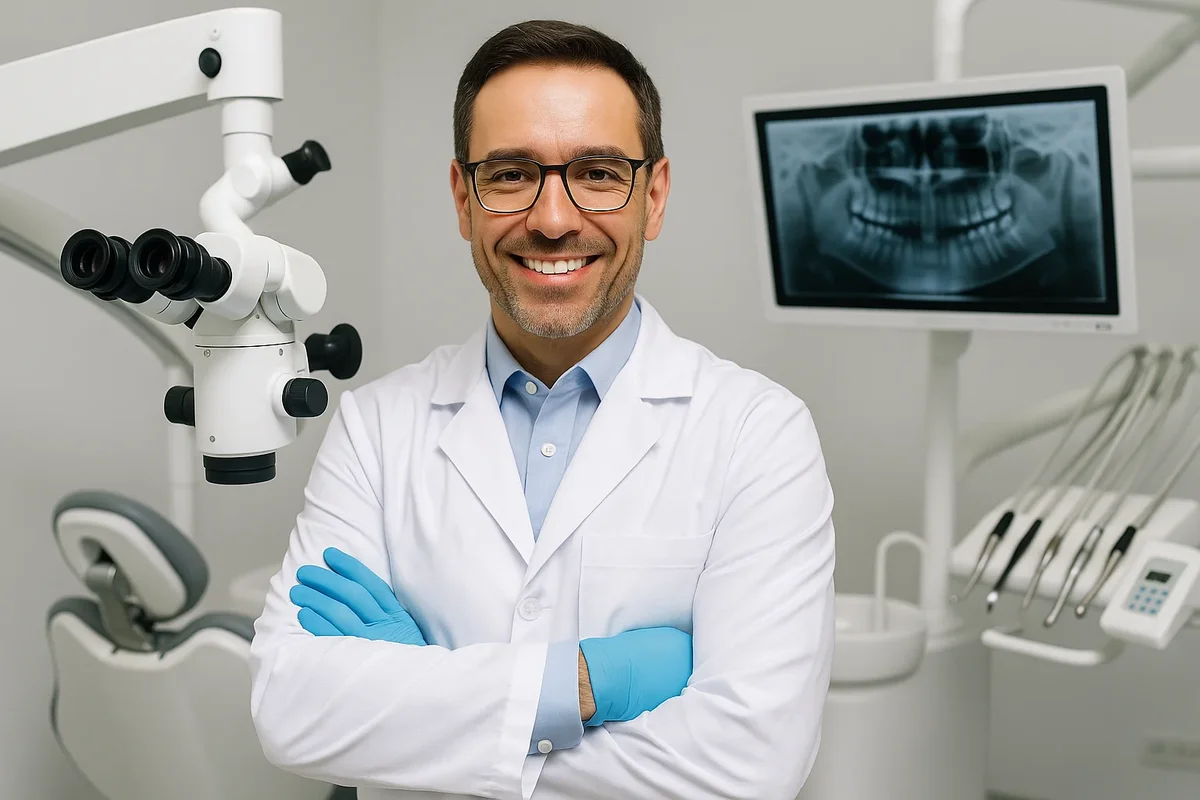
Frequently Asked Questions About Visiting an Advanced Dentist
Patients who consider upgrading their dental care often have many questions about what distinguishes an advanced dentist from a traditional practitioner. Understanding these differences helps individuals make informed decisions, feel more confident about their treatments, and fully benefit from modern dental innovations. In this comprehensive FAQ section, we will address the most common questions patients ask—covering topics such as technology, treatment comfort, safety, cost transparency, and long-term oral health. Each answer is designed to clarify the advanced dentist’s role and highlight how their expertise transforms the entire dental experience. 🦷✨
What Exactly Makes a Dentist an “Advanced Dentist”?
An advanced dentist is a practitioner who goes beyond routine dental care. They integrate cutting-edge technologies, digital workflows, high-level diagnostics, and personalized treatment methodologies into every stage of patient care.
While standard dentistry focuses on treating symptoms, advanced dentistry focuses on diagnosing underlying causes, preventing damage, enhancing function, and preserving long-term oral stability.
Key Characteristics Include:
- Use of 3D imaging, CBCT, and digital scanning
- Expertise in cosmetic, restorative, and implant dentistry
- Application of minimally invasive techniques
- Ongoing professional training and specialization
- Holistic consideration of airway, bite, and systemic health
These qualities ensure patients receive safer, faster, more predictable treatments.
How Does an Advanced Dentist Improve Treatment Accuracy?
Accuracy is one of the main advantages of choosing an advanced dentist. Advanced practitioners use imaging tools such as CBCT scanners, intraoral cameras, occlusal mapping technology, and AI-supported diagnostics to identify issues with extraordinary detail.
Digital scans eliminate the inaccuracies of traditional impressions, allowing restorations—such as crowns, veneers, and implants—to fit with microscopic precision. AI-assisted programs enhance this process by detecting early signs of disease or structural weakness that may be invisible during a basic visual exam.
As a result, patients benefit from fewer complications, less revision work, and improved long-term outcomes.
Predictive Planning for Better Results
An advanced dentist uses predictive algorithms and digital simulations to plan outcomes before treatment begins. This ensures that procedures align with both functional requirements and aesthetic goals.
For example, digital smile design allows patients to preview cosmetic treatments, while guided surgery enhances implant accuracy and reduces healing time.
Are Treatments with an Advanced Dentist More Comfortable?
Absolutely. An advanced dentist prioritizes patient comfort through technology-driven solutions. Modern tools significantly reduce pain, swelling, sensitivity, and recovery time.
Comfort-enhancing advancements include:
- Laser dentistry for gum treatments and cavity removal
- Air abrasion to eliminate drilling noise
- Needle-free anesthesia options
- Ergonomic chairs and gentle instruments
- Sedation options for anxious patients
Many patients who previously feared dental visits report that advanced practitioners provide the most comfortable experience they’ve ever had.
Reduced Healing Times
Because advanced techniques are minimally invasive, tissues experience less trauma. This allows quicker healing and reduces the risk of post-treatment complications.
Do Advanced Dentists Offer Better Cosmetic Results?
Yes—cosmetic excellence is a hallmark of an advanced dentist. Whether designing veneers, crowns, aligners, or full smile makeovers, advanced practitioners apply digital imaging, facial analysis, and high-quality biomimetic materials to create natural-looking results.
Unlike basic cosmetic dentistry, advanced cosmetic care considers:
- Facial symmetry
- Lip mobility
- Tooth proportions
- Color harmony
- Bite function
This ensures that the final outcome is both beautiful and structurally sound.
Is Visiting an Advanced Dentist More Expensive?
While high-level care may involve greater investment, an advanced dentist offers significant long-term value. Because advanced diagnostics allow early detection, treatment becomes less invasive and less costly over time.
Additionally, digital workflows minimize errors, reducing the need for expensive repairs or replacements later.
Transparent Cost Structures
Most advanced practices provide clear, itemized treatment estimates and phased plans for patients with larger restorative or cosmetic needs.
They also prioritize preserving natural tooth structure, which ultimately lowers lifetime dental expenses.
Do Advanced Dentists Treat Complex Cases?
Yes. Patients with significant dental challenges—such as bite collapse, severe wear, extensive decay, missing teeth, or TMJ issues—benefit greatly from the expertise of an advanced dentist.
Complex cases require digital mapping, multi-step planning, and a deep understanding of oral biomechanics. Advanced practitioners follow a structured, diagnostic-driven approach that ensures stability, comfort, and long-lasting results.
Interdisciplinary and Holistic Care
Advanced dentists often work alongside specialists such as orthodontists, periodontists, oral surgeons, and sleep physicians when needed. This ensures that complex factors—such as airway health, bone structure, and gum stability—are addressed comprehensively.
How Do I Know if a Dentist Is Truly “Advanced”?
Qualifications vary widely, so it is important to evaluate multiple factors. A true advanced dentist will demonstrate:
- Use of modern digital tools
- Commitment to ongoing training
- Clear communication and patient-centered care
- A portfolio of successful cases
- Evidence-based treatment recommendations
Reading reviews, studying before/after photos, and scheduling a consultation can help you assess whether the dentist meets these standards.
Where Can I Learn More or Book an Appointment?
If you are ready to experience advanced dentistry firsthand, you can reach our team directly through the
Redent Klinik Contact Page.
For science-based information and professional guidelines, the
American Dental Association provides extensive dental education and clinical resources.
In summary, visiting an advanced dentist offers unmatched advantages in precision, comfort, aesthetics, and long-term oral health. Whether you want preventive care, cosmetic improvements, restorative solutions, or comprehensive treatment, an advanced practitioner ensures you receive the highest quality dentistry available today. 🌟