
When it comes to maintaining a bright smile and strong teeth, gum health plays an equally important role as the teeth themselves. Advanced periodontics is the specialized branch of dentistry dedicated to diagnosing, preventing, and treating complex gum and supporting bone conditions. This field goes far beyond basic dental care by targeting the underlying structures that hold your teeth in place, including the gums, periodontal ligament, and alveolar bone. Without healthy periodontal tissues, even the healthiest teeth can become loose or eventually lost. That’s why advanced periodontal care has become essential for millions of patients worldwide seeking long-term oral health and overall well-being. 🦷
At its core, advanced periodontics is not just about treating gum disease—it is about preserving natural teeth, enhancing function, and even improving aesthetics. Specialists in this field, known as periodontists, receive years of additional training beyond dental school to master procedures like bone grafting, soft tissue regeneration, and advanced dental implant placement. Their expertise allows them to tackle issues that general dentists often cannot, making them a cornerstone of comprehensive oral healthcare.
One of the main reasons patients seek advanced periodontal treatment is to manage gum disease at its more severe stages. Gingivitis, if left untreated, can progress to periodontitis—a destructive infection that damages the supporting tissues of the teeth. At this point, everyday brushing and flossing may no longer be enough to reverse the condition. Advanced periodontics provides the tools and treatment methods necessary to halt the progression of disease, regenerate lost tissues, and restore oral health. In fact, research from the American Dental Association shows that untreated periodontitis can also increase risks of systemic conditions such as heart disease, diabetes, and even respiratory issues, proving that gum care is closely tied to whole-body health.
A comprehensive approach in advanced periodontal care often begins with a detailed examination. Periodontists use probing techniques, 3D imaging, and advanced diagnostic tools to assess the depth of gum pockets, measure bone density, and evaluate the severity of disease. This information allows them to develop customized treatment plans. For example, a patient with moderate bone loss might benefit from guided tissue regeneration, while another with deep gum pockets may require flap surgery or minimally invasive laser therapy. This level of precision ensures patients receive targeted solutions that optimize both short- and long-term outcomes.
Another critical aspect of advanced periodontics is its role in modern dental implantology. When patients lose one or more teeth, dental implants are often the gold standard for replacement. However, successful implant placement requires a stable and healthy jawbone. Many individuals lack the bone volume needed for implants due to previous gum disease or long-term tooth loss. Advanced periodontal procedures like bone grafts and sinus lifts make it possible to rebuild the jaw structure, providing a solid foundation for implants that look, feel, and function like natural teeth. As a result, periodontics bridges the gap between functional restoration and aesthetic enhancement.
Patients considering advanced periodontal treatment also benefit from significant improvements in quality of life. By addressing issues such as chronic gum inflammation, bleeding, bad breath, and tooth mobility, periodontists not only restore oral function but also boost confidence and social comfort. The ability to smile without embarrassment or eat without discomfort is a life-changing outcome that underscores the importance of periodontal health. Furthermore, improved gum and bone stability help ensure that dental investments, such as crowns and implants, last longer.
Financial considerations are also important when discussing advanced periodontics. While general cleanings and check-ups are typically covered by insurance, specialized periodontal procedures may involve higher costs. Patients should inquire about coverage for scaling and root planing, grafting, or laser therapies, as many plans offer partial reimbursement. To receive a clear and personalized cost estimate, reaching out to a trusted clinic such as Redent Klinik Contact Page is highly recommended. Transparent consultation not only clarifies pricing but also builds trust between patient and provider.
The long-term value of advanced periodontal care, however, cannot be understated. By investing in professional gum treatments, patients often avoid the higher expenses and complications associated with tooth loss, prosthetics, or emergency care. Preventive maintenance following advanced therapy—such as regular professional cleanings and proper home hygiene—ensures that results last for years. In this way, advanced periodontics is both a treatment and a preventive solution, offering patients healthier gums and peace of mind for the future.
In summary, advanced periodontal care is more than a dental specialty—it is a life-changing medical service that restores smiles, protects teeth, and safeguards overall health. Through cutting-edge diagnostic methods, minimally invasive procedures, and regenerative techniques, advanced periodontics addresses the root causes of gum disease while preventing future complications. Whether you are struggling with chronic gum issues, preparing for dental implants, or simply committed to long-term oral wellness, seeking treatment from an experienced periodontist is one of the most effective steps you can take. Investing in your gums today ensures a healthier, brighter tomorrow. 🌟
What Is Advanced Periodontics?
Advanced periodontics is a highly specialized branch of dentistry that focuses on the health, prevention, diagnosis, and treatment of the supporting structures of the teeth. These structures include the gums, periodontal ligament, alveolar bone, and cementum. While general dentistry is concerned with overall oral health, advanced periodontal care specifically targets conditions that compromise the stability of teeth, ensuring that patients can maintain their natural smiles for as long as possible. By combining medical expertise with cutting-edge technology, advanced periodontal specialists deliver care that goes far beyond regular dental cleanings and fillings.
Core Definition of Advanced Periodontics
At its core, advanced periodontal treatment refers to procedures and strategies aimed at combating gum disease in its moderate to severe stages. Periodontists undergo additional years of training beyond dental school to master this subspecialty. They are equipped not only to treat gum infections but also to restore damaged tissues, rebuild bone, and manage complex cases involving tooth replacement with dental implants. Advanced periodontics encompasses both surgical and non-surgical treatments, making it a comprehensive solution for patients facing persistent gum and bone issues.
Why Is Advanced Periodontics Important?
Gum disease is one of the most common oral health problems worldwide, yet it is often underestimated. Early symptoms such as bleeding gums or mild swelling are frequently ignored until they progress to more severe stages. Without professional intervention, gum disease can cause irreversible bone loss and tooth mobility. Here is where advanced periodontics plays a critical role. Through techniques like scaling and root planing, regenerative therapy, flap surgery, and even laser treatment, periodontists stop disease progression and restore oral stability. Beyond dental health, research indicates that periodontal health is closely linked to systemic conditions such as diabetes, cardiovascular disease, and even premature birth, highlighting the importance of specialized periodontal care.
Scope of Treatments in Advanced Periodontics
The scope of treatments under advanced periodontal care is vast, addressing both functional and aesthetic needs. Common procedures include:
- Deep Cleaning (Scaling and Root Planing): Removal of plaque and tartar from deep gum pockets to stop bacterial spread.
- Gum Grafts: Restoring gum tissue lost due to recession, improving both health and aesthetics.
- Bone Grafts: Regenerating jawbone lost from advanced gum disease or tooth loss to support implants.
- Guided Tissue Regeneration: Stimulating natural regrowth of bone and gum tissues through advanced biomaterials.
- Dental Implants: Providing a stable, long-lasting solution for missing teeth, often supported by grafting procedures.
These procedures exemplify how advanced periodontics goes beyond traditional dentistry by restoring foundational structures, enabling patients to enjoy a healthier and more confident lifestyle.
The Role of Technology in Advanced Periodontics
Modern periodontal care relies heavily on technology to achieve predictable outcomes. Cone-beam CT scans, digital impressions, laser therapies, and 3D surgical planning have revolutionized how periodontists approach treatment. These advancements allow for minimally invasive techniques that reduce discomfort, shorten recovery times, and improve precision. For instance, lasers can be used to sterilize infected gum pockets while promoting natural healing, making treatments safer and more effective than ever before.
Who Needs Advanced Periodontics?
Not every patient requires advanced periodontal treatment, but for those with complex or recurring gum problems, it can be life-changing. Candidates include:
- Individuals with chronic periodontitis resistant to conventional treatments.
- Patients with gum recession leading to tooth sensitivity or poor aesthetics.
- Those preparing for dental implants who need bone or gum augmentation.
- People with systemic conditions, like diabetes, that worsen gum disease.
By seeking timely intervention, patients avoid tooth loss, improve oral comfort, and reduce risks of systemic complications. Consulting a specialist in advanced periodontics ensures they receive comprehensive, customized care.
Periodontics and Aesthetics
While much of periodontal care is focused on health, aesthetics also play a significant role. Gum reshaping, crown lengthening, and grafting procedures can dramatically improve the appearance of a smile. For patients who feel self-conscious about uneven gum lines or “long teeth” caused by recession, advanced periodontal techniques offer life-changing cosmetic improvements that complement dental restorations and orthodontics.
Long-Term Value of Advanced Periodontal Care
Investing in advanced periodontics yields long-term value both medically and financially. By preserving natural teeth and avoiding extensive prosthetic replacements, patients save on future dental costs. More importantly, the emotional and functional benefits—being able to smile, speak, and eat without pain—are priceless. Ongoing maintenance, including regular professional check-ups and home care, ensures that advanced treatments continue to provide results for decades.
In conclusion, advanced periodontal care is much more than a set of procedures; it is a philosophy of dentistry focused on preserving natural teeth, rebuilding lost tissues, and preventing future complications. By integrating technology, expertise, and preventive strategies, advanced periodontics empowers patients to enjoy healthier gums, stronger teeth, and enhanced overall wellness. 🌟
Common Gum Diseases Treated in Advanced Periodontics
Advanced periodontics plays a crucial role in identifying, managing, and treating gum diseases that affect millions of people worldwide. While general dentistry can handle routine cleanings and early signs of gingivitis, more complex cases demand the skills of a periodontist. Gum diseases not only threaten the stability of teeth but can also contribute to systemic health issues such as cardiovascular disease, diabetes complications, and respiratory infections. By offering both preventive and corrective treatments, advanced periodontal care ensures patients achieve lasting gum health and overall wellness.
Understanding Gum Disease
Gum disease, also called periodontal disease, is a progressive condition caused primarily by bacterial plaque. When plaque accumulates on teeth and below the gumline, it triggers inflammation that can eventually damage supporting tissues and bone. Advanced periodontics focuses on treating the advanced stages of these conditions where regular oral hygiene is no longer enough. If left untreated, gum disease can lead to tooth loss, jawbone deterioration, and even complications in systemic health.
Gingivitis: The First Stage
Gingivitis is the earliest and mildest form of gum disease. Symptoms include redness, swelling, and bleeding gums, particularly when brushing or flossing. While gingivitis is reversible with improved oral hygiene and professional cleanings, ignoring it can allow the disease to progress into more destructive stages. Periodontists stress that timely care is essential—catching gingivitis early is the best way to avoid needing advanced periodontal procedures later on.
Periodontitis: The Most Common Advanced Form
When gingivitis is not treated properly, it develops into periodontitis. This is where advanced periodontics becomes vital. Periodontitis involves deep gum pockets, tissue detachment, and significant bone loss. Symptoms may include persistent bad breath, gum recession, and loose teeth. Unlike gingivitis, periodontitis cannot be reversed at home. Specialized treatments such as scaling and root planing, flap surgery, and guided tissue regeneration are required to control the infection and restore stability. If left untreated, periodontitis often leads to tooth loss and severe functional limitations.
Aggressive Periodontitis
A more severe and less common type of gum disease is aggressive periodontitis. It progresses rapidly, often affecting young adults and sometimes running in families. Advanced diagnostic techniques such as genetic testing and bacterial analysis are often needed to identify and manage this condition. With advanced periodontics, patients suffering from aggressive periodontitis can benefit from targeted therapies, including surgical interventions and advanced antimicrobials.
Chronic Periodontitis
Chronic periodontitis is the most widespread form of periodontal disease, typically affecting adults over 35. It progresses slowly but causes significant damage over time if untreated. Symptoms include gum pocket formation, recession, and gradual bone destruction. Advanced periodontal therapies, including bone grafts and regenerative procedures, are often necessary to restore lost tissues. Long-term maintenance and regular visits to a periodontist are essential for managing chronic cases.
Necrotizing Periodontal Diseases
Another category treated in advanced periodontics is necrotizing periodontal disease. This condition is characterized by painful, ulcerated gums, rapid tissue destruction, and in some cases, systemic symptoms like fever. It is often associated with compromised immunity, poor nutrition, or high stress levels. Necrotizing conditions require immediate professional intervention using antibiotics, deep cleaning, and sometimes surgical removal of infected tissues. Without urgent care, they can lead to widespread oral and systemic complications.
Peri-Implant Diseases
With the rise of dental implants, a new set of gum-related issues has emerged, known as peri-implant diseases. These conditions include peri-implant mucositis (inflammation around the implant) and peri-implantitis (destructive infection affecting both soft and hard tissues around implants). Specialists in advanced periodontics are trained to manage these diseases through decontamination techniques, regenerative procedures, and in some cases, implant replacement. Given that implants are long-term investments, protecting them through advanced periodontal care is critical for lasting success.
Link Between Gum Disease and Systemic Health
What sets advanced periodontics apart is its holistic approach to gum disease. Periodontists recognize the strong correlation between oral health and systemic diseases. For instance, untreated periodontitis can worsen diabetes control, while gum inflammation has been linked to cardiovascular disease. This knowledge has transformed periodontal care into a cornerstone of preventive medicine, emphasizing not just oral health but whole-body well-being.
Comprehensive Diagnostic Approach
To effectively treat gum diseases, periodontists rely on a comprehensive diagnostic process. This includes probing to measure gum pocket depth, digital imaging to assess bone levels, and microbial testing to identify harmful bacteria. Such in-depth evaluations enable the development of personalized treatment plans tailored to each patient’s unique needs. The precision of diagnostics in advanced periodontics ensures that no underlying condition is overlooked, leading to more predictable and successful outcomes.
In summary, gum diseases range from mild gingivitis to aggressive, chronic, necrotizing, and implant-related infections. Each requires a unique treatment strategy, many of which can only be provided through advanced periodontal care. By offering state-of-the-art diagnostics, surgical precision, and preventive strategies, advanced periodontics stands as the ultimate solution for preserving gum health, safeguarding natural teeth, and protecting overall wellness. 🌿
Benefits of Advanced Periodontal Treatments for Patients
The field of advanced periodontics provides patients with far more than just relief from gum disease symptoms. It delivers long-term health benefits, improved oral function, and even enhanced appearance. While general dentistry plays a role in preventive care, it is advanced periodontal therapy that steps in when conditions are more complex, restoring confidence, stability, and quality of life. From protecting natural teeth to supporting systemic health, the benefits of advanced periodontal care are extensive and life-changing.
Preservation of Natural Teeth
One of the primary goals of advanced periodontics is to help patients keep their natural teeth for as long as possible. Periodontists utilize therapies such as scaling and root planing, regenerative treatments, and gum grafts to stop disease progression and strengthen gum tissue. Even in cases where bone loss has already occurred, techniques like bone grafting and guided tissue regeneration can rebuild the foundation of the teeth. Preserving natural teeth is not only cost-effective compared to prosthetics but also ensures that patients maintain their natural bite and oral function.
Improved Gum Health and Comfort
Chronic gum inflammation often leads to discomfort, swelling, and bleeding. Through advanced periodontics, these symptoms are reduced dramatically, giving patients relief from daily pain and sensitivity. Modern procedures also reduce gum pockets, allowing for easier cleaning and maintenance. This means patients are less likely to suffer from recurring infections, and they experience greater comfort in day-to-day oral care routines.
Enhanced Aesthetic Appearance
Healthy gums are the foundation of a beautiful smile. Treatments in advanced periodontics include gum contouring, grafting, and crown lengthening—all of which improve the visual balance between teeth and gums. Patients dealing with gum recession, which makes teeth appear overly long, can benefit from tissue grafts that restore a youthful look. Similarly, gummy smiles can be corrected with periodontal reshaping. By addressing both functional and aesthetic issues, periodontists give patients smiles that look as good as they feel. 😁
Boosting Self-Confidence
Appearance has a powerful effect on confidence. For individuals who once avoided smiling due to swollen or receded gums, advanced periodontal procedures create a renewed sense of self-esteem. This benefit goes beyond cosmetic value—it impacts social interactions, professional opportunities, and overall emotional well-being. Patients often describe their treatment as life-changing, allowing them to smile, eat, and speak freely again.
Support for Dental Implants
With dental implants becoming the gold standard for tooth replacement, advanced periodontal care plays an essential role in ensuring their success. Not all patients naturally have the bone density required to support implants. In such cases, advanced periodontics provides bone grafting, sinus lifts, and soft tissue augmentation to prepare the mouth for implant placement. This not only increases implant longevity but also enhances chewing function and bite stability. Without these preparatory procedures, many patients would not be eligible for implants.
Better Overall Oral Function
Loose teeth, receding gums, and missing bone structure all compromise oral function. Patients may struggle with chewing, speaking, or even maintaining proper nutrition due to dental discomfort. By stabilizing teeth and restoring supporting structures, advanced periodontics allows patients to regain normal oral function. They can enjoy a wider variety of foods, speak more clearly, and maintain healthier nutrition levels, which in turn supports their general health.
Systemic Health Benefits
One of the most significant but often overlooked benefits of advanced periodontal care is its positive impact on systemic health. Numerous studies have shown that untreated gum disease contributes to an increased risk of heart disease, diabetes complications, and respiratory problems. By controlling infections and reducing chronic inflammation, advanced periodontics not only improves oral health but also lowers risks associated with systemic illnesses. Patients with chronic conditions, such as diabetes, often notice better management of their overall health after receiving periodontal therapy.
Reducing Inflammation in the Body
Advanced gum treatments target bacteria and inflammatory processes that affect the entire body. By reducing oral inflammation, the immune system is placed under less stress, allowing it to function more effectively. This means patients often feel healthier overall, experiencing fewer secondary health issues related to chronic gum disease.
Financial and Long-Term Value
Although some patients may worry about the cost of advanced treatments, the long-term savings are considerable. By preventing tooth loss and reducing the need for extensive prosthetics, advanced periodontics helps patients avoid costly restorative work in the future. Investing in early and comprehensive periodontal care is far less expensive than dealing with the consequences of neglect, such as multiple implants, dentures, or repeated emergency visits.
Emotional and Lifestyle Improvements
Finally, the emotional impact of periodontal health cannot be overstated. Patients who once suffered from constant bad breath, bleeding gums, and embarrassment about their appearance often experience profound improvements in their quality of life. Social interactions become easier, professional confidence grows, and overall happiness increases. With advanced periodontics, patients are not just repairing their gums—they are reclaiming their freedom to live without oral limitations.
In conclusion, the benefits of advanced periodontal treatments are wide-ranging, touching every aspect of health and lifestyle. From preserving natural teeth and improving oral function to boosting systemic wellness and aesthetics, advanced periodontics provides patients with comprehensive solutions that ensure long-lasting results. 🌟
Advanced Periodontics vs. General Dentistry: Key Differences
Although general dentistry and advanced periodontics are closely related, they serve very different purposes in the field of oral health. General dentists act as the first line of defense, focusing on preventive care, fillings, crowns, and routine cleanings. Periodontists, on the other hand, are specialists who step in when gum and bone problems become too complex for standard dental care. Understanding these differences helps patients make informed choices about their oral health and ensures they receive the right level of care for their unique needs.
Educational Path and Training
The first major distinction between general dentistry and advanced periodontics lies in education and training. A general dentist typically completes four years of dental school after undergraduate studies. A periodontist, however, goes through an additional three years of specialized residency training focused solely on gum disease, bone regeneration, implantology, and surgical procedures. This extra education equips them to manage advanced cases that general dentists may refer out.
Focus of General Dentistry
General dentistry provides a broad foundation in oral health. Dentists perform cleanings, detect cavities, repair damaged teeth, and guide patients in maintaining healthy smiles. They are trained to identify early signs of gum disease but usually do not perform the more complex procedures required for advanced cases. When patients present with deeper issues, referrals to a periodontist are often made.
Focus of Advanced Periodontics
Specialists in advanced periodontics concentrate exclusively on the gums, supporting bone, and dental implants. Their scope includes diagnosing severe gum infections, performing grafting surgeries, and placing implants in patients with insufficient bone. Unlike general dentists, periodontists spend most of their clinical time dealing with periodontal pathology and reconstruction. This makes them uniquely qualified to save teeth at risk of loss due to gum disease.
Treatment Capabilities
General dentists can treat gingivitis, perform scaling and polishing, and provide preventive advice. However, advanced cases of periodontitis, gum recession, or bone loss require specialized care. Advanced periodontics involves surgical and regenerative techniques that go beyond the training of most general practitioners.
- General Dentist: Fillings, crowns, simple extractions, preventive cleanings.
- Periodontist: Bone grafts, gum grafts, flap surgeries, guided tissue regeneration, and implant placement.
This difference highlights why patients with moderate to severe periodontal disease cannot rely solely on general care and must seek specialized treatment.
Use of Technology
Another key difference is in the technology employed. While general dentists use X-rays and digital scanners for routine evaluations, periodontists in advanced periodontics utilize cone-beam computed tomography (CBCT), laser therapy, and microsurgical tools. These advanced technologies allow periodontists to achieve greater precision in diagnosing bone loss and performing minimally invasive surgeries. For instance, lasers used in periodontal therapy can sterilize gum pockets and promote natural healing, a technique generally outside the scope of general practice.
Patient Needs and Referrals
General dentists manage the everyday dental needs of patients, but when signs of severe gum disease, receding gums, or implant failures appear, referral to a periodontist becomes necessary. Advanced periodontics provides specialized treatment that general dentists cannot, ensuring the preservation of natural teeth and long-term stability. Patients often begin their journey with a general dentist but transition to a periodontist when issues become more advanced.
Collaboration Between Dentist and Periodontist
The relationship between general dentists and periodontists is collaborative. Dentists provide routine care and monitor gum health, while periodontists offer advanced treatments when problems escalate. Together, they form a complete care team that benefits patients by ensuring seamless management from prevention to advanced intervention.
Aesthetic and Functional Outcomes
General dentistry is primarily focused on restoring cavities, aligning teeth, and maintaining oral hygiene. Periodontics, however, emphasizes saving the supporting structures and improving gum aesthetics. Advanced periodontics provides treatments like gum contouring, crown lengthening, and grafting that enhance both function and appearance. For patients who value the aesthetics of their smile, these specialized procedures provide results that general care cannot achieve.
Systemic Health Considerations
General dentistry helps maintain oral health, but periodontists are often the ones addressing the systemic connections of gum disease. For example, advanced periodontal infections can exacerbate conditions such as diabetes or cardiovascular disease. Specialists in advanced periodontics are trained to evaluate these systemic links and tailor treatments to minimize health risks. This holistic approach adds a vital layer of care beyond what general dentistry usually offers.
In conclusion, while general dentistry forms the foundation of oral care, advanced periodontics provides the specialized expertise required for complex gum and bone conditions. The two fields complement one another—general dentists focus on prevention and maintenance, while periodontists restore and regenerate when problems become severe. For patients, recognizing these differences ensures they seek the right level of care at the right time, safeguarding both their smiles and their overall health. 🌟
Latest Technologies Used in Advanced Periodontal Care
The evolution of dentistry has been marked by tremendous technological advances, and nowhere is this more evident than in advanced periodontics. Periodontists today rely on innovative tools and techniques that make treatments more precise, less invasive, and significantly more comfortable for patients. By adopting cutting-edge technology, specialists can achieve better long-term outcomes, preserve natural teeth, and restore function with minimal downtime. These innovations are transforming periodontal care from traditional surgical approaches to high-tech, patient-centered solutions.
Digital Imaging and 3D Diagnostics
Accurate diagnosis is the cornerstone of successful periodontal treatment. In the past, dentists relied mainly on two-dimensional X-rays, which often limited the ability to assess bone levels and tissue health fully. Today, advanced periodontics integrates three-dimensional imaging techniques such as cone-beam computed tomography (CBCT). CBCT scans provide highly detailed images of the jawbone, gum structures, and tooth roots. This level of precision allows periodontists to plan surgeries, grafts, and implant placements with remarkable accuracy, reducing risks and improving success rates.
Intraoral Scanners
Intraoral scanners have replaced messy impression materials with digital impressions. These devices capture a detailed 3D image of the patient’s mouth in real time. For advanced periodontics, intraoral scanners are essential in designing grafting templates, implant guides, and monitoring gum recession progression over time. Patients benefit from a more comfortable diagnostic experience while specialists gain reliable, high-resolution data.
Laser-Assisted Periodontal Therapy
Lasers have revolutionized periodontal treatment by offering a minimally invasive alternative to traditional gum surgery. In advanced periodontics, lasers are used to disinfect gum pockets, remove diseased tissue, and stimulate natural healing responses. This technology significantly reduces bleeding, swelling, and postoperative discomfort. Patients often enjoy shorter recovery times compared to conventional surgical techniques. Furthermore, laser therapy can enhance precision by targeting only infected areas while preserving healthy tissues.
LANAP (Laser-Assisted New Attachment Procedure)
One of the most significant laser advancements is the LANAP protocol. This FDA-approved technique uses a specific laser wavelength to eliminate bacteria and encourage new tissue attachment to teeth. In cases of moderate to severe periodontitis, LANAP allows for regeneration without traditional cutting or sutures, making it a preferred choice for many patients seeking advanced periodontics.
Regenerative Biomaterials
Tissue and bone regeneration are central to periodontal therapy, and modern biomaterials have taken these treatments to a new level. Periodontists now use advanced membranes, growth factors, and bone substitutes to rebuild lost structures. These regenerative tools mimic natural biological processes, allowing for the restoration of gum tissue and jawbone. For example, enamel matrix proteins can stimulate the regrowth of periodontal ligament fibers, while bone graft substitutes provide scaffolding for new bone formation. In advanced periodontics, these materials ensure that damaged tissues can be repaired more predictably than ever before.
Computer-Guided Implant Surgery
Implant placement requires exceptional precision to ensure stability and long-term success. With computer-guided surgery, periodontists can virtually plan implant positions using 3D scans and digital models. This data is then translated into surgical guides that allow implants to be placed at the exact angle and depth needed. In the realm of advanced periodontics, this technology has dramatically improved implant survival rates while reducing complications. Patients benefit from faster healing and better integration with surrounding bone.
CAD/CAM Technology
Computer-aided design and computer-aided manufacturing (CAD/CAM) technology further enhance implantology by allowing for the creation of custom abutments and restorations. This ensures implants are not only functional but also highly aesthetic. When combined with advanced periodontal techniques, CAD/CAM technology provides seamless integration of implants into the smile.
Microsurgical Instruments
Microsurgical techniques, aided by enhanced magnification and precision instruments, have become increasingly common in advanced periodontics. Using dental operating microscopes, periodontists can perform delicate gum grafting or regenerative procedures with minimal trauma. Smaller incisions translate into faster recovery, less pain, and more predictable results. Patients often find that microsurgical procedures are far less intimidating than conventional periodontal surgeries.
Artificial Intelligence and Digital Planning
Artificial intelligence (AI) is making its way into modern periodontal care, offering tools for predictive analytics, treatment planning, and even patient education. AI-driven software can analyze digital scans to identify patterns of bone loss or gum disease progression. In advanced periodontics, this means clinicians can tailor treatment plans more accurately while anticipating potential complications. Patients benefit from customized care informed by vast amounts of clinical data.
Patient Comfort and Sedation Advances
Beyond technology that improves outcomes, there have also been major advances in patient comfort. Conscious sedation, computer-assisted anesthesia delivery, and noise-reducing devices make visits to a periodontist far less stressful. For patients undergoing complex treatments, these innovations are as important as surgical technology itself, ensuring that advanced periodontics is both effective and patient-friendly.
In conclusion, the latest technologies in periodontal care are transforming the way gum disease and bone loss are treated. From digital diagnostics and laser therapies to regenerative biomaterials and AI-driven planning, advanced periodontics continues to push the boundaries of what is possible in dental medicine. These innovations not only improve treatment precision and outcomes but also enhance patient comfort and confidence. For anyone facing complex gum issues or preparing for dental implants, these advanced technologies represent a new era of hope and healing. 🌟
Surgical and Non-Surgical Options in Advanced Periodontics
One of the most important aspects of advanced periodontics is the range of treatment options available to patients. Periodontists employ both surgical and non-surgical approaches depending on the severity of gum disease, the extent of bone loss, and the patient’s overall oral health needs. While non-surgical methods are often the first line of defense, surgical procedures are sometimes necessary to restore stability and function when damage is more severe. Understanding these options empowers patients to make informed decisions about their care and highlights the comprehensive nature of modern periodontal therapy.
Non-Surgical Periodontal Treatments
Non-surgical approaches are typically recommended for patients with early to moderate gum disease. These treatments aim to remove infection, reduce inflammation, and allow gums to heal without invasive intervention. In advanced periodontics, non-surgical therapies are often enhanced with modern technology and regenerative agents for improved outcomes.
Scaling and Root Planing (Deep Cleaning)
The cornerstone of non-surgical periodontal care is scaling and root planing. This deep cleaning procedure removes plaque, tartar, and bacteria from below the gumline. The root surfaces are smoothed to discourage bacterial recolonization and to promote reattachment of the gums to the teeth. For many patients, scaling and root planing performed by a periodontist in advanced periodontics can significantly reduce gum pocket depth and prevent further disease progression.
Antimicrobial Therapy
In addition to deep cleaning, antimicrobial agents may be applied directly into gum pockets. Localized antibiotics, such as doxycycline gels or chlorhexidine chips, provide targeted bacterial control. These treatments are minimally invasive yet highly effective in supporting healing. In advanced periodontics, antimicrobial therapy is often combined with mechanical cleaning to maximize results.
Laser Periodontal Therapy
Lasers provide a minimally invasive way to disinfect gum pockets and remove diseased tissue. Unlike traditional methods, lasers minimize bleeding and pain while promoting natural tissue regeneration. Periodontists often use laser therapy as a non-surgical complement to scaling and root planing, offering patients quicker recovery times. The integration of laser technology is one reason why advanced periodontics is associated with high patient satisfaction.
Surgical Periodontal Treatments
When gum disease has advanced beyond the point of non-surgical solutions, surgery may be required. Surgical techniques in advanced periodontics are designed to eliminate infection, regenerate lost tissues, and restore both aesthetics and function. These procedures are performed with precision and often utilize modern biomaterials to improve healing.
Flap Surgery (Pocket Reduction Surgery)
Flap surgery involves carefully lifting the gums to access deep pockets of infection. The periodontist cleans the roots, removes diseased tissue, and reshapes bone if necessary. The gums are then repositioned to fit more snugly around the teeth, reducing pocket depth and making oral hygiene more effective. In advanced periodontics, flap surgery is often enhanced with regenerative materials to encourage bone growth.
Gum Grafts
Gum grafting is a surgical technique used to treat gum recession. Tissue is taken from the palate or a donor source and grafted onto areas where gums have receded. This not only restores protection to exposed roots but also improves the appearance of the smile. Patients seeking both health and cosmetic improvement often benefit from this advanced periodontal surgery.
Bone Grafts and Guided Tissue Regeneration
Bone grafting is used when gum disease has caused significant bone loss. The graft material may come from the patient, a donor, or synthetic sources. In combination with guided tissue regeneration membranes, bone grafts create an environment where natural bone can regrow. These surgical procedures are critical in advanced periodontics, particularly for patients preparing for dental implants.
Dental Implant Surgery
Another major area of surgical expertise in advanced periodontal care is dental implant placement. Periodontists not only insert implants but also rebuild bone and gum tissues to support them. Thanks to surgical precision and modern imaging, implants placed in advanced periodontics integrate more predictably and last longer, offering patients a permanent solution for missing teeth.
Choosing Between Surgical and Non-Surgical Treatments
The decision between surgical and non-surgical treatment depends on disease severity, patient health, and treatment goals. Non-surgical methods are preferred for early intervention, while surgical options are reserved for advanced cases or when regeneration is required. In many cases, treatment plans in advanced periodontics combine both approaches, starting with non-surgical cleaning and progressing to surgery if needed.
Comprehensive Care Plans
One of the strengths of advanced periodontics is its personalized treatment planning. Periodontists evaluate each case using diagnostic imaging, gum measurements, and patient medical history. This allows them to design care plans that blend non-surgical therapies, regenerative techniques, and surgical procedures as needed. The result is a tailored approach that maximizes both health and aesthetics.
In conclusion, advanced periodontics offers a full spectrum of surgical and non-surgical options, ensuring patients receive the exact level of care required for their condition. From deep cleanings and antimicrobial therapies to gum grafts, bone regeneration, and implants, these treatments restore oral health, preserve natural teeth, and improve quality of life. By combining precision with innovation, modern periodontics empowers patients to achieve healthier smiles and long-term confidence. 🌟
Recovery, Healing, and Aftercare in Periodontal Therapy
Successful treatment in advanced periodontics doesn’t end once the procedure is completed. Recovery, healing, and aftercare are equally critical stages that determine the long-term success of therapy. Whether a patient undergoes non-surgical deep cleaning, laser treatment, gum grafting, or bone regeneration, following a structured aftercare routine helps minimize complications, accelerates healing, and ensures that the results are maintained for years. Advanced periodontal therapy is not just about fixing a problem—it is about equipping patients with the tools and knowledge to preserve their oral health for life.
Immediate Post-Treatment Recovery
In the hours and days following a periodontal procedure, patients may experience mild discomfort, swelling, or sensitivity. Periodontists in advanced periodontics typically recommend over-the-counter pain relievers or prescribe medication to manage these symptoms. Cold compresses can be used to reduce swelling, while soft foods and hydration support comfort during the initial recovery phase. Patients are generally advised to avoid smoking, alcohol, and strenuous activity during this period, as these factors can delay healing.
Managing Discomfort and Swelling
While modern technologies like laser therapy have greatly reduced recovery times, some tenderness is normal after surgery or deep cleaning. Following the specialist’s instructions for pain management, maintaining proper rest, and adhering to a prescribed diet are essential. In advanced periodontics, emphasis is placed on patient comfort to encourage compliance with aftercare routines.
Oral Hygiene During Healing
Maintaining good oral hygiene is critical, but after periodontal treatment, patients must approach it with extra care. Aggressive brushing can harm delicate tissues, so periodontists recommend using soft-bristled brushes and antimicrobial rinses. Specialized rinses, such as chlorhexidine, may be prescribed to keep gum pockets free of bacteria during recovery. These practices help protect newly treated areas while allowing them to heal undisturbed. Patients engaged in advanced periodontics treatments often receive personalized hygiene instructions based on their specific condition.
Dietary Adjustments
Nutrition plays a vital role in healing. For the first few days, soft foods like yogurt, soups, and smoothies are recommended. As the gums strengthen, patients can gradually return to their normal diets. Avoiding crunchy, spicy, or acidic foods prevents irritation of sensitive tissues. Specialists in advanced periodontics often stress the importance of staying hydrated and incorporating vitamin-rich foods that promote tissue repair and immune health.
Follow-Up Appointments
Regular follow-up visits are a cornerstone of successful periodontal therapy. During these visits, the periodontist evaluates the healing process, measures gum pocket depths, and checks for any signs of infection or regression. These appointments also allow for reinforcement of oral hygiene practices and adjustments to the patient’s care plan. In advanced periodontics, close monitoring ensures that problems are detected early and addressed promptly, preventing disease recurrence.
Long-Term Maintenance Therapy
After initial healing, patients typically transition into a maintenance phase. Known as supportive periodontal therapy (SPT), this involves professional cleanings every three to four months, along with ongoing evaluations of gum and bone health. SPT is vital because patients who have undergone advanced periodontal treatment remain more susceptible to disease recurrence. With proper maintenance, however, the benefits of advanced periodontics can last a lifetime.
Role of Home Care
Patients play an active role in their long-term success. Daily brushing, flossing, and sometimes the use of interdental brushes or water flossers are recommended. Home care ensures that bacterial buildup does not compromise the gains achieved through professional therapy. In advanced periodontal care, patient education is as important as surgical skill, reinforcing the idea that healing is a partnership between the patient and the periodontist.
Systemic Health Considerations
Because periodontal disease is linked to systemic conditions like diabetes and heart disease, aftercare also involves monitoring overall health. Periodontists often collaborate with physicians to ensure that conditions contributing to gum problems are managed effectively. For example, patients with diabetes are encouraged to control blood sugar levels as part of their aftercare routine. Specialists in advanced periodontics understand that successful healing requires a holistic approach that goes beyond the gums alone.
Potential Complications and How They’re Managed
While rare, complications such as infection, graft failure, or excessive bleeding can occur. Advanced training allows periodontists to quickly identify and manage these issues. Patients are instructed to report unusual symptoms, such as persistent swelling or severe pain, immediately. In advanced periodontics, the use of advanced diagnostic tools and minimally invasive methods greatly reduces the risk of such complications, but proactive patient communication remains essential.
In summary, recovery, healing, and aftercare are vital components of periodontal therapy. From managing immediate post-treatment discomfort to ensuring long-term maintenance and systemic health, the aftercare process is what secures lasting results. Advanced periodontics not only provides the treatments necessary to restore gum health but also empowers patients with education and follow-up strategies that guarantee success. By committing to proper aftercare, patients can enjoy healthier gums, stronger teeth, and the confidence of a smile built to last. 🌿
Cost of Advanced Periodontal Treatments and Insurance Coverage
One of the most common concerns for patients seeking advanced periodontics is the financial aspect of treatment. Periodontal therapy ranges from non-surgical cleanings to highly complex surgical procedures such as bone grafting or dental implant placement. Each option comes with its own costs, influenced by factors such as disease severity, the technology used, and the geographic location of the clinic. While the investment in advanced periodontal care may seem significant, it is important to understand that these treatments not only restore oral health but also prevent more expensive complications in the future.
Factors That Influence the Cost of Advanced Periodontal Care
Several factors determine the final price of periodontal treatment. Patients should be aware of these influences so they can make informed financial decisions:
- Severity of the Disease: Early-stage gum disease may be treated with scaling and root planing, which is less costly compared to flap surgery or regenerative grafts for advanced cases.
- Type of Procedure: Non-surgical cleanings are generally more affordable than surgical options like gum grafting or bone regeneration.
- Technology Used: Laser-assisted therapies or digital imaging techniques may increase costs, but they often improve comfort and outcomes.
- Geographic Location: Prices vary significantly depending on the region and the cost of living in that area.
- Periodontist’s Expertise: Specialists in advanced periodontics with extensive experience may charge higher fees, but their precision can reduce risks and enhance success.
Average Price Ranges for Periodontal Treatments
Below is an overview of common procedures in advanced periodontics with estimated costs. These prices may vary depending on the clinic, location, and complexity of the case:
- Scaling and Root Planing (Deep Cleaning): $200 – $400 per quadrant
- Gum Graft Surgery: $600 – $1,200 per tooth
- Bone Grafting: $300 – $1,200 per site
- Flap Surgery (Pocket Reduction): $500 – $1,500 per quadrant
- Laser Periodontal Therapy: $1,000 – $2,500 depending on severity
- Dental Implant Placement: $3,000 – $5,000 per implant, including restoration
While these figures provide general guidance, patients should always request a personalized treatment plan from their periodontist. Clinics like Redent Klinik Contact Page can provide transparent pricing during consultation, ensuring there are no surprises.
Insurance Coverage for Periodontal Care
Insurance can significantly offset the cost of advanced periodontics, but coverage varies widely depending on the provider and plan. Most insurance policies cover non-surgical treatments such as scaling and root planing, while surgical procedures may be partially reimbursed. Dental implants, however, are often considered elective and may not be covered, although some modern plans are beginning to include them due to their growing importance in oral health.
Typical Insurance Coverage
Patients can generally expect insurance to cover:
- Diagnostic Exams and X-rays: Usually fully or partially covered.
- Scaling and Root Planing: Commonly 50% – 80% covered.
- Gum and Bone Grafts: Often partially covered, depending on the medical necessity.
- Surgical Treatments: May receive partial reimbursement.
Because coverage levels differ, it is essential for patients to review their individual policies or contact their insurance providers directly.
Financing Options and Payment Plans
For patients without insurance or with limited coverage, many clinics that specialize in advanced periodontics offer flexible payment options. These may include:
- In-house financing with monthly installments.
- Third-party financing through healthcare credit companies.
- Discounts for upfront payments or bundled treatment plans.
Financing makes advanced periodontal treatment accessible to a wider range of patients, ensuring they do not delay necessary care due to cost concerns.
Long-Term Value of Investment
Although the price of advanced periodontal care can seem high initially, the long-term benefits often outweigh the cost. Untreated gum disease can lead to tooth loss, extensive prosthetics, and even systemic health complications—all of which are far more expensive than preventive and restorative periodontal care. Advanced periodontics not only preserves natural teeth but also supports overall health, making it a worthwhile investment.
Preventing Future Costs
By undergoing timely periodontal treatment, patients reduce the likelihood of needing dentures, bridges, or multiple implants later on. Additionally, preventing systemic complications linked to gum disease can reduce medical expenses in the long run. For many patients, advanced periodontal care saves thousands of dollars by avoiding costly emergency treatments and extensive restorations.
In conclusion, the cost of treatment in advanced periodontics varies depending on procedure type, disease severity, and insurance coverage. While expenses can be significant, insurance, financing options, and the long-term value of preserving oral health make these treatments accessible and worthwhile. By consulting with a specialist and exploring available financial options, patients can receive life-changing periodontal care that ensures healthier gums, stronger teeth, and improved overall well-being. 🌟
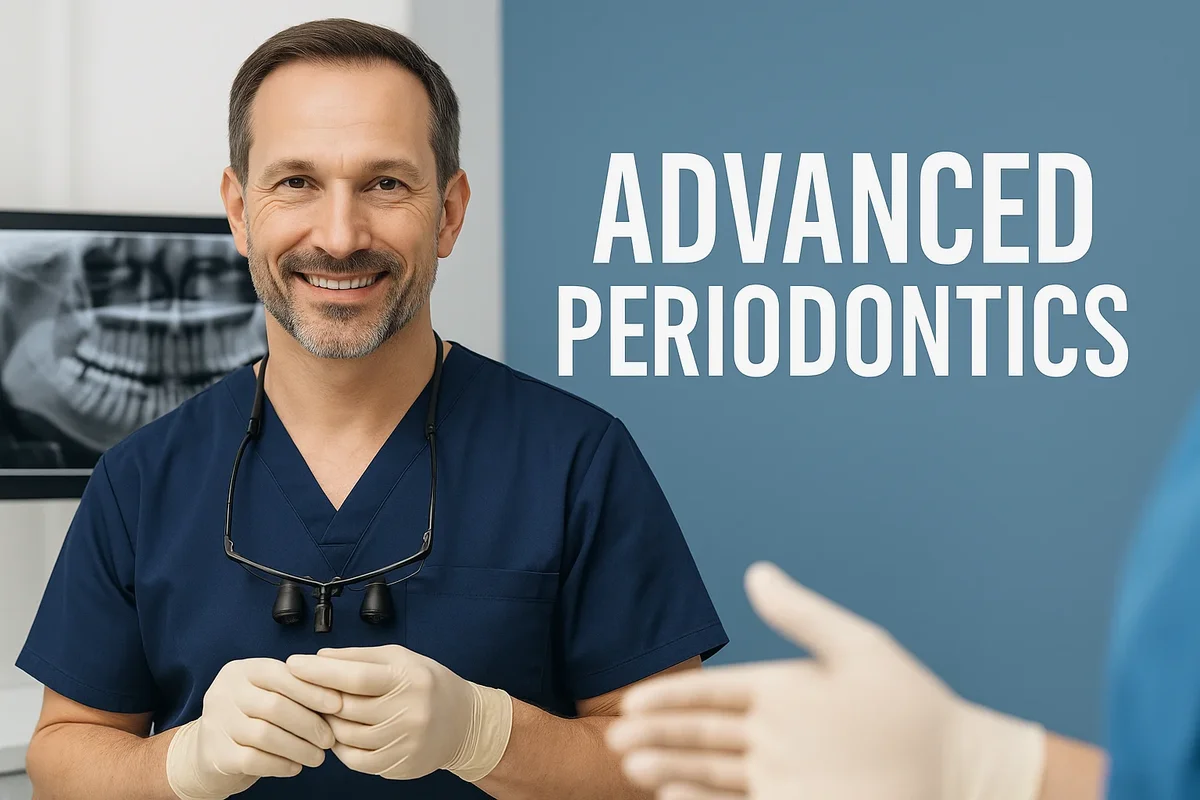
How to Choose the Right Periodontist for Advanced Care
Selecting the right specialist is one of the most important decisions a patient can make when it comes to advanced periodontics. Because periodontal therapy often involves complex treatments—ranging from deep cleanings and laser therapy to gum grafts, bone regeneration, and dental implants—the skill, experience, and approach of the periodontist directly influence the outcome. Patients who carefully evaluate their options are more likely to enjoy lasting oral health, improved function, and greater confidence in their smile.
Check the Periodontist’s Credentials and Training
The foundation of a good choice is proper education and certification. Periodontists receive three additional years of specialized training beyond dental school, focusing exclusively on gum and bone health. When selecting a provider for advanced periodontics, patients should verify that the specialist is board-certified by recognized professional organizations. This certification demonstrates a commitment to excellence and ongoing education in the field of periodontology.
Importance of Board Certification
Board-certified periodontists meet rigorous standards of knowledge and clinical skills. They are tested not only on academic knowledge but also on their ability to apply advanced techniques effectively. Choosing a certified provider ensures that patients are in the hands of someone who has demonstrated expertise in all aspects of advanced periodontics.
Evaluate Experience and Specialization
Experience plays a crucial role in determining the success of periodontal treatments. Patients should ask how many years the periodontist has been practicing and whether they specialize in specific procedures such as dental implants, laser therapy, or bone grafting. A specialist with extensive hands-on experience in advanced periodontics can manage even the most complex cases with greater confidence and precision.
Case Studies and Before-and-After Results
Many reputable periodontists provide case studies or photographic portfolios of past patients. Reviewing these results helps patients understand the provider’s skill level and aesthetic outcomes. Seeing examples of gum grafts, implant placements, or bone regeneration performed by the specialist builds trust and offers realistic expectations.
Technology and Techniques Used
The best clinics in advanced periodontics invest in modern technologies to enhance precision, safety, and comfort. Patients should inquire whether the clinic uses digital imaging (CBCT scans), laser-assisted therapy, microsurgical instruments, and regenerative biomaterials. Advanced technology not only improves outcomes but also reduces recovery time and discomfort.
Communication and Patient-Centered Care
Periodontal therapy often requires multiple visits and a long-term commitment. For this reason, patients should choose a periodontist who communicates clearly, explains procedures thoroughly, and listens to concerns. In advanced periodontics, collaboration between patient and provider is key to achieving the best results. A good specialist ensures that patients feel comfortable, informed, and confident throughout their treatment journey.
Customized Treatment Plans
Every patient’s condition is unique, which is why personalized care is vital. A high-quality periodontist develops individualized treatment plans based on diagnostic imaging, periodontal measurements, and medical history. Patients should be cautious of one-size-fits-all approaches, as effective advanced periodontics requires tailored strategies for long-term success.
Reviews, Referrals, and Reputation
Word of mouth remains one of the most reliable ways to find the right specialist. Patients can ask their general dentist for referrals or read reviews from past patients online. Testimonials often provide insight into the quality of care, staff professionalism, and clinic atmosphere. In advanced periodontics, reputation matters—choosing a periodontist with strong community trust ensures that patients receive both expert treatment and compassionate care.
Financial Transparency and Insurance Assistance
Cost is an important consideration, and a reputable clinic should provide transparent pricing and clear explanations of fees. Specialists in advanced periodontics often work with insurance providers and offer financing options to make treatments more accessible. Patients should look for clinics that provide detailed written estimates before beginning care, reducing the risk of unexpected costs.
Consultation as a First Step
An initial consultation is an opportunity to evaluate not only the periodontist’s expertise but also the clinic’s overall approach. During this visit, patients should feel comfortable asking about procedures, risks, success rates, and aftercare. The willingness of the periodontist to answer questions openly is a strong indicator of trustworthiness and patient-centered values.
Location and Accessibility
While expertise should always take priority, practical considerations like location, office hours, and accessibility are also important. Since periodontal therapy often involves multiple appointments, selecting a conveniently located clinic makes the treatment journey smoother. Specialists in advanced periodontics often operate in modern clinics designed to be welcoming and accessible for all patients.
In conclusion, choosing the right periodontist for advanced care requires a careful balance of qualifications, experience, technology, communication, and financial transparency. By evaluating these factors, patients can confidently select a specialist in advanced periodontics who will deliver outstanding results. With the right provider, periodontal therapy becomes not just a medical treatment, but a transformative journey toward healthier gums, stronger teeth, and improved overall well-being. 🌟