
1. What Is Aesthetic Dentistry and How Does It Differ from General Dentistry?
Aesthetic dentistry is a specialized branch of dentistry that focuses on enhancing the appearance of a patient’s teeth, gums, and overall smile 😊. Unlike general dentistry, which emphasizes oral hygiene, prevention, and the treatment of diseases, aesthetic dentistry is dedicated to improving visual appeal. While both fields overlap at times—such as when treating a chipped tooth—aesthetic procedures aim for cosmetic perfection in addition to functionality.
Common procedures in aesthetic dentistry include:
- Teeth whitening
- Porcelain veneers
- Dental bonding
- Gum contouring
- Smile design with 3D software
In contrast, general dentistry covers services like:
- Dental cleanings and checkups
- Tooth extractions
- Fillings for cavities
- Root canals
The difference lies in intent: general dentistry is necessary for health, while aesthetic dentistry enhances the way you look and feel. For example, a general dentist may repair a broken tooth for functionality, but an aesthetic dentist will make sure that restoration blends seamlessly with your natural teeth 🦷.
Why Patients Choose Aesthetic Dentistry
People often turn to aesthetic dentistry to:
- Improve self-esteem
- Look younger and more energetic
- Enhance their professional image
- Achieve symmetry and facial balance
One of the biggest appeals of aesthetic dentistry is the ability to create a smile that’s custom-tailored to your personality, facial features, and goals. It is also increasingly used as part of a broader makeover or rejuvenation plan, alongside dermatological and cosmetic procedures 💄.
How Aesthetic and General Dentistry Work Together
Though their primary goals differ, these two branches often complement each other. Aesthetic procedures may require a healthy dental foundation to succeed—meaning that oral health treatments must be addressed first. In many cases, a general dentist and aesthetic dentist work as a team to ensure optimal results both functionally and visually.
Technological Advances in Aesthetic Dentistry
Modern aesthetic dentistry is powered by digital tools and materials. Innovations like Digital Smile Design (DSD), 3D scanners, and CAD/CAM systems allow for highly personalized treatment planning. Additionally, biocompatible materials such as zirconia and advanced resins are used to mimic the translucency of natural enamel, ensuring that restorations are indistinguishable from real teeth.
Is Aesthetic Dentistry Safe?
Yes—when performed by a qualified and experienced professional, aesthetic dental treatments are extremely safe. In fact, most treatments are non-invasive or minimally invasive. It’s essential to consult with a licensed provider, ideally one accredited by an organization like the American Dental Association, to ensure best practices are followed.
Who Is a Good Candidate for Aesthetic Dentistry?
Ideal candidates for aesthetic dentistry include individuals with:
- Discolored or stained teeth
- Chipped, broken, or uneven teeth
- Gaps between teeth
- Gummy smiles or irregular gum lines
- Misaligned or asymmetrical smiles
Before any cosmetic treatment, a thorough dental exam is essential to rule out gum disease, infections, or underlying oral health issues. In many cases, the journey begins with a Redent Klinik Contact Page consultation 📝.
Key Takeaways
Aesthetic dentistry is not just about vanity—it’s about feeling confident and presenting your best self. With growing access to advanced tools and techniques, more patients around the world are embracing the benefits of an attractive smile. By understanding how it differs from general dentistry, individuals can make informed decisions that align with both their health and aesthetic goals.
1. What Is Aesthetic Dentistry and How Does It Differ from General Dentistry?
Aesthetic dentistry is a specialized branch of dentistry that focuses on enhancing the appearance of a patient’s teeth, gums, and overall smile 😊. Unlike general dentistry, which emphasizes oral hygiene, prevention, and the treatment of diseases, aesthetic dentistry is dedicated to improving visual appeal. While both fields overlap at times—such as when treating a chipped tooth—aesthetic procedures aim for cosmetic perfection in addition to functionality.
Common procedures in aesthetic dentistry include:
- Teeth whitening
- Porcelain veneers
- Dental bonding
- Gum contouring
- Smile design with 3D software
In contrast, general dentistry covers services like:
- Dental cleanings and checkups
- Tooth extractions
- Fillings for cavities
- Root canals
The difference lies in intent: general dentistry is necessary for health, while aesthetic dentistry enhances the way you look and feel. For example, a general dentist may repair a broken tooth for functionality, but an aesthetic dentist will make sure that restoration blends seamlessly with your natural teeth 🦷.
Why Patients Choose Aesthetic Dentistry
People often turn to aesthetic dentistry to:
- Improve self-esteem
- Look younger and more energetic
- Enhance their professional image
- Achieve symmetry and facial balance
One of the biggest appeals of aesthetic dentistry is the ability to create a smile that’s custom-tailored to your personality, facial features, and goals. It is also increasingly used as part of a broader makeover or rejuvenation plan, alongside dermatological and cosmetic procedures 💄.
How Aesthetic and General Dentistry Work Together
Though their primary goals differ, these two branches often complement each other. Aesthetic procedures may require a healthy dental foundation to succeed—meaning that oral health treatments must be addressed first. In many cases, a general dentist and aesthetic dentist work as a team to ensure optimal results both functionally and visually.
Technological Advances in Aesthetic Dentistry
Modern aesthetic dentistry is powered by digital tools and materials. Innovations like Digital Smile Design (DSD), 3D scanners, and CAD/CAM systems allow for highly personalized treatment planning. Additionally, biocompatible materials such as zirconia and advanced resins are used to mimic the translucency of natural enamel, ensuring that restorations are indistinguishable from real teeth.
Is Aesthetic Dentistry Safe?
Yes—when performed by a qualified and experienced professional, aesthetic dental treatments are extremely safe. In fact, most treatments are non-invasive or minimally invasive. It’s essential to consult with a licensed provider, ideally one accredited by an organization like the American Dental Association, to ensure best practices are followed.
Who Is a Good Candidate for Aesthetic Dentistry?
Ideal candidates for aesthetic dentistry include individuals with:
- Discolored or stained teeth
- Chipped, broken, or uneven teeth
- Gaps between teeth
- Gummy smiles or irregular gum lines
- Misaligned or asymmetrical smiles
Before any cosmetic treatment, a thorough dental exam is essential to rule out gum disease, infections, or underlying oral health issues. In many cases, the journey begins with a Redent Klinik Contact Page consultation 📝.
Key Takeaways
Aesthetic dentistry is not just about vanity—it’s about feeling confident and presenting your best self. With growing access to advanced tools and techniques, more patients around the world are embracing the benefits of an attractive smile. By understanding how it differs from general dentistry, individuals can make informed decisions that align with both their health and aesthetic goals.
2. Top 5 Smile Makeover Treatments in Aesthetic Dentistry
Aesthetic dentistry offers a wide range of transformative treatments designed to enhance your smile and overall appearance 😁. Whether you’re dealing with discolored, chipped, or misaligned teeth, modern techniques can help you achieve a picture-perfect smile. Below are the top 5 most popular smile makeover procedures used in aesthetic dentistry today.
1. Teeth Whitening
One of the simplest yet most effective treatments in aesthetic dentistry is teeth whitening. Over time, teeth can become stained due to coffee, tea, tobacco, or aging. Professional whitening uses powerful bleaching agents like hydrogen peroxide to lighten teeth by several shades in just one session. This treatment is safe, quick, and yields immediate results 🌟.
2. Porcelain Veneers
Porcelain veneers are ultra-thin, custom-made shells that cover the front surface of your teeth. Ideal for correcting uneven shapes, gaps, stains, and minor misalignments, veneers offer a long-lasting and natural-looking solution. Many patients undergoing aesthetic dentistry choose veneers for complete smile makeovers, thanks to their durability and aesthetic appeal.
3. Dental Bonding
Dental bonding involves applying a tooth-colored resin to correct imperfections such as chips, cracks, or small gaps. This non-invasive technique is cost-effective and often completed in a single visit. While not as long-lasting as veneers, bonding remains a favorite among patients exploring aesthetic dentistry for the first time.
4. Invisalign and Clear Aligners
Orthodontics has evolved beyond traditional metal braces. Clear aligners like Invisalign have revolutionized aesthetic dentistry by providing a discreet way to straighten teeth. These aligners are removable, comfortable, and custom-made to fit your bite. Treatment duration typically ranges from 6 to 18 months, depending on the complexity of the case.
5. Gum Contouring
A gummy smile can make your teeth look short or uneven. Gum contouring, also known as gingival sculpting, is a cosmetic procedure that reshapes the gum line using lasers or scalpels. This enhances the symmetry and proportion of your smile, making it a key component of advanced aesthetic dentistry.
Combining Treatments for a Full Smile Makeover
Often, multiple procedures are combined for a comprehensive smile makeover. For instance, a patient may undergo teeth whitening, receive veneers for front teeth, and finish with gum contouring. The synergy of these procedures exemplifies the artistry behind aesthetic dentistry 🖌️.
Before and After: The Visual Impact
The visual transformation that aesthetic dentistry offers is remarkable. Patients often report improved self-esteem and greater confidence in social and professional settings. The “before and after” photos are not just aesthetically pleasing—they reflect significant emotional and psychological improvements.
Average Costs of Smile Makeover Procedures
Here’s a rough estimate of costs for various aesthetic procedures (note: prices vary by location and complexity):
- Teeth Whitening: $300–$800
- Porcelain Veneers: $900–$2,500 per tooth
- Dental Bonding: $150–$600 per tooth
- Invisalign: $3,000–$7,000
- Gum Contouring: $500–$3,000
Consult your clinic for a customized quote. You may also contact Redent Klinik Contact Page for treatment plans tailored to your smile goals.
Why Smile Makeovers Are Worth It
Investing in aesthetic dentistry not only upgrades your appearance but also contributes to your oral health. Many treatments, like straightening misaligned teeth or fixing chipped enamel, also improve bite function and prevent future issues. A beautiful smile isn’t just skin-deep—it reflects overall wellness 🧠🦷.
Conclusion
Whether you’re looking to correct minor imperfections or seeking a dramatic change, smile makeover treatments in aesthetic dentistry provide endless possibilities. From teeth whitening to veneers and beyond, modern dental innovations can help you achieve the smile of your dreams. Don’t hesitate to take the first step toward transformation today.
3. How Aesthetic Dentistry Boosts Self-Confidence and Mental Wellness
It’s no secret that our smile plays a powerful role in how we feel about ourselves and how others perceive us. Aesthetic dentistry doesn’t just transform teeth—it transforms lives. An improved smile can significantly boost self-confidence, leading to better social interactions, professional opportunities, and even mental health 🧠.
The Psychology Behind a Beautiful Smile
Psychologists and social scientists have long studied the impact of facial expressions, particularly smiles, on mental well-being. Smiling triggers the release of neurotransmitters like dopamine and serotonin, which promote happiness and reduce stress. But if someone is self-conscious about crooked, stained, or missing teeth, they’re far less likely to smile openly.
This is where aesthetic dentistry makes a dramatic difference. Treatments like veneers, teeth whitening, or alignment correct these imperfections, enabling individuals to express joy freely. In many cases, the results are not just visible in the mirror but deeply felt emotionally ❤️.
Confidence in Social and Professional Life
Whether it’s a job interview, first date, or family photo, your smile is often the first thing people notice. A person who feels embarrassed about their teeth might cover their mouth when speaking or avoid smiling altogether. This can be misinterpreted as aloofness or insecurity. Aesthetic dentistry eliminates such concerns, allowing people to engage with the world more openly and confidently.
In fact, many patients report significant life changes after undergoing procedures in aesthetic dentistry, such as:
- Getting promotions at work due to improved appearance
- Feeling more comfortable in social gatherings
- Overcoming long-standing insecurities
- Gaining motivation for self-care and personal improvement
Mental Health Benefits of Aesthetic Dentistry
Low self-esteem is often tied to negative self-image, and dental aesthetics can play a surprisingly large role in this equation. Stained, damaged, or uneven teeth are among the top physical features people wish to change. Aesthetic dentistry offers tangible solutions that deliver instant gratification and long-term emotional benefits 🧘.
Patients often experience:
- Reduced social anxiety
- Increased willingness to participate in group events
- Improved romantic relationships
- Enhanced mood and reduced depressive thoughts
This emotional transformation is a key reason why aesthetic dentistry is considered a valuable investment—not just for looks, but for mental health as well.
Backed by Science: Smiling and Neurochemistry
Scientific studies have shown that smiling—even when forced—can reduce cortisol (the stress hormone) and increase serotonin. When your smile is enhanced by aesthetic dentistry, you naturally smile more, which leads to a reinforcing cycle of positivity, self-assurance, and mental clarity. The better your smile, the more frequently you use it, and the greater the psychological rewards 😊.
Patient Testimonials and Real-Life Impact
Many aesthetic dental practices gather before-and-after stories from patients. These stories often highlight not just physical transformations but emotional ones. A 38-year-old patient who once hid her teeth now hosts corporate webinars. A 25-year-old teacher who underwent Invisalign now says she speaks more confidently in front of students.
Such testimonials showcase how aesthetic dentistry has ripple effects across every aspect of life—from dating to public speaking to parenting.
Accessible Treatment Options for Emotional Wellness
Contrary to popular belief, you don’t need a Hollywood budget to benefit from aesthetic dentistry. Even minor treatments like teeth whitening or dental bonding can result in major psychological improvements. Clinics such as Redent Klinik Contact Page offer consultations to personalize treatment plans based on both cosmetic and emotional goals.
Conclusion
It’s clear that aesthetic dentistry is about more than vanity. It empowers individuals, uplifts their spirits, and allows them to participate in life more fully. By addressing concerns that may have caused insecurity or isolation, aesthetic dental treatments become a gateway to confidence, mental peace, and genuine happiness. When you look good, you feel good—and with a confident smile, the world smiles back at you 😄.
4. The Role of Digital Smile Design (DSD) in Modern Aesthetic Dentistry
One of the most revolutionary tools in aesthetic dentistry today is Digital Smile Design (DSD). This innovative technology enables dentists and patients to co-design the perfect smile using advanced imaging software, facial analysis, and 3D modeling. With DSD, the days of guessing what your smile will look like after treatment are over—now, you can see it before any procedure even begins! 🖥️🦷
What Is Digital Smile Design?
Digital Smile Design is a modern protocol used in aesthetic dentistry to create a personalized treatment plan based on facial features, personality traits, and functional needs. By analyzing high-resolution photos, videos, and dental impressions, the software generates a digital preview of the proposed smile. This virtual simulation allows for precise planning and full patient involvement in the aesthetic process.
Why DSD Is a Game-Changer in Aesthetic Dentistry
In traditional cosmetic procedures, patients often had to trust the dentist’s judgment blindly. With DSD, they gain a clear understanding of expected outcomes. This enhances communication, increases satisfaction, and minimizes errors. DSD brings a new level of transparency and trust into aesthetic dentistry by allowing patients to “test drive” their new smile before committing to any treatment.
Steps in a Digital Smile Design Workflow
- Data Collection: High-quality photos and intraoral scans are taken to capture the current state of your smile.
- Facial Analysis: The software evaluates facial symmetry, lip dynamics, and smile line.
- Smile Simulation: A 3D mock-up is created to preview possible improvements.
- Patient Approval: The patient can suggest changes before finalizing the treatment plan.
- Treatment Execution: The plan is implemented using guided technology, ensuring high accuracy and precision.
Benefits of Digital Smile Design
- Highly personalized treatment
- Visual preview of results
- Improved dentist-patient communication
- Better functional and aesthetic outcomes
- Minimized risks and improved accuracy
For those investing in aesthetic dentistry, DSD removes the uncertainty. It allows patients to feel more confident and excited about their dental journey, increasing emotional engagement and compliance.
DSD and Multidisciplinary Treatments
Digital Smile Design is especially valuable in multidisciplinary cases where orthodontics, prosthodontics, and periodontics come together. It helps coordinate procedures such as veneers, crowns, and implants to ensure harmony in the final outcome. With aesthetic dentistry becoming more integrated, DSD is a bridge between different specialists.
Technology Used in Digital Smile Design
Modern aesthetic dentistry uses a variety of tech tools for DSD, including:
- CAD/CAM software
- 3D scanners and printers
- Intraoral cameras
- Augmented Reality (AR) for live previewing
- Digital wax-up tools for physical prototypes
These technologies ensure that each detail is executed with microscopic precision, resulting in a smile that is not just beautiful but also functional and durable.
Cost and Accessibility
While DSD adds to the cost of aesthetic dentistry, the benefits often outweigh the price. A DSD-based consultation may cost $200–$500, but it significantly reduces the risk of unsatisfactory outcomes. Some dental clinics, like Redent Klinik, offer DSD planning as part of comprehensive smile makeover packages.
Conclusion
Aesthetic dentistry has evolved from art to science, and Digital Smile Design is at the forefront of that transformation. By merging technology with dental expertise, DSD empowers patients and practitioners alike to achieve dream smiles with clarity and confidence. If you’re considering a cosmetic dental journey, make sure your clinic is equipped with DSD—because your new smile deserves nothing less than perfection 😍.
5. Teeth Whitening Techniques: In-Office vs. At-Home
Teeth whitening is one of the most requested procedures in aesthetic dentistry. It offers a fast, non-invasive way to enhance your smile by removing stains and discoloration. Whether you’re preparing for a special occasion or simply want a brighter look, whitening can make a dramatic difference in both appearance and confidence ✨.
Understanding Tooth Discoloration
Teeth can become discolored due to several reasons:
- Consumption of staining foods and drinks (coffee, tea, red wine)
- Tobacco use
- Natural aging and enamel thinning
- Medications like tetracycline
- Poor oral hygiene
Aesthetic dentistry provides various solutions tailored to the type and cause of discoloration. Among these, professional whitening stands out for its speed, safety, and superior results compared to over-the-counter alternatives.
In-Office Teeth Whitening
Also called chairside bleaching, in-office whitening is performed by a dentist using high-concentration hydrogen peroxide gels. These are activated with light or lasers to accelerate the process. A typical session lasts 30–90 minutes, and patients often see their teeth brighten by several shades in just one visit 😁.
Benefits of in-office whitening in aesthetic dentistry include:
- Immediate and visible results
- Supervised by professionals for safety
- Customized for individual sensitivity and needs
In-office whitening is ideal for patients looking for fast transformation, such as brides, job applicants, or anyone preparing for a public event.
At-Home Teeth Whitening Options
There are several at-home whitening methods, ranging from dentist-prescribed trays to drugstore products:
- Custom trays with gel: These are provided by a dentist and offer professional-grade results over 1–2 weeks.
- Whitening strips: Convenient but typically less effective.
- Whitening toothpaste and rinses: Mildly effective for surface stains but slow and limited in results.
Although more affordable, at-home methods often require patience and may not match the precision or longevity of in-office treatments provided by aesthetic dentistry experts.
Comparing Results: In-Office vs. At-Home
| Feature | In-Office Whitening | At-Home Whitening |
|---|---|---|
| Time to Results | 1 session | 1–2 weeks or more |
| Effectiveness | High | Moderate |
| Cost | $300–$800 | $20–$400 |
| Longevity | 6–12 months | 3–6 months |
| Safety | Supervised | Self-applied |
Sensitivity and Safety Tips
Tooth sensitivity is a common side effect, especially with peroxide-based whiteners. In aesthetic dentistry, dentists apply desensitizing agents and protective barriers to reduce discomfort. Patients are advised to avoid very hot or cold foods for a few days post-treatment.
For at-home care, using sensitivity-reducing toothpaste and spacing out treatments can help manage any irritation.
Whitening Maintenance
To maintain results, follow these simple habits:
- Brush and floss daily 🪥
- Limit intake of staining substances
- Use a straw for colored beverages
- Schedule periodic touch-ups
Many aesthetic dentistry clinics also provide maintenance kits or offer periodic discounts for returning patients. This makes it easier to retain that radiant glow throughout the year.
Where to Begin
If you’re unsure which method is right for you, it’s best to consult a professional. Clinics like Redent Klinik offer both in-office and take-home whitening options customized to your enamel type, shade goals, and budget.
Conclusion
Whether you choose in-office treatments for quick brilliance or prefer the convenience of at-home methods, teeth whitening is a cornerstone of aesthetic dentistry. It’s a safe, affordable, and instantly gratifying way to boost your appearance and confidence. A bright smile truly lights up a room—start yours today 🌟.
6. Veneers vs. Bonding: Which Aesthetic Solution Is Right for You?
When it comes to correcting minor dental imperfections and achieving a flawless smile, two of the most popular aesthetic dentistry procedures are veneers and bonding. While both techniques aim to enhance the appearance of teeth, they differ significantly in terms of materials, durability, cost, and use cases. Understanding the pros and cons of each will help you decide which treatment best suits your needs and goals 😊.
What Are Veneers?
Veneers are ultra-thin shells made of porcelain or composite resin that are permanently bonded to the front of teeth. They are custom-crafted to match your desired shape, size, and shade. Veneers are ideal for patients seeking dramatic and long-lasting results in aesthetic dentistry.
Veneers are commonly used to correct:
- Discolored or stained teeth
- Chipped or broken teeth
- Slight misalignment or gaps
- Irregularly shaped teeth
Porcelain veneers are particularly popular for their natural translucency and stain resistance. With proper care, they can last 10–15 years or longer, making them a premium choice in aesthetic dentistry.
What Is Dental Bonding?
Dental bonding is a more conservative and affordable alternative. In this procedure, a tooth-colored resin material is applied to the surface of the tooth and shaped, hardened, and polished to match the surrounding teeth. The entire process usually takes about 30 to 60 minutes per tooth and often doesn’t require anesthesia.
Dental bonding is commonly used to fix:
- Small chips or cracks
- Minor gaps
- Tooth discoloration
- Short or worn teeth
Though less durable than veneers, bonding is a great entry-level aesthetic dentistry treatment for patients looking for a quick and budget-friendly improvement.
Comparison: Veneers vs. Bonding
| Aspect | Veneers | Bonding |
|---|---|---|
| Material | Porcelain / Composite | Composite Resin |
| Durability | 10–15 years | 3–7 years |
| Cost per tooth | $900–$2,500 | $150–$600 |
| Invasiveness | Requires enamel removal | Minimally invasive |
| Stain resistance | High (porcelain) | Moderate |
| Time Required | 2–3 visits | 1 visit |
Which One Should You Choose?
Your ideal choice depends on your goals, budget, and long-term expectations. Veneers are generally the go-to option for those seeking a Hollywood-style smile makeover with high durability and esthetic quality. On the other hand, dental bonding is better suited for patients looking for minor corrections without significant cost or commitment.
If you’re uncertain, consider consulting an expert in aesthetic dentistry. Clinics such as Redent Klinik can provide a digital smile preview and guide you through your options based on a detailed assessment of your teeth.
Maintenance and Aftercare
Regardless of whether you choose veneers or bonding, good oral hygiene is essential to maintain results. Brush twice daily, floss regularly, and avoid biting hard objects like ice or pens. It’s also important to attend regular dental check-ups to ensure the integrity of the restorations remains intact.
Tips for longevity:
- Use non-abrasive toothpaste
- Wear a night guard if you grind your teeth
- Avoid smoking and excessive coffee/wine
Conclusion
Both veneers and bonding are highly effective treatments within aesthetic dentistry, each with its own strengths. While veneers offer durability and brilliance, bonding provides quick and cost-effective enhancement. Whichever you choose, you’re one step closer to a confident, radiant smile 😄.
7. Cost of Aesthetic Dentistry: What to Expect in 2025
Many patients interested in aesthetic dentistry are curious about one crucial factor—cost. Since these procedures are often elective and not covered by insurance, understanding the financial aspect is essential for planning a smile makeover. From teeth whitening to full-mouth veneers, prices can vary widely based on materials, clinic location, and expertise. Let’s explore what you can expect to pay for aesthetic treatments in 2025 💰.
Why Is Aesthetic Dentistry Considered an Investment?
Aesthetic dentistry doesn’t just offer cosmetic improvements—it provides emotional and psychological value as well. A radiant smile can improve self-esteem, open career opportunities, and positively influence social relationships. For many, the benefits far outweigh the costs, making it a lifelong investment in personal wellness and confidence 😊.
Typical Price Ranges for Aesthetic Procedures (2025)
| Treatment | Average Cost (USD) |
|---|---|
| Teeth Whitening (In-Office) | $300 – $800 |
| Porcelain Veneers (per tooth) | $900 – $2,500 |
| Dental Bonding (per tooth) | $150 – $600 |
| Invisalign / Clear Aligners | $3,000 – $7,000 |
| Gum Contouring | $500 – $3,000 |
| Digital Smile Design (DSD) | $200 – $500 (consultation phase) |
| Full Smile Makeover | $8,000 – $25,000+ |
Please note that these are average price ranges, and costs may vary based on your geographic location, clinic reputation, and the complexity of the case. Some dental clinics, including Redent Klinik, offer treatment packages that combine services at discounted rates for international patients 🌍.
What Influences the Cost of Aesthetic Dentistry?
Several factors contribute to the cost of aesthetic dentistry services:
- Materials Used: Porcelain is more expensive than composite but offers greater durability and aesthetics.
- Technological Integration: Clinics using CAD/CAM, 3D scanners, or Digital Smile Design may charge more due to advanced capabilities.
- Dentist’s Experience: Highly experienced or specialized aesthetic dentists often charge premium rates.
- Clinic Location: Prices in urban centers or tourism-based locations (like Istanbul or Los Angeles) tend to be higher.
Financing and Payment Plans
Given the cost, many aesthetic dentistry clinics offer financing options, allowing patients to split payments over several months. Some also partner with third-party credit providers or offer interest-free installment plans. This makes cosmetic dental treatments more accessible and manageable, even for those on a budget 🏦.
Tips for Managing Costs:
- Ask about bundled treatment packages
- Compare multiple clinics and get second opinions
- Inquire about discounts for multiple teeth or full-mouth treatments
Insurance Coverage: What’s Included?
Most aesthetic dentistry procedures are not covered by standard dental insurance, as they are considered elective. However, if the procedure has functional benefits (e.g., repairing a broken tooth or correcting a bite), partial reimbursement may be possible. It’s best to consult both your dentist and insurance provider for clarification.
Affordable Aesthetic Dentistry in Turkey
Turkey has become a leading destination for affordable aesthetic dentistry, offering world-class care at competitive prices. Many patients from the UK, Europe, and the Middle East travel to Turkey for procedures like veneers, implants, and smile makeovers. Clinics like Redent Klinik provide all-inclusive packages, including airport pickup, accommodation, and translation services 🇹🇷✈️.
Conclusion
While the cost of aesthetic dentistry can be significant, the impact it has on your life is priceless. With modern technologies, flexible payment options, and global access to high-quality clinics, a beautiful and confident smile is within reach. Whether you’re planning a full makeover or just one procedure, budgeting wisely and choosing the right clinic will help you get the most out of your investment.
8. How to Choose the Best Aesthetic Dentist: Expert Tips
Selecting the right professional for your aesthetic dentistry journey is one of the most important decisions you’ll make. The results of cosmetic dental treatments are highly visible, long-lasting, and emotionally impactful. Whether you’re getting veneers, whitening, or a full smile makeover, your choice of dentist will directly influence the quality of your outcome 😷✨.
What Sets an Aesthetic Dentist Apart?
Unlike general dentists, professionals who specialize in aesthetic dentistry possess a unique combination of technical skill, artistic vision, and advanced training. They focus not only on restoring function but also on perfecting the visual harmony of the smile. Their approach includes considerations like facial balance, tooth proportions, and even lip contouring.
Here are some qualities that define a skilled aesthetic dentist:
- Extensive experience with cosmetic procedures
- Up-to-date knowledge of materials and technology
- Strong portfolio of before-and-after cases
- Excellent communication and patient education skills
Essential Criteria for Choosing the Right Dentist
When exploring your options for aesthetic dentistry, use the checklist below to make an informed decision:
1. Check Credentials and Certifications
Ensure the dentist is accredited and has specific training in cosmetic dentistry. Membership in organizations like the American Dental Association is a good sign of professional commitment. Some may also hold additional certifications in smile design or dental aesthetics.
2. Review Their Portfolio
A reputable aesthetic dentist should offer a gallery of before-and-after images of real patients. Look for consistent, natural-looking results. These visual records provide insight into the dentist’s style and expertise within aesthetic dentistry.
3. Read Patient Reviews
Online reviews and testimonials on platforms like Google, RealSelf, or social media offer honest insights into patient satisfaction. Pay attention to comments about professionalism, results, post-treatment care, and overall experience. Positive feedback in the realm of aesthetic dentistry usually reflects technical skill and trustworthiness.
4. Ask About Technology and Techniques
Top clinics use the latest tools in aesthetic dentistry, such as Digital Smile Design, CAD/CAM systems, 3D scanning, and laser contouring. These technologies improve accuracy, comfort, and final outcomes. Ask if your dentist uses them and how they influence treatment planning.
5. Schedule a Consultation
A personalized consultation allows you to assess the clinic environment, communication style, and treatment philosophy. Use this time to ask about:
- Procedure options and alternatives
- Expected timeline and recovery
- Material choices
- Estimated costs and payment plans
Clinics like Redent Klinik offer in-depth consultations, giving you clarity and confidence before moving forward with any aesthetic dentistry treatment.
Warning Signs to Watch For
Be cautious if you notice any of the following:
- No visual documentation of past work
- Unclear or overly vague pricing
- Pushy sales tactics or “too-good-to-be-true” promises
- Lack of post-treatment care guidance
Trustworthy professionals in aesthetic dentistry prioritize your safety, education, and satisfaction above all.
Questions You Should Ask During Your First Visit
- What specific cosmetic treatments do you specialize in?
- Can I see real patient results from similar procedures?
- How do you ensure natural-looking outcomes?
- What are the long-term maintenance requirements?
- Do you offer financing or treatment packages?
Asking these questions will give you insight into the dentist’s expertise and approach. The more informed you are, the better decisions you’ll make regarding your aesthetic dentistry goals.
Conclusion
Choosing the best dentist for aesthetic dentistry is a vital step toward achieving the smile of your dreams. Take your time, do your research, and trust your instincts. With the right professional, your cosmetic journey will be smooth, rewarding, and truly transformative. Your perfect smile starts with a smart choice 😄.
9. Aesthetic Dentistry in Turkey: Why It’s a Global Hotspot
In recent years, Turkey has become a global hub for aesthetic dentistry, attracting thousands of international patients seeking high-quality dental care at affordable prices 🌍🦷. With state-of-the-art clinics, skilled professionals, and comprehensive treatment packages, Turkey is now among the top destinations for smile makeovers, veneers, implants, and other cosmetic procedures.
Why Turkey Leads in Aesthetic Dentistry
Turkey’s rise in the field of aesthetic dentistry is no accident. The country has invested heavily in healthcare infrastructure and medical tourism. Dentists in Turkey are well-trained, often educated abroad, and regularly attend international conferences to stay up-to-date with the latest trends and technologies.
Key reasons why Turkey is a top choice:
- Affordable Costs: Compared to Western Europe and the US, aesthetic procedures in Turkey can be 50–70% cheaper.
- High Standards: Clinics maintain rigorous hygiene and safety protocols aligned with EU regulations.
- Advanced Technology: Most clinics use cutting-edge tools like CAD/CAM, 3D scanners, and Digital Smile Design.
- Tourism Integration: Packages often include airport transfers, hotel accommodation, and personal translators.
This combination of quality and affordability makes aesthetic dentistry in Turkey an appealing option for patients from the UK, Germany, France, the Middle East, and even North America.
Popular Aesthetic Dentistry Procedures in Turkey
The most sought-after treatments by international patients include:
- Porcelain or zirconium veneers
- Teeth whitening
- Dental implants
- Smile design and full-mouth restorations
- Gum reshaping (gummy smile correction)
Clinics like Redent Klinik in Turkey specialize in personalized treatment plans tailored to both aesthetic goals and functional needs, making them a trusted choice in the world of aesthetic dentistry.
Cost Comparison: Turkey vs. Other Countries (2025)
| Procedure | USA | UK | Turkey |
|---|---|---|---|
| Porcelain Veneers (per tooth) | $1,500–$2,500 | £800–£1,200 | $300–$600 |
| Dental Implants | $3,000–$6,000 | £2,500–£4,000 | $800–$1,500 |
| Teeth Whitening | $500–$800 | £300–£500 | $150–$300 |
As seen above, aesthetic dentistry in Turkey offers considerable savings, often without compromising on quality.
Medical Tourism Experience
Turkey’s clinics understand the needs of international patients and have created seamless experiences that blend dental care with vacation. From airport pick-up to hotel check-in and post-treatment follow-ups, everything is designed to reduce stress and maximize comfort for patients undergoing aesthetic dentistry procedures abroad 🏖️.
Language and Communication
One of the major advantages of choosing Turkey is that most dental staff speak fluent English, German, French, or Arabic. Clinics often assign multilingual coordinators to ensure smooth communication during every phase of the treatment process.
What to Look for When Choosing a Clinic in Turkey
If you’re considering aesthetic dentistry in Turkey, keep the following in mind:
- Look for internationally accredited clinics
- Ask for a portfolio of previous cases
- Check Google or Trustpilot reviews
- Verify if Digital Smile Design and other tech tools are used
- Ensure the clinic provides a warranty or guarantee policy
Establishing trust and transparency is key when receiving dental treatment abroad.
Conclusion
Turkey is more than a vacation destination—it’s a global leader in aesthetic dentistry. With its blend of affordability, quality, and hospitality, it offers unmatched value for patients seeking a perfect smile. Whether you’re interested in veneers, implants, or full makeovers, Turkey provides world-class results at a fraction of the cost. Your dream smile might just be a short flight away ✈️😊.
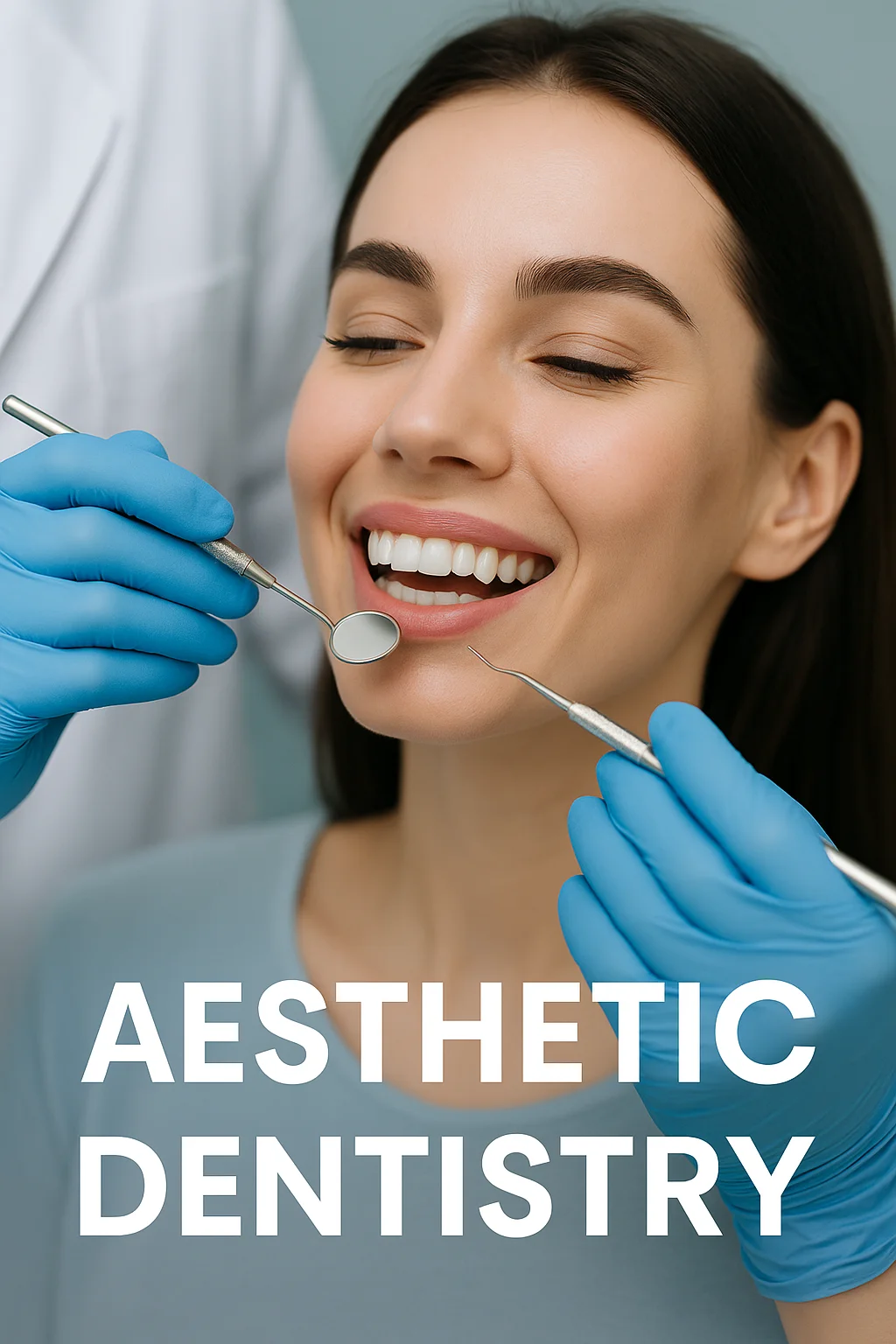
10. Aftercare Tips for Maintaining Your Aesthetic Dental Results
After investing in aesthetic dentistry, protecting your new smile becomes just as important as the treatment itself 🦷✨. Whether you’ve had veneers, bonding, teeth whitening, or a full smile makeover, proper aftercare ensures your results remain stunning, long-lasting, and free from complications. Let’s explore the essential tips for maintaining your beautiful smile long after you leave the dental chair.
1. Follow Your Dentist’s Post-Treatment Instructions
Every procedure in aesthetic dentistry comes with specific aftercare guidelines. For instance, patients who undergo teeth whitening may be advised to avoid colored foods and drinks for 48 hours, while veneer patients may need to avoid biting into hard items for a few days. Always follow your dentist’s instructions precisely to avoid damaging your dental work.
2. Practice Excellent Oral Hygiene
A radiant smile starts with a healthy mouth. Brush at least twice a day using a soft-bristled toothbrush and non-abrasive fluoride toothpaste. Floss daily to remove plaque between teeth and along the gum line. Maintaining this routine not only preserves your aesthetic dentistry results but also prevents decay and gum disease.
3. Avoid Staining Agents
Even the most durable aesthetic materials, like porcelain, can become discolored over time if exposed to staining substances. Limit or avoid:
- Coffee and black tea
- Red wine
- Soy sauce and curry
- Tobacco products 🚬
If you consume these, consider using a straw and rinse your mouth with water immediately afterward. This is particularly important for those who’ve had whitening treatments or composite bonding—two popular aesthetic dentistry procedures sensitive to discoloration.
4. Wear a Night Guard If Recommended
Grinding or clenching your teeth during sleep (bruxism) can damage veneers, crowns, or bonding. If your aesthetic dentist notices wear patterns or tension in your jaw, they may recommend a custom-made night guard. Wearing this appliance protects your investment and ensures the longevity of your aesthetic dentistry work.
5. Schedule Regular Dental Visits
Routine dental check-ups (every 6 months) are crucial—even after cosmetic treatment. Your dentist will assess the condition of your restorations, clean hard-to-reach areas, and polish your teeth to maintain their brightness. Clinics like Redent Klinik provide professional maintenance services tailored to patients who have undergone aesthetic dentistry.
6. Choose the Right Oral Care Products
Not all dental products are created equal. Choose toothpaste and mouthwash designed for sensitive teeth and avoid those containing harsh abrasives. For veneers or bonded teeth, it’s best to use non-whitening toothpaste to prevent damage to the material or surrounding gums.
7. Eat Smart to Protect Your Smile
What you eat can directly affect your aesthetic results. Limit sticky, hard, or overly chewy foods that can dislodge bonding or crack veneers. Some examples include:
- Hard candies
- Unpopped popcorn kernels
- Ice cubes
- Chewing gum (especially for bonded teeth)
Eating a balanced diet also supports gum health and reduces inflammation, which is essential for preserving results in aesthetic dentistry.
8. Monitor Changes in Your Smile
Be aware of any changes in tooth color, gum sensitivity, or restoration alignment. If a veneer or crown feels loose, contact your dentist immediately. Addressing small issues early can prevent major complications and protect your investment in aesthetic dentistry.
9. Refresh Your Smile Periodically
Even the best materials wear down over time. Most aesthetic treatments need occasional touch-ups or replacements. For example:
- Bonding may need reapplication every 5–7 years
- Whitening results can fade and require boosters
- Veneers may need replacing after 10–15 years
Your dentist can create a long-term care plan to keep your smile at its peak. Planning ahead ensures you continue enjoying the benefits of aesthetic dentistry for decades to come 💎.
10. Prioritize Your Smile Health
Ultimately, a beautiful smile is the result of both professional care and personal responsibility. The combination of modern aesthetic dentistry and consistent at-home maintenance is the key to lifelong dental confidence.
Conclusion
Maintaining your results from aesthetic dentistry is not difficult—but it does require daily care, mindfulness, and a strong partnership with your dental provider. With the right habits, you can preserve your smile’s brilliance, health, and integrity for many years. You’ve worked hard to achieve that perfect smile—now it’s time to protect it 😄.