
For many people, replacing missing teeth is not just a cosmetic decision—it is a life-changing investment in oral health, confidence, and overall well-being. However, one of the most common concerns patients have is affording dental implants. While dental implants are widely considered the gold standard for tooth replacement, their upfront cost can seem overwhelming at first glance. The good news is that affording dental implants is often much more achievable than many patients initially believe.
Understanding the options available for affording dental implants can help you make an informed decision without compromising your oral health. Whether you are missing a single tooth, multiple teeth, or require a full-mouth restoration, there are numerous strategies that can make treatment fit your budget. From financing plans and insurance coverage to choosing the right clinic and exploring international treatment options, patients today have more opportunities than ever to make their dream smile a reality. 😊
One of the biggest misconceptions about affording dental implants is that implants are only for wealthy individuals. In reality, dental clinics around the world have developed flexible payment solutions that allow patients from many different financial backgrounds to access treatment. While the initial investment may be higher than alternatives such as bridges or dentures, implants often provide superior long-term value because they are designed to last for decades with proper care.
When discussing affording dental implants, it is important to understand what contributes to the overall cost. A dental implant procedure typically includes several components, such as diagnostic imaging, surgical placement of the implant, the abutment, and the final crown or restoration. Additional procedures such as bone grafting or sinus lifting may also be necessary depending on the patient’s oral condition. Each of these factors influences the final treatment price.
Many patients find that affording dental implants becomes easier when they compare the long-term costs of other tooth replacement methods. Traditional dentures may appear less expensive initially, but they often require adjustments, repairs, relining, and eventual replacement. Similarly, dental bridges may need replacement after several years and can affect adjacent healthy teeth. In contrast, implants integrate directly with the jawbone, helping preserve bone density and providing a durable, natural-looking solution.
Another key aspect of affording dental implants is understanding financing opportunities. Many dental clinics offer monthly payment plans that spread treatment costs over manageable periods. Instead of paying the entire amount upfront, patients can divide expenses into affordable installments. This approach has significantly improved access to implant dentistry for thousands of individuals who might otherwise postpone treatment.
Dental tourism has also become a popular solution for affording dental implants. Countries such as Turkey have earned international recognition for providing high-quality dental care at competitive prices. Patients can often receive treatment from experienced specialists using advanced technology while spending substantially less than they would in countries such as the United States, the United Kingdom, or Canada. This combination of quality and affordability has made international dental care an attractive option for many people seeking affordable tooth replacement solutions.
Research and patient education play a major role in affording dental implants. Before committing to treatment, patients should obtain detailed consultations, compare treatment plans, and ask questions about included services. Transparency regarding costs helps prevent unexpected expenses and enables better financial planning. Trusted organizations such as the American Dental Association provide valuable educational resources regarding oral health and restorative treatments.
Patients exploring options for affording dental implants should also consider the long-term health benefits. Missing teeth can lead to bone loss, shifting teeth, bite problems, speech difficulties, and reduced chewing efficiency. By replacing missing teeth promptly, implants help maintain facial structure, support proper oral function, and improve overall quality of life. In many cases, investing in implants today may help avoid more complex and expensive dental treatments in the future.
Another advantage of focusing on affording dental implants rather than simply choosing the cheapest treatment is the emphasis on value. The goal should not be to find the lowest possible price but rather to identify a trusted clinic that offers excellent outcomes, experienced professionals, modern technology, and comprehensive patient support. A successful implant procedure can provide benefits that last for many years, making it one of the most rewarding investments in dental healthcare.
If you are considering treatment and would like professional guidance regarding affording dental implants, consulting with a reputable dental clinic is an excellent first step. Personalized treatment planning can help identify the most cost-effective approach for your specific needs. You can learn more or schedule a consultation through the Redent Klinik Contact Page.
Ultimately, affording dental implants is about understanding your options, planning strategically, and viewing treatment as a long-term investment rather than a short-term expense. Modern dentistry offers more financial flexibility than ever before, making it possible for many patients to restore their smiles with confidence. By exploring financing solutions, comparing treatment locations, reviewing insurance benefits, and choosing experienced professionals, patients can successfully navigate the journey toward a healthier and more attractive smile. ✨
Why Affording Dental Implants Matters More Than Ever
In today’s world, oral health is increasingly recognized as an essential part of overall health and well-being. Yet millions of people continue to delay tooth replacement because they worry about the cost. This is exactly why understanding and planning for affording dental implants has become more important than ever. Dental implants are no longer viewed as a luxury treatment reserved for a small group of patients. Instead, they have become one of the most effective and predictable solutions for replacing missing teeth, restoring oral function, and improving quality of life.
The conversation surrounding affording dental implants has evolved significantly over the last decade. Advances in dental technology, increased competition among clinics, flexible financing plans, and the growth of dental tourism have made implants more accessible than ever before. Patients who once believed implants were beyond their financial reach now have multiple options for obtaining treatment at a manageable cost.
The Growing Problem of Tooth Loss Worldwide
Tooth loss remains a widespread issue affecting people of all ages. While aging is often associated with missing teeth, accidents, gum disease, tooth decay, and medical conditions can result in tooth loss at any stage of life. Unfortunately, many individuals delay treatment because they assume replacing teeth is too expensive.
This hesitation highlights the importance of understanding affording dental implants. When a missing tooth is left untreated, it can trigger a chain reaction of oral health problems. Neighboring teeth may begin to shift, bite alignment can change, and the jawbone may gradually deteriorate due to lack of stimulation. These issues often require more extensive and costly treatments later.
By focusing on affording dental implants early, patients can often avoid the higher expenses associated with advanced restorative procedures in the future. Addressing tooth loss promptly protects both oral health and long-term finances.
The Link Between Oral Health and Overall Health
Modern healthcare professionals increasingly recognize the strong connection between oral health and systemic health. Missing teeth can affect nutrition, speech, confidence, and even mental well-being. Individuals who struggle with chewing may avoid nutritious foods such as fruits, vegetables, nuts, and lean proteins.
When discussing affording dental implants, it is important to understand that the investment extends far beyond cosmetic appearance. Dental implants can help patients maintain a healthy diet, support proper digestion, and preserve jawbone health. These benefits contribute to overall wellness and may reduce future healthcare concerns.
Many patients report significant improvements in self-esteem after receiving implants. Smiling, speaking, and socializing become easier and more natural. Therefore, affording dental implants should be viewed as an investment in both physical and emotional health.
Psychological Benefits of Restoring a Complete Smile
Missing teeth often affect confidence more than people realize. Some individuals avoid photographs, social events, professional opportunities, or even simple conversations because they feel self-conscious about their smile.
One reason why affording dental implants matters so much today is that modern society places considerable emphasis on appearance and communication. Restoring a complete smile can have a positive effect on self-image, personal relationships, and career prospects. Many patients describe their implant treatment as life-changing because it allows them to regain confidence that was lost for years.
Why Delaying Treatment Can Cost More
A common mistake patients make is postponing treatment due to concerns about affordability. Ironically, delaying care often increases overall expenses. As bone loss progresses, additional procedures such as bone grafting or sinus augmentation may become necessary before implant placement can occur.
Understanding the realities of affording dental implants means recognizing that earlier intervention can sometimes reduce treatment complexity and overall costs. A missing tooth that is addressed promptly often requires fewer preparatory procedures than one that has been neglected for several years.
Furthermore, untreated tooth loss can place excessive pressure on remaining teeth, increasing the likelihood of fractures, wear, and additional restorative needs. In many cases, the long-term cost of delaying treatment exceeds the initial investment required for dental implants.
Technological Advances Are Improving Accessibility
Another reason affording dental implants has become more achievable is the rapid advancement of dental technology. Digital imaging, 3D treatment planning, guided implant surgery, and improved implant materials have increased treatment efficiency and predictability.
These innovations often help reduce chair time, minimize complications, and improve long-term success rates. As implant procedures become more streamlined, many clinics can offer competitive pricing while maintaining high standards of care.
Patients researching affording dental implants today have access to treatment options that were unavailable or significantly more expensive just a decade ago. This increased accessibility has transformed implant dentistry worldwide.
Dental Tourism and Global Treatment Opportunities
International dental care has become a major factor in affording dental implants. Countries such as Turkey have emerged as leading destinations for patients seeking high-quality treatment at more affordable prices.
Many international patients discover that even after accounting for travel and accommodation expenses, treatment abroad can still offer substantial savings compared to prices in their home countries. This has opened new possibilities for individuals who previously believed implants were financially unattainable.
When considering dental tourism, patients should carefully evaluate clinic credentials, dentist experience, treatment guarantees, and patient reviews. Responsible research ensures that cost savings do not come at the expense of quality.
The Importance of Choosing Value Over Price Alone
Although affordability is important, the goal of affording dental implants should never be finding the absolute cheapest option available. Instead, patients should focus on overall value. An experienced implant specialist using high-quality materials may provide better long-term outcomes than a lower-cost provider with limited expertise.
Successful implants can last decades when properly maintained. Therefore, choosing a reputable clinic often provides greater value than selecting treatment based solely on price.
A Long-Term Investment in Quality of Life
Ultimately, the growing importance of affording dental implants reflects a broader understanding of healthcare investments. People increasingly recognize that maintaining oral health contributes directly to overall happiness, confidence, and quality of life.
Dental implants help restore chewing function, preserve jawbone structure, support facial aesthetics, and improve daily comfort. These benefits continue long after treatment is completed. Rather than viewing implants as an expense, many patients see them as a long-term investment that delivers value every day.
As awareness grows and financing options continue to expand, affording dental implants is becoming a realistic goal for more patients than ever before. By understanding the health, functional, emotional, and financial advantages of implants, individuals can make informed decisions that benefit their smiles for years to come. 😊
Understanding the True Cost of Dental Implants
One of the most important steps in affording dental implants is understanding exactly what you are paying for. Many patients initially focus only on the final price they see advertised online, but the true cost of dental implants involves multiple components that work together to create a long-lasting and successful tooth replacement solution. By understanding these elements, patients can make informed decisions and develop realistic expectations regarding affording dental implants.
Dental implants are often considered the gold standard for replacing missing teeth because they closely mimic the function, appearance, and durability of natural teeth. Unlike dentures or bridges, implants replace both the visible crown and the tooth root beneath the gumline. This unique design contributes to their long-term success but also explains why the initial investment may be higher than other treatment options.
What Is Included in the Cost of a Dental Implant?
When researching affording dental implants, patients should understand that implant treatment typically consists of several stages. Each stage contributes to the overall treatment cost and plays an essential role in achieving successful outcomes.
The primary components usually include:
- Initial consultation and examination
- Digital X-rays and 3D CBCT imaging
- Treatment planning
- Surgical placement of the implant fixture
- Healing and osseointegration period
- Abutment placement
- Custom dental crown, bridge, or denture
- Post-treatment follow-up appointments
Patients evaluating options for affording dental implants should always ask whether all these services are included in the quoted price. Some clinics advertise a low implant cost but charge separately for additional procedures or components.
Average Dental Implant Costs Around the World
The cost of dental implants varies significantly depending on location, clinic reputation, materials used, and case complexity. Understanding global pricing trends can help patients interested in affording dental implants make smarter financial decisions.
Estimated Single Dental Implant Costs
| Country | Average Cost Per Implant |
|---|---|
| United States | $3,000 – $6,000 |
| United Kingdom | $2,500 – $5,000 |
| Canada | $3,000 – $5,500 |
| Australia | $3,000 – $6,000 |
| Turkey | $500 – $1,500 |
These figures are approximate and can vary depending on individual treatment needs. However, they clearly demonstrate why international patients increasingly explore overseas options when researching affording dental implants.
Why Implant Costs Vary So Much
One of the most common questions regarding affording dental implants is why prices differ dramatically from one clinic to another. The answer lies in several important factors.
1. Implant Brand and Materials
Not all implant systems are created equal. Premium implant manufacturers invest heavily in research, testing, and innovation. Established brands often provide extensive clinical data supporting long-term success rates.
Patients focused on affording dental implants should not automatically choose the lowest-cost implant system. Quality materials may provide greater reliability and longevity, reducing future replacement costs.
2. Dentist Experience and Expertise
The skill and experience of the implant surgeon significantly influence treatment success. Highly trained implantologists typically charge more due to their expertise, advanced education, and track record of successful cases.
When considering affording dental implants, it is wise to evaluate the dentist’s qualifications rather than focusing solely on price. A well-performed implant procedure often prevents complications and additional expenses later.
3. Diagnostic Technology
Modern implant treatment frequently utilizes advanced technology such as CBCT scanning, digital impressions, and guided surgery. These tools improve precision and predictability but may increase treatment costs.
Fortunately, these technologies often enhance treatment outcomes, making them a valuable component of affording dental implants from a long-term perspective.
Additional Procedures That May Affect Cost
Not every patient requires only a straightforward implant placement. Some individuals need preparatory procedures before implants can be successfully placed.
Bone Grafting
When significant jawbone loss has occurred, bone grafting may be necessary to provide adequate support for the implant. This procedure adds to the total treatment cost but greatly improves long-term stability.
Sinus Lift Surgery
Patients missing upper back teeth may require a sinus lift if bone volume is insufficient. This specialized procedure creates space for bone augmentation and future implant placement.
Understanding these possibilities helps patients create realistic expectations when planning for affording dental implants.
Comparing Implants to Other Tooth Replacement Options
Many people evaluate affording dental implants by comparing them directly to dentures or dental bridges. While implants generally require a larger upfront investment, their long-term value often exceeds alternative solutions.
| Option | Typical Lifespan | Maintenance Requirements |
|---|---|---|
| Dental Bridge | 5–15 Years | Moderate |
| Removable Denture | 5–10 Years | High |
| Dental Implant | 20+ Years or Longer | Low to Moderate |
Because implants often last significantly longer, many patients ultimately find that affording dental implants provides better value over time compared to repeated replacement of alternative restorations.
The Cost of Doing Nothing
An often-overlooked aspect of affording dental implants is the financial impact of leaving missing teeth untreated. Tooth loss can contribute to:
- Jawbone deterioration
- Shifting neighboring teeth
- Bite problems
- Speech difficulties
- Additional restorative treatments
- Changes in facial appearance
These complications may eventually require more extensive and expensive dental care. In many cases, replacing a missing tooth promptly can help prevent future costs.
How to Evaluate Implant Quotes Properly
Patients researching affording dental implants should request detailed treatment plans and itemized pricing whenever possible. Important questions include:
- Are diagnostic scans included?
- Does the quote include the final crown?
- Are follow-up appointments covered?
- Is there a warranty or guarantee?
- Will additional procedures be necessary?
Transparent communication allows patients to compare providers accurately and avoid unexpected expenses.
Viewing Dental Implants as a Long-Term Investment
Ultimately, understanding the true cost of implants is essential for successfully affording dental implants. While the initial investment may seem substantial, dental implants offer exceptional durability, functionality, and aesthetic benefits. They preserve bone health, restore confidence, and support overall oral wellness.
Rather than focusing solely on the upfront price, patients should evaluate the complete picture: long-term value, reduced maintenance, improved quality of life, and lasting oral health benefits. For many individuals, this perspective makes affording dental implants not only achievable but also one of the smartest healthcare investments they can make. 😊
Factors That Affect Dental Implant Pricing
When patients begin researching affording dental implants, one of the first questions they ask is why implant prices can vary so dramatically from one clinic to another. It is not uncommon to see treatment quotes that differ by thousands of dollars, even for seemingly similar procedures. Understanding the factors that influence pricing is essential for making informed decisions and creating a realistic plan for affording dental implants.
Dental implant treatment is highly personalized. Every patient has unique oral health needs, bone structure, treatment goals, and clinical requirements. Because of these differences, there is no universal price that applies to every implant case. Instead, the final cost is determined by a combination of clinical, technological, geographical, and financial factors.
For individuals focused on affording dental implants, understanding these variables can help distinguish between a fair price and an unusually low quote that may not include all necessary services.
The Number of Dental Implants Required
One of the most significant factors affecting treatment costs is the number of implants needed. Naturally, replacing a single missing tooth costs less than restoring multiple teeth or a full arch.
Single-Tooth Implant
A single implant typically consists of one implant fixture, one abutment, and one crown. This is generally the most straightforward implant procedure and often represents the lowest overall investment when considering affording dental implants.
Multiple Dental Implants
Patients missing several teeth may require multiple implants or implant-supported bridges. While costs increase with additional implants, many clinics offer package pricing that reduces the average cost per implant.
Full-Mouth Restoration
For patients who have lost most or all of their teeth, full-mouth solutions such as All-on-4®, All-on-6®, or implant-supported dentures may be recommended. Although the initial investment is greater, these solutions often provide excellent value when evaluating long-term options for affording dental implants.
The Quality and Brand of the Implant System
Not all dental implant systems are identical. Implant manufacturers differ in their research, engineering standards, materials, warranties, and clinical track records.
Premium implant brands typically invest heavily in scientific studies, advanced manufacturing processes, and long-term product development. These factors can increase treatment costs but often contribute to improved reliability and success rates.
Patients researching affording dental implants should ask their provider which implant system will be used and whether the manufacturer has a strong reputation within implant dentistry.
Common Implant Categories
- Premium international implant brands
- Mid-range implant systems
- Budget implant manufacturers
- Regionally produced implant systems
Choosing the lowest-cost implant system is not always the best strategy for affording dental implants. Long-term quality and durability should always be considered.
Bone Quality and Jawbone Health
The condition of a patient’s jawbone significantly impacts implant treatment costs. Dental implants require adequate bone support to achieve successful osseointegration, which is the process where the implant fuses with the jawbone.
If bone loss has occurred due to prolonged tooth loss, gum disease, or trauma, additional procedures may be necessary before implant placement can begin.
Bone Grafting Procedures
Bone grafting is one of the most common supplemental treatments that affects the overall cost of affording dental implants. This procedure helps rebuild areas of insufficient bone volume, creating a stable foundation for implants.
While bone grafting increases the initial investment, it often improves implant longevity and treatment success.
Sinus Augmentation
Patients receiving implants in the upper back jaw may require sinus lift surgery if the available bone height is inadequate. This specialized procedure creates additional space for bone development and implant support.
Understanding these possible requirements is important when planning for affording dental implants and avoiding unexpected expenses.
Diagnostic Technology and Treatment Planning
Modern implant dentistry relies heavily on advanced diagnostic technology. These tools improve precision, safety, and treatment outcomes but also contribute to overall costs.
CBCT Scans
Cone Beam Computed Tomography (CBCT) provides three-dimensional imaging of the jawbone, nerves, sinuses, and surrounding structures. This detailed information allows clinicians to plan implant placement with exceptional accuracy.
Digital Treatment Planning
Many clinics use specialized software to virtually map implant positions before surgery. This technology minimizes risks and improves predictability.
Although these technologies add value to treatment, they are important considerations when evaluating options for affording dental implants.
Dentist Experience and Qualifications
The expertise of the implant dentist is another major factor influencing cost. Specialists who have completed extensive training in implantology often charge more than general practitioners with limited implant experience.
Patients focused on affording dental implants should remember that experience frequently translates into better treatment outcomes, lower complication rates, and increased long-term success.
Specialized Training Matters
Implant placement requires detailed knowledge of oral surgery, bone biology, prosthetics, and restorative dentistry. Choosing a highly qualified provider may result in a higher upfront cost but can significantly reduce the likelihood of future corrective procedures.
Geographic Location and Local Economic Factors
Location has a tremendous impact on dental implant pricing. Clinics in major metropolitan areas generally face higher operating expenses, including rent, staffing, utilities, and regulatory costs.
This explains why patients often explore international treatment options when researching affording dental implants.
Cost Differences by Region
| Region | Relative Implant Cost |
|---|---|
| United States | Very High |
| United Kingdom | High |
| Western Europe | High |
| Turkey | Moderate to Low |
| Eastern Europe | Moderate |
Many patients find that traveling abroad can significantly improve their chances of affording dental implants without sacrificing treatment quality.
Type of Final Restoration
The restoration attached to the implant also influences overall costs.
Crown Materials
- Porcelain-fused-to-metal crowns
- Zirconia crowns
- Full ceramic crowns
- Hybrid prosthetic restorations
Premium materials often provide superior aesthetics and durability. While they may increase initial expenses, they can offer better long-term value for patients interested in affording dental implants.
Clinic Reputation and Patient Services
Established clinics often invest heavily in patient care, advanced equipment, sterilization protocols, multilingual staff, treatment warranties, and post-operative support. These services contribute to overall treatment costs but may significantly improve the patient experience.
When evaluating affording dental implants, it is important to compare not only prices but also what is included in the treatment package.
Questions Patients Should Ask
- Are diagnostic scans included?
- Does the price include the final crown?
- Are follow-up visits covered?
- Is there a treatment guarantee?
- What implant brand will be used?
Balancing Cost and Long-Term Value
Ultimately, successful affording dental implants involves balancing affordability with quality. While price is an important consideration, patients should focus on overall value rather than selecting treatment based solely on the lowest quote available.
The number of implants required, implant brand, bone health, technology used, provider expertise, location, restoration materials, and clinic reputation all contribute to the final treatment cost. Understanding these factors allows patients to compare options more effectively and make confident decisions about their oral health.
By carefully evaluating each component of treatment, patients can develop a realistic strategy for affording dental implants while maximizing the long-term benefits of their investment. A well-planned implant treatment can provide decades of improved function, aesthetics, and confidence, making it one of the most valuable decisions in modern restorative dentistry. 😊
Dental Insurance and Affording Dental Implants
One of the most common questions patients ask when researching affording dental implants is whether dental insurance can help reduce treatment costs. The answer is often more complex than a simple yes or no. While traditional dental insurance plans have historically provided limited coverage for implant procedures, the situation has changed significantly in recent years. Today, many insurance providers recognize dental implants as a medically beneficial and long-term tooth replacement solution, making affording dental implants more achievable for a growing number of patients.
Understanding how insurance works is a critical part of successfully affording dental implants. Patients who carefully review their policies, ask the right questions, and coordinate with their dental providers can often save a substantial amount of money. Although insurance rarely covers the entire cost of implant treatment, even partial benefits can make a meaningful difference.
How Dental Insurance Typically Covers Dental Implants
Insurance coverage for dental implants varies widely between providers and plans. Some policies provide no implant coverage at all, while others contribute to specific portions of the treatment process.
For patients focused on affording dental implants, it is important to understand that insurance companies often separate implant treatment into multiple components, each with different coverage rules.
Components That May Be Covered
- Initial consultation and examination
- Diagnostic X-rays and CBCT scans
- Tooth extraction procedures
- Bone grafting when medically necessary
- Surgical implant placement
- Abutments
- Final implant crowns
Some insurance plans may contribute only to the crown portion of treatment, while others may provide partial reimbursement for surgical procedures. Understanding these details is essential for affording dental implants effectively.
Why Insurance Coverage Has Improved
Historically, many insurance providers classified dental implants as cosmetic procedures. However, extensive clinical research has demonstrated that implants offer significant functional and health benefits beyond aesthetics.
Today, insurance companies increasingly recognize that replacing missing teeth helps preserve jawbone health, maintain chewing efficiency, improve speech, and support overall oral function. As a result, implant coverage has gradually expanded.
This shift has played an important role in helping patients achieve their goals of affording dental implants. While coverage remains inconsistent, more plans now include implant-related benefits than ever before.
Common Insurance Limitations Patients Should Know
Even when insurance includes implant benefits, several limitations may affect reimbursement amounts.
Annual Maximums
Most dental insurance plans include annual benefit limits. These limits often range from $1,000 to $2,500 per year, although some premium plans offer higher maximums.
For patients interested in affording dental implants, annual maximums can significantly impact out-of-pocket expenses. Implant treatment frequently exceeds these limits, meaning patients may still be responsible for a substantial portion of the total cost.
Waiting Periods
Many insurance plans impose waiting periods before major restorative procedures become eligible for coverage. Waiting periods may range from several months to a full year.
Patients planning for affording dental implants should verify whether their policy includes waiting periods and how these timelines might affect treatment scheduling.
Pre-Existing Condition Clauses
Some insurance providers limit coverage if tooth loss occurred before enrollment in the plan. These restrictions vary significantly between insurers and should be reviewed carefully.
Medical Insurance and Dental Implants
Many patients are surprised to learn that medical insurance may occasionally contribute to implant-related treatment. Although medical insurance generally does not cover routine dental procedures, certain circumstances may qualify.
Situations That May Involve Medical Coverage
- Facial trauma or accidents
- Congenital tooth absence
- Jaw reconstruction surgery
- Cancer-related oral rehabilitation
- Severe medical conditions affecting oral structures
Exploring both dental and medical benefits can be an effective strategy for affording dental implants, particularly in complex clinical cases.
How to Verify Implant Coverage
One of the most important steps in affording dental implants is obtaining accurate information about your insurance benefits before treatment begins.
Questions to Ask Your Insurance Provider
- Does my plan cover dental implants?
- What percentage of implant treatment is covered?
- Are there annual maximum limits?
- Do waiting periods apply?
- Is pre-authorization required?
- Are bone grafting procedures covered?
- Are implant crowns included?
Having clear answers to these questions helps patients avoid unexpected costs and create realistic financial plans.
The Importance of Pre-Treatment Estimates
Many dental clinics can submit pre-treatment estimates to insurance providers on behalf of patients. This process allows the insurance company to review the proposed treatment plan and provide an estimate of expected benefits.
For those focused on affording dental implants, pre-treatment estimates are extremely valuable because they clarify anticipated coverage before treatment begins.
Knowing what insurance is likely to pay helps patients budget more accurately and explore financing options if necessary.
Combining Insurance with Financing Solutions
Even when insurance covers part of the treatment, many patients still face out-of-pocket expenses. Fortunately, combining insurance benefits with financing plans can significantly improve affordability.
Many clinics offer flexible monthly payment arrangements that allow patients to spread remaining costs over time. This combination often makes affording dental implants much more manageable than paying the entire balance upfront.
Potential Cost Example
| Expense Category | Amount |
|---|---|
| Total Implant Treatment | $4,500 |
| Insurance Contribution | $1,500 |
| Remaining Balance | $3,000 |
| Monthly Financing (24 Months) | Approximately $125/month |
This example illustrates how insurance and financing can work together to support patients pursuing affording dental implants.
Employer-Sponsored Dental Benefits
Many employer-sponsored dental plans offer better implant coverage than individual policies. Employees should carefully review benefit summaries during open enrollment periods.
In some cases, upgrading to a higher-tier dental plan may provide significantly greater assistance with affording dental implants. Although premiums may increase slightly, enhanced benefits can often result in substantial savings when major restorative treatment is needed.
Flexible Spending Accounts and Health Savings Accounts
Patients seeking additional ways to improve affording dental implants should consider utilizing tax-advantaged healthcare accounts.
Flexible Spending Accounts (FSA)
FSAs allow employees to set aside pre-tax income for qualified healthcare expenses, including many dental treatments.
Health Savings Accounts (HSA)
HSAs provide similar tax advantages and can often be used to pay for implant-related procedures.
Using these accounts effectively can reduce the overall financial burden associated with implant treatment.
Making Insurance Work for You
Ultimately, understanding insurance coverage is an essential component of affording dental implants. While insurance rarely covers every aspect of treatment, it can substantially reduce costs when used strategically.
Patients who review their policies carefully, request pre-treatment estimates, explore both dental and medical benefits, and combine coverage with financing options are often surprised by how manageable implant treatment can become.
Successful affording dental implants is not simply about finding the lowest price. It involves maximizing available resources, understanding insurance benefits, and developing a comprehensive financial strategy that supports both oral health and long-term well-being. By taking a proactive approach, patients can enjoy the life-changing benefits of dental implants while keeping treatment costs under control. 😊
Financing Options That Make Dental Implants Affordable
For many patients, the biggest obstacle to restoring their smile is not whether they want dental implants, but how they will pay for them. Fortunately, modern dentistry offers numerous financing solutions that make affording dental implants more realistic than ever before. While the upfront cost of implant treatment can seem intimidating, a wide range of payment options now allows patients to spread costs over time and receive treatment without delaying their oral health needs.
Understanding the available financing methods is one of the most important steps in affording dental implants. Instead of viewing implant treatment as a single large expense, patients can often break costs into manageable monthly payments that fit comfortably within their household budget. This shift in perspective has helped countless individuals move forward with treatment that they previously believed was financially out of reach.
Today, many dental clinics actively support patients in affording dental implants by offering customized payment plans, third-party financing partnerships, and flexible financial arrangements designed to meet different budgets and circumstances.
Why Financing Has Become So Important
Dental implants are a long-term investment in oral health, function, and appearance. However, because treatment involves surgery, advanced materials, laboratory work, and specialized expertise, costs are often concentrated within a relatively short treatment period.
This is where financing becomes valuable. Rather than postponing treatment for years while saving money, patients interested in affording dental implants can begin treatment immediately while making predictable monthly payments over time.
Delaying treatment may result in additional complications such as bone loss, tooth shifting, and worsening oral health conditions. Financing allows patients to address these issues before they become more expensive and complex.
In-House Dental Clinic Payment Plans
Many modern dental clinics recognize the financial concerns patients face and have developed in-house payment solutions to support affording dental implants.
How In-House Payment Plans Work
With an in-house payment plan, the clinic allows patients to divide treatment costs into smaller installments. Depending on the provider, payments may be spread over several months or even multiple years.
Benefits often include:
- Simplified application process
- Flexible payment schedules
- Lower upfront costs
- Reduced financial pressure
- Direct communication with the clinic
For many patients, these arrangements provide one of the simplest pathways to affording dental implants without relying on external lenders.
Third-Party Healthcare Financing Companies
Healthcare financing providers have become a major resource for patients seeking assistance with affording dental implants. These companies specialize in financing medical and dental procedures.
Advantages of Healthcare Financing
- Fixed monthly payments
- Extended repayment periods
- Immediate access to treatment
- Potential promotional interest rates
- Fast approval processes
Depending on the provider and credit qualifications, patients may be eligible for repayment terms ranging from six months to several years.
Many clinics assist patients with the application process, making healthcare financing a convenient option for affording dental implants.
Credit Cards as a Financing Tool
Some patients choose to use credit cards to manage treatment expenses. While this strategy requires careful financial planning, it can offer flexibility when pursuing affording dental implants.
When Credit Cards May Be Useful
- Promotional 0% interest periods
- Reward points or cashback programs
- Short-term financing needs
- Covering treatment deposits
However, patients should evaluate interest rates carefully. High-interest credit card debt can increase the total cost of treatment significantly if balances are not paid promptly.
Health Savings Accounts (HSA)
Health Savings Accounts provide valuable tax advantages that can support affording dental implants. These accounts allow individuals to save pre-tax income for qualified healthcare expenses.
Benefits of Using an HSA
- Tax-deductible contributions
- Tax-free withdrawals for eligible healthcare expenses
- Long-term savings potential
- No tax penalties for qualified dental treatments
Because dental implant procedures often qualify as eligible medical expenses, HSA funds can be a highly effective tool for reducing out-of-pocket costs.
Flexible Spending Accounts (FSA)
Flexible Spending Accounts function similarly to HSAs and can also assist with affording dental implants.
Employees participating in employer-sponsored FSA programs can allocate pre-tax earnings toward healthcare expenses throughout the year.
Advantages of FSAs
- Reduced taxable income
- Immediate access to annual contributions
- Coverage for many dental procedures
- Potential savings on implant treatment
Patients should review their specific plan guidelines to determine eligible expenses and spending deadlines.
Personal Loans for Dental Treatment
Personal loans have become another common solution for affording dental implants. Many financial institutions offer unsecured loans specifically for healthcare expenses.
Benefits of Personal Loans
- Predictable repayment schedules
- Fixed interest rates
- Larger borrowing amounts
- No collateral requirements in many cases
Patients with strong credit histories may qualify for competitive interest rates, making personal loans an attractive option for financing implant treatment.
Combining Multiple Financial Resources
One of the most effective strategies for affording dental implants involves combining several financial tools rather than relying on a single source.
Example Financing Strategy
| Funding Source | Amount |
|---|---|
| Dental Insurance | $1,500 |
| HSA Funds | $1,000 |
| Clinic Payment Plan | $2,000 |
| Total Treatment Cost | $4,500 |
By combining available resources, patients can significantly reduce immediate financial pressure while achieving their treatment goals.
Dental Tourism as a Financial Strategy
For international patients, dental tourism has become an increasingly popular solution for affording dental implants. Countries such as Turkey offer high-quality implant treatment at significantly lower prices compared to many Western countries.
Even after accounting for travel and accommodation expenses, many patients discover substantial overall savings.
Potential Benefits of Dental Tourism
- Lower treatment costs
- Experienced implant specialists
- Modern dental technology
- Comprehensive treatment packages
- Shorter waiting times
Patients should carefully research clinics, treatment guarantees, and provider qualifications before making international treatment decisions.
Creating a Personalized Budget for Implant Treatment
A realistic budget is an essential part of affording dental implants. Patients should evaluate their monthly income, expenses, savings, insurance benefits, and financing options before beginning treatment.
Working closely with the dental clinic’s financial coordinator can help identify the most suitable payment strategy and ensure that treatment remains manageable throughout the process.
Helpful Budgeting Tips
- Request a detailed treatment estimate
- Review insurance coverage carefully
- Explore financing offers from multiple sources
- Use tax-advantaged healthcare accounts when available
- Prioritize long-term value over short-term savings
Making Dental Implants Financially Accessible
Successful affording dental implants is rarely about finding a single perfect financing solution. Instead, it involves understanding all available options and creating a customized plan that aligns with personal financial circumstances.
Whether through insurance benefits, clinic payment plans, healthcare financing companies, personal loans, HSAs, FSAs, or dental tourism opportunities, modern patients have more choices than ever before. These options have transformed implant dentistry from a treatment that once seemed unattainable into a realistic possibility for millions of people.
By taking a proactive and informed approach, patients can overcome financial barriers, restore missing teeth, and enjoy the lasting benefits that dental implants provide. For many individuals, affording dental implants becomes much easier once they understand the wide range of resources available to support their journey toward a healthier, stronger, and more confident smile. 😊
Comparing Dental Implant Costs in Different Countries
One of the most effective strategies for affording dental implants is comparing treatment costs across different countries. In today’s interconnected world, patients are no longer limited to dental care options within their local area. Advances in international travel, digital consultations, and dental tourism have created opportunities for patients to access high-quality implant treatment at significantly lower prices. As a result, many individuals researching affording dental implants discover that treatment abroad can offer substantial financial savings without compromising clinical quality.
Dental implant costs vary dramatically between countries due to differences in labor expenses, operating costs, healthcare systems, taxation, regulatory requirements, and local economic conditions. Understanding these factors helps patients make informed decisions when evaluating options for affording dental implants.
While lower pricing can be attractive, patients should always balance affordability with quality, safety, and long-term treatment success. The goal is not simply to find the cheapest provider but to achieve the best overall value.
Why Dental Implant Costs Differ Around the World
The cost of implant treatment is influenced by far more than the implant itself. Clinics must cover staffing, technology, facility maintenance, laboratory work, regulatory compliance, and specialist training.
Countries with higher living expenses generally experience higher dental treatment costs. This directly affects patients searching for solutions to affording dental implants.
Major Cost Factors by Country
- Average wages and labor costs
- Commercial property expenses
- Healthcare regulations
- Import taxes on dental materials
- Currency exchange rates
- Insurance system structures
- Competition among clinics
Understanding these economic influences helps explain why implant treatment may cost several times more in one country than another.
Average Dental Implant Costs by Country
Patients evaluating affording dental implants often begin by comparing average prices internationally. While exact costs vary based on treatment complexity and clinic selection, general pricing trends reveal significant differences.
Estimated Cost of a Single Dental Implant
| Country | Average Cost Per Implant |
|---|---|
| United States | $3,000 – $6,000 |
| Canada | $3,000 – $5,500 |
| United Kingdom | $2,500 – $5,000 |
| Australia | $3,000 – $6,000 |
| Germany | $2,000 – $4,500 |
| Spain | $1,500 – $3,000 |
| Hungary | $900 – $2,000 |
| Turkey | $500 – $1,500 |
These estimates demonstrate why many patients investigate international options when considering affording dental implants. In some cases, treatment abroad can reduce costs by more than 50%.
The Rise of Dental Tourism
Dental tourism has become one of the fastest-growing sectors within healthcare. Patients travel internationally to receive dental treatment while benefiting from lower prices and modern clinical facilities.
For many individuals focused on affording dental implants, dental tourism represents an opportunity to access premium treatment at significantly reduced costs.
Why Patients Choose Dental Tourism
- Substantial cost savings
- Access to experienced implant specialists
- Shorter waiting times
- Comprehensive treatment packages
- Modern dental technology
- Opportunity to combine treatment with travel
These advantages have contributed to the rapid growth of international implant treatment options worldwide.
Why Turkey Has Become a Leading Destination
Turkey has emerged as one of the most popular destinations for patients interested in affording dental implants. The country combines advanced dental technology, internationally trained specialists, and competitive pricing.
Many Turkish clinics treat thousands of international patients annually and have developed comprehensive treatment packages that simplify the entire process.
Benefits of Choosing Turkey
- Lower operating costs than Western countries
- Highly qualified implant dentists
- State-of-the-art clinics
- English-speaking treatment coordinators
- Modern implant systems
- Affordable accommodation options
These factors make Turkey a strong consideration for patients researching affording dental implants while maintaining high treatment standards.
Comparing Total Treatment Costs
Patients often focus exclusively on implant pricing but should evaluate total treatment expenses when exploring affording dental implants.
Sample Cost Comparison for a Single Implant
| Expense | USA | Turkey |
|---|---|---|
| Dental Implant Treatment | $4,500 | $1,000 |
| Flights | N/A | $600 |
| Accommodation | N/A | $300 |
| Total Estimated Cost | $4,500 | $1,900 |
Even after accounting for travel-related expenses, many patients find significant savings when pursuing international options for affording dental implants.
Important Considerations Beyond Price
While cost is an important factor, successful affording dental implants requires careful evaluation of several additional considerations.
Clinic Reputation
Patients should review online testimonials, patient reviews, before-and-after cases, and clinic accreditation whenever possible.
Dentist Qualifications
Understanding the provider’s training, implant experience, and professional memberships can help ensure treatment quality.
Technology and Materials
Modern diagnostic imaging, guided surgery systems, and reputable implant brands contribute significantly to successful outcomes.
Choosing treatment solely based on price may increase risks if important quality indicators are overlooked.
Potential Risks of Overseas Treatment
Although international treatment can support affording dental implants, patients should be aware of potential challenges.
Common Concerns
- Travel logistics
- Follow-up appointment coordination
- Language barriers
- Differences in treatment standards
- Limited local support after returning home
Most reputable international clinics address these concerns through dedicated patient coordinators and detailed treatment planning. Nevertheless, thorough research remains essential.
How to Compare Clinics Effectively
Patients interested in affording dental implants should evaluate clinics using objective criteria rather than focusing exclusively on promotional pricing.
Questions to Ask Before Choosing a Clinic
- What implant brand is used?
- How many implant cases has the dentist completed?
- Are consultations included?
- What warranties are available?
- Are follow-up appointments included?
- What additional procedures may be required?
Obtaining detailed answers helps patients compare treatment options accurately and confidently.
The Long-Term Value Perspective
Successful affording dental implants is about much more than minimizing initial costs. Patients should evaluate long-term durability, treatment quality, and overall value.
A well-placed implant can last decades with proper care, making it one of the most reliable restorative solutions available. Spending slightly more for an experienced provider and high-quality materials may deliver greater value than selecting the lowest-cost option available.
Looking Beyond the Price Tag
Factors such as implant longevity, chewing function, aesthetics, patient comfort, and reduced maintenance costs should all be considered when comparing treatment options.
Ultimately, comparing dental implant costs internationally empowers patients to make informed decisions about affording dental implants. Whether treatment is pursued locally or abroad, understanding pricing differences, evaluating clinic quality, and focusing on long-term value allows patients to maximize their investment while achieving outstanding oral health outcomes.
For many individuals, exploring global treatment opportunities transforms affording dental implants from a challenging financial goal into a realistic and achievable pathway toward a healthier, more confident smile. 🌍😊
How Dental Clinics Help Patients Afford Dental Implants
For many people considering tooth replacement, cost remains the biggest concern. Fortunately, modern dental clinics understand these challenges and actively work to make treatment more accessible. In fact, one of the most important developments in modern dentistry is the growing emphasis on helping patients with affording dental implants. Rather than viewing affordability as solely the patient’s responsibility, many clinics now offer a wide range of support systems designed to make implant treatment financially manageable.
Today, patients researching affording dental implants have access to financing programs, customized treatment plans, transparent pricing structures, treatment packages, promotional offers, and dedicated financial coordinators. These resources help reduce financial barriers and allow more people to benefit from one of the most effective tooth replacement solutions available.
Understanding how clinics support patients in affording dental implants can help individuals take advantage of opportunities they may not have previously considered.
Customized Treatment Plans Based on Individual Budgets
Every patient’s dental needs are unique, and so are their financial circumstances. One of the first ways clinics assist with affording dental implants is by creating personalized treatment plans.
Rather than recommending a one-size-fits-all approach, experienced dentists evaluate factors such as:
- Number of missing teeth
- Bone quality and jaw condition
- Functional requirements
- Aesthetic goals
- Budget considerations
This personalized approach allows patients to explore multiple treatment options and choose the solution that best aligns with their financial situation.
Flexible Treatment Alternatives
For example, a patient requiring full-mouth restoration may be offered several options, including:
- Individual implants for each missing tooth
- Implant-supported bridges
- All-on-4® treatment concepts
- Implant-supported dentures
Each option carries different costs, helping patients make informed decisions while focusing on affording dental implants.
Transparent Pricing and Detailed Treatment Estimates
One of the biggest concerns patients face is uncertainty regarding treatment costs. Reputable clinics help simplify affording dental implants by providing clear and transparent pricing from the beginning.
Detailed treatment estimates often outline every aspect of care, including:
- Consultations
- Diagnostic imaging
- Implant surgery
- Bone grafting procedures
- Abutments
- Final restorations
- Follow-up appointments
Transparency allows patients to budget effectively and avoid unexpected expenses during treatment.
Benefits of Transparent Pricing
- Improved financial planning
- Reduced anxiety
- Greater trust between patient and clinic
- Accurate comparison between providers
For patients focused on affording dental implants, transparency is often just as important as the actual treatment price.
Monthly Payment Plans Offered by Clinics
Many clinics now provide in-house financing programs specifically designed to support affording dental implants. These payment plans allow patients to divide treatment costs into manageable monthly installments.
Instead of paying several thousand dollars upfront, patients may spread payments over months or even years depending on clinic policies.
Advantages of Monthly Payment Plans
- Reduced upfront expenses
- Improved cash flow management
- Immediate access to treatment
- Flexible repayment schedules
For many individuals, these programs transform dental implants from a seemingly impossible expense into a realistic healthcare investment.
Partnerships with Third-Party Financing Providers
In addition to internal financing options, many clinics partner with specialized healthcare financing companies. These partnerships play a major role in helping patients achieve their goals regarding affording dental implants.
Third-party financing providers often offer:
- Low-interest financing
- Extended repayment terms
- Promotional financing offers
- Rapid approval processes
- Flexible loan amounts
Patients who qualify can often begin treatment immediately while paying gradually over time.
Financial Coordinators Simplify the Process
Many clinics employ financial coordinators who guide patients through financing applications, explain repayment options, and help identify the most suitable solutions.
This personalized assistance significantly improves the experience of affording dental implants and reduces confusion regarding financial arrangements.
Treatment Packages That Improve Value
Another way clinics support affording dental implants is through comprehensive treatment packages. Rather than charging separately for every component, many providers bundle services into all-inclusive pricing structures.
Services Often Included in Implant Packages
- Initial consultation
- 3D imaging and diagnostics
- Implant placement surgery
- Temporary restorations
- Final crowns or prosthetics
- Follow-up care
- Post-treatment support
Package pricing often simplifies financial planning and may provide cost savings compared to individually priced services.
Dental Tourism Support Services
Clinics that serve international patients frequently offer additional assistance designed to support affording dental implants through dental tourism.
These clinics understand that traveling for treatment involves logistical challenges and additional expenses.
Common International Patient Services
- Airport transfers
- Hotel accommodations
- Translation services
- Treatment coordination
- Remote consultations
- Travel guidance
By bundling these services into treatment packages, clinics help international patients reduce overall costs and simplify the treatment process.
Special Promotions and Seasonal Offers
Many dental clinics periodically offer promotional pricing or limited-time discounts that can contribute to affording dental implants.
These promotions may include:
- Free consultations
- Discounted diagnostic imaging
- Package savings for multiple implants
- Reduced treatment fees during promotional periods
While patients should never choose a provider based solely on discounts, these offers can provide meaningful savings when selecting a reputable clinic.
Education and Financial Guidance
Patient education is another important tool clinics use to support affording dental implants. Many individuals initially focus only on the upfront price without fully understanding the long-term value of implant treatment.
Clinics often explain how implants compare to alternatives such as bridges and dentures over many years.
Long-Term Cost Comparison
| Treatment Option | Potential Lifespan | Maintenance Costs |
|---|---|---|
| Removable Dentures | 5–10 Years | Higher |
| Dental Bridges | 5–15 Years | Moderate |
| Dental Implants | 20+ Years | Lower |
By highlighting long-term value, clinics help patients view implants as an investment rather than simply an expense.
Post-Treatment Support and Guarantees
Many reputable clinics also offer warranties and follow-up care programs. These services contribute to successful outcomes and provide additional confidence for patients focused on affording dental implants.
Benefits of Treatment Guarantees
- Added peace of mind
- Protection against unexpected complications
- Increased treatment value
- Enhanced patient confidence
Knowing that the clinic stands behind its work can make the investment feel more secure and worthwhile.
The Role of Patient-Centered Care in Affordability
Ultimately, modern dental clinics play a crucial role in helping patients achieve success with affording dental implants. Through customized treatment plans, financing solutions, transparent pricing, comprehensive packages, educational support, and ongoing care, clinics have transformed implant dentistry into a more accessible treatment option.
The best clinics understand that affordability is not simply about lowering prices. It is about creating practical pathways that allow patients to receive high-quality treatment while managing financial responsibilities comfortably.
As implant dentistry continues to evolve, patients have more resources than ever before to support affording dental implants. By working closely with experienced providers and exploring available financial solutions, individuals can restore their smiles, improve oral health, and enjoy the long-term benefits of implant treatment without unnecessary financial stress. 😊
Long-Term Value: Why Dental Implants Are Worth the Investment
When people first begin researching affording dental implants, they often focus on the initial treatment cost. While understanding the upfront investment is important, it is equally essential to evaluate the long-term value that dental implants provide. Looking only at the purchase price can create a misleading impression of affordability. In reality, one of the strongest arguments for affording dental implants is that implants frequently deliver superior long-term value compared to alternative tooth replacement solutions.
Dental implants are designed to replace both the visible portion of a tooth and its root structure. This unique feature allows implants to function much like natural teeth while preserving jawbone health, supporting facial aesthetics, and providing exceptional durability. For many patients, the benefits continue for decades after treatment, making the investment highly worthwhile.
Understanding the relationship between cost and value is critical when evaluating options for affording dental implants. The goal should not simply be finding the lowest initial price but choosing the solution that offers the greatest long-term return on investment.
Dental Implants Are Designed for Longevity
One of the most important reasons dental implants provide outstanding value is their durability. Unlike many alternative restorative options, implants are specifically engineered to last for many years.
With proper oral hygiene, routine dental checkups, and healthy lifestyle habits, many dental implants remain successful for 20 years or longer. In some cases, implants can last a lifetime.
This exceptional longevity is a major factor in affording dental implants because it reduces the likelihood of frequent replacement costs that are commonly associated with other restorative treatments.
Average Lifespan Comparison
| Treatment Option | Average Lifespan |
|---|---|
| Removable Dentures | 5–10 Years |
| Dental Bridges | 5–15 Years |
| Dental Implants | 20+ Years |
When evaluating treatment costs over decades rather than years, many patients find that affording dental implants actually represents a financially responsible decision.
Reduced Maintenance Costs Over Time
Many alternative tooth replacement options require ongoing maintenance, adjustments, repairs, or replacement. These recurring expenses can accumulate significantly over time.
Dental implants, by contrast, generally require routine oral hygiene and regular dental checkups similar to natural teeth.
Common Costs Associated with Dentures
- Relining procedures
- Repairs due to fractures
- Denture adhesive products
- Periodic replacement
- Adjustments for changing jaw structure
These ongoing expenses are often overlooked when comparing treatment options. Patients focused on affording dental implants should consider lifetime maintenance costs rather than simply initial treatment fees.
Preserving Jawbone Health Saves Future Expenses
One of the most valuable benefits of dental implants is their ability to stimulate and preserve jawbone tissue. When a natural tooth is lost, the underlying bone begins to deteriorate due to lack of stimulation.
This bone loss can lead to:
- Facial collapse
- Changes in appearance
- Shifting teeth
- Bite problems
- Additional restorative needs
By replacing the tooth root, implants help maintain bone density and reduce these risks.
For patients interested in affording dental implants, this preventive benefit can help avoid future procedures that may be considerably more expensive than the original implant treatment.
The Hidden Cost of Untreated Tooth Loss
Many people underestimate the financial consequences of leaving missing teeth untreated. As bone loss progresses, more complex interventions such as bone grafting, orthodontics, or extensive restorative treatment may eventually become necessary.
Investing in implants early often reduces the likelihood of these future costs.
Improved Function and Everyday Comfort
Another important factor supporting affording dental implants is the superior functionality implants provide. Unlike removable dentures, implants remain securely anchored within the jawbone.
This stability offers numerous practical advantages:
- Stronger chewing ability
- Improved speech clarity
- Greater comfort
- No slipping or movement
- Enhanced confidence during social interactions
Many patients report being able to enjoy foods they had previously avoided due to missing teeth or unstable dentures. These quality-of-life improvements contribute significantly to the overall value of implant treatment.
Protecting Adjacent Healthy Teeth
Traditional dental bridges often require modification of neighboring healthy teeth in order to support the restoration. This process can weaken otherwise healthy tooth structure.
Dental implants function independently and do not rely on adjacent teeth for support.
Benefits of Independent Tooth Replacement
- Preservation of natural tooth structure
- Reduced risk of future dental complications
- Improved oral health stability
- Long-term protection of surrounding teeth
This additional preservation benefit further strengthens the case for affording dental implants as a long-term oral health investment.
The Psychological Value of a Complete Smile
Financial value is important, but emotional benefits should not be overlooked when discussing affording dental implants.
Missing teeth often affect confidence, self-esteem, and social interactions. Some individuals avoid smiling, speaking publicly, or participating in professional opportunities because they feel self-conscious about their appearance.
Dental implants provide a natural-looking solution that can dramatically improve confidence and quality of life.
Common Emotional Benefits
- Greater self-confidence
- Improved social interactions
- Enhanced professional appearance
- Reduced anxiety about smiling
- Higher overall satisfaction with appearance
For many patients, these personal benefits alone justify the investment involved in affording dental implants.
Cost Per Year Analysis
One helpful way to evaluate implant value is by calculating the cost over the expected lifespan of treatment.
Example Scenario
| Treatment | Initial Cost | Expected Lifespan | Approximate Cost Per Year |
|---|---|---|---|
| Dental Implant | $4,000 | 20 Years | $200/Year |
| Dental Bridge | $2,500 | 10 Years | $250/Year |
| Denture | $1,500 | 5 Years | $300/Year |
This simplified example demonstrates why affording dental implants often becomes more attractive when evaluated over the long term rather than solely based on initial expenses.
The Value of Predictability
Dental implants also offer exceptional treatment predictability. Modern implant dentistry benefits from decades of clinical research and technological advancement.
High success rates, especially when treatment is performed by experienced clinicians, provide reassurance that the investment is likely to deliver lasting results.
Patients researching affording dental implants frequently appreciate this predictability because it reduces uncertainty regarding future treatment needs and expenses.
Looking Beyond the Initial Price
Ultimately, successful affording dental implants requires a shift in perspective. Instead of focusing exclusively on upfront treatment costs, patients should evaluate overall value, durability, functionality, and quality-of-life improvements.
Dental implants offer unique advantages that extend far beyond aesthetics. They preserve bone health, protect surrounding teeth, improve chewing efficiency, support facial structure, and provide long-lasting confidence. These benefits continue year after year, making implants one of the most rewarding investments in modern dentistry.
When viewed through the lens of long-term value rather than short-term expense, affording dental implants becomes easier to understand and justify. For many patients, implants are not simply a dental procedure—they are a lifelong investment in health, comfort, appearance, and overall well-being. 😊
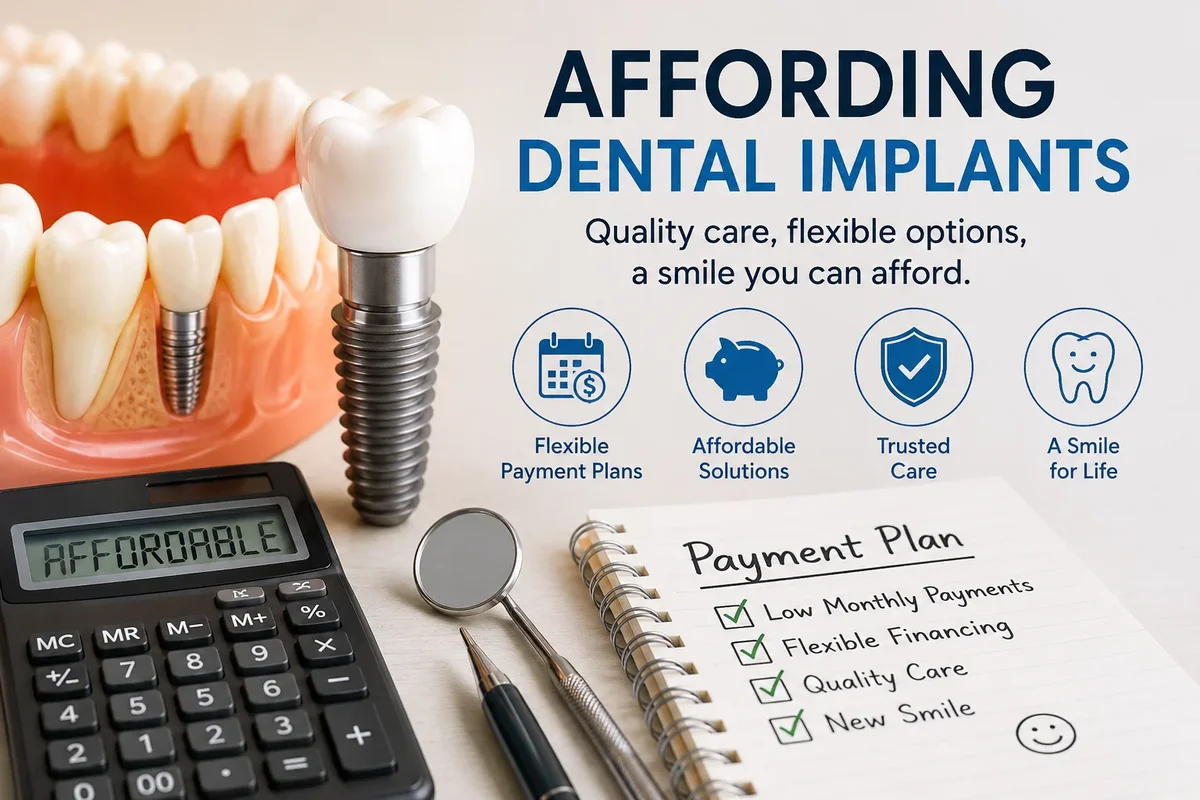
Tips for Affording Dental Implants Without Financial Stress
For many patients, the desire to restore their smile is often accompanied by concerns about cost. While dental implants provide exceptional long-term benefits, the financial aspect of treatment can feel overwhelming at first. Fortunately, there are many practical strategies that can make affording dental implants significantly easier. By approaching treatment with a clear plan, realistic expectations, and a strong understanding of available resources, patients can reduce financial pressure while still receiving high-quality care.
Successful affording dental implants is rarely about finding a single solution. Instead, it usually involves combining several smart financial strategies that work together. Whether through budgeting, financing, insurance optimization, or careful clinic selection, patients today have more opportunities than ever to make implant treatment affordable and manageable.
The key is to approach the process proactively rather than allowing financial concerns to delay necessary treatment. With proper planning, affording dental implants can become a realistic and achievable goal.
Start with a Comprehensive Consultation
One of the most important steps toward affording dental implants is obtaining a detailed consultation from a qualified implant provider. Many patients make financial assumptions before fully understanding their treatment needs.
A comprehensive consultation provides valuable information regarding:
- Number of implants required
- Potential need for bone grafting
- Treatment timeline
- Available restorative options
- Total estimated costs
Having accurate information from the beginning allows patients to create realistic financial plans and avoid surprises later in the process.
Request an Itemized Treatment Plan
An itemized treatment estimate helps patients understand exactly what services are included. This transparency is essential for successfully affording dental implants because it allows meaningful comparisons between providers.
Create a Dedicated Dental Savings Plan
Many patients successfully achieve their goals for affording dental implants by creating a dedicated savings strategy. Even modest monthly contributions can accumulate significantly over time.
Simple Savings Example
| Monthly Savings | Amount Saved After 12 Months |
|---|---|
| $100 | $1,200 |
| $200 | $2,400 |
| $300 | $3,600 |
| $400 | $4,800 |
Establishing a separate account dedicated to dental treatment can make saving more structured and manageable.
Even patients who plan to use financing may benefit from saving for deposits, travel expenses, or supplemental procedures.
Maximize Insurance Benefits
Insurance remains one of the most valuable resources for affording dental implants. Although coverage varies, many plans now provide benefits for certain portions of implant treatment.
Patients should:
- Review policy details carefully
- Verify implant coverage
- Understand annual maximums
- Request pre-treatment estimates
- Explore both dental and medical insurance options
Maximizing available benefits can substantially reduce out-of-pocket expenses and improve overall affordability.
Time Treatment Strategically
In some cases, treatment can be scheduled across multiple benefit years, allowing patients to utilize annual insurance maximums more than once. This approach can be highly effective when planning for affording dental implants.
Use Health Savings Accounts and Flexible Spending Accounts
Tax-advantaged healthcare accounts can provide additional support for affording dental implants.
Benefits of HSAs and FSAs
- Pre-tax contributions
- Reduced taxable income
- Qualified dental expense eligibility
- Potential long-term savings
Using these accounts effectively can lower the overall financial burden associated with implant treatment.
Explore Multiple Financing Options
Modern financing programs have transformed the process of affording dental implants. Patients are no longer required to pay the full treatment cost upfront.
Potential financing sources include:
- Clinic payment plans
- Healthcare financing companies
- Personal loans
- Credit union financing
- Promotional credit card offers
Comparing multiple financing options helps patients identify the most favorable interest rates and repayment terms.
Focus on Monthly Affordability
Rather than concentrating solely on total treatment costs, many patients find it helpful to evaluate monthly payment amounts. Breaking costs into manageable installments often makes affording dental implants feel significantly less intimidating.
Consider Dental Tourism Carefully
For some individuals, dental tourism can be an effective strategy for affording dental implants. Countries such as Turkey have become internationally recognized destinations for affordable implant treatment.
Many patients discover substantial cost savings while still receiving care from experienced professionals using modern technology.
Evaluate Total Costs
When comparing international options, patients should consider:
- Treatment fees
- Travel expenses
- Accommodation costs
- Follow-up care requirements
- Treatment guarantees
Comprehensive comparisons help ensure that cost savings remain meaningful after all expenses are considered.
Prioritize Long-Term Value Over Initial Cost
One of the most important principles of affording dental implants is focusing on value rather than simply selecting the lowest price available.
Extremely low-cost treatment options may involve:
- Lower-quality materials
- Limited warranties
- Reduced diagnostic procedures
- Less experienced providers
Investing in quality treatment often reduces the likelihood of future complications and corrective procedures.
Ask About Implant Brands
Patients should inquire about the implant systems being used and verify that they come from reputable manufacturers with strong clinical records.
Address Missing Teeth Early
Another valuable tip for affording dental implants is avoiding unnecessary treatment delays. Postponing care can result in additional oral health problems that increase overall costs.
Potential consequences of delaying treatment include:
- Bone loss
- Tooth shifting
- Bite changes
- Additional restorative needs
- More complex surgery requirements
Prompt intervention often reduces treatment complexity and overall expenses.
Work Closely with the Clinic’s Financial Team
Many clinics employ financial coordinators who specialize in helping patients navigate the process of affording dental implants.
These professionals can assist with:
- Insurance verification
- Financing applications
- Payment plan selection
- Cost breakdowns
- Treatment scheduling strategies
Taking advantage of this expertise can simplify the financial planning process considerably.
Never Hesitate to Ask Questions
Patients should feel comfortable discussing budget concerns openly. Reputable clinics are accustomed to these conversations and often have solutions available.
A Practical Mindset Makes a Difference
Ultimately, successful affording dental implants requires a combination of planning, education, and proactive decision-making. Patients who understand their treatment options, maximize available resources, compare financing solutions, and focus on long-term value often discover that implant treatment is more accessible than they initially expected.
Dental implants are not merely an expense; they are an investment in oral health, confidence, comfort, and quality of life. By approaching the process strategically and utilizing the many financial tools available today, patients can achieve their goals without experiencing overwhelming financial stress.
For many individuals, the journey toward affording dental implants begins with information and planning. Once a clear strategy is in place, restoring a healthy, functional, and beautiful smile becomes a realistic objective rather than a distant dream. With the right approach, affording dental implants can be both practical and rewarding, delivering benefits that last for decades. 😊