
Many patients today are searching for affordable orthodontic treatment options, and one of the most common questions is whether aligners covered by insurance are truly available. Clear aligner systems have become increasingly popular because they offer a discreet, comfortable, and effective way to straighten teeth without traditional metal braces. However, treatment costs can still be significant, making insurance coverage an essential factor for many families and adults. Understanding how aligners covered by insurance work can help patients make informed financial and dental health decisions. 😊
In many cases, dental insurance providers now recognize clear aligners as a medically beneficial orthodontic treatment rather than a purely cosmetic procedure. This means some insurance plans partially pay for treatment, depending on the patient’s age, diagnosis, and insurance policy details. While not every policy includes orthodontic benefits, many modern dental plans offer at least partial support for aligners covered by insurance, especially when treatment addresses bite issues, crowding, spacing, or jaw alignment problems.
Patients often assume that only traditional braces qualify for insurance reimbursement, but this is no longer always true. Many insurance providers now include Invisalign and similar clear aligner systems under orthodontic coverage categories. This change reflects growing acceptance within modern dentistry that aligners can successfully treat both cosmetic and functional dental concerns. As a result, searching for clinics offering aligners covered by insurance has become increasingly common among adults and teenagers alike.
Why Insurance Companies Sometimes Cover Clear Aligners
Insurance providers evaluate orthodontic treatments based on medical necessity and long-term oral health improvements. Crooked teeth, bite misalignment, and severe crowding can contribute to gum disease, jaw discomfort, tooth wear, and cleaning difficulties. Because of these risks, insurers increasingly support aligners covered by insurance when treatment improves oral function and dental stability.
Many insurance companies categorize clear aligners similarly to traditional orthodontics. If a patient’s dental plan already includes braces coverage, there is a good chance the same benefits may apply to aligners. However, coverage percentages vary greatly between policies. Some plans cover 25%, while others may pay up to 50% of approved orthodontic treatment costs.
Before beginning treatment, patients should request a detailed pre-treatment estimate from their dental clinic. This document helps clarify how much insurance may contribute toward aligners covered by insurance. It also prevents unexpected financial surprises later during treatment.
Average Costs for Aligners Covered by Insurance
The total cost of clear aligners depends on case complexity, treatment duration, clinic location, and aligner brand. In the United States, clear aligner treatment often ranges between $3,000 and $8,000. Fortunately, insurance can significantly reduce out-of-pocket expenses for patients seeking aligners covered by insurance.
| Treatment Type | Average Cost | Possible Insurance Coverage |
|---|---|---|
| Minor Alignment Case | $3,000 – $4,500 | $500 – $1,500 |
| Moderate Orthodontic Case | $4,500 – $6,500 | $1,000 – $2,500 |
| Complex Bite Correction | $6,500 – $8,000+ | $1,500 – $3,000 |
These figures are estimates and vary depending on insurance providers, annual maximums, and treatment approval conditions. Some clinics also offer monthly financing plans for patients whose insurance covers only part of the treatment.
How to Verify Aligners Covered by Insurance
Patients should never assume their policy automatically includes orthodontic treatment. The best approach is to contact the insurance provider directly or work with an experienced dental clinic that handles insurance verification. Professional orthodontic clinics can usually submit treatment documentation on behalf of patients and explain how aligners covered by insurance apply to specific cases.
When speaking with an insurance representative, patients should ask:
- Does the policy include orthodontic benefits?
- Are clear aligners included or excluded?
- Is there an age limitation for coverage?
- What percentage of treatment costs is covered?
- Is there a lifetime orthodontic maximum?
- Are pre-authorization documents required?
These questions help patients understand exactly how their aligners covered by insurance benefits work before committing to treatment.
Benefits of Choosing Clear Aligners
Clear aligners offer several advantages beyond appearance. Patients appreciate that aligners are removable, nearly invisible, and easier to maintain compared to traditional braces. This convenience has made aligners covered by insurance especially appealing for working adults, teenagers, and individuals who prefer a discreet orthodontic solution.
Additional benefits include:
- Improved oral hygiene access 🦷
- Fewer emergency orthodontic visits
- Greater comfort compared to metal brackets
- Reduced risk of wire irritation
- Predictable digital treatment planning
- Convenient progress tracking
Because aligners can improve both aesthetics and functionality, many dentists and orthodontists recommend them as an effective modern alternative to braces.
Choosing the Right Dental Clinic
Finding a qualified clinic is essential when considering aligners covered by insurance. Not every provider has extensive experience with insurance coordination or advanced aligner treatment planning. Patients should choose clinics that offer digital scanning technology, transparent treatment plans, and detailed insurance assistance.
At experienced clinics, treatment coordinators can explain financing options, submit insurance paperwork, and estimate patient responsibility before treatment starts. This creates a smoother and less stressful patient experience.
If you want professional guidance regarding orthodontic treatment and insurance verification, visit the Redent Klinik Contact Page for additional support and consultation options.
Patients can also learn more about orthodontic standards and oral health recommendations through the American Dental Association.
Final Thoughts About Aligners Covered by Insurance
Today, more insurance companies than ever before recognize the value of orthodontic treatment with clear aligners. Although coverage varies between policies, many patients successfully reduce treatment expenses through aligners covered by insurance benefits. Understanding your policy, selecting an experienced clinic, and requesting pre-treatment approval are the best ways to maximize insurance support.
Whether you are considering Invisalign, transparent braces, or removable orthodontic trays, exploring aligners covered by insurance options can make treatment more affordable and accessible. With modern dental technology continuing to improve, patients now have more opportunities to achieve healthier, straighter smiles while managing treatment costs responsibly. ✨
How Aligners Covered by Insurance Actually Work
Understanding how aligners covered by insurance work is one of the most important steps before starting orthodontic treatment. Many patients assume clear aligners are entirely cosmetic and therefore excluded from dental insurance benefits. However, modern dental insurance policies increasingly recognize clear aligners as medically beneficial orthodontic treatments. This means that in many situations, patients may qualify for partial coverage when choosing invisible aligners instead of traditional metal braces. 😊
The process behind aligners covered by insurance depends on several factors, including the type of dental plan, the severity of the orthodontic issue, patient age, annual coverage limits, and the clinic providing treatment. While every insurance company uses different policies, many plans now provide benefits for orthodontic correction if the treatment improves oral function, bite alignment, or long-term dental health.
Why Insurance Companies Approve Clear Aligners
Dental insurance providers often categorize orthodontic treatments as preventive or corrective care. When teeth are severely crowded, misaligned, or improperly spaced, patients may struggle with cleaning, chewing, speech, or jaw comfort. Because these problems can eventually lead to gum disease, enamel wear, and tooth damage, insurers increasingly approve aligners covered by insurance as part of comprehensive oral healthcare.
Modern aligner systems use advanced digital planning and custom-made trays to gradually move teeth into healthier positions. Unlike older orthodontic approaches, clear aligners can treat many mild, moderate, and even complex orthodontic conditions efficiently. This growing success rate has helped increase insurance acceptance for aligners covered by insurance in recent years.
Conditions That May Qualify for Coverage
- Overcrowded teeth
- Overbite or underbite problems
- Crossbite correction
- Spacing between teeth
- Jaw alignment issues
- Orthodontic relapse after braces
- Functional bite correction
When these conditions affect oral function or long-term dental health, insurance providers are more likely to support aligners covered by insurance benefits.
How Insurance Verification Works
Before beginning treatment, dental clinics typically perform an insurance verification process. This step helps determine whether the patient’s policy includes orthodontic coverage and whether clear aligners qualify under those benefits.
During verification, the dental clinic contacts the insurance company directly and submits patient information, treatment plans, diagnostic images, and orthodontic records. Insurance companies then review the documentation and decide how much they are willing to contribute toward aligners covered by insurance.
Some clinics provide complimentary insurance checks before consultations, making it easier for patients to understand financial expectations in advance. This process helps patients avoid unexpected costs later during treatment.
Important Information Patients Should Request
Patients considering aligners covered by insurance should always ask the following questions:
- Does the policy include orthodontic benefits?
- Are clear aligners specifically included?
- What percentage of treatment is covered?
- Is there a waiting period?
- What is the lifetime orthodontic maximum?
- Does the plan only cover teenagers?
- Are monthly payment plans available?
These questions help clarify whether invisible braces or transparent aligners qualify for reimbursement.
Lifetime Maximums and Coverage Limits
One of the most important aspects of aligners covered by insurance is understanding orthodontic maximums. Unlike general dental insurance that renews annually, orthodontic benefits often come with a lifetime maximum amount. Once that limit is reached, no additional orthodontic coverage is available.
For example, an insurance provider may offer:
| Insurance Type | Coverage Percentage | Lifetime Maximum |
|---|---|---|
| Basic Orthodontic Plan | 25% | $1,000 |
| Standard Family Plan | 50% | $2,000 |
| Premium Orthodontic Coverage | 50% | $3,500+ |
Even when insurance does not fully pay for treatment, these benefits can significantly reduce patient expenses for aligners covered by insurance.
Age Restrictions for Orthodontic Benefits
Some insurance policies only provide orthodontic coverage for patients under 18 years old. Others extend benefits to adults as well. Adult orthodontics has become increasingly popular, leading more insurance providers to expand eligibility for aligners covered by insurance.
Teenagers often receive stronger insurance support because early orthodontic intervention can prevent future dental complications. However, adults should never assume they are automatically excluded. Many modern dental plans now support adult clear aligner treatment.
Teen vs Adult Insurance Coverage
- Teen coverage is more common
- Adult benefits may require premium plans
- Employer-sponsored plans often include adult orthodontics
- Private dental plans vary significantly
Patients should always review policy documents carefully before committing to treatment.
Pre-Authorization and Insurance Approval
Many insurance companies require pre-authorization before approving aligners covered by insurance. During this process, orthodontists submit treatment details, X-rays, photographs, bite analysis, and digital scans for review.
Insurance providers then evaluate whether the treatment meets policy criteria. Approval times vary from a few days to several weeks depending on the provider and case complexity.
Pre-authorization benefits patients because it provides a clearer estimate of insurance contributions before treatment officially begins.
Why Choosing the Right Clinic Matters
Experienced dental clinics can make a major difference when dealing with aligners covered by insurance. Skilled treatment coordinators understand insurance terminology, documentation requirements, and approval processes. They can often maximize available benefits and reduce administrative stress for patients.
Clinics with advanced orthodontic technology also improve treatment accuracy. Digital scanning, 3D simulations, and customized treatment planning help insurance providers better evaluate medical necessity.
If you want professional support with orthodontic treatment and insurance guidance, visit the Redent Klinik Contact Page for consultation options and treatment planning assistance.
Patients can also explore official oral health information through the American Dental Association.
Final Thoughts on Aligners Covered by Insurance
Today, more patients than ever are successfully receiving financial assistance for orthodontic care through aligners covered by insurance. Insurance companies increasingly understand that clear aligners are not simply cosmetic appliances but valuable tools for improving oral function, bite stability, and long-term dental health.
By understanding insurance verification, orthodontic maximums, age restrictions, and pre-authorization requirements, patients can confidently explore affordable treatment solutions. Whether you are considering Invisalign or another clear aligner system, researching aligners covered by insurance options can make orthodontic care more accessible and financially manageable while helping you achieve a healthier and more confident smile. ✨
Dental Insurance Plans That May Include Clear Aligners
Choosing the right dental insurance plan is one of the most important factors for patients interested in aligners covered by insurance. While clear aligner treatment has become more popular worldwide, insurance coverage still varies significantly between providers and policy types. Some plans offer generous orthodontic benefits, while others exclude aligners entirely or only provide limited reimbursement. Understanding which dental insurance plans may include aligners covered by insurance can help patients avoid unexpected expenses and make smarter treatment decisions. 😊
In recent years, insurance companies have started adapting to the growing demand for invisible orthodontic solutions. Many insurers now recognize that clear aligners can correct functional dental problems, not just cosmetic concerns. Because of this shift, patients today have more opportunities than ever before to receive partial financial support for aligners covered by insurance.
Types of Dental Insurance Plans That May Cover Aligners
Not every dental insurance policy automatically includes orthodontic treatment. In many cases, patients need a higher-tier dental plan or a policy with specific orthodontic benefits. Understanding the differences between insurance categories is essential before starting treatment.
PPO Dental Insurance Plans
PPO (Preferred Provider Organization) plans are among the most common options for patients seeking aligners covered by insurance. These plans usually allow patients to choose between in-network and out-of-network providers, giving greater flexibility when selecting an orthodontic clinic.
PPO plans often include partial orthodontic benefits such as:
- 25% to 50% coverage for orthodontic treatment
- Lifetime orthodontic maximums
- Coverage for teenagers and sometimes adults
- Partial support for Invisalign and transparent aligners
Because PPO plans provide flexibility and broader provider networks, they are often preferred by adults considering clear aligner therapy.
DHMO Dental Insurance Plans
DHMO (Dental Health Maintenance Organization) plans are generally more affordable but often come with stricter provider restrictions. Patients usually must visit approved in-network clinics to qualify for benefits.
Some DHMO plans provide limited assistance for aligners covered by insurance, but coverage levels are typically lower compared to PPO policies. However, these plans may still reduce costs for eligible patients.
Employer-Sponsored Dental Plans
Many employer-sponsored dental plans now include orthodontic options because adult orthodontics has become increasingly common in professional environments. Employees often use workplace insurance benefits to access aligners covered by insurance at reduced costs.
Corporate dental plans sometimes offer stronger orthodontic support than individual insurance policies because large employers negotiate broader coverage packages with insurance providers.
Orthodontic Benefits Explained
Orthodontic coverage usually operates differently from standard dental insurance. General dental benefits often renew yearly, but orthodontic coverage typically comes with a lifetime maximum limit.
For example, an insurance plan may state:
| Plan Type | Orthodontic Coverage | Lifetime Maximum |
|---|---|---|
| Basic PPO | 25% | $1,000 |
| Enhanced PPO | 50% | $2,500 |
| Premium Employer Plan | 50% | $3,500+ |
These benefits can significantly reduce total expenses for patients pursuing aligners covered by insurance. Even partial reimbursement may save thousands of dollars during treatment.
Insurance Companies That Frequently Support Clear Aligners
Many major insurance providers now include orthodontic benefits that may apply to clear aligners. However, exact coverage details always depend on the specific policy purchased.
Examples of Providers That May Include Coverage
- Delta Dental
- Cigna Dental
- Aetna Dental
- MetLife Dental
- Guardian Direct
- Humana Dental
- UnitedHealthcare Dental
These companies may provide benefits for aligners covered by insurance, especially when treatment addresses crowding, bite correction, or oral health issues.
Patients should remember that insurance company names alone do not guarantee coverage. Individual plan details matter far more than the provider itself.
Age Restrictions and Eligibility Rules
Some insurance plans only provide orthodontic coverage for dependent children under 18 years old. Others extend benefits to adults. Adult orthodontic treatment has grown rapidly in popularity, leading more insurers to support aligners covered by insurance for older patients as well.
Teen Orthodontic Coverage
Teenagers often receive the strongest orthodontic insurance support because early treatment can prevent future dental complications. Insurance companies frequently encourage orthodontic correction during adolescence.
Adult Orthodontic Coverage
Adult coverage is increasingly common but may require premium insurance plans. Some providers cover adult aligners only if treatment improves oral function rather than appearance alone.
Adults considering aligners covered by insurance should verify:
- Age limitations
- Waiting periods
- Pre-authorization requirements
- Coverage percentages
- Lifetime benefit caps
What Insurance Usually Does Not Cover
Although many policies now support aligners covered by insurance, some exclusions still exist. Insurance providers may deny claims if treatment is considered purely cosmetic or elective.
Common Exclusions
- Minor cosmetic tooth adjustments
- Replacement aligners lost by the patient
- Premium treatment upgrades
- Retainers after treatment completion
- Accelerated orthodontic technologies
Understanding these exclusions helps patients plan financially before treatment begins.
How Dental Clinics Help With Insurance Claims
Experienced orthodontic clinics play a major role in helping patients maximize benefits for aligners covered by insurance. Treatment coordinators often communicate directly with insurance companies, submit documentation, and estimate patient responsibilities before treatment starts.
Professional clinics also help patients understand financing options if insurance only covers part of the treatment cost. Many offices offer monthly payment plans that make orthodontic care more affordable.
If you need professional assistance regarding orthodontic treatment and insurance verification, visit the Redent Klinik Contact Page for personalized consultation support.
Patients can also learn more about orthodontic care and oral health guidelines from the American Dental Association.
Why Understanding Insurance Details Matters
Many patients begin orthodontic treatment without fully understanding their insurance policies. This can lead to confusion about payments, coverage percentages, and denied claims. Carefully reviewing policy details before starting treatment helps patients avoid unnecessary stress.
Patients considering aligners covered by insurance should request written treatment estimates and pre-treatment insurance approvals whenever possible. This ensures transparency and provides a clear picture of expected expenses.
Final Thoughts on Dental Insurance and Clear Aligners
The growing popularity of invisible orthodontic treatment has encouraged more insurance providers to include benefits for aligners covered by insurance. While coverage levels vary between plans, many patients can now access affordable orthodontic treatment through PPO plans, employer-sponsored insurance, and premium dental policies.
By understanding plan types, orthodontic limits, age restrictions, and insurance verification procedures, patients can confidently pursue treatment while managing costs effectively. Whether you are considering Invisalign, transparent aligners, or removable orthodontic trays, researching aligners covered by insurance options is one of the smartest steps toward achieving a healthier, straighter, and more confident smile. ✨
Average Costs of Aligners Covered by Insurance in 2026
One of the biggest concerns patients have before starting orthodontic treatment is understanding the real cost of aligners covered by insurance. Clear aligners are widely considered one of the most comfortable and discreet orthodontic solutions available today, but treatment expenses can vary significantly depending on the complexity of the case, the clinic location, the aligner brand, and the level of insurance coverage. In 2026, patients are increasingly researching affordable orthodontic options and comparing plans that include aligners covered by insurance to reduce out-of-pocket costs. 😊
Many patients are surprised to learn that insurance support for clear aligners has improved substantially over the last few years. More dental insurance providers now recognize that invisible orthodontic systems can correct functional oral health issues, not just cosmetic imperfections. As a result, many patients can now lower their treatment expenses by choosing plans that include aligners covered by insurance.
What Determines the Cost of Clear Aligners?
The price of clear aligner treatment depends on several important factors. Orthodontic treatment is highly personalized, meaning no two patients receive identical pricing. Insurance companies also calculate reimbursement differently depending on the policy.
Main Factors Affecting Treatment Costs
- Severity of tooth misalignment
- Treatment duration
- Type of aligner system used
- Experience of the orthodontist
- Clinic location and reputation
- Digital scanning technology
- Insurance coverage percentage
- Additional orthodontic procedures
Because of these variables, total expenses for aligners covered by insurance can vary greatly from patient to patient.
Average Price Ranges for Clear Aligners in 2026
In 2026, the average cost of clear aligners in the United States generally falls between $3,000 and $8,500 before insurance reimbursement. Mild cases requiring minimal tooth movement usually cost less, while complex bite correction treatments are more expensive.
| Treatment Complexity | Average Price Without Insurance | Estimated Insurance Contribution | Estimated Patient Cost |
|---|---|---|---|
| Mild Alignment Case | $3,000 – $4,500 | $500 – $1,500 | $2,000 – $3,500 |
| Moderate Orthodontic Case | $4,500 – $6,500 | $1,000 – $2,500 | $3,000 – $5,000 |
| Complex Bite Correction | $6,500 – $8,500+ | $1,500 – $3,500 | $4,000 – $6,500+ |
These figures are estimates only and may vary depending on the dental clinic, geographic region, and insurance provider. However, they provide a realistic overview of current market prices for aligners covered by insurance.
How Insurance Reduces Orthodontic Costs
Insurance can significantly lower the financial burden of orthodontic treatment. Most insurance plans do not fully cover aligners, but partial reimbursement often saves patients thousands of dollars.
Typical Insurance Coverage Percentages
- 25% orthodontic reimbursement
- 50% orthodontic reimbursement
- Fixed lifetime orthodontic maximums
- Employer-sponsored enhanced benefits
For example, a patient with a $6,000 treatment plan and 50% orthodontic coverage up to a $2,500 maximum may only pay around $3,500 out of pocket for aligners covered by insurance.
Some insurance providers pay orthodontic benefits in installments throughout treatment rather than in one payment. This means patients may continue receiving insurance contributions as treatment progresses.
Additional Costs Patients Should Consider
Although insurance may reduce treatment expenses, patients should still understand the potential extra costs associated with orthodontic care.
Possible Additional Expenses
- Initial consultation fees
- Digital X-rays and scans
- Replacement aligners
- Retainers after treatment
- Emergency orthodontic visits
- Refinement trays
- Whitening procedures after treatment
When calculating expenses for aligners covered by insurance, patients should ask their clinic whether these services are included in the quoted price.
Comparing Invisalign and Other Aligner Brands
Different aligner systems come with different pricing structures. Invisalign remains one of the most recognized brands globally, but many alternative aligner systems now offer competitive pricing.
| Aligner Brand | Average Price | Insurance Compatibility |
|---|---|---|
| Invisalign | $4,500 – $8,500 | Widely Accepted |
| ClearCorrect | $3,500 – $6,500 | Often Covered |
| SureSmile | $3,500 – $6,000 | Insurance Friendly |
| In-House Aligners | $2,500 – $5,000 | Varies by Clinic |
Insurance companies often evaluate orthodontic treatment based on medical necessity rather than the aligner brand itself. Therefore, patients seeking aligners covered by insurance may have multiple treatment options available.
Financing Options for Patients
Many dental clinics understand that even with insurance, orthodontic treatment can still represent a major financial commitment. Because of this, clinics frequently offer flexible financing plans.
Common Payment Solutions
- Monthly installment plans
- Interest-free financing
- Health savings accounts (HSA)
- Flexible spending accounts (FSA)
- Third-party medical financing companies
Combining financing with aligners covered by insurance allows many patients to begin treatment immediately while spreading costs over time.
Why Cost Transparency Matters
Patients should always request a detailed treatment estimate before committing to orthodontic care. Transparent pricing helps patients understand:
- Insurance contributions
- Total treatment fees
- Potential hidden costs
- Monthly payment expectations
- Retainer expenses
- Coverage limitations
Experienced clinics providing aligners covered by insurance typically explain all financial details clearly during the consultation process.
Choosing an Experienced Orthodontic Clinic
The clinic chosen for treatment can directly impact both treatment quality and insurance success. Experienced orthodontic providers understand how to properly document medical necessity and maximize insurance benefits.
Professional clinics also use advanced technologies such as 3D digital scanning, computerized treatment simulations, and customized treatment planning. These tools improve both patient outcomes and insurance claim accuracy for aligners covered by insurance.
If you want professional guidance regarding orthodontic treatment costs and insurance verification, visit the Redent Klinik Contact Page for personalized support and consultation options.
Patients can also review oral health recommendations and orthodontic guidance through the American Dental Association.
Final Thoughts on Orthodontic Costs and Insurance
Clear aligner therapy continues to grow in popularity because it offers a discreet, comfortable, and effective solution for improving smiles and oral function. Although treatment costs can initially appear expensive, insurance benefits and financing options make orthodontic care more accessible than ever before.
By researching policies that include aligners covered by insurance, patients can significantly reduce expenses while still receiving high-quality orthodontic treatment. Understanding pricing structures, insurance limits, financing plans, and treatment complexity allows patients to make informed decisions and confidently invest in healthier, straighter teeth. ✨
How to Check If Your Aligners Covered by Insurance Benefits Apply
Before starting orthodontic treatment, one of the most important steps is learning how to verify whether your aligners covered by insurance benefits actually apply to your case. Many patients assume their dental insurance automatically includes clear aligners, but insurance policies can vary significantly depending on the provider, plan level, employer package, and orthodontic requirements. Understanding the verification process helps patients avoid confusion, unexpected expenses, and denied insurance claims later during treatment. 😊
Today, more insurance companies are beginning to support aligners covered by insurance because clear aligners are now widely recognized as effective orthodontic treatment options. However, coverage approval often depends on several factors, including the severity of the dental problem, patient age, waiting periods, and whether the aligners are considered medically necessary rather than purely cosmetic.
Why Insurance Verification Is Important
Insurance verification helps patients understand exactly what portion of treatment their insurance company may cover before treatment officially begins. Without proper verification, patients risk receiving unexpected bills or learning too late that their policy excludes orthodontic treatment entirely.
Professional orthodontic clinics usually perform insurance verification during the consultation process. This service allows patients interested in aligners covered by insurance to receive accurate financial estimates before committing to treatment.
Main Benefits of Insurance Verification
- Clarifies treatment costs in advance
- Prevents unexpected financial surprises
- Identifies orthodontic limitations
- Confirms aligner eligibility
- Explains insurance percentages and maximums
- Improves financial planning
Patients who complete verification early generally experience a smoother treatment process.
Step-by-Step Process to Check Coverage
Understanding the exact process behind aligners covered by insurance can make insurance communication much easier. Most clinics follow a structured verification procedure to determine eligibility.
Step 1: Contact the Dental Clinic
The first step is scheduling a consultation with an experienced orthodontic clinic. During the appointment, the clinic gathers important information such as:
- Insurance provider name
- Policy identification number
- Employer insurance details
- Patient dental history
- Orthodontic concerns
This information allows the clinic to begin the insurance verification process for aligners covered by insurance.
Step 2: Orthodontic Evaluation
The orthodontist performs a detailed examination to determine whether clear aligners are medically appropriate. This evaluation often includes:
- Digital scans
- X-rays
- Photographs
- Bite analysis
- Treatment simulations
Insurance providers frequently require this documentation before approving aligners covered by insurance.
Step 3: Insurance Submission
Once the orthodontic examination is complete, the clinic submits the necessary documents to the insurance provider. The insurance company then reviews the treatment plan and determines whether orthodontic benefits apply.
Depending on the provider, approval may take anywhere from a few days to several weeks.
Questions Patients Should Ask Their Insurance Provider
Patients should never hesitate to contact their insurance company directly for clarification. Speaking with an insurance representative can provide valuable details about orthodontic eligibility.
Important Questions to Ask
- Does my plan include orthodontic coverage?
- Are clear aligners included?
- What percentage of treatment is covered?
- Is there a lifetime orthodontic maximum?
- Are adults eligible for coverage?
- Is pre-authorization required?
- Are retainers included?
- Is there a waiting period before benefits begin?
These questions help patients better understand their aligners covered by insurance eligibility before treatment starts.
Understanding Lifetime Orthodontic Maximums
Many orthodontic insurance plans include lifetime maximums rather than yearly coverage renewals. This means insurance providers only contribute a fixed amount toward orthodontic treatment over the patient’s lifetime.
| Plan Type | Coverage Percentage | Lifetime Maximum |
|---|---|---|
| Basic Orthodontic Plan | 25% | $1,000 |
| Standard Family Plan | 50% | $2,000 |
| Premium Orthodontic Plan | 50% | $3,500+ |
Patients seeking aligners covered by insurance should understand these limits because once the lifetime maximum is reached, additional orthodontic reimbursement is usually unavailable.
Why Some Claims Get Denied
Unfortunately, not all insurance claims for aligners covered by insurance are approved. Insurance companies may reject claims for several reasons.
Common Reasons for Claim Denials
- Treatment considered cosmetic only
- Orthodontic coverage excluded from policy
- Age restrictions
- Missing documentation
- Waiting period not completed
- Out-of-network clinic usage
- Policy maximum already reached
Understanding these risks allows patients to prepare properly before beginning orthodontic treatment.
Pre-Authorization and Why It Matters
Many insurance providers require pre-authorization before approving orthodontic treatment. During this process, the clinic submits detailed treatment documentation for review.
Pre-authorization is especially important for patients pursuing aligners covered by insurance because it provides a clearer estimate of expected insurance contributions before treatment officially begins.
Documents Commonly Required for Approval
- Orthodontic diagnosis
- X-rays and digital scans
- Treatment timeline
- Estimated treatment cost
- Medical necessity explanation
Clinics experienced with orthodontic insurance can usually manage this paperwork efficiently.
In-Network vs Out-of-Network Orthodontists
Insurance providers often distinguish between in-network and out-of-network dental clinics. In-network providers have negotiated pricing agreements with insurance companies, which may reduce patient costs.
Patients seeking aligners covered by insurance should ask whether their preferred orthodontist participates in their insurance network.
Benefits of In-Network Providers
- Lower treatment costs
- Simpler insurance claims
- Reduced paperwork
- Higher reimbursement percentages
- Faster insurance approvals
However, some patients may still choose out-of-network specialists for advanced expertise or preferred aligner systems.
How Clinics Help Patients Maximize Benefits
Experienced orthodontic clinics often employ treatment coordinators who specialize in insurance communication. These professionals help patients understand orthodontic benefits, estimate out-of-pocket costs, and complete insurance paperwork.
Clinics familiar with aligners covered by insurance can frequently identify ways to maximize available coverage and simplify the approval process.
If you need professional help verifying orthodontic insurance benefits, visit the Redent Klinik Contact Page for personalized treatment guidance and consultation support.
Patients can also review oral health recommendations and orthodontic information through the American Dental Association.
Final Thoughts on Checking Insurance Benefits
Understanding how to verify aligners covered by insurance benefits is one of the most important parts of planning orthodontic treatment. Insurance policies vary widely, and careful verification helps patients avoid financial surprises while maximizing available benefits.
By asking the right questions, completing pre-authorization, reviewing orthodontic maximums, and choosing experienced clinics, patients can confidently begin treatment with a clear understanding of costs and insurance contributions. As clear aligner therapy continues to grow in popularity, more insurance providers are expanding orthodontic support, making aligners covered by insurance increasingly accessible for both teenagers and adults seeking healthier, straighter smiles. ✨
Best Ways to Reduce Out-of-Pocket Costs for Clear Aligners
Many patients are interested in improving their smile with clear aligners, but treatment costs can sometimes feel overwhelming. Even when patients qualify for aligners covered by insurance, there are often remaining expenses that insurance does not fully pay. Fortunately, there are several effective strategies patients can use to reduce out-of-pocket orthodontic costs while still receiving high-quality treatment. Understanding these financial options helps make aligners covered by insurance more affordable and accessible for both adults and teenagers. 😊
Modern orthodontic clinics understand that cost concerns are one of the biggest barriers preventing patients from starting treatment. As clear aligners become increasingly popular worldwide, more clinics and insurance providers now offer flexible payment systems, financing options, and treatment plans designed to reduce the financial burden associated with aligners covered by insurance.
Choose a Dental Insurance Plan With Orthodontic Benefits
The first and most important step in lowering treatment expenses is selecting a dental insurance plan that includes orthodontic coverage. Not all dental policies provide support for clear aligners, so patients should carefully review benefits before enrolling.
Features to Look for in Insurance Plans
- Orthodontic reimbursement coverage
- Adult orthodontic eligibility
- High lifetime orthodontic maximums
- Coverage for Invisalign and clear aligners
- Short or no waiting periods
- Flexible provider networks
Insurance plans offering stronger orthodontic benefits can dramatically reduce the total cost of aligners covered by insurance.
Use Flexible Spending Accounts (FSA)
Flexible Spending Accounts are one of the most valuable financial tools available for orthodontic treatment. Many employers offer FSAs that allow employees to set aside pre-tax income for healthcare expenses.
Patients can often use FSA funds toward aligners covered by insurance, which helps lower taxable income while reducing treatment expenses.
Benefits of Using an FSA
- Pre-tax savings
- Lower overall treatment cost
- Immediate access to annual contribution funds
- Compatibility with orthodontic expenses
Patients should check annual contribution limits and account deadlines to maximize their savings effectively.
Take Advantage of Health Savings Accounts (HSA)
Health Savings Accounts work similarly to FSAs but often provide even greater flexibility. HSAs are commonly paired with high-deductible health insurance plans and allow unused funds to roll over each year.
Many orthodontic expenses related to aligners covered by insurance qualify for HSA reimbursement, making these accounts extremely useful for long-term dental planning.
Advantages of HSA Accounts
- Tax-free contributions
- Tax-free medical spending
- Funds roll over annually
- Can accumulate long-term savings
- Useful for family orthodontic planning
Patients with HSAs can significantly reduce personal orthodontic expenses over time.
Compare Multiple Orthodontic Clinics
Treatment costs for aligners covered by insurance can vary greatly between clinics. Patients should schedule consultations with multiple orthodontic providers before choosing a treatment plan.
What Patients Should Compare
- Total treatment fees
- Insurance acceptance policies
- Monthly financing availability
- Included retainers
- Technology and scanning methods
- Orthodontist experience
Some clinics offer promotional pricing or seasonal discounts for new orthodontic patients. However, patients should always prioritize treatment quality and professional expertise over low pricing alone.
Choose In-Network Orthodontists
Insurance providers often negotiate reduced treatment rates with in-network providers. Choosing an in-network orthodontist may lower patient costs for aligners covered by insurance while simplifying insurance paperwork and reimbursement.
Benefits of In-Network Providers
- Lower negotiated treatment fees
- Reduced patient responsibility
- Faster insurance claim processing
- Simplified approval procedures
- Higher reimbursement rates
Patients should contact their insurance company directly to confirm network participation before beginning treatment.
Ask About Monthly Payment Plans
Even when insurance covers part of the treatment cost, patients may still owe several thousand dollars. Fortunately, many orthodontic clinics now provide flexible monthly payment plans for aligners covered by insurance.
Common Financing Structures
- Interest-free payment plans
- Low-interest financing
- Extended monthly installment options
- Third-party medical financing
- Minimal down payment requirements
Monthly financing allows patients to begin orthodontic treatment immediately while distributing expenses over time.
Start Treatment at the Right Time
Timing can sometimes affect orthodontic insurance benefits. Patients approaching a new insurance year may benefit from strategically scheduling treatment to maximize annual reimbursements.
For example, some insurance plans divide orthodontic payments across calendar years. Patients pursuing aligners covered by insurance should discuss timing strategies with their clinic’s financial coordinator.
Timing Strategies That May Help
- Starting treatment after deductible completion
- Using remaining FSA balances before expiration
- Coordinating family orthodontic treatments
- Beginning treatment during new benefit cycles
Proper timing may help reduce overall out-of-pocket expenses significantly.
Avoid Common Financial Mistakes
Many patients unintentionally increase orthodontic costs by overlooking important insurance details or treatment requirements.
Mistakes Patients Should Avoid
- Skipping insurance verification
- Ignoring lifetime maximums
- Choosing clinics without insurance experience
- Missing FSA deadlines
- Failing to request written treatment estimates
- Assuming all aligners are equally covered
Careful planning helps patients maximize benefits for aligners covered by insurance while minimizing unexpected financial stress.
Why Experienced Clinics Make a Difference
Orthodontic clinics experienced with insurance claims often help patients reduce costs more effectively. Treatment coordinators familiar with aligners covered by insurance understand insurance terminology, claim submission procedures, and reimbursement optimization.
Professional clinics also provide clearer financial breakdowns and treatment transparency. This helps patients fully understand their orthodontic investment before treatment begins.
If you need professional assistance with orthodontic financing and insurance verification, visit the Redent Klinik Contact Page for personalized treatment planning and support.
Patients can also explore oral healthcare recommendations and orthodontic guidance through the American Dental Association.
How Family Orthodontic Planning Can Save Money
Families with multiple children needing orthodontic care may benefit from coordinated treatment planning. Some orthodontic clinics offer family discounts when several household members begin treatment around the same time.
Combining family discounts with aligners covered by insurance may create substantial savings for parents managing orthodontic expenses for multiple children.
Possible Family Savings Opportunities
- Sibling discounts
- Shared insurance maximum strategies
- Coordinated financing plans
- Combined consultation scheduling
Families should ask orthodontic clinics about available discount programs during consultations.
Final Thoughts on Reducing Orthodontic Expenses
Clear aligners are now more financially accessible than ever before thanks to insurance improvements, financing options, and flexible payment solutions. Patients interested in aligners covered by insurance can significantly lower costs by carefully reviewing insurance plans, using tax-advantaged accounts, comparing providers, and choosing experienced orthodontic clinics.
With proper financial planning and professional guidance, orthodontic treatment no longer needs to feel financially overwhelming. By understanding the best ways to manage expenses related to aligners covered by insurance, patients can confidently begin their journey toward straighter teeth, improved oral health, and a healthier smile while maintaining financial peace of mind. ✨
Differences Between Invisalign and Other Covered Aligner Brands
Patients researching aligners covered by insurance often discover that there are many different clear aligner brands available today. While Invisalign remains one of the most recognized names in orthodontics, several other aligner systems now compete in the market by offering similar treatment methods, different pricing structures, and varying levels of insurance compatibility. Understanding the differences between Invisalign and alternative aligner brands helps patients choose the most suitable treatment for their dental needs, financial situation, and insurance coverage. 😊
As orthodontic technology continues to improve, insurance companies increasingly support multiple clear aligner systems instead of limiting coverage to one brand only. This means patients seeking aligners covered by insurance may have several treatment options available depending on their clinic, orthodontic diagnosis, and insurance provider.
What Makes Invisalign So Popular?
Invisalign is one of the oldest and most established clear aligner systems worldwide. Introduced decades ago, Invisalign helped revolutionize modern orthodontics by offering a nearly invisible alternative to traditional braces.
Today, Invisalign is widely used for mild, moderate, and complex orthodontic cases. Because of its strong clinical reputation, many insurance companies already recognize Invisalign under orthodontic benefit categories for aligners covered by insurance.
Main Advantages of Invisalign
- Extensive clinical research
- Advanced 3D treatment planning
- Large provider network
- High accuracy for complex cases
- Predictable tooth movement technology
- Widely accepted by insurance companies
These advantages have helped Invisalign maintain a leading position in the orthodontic market.
Alternative Clear Aligner Brands
Although Invisalign dominates the market, several other aligner systems now provide effective orthodontic solutions. Many of these brands are also eligible for aligners covered by insurance, depending on the insurance policy and orthodontic diagnosis.
Popular Alternative Brands
- ClearCorrect
- SureSmile
- Spark Aligners
- 3M Clarity Aligners
- In-house clinic aligners
- Angel Aligners
Each system offers unique technologies, pricing models, and treatment approaches.
Cost Differences Between Brands
One of the biggest differences between Invisalign and alternative brands is treatment cost. Invisalign often carries higher pricing due to its strong reputation, advanced software, and global provider network.
| Aligner Brand | Average Cost | Insurance Compatibility |
|---|---|---|
| Invisalign | $4,500 – $8,500 | Widely Covered |
| ClearCorrect | $3,500 – $6,500 | Often Covered |
| SureSmile | $3,500 – $6,000 | Insurance Friendly |
| Spark Aligners | $4,000 – $7,000 | Frequently Covered |
| In-House Aligners | $2,500 – $5,000 | Varies by Provider |
Patients interested in aligners covered by insurance should remember that insurance providers often evaluate medical necessity rather than focusing solely on the aligner brand.
Differences in Treatment Technology
Each aligner company uses slightly different technologies and manufacturing methods. Some systems focus heavily on advanced digital simulations, while others emphasize material comfort or affordability.
Invisalign Technology Features
- SmartTrack material technology
- Advanced ClinCheck simulations
- Precision attachment systems
- Complex bite correction support
These features make Invisalign especially effective for more complicated orthodontic cases involving significant bite adjustments.
Alternative Brand Technologies
- Flexible aligner materials
- Simplified treatment planning
- Reduced laboratory costs
- Shorter production timelines
- Affordable customization options
Some alternative brands may work extremely well for mild or moderate cases while offering lower treatment costs for aligners covered by insurance.
Insurance Coverage Differences
Insurance providers usually categorize clear aligners under orthodontic treatment rather than by brand name. However, some insurance companies may have preferred provider partnerships or specific documentation requirements.
Factors Affecting Insurance Approval
- Medical necessity
- Orthodontic diagnosis
- Patient age
- Treatment complexity
- Provider network participation
- Insurance plan type
Patients should verify whether their chosen clinic accepts insurance for aligners covered by insurance before beginning treatment.
Comfort and Appearance Differences
Most clear aligner systems are designed to be discreet and removable. However, subtle differences exist between brands regarding comfort, transparency, and tray thickness.
What Patients Often Notice
- Tray fit and flexibility
- Speech adaptation period
- Tray transparency
- Edge smoothness
- Ease of removal
While Invisalign is often praised for comfort and precision, many alternative brands now provide comparable patient experiences at lower costs.
Treatment Duration Comparisons
The length of orthodontic treatment depends more on case complexity than on the aligner brand itself. However, some systems may provide slightly faster treatment planning or tray manufacturing.
| Case Type | Average Duration |
|---|---|
| Mild Alignment | 6 – 12 Months |
| Moderate Orthodontics | 12 – 18 Months |
| Complex Bite Correction | 18 – 24+ Months |
Patients pursuing aligners covered by insurance should understand that treatment success depends heavily on wearing aligners consistently for the recommended number of hours each day.
How Orthodontists Choose the Right Brand
Experienced orthodontists select aligner systems based on individual patient needs rather than marketing popularity alone. During consultations, orthodontists evaluate:
- Tooth movement difficulty
- Bite correction requirements
- Jaw alignment
- Patient age
- Budget considerations
- Insurance limitations
This personalized approach helps ensure patients receive the most suitable solution for aligners covered by insurance.
Why Professional Supervision Matters
Regardless of the aligner brand chosen, professional orthodontic supervision remains essential. Dentist-supervised treatment improves safety, monitoring accuracy, and long-term results.
Professional clinics offering aligners covered by insurance can also help patients navigate insurance claims, financing options, and treatment planning more effectively.
If you need personalized orthodontic guidance and insurance assistance, visit the Redent Klinik Contact Page for consultation support and treatment planning.
Patients can also explore official orthodontic guidance and oral health recommendations through the American Dental Association.
Final Thoughts on Invisalign and Alternative Aligners
Today’s orthodontic market offers patients more choices than ever before. Invisalign remains one of the most trusted and widely recognized aligner systems, but many alternative brands now provide excellent results with lower pricing and strong insurance compatibility.
Patients interested in aligners covered by insurance should compare treatment quality, orthodontist experience, insurance acceptance, technology, and financing options before choosing a provider. With the right treatment plan and professional guidance, both Invisalign and alternative aligner systems can help patients achieve healthier bites, straighter teeth, and more confident smiles while keeping orthodontic costs manageable. ✨
Common Mistakes Patients Make With Insurance Claims for Aligners
Many patients are excited to begin orthodontic treatment, but insurance-related mistakes can sometimes create unnecessary stress, unexpected expenses, or claim denials. Even when patients qualify for aligners covered by insurance, errors during the verification or claims process may reduce benefits or delay treatment approvals. Understanding the most common mistakes patients make with orthodontic insurance claims can help individuals maximize coverage while avoiding costly complications. 😊
As clear aligner treatment becomes more common, insurance companies continue updating their orthodontic policies. However, insurance rules remain complex, and many patients misunderstand how aligners covered by insurance actually work. Some assume all clear aligners are automatically covered, while others fail to review policy limitations carefully. Learning how to avoid these problems is one of the best ways to ensure a smoother orthodontic experience.
Starting Treatment Without Insurance Verification
One of the most common mistakes patients make is beginning treatment before fully verifying insurance benefits. Some patients assume their dental insurance automatically includes orthodontic coverage because they already have general dental benefits.
Unfortunately, many dental plans exclude orthodontics entirely or provide only limited reimbursement for aligners covered by insurance. Starting treatment without verification may lead to major out-of-pocket expenses later.
Why Verification Matters
- Confirms orthodontic eligibility
- Explains reimbursement percentages
- Identifies age restrictions
- Clarifies waiting periods
- Prevents financial surprises
Professional orthodontic clinics usually help patients complete insurance verification before treatment officially begins.
Ignoring Lifetime Orthodontic Maximums
Many patients misunderstand how orthodontic insurance limits work. Unlike general dental benefits that often renew yearly, orthodontic coverage frequently comes with a lifetime maximum.
Patients pursuing aligners covered by insurance sometimes incorrectly assume their insurance will continue paying indefinitely throughout treatment.
Example of Orthodontic Maximums
| Insurance Plan | Coverage Percentage | Lifetime Maximum |
|---|---|---|
| Basic Orthodontic Plan | 25% | $1,000 |
| Enhanced PPO Plan | 50% | $2,500 |
| Premium Family Plan | 50% | $3,500+ |
Once this maximum is reached, additional orthodontic reimbursement is usually unavailable. Patients should carefully review remaining benefits before starting treatment.
Choosing a Clinic Without Insurance Experience
Not every dental clinic has extensive experience managing orthodontic insurance claims. Some clinics focus primarily on treatment delivery and may provide limited assistance with insurance paperwork.
Patients seeking aligners covered by insurance should choose providers experienced in insurance communication, claim submissions, and pre-authorization procedures.
Benefits of Experienced Clinics
- Accurate insurance verification
- Professional claim submissions
- Clear financial estimates
- Pre-authorization assistance
- Faster reimbursement processing
Experienced treatment coordinators can often help patients maximize available orthodontic benefits.
Failing to Understand Waiting Periods
Many dental insurance plans include waiting periods before orthodontic benefits become active. Patients sometimes enroll in new insurance plans and immediately schedule aligner treatment without realizing coverage has not yet started.
Waiting periods for aligners covered by insurance may range from several months to over one year depending on the policy.
Common Waiting Period Issues
- Coverage not active yet
- Orthodontic benefits delayed
- Claims automatically denied
- Unexpected treatment costs
Patients should always confirm whether waiting periods apply before committing to orthodontic treatment.
Assuming Cosmetic Cases Will Be Approved
Insurance companies typically prioritize medically necessary orthodontic treatment rather than purely cosmetic adjustments. Patients with very minor tooth spacing or slight cosmetic concerns may experience insurance claim denials.
Insurance providers evaluating aligners covered by insurance often require evidence that treatment improves oral function, bite stability, or long-term dental health.
Conditions More Likely to Receive Approval
- Severe crowding
- Overbite correction
- Crossbite treatment
- Jaw alignment issues
- Functional bite problems
Orthodontists usually provide supporting documentation explaining medical necessity during the approval process.
Not Using In-Network Providers
Another common mistake involves choosing out-of-network orthodontists without understanding the financial consequences. Insurance providers often negotiate lower treatment fees with in-network providers.
Patients pursuing aligners covered by insurance may pay significantly more when selecting clinics outside their insurance network.
Potential Problems With Out-of-Network Clinics
- Lower reimbursement percentages
- More paperwork responsibilities
- Higher treatment costs
- Slower claim approvals
- Limited insurance support
Patients should contact their insurance company to confirm network participation before treatment begins.
Forgetting to Submit Required Documentation
Insurance providers usually require detailed documentation before approving orthodontic treatment. Missing paperwork can delay or completely prevent claim approval.
Commonly Required Documents
- X-rays
- Digital scans
- Treatment plans
- Orthodontic diagnosis
- Cost estimates
- Photographs
Clinics familiar with aligners covered by insurance generally help patients collect and submit these materials correctly.
Overlooking Retainer Costs
Many patients focus only on aligner treatment costs and forget that retainers are essential after orthodontic correction. Some insurance policies do not cover retainers after treatment completion.
Patients should ask whether post-treatment retainers are included within their aligners covered by insurance benefits.
Questions Patients Should Ask
- Are retainers included in treatment pricing?
- Will insurance contribute to retainer costs?
- How often will retainers need replacement?
Understanding these details helps patients plan financially for long-term smile maintenance.
Ignoring Financing Opportunities
Even when insurance reduces costs, patients may still owe significant balances. Some patients incorrectly assume they must pay the remaining balance immediately.
Many clinics offering aligners covered by insurance provide financing solutions such as:
- Monthly payment plans
- Interest-free financing
- Flexible spending account usage
- Health savings account compatibility
- Third-party medical financing
These options can make orthodontic treatment far more manageable financially.
Why Communication With the Clinic Matters
Strong communication between patients, clinics, and insurance providers is essential throughout orthodontic treatment. Patients should always ask questions if they do not fully understand their benefits or payment responsibilities.
Clinics experienced with aligners covered by insurance can usually explain coverage limitations, financing options, and insurance terminology in simple and understandable language.
If you need professional help understanding orthodontic insurance claims and financing options, visit the Redent Klinik Contact Page for personalized consultation support.
Patients can also review oral healthcare recommendations and orthodontic guidance through the American Dental Association.
Final Thoughts on Insurance Claim Mistakes
Orthodontic insurance can significantly reduce treatment costs, but mistakes during the claims process may lead to delays, denials, or unnecessary expenses. Patients interested in aligners covered by insurance should carefully verify benefits, review orthodontic maximums, understand waiting periods, and choose experienced providers familiar with insurance procedures.
By avoiding these common mistakes and maintaining clear communication with both the insurance company and orthodontic clinic, patients can maximize coverage and enjoy a smoother orthodontic experience. Careful preparation allows patients pursuing aligners covered by insurance to focus on achieving healthier teeth, improved oral function, and a confident smile without avoidable financial stress. ✨
Are Aligners Covered by Insurance for Adults and Teens?
One of the most common questions patients ask before starting orthodontic treatment is whether aligners covered by insurance apply equally to adults and teenagers. Clear aligners have become extremely popular among both age groups because they provide a discreet and comfortable alternative to traditional braces. However, insurance coverage rules can vary depending on patient age, insurance policy type, orthodontic necessity, and treatment complexity. Understanding how aligners covered by insurance work for adults and teens helps families and individuals make informed treatment decisions while planning financially for orthodontic care. 😊
Over the past decade, orthodontic treatment has changed dramatically. While braces were once associated mostly with teenagers, millions of adults now seek clear aligners to improve both appearance and oral health. Because of this shift, insurance companies have gradually expanded orthodontic benefits for adult patients as well. Still, teenagers often receive broader insurance support than adults because early orthodontic treatment can prevent future dental complications.
Why Teen Orthodontic Coverage Is More Common
Insurance companies often prioritize orthodontic treatment for teenagers because adolescent dental development is considered the ideal time for correcting bite issues and alignment problems. During the teenage years, the jaw and teeth are still developing, which can make orthodontic movement more predictable and efficient.
As a result, many dental plans specifically include orthodontic benefits for dependent children under 18 years old. These policies frequently support aligners covered by insurance when treatment addresses functional dental concerns.
Conditions Commonly Approved for Teens
- Severe crowding
- Overbite correction
- Crossbite treatment
- Underbite problems
- Spacing issues
- Jaw alignment concerns
Insurance companies often classify these conditions as medically beneficial rather than purely cosmetic.
Adult Orthodontic Coverage Is Increasing
Although teen orthodontic benefits remain more common, adult orthodontic coverage has expanded significantly in recent years. More adults are now pursuing orthodontic treatment for professional, cosmetic, and oral health reasons. This growing demand has encouraged insurers to offer broader support for aligners covered by insurance among adult patients.
Many modern dental plans now include adult orthodontic options, especially employer-sponsored PPO plans and premium dental packages.
Reasons Adults Seek Clear Aligners
- Professional appearance concerns
- Improved self-confidence
- Bite correction
- Jaw discomfort relief
- Prevention of uneven tooth wear
- Improved oral hygiene access
Adults increasingly recognize that orthodontic treatment improves both appearance and long-term dental health.
Differences Between Teen and Adult Insurance Benefits
Even when insurance plans support aligners covered by insurance, there are often important differences between adult and teen orthodontic coverage.
| Coverage Feature | Teen Patients | Adult Patients |
|---|---|---|
| Orthodontic Eligibility | Common | Varies by Plan |
| Coverage Percentage | 25% – 50% | Often Lower |
| Lifetime Maximums | Commonly Included | May Be Limited |
| Medical Necessity Review | Frequently Required | Often More Strict |
| Waiting Periods | Sometimes Waived | More Common |
These differences highlight why adults should carefully verify insurance benefits before beginning treatment.
Why Some Adult Claims Get Denied
Insurance companies may apply stricter approval standards for adults seeking aligners covered by insurance. Providers sometimes view adult treatment as more cosmetic unless there is clear evidence of functional dental problems.
Common Reasons Adult Claims Are Denied
- Purely cosmetic alignment requests
- No orthodontic coverage in policy
- Age restrictions
- Policy waiting periods
- Insufficient medical documentation
- Out-of-network treatment providers
Adults considering orthodontic treatment should request detailed insurance verification before committing financially.
Teen Invisalign and Alternative Aligner Systems
Teenagers often qualify for Invisalign Teen or similar orthodontic systems specifically designed for younger patients. These aligners include features such as wear indicators and eruption space management for developing teeth.
Insurance companies supporting aligners covered by insurance frequently approve these systems because they are professionally supervised and designed for adolescent orthodontic needs.
Benefits of Teen Aligners
- Removable for sports and eating
- Easier oral hygiene maintenance
- Discreet appearance
- Reduced emergency orthodontic visits
- Comfortable treatment experience
Teenagers often prefer aligners over traditional braces due to appearance and lifestyle flexibility.
How Adults Can Improve Insurance Approval Chances
Adults pursuing aligners covered by insurance can improve approval likelihood by working with experienced orthodontic clinics that provide detailed medical documentation.
Helpful Documentation for Adult Claims
- X-rays and scans
- Bite analysis reports
- Orthodontic diagnoses
- Jaw function evaluations
- Evidence of tooth wear or crowding
Clinics experienced with orthodontic insurance can often explain why treatment provides functional oral health benefits rather than cosmetic improvements alone.
Employer Dental Plans Often Provide Better Adult Coverage
Employer-sponsored dental insurance plans frequently offer stronger adult orthodontic benefits compared to individually purchased policies. Large employers often negotiate broader healthcare packages that include support for aligners covered by insurance.
Advantages of Employer Plans
- Higher orthodontic maximums
- Adult treatment eligibility
- Broader provider networks
- Reduced waiting periods
- Lower monthly premiums
Adults considering orthodontic treatment should carefully review employer benefit documents for orthodontic details.
Financial Planning for Families
Families with teenagers considering orthodontics often benefit from early financial planning. Insurance maximums, flexible spending accounts, and family discounts may help reduce expenses for aligners covered by insurance.
Some orthodontic clinics also provide family treatment discounts when multiple family members begin orthodontic care at the same time.
Helpful Family Planning Strategies
- Coordinate sibling treatments
- Use FSA or HSA accounts
- Verify yearly insurance maximums
- Compare orthodontic clinics
- Request written treatment estimates
Careful planning helps families manage orthodontic expenses more effectively.
Choosing the Right Orthodontic Clinic
Experienced clinics play a major role in helping both adults and teenagers maximize benefits for aligners covered by insurance. Professional orthodontic teams understand insurance terminology, documentation requirements, and pre-authorization procedures.
Clinics using modern digital scanning technology and advanced treatment planning also improve diagnostic accuracy and treatment predictability.
If you need professional guidance regarding orthodontic treatment and insurance verification, visit the Redent Klinik Contact Page for consultation support and treatment planning assistance.
Patients can also explore oral healthcare recommendations and orthodontic information through the American Dental Association.
Final Thoughts on Adult and Teen Coverage
Today, both adults and teenagers have more opportunities than ever to access orthodontic treatment through aligners covered by insurance. While teenagers often receive stronger orthodontic benefits, adult coverage continues to expand as clear aligners become increasingly recognized for their oral health advantages.
By carefully reviewing insurance policies, understanding age-related coverage rules, and working with experienced orthodontic clinics, patients can maximize benefits and reduce treatment expenses. Whether for a teenager beginning early orthodontic care or an adult seeking a healthier and more confident smile, aligners covered by insurance can make modern orthodontic treatment significantly more affordable and accessible. ✨
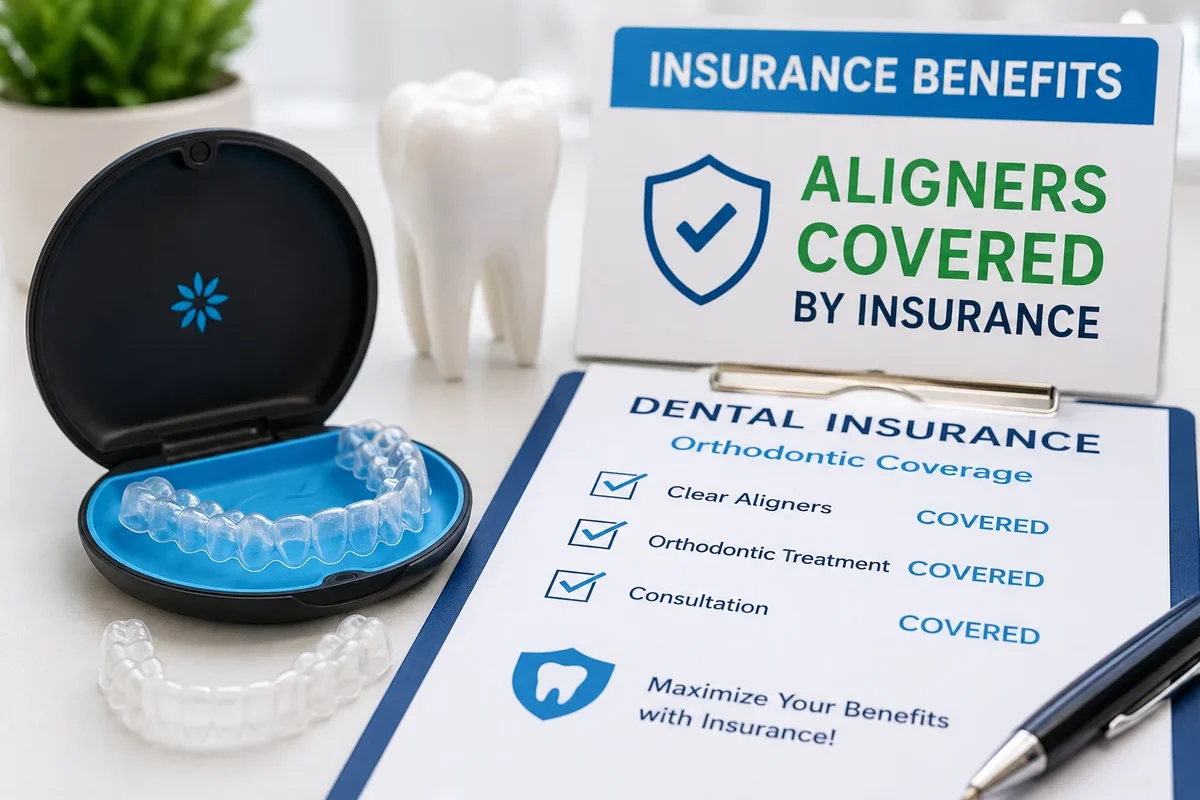
Choosing the Right Dental Clinic for Insurance-Friendly Aligners
Selecting the right orthodontic clinic is one of the most important decisions patients make when considering aligners covered by insurance. Even the best insurance policy may not provide maximum value if the clinic lacks experience with orthodontic claims, insurance verification, or modern aligner technology. A skilled dental clinic can help patients reduce costs, simplify insurance approvals, improve treatment results, and create a more comfortable orthodontic experience overall. 😊
As clear aligners continue growing in popularity worldwide, more dental clinics now offer orthodontic treatment options. However, not every clinic provides the same level of expertise, technology, transparency, or insurance support. Patients researching aligners covered by insurance should carefully compare providers before beginning treatment.
Why the Right Clinic Matters for Insurance Approval
Insurance companies often require detailed documentation before approving orthodontic claims. Clinics experienced with aligners covered by insurance understand exactly what insurance providers need and how to properly submit claims.
Professional orthodontic teams can help patients avoid common problems such as:
- Insurance claim denials
- Missing documentation
- Unexpected treatment fees
- Delayed approvals
- Incorrect billing submissions
Choosing a clinic familiar with orthodontic insurance procedures can significantly improve the overall treatment process.
What Experienced Clinics Usually Provide
- Insurance verification assistance
- Pre-authorization submissions
- Transparent treatment estimates
- Monthly payment planning
- Flexible financing options
- Digital orthodontic diagnostics
These services make orthodontic care more manageable for patients pursuing aligners covered by insurance.
Look for Orthodontic Experience and Qualifications
Not every dentist specializes in orthodontics. While many general dentists now offer aligner systems, patients with moderate or complex cases may benefit from seeing an orthodontic specialist.
Experienced orthodontists often achieve more predictable results with aligners covered by insurance because they handle complex tooth movement, bite correction, and jaw alignment regularly.
Questions Patients Should Ask Clinics
- How many aligner cases have you treated?
- Do you treat complex bite problems?
- Are digital scans included?
- Which aligner brands do you offer?
- Do you work directly with insurance companies?
- What financing options are available?
These questions help patients evaluate both clinical expertise and financial transparency.
Modern Technology Improves Treatment Quality
Technology plays a major role in successful orthodontic treatment. Clinics using advanced digital tools often provide more accurate diagnosis, treatment planning, and monitoring for aligners covered by insurance.
Important Orthodontic Technologies
- 3D digital scanning
- Computerized treatment simulations
- Digital bite analysis
- Artificial intelligence treatment planning
- Remote monitoring systems
Digital scanners are especially valuable because they eliminate the need for uncomfortable traditional dental impressions. Patients also benefit from seeing visual simulations of expected treatment results before starting aligner therapy.
Importance of Transparent Pricing
One of the most frustrating experiences for patients is discovering unexpected treatment costs after beginning orthodontic care. Reputable clinics providing aligners covered by insurance should clearly explain all financial details before treatment begins.
Costs Patients Should Understand
- Initial consultation fees
- Digital imaging expenses
- Insurance contribution estimates
- Monthly financing terms
- Retainer pricing
- Refinement tray costs
Written treatment estimates help patients understand their financial responsibilities clearly and avoid misunderstandings later.
Compare Multiple Clinics Before Deciding
Patients should never feel pressured to choose the first orthodontic clinic they visit. Comparing multiple providers allows patients to evaluate pricing, experience, treatment approaches, and insurance compatibility.
Different clinics offering aligners covered by insurance may provide:
- Different treatment timelines
- Different aligner brands
- Different payment plans
- Different insurance reimbursement strategies
- Different levels of orthodontic expertise
Taking time to compare providers often leads to better long-term treatment satisfaction.
In-Network vs Out-of-Network Clinics
Insurance providers frequently maintain networks of approved orthodontic clinics. Patients pursuing aligners covered by insurance should determine whether a clinic is in-network before starting treatment.
Benefits of In-Network Providers
- Lower treatment costs
- Reduced patient responsibility
- Simplified insurance claims
- Faster reimbursement processing
- Negotiated insurance pricing
Out-of-network clinics may still provide excellent treatment, but patient costs are sometimes higher depending on the insurance plan.
Patient Reviews and Reputation Matter
Online reviews and patient testimonials can provide valuable insight into clinic quality, professionalism, and patient satisfaction.
Things to Look for in Reviews
- Insurance support experiences
- Staff professionalism
- Treatment success stories
- Communication quality
- Financial transparency
- Comfort during treatment
Clinics with strong reputations often provide more reliable experiences for patients seeking aligners covered by insurance.
Financing and Flexible Payment Plans
Even when insurance contributes significantly toward treatment, patients may still need financing support. The best clinics offering aligners covered by insurance typically provide flexible payment solutions.
Common Financing Options
- Interest-free installment plans
- Monthly payment arrangements
- Health savings account compatibility
- Flexible spending account support
- Third-party medical financing
Flexible financing helps patients begin treatment without overwhelming upfront costs.
Communication and Patient Comfort
Orthodontic treatment often lasts many months, making communication and patient comfort extremely important. Patients should choose clinics where staff members explain treatment clearly and answer questions professionally.
Good communication is especially important for patients navigating aligners covered by insurance, since insurance terminology and orthodontic billing can sometimes feel confusing.
Signs of a Patient-Friendly Clinic
- Clear explanations
- Responsive communication
- Detailed financial discussions
- Friendly treatment coordinators
- Transparent scheduling policies
Comfortable patient experiences often improve treatment confidence and satisfaction.
Why Personalized Treatment Planning Matters
No two orthodontic patients are identical. Experienced clinics customize treatment plans based on:
- Tooth movement complexity
- Bite alignment
- Jaw positioning
- Patient age
- Lifestyle preferences
- Insurance limitations
Personalized planning improves both treatment efficiency and insurance approval success for aligners covered by insurance.
If you want professional orthodontic guidance, insurance verification assistance, and personalized treatment planning, visit the Redent Klinik Contact Page for consultation support and detailed information.
Patients can also review oral healthcare standards and orthodontic recommendations through the American Dental Association.
Final Thoughts on Choosing the Right Orthodontic Clinic
Finding the right clinic is essential for achieving successful orthodontic results while maximizing insurance benefits. Patients considering aligners covered by insurance should prioritize clinics with strong orthodontic experience, advanced technology, transparent pricing, and professional insurance support.
By carefully researching providers, comparing treatment plans, reviewing financing options, and verifying insurance compatibility, patients can confidently begin orthodontic treatment with greater financial clarity and peace of mind. A trusted clinic not only improves treatment outcomes but also helps patients navigate the complexities of aligners covered by insurance more effectively while working toward healthier teeth and a confident smile. ✨
Disclosure: this page may contain affiliate links. We may earn a commission if you use them, at no extra cost to you.