
Choosing a beautiful, healthy smile is no longer just a dream—thanks to clear aligners, achieving perfectly aligned teeth has become easier, more comfortable, and more discreet than ever 😁. However, one of the first questions most patients ask is about the aligners price. Understanding how much aligners cost and what factors influence the overall treatment expense is essential for making an informed decision. In this comprehensive guide, we’ll break down everything you need to know about aligners price in 2025, from global averages to specific clinic insights, including why Turkey has become one of the most affordable destinations for dental care.
In recent years, invisible aligners have gained immense popularity as an alternative to traditional metal braces. These transparent, removable trays gradually move teeth into their ideal positions using gentle pressure. Patients love them because they are nearly invisible and can be removed for eating or brushing, providing both aesthetic and practical benefits. Yet, despite their convenience, the aligners price can vary significantly depending on location, brand, and the complexity of treatment. Understanding this variation helps patients compare options wisely and avoid hidden costs 💡.
Typically, the aligners price ranges between $1,500 and $8,000 worldwide, depending on several factors such as treatment duration, the number of trays required, and the reputation of the dental clinic. For example, in the United States, aligner treatments often fall between $4,000 and $7,500. Meanwhile, in countries like Turkey, patients can access the same high-quality materials and professional expertise at a fraction of the cost—sometimes as low as $1,200 to $2,500 for a complete treatment plan. This makes Turkey one of the top destinations for dental tourism 🌍.
When researching aligners price, it’s important to consider that costs include not only the aligners themselves but also professional evaluations, X-rays, follow-up visits, and post-treatment retainers. Some clinics offer “all-inclusive” aligner packages, while others charge separately for diagnostic procedures and check-ups. Always ask for a full cost breakdown to avoid unexpected surprises later on. Many patients choose to contact experienced clinics like Redent Klinik Contact Page for transparent, all-in-one treatment pricing that fits their budget and needs.
Another key factor that influences aligners price is the brand. Companies such as Invisalign, ClearCorrect, and Spark each have unique technologies and design philosophies. Invisalign, for instance, is widely recognized for its precision and patented SmartTrack material, which offers greater comfort and control. However, this quality often comes with a higher price tag. On the other hand, smaller or local brands can offer competitive pricing without compromising on quality, especially when managed by skilled orthodontists.
It’s also worth considering that some cases require more aligner trays or longer treatment durations. A mild alignment issue, such as small gaps or slightly crooked front teeth, may only require 6–8 months of aligner wear. In contrast, complex orthodontic problems might need 18–24 months and multiple tray adjustments. As a result, longer treatments naturally increase the overall aligners price because more materials, appointments, and professional oversight are involved.
Many dental professionals recommend visiting a certified orthodontist before starting aligner treatment to get an accurate cost estimate. This initial consultation helps determine whether aligners are suitable for your specific dental structure and what the treatment timeline will look like. Remember, cheaper doesn’t always mean better. While low-cost aligners may seem attractive, ensuring that your aligners are supervised by a qualified dentist or orthodontist is crucial for long-term dental health 🦷.
In addition to clinic and brand factors, geographic location has a tremendous impact on aligners price. For example, in Western Europe or the U.S., higher living costs and professional fees contribute to higher treatment prices. Conversely, in countries such as Turkey, high-quality dental care is offered at more affordable rates without compromising on results. Many international patients travel specifically to Turkey for aligner treatments because they can combine world-class dental care with a relaxing vacation experience 🌴.
When comparing aligner costs, it’s also helpful to look at what’s included in the quoted price. Some clinics include retainers, digital scans, and follow-up consultations, while others charge these separately. Additionally, post-treatment care is vital for maintaining your new smile. Retainers are often needed after aligner therapy to prevent teeth from shifting back to their original position, and these can cost anywhere from $100 to $500 per set.
For more reliable and professional information, patients can also explore resources like the American Dental Association, which provides trusted guidelines on orthodontic treatment safety and effectiveness. Aligners are a long-term investment in your confidence, oral health, and appearance. Understanding the full scope of the aligners price allows you to make a well-informed decision that balances quality, safety, and affordability.
In summary, the aligners price varies widely, but one thing remains consistent: choosing a reputable clinic and qualified professionals ensures the best outcome. By evaluating all the factors—brand, treatment complexity, country, and clinic reputation—you can find an option that meets both your aesthetic goals and budget. Whether you choose a premium brand in the U.S. or an affordable yet high-quality solution in Turkey, a confident, radiant smile is always worth the investment 😊.
What Are Dental Aligners and How Do They Work?
Dental aligners have completely transformed modern orthodontics, providing patients with a discreet, comfortable, and effective way to achieve straighter teeth without the need for traditional metal braces. In this section, we’ll take a deep dive into what dental aligners actually are, how they function, and why understanding their mechanism is essential when evaluating the aligners price in 2025. By the end of this guide, you’ll have a clear understanding of how aligners move your teeth, the technology behind them, and what makes them a worthwhile investment in your smile 😁.
Understanding the Basics of Dental Aligners
Dental aligners are transparent, custom-made trays that fit snugly over your teeth. Made from durable, medical-grade thermoplastic materials, they gently apply pressure to specific teeth to guide them into their correct positions. Unlike braces, which rely on metal brackets and wires, aligners are removable and nearly invisible, allowing users to maintain a natural appearance throughout the treatment. The aligners price often reflects this advanced engineering and customization process, as every aligner set is uniquely designed using digital scans of the patient’s mouth.
The treatment begins with a 3D digital scan or impression of your teeth. Specialized software maps out the entire treatment journey, predicting each stage of movement from the first tray to the final alignment. Based on this digital plan, a series of aligners is created, each one slightly adjusted to continue the progress. Patients typically wear each aligner for 1–2 weeks, 20–22 hours a day, before switching to the next set. This sequence gradually shifts teeth into the desired position with precision and minimal discomfort.
The Science Behind How Aligners Move Teeth
Each aligner is engineered to apply gentle and controlled force to the teeth. This pressure stimulates the periodontal ligaments around the tooth roots, encouraging bone remodeling — the process by which bone tissue breaks down and rebuilds to allow teeth to move. Because aligners distribute pressure evenly, the movement is more predictable and comfortable than traditional braces. The aligners price also covers the advanced technology involved in designing this biomechanical process, ensuring that results are safe and stable over time 🦷.
Orthodontists or trained dentists supervise the entire treatment, monitoring progress through periodic check-ups or remote tracking apps. Some systems even use AI-powered monitoring tools that allow dentists to adjust the treatment plan without frequent in-person visits. This modern, tech-driven approach contributes to the overall cost but also enhances convenience and accuracy for patients.
Materials and Design: Why Quality Matters
The materials used in aligners directly influence comfort, transparency, and durability. Premium aligners like Invisalign or Spark use patented thermoplastic materials that are stain-resistant, BPA-free, and engineered for flexibility. Cheaper aligner brands might use generic plastics, which can discolor or feel less smooth on the gums. The aligners price is therefore often tied to the quality of the material, as higher-end polymers ensure better aesthetics and longevity.
Another factor influencing the aligners price is precision manufacturing. Every aligner must be perfectly contoured to the individual’s gumline for optimal fit and comfort. High-end clinics use advanced 3D printing and laser-cutting technologies to produce aligners with microscopic accuracy, minimizing irritation and ensuring a flawless smile at the end of the process. This level of customization requires skilled technicians and modern equipment, both of which add value to the treatment.
Comfort and Daily Use: How Aligners Fit Into Your Routine
Wearing aligners requires discipline and consistency. Since they’re removable, patients must ensure they wear them for the recommended duration each day. Aligners should only be taken out for eating, drinking anything other than water, and brushing or flossing. Failing to follow these instructions can delay results and increase the total aligners price if extra trays or extended treatments are needed.
In daily life, aligners are extremely convenient. They don’t irritate the mouth like metal braces, don’t restrict food choices, and make oral hygiene much easier. These comfort benefits make aligners especially popular among adults and working professionals who prefer a low-maintenance treatment option that fits their lifestyle.
Digital Planning and Progress Monitoring
Modern aligner systems rely heavily on digital planning tools that provide a virtual simulation of your treatment before it even begins. Patients can see a 3D preview of how their teeth will move and what their smile will look like after treatment. This technology enhances transparency and allows patients to make informed decisions about whether the aligners price aligns with the value they expect. During treatment, progress is tracked either through in-office scans or smartphone applications that ensure consistent results without unnecessary appointments 📱.
The Role of Dental Professionals
While aligners may seem like a simple at-home solution, the expertise of a dental professional is vital. Orthodontists play a critical role in treatment planning, progress evaluation, and post-treatment maintenance. They ensure teeth move safely without damaging roots or bone structure. This professional guidance is part of the reason why the aligners price includes not just the physical product but also the expertise behind it. For example, trusted clinics such as Redent Klinik Contact Page provide complete supervision by experienced orthodontists, ensuring patients receive safe and long-lasting results.
Why Understanding the Process Matters
Many patients make their aligner decisions solely based on cost. However, understanding how aligners function helps explain why prices differ between brands and clinics. The aligners price isn’t just about plastic trays—it reflects years of orthodontic research, high-end materials, precise manufacturing, and expert supervision. When patients appreciate the complexity behind the technology, they often see aligners not as an expense but as an investment in confidence and oral health 💎.
To summarize, dental aligners are an innovative solution for correcting misaligned teeth with comfort and precision. They work through controlled pressure, advanced materials, and expert supervision to deliver results that are both functional and aesthetic. The aligners price varies depending on quality, design, and clinic expertise—but when you understand how these devices work, it becomes clear that every part of the cost contributes to a healthier, more confident smile that lasts a lifetime 🌟.
Average Aligners Price in 2025: A Global Cost Overview
The year 2025 marks a new era in orthodontic care, with clear aligners becoming the preferred choice for millions of patients worldwide 🌍. As technology advances and production becomes more efficient, the aligners price landscape has evolved significantly across different regions. Understanding global averages helps patients plan their budget wisely and recognize where they can receive the best value for their investment. This section provides a complete overview of average costs by region, brand, and treatment complexity, giving you a realistic picture of what to expect before starting your smile transformation.
Global Average Aligners Price in 2025
While aligners were once considered a luxury treatment, they are now more accessible than ever. In 2025, the global aligners price varies widely, depending on economic factors, labor costs, and dental market competition. Below is a general cost summary based on recent data and clinical averages:
- United States: $4,000 – $7,500 (depending on the brand and duration of treatment)
- United Kingdom: £2,800 – £5,000
- Europe (Germany, France, Spain): €2,000 – €4,500
- Australia: AUD 4,000 – 6,000
- Turkey: $1,200 – $2,500 (high-quality, affordable dental tourism hub)
- Asia (India, Thailand, Philippines): $1,000 – $2,000
These figures reveal a clear difference between Western and emerging markets. Developed countries have higher clinical and operational costs, whereas regions like Turkey and Southeast Asia combine advanced technology with affordable pricing, attracting thousands of international patients every year for orthodontic care.
Why Aligners Prices Vary Around the World
The difference in aligners price is not solely due to labor costs or economic strength. Several deeper factors influence pricing worldwide:
- Brand reputation: Premium brands such as Invisalign or Spark cost more due to patented materials and global brand trust.
- Dentist expertise: Clinics with highly experienced orthodontists or advanced technologies often charge higher rates.
- Treatment length: Complex orthodontic cases that require 18–24 months of treatment naturally cost more than simple cosmetic corrections.
- Insurance and taxes: Some countries include or exclude dental coverage under health plans, affecting the final aligners price.
- Technology and facility standards: Clinics equipped with 3D scanning, AI diagnostics, and laser manufacturing typically reflect these features in their pricing.
By understanding these variations, patients can better identify what portion of the cost is tied to quality rather than geography. In many cases, traveling abroad for aligner treatment provides equal or even superior results at a fraction of the local price 💡.
Aligners Price by Brand in 2025
Different aligner brands come with varying levels of technology, material innovation, and clinical precision. Here is an overview of some of the most recognized brands and their approximate prices in 2025:
- Invisalign: $4,000 – $7,500 — Premium quality, global recognition, advanced SmartTrack material.
- ClearCorrect: $3,000 – $5,000 — Reliable mid-range option used widely in North America and Europe.
- SureSmile: $2,500 – $4,000 — Clinically precise, digital planning technology-driven aligners.
- Byte: $1,999 – $2,499 — Fast at-home aligner treatment with remote monitoring apps.
- Redent Klinik Aligners (Turkey): $1,200 – $2,000 — Affordable and professional treatment for international patients.
These figures highlight that the aligners price can be influenced as much by brand innovation as by location. Invisalign, being the pioneer, remains the most expensive, but emerging regional brands are quickly gaining market share by offering similar quality at more competitive rates. Clinics such as Redent Klinik Contact Page have earned global recognition for balancing affordability with advanced technology and experienced orthodontists.
At-Home vs In-Clinic Aligners: A Price Comparison
The rising popularity of at-home aligner kits has also changed how patients perceive value. At-home treatments usually cost between $1,200 and $2,500, depending on the company. These kits often skip in-person visits, relying instead on digital scans and virtual consultations. While convenient, this approach may not be suitable for everyone, especially patients with complex dental alignment issues. On the other hand, in-clinic treatments include professional supervision, periodic checkups, and guaranteed safety. Although in-clinic options may cost more, the difference in aligners price often reflects the added value of professional care and treatment accuracy 🦷.
Economic and Market Trends Influencing Prices
Global economic trends play a major role in shaping the aligners price structure. Inflation, raw material costs, and currency fluctuations directly affect manufacturing and shipping expenses. Furthermore, as demand increases worldwide, competition among aligner brands helps stabilize or even reduce prices in some regions. Clinics in emerging dental tourism markets like Turkey are leveraging these market shifts by offering international-standard treatments at highly competitive rates, making them top choices for patients from the UK, Europe, and the Middle East ✈️.
Digitalization and AI: The Future of Cost Efficiency
In 2025, many orthodontic clinics have implemented AI-based treatment planning and 3D scanning tools that significantly reduce production time. These innovations streamline manufacturing, reduce errors, and ultimately lower the aligners price for patients. By minimizing manual labor and using automated digital workflows, dental professionals can deliver better results faster and at a more affordable cost. This digital transformation is one of the key reasons why aligners have become more accessible globally, offering premium smiles without premium costs 😄.
Key Takeaway: Aligners Price in Perspective
Although costs differ worldwide, the growing accessibility of clear aligners has made orthodontic care more inclusive and patient-centered. Whether you’re in the U.S. paying premium rates for Invisalign or traveling to Turkey for a budget-friendly solution, the aligners price in 2025 reflects a balance between innovation, quality, and affordability. The best choice is not necessarily the cheapest—it’s the one that provides lasting results, professional oversight, and comfort throughout your journey.
For reliable, professional advice and transparent cost breakdowns, trusted dental sources such as the American Dental Association provide guidance on aligner treatments and orthodontic standards. By staying informed and comparing clinics carefully, you can make a smart decision that ensures your investment delivers a beautiful and confident smile that lasts a lifetime 🌟.
Factors That Affect the Aligners Price
When considering clear aligner treatment, one of the most common questions patients ask is: why does the aligners price vary so much between clinics, countries, and even individual cases? The answer lies in the wide range of elements that influence the total cost. From clinical expertise to material quality, treatment complexity, and even the patient’s lifestyle, each factor contributes to how much you’ll ultimately pay for your smile transformation 😁. In this section, we’ll explore in detail every major element that affects the aligners price so that you can make a confident and informed decision before starting treatment.
1. Treatment Complexity and Duration
One of the primary drivers of aligners price is the complexity of your dental condition. Not all misalignments are the same — some cases may involve minor cosmetic adjustments, while others require full orthodontic correction. The more severe the misalignment, the longer and more intricate the treatment becomes, resulting in a higher total cost.
For example, a mild alignment case that corrects small gaps or slightly crooked teeth may require only 6–8 months of treatment and around 10–12 aligner trays. In contrast, complex cases involving crowding, overbites, or crossbites can take 18–24 months with up to 40 aligner trays. Each tray set must be custom-fabricated, so the greater the number of trays, the higher the aligners price. Additionally, more complicated cases often require advanced software planning and professional monitoring, both of which add to the total cost.
2. Type and Brand of Aligners
The brand of aligners you choose plays a significant role in determining the final aligners price. Each brand uses different materials, design technologies, and production standards. Leading names like Invisalign, Spark, and ClearCorrect offer advanced features such as precision tracking, adaptive force application, and enhanced comfort, which can justify a higher price point. On the other hand, locally produced aligners or lesser-known brands may offer more budget-friendly options but with varying levels of customization and quality.
Comparing Popular Brands
- Invisalign: Known for its patented SmartTrack material, superior precision, and global reputation. Costs range from $4,000 to $7,500.
- ClearCorrect: Offers a cost-effective alternative with reliable performance, typically priced between $3,000 and $5,000.
- Redent Klinik Aligners: High-quality, affordable options in Turkey with prices between $1,200 and $2,500 for full treatment.
Patients should remember that the aligners price often reflects the brand’s investment in research, technology, and comfort innovation. While choosing the most famous brand may provide reassurance, regional clinics like Redent Klinik Contact Page offer excellent alternatives that combine global standards with local affordability 🌍.
3. Dentist or Orthodontist Expertise
The experience and credentials of your orthodontist or dentist are critical to treatment success and can directly impact the aligners price. Clinics led by certified orthodontists often charge higher fees due to their specialized training and track record in managing complex cases. However, this expertise also guarantees better results and minimizes the risk of complications. Choosing a cheaper, less experienced provider might seem appealing initially, but poor treatment planning can lead to ineffective results or relapse, which could cost even more to fix later on 🦷.
Professional Monitoring and Follow-ups
In many clinics, professional follow-up appointments are included in the treatment package. Regular checkups ensure that teeth are moving as planned, aligners fit properly, and oral hygiene is maintained. These appointments may occur every 6–8 weeks, depending on the system used. The more comprehensive your follow-up plan, the higher the overall aligners price — but this investment ensures long-term stability and peace of mind.
4. Geographic Location and Clinic Standards
Where you choose to receive treatment can have one of the most significant effects on aligners price. Clinics in the United States, Canada, or Western Europe typically charge more due to higher labor, material, and operational costs. In contrast, dental tourism destinations such as Turkey, Thailand, and Hungary have gained popularity for offering equal or better service at much lower prices.
For instance, aligner treatment at Redent Klinik in Turkey provides world-class technology, experienced orthodontists, and transparent pricing — often 50–70% cheaper than Western clinics. Many international patients take advantage of these packages, combining professional dental care with a relaxing trip abroad. This geographical advantage makes the aligners price in Turkey highly attractive to global patients looking for affordability without compromising quality 💎.
5. Technology and Materials Used
Modern aligners rely heavily on 3D scanning, CAD/CAM digital planning, and precision 3D printing. Clinics that use advanced imaging equipment and AI-driven software deliver more predictable and comfortable outcomes. These technologies, while improving treatment quality, also contribute to the final aligners price. High-grade materials such as multilayer thermoplastics or SmartTrack polymers improve flexibility, durability, and transparency but come with higher manufacturing costs. Patients are essentially paying for superior performance, safety, and comfort that last the entire treatment cycle.
Impact of Customization
Each aligner set is custom-made for the patient, which involves a complex design process. Even slight adjustments in tooth movement require recalculating pressure distribution, manufacturing new molds, and quality-testing each piece. This level of personalization ensures better results but also raises the aligners price. It’s similar to comparing a tailored suit with an off-the-rack option — the fit, comfort, and outcome justify the cost.
6. Additional Costs: Retainers and Aftercare
Post-treatment retainers are an often-overlooked part of aligner therapy. Once the active phase is complete, retainers keep teeth in their new positions and prevent relapse. Depending on the clinic, these retainers may be included or charged separately, typically ranging from $150 to $500 per set. Other aftercare expenses might include professional cleaning, whitening, or additional trays if small corrections are needed. When evaluating the total aligners price, make sure to ask if retainers and maintenance visits are covered in the initial quote.
7. Payment Options and Insurance Coverage
Many clinics today offer flexible payment plans that make aligner treatments more accessible. Patients can spread payments over 6 to 24 months without high interest. In some cases, dental insurance partially covers aligner treatments, particularly if they are deemed medically necessary rather than purely cosmetic. However, coverage varies widely between countries and providers. Understanding insurance limits and financing options can make a significant difference in how manageable the aligners price feels for your budget 💰.
Final Thoughts: Quality Always Justifies the Price
Ultimately, several factors determine the aligners price — from treatment complexity and technology to clinic reputation and location. While it’s tempting to choose the cheapest option, investing in professional care ensures not only aesthetic success but also long-term dental health. Reputable institutions, such as American Dental Association, emphasize that orthodontic treatments should always be guided by trained specialists. By balancing quality and cost, patients can achieve a confident, lasting smile that truly reflects the value of expert orthodontic care 🌟.
Clear Aligners vs Traditional Braces: Price and Benefits
When comparing modern orthodontic treatments, few topics generate as much interest as the debate between clear aligners and traditional metal braces. Both aim to correct dental misalignment, yet they differ significantly in comfort, aesthetics, maintenance, and cost. The aligners price has become an increasingly important consideration as more adults and teens seek discreet alternatives to metal brackets. This section provides a detailed, evidence-based comparison between the two systems, breaking down the pros, cons, and financial implications of each so you can make the best choice for your dental health and lifestyle 🦷.
1. How Clear Aligners Differ from Traditional Braces
Traditional braces use metal or ceramic brackets that are attached to each tooth and connected with wires. Over time, orthodontists tighten these wires to gradually shift teeth into alignment. Clear aligners, by contrast, are transparent, removable trays that fit snugly over your teeth. Each set of aligners is designed to move teeth incrementally, usually every one to two weeks. This difference in mechanism is one reason why the aligners price often differs from the cost of traditional braces — each aligner is custom-made using advanced digital modeling, which adds precision and comfort but also influences total cost.
Unlike braces, aligners don’t require painful tightening sessions or frequent wire adjustments. Instead, treatment is guided digitally, with regular progress checks that can even be done remotely through apps or photo updates. This modern, patient-friendly approach is part of what justifies the slightly higher aligners price compared to conventional options for many patients seeking both comfort and aesthetics 😁.
2. Cost Comparison: Aligners Price vs Traditional Braces
The cost difference between aligners and braces varies based on multiple factors, including brand, region, and case complexity. On average, traditional metal braces range from $3,000 to $6,000, while clear aligners cost between $2,500 and $7,500 depending on the brand and provider. Although the aligners price may seem higher at first glance, patients often consider them a better value due to convenience, comfort, and appearance.
Breakdown of Typical 2025 Costs
- Traditional Metal Braces: $3,000 – $6,000
- Ceramic Braces: $4,000 – $7,000
- Invisalign or Premium Aligners: $4,000 – $7,500
- Affordable Local Aligners (e.g., Redent Klinik, Turkey): $1,200 – $2,500
Patients who travel for dental tourism often find that clinics in countries like Turkey or Hungary offer premium treatment quality at a fraction of the Western cost. For example, Redent Klinik Contact Page provides internationally accredited aligner treatments, combining affordability with world-class orthodontic care. This makes the aligners price in Turkey especially attractive to global patients seeking both quality and savings 🌍.
3. Aesthetic and Lifestyle Benefits
One of the most compelling reasons people choose aligners over braces is aesthetics. Clear aligners are virtually invisible, allowing patients to smile confidently throughout their treatment. This feature appeals particularly to adults in professional or social settings where visible braces might feel uncomfortable or distracting. The convenience of removing aligners while eating or brushing also adds to their appeal. While the aligners price might be slightly higher, many find that the aesthetic freedom and confidence are well worth the investment 💎.
Impact on Daily Life
Braces often come with dietary restrictions — no hard, sticky, or chewy foods — whereas aligners can simply be removed during meals. This flexibility makes maintaining a healthy diet easier and reduces the risk of food-related damage to dental appliances. Additionally, aligners make oral hygiene simpler, as brushing and flossing can be done normally without maneuvering around wires. These lifestyle conveniences are major contributors to the growing popularity of clear aligners despite variations in aligners price.
4. Comfort and Pain Levels
When it comes to comfort, clear aligners have a clear advantage. Traditional braces can cause discomfort due to sharp brackets, tightening sessions, and wire pokes. Aligners, on the other hand, are made from smooth, flexible plastic that fits precisely over your teeth. Each tray applies gentle, evenly distributed pressure, making tooth movement gradual and manageable. Many patients report significantly less soreness with aligners, and any minor discomfort usually subsides within a day or two after switching to a new tray.
These comfort benefits contribute indirectly to the perceived value of the aligners price. Patients often prioritize pain-free treatment and convenience over minimal cost savings, especially for long-term procedures that last more than a year. In essence, aligners provide a more patient-centered approach to orthodontics 🧠.
5. Maintenance and Follow-Up Costs
Maintenance and aftercare differ considerably between the two systems. Traditional braces require regular in-office tightening every 4–6 weeks, which may increase overall treatment costs if multiple appointments are necessary. Aligners, by contrast, typically require fewer clinic visits — once every 8–12 weeks — or sometimes remote monitoring via digital scans. Although the initial aligners price may seem higher, reduced follow-up frequency often offsets that difference in the long term.
Post-Treatment Retainers
Both aligner and braces patients need retainers after treatment to maintain their new smile. Retainers usually cost between $150 and $500 per set. Some clinics include them in the original aligners price, while others charge separately. Ensuring that retainers are properly fitted and regularly checked is essential for long-term stability and avoiding relapse.
6. Treatment Duration and Efficiency
Clear aligners are known for shorter average treatment times. Simple cases may be completed in 6–12 months, whereas braces often require 18–24 months for similar results. This time efficiency means patients can achieve their desired smile faster — a factor that many feel justifies the aligners price. The digital precision of aligners allows for more predictable outcomes and fewer emergency visits, such as broken wires or loose brackets.
7. Clinical Suitability: When Braces Are Still Necessary
Despite the many advantages of aligners, braces remain essential for certain complex cases. Severe bite issues, rotated teeth, or skeletal misalignments may require the mechanical strength of braces. In such cases, orthodontists might recommend a hybrid approach — braces first to make major adjustments, followed by aligners for finishing touches. The total aligners price in hybrid treatments is typically adjusted according to treatment duration and tray quantity, providing flexibility without compromising outcomes.
Final Verdict: Aligners or Braces?
In summary, while traditional braces remain an effective and sometimes necessary option, clear aligners have revolutionized orthodontic care by combining advanced technology, comfort, and discretion. Although the aligners price can be higher upfront, patients often experience better aesthetics, shorter treatment times, and fewer office visits — making them a smart investment in modern dental health. For additional insights and trusted information, visit the American Dental Association, which provides valuable guidelines on orthodontic treatments. Ultimately, your choice should depend on your clinical needs, lifestyle, and the expertise of your dental provider. Whether through clear aligners or braces, the goal remains the same — achieving a confident, healthy, and lasting smile 🌟.
Aligners Price by Country: Comparing Turkey, USA, and Europe
One of the most fascinating aspects of the modern dental industry is the global variation in the aligners price. Depending on where you live—or where you choose to have your treatment done—the cost of aligners can differ dramatically. In 2025, the rise of dental tourism and the spread of advanced orthodontic technologies have reshaped the global market, giving patients more options than ever before 🌍. In this section, we’ll compare the aligners price in three key regions: Turkey, the USA, and Europe. You’ll learn why prices differ, how quality standards are maintained, and where patients can achieve the best value for their investment.
1. The Aligners Market in the USA
The United States has long been at the forefront of orthodontic innovation, home to major brands like Invisalign, SureSmile, and ClearCorrect. However, this leadership also comes with higher costs. The average aligners price in the U.S. ranges from $4,000 to $7,500 depending on the brand, location, and the orthodontist’s expertise. In cities like New York or Los Angeles, treatment costs can even exceed $8,000 due to higher overhead and living expenses.
Several factors contribute to these elevated prices. American clinics often use advanced diagnostic technologies, including 3D scanning and AI-driven treatment simulations. Patients also benefit from comprehensive in-office monitoring, which adds to the overall treatment quality—but also the cost. While this high-end care ensures exceptional results, many patients have begun exploring international options where the same level of technology and expertise is available at a fraction of the price. That’s where Turkey and Europe enter the conversation 💎.
Insurance and Payment Plans in the USA
Most U.S. dental insurance plans cover only part of the treatment, typically reimbursing between 20% and 50% of orthodontic costs. Additionally, many patients opt for flexible payment plans, which spread costs over 12 to 24 months. Still, these financing options can only do so much to offset the high aligners price in the American market. For this reason, an increasing number of U.S. patients are traveling abroad for affordable yet high-quality dental care.
2. Aligners Price and Treatment in Europe
Europe offers a wide range of options for patients seeking aligner therapy, but the aligners price varies significantly between Western and Eastern regions. In Western Europe—countries like Germany, France, and the UK—costs typically range from €3,000 to €5,000, similar to or slightly lower than those in the U.S. This is largely due to high clinical standards, strict regulatory frameworks, and relatively expensive labor costs.
However, moving eastward to countries such as Hungary, Poland, and Romania, the prices become much more accessible—between €1,500 and €2,800. Many patients from Western Europe travel to these destinations for cost-effective treatments without sacrificing quality. These clinics often employ Western-trained orthodontists and use the same brands and technologies as their Western counterparts, but benefit from lower operational costs.
European Quality and Regulation
European clinics are known for their strong adherence to health regulations and dental quality standards. Organizations such as the American Dental Association and the European Federation of Orthodontics provide guidelines that ensure the safety and efficacy of orthodontic treatments. The strong emphasis on hygiene, patient care, and sterilization across Europe guarantees that patients receive safe and effective results even at lower costs.
3. Why Turkey Has Become a Global Leader in Affordable Aligners
In recent years, Turkey has emerged as one of the world’s leading destinations for dental tourism—and for good reason. The aligners price in Turkey typically ranges between $1,200 and $2,500 for full treatment, including consultation, digital scans, and post-treatment retainers. This makes Turkey up to 70% more affordable than the U.S. and Western Europe, without compromising on quality or technology 🇹🇷.
Clinics like Redent Klinik Contact Page have become top choices for international patients seeking clear aligners at competitive prices. Redent Klinik offers transparent treatment plans, certified orthodontists, and world-class digital imaging tools—all factors that ensure exceptional outcomes for both local and international patients. Patients often combine their dental treatment with a relaxing vacation, enjoying Turkey’s hospitality, cuisine, and culture while achieving the smile of their dreams 😁.
Technological and Professional Standards in Turkey
Contrary to popular belief, the lower aligners price in Turkey does not stem from reduced quality. Instead, it’s the result of lower labor costs, favorable currency exchange rates, and government incentives for medical tourism. Turkish dental clinics use the same 3D imaging, AI treatment planning, and biocompatible materials found in Western practices. Many Turkish orthodontists receive part of their education abroad, ensuring that their expertise meets international standards.
4. Comparative Analysis: USA vs Europe vs Turkey
| Region | Average Aligners Price (2025) | Average Treatment Duration | Quality Rating |
|---|---|---|---|
| USA | $4,000 – $7,500 | 12 – 24 months | ⭐⭐⭐⭐⭐ |
| Western Europe | €3,000 – €5,000 | 12 – 18 months | ⭐⭐⭐⭐ |
| Eastern Europe | €1,500 – €2,800 | 12 – 18 months | ⭐⭐⭐⭐ |
| Turkey | $1,200 – $2,500 | 10 – 16 months | ⭐⭐⭐⭐⭐ |
This comparison clearly illustrates that Turkey offers the most favorable balance of affordability, technology, and professional expertise. The relatively low aligners price makes it possible for patients from around the world to receive top-tier orthodontic care while saving thousands of dollars compared to Western prices.
5. Key Takeaways: Choosing the Right Country for Your Smile
When deciding where to undergo aligner treatment, patients should consider more than just the aligners price. Factors such as travel expenses, aftercare availability, and communication with the dental team are equally important. While the USA provides premium services for those with insurance coverage or high budgets, Europe offers mid-range solutions with strong safety standards. Turkey, on the other hand, presents the ideal combination of low cost, advanced technology, and internationally trained orthodontists.
Ultimately, the best choice depends on your personal priorities—whether you value proximity, luxury, or savings. Thanks to globalization and innovation, achieving a confident, perfectly aligned smile has never been easier or more affordable 🌟.
Insurance Coverage and Payment Options for Aligners
While many people are drawn to clear aligners for their comfort and aesthetics, the financial aspect remains one of the biggest considerations before starting treatment. Understanding how insurance coverage, financing, and installment plans work is essential when evaluating the overall aligners price. Fortunately, in 2025, there are more flexible payment methods and partial insurance reimbursements available than ever before — allowing patients from various financial backgrounds to access professional orthodontic care 🦷. This section explores insurance coverage options, payment structures, and budgeting tips to help you plan your aligner investment wisely.
1. How Dental Insurance Affects the Aligners Price
Dental insurance can significantly reduce the overall cost of orthodontic treatment, but coverage varies widely depending on the provider, policy, and country. In general, insurance plans categorize clear aligners under orthodontic treatments, and some offer reimbursement for a portion of the aligners price — typically 20% to 50%. However, this support often comes with limits such as lifetime caps, waiting periods, and approved provider lists.
For example, in the United States, major insurance providers like Delta Dental, Cigna, and Aetna offer partial reimbursement for Invisalign and similar brands. The typical reimbursement cap ranges from $1,000 to $3,000 per person. This means that if your total aligners price is $5,000, you may receive up to $2,000 in coverage, depending on your policy terms. Patients are encouraged to check directly with their insurers or orthodontists, who can assist with submitting pre-treatment estimates and verifying eligibility.
European and International Coverage Models
In Europe, insurance support varies more dramatically by country. In nations like Germany and France, public health insurance rarely covers aligners unless they are deemed medically necessary for bite correction. Private insurance, on the other hand, may reimburse up to 60% of the treatment cost, especially for younger patients. In Turkey, where the aligners price is already much more affordable, most patients pay privately; however, many clinics such as Redent Klinik Contact Page offer custom payment plans that mimic insurance-like flexibility, making treatments accessible even without coverage 🇹🇷.
2. Flexible Payment Plans Offered by Clinics
Many modern dental clinics understand that the aligners price can represent a significant financial commitment. To make aligners more attainable, they now offer flexible payment solutions designed to spread costs over time. These plans are especially helpful for patients without insurance coverage or those paying out of pocket.
Common Payment Structures
- Monthly Installments: Most clinics offer interest-free payment plans spread across 6 to 24 months. This allows patients to pay smaller, manageable amounts instead of one large upfront payment.
- Down Payment + Monthly Fees: Some clinics request an initial deposit (usually 20–30% of the total) followed by fixed monthly payments.
- Third-Party Financing: Companies such as CareCredit, LendingClub, or local medical loan providers offer financing with flexible interest rates based on credit profiles.
These options help reduce financial stress while maintaining access to quality care. For instance, if your total aligners price is $3,000, you might pay $250 per month for one year with zero interest — making professional orthodontic treatment realistic for most budgets 💳.
3. Health Savings Accounts (HSA) and Flexible Spending Accounts (FSA)
In countries like the United States, tax-advantaged savings accounts such as HSA or FSA can be used to pay for aligner treatments. These accounts allow patients to set aside pre-tax income specifically for healthcare expenses, including orthodontic work. Using HSA or FSA funds to cover the aligners price can result in substantial tax savings — often 20% to 30%, depending on income bracket. Patients should confirm that their aligner provider qualifies as a recognized healthcare vendor before using these funds.
Maximizing Financial Efficiency
To get the most out of these benefits, patients should coordinate with both their dental provider and their insurance company to ensure proper documentation. Pre-authorization forms, itemized invoices, and digital treatment plans are often required for reimbursement. Reputable clinics like Redent Klinik Contact Page provide all necessary documentation, making it easier for international patients to claim coverage or use financial accounts efficiently.
4. Government and Employer-Sponsored Benefits
In certain countries, employees may access orthodontic benefits through workplace healthcare programs. For example, some multinational corporations offer partial reimbursement or partnerships with dental providers that lower the overall aligners price. Additionally, public healthcare systems in Scandinavian countries or Canada occasionally subsidize orthodontic treatments for severe cases in minors. Adults, however, typically rely on private or supplemental insurance plans.
5. Budgeting and Cost-Saving Strategies
Even with financing options and partial coverage, it’s wise to plan your orthodontic budget carefully. Patients can optimize their spending by comparing clinics, exploring international options, and choosing the right payment structure. Here are some strategies to reduce the total aligners price while maintaining quality:
- Choose clinics that include retainers, checkups, and digital scans in their base package to avoid hidden costs.
- Ask about discounts for paying in full — many providers offer 5–10% reductions for upfront payments.
- Consider treatment abroad in reputable countries like Turkey, where the total cost can be 60–70% lower than in the U.S. or Western Europe.
- Use your HSA/FSA balance before it expires each year to maximize tax savings.
6. Transparency and Financial Planning
One of the most overlooked factors affecting patient satisfaction isn’t just the aligners price — it’s how transparently the clinic communicates the costs. Reputable clinics provide a detailed breakdown of every expense, from initial consultation to retainers and aftercare. This transparency builds trust and helps patients avoid unexpected bills. Many clinics now use digital cost calculators that show patients an exact monthly estimate before treatment even begins. This technology-driven approach ensures that patients know exactly what they’re paying for and how their investment is distributed 💡.
7. Final Thoughts: Making Aligners Affordable for Everyone
Thanks to technological advancements and flexible financing models, orthodontic care is no longer reserved for the wealthy few. Whether through insurance coverage, payment plans, or smart budgeting, patients worldwide can access premium treatments at a manageable cost. The aligners price should never be a barrier to achieving a confident, healthy smile. By choosing transparent, patient-centered clinics like Redent Klinik, individuals can enjoy world-class orthodontic results with financial peace of mind. For more information about orthodontic cost management, reliable resources like the American Dental Association offer guidance on maximizing insurance benefits and selecting trusted providers 🌟.
How to Choose the Right Clinic for the Best Aligners Price
Choosing the right clinic for your clear aligner treatment can be just as important as selecting the right brand or type of aligner. The expertise of the orthodontist, the technology used, and the transparency of the pricing all play critical roles in ensuring you get both high-quality results and the most reasonable aligners price. In 2025, the global dental industry has become more competitive than ever, meaning patients now have access to a variety of treatment options and price ranges. However, with so many choices, finding the perfect clinic can feel overwhelming. This guide will walk you through the essential factors to consider when selecting a trustworthy, professional, and cost-effective aligner provider 🦷.
1. Reputation and Credentials of the Clinic
Before anything else, a clinic’s reputation should be your primary consideration. A well-established dental center with certified orthodontists and positive patient reviews is far more reliable than a new or unverified provider. Clinics with international accreditation or affiliations with organizations like the American Dental Association or the European Federation of Orthodontics ensure compliance with global standards of safety and quality. Choosing a reputable clinic might seem more expensive at first glance, but in reality, it often delivers better long-term value by preventing treatment errors or the need for corrections later — ultimately making the overall aligners price more efficient.
Look for dentists who specialize in orthodontics rather than general dentistry. Certified orthodontists have additional years of education and training that enable them to handle complex cases and adjust treatments effectively. Before booking your first consultation, check the clinic’s website for professional credentials, certifications, and past case results.
2. Technology and Diagnostic Tools Used
The quality of a clinic’s technology has a direct impact on your treatment results and, consequently, on the aligners price. Modern clinics use 3D digital scanning, artificial intelligence (AI) treatment planning, and computer-aided design/manufacturing (CAD/CAM) to create custom aligners that fit perfectly and deliver precise movements. These tools not only reduce human error but also shorten treatment time and minimize discomfort. Clinics that use outdated impression techniques or manual adjustments may charge less, but they also risk less predictable outcomes.
Questions to Ask During Consultation
- Does the clinic use intraoral 3D scanners for impressions?
- Are treatment simulations or digital before-and-after previews included?
- How frequently are follow-up scans performed to ensure progress accuracy?
Clinics like Redent Klinik Contact Page utilize advanced imaging systems and AI-driven diagnostics that improve precision while keeping the aligners price affordable. This balance of technology and accessibility has made Turkey one of the world’s most popular destinations for clear aligner treatments 🌍.
3. Transparency in Pricing and Services
Transparent communication about costs is another key factor in selecting the right clinic. Reputable providers always provide a clear breakdown of the treatment plan, including consultation fees, aligner sets, check-ups, retainers, and any potential add-on services. Hidden charges or vague “starting from” offers are red flags that could inflate your total aligners price unexpectedly. Ask for a written estimate before committing to any treatment.
All-Inclusive Packages vs. Pay-As-You-Go
Some clinics offer all-inclusive packages covering everything from digital scans to post-treatment retainers. These can simplify budgeting and often represent better overall value. Others operate on a pay-as-you-go basis, which may seem cheaper initially but can become more expensive when additional visits or aligner refinements are needed. Compare these structures carefully to ensure the quoted aligners price truly represents the full scope of treatment.
4. Patient Reviews and Before-After Results
Patient feedback can offer invaluable insight into a clinic’s reliability. Real reviews and before-and-after photos help you evaluate the clinic’s professionalism, communication, and results. Check independent review platforms like Google, Trustpilot, or social media pages to see consistent feedback trends. Pay attention to comments about comfort, communication, and whether patients felt their aligners price was justified by the outcome.
Some clinics, like Redent Klinik, share transparent case galleries featuring real patient stories and detailed transformation journeys. Seeing authentic results builds trust and demonstrates that the clinic values both quality and patient satisfaction 😁.
5. Communication and Follow-Up Support
Good orthodontic care doesn’t end when your aligners are fitted. Ongoing communication and support are crucial for achieving the best results. Clinics offering remote monitoring apps or digital follow-up options make treatment more convenient, especially for international patients. Ask how the clinic handles progress tracking, adjustments, and post-treatment care. A responsive clinic that values follow-up support often reflects a higher-quality service and a well-justified aligners price.
Red Flags to Watch Out For
- Clinics that rush consultations or provide unclear treatment timelines.
- Unrealistic promises such as “perfect smile in 3 months” for complex cases.
- Low-cost offers without any mention of professional supervision.
6. Location and Accessibility
While the quality of treatment should always be your top priority, location and travel costs also influence the total aligners price. If you’re planning to undergo treatment abroad — for example, in Turkey — consider travel logistics, accommodation, and possible follow-up visits. Many dental tourism clinics now provide comprehensive packages that include airport transfers, hotel stays, and even translators for international patients. These packages make it easier to manage all aspects of treatment while keeping expenses transparent and controlled ✈️.
7. Aftercare and Retention Services
Post-treatment care is essential for preserving your results. A good clinic doesn’t just finish when your last aligner is fitted — they provide retainers, follow-up appointments, and support for maintaining your new smile. Always ask whether the aligners price includes retainers, post-treatment assessments, and potential touch-ups. Clinics that include these services upfront tend to deliver better long-term results and customer satisfaction.
8. The Role of Communication in International Clinics
For patients traveling abroad for treatment, language barriers and follow-up coordination can affect the experience. Choose clinics that offer multilingual support or dedicated international coordinators. For instance, Redent Klinik provides English, German, and French-speaking representatives to assist patients from the initial consultation through post-treatment follow-ups. This approach enhances transparency and builds confidence in the quoted aligners price.
Final Thoughts: Balancing Quality and Cost
Choosing the right clinic is about finding the perfect balance between expertise, technology, and affordability. A well-equipped, patient-centered clinic will never compromise quality for a lower aligners price. By focusing on credentials, transparency, and personalized care, you ensure that every dollar spent contributes to lasting, safe, and beautiful results. For peace of mind and professional guidance, consult with internationally recognized clinics like Redent Klinik or seek advice from reputable dental associations such as the American Dental Association. Remember — your smile is a lifelong investment, and choosing the right clinic ensures that your investment shines brightly for years to come 🌟.
Long-Term Value of Aligners: Are They Worth the Price?
For many people considering orthodontic treatment, the question isn’t just about aesthetics — it’s about long-term value. Are clear aligners truly worth their cost? How does the aligners price compare to the lifelong benefits of straighter teeth, better oral health, and increased self-confidence? In this section, we will examine every aspect of long-term value, including oral health improvements, maintenance costs, durability, and quality of life. By the end, you’ll understand why investing in aligners often delivers more than just a beautiful smile — it provides a lasting improvement in dental wellness and daily comfort 😁.
1. The Hidden Benefits Beyond Cosmetic Appeal
Many people associate clear aligners purely with aesthetic enhancement — a way to achieve a picture-perfect smile. However, orthodontic correction has deeper, long-term health implications. Misaligned teeth can lead to problems like uneven wear, jaw strain, gum disease, and even digestive issues due to improper chewing. Correcting these problems early can prevent years of discomfort and costly dental interventions later on.
When you factor in these lifelong benefits, the aligners price becomes an investment in preventive healthcare rather than just a cosmetic expense. Patients who undergo aligner treatment often experience fewer cavities, reduced risk of gingivitis, and improved bite function — all of which contribute to overall oral and systemic health 🦷.
Better Oral Hygiene and Gum Health
Clear aligners promote better hygiene compared to traditional braces. Since aligners are removable, brushing and flossing are easier, leading to healthier gums and cleaner teeth. Over time, this translates into fewer professional cleanings, reduced periodontal risk, and savings on future dental care — indirectly balancing out the initial aligners price.
2. Durability and Retention: Maintaining Long-Term Results
The true measure of value isn’t just how well the treatment works during active use but how long the results last afterward. Once the alignment process is complete, patients are required to wear retainers to preserve their new smile. The cost of these retainers, which ranges from $150 to $500 per set, is minimal compared to the long-term benefit of maintaining alignment. Many clinics include retainers in their aligners price package, ensuring patients don’t face unexpected expenses after treatment completion.
How Retainers Protect Your Investment
Teeth naturally shift over time due to aging, bone density changes, and lifestyle habits. Without proper retention, even perfectly straightened teeth can relapse. High-quality retainers prevent this issue and maintain the effectiveness of your initial investment. In this sense, retainers serve as insurance for the value of your aligner treatment. Clinics such as Redent Klinik Contact Page provide lifetime retention plans, ensuring your smile stays perfectly aligned long after your final tray 😍.
3. Financial Perspective: Aligners vs. Other Dental Treatments
When evaluating the aligners price, it’s important to compare it with alternative treatments. Traditional braces might appear cheaper initially (averaging $3,000–$6,000), but their maintenance, adjustment appointments, and potential emergency repairs can quickly raise costs. On the other hand, clear aligners typically require fewer in-office visits, reducing time and additional expenses.
Moreover, the long-term financial benefit extends beyond orthodontics. Straighter teeth are easier to clean, reducing the likelihood of costly restorative procedures like crowns, fillings, or gum surgeries. A one-time investment in aligners can easily save thousands in future dental bills — making the aligners price far more economical in the long run 💰.
Cost-Saving Over a Lifetime
- Reduced cavity risk: Properly aligned teeth prevent plaque accumulation and enamel erosion.
- Less jaw pain and wear: Correct alignment balances bite pressure and prevents TMJ issues.
- Fewer emergency visits: No broken wires, brackets, or painful metal injuries.
- Enhanced confidence: Boosted self-esteem may open social and professional opportunities that far outweigh the initial aligners price.
4. Lifestyle and Confidence: The Psychological Payoff
Smiling with confidence is one of the most rewarding outcomes of aligner treatment. Many patients report that the emotional and social benefits of improved dental alignment are priceless. Increased confidence can enhance professional presence, social interactions, and self-image — all intangible yet highly valuable returns on investment. These psychological benefits add another layer of worth to the overall aligners price.
Emotional Wellness and First Impressions
Studies show that people with well-aligned teeth are perceived as more confident, approachable, and successful. Whether in job interviews or daily communication, a healthy smile significantly impacts how others perceive you. The ability to smile freely without insecurity is often described by patients as “life-changing.” In this sense, aligners deliver not just dental correction but also emotional liberation 🌟.
5. Comparing Short-Term Cost vs. Long-Term Value
Patients often make the mistake of evaluating treatments purely by upfront cost. However, when assessed over a 10–20 year period, aligners often emerge as the more cost-effective choice. The average aligners price may range between $2,500 and $6,000, but when amortized across a decade of improved health, hygiene, and self-esteem, the cost per year becomes relatively minor.
Additionally, many modern clinics provide warranties or refinement guarantees — meaning minor corrections after treatment are free of charge. This policy ensures that patients receive complete satisfaction without worrying about added expenses. It reinforces that the aligners price covers not just the product but the entire journey toward lasting dental transformation 🧠.
6. Sustainability and Material Quality
High-quality aligners are made from medical-grade, BPA-free thermoplastic materials that are both durable and eco-friendly. These materials are safe for prolonged use and ensure minimal environmental impact compared to disposable dental tools or frequent material replacements. Some clinics even offer recycling programs for used aligners, further enhancing the long-term sustainability value associated with the aligners price.
Eco-Friendly Practices in Modern Clinics
Environmentally conscious clinics are adopting digital workflows, eliminating physical molds, and minimizing waste. This not only reduces carbon footprint but also streamlines production efficiency. As dental practices move toward greener operations, patients indirectly contribute to sustainability while enjoying lower treatment times and reduced errors — all while maintaining a competitive aligners price.
7. Conclusion: A Smart Investment in Dental and Life Quality
When viewed holistically, the aligners price represents much more than a financial expense — it’s an investment in your future health, comfort, and confidence. From improved oral hygiene and reduced medical risks to greater professional opportunities and psychological well-being, the returns on aligner treatment are substantial. Choosing a reputable clinic like Redent Klinik Contact Page ensures that your investment is guided by advanced technology, expert care, and transparent pricing. For reliable information and orthodontic standards, consult trusted sources such as the American Dental Association.
In the end, the real value of clear aligners isn’t just about how straight your teeth become — it’s about how confidently you smile for the rest of your life 😃. With careful planning, professional support, and the right provider, the aligners you choose today can deliver benefits that last for decades, making every cent of the aligners price truly worth it.
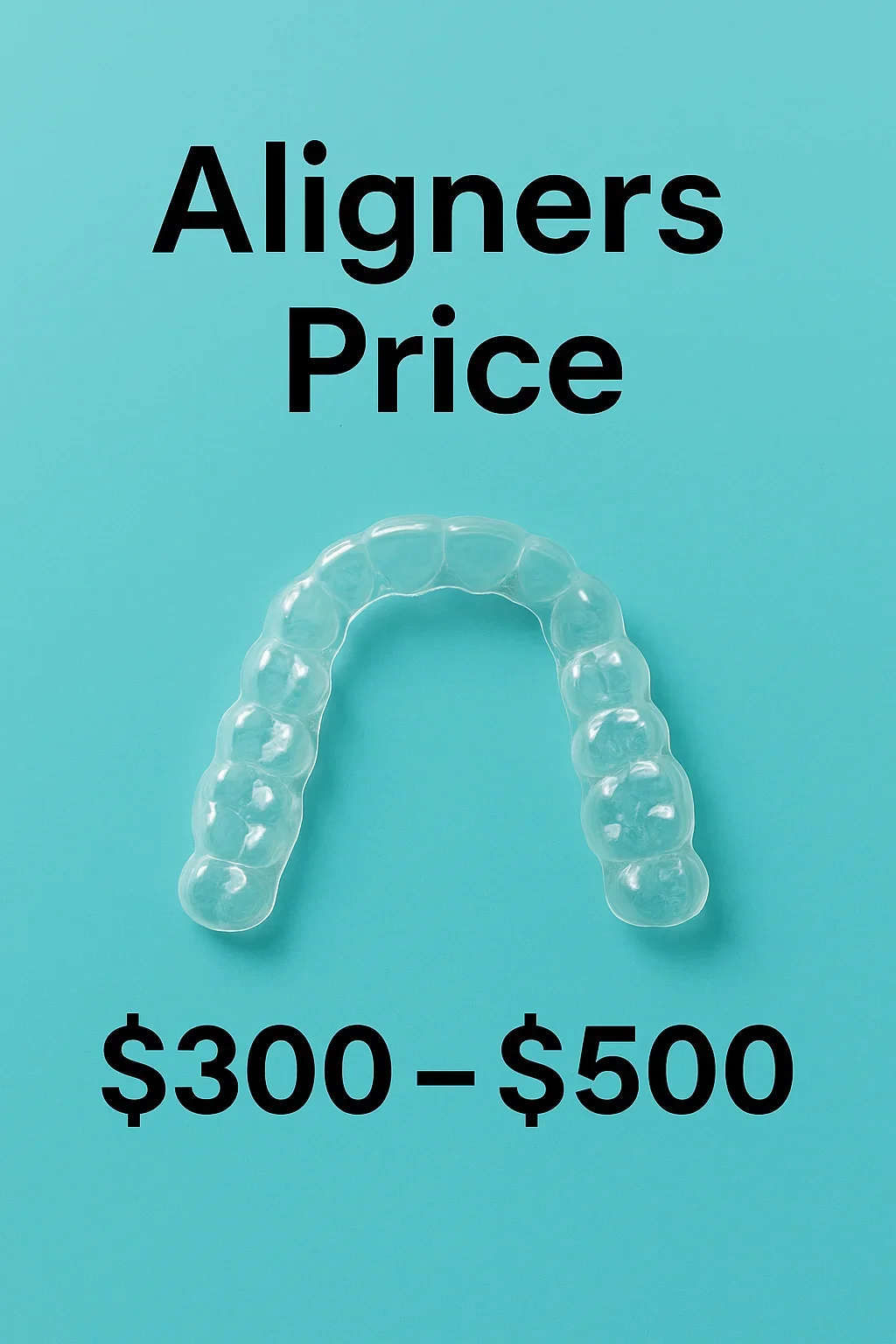
Future Trends in Orthodontics: How Aligners Price May Change
The world of orthodontics is evolving faster than ever. As technology advances, production costs drop, and competition increases, the aligners price is expected to become even more accessible in the coming years. Patients today benefit from innovations that were once considered futuristic — 3D printing, AI-assisted treatment planning, and remote monitoring — all of which are transforming how dental care is delivered. In this comprehensive analysis, we’ll explore the factors shaping the future of aligner costs, technological disruptions, and global economic influences that may redefine affordability and quality in orthodontic care 🦷.
1. The Rise of AI and Digital Dentistry
Artificial intelligence is revolutionizing how aligners are designed and monitored. By using predictive algorithms, orthodontists can now simulate treatment outcomes, anticipate complications, and customize tray adjustments in advance. This precision reduces trial and error, improving patient satisfaction while optimizing production efficiency. Over time, these advancements will likely lead to a more competitive aligners price worldwide.
Automation and Cost Reduction
Previously, aligner fabrication required manual mold impressions and technician supervision. Today, automated workflows powered by AI-driven design software and 3D imaging have replaced these labor-intensive steps. This reduces production costs for manufacturers and clinics alike, which could lower the aligners price by 20–30% globally in the next decade. Clinics like Redent Klinik Contact Page already integrate AI-based diagnostics to ensure efficiency and precision at an affordable cost.
2. 3D Printing and Material Innovation
Another driving force behind the declining aligners price is the rapid advancement in 3D printing technology. High-resolution printers now allow for same-day aligner production using biocompatible materials. This not only saves time but also drastically reduces manufacturing expenses. The transition from centralized factories to in-house printing in dental clinics will further democratize access to aligner treatment worldwide 🌍.
Next-Generation Biocompatible Polymers
Future aligners will utilize smarter materials that adapt to body temperature, maintain consistent pressure, and enhance comfort. These “intelligent polymers” can shorten treatment time by 10–20%, leading to lower costs overall. Furthermore, they are recyclable, supporting sustainable dentistry without compromising performance. As material science advances, these innovations will ensure that the aligners price continues to align with both environmental responsibility and affordability goals.
3. Globalization and Medical Tourism Impact
Dental tourism is already reshaping the global orthodontics market. Countries like Turkey, Thailand, and Hungary are attracting international patients by combining top-tier quality with cost-effective solutions. This global competition pressures Western markets to reevaluate their pricing models. For example, patients traveling to Turkey can receive premium treatment for 60–70% less than in the U.S. or U.K., without compromising quality. Such market dynamics will likely stabilize and potentially lower the average aligners price globally in the near future.
Standardization of Quality Across Borders
As international clinics adopt similar accreditation systems, the distinction between “domestic” and “overseas” quality is fading. Reputable centers like Redent Klinik Contact Page are recognized for their transparency, hygiene, and use of globally certified materials. With more clinics meeting international standards, the competitive balance between cost and quality will continue to improve, further normalizing the aligners price worldwide 🌐.
4. Subscription and At-Home Aligners Models
Another major trend shaping orthodontics is the subscription-based model. Companies now offer at-home aligner kits with remote supervision from licensed orthodontists. These direct-to-consumer models are reducing overall treatment costs, though professional oversight remains essential for complex cases. Subscription plans may lower the initial aligners price barrier, offering affordability for younger demographics or those with minor alignment issues.
Balancing Convenience and Professional Care
While at-home kits are appealing, they also come with limitations. Clinics continue to play a vital role in personalized adjustments, X-ray diagnostics, and long-term bite management. The future may lie in hybrid systems — combining professional in-office scans with at-home aligner deliveries — allowing patients to enjoy cost efficiency without compromising clinical accuracy. This balance will help stabilize the aligners price for different patient needs while maintaining treatment quality.
5. Sustainability and Green Dentistry
As awareness of environmental impact grows, the dental industry is turning toward eco-friendly practices. Biodegradable packaging, recyclable materials, and energy-efficient production will soon become industry standards. While these improvements may increase operational costs temporarily, economies of scale will eventually bring the aligners price down. Patients will also benefit from ethical, sustainable dental choices that align with modern ecological values 🌱.
Eco-Conscious Manufacturing
Many aligner manufacturers are investing in carbon-neutral facilities and digital supply chains that minimize waste. The adoption of eco-friendly technologies not only improves brand reputation but also attracts a new generation of environmentally conscious patients. Over time, the cost savings from waste reduction and material recycling will translate into more competitive aligners price offers worldwide.
6. Economic and Demographic Factors
Global economic shifts, inflation rates, and labor costs continue to influence healthcare affordability. However, as more dental schools integrate digital orthodontics into their curriculum, the growing number of trained professionals will increase supply and reduce patient costs. Additionally, population growth in emerging markets will fuel mass production, helping to lower the average aligners price through scale efficiency.
The Role of Emerging Economies
Countries like India, Brazil, and Mexico are rapidly becoming orthodontic manufacturing hubs. Their adoption of high-quality production standards at lower costs contributes to the global affordability of clear aligners. This decentralization of production is key to reducing overall treatment prices while expanding access to millions of new patients seeking affordable smiles 🪄.
7. The Role of AI Monitoring and Teledentistry
Teledentistry is another trend that’s reshaping the orthodontic experience. Remote monitoring apps allow patients to upload weekly progress photos, reducing the need for frequent in-office visits. This not only increases convenience but also decreases clinical overhead costs, indirectly lowering the aligners price for patients. As AI continues to refine treatment predictions, fully virtual orthodontic care could become mainstream within the next decade.
8. Long-Term Outlook: The Democratization of Smile Design
The long-term vision of the orthodontic industry is clear — universal access to affordable, effective, and customized dental care. In the next 10 to 15 years, experts predict that the aligners price will decrease by 30–50% due to automation, AI diagnostics, and localized manufacturing. This shift will make aligner treatments accessible to millions of patients who previously viewed orthodontic care as a luxury rather than a necessity.
As innovation continues to accelerate, institutions like the American Dental Association and other global dental authorities will play an essential role in maintaining quality and ethical standards. Clinics such as Redent Klinik, which integrate cutting-edge technology with patient-centered care, exemplify the future of orthodontics — one where precision, comfort, and affordability coexist harmoniously 💎.
Final Thoughts: The Future of Affordable Smiles
The future of clear aligners is bright, driven by innovation, globalization, and sustainability. With continued technological progress and competition among providers, patients can look forward to higher quality and lower prices in the years ahead. While the aligners price may vary across regions, the trend is undeniably moving toward accessibility for all. By staying informed and choosing reputable clinics, patients can secure not only a straighter smile but also a smarter, future-proof investment in their oral health and confidence 🌟.