
In the ever-evolving world of modern dentistry, aligners smile has become one of the most popular and effective ways to achieve a beautiful, confident smile without the discomfort and visibility of traditional braces. This innovative orthodontic solution uses clear, custom-made aligners to gently shift your teeth into proper alignment over time. 🌟 Unlike metal braces, aligners are virtually invisible, removable, and designed to fit seamlessly into your lifestyle. Whether you’re a teenager looking for an alternative to metal brackets or an adult aiming to enhance your smile discreetly, aligners smile treatment offers a perfect blend of comfort, aesthetics, and precision.
The concept behind an aligners smile is simple yet scientifically advanced. Each set of aligners applies gentle pressure to move your teeth gradually into their correct positions. This is done through a digital treatment plan created using advanced 3D imaging technology. 🦷 These digital scans allow dentists to design each aligner precisely to your dental anatomy, ensuring personalized results and predictable outcomes. Over several weeks or months, patients switch to a new set of aligners that continue the adjustment process until the desired alignment is achieved.
One of the main reasons for the rising popularity of aligners smile treatments is their aesthetic appeal. Traditional braces often make people self-conscious about their appearance, but clear aligners are practically invisible. You can speak, smile, and attend social or professional events with confidence, knowing your orthodontic treatment is discreet. In addition, the removable nature of aligners makes it easy to maintain oral hygiene — you can brush, floss, and eat without any restrictions. 🍎 This convenience is a game changer for anyone with a busy lifestyle.
When compared to metal braces, aligners smile systems offer an unparalleled level of comfort. The smooth plastic surface prevents irritation and sores that commonly occur with metal brackets or wires. Patients report minimal discomfort during the treatment process, as each aligner is precisely designed to fit snugly and move the teeth in small, controlled increments. The use of advanced materials and digital customization ensures not only comfort but also faster and more accurate results. In many cases, treatment duration is shorter than traditional braces, depending on the complexity of the case.
Another remarkable aspect of achieving an aligners smile is the advanced technology behind it. Digital scans and simulation software allow both dentists and patients to visualize the expected results before the treatment even begins. This predictive ability enhances motivation and confidence, as patients can literally see how their smile will transform over time. These visual previews also make it easier for dental professionals to track progress and make precise adjustments if needed, ensuring a smooth and efficient process from start to finish. 🖥️
Besides aesthetic and comfort advantages, aligners smile treatments have significant oral health benefits. Crooked or misaligned teeth can make cleaning difficult, leading to plaque buildup, tooth decay, or gum disease. Aligners correct these misalignments, helping you maintain better oral hygiene and reduce the risk of future dental problems. Health professionals, including the American Dental Association, emphasize that orthodontic treatments not only improve appearance but also enhance long-term dental function and health.
One often overlooked benefit of aligners smile systems is the boost in self-confidence they bring. Many patients describe feeling more motivated and outgoing as their smiles improve week by week. The psychological effect of seeing a straighter, more harmonious smile can be profound, influencing everything from social interactions to professional performance. 😀 For adults who avoided orthodontic treatment in their youth due to the stigma of braces, aligners now offer a discreet and highly effective solution.
To ensure optimal results, it’s essential to choose an experienced dental clinic specializing in aligners smile treatments. Clinics like Redent Klinik Contact Page provide personalized evaluations, digital scans, and customized aligner plans tailored to your specific needs. Expert guidance ensures proper fit, consistent monitoring, and timely adjustments throughout the process. Regular check-ins also help ensure that your teeth are moving according to the digital treatment plan, preventing delays or complications.
When it comes to overall experience, the aligners smile journey is designed to be smooth and adaptable. Patients usually visit their dentist every 6–8 weeks for progress checks and receive new sets of aligners. The duration can range from six months to two years, depending on the case complexity, but the convenience and comfort make the process enjoyable rather than daunting. This approach aligns with modern dental trends focusing on minimally invasive, patient-centered care. 🪥
In summary, choosing an aligners smile means investing in a cutting-edge dental technology that blends science, aesthetics, and practicality. With digital precision, nearly invisible design, and impressive comfort, aligners have revolutionized orthodontic care for millions of people worldwide. If you’ve ever dreamed of a confident, radiant smile without the hassle of metal braces, the aligners smile experience may be your perfect solution. Contact a trusted dental professional today to start your transformation — your best smile is waiting to be revealed. 🌈
What Is an Aligners Smile and How Does It Work?
Modern dentistry has reached an era where achieving a perfect smile no longer requires metal brackets or wires. Instead, the aligners smile method has revolutionized orthodontic care by offering a clear, removable, and comfortable alternative to braces. In essence, aligners are a series of transparent, custom-fitted trays designed to gradually shift your teeth into proper alignment. Each set of aligners applies gentle, targeted pressure to specific teeth, guiding them into place over time. 🦷 This process is not only discreet but also highly effective, combining advanced digital planning with clinical precision.
The Science Behind an Aligners Smile
At the heart of the aligners smile concept lies advanced 3D imaging and biomechanics. Before starting treatment, a dentist performs a detailed digital scan of your teeth using intraoral scanners. This data is then processed through specialized software that maps every stage of the movement your teeth will undergo. Each aligner in the series corresponds to a specific step in this digital plan. When worn consistently — usually 20–22 hours per day — the aligners apply controlled forces that gently move your teeth into their desired positions.
The science is based on the same orthodontic principles as traditional braces but utilizes flexible thermoplastic materials instead of metal. These materials, such as SmartTrack or similar medical-grade plastics, are biocompatible, lightweight, and transparent. The result is a nearly invisible appliance that provides predictable outcomes without discomfort. As a result, patients can enjoy both functionality and aesthetics throughout their aligners smile journey. 🌟
Step-by-Step Overview of How Aligners Work
Understanding the stages of an aligners smile treatment can help patients appreciate its precision and convenience:
1. Digital Scan and Treatment Planning
The process begins with a high-resolution digital scan, replacing old-fashioned dental molds. These scans create a 3D model of your mouth, allowing the dentist to visualize the starting point and predict the final outcome. Using specialized software, they plan the exact movements required for each tooth, ensuring optimal alignment.
2. Custom Aligners Fabrication
Once the treatment plan is approved, a series of aligners are custom-made using 3D printing technology. Each set is slightly different, representing the next step in your tooth movement process. Typically, a new aligner is worn every one to two weeks, depending on your dentist’s recommendation.
3. Wearing and Maintenance
Patients wear their aligners for most of the day — about 20 to 22 hours — removing them only while eating, drinking (except water), or brushing. This consistent wear is essential for achieving desired results within the predicted timeframe. The aligners are easy to clean, requiring only a gentle rinse and soft brush to remove debris. 🪥
4. Regular Checkups and Adjustments
During your aligners smile treatment, you’ll visit your dentist approximately every 6 to 8 weeks. These checkups help ensure that your teeth are moving according to plan. If necessary, minor refinements can be made to maintain precision. This continuous monitoring is what makes aligner treatment both effective and reliable.
5. Completion and Retention
After completing your final aligner set, your dentist provides a retainer to maintain the new tooth positions. Retainers prevent relapse and preserve your newly achieved alignment. Wearing retainers at night keeps your aligners smile perfect for years to come, ensuring that your investment lasts a lifetime. 😁
Benefits of the Digital Process
Digital technology plays a vital role in ensuring accuracy throughout the aligners smile procedure. Traditional braces often rely on manual adjustments, whereas aligners use algorithm-based movement predictions. The digital model ensures that every tooth follows a pre-determined path. Patients can even preview their expected smile transformation before starting treatment — a motivating advantage that enhances satisfaction and trust. Additionally, the precision of computer-guided treatment minimizes errors and reduces the total number of dental visits.
Comfort and Aesthetics: Why People Love Aligners
Unlike braces, which rely on wires and brackets, aligners smile systems offer a smooth, irritation-free experience. The aligners fit snugly against your teeth, allowing for clear speech and natural smiling. Their transparent nature means most people won’t even notice you’re wearing them. For professionals and students who value appearance, this is a huge advantage. Moreover, because the trays are removable, there are no food restrictions — you can enjoy your favorite meals without fear of damaging your orthodontic appliance. 🍎
Oral Health Advantages
Beyond aesthetics, aligners smile treatments contribute significantly to oral hygiene. Crooked or crowded teeth often trap food particles, making brushing and flossing difficult. By aligning teeth properly, aligners reduce plaque accumulation and gum inflammation. Studies recognized by the American Dental Association have confirmed that straighter teeth improve long-term dental health and bite function. Patients who complete their aligner treatment often report fewer cavities, fresher breath, and healthier gums. 🩺
Suitability and Effectiveness
The aligners smile approach works for a wide range of orthodontic issues, including mild to moderate crowding, spacing, crossbites, and overbites. However, not all cases are suitable. Severe misalignments or skeletal discrepancies may still require traditional braces or surgical intervention. That’s why a detailed consultation with a certified dentist or orthodontist is essential. Clinics such as Redent Klinik Contact Page specialize in evaluating each patient’s condition using advanced diagnostics to determine the best treatment path.
Results You Can See and Feel
One of the most motivating aspects of the aligners smile process is the visible progress patients notice every few weeks. As each new set of aligners is worn, teeth gradually move into better alignment, improving both appearance and bite function. This progressive change not only enhances physical aesthetics but also boosts self-esteem. The combination of innovation, comfort, and effectiveness makes aligners a top choice for those seeking a modern and discreet orthodontic solution.
In conclusion, an aligners smile represents a perfect harmony between science and beauty. Using advanced digital mapping, precision materials, and patient-centered design, this method delivers predictable and satisfying results. Whether your goal is to correct mild misalignment or achieve a Hollywood-worthy smile, clear aligners provide a safe, efficient, and invisible path to perfection. 🌈
Step-by-Step Journey to Achieving the Perfect Aligners Smile
Embarking on the journey toward a perfect aligners smile is both exciting and transformative. From the first consultation to the final retainer fitting, every stage is carefully planned and digitally guided to ensure precision, comfort, and long-lasting results. This modern orthodontic treatment does more than just straighten teeth — it reshapes confidence, enhances oral health, and delivers a natural-looking, radiant smile that lasts a lifetime. 🌟 Let’s dive into the detailed stages of how this innovative process unfolds from start to finish.
Initial Consultation and Evaluation
The journey toward your dream aligners smile begins with an in-depth dental evaluation. During your first visit, the dentist will conduct a comprehensive examination of your teeth, gums, and jaw structure. Using digital imaging and panoramic X-rays, the dentist determines whether you are a suitable candidate for clear aligners. This stage is critical for identifying any underlying dental conditions such as cavities, gum disease, or misalignment severity before the treatment begins. 🩺
Digital Scanning and Smile Simulation
Gone are the days of messy impressions and uncomfortable molds. With cutting-edge technology, a digital intraoral scanner captures high-resolution 3D images of your teeth within minutes. These scans are then used to create a virtual model of your mouth, allowing both you and your dentist to visualize the final aligners smile outcome. This simulation not only motivates patients but also ensures complete transparency and predictability in the process.
Creating Your Custom Treatment Plan
Once the scans are completed, the dentist collaborates with advanced software to develop a customized treatment plan. Every tooth movement is precisely mapped out using artificial intelligence and orthodontic algorithms. The plan outlines how many aligners will be needed, how often they’ll be changed, and the estimated duration of treatment. This stage is where science meets artistry — crafting an aligners smile that suits your facial structure and bite perfectly. 😁
Designing the Aligner Sets
After approval, your personalized aligners are fabricated using 3D printing technology. Each aligner is made from durable, BPA-free, medical-grade thermoplastic material. The production process ensures exact fit and comfort, with smooth edges to prevent gum irritation. Each aligner represents one step in the progressive movement of your teeth, and together they form the blueprint of your transformation.
The Wearing Phase: Daily Commitment to Perfection
To achieve the ideal aligners smile, consistency is key. You’ll receive a series of aligners, each to be worn for about one to two weeks. These trays should remain in your mouth for 20–22 hours per day, only removed when eating, brushing, or drinking anything other than water. Maintaining this routine is crucial for achieving timely and effective results. Skipping or shortening wear time may delay progress or reduce effectiveness. ⏱️
Adapting to the First Week
It’s normal to experience mild pressure or discomfort during the first few days of each new aligner set. This sensation means the aligners are actively moving your teeth. Most patients adjust within a couple of days, and any minor soreness can be managed with over-the-counter pain relievers. As your mouth adapts, you’ll begin to notice gradual improvements in your bite and tooth alignment, bringing you closer to your envisioned aligners smile.
Progress Tracking and Professional Monitoring
Regular checkups are essential throughout your aligners smile treatment. Dentists usually schedule visits every six to eight weeks to assess your progress. These appointments allow them to make any necessary refinements, such as trimming attachments or adding new sets if adjustments are required. Thanks to digital monitoring tools, some clinics even offer virtual follow-ups, letting you send photos of your smile for remote evaluation — a convenient option for busy patients. 📲
The Importance of Attachments and Refinements
In certain cases, small tooth-colored attachments are added to specific teeth to help aligners apply better grip and direction. These tiny composites work like anchors, guiding your teeth efficiently through each phase of the movement. At the end of the main treatment, refinements may be done to perfect minor irregularities, ensuring that your aligners smile is symmetrical and flawless.
Reaching the Final Stage: Retainers and Maintenance
Once the final aligner set has completed its work, your dentist will evaluate the outcome to ensure all goals have been achieved. However, the journey doesn’t end there. To maintain your newly aligned teeth, you’ll receive a custom-made retainer. This is a critical step in preventing your teeth from gradually shifting back to their original positions. Retainers are typically worn at night, making them an easy habit to maintain for lifelong results.
Long-Term Care and Habits
Keeping your aligners smile in perfect condition also means maintaining excellent oral hygiene and healthy habits. Regular brushing, flossing, and routine dental checkups ensure your teeth remain bright and strong. Avoiding habits like nail biting or chewing hard objects protects both teeth and retainers from unnecessary wear. Over time, with good care, your confident new smile will remain radiant and stable. 🌈
Emotional Transformation Through the Process
Beyond the technical journey, the emotional transformation during an aligners smile treatment is just as remarkable. Many patients report feeling more confident and motivated as they notice their gradual progress. Social interactions, professional appearances, and overall self-image improve significantly. The invisible design of aligners allows this transformation to happen quietly, empowering patients to smile naturally throughout the treatment.
Professional Support and Guidance
Partnering with the right dental clinic is fundamental to a successful aligners smile experience. Clinics such as Redent Klinik Contact Page provide thorough evaluations, state-of-the-art technology, and personalized care at every step. Experienced dentists ensure that your treatment stays on track, offering expert adjustments when needed. Furthermore, professionals often provide valuable lifestyle advice on how to clean, store, and protect your aligners properly.
In summary, achieving the perfect aligners smile is a journey that combines digital innovation, professional expertise, and patient commitment. From the initial consultation to the day you reveal your flawless smile, every step is carefully orchestrated for comfort and precision. With regular monitoring, disciplined wear, and long-term care, you can enjoy a stunning, healthy smile that reflects both beauty and confidence for years to come. 😃
Who Can Benefit Most from Clear Aligners?
The aligners smile system has become a modern solution for people who want straighter teeth without the limitations of traditional braces. But who exactly are the best candidates for this treatment? Not everyone requires or qualifies for clear aligners, and understanding whether you’re a good fit can make all the difference. This section explains the types of patients who benefit most from aligners, the dental conditions they can correct, and how age, lifestyle, and commitment play crucial roles in achieving success. 🌟
Ideal Candidates for Aligners Smile Treatment
The ideal candidate for an aligners smile is someone with mild to moderate dental misalignment. These cases can include crowding, spacing, overbites, underbites, crossbites, and open bites. If your teeth are unevenly spaced or slightly crooked, aligners can effectively correct their position through gradual and precise movements. 🦷
Aligners are also perfect for individuals who value discretion. Professionals, students, and public-facing workers often choose aligners because they are virtually invisible. Unlike metal braces that are noticeable and can affect confidence, aligners let you smile naturally throughout the treatment. Whether you’re in a corporate meeting or a social event, your aligners smile remains invisible to others — a big reason why they’re so popular among adults.
Age Factors: Are Aligners Suitable for Everyone?
Clear aligners are effective for both teenagers and adults, but certain age-related factors influence their suitability. For teenagers, aligners are typically recommended once most permanent teeth have erupted. Teen-specific systems often include compliance indicators — small color dots that fade as the aligners are worn — to help parents monitor usage. For adults, aligners are highly effective because they align with busy lifestyles and professional commitments. Adults often appreciate the convenience and flexibility of aligners, making aligners smile an ideal option for long-term results without lifestyle disruption.
Dental Issues Correctable with Aligners
The range of dental issues that aligners can treat has expanded significantly with technological advancements. Today, many orthodontic problems that once required braces can be addressed using the aligners smile system. Below are some of the most common conditions successfully corrected with aligners:
1. Crowded Teeth
When there isn’t enough room in your jaw for all your teeth to fit properly, crowding occurs. Aligners apply gentle, strategic pressure to create space and guide teeth into proper alignment. This not only enhances aesthetics but also improves oral hygiene, as crowded teeth are harder to clean and more prone to decay and gum disease.
2. Gaps Between Teeth (Spacing)
Spacing refers to extra gaps between teeth that can trap food and cause gum irritation. Aligners smile therapy closes these spaces by gradually moving teeth closer together. As the gaps diminish, your smile becomes more harmonious, and oral health improves due to fewer debris-trapping spaces. 🪥
3. Overbite and Underbite
Many people have slight overbites or underbites. Aligners can correct mild to moderate cases by repositioning the upper and lower teeth to meet correctly. This not only improves your bite but also helps prevent issues like jaw discomfort, premature enamel wear, and speech problems.
4. Crossbite and Open Bite
In a crossbite, some upper teeth sit behind the lower teeth, which can cause uneven wear and gum issues. Open bites, where the upper and lower teeth don’t meet properly when the mouth is closed, can affect speech and chewing. Both issues can be improved with aligners smile treatment, depending on severity. Your dentist will evaluate whether your condition is suitable for aligners or requires additional orthodontic measures.
Lifestyle Considerations for Aligners Users
One of the most appealing aspects of an aligners smile is its adaptability to different lifestyles. Because the aligners are removable, they fit seamlessly into daily routines. You can remove them while eating, brushing, or attending special events. This flexibility is especially valuable for adults who don’t want orthodontic treatment to interfere with their professional image or social activities. 🍽️
Discipline and Consistency
However, aligners require a certain level of self-discipline. Patients must wear them for 20–22 hours a day for optimal results. Skipping wear time or frequently removing aligners can prolong the treatment or affect the final outcome. In other words, commitment is just as important as technology in achieving the perfect aligners smile. Dentists often emphasize consistency as the main factor that distinguishes great results from average ones.
Oral Health Prerequisites
Before beginning treatment, it’s essential that your mouth is healthy. Issues such as cavities, gum inflammation, or severe periodontal disease must be treated first. Aligners work best in a clean, stable oral environment. The aligners smile system also encourages better hygiene habits since patients can easily remove the trays to brush and floss effectively. This ease of maintenance promotes healthier teeth and gums throughout the process. The American Dental Association supports such preventive approaches to long-term dental wellness. 🩺
Who May Not Be a Good Candidate?
Although aligners can treat many cases, they may not be suitable for everyone. Severe skeletal discrepancies, complex jaw misalignments, or very large gaps might require traditional braces or surgical correction. Additionally, individuals with poor compliance — such as forgetting to wear the aligners regularly — may not achieve satisfactory results. During your consultation at a clinic like Redent Klinik Contact Page, a dentist will evaluate whether your case is ideal for aligners smile or if another orthodontic approach is more effective.
Psychological and Aesthetic Benefits
Beyond physical corrections, the aligners smile journey delivers significant psychological benefits. Many patients experience improved confidence, better self-esteem, and greater comfort in social situations. The fact that the aligners are invisible allows individuals to smile freely without hesitation during treatment. Moreover, the gradual improvement encourages motivation, as patients can see noticeable progress with each new set of aligners. 😀
Long-Term Value of Aligners Smile Treatment
Choosing an aligners smile is not just about short-term cosmetic improvement — it’s a long-term investment in oral health and confidence. Proper alignment ensures balanced bite forces, reducing wear on enamel and minimizing the risk of temporomandibular joint (TMJ) issues. The combination of comfort, aesthetics, and functionality makes aligners one of the most sustainable solutions in modern orthodontics. With continued care and regular dental follow-ups, your smile will remain perfectly aligned and radiant for many years to come. 🌈
In summary, clear aligners are best suited for motivated individuals with mild to moderate misalignment who seek a discreet, comfortable, and hygienic alternative to braces. If you fit this profile, an aligners smile may be the perfect path toward achieving the confident, healthy smile you’ve always wanted.
Comparing Aligners Smile to Traditional Braces: Key Differences
Choosing between a modern aligners smile and traditional braces can be one of the most important decisions in your orthodontic journey. Both methods aim to create a straight, healthy, and confident smile — but the way they achieve these results differs significantly. Aligners represent the cutting edge of dental innovation, while braces have been a trusted solution for decades. Understanding how they differ in design, comfort, treatment duration, maintenance, and long-term results will help you make an informed and confident choice. 🦷
Design and Aesthetic Differences
One of the most obvious contrasts between traditional braces and an aligners smile lies in their appearance. Traditional braces consist of metal brackets and wires that are bonded to the teeth. These components are highly visible, often causing self-consciousness in patients — especially adults. Aligners, on the other hand, are made from transparent, medical-grade plastic. They fit snugly over your teeth, making them almost invisible during wear. This aesthetic advantage is one of the primary reasons aligners have become so popular among professionals and image-conscious individuals. 🌟
Discreet Orthodontics for Everyday Life
With an aligners smile, you can attend business meetings, social gatherings, or special events without worrying about metal showing. The aligners blend naturally with your teeth, letting you smile freely and confidently throughout your treatment. For teens and adults alike, this is a major psychological benefit that enhances motivation and treatment compliance.
Comfort and Material Differences
Traditional braces, while effective, can sometimes cause discomfort due to their metal components rubbing against the inner cheeks and gums. Adjustments can also lead to temporary soreness after each orthodontic visit. By contrast, aligners smile systems use smooth, custom-fitted trays that minimize irritation. These trays are made from BPA-free thermoplastic materials, offering a lightweight and comfortable fit. Most patients experience only slight pressure during the first few days of wearing a new aligner set — a sign that the treatment is working. 🩺
Ease of Adaptation
Another important difference lies in how patients adapt to the devices. Braces may affect speech or cause initial difficulties with eating, while aligners allow you to remove them during meals and maintain normal speech patterns. This flexibility significantly improves comfort and lifestyle convenience during the aligners smile process.
Treatment Duration and Effectiveness
Both braces and aligners can achieve excellent results, but the timeline may vary. Generally, an aligners smile treatment takes between 6 to 18 months, depending on the complexity of the case. Traditional braces can take anywhere from 18 months to 3 years. However, the shorter duration of aligner treatments is often due to the precision of digital planning and continuous progress tracking.
Predictability and Planning Precision
Aligners rely on 3D digital imaging and computer simulations to map out every movement of your teeth. This allows both dentist and patient to visualize the final smile even before the treatment begins. Traditional braces, while effective, depend more on manual adjustments and orthodontic experience. This difference in planning precision often makes aligners smile treatments more predictable and customized.
Maintenance and Oral Hygiene
Oral hygiene is another major area where aligners have a clear advantage. Traditional braces make brushing and flossing challenging because food particles can get trapped around brackets and wires. In contrast, an aligners smile system allows you to remove the trays, brush and floss normally, and maintain optimal oral health throughout the treatment. 🪥 This not only prevents plaque buildup but also keeps your teeth bright and gums healthy.
Cleaning Aligners vs. Cleaning Braces
Aligners can be easily cleaned by rinsing them with lukewarm water and using a soft toothbrush. Specialized cleaning crystals or tablets can also be used to keep them clear and odor-free. Braces, on the other hand, require the use of interdental brushes and floss threaders to reach difficult areas, increasing the time and effort needed for daily care.
Lifestyle Flexibility
Perhaps the most significant advantage of an aligners smile is the freedom it offers. Patients can remove aligners for meals, photos, or important events, which is impossible with fixed braces. There are no food restrictions — you can enjoy crunchy fruits, chewy snacks, or even popcorn without worry. 🍿 For active individuals or athletes, aligners are also safer since they don’t have sharp metal parts that can injure the mouth during sports.
Discipline and Responsibility
However, this flexibility requires commitment. Aligners must be worn 20–22 hours daily for best results. Forgetting to wear them consistently can delay progress. Braces, being fixed, don’t depend on patient discipline in this regard. Therefore, aligners smile treatments are best suited for motivated and responsible individuals who can adhere to the prescribed routine.
Professional Supervision and Adjustments
Both treatment options require professional monitoring, but the frequency and nature of visits differ. With braces, adjustments are needed every 4–6 weeks to tighten wires and check alignment progress. For aligners smile patients, dental visits are generally less frequent — every 6–8 weeks — and involve digital scans to track movement accuracy. Some clinics even offer virtual follow-ups, allowing remote evaluations through photos or apps, saving patients time and effort. 💻
Cost Comparison
While prices can vary depending on the complexity of the case, aligners are often comparable to or slightly more expensive than traditional braces. The added value comes from the comfort, aesthetics, and convenience aligners provide. According to the American Dental Association, orthodontic pricing should always reflect factors such as case complexity, duration, and technology used. For personalized cost estimates, consulting an expert clinic like Redent Klinik Contact Page ensures accurate planning and transparent pricing.
Long-Term Results and Retention
Both systems require retention after treatment to prevent relapse. Once your aligners smile journey is complete, you’ll receive a custom retainer designed to maintain your new alignment. Braces patients also need retainers, but since aligner-based treatments are digitally planned, retainers can be fabricated more precisely to preserve the results.
Conclusion: Which Option Is Right for You?
Deciding between braces and an aligners smile depends on your lifestyle, dental needs, and commitment level. If you value discretion, comfort, and convenience, aligners are an excellent choice. If your case is complex and requires significant tooth or jaw movement, traditional braces might be more suitable. Ultimately, consulting an experienced dentist ensures the best possible outcome. Modern dentistry has made both options highly effective — it’s just a matter of choosing the path that best aligns with your goals, personality, and comfort. 😁
In today’s fast-paced, appearance-conscious world, the aligners smile stands out as the future of orthodontics — blending science, aesthetics, and practicality into one powerful solution for a healthier, happier, and more confident smile. 🌈
Common Myths About Aligners You Should Stop Believing
Despite their proven effectiveness, several misconceptions about the aligners smile treatment still circulate among patients. These myths often discourage people from pursuing a simple, comfortable, and modern solution to teeth alignment. In reality, aligners are a product of advanced orthodontic science, combining digital precision with patient comfort. To make an informed decision about your smile transformation, it’s essential to separate fact from fiction. 🌟
Myth 1: Aligners Don’t Work as Well as Traditional Braces
One of the most common misconceptions is that aligners smile treatments are less effective than metal braces. In truth, clear aligners can correct a wide range of dental issues — from mild crowding to moderate overbites and spacing problems. The key difference lies in the technology behind them. Aligners use 3D digital scans and predictive modeling to guide every tooth movement with extreme precision. 🖥️ In many cases, this precision allows for faster and more comfortable results compared to traditional orthodontics.
Scientific Support and Clinical Evidence
Numerous studies published by reputable dental associations, including the American Dental Association, confirm that clear aligners are just as effective as braces for most orthodontic conditions. The outcome depends largely on the patient’s consistency and the dentist’s experience in digital treatment planning. Therefore, when managed properly, an aligners smile can deliver the same, if not better, results than conventional braces — without the discomfort and aesthetic drawbacks. 🦷
Myth 2: Aligners Are Only for Minor Dental Corrections
Another widespread myth is that aligners can only fix small alignment problems. This was true when aligners first entered the market, but modern technology has vastly expanded their capabilities. Today’s aligners smile systems use advanced attachments, elastics, and precision-cut designs that can handle complex bite issues such as crossbites and open bites. With AI-guided planning, orthodontists can now achieve comprehensive tooth movement across all dental arches. The treatment is no longer limited to cosmetic corrections but offers functional and structural improvements as well.
How Technology Expanded Aligners’ Potential
Digital imaging and pressure mapping have revolutionized orthodontics. Each aligner is designed to exert the perfect amount of force on specific teeth, ensuring predictable and safe movement. As a result, modern aligners smile solutions can replace braces in up to 90% of orthodontic cases. This evolution makes aligners suitable for teens and adults with moderate to even complex alignment challenges.
Myth 3: Aligners Are Painful to Wear
It’s easy to assume that moving teeth must be painful, but aligners smile treatments prioritize comfort. Unlike metal braces that can cause mouth sores or wire irritation, aligners are made of smooth, medical-grade plastic. While patients may feel mild pressure during the first few days of wearing a new set, this sensation is temporary and indicates that the aligners are working effectively. Most people adjust within 48 hours and continue treatment without discomfort. 💫
Why Aligners Are Gentler
Each aligner is custom-designed to move your teeth incrementally — often less than one millimeter per phase. This gradual adjustment minimizes strain on surrounding tissues and nerves, making the aligners smile process more comfortable and predictable. Over time, the controlled forces used by aligners promote bone remodeling, allowing teeth to shift naturally and safely into their ideal positions.
Myth 4: Aligners Are More Expensive Than Braces
Many people believe aligners are significantly more expensive than traditional braces. While aligners may have a slightly higher upfront cost in some regions, the overall value they provide — in terms of time saved, convenience, and comfort — often makes them comparable or even more economical. When factoring in fewer dental visits, no emergency wire repairs, and shorter treatment durations, an aligners smile can actually reduce total orthodontic costs. 🪙
Factors That Influence Cost
The total price depends on factors like case complexity, duration, and the clinic’s technology. Clinics such as Redent Klinik Contact Page offer transparent pricing and digital consultations, helping patients choose the most suitable and affordable plan. Furthermore, many dental insurance providers now cover aligner treatments under orthodontic benefits, reducing out-of-pocket expenses for patients.
Myth 5: Aligners Are High-Maintenance
Some assume that aligners require excessive care, but the opposite is true. Maintaining an aligners smile is straightforward — remove the trays before eating, rinse them afterward, and brush your teeth as usual. Aligners don’t trap food or increase plaque buildup like braces do. Cleaning them takes less than five minutes a day. 🪥
Simple Cleaning Routine
You can keep aligners clean using mild soap and lukewarm water or specialized cleaning crystals. Avoid hot water, as it can warp the plastic. Regular hygiene prevents discoloration and odor, ensuring your aligners remain crystal-clear throughout treatment. This simple care routine is a small effort for maintaining the long-term beauty of your aligners smile.
Myth 6: Aligners Can Move Teeth Too Fast
Some patients worry that aligners move teeth too quickly, potentially damaging roots or bone. In reality, aligners are engineered to move teeth at a safe, biologically controlled rate. Each set is worn for about one to two weeks to allow bone and tissue adaptation. The gradual pace of an aligners smile minimizes risks of root resorption or gum recession, ensuring stable, lasting results. 🧬
Myth 7: You Don’t Need Professional Supervision
With the rise of direct-to-consumer brands, some people think aligner treatments can be done without a dentist. This misconception can lead to serious dental problems. A true aligners smile treatment must be supervised by a licensed professional who performs digital scans, tracks movement, and ensures your oral health remains stable. Professional monitoring prevents complications such as uneven bite alignment or gum irritation. Always choose a certified clinic for safe, effective care. 🩺
Myth 8: Results Don’t Last Long
Another myth claims that teeth shift back quickly after aligner treatment. Like any orthodontic method, post-treatment retention is essential. After completing your aligners smile journey, your dentist provides a custom retainer that maintains your new alignment. Wearing retainers as prescribed ensures your results remain permanent. Patients who follow retention instructions typically enjoy stable, lifelong smiles. 😁
Conclusion: Trust the Facts, Not the Myths
When it comes to orthodontic innovation, the aligners smile system stands out for its accuracy, aesthetics, and comfort. Most myths stem from outdated perceptions or misinformation. Modern aligners, supported by years of clinical research and digital technology, offer a safe and proven way to achieve a beautiful, healthy smile. Don’t let misconceptions stop you from exploring this revolutionary treatment — consult your dentist, get informed, and experience how aligners can truly transform your smile with invisible precision. 🌈
How Long Does It Take to See Results with Aligners Smile?
One of the most common questions patients ask before beginning their aligners smile journey is, “How long will it take to see results?” The answer depends on several factors, including your dental structure, case complexity, and treatment discipline. In general, clear aligner treatments are faster than traditional braces, thanks to the precision of digital planning and continuous force application. However, achieving the perfect smile still requires consistency, patience, and professional guidance. 🕒
Average Treatment Duration for Aligners Smile
Most aligners smile treatments last between 6 and 18 months, but some cases may require less or more time depending on alignment goals. Mild spacing or crowding issues can be corrected in as little as six months, while more complex cases might take up to two years. The treatment plan is customized through advanced 3D imaging, allowing both dentist and patient to know the estimated duration from the very beginning. This predictability is one of the greatest strengths of aligners, offering clarity and confidence throughout the process. 🌟
Initial Improvements in the First Few Weeks
For many patients, visible changes begin to appear within the first 6 to 8 weeks. During this phase, small but noticeable movements occur, and the alignment of front teeth — which are most visible when smiling — starts improving first. The gradual repositioning of teeth boosts motivation and reinforces patient compliance. This early progress is what makes an aligners smile journey both exciting and rewarding, as you can see your transformation unfold step by step.
Factors Affecting Treatment Duration
While aligners are designed for efficiency, several factors influence how quickly you’ll reach your final results. Understanding these variables can help you stay on track and achieve your dream aligners smile within the expected timeline.
1. Case Complexity
Minor misalignments require fewer aligners and therefore less time. Severe crowding, rotations, or bite issues take longer to correct. For example, a patient with slight spacing might complete treatment in six months, whereas a patient with a crossbite could need up to 20 months. The dentist evaluates each case individually to create a digital treatment roadmap that ensures accuracy and safety.
2. Patient Compliance
Consistency is the cornerstone of a successful aligners smile treatment. Aligners must be worn for 20–22 hours daily. Removing them too often or forgetting to wear them overnight can significantly delay results. Even skipping a few hours regularly can slow progress, as the gentle pressure that moves your teeth relies on continuous wear. Patients who strictly follow the schedule typically finish on or ahead of time. 🕐
3. Biological Factors
Everyone’s dental anatomy responds differently. Age, bone density, and gum health all affect how quickly teeth move. Younger patients tend to see faster progress because their bone tissues are more adaptable. However, adults can achieve equally successful aligners smile outcomes with proper guidance and commitment.
4. Dentist Expertise and Technology
The experience of your orthodontist and the technology used for treatment planning play a huge role. Clinics equipped with digital scanners, 3D simulation tools, and AI-supported systems create more precise aligners. Trusted clinics such as Redent Klinik Contact Page offer advanced diagnostics and customized follow-up care that ensures you stay on schedule.
Typical Stages of Aligners Smile Treatment
Every aligners smile journey follows a structured process that guarantees accuracy and predictable progress. Understanding each phase helps you stay motivated and informed throughout the treatment.
Stage 1: Initial Adjustment (Weeks 1–4)
This stage involves adapting to your first set of aligners. You might experience mild pressure or tightness — a normal sign that your teeth are beginning to shift. During these weeks, the foundation for your new alignment is set, and your mouth starts adjusting to the consistent pressure from the trays.
Stage 2: Visible Progress (Weeks 5–12)
At this point, the first visible improvements appear. Crowding starts to lessen, spacing gaps begin to close, and your bite alignment gradually improves. You may switch to new aligners every 1–2 weeks as your teeth move into new positions. For many patients, this is when the excitement truly begins — your aligners smile starts taking shape. 😁
Stage 3: Mid-Treatment Refinements (Months 4–10)
In the mid-phase, the dentist carefully monitors your progress using digital tracking or in-person checkups every 6–8 weeks. Adjustments or refinements may be made if certain teeth require extra movement. This ensures that every stage aligns perfectly with your treatment plan. Precision at this step is crucial to achieving a symmetrical and natural-looking aligners smile.
Stage 4: Final Adjustments and Detailing (Months 10–18)
During the last few months, subtle changes perfect the bite and ensure all teeth are in ideal alignment. Fine-tuning at this stage gives your smile its final harmony. Some patients may receive additional “refinement aligners” for precision corrections, ensuring the best aesthetic and functional outcome. 🌈
Post-Treatment Retention and Maintenance
After completing your aligners smile treatment, you’ll transition into the retention phase. This stage is just as important as the active phase because teeth have a natural tendency to shift back. Your dentist will provide a custom-made retainer to keep your new alignment stable. Retainers are usually worn nightly for the first year and then gradually reduced as your teeth settle into their new positions.
Maintaining Your New Smile
To maintain your results, continue regular dental checkups, maintain excellent oral hygiene, and follow all professional recommendations. Avoid habits such as nail biting or using teeth as tools, which can strain the alignment. With proper care, your aligners smile can remain beautiful and stable for decades. 🪥
When to Expect the “Wow” Moment
While visible changes start early, the real “wow” moment typically occurs around the halfway mark of treatment. This is when the majority of alignment correction is visible, and your smile begins to reflect the digital preview shown at the beginning. Many patients report increased confidence and joy during this phase as they begin to see the true transformation of their aligners smile.
Professional Monitoring for Optimal Timing
Regular check-ins with your dentist are essential for staying on schedule. Professionals use software and periodic scans to ensure that every tooth movement aligns with the plan. In some cases, adjustments or additional aligners may be created to accelerate progress. Clinics with advanced digital tracking, like Redent Klinik Contact Page, can even provide visual updates, helping you stay informed and motivated.
Conclusion: A Journey Worth the Wait
Patience is the secret ingredient in every successful aligners smile journey. Though the timeline may vary, the results are worth every week of commitment. Within months, you’ll not only notice straighter teeth but also enjoy improved oral health, better bite alignment, and renewed confidence. Clear aligners combine technology, precision, and aesthetics to deliver a smile that truly transforms lives — one invisible tray at a time. 🌟
Maintenance Tips to Keep Your Aligners Smile Flawless
Maintaining your aligners smile is just as important as achieving it. Once your orthodontic treatment begins, proper care and hygiene play a vital role in ensuring the best results. Aligners are highly effective and discreet, but they require consistent upkeep to remain clear, odor-free, and perfectly functional. In this section, we’ll explore essential tips for cleaning, handling, and preserving both your aligners and your new smile — ensuring that every stage of the process stays smooth and satisfying. 🌟
Daily Cleaning Routine for Aligners
Just like your teeth, aligners need daily cleaning to stay hygienic and crystal clear. Since aligners are worn for 20–22 hours each day, they can accumulate bacteria, saliva, and plaque if not cleaned properly. Neglecting this care can cause discoloration, bad breath, and even impact the quality of your aligners smile. Thankfully, maintaining them takes only a few minutes a day.
Step-by-Step Cleaning Process
1. Remove your aligners and rinse them with lukewarm water (never hot water, as it can warp the plastic).
2. Use a soft-bristled toothbrush and mild, clear soap to gently brush both sides of the aligners.
3. Rinse thoroughly before placing them back in your mouth.
4. Avoid using toothpaste, as its abrasive properties can scratch the surface, making the aligners look cloudy. 🪥
Using Cleaning Crystals or Solutions
In addition to basic cleaning, specialized cleaning crystals or tablets are available to sanitize aligners more deeply. Soaking them for 15 minutes daily can help remove stubborn buildup and odors. This ensures your aligners smile stays fresh and transparent, reflecting the cleanliness and brightness of your teeth underneath. 🌈
Oral Hygiene Habits During Treatment
Because aligners are removable, maintaining good oral hygiene becomes easier compared to braces. However, consistency is key. Each time you eat or drink anything besides water, you should remove your aligners and clean your mouth before reinserting them. This prevents food particles from being trapped between your teeth and the aligner surface, reducing the risk of cavities or bad breath. 🦷
Brushing and Flossing Techniques
Brush your teeth after every meal using a soft toothbrush and fluoride toothpaste. Floss at least once a day to remove particles that your toothbrush might miss. If brushing isn’t possible after a snack, rinse your mouth and aligners thoroughly before reinsertion. This small habit maintains the integrity of your aligners smile throughout treatment.
How to Store and Handle Aligners Safely
Proper handling of aligners prevents unnecessary wear or damage. Since aligners are lightweight and clear, they can be easily misplaced or accidentally thrown away. Always keep your aligner case handy to ensure safe storage when not in use. 😁
Essential Storage Tips
1. Always store your aligners in their case when eating or drinking.
2. Avoid wrapping them in napkins — it’s a common cause of accidental disposal.
3. Keep them away from pets and young children, as aligners can be easily chewed or damaged.
4. Clean the aligner case regularly with mild soap and warm water to prevent bacterial buildup.
Dietary Tips for Protecting Your Aligners Smile
One of the main advantages of aligners is that there are no food restrictions — you simply remove them before eating. However, it’s still important to make smart dietary choices to support your oral health and maintain the quality of your aligners smile. Avoid overly sugary snacks or sticky foods that can increase plaque buildup. Drinking water frequently helps flush away acids and keeps your mouth hydrated. 💧
What to Avoid
Never eat or drink hot beverages while wearing aligners, as heat can distort their shape. Colored beverages such as coffee, tea, or red wine can stain both your teeth and the aligner trays. If you do consume them, always remove your aligners first and rinse thoroughly afterward before reinserting.
Dealing with Discomfort or Fit Issues
Occasionally, you may experience mild discomfort or tightness when switching to a new aligner set. This is a normal part of the aligners smile process, indicating that your teeth are moving as planned. However, if the discomfort persists or an aligner feels loose or cracked, contact your dentist immediately. Clinics such as Redent Klinik Contact Page provide quick adjustments or replacements to ensure treatment continues smoothly without interruptions.
Using Chewies for Better Fit
Aligner chewies — small cylindrical cushions made of soft rubber — help seat the aligners properly on your teeth. Gently biting on these for a few minutes daily can improve aligner fit, ensuring consistent pressure and better results. This simple habit helps maintain a secure and efficient aligners smile journey.
Retainer Care After Treatment
Once you’ve completed your aligner treatment, maintaining your results becomes the next priority. Your dentist will provide a retainer to preserve your new alignment. Retainers require the same care routine as aligners: regular cleaning, safe storage, and proper handling. Wearing them as prescribed — usually at night — ensures your aligners smile remains perfect for years to come. 🌙
Transitioning to Night-Time Wear
Over time, your retainer wear frequency may decrease from nightly to a few nights per week. However, never stop wearing it completely unless advised by your dentist. Teeth can naturally shift over time, so this step protects your investment and keeps your smile stable long-term.
Professional Maintenance and Follow-Ups
Routine checkups are crucial during and after your aligners smile treatment. Regular visits every 6–8 weeks allow your dentist to monitor progress, ensure correct fit, and make adjustments if needed. After treatment, scheduling follow-up cleanings and evaluations twice a year helps maintain both the aesthetic and functional aspects of your smile. The American Dental Association also emphasizes the importance of periodic professional cleanings to prevent long-term gum and enamel issues.
Common Mistakes to Avoid
Even small errors in care can affect your aligners’ clarity or effectiveness. Avoid using mouthwash on your aligners — most contain alcohol, which can damage the material. Do not expose them to extreme temperatures or leave them unprotected. Skipping cleanings or neglecting oral hygiene can dull your aligners smile and extend treatment time unnecessarily. Consistency is key to achieving optimal, lasting results. ⚠️
Conclusion: Building a Lifetime of Smile Confidence
Your aligners smile is more than a temporary improvement — it’s a lifelong asset that deserves daily care and attention. With proper cleaning, mindful eating habits, and consistent follow-ups, you can preserve its brilliance and health for decades. Think of maintenance as the final step of your transformation — a small daily effort that guarantees you’ll keep smiling confidently, knowing your aligners journey has given you the flawless, radiant look you’ve always dreamed of. 🌈
The Role of Professional Dentists in Aligners Smile Treatment
The success of an aligners smile journey depends greatly on the expertise, guidance, and precision of a professional dentist. While aligners are technologically advanced, they are not a “do-it-yourself” treatment. Behind every perfect smile lies the careful supervision of a qualified dental professional who monitors each movement, ensures proper fit, and prevents complications. This partnership between digital technology and human expertise is what makes aligner therapy safe, effective, and predictable. 🦷
Why Professional Supervision Is Crucial
Even though aligners may look simple, they involve complex biomechanical movements of teeth and jaws. Without a professional overseeing these movements, the risk of misalignment, root damage, or uneven bite increases dramatically. A dentist ensures that your aligners smile follows a scientifically correct path — moving teeth at a healthy pace, maintaining gum health, and achieving both aesthetic and functional balance. The dentist also checks for any underlying dental issues that could interfere with treatment, such as cavities, gum inflammation, or bone density variations. 🩺
Digital Planning and Expert Oversight
During the initial consultation, your dentist creates a detailed digital plan using 3D scans, X-rays, and photos of your mouth. This plan maps out every tooth movement from start to finish. While artificial intelligence and software assist in planning, it’s the dentist who verifies and fine-tunes the process. Their understanding of dental anatomy ensures that each aligner applies the right amount of pressure to the correct teeth. Without professional oversight, aligners could move teeth in the wrong direction, causing long-term bite problems or even jaw discomfort. An expertly guided aligners smile avoids these issues, resulting in a harmonious and lasting transformation. 🌟
The Dentist’s Role Throughout the Treatment Process
A professional dentist plays a hands-on role throughout every phase of your aligners smile journey — from diagnosis and planning to progress monitoring and post-treatment care. Here’s a detailed breakdown of how professionals contribute to your success:
1. Comprehensive Evaluation and Diagnosis
Before starting aligner therapy, your dentist conducts a full examination of your teeth, gums, and jaw alignment. Using digital scans and panoramic imaging, they determine whether you’re an ideal candidate for the aligners smile system. Certain issues, such as untreated cavities or gum disease, must be addressed beforehand to ensure the treatment progresses smoothly. This thorough evaluation sets the foundation for safe and effective alignment.
2. Customized Treatment Planning
Once eligibility is confirmed, your dentist develops a personalized treatment plan tailored to your specific dental needs. Every aligner set is digitally designed to move your teeth by fractions of a millimeter at each stage. The dentist then approves and adjusts the software’s prediction to ensure accuracy and comfort. This human oversight guarantees that your aligners smile aligns with your facial structure, bite balance, and long-term oral health goals.
3. Regular Monitoring and Adjustments
Throughout the treatment, patients attend check-ups approximately every 6–8 weeks. These visits allow the dentist to evaluate progress, make refinements, and address any unexpected changes. For example, if a tooth isn’t moving as planned, attachments or refinement aligners may be added to guide it correctly. This continuous supervision ensures that your aligners smile develops exactly according to the planned trajectory. 📈
4. Managing Attachments and Elastics
In certain cases, the dentist will attach small tooth-colored composites called attachments that help aligners grip teeth better. They may also recommend elastics to correct bite discrepancies. Proper placement and removal of these components require professional skill. Attempting to manage these without dental supervision could compromise your results or damage enamel. With professional oversight, these enhancements accelerate and perfect your aligners smile.
Technology and Expertise: The Perfect Partnership
The modern dental landscape combines the power of artificial intelligence with clinical expertise. While 3D software predicts movement patterns, it’s the dentist who interprets these models and applies real-world dental knowledge. A digital plan may show that a tooth can move 0.25 mm per aligner, but only a professional can determine whether your gums and bone density will support that movement safely. This collaboration between technology and human judgment ensures that every aligners smile is both beautiful and biologically sound. 🤝
Precision Tools Used by Dentists
Professional clinics use advanced diagnostic tools, including digital scanners, cephalometric analysis software, and AI-powered modeling systems. These technologies enable dentists to predict how your teeth, lips, and jaw will respond to treatment. Clinics like Redent Klinik Contact Page utilize these state-of-the-art systems to guarantee precision and long-term stability for every aligners smile.
Handling Potential Complications
While aligners are safe, minor issues like tightness, dry mouth, or temporary speech changes can occur. A professional dentist can quickly identify the cause and provide solutions such as minor trimming, polishing, or replacement aligners. Without this guidance, patients risk unnecessary discomfort or even delayed progress. Furthermore, professionals ensure gum health remains optimal, preventing issues like inflammation or sensitivity during your aligners smile treatment. 🩹
Recognizing and Preventing Relapse
Post-treatment, your dentist’s role extends to ensuring long-term stability. They provide retainers and monitor tooth positioning to prevent relapse — a common issue if retainers aren’t worn as directed. A skilled dentist also educates patients about proper retainer maintenance and oral hygiene, ensuring that the perfect aligners smile achieved remains unchanged for years.
Educational Support and Motivation
Beyond technical expertise, professional dentists act as educators and motivators. They teach patients how to clean aligners, what foods to avoid, and how to track progress effectively. Regular check-ins offer encouragement and accountability, helping patients stay disciplined throughout the process. Many people underestimate the emotional component of orthodontic treatment, but professional support keeps motivation high and results consistent. 💬
Choosing the Right Dental Clinic
When selecting a provider for your aligners smile, it’s essential to choose a clinic with proven experience and digital technology integration. Certified orthodontists and dentists trained in clear aligner therapy can tailor treatment precisely to your needs. Reputable clinics, such as Redent Klinik Contact Page, not only ensure excellent results but also deliver a smooth and enjoyable treatment experience. Look for clinics that use modern 3D imaging, offer follow-up care, and are accredited by recognized dental institutions like the American Dental Association.
Conclusion: The Power of Professional Guidance
The journey toward a perfect aligners smile is more than just wearing clear trays — it’s a partnership between patient and professional. Dentists provide the clinical expertise, digital precision, and human insight that technology alone cannot replace. Their role ensures your teeth move safely, your bite remains stable, and your final smile reflects natural beauty and balance. With expert supervision, aligner treatment becomes not just a cosmetic improvement but a holistic enhancement of dental health and self-confidence. 🌈
Ultimately, your aligners smile is the result of science guided by skilled hands — a combination that transforms not only your appearance but also your quality of life. Trusting a qualified professional ensures your smile journey is safe, effective, and truly flawless. 😁
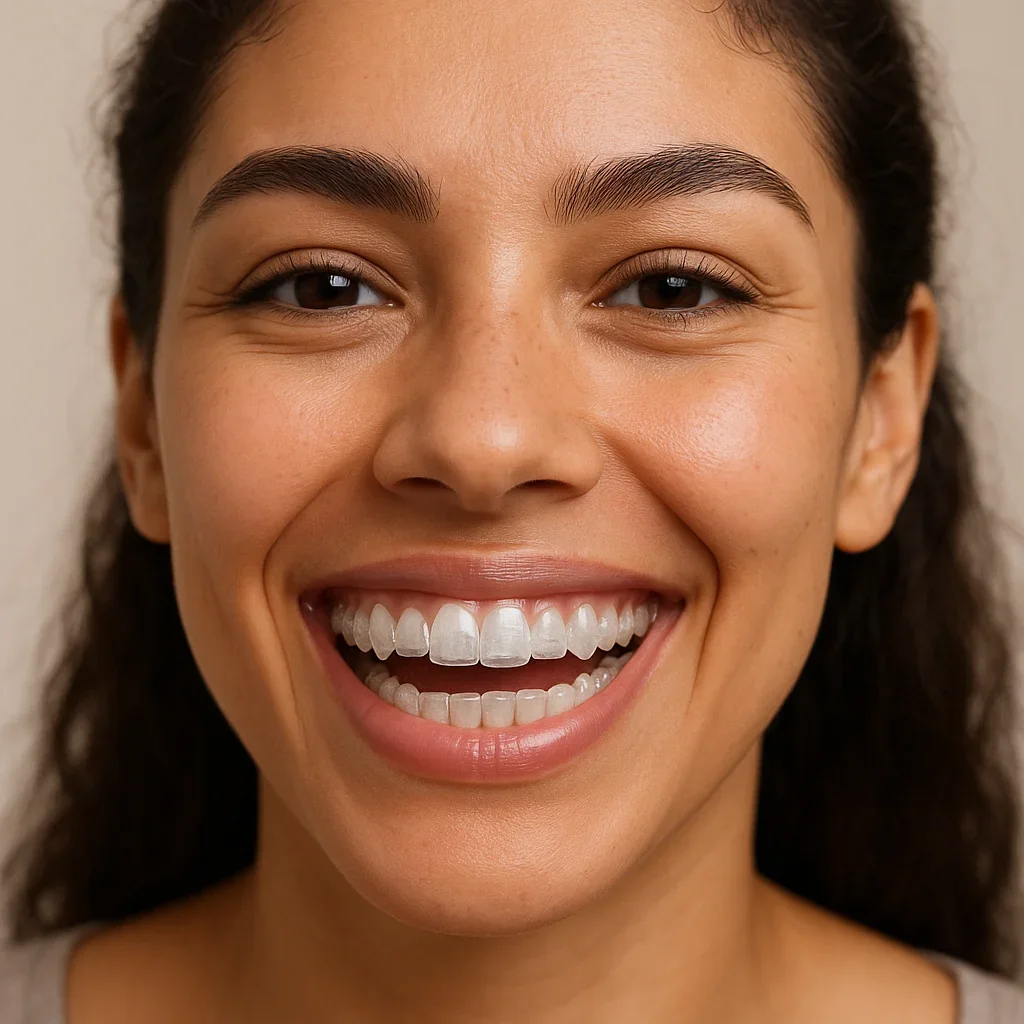
Long-Term Benefits of Choosing an Aligners Smile
Choosing an aligners smile is not just about improving your appearance — it’s an investment in long-term oral health, confidence, and overall well-being. Beyond the immediate visual transformation, clear aligners offer numerous lasting advantages that continue to enhance your quality of life long after treatment is complete. From better dental hygiene to improved bite functionality and self-esteem, the benefits of this modern orthodontic solution go far beyond aesthetics. 🌟
Enhanced Aesthetics and Natural Confidence
One of the most celebrated advantages of an aligners smile is the ability to achieve straight, harmonious teeth without the discomfort or visibility of traditional braces. Since aligners are virtually invisible, patients can undergo treatment discreetly — perfect for adults and professionals who want a subtle approach to improving their smile. The end result is a naturally beautiful look that radiates confidence in both personal and professional interactions. 😁
Smiling Without Self-Consciousness
After completing treatment, patients often report feeling more comfortable smiling in photos, speaking publicly, and socializing. This newfound confidence can lead to more opportunities in career and relationships. A balanced, symmetrical smile also enhances facial harmony, creating a youthful and energetic appearance. In essence, an aligners smile not only changes your teeth — it transforms your entire self-image. 🌈
Improved Oral Hygiene and Gum Health
Unlike braces, aligners can be removed easily for brushing and flossing. This convenience leads to significantly improved oral hygiene during and after treatment. With straightened teeth, there are fewer crevices where plaque and bacteria can accumulate, reducing the risk of cavities, gum disease, and bad breath. A well-aligned bite also distributes chewing pressure evenly, helping to preserve gum health over time.
Long-Term Prevention of Dental Issues
Misaligned teeth are not just an aesthetic issue — they can contribute to several long-term oral health problems such as tooth wear, jaw strain, and bone loss. By correcting alignment, an aligners smile helps prevent these conditions from developing. Patients who maintain proper hygiene and follow post-treatment instructions often experience fewer dental complications as they age. The result: a stronger, healthier, and longer-lasting smile. 🦷
Better Bite Functionality and Comfort
A misaligned bite can cause difficulties in chewing, speech, and even lead to jaw pain or temporomandibular joint (TMJ) disorders. Aligners are designed not only to straighten teeth but also to optimize the way your upper and lower arches meet. This correction enhances chewing efficiency and reduces tension in facial muscles. A perfectly aligned bite also prevents unnecessary wear and tear on enamel, protecting the long-term integrity of your teeth. 💪
Reduction of Jaw Pain and Headaches
Many patients with crooked teeth or bite irregularities unknowingly suffer from chronic jaw tension and headaches. After completing an aligners smile treatment, they often report a noticeable reduction in these symptoms. Proper tooth alignment ensures balanced pressure distribution across the jaw, minimizing strain and discomfort.
Invisible Comfort and Adaptability
Comfort is one of the major reasons patients choose aligners over traditional braces. Made from smooth, medical-grade plastic, aligners eliminate the irritation caused by metal brackets and wires. Their sleek design ensures that lips and cheeks adapt quickly without soreness. This comfort not only makes treatment more pleasant but also encourages consistent wear — an essential factor for achieving ideal results with your aligners smile. 🪞
Lifestyle Flexibility
Aligners fit effortlessly into any lifestyle. Whether you’re attending an important meeting, exercising, or dining out, you can remove your aligners temporarily without compromising the treatment’s progress. This flexibility allows you to maintain your normal routines while moving closer to your perfect smile. Moreover, because aligners are nearly invisible, they let you enjoy life with confidence and ease at every stage of the process. 🌐
Economic and Time Efficiency
While the initial cost of aligners may seem higher, the long-term value is significant. Patients save time and money with fewer dental visits, reduced emergencies, and minimal repair needs. Since aligners require fewer adjustments than braces, the total chair time is dramatically lower. Clinics like Redent Klinik Contact Page streamline the process through digital monitoring and virtual follow-ups, reducing the need for frequent in-person appointments. Over the years, this efficiency contributes to the overall affordability and practicality of an aligners smile.
Fewer Dental Complications Over Time
Because aligners promote cleaner teeth and better bite mechanics, they help minimize the risk of costly dental interventions later on. Preventing gum disease, tooth decay, and jaw misalignment saves both money and discomfort. Investing in an aligners smile is essentially an investment in lifelong oral stability and reduced dental expenses.
Boosted Psychological Well-Being
Numerous studies have shown a direct connection between dental aesthetics and emotional health. When you’re confident about your smile, you naturally engage more with others and experience greater self-esteem. Patients often describe their aligners smile journey as life-changing — a period of self-improvement that enhances not only their looks but also their mental outlook. 😊
Positive Impact on Social and Professional Life
A confident smile can change how others perceive you. It conveys trustworthiness, warmth, and vitality — traits that positively influence first impressions. Whether it’s in a job interview, business presentation, or social event, your aligners smile becomes your most powerful personal asset. Over time, this confidence leads to improved relationships and career advancement, proving that a smile truly holds transformative power. 💼
Long-Term Stability with Retainers
Once the active treatment phase ends, the long-term success of your aligners smile depends on retention. Custom-made retainers keep your teeth in their new positions, ensuring the results remain stable for decades. Regular follow-up appointments with your dentist guarantee that your smile remains exactly as envisioned. By wearing retainers as instructed and maintaining routine cleanings, you protect your investment for life.
Combining Retention with Regular Dental Care
Even after aligner treatment, consistent dental checkups and professional cleanings remain essential. Partnering with trusted professionals such as Redent Klinik Contact Page ensures that your retainers fit well and your gums and enamel remain healthy. According to the American Dental Association, maintaining this routine significantly extends the benefits of orthodontic treatment and overall oral wellness.
Conclusion: A Lifetime of Health and Confidence
The benefits of an aligners smile extend far beyond the end of treatment. From improved oral hygiene to long-lasting confidence, aligners deliver holistic results that enrich every aspect of life. The combination of technology, precision, and professional care ensures that your smile remains radiant and functional for decades. Choosing aligners means choosing a future of comfort, beauty, and self-assurance — a smile that truly stands the test of time. 🌟