
When patients search for all braces, they usually want one thing: a clear, trustworthy, and complete explanation of every orthodontic option available today. This guide is designed to give you a full understanding of how braces work, why they are needed, and how different systems compare. Whether you’re exploring treatment for yourself or a loved one, understanding all braces from start to finish empowers you to make confident decisions that support both oral health and long-term facial aesthetics. 😄
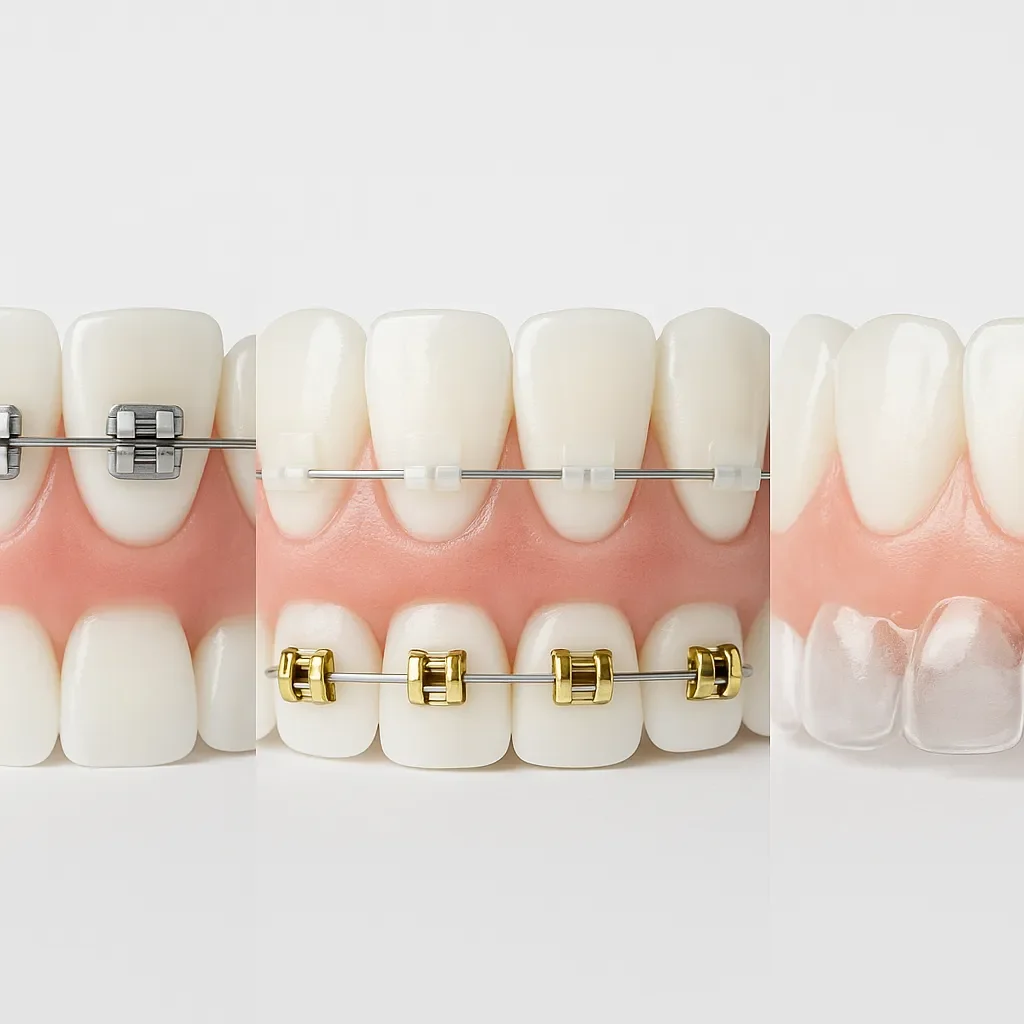
Orthodontics is no longer limited to the traditional metal brackets people remember from childhood. Modern dentistry now offers ceramic options, lingual systems, removable clear aligners, and hybrid appliances tailored to every lifestyle and age group. When we say all braces, we refer to the entire spectrum of these treatments—ranging from discrete cosmetic solutions to highly specialized corrective systems recommended for complex jaw or bite issues. This comprehensive approach helps patients choose a method that matches their goals, comfort, and expected results.
To fully understand all braces, it’s essential to start with how they work. Every brace type—whether fixed or removable—applies controlled, gentle force to reposition teeth gradually. By guiding the roots within the bone, orthodontic movement improves not only appearance but also chewing function, gum health, and long-term stability. Treatments such as ceramic brackets, metal systems, self-ligating braces, and clear aligners all rely on the same biological principle: continuous pressure encourages bone remodeling. Over time, teeth move into a healthier alignment.
Patients often ask how long the full process takes. While each case is unique, understanding all braces options helps set realistic expectations. On average, treatment lasts anywhere from 6 months to 24 months depending on the severity of misalignment, patient compliance, and the chosen appliance. Removable systems may require more discipline, while fixed appliances tend to work continuously without patient involvement. Whichever type you choose, regular follow-ups with your orthodontist ensure controlled progress and predictable outcomes.
There is also a significant comfort difference among the various types in the all braces category. Modern brackets are designed to be low-profile and gentle on the soft tissues, minimizing irritation. Innovations like heat-activated nickel-titanium wires apply lighter and more consistent force, reducing discomfort during adjustments. Clear aligners, which are part of the wider all braces family, offer a nearly invisible choice while providing smoother edges and less friction. These advances dramatically improve patient experience compared to older systems.
A major question patients have when exploring all braces is which type provides the fastest results. While speed depends mostly on individual tooth movement needs, certain systems—especially self-ligating braces and precision clear aligners—are engineered for optimized efficiency. Complex bite corrections, however, may still require traditional or ceramic fixed braces due to their superior control. Understanding your orthodontist’s recommendations helps clarify why a specific option is ideal for your situation.
Some people also search for pricing information while comparing all braces. Below is an estimated price range based on online research from global orthodontic averages (may vary by country and clinic):
Estimated Braces Prices (Global Averages)
-----------------------------------------
Metal Braces: $3,000 – $7,000
Ceramic Braces: $4,000 – $8,500
Lingual Braces: $8,000 – $12,000
Clear Aligners: $3,500 – $7,500
Choosing among all braces also requires considering lifestyle. Teenagers may prefer colorful metal brackets or clear aligners, while adults typically choose ceramic or invisible options for professional appearance. Athletes and musicians may need flexible solutions that don’t interfere with performance. Patients with severe orthodontic problems benefit most from fixed systems that offer maximum precision. These variables ensure that each person’s treatment experience is personalized and effective.
During your research on all braces, you should also consult reputable organizations such as the
American Dental Association for evidence-based guidelines. If you’re considering orthodontic treatment in Turkey or want expert guidance, you can request support here:
Redent Klinik Contact Page.
Understanding all braces gives you a powerful foundation for making the best dental health decision. From cosmetic options to full corrective systems, choosing the right approach ensures a healthier bite, improved facial harmony, and a long-lasting confident smile. With modern orthodontics, achieving ideal alignment has never been more comfortable, customizable, or accessible. 🌟
The Role of a Doctor Dentist in Modern Dental Care
Understanding the evolving role of a doctor dentist is essential for anyone seeking reliable oral health care. In today’s dental landscape, patients expect not only treatment but also education, guidance, preventive strategies, and long-term wellness planning. A modern doctor dentist is more than a practitioner performing isolated procedures—they are a highly trained oral health physician who evaluates medical history, lifestyle habits, bite function, airway health, esthetics, and overall systemic conditions that may influence the mouth. 🌿
Modern dentistry is deeply interdisciplinary. A doctor dentist collaborates with orthodontists, periodontists, oral surgeons, prosthodontists, and sometimes even nutritionists or sleep specialists to create comprehensive treatment plans. Oral health is no longer treated as a separate entity; it is recognized as a critical indicator of whole-body health. For example, gum disease has known associations with diabetes, cardiovascular disease, and immune disorders. A qualified doctor dentist understands these connections and screens for early signs, helping patients prevent long-term complications.
Diagnostic Excellence: How a Doctor Dentist Identifies Problems Early
One of the core responsibilities of a doctor dentist is detecting oral conditions before they escalate. Early diagnosis minimizes treatment time, cost, and invasiveness. Using digital X-rays, 3D CBCT scans, intraoral scanners, and advanced imaging software, today’s dentist can visualize bone structures, soft tissue behavior, airway dimensions, root morphology, and early decay patterns with extraordinary precision.
The modern doctor dentist also performs detailed head, neck, and temporomandibular joint (TMJ) evaluations. This includes assessing muscle balance, bite force distribution, and jaw alignment—key factors that influence speech, chewing efficiency, facial symmetry, and long-term tooth stability. Without such detailed evaluation, patients might receive incomplete or short-lived solutions.
A skilled doctor dentist also incorporates preventive screenings such as:
- Oral cancer screening with fluorescence technology
- Salivary diagnostics for bacterial and viral markers
- Risk analysis for decay, gum disease, and erosion
- Assessment of parafunctional habits like grinding or clenching
By recognizing systemic links and early warning signs, the doctor dentist helps patients protect their long-term oral and overall health.
Therapeutic Expertise: Restorative and Surgical Responsibilities
A doctor dentist performs a wide range of procedures that preserve natural teeth and restore proper function. This includes fillings, crowns, bridges, implant restorations, root canal therapy, and periodontal treatments. The dentist also manages minor oral surgeries such as extractions, frenectomies, and soft-tissue reshaping.
What truly defines modern dentistry, however, is the integration of minimally invasive approaches. Techniques like laser dentistry, air abrasion, guided implant placement, and digitally planned restorations allow a doctor dentist to treat with unmatched accuracy and patient comfort. These methods shorten recovery time and improve predictability.
Smile Design and Cosmetic Responsibilities
Another vital role of a doctor dentist is creating natural, proportionate, and aesthetic smiles. Cosmetic dentistry is not merely about appearance—it is a blend of artistry and clinical science. A dentist trained in cosmetic principles analyzes lip posture, gum symmetry, facial angles, tooth proportions, and color harmony before designing improvements.
Procedures may include whitening, veneers, cosmetic bonding, gum contouring, orthodontic evaluations, and even digital smile simulations. The doctor dentist provides a refined and functional smile that supports confidence, communication, and quality of life.
Preventive Dentistry: A Core Function of Every Doctor Dentist
Prevention remains the foundation of modern dental care. A doctor dentist focuses heavily on reducing long-term risk by teaching proper brushing, flossing, nutritional guidance, and preventive therapies. Fluoride treatments, sealants, antimicrobial rinses, and personalized home-care plans all contribute to lifelong oral wellness.
Patients today rely on a doctor dentist for guidance about dietary choices, acidic food habits, mouth breathing, hormonal factors, and stress-related behaviors that affect oral health. With increased awareness of how lifestyle influences disease progression, preventive dentistry becomes a collaborative process between dentist and patient.
Coordination With Orthodontics and Specialty Dentistry
Although orthodontists specialize in correcting misaligned teeth, the doctor dentist plays a crucial role in identifying alignment issues early. They guide patients toward proper intervention—whether traditional braces, clear aligners, or interceptive treatments.
The dentist ensures gums, roots, and supporting bone are healthy before orthodontic movement begins. They also coordinate with specialists to prevent complications. The collaboration ensures that oral function, aesthetics, and joint health align with the alignment goals set by the orthodontist.
If you ever require braces or other orthodontic care, your primary doctor dentist is often the first professional to identify the need and recommend trusted specialists. To learn more or schedule a consultation, you may visit the
Redent Klinik Contact Page.
For scientifically validated guidelines and oral health standards, refer to the
American Dental Association.
In summary, the role of a doctor dentist in modern dental care extends far beyond treating toothaches. They are oral health physicians, diagnosticians, preventive care specialists, aesthetic smile designers, and long-term wellness partners. Their impact on a patient’s life spans decades—contributing to comfort, functionality, confidence, and systemic well-being.
How a Doctor Dentist Diagnoses and Treats Oral Diseases
When patients visit a doctor dentist, they often expect quick solutions to visible problems such as toothache, sensitivity, or swelling. However, modern dentistry is much deeper than symptom-focused care. Today’s doctor dentist uses advanced diagnostic systems, medical evaluation methods, and evidence-based treatment protocols to detect oral diseases at their earliest stages. A comprehensive diagnostic approach not only treats present conditions but also prevents future complications that may impact chewing, speaking, appearance, and even overall systemic health. 🦷✨
Before exploring treatment, it is important to acknowledge the connection between oral conditions and orthodontic issues such as misalignment. Although this article focuses on disease diagnosis, your dentist may also evaluate alignment problems or determine if you require systems like all braces for long-term oral stability. Tooth position strongly influences disease risk, so a doctor dentist may incorporate orthodontic consultations when needed.
Step-by-Step Diagnostic Process Used by a Doctor Dentist
Every comprehensive dental examination begins with a detailed medical history. A modern doctor dentist carefully reviews medications, allergies, systemic diseases, and previous surgeries because these factors influence oral health outcomes. For instance, diabetes increases gum disease risk, while certain medications cause dry mouth and heightened decay risk.
The diagnostic journey continues with a full oral evaluation, including:
- Soft tissue examination – cheeks, tongue, lips, palate, salivary glands
- Gum assessment – pocket depth, inflammation, recession patterns
- Tooth evaluation – fractures, decay, wear, alignment
- Bite analysis – occlusion, muscle tension, TMJ function
- Radiographic review – X-rays, panoramic scans, 3D CBCT imaging
The information collected gives the doctor dentist a complete picture of oral health. Advanced tools enable early detection of disease at microscopic levels, reducing the need for invasive interventions later.
Common Oral Diseases Diagnosed by a Doctor Dentist
While each patient has unique needs, the core diseases diagnosed by a doctor dentist typically fall into four categories:
1. Dental Caries (Tooth Decay)
Cavities remain one of the most widespread global health conditions. A doctor dentist uses visual inspection, transillumination, digital radiographs, and laser fluorescence devices to identify decay early—long before it becomes painful.
Early-stage decay may be reversible with remineralization therapy, whereas deeper lesions require fillings, inlays, or onlays. Left untreated, decay can destroy tooth structure and require root canal therapy or extraction. The doctor dentist aims to intervene early to preserve as much natural structure as possible.
2. Periodontal Disease (Gum Infection)
Gum disease begins silently. A patient may notice bleeding during brushing, but the severity can progress quickly. A doctor dentist identifies gum disease through periodontal probing, bacterial analysis, digital imaging, and evaluation of bone loss.
Treatment ranges from non-surgical cleaning and scaling to advanced regenerative procedures. Because gum disease links to heart disease and diabetes, early diagnosis is crucial for total wellness.
3. Oral Infections and Lesions
Ulcers, cysts, abscesses, and fungal or viral infections are common conditions that a doctor dentist must diagnose precisely. When uncertain, they may perform a biopsy to rule out precancerous or malignant lesions.
4. TMJ Disorders and Bite-Related Diseases
The jaw joint affects chewing, speaking, posture, and facial balance. A doctor dentist evaluates jaw movement, muscle tension, and occlusal patterns to diagnose TMJ problems.
Sometimes misaligned teeth require correction using orthodontic systems. This is where understanding solutions like all braces becomes important—proper alignment can reduce joint stress, prevent fractures, and protect overall oral function.
Treatment Approaches Tailored by a Doctor Dentist
After diagnosis, the doctor dentist creates a personalized treatment plan. Modern dentistry emphasizes minimally invasive and biologically compatible approaches. Below are the major categories of treatment:
- Restorative treatments – fillings, crowns, bridges
- Endodontic therapy – root canal treatment for infected pulp
- Periodontal therapy – scaling, laser treatment, gum surgery
- Oral surgery – extractions, cyst removal, soft-tissue revisions
- Orthodontic referral – evaluation for all braces or clear aligners when alignment affects disease
- Preventive measures – fluoride, sealants, nutritional counseling
In many cases, treatment success depends on addressing alignment issues. Crowded teeth trap bacteria, causing decay and gum inflammation. When a doctor dentist identifies alignment-related disease risks, they may recommend orthodontic consultation or systems like all braces to ensure long-term stability and easier cleaning.
Technology That Enhances Disease Detection
Modern dentistry integrates technologies that amplify diagnostic accuracy:
- Digital radiography (90% less radiation than film)
- 3D cone-beam imaging
- AI-assisted cavity detection
- Intraoral cameras for patient education
- Laser-based bacterial measurement
These tools help the doctor dentist identify disease earlier, treat more conservatively, and improve long-term prognosis.
How the Doctor Dentist Coordinates Long-Term Wellness
Oral health is a lifelong commitment. After treatment, the doctor dentist monitors healing, adjusts home-care recommendations, and schedules preventive visits every 3–6 months. Long-term management reduces future disease risk and preserves natural tooth structure.
Patients requiring orthodontic support for functional health—including those who may benefit from all braces—receive special monitoring to ensure gums, bone, and bite remain balanced before and after movement.
For appointments, treatment planning, or second opinions, patients may connect through the
Redent Klinik Contact Page.
For scientific standards and guidelines, refer to the
American Dental Association.
Through early diagnosis, precise treatment, and ongoing preventive support, the doctor dentist ensures that patients maintain healthy teeth, strong gums, and functional alignment for life.
Top Preventive Care Tips from a Professional Doctor Dentist
A skilled doctor dentist approaches preventive care as the foundation of lifelong oral health. Prevention is not simply about avoiding cavities; it encompasses gum disease management, oral cancer screening, bite optimization, hygiene education, dietary planning, and early orthodontic intervention when necessary. Patients who follow structured preventive guidelines experience fewer complications, reduced treatment costs, and significantly better long-term outcomes.
Modern preventive dentistry also includes evaluating tooth alignment and bite function. When teeth are crowded or poorly positioned, cleaning becomes difficult and disease risk increases. In such cases, a doctor dentist may recommend orthodontic solutions—including modern systems categorized under all braces—to improve cleaning accessibility and overall oral health. Proper alignment is a vital part of prevention because it protects gums, enamel, and jaw joint function.
Daily Oral Hygiene Habits Recommended by a Doctor Dentist
Effective home care begins with consistent brushing and flossing, but a doctor dentist emphasizes technique, frequency, and tool selection. Many patients unknowingly brush too hard, use abrasive toothpaste, or neglect the tongue—all of which contribute to gum irritation and bacterial growth.
Brushing Techniques for Optimal Protection
A doctor dentist recommends brushing twice a day with a soft-bristled toothbrush using gentle, circular motions. This technique cleans the gum line without damaging delicate tissues. Electric brushes often provide superior results due to built-in timers and oscillating movements. Patients with orthodontic appliances such as all braces require specialized interdental brushes to clean around brackets and wires effectively.
To enhance enamel protection, fluoride toothpaste is essential. It strengthens weak areas and makes teeth more resistant to acid attacks. Patients with sensitivity may benefit from desensitizing formulations that seal open dentinal tubules.
Flossing, Interdental Cleaning, and Tongue Care
A doctor dentist stresses daily flossing to remove plaque between teeth—areas where brushes cannot reach. For individuals who struggle with traditional floss, water flossers or floss picks are effective alternatives.
Tongue cleaning is equally essential. The tongue harbors bacteria that contribute to bad breath, inflammation, and plaque accumulation. Using a tongue scraper or toothbrush extension significantly improves oral freshness and microbial balance.
Dietary Recommendations for Strong Teeth and Gums
The foods you consume play a major role in oral disease prevention. A doctor dentist identifies dietary patterns that influence decay, erosion, and gum health. Sugary snacks, acidic beverages, and sticky foods create an environment where harmful bacteria thrive. Frequent snacking prevents saliva from neutralizing acids, increasing cavity risk.
A well-balanced diet rich in vitamins, minerals, and fibrous foods supports natural cleansing and strengthens oral tissues. Key recommendations from a doctor dentist include:
- Limiting sugary and acidic foods
- Drinking plenty of water for hydration and plaque control
- Choosing calcium- and vitamin D–rich foods for bone support
- Eating crunchy fruits and vegetables to stimulate saliva
Patients undergoing orthodontic treatment with systems like all braces should also avoid hard, sticky foods that can damage appliances and increase plaque buildup.
Professional Cleanings and Regular Checkups
Even with excellent home care, plaque and tartar accumulate over time. A doctor dentist performs professional cleanings to remove hardened deposits and reach difficult areas. These visits also provide opportunities for early disease detection.
Routine examinations typically include:
- Gum pocket measurements
- Decay screening with digital imaging
- Oral cancer screening
- Assessment of bite, jaw joint, and tooth wear
- Review of orthodontic condition and need for all braces
Patients with gum disease or high cavity risk may need cleanings every 3–4 months, while others benefit from biannual visits.
Preventive Role of Orthodontic Evaluation
Alignment issues significantly influence preventive outcomes. Crowded teeth trap bacteria; crossbites create abnormal wear; open bites impair function; and deep bites strain the jaw. A doctor dentist recognizes these factors during routine exams and may recommend orthodontic correction to prevent long-term complications.
Orthodontic systems categorized as all braces are not only cosmetic—they play a major preventive role. Straight teeth are easier to clean, distribute bite force evenly, and reduce the risk of fractures, gum recession, and inflammation.
Early Orthodontic Screening for Children
A doctor dentist performs early orthodontic evaluations for children around age 7. Early detection of bite issues allows interceptive treatment, reducing severity and cost later. In some cases, partial systems within the all braces category may be recommended to guide jaw development and create space for incoming teeth.
Lifestyle Adjustments That Support Preventive Dentistry
Beyond brushing and flossing, lifestyle habits significantly influence oral health. A doctor dentist often counsels patients on reducing stress-related grinding, quitting smoking, managing mouth breathing, and limiting alcohol and caffeine. These factors affect saliva flow, gum health, and enamel strength.
Sports participants should wear custom mouthguards to prevent fractures. Similarly, patients who clench or grind at night may need a nightguard to protect against wear and TMJ strain.
Guidance on Oral Health Products and Tools
The market is full of dental products, but a doctor dentist helps patients choose evidence-based options. They may recommend:
- Electric toothbrushes with pressure sensors
- Antimicrobial mouth rinses
- Sensitivity toothpaste
- Orthodontic cleaners for all braces patients
- Saliva-boosting products for dry-mouth sufferers
This personalized guidance ensures patients invest in tools that truly benefit their oral health.
Regular Dental Communication and Professional Support
Patients should maintain open communication with their doctor dentist. Reporting early signs—such as bleeding gums, sensitivity, or jaw discomfort—allows faster intervention.
For appointments, preventive care consultations, or orthodontic evaluations, patients can reach out via the
Redent Klinik Contact Page.
Evidence-based oral health recommendations are further supported by the
American Dental Association.
By following these preventive care strategies, patients dramatically improve their chances of maintaining strong, healthy, and beautiful teeth throughout life. Guided by a dedicated doctor dentist, preventive dentistry becomes a lifelong partnership that empowers individuals to protect and enhance their oral wellness.
Why Choosing the Right Doctor Dentist Improves Long-Term Health
Selecting the right doctor dentist is one of the most influential decisions you can make for your long-term oral and overall health. Dentistry is no longer focused on short-term, problem-based treatment. Instead, modern clinical practice centers on preventive care, early diagnosis, customized treatment planning, aesthetic harmony, functional stability, and interdisciplinary medical coordination. When you choose an experienced and comprehensive doctor dentist, you are investing in decades of improved wellness, comfort, and confidence.
Although this section focuses on choosing the right dentist, alignment and orthodontic factors must also be considered. Many oral health issues—such as gum disease, enamel wear, decay traps, and TMJ strain—are directly linked to tooth positioning. This is why a skilled doctor dentist may also evaluate whether you would benefit from orthodontic systems such as all braces. Proper alignment is not merely an aesthetic preference; it is a functional necessity that supports long-term oral stability.
The Impact of a Skilled Doctor Dentist on Overall Wellness
A qualified doctor dentist understands that oral health plays a crucial role in systemic health. Scientific research has consistently shown links between gum disease and conditions such as diabetes, heart disease, respiratory disorders, pregnancy complications, and immune system challenges. When dental inflammation is left untreated, harmful bacteria can enter the bloodstream, increasing systemic risks.
Through proactive monitoring, professional cleanings, periodontal care, and patient education, a knowledgeable doctor dentist significantly reduces the chances of chronic inflammation. Their role extends far beyond treating cavities—they become long-term health partners who help patients maintain a balanced microbiome, strong enamel, functional bite efficiency, and clear oral pathways.
Improved Comfort and Function Through Expert Bite Analysis
Bite alignment impacts more than chewing—it affects jaw joints, muscles, digestion, posture, and even sleep quality. A doctor dentist uses advanced tools to analyze bite pressure, tooth wear patterns, TMJ movement, and muscular balance.
When alignment problems are detected, the dentist may recommend orthodontic solutions, commonly categorized under all braces. Straight teeth distribute chewing force evenly, protect enamel from premature wear, and reduce jaw strain. This functional stability prevents long-term issues such as cracked teeth, gum recession, migraines, and chronic TMJ pain.
Personalized Treatment Plans for Lifelong Health
Every mouth is unique. A skilled doctor dentist creates individualized plans tailored to your dental history, medical background, lifestyle, diet, and aesthetic goals. This personalized approach ensures that treatments are both appropriate and effective.
A strong treatment plan may include:
- Advanced cavity prevention and remineralization programs
- Periodontal therapies for gum protection
- Restorative procedures that preserve maximum natural structure
- Monitoring for early signs of oral cancer
- Evaluation for orthodontic needs, including all braces
- Customized home-care recommendations
Personalized strategies enable patients to protect their oral health proactively rather than respond only when problems occur.
Aesthetic and Functional Benefits Guided by a Doctor Dentist
Aesthetic dentistry involves more than creating beautiful teeth—it also requires functional improvement. A professionally trained doctor dentist ensures that every cosmetic procedure preserves natural structures, enhances facial balance, and maintains long-term function.
The Role of Smile Design
Using digital imaging, 3D simulations, and proportional analysis, the doctor dentist creates precise smile designs. Veneers, whitening, bonding, and gum contouring all rely on proper planning. When alignment issues affect aesthetic outcomes, orthodontic systems within the all braces category may be recommended before cosmetic work.
This stepwise approach ensures durability, symmetry, and natural beauty.
Long-Term Financial Benefits of Choosing the Right Dentist
While quality care may require initial investment, choosing the right doctor dentist ultimately reduces long-term costs. Prevention is significantly more affordable than restorative or surgical treatments. Early detection prevents expensive complications such as root canals, implants, periodontal surgery, or TMJ therapy.
Patients who correct alignment with all braces also experience financial benefits. Straight teeth are easier to maintain, reducing the likelihood of decay, plaque buildup, chipping, or gum recession—issues that often lead to costly interventions.
The Role of Modern Technology in Long-Term Health Outcomes
A top-tier doctor dentist integrates advanced technology for accuracy, comfort, and long-term predictability. These include:
- AI-driven cavity detection tools
- Intraoral 3D scanning
- Laser dentistry for minimally invasive treatment
- Digital bite analysis systems
- Precision planning for all braces orthodontic solutions
Technology enhances diagnosis, reduces discomfort, and improves long-term treatment success.
Why Relationship-Based Dentistry Matters
The relationship between a patient and a doctor dentist should be built on communication, trust, and education. A great dentist ensures that you understand every part of your treatment plan, encourages preventive care, and monitors your progress closely.
Ongoing collaboration allows early detection of issues such as inflammation, grinding, enamel erosion, or alignment problems that might require solutions like all braces.
To receive personalized guidance or schedule a consultation, patients may visit the
Redent Klinik Contact Page. For evidence-based oral health standards, refer to the
American Dental Association.
In summary, choosing the right doctor dentist ensures healthier teeth, stronger gums, balanced bite function, and professionally guided preventive care for life. With expert oversight—combined with modern orthodontic tools such as all braces—patients achieve long-lasting oral wellness and the confidence that comes with a strong, healthy smile.
Advanced Technologies Used by Today’s Doctor Dentist
Modern dentistry has evolved dramatically, and a skilled doctor dentist now relies on an impressive range of advanced technologies to diagnose, treat, and maintain oral health at the highest standards. These innovations make dental care faster, more accurate, less invasive, and far more comfortable. They also improve long-term treatment outcomes by enhancing precision, reducing healing time, and preventing complications.
While this section focuses on advanced dental technologies, it’s also important to recognize how these developments support orthodontic treatment, including systems categorized under all braces. With 3D imaging, digital planning, AI-driven simulations, and precision aligner manufacturing, orthodontic care has become more personalized and predictable than ever before. This integration of technology ensures that patients receive comprehensive, holistic dental care guided by a knowledgeable doctor dentist.
Digital Imaging: A Revolution in Dental Diagnosis
Traditional X-rays are still useful, but digital imaging has transformed diagnostic dentistry. A doctor dentist now uses digital radiography, panoramic scans, and cone-beam computed tomography (CBCT) for detailed visualization of teeth, roots, nerves, bone structures, airway volume, and sinus anatomy.
Benefits of Digital X-Rays
Digital X-rays deliver clearer images with up to 90% less radiation than conventional film. This allows a doctor dentist to identify decay, infections, fractures, bone loss, and impacted teeth at earlier stages. The instant availability of digital images also helps patients understand their conditions better, enabling collaborative treatment planning.
3D CBCT Imaging
CBCT technology provides three-dimensional views of oral and facial anatomy. This is essential for dental implant placement, root canal evaluation, TMJ assessment, and orthodontic planning. For patients considering alignment systems such as all braces, CBCT scans allow the dentist to evaluate bone density, tooth angulation, airway size, and potential movement pathways.
Intraoral Scanners: Eliminating Traditional Impressions
Gone are the days of uncomfortable, gag-inducing dental impressions. A modern doctor dentist uses high-resolution intraoral scanners to create 3D digital models of the mouth.
- More comfortable for the patient
- More accurate than traditional impressions
- Instant digital transfer for lab work and orthodontic planning
These digital scans are essential for fabricating crowns, veneers, clear aligners, and even planning advanced treatments within the all braces family. Precision ensures a better fit, faster turnaround times, and improved treatment predictability.
Laser Dentistry: Minimally Invasive Treatment
Laser technology has become a trusted tool for the doctor dentist. Soft tissue lasers and hard tissue lasers enable highly precise procedures with minimal discomfort.
Soft-Tissue Laser Applications
Soft-tissue lasers are used for gum contouring, treating periodontal pockets, frenectomies, and reducing bacterial infections. These procedures involve less bleeding, faster healing, and minimal postoperative sensitivity.
Hard-Tissue Laser Applications
Hard-tissue lasers allow dentists to remove decay without traditional drills. This is ideal for anxious patients and children because it eliminates noise and vibration.
Laser dentistry significantly enhances patient comfort, making treatments smoother and more effective.
AI-Assisted Diagnostics and Treatment Planning
Artificial intelligence is revolutionizing the field. A modern doctor dentist uses AI-powered software to detect early signs of decay, analyze patterns of bone loss, and predict disease progression.
This technology also enhances orthodontic planning. In systems like all braces, AI simulations predict tooth movement, evaluate treatment timelines, and help create efficient aligner sequences. Patients benefit from greater accuracy, transparency, and confidence in their predicted outcomes.
Digital Smile Design (DSD) Technology
Digital Smile Design allows a doctor dentist to analyze facial proportions, lip dynamics, tooth shapes, and gum contours before creating an aesthetic treatment plan.
Using high-definition photography and 3D modeling, dentists design smiles that harmonize with facial structure. This ensures that results look natural and function properly.
How DSD Supports Orthodontics
If misalignment affects esthetics or function, the dentist may incorporate orthodontic systems such as all braces into the smile design plan. DSD simulations show patients how corrected alignment will improve facial balance, symmetry, and bite function.
CAD/CAM Technology for Same-Day Restorations
Computer-Aided Design and Computer-Aided Manufacturing (CAD/CAM) allows a doctor dentist to create crowns, veneers, bridges, and inlays within a single visit.
Benefits include:
- Precise fit for restorations
- No temporary crowns needed
- Highly durable materials
- Greater patient convenience
For orthodontic patients, CAD/CAM helps create custom attachments and components used in advanced systems within the all braces category, improving accuracy and comfort.
Teledentistry and Remote Monitoring
The modern doctor dentist can now support patients remotely. Teledentistry allows virtual consultations, treatment monitoring, progress evaluation, and emergency assessments.
This is especially helpful for orthodontic patients using clear aligner systems within the all braces family. Remote monitoring tools measure tooth movement, track compliance, and adjust aligner sequences without requiring frequent in-office appointments.
Guided Implant Surgery and Precision Planning
For implant treatments, a doctor dentist uses surgical guides created through 3D scans and digital mapping. This ensures precise placement, improved stability, and faster healing.
Such precision is also crucial when orthodontic treatment interacts with implant planning. Proper alignment—supported by systems like all braces—helps ensure implants are placed in ideal positions for both function and esthetics.
Enhanced Patient Education Through Digital Tools
Advanced software allows a doctor dentist to visually explain treatment needs, disease progression, and step-by-step procedures. Patients feel empowered, informed, and more confident in their decisions.
Interactive visualizations are especially valuable when outlining orthodontic treatment involving all braces, helping patients clearly understand expected outcomes and timelines.
For patients seeking technologically advanced care or professional guidance, the
Redent Klinik Contact Page
is available for consultations. To explore global dental standards and innovations, refer to the
American Dental Association.
Advanced dental technologies—combined with the expertise of a dedicated doctor dentist—create a future where dentistry is more precise, more comfortable, and far more predictable. Whether diagnosing early disease, planning complex restorations, or supporting orthodontic alignment with systems like all braces, these innovations ensure exceptional long-term oral health outcomes.
How a Doctor Dentist Manages Dental Anxiety in Patients
Dental anxiety is one of the most common barriers preventing people from seeking timely oral care. A compassionate and skilled doctor dentist recognizes that fear, stress, or previous traumatic experiences can make dental appointments overwhelming. Modern dentistry emphasizes patient-centered care, meaning emotional comfort is treated with the same importance as technical precision. By combining communication, advanced techniques, sedation options, and gentle approaches, today’s doctor dentist helps patients overcome anxiety and build long-term trust in dental care.
In cases where dental anxiety stems from feeling “out of control” or worrying about complex treatments—such as orthodontic procedures or alignment solutions including all braces—the dentist takes additional time to explain each step, ensuring clarity and calmness. Education and transparency reduce fear and help patients understand that dentistry today is more comfortable and predictable than ever before.
Understanding the Root Causes of Dental Anxiety
A knowledgeable doctor dentist begins by identifying what triggers patient discomfort. Dental anxiety can develop for various reasons:
- Fear of pain due to past negative experiences
- Sensitivity to sounds, instruments, or clinical environments
- Embarrassment about oral health condition
- Fear of injections or numbing procedures
- Discomfort with long or complex treatments, including orthodontics like all braces
- Feeling a lack of control or uncertainty
Recognizing these emotional triggers helps the doctor dentist personalize the treatment experience and adapt their approach accordingly.
Communication Techniques that Reduce Fear
Communication is the foundation of anxiety management. A supportive doctor dentist uses clear, simple explanations and encourages patients to ask questions. Understanding what will happen during a procedure reduces fear significantly.
The “Tell-Show-Do” Method
This widely used technique involves three steps:
- Tell – The dentist explains the procedure in easy terms.
- Show – Instruments and tools are demonstrated before use.
- Do – The dentist performs the treatment gently and slowly.
This approach builds trust and empowers even highly anxious patients.
Establishing a Stop Signal
A caring doctor dentist always gives patients the ability to pause treatment at any time. A simple hand signal can make patients feel safer and more in control.
Creating a Relaxing Environment
Many dental practices today incorporate spa-like elements to reduce anxiety. Soft music, aromatherapy, warm lighting, blankets, and noise-cancelling headphones help patients relax. A doctor dentist may also provide distraction tools such as videos or virtual reality systems.
For patients undergoing lengthy treatments—such as fitting orthodontic appliances from the all braces family—these comfort measures significantly improve their overall experience.
Behavioral Techniques Used by a Doctor Dentist
Beyond environmental comfort, a doctor dentist uses evidence-based behavioral strategies to help patients manage anxiety.
Deep Breathing and Guided Relaxation
Controlled breathing slows the heart rate and relaxes muscles. Some dentists guide patients through breathing exercises before procedures.
Gradual Exposure Therapy
For extremely anxious individuals, the dentist may schedule short introductory visits to build confidence gradually. This may involve simply sitting in the chair, learning about instruments, or practicing mouth opening.
Cognitive Reframing
A compassionate doctor dentist helps patients shift negative thoughts (“This will hurt” or “I can’t handle this”) into positive or neutral statements. Over time, this significantly reduces fear responses.
Sedation Options for Anxiety Management
Some patients require more than reassurance. Modern dentistry offers several safe and effective sedation methods, carefully monitored by the doctor dentist.
- Topical anesthetic – Numbs the surface before injections.
- Local anesthesia – Blocks pain during procedures.
- Nitrous oxide – Provides mild relaxation with rapid recovery.
- Oral sedation – Reduces anxiety for moderate fear.
- IV sedation – For high-level fear or complex treatments.
For orthodontic procedures involving all braces, mild sedation or comfort-enhancing techniques may be used during initial bonding, adjustments, or impressions to ease anxiety.
Technological Tools That Minimize Anxiety
Advanced dental tools contribute to a more comfortable patient experience. A doctor dentist may use:
- Electric handpieces for quieter operation
- Laser dentistry to reduce drilling
- Intraoral cameras to increase transparency
- Needle-free anesthetic delivery systems
These innovations help reduce fear triggers like noise, vibration, and discomfort.
Building Long-Term Trust and Confidence
Overcoming dental anxiety is a gradual process. A compassionate doctor dentist supports patients at every step, celebrates their progress, and adapts strategies as needed.
Many patients who start with mild or severe anxiety ultimately become confident, routine visitors. As their trust grows, they are more open to beneficial preventive care, restorative procedures, and alignment treatments—including those offered within the all braces category.
Anyone struggling with dental fear can reach out for personalized support through the
Redent Klinik Contact Page.
For evidence-based recommendations and patient education resources, visit the
American Dental Association.
By combining communication, modern technology, behavioral strategies, and a gentle, empathetic approach, the doctor dentist helps every patient feel comfortable, safe, and empowered. Managing dental anxiety is not just about making appointments easier—it is about fostering lifelong oral health and well-being.
Cosmetic Dentistry Procedures Performed by a Skilled Doctor Dentist
Cosmetic dentistry has become a central component of modern oral care, offering patients the opportunity to enhance their smiles, boost confidence, and improve facial harmony. A highly trained doctor dentist uses advanced techniques, modern materials, and digital planning tools to deliver aesthetic outcomes that look natural, healthy, and proportionate. While cosmetic dentistry focuses primarily on appearance, it also supports long-term oral function. In many cases, patients undergoing cosmetic improvements may also benefit from orthodontic evaluation—sometimes requiring alignment systems categorized under all braces to ensure the final smile is balanced and structurally stable.
By understanding the wide range of cosmetic dentistry procedures and how they are tailored to individual needs, patients can make informed decisions about enhancing their smiles. Below is a comprehensive and detailed overview of the most common cosmetic treatments offered by an experienced doctor dentist.
Professional Teeth Whitening for a Radiant Smile
One of the fastest and most popular cosmetic procedures is professional teeth whitening. A doctor dentist uses controlled concentrations of whitening agents to eliminate deep stains caused by aging, coffee, tea, wine, medications, or lifestyle habits.
In-Office Whitening
In-office whitening treatments deliver immediate results—often lightening teeth by several shades in just one session. Advanced whitening lamps or laser activation enhances the bleaching process. Unlike over-the-counter options, this method is safe, regulated, and customized to prevent sensitivity.
Custom Take-Home Whitening Kits
A doctor dentist may also design custom trays that allow patients to whiten their teeth gradually at home. These trays ensure even application and reduce the risk of gum irritation.
Patients undergoing orthodontic treatment—including options within all braces—often prefer to whiten their teeth after alignment to achieve a uniform final result.
Dental Veneers: Transforming Shape, Color, and Symmetry
Veneers are thin shells of porcelain or composite that adhere to the front surface of teeth. A doctor dentist uses veneers to correct discoloration, chips, gaps, worn edges, or uneven shapes.
Porcelain Veneers
Porcelain veneers are durable, stain-resistant, and highly aesthetic. They mimic natural translucency, making them an ideal choice for long-lasting smile enhancement.
Composite Veneers
Composite veneers offer a more affordable option and can often be completed in a single visit. They remain an excellent choice for minor cosmetic improvements.
Before placing veneers, the dentist evaluates alignment. If teeth are significantly rotated, crowded, or unevenly spaced, orthodontic systems such as all braces may be recommended to ensure the veneers fit harmoniously.
Cosmetic Bonding: A Simple Yet Powerful Enhancement
Cosmetic bonding involves applying tooth-colored resin to correct minor imperfections such as chips, gaps, or discoloration. A doctor dentist sculpts the material precisely before hardening it with a curing light.
Bonding is cost-effective, minimally invasive, and suitable for patients who do not require major reshaping or alignment corrections.
Gum Contouring and Smile Reshaping
A balanced smile depends on both teeth and gums. Excess gum tissue—often called a “gummy smile”—can make teeth appear shorter. A doctor dentist uses laser dentistry to contour gum lines with remarkable precision and minimal discomfort.
By reshaping the gingival architecture, the dentist creates symmetry and enhances tooth proportions. This procedure can also complement orthodontic treatments, including systems like all braces, especially when alignment and gum aesthetics both influence the final smile.
Dental Crowns for Aesthetic and Structural Restoration
Crowns are used when teeth are severely worn, cracked, or weakened. A doctor dentist creates custom porcelain or ceramic crowns that restore strength while maintaining aesthetic appeal.
With the help of digital scanners and CAD/CAM technology, many crowns can be produced in a single visit. Crowns also play an essential role in harmonizing your bite, which indirectly influences orthodontic stability. When misalignment is detected, the dentist may discuss solutions within all braces for preventive or aesthetic improvement.
Orthodontic Integration in Cosmetic Dentistry
A beautiful smile requires proper alignment. Even the most advanced cosmetic procedures cannot reach their full potential without correct tooth positioning. For this reason, a doctor dentist often recommends orthodontic assessment before cosmetic work.
Orthodontic systems within the all braces category—whether clear aligners, ceramic braces, metal braces, or lingual braces—help align teeth so veneers, whitening, and bonding look harmonious and last longer.
Why Orthodontics Enhances Cosmetic Outcomes
- Improved tooth symmetry
- Reduced wear and chipping
- Better gum contour integration
- More predictable veneer or crown placement
- Enhanced long-term stability
A coordinated approach ensures the final aesthetic result is both beautiful and functional.
Full Smile Makeovers
A full smile makeover involves combining several cosmetic procedures to achieve dramatic transformations. A doctor dentist analyzes facial balance, lip dynamics, gum health, and tooth proportions before creating a digital simulation of the ideal smile.
Procedures often included in a smile makeover:
- Veneers
- Crowns
- Teeth whitening
- Bonding
- Orthodontics from the all braces family
The result is a fully customized, long-lasting enhancement of both function and appearance.
Ensuring Long-Term Aesthetic Success
Cosmetic dentistry requires proper maintenance. A doctor dentist provides instructions on cleaning, habits to avoid, and products designed specifically for enhanced teeth and restorations. Patients with orthodontic appliances—including those in the all braces category—receive special hygiene guidance to maintain brightness and prevent plaque buildup.
To explore cosmetic options or schedule a consultation, patients can visit the
Redent Klinik Contact Page.
For scientific dental standards and patient education resources, refer to the
American Dental Association.
Cosmetic dentistry combines science, art, and precision. Under the care of a dedicated doctor dentist, patients gain the opportunity to achieve radiant smiles that support long-term wellness and confidence. Whether enhancing tooth shape, color, alignment, or symmetry, cosmetic dentistry—integrated with orthodontic tools like all braces—creates remarkable, life-changing results.
What to Expect During Your First Visit to a Doctor Dentist
A first dental appointment sets the foundation for a lifetime of oral health. Whether you are visiting due to pain, routine care, or cosmetic concerns, a skilled doctor dentist ensures that your first experience is comfortable, informative, and tailored to your needs. Understanding what happens during the initial visit removes uncertainty and reduces anxiety. It also helps patients appreciate the comprehensive nature of modern dentistry—from disease screening to aesthetic planning to alignment evaluations that may eventually involve orthodontic systems such as all braces.
Below is a detailed, step-by-step explanation of what you can expect when you walk into a dental office for the first time. This guide reflects the full scope of diagnostic and educational care provided by a professional doctor dentist.
Welcoming Consultation and Medical History Review
Your first appointment begins long before you sit in the dental chair. A doctor dentist needs to understand your complete medical background because systemic conditions influence oral health. You will typically be asked about:
- Current medications and allergies
- Chronic health conditions
- Previous dental experiences
- Past surgeries or hospitalization
- Lifestyle habits such as smoking, diet, and oral hygiene practices
Patients with alignment concerns or past orthodontic history may also discuss whether they are considering systems within all braces. The dentist uses this information to design a safe and precise treatment plan.
Comprehensive Oral Examination
A full examination is essential during the first visit. A doctor dentist will carefully assess the teeth, gums, jaw, and surrounding tissues. This process often includes:
- Evaluation of tooth structure and enamel integrity
- Checking for decay, cracks, or wear patterns
- Gum measurements to assess periodontal health
- Screening for oral cancer
- Inspection of the tongue, cheeks, palate, and throat
- Review of bite alignment and jaw movement
Since misalignment contributes to tooth wear and gum inflammation, the dentist may perform a preliminary orthodontic check. If needed, they may discuss solutions from all braces to correct functional or aesthetic concerns.
Advanced Digital Imaging
The next step typically involves digital radiographs or 3D imaging. These technologies enhance diagnostic accuracy and help the doctor dentist identify hidden problems such as:
- Impacted teeth
- Root infections
- Bone loss
- Cysts or abnormal growths
- TMJ joint issues
If orthodontic treatment is anticipated, digital scans are especially valuable. Modern orthodontic planning (including all braces systems) depends heavily on precise imaging that maps tooth angulation, bone density, and movement pathways.
Professional Cleaning and Preventive Care
Most first visits include a professional dental cleaning. A highly trained hygienist or the doctor dentist will remove plaque, tartar, and surface stains using specialized instruments or ultrasonic tools. This step is crucial because it allows the dentist to examine clean tooth surfaces for early signs of decay or gum disease.
Preventive guidance often includes:
- Technique tips for brushing and flossing
- Recommendations for fluoride or remineralizing products
- Dietary advice to reduce acid and sugar exposure
- Guidance on caring for orthodontic appliances like all braces
By improving daily habits, patients can dramatically enhance long-term oral health.
Bite Analysis and TMJ Evaluation
A thorough first appointment includes evaluating how the upper and lower teeth fit together. A doctor dentist checks for:
- Overbite or underbite
- Crossbite or open bite
- Jaw clicking or popping
- Muscle tension or facial asymmetry
Misalignment issues may increase the risk of jaw pain, tooth wear, and gum recession. When these concerns arise, orthodontic solutions—including systems from all braces—are discussed as part of long-term treatment planning.
Discussion of Findings and Personalized Treatment Plan
Once the examination and imaging are complete, the doctor dentist reviews all findings with you. This personalized consultation is one of the most important parts of your visit.
Your dentist may discuss:
- The condition of your teeth and gums
- Any areas of concern that require monitoring
- Treatment recommendations
- Potential orthodontic needs related to all braces
- Cosmetic options if you wish to enhance your smile
Patients often appreciate visual explanations using digital tools, photos, and diagrams. This transparency helps them feel informed and empowered.
Cost Estimates and Scheduling Follow-Up Visits
If treatment is needed, your doctor dentist will provide an estimate and explain insurance coverage or payment options. This may include costs for fillings, cleanings, orthodontic evaluations, or full alignment systems like all braces.
The dentist will then help you schedule follow-up visits for cleanings, restorations, orthodontic consultations, or preventive maintenance.
How to Prepare for Your First Visit
To ensure the most productive appointment, patients should:
- Bring a list of medications and medical conditions
- Note any symptoms or concerns
- Share past dental experiences
- Inform the dentist if orthodontic interest—including all braces—is a priority
Being prepared allows the doctor dentist to create a clearer and more effective treatment plan.
For scheduling your first appointment or asking questions, patients can reach out via the
Redent Klinik Contact Page.
For additional scientific resources and trustworthy dental information, visit the
American Dental Association.
Your first visit is the beginning of a long-term partnership with your doctor dentist. By combining detailed evaluation, modern imaging, preventive care, and orthodontic planning—including systems such as all braces—the dentist ensures you receive comprehensive care that protects and enhances your oral health for life.
Frequently Asked Questions Answered by a Doctor Dentist
Patients often have many questions about dental care, treatment options, oral hygiene practices, and orthodontic solutions. A knowledgeable doctor dentist understands that clear answers help reduce anxiety, improve treatment outcomes, and empower patients to make informed decisions. This comprehensive FAQ section addresses the most common concerns people have when visiting the dentist, including questions about preventive care, restorative treatments, cosmetic enhancements, and orthodontic categories such as all braces.
By reviewing these detailed explanations, patients gain a clearer understanding of how to protect their oral health, what to expect from treatments, and how modern dentistry integrates advanced techniques to deliver lasting results.
What Causes Tooth Sensitivity?
Tooth sensitivity can occur when enamel becomes thin or when gums recede, exposing the softer dentin beneath. A doctor dentist identifies whether sensitivity is caused by decay, grinding, acidic foods, gum disease, or brushing too hard. Treatment may involve desensitizing toothpaste, fluoride applications, bonding agents, or gum treatments.
Patients undergoing orthodontic treatment—including systems within all braces—may notice temporary sensitivity due to tooth movement, which typically resolves as the teeth stabilize.
How Often Should I Visit the Dentist?
A standard recommendation is every six months, but this varies based on individual needs. People with gum disease, a history of decay, orthodontic appliances like all braces, or certain medical conditions may require more frequent visits. Regular examinations allow a doctor dentist to identify issues early and prevent complications.
Why Is Flossing So Important?
Flossing removes plaque and debris between teeth—areas a toothbrush cannot reach. A doctor dentist encourages daily flossing to prevent gum disease, decay, and tartar buildup.
For patients with all braces, special floss threaders or water flossers may be recommended to navigate around wires and brackets effectively.
Are Dental X-Rays Safe?
Yes. Digital X-rays use significantly less radiation than traditional film-based systems—up to 90% less. A doctor dentist only orders radiographs when necessary and ensures proper shielding. X-rays help detect decay between teeth, bone loss, infections, impacted teeth, and orthodontic alignment issues.
What Are the Benefits of Professional Cleanings?
Professional cleanings remove hardened tartar, polish enamel, and prevent gum disease. A doctor dentist also assesses gum depth, screens for oral cancer, and monitors alignment or bite issues during routine visits.
Patients wearing appliances within the all braces category benefit significantly from frequent cleanings, as orthodontic hardware makes plaque removal more challenging.
What Should I Do If I Have a Dental Emergency?
Dental emergencies require prompt care. Situations such as severe pain, knocked-out teeth, broken restorations, or swelling must be addressed quickly. A doctor dentist evaluates the issue, reduces discomfort, and provides necessary treatment.
For orthodontic emergencies—like broken brackets or poking wires from all braces—temporary at-home fixes may help, but professional assistance is always recommended.
Is Cosmetic Dentistry Safe?
Yes. Cosmetic procedures such as whitening, veneers, and bonding are safe when performed by an experienced doctor dentist. Each treatment is customized to the patient’s needs, ensuring both aesthetic and functional benefits.
Cosmetic enhancements may require orthodontic pre-treatment. If misalignment affects the outcome, the dentist may recommend using options from all braces to create a stable foundation before cosmetic work.
How Do I Know If I Need Orthodontic Treatment?
Signs that orthodontic treatment may be needed include:
- Crowded or rotated teeth
- Difficulty chewing or speaking
- Jaw discomfort or uneven bite
- Gaps between teeth
- Frequent chipping or enamel wear
A doctor dentist performs a comprehensive evaluation and may refer you to an orthodontist if alignment correction is needed. Systems within all braces—including clear aligners, metal braces, ceramic braces, and lingual braces—are selected based on your goals and the complexity of your case.
How Long Does Orthodontic Treatment Take?
Duration varies depending on the severity of misalignment, the patient’s age, and the type of appliance used. Most treatments involving all braces last between 6 months and 24 months.
A doctor dentist may track progress through digital imaging or check-ups to ensure teeth are moving properly and efficiently.
How Can I Maintain My Oral Health at Home?
Patients should brush twice daily with a soft-bristled toothbrush, floss daily, limit sugary foods, and drink plenty of water. A doctor dentist may also recommend fluoride treatments or special toothpaste.
For those wearing all braces, additional tools such as interdental brushes, water flossers, and orthodontic cleaning kits help maintain hygiene.
Does Dental Treatment Hurt?
Modern dentistry prioritizes comfort. With local anesthesia, advanced techniques, and gentle approaches, most procedures are painless. A doctor dentist also offers sedation options for anxious patients.
Initial discomfort may occur with orthodontic adjustments involving all braces, but it typically resolves within a few days.
Where Can I Get More Information or Ask Questions?
Patients seeking personalized advice may contact their clinic directly. For professional guidance or consultation, visit the
Redent Klinik Contact Page.
For additional research and scientifically verified information, the
American Dental Association
offers extensive resources.
By addressing these frequently asked questions, a dedicated doctor dentist helps patients feel confident, informed, and proactive about their oral health. Whether discussing preventive care, restorative treatments, or orthodontic solutions like all braces, the goal is always the same: to support long-term comfort, function, and a beautiful smile.