
Dental restoration technology has advanced rapidly in recent years, and one of the most revolutionary solutions for patients with missing teeth is all in one implants. This treatment combines efficiency, durability, and aesthetics in a way that traditional dentures and single-tooth implants cannot match. For patients seeking a permanent solution that restores both function and confidence, understanding how these implants work is essential. In this comprehensive guide, we will explore what all in one implants are, how they function, who can benefit from them, and why they are becoming the preferred option for full-mouth restoration.
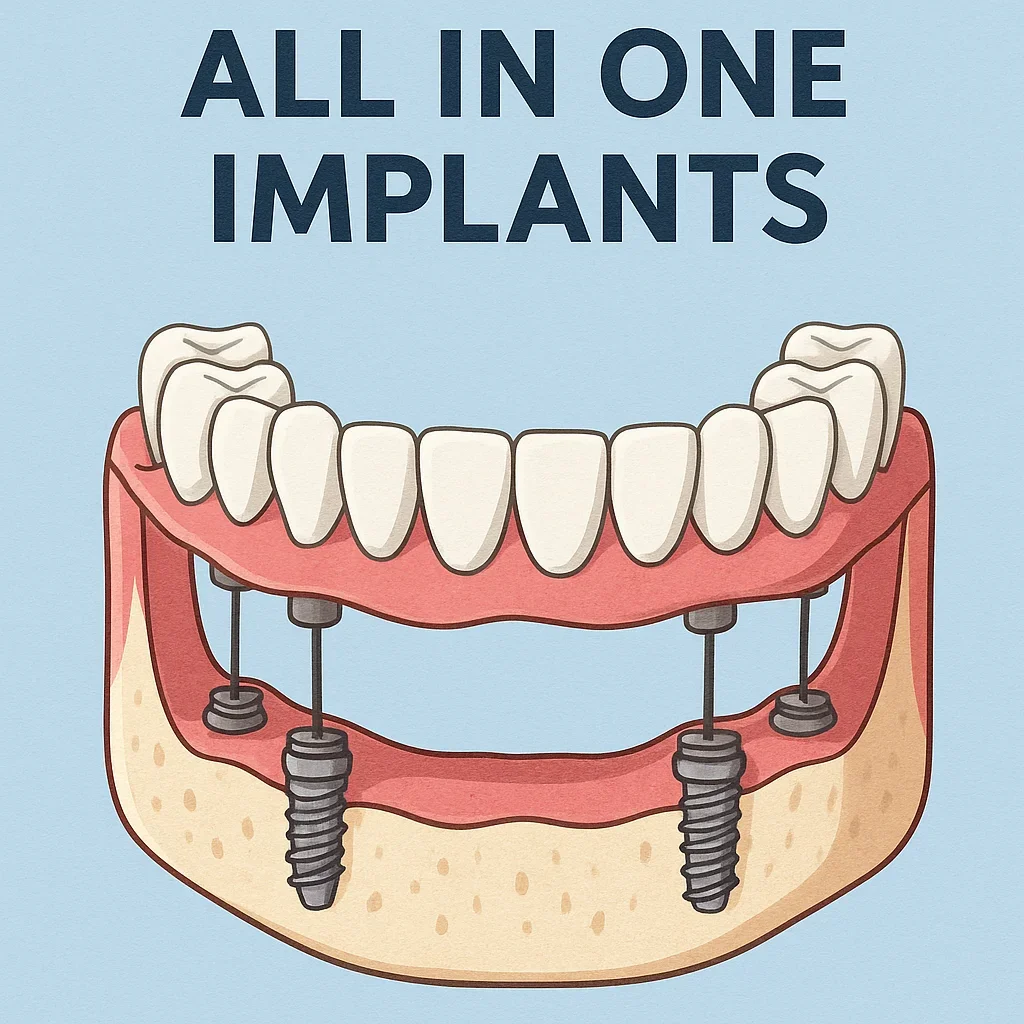
The term “all in one implants” refers to a complete arch of prosthetic teeth supported by as few as four strategically placed dental implants in the jawbone. Unlike traditional implants, which require one post for each missing tooth, this approach allows patients to regain an entire set of teeth with minimal surgical intervention. The design ensures stability, comfort, and long-term oral health. By distributing biting forces evenly across the jaw, all in one implants prevent bone loss and provide a natural chewing experience. 🦷
How All in One Implants Function in Modern Dentistry
When patients lose multiple teeth, they often face significant challenges, including difficulty eating, reduced confidence, and jawbone deterioration. Conventional dentures can help temporarily, but they lack stability and often lead to discomfort. All in one implants overcome these limitations by anchoring a full dental bridge securely to the jaw. The procedure involves placing four to six titanium posts into areas of the jaw with the highest bone density. These implants act as artificial roots, fusing with the bone through a process called osseointegration. Once healed, a custom-designed prosthesis is attached, creating a permanent and natural-looking smile.
This innovative method provides immediate function. In many cases, patients can leave the dental office on the same day with a fully functional set of teeth. Unlike removable dentures, there is no risk of slippage or clicking sounds while speaking. Patients report significant improvements in confidence, speech clarity, and the ability to enjoy a wide range of foods. 🍎🥩
Why Patients Are Choosing All in One Implants
The popularity of all in one implants continues to rise globally because they address both the cosmetic and functional needs of patients. Studies show that full-mouth implant restorations have higher long-term success rates compared to traditional dentures. Patients also experience better oral health since implants stimulate the jawbone and prevent further bone resorption. This is crucial because untreated bone loss can lead to changes in facial structure, making a person appear older. Additionally, since only four to six implants are needed per arch, treatment time is shorter and less invasive than placing individual implants for every missing tooth.
For individuals who have struggled with unstable dentures, this procedure offers a life-changing upgrade. The prosthetic teeth are carefully designed to match natural gum color and tooth shade, resulting in an aesthetically pleasing appearance. Furthermore, because the implants are anchored in the bone, patients no longer have to rely on adhesives or worry about dentures slipping during meals or conversations.
Who Can Benefit the Most from All in One Implants?
Ideal candidates for all in one implants include patients who have lost most or all of their teeth, those suffering from advanced gum disease, or individuals with severely damaged teeth requiring extraction. Even patients with some bone loss may qualify, thanks to modern techniques that utilize the densest areas of the jaw. Smokers and individuals with chronic illnesses may need additional evaluation, but overall, this method is accessible to a wide range of patients seeking permanent dental restoration.
Trusted Resources and Professional Guidance
When considering all in one implants, it is important to consult a qualified dental professional who can assess bone density, oral health, and treatment goals. Patients are encouraged to seek reputable clinics with proven experience in implantology. For further information about implant safety and standards, organizations such as the American Dental Association provide reliable educational resources. If you are ready to explore treatment options, you can contact our specialists through the Redent Klinik Contact Page for a personalized consultation.
Conclusion: A Permanent Path to Confidence
In summary, all in one implants represent the future of restorative dentistry, combining convenience, durability, and aesthetics in a single treatment plan. They provide immediate results, prevent jawbone loss, and offer a long-term solution for individuals struggling with missing teeth. With proper care and professional guidance, patients can enjoy a natural smile and restored confidence for decades. By choosing this treatment, you are not only investing in your oral health but also enhancing your quality of life. 🌟
What Are All in One Implants and How Do They Work?
All in one implants are a modern solution in restorative dentistry designed to replace an entire arch of teeth using only a small number of strategically placed implants. Unlike traditional dental implants that replace one tooth at a time, this system uses four to six titanium posts per arch, providing strong support for a fixed prosthesis. This innovative approach not only restores chewing ability but also enhances aesthetics, comfort, and long-term oral health. For patients who have lost multiple teeth or wear removable dentures, all in one implants offer a permanent and life-changing solution. 🦷
Defining All in One Implants
The phrase “all in one implants” typically refers to a technique in which a full set of prosthetic teeth is anchored to a few dental implants. The implants are surgically inserted into the jawbone, usually in areas where bone is strongest and most resistant to resorption. Once the implants integrate with the bone, they act like natural roots, supporting a bridge or hybrid denture that cannot be removed by the patient. This makes the system both functional and stable, allowing patients to eat, speak, and smile with complete confidence.
Key Characteristics of All in One Implants
- Require only 4–6 implants per arch instead of one implant per missing tooth.
- Offer immediate loading in many cases, meaning patients leave with a new smile the same day.
- Support a fixed, non-removable prosthesis designed to look like natural teeth and gums.
- Prevent bone loss by stimulating the jaw, similar to natural tooth roots.
These defining features set all in one implants apart from conventional dentures, which merely rest on the gums without providing structural support.
The Step-by-Step Process
Understanding how all in one implants work requires a look at the step-by-step procedure, which is carefully planned and executed by dental professionals:
- Initial Consultation and Planning: Dentists perform digital scans, X-rays, and sometimes CT scans to assess bone structure and oral health.
- Implant Placement: Four to six titanium posts are inserted into the jawbone at strategic angles for maximum stability.
- Osseointegration: Over several months, the implants fuse with the bone in a process known as osseointegration. This ensures long-term stability.
- Temporary Prosthesis: Many patients receive a temporary set of teeth immediately, allowing them to smile and eat while healing.
- Final Prosthesis: After healing, a permanent custom prosthesis is attached, completing the restoration process.
Because of modern technology and improved implant materials, this process is efficient and highly successful, with reported success rates exceeding 95% when performed by skilled professionals.
Biomechanics Behind the Treatment
The biomechanics of all in one implants are critical to their success. The implants are strategically tilted and positioned to maximize the available bone and avoid delicate structures like nerves and sinuses. This angulation provides greater contact between implant and bone, reducing the need for bone grafting in many cases. The full-arch prosthesis then distributes chewing forces evenly across the implants, ensuring comfort and functionality for the patient. 🍽️
Osseointegration: The Secret to Success
Osseointegration, the process by which titanium fuses with bone, is the foundation of successful all in one implants. This biological phenomenon allows the implants to act like natural tooth roots, making the prosthesis highly stable. Without osseointegration, dental implants would not provide the long-term benefits they are known for. Proper healing, good oral hygiene, and professional aftercare are essential to this stage.
Immediate Load Concept
One of the most attractive aspects of all in one implants is the possibility of “immediate load.” This means patients can receive a temporary prosthesis the same day implants are placed. Instead of waiting months for a final restoration, patients regain function and aesthetics almost instantly. This greatly improves quality of life and eliminates the social and functional drawbacks of being toothless during healing.
Comparing All in One Implants with Traditional Methods
Traditional dentures often slip, require adhesives, and may lead to gum irritation. Single-tooth implants, while effective, can be time-consuming and costly when replacing many teeth. All in one implants strike a balance by providing a permanent solution with fewer implants, reduced surgery time, and lower overall costs compared to placing dozens of implants. Patients also benefit from restored confidence, as the prosthesis looks and feels like natural teeth.
Who Can Benefit Most?
Individuals missing most or all of their teeth, or those frustrated with loose dentures, are prime candidates for all in one implants. Even patients with some bone loss may qualify, thanks to angled implant placement techniques. However, heavy smokers or individuals with uncontrolled medical conditions may require additional evaluation before proceeding.
Conclusion
In essence, all in one implants combine modern technology, strategic planning, and biological healing to deliver a long-term solution for tooth loss. They restore oral function, prevent bone deterioration, and give patients back the confidence of a natural smile. With success rates above 95% and immediate functionality in many cases, they are rapidly becoming the gold standard in full-mouth rehabilitation. 🌟
Advantages of All in One Implants Over Traditional Implants
When it comes to restoring missing teeth, patients are often faced with two primary choices: individual dental implants for each tooth or the more advanced option known as all in one implants. While traditional implants have long been considered the gold standard, modern advancements in implant dentistry have made the full-arch approach superior in many cases. Understanding the advantages of all in one implants can help patients make informed decisions about their oral health, finances, and long-term outcomes.
Convenience and Fewer Surgeries
One of the most significant advantages of all in one implants is the reduction in surgical interventions. With traditional implants, each missing tooth requires an individual titanium post, which can mean extensive surgeries, longer recovery times, and higher costs. In contrast, all in one implants replace an entire arch of teeth using as few as four strategically placed implants. This streamlined process reduces treatment time, minimizes discomfort, and lowers the number of dental visits required. Patients often find the simplified approach far less intimidating compared to multiple separate implant placements.
Immediate Results with Fewer Steps
Traditional implant treatments often require months of waiting between surgery, healing, and prosthesis placement. With all in one implants, many patients can receive a temporary fixed bridge on the same day as implant placement, allowing them to leave the dental office with a complete smile. This “teeth-in-a-day” concept is life-changing, especially for individuals who want to avoid the social and emotional challenges of living without teeth during the healing period. 🌟
Bone Preservation and Oral Health
Another powerful advantage of all in one implants is their ability to preserve jawbone health. When teeth are missing, the jawbone gradually deteriorates due to lack of stimulation. Traditional dentures do nothing to stop this process, and even multiple single implants may not address widespread bone loss effectively. In contrast, all in one implants are strategically angled and placed in areas of higher bone density, maximizing support and often eliminating the need for bone grafting. By stimulating the jawbone, they prevent further resorption and help maintain natural facial contours, reducing the risk of premature aging. 🦴
Facial Aesthetics and Confidence
Because all in one implants prevent bone loss and support natural facial structure, they offer cosmetic advantages over both traditional implants and removable dentures. Patients benefit from a youthful facial profile and a natural-looking smile that enhances confidence in social and professional settings. Many individuals report feeling years younger after completing treatment, as the procedure restores both appearance and function.
Durability and Long-Term Success
Traditional dental implants are highly durable, but when many implants are placed individually, the risk of complications such as implant failure, bone resorption, or gum disease increases. All in one implants, however, distribute bite forces evenly across the arch, significantly reducing stress on individual implants. This balance leads to higher success rates and longevity. Studies show that with proper care, these implants can last decades, making them a wise investment for patients seeking permanent solutions.
Cost-Effectiveness Compared to Traditional Options
While dental implants are often associated with high costs, all in one implants offer a more economical approach when restoring an entire arch. Instead of placing 10–14 individual implants, dentists use only four to six posts, reducing both surgical and material expenses. Additionally, because the treatment is faster and involves fewer appointments, overall costs—including chair time and follow-up care—are significantly reduced. Patients receive the benefits of a permanent restoration without the financial burden of dozens of implants.
Price Transparency and Value
Many clinics now provide clear cost breakdowns for all in one implants. While prices vary by region, expertise, and materials used, the treatment generally costs less than placing individual implants for every missing tooth. For example, in the United States, full-arch restorations with all in one systems can range from $18,000–$30,000 per arch, compared to $40,000–$60,000 for multiple single implants. Although the investment may seem significant, patients often recognize the superior value given the durability, function, and aesthetics achieved.
Improved Functionality and Comfort
Traditional dentures can slip, click, and cause sore spots on the gums. Even when supported by single implants, they may require adjustments and ongoing maintenance. All in one implants solve these issues by anchoring the prosthesis firmly into the jaw. Patients can enjoy crunchy fruits, steak, and other foods that are nearly impossible with loose dentures. The stability also improves speech, eliminating the embarrassing slips or lisping often associated with dentures.
Everyday Quality of Life Improvements
Beyond the functional improvements, patients report a significant boost in self-esteem and quality of life. Being able to laugh freely, eat in public, and engage in social situations without worrying about dentures slipping is a priceless benefit. This psychological and emotional uplift is one of the most underrated but powerful advantages of choosing all in one implants over traditional options. 😊
Minimal Maintenance Compared to Alternatives
Traditional dentures require daily removal, cleaning, and adhesives. Multiple single implants may need complex cleaning routines to avoid plaque buildup around each post. All in one implants, however, are maintained much like natural teeth: daily brushing, flossing, and routine dental check-ups. This simplicity ensures better long-term compliance with oral hygiene and reduces the likelihood of complications.
Conclusion
When comparing treatment options, the advantages of all in one implants clearly outweigh those of traditional implants or dentures for most patients. From fewer surgeries and immediate results to bone preservation, cost-effectiveness, and enhanced confidence, the benefits are both functional and aesthetic. For patients considering full-mouth rehabilitation, this innovative solution stands out as the most efficient and reliable path to a permanent, natural smile. 🌐
Who Is the Ideal Candidate for All in One Implants?
When considering advanced dental solutions, one of the most common questions patients ask is whether they are suitable for all in one implants. This treatment, while highly versatile, is not universally appropriate for every individual. Understanding the characteristics of an ideal candidate helps ensure the success and longevity of the procedure. By evaluating oral health, medical background, lifestyle, and expectations, dentists can determine if a patient is well-suited for this life-changing treatment.
General Candidacy Requirements
The best candidates for all in one implants typically meet a set of baseline health and dental conditions. These include:
- Missing most or all teeth in one or both arches
- Currently wearing unstable or uncomfortable dentures
- Possessing adequate jawbone density to support implants
- Good overall health without uncontrolled chronic illnesses
- Commitment to maintaining long-term oral hygiene
Patients who meet these conditions are usually considered prime candidates for the procedure, as their oral and systemic health allow for smooth surgery and healing.
Jawbone Density and Bone Health
One of the most critical factors in candidacy for all in one implants is bone health. Since implants act as artificial roots, they must integrate with the jawbone to provide stability. Patients with moderate to high bone density are ideal candidates because the implants have sufficient support. However, even individuals with bone loss may still qualify due to the unique angulated placement of these implants, which makes use of the densest areas of the jaw. In some cases, bone grafting or sinus lifts may be required, though the design of all in one implants often reduces or eliminates the need for such procedures.
Why Bone Quality Matters
Poor bone density increases the risk of implant failure, as the posts may not fully integrate with the jaw. This can lead to instability and long-term complications. Dentists use digital imaging and CT scans to assess bone quality before recommending treatment, ensuring the highest likelihood of success.
Gum Health and Periodontal Stability
Healthy gums are essential for the long-term success of all in one implants. Patients suffering from active gum disease must undergo treatment before implant placement. Gum infections not only weaken the surrounding tissues but also threaten the stability of implants by allowing bacteria to accumulate. Candidates should have healthy, infection-free gums and commit to maintaining periodontal health after surgery through regular cleanings and check-ups.
Medical History and Overall Health
While all in one implants are suitable for a broad range of patients, certain medical conditions can affect candidacy. Ideal candidates are those without uncontrolled diabetes, blood clotting disorders, or autoimmune diseases that could slow healing. Patients taking medications such as bisphosphonates (used for osteoporosis) should discuss risks with their dentist, as these drugs can interfere with bone healing. A thorough medical evaluation is always part of the candidacy process.
Age Considerations
There is no strict upper age limit for all in one implants, as long as the patient is healthy enough to undergo minor oral surgery. In fact, many senior patients benefit greatly from the treatment, regaining chewing ability and confidence. Younger patients who have lost teeth due to trauma or disease can also qualify, provided their jawbone has fully developed.
Lifestyle Factors That Influence Candidacy
Beyond medical and dental conditions, lifestyle habits also play a role in determining suitability for all in one implants. For example, heavy smokers may face complications with healing, as nicotine reduces blood flow to the gums and bone. Patients who are willing to quit smoking or significantly reduce their use of tobacco products have a better prognosis. Similarly, individuals who consume alcohol excessively or neglect oral hygiene may not be ideal candidates unless they commit to lifestyle changes.
Commitment to Aftercare
Patients who demonstrate a strong commitment to oral hygiene and follow-up care are more likely to succeed with all in one implants. Brushing, flossing, and attending regular dental check-ups are critical to maintaining implant health. Candidates must be realistic about the need for lifelong maintenance, even though the system is easier to manage than traditional dentures.
Psychological Readiness and Expectations
Another factor in candidacy is psychological readiness. Patients must understand the procedure, healing time, and maintenance involved. Unrealistic expectations can lead to dissatisfaction, even if the clinical results are excellent. Ideal candidates are those who recognize that all in one implants provide a permanent, functional, and aesthetic solution, but still require ongoing oral care and responsibility.
Patients Who May Need Additional Evaluation
While many individuals qualify, some patients require further assessment before receiving all in one implants. These include:
- Individuals with uncontrolled diabetes
- Patients undergoing chemotherapy or radiation therapy
- Those with severe cardiovascular conditions
- Patients with untreated periodontal disease
For these individuals, additional medical or dental interventions may be required before implant placement can proceed.
Conclusion
The ideal candidate for all in one implants is someone with missing or failing teeth, good bone density, healthy gums, and a commitment to maintaining oral hygiene. Factors such as overall health, lifestyle, and expectations also play vital roles. With careful assessment and planning, a wide variety of patients—from younger adults to seniors—can enjoy the life-changing benefits of this advanced dental solution. 🌟
Step-by-Step Procedure of Getting All in One Implants
The process of receiving all in one implants is highly organized, precise, and designed to minimize patient discomfort while maximizing long-term results. Unlike removable dentures or lengthy traditional implant treatments, this method is streamlined, allowing many patients to leave the dental office with a functional smile on the very same day. Below is a detailed look at the entire journey, from the first consultation to final restoration, so patients know exactly what to expect during their treatment.
Step 1: Initial Consultation and Diagnostic Evaluation
The journey begins with a comprehensive consultation, where a dentist or implant specialist evaluates the patient’s oral and overall health. During this phase, digital scans, panoramic X-rays, and sometimes 3D CT scans are taken. These imaging techniques allow precise mapping of the jawbone, gum tissue, and anatomical structures. The primary goal is to determine whether the patient has enough bone density to support all in one implants. At this stage, medical history is also reviewed to identify any conditions that may affect healing, such as diabetes or cardiovascular issues.
Importance of Diagnostic Imaging
Advanced imaging is crucial because it helps the dentist locate the densest areas of bone for implant placement. This ensures that implants are angled correctly to avoid sensitive structures like nerves and sinuses, while still offering maximum stability. By carefully planning the procedure digitally, the risk of complications is significantly reduced.
Step 2: Personalized Treatment Planning
Once candidacy is confirmed, a customized treatment plan is created. This plan outlines how many implants will be placed (usually four to six per arch), the angulation of each implant, and the type of prosthesis to be attached. Patients are often shown digital previews of what their smile will look like after the procedure. This visualization helps set realistic expectations and gives patients confidence about moving forward with all in one implants.
Step 3: Tooth Extraction and Preparation (if required)
In cases where patients still have damaged or failing teeth, extractions may be necessary. These extractions are often performed on the same day as implant placement. Removing compromised teeth and immediately placing implants reduces overall treatment time and prevents patients from living without teeth for an extended period.
Step 4: Implant Placement Surgery
The surgical phase is the cornerstone of the treatment. The dentist places four to six titanium posts into the jawbone using precision-guided technology. Two implants are usually positioned vertically at the front of the arch, while two others are tilted at strategic angles in the back. This angulated placement ensures maximum contact with dense bone, eliminating the need for bone grafting in many cases. The surgery is typically performed under local anesthesia, though sedation options are available for patients with dental anxiety.
Surgical Efficiency and Comfort
Thanks to digital planning and minimally invasive techniques, the implant placement phase is efficient and relatively comfortable. Many patients report less discomfort than they expected, with swelling and soreness typically resolving within a few days. Recovery is much faster compared to placing numerous individual implants for each tooth.
Step 5: Immediate Loading with Temporary Prosthesis
One of the greatest advantages of all in one implants is the immediate load protocol. After the implants are secured, a temporary prosthesis is attached the same day. This means patients leave the office with a full set of teeth, eliminating the embarrassment and inconvenience of being toothless during healing. The temporary bridge is designed for both aesthetics and function, allowing patients to eat soft foods and smile confidently while the implants integrate with the bone.
Step 6: Healing and Osseointegration
Over the next three to six months, the implants undergo a process called osseointegration, where the titanium posts fuse with the jawbone. This stage is critical for long-term success. Patients are advised to follow a soft diet, maintain excellent oral hygiene, and attend regular check-ups to monitor healing. Once osseointegration is complete, the implants provide the same stability as natural tooth roots.
Monitoring Healing Progress
During this period, dentists may take follow-up scans or X-rays to ensure the implants are integrating properly. Any signs of infection, inflammation, or implant movement are addressed promptly to safeguard the success of the treatment.
Step 7: Placement of the Final Prosthesis
After successful osseointegration, the temporary prosthesis is replaced with a permanent one. This custom-made prosthesis is carefully designed to mimic the natural look of gums and teeth. Patients can choose from different materials, including high-quality acrylic or zirconia, depending on their budget and aesthetic preferences. The final result is a beautiful, durable, and functional smile that restores chewing ability and boosts self-confidence.
Step 8: Post-Procedure Care and Maintenance
Once the final prosthesis is in place, patients receive instructions on how to care for their new teeth. While all in one implants are easier to maintain than dentures, proper hygiene remains essential. Daily brushing, flossing, and routine professional cleanings help ensure the longevity of the implants. Patients are also advised to avoid habits like smoking, which can compromise healing and implant stability.
Conclusion
The step-by-step procedure of all in one implants demonstrates why this treatment is considered revolutionary in modern dentistry. From precise digital planning to immediate restoration, every phase is designed with patient comfort, efficiency, and long-term success in mind. With success rates above 95% and the ability to deliver a complete smile in just one day, this approach is transforming lives by offering a permanent solution for tooth loss. 🦷✨
All in One Implants Cost Breakdown and Price Comparison
One of the most common questions patients ask before committing to all in one implants is, “How much will it cost?” While the investment is significant compared to dentures or partial restorations, the value offered by this treatment far exceeds its price. To make an informed decision, it’s essential to break down the costs, examine what factors influence pricing, and compare expenses with other alternatives. Below, we provide a comprehensive explanation of costs associated with all in one implants so patients can understand both the financial and long-term benefits.
Average Cost Range by Region
The price of all in one implants varies significantly depending on geographic location, the dentist’s expertise, and the materials used. On average:
- United States: $18,000 – $30,000 per arch (upper or lower jaw)
- United Kingdom: £12,000 – £20,000 per arch
- Europe (Turkey, Hungary, Poland): €6,000 – €12,000 per arch
- Australia: AUD $22,000 – $35,000 per arch
- Middle East & Asia: $8,000 – $15,000 per arch, depending on the clinic
These prices may seem high, but when compared to the cumulative costs of placing 10–14 individual implants per arch, which can reach $40,000–$60,000 or more, all in one implants offer a more cost-effective solution.
Factors Influencing the Cost
Several factors influence the final price of all in one implants. Understanding these helps patients see where their investment goes:
- Materials Used: Zirconia prostheses tend to cost more than acrylic due to durability and aesthetics.
- Number of Implants: While the standard is four per arch, some cases require six for extra stability, which increases cost.
- Pre-Treatment Procedures: Tooth extractions, bone grafting, or sinus lifts may be necessary for some patients.
- Dentist’s Experience: Highly skilled specialists often charge more but deliver superior outcomes.
- Geographic Location: Treatment in countries with lower healthcare costs (e.g., Turkey) is generally more affordable than in the U.S. or U.K.
Why Material Selection Matters
Choosing the right prosthetic material is critical. Zirconia, while more expensive, provides exceptional aesthetics, stain resistance, and longevity. Acrylic is more budget-friendly but may require replacement sooner. Patients should weigh long-term value against immediate cost when selecting materials for their all in one implants.
Cost Breakdown of the Procedure
To better understand where the money goes, here’s a general breakdown of all in one implants treatment costs:
- Initial Consultation & Imaging: $300 – $800 (includes scans, exams, and planning)
- Extractions (if needed): $75 – $300 per tooth
- Implant Placement Surgery: $6,000 – $12,000 depending on number of implants
- Temporary Prosthesis: $1,000 – $3,000
- Final Prosthesis (acrylic or zirconia): $6,000 – $15,000
- Follow-Up Appointments: $500 – $1,000 over the course of treatment
The above ranges are averages, and many clinics offer bundled packages to simplify costs for patients. For instance, some dental centers in Europe provide an “all-inclusive package” covering surgery, accommodation, and aftercare, making treatment abroad an attractive option for international patients.
Comparing Costs with Alternatives
Patients often compare all in one implants with dentures or multiple single implants. While dentures are far cheaper initially ($1,500–$3,000 per arch), they require frequent adjustments, replacements, and ongoing expenses for adhesives and cleaning solutions. Over time, these costs add up, not to mention the discomfort and bone loss associated with dentures. Multiple single implants, while effective, are significantly more expensive when replacing a full arch of teeth. This makes all in one implants the ideal balance between affordability and long-term value.
Long-Term Value of All in One Implants
Although upfront costs are higher than dentures, all in one implants last for decades when properly maintained. This eliminates the need for constant replacements, making them cost-effective in the long run. Additionally, patients save money by avoiding treatments associated with bone loss, gum irritation, and frequent denture repairs.
Insurance and Financing Options
In many countries, dental insurance may not cover the full cost of all in one implants, as they are often classified as elective procedures. However, partial coverage may apply to diagnostics, extractions, or prosthetic components. Many clinics also offer financing options, allowing patients to pay in installments rather than covering the entire amount upfront. This makes treatment more accessible for individuals who cannot afford to pay all at once.
Medical Tourism and Cost Savings
An increasing number of patients are traveling abroad for all in one implants. Countries like Turkey, Hungary, and Thailand have become popular destinations for high-quality, affordable dental care. Clinics in these regions often provide world-class facilities at a fraction of the price in Western nations. Patients not only save money but also enjoy the opportunity to combine treatment with travel.
Conclusion
While the cost of all in one implants may seem high at first glance, the benefits they provide in terms of function, aesthetics, and quality of life make them a worthwhile investment. Compared to traditional dentures or multiple single implants, this treatment offers superior long-term value. With various financing options, international clinics, and material choices, patients have multiple ways to make treatment affordable. Ultimately, the cost is an investment in permanent oral health, restored confidence, and improved quality of life. 💎
Recovery Process and Aftercare Tips for Implant Patients
One of the most important aspects of successful all in one implants treatment is the recovery and aftercare phase. While modern techniques allow for faster healing and less discomfort compared to older methods, patients must still follow specific guidelines to ensure their implants heal correctly and remain stable for decades. This section provides a detailed overview of the recovery timeline, what to expect in terms of discomfort, and essential aftercare practices that help maximize the success of all in one implants.
Immediate Post-Surgery Recovery
After surgery, patients may experience mild swelling, bruising, or discomfort around the implant site. These symptoms are natural responses to surgery and typically resolve within a week. Dentists often prescribe pain relievers and antibiotics to manage discomfort and prevent infection. Applying an ice pack to the outside of the face for 10–15 minutes at a time during the first 24 hours can help reduce swelling. Patients are also advised to rest, avoid strenuous activities, and follow dietary restrictions to protect their new implants during the initial healing phase.
Dietary Guidelines for the First Week
During the first week, soft foods such as yogurt, mashed potatoes, soups, and smoothies are recommended. Crunchy or hard foods should be avoided to prevent pressure on the new implants. As healing progresses, patients can gradually reintroduce more solid foods, but chewing should remain gentle until osseointegration is complete.
Healing and Osseointegration
The key to the long-term success of all in one implants lies in a process called osseointegration. Over a period of three to six months, the titanium posts fuse with the jawbone, becoming as strong as natural tooth roots. During this stage, patients must maintain excellent oral hygiene and attend follow-up appointments to ensure proper healing. Dentists monitor progress through clinical exams and X-rays, ensuring the implants remain stable and free from infection.
Signs of Healthy Healing
- Reduced swelling and discomfort within 7–10 days
- Gums that appear pink and healthy around the implant site
- No excessive bleeding or pus discharge
- Improved stability of the temporary prosthesis
If patients notice persistent pain, swelling, or loosening of the prosthesis, they should contact their dentist immediately to address potential complications.
Oral Hygiene During Recovery
Maintaining oral hygiene is critical after all in one implants. Patients should brush twice daily with a soft-bristled toothbrush and use implant-safe toothpaste. Interdental brushes or water flossers are recommended to clean around implants and prostheses. Antibacterial mouth rinses may also be prescribed to reduce bacteria and promote gum healing. Unlike dentures, which require removal and soaking, all in one implants can be cleaned similarly to natural teeth, making maintenance easier and more convenient.
Professional Cleaning Appointments
Dentists typically schedule follow-up cleanings every three to six months during the first year after surgery. These visits are essential for monitoring the health of the gums, implants, and prostheses. Professional tools allow dentists to remove plaque and tartar buildup that regular brushing cannot eliminate.
Activity Restrictions and Lifestyle Adjustments
In the early stages of recovery, patients should avoid smoking and excessive alcohol consumption, as both can slow healing and increase the risk of implant failure. Strenuous exercise and heavy lifting should also be avoided for the first few days after surgery, as physical stress can disrupt the healing process. Following these restrictions helps ensure the implants integrate properly and remain stable.
Impact of Smoking on Healing
Smoking reduces blood flow to the gums and bone, significantly increasing the risk of implant complications. Patients who smoke are encouraged to quit before undergoing all in one implants and avoid resuming the habit afterward to protect their long-term oral health.
Transition from Temporary to Permanent Prosthesis
Most patients receive a temporary prosthesis immediately after implant placement, which allows them to eat and smile during healing. Once osseointegration is complete, the dentist replaces this temporary bridge with a custom-made permanent prosthesis. This final restoration is designed for optimal aesthetics, comfort, and durability. Patients often report a significant improvement in chewing ability, speech clarity, and overall confidence once the permanent prosthesis is fitted.
Long-Term Aftercare Tips
After the recovery period, maintaining all in one implants is relatively simple but crucial. Patients should:
- Brush twice daily and floss or use interdental brushes
- Schedule dental check-ups at least twice a year
- Avoid using teeth to open packages or bite hard objects
- Wear a night guard if prone to teeth grinding (bruxism)
- Follow a balanced diet to support gum and bone health
The Role of Nutrition in Long-Term Success
A diet rich in calcium, vitamin D, and protein supports bone density and gum health, ensuring implants remain stable over time. Foods like leafy greens, dairy, fish, and nuts provide essential nutrients for maintaining oral and systemic health.
Conclusion
The recovery and aftercare process for all in one implants is straightforward but requires patient commitment. From the immediate post-surgery phase to long-term maintenance, every step plays a vital role in ensuring the stability and success of the implants. With proper care, patients can expect their implants to last for decades, providing both functional and cosmetic benefits. Following dental advice, maintaining good hygiene, and making healthy lifestyle choices guarantee the full potential of this transformative treatment. 🌟
Potential Risks and Complications of All in One Implants
While all in one implants are considered one of the most reliable and effective solutions for full-mouth restoration, no surgical procedure is entirely without risk. Understanding potential complications allows patients to prepare better, follow post-operative instructions closely, and know when to seek professional help. Fortunately, with skilled dental professionals and proper aftercare, most risks are minor and manageable, but awareness is critical to ensuring long-term success.
Immediate Post-Surgical Risks
After the placement of all in one implants, patients may experience some temporary side effects. These are usually mild and resolve with time, but it is important to distinguish between normal recovery and warning signs of complications.
- Swelling and Bruising: Common in the first few days after surgery and typically subsides within a week.
- Pain or Discomfort: Manageable with prescribed medications and often less severe than expected.
- Minor Bleeding: Can occur during the first 24–48 hours but should not persist beyond that period.
These symptoms are part of the body’s natural healing process and should gradually improve. However, excessive or worsening discomfort may indicate underlying issues.
Infection Risks
One of the most significant concerns after implant surgery is infection. Poor oral hygiene, smoking, or ignoring aftercare instructions can increase the risk of bacteria accumulating around the implant site. If untreated, infections may compromise osseointegration—the process by which the titanium implant fuses with the bone. Signs of infection include persistent swelling, redness, discharge of pus, or fever. Early intervention with antibiotics or professional cleaning usually resolves the issue before it progresses.
Peri-Implantitis
Peri-implantitis is a specific type of infection that affects the tissues around the implant, leading to bone loss and possible implant failure if left untreated. Regular check-ups, good oral hygiene, and professional cleanings significantly reduce the risk of this complication in patients with all in one implants.
Osseointegration Failure
Although the success rate of all in one implants exceeds 95%, there is a small chance that the implant posts may fail to integrate with the jawbone. This could be due to insufficient bone density, poor healing, smoking, or systemic health issues such as uncontrolled diabetes. Failed osseointegration can result in implant loosening or instability. In many cases, the failed implant can be removed, the area allowed to heal, and a new implant placed later.
Nerve or Sinus Complications
Implant placement requires precision to avoid damage to nerves or the sinus cavity. In rare cases, improper positioning may lead to:
- Nerve irritation: Causing temporary numbness or tingling in the lips, gums, or chin.
- Sinus involvement: If upper implants extend too far into the sinus cavity, it may lead to discomfort or sinus infections.
Fortunately, the use of 3D imaging and guided implant surgery greatly reduces these risks. Experienced implantologists carefully evaluate anatomy before proceeding with surgery.
Mechanical Complications
Even after successful integration, mechanical issues can occasionally occur with all in one implants systems. These include:
- Prosthesis Loosening: The bridge attached to the implants may loosen over time and require tightening.
- Fractured Prosthesis: Though rare with zirconia, acrylic prostheses are more prone to chipping or wear.
- Screw Loosening or Breakage: The screws holding the prosthesis may loosen, requiring professional adjustment.
Routine maintenance appointments allow dentists to detect and correct such issues before they become major problems.
Bruxism and Implant Stress
Patients who grind or clench their teeth (bruxism) place extra stress on implants, increasing the risk of mechanical wear or failure. In such cases, dentists often recommend wearing a night guard to protect the implants and prosthesis.
Systemic Health-Related Risks
General health plays an important role in the success of all in one implants. Certain systemic conditions may increase risks, such as:
- Uncontrolled Diabetes: Slows healing and increases infection risk.
- Autoimmune Disorders: May affect bone integration and recovery.
- Osteoporosis: Weakens bone density, reducing implant stability.
While these conditions do not always disqualify patients, they require careful management and collaboration with medical doctors to ensure safe treatment.
Lifestyle-Related Risks
Lifestyle habits also play a significant role in the success or failure of all in one implants. Smoking, excessive alcohol consumption, and poor oral hygiene are the most common contributors to complications. Patients who are committed to making positive lifestyle changes—such as quitting smoking and following proper oral hygiene routines—significantly improve their outcomes.
Long-Term Maintenance and Risk Prevention
Most risks associated with all in one implants can be minimized with consistent aftercare. Patients should attend regular dental check-ups, brush and floss daily, and use implant-safe cleaning tools. Dentists may also recommend periodic professional cleanings with special equipment designed for implants. By following these guidelines, the risk of complications such as peri-implantitis, mechanical failure, or gum disease is greatly reduced.
Conclusion
While the potential risks of all in one implants should not be overlooked, it is important to recognize that complications are relatively rare, especially when treatment is performed by experienced specialists. Most issues can be prevented or easily managed with proper planning, careful surgery, and diligent aftercare. With awareness and commitment to oral health, patients can enjoy the life-changing benefits of implants with confidence, knowing that the likelihood of long-term success remains extremely high. ✅
Longevity and Success Rates of All in One Implant Systems
One of the most appealing aspects of all in one implants is their proven durability and long-term success. Patients investing in this advanced treatment want reassurance that their new smile will last for decades, and modern research confirms that these implants deliver both strength and stability. By understanding longevity, success rates, and the factors influencing long-term outcomes, patients can appreciate why all in one implants are considered the gold standard in full-mouth restoration.
Average Lifespan of All in One Implants
With proper care, all in one implants can last a lifetime. The titanium posts placed in the jawbone are designed to fuse permanently with bone through osseointegration. Studies show that the implant fixtures themselves can last 25 years or more, with many patients never needing replacement. The prosthetic bridge, however, may require maintenance or replacement after 10–20 years depending on the material used (zirconia being more durable than acrylic). Overall, patients can expect decades of reliable function and aesthetics with this treatment.
Comparing Longevity to Other Options
When compared to dentures or traditional implants, the longevity of all in one implants is unmatched. Dentures usually need to be replaced every 5–7 years due to wear and changes in jawbone shape. Traditional single implants are durable but impractical when restoring an entire arch due to cost and multiple surgical procedures. By offering a balance between efficiency and durability, all in one implants provide superior long-term value.
Success Rates in Clinical Studies
The global success rate of all in one implants consistently exceeds 95%, making them one of the most reliable dental procedures available today. Clinical studies across Europe, the United States, and Asia confirm that these implants maintain their stability and function for decades when placed by experienced specialists. In fact, research shows that after 10 years, more than 9 out of 10 patients still enjoy fully functional implants without complications.
Why Success Rates Are So High
Several factors contribute to the impressive success rates of all in one implants:
- Strategic Placement: Implants are angled to maximize bone support and avoid delicate anatomical structures.
- Immediate Function: Patients often receive a temporary prosthesis the same day, preventing bone loss and gum collapse.
- Advanced Materials: Titanium implants and zirconia bridges are highly biocompatible and durable.
- Improved Oral Hygiene: Fixed prostheses are easier to maintain than removable dentures, reducing infection risks.
Factors Influencing Longevity
While the success rates are high, longevity depends on multiple patient-related and clinical factors. These include:
- Bone Density and Quality: Strong, healthy bone provides better support for implants.
- Gum Health: Healthy gums are essential to prevent infections like peri-implantitis.
- Oral Hygiene Habits: Regular brushing, flossing, and dental visits extend the lifespan of the prosthesis.
- Lifestyle Choices: Smoking, excessive alcohol, and poor diet can shorten implant lifespan.
- Medical Conditions: Uncontrolled diabetes or autoimmune diseases may reduce long-term success.
Impact of Prosthetic Material
The choice of prosthetic material also influences longevity. Zirconia is known for its strength, resistance to wear, and natural appearance. Acrylic, while more affordable, is more prone to chipping and discoloration over time. Patients who invest in zirconia restorations often enjoy longer-lasting results with fewer repairs or replacements.
Maintenance for Long-Term Success
To maximize the lifespan of all in one implants, proper maintenance is essential. Patients should brush twice daily, floss using implant-specific tools, and schedule regular dental cleanings. Professional maintenance every six months allows dentists to check implant stability, clean hard-to-reach areas, and detect early signs of complications. Patients with bruxism (teeth grinding) should wear a night guard to protect their implants from excessive stress.
Comparing Success with Traditional Treatments
Traditional dentures may seem less expensive initially, but they do not prevent bone loss and often require frequent replacements. Over decades, the cumulative cost and inconvenience of dentures surpass the investment in all in one implants. Similarly, while multiple single implants can last as long individually, they involve higher costs, longer treatment times, and more surgical risks when used to replace a full arch of teeth.
Long-Term Patient Satisfaction
Patient satisfaction is another measure of success. Research shows that individuals with all in one implants report greater satisfaction compared to those with dentures, citing improved chewing ability, confidence, and overall quality of life. The combination of aesthetics, comfort, and functionality explains why patients consistently recommend this treatment to others facing tooth loss.
Conclusion
The longevity and success rates of all in one implants make them one of the most effective dental treatments available today. With a success rate of over 95% and the potential to last a lifetime, they represent an outstanding investment in oral health and confidence. By combining advanced surgical techniques, durable materials, and proper patient maintenance, all in one implants deliver reliable, long-term results that far surpass dentures or alternative treatments. 🌟
Top FAQs About All in One Implants Answered by Experts
Patients considering all in one implants often have many questions about the procedure, results, risks, and long-term expectations. Below, we address the most frequently asked questions with detailed, expert-backed answers to help patients feel fully informed and confident in their decision-making process.
How Do All in One Implants Differ from Traditional Dental Implants?
The main difference lies in efficiency and scope. Traditional implants are placed individually for each missing tooth, which can be time-consuming and expensive. In contrast, all in one implants use 4–6 strategically placed implants to support an entire arch of teeth. This makes them more cost-effective, less invasive, and quicker to complete than placing 10–14 separate implants.
Immediate Function vs. Staged Treatment
Another distinction is that many patients receiving all in one implants leave the clinic with a temporary bridge the same day, whereas traditional implants often require months of healing before any prosthesis can be attached.
How Long Does the Procedure Take?
The surgical placement of all in one implants typically takes 2–4 hours per arch, depending on the patient’s anatomy and whether extractions are required. Patients usually receive a temporary prosthesis the same day, allowing them to leave the clinic with a functional smile. The final prosthesis is fitted after osseointegration, which usually takes 3–6 months.
Is the Procedure Painful?
Thanks to modern anesthesia and sedation techniques, most patients report minimal discomfort during surgery. Post-operative discomfort is usually mild and manageable with over-the-counter or prescribed medications. Swelling and soreness may occur for a few days, but these are normal parts of recovery and typically subside quickly.
What Is the Success Rate of All in One Implants?
The success rate of all in one implants is over 95%, according to multiple clinical studies. This high rate of success is due to precise implant placement, biocompatible materials, and the ability of the implants to integrate with the jawbone. With proper care, many patients enjoy their implants for life without major issues.
Am I a Candidate for All in One Implants?
Most adults with missing teeth are candidates for this treatment, but eligibility depends on factors such as bone density, gum health, and overall health status. Patients with conditions like uncontrolled diabetes or severe osteoporosis may require additional evaluation. Dentists perform CT scans and clinical exams to determine if all in one implants are appropriate for each individual.
Bone Grafting and Eligibility
One of the advantages of all in one implants is that they often eliminate the need for bone grafting. Because the implants are angled and strategically placed, even patients with some bone loss can usually undergo treatment without extensive preparatory surgery.
How Much Do All in One Implants Cost?
The cost varies by region, materials used, and clinic expertise. On average, prices range between $15,000–$30,000 per arch in the United States, while treatment in countries like Turkey or Hungary may cost $6,000–$12,000 per arch. While the initial expense may seem high, all in one implants are more cost-effective in the long run compared to dentures or multiple single implants. Patients can explore financing options and medical tourism for more affordable solutions.
How Long Will the Implants Last?
When properly cared for, the titanium implant posts can last a lifetime. The prosthetic bridge may need replacement after 10–20 years, depending on the material. Zirconia is more durable and long-lasting than acrylic, offering patients a lower risk of wear and breakage over time.
What Are the Risks and Complications?
Although rare, potential risks include infection, peri-implantitis, implant failure, and prosthesis issues such as loosening. Lifestyle choices like smoking and poor oral hygiene can increase these risks. Fortunately, most complications are preventable with proper care and routine dental visits.
How to Minimize Risks
Patients can minimize risks by following dentist instructions, maintaining excellent oral hygiene, avoiding smoking, and attending follow-up appointments. These steps dramatically increase the chances of long-term success with all in one implants.
What Is the Recovery Time?
Most patients recover from the initial surgery within 7–10 days, although complete osseointegration may take several months. During this time, patients can usually eat soft foods and gradually transition to a normal diet once healing progresses. Regular check-ups ensure that the implants are integrating properly with the bone.
How Do I Care for All in One Implants?
Daily care is very similar to natural teeth. Patients should brush twice daily, floss or use interdental brushes, and rinse with antibacterial mouthwash if recommended by their dentist. Professional cleanings every 6 months help maintain gum health and prevent complications.
Can I Eat Normally with All in One Implants?
Yes. Once the permanent prosthesis is placed, patients can eat nearly all types of food without worry. Unlike dentures, which slip and restrict dietary choices, all in one implants provide stable support for chewing, allowing patients to enjoy steak, crunchy vegetables, and other foods with confidence.
Conclusion
The most common questions about all in one implants revolve around procedure time, cost, risks, and long-term outcomes. By addressing these FAQs, patients gain a clearer understanding of what to expect and why this treatment is so successful worldwide. With high success rates, natural aesthetics, and lifetime durability, all in one implants remain one of the best solutions for full-mouth restoration. 💡