
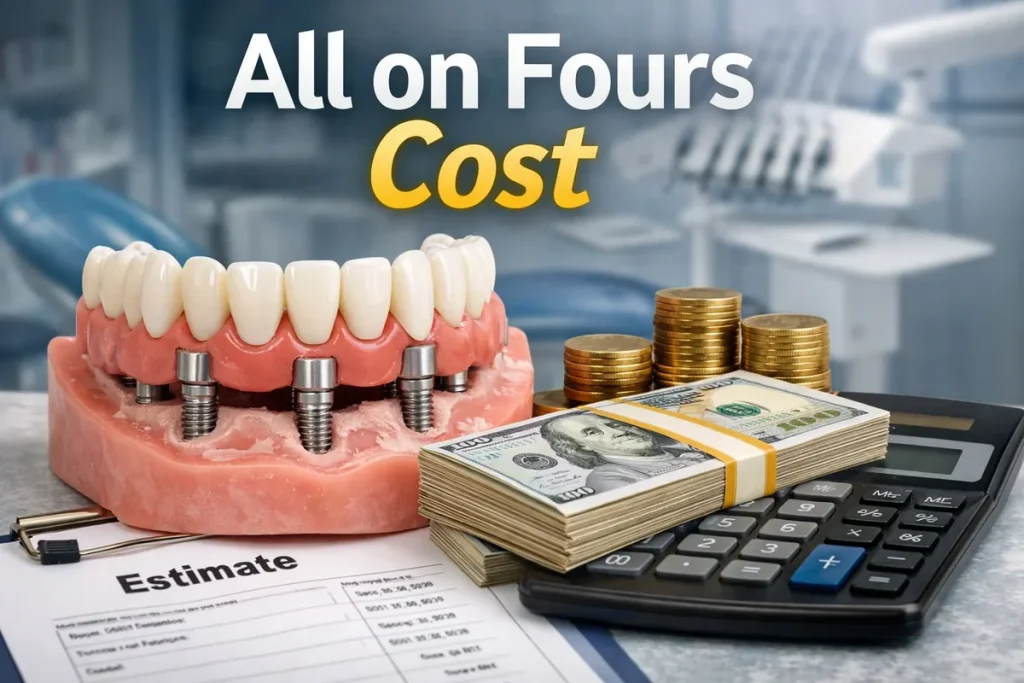
If you are researching the all on fours cost, you are likely considering a full-arch dental restoration and want clear, honest answers before making a life-changing decision. The All-on-4 treatment concept is designed for patients who have lost most or all of their teeth in one jaw and want a fixed, long-term solution. Instead of placing an implant for every missing tooth, this method uses four strategically positioned implants to support a full arch of prosthetic teeth. While the clinical benefits are impressive, understanding the real all on fours cost is essential before moving forward.
The all on fours cost is not a single flat number. It typically includes several stages of treatment: initial consultation, digital imaging (such as panoramic X-rays or 3D CBCT scans), surgical implant placement, temporary prosthetic teeth, and the final fixed bridge. In some cases, additional procedures such as tooth extractions or bone grafting may be necessary, which can influence the total all on fours cost. That is why patients often see a price range rather than one exact figure.
In general, the all on fours cost in countries like the United States can range between $20,000 and $30,000 per arch. In the United Kingdom, it may vary from £14,000 to £25,000 per arch. However, in dental tourism destinations such as Turkey, the all on fours cost is significantly more affordable, often ranging between $5,000 and $9,000 per arch, depending on materials and clinic standards. These price differences are usually related to operational costs, laboratory expenses, and local economic conditions—not necessarily quality.
When evaluating the all on fours cost, it is important to look beyond the headline number. High-quality implant brands, experienced oral surgeons, advanced technology, and premium prosthetic materials can all influence the final all on fours cost. For example, zirconia final bridges generally increase the total all on fours cost compared to acrylic options, but they offer superior durability and aesthetics.
Another key factor affecting the all on fours cost is whether you need treatment for one jaw or both. Full-mouth rehabilitation (upper and lower arches) can double the all on fours cost, although some clinics provide package pricing that slightly reduces the combined expense. Patients should also consider long-term value. Although the initial all on fours cost may seem high, the procedure often eliminates the need for removable dentures, adhesives, and repeated adjustments.
From a medical standpoint, the All-on-4 concept is supported by strong clinical research and is recognized as a reliable full-arch solution. According to professional guidelines and educational resources provided by the American Dental Association, dental implants are considered one of the most predictable and durable tooth replacement options available today. This reliability contributes to the overall all on fours cost, as the treatment is designed for long-term success.
Patients frequently ask whether the all on fours cost includes aftercare and follow-up visits. In reputable clinics, the quoted all on fours cost often covers post-surgical check-ups and temporary prosthesis adjustments. However, maintenance appointments over the years may involve additional fees. Understanding exactly what is included in your personalized all on fours cost estimate is essential to avoid unexpected expenses.
It is also important to remember that the all on fours cost reflects more than just implants and prosthetic teeth. It represents surgical precision, digital planning, laboratory craftsmanship, sterilization standards, and clinical expertise. The treatment requires careful angulation of the posterior implants to maximize bone contact and avoid anatomical structures. This advanced planning directly influences the overall all on fours cost because it demands specialized skills and technology.
Ultimately, the best way to understand your specific all on fours cost is through a personalized consultation. Each patient’s bone structure, oral health condition, and aesthetic expectations are unique. For a tailored evaluation and transparent pricing, you can visit the Redent Klinik Contact Page to request a professional assessment.
In summary, the all on fours cost depends on multiple variables, including country, materials, clinical expertise, and individual oral health needs. While the upfront investment may appear significant, many patients find that the functional, aesthetic, and psychological benefits justify the all on fours cost in the long term. A confident smile, stable bite, and improved quality of life are often priceless outcomes of this advanced dental solution. 😊
1. What Is Included in the All on Fours Cost?
When patients research the all on fours cost, one of the first questions they ask is: “What exactly am I paying for?” Understanding what is included in the all on fours cost is essential for making an informed decision and comparing clinics accurately. This treatment is not a single procedure performed in one hour. Instead, it is a carefully planned, multi-stage process that combines surgical expertise, digital technology, laboratory craftsmanship, and long-term follow-up care.
The total all on fours cost typically reflects every stage of the journey—from your first consultation to the placement of your final fixed teeth. However, inclusions can vary between clinics and countries, so transparency is key. Below, we break down the main components that usually make up the all on fours cost.
Initial Consultation and Diagnostic Imaging
The first part of the all on fours cost often includes a comprehensive consultation. During this stage, the dentist evaluates your oral health, bone density, gum condition, and overall suitability for implants. Advanced imaging, such as panoramic X-rays or 3D CBCT scans, is typically required. These digital scans allow precise implant planning and reduce surgical risks.
Because implant placement must avoid critical anatomical structures such as nerves and sinuses, this digital planning stage plays a major role in determining the all on fours cost. High-quality imaging equipment and specialized software add value but also influence the total all on fours cost.
Surgical Implant Placement
The surgical phase is one of the most important components of the all on fours cost. In this procedure, four dental implants are strategically placed into the jawbone. Two implants are positioned vertically at the front, while the two posterior implants are placed at an angle to maximize bone contact and stability.
This angled placement technique often eliminates the need for extensive bone grafting, which can help control the overall all on fours cost. However, the surgery itself requires a skilled oral surgeon, sterile operating conditions, and premium implant brands. The quality of the implants used—whether internationally recognized brands or generic alternatives—can significantly affect the final all on fours cost.
Anesthesia and Surgical Comfort
Another factor included in the all on fours cost is anesthesia. Most clinics offer local anesthesia, but sedation or general anesthesia may be available for anxious patients. The choice of anesthesia impacts the overall all on fours cost, especially if an anesthesiologist is required during the procedure.
Temporary Prosthesis (Same-Day Teeth)
One major advantage of this treatment concept is that patients often receive temporary fixed teeth on the same day as implant placement. These provisional teeth restore function and aesthetics while the implants integrate with the bone. The fabrication and fitting of these temporary teeth are usually included in the all on fours cost.
The design and material quality of the temporary prosthesis can influence the total all on fours cost. Although temporary teeth are not the final restoration, they must still provide stability, comfort, and acceptable appearance.
Final Fixed Bridge
After a healing period of approximately three to six months, the final prosthetic bridge is placed. This is a major component of the all on fours cost. Patients typically choose between acrylic-based bridges supported by titanium frameworks or high-end zirconia bridges.
Zirconia options tend to increase the all on fours cost, but they offer superior durability, natural aesthetics, and long-term resistance to staining or wear. The craftsmanship of the dental laboratory and the expertise of the prosthodontist directly impact both the outcome and the overall all on fours cost.
Follow-Up Appointments and Aftercare
Post-operative check-ups and healing assessments are usually included in the all on fours cost, at least for the short term. These visits ensure proper implant integration and allow minor adjustments to the temporary or final prosthesis. However, long-term maintenance visits may be charged separately, depending on the clinic’s policy.
Patients should always ask whether hygiene sessions, professional cleanings, and annual check-ups are included in the all on fours cost. Clear communication helps prevent unexpected expenses later.
Additional Procedures That May Affect the Cost
In some cases, tooth extractions are necessary before implant placement. These extractions may or may not be included in the initial all on fours cost quote. Although the angled implant technique often avoids complex bone grafting, minor bone augmentation procedures can sometimes increase the final all on fours cost.
Other potential additions include sinus lifting (for upper jaw cases), gum treatments, or treatment of underlying infections. Each of these factors can influence the total all on fours cost, making personalized evaluation essential.
Why Transparency Matters
When comparing clinics, it is not enough to look at the advertised all on fours cost. Patients should confirm exactly what is included in writing. Does the price cover consultation, surgery, temporary teeth, final prosthesis, follow-ups, and imaging? Are there hidden laboratory fees? A lower initial all on fours cost may exclude important services.
Ultimately, the all on fours cost represents a comprehensive treatment pathway rather than a single product. From diagnostic planning to final smile delivery, each stage contributes to the total investment. Understanding what is included ensures that you evaluate value—not just price. 😊
2. Average All on Fours Cost in Different Countries
One of the most common questions patients ask is how the all on fours cost compares from one country to another. Because this treatment involves advanced surgical techniques, laboratory craftsmanship, and high-quality implant systems, the all on fours cost can vary dramatically depending on location. Understanding global price differences helps patients evaluate their options more confidently and realistically.
The all on fours cost is influenced by factors such as clinic overhead, staff salaries, laboratory fees, regulatory standards, and the cost of living in each country. While the clinical concept remains the same worldwide, the financial investment can differ significantly. Below is a detailed breakdown of how the all on fours cost typically compares internationally.
All on Fours Cost in the United States
In the United States, the all on fours cost is among the highest in the world. On average, patients can expect to pay between $20,000 and $30,000 per arch. If both upper and lower jaws are treated, the total all on fours cost may range from $40,000 to $60,000.
This higher all on fours cost reflects strict regulatory standards, higher operating expenses, malpractice insurance, and laboratory fees. Premium implant brands and advanced digital planning systems are commonly used, which also influence the total all on fours cost. Although expensive, many clinics offer strong warranties and comprehensive follow-up care as part of the package.
All on Fours Cost in the United Kingdom
In the UK, the all on fours cost typically ranges between £14,000 and £25,000 per arch. Similar to the United States, the all on fours cost reflects high operational standards and experienced implant specialists. However, waiting times in private clinics can sometimes be shorter than in public systems.
Patients considering the all on fours cost in the UK should confirm whether sedation, temporary prosthetics, and final zirconia bridges are included in the quoted amount, as these details can affect the final all on fours cost.
All on Fours Cost in Europe
Western Europe
In countries such as Germany, France, or the Netherlands, the all on fours cost generally ranges from €15,000 to €25,000 per arch. High clinical standards and laboratory quality justify this level of all on fours cost, but patients often seek more affordable options abroad.
Eastern Europe
In countries like Hungary or Poland, the all on fours cost may be slightly lower, often between €10,000 and €16,000 per arch. Reduced operational expenses help lower the overall all on fours cost, while maintaining solid treatment quality.
All on Fours Cost in Turkey
Turkey has become one of the most popular destinations for dental tourism, particularly for implant-based full-arch treatments. The all on fours cost in Turkey typically ranges from $5,000 to $9,000 per arch, depending on the clinic, implant brand, and prosthetic material.
This significantly lower all on fours cost does not necessarily indicate lower quality. Instead, it reflects lower clinic overhead, competitive laboratory pricing, and favorable currency exchange rates. Many Turkish clinics use globally recognized implant systems while offering comprehensive treatment packages that include accommodation and transfers, making the overall all on fours cost more attractive for international patients.
All on Fours Cost in Asia
In countries such as Thailand or India, the all on fours cost can range between $6,000 and $12,000 per arch. These destinations are also popular for dental tourism. However, patients should carefully review clinic credentials, implant brands, and aftercare policies when evaluating the all on fours cost in these regions.
Why Is There Such a Difference in All on Fours Cost?
The dramatic variation in all on fours cost worldwide can be explained by several economic and structural factors. Staff salaries, laboratory production costs, rental fees, insurance, and taxation policies directly impact the all on fours cost in each country. Additionally, currency exchange rates can make certain destinations significantly more affordable for international patients.
It is also important to note that while the initial all on fours cost may be lower in some countries, patients should consider travel expenses, accommodation, and potential follow-up visits. When these additional factors are included, the total investment related to the all on fours cost becomes clearer.
Is a Higher All on Fours Cost Always Better?
A higher all on fours cost does not automatically guarantee better quality. Likewise, a lower all on fours cost does not necessarily mean compromised treatment. The key is transparency, implant brand quality, surgeon experience, digital planning standards, and long-term follow-up policies.
Patients should focus on value rather than price alone. The all on fours cost represents a long-term investment in oral health, comfort, and confidence. By comparing international averages and carefully reviewing what is included, patients can make an informed decision that balances affordability with safety and quality. 🌍😊
3. Why Does the All on Fours Cost Vary So Much?
Many patients are surprised when they discover how dramatically the all on fours cost can vary from one clinic to another. Even within the same city, the difference in all on fours cost may reach several thousand dollars. Understanding why the all on fours cost is not a fixed number helps patients make informed, confident decisions instead of focusing only on the lowest advertised price.
The truth is that the all on fours cost is influenced by multiple clinical, technical, and economic factors. This procedure combines oral surgery, prosthodontics, digital planning, and laboratory work. Each of these elements directly affects the final all on fours cost. Below, we explain the main reasons behind the variation in all on fours cost in detail.
1. Implant Brand and Material Quality
One of the biggest reasons for differences in all on fours cost is the implant brand used. Globally recognized implant manufacturers invest heavily in research, development, and long-term clinical studies. These premium brands typically increase the all on fours cost, but they offer proven durability, higher success rates, and strong warranty support.
Lower-cost implant systems may reduce the initial all on fours cost, but they may not have the same level of clinical documentation or long-term data. When evaluating the all on fours cost, patients should always ask which implant brand is being used and whether it has international certification.
2. Surgeon’s Experience and Expertise
The skill and experience of the implant surgeon significantly influence the all on fours cost. Highly experienced oral surgeons or prosthodontists often charge more because of their advanced training, precision, and complication management skills. Their expertise can increase the all on fours cost, but it also reduces surgical risks and improves long-term outcomes.
Because the All-on-4 technique involves angled posterior implant placement, precision is essential. An experienced clinician ensures proper positioning, which directly affects the stability of the final bridge and justifies a higher all on fours cost.
Advanced Digital Planning Technology
Clinics that use 3D CBCT imaging, guided surgery systems, and digital smile design software often have a higher all on fours cost. These technologies improve accuracy, shorten surgery time, and enhance aesthetic results. Although they increase operational expenses, they also add value to the overall all on fours cost by minimizing complications and improving patient comfort.
3. Type of Final Prosthetic Bridge
The material chosen for the final bridge is another major factor affecting the all on fours cost. Acrylic bridges supported by titanium frameworks are generally more affordable, while full zirconia bridges significantly increase the all on fours cost. Zirconia offers superior durability, natural translucency, and resistance to staining, which explains the difference in the total all on fours cost.
Patients seeking a highly aesthetic, long-lasting solution may accept a higher all on fours cost in exchange for better strength and appearance.
4. Geographic and Economic Factors
The country and city where treatment is performed strongly influence the all on fours cost. In countries with higher living expenses, staff salaries, laboratory fees, and clinic rent increase the overall all on fours cost. In contrast, countries with lower operational expenses can offer a reduced all on fours cost without necessarily compromising clinical standards.
Exchange rates also play a role. For international patients, currency differences may make the all on fours cost more affordable in certain destinations.
5. Additional Clinical Needs
Every patient’s oral condition is unique, and this directly impacts the all on fours cost. Some patients require tooth extractions, infection treatment, or minor bone augmentation before implant placement. These additional procedures increase the overall all on fours cost.
Although the All-on-4 concept is designed to minimize the need for bone grafting, certain complex cases may still require preparatory treatments. Therefore, the final all on fours cost is often determined only after a comprehensive examination.
6. Laboratory Quality and Customization
The dental laboratory plays a critical role in determining the all on fours cost. High-end laboratories use advanced CAD/CAM systems and premium materials, which increase the overall all on fours cost. However, they also ensure better fit, comfort, and long-term durability.
Customization also matters. Personalized shade matching, natural gum contouring, and smile design adjustments can slightly increase the all on fours cost, but they dramatically improve aesthetic satisfaction.
7. Aftercare and Warranty Policies
Some clinics include extended warranties and long-term follow-up visits within the all on fours cost. Others charge separately for maintenance appointments. A comprehensive aftercare plan may raise the initial all on fours cost, but it provides peace of mind and long-term protection for your investment.
In conclusion, the variation in all on fours cost is not random. It reflects differences in implant quality, surgical expertise, prosthetic materials, geographic location, and aftercare policies. Instead of focusing only on price, patients should evaluate what is included in the all on fours cost and consider long-term value. A well-planned treatment may have a higher upfront all on fours cost, but it often results in better function, aesthetics, and durability over time. 😊
4. All on Fours Cost vs Traditional Dental Implants
When evaluating full-arch tooth replacement options, many patients naturally compare the all on fours cost with the price of traditional dental implants. While both treatments aim to restore function and aesthetics, they differ significantly in structure, procedure time, and overall financial investment. Understanding how the all on fours cost compares to conventional implant methods helps patients determine which option provides the best long-term value.
The all on fours cost typically reflects a streamlined approach to full-arch rehabilitation. Instead of placing six to eight implants per arch, the All-on-4 technique uses four strategically positioned implants to support a full bridge. In contrast, traditional full-mouth implant restoration often requires more implants, additional surgeries, and longer treatment timelines, which can increase the overall financial burden beyond the standard all on fours cost.
Number of Implants and Surgical Complexity
The most obvious difference between the all on fours cost and traditional implant cost lies in the number of implants used. A conventional approach may require six, eight, or even ten implants per arch. Each additional implant increases surgical time, material expenses, and laboratory work. As a result, the total expense can exceed the average all on fours cost.
Because the All-on-4 technique uses only four implants, it reduces both surgical complexity and material requirements. This efficiency helps control the all on fours cost while still delivering a stable and functional result. For many patients, this makes the all on fours cost more financially accessible compared to fully individualized implant placement for each missing tooth.
Bone Grafting Requirements
Traditional implant treatments often require bone grafting when the jawbone has experienced significant resorption. Bone grafting procedures add time, healing periods, and additional expenses. These extra procedures can push the overall cost beyond the typical all on fours cost.
The All-on-4 concept was specifically designed to minimize or eliminate the need for bone grafting. By angling the posterior implants, surgeons can utilize existing bone more effectively. This innovation frequently reduces additional surgical steps, helping maintain a predictable all on fours cost compared to conventional methods.
Healing Time Differences
Another factor influencing the comparison is healing time. Traditional implants often require several months of healing before the final prosthesis is attached. During this period, patients may wear removable dentures. The extended timeline can increase indirect expenses, which may exceed the average all on fours cost.
In contrast, the All-on-4 system often allows for immediate loading, meaning temporary fixed teeth are placed on the same day. This streamlined approach makes the all on fours cost more attractive to patients who want faster results and fewer appointments.
Prosthetic Design and Laboratory Costs
With traditional implants, each implant may support individual crowns or complex multi-unit bridges. The laboratory process for designing and manufacturing these restorations can be extensive, which increases the total cost compared to the standardized bridge included in the all on fours cost.
The All-on-4 method typically involves a single full-arch bridge supported by four implants. This unified structure simplifies laboratory production and may keep the all on fours cost lower than multiple individual implant restorations. However, high-end materials such as zirconia can still increase the overall all on fours cost, depending on patient preference.
Long-Term Maintenance and Value
When comparing the all on fours cost to traditional implant solutions, long-term maintenance should also be considered. Both treatments require proper hygiene and regular dental check-ups. However, managing a full arch supported by four implants may be simpler than maintaining numerous individual implant crowns.
From a cost-effectiveness perspective, the all on fours cost often provides a balance between affordability and durability. Traditional implants may offer slightly more individualized support, but the additional implants increase financial commitment beyond the average all on fours cost.
Overall Cost Comparison
In many countries, a single arch restored with traditional implants may cost between $25,000 and $40,000 or more, depending on the number of implants and materials used. By comparison, the all on fours cost generally ranges between $5,000 and $30,000 per arch, depending on location and clinic standards. This significant difference explains why many patients consider the all on fours cost a more practical full-arch solution.
Ultimately, choosing between these options should not depend solely on price. While the all on fours cost is often more economical, clinical suitability, bone structure, and long-term goals must also be evaluated. A professional consultation ensures that the chosen treatment aligns with both health needs and financial expectations.
In summary, the all on fours cost is generally more predictable and often lower than the cost of traditional full-arch implant rehabilitation. By requiring fewer implants, minimizing grafting, and offering immediate functionality, the All-on-4 system provides an efficient solution that balances cost and clinical success. For many patients, the structured nature of the all on fours cost makes it a compelling alternative to conventional implant approaches. 😊
5. Factors That Affect Your Personal All on Fours Cost
While global averages provide a helpful reference point, your personal all on fours cost is determined by several individual factors. No two patients have the same oral health condition, bone density, aesthetic expectations, or medical background. For that reason, the final all on fours cost can vary significantly from one patient to another, even within the same clinic. Understanding what directly influences your customized all on fours cost allows you to plan financially and make informed treatment decisions.
The all on fours cost is not simply a product price—it reflects surgical complexity, prosthetic customization, and clinical precision tailored to your needs. Below, we break down the most important elements that shape your personal all on fours cost.
1. Current Oral Health Condition
Your existing oral health plays a major role in determining the all on fours cost. Patients with advanced gum disease, active infections, or severely damaged teeth may require additional preparatory treatments before implant placement. These procedures can increase the overall all on fours cost.
If multiple extractions are necessary prior to surgery, the complexity of the procedure rises slightly, which can also influence the final all on fours cost. On the other hand, patients who already have minimal infection and stable bone levels may face a more straightforward process, helping stabilize the all on fours cost.
2. Bone Density and Jaw Structure
Bone quality is one of the most critical factors impacting the all on fours cost. The All-on-4 technique is designed to maximize available bone by angling posterior implants. However, if bone volume is extremely limited, minor grafting or sinus lifting procedures may still be necessary. These additional surgical steps can increase the total all on fours cost.
Upper vs Lower Jaw Differences
The upper jaw (maxilla) typically has softer bone than the lower jaw (mandible). As a result, the surgical approach may differ slightly, which can affect the all on fours cost. In some cases, advanced stabilization techniques are required in the upper jaw, contributing to variations in the final all on fours cost.
3. Type of Final Prosthetic Material
The choice of prosthetic material significantly impacts your personal all on fours cost. Acrylic bridges supported by titanium frameworks are generally more affordable. However, zirconia bridges offer enhanced strength, improved aesthetics, and superior long-term durability. Selecting zirconia typically increases the overall all on fours cost.
Patients seeking a highly natural smile with customized shading and gum contouring may opt for premium materials, which directly affect the final all on fours cost. Although the initial all on fours cost may be higher, many patients consider the long-term aesthetic benefits worthwhile.
4. Implant Brand Selection
The brand of implants used is another factor influencing the all on fours cost. Internationally recognized implant systems with extensive clinical research often cost more than lesser-known alternatives. Using premium implant brands can increase the all on fours cost, but they may offer better long-term reliability and warranty coverage.
When reviewing your treatment plan, ask your dentist which implant system is included in your all on fours cost and whether it has global certifications and documented success rates.
5. Sedation and Comfort Options
Your comfort preferences can also influence the all on fours cost. Local anesthesia is typically included in the base price. However, intravenous sedation or general anesthesia may increase the overall all on fours cost, particularly if an anesthesiologist is required during surgery.
Patients with dental anxiety often consider sedation worthwhile, even if it slightly raises the total all on fours cost, because it improves the treatment experience significantly.
6. Geographic Location of Treatment
The country and city where you receive treatment directly impact your personal all on fours cost. Clinics in regions with higher operational expenses may charge more. Conversely, clinics in countries with lower overhead costs may offer a more competitive all on fours cost without compromising quality.
If you are considering dental tourism, remember that travel expenses, accommodation, and follow-up visits should be factored into your total investment related to the all on fours cost.
7. Aftercare and Warranty Policies
Some clinics include extended warranties, hygiene appointments, and follow-up visits within the all on fours cost. Others charge separately for maintenance care. A comprehensive aftercare package may slightly increase the initial all on fours cost, but it provides long-term protection for your investment.
Always confirm what is included in your personalized all on fours cost estimate. Transparent communication ensures there are no unexpected fees after treatment begins.
Why a Personalized Consultation Is Essential
Because so many variables influence the all on fours cost, a personalized consultation is the only way to obtain an accurate figure. Digital imaging, clinical examination, and a discussion of your aesthetic goals allow the dentist to determine your precise all on fours cost.
In conclusion, your personal all on fours cost depends on your oral health condition, bone quality, prosthetic material choice, implant brand, sedation preferences, location, and aftercare plan. Rather than focusing solely on advertised averages, understanding these individualized factors helps you evaluate the true value behind your all on fours cost. By tailoring the treatment to your specific needs, you ensure both clinical success and long-term satisfaction. 😊
6. Is the All on Fours Cost Worth the Investment?
For many patients, the biggest concern is not just the number itself, but whether the all on fours cost truly represents good value. Because this treatment is a significant financial commitment, it is natural to question whether the all on fours cost is justified in the long term. To answer this properly, we must evaluate the functional, aesthetic, psychological, and financial benefits that come with the procedure.
The all on fours cost should not be viewed as a short-term expense. Instead, it is an investment in oral health, daily comfort, and overall quality of life. When comparing the all on fours cost to ongoing dental problems, removable dentures, or repeated restorative procedures, many patients find that the long-term value outweighs the initial price.
Long-Term Durability and Stability
One of the strongest arguments supporting the all on fours cost is durability. Dental implants are designed to integrate with the jawbone through a process called osseointegration. Once healing is complete, the implants function like artificial tooth roots. This stability ensures that the prosthetic bridge remains secure during chewing and speaking.
Unlike removable dentures, which may require adhesives and frequent adjustments, the fixed nature of the treatment enhances comfort and reliability. Over time, the predictable performance of implants often justifies the all on fours cost, especially when compared to the repeated maintenance expenses of traditional dentures.
Improved Chewing Function and Nutrition
Patients with missing teeth often struggle to eat certain foods, which can negatively impact nutrition. A stable full-arch restoration supported by implants restores strong biting force. The functional improvement alone makes many patients feel that the all on fours cost is worthwhile.
When chewing efficiency is restored, patients can enjoy a wider variety of foods without discomfort. This long-term benefit supports overall health and reinforces the value behind the all on fours cost.
Enhanced Aesthetic Confidence
A complete smile transformation is another key factor that supports the all on fours cost. Missing or severely damaged teeth can affect facial structure, lip support, and self-esteem. The final prosthetic bridge is custom-designed to restore natural tooth proportions and facial harmony.
Facial Structure Preservation
Implants stimulate the jawbone and help prevent bone resorption. Over time, untreated tooth loss can cause facial collapse and premature aging. By preserving bone structure, the treatment contributes to a more youthful appearance, adding long-term value to the all on fours cost.
When patients see both functional and cosmetic improvements, they often conclude that the all on fours cost provides benefits beyond simple tooth replacement.
Psychological and Social Benefits
Confidence plays a significant role in daily life. Patients who invest in this procedure frequently report increased self-esteem and social comfort. The emotional transformation associated with regaining a full, stable smile often makes the all on fours cost feel justified.
Being able to speak clearly, smile freely, and participate in social situations without embarrassment significantly enhances quality of life. These psychological benefits add intangible value that extends far beyond the monetary all on fours cost.
Comparison with Ongoing Dental Expenses
When evaluating whether the all on fours cost is worth it, consider the cumulative expenses of alternative treatments. Removable dentures may need frequent relining or replacement. Severely compromised teeth may require repeated root canals, crowns, or periodontal treatments. Over many years, these recurring expenses can approach or even exceed the average all on fours cost.
Although the initial all on fours cost appears higher upfront, it often eliminates the cycle of repeated dental repairs. This predictability is a major reason why patients view the all on fours cost as a strategic long-term investment.
Quality of Life Perspective
From a broader perspective, the all on fours cost represents more than a dental procedure. It provides daily comfort, functional security, and peace of mind. Patients no longer worry about loose dentures, painful chewing, or aesthetic embarrassment. These improvements contribute to overall well-being and satisfaction.
When assessing the all on fours cost, it is important to weigh both tangible and intangible returns. Improved oral function, restored facial aesthetics, enhanced confidence, and reduced future dental expenses all play a role in determining value.
Is It the Right Investment for Everyone?
While the all on fours cost offers substantial benefits, the decision should always be personalized. Factors such as general health, bone condition, financial readiness, and long-term expectations must be considered. A detailed consultation allows patients to understand whether the all on fours cost aligns with their personal goals and medical suitability.
In conclusion, many patients ultimately find that the all on fours cost is worth the investment due to its durability, functional improvement, aesthetic transformation, and emotional impact. When viewed as a comprehensive, long-term solution rather than a single expense, the all on fours cost often represents significant value for those seeking a permanent and reliable smile restoration. 😊
7. How to Reduce Your All on Fours Cost Safely
Because the all on fours cost represents a significant financial commitment, many patients actively search for ways to reduce expenses without compromising safety or quality. While it is understandable to look for more affordable options, it is extremely important that any attempt to lower the all on fours cost does not jeopardize long-term success. The key is finding a balance between cost-efficiency and clinical excellence.
Reducing the all on fours cost safely is possible when you approach the process strategically. Below, we explain realistic and responsible ways to manage your all on fours cost while protecting your health and ensuring optimal results.
Choose the Right Geographic Location
One of the most effective ways to reduce the all on fours cost is by considering treatment in countries with lower operational expenses. Dental tourism destinations often offer a significantly reduced all on fours cost due to lower labor costs, rent, and laboratory fees.
However, it is essential to research the clinic thoroughly. A lower all on fours cost should still include internationally certified implant brands, advanced imaging technology, and experienced surgeons. Carefully reviewing credentials ensures that you lower your all on fours cost without lowering quality.
Compare Treatment Packages Transparently
Clinics may structure their all on fours cost differently. Some offer comprehensive packages that include consultation, surgery, temporary teeth, final bridge, imaging, and follow-up care. Others may advertise a lower all on fours cost but charge separately for essential components.
To reduce your effective all on fours cost, request a written breakdown of what is included. A transparent, all-inclusive plan may ultimately save you money compared to a seemingly lower but incomplete all on fours cost.
Select Materials Wisely
The type of final prosthetic material has a major impact on the all on fours cost. Zirconia bridges are highly durable and aesthetic but typically increase the overall all on fours cost. Acrylic-based bridges supported by titanium frameworks are more affordable and may reduce your initial all on fours cost.
Balance Cost and Longevity
While choosing a lower-cost material can decrease the immediate all on fours cost, consider long-term durability. Replacing or upgrading a prosthesis later could increase your total lifetime all on fours cost. Discuss material options with your dentist to find the most cost-effective solution for your needs.
Plan Treatment Early
Delaying treatment can sometimes increase the all on fours cost. Progressive bone loss may require additional procedures, such as grafting, which can raise the final all on fours cost. By addressing tooth loss early, patients may avoid more complex interventions and maintain a stable all on fours cost.
Early planning also allows time to explore financing options and compare clinics carefully, which can indirectly reduce the stress associated with managing the all on fours cost.
Consider Financing and Payment Plans
Many clinics offer structured payment plans to make the all on fours cost more manageable. Instead of paying the entire all on fours cost upfront, patients may divide payments into stages aligned with the treatment process.
Some financial institutions also provide medical loans specifically for dental procedures. Although financing does not lower the numerical all on fours cost, it makes the investment more accessible and reduces immediate financial pressure.
Maintain Excellent Oral Hygiene After Treatment
Protecting your investment is just as important as reducing the all on fours cost. Proper hygiene and regular professional check-ups help prevent complications that could require additional interventions. Neglecting maintenance could increase your long-term all on fours cost due to avoidable repairs or adjustments.
By following your dentist’s aftercare instructions, you ensure that the original all on fours cost delivers lasting value.
Avoid Unrealistically Low Offers
While searching for a lower all on fours cost, patients should be cautious of offers that appear dramatically below market averages. Extremely low pricing may indicate the use of low-quality implant systems, inexperienced practitioners, or limited aftercare support.
A suspiciously low all on fours cost could result in complications that ultimately increase your total expenses. Revision surgeries, implant failures, or prosthetic replacements can significantly exceed the original all on fours cost savings.
Focus on Long-Term Value
The safest way to reduce your effective all on fours cost is to focus on value rather than simply the lowest price. Choosing a reputable clinic, selecting appropriate materials, and following maintenance protocols ensure that your all on fours cost provides maximum return over many years.
In conclusion, reducing the all on fours cost safely requires strategic planning, careful clinic selection, material awareness, and strong aftercare commitment. By approaching the decision responsibly, patients can manage their all on fours cost without sacrificing quality, safety, or long-term success. 😊
8. Financing Options for Managing All on Fours Cost
For many patients, the biggest challenge is not deciding whether the treatment is beneficial, but how to manage the all on fours cost financially. Because the all on fours cost can represent a substantial investment, understanding financing strategies is essential. Fortunately, there are multiple ways to make the all on fours cost more manageable without delaying necessary treatment.
Rather than viewing the all on fours cost as a single large payment, patients can approach it strategically through structured payment plans, healthcare financing programs, savings planning, and even international treatment options. Below, we explore the most practical and reliable methods for handling the all on fours cost responsibly.
Clinic-Based Payment Plans
Many dental clinics offer in-house installment plans to help patients distribute the all on fours cost over several months. Instead of paying the entire all on fours cost upfront, patients may divide payments into stages aligned with treatment milestones, such as surgery day and final prosthesis placement.
This staged approach reduces immediate financial pressure and makes the all on fours cost feel more accessible. However, it is important to confirm whether interest or administrative fees are added, as these can slightly increase the overall all on fours cost.
Medical and Dental Financing Companies
Specialized healthcare financing companies provide loans specifically for medical and dental procedures. These financial institutions allow patients to spread the all on fours cost across longer repayment periods, sometimes extending to 24, 36, or even 60 months.
Interest-Free Promotional Plans
Some financing providers offer short-term interest-free periods, allowing patients to manage the all on fours cost without additional financial burden if payments are completed within a defined timeframe. Carefully reviewing loan terms ensures that the final amount paid does not significantly exceed the original all on fours cost.
Before committing to financing, patients should calculate the total repayment amount and compare it to the base all on fours cost to understand the true long-term expense.
Health Savings Accounts and Insurance Contributions
In some countries, patients can use Health Savings Accounts (HSAs) or Flexible Spending Accounts (FSAs) to partially cover the all on fours cost. Although full coverage is uncommon, certain components of the treatment—such as extractions or diagnostic imaging—may be eligible for reimbursement.
Dental insurance rarely covers the entire all on fours cost, but partial benefits may apply to specific procedural elements. Even limited insurance contributions can help reduce the effective all on fours cost for eligible patients.
Phased Treatment Planning
In selected cases, dentists may structure treatment in phases. While the All-on-4 technique is often completed in defined stages, discussing timing flexibility can help patients better manage the all on fours cost. For example, initial surgical placement and temporary teeth may be addressed first, with final prosthetic upgrades scheduled later.
This phased approach does not lower the total all on fours cost, but it spreads payments over time, improving affordability.
Personal Savings Strategy
For patients who prefer to avoid loans, creating a structured savings plan can make the all on fours cost easier to handle. Setting aside a dedicated monthly amount gradually builds a treatment fund, reducing the need for financing and preventing the final all on fours cost from becoming overwhelming.
Planning ahead also allows time to compare clinics and select the best value option for your personalized all on fours cost.
Considering International Treatment
Another financial strategy for managing the all on fours cost is seeking treatment in countries where operational expenses are lower. Even when factoring in travel and accommodation, the total all on fours cost may remain significantly below domestic pricing in high-cost countries.
However, patients must evaluate clinic credentials, implant brands, and follow-up accessibility carefully. A reduced all on fours cost should never compromise quality or long-term success.
Budgeting for Long-Term Maintenance
Managing the all on fours cost also includes planning for future maintenance. While implants are durable, professional cleanings and occasional adjustments are necessary. Including maintenance expenses in your financial plan ensures that the initial all on fours cost continues to provide long-term value.
By accounting for both immediate and future costs, patients can approach the all on fours cost with clarity and confidence.
Making an Informed Financial Decision
Ultimately, financing the all on fours cost requires thoughtful evaluation of income, savings, loan terms, and personal priorities. Because this procedure offers functional stability, improved aesthetics, and enhanced quality of life, many patients view the all on fours cost as a meaningful long-term investment.
In conclusion, managing the all on fours cost is entirely possible through structured payment plans, healthcare financing, insurance contributions, personal savings, and careful budgeting. With proper planning and transparent communication, patients can approach the all on fours cost confidently and focus on the long-term benefits of a stable, natural-looking smile. 😊
9. How to Get an Accurate All on Fours Cost Estimate
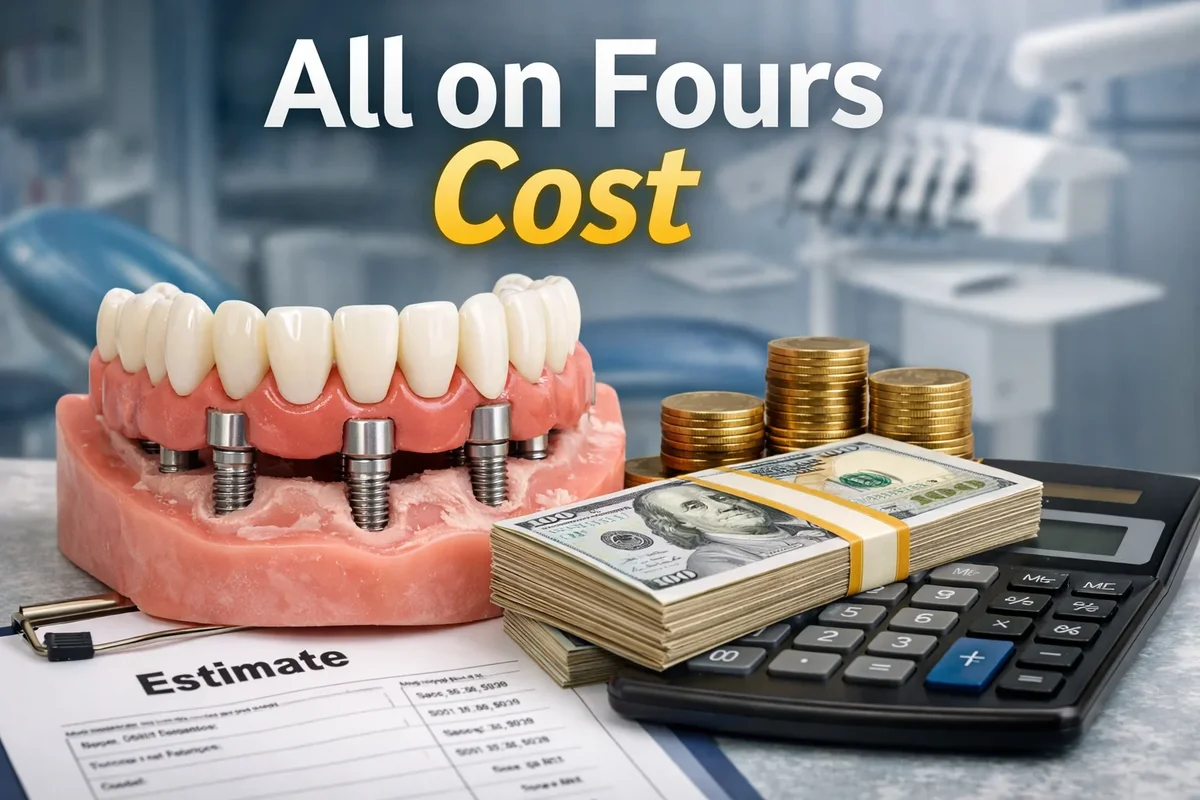
If you are seriously considering treatment, one of the most important steps is obtaining a precise and personalized all on fours cost estimate. While online research can provide average price ranges, your exact all on fours cost can only be determined after a professional evaluation. Because every patient’s bone structure, oral health condition, and aesthetic expectations are different, the final all on fours cost must be tailored to your specific clinical needs.
Getting an accurate all on fours cost estimate requires more than a quick phone call or a general price list. It involves detailed diagnostics, transparent communication, and a clearly structured treatment plan. Below, we explain the essential steps for securing a reliable and realistic all on fours cost.
Schedule a Comprehensive Clinical Examination
The foundation of an accurate all on fours cost estimate is a thorough in-person or virtual consultation. During this appointment, the dentist evaluates your oral health, checks for infections, assesses gum condition, and determines the stability of remaining teeth. Without this examination, any quoted all on fours cost would only be an approximation.
Patients who skip this step may receive a preliminary all on fours cost that later changes once hidden issues are identified. A proper clinical assessment ensures that your final all on fours cost reflects your true treatment requirements.
Undergo 3D Imaging and Digital Planning
Advanced imaging, such as CBCT (Cone Beam Computed Tomography), plays a crucial role in calculating the all on fours cost. These 3D scans allow the dentist to measure bone density, identify anatomical structures, and plan precise implant positioning.
Why Imaging Impacts Cost Accuracy
Without 3D imaging, unexpected complications may arise during surgery, potentially increasing the overall all on fours cost. Accurate digital planning minimizes surprises and allows the clinic to provide a transparent and reliable all on fours cost from the beginning.
Although imaging may slightly add to the preliminary evaluation expense, it ultimately ensures that your quoted all on fours cost remains stable throughout treatment.
Request a Detailed Written Treatment Plan
An accurate all on fours cost estimate should always be provided in writing. The treatment plan should clearly outline what is included: consultation, surgery, implant brand, temporary prosthesis, final bridge material, anesthesia, follow-up visits, and laboratory fees.
Without a detailed breakdown, the advertised all on fours cost may not reflect the true total investment. A transparent written estimate protects you from hidden fees and ensures your final all on fours cost aligns with expectations.
Clarify Implant Brand and Prosthetic Material
The implant system and final prosthetic material significantly influence the all on fours cost. During your consultation, ask which implant brand is included in your quoted all on fours cost and whether zirconia or acrylic will be used for the final bridge.
Because these material choices directly impact durability and aesthetics, they must be clearly specified in your personalized all on fours cost estimate.
Discuss Additional Procedures in Advance
Some patients require extractions, infection treatment, or minor bone augmentation before implant placement. If these procedures are not discussed early, they may unexpectedly increase the all on fours cost later.
By addressing potential additional treatments during the planning stage, you ensure that your final all on fours cost is comprehensive and realistic from the beginning.
Compare Multiple Professional Opinions
Obtaining more than one consultation can help you understand the market range for your specific all on fours cost. However, comparisons should focus on value and inclusions—not just the lowest number.
If one clinic offers a dramatically lower all on fours cost, verify whether implant quality, materials, or aftercare services differ. A lower estimate may exclude important components that increase the true all on fours cost later.
Ask About Warranty and Aftercare Policies
An accurate all on fours cost estimate should also include information about warranties and maintenance. Some clinics provide extended guarantees for implants and prosthetic materials, while others charge separately for long-term follow-ups.
Understanding these policies ensures that your total lifetime all on fours cost remains predictable and manageable.
Ensure Transparent Communication
Clear communication between patient and dentist is essential when calculating the all on fours cost. Share your expectations, medical history, and aesthetic preferences openly. The more information your clinician has, the more precise your personalized all on fours cost will be.
Ultimately, obtaining an accurate all on fours cost estimate requires professional evaluation, advanced imaging, a written treatment plan, and full transparency regarding materials and procedures. By following these steps, patients can confidently understand their true all on fours cost and proceed with treatment knowing exactly what to expect. 😊
Disclosure: this page may contain affiliate links. We may earn a commission if you use them, at no extra cost to you.