
Tooth loss can affect far more than just your smile. It can influence how you eat, speak, and feel about yourself. Modern dentistry offers several solutions for replacing missing teeth, but one of the most advanced and reliable options available today is ankylos dental implants. These implants are known for their exceptional stability, natural appearance, and long-term success rates. If you are researching permanent tooth replacement options, understanding how ankylos dental implants work and why dentists recommend them can help you make a confident and informed decision. 😊
Ankylos dental implants are a premium implant system designed to replace missing tooth roots with a titanium implant that integrates with the jawbone. Once placed, the implant acts as a strong foundation for a crown, bridge, or denture. The result is a replacement tooth that looks, feels, and functions very similar to a natural tooth. Many dental professionals consider ankylos dental implants among the most reliable implant systems available because of their innovative design and excellent long-term clinical results.
One of the key advantages of ankylos dental implants is their ability to integrate with the jawbone through a biological process called osseointegration. During this process, the titanium implant fuses with the surrounding bone tissue, creating a stable and durable base for the prosthetic tooth. This bond allows ankylos dental implants to support chewing forces effectively while preventing bone loss that often occurs after tooth loss.
The technology behind ankylos dental implants focuses on preserving bone and maintaining gum health. Unlike some traditional implants, the Ankylos system uses a special conical connection between the implant and the abutment. This design minimizes micro-movement and reduces bacterial infiltration, which can help protect surrounding tissues and improve long-term stability. For patients, this means a stronger implant foundation and a lower risk of complications over time.
Another reason many patients choose ankylos dental implants is the natural aesthetic outcome they provide. Because the implant system supports the surrounding gum tissue effectively, the final crown often emerges from the gums in a way that closely resembles a natural tooth. This is particularly important for front teeth, where appearance plays a major role in overall smile aesthetics.
Dentists around the world rely on ankylos dental implants because of their predictable clinical performance. Extensive research and long-term studies have demonstrated high survival rates and patient satisfaction. According to professional dental guidelines published by organizations such as the
American Dental Association, dental implants are one of the most successful restorative procedures in modern dentistry. Among the available implant systems, ankylos dental implants are frequently highlighted for their precision engineering and tissue-friendly design.
From a patient perspective, choosing ankylos dental implants can provide several important advantages beyond simply replacing missing teeth. These implants can help restore chewing efficiency, improve speech clarity, and prevent surrounding teeth from shifting into empty spaces. Additionally, because ankylos dental implants stimulate the jawbone similarly to natural tooth roots, they help maintain bone volume and facial structure over time.
Many individuals who have struggled with removable dentures or bridges find that ankylos dental implants offer a far more comfortable and stable alternative. Unlike dentures that may move while speaking or eating, ankylos dental implants are securely anchored in the jaw. This stability allows patients to enjoy their favorite foods again without worrying about slipping prosthetics or adhesives.
The versatility of ankylos dental implants also makes them suitable for a wide range of dental restoration cases. A single missing tooth can be replaced with one implant and crown, while multiple missing teeth can be restored with implant-supported bridges. In cases of full-arch tooth loss, several ankylos dental implants can support a complete implant-retained denture. This flexibility allows dentists to tailor treatment plans based on each patient’s oral health condition and goals.
Another important aspect of ankylos dental implants is their durability. When properly placed and maintained with good oral hygiene, these implants can last for decades. Regular dental checkups, professional cleanings, and daily brushing and flossing help ensure the longevity of the implant and surrounding tissues. Because ankylos dental implants function much like natural teeth, caring for them becomes part of a normal oral health routine.
If you are considering dental implants and want expert guidance, you can reach out to specialists who evaluate your oral health, bone density, and treatment goals before recommending the best solution. If you would like to learn whether ankylos dental implants are suitable for your case, you can contact experienced professionals through the
Redent Klinik Contact Page. A personalized consultation helps determine the most effective approach for restoring your smile safely and successfully.
In summary, ankylos dental implants represent one of the most advanced solutions for replacing missing teeth in modern dentistry. Their innovative design, high success rate, and ability to preserve bone and gum health make them a trusted option for both dentists and patients. By restoring function, aesthetics, and confidence, ankylos dental implants can significantly improve quality of life for individuals experiencing tooth loss. In the following sections, we will explore how ankylos dental implants work, who is an ideal candidate, the treatment process, costs, benefits, and long-term care tips in greater detail.
What Are Ankylos Dental Implants?
When patients lose one or more teeth, modern dentistry offers several reliable restoration options. Among the most advanced solutions available today are ankylos dental implants. These implants are designed to replace missing tooth roots and provide a secure foundation for artificial teeth such as crowns, bridges, or implant-supported dentures. Because of their innovative design and high success rate, ankylos dental implants have become a trusted treatment choice for dentists and patients worldwide. 😊
Unlike removable dentures that rest on the gums, ankylos dental implants are surgically placed into the jawbone. Once the implant integrates with the bone, it acts like a natural tooth root, supporting a permanent dental restoration. This approach not only restores the appearance of missing teeth but also improves chewing ability, speech clarity, and long-term oral health.
The Basic Structure of Ankylos Dental Implants
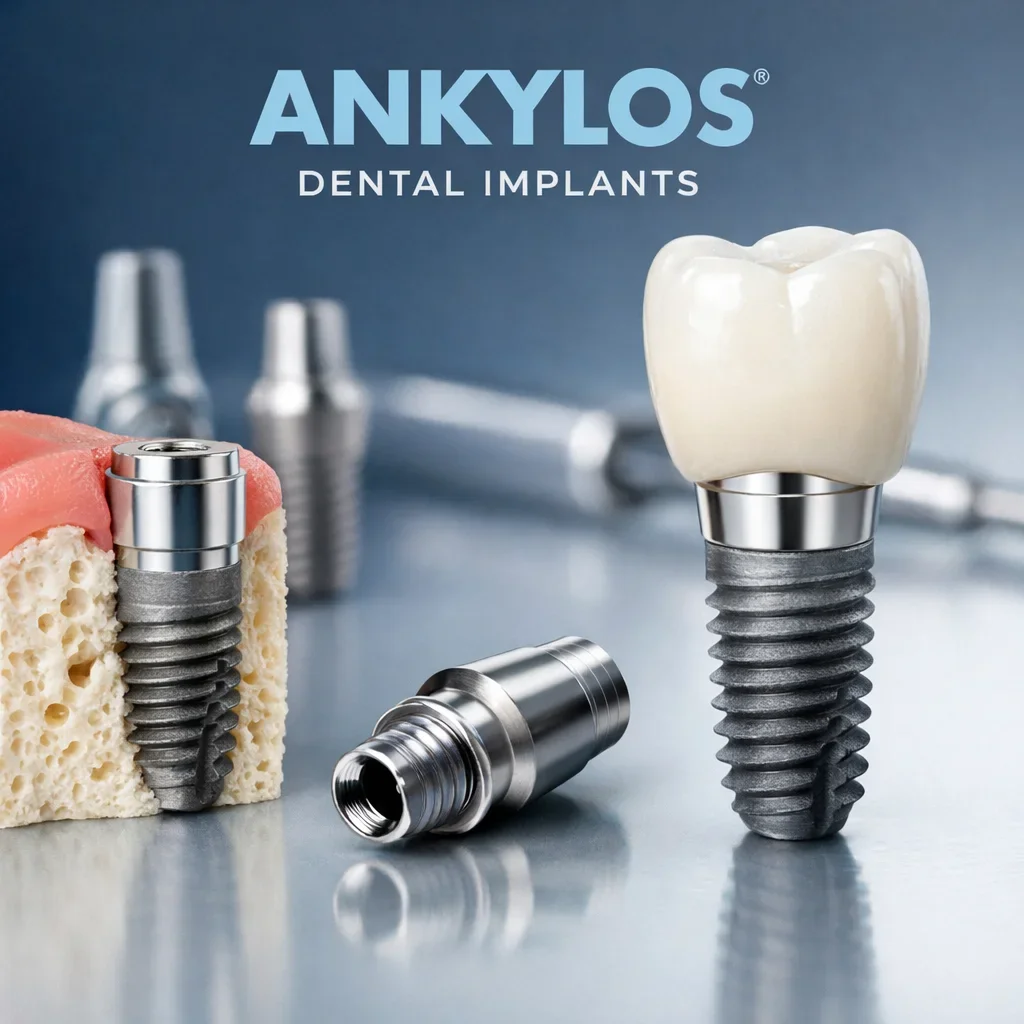
To understand why ankylos dental implants are so effective, it is helpful to look at the components that make up the implant system. Dental implants generally consist of three main parts working together to create a stable tooth replacement.
1. The Implant Fixture (Titanium Root)
The first component of ankylos dental implants is the implant fixture itself. This small titanium screw is inserted directly into the jawbone during a surgical procedure. Titanium is used because it is highly biocompatible and allows the bone to fuse with the implant through a natural healing process called osseointegration. Once the healing process is complete, the implant becomes a stable and permanent anchor within the bone.
2. The Abutment Connection
The abutment is the connector that links the implant fixture to the visible dental restoration. One of the unique advantages of ankylos dental implants is their conical implant–abutment connection. This design helps create a tight seal between the implant and the abutment, minimizing bacterial infiltration and reducing micromovement. As a result, ankylos dental implants support healthier gum tissue and improve long-term implant stability.
3. The Final Dental Crown
The final component placed on top of ankylos dental implants is the dental crown. This custom-made restoration is designed to match the color, shape, and size of natural teeth. Once attached to the implant, the crown restores both the function and appearance of the missing tooth. Patients often report that ankylos dental implants feel almost identical to natural teeth when chewing and speaking.
Why Ankylos Dental Implants Are Different from Traditional Implants
While many implant systems exist in modern dentistry, ankylos dental implants stand out because of their specific engineering and design features. These implants are designed to protect the surrounding bone and gum tissue while maintaining long-term stability. The internal conical connection system distributes chewing forces evenly and reduces stress at the implant interface.
Another major benefit of ankylos dental implants is their ability to preserve bone around the implant neck. Many traditional implants experience some bone loss near the top of the implant over time. However, the Ankylos system helps maintain bone levels more effectively, which contributes to both aesthetic outcomes and long-term implant success.
Additionally, the design of ankylos dental implants encourages soft tissue stability. Healthy gum tissue plays an important role in protecting the implant from bacteria and inflammation. Because of this, ankylos dental implants are often recommended for patients who want durable, natural-looking results.
How Ankylos Dental Implants Replace Missing Teeth
The primary goal of ankylos dental implants is to restore missing teeth in a way that closely mimics natural tooth function. When a tooth is lost, the surrounding bone can begin to shrink because it no longer receives stimulation from the tooth root. Ankylos dental implants solve this problem by acting like artificial tooth roots embedded in the bone.
Once placed, ankylos dental implants stimulate the jawbone during chewing, helping maintain bone density and facial structure. This is an important advantage compared with removable dentures, which do not provide the same level of bone stimulation. Over time, ankylos dental implants help preserve the natural shape of the jaw and prevent the sunken facial appearance that can occur after tooth loss.
Another key function of ankylos dental implants is improving chewing efficiency. Missing teeth can make it difficult to eat certain foods, especially those that require strong bite force. Because ankylos dental implants are anchored securely in the jawbone, they allow patients to bite and chew with confidence again.
Clinical Reliability and Professional Recognition
Dentists and oral surgeons worldwide rely on ankylos dental implants because of their strong clinical performance and high success rates. Extensive research has demonstrated that dental implants are one of the most predictable treatments in restorative dentistry. Professional organizations such as the
American Dental Association recognize dental implants as a safe and effective option for replacing missing teeth when performed by trained professionals.
In many dental clinics, ankylos dental implants are selected for patients who require highly precise implant placement and long-term reliability. Their unique connection design helps maintain stable gum tissue and bone levels, which are critical factors for achieving aesthetically pleasing results.
Why Patients Choose Ankylos Dental Implants
Many patients choose ankylos dental implants because they offer a combination of strength, durability, and natural appearance. Unlike removable dental prosthetics, ankylos dental implants are fixed in place and do not require adhesives or removal for cleaning. With proper care and routine dental checkups, ankylos dental implants can last for many years and significantly improve a patient’s quality of life.
For individuals interested in restoring missing teeth with ankylos dental implants, a professional consultation is the first step. During this visit, dentists evaluate bone density, gum health, and overall oral condition to determine whether ankylos dental implants are the best solution. If you would like expert guidance regarding implant treatment, you can contact specialists through the
Redent Klinik Contact Page.
Overall, ankylos dental implants represent a modern, scientifically supported solution for replacing missing teeth. By combining advanced implant technology with careful treatment planning, dentists can restore both oral function and smile aesthetics. In the next section, we will explore how ankylos dental implants work in modern dentistry and why their design contributes to long-term success.
How Ankylos Dental Implants Work in Modern Dentistry
Dental implant technology has transformed modern restorative dentistry, and ankylos dental implants are considered one of the most advanced systems available today. These implants are specifically engineered to replace missing teeth by functioning as artificial tooth roots that integrate with the jawbone. Once placed and healed, ankylos dental implants provide a strong, stable base for a dental crown, bridge, or implant-supported denture. The result is a restoration that looks natural, feels comfortable, and performs much like a real tooth. 😊
Understanding how ankylos dental implants work helps patients feel more confident when considering implant treatment. The system is built around precision engineering, biological compatibility, and long-term durability. Dentists use ankylos dental implants because their design supports bone preservation, soft tissue health, and excellent stability over many years.
The Biological Principle Behind Ankylos Dental Implants
At the core of ankylos dental implants is a biological process known as osseointegration. This process allows the titanium implant to fuse directly with the surrounding jawbone. Titanium is widely used in dental implants because it is highly biocompatible, meaning the body accepts it without triggering harmful reactions.
When ankylos dental implants are placed into the jawbone, the surrounding bone cells gradually grow around the implant surface. Over several weeks to a few months, this fusion process creates an extremely stable bond. Once osseointegration is complete, ankylos dental implants essentially become a permanent part of the jaw structure.
This biological integration is what allows ankylos dental implants to handle normal chewing forces. Unlike removable dentures that rest on the gums, ankylos dental implants anchor firmly within the bone, offering superior strength and stability.
The Unique Design of Ankylos Dental Implants
The success of ankylos dental implants is largely due to their unique design features. The Ankylos implant system includes a tapered titanium implant body and a specialized internal connection that links the implant to the abutment.
The Conical Implant–Abutment Connection
One of the defining characteristics of ankylos dental implants is the conical implant–abutment connection. This design creates a tight seal between the implant and the abutment, reducing the chance of bacterial infiltration. Because bacteria cannot easily enter the connection area, the surrounding bone and gum tissues remain healthier.
Additionally, this conical connection minimizes micromovement between implant components. Even very small movements can create stress at the implant interface, potentially leading to bone loss over time. Ankylos dental implants help prevent this issue by distributing mechanical forces evenly throughout the implant structure.
Platform Switching for Bone Preservation
Another design element used in ankylos dental implants is platform switching. This technique positions the abutment slightly inward from the outer edge of the implant. By doing so, it helps preserve bone around the top of the implant.
Maintaining bone around ankylos dental implants is essential for both functional and aesthetic reasons. Stable bone levels ensure that the implant remains strong while also supporting healthy gum contours around the restoration.
Step-by-Step Functional Process of Ankylos Dental Implants
In modern dentistry, ankylos dental implants follow a carefully planned treatment process. Each stage contributes to the long-term success of the implant restoration.
1. Implant Placement
The first step involves surgically placing ankylos dental implants into the jawbone. This procedure is performed under local anesthesia and is typically well tolerated by patients. Dentists or oral surgeons carefully position the implant where the missing tooth root once existed.
Because ankylos dental implants are precisely engineered, they can be placed with high accuracy using digital imaging and surgical guides. This ensures optimal positioning for both function and aesthetics.
2. Healing and Osseointegration
After placement, ankylos dental implants require a healing period. During this time, the bone gradually fuses with the implant surface. This process can take several weeks or a few months depending on the patient’s bone quality and healing capacity.
Once osseointegration is complete, ankylos dental implants become stable enough to support a permanent dental restoration.
3. Abutment Placement
After the healing phase, a small connector called an abutment is attached to ankylos dental implants. This component extends slightly above the gumline and provides a connection point for the final crown or prosthetic tooth.
4. Crown Attachment
Finally, a custom-made dental crown is attached to the abutment. The crown is designed to match the surrounding teeth in color, shape, and size. Once placed, ankylos dental implants restore the full function and appearance of the missing tooth.
Advantages of Ankylos Dental Implants in Clinical Dentistry
Dentists often recommend ankylos dental implants because they provide predictable long-term outcomes. Their advanced design supports strong integration with bone, excellent stability, and healthy gum tissue around the implant site.
Patients also benefit from improved chewing ability and speech clarity. Because ankylos dental implants function similarly to natural teeth, they allow patients to enjoy normal daily activities without worrying about prosthetic movement.
Organizations such as the American Dental Association recognize dental implants as one of the most effective treatments for replacing missing teeth. Many dental professionals rely on ankylos dental implants because of their consistent performance in clinical practice.
How Ankylos Dental Implants Support Long-Term Oral Health
Beyond restoring missing teeth, ankylos dental implants contribute to long-term oral health in several ways. First, they help preserve jawbone density by stimulating bone tissue during chewing. This prevents the bone shrinkage that often occurs after tooth loss.
Second, ankylos dental implants protect neighboring teeth. Traditional bridges sometimes require grinding down adjacent teeth for support. With ankylos dental implants, the replacement tooth stands independently without affecting surrounding teeth.
Finally, ankylos dental implants support healthy gum tissue, which plays a critical role in protecting the implant and maintaining an attractive smile.
If you are considering tooth replacement options and want expert guidance on ankylos dental implants, professional consultation is essential. Dental specialists can evaluate your oral health and determine whether ankylos dental implants are suitable for your case. You can schedule a consultation through the
Redent Klinik Contact Page to learn more about implant treatment and personalized care options.
In summary, ankylos dental implants work by combining advanced engineering with natural biological processes. Through osseointegration, precision design, and modern dental techniques, these implants provide a long-lasting solution for replacing missing teeth. Their ability to restore function, maintain bone health, and deliver natural aesthetics makes ankylos dental implants one of the most trusted implant systems in modern dentistry.
7 Major Benefits of Ankylos Dental Implants for Patients
Replacing missing teeth is not only about restoring your smile but also about protecting long-term oral health. Among the most reliable solutions available today are ankylos dental implants. Known for their innovative engineering and excellent clinical outcomes, ankylos dental implants provide several important advantages compared to traditional tooth replacement options such as dentures or bridges. Patients around the world choose ankylos dental implants because they combine durability, aesthetics, and functionality in one advanced treatment solution. 😊
In modern implant dentistry, ankylos dental implants are frequently recommended due to their precision design and high success rates. The system was developed to preserve bone, protect gum tissue, and deliver natural-looking results that can last for many years. Below are seven major benefits that make ankylos dental implants a preferred choice for both patients and dental professionals.
1. Exceptional Stability and Strength
One of the biggest advantages of ankylos dental implants is their outstanding stability. Because the implant is placed directly into the jawbone, it functions as an artificial tooth root. Through a biological process called osseointegration, the titanium implant fuses with the bone, creating a secure and permanent foundation.
This stability allows ankylos dental implants to withstand normal chewing forces just like natural teeth. Patients can eat a wide variety of foods without worrying about movement or discomfort. Compared with removable dentures, which may shift while speaking or eating, ankylos dental implants remain firmly anchored in place.
Why Stability Matters
Strong stability ensures that ankylos dental implants can support long-term restorations such as crowns, bridges, or full-arch prosthetics. This reliability is one of the main reasons dentists recommend ankylos dental implants for patients seeking permanent tooth replacement.
2. Natural Appearance and Aesthetic Results
A second major benefit of ankylos dental implants is their ability to create natural-looking results. The implant system is designed to maintain healthy gum tissue and stable bone levels around the implant site. This helps the final crown emerge naturally from the gumline, closely resembling a real tooth.
Because ankylos dental implants support the surrounding tissue structure, they contribute to a more attractive smile. Patients often report that others cannot tell the difference between ankylos dental implants and natural teeth.
Confidence in Your Smile
Restoring missing teeth with ankylos dental implants can significantly improve self-confidence. Many individuals feel more comfortable smiling, speaking, and socializing once their teeth are restored in a natural-looking way.
3. Preservation of Jawbone Structure
When a tooth is lost, the surrounding jawbone gradually begins to shrink due to lack of stimulation. This process can eventually change the shape of the face and weaken neighboring teeth. One of the most important advantages of ankylos dental implants is their ability to help preserve jawbone density.
Because ankylos dental implants function like artificial tooth roots, they stimulate the jawbone during chewing. This stimulation signals the body to maintain bone tissue in that area, helping prevent bone loss over time.
Maintaining bone health is critical for long-term oral stability, which is why many dental professionals recommend ankylos dental implants instead of removable prosthetics.
4. Long-Term Durability
Another major benefit of ankylos dental implants is their durability. Dental implants are designed to last many years, and in many cases they can remain functional for decades when properly maintained.
The Ankylos implant system uses high-quality titanium and a specialized connection design that minimizes micromovement between components. This helps protect the implant from mechanical stress and improves long-term stability.
Longevity with Proper Care
With good oral hygiene and routine dental visits, ankylos dental implants can provide long-lasting results. Daily brushing, flossing, and professional cleanings help ensure the surrounding gum tissue stays healthy.
5. Improved Comfort Compared to Dentures
Many patients who previously used removable dentures find that ankylos dental implants provide a much more comfortable solution. Dentures can sometimes cause irritation, pressure points, or movement during speaking and chewing.
Because ankylos dental implants are fixed in the jawbone, they eliminate the discomfort associated with removable appliances. Patients do not need adhesives, and there is no risk of slipping while eating or talking.
6. Protection of Adjacent Teeth
Traditional dental bridges often require adjacent healthy teeth to be reshaped in order to support the bridge structure. This process permanently alters those teeth. In contrast, ankylos dental implants replace the missing tooth independently without affecting neighboring teeth.
By preserving adjacent teeth, ankylos dental implants help maintain overall dental health. This makes them a more conservative and biologically friendly treatment option.
7. High Success Rate in Clinical Studies
Scientific research consistently demonstrates that ankylos dental implants have high success rates when placed by trained professionals. Modern implant dentistry has become one of the most predictable procedures in restorative dental care.
Professional organizations such as the
American Dental Association recognize dental implants as a safe and effective treatment for replacing missing teeth. The advanced design of ankylos dental implants contributes to excellent clinical outcomes and patient satisfaction.
Choosing Ankylos Dental Implants for Your Treatment
For individuals experiencing tooth loss, ankylos dental implants offer a comprehensive solution that restores both function and aesthetics. They provide stability, protect jawbone health, and allow patients to enjoy everyday activities such as eating and speaking with confidence.
If you are considering ankylos dental implants and want personalized advice, consulting with an experienced dental team is essential. A professional evaluation will determine whether ankylos dental implants are suitable based on bone density, gum health, and overall oral condition.
You can schedule a consultation with experienced implant specialists through the
Redent Klinik Contact Page. During the consultation, dentists will review your dental health, discuss treatment options, and create a customized implant plan designed to restore your smile effectively.
Overall, ankylos dental implants offer a powerful combination of stability, aesthetics, and long-term reliability. These seven major benefits demonstrate why ankylos dental implants have become one of the most trusted solutions for replacing missing teeth in modern dentistry.
Who Is a Good Candidate for Ankylos Dental Implants?
Dental implants have become one of the most reliable solutions for replacing missing teeth, but not every patient automatically qualifies for implant treatment. Determining whether someone is a suitable candidate for ankylos dental implants requires a professional evaluation that considers several important factors such as oral health, bone density, and lifestyle habits. When these conditions are favorable, ankylos dental implants can provide a long-lasting and natural-looking tooth replacement solution that dramatically improves quality of life. 😊
Because ankylos dental implants integrate directly with the jawbone, the surrounding bone and gum tissue must be healthy enough to support the implant. Dentists perform a detailed assessment using digital imaging, dental examinations, and medical history reviews to determine whether ankylos dental implants are the right treatment option.
Patients Missing One or More Teeth
The most obvious candidates for ankylos dental implants are individuals who have lost one or more teeth. Tooth loss can occur for many reasons, including severe tooth decay, gum disease, trauma, or failed dental restorations. Regardless of the cause, ankylos dental implants can replace missing teeth by providing a stable artificial root that supports a crown, bridge, or full-arch restoration.
Single Tooth Replacement
Patients who have lost a single tooth are often excellent candidates for ankylos dental implants. Instead of grinding down neighboring teeth to place a traditional dental bridge, ankylos dental implants allow dentists to replace the missing tooth independently. This preserves the surrounding natural teeth and maintains overall dental health.
Multiple Missing Teeth
When several teeth are missing, ankylos dental implants can support implant bridges or partial implant-supported dentures. This approach offers significantly more stability than removable prosthetics and improves chewing efficiency.
Patients with Sufficient Jawbone Density
Healthy bone structure is one of the most important requirements for ankylos dental implants. Because the implant is placed directly into the jawbone, there must be enough bone volume to hold the implant securely during the healing process.
Dentists typically evaluate bone density using 3D imaging such as cone-beam CT scans. If the bone is strong and thick enough, ankylos dental implants can be placed with a high success rate.
Bone Loss and Possible Solutions
Some patients may have experienced bone loss after losing teeth for an extended period. In these cases, dentists may recommend bone grafting before placing ankylos dental implants. Bone grafting procedures rebuild the jawbone and create a stable foundation for implant placement.
After healing from the grafting procedure, many patients who initially lacked bone density can still successfully receive ankylos dental implants.
Patients with Healthy Gums
Another important factor in determining candidacy for ankylos dental implants is gum health. The gums surrounding the implant must be free from active infection or advanced periodontal disease. Healthy gum tissue protects the implant from bacteria and helps maintain the stability of ankylos dental implants over time.
Patients with untreated gum disease may need periodontal therapy before receiving ankylos dental implants. Once the infection is controlled and the gums are healthy again, implant treatment can often proceed safely.
Adults with Fully Developed Jawbones
Dental implants are typically recommended for adults whose jawbones have fully developed. Because ankylos dental implants fuse permanently with the bone, placing them in patients whose jaws are still growing could lead to complications later.
For this reason, dentists usually wait until the late teenage years or adulthood before recommending ankylos dental implants.
Patients Committed to Good Oral Hygiene
Successful long-term outcomes with ankylos dental implants depend heavily on proper oral hygiene. Patients must be willing to brush, floss, and attend regular dental checkups in order to keep the implant and surrounding gum tissue healthy.
While ankylos dental implants cannot develop cavities like natural teeth, the surrounding gums can still develop inflammation if oral hygiene is neglected. Maintaining clean and healthy gums helps ensure the implant remains stable for many years.
Lifestyle Factors That Influence Implant Success
Certain lifestyle habits can influence the success of ankylos dental implants. For example, smoking can slow the healing process and reduce the success rate of dental implants. Dentists may recommend reducing or quitting smoking before implant surgery.
Additionally, certain medical conditions such as uncontrolled diabetes or immune system disorders may affect healing after implant placement. In many cases, these conditions can still be managed with proper medical supervision, allowing patients to safely receive ankylos dental implants.
Professional Evaluation Is Essential
Although many people are good candidates for ankylos dental implants, the final decision must always be made after a comprehensive dental evaluation. Dentists carefully analyze factors such as bone structure, gum health, bite alignment, and overall medical history before recommending implant treatment.
Professional organizations such as the
American Dental Association emphasize that dental implants should always be placed by qualified dental professionals who follow proper treatment planning and surgical protocols.
Consulting an Implant Specialist
If you are considering ankylos dental implants to replace missing teeth, scheduling a consultation with an experienced dental implant specialist is the best way to determine whether you are a suitable candidate. During the consultation, dentists will evaluate your oral health, take digital scans, and discuss your treatment goals.
Patients interested in learning more about ankylos dental implants and personalized treatment options can reach experienced dental professionals through the
Redent Klinik Contact Page. A professional consultation helps ensure the treatment plan is safe, effective, and tailored to your specific needs.
Overall, the ideal candidate for ankylos dental implants is someone with missing teeth, healthy gums, adequate bone density, and a commitment to maintaining good oral hygiene. With the right conditions and professional care, ankylos dental implants can restore both function and aesthetics, allowing patients to enjoy a confident and healthy smile once again.
Ankylos Dental Implants Procedure Step by Step
For patients considering tooth replacement, understanding the treatment process is extremely helpful. The placement of ankylos dental implants is a carefully planned procedure performed in several stages to ensure long-term stability, comfort, and natural aesthetics. Modern dental technology allows dentists to perform implant treatment with remarkable precision, making ankylos dental implants one of the most predictable and successful restorative procedures available today. 😊
The entire treatment journey for ankylos dental implants typically includes consultation, planning, surgical placement, healing, and final restoration. Each phase plays an important role in ensuring the implant integrates properly with the jawbone and functions like a natural tooth.
Initial Consultation and Evaluation
The first step in the ankylos dental implants procedure is a detailed dental consultation. During this appointment, the dentist evaluates the patient’s oral health, medical history, and specific treatment goals.
Dental Examination and Imaging
To determine whether a patient is a suitable candidate for ankylos dental implants, dentists perform a thorough examination of the mouth, teeth, and gums. Digital X-rays and 3D cone-beam CT scans are often used to analyze bone structure and identify the ideal location for implant placement.
These advanced imaging technologies allow dentists to plan ankylos dental implants with exceptional accuracy, minimizing risks and improving long-term outcomes.
Treatment Planning
After evaluating the patient’s oral health, the dentist creates a customized treatment plan for the placement of ankylos dental implants. This plan considers factors such as bone density, bite alignment, and the number of teeth being replaced.
Patients also have the opportunity to discuss expectations, treatment timelines, and recovery details before proceeding with ankylos dental implants.
Preparation Before Implant Placement
Some patients may require preparatory treatments before receiving ankylos dental implants. These procedures help create the best possible environment for successful implant integration.
Bone Grafting (If Necessary)
If the jawbone has weakened or shrunk due to long-term tooth loss, bone grafting may be recommended before placing ankylos dental implants. This procedure rebuilds bone volume and provides a stable base for the implant.
Once the grafted bone heals and becomes strong enough, ankylos dental implants can be placed safely.
Gum Health Preparation
Healthy gums are essential for the success of ankylos dental implants. If gum disease is present, periodontal treatment may be required before implant surgery. Treating gum infections ensures the implant site remains healthy and stable during healing.
Surgical Placement of Ankylos Dental Implants
The next step in the procedure is the surgical placement of ankylos dental implants. This procedure is usually performed under local anesthesia, although sedation options may also be available for patients who feel anxious.
Creating the Implant Site
The dentist begins by carefully preparing the implant site in the jawbone. A small opening is created in the gum tissue to access the bone. Specialized surgical instruments are used to create a precise space where the ankylos dental implants will be positioned.
Implant Placement
Once the site is prepared, the titanium implant is inserted into the jawbone. The design of ankylos dental implants allows them to fit securely within the bone structure, providing excellent primary stability immediately after placement.
After the implant is placed, the gum tissue is gently closed around the implant area to begin the healing process.
Healing and Osseointegration
Following surgery, ankylos dental implants require a healing period so that the implant can integrate with the jawbone. This process is known as osseointegration.
During osseointegration, bone cells gradually grow around the implant surface, creating a strong biological bond. This process usually takes several weeks to a few months depending on the patient’s healing ability and bone quality.
Once osseointegration is complete, ankylos dental implants become firmly anchored within the jawbone and are ready to support the final dental restoration.
Placement of the Abutment
After healing, the dentist attaches a small connector known as an abutment to the ankylos dental implants. The abutment acts as the link between the implant and the final crown.
One advantage of ankylos dental implants is their conical implant–abutment connection. This design creates a tight seal that helps protect the surrounding bone and gum tissue from bacterial infiltration.
Final Crown Placement
The final stage of the ankylos dental implants procedure is attaching the dental crown. This crown is custom-made to match the color, shape, and size of the patient’s natural teeth.
Once placed, the crown restores both the function and appearance of the missing tooth. Patients often report that ankylos dental implants feel very similar to their natural teeth when eating and speaking.
Post-Procedure Care and Monitoring
After the treatment is completed, proper aftercare is essential for maintaining the success of ankylos dental implants. Dentists recommend regular brushing, flossing, and professional cleanings to protect the surrounding gum tissue.
Routine dental visits allow dentists to monitor the condition of ankylos dental implants and ensure the restoration remains stable and healthy.
Professional dental organizations such as the
American Dental Association emphasize the importance of proper maintenance and follow-up care after implant placement.
Consulting Professionals for Ankylos Dental Implants
If you are considering replacing missing teeth with ankylos dental implants, a professional consultation is the first step toward a successful outcome. Experienced implant specialists can evaluate your oral health and create a customized treatment plan.
Patients interested in learning more about the procedure for ankylos dental implants can contact dental professionals through the
Redent Klinik Contact Page. A personalized consultation ensures that the treatment process is carefully planned and tailored to each patient’s needs.
Overall, the procedure for ankylos dental implants involves several carefully coordinated stages designed to deliver a stable, natural-looking tooth replacement. From initial consultation to final crown placement, each step is performed with precision to achieve a durable and aesthetically pleasing result.
Ankylos Dental Implants Healing and Osseointegration Process
After the surgical placement of ankylos dental implants, one of the most important phases of treatment begins: the healing and osseointegration process. This stage determines the long-term success and stability of the implant. During healing, the jawbone gradually fuses with the implant surface, creating a secure and permanent foundation for the future dental restoration. Understanding how ankylos dental implants heal helps patients know what to expect and how to support the best possible outcome. 😊
The healing phase for ankylos dental implants is carefully monitored by dental professionals. Although every patient heals at a slightly different pace, the biological principles behind implant integration remain consistent. When properly placed and cared for, ankylos dental implants can integrate successfully with the surrounding bone and function just like natural tooth roots.
What Is Osseointegration?
The term osseointegration refers to the biological process in which bone tissue grows around and bonds with the surface of a dental implant. This process is the foundation of the success of ankylos dental implants. Without osseointegration, the implant would not be stable enough to support a crown or other dental prosthetic.
When ankylos dental implants are placed into the jawbone, the body recognizes the titanium implant as a biocompatible material. Bone cells begin attaching to the implant surface and gradually form a tight structural bond. Over time, this bond allows ankylos dental implants to function as artificial tooth roots capable of withstanding normal chewing forces.
Stages of Healing After Implant Placement
Healing after the placement of ankylos dental implants typically occurs in several phases. Each phase plays a critical role in the successful integration of the implant with the jawbone.
Initial Healing Phase (First 1–2 Weeks)
Immediately after the placement of ankylos dental implants, the body begins its natural healing response. During the first one to two weeks, the gum tissue surrounding the implant site heals and closes around the surgical area.
Patients may experience mild swelling, tenderness, or slight discomfort during this stage. These symptoms are usually temporary and can often be managed with prescribed medication and proper post-operative care. Dentists provide detailed instructions to ensure ankylos dental implants heal correctly during this early stage.
Bone Integration Phase (1–3 Months)
The next stage of healing for ankylos dental implants involves the bone integration process. During this period, the bone begins to grow directly onto the implant surface. This biological bonding strengthens the connection between the implant and the jawbone.
Because ankylos dental implants are made from high-quality titanium with specialized surface properties, they support efficient bone attachment. As the bone gradually adapts to the implant, the stability of ankylos dental implants increases significantly.
Final Stabilization Phase
Once the osseointegration process is complete, ankylos dental implants become firmly anchored within the jawbone. At this stage, the implant is strong enough to support the abutment and the final dental crown.
The dentist will confirm that ankylos dental implants have fully integrated before moving forward with the restoration stage. This careful monitoring ensures the implant is stable and capable of supporting long-term function.
Factors That Influence Healing Success
Several factors influence how successfully ankylos dental implants integrate with the jawbone. While most patients experience successful healing, understanding these factors helps maximize the chances of long-term implant success.
Bone Quality and Density
Strong and healthy jawbone structure greatly improves the success of ankylos dental implants. Patients with adequate bone density typically experience faster and more predictable osseointegration. When bone density is insufficient, dentists may recommend bone grafting before implant placement.
Oral Hygiene and Aftercare
Proper oral hygiene plays a crucial role in protecting ankylos dental implants during the healing process. Patients should follow their dentist’s instructions carefully, including brushing gently around the implant site and avoiding excessive pressure during early healing.
Maintaining good oral hygiene reduces the risk of infection and helps ensure that ankylos dental implants integrate successfully with the surrounding bone.
Lifestyle Factors
Certain lifestyle habits can affect the healing of ankylos dental implants. Smoking, for example, may slow down healing and reduce blood flow to the surgical area. Dentists often advise patients to stop or significantly reduce smoking during the healing period.
Healthy nutrition and proper rest also support the healing process and help ankylos dental implants integrate successfully.
Why Ankylos Dental Implants Support Reliable Healing
The design of ankylos dental implants contributes significantly to their reliable healing performance. The implant’s conical implant–abutment connection minimizes micro-movements and protects the surrounding bone structure. This design helps maintain bone stability and encourages successful osseointegration.
Additionally, the surface characteristics of ankylos dental implants are optimized to encourage bone cells to attach quickly. This promotes strong biological bonding between the implant and the jawbone.
Post-Healing Restoration Phase
After successful healing, ankylos dental implants are ready for the next stage of treatment. The dentist attaches an abutment and a custom-made crown that restores the missing tooth. Once completed, the implant functions just like a natural tooth root, allowing patients to chew and speak comfortably.
Organizations such as the
American Dental Association highlight the importance of proper healing and professional follow-up care for dental implant success. Routine dental visits allow dentists to monitor the health of ankylos dental implants and ensure the surrounding tissues remain healthy.
Professional Monitoring During Healing
Dentists closely monitor the healing progress of ankylos dental implants through follow-up appointments. During these visits, the implant site is evaluated to ensure that osseointegration is progressing as expected.
Patients interested in receiving expert care for ankylos dental implants can schedule consultations through the
Redent Klinik Contact Page. Professional monitoring helps ensure the healing process proceeds smoothly and leads to a stable final restoration.
In conclusion, the healing and osseointegration phase is one of the most critical stages in the success of ankylos dental implants. Through proper surgical placement, healthy bone integration, and careful post-operative care, ankylos dental implants can become a permanent and highly functional part of the patient’s oral structure. Once healing is complete, patients can enjoy the full benefits of restored function, improved aesthetics, and long-term oral health.
Cost of Ankylos Dental Implants and What Affects the Price
When considering tooth replacement options, one of the most common questions patients ask is about the cost of treatment. The price of ankylos dental implants can vary depending on several factors, including the complexity of the case, the number of implants required, and the dental procedures needed before implant placement. While ankylos dental implants may represent a higher initial investment compared with traditional dental restorations, many patients consider them a worthwhile long-term solution due to their durability, functionality, and natural appearance. 😊
Understanding the factors that influence the price of ankylos dental implants helps patients plan their treatment and make informed decisions. In modern dentistry, implant procedures involve advanced technology, high-quality materials, and professional expertise, all of which contribute to the overall cost of ankylos dental implants.
Average Price Range of Ankylos Dental Implants
The cost of ankylos dental implants can differ significantly depending on geographic location and clinical requirements. Below is a general estimate of price ranges that patients may encounter in different countries.
Estimated Price per Implant
- United States: $3,500 – $6,000 per implant
- United Kingdom: £2,000 – £4,000 per implant
- Germany: €2,500 – €4,500 per implant
- Turkey: $700 – $1,500 per implant
These prices typically include the implant fixture and surgical placement. However, additional procedures such as bone grafting, abutment placement, and crown fabrication may increase the final cost of ankylos dental implants.
Main Factors That Affect the Cost of Ankylos Dental Implants
Several important factors determine the final cost of ankylos dental implants. Each patient’s treatment plan is unique, which means pricing can vary depending on individual clinical needs.
1. Number of Implants Required
The number of missing teeth directly affects the cost of ankylos dental implants. Patients who need only a single implant will generally pay less than those who require multiple implants or a full-arch restoration.
In cases where several teeth are missing, dentists may place multiple ankylos dental implants to support bridges or implant-supported dentures. Although the initial cost increases, the long-term stability and durability of ankylos dental implants often justify the investment.
2. Preparatory Procedures
Some patients require preparatory treatments before receiving ankylos dental implants. These procedures are designed to ensure the jawbone and gums are healthy enough to support the implant.
Common preparatory procedures include:
- Bone grafting to rebuild jawbone structure
- Sinus lift surgery for upper jaw implants
- Periodontal treatment to eliminate gum disease
Each of these treatments can influence the final price of ankylos dental implants because they require additional surgical procedures and healing time.
3. Type of Final Restoration
The type of prosthetic restoration attached to ankylos dental implants also affects the overall cost. A single implant crown typically costs less than an implant-supported bridge or full-arch prosthetic restoration.
Custom-made crowns used with ankylos dental implants are designed to match the patient’s natural teeth in color, shape, and size. High-quality ceramic materials are often used to ensure durability and natural aesthetics.
4. Dental Technology and Materials
The advanced engineering behind ankylos dental implants contributes to their reliability and long-term success. These implants are manufactured with high-grade titanium and precision components that promote strong bone integration and soft tissue health.
Dentists also use advanced imaging technology, such as 3D cone-beam CT scans, to plan the placement of ankylos dental implants accurately. These technologies help improve treatment outcomes but may also influence overall treatment costs.
5. Dentist’s Experience and Expertise
The skill and experience of the dental professional performing the procedure can also influence the cost of ankylos dental implants. Implant placement requires specialized training and expertise to ensure proper positioning and long-term stability.
Highly experienced implant specialists often use advanced surgical techniques that increase treatment success rates for ankylos dental implants.
Are Ankylos Dental Implants Worth the Investment?
Although the initial cost of ankylos dental implants may seem higher than other dental restorations, many patients consider them a valuable long-term investment. Unlike removable dentures or bridges, ankylos dental implants are designed to last for many years and often decades when properly maintained.
Because ankylos dental implants integrate with the jawbone, they also help prevent bone loss and maintain facial structure. This biological advantage contributes to both oral health and aesthetic appearance over time.
Furthermore, ankylos dental implants eliminate many of the inconveniences associated with removable prosthetics. Patients do not need adhesives, and they can eat, speak, and smile with greater confidence.
Insurance and Financing Options
Some dental insurance plans may partially cover the cost of procedures related to ankylos dental implants, particularly when implants are medically necessary. However, coverage policies vary widely between insurance providers.
Many dental clinics also offer financing options or installment plans to make ankylos dental implants more accessible for patients. These payment plans allow individuals to receive treatment while spreading the cost over time.
Professional dental organizations such as the
American Dental Association recommend discussing financial options with dental professionals before starting implant treatment.
Consulting a Dental Clinic for Accurate Pricing
Because every patient’s dental condition is different, the most accurate way to determine the cost of ankylos dental implants is through a professional consultation. During this visit, dentists evaluate bone density, oral health, and treatment goals before preparing a detailed treatment plan.
Patients who want to learn more about the pricing and treatment process for ankylos dental implants can contact experienced dental professionals through the
Redent Klinik Contact Page. A personalized consultation allows dentists to provide precise cost estimates and discuss available treatment options.
In summary, the cost of ankylos dental implants depends on several factors including the number of implants required, additional procedures, materials used, and the expertise of the dental professional. While the initial investment may be higher than other dental treatments, ankylos dental implants provide long-term benefits that often make them one of the most valuable solutions for restoring missing teeth.
How Long Ankylos Dental Implants Last and Maintenance Tips
One of the most important advantages of modern implant dentistry is durability. Patients who consider tooth replacement often ask how long their new teeth will last. ankylos dental implants are specifically engineered for long-term stability, and with proper care they can remain functional for decades. In many cases, ankylos dental implants can last 20 years or more, and some even last a lifetime when maintained correctly. This long lifespan is one of the key reasons why many dentists recommend ankylos dental implants as a permanent solution for missing teeth. 😊
Unlike removable dentures or traditional bridges, ankylos dental implants integrate directly with the jawbone through a process called osseointegration. This biological bonding creates a strong and stable base that supports daily chewing forces. Because ankylos dental implants function similarly to natural tooth roots, they are capable of providing long-lasting performance when patients follow appropriate oral hygiene practices and attend regular dental checkups.
Average Lifespan of Ankylos Dental Implants
Clinical studies have shown that ankylos dental implants have extremely high success rates. In many cases, the titanium implant itself can last a lifetime once it has successfully integrated with the jawbone. However, the visible restoration placed on top of the implant—such as the crown—may need replacement after 10–15 years due to normal wear.
Implant Fixture Longevity
The titanium implant fixture used in ankylos dental implants is designed to be highly durable and biocompatible. Because titanium bonds effectively with bone tissue, the implant becomes a permanent part of the jaw structure. When patients maintain good oral health, ankylos dental implants can remain stable for decades.
Crown and Restoration Lifespan
The crown attached to ankylos dental implants is typically made from high-quality ceramic materials. While these materials are strong and resistant to wear, they may eventually require replacement due to daily chewing forces. Replacing the crown is usually straightforward because the implant itself remains securely anchored in the jawbone.
Factors That Influence the Longevity of Ankylos Dental Implants
Several factors influence how long ankylos dental implants will last. While implant systems are designed for durability, patient habits and oral health conditions can affect their lifespan.
Oral Hygiene Practices
Maintaining excellent oral hygiene is essential for protecting ankylos dental implants. Although implants cannot develop cavities, the surrounding gum tissue can still become infected if plaque accumulates around the implant site.
Daily brushing, flossing, and the use of antibacterial mouthwash help keep the gums healthy and protect ankylos dental implants from complications such as peri-implantitis.
Regular Dental Checkups
Routine dental visits allow dentists to monitor the condition of ankylos dental implants and identify potential problems early. During professional cleanings, dentists remove plaque and tartar buildup that may accumulate around the implant.
Dental professionals also evaluate the stability of ankylos dental implants and check the surrounding gum tissue to ensure everything remains healthy.
Lifestyle Habits
Certain lifestyle habits can influence the lifespan of ankylos dental implants. Smoking, for example, may reduce blood circulation in the gums and slow down healing processes. Excessive alcohol consumption and poor nutrition can also negatively affect oral health.
Patients who maintain healthy lifestyles often experience longer-lasting results with ankylos dental implants.
Daily Maintenance Tips for Ankylos Dental Implants
Proper maintenance is essential for maximizing the lifespan of ankylos dental implants. Fortunately, caring for dental implants is similar to caring for natural teeth.
1. Brush Twice a Day
Patients should brush around ankylos dental implants at least twice daily using a soft-bristled toothbrush. Brushing removes plaque and bacteria that could otherwise irritate the gum tissue around the implant.
2. Floss Around the Implant
Flossing is important for cleaning the areas between teeth and around ankylos dental implants. Specialized implant floss or interdental brushes can help reach areas that regular toothbrushes cannot easily access.
3. Use Antibacterial Mouthwash
Antibacterial mouthwash can help reduce harmful bacteria around ankylos dental implants. This additional step helps maintain healthy gums and lowers the risk of inflammation around the implant.
4. Avoid Excessive Pressure
Patients with ankylos dental implants should avoid habits such as chewing ice, biting fingernails, or opening packages with their teeth. These habits may place unnecessary pressure on the implant crown.
Signs That Ankylos Dental Implants Need Attention
Although ankylos dental implants are highly reliable, patients should be aware of warning signs that may indicate a potential issue.
Possible symptoms include:
- Pain or discomfort around the implant
- Swelling or redness in the gums
- Loosening of the crown
- Bleeding around the implant site
If any of these symptoms occur, patients should contact their dentist as soon as possible. Early intervention can often resolve problems and protect the stability of ankylos dental implants.
Professional Monitoring for Long-Term Success
Dental professionals emphasize the importance of regular follow-up care for ankylos dental implants. Professional monitoring ensures the implant remains stable and the surrounding tissues remain healthy. According to guidelines referenced by the
American Dental Association, regular dental examinations are essential for maintaining long-term oral health and implant success.
Patients who wish to learn more about maintaining ankylos dental implants or need professional implant care can reach out through the
Redent Klinik Contact Page. Professional consultations help ensure that implants remain functional and aesthetically pleasing for many years.
In summary, ankylos dental implants are designed to provide long-term tooth replacement with exceptional durability. With proper oral hygiene, regular dental visits, and healthy lifestyle habits, ankylos dental implants can remain stable and functional for decades. Their ability to restore chewing ability, preserve jawbone health, and maintain natural smile aesthetics makes them one of the most reliable solutions in modern implant dentistry.
Ankylos Dental Implants vs Other Implant Systems
When patients begin researching implant treatment, they often discover that there are several different dental implant systems available worldwide. Each system is designed to replace missing teeth by acting as an artificial tooth root embedded in the jawbone. Among these options, ankylos dental implants are widely recognized for their innovative design, long-term stability, and strong clinical success rates. Understanding how ankylos dental implants compare to other implant systems helps patients make informed decisions about their treatment. 😊
While many dental implant systems share similar principles, not all implants are engineered in the same way. Differences in implant connection design, surface technology, and structural stability can influence the long-term success of the restoration. For this reason, dentists carefully evaluate implant systems before recommending the most appropriate option for each patient.
Key Features That Make Ankylos Dental Implants Unique
One of the reasons ankylos dental implants stand out in modern implant dentistry is their unique engineering. The Ankylos system was designed with a focus on maintaining bone stability and protecting surrounding gum tissue.
Conical Implant–Abutment Connection
A defining feature of ankylos dental implants is their conical implant–abutment connection. This design creates a tight mechanical seal between the implant and the abutment, which helps reduce bacterial infiltration at the implant interface.
By minimizing microgaps and micromovements, ankylos dental implants support healthier surrounding tissues and reduce the risk of bone loss around the implant neck.
Platform Switching Technology
Another important advantage of ankylos dental implants is platform switching. In this design, the abutment sits slightly inward from the outer edge of the implant platform. This arrangement helps maintain bone levels around the implant and contributes to improved aesthetic outcomes.
Many modern implant systems have adopted similar design principles, but ankylos dental implants were among the early systems to successfully incorporate this technology.
Comparison with Other Popular Implant Systems
Several dental implant systems are commonly used in implant dentistry today. Comparing them with ankylos dental implants helps highlight the advantages and differences between implant technologies.
Ankylos Dental Implants vs Straumann Implants
Straumann implants are another well-known implant system with strong clinical research behind them. Both Straumann implants and ankylos dental implants offer high success rates and advanced implant surfaces that encourage osseointegration.
However, ankylos dental implants are often praised for their internal conical connection, which provides exceptional mechanical stability and reduces micro-movement between implant components. This can contribute to improved bone preservation over time.
Ankylos Dental Implants vs Nobel Biocare Implants
Nobel Biocare implants are widely used around the world and offer a variety of implant designs. Compared with these systems, ankylos dental implants focus strongly on maintaining bone stability at the implant neck through their unique implant–abutment connection.
Both systems are highly reliable, but ankylos dental implants are often chosen for cases where long-term bone preservation and soft tissue aesthetics are particularly important.
Ankylos Dental Implants vs Traditional Implant Systems
Older implant systems sometimes used external hex connections, which could allow small movements between the implant and the abutment. Over time, this movement could lead to mechanical stress and bone loss around the implant.
Modern systems such as ankylos dental implants were developed to overcome these limitations. Their internal connection design distributes chewing forces more evenly and reduces stress at the implant interface.
Advantages of Ankylos Dental Implants in Clinical Practice
Dentists often recommend ankylos dental implants because they provide several important clinical advantages. These benefits contribute to long-term implant stability and patient satisfaction.
- Excellent bone preservation around the implant neck
- Reduced micromovement between implant components
- Strong mechanical stability for long-term restorations
- Healthy gum tissue support
- Natural aesthetic outcomes
Because of these advantages, ankylos dental implants are frequently used in cases where aesthetics and bone preservation are particularly important, such as replacing front teeth.
When Dentists Choose Ankylos Dental Implants
Dentists select implant systems based on individual patient needs. In many cases, ankylos dental implants are recommended when precise implant placement and long-term tissue stability are priorities.
Patients with high aesthetic expectations or those who require strong bone preservation may benefit significantly from ankylos dental implants. The system’s design helps maintain natural gum contours and stable bone levels around the implant restoration.
Scientific Research and Clinical Evidence
Extensive research supports the long-term success of ankylos dental implants. Clinical studies have demonstrated high survival rates and excellent patient satisfaction with this implant system.
Professional dental organizations such as the
American Dental Association emphasize that dental implants are one of the most predictable and successful procedures in restorative dentistry. Systems like ankylos dental implants have contributed significantly to these high success rates.
Choosing the Right Implant System for Your Needs
While many implant systems exist, the most important factor is selecting the solution that best fits the patient’s oral health condition and treatment goals. Experienced dental professionals carefully evaluate bone structure, gum health, and bite alignment before recommending ankylos dental implants or another implant system.
Patients who are interested in replacing missing teeth with ankylos dental implants can schedule a consultation to discuss personalized treatment options. Dental specialists can explain the benefits of ankylos dental implants and determine whether they are the best choice for your case.
If you would like professional guidance about ankylos dental implants, you can contact experienced dental professionals through the
Redent Klinik Contact Page. A consultation allows dentists to evaluate your dental condition and recommend the most effective implant treatment plan.
In conclusion, ankylos dental implants stand out among implant systems due to their advanced engineering, strong bone preservation capabilities, and reliable long-term outcomes. While other implant systems also offer excellent performance, ankylos dental implants provide a unique combination of mechanical stability, biological compatibility, and natural aesthetics that make them a trusted solution for replacing missing teeth.