
Understanding the approximate cost of full dental implants is one of the most important steps for anyone considering a complete smile transformation. Whether you are dealing with missing teeth, advanced dental issues, or simply want a long-term solution that looks and feels natural, full dental implants are widely regarded as the gold standard. However, many patients hesitate because they are unsure about the financial commitment involved. In this comprehensive guide, we will break down the approximate cost of full dental implants, explain what affects pricing, and help you make a confident, informed decision. 😊
The approximate cost of full dental implants can vary significantly depending on several factors, including the country where the treatment is performed, the experience of the dentist, the technology used, and the specific needs of the patient. On average, in countries like the United States or the United Kingdom, the approximate cost of full dental implants can range from $20,000 to $50,000 per jaw. This wide range exists because each case is unique, and some patients may require additional procedures such as bone grafting, sinus lifting, or extractions before implant placement.
To better understand the approximate cost of full dental implants, it is helpful to look at what is typically included in the treatment. Full dental implants are not just about placing titanium posts into the jawbone. The process involves a detailed consultation, 3D imaging, surgical planning, implant placement, healing time, and the final placement of custom-designed prosthetic teeth. Each of these steps contributes to the overall approximate cost of full dental implants, making it a comprehensive investment in your oral health and quality of life.
In recent years, dental tourism has become a popular way to reduce the approximate cost of full dental implants. Countries like Turkey, Hungary, and Mexico offer high-quality dental treatments at a fraction of the price compared to Western countries. For example, in Turkey, the approximate cost of full dental implants can range between $8,000 and $15,000 per jaw, depending on the clinic and materials used. Despite the lower prices, many clinics maintain international standards, use advanced technology, and provide personalized care, making them an attractive option for international patients. ✈️
Another important aspect to consider when evaluating the approximate cost of full dental implants is the type of implant system used. Premium implant brands, such as Straumann or Nobel Biocare, tend to increase the approximate cost of full dental implants, but they also offer superior durability, better integration with the jawbone, and long-term reliability. On the other hand, more affordable implant systems may reduce the initial approximate cost of full dental implants, but it is crucial to ensure that they meet international safety and quality standards.
Patients often wonder whether the approximate cost of full dental implants is truly worth it. Compared to traditional dentures, full dental implants provide unmatched stability, prevent bone loss, and restore natural chewing ability. While the upfront approximate cost of full dental implants may seem high, the long-term benefits often outweigh the investment. Implants can last for decades with proper care, reducing the need for frequent replacements or adjustments, which are common with dentures.
If you are considering this treatment and want a personalized evaluation of the approximate cost of full dental implants, it is essential to consult with an experienced dental clinic. You can reach out directly through the Redent Klinik Contact Page to get a tailored treatment plan based on your needs. Additionally, for trusted dental information and global standards, you can refer to the American Dental Association, which provides valuable insights into dental procedures and patient care.
In conclusion, the approximate cost of full dental implants is influenced by multiple variables, but it ultimately reflects the complexity and value of the treatment. By understanding what is included, comparing international options, and choosing a reputable clinic, you can ensure that your investment leads to a healthier, more confident smile. 😁 The key is not just focusing on the price, but on the quality, expertise, and long-term outcomes associated with the approximate cost of full dental implants.
What Is the Approximate Cost of Full Dental Implants in 2026?
In 2026, the approximate cost of full dental implants continues to be one of the most searched topics for patients considering a permanent solution to missing teeth. This is because full dental implants are not just a cosmetic procedure—they are a life-changing investment in oral health, confidence, and long-term functionality. Understanding the approximate cost of full dental implants in today’s market requires a detailed look at pricing trends, regional differences, and what is actually included in the treatment.
Global Price Ranges for Full Dental Implants
The approximate cost of full dental implants varies significantly depending on the country where the treatment is performed. In high-cost countries such as the United States, Canada, and the United Kingdom, the approximate cost of full dental implants typically ranges between $20,000 and $50,000 per jaw. These higher prices often reflect advanced technology, higher operational costs, and strict regulatory standards.
In contrast, dental tourism destinations offer a more affordable approximate cost of full dental implants without compromising on quality. Countries like Turkey, Poland, and Mexico have become leading choices for international patients. In Turkey, for example, the approximate cost of full dental implants can range from $8,000 to $15,000 per jaw. This significant difference is due to lower operational costs, favorable currency exchange rates, and government support for medical tourism. 🌍
Estimated Price Comparison Table
- USA: $20,000 – $50,000 per jaw
- UK: $18,000 – $40,000 per jaw
- Germany: $15,000 – $35,000 per jaw
- Turkey: $8,000 – $15,000 per jaw
- Mexico: $7,000 – $13,000 per jaw
These figures represent the approximate cost of full dental implants and may vary depending on individual treatment needs. However, they provide a realistic overview for patients planning their dental journey.
What Does the Cost Typically Include?
To truly understand the approximate cost of full dental implants, it is important to know what is included in the total price. Many patients mistakenly assume they are only paying for the implants themselves, but the process is much more comprehensive.
Most full-mouth implant treatments include the following components:
- Initial consultation and treatment planning
- 3D imaging and digital scans
- Tooth extractions (if necessary)
- Implant placement surgery
- Temporary prosthetic teeth
- Final fixed prosthesis (bridge or full arch)
- Follow-up visits and adjustments
Each of these steps contributes to the overall approximate cost of full dental implants, making it a complete package rather than a single procedure. Clinics that offer transparent pricing often bundle these services, which helps patients better understand the true approximate cost of full dental implants without unexpected surprises.
Factors That Cause Price Variation
Even within the same country, the approximate cost of full dental implants can differ based on several factors. These include the experience of the dentist, the brand of implants used, the complexity of the case, and the need for additional procedures such as bone grafting or sinus lifting.
For instance, premium implant brands like Straumann or Nobel Biocare may increase the approximate cost of full dental implants, but they also provide superior durability and long-term success rates. Similarly, patients with significant bone loss may require preparatory procedures, which can add to the overall approximate cost of full dental implants.
Additional Procedures That May Affect Cost
- Bone grafting
- Sinus lifting
- Advanced imaging techniques
- Custom prosthetic design
These procedures are not always necessary, but when they are, they can influence the final approximate cost of full dental implants. That is why a personalized consultation is essential before making any financial decisions.
Is the 2026 Cost Higher Than Previous Years?
Compared to previous years, the approximate cost of full dental implants in 2026 has seen a slight increase in some regions due to inflation, rising material costs, and advancements in dental technology. However, increased competition in the dental tourism industry has helped stabilize the approximate cost of full dental implants in countries like Turkey, making it more accessible to a global audience.
At the same time, technological innovations such as digital smile design, guided implant surgery, and same-day implant procedures have improved treatment efficiency. While these advancements may slightly raise the approximate cost of full dental implants, they also enhance precision, reduce recovery time, and improve overall patient satisfaction. ⚙️
Final Thoughts on Pricing in 2026
Ultimately, the approximate cost of full dental implants in 2026 reflects both the complexity of the procedure and the value it provides. While prices may seem high at first glance, the long-term benefits—such as improved oral health, restored chewing function, and increased confidence—make it a worthwhile investment for many patients.
When evaluating the approximate cost of full dental implants, it is crucial to focus not only on affordability but also on quality, expertise, and long-term outcomes. Choosing a reputable clinic and understanding exactly what is included in the treatment will ensure that your investment delivers the best possible results. 😊
Key Factors That Influence the Approximate Cost of Full Dental Implants
The approximate cost of full dental implants is not a fixed number because every patient has a unique dental condition, treatment plan, and expectation. While many people search for a simple price, the reality is that the approximate cost of full dental implants is influenced by multiple clinical, technical, and geographical factors. Understanding these elements will help you evaluate quotes more accurately and avoid unexpected expenses during your treatment journey. 😊
1. Number of Implants and Treatment Type
One of the biggest factors affecting the approximate cost of full dental implants is the number of implants required. Not all full-mouth restorations use the same number of implants. Some treatments, such as All-on-4, use four implants per jaw, while others like All-on-6 or All-on-8 require more implants for additional stability.
The more implants needed, the higher the approximate cost of full dental implants. However, more implants can also mean better long-term support and durability. Your dentist will recommend the most suitable option based on your bone density and oral health condition.
Common Implant Systems
- All-on-4: Lower cost, fewer implants
- All-on-6: Balanced stability and durability
- All-on-8: Maximum support, higher cost
Each system directly impacts the approximate cost of full dental implants, so it is important to choose based on both budget and long-term benefits.
2. Quality and Brand of Implant Materials
The materials used in your treatment significantly affect the approximate cost of full dental implants. Premium implant brands such as Straumann and Nobel Biocare are known for their high success rates, advanced surface technology, and long-term reliability. These premium options increase the approximate cost of full dental implants, but they also reduce the risk of complications.
In addition to the implant itself, the type of prosthetic teeth (zirconia, porcelain, or acrylic) also plays a major role. Zirconia prosthetics, for example, are more durable and natural-looking, but they increase the approximate cost of full dental implants compared to acrylic alternatives.
Material Comparison
- Zirconia: Premium, long-lasting, higher cost
- Porcelain: Natural appearance, moderate cost
- Acrylic: Budget-friendly, shorter lifespan
Choosing the right materials is essential when evaluating the approximate cost of full dental implants because it directly impacts both aesthetics and longevity.
3. Additional Surgical Procedures
Many patients require preparatory procedures before implants can be placed. These additional treatments can increase the approximate cost of full dental implants, especially if there is significant bone loss or complex oral conditions.
For example, bone grafting is often necessary when the jawbone is not strong enough to support implants. Similarly, sinus lifting may be required for upper jaw implants. These procedures add to the overall approximate cost of full dental implants, but they are crucial for ensuring long-term success.
Common Additional Procedures
- Bone grafting
- Sinus lifting
- Tooth extractions
- Soft tissue correction
While these procedures increase the approximate cost of full dental implants, skipping them can lead to implant failure, which would be far more costly in the long run.
4. Experience and Expertise of the Dentist
The skill and experience of the dental professional performing the procedure play a critical role in determining the approximate cost of full dental implants. Highly experienced implantologists who specialize in full-mouth restorations may charge higher fees, but they also offer better outcomes, fewer complications, and more predictable results.
Choosing a less experienced provider may reduce the approximate cost of full dental implants initially, but it can increase the risk of complications, leading to higher long-term costs. Therefore, expertise should always be prioritized over short-term savings.
5. Technology and Equipment Used
Modern dental clinics use advanced technologies such as 3D imaging, digital smile design, and guided implant surgery. These technologies improve accuracy, reduce surgery time, and enhance patient comfort. However, they also contribute to the approximate cost of full dental implants.
Clinics that invest in cutting-edge equipment may have a slightly higher approximate cost of full dental implants, but they offer safer procedures and better long-term results. ⚙️
Advanced Technologies
- CBCT (3D imaging)
- Computer-guided implant placement
- Digital impressions
- CAD/CAM prosthetics
These innovations justify the approximate cost of full dental implants by ensuring precision and minimizing human error.
6. Geographic Location of the Clinic
The location of the dental clinic has a major impact on the approximate cost of full dental implants. Clinics in countries with higher living costs tend to charge more, while those in dental tourism destinations offer more competitive pricing.
For example, the approximate cost of full dental implants in the United States is significantly higher than in Turkey or Mexico. However, many international clinics provide the same level of quality, making them an attractive option for cost-conscious patients.
7. Aftercare and Follow-Up Services
Another often overlooked factor in the approximate cost of full dental implants is post-treatment care. Some clinics include follow-up visits, maintenance, and warranties in their pricing, while others charge separately.
Comprehensive aftercare ensures that your implants remain in excellent condition, which ultimately protects your investment. Therefore, when comparing the approximate cost of full dental implants, always check what is included in the package.
Final Evaluation of Cost Factors
As you can see, the approximate cost of full dental implants is influenced by a combination of clinical needs, material choices, and professional expertise. It is not just about finding the lowest price, but about understanding what you are paying for.
By carefully evaluating these factors, you can make a well-informed decision and ensure that your chosen treatment offers both quality and value. Ultimately, the approximate cost of full dental implants should be seen as an investment in your health, confidence, and long-term well-being. 😁
Full Mouth Dental Implants vs Traditional Dentures: Cost Comparison
When evaluating tooth replacement options, one of the most common comparisons patients make is between full mouth dental implants and traditional dentures. While both solutions aim to restore function and aesthetics, they differ significantly in terms of durability, comfort, and especially the approximate cost of full dental implants. Understanding these differences is essential for making an informed decision that aligns with both your budget and long-term expectations. 😊
Initial Cost Comparison: Implants vs Dentures
The most noticeable difference between these two options is the upfront investment. The approximate cost of full dental implants is considerably higher than traditional dentures. While dentures typically range between $1,500 and $5,000 per arch, the approximate cost of full dental implants can range from $8,000 to $50,000 depending on location and treatment complexity.
This significant gap often leads patients to initially prefer dentures. However, it is important to look beyond the initial expense. The approximate cost of full dental implants reflects a permanent, fixed solution, whereas dentures are removable and often require ongoing maintenance and replacement.
Quick Cost Overview
- Traditional Dentures: $1,500 – $5,000 per arch
- Implant-Supported Dentures: $6,000 – $15,000 per arch
- Full Dental Implants: $8,000 – $50,000 per arch
These numbers highlight how the approximate cost of full dental implants compares to other alternatives, but they do not tell the full story when it comes to long-term value.
Long-Term Financial Perspective
While dentures are more affordable initially, they often require frequent adjustments, relining, and replacement every 5–10 years. Over time, these recurring expenses can add up, narrowing the gap between dentures and the approximate cost of full dental implants.
In contrast, full dental implants are designed to last decades with proper care. This means that although the approximate cost of full dental implants is higher upfront, it may actually be more cost-effective over the long term. Patients who choose implants often avoid the repeated costs associated with denture maintenance.
Hidden Long-Term Costs of Dentures
- Relining and adjustments
- Adhesives and cleaning products
- Replacement every few years
- Potential bone loss treatments
These ongoing expenses are rarely considered when comparing options, but they are crucial when evaluating the true approximate cost of full dental implants versus dentures.
Comfort and Functionality Differences
Another key factor to consider is how each option affects daily life. Dentures can sometimes slip, cause discomfort, or make eating certain foods difficult. This can impact overall quality of life and confidence. On the other hand, full dental implants are fixed in place, providing a natural feel and allowing patients to eat, speak, and smile with confidence.
Although the approximate cost of full dental implants is higher, many patients find the improved comfort and functionality well worth the investment. Implants mimic natural teeth more closely than dentures, offering a level of stability that removable solutions cannot match.
Impact on Jawbone Health
One of the most important yet often overlooked differences is the effect on jawbone health. Traditional dentures do not stimulate the jawbone, which can lead to bone loss over time. This can change facial structure and require additional treatments, further increasing long-term costs.
Full dental implants, however, integrate with the jawbone and help preserve its structure. This biological benefit adds significant value to the approximate cost of full dental implants, as it prevents complications that may arise with dentures.
Bone Health Comparison
- Dentures: No stimulation, bone loss over time
- Implants: Stimulate bone, preserve structure
This is a critical factor when assessing whether the approximate cost of full dental implants is justified.
Aesthetic and Psychological Benefits
Appearance plays a major role in patient satisfaction. Dentures can sometimes look less natural, especially as the jawbone changes shape. Full dental implants, on the other hand, are designed to closely resemble natural teeth, providing a more aesthetic and permanent solution.
The confidence gained from a stable, natural-looking smile is often cited as one of the biggest advantages of choosing implants. While the approximate cost of full dental implants may seem high, the emotional and psychological benefits are invaluable for many patients. 😁
Maintenance and Daily Care
Dentures require daily removal, cleaning, and careful handling. They can also be inconvenient during travel or social situations. Full dental implants, however, can be maintained just like natural teeth with regular brushing, flossing, and dental check-ups.
This ease of maintenance adds to the overall value of the approximate cost of full dental implants, as it simplifies daily routines and reduces long-term inconvenience.
Final Comparison: Which Option Is Better?
Choosing between dentures and implants ultimately depends on your priorities, budget, and long-term goals. If you are looking for a short-term, lower-cost solution, dentures may be suitable. However, if you prioritize durability, comfort, and long-term value, full dental implants are often the better choice.
The approximate cost of full dental implants should not be viewed solely as an expense, but as an investment in your overall health and quality of life. When all factors are considered—financial, functional, and emotional—many patients find that implants provide superior value over time.
By carefully comparing these options, you can make a decision that best fits your needs and ensures a confident, healthy smile for years to come. 😊
Country-Based Comparison of the Approximate Cost of Full Dental Implants
The approximate cost of full dental implants can vary dramatically depending on the country where the procedure is performed. This variation is one of the main reasons why patients today actively compare international options before making a decision. By understanding how geography affects pricing, you can better evaluate whether traveling abroad is a smart financial and medical choice. 🌍
Why Country Matters in Pricing
The approximate cost of full dental implants is influenced by several country-specific factors, including labor costs, currency value, healthcare regulations, and the overall cost of living. In developed countries such as the United States, the UK, and Germany, clinics face higher operational expenses, which directly increases the approximate cost of full dental implants.
On the other hand, countries known for dental tourism offer significantly lower prices. This does not necessarily mean lower quality. In many cases, clinics in these countries use the same implant brands and technologies, but benefit from lower overhead costs. As a result, the approximate cost of full dental implants becomes much more accessible for international patients.
Main Factors Behind Price Differences
- Cost of living and wages
- Clinic operating expenses
- Government support for medical tourism
- Currency exchange rates
All of these elements contribute to the variation in the approximate cost of full dental implants worldwide.
Approximate Cost of Full Dental Implants by Country
Below is a general comparison of the approximate cost of full dental implants in different regions. These figures provide a realistic overview, although actual prices may vary based on individual treatment needs and clinic reputation.
North America
- USA: $20,000 – $50,000 per jaw
- Canada: $18,000 – $40,000 per jaw
In North America, the approximate cost of full dental implants is among the highest globally. However, patients benefit from advanced technology, strict regulations, and highly experienced specialists.
Europe
- UK: $18,000 – $40,000 per jaw
- Germany: $15,000 – $35,000 per jaw
- Hungary: $10,000 – $20,000 per jaw
Western Europe maintains a high approximate cost of full dental implants, while Eastern European countries offer more competitive pricing without compromising quality.
Turkey and Dental Tourism Destinations
- Turkey: $8,000 – $15,000 per jaw
- Mexico: $7,000 – $13,000 per jaw
- Thailand: $9,000 – $16,000 per jaw
These countries are leaders in dental tourism, offering a significantly lower approximate cost of full dental implants. Turkey, in particular, has gained global recognition for combining affordability with high-quality care and modern facilities. ✈️
Quality vs Cost: Is Cheaper Always Better?
While it may be tempting to choose the lowest approximate cost of full dental implants, it is essential to consider quality, expertise, and safety. Lower prices should not come at the expense of proper sterilization, experienced surgeons, or high-quality materials.
Reputable clinics in dental tourism destinations often provide international certifications, use globally recognized implant brands, and follow strict hygiene protocols. Therefore, the lower approximate cost of full dental implants in these countries is usually due to economic factors rather than reduced quality.
How to Evaluate International Clinics
- Check patient reviews and testimonials
- Verify certifications and accreditations
- Ask about implant brands used
- Review before-and-after cases
These steps will help ensure that the approximate cost of full dental implants you are offered reflects real value, not hidden risks.
Travel Costs and Additional Expenses
When considering treatment abroad, it is important to factor in travel-related expenses. Even though the approximate cost of full dental implants may be lower in another country, you should account for flights, accommodation, and local transportation.
Despite these additional costs, many patients still find that the total expense remains significantly lower than undergoing treatment in their home country. In fact, even after including travel expenses, the approximate cost of full dental implants abroad can be up to 50–70% more affordable.
Typical Travel Costs
- Flights: $300 – $1,000
- Accommodation: $500 – $1,500
- Local transport and meals: $200 – $500
These costs should be added to your total budget when calculating the approximate cost of full dental implants internationally.
Advantages of Choosing Turkey
Turkey stands out as one of the most popular destinations for affordable dental care. The approximate cost of full dental implants in Turkey is significantly lower than in Western countries, yet clinics often provide luxury-level service, including airport transfers, hotel packages, and multilingual support.
Additionally, many Turkish clinics specialize in treating international patients, making the entire process smooth and stress-free. This combination of affordability and quality makes Turkey a top choice for those seeking a reasonable approximate cost of full dental implants.
Final Thoughts on Country-Based Pricing
The approximate cost of full dental implants varies widely across countries, but this variation creates opportunities for patients to find high-quality treatment at a more affordable price. By carefully comparing options and considering both cost and quality, you can make a decision that aligns with your needs and expectations.
Ultimately, the goal is not just to find the lowest approximate cost of full dental implants, but to ensure that your treatment delivers lasting results, safety, and satisfaction. A well-researched choice can provide both financial savings and a confident, healthy smile for years to come. 😁
Breakdown of Procedures Included in the Approximate Cost of Full Dental Implants
To fully understand the approximate cost of full dental implants, it is essential to look beyond the final price and examine what is actually included in the treatment process. Many patients assume they are paying only for the implants themselves, but the reality is that the approximate cost of full dental implants covers a complex, multi-stage procedure that requires advanced planning, precision, and expertise. Each step contributes to both the success of the treatment and the overall cost. 😊
Initial Consultation and Diagnostic Planning
The journey begins with a comprehensive consultation, which is a critical part of the approximate cost of full dental implants. During this phase, the dentist evaluates your oral health, reviews your medical history, and determines whether you are a suitable candidate for implants.
Advanced diagnostic tools such as 3D imaging (CBCT scans) and digital impressions are often used. These technologies allow the dentist to assess bone density, identify anatomical structures, and create a personalized treatment plan. This level of precision ensures that the approximate cost of full dental implants reflects a safe and predictable outcome.
What This Stage Includes
- Clinical examination
- 3D CBCT imaging
- Digital smile design
- Personalized treatment planning
Although this stage may seem simple, it plays a vital role in determining the final approximate cost of full dental implants.
Tooth Extractions and Pre-Implant Preparation
If you have damaged or failing teeth, they will need to be removed before implant placement. Tooth extraction is often included in the approximate cost of full dental implants, but in some cases, it may be charged separately depending on the clinic.
Additionally, some patients require preparatory procedures such as bone grafting or sinus lifting. These treatments are necessary when the jawbone is not strong enough to support implants. While they increase the approximate cost of full dental implants, they are essential for ensuring long-term success.
Common Preparatory Procedures
- Tooth extractions
- Bone grafting
- Sinus lifting
- Soft tissue adjustments
These steps are often overlooked but are crucial components of the approximate cost of full dental implants.
Implant Placement Surgery
The surgical placement of implants is the core of the treatment and a major factor in the approximate cost of full dental implants. During this procedure, titanium implants are inserted into the jawbone to act as artificial tooth roots.
This surgery is typically performed under local anesthesia or sedation, ensuring patient comfort. The precision required for implant placement is high, which is why experienced surgeons and advanced technology are essential. This level of expertise contributes significantly to the approximate cost of full dental implants.
Key Surgical Elements
- Placement of 4–8 implants per jaw
- Use of surgical guides for accuracy
- Sterile operating conditions
These factors ensure that the approximate cost of full dental implants reflects both safety and long-term reliability.
Temporary Prosthesis (Immediate Teeth)
In many modern treatments, patients receive temporary teeth on the same day as implant placement. This is often referred to as “immediate loading” and is commonly included in the approximate cost of full dental implants.
Temporary prosthetics allow patients to leave the clinic with a functional smile while the implants heal and integrate with the bone. Although these are not the final teeth, they provide comfort and aesthetics during the healing period.
Benefits of Temporary Teeth
- Immediate aesthetic improvement
- Ability to eat soft foods
- Increased confidence during healing
This stage adds value to the approximate cost of full dental implants by improving the overall patient experience.
Healing Period and Osseointegration
After implant placement, a healing period is required for osseointegration, which is the process where the implants fuse with the jawbone. This phase typically lasts 3 to 6 months and is a crucial part of the approximate cost of full dental implants.
During this time, regular follow-up visits may be necessary to monitor healing and ensure that the implants are integrating properly. These visits are often included in the approximate cost of full dental implants, depending on the clinic.
Final Prosthetic Teeth Placement
Once healing is complete, the final prosthetic teeth are placed. This is one of the most important stages and a key component of the approximate cost of full dental implants. The final prosthesis is custom-designed to match your facial structure, bite, and aesthetic preferences.
Materials such as zirconia or porcelain are commonly used for their durability and natural appearance. The quality of these materials directly impacts the approximate cost of full dental implants, but also ensures long-lasting results.
Types of Final Prosthetics
- Zirconia bridges (premium option)
- Porcelain-fused bridges
- Acrylic hybrid dentures
This stage completes the transformation and represents a significant portion of the approximate cost of full dental implants.
Post-Treatment Care and Maintenance
After the final prosthetics are placed, ongoing care is essential. Many clinics include follow-up visits, adjustments, and maintenance guidelines in the approximate cost of full dental implants.
Proper oral hygiene, regular dental check-ups, and professional cleanings will help ensure the longevity of your implants. This ongoing care protects your investment and maximizes the value of the approximate cost of full dental implants.
Final Overview of What You Are Paying For
As you can see, the approximate cost of full dental implants is not just a single fee but a comprehensive package that includes multiple مراحل—from consultation to final restoration. Each step is essential for achieving a successful and long-lasting result.
By understanding this breakdown, patients can better appreciate the value behind the approximate cost of full dental implants. Rather than focusing solely on price, it is important to consider the quality, expertise, and long-term benefits included in the treatment. 😁
Are Full Dental Implants Worth the Cost? Long-Term Value Explained
One of the most important questions patients ask before committing to treatment is whether the approximate cost of full dental implants is truly worth it. At first glance, the price may seem high compared to other dental solutions, but when evaluated from a long-term perspective, full dental implants often provide unmatched value. Understanding this value requires looking beyond the initial expense and considering durability, quality of life, and long-term health benefits. 😊
Initial Investment vs Long-Term Savings
The approximate cost of full dental implants is typically higher than alternatives such as dentures or bridges. However, these alternatives often require frequent maintenance, adjustments, or replacement. Over time, these recurring costs can accumulate and approach—or even exceed—the approximate cost of full dental implants.
Full dental implants are designed to last for decades with proper care. This longevity means that patients who invest in implants may avoid many of the ongoing expenses associated with temporary solutions. When viewed this way, the approximate cost of full dental implants becomes a long-term financial investment rather than a one-time expense.
Cost Comparison Over Time
- Dentures: Lower initial cost but recurring expenses every few years
- Bridges: Moderate cost but limited lifespan
- Implants: Higher initial cost, minimal long-term expenses
This comparison highlights why many patients consider the approximate cost of full dental implants to be more cost-effective in the long run.
Durability and Lifespan
One of the key reasons the approximate cost of full dental implants is justified is their durability. Unlike dentures, which may wear out or become loose over time, implants are anchored directly into the jawbone. This creates a stable and long-lasting foundation for replacement teeth.
With proper oral hygiene and regular dental visits, implants can last 20 years or more—and in many cases, a lifetime. This extended lifespan significantly increases the value of the approximate cost of full dental implants, especially when compared to solutions that require frequent replacement.
Improved Quality of Life
Beyond financial considerations, the approximate cost of full dental implants also reflects a major improvement in daily life. Patients with implants can eat their favorite foods without restriction, speak clearly, and smile with confidence.
Traditional dentures can slip, cause discomfort, or limit food choices. These issues can affect both physical and emotional well-being. Full dental implants eliminate these concerns, providing a natural feel and function that closely mimics real teeth.
Quality of Life Benefits
- Improved chewing ability
- Enhanced speech clarity
- Natural appearance
- Increased self-confidence
These benefits are often cited as key reasons why the approximate cost of full dental implants is considered worthwhile by patients.
Preservation of Jawbone and Facial Structure
Another critical advantage of full dental implants is their ability to preserve the jawbone. When teeth are missing, the jawbone begins to deteriorate over time. This can lead to changes in facial structure, making a person appear older.
Implants stimulate the jawbone just like natural tooth roots, preventing bone loss. This biological benefit adds significant value to the approximate cost of full dental implants, as it helps maintain both oral health and facial aesthetics.
Health Benefits
- Prevention of bone loss
- Maintenance of facial structure
- Reduced risk of further dental issues
These health advantages make the approximate cost of full dental implants an investment in overall well-being, not just dental appearance.
Psychological and Social Impact
The emotional benefits of full dental implants are often underestimated. Missing teeth or unstable dentures can lead to embarrassment, social anxiety, and reduced self-esteem. By restoring a complete, natural-looking smile, implants can significantly improve confidence and social interactions.
For many patients, this transformation alone justifies the approximate cost of full dental implants. Feeling comfortable when speaking, laughing, or eating in public can have a profound impact on personal and professional life. 😁
Maintenance and Convenience
Full dental implants are also easier to maintain compared to removable dentures. They can be cleaned just like natural teeth, without the need for adhesives or special cleaning solutions. This convenience adds to the overall value of the approximate cost of full dental implants.
Patients can follow a simple routine of brushing, flossing, and regular dental check-ups, making implants a practical and user-friendly solution.
Are There Any Downsides?
While the benefits are significant, it is important to acknowledge that the approximate cost of full dental implants may not be suitable for every budget. Additionally, the treatment process requires time, including healing periods and multiple visits.
However, for patients who are good candidates and can manage the investment, the advantages far outweigh these limitations. The long-term benefits often justify the approximate cost of full dental implants when compared to less permanent solutions.
Final Verdict: Is It Worth It?
Ultimately, whether the approximate cost of full dental implants is worth it depends on your priorities. If you are looking for a durable, natural-looking, and long-term solution that enhances both health and quality of life, implants are often the best choice.
When all factors are considered—financial, functional, and emotional—the approximate cost of full dental implants represents a valuable investment in your future. By choosing quality treatment and a reputable clinic, you can enjoy the benefits of a confident, healthy smile for many years to come. 😊
Financing Options for Managing the Approximate Cost of Full Dental Implants
For many patients, the biggest barrier to treatment is not the procedure itself, but how to manage the approximate cost of full dental implants. While this treatment offers long-term value and life-changing benefits, the upfront investment can feel overwhelming. Fortunately, there are multiple financing options available today that make the approximate cost of full dental implants more accessible and manageable for a wide range of patients. 😊
Why Financing Matters for Dental Implants
The approximate cost of full dental implants can range from several thousand to tens of thousands of dollars, depending on various factors. Not everyone can pay this amount upfront, which is why financing plays a crucial role in making treatment possible.
By spreading the approximate cost of full dental implants over time, patients can begin treatment sooner rather than delaying it due to financial constraints. This is particularly important because postponing dental care can lead to worsening oral health and potentially higher costs in the future.
In-House Payment Plans
Many dental clinics offer in-house payment plans to help patients manage the approximate cost of full dental implants. These plans allow patients to divide the total cost into smaller monthly payments, often with little or no interest.
In-house plans are usually flexible and tailored to the patient’s financial situation. This makes them one of the most convenient ways to handle the approximate cost of full dental implants without relying on external financing institutions.
Advantages of In-House Plans
- No need for third-party approval
- Flexible payment schedules
- Lower or zero interest rates
- Direct communication with the clinic
These benefits make in-house plans an attractive option for patients seeking to reduce the immediate burden of the approximate cost of full dental implants.
Dental Financing Companies
Another popular option is using specialized dental financing companies. These companies provide loans specifically for medical and dental treatments, allowing patients to cover the approximate cost of full dental implants and repay it over time.
These financing options often come with structured repayment plans, which can range from 6 months to several years. While interest rates may apply, they can make the approximate cost of full dental implants more manageable by breaking it into predictable monthly payments.
What to Consider
- Interest rates and repayment terms
- Approval requirements
- Hidden fees or penalties
Understanding these details is essential when choosing a financing provider for the approximate cost of full dental implants.
Credit Cards and Personal Loans
Some patients choose to use credit cards or personal loans to cover the approximate cost of full dental implants. While this can be a quick solution, it is important to carefully evaluate interest rates and repayment terms.
Credit cards with promotional interest-free periods can be beneficial if the balance is paid off within the promotional timeframe. However, high-interest rates after this period can increase the overall approximate cost of full dental implants.
Dental Insurance Coverage
In most cases, dental insurance does not fully cover the approximate cost of full dental implants. However, some plans may partially cover certain components of the treatment, such as extractions, diagnostics, or prosthetics.
Even partial coverage can reduce the total approximate cost of full dental implants, making the treatment more affordable. It is always recommended to review your insurance policy and consult with your provider to understand what is included.
Insurance May Cover
- Initial consultations and imaging
- Tooth extractions
- Temporary prosthetics
These contributions can help lower the overall approximate cost of full dental implants.
Health Savings Accounts (HSA) and Flexible Spending Accounts (FSA)
For patients in certain countries, Health Savings Accounts (HSA) or Flexible Spending Accounts (FSA) can be used to pay for the approximate cost of full dental implants. These accounts allow you to use pre-tax income for medical expenses, effectively reducing the overall financial burden.
Using HSA or FSA funds can make the approximate cost of full dental implants more manageable while also providing tax advantages.
Traveling Abroad for Cost Savings
Another way to manage the approximate cost of full dental implants is by considering treatment abroad. As discussed earlier, countries like Turkey offer significantly lower prices while maintaining high standards of care.
Even after including travel expenses, the total approximate cost of full dental implants can be much lower compared to treatment in high-cost countries. This option is particularly appealing for patients seeking high-quality care at a more affordable price. ✈️
Budgeting and Financial Planning
Proper financial planning is essential when preparing for the approximate cost of full dental implants. Setting a budget, exploring financing options, and consulting with your dental provider can help you create a realistic plan.
Many clinics offer free consultations or cost estimates, allowing you to understand the approximate cost of full dental implants before committing to treatment. This transparency helps patients make informed financial decisions.
Final Thoughts on Financing Options
The approximate cost of full dental implants may seem high, but with the right financing strategy, it becomes much more accessible. From in-house payment plans to international treatment options, there are numerous ways to manage the cost effectively.
Ultimately, the goal is to find a solution that fits your financial situation while ensuring high-quality treatment. By exploring all available options, you can confidently move forward with a plan that makes the approximate cost of full dental implants a manageable and worthwhile investment in your health and confidence. 😁
How to Choose the Right Clinic for Full Dental Implant Treatment
Choosing the right clinic is one of the most critical decisions you will make when considering the approximate cost of full dental implants. While price is an important factor, it should never be the only consideration. A well-chosen clinic ensures not only a fair approximate cost of full dental implants but also safety, long-term success, and overall satisfaction. Making the wrong choice, on the other hand, can lead to complications, additional expenses, and disappointing results. 😊
Why Clinic Selection Directly Impacts Cost and Results
The approximate cost of full dental implants can vary widely between clinics, but this variation often reflects differences in expertise, technology, and service quality. A clinic that offers a very low approximate cost of full dental implants may be cutting corners in areas such as materials, sterilization, or experience.
On the other hand, a reputable clinic may charge a slightly higher approximate cost of full dental implants, but it typically includes advanced technology, experienced specialists, and comprehensive care. In the long run, this often results in fewer complications and better outcomes.
Check the Dentist’s Qualifications and Experience
The expertise of the dental professional is one of the most important factors influencing both the success of your treatment and the approximate cost of full dental implants. Implantology is a specialized field that requires advanced training and hands-on experience.
When evaluating a clinic, always check the dentist’s credentials, certifications, and years of experience. Clinics with highly qualified implantologists may have a higher approximate cost of full dental implants, but they also offer greater reliability and peace of mind.
What to Look For
- Specialization in implant dentistry
- Years of clinical experience
- Certifications and training
- Membership in professional organizations
These factors ensure that the approximate cost of full dental implants you pay is backed by expertise and professionalism.
Evaluate Technology and Equipment
Modern dental technology plays a significant role in both the safety and precision of implant procedures. Clinics that invest in advanced equipment may have a slightly higher approximate cost of full dental implants, but they offer better accuracy and faster recovery times.
Technologies such as 3D imaging, digital planning, and guided implant surgery reduce risks and improve outcomes. These innovations justify the approximate cost of full dental implants by ensuring a higher standard of care.
Essential Technologies
- CBCT (3D scanning)
- Digital smile design
- Guided implant surgery
- CAD/CAM prosthetics
Choosing a clinic with these tools ensures that the approximate cost of full dental implants reflects modern, high-quality treatment.
Read Patient Reviews and Testimonials
Patient feedback provides valuable insight into the real experience of a clinic. Reviews can reveal important details about communication, professionalism, and treatment outcomes. When comparing clinics, look for consistent positive feedback related to the approximate cost of full dental implants and overall satisfaction.
Before-and-after photos are also useful for evaluating the quality of work. These visual results help you understand what to expect and whether the clinic delivers value for the approximate cost of full dental implants.
Transparency in Pricing
A trustworthy clinic should provide clear and transparent pricing. The approximate cost of full dental implants should be explained in detail, including what is included and what may incur additional charges.
Hidden fees can significantly increase the final approximate cost of full dental implants, so it is important to ask for a detailed treatment plan and cost breakdown before starting the procedure.
Questions to Ask About Pricing
- What is included in the total cost?
- Are additional procedures charged separately?
- Is aftercare included?
- Are there any hidden fees?
Clear answers to these questions ensure that the approximate cost of full dental implants is fully understood from the beginning.
Location and Accessibility
The location of the clinic can also influence your decision. Some patients choose local clinics for convenience, while others travel abroad to reduce the approximate cost of full dental implants.
If you are considering dental tourism, ensure that the clinic offers support for international patients, including transportation, accommodation, and follow-up care. Even with travel expenses, the overall approximate cost of full dental implants can still be significantly lower in certain countries. ✈️
Aftercare and Warranty
Post-treatment care is essential for the long-term success of your implants. A reliable clinic will include follow-up visits and maintenance guidance in the approximate cost of full dental implants.
Some clinics also offer warranties on implants and prosthetics, providing additional security for your investment. This is an important factor to consider when comparing the approximate cost of full dental implants across different providers.
Aftercare Services to Look For
- Regular follow-up appointments
- Professional cleaning and maintenance
- Warranty on implants and prosthetics
These services add value to the approximate cost of full dental implants and ensure long-term success.
Communication and Patient Support
Effective communication is key to a positive treatment experience. The clinic should be responsive, transparent, and willing to answer all your questions about the approximate cost of full dental implants and the procedure itself.
Clinics that provide personalized consultations and clear explanations help patients feel confident and informed. This level of support enhances the overall value of the approximate cost of full dental implants.
Final Thoughts on Choosing the Right Clinic
Selecting the right clinic is about more than just finding the lowest approximate cost of full dental implants. It involves evaluating expertise, technology, transparency, and patient care.
By taking the time to research and compare options, you can ensure that your chosen clinic offers both quality and value. Ultimately, the right decision will lead to a successful treatment, making the approximate cost of full dental implants a worthwhile and rewarding investment in your health and confidence. 😁
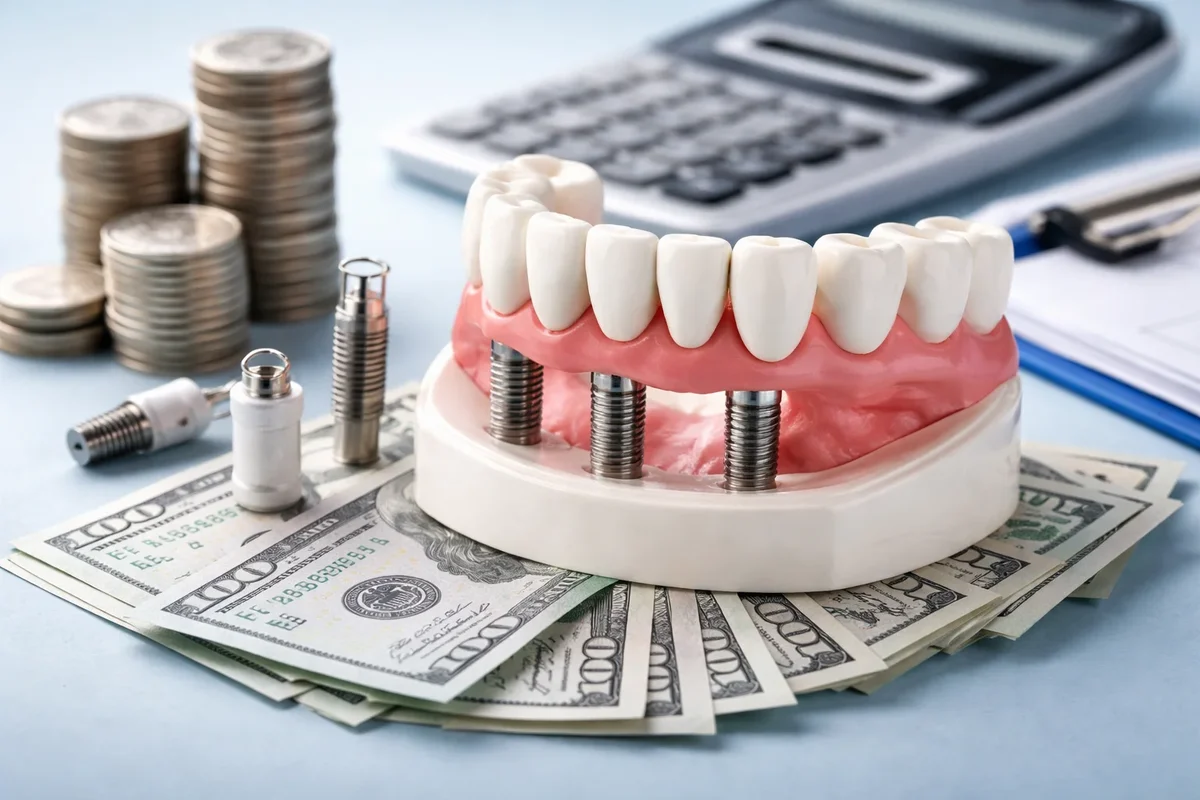
Hidden Costs You Should Know Before Getting Full Dental Implants
When researching the approximate cost of full dental implants, many patients focus only on the advertised price. However, the real financial picture can be more complex. Hidden or unexpected costs can significantly affect the total approximate cost of full dental implants, especially if they are not clearly explained in advance. Understanding these potential extra expenses will help you plan more accurately and avoid unpleasant surprises during your treatment journey. 😊
Why Hidden Costs Occur in Implant Treatments
The approximate cost of full dental implants is often presented as a package, but not all clinics include every necessary procedure in their initial quote. Some treatments depend on individual conditions that may only be discovered after detailed examination. As a result, the final approximate cost of full dental implants can increase once treatment begins.
In some cases, clinics may advertise a lower approximate cost of full dental implants to attract patients, while additional services are billed separately. This makes it essential to understand what is included and what is not before making a decision.
Additional Diagnostic and Imaging Costs
Advanced diagnostics such as 3D CBCT scans and digital impressions are crucial for successful implant placement. While some clinics include these in the approximate cost of full dental implants, others charge them separately.
Typical Diagnostic Costs
- CBCT scan: $100 – $500
- Digital impressions: $50 – $200
- Consultation fees: $50 – $300
These initial steps are essential for accurate treatment planning and may increase the overall approximate cost of full dental implants if not included in the package.
Bone Grafting and Surgical Preparation
One of the most common hidden costs associated with the approximate cost of full dental implants is bone grafting. If your jawbone lacks sufficient density, this procedure becomes necessary to support the implants.
Similarly, sinus lifting or soft tissue adjustments may be required depending on your oral condition. These procedures are not always included in the initial approximate cost of full dental implants and can significantly increase the final price.
Estimated Additional Procedure Costs
- Bone grafting: $300 – $3,000
- Sinus lift: $1,000 – $4,000
- Extractions: $50 – $300 per tooth
These procedures are essential for long-term success, even though they raise the approximate cost of full dental implants.
Temporary Prosthetics and Upgrades
Many patients are surprised to learn that temporary teeth may not always be included in the approximate cost of full dental implants. Immediate temporary prosthetics are often recommended to maintain aesthetics and function during healing.
Additionally, patients may choose to upgrade to premium materials such as zirconia for their final prosthetics. These upgrades can significantly increase the approximate cost of full dental implants, but they also offer better durability and aesthetics.
Optional Upgrades
- Zirconia prosthetics: Higher cost, longer lifespan
- Custom aesthetics design
- Enhanced smile design services
These choices allow customization but should be considered when calculating the total approximate cost of full dental implants.
Travel and Accommodation Expenses
For patients considering treatment abroad, travel-related expenses can add to the approximate cost of full dental implants. While the treatment itself may be more affordable, flights, accommodation, and local transportation must be factored into the total budget.
Typical Travel Costs
- Flights: $300 – $1,000
- Hotel stays: $500 – $1,500
- Local transportation: $100 – $300
Even with these additional costs, the overall approximate cost of full dental implants abroad is often still lower than in high-cost countries.
Aftercare and Maintenance Costs
Post-treatment care is another area where hidden costs can arise. Some clinics include follow-up visits and maintenance in the approximate cost of full dental implants, while others charge separately.
Regular check-ups, professional cleanings, and potential repairs are essential for maintaining implant health. These ongoing expenses should be considered when evaluating the true approximate cost of full dental implants.
Maintenance Costs
- Annual check-ups: $100 – $300
- Professional cleaning: $150 – $400
- Minor repairs or adjustments
Although these costs are relatively small compared to the initial investment, they contribute to the overall approximate cost of full dental implants over time.
Warranty and Replacement Policies
Not all clinics offer warranties on implants or prosthetics. If complications occur or components need replacement, the costs may not be covered. This can increase the long-term approximate cost of full dental implants.
Choosing a clinic that provides warranties can protect your investment and reduce unexpected expenses in the future.
Currency Exchange and Payment Fees
For international patients, currency exchange rates and transaction fees can also affect the approximate cost of full dental implants. Fluctuations in exchange rates may slightly increase or decrease the total amount paid.
It is advisable to check current exchange rates and discuss payment options with the clinic to avoid surprises.
Final Thoughts on Hidden Costs
The approximate cost of full dental implants is not always as straightforward as it appears. Hidden costs can arise from diagnostics, additional procedures, upgrades, travel, and aftercare.
By understanding these potential expenses and asking detailed questions during your consultation, you can gain a clear and accurate picture of the total approximate cost of full dental implants. This knowledge allows you to plan effectively and ensures that your investment leads to successful, long-lasting results. 😁