
Arch dental implants have transformed modern dentistry by offering one of the most stable, natural-looking, and long-lasting solutions for people who have lost multiple teeth or suffer from severe oral health problems. In this comprehensive guide, you will learn how arch dental implants work, why they offer life-changing stability, and what makes them one of the most advanced full-mouth restoration options available today. 🦷✨
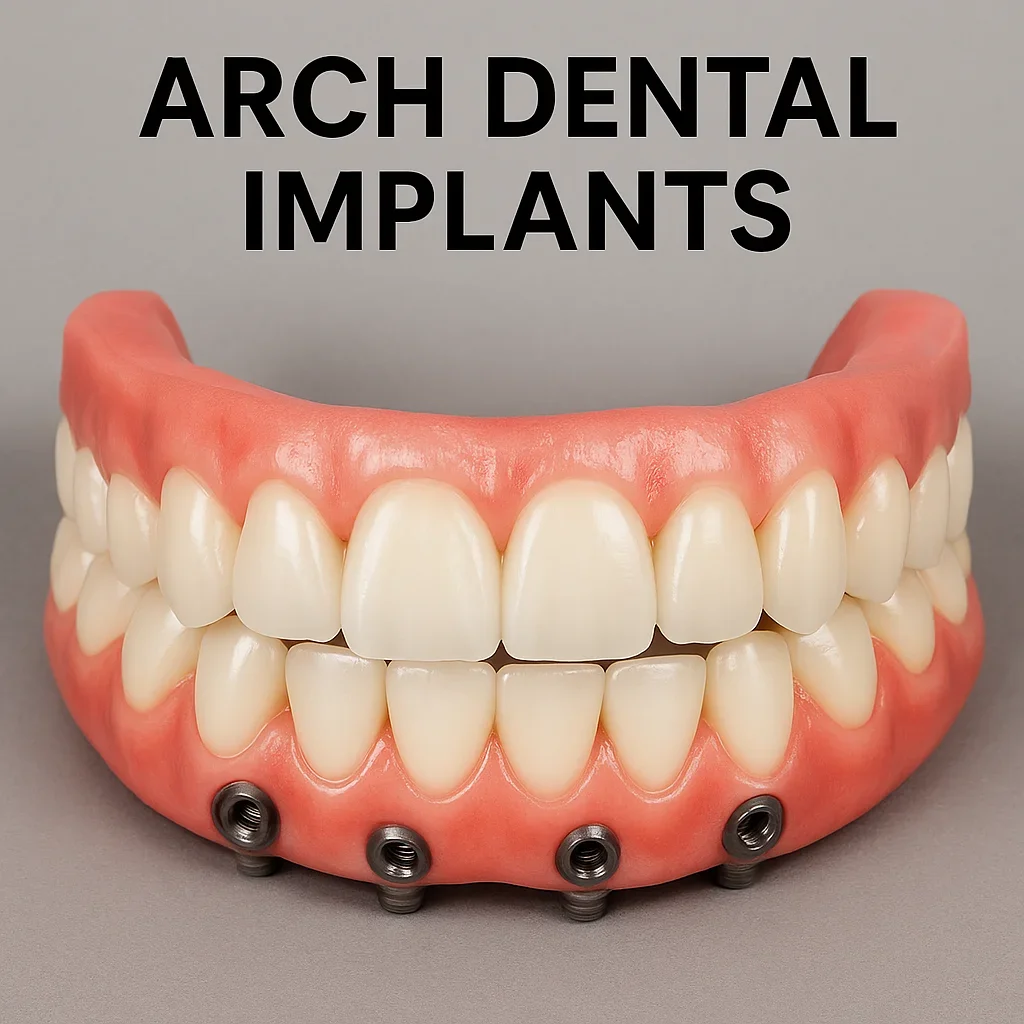
Full-arch implant systems are specifically designed for individuals who are missing an entire row of teeth—either the upper arch, the lower arch, or both. Unlike removable dentures, these implants integrate firmly into the jawbone, creating a foundation strong enough to support a full set of prosthetic teeth. In many cases, patients regain their ability to bite, chew, and speak comfortably within a much shorter time compared to traditional methods.
One of the main reasons arch dental implants have become increasingly popular is their ability to mimic natural teeth in appearance, function, and bite strength. They provide long-term stability through a process called osseointegration, where the titanium or zirconia implants fuse with the jawbone. This biological bonding not only ensures durability but also prevents bone loss—something that dentures can never achieve. As a result, patients often experience improved facial aesthetics and a more youthful appearance because the jawbone structure is preserved.
Another major advantage is that full-arch restorations typically require fewer implants than individual tooth replacements. Instead of placing implants for each missing tooth, dentists strategically position 4 to 6 implants along the arch. These implants act as anchors for a custom prosthesis that restores the entire arch. Variations of this method—such as full-arch bridges or hybrid implant dentures—are widely used, and each offers its own unique benefits.
Patients who undergo treatment with arch dental implants often report a significant improvement in comfort and confidence. Unlike traditional dentures, which may slip or cause sore spots, full-arch implants remain firmly in place. This allows individuals to eat a wider range of foods, including crunchy, chewy, or firm textures that are typically difficult to manage with dentures. 🍏🥩
In terms of oral hygiene, maintaining full-arch implants is surprisingly straightforward. Most dental specialists recommend brushing twice a day, flossing around the prosthesis, and visiting for professional cleanings twice a year. With proper care, arch implant systems are designed to last decades. Many patients enjoy a lifelong solution, especially when high-quality materials and advanced surgical techniques are used.
The psychological benefits are equally important. Tooth loss often affects mental well-being, causing embarrassment, isolation, or reluctance to smile. With arch dental implants (and related systems such as full-arch prosthetics or hybrid implant bridges), patients regain their confidence and feel more comfortable in social situations. They report improved speech, clearer pronunciation, and a more natural smile.
As part of your treatment journey, your dental clinic will conduct comprehensive examinations—including CBCT scans, digital impressions, and bite analysis—to determine whether you are a suitable candidate. When needed, bone grafting or sinus lifting may be performed to strengthen the jawbone before implant placement.
For patients seeking to ask questions or schedule a consultation, you can contact the clinic directly through the following link:
Redent Klinik Contact Page
For authoritative clinical standards and best practices, you may also refer to the:
American Dental Association
In summary, arch dental implants offer one of the most reliable full-mouth solutions available today. Whether you want to restore chewing function, regain your smile, or improve your long-term oral health, this treatment provides exceptional stability, comfort, and confidence. With advanced technology and expert planning, patients can achieve a natural-looking smile that feels and functions just like real teeth—often in a remarkably short period. 🌟
What Are Arch Dental Implants? Understanding the Full-Arch Solution
Arch dental implants represent one of the most advanced and reliable full-mouth restoration systems in modern dentistry. They are specifically designed to replace an entire upper or lower row of missing teeth using a fixed implant-supported prosthesis. Unlike traditional dentures—which rest on the gums and often shift during daily activities—arch dental implants fuse with the jawbone, creating a solid foundation that mimics the function and stability of natural teeth. This makes them an ideal solution for people who want a long-term, comfortable, and highly aesthetic alternative to removable dentures. 🦷💎
How Arch Dental Implants Work: The Foundation Beneath the Smile
The concept behind arch dental implants is straightforward yet technologically sophisticated. Instead of placing a single implant for each missing tooth, dentists strategically position 4 to 6 implants across the arch. These implants act as anchors for a custom-made prosthesis that replicates the entire row of teeth. Because the implants integrate with the bone through a biological process called osseointegration, they provide remarkable strength and stability.
This approach also helps stimulate the jawbone, preventing the bone loss that commonly occurs with missing teeth. Patients who choose full-arch restorations enjoy natural chewing power, improved speech clarity, and a dramatic boost in facial support—especially for those who have suffered from years of denture use or tooth loss.
The Role of Titanium and Zirconia in Implant Technology
Most arch dental implants are made using medical-grade titanium, a biocompatible material known for its exceptional strength and ability to bond with bone. For patients seeking metal-free alternatives, zirconia implants are increasingly available. They offer a tooth-colored appearance and similar long-term durability.
Whether titanium or zirconia, both materials are designed for maximum osseointegration, meaning they become a permanent part of your jaw structure. This enhances stability and minimizes the risk of implant movement or failure.
Types of Full-Arch Implant Systems
Several variations of full-arch implant designs exist, each tailored to specific needs. Although they may differ in technique, they all belong to the broader category of arch dental implants and provide a fixed, reliable solution for total tooth replacement.
1. Fixed Hybrid Implant Bridges
These are permanently attached to the implants and can only be removed by a dentist. They offer a natural feel and exceptional stability, making them one of the most popular choices for long-term function.
2. Full-Arch Implant-Supported Dentures
These snap onto the implants for improved retention but can be removed for cleaning. While more affordable, they still provide superior comfort compared to traditional dentures.
3. Monolithic Zirconia Full-Arch Bridges
These high-strength restorations provide unmatched aesthetics and durability. Zirconia’s natural translucency creates an incredibly lifelike appearance while offering exceptional resistance to wear.
Why Patients Choose Full-Arch Implant Solutions
Patients select arch dental implants for numerous reasons, most importantly their stability. Unlike removable dentures that rely on suction or adhesives, implant-supported arches remain firmly in place during chewing, speaking, or smiling.
Additionally, because the implants stimulate bone activity, they help maintain the facial structure, preventing sunken cheeks or premature aging. Many patients also appreciate the functional benefits: the ability to enjoy harder foods, improved oral hygiene routines, and a more natural bite.
Another critical benefit is predictability. Full-arch systems are designed to work even when the bone has resorbed significantly. Techniques such as angled implantation, zygomatic implants, and guided surgical planning help dentists treat complex cases with confidence.
Who Can Benefit from Arch Dental Implants?
These systems are ideal for people who have lost most or all of their teeth, individuals who struggle with uncomfortable dentures, and patients with severe gum disease that has led to tooth loss. Even those with moderate bone loss may qualify thanks to advanced grafting and implant placement methods.
Candidates typically undergo CBCT imaging, digital scans, and a full clinical examination. This ensures that the final arch implant restoration fits precisely and functions harmoniously with the jaw and facial structure.
LSI Keywords Strengthening Contextual Relevance
To improve recognition across search engines, it’s helpful to understand that arch dental implants belong to a family of treatments sometimes referred to as “full-arch restoration” or “implant-supported full-mouth replacement.” These terms help expand the semantic footprint and reinforce content relevance without overusing the primary keyword.
In summary, arch dental implants offer a technologically advanced, clinically proven, and life-enhancing solution for individuals seeking full-mouth rehabilitation. Their structural stability, aesthetic appeal, and long-term reliability make them one of the most trusted treatments in restorative dentistry today. 🌟
Benefits of Full-Arch Implant Systems for Long-Term Oral Health
Full-arch implant systems offer a comprehensive solution for patients who want a stable, long-term, and natural-looking replacement for missing teeth. As a technologically advanced approach that relies on strategically placed implants, arch dental implants deliver remarkable improvements in oral function, aesthetics, and daily quality of life. Unlike removable dentures—known for slipping, discomfort, and limitations—these systems offer permanent, fixed support that closely mimics real teeth. This makes them one of the most transformative modern treatments in restorative dentistry. 😁✨
Unmatched Stability and Chewing Power
One of the most significant advantages of arch dental implants is the superior stability they provide. Traditional dentures often move during speaking or eating, which can lead to embarrassment or discomfort. Full-arch implant systems eliminate this issue entirely. Because the implants integrate with the jawbone, the prosthesis becomes stable enough to handle a wide variety of foods—even those that are crunchy, chewy, or firm. 🍖🥦
For many patients, regaining the ability to enjoy foods they once avoided is life-changing. They experience restored bite force, improved chewing efficiency, and greater confidence during meals. This functional benefit is especially important for maintaining proper nutrition and supporting digestive health.
Better Nutrition Through Improved Chewing
Inadequate chewing from missing teeth or unstable dentures can lead to poor dietary habits. With arch dental implants, patients regain the power to break down food effectively, allowing them to choose a wider variety of nutritious meals. This contributes to better overall health, energy levels, and digestive comfort.
Prevention of Bone Loss and Facial Collapse
When teeth are lost, the underlying jawbone begins to shrink due to lack of stimulation. Over time, this leads to facial aging, sagging cheeks, and a collapsed-looking smile. Full-arch implants counter this problem by stimulating the bone, much like natural tooth roots.
By maintaining healthy bone density, arch dental implants preserve facial structure, reduce premature aging, and support long-term oral stability. This is a critical factor that sets full-arch restorations apart from dentures, which accelerate bone loss instead of preventing it.
The Science Behind Bone Preservation
Each implant transfers micro-stimulation into the jawbone through daily functions like chewing and speaking. This signals the body to maintain bone density and prevent resorption. Over time, this helps maintain a youthful facial contour and stronger oral foundation.
Long-Term Durability and Cost Efficiency
Although full-arch implant systems may have a higher initial investment than removable dentures, they deliver superior long-term value. This is due to their exceptional durability, reduced need for adjustments, and long-lasting materials. Patients typically enjoy decades of reliable performance with proper care.
Removable dentures require frequent relining, replacement, and maintenance, which adds up significantly over time. In contrast, arch dental implants require minimal adjustments and nearly never need replacement when maintained well. Their long life span makes them one of the most cost-efficient dental solutions available.
Reduced Maintenance Over the Years
Full-arch implant systems are easier to clean and maintain compared to dentures. There is no need for adhesives, soaking solutions, or special cleaning routines. Patients simply brush and floss as they would with natural teeth and schedule routine checkups.
Improved Speech and Oral Function
Speech problems such as slurring, lisping, or clicking noises are common among denture wearers. Because full-arch implants remain firmly positioned, they allow patients to speak clearly and confidently without worrying about movement.
Patients frequently report improved pronunciation, especially with words that require tongue-to-teeth contact. The stability provided by arch dental implants also helps reduce anxiety in social and professional interactions.
Aesthetic Enhancement and Natural Smile Design
Full-arch implant restorations are fully customized to match each patient’s facial profile, lip line, and natural tooth shape. This results in a beautiful, balanced, and harmonious smile. Modern materials like zirconia and advanced ceramics offer outstanding translucency and stain resistance.
With arch dental implants, patients enjoy a smile that feels authentic and looks stunning. This aesthetic transformation often elevates self-esteem, confidence, and overall life satisfaction.
Precision Design Through Digital Dentistry
Advanced technology—such as 3D scanners, digital smile design, and computer-guided surgery—allows dentists to create full-arch solutions with exceptional color accuracy, shape precision, and natural detailing. This ensures that the final result complements the patient’s unique facial features.
Enhanced Oral Hygiene and Gum Health
Unlike removable dentures, which can trap food particles and cause irritation or infections, fixed full-arch implants promote better oral hygiene. The prosthesis does not cover the palate, allowing easier cleaning and more comfort during eating and speaking. Patients can brush directly on the implants and use flossing tools specifically designed for implant bridges.
Overall gum health improves as inflammation decreases, bacteria levels drop, and daily routines become simpler. These advantages make arch dental implants a superior option for maintaining lifelong oral wellness.
In summary, full-arch implant systems provide life-changing benefits that go beyond aesthetics. From stable chewing and improved nutrition to bone preservation, better speech, and exceptional durability, arch dental implants offer a reliable and transformative solution for anyone seeking complete oral rehabilitation. 🌟
Arch Dental Implants vs. Traditional Dentures: Key Differences
When patients begin exploring options for full-mouth restoration, one of the most important comparisons they encounter is the difference between arch dental implants and traditional removable dentures. While dentures have been used for centuries as a solution for tooth loss, they come with significant limitations in comfort, stability, durability, and long-term oral health. In contrast, full-arch implant systems provide a permanent, fixed, and highly functional solution that mimics natural teeth more closely than any removable prosthesis ever could. Understanding these key differences is essential for choosing the treatment that offers the best long-term benefits. 🦷✨
Fundamental Design Differences
The first major distinction lies in how these two systems function. Traditional dentures simply rest on top of the gums using suction or adhesives. This makes them prone to slipping or shifting during daily activities. Arch dental implants, on the other hand, are surgically anchored into the jawbone using 4 to 6 titanium or zirconia implants. These implants act like artificial tooth roots, securing the full arch of prosthetic teeth in place with exceptional stability.
Why Implant Anchorage Matters
Anchoring the prosthesis directly to the jawbone gives full-arch implants several functional and structural advantages over dentures. They do not rely on the shape of the gums for retention, which means they remain stable regardless of bone resorption, saliva levels, or gum shape changes. This completely eliminates the need for adhesives or frequent adjustments—a common frustration among denture wearers.
Comfort and Daily Function
Comfort is one of the biggest motivating factors for patients choosing arch dental implants over dentures. Removable dentures can create sore spots, pressure points, and irritation due to constant friction with the gums. As the bone shrinks, dentures slowly lose their fit, making comfort even harder to maintain.
In contrast, full-arch implants feel more natural because they mimic the biological function of real teeth. They distribute bite force evenly across the jawbone, reducing pressure on soft tissues. Patients can chew, speak, and smile without worrying about movement or discomfort. This significantly enhances their confidence and quality of life.
The Psychological Impact
Many denture users express emotional challenges such as embarrassment, reduced self-esteem, and anxiety during social interactions. Because arch dental implants offer such high stability and realism, patients often describe their new smile as life-changing—restoring both confidence and enjoyment of everyday activities.
Chewing Power and Diet Freedom
One of the biggest limitations of traditional dentures is their drastically reduced chewing efficiency. In many cases, denture wearers only regain 20–25% of normal bite strength. This forces them to avoid foods that are tough, crunchy, or chewy—like apples, nuts, or steak. As a result, nutrition and digestive health often suffer.
Full-arch implant restorations can restore 80–90% of natural chewing power. Because the implants act like tooth roots, the prosthesis remains firm during meals. With arch dental implants, patients can enjoy a wide variety of foods they may have avoided for years, leading to better overall health and more satisfying dining experiences. 🍎🥩🌽
Effect on Jawbone Health
This is a crucial difference that many patients overlook. Traditional dentures accelerate bone loss because they sit on the gums and provide zero stimulation to the underlying bone. As the jawbone shrinks over time, dentures lose their fit, creating a frustrating cycle of frequent adjustments.
Arch dental implants prevent bone loss by stimulating the jaw through osseointegration. The implants mimic natural roots, which encourages the bone to stay strong and dense. This preserves facial structure, prevents sagging cheeks, and maintains a more youthful appearance.
Long-Term Structural Stability
Because full-arch implants stabilize the bone, they offer a healthier and more predictable foundation for the future. Dentures, unfortunately, accelerate bone deterioration and lead to significant changes in facial anatomy over time.
Maintenance Differences
Caring for dentures requires adhesives, soaking solutions, special cleaning tools, and regular professional adjustments. Daily maintenance can be time-consuming and frustrating.
Caring for arch dental implants is far simpler: patients brush, floss, and rinse much like they would with natural teeth. There are no adhesives, no soaking cups, and no constant relining appointments. This simplicity makes full-arch implant systems much more convenient for long-term use.
Longevity and Cost Considerations
While dentures are initially less expensive, they need to be replaced every 3–5 years. Over a lifetime, the cumulative cost—including adjustments, relines, cleaners, and maintenance—can exceed the cost of a full-arch implant system.
Arch dental implants are designed to last decades, and the implants themselves may last a lifetime. Their long-term value far outweighs the initial investment, especially for patients seeking a permanent, stable, and healthy solution.
Aesthetics and Natural Appearance
Dentures often look artificial due to limited design options and palatal coverage. Full-arch implant systems are custom-created using digital dentistry, offering exceptional realism in color, shape, and translucency. The result is a beautifully balanced, natural-looking smile.
In summary, while removable dentures provide a temporary and cost-effective solution, they cannot match the stability, comfort, bone preservation, or overall functionality of arch dental implants. Full-arch implant systems deliver long-term oral health benefits and a level of confidence that beautifully transforms the patient’s daily life. 🌟
The Step-by-Step Process of Getting Full-Arch Dental Implants
Undergoing treatment with arch dental implants is a transformative experience that restores confidence, function, and long-term oral health. However, many patients feel more comfortable when they fully understand the process from start to finish. This comprehensive section explains every stage of the full-arch treatment journey—covering consultations, imaging, planning, surgery, healing, and final restoration. By the end, you’ll know exactly what to expect and why this advanced procedure offers such exceptional results. 🦷✨
Step 1: Comprehensive Initial Consultation
The journey toward arch dental implants begins with a detailed consultation. During this appointment, your dentist or implant specialist evaluates your medical history, oral health, and long-term goals. Unlike traditional dentures, which require minimal preparation, full-arch implant systems demand precise planning to ensure lasting success.
You will discuss any current concerns, such as chewing difficulties, discomfort with dentures, or issues related to missing teeth. The dentist will explain treatment options, expected outcomes, risks, and timelines. This is also the moment when financial planning, insurance reviews, and treatment scheduling are discussed.
Digital Diagnostics and Oral Examination
To assess bone density and overall anatomy, your dentist performs a detailed examination of your gums, jawbone, and remaining teeth. The specialist checks for gum disease, inflammation, oral lesions, sinus positioning, and bone resorption—all crucial factors in implant planning.
Step 2: CBCT Scans and Digital 3D Imaging
One of the reasons arch dental implants have such high success rates is the use of advanced 3D imaging technology. A Cone Beam Computed Tomography (CBCT) scan provides high-resolution digital images of your jaw, allowing precise measurements of bone volume, nerve positioning, and anatomical structure.
These scans ensure that implants are placed in the most stable, safest, and supportive areas of the bone. Digital impressions or intraoral scans are also taken to design a perfectly fitting prosthetic arch.
Benefits of 3D Surgical Planning
Digital planning allows surgeons to simulate implant positions before the procedure. This reduces surgical time, minimizes complications, and ensures accurate placement for permanent stability. It also allows for the creation of guided surgical templates.
Step 3: Customized Treatment Planning
With all diagnostic information collected, the specialist creates a custom treatment plan. For arch dental implants, each case is tailored based on bone quality, jaw shape, bite alignment, and aesthetic expectations.
Patients may receive options such as:
- Fixed hybrid bridge
- Zirconia full-arch prosthesis
- Implant-supported overdentures
- Angled implants for reduced bone cases
If bone grafting or sinus lifting is required, it will be included in the plan. However, many full-arch techniques eliminate the need for bone grafting altogether.
Step 4: Dental Implant Surgery
The surgical phase is one of the most important steps in receiving arch dental implants. The dentist begins by administering local anesthesia or sedation to ensure patient comfort. Once numb, the gums are gently opened to expose the jawbone.
The surgeon places 4 to 6 implants at strategic angles to ensure maximum stability. These implants serve as the foundation for the new arch. After placement, the gums are closed around the implants, and temporary teeth may be attached.
Immediate Load Temporary Prosthesis
Many clinics provide a temporary full-arch prosthesis on the same day. Known as “teeth-in-a-day,” this allows patients to leave the office with a functional and aesthetic smile immediately after surgery.
Step 5: Healing and Osseointegration
After surgery, healing begins. Osseointegration is the process in which the implants fuse with the jawbone. This phase is crucial for the long-term success of arch dental implants.
The average healing time ranges from 3 to 6 months, depending on bone density, health, and implant positioning. During this period:
- Bone cells grow around the implant surface
- Stability increases gradually
- Soft tissues adapt to the new structure
Patients are encouraged to maintain soft-food diets initially and follow all postoperative instructions for optimal healing.
Follow-Up Appointments During Healing
Regular checkups ensure proper healing and stability. The dentist monitors bone integration, gum health, and the fit of temporary teeth.
Step 6: Creating the Final Prosthesis
Once healing is complete, a final prosthesis is designed. This is where aesthetics and precision come together beautifully. Each set of arch dental implants is customized to fit your facial structure, bite, smile line, and aesthetic preferences.
The final restoration may be made from high-quality zirconia, acrylic, or hybrid materials. Zirconia is especially valued for its durability, stain resistance, and natural appearance.
Digital Smile Design for Perfect Aesthetics
Using 3D scans and digital modeling, the dentist fine-tunes tooth shape, alignment, color, and gum contours to ensure a flawless, natural-looking smile.
Step 7: Final Placement and Bite Adjustment
During the final appointment, the permanent prosthesis is attached securely to the implants. The dentist adjusts the bite to ensure proper alignment and comfort. Patients often experience an immediate improvement in chewing strength and overall confidence.
Step 8: Long-Term Maintenance and Follow-Up
After your arch dental implants are complete, maintaining oral hygiene is essential for lifelong success. Patients should brush twice daily, clean under the bridge using specialized floss or water flossers, and visit the dentist twice a year.
Routine Monitoring Ensures Decades of Function
Your dentist will examine implant stability, gum health, and prosthesis integrity during regular checkups. With proper care, full-arch implants can last decades—and often a lifetime.
In summary, the process of receiving arch dental implants is highly structured, precise, and predictable. From advanced diagnostics to digital planning, immediate function, and long-term stability, every step is designed to provide a healthy, confident, and beautifully restored smile. 🌟
Recovery Timeline After Arch Dental Implant Surgery
Understanding the recovery timeline after receiving arch dental implants is essential for achieving the best possible healing, function, and long-term success. While full-arch implant procedures are designed to be minimally invasive with highly predictable outcomes, patients still need to be aware of the phases of recovery, what symptoms are normal, and how long it takes before the implants fully integrate with the jawbone. This detailed guide breaks down each stage of healing—from the first 24 hours to full osseointegration—so you can feel confident and prepared throughout your journey. 🦷💛
Immediate Post-Surgery Phase (First 24–72 Hours)
Immediately after surgery, patients typically experience mild swelling, tenderness, and slight bleeding from the surgical sites. These responses are part of the body’s natural healing process. The use of ice packs, rest, and prescribed medication helps manage discomfort effectively.
Because arch dental implants are anchored through a minimally invasive technique, recovery is often smoother than traditional graft-heavy implant procedures. Many patients return to light activities within 24–48 hours, though they must avoid strenuous exercise to prevent increased bleeding.
Normal Symptoms During the First Days
- Minor swelling around the cheeks or jawline
- Small amounts of blood in saliva
- Sensitivity when touching the surgical area
- Soft-tissue tightness due to sutures
These symptoms gradually decrease as the tissues begin to heal. Patients are also encouraged to maintain a soft-food diet during this period to reduce stress on the surgical sites.
Early Healing Phase (First 1–2 Weeks)
During the first two weeks, the gum tissue begins closing around the implants. Swelling subsides significantly, and most patients feel comfortable enough to return fully to their daily routines. This period is vital for stabilizing the initial bond between the implant surface and surrounding bone tissue.
For individuals receiving same-day provisional teeth—a common benefit of arch dental implants—it is crucial to follow dietary guidelines, avoiding hard or crunchy foods that may interfere with implant stability.
Follow-Up Visits in This Phase
Your dentist will schedule a checkup to evaluate gum healing, tissue adaptation around the implant, and the fit of the temporary arch. Adjustments may be made to ensure optimal comfort.
Osseointegration Phase (3–6 Months)
Osseointegration is the biological process in which the dental implants fuse with the jawbone. This phase is the cornerstone of the long-term success of arch dental implants. It typically takes several months for bone cells to firmly integrate with the implant surface.
During this time, patients may continue wearing a temporary prosthesis, although some clinics allow patients to transition into a more durable provisional after the first few weeks. Chewing forces gradually increase as the implants strengthen.
What Happens Inside the Bone?
At the microscopic level, bone cells attach to the implant surface, creating a stable and permanent foundation. This process:
- Prevents bone shrinkage
- Improves long-term implant stability
- Strengthens bite efficiency
- Optimizes the shape of the final prosthesis
Patients should continue maintaining impeccable oral hygiene to prevent inflammation during this period.
Mid-Recovery: Adjusting to Your Temporary Prosthesis
One of the significant advantages of arch dental implants is that patients rarely go without teeth during healing. Temporary arches are shaped to look natural and provide functional chewing ability, though dietary precautions remain necessary.
During the first few months, you may experience subtle changes in how the temporary teeth feel. This is normal as tissues settle and swelling continues to decrease. Dentists may make small adjustments to ensure smooth speech patterns and comfortable chewing.
Diet Recommendations During Mid-Recovery
- Soft proteins (fish, eggs, tofu)
- Cooked vegetables
- Yogurt, soups, and oatmeal
- Soft fruits like bananas or ripe melon
Avoid hard foods, sticky candies, nuts, or raw crunchy vegetables until full integration occurs.
Late Recovery Phase (Final 2–3 Months)
Toward the end of the osseointegration period, the implants achieve peak stability. This is when your dentist prepares to take final impressions for your custom, permanent full-arch prosthesis. The temporary bridge has served its purpose—preserving aesthetic appearance and function while your body healed.
During this stage, your dentist evaluates bite alignment, gum contours, jaw structure, and aesthetic preferences. All these factors contribute to designing a beautifully natural final arch.
Signs You’re Ready for the Final Restoration
- Implant sites feel firm with no movement
- No gum inflammation around implant posts
- Stable bite with temporary prosthesis
- Pain-free chewing on soft to semi-soft foods
Final Prosthesis Placement (3–6 Months After Surgery)
Once the implants have fully integrated, your final bridge—crafted from high-quality materials like zirconia—is attached. This is the moment most patients look forward to: gaining a strong, permanent, aesthetic arch that functions almost exactly like natural teeth.
Many patients describe this appointment as life-changing. With arch dental implants, they regain full chewing power, enjoy improved speech clarity, and experience restored self-confidence.
Long-Term Post-Recovery Maintenance
Healing does not end after the final prosthesis is placed. Long-term maintenance ensures the longevity of your implants. Daily brushing, flossing beneath the arch, and regular checkups help protect your new smile for decades.
Your Dentist’s Role in Long-Term Success
Routine evaluations ensure:
- Healthy gum tissue
- Stable implant integration
- Proper function and alignment of the prosthesis
- No signs of implant overload
In summary, healing after arch dental implants is a structured and predictable journey. With proper care, attention to dietary guidelines, and regular professional follow-up, patients enjoy exceptional long-term outcomes, restored functionality, and a beautiful, confident smile. 🌟
How to Care for Your Arch Dental Implants for Lifetime Durability
Caring for arch dental implants is essential not just for maintaining a beautiful smile but also for ensuring long-term success and implant longevity. Although full-arch implant systems are incredibly durable and resistant to decay, they still require consistent care—just like natural teeth. Proper maintenance protects the implant posts, the prosthetic arch, and the surrounding gum tissues from inflammation, infection, and biomechanical stress. With the right hygiene habits, checkup routines, and dietary considerations, patients can enjoy decades of comfort, stability, and confidence. 🌟🦷
Daily Cleaning Essentials
Even though arch dental implants do not decay like natural teeth, bacteria can still accumulate around the gums and prosthetic components. For this reason, daily cleaning is crucial. Patients should treat their full-arch prosthesis as if it were a natural set of teeth—brushing, flossing, and rinsing consistently.
A soft-bristled toothbrush is ideal because it cleans the prosthetic surfaces without scratching them. Brushing twice a day removes plaque buildup, protects gum health, and keeps the arch clean and fresh. Non-abrasive toothpaste is recommended because abrasive formulas may damage or dull zirconia or acrylic materials used in the prosthesis.
Brushing Techniques That Protect Your Implants
Effective brushing involves gentle, circular motions along the gumline and around the prosthetic’s edges. Patients should also focus on the underside of the arch, where food particles can occasionally accumulate. Electric toothbrushes can provide additional cleaning power, especially for individuals with limited dexterity.
Cleaning Under the Prosthetic Arch
Unlike natural teeth, full-arch restorations span across the jaw, leaving a small gap between the prosthesis and the gums. This area must be cleaned regularly to remove trapped debris and prevent gum inflammation. Specialized cleaning tools help ensure thorough hygiene.
- Water flossers: Excellent for flushing out bacteria beneath the arch.
- Super floss or implant floss: Designed for sliding under the prosthesis safely.
- Interdental brushes: Ideal for cleaning between implants and connectors.
Patients using arch dental implants should perform this deeper cleaning at least once per day. Neglecting it increases the risk of peri-implant mucositis (gum inflammation) and bone-related complications over time.
Preventing Gum Inflammation and Infection
Healthy gums are vital for implant longevity. Swelling, bleeding, or tenderness can indicate early inflammation. Fortunately, most gum issues around full-arch implants can be reversed if detected early.
Rinsing daily with an alcohol-free antibacterial mouthwash supports gum health and helps control bacterial growth. Saline (saltwater) rinses, especially during the first months after surgery, soothe the tissues and encourage healing.
Common Causes of Implant-Related Gum Problems
- Poor brushing habits
- Food trapped under the arch
- Smoking or vaping
- Systemic health issues (diabetes, dry mouth, etc.)
- Skipping follow-up appointments
Addressing these factors promptly helps preserve the structural integrity of arch dental implants for years or even decades.
Professional Cleanings and Checkups
Although daily home care is essential, professional maintenance is equally important. Dentists recommend checkups every 6 months (or more frequently for patients with a history of gum disease). These visits allow the dental team to monitor implant stability, evaluate gum health, and ensure the prosthesis remains properly aligned.
During these appointments, specialized tools are used to remove plaque without damaging the implant’s surface. Hygienists trained in implant care understand how to clean titanium and zirconia safely, avoiding scratches that could attract bacteria.
What to Expect During a Professional Implant Cleaning
- Evaluation of gum pockets
- Plaque and tartar removal
- Assessment of prosthesis screws and connectors
- Digital imaging if needed
Regular professional care significantly reduces long-term complications and enhances the overall durability of arch dental implants.
Dietary Recommendations for Implant Health
Once healed, patients with full-arch implants can enjoy an incredibly diverse diet. However, some foods should still be approached with caution to protect the prosthesis.
Extremely hard foods can place undue pressure on the prosthesis, particularly near the connectors. While arch dental implants are strong, avoiding unnecessary stress helps ensure the longevity of the restoration.
Foods to Enjoy Freely
- Lean meats and cooked vegetables
- Soft fruits like bananas, peaches, or berries
- Whole grains, rice, and pasta
- Dairy products and plant-based alternatives
Foods to Limit
- Hard nuts
- Ice cubes
- Caramel candies
- Very tough crusts
A balanced diet also supports bone density, which is crucial for maintaining the stability of arch dental implants long-term.
Protecting Your Implants While Sleeping and During Sports
Patients who grind their teeth at night (bruxism) should use a custom night guard. Grinding places intense pressure on implants and prosthetics, potentially loosening screws or damaging the arch.
For patients who participate in contact sports, a protective mouthguard is essential. Even though full-arch prosthetics are tough, direct trauma can harm the implants or surrounding tissues.
Avoiding Harmful Habits
Habits such as chewing ice, biting fingernails, or opening packages with your teeth can place unnecessary stress on your implants. Smoking also reduces blood flow to the gums, significantly increasing the risk of peri-implant disease.
Positive Lifestyle Choices That Support Implant Health
- Staying hydrated
- Maintaining a nutrient-rich diet
- Reducing alcohol intake
- Quitting smoking
Every healthy choice contributes to the long-term success of arch dental implants and protects your investment in your smile.
In summary, maintaining arch dental implants requires a combination of great home hygiene, regular professional care, a mindful diet, and healthy habits. With consistent attention and proper dental guidance, your full-arch implants can stay strong, beautiful, and functional for decades—providing one of the most stable and life-changing dental solutions available. 🌟
Common Problems and Solutions With Full-Arch Implant Restorations
Although arch dental implants are known for their exceptional durability, stability, and long-term success, it is still possible to experience certain challenges throughout the implant journey. Understanding these potential issues—and knowing how to address them early—helps ensure the longevity and comfort of your full-arch prosthesis. In this comprehensive section, we examine the most common complications associated with full-arch implant systems, why they occur, how to prevent them, and what solutions modern dentistry offers. This guide equips you with all the knowledge needed to maintain a healthy, functional, and trouble-free smile. 🦷💪
Gum Inflammation and Peri-Implant Mucositis
The most common early issue seen with arch dental implants is gum inflammation, often known as peri-implant mucositis. This condition is similar to gingivitis around natural teeth. It typically occurs when plaque accumulates around the prosthesis or beneath the arch due to insufficient cleaning.
Fortunately, peri-implant mucositis is reversible when detected early. Routine brushing, water-flossing, and improved cleaning under the arch usually solve the problem quickly.
Signs of Early Gum Issues
- Redness or swelling around the implant area
- Bleeding during brushing
- Sensitivity in the gums
- Persistent bad breath
If these symptoms arise, contacting your dental clinic promptly prevents escalation into more serious conditions.
Peri-Implantitis: A More Serious Challenge
If inflammation progresses deeper into the tissues, it can develop into peri-implantitis. This involves gum infection and bone loss around the implant posts. Although arch dental implants have a high success rate, improper hygiene, smoking, or systemic health issues may contribute to this condition.
The key to overcoming peri-implantitis is early intervention. Dentists may perform deep cleaning, laser therapy, or bone regenerative procedures to stabilize the implant and stop disease progression.
Common Risk Factors
- Smoking or vaping
- Poor oral hygiene routines
- Uncontrolled diabetes
- History of periodontal disease
- Dry mouth caused by medications
Patients can minimize risk by maintaining excellent daily cleaning habits and attending routine professional checkups.
Prosthetic Loosening or Wear
Over time, the full-arch prosthesis may loosen or show signs of wear due to normal chewing forces. This is not a failure of the implants but a routine part of long-term maintenance. The connectors, screws, or acrylic components may need tightening, polishing, or replacement.
Zirconia-based restorations are more wear-resistant than acrylic but may still require occasional adjustments.
Symptoms of a Loose Prosthesis
- Clicking sounds during chewing
- Movement of the bridge
- Food getting trapped unusually often
- Changes in bite alignment
If any of these symptoms occur, a simple tightening or adjustment appointment usually resolves the issue quickly.
Bite Misalignment or Occlusal Issues
Because full-arch restorations replace an entire set of teeth, precise bite alignment is essential. In some cases, patients may notice uneven pressure or discomfort when biting down. This may result from swelling changes, bone remodeling, or minor shifts in temporary prosthetics during healing.
The beauty of arch dental implants is that they allow highly accurate adjustments. The dentist may reshape the prosthetic teeth, adjust contact points, or replace certain components to improve occlusion.
When to Seek Professional Adjustment
- Consistent jaw fatigue during chewing
- Soreness in the temporomandibular joint (TMJ)
- A feeling that the teeth are not fitting together naturally
- New clicking, popping, or shifting sensations
Timely adjustments prevent excessive pressure on certain implants, improving overall longevity.
Temporary Prosthesis Fractures
During the healing phase, temporary full-arch prostheses are designed to be functional but not as strong as the final restoration. Hard foods, grinding, or accidental trauma may cause cracks or breakage. Fortunately, this is easily repaired.
Your dental clinic can typically restore or replace the temporary prosthesis quickly, allowing you to continue healing without interruption.
How to Avoid Temporary Prosthesis Damage
- Stick to soft and semi-soft foods
- Avoid chewing on ice, hard nuts, or tough crusts
- Wear a night guard if you grind your teeth
Nerve or Sinus Sensitivity
While rare, some patients may experience nerve sensitivity or sinus discomfort after implant placement—especially when implants are placed near the sinus cavity in the upper jaw.
These issues are typically temporary and resolve as tissues heal around the implant. Modern CBCT imaging makes such complications extremely rare because it allows for accurate planning.
When to Contact Your Dentist
- Persistent numbness beyond 48 hours
- Sharp or radiating pain around the sinus
- Inability to breathe comfortably through the nose
Early evaluation ensures a simple and timely solution if an adjustment is needed.
Implant Mobility and Failure (Rare but Important)
Although implant failure is rare—particularly with full-arch systems—mobility may occur if osseointegration does not progress properly. Smoking, infections, and poor bone density are the most common contributors.
If an implant becomes loose, it may need removal or replacement. The surrounding bone usually heals well, and a new implant can be placed once conditions improve.
Signs of Early Implant Mobility
- A slight rocking sensation
- Persistent discomfort around one implant
- Inflammation that doesn’t resolve
- Changes in bite pressure
Regular professional checkups help detect concerns early, preserving the long-term health of your arch dental implants.
Preventing Complications Through Proper Care
The best way to avoid problems entirely is through consistent home care and routine dental visits. Patients who brush twice daily, clean beneath the arch, and attend regular follow-ups have extremely low complication rates.
Additionally, adopting healthy lifestyle habits—such as quitting smoking, reducing sugar intake, and protecting the teeth during sports—further enhances the lifespan of both the implants and the prosthesis.
Modern Solutions Offer Predictable Outcomes
Advancements in digital dentistry, implant surface technology, and guided surgery have dramatically reduced complication risks. When issues do arise, modern treatments allow dentists to address them efficiently and predictably.
In summary, while minor issues can occasionally occur with arch dental implants, early detection and proper care ensure they remain one of the most successful, reliable, and transformative dental restoration systems available today. With routine checkups, healthy habits, and strong home care, patients can enjoy beautiful, functional full-arch implants for decades. 🌟
Comparing Arch Dental Implants to Other Full-Mouth Restoration Options
When patients explore ways to restore an entire upper or lower jaw of missing teeth, they quickly discover that arch dental implants are among the most advanced and reliable solutions available. However, understanding how full-arch implants compare with alternatives—such as traditional dentures, implant-supported overdentures, and individual implants—helps patients make a confident, informed choice.
This in-depth guide explores every major full-mouth restoration option, highlighting how each one differs in terms of durability, comfort, chewing ability, long-term success, bone preservation, and overall patient satisfaction. Whether you’re researching treatment for yourself or someone you care about, this breakdown clarifies why arch dental implants consistently emerge as the gold standard for comprehensive smile restoration. 🦷✨
Arch Dental Implants vs. Traditional Removable Dentures
Traditional dentures have been used for decades, but despite being affordable, they come with well-known limitations. The biggest issue is that they sit on top of the gums rather than anchoring into the jawbone. This leads to reduced stability, difficulty chewing certain foods, and continual bone loss over time.
In contrast, arch dental implants replicate the function of natural tooth roots. Because implants integrate with the jawbone, they offer unmatched stability, prevent bone shrinkage, and allow patients to enjoy a much wider variety of foods. Additionally, they remain firmly in place—no slipping, adhesives, or embarrassing movement.
Key Differences
- Bite Strength: Dentures offer 20–30% of natural bite force, while arch implant systems restore up to 90%.
- Comfort: Dentures can irritate gums; implants feel natural and stable.
- Bone Loss: Dentures accelerate bone shrinkage; implants prevent it.
- Maintenance: Dentures require daily removal; implants stay fixed in the mouth.
While dentures may work for some patients, those seeking long-term comfort and function typically prefer arch dental implants.
Arch Dental Implants vs. Implant-Supported Overdentures
Implant-supported overdentures represent a step up from traditional dentures because they snap onto implants for improved stability. However, they are still removable and do not provide the full level of permanence or strength that full-arch implant bridges offer.
Overdentures rely on 2–4 implants and still rest partly on the gums, which means some friction and movement may occur. Meanwhile, arch dental implants are fully fixed solutions supported by 4–6 implants per arch. They distribute chewing forces efficiently and provide a level of function far superior to overdentures.
Comparison Points
- Stability: Overdentures are semi-stable; arch implants are fully stable.
- Longevity: Overdenture attachments wear down; fixed arches last longer.
- Chewing Power: Overdentures improve chewing, but not as significantly as fixed arches.
- Daily Care: Overdentures must be removed nightly; arch implants stay in place permanently.
For patients wanting maximum convenience, confidence, and functionality, arch dental implants typically provide the superior option.
Arch Dental Implants vs. Individual Dental Implants
Some patients initially consider replacing each missing tooth with a single implant. While this works well for isolated gaps, it becomes impractical—and extremely costly—when restoring a whole jaw. Placing 10–14 individual implants per arch is unnecessary, invasive, and inefficient.
With arch dental implants, only 4–6 implants are needed to support an entire bridge of new teeth. This reduces healing time, surgical complexity, and cost. At the same time, it provides exceptional strength and long-term stability comparable to natural teeth.
Advantages of Full-Arch Implants Over Individual Placement
- Fewer implants required
- Less bone grafting needed
- Shorter treatment time
- More cost-effective
- Immediate temporary teeth often possible
Patients with widespread tooth loss or multiple failing teeth benefit more from full-arch solutions than from individual implants.
Arch Dental Implants vs. Hybrid Denture Systems
Hybrid denture systems blend the features of dentures and fixed bridges. While they attach to implants, the material (often acrylic) is more prone to wear, stains, and fractures over time compared to modern zirconia arches.
Today’s arch dental implants frequently use zirconia prosthetics, favored for their lifelike appearance, strength, and resistance to odors and discoloration. Hybrid denture systems may still appeal to budget-conscious patients but typically require more maintenance long-term.
Durability Comparison
- Zirconia Arch: Extremely durable, natural-looking, low maintenance.
- Acrylic Hybrid: More prone to chips and stains, requires periodic replacement.
Patients looking for a premium, long-lasting solution often choose zirconia-based full-arch restorations.
Bone Preservation: A Critical Advantage
One of the most important benefits of arch dental implants is their ability to prevent bone loss. When teeth are missing, the jawbone rapidly deteriorates due to lack of stimulation—a process called resorption.
Traditional dentures and removable prosthetics do nothing to stop this bone loss. In fact, they accelerate it, causing facial sagging and premature aging.
Full-arch implants stimulate the jawbone just like natural tooth roots, maintaining bone density and preserving facial structure.
Why Bone Preservation Matters
- Prevents sunken cheeks
- Maintains youthful facial contours
- Improves long-term stability
- Reduces the need for future bone grafts
This is one of the strongest reasons many patients choose arch dental implants over alternatives.
The Cost-Effectiveness of Arch Dental Implants
Although full-arch implants involve a higher upfront investment than dentures, they offer significantly better long-term value. Dentures require frequent relines, replacements, adhesives, and repair—costs that add up over time.
Meanwhile, arch dental implants provide decades of performance with minimal maintenance. For many patients, the combination of durability, function, and long-term savings makes them the most economical choice over a lifetime.
Overall Patient Satisfaction: The Deciding Factor
Research consistently shows that patients with full-arch implants report higher satisfaction than those using dentures or overdentures. Improved confidence, easier eating, clearer speech, and a more natural aesthetic contribute to exceptional daily comfort.
Many patients describe arch dental implants as life-changing—reconnecting them with the foods, activities, and social confidence they once thought were lost.
Conclusion: Why Arch Dental Implants Are the Gold Standard
When compared across all major categories—stability, comfort, appearance, function, bone preservation, and longevity—arch dental implants consistently outperform traditional dentures, overdentures, and hybrid systems. Their strong foundation, natural aesthetics, and restorative power make them the leading choice for full-mouth rehabilitation worldwide.
For patients seeking a truly transformative, long-term solution, full-arch implants remain the superior, most advanced option available today. 🌟
Who Is the Ideal Candidate for Arch Dental Implants?
Determining whether you are a suitable candidate for arch dental implants is an essential step in planning a successful full-mouth restoration. While full-arch implant systems are highly versatile and engineered for a wide range of dental conditions, certain factors—such as jawbone health, oral hygiene habits, medical history, and lifestyle choices—play a significant role in predicting long-term success.
This comprehensive section explains every detail you need to know: who qualifies, who might need additional preparation, and which patients benefit most from this advanced treatment. By the end, you will have a clear understanding of whether full-arch implants align with your oral health goals and long-term dental expectations. 🦷🌟
Patients With Multiple Missing or Failing Teeth
The most common candidates for arch dental implants are individuals who are missing most or all of their teeth in one jaw—or whose remaining teeth are severely damaged, decayed, or failing due to gum disease. Instead of restoring each tooth individually, full-arch systems allow the entire arch to be replaced using just 4–6 implants.
This not only simplifies treatment but also provides a stronger, more stable foundation for chewing and speaking.
Signs You May Fit This Category
- Loose or shifting teeth
- Recurring infections or abscesses
- Difficulty chewing or biting
- Multiple missing teeth throughout the arch
For patients with widespread dental issues, arch implants offer a predictable and long-lasting solution.
Individuals Fed Up With Loose or Uncomfortable Dentures
Patients who currently wear removable dentures—but struggle with slippage, poor chewing ability, or constant adjustments—are excellent candidates for arch dental implants. Dentures often cause sore spots, speech difficulties, and a constant feeling of insecurity.
Full-arch implants eliminate these frustrations by offering a fixed, stable restoration that feels much closer to natural teeth.
Advantages for Former Denture Wearers
- No adhesives or paste needed
- Improved bite strength and chewing efficiency
- No more gum irritation or sore spots
- Natural speech and improved confidence
Most former denture wearers describe the shift to full-arch implants as life-changing.
Patients With Bone Loss in the Jaw
One of the great strengths of arch dental implants is that they can often be placed even when patients have experienced moderate jawbone loss. Modern implant techniques, such as angled implant placement and shorter implant posts, help compensate for reduced bone density.
In many cases, patients who have been told they are “not candidates” for traditional implants may still qualify for a full-arch implant solution.
When Bone Grafting May Be Needed
While many patients can avoid grafting entirely, certain cases—such as extreme bone deterioration—may still require sinus lifts, ridge augmentation, or bone grafting to create a stable foundation.
Your dental provider will determine the most efficient route during your evaluation.
Patients With Good General Health
Good systemic health is an important factor for successful osseointegration. Ideal candidates for arch dental implants include individuals who are free from uncontrolled medical conditions that could delay healing or increase surgical risk.
Conditions such as diabetes, autoimmune diseases, or osteoporosis do not automatically disqualify a patient, but they must be well-managed.
Medical Considerations
- Controlled blood sugar levels
- Stable cardiovascular health
- Adequate immune response for healing
- Review of all medications prior to surgery
Most patients with stable medical conditions can safely undergo full-arch implant treatment.
Patients Who Do Not Smoke or Are Willing to Quit
Smoking significantly affects healing and increases the risk of implant failure. Nicotine restricts blood flow, which reduces oxygen delivery to the gums and bone. For this reason, the best candidates for arch dental implants are either non-smokers or individuals committed to quitting before and after surgery.
Dentists typically recommend quitting for at least 2–3 months before implants are placed to ensure optimal success.
Benefits of Quitting Smoking Before Treatment
- Improved gum healing
- Better bone integration
- Reduced inflammation
- Long-term implant stability
Patients who reduce or eliminate smoking before the procedure greatly increase their success rate.
People Looking for a Long-Term, Permanent Solution
Candidates who want a dental solution that offers strength, reliability, and permanence are ideal for arch dental implants. Unlike removable dentures, these implants are fixed in place and designed to last decades with proper care.
Patients who value convenience, aesthetics, and functionality often find full-arch implants to be the best investment.
Why a Permanent Solution Matters
- Restores natural facial structure
- Enhances everyday comfort
- Reduces long-term dental costs
- Boosts confidence and quality of life
Full-arch implants remain one of the most durable and predictable treatments available.
Patients With Strong Oral Hygiene Habits
While full-arch implants are resistant to decay, excellent oral hygiene is crucial to maintaining healthy gums and preventing issues like peri-implantitis. Ideal candidates are committed to brushing daily, cleaning under the arch, and attending routine checkups.
These habits ensure that arch dental implants remain stable, healthy, and functional long-term.
Daily Care Requirements
- Brushing twice a day
- Using a water flosser or implant floss
- Rinsing with antibacterial mouthwash
- Visiting the dentist every 6 months
People Seeking Improved Aesthetics and Confidence
For many patients, the decision to pursue arch dental implants is driven by a desire for a more appealing smile. This treatment provides lifelike, natural-looking restorations that dramatically improve facial appearance and confidence.
Those who feel self-conscious about their smile, avoid photos, or struggle with speech clarity may find full-arch implants especially transformative.
Conclusion: Are You an Ideal Candidate?
In summary, ideal candidates for arch dental implants include individuals with multiple missing or failing teeth, denture wearers seeking stability, patients with moderate bone loss, people in good systemic health, and those committed to long-term oral hygiene.
With proper preparation and guidance, full-arch implants can completely transform oral function, appearance, and overall quality of life. If you fit these characteristics—or aspire to meet them—you may be an excellent candidate for this advanced restorative treatment. 🌟
For more personalized guidance, consider reaching out via the
Redent Klinik Contact Page
or review resources from the
American Dental Association.