
When patients complete orthodontic treatment, one of the most common and important questions they ask is: are Invisalign retainers necessary, and how exactly do they work? Understanding this topic is essential for maintaining a straight, healthy smile long after active treatment ends. Invisalign retainers play a crucial role in preserving alignment, preventing relapse, and ensuring long-term oral health. 😊
To answer the question clearly, are Invisalign retainers simply devices used after orthodontic treatment to hold your teeth in their new position? Yes — but their function goes much deeper than that. These retainers are custom-made, transparent trays designed specifically for your teeth. They are often confused with aligners, but while aligners move teeth, retainers are used to stabilize them after movement has been completed.
Many patients wonder: are Invisalign retainers really necessary if their teeth already look straight? The answer is absolutely yes. Teeth naturally have a tendency to shift back to their original position, a phenomenon known as “orthodontic relapse.” Without consistent retainer use, even the most successful Invisalign treatment can gradually lose its results. This is why dental professionals strongly emphasize retention as a critical phase of treatment.
Another key question is: are Invisalign retainers comfortable compared to traditional retainers? One of the biggest advantages of Invisalign retainers is their comfort and discreet design. Unlike bulky metal retainers, these are made from smooth, BPA-free plastic that fits snugly over your teeth. This makes them not only more comfortable but also virtually invisible, allowing you to maintain your smile confidently in social and professional settings. 😁
Patients also frequently ask: are Invisalign retainers worn all the time? Initially, yes. After finishing your Invisalign aligners, your dentist or orthodontist will typically recommend wearing your retainers full-time (around 20–22 hours per day) for a certain period. Over time, this schedule may be reduced to nighttime wear only. However, long-term use is essential because teeth can shift at any age.
From a clinical perspective, are Invisalign retainers effective in preventing movement? Research and professional guidelines, including those supported by the American Dental Association, confirm that retainers are vital for maintaining orthodontic outcomes. Without them, the fibers and tissues surrounding the teeth may pull them back toward their original alignment.
Another important aspect to consider is customization. Are Invisalign retainers personalized? Absolutely. Each retainer is custom-fabricated using digital scans of your teeth, ensuring a precise fit. This tailored approach improves comfort, effectiveness, and compliance. Patients are more likely to wear retainers consistently when they feel comfortable and fit well.
In terms of daily life, are Invisalign retainers easy to use? Yes, they are designed for convenience. You can remove them while eating, drinking, brushing, and flossing, which helps maintain excellent oral hygiene. This is a significant advantage over fixed retainers, which can sometimes make cleaning more challenging.
For those considering treatment or currently finishing Invisalign, a common concern is support and follow-up care. If you are unsure about your retention plan or need professional guidance, you can always reach out through the Redent Klinik Contact Page to get personalized advice from dental experts.
Finally, it is important to understand that are Invisalign retainers a short-term or lifelong commitment? While the intensity of wear may decrease over time, most dental professionals recommend lifelong nighttime use to ensure your teeth remain perfectly aligned. Think of retainers as an investment in your smile — protecting the time, effort, and resources you have already dedicated to achieving it. 🌟
In summary, are Invisalign retainers essential? Without a doubt. They are the final and most critical step in orthodontic care, designed to preserve results, prevent relapse, and maintain a beautiful smile for years to come. By understanding their purpose and committing to proper use, you can enjoy the full benefits of your Invisalign journey with confidence and peace of mind.
What Are Invisalign Retainers and Why Are They Important?
After completing orthodontic treatment, one of the most critical questions patients ask is: are Invisalign retainers truly necessary, and what exactly makes them so important? Understanding their purpose is essential if you want to maintain your newly aligned smile for years to come. Invisalign retainers are not just an optional accessory—they are a vital part of your dental care journey. 😊
What Are Invisalign Retainers?
To clearly understand the concept, let’s define it first. Are Invisalign retainers devices used after treatment to keep teeth in place? Yes, they are custom-made, transparent trays that fit snugly over your teeth to prevent them from shifting. These retainers are designed using advanced digital impressions, ensuring a precise and comfortable fit.
Unlike traditional retainers made of metal wires and acrylic, Invisalign retainers are discreet and comfortable. Many patients prefer them because they are nearly invisible, allowing them to maintain their smile without drawing attention. This leads many to ask again: are Invisalign retainers better than traditional ones? In many cases, yes, especially for patients who value aesthetics and convenience.
Why Teeth Move After Treatment
Even after successful orthodontic treatment, your teeth are not permanently fixed in place. The supporting bone and tissues need time to stabilize. This is why are Invisalign retainers necessary becomes such an important question.
Orthodontic Relapse Explained
Orthodontic relapse is the natural tendency of teeth to shift back to their original positions. Without proper retention, this can happen gradually over months or even years. This is one of the primary reasons why dental professionals emphasize that are Invisalign retainers essential for long-term success.
Role of Bone and Gum Tissue
After teeth are moved, the surrounding bone and gum tissues need time to adapt. During this phase, teeth are especially vulnerable to shifting. Are Invisalign retainers designed to stabilize teeth during this critical period? Absolutely. They act as a protective guide, ensuring teeth remain in their corrected positions.
Key Benefits of Invisalign Retainers
Understanding the benefits helps answer the question: are Invisalign retainers worth wearing consistently? The answer lies in the advantages they offer.
1. Maintain Alignment
The primary purpose is to maintain the alignment achieved during treatment. Without retainers, even minor shifts can lead to noticeable changes over time.
2. Discreet Appearance
One major reason patients ask are Invisalign retainers popular is their nearly invisible design. You can wear them confidently without worrying about appearance.
3. Comfort and Convenience
Made from smooth plastic, these retainers are comfortable and easy to wear. They can be removed for eating and cleaning, making daily routines simpler.
4. Easy Maintenance
Cleaning Invisalign retainers is straightforward. Regular brushing and rinsing keep them clear and hygienic. This convenience reinforces why are Invisalign retainers a preferred option for many patients.
Are Invisalign Retainers Essential for Everyone?
A common concern is whether everyone needs them. Are Invisalign retainers necessary for all patients after treatment? In nearly all cases, yes. Regardless of age or treatment complexity, teeth have a natural tendency to move.
Even patients with minor corrections should wear retainers to preserve their results. Skipping this step can lead to the need for additional orthodontic treatment in the future.
Professional Recommendations and Guidelines
Dental organizations, including the American Dental Association, emphasize the importance of retention in orthodontics. Their guidelines support consistent retainer use to maintain results.
If you are unsure about your specific needs, consulting a professional is always the best approach. You can get personalized advice through the Redent Klinik Contact Page, where experts can guide you based on your treatment history.
Long-Term Importance of Retainers
Many patients wonder: are Invisalign retainers only needed temporarily? The reality is that long-term, often lifelong use (especially at night) is recommended. Teeth can shift at any age due to natural changes in the mouth.
Think of retainers as insurance for your smile. You have invested time and effort into achieving straight teeth, and retainers protect that investment.
Final Thoughts
So, are Invisalign retainers important? Without question. They are the key to maintaining your orthodontic results and preventing unwanted changes. From comfort and aesthetics to long-term effectiveness, Invisalign retainers offer a modern solution for preserving your smile.
By wearing them as recommended and maintaining proper care, you can ensure that your teeth remain beautifully aligned for years to come. 🌟
Are Invisalign Retainers the Same as Aligners?
One of the most common questions patients ask after completing orthodontic treatment is: are Invisalign retainers the same as aligners? While they may look very similar at first glance, they serve entirely different purposes in your dental journey. Understanding the distinction is essential to maintaining your smile and avoiding confusion that could compromise your results. 😊
Understanding Invisalign Aligners
To begin, it’s important to understand what aligners are. Invisalign aligners are custom-made, clear trays designed to gradually move teeth into their ideal positions. Patients wear a series of aligners, each slightly different, to shift teeth step by step over time.
Purpose of Aligners
The primary function of aligners is active tooth movement. They apply controlled pressure to specific teeth, guiding them into alignment. This is why patients undergoing treatment do not yet focus on whether are Invisalign retainers necessary—they are still in the correction phase.
Duration of Use
Aligners are typically worn for 1–2 weeks per set, with treatment lasting several months to over a year depending on complexity. During this phase, teeth are constantly being repositioned.
What Makes Invisalign Retainers Different?
After treatment ends, patients transition into the retention phase. This is where the question becomes more relevant: are Invisalign retainers the same as aligners? The answer is no.
Purpose of Retainers
Unlike aligners, retainers are designed to hold teeth in place, not move them. Once your teeth reach their ideal positions, retainers ensure they stay there. This is why understanding are Invisalign retainers essential becomes critical at this stage.
Consistency Instead of Progression
While aligners are changed frequently, retainers are usually the same set worn consistently over a longer period. They do not change shape because their goal is stability, not movement.
Key Differences Between Aligners and Retainers
To clearly answer the question are Invisalign retainers the same as aligners, let’s break down the key differences:
1. Function
Aligners move teeth; retainers maintain their position. This is the most important distinction.
2. Treatment Phase
Aligners are used during active treatment, while retainers are used after treatment is completed.
3. Design and Strength
Although they look similar, retainers are often slightly more durable because they are meant for long-term use. This difference reinforces why are Invisalign retainers not interchangeable with aligners.
4. Wear Schedule
Aligners are worn full-time and replaced frequently. Retainers may start as full-time wear but typically transition to nighttime use only.
Why This Difference Matters
Many patients mistakenly believe they can skip retainers because their teeth already look straight. However, understanding that are Invisalign retainers different from aligners highlights why this is a risky decision.
Without retainers, teeth can begin shifting almost immediately after treatment ends. The bone and tissues surrounding your teeth need time to stabilize, and retainers provide the support needed during this phase.
Can You Use Aligners as Retainers?
A common follow-up question is whether aligners can double as retainers. Technically, some patients may temporarily use their last set of aligners as a retainer. However, this is not a long-term solution.
Limitations of Using Aligners as Retainers
Aligners are not designed for extended wear beyond their intended period. Over time, they may lose their effectiveness or become damaged. This is another reason why are Invisalign retainers specifically designed for retention is so important.
Professional Guidance and Recommendations
Dental professionals strongly emphasize the importance of transitioning to proper retainers after treatment. According to the American Dental Association, retention is a critical phase in orthodontic care that should never be overlooked.
If you are unsure about your retainer plan or whether you are using the correct appliance, consulting a professional is essential. You can reach out through the Redent Klinik Contact Page for personalized advice tailored to your needs.
Long-Term Perspective
Ultimately, understanding the difference helps answer the broader question: are Invisalign retainers necessary for maintaining results? Absolutely. Aligners create your smile, but retainers protect it.
Think of aligners as the builders and retainers as the guardians of your teeth. Without retainers, the results achieved through months of treatment can gradually fade.
Final Thoughts
So, are Invisalign retainers the same as aligners? No—and this distinction is crucial for anyone who has completed or is planning orthodontic treatment. While they may look alike, their roles are completely different.
By understanding their unique purposes and following your dentist’s recommendations, you can ensure that your smile remains straight, healthy, and confident for years to come. 🌟
How Do Invisalign Retainers Maintain Your Smile?
After completing orthodontic treatment, many patients wonder: are Invisalign retainers truly effective in maintaining their smile? The answer is a confident yes. Invisalign retainers are specifically designed to preserve the alignment achieved during treatment and prevent teeth from shifting back to their original positions. Understanding how they work helps you appreciate why they are such a critical part of long-term dental care. 😊
The Science Behind Tooth Movement
To understand how retention works, it’s important to first know how teeth behave. Even after successful treatment, your teeth are not permanently fixed in place. This is why the question are Invisalign retainers necessary comes up so often.
Natural Tooth Memory
Your teeth have what is often referred to as “memory.” The ligaments and tissues surrounding each tooth tend to pull them back toward their original positions. Without proper retention, this natural force can undo months or even years of orthodontic work.
Bone Remodeling Process
During orthodontic treatment, the bone around your teeth is reshaped. After treatment ends, this bone needs time to stabilize. Are Invisalign retainers designed to support this process? Absolutely. They hold teeth steady while the bone solidifies in its new structure.
How Invisalign Retainers Work
Now let’s look at the mechanism itself. Are Invisalign retainers passive or active devices? They are considered passive, meaning they do not move teeth but instead maintain their position.
Consistent Gentle Pressure
Invisalign retainers apply a gentle, uniform pressure across your teeth. This pressure is not strong enough to move teeth but is sufficient to prevent them from shifting. This subtle force is key to maintaining alignment over time.
Custom Fit for Maximum Stability
Each retainer is custom-made based on your final tooth alignment. This precise fit ensures that every tooth is supported correctly. This is another reason why are Invisalign retainers so effective—they are tailored specifically to your unique dental structure.
Daily Use and Its Impact
Consistency is everything when it comes to retention. Patients often ask: are Invisalign retainers only effective if worn daily? The answer is yes.
Initial Full-Time Wear
After treatment, retainers are typically worn full-time (20–22 hours per day). This period is crucial because your teeth are most vulnerable to movement.
Transition to Nighttime Wear
Over time, your dentist may recommend switching to nighttime use only. However, skipping nights can lead to gradual shifting. This is why understanding are Invisalign retainers a long-term commitment is so important.
Long-Term Stability and Prevention
The primary goal of retainers is long-term stability. Are Invisalign retainers capable of preventing future orthodontic issues? Yes, when used correctly.
Preventing Relapse
Relapse is one of the biggest risks after orthodontic treatment. Even slight movement can affect your bite and appearance. Retainers act as a safeguard against this.
Maintaining Bite Alignment
Proper bite alignment is essential for chewing, speaking, and overall oral health. Are Invisalign retainers helpful in maintaining bite function? Absolutely—they keep your bite balanced and stable.
Lifestyle Benefits of Invisalign Retainers
Beyond their functional role, Invisalign retainers offer several lifestyle advantages.
Discreet Appearance
One of the reasons patients ask are Invisalign retainers popular is their nearly invisible design. You can wear them confidently without affecting your appearance.
Ease of Use
They are removable, allowing you to eat, drink, brush, and floss without restrictions. This makes them more convenient than fixed retainers.
Comfortable Fit
Made from smooth plastic, they are comfortable to wear and less likely to cause irritation compared to metal retainers.
Professional Support and Guidance
Maintaining your smile is a team effort between you and your dental provider. Organizations like the American Dental Association emphasize the importance of retention in orthodontic success.
If you have questions about your retainer schedule or need adjustments, professional guidance is essential. You can easily reach out through the Redent Klinik Contact Page for expert advice tailored to your needs.
What Happens If You Stop Wearing Retainers?
Many patients test the limits by skipping retainer use. This raises the question: are Invisalign retainers really necessary every day?
Gradual Shifting
Teeth can begin to shift within days or weeks of not wearing retainers. The changes may be subtle at first but can become more noticeable over time.
Need for Retreatment
In severe cases, patients may require additional orthodontic treatment to correct the relapse. This can be time-consuming and costly, making consistent retainer use a smarter choice.
Final Thoughts
So, are Invisalign retainers effective in maintaining your smile? Without a doubt. They work by stabilizing teeth, supporting bone adaptation, and preventing relapse.
By wearing your retainers consistently and following professional advice, you can protect your smile for the long term. Think of them as the final step in your orthodontic journey—one that ensures your results last a lifetime. 🌟
Types of Invisalign Retainers You Should Know
After completing orthodontic treatment, patients often ask: are Invisalign retainers all the same, or are there different types available? The answer is that Invisalign retainers come in several forms, each designed to meet specific needs, preferences, and long-term retention goals. Understanding these types helps you make informed decisions and ensures that your smile remains perfectly aligned for years to come. 😊
Main Types of Invisalign Retainers
To fully answer the question are Invisalign retainers identical for every patient, it’s important to explore the most common types available in modern dentistry.
1. Vivera Retainers
Vivera retainers are the official retainer system provided by Invisalign. They are one of the most popular options due to their durability and precision fit.
Are Invisalign retainers like Vivera different from standard retainers? Yes. Vivera retainers are made using the same advanced digital technology as Invisalign aligners, ensuring a highly accurate fit. They are also approximately 30% stronger than many other clear retainers, making them ideal for long-term use.
Key Features of Vivera Retainers
- Custom-designed using 3D imaging
- Enhanced durability for extended wear
- Comfortable and nearly invisible
- Delivered in multiple sets for convenience
2. Standard Clear Plastic Retainers
Another common type includes generic clear plastic retainers that resemble Invisalign trays but are not branded as Vivera.
Patients often ask: are Invisalign retainers always branded products? Not necessarily. Many dental clinics offer custom clear retainers that function similarly but may vary slightly in material quality and lifespan.
Advantages
- Affordable compared to premium options
- Transparent and discreet
- Easy to replace if lost or damaged
3. Fixed (Bonded) Retainers with Invisalign
While not technically removable Invisalign retainers, some patients may use a combination approach.
This leads to another question: are Invisalign retainers always removable? In most cases, yes—but some orthodontists recommend a fixed retainer (a thin wire bonded behind the teeth) alongside a removable Invisalign retainer for maximum stability.
When Fixed Retainers Are Recommended
- High risk of relapse
- Severe initial misalignment
- Patients who may forget to wear removable retainers
Choosing the Right Type for You
Choosing the right retainer depends on your specific dental needs. Are Invisalign retainers customizable based on patient requirements? Absolutely. Your dentist will evaluate your treatment results, lifestyle, and risk of relapse before recommending the best option.
Factors That Influence the Choice
- Severity of initial alignment issues
- Patient compliance and habits
- Budget considerations
- Long-term maintenance goals
Durability and Lifespan of Each Type
Another common concern is durability. Are Invisalign retainers long-lasting? The answer depends on the type and how well they are cared for.
Vivera Retainers Lifespan
With proper care, Vivera retainers can last several years. Their enhanced material makes them more resistant to wear and tear.
Standard Retainers Lifespan
Generic clear retainers may need replacement more frequently, often every 6–12 months depending on usage.
Maintenance Differences Between Types
Maintenance is another factor to consider when evaluating are Invisalign retainers suitable for your lifestyle.
Cleaning Requirements
All types require regular cleaning to prevent bacteria buildup. However, higher-quality retainers tend to resist staining better.
Replacement Frequency
Premium retainers may last longer, but having backup sets is always recommended. This is why many providers offer multiple sets at once.
Professional Recommendations
Dental professionals and organizations such as the American Dental Association emphasize the importance of selecting the right retainer type and using it consistently.
If you are unsure which type is best for you, it is always wise to consult a professional. You can get expert guidance through the Redent Klinik Contact Page, where specialists can help you choose the most suitable option.
Why Understanding Retainer Types Matters
Understanding the different options helps answer the broader question: are Invisalign retainers one-size-fits-all? The answer is no. Each type serves a unique purpose and offers different benefits.
By choosing the right retainer, you can improve comfort, ensure better compliance, and maximize the longevity of your orthodontic results.
Final Thoughts
So, are Invisalign retainers all the same? Definitely not. From Vivera retainers to standard clear options and combination approaches with fixed retainers, there are multiple choices available to suit different needs.
Making the right choice and using your retainers consistently will protect your smile and ensure that your orthodontic investment lasts a lifetime. 🌟
Are Invisalign Retainers Necessary After Treatment?
After completing orthodontic treatment, one of the most important questions patients ask is: are Invisalign retainers truly necessary after treatment? The short and clear answer is yes. However, to fully understand why they are essential, it’s important to explore how teeth behave after alignment and what happens if retainers are not used consistently. 😊
Why Retention Is a Critical Phase
Orthodontic treatment does not end when your teeth become straight. In fact, the retention phase is just as important as the active treatment phase. This is why many patients ask again: are Invisalign retainers really needed even after achieving perfect alignment?
Stabilizing Teeth After Movement
During Invisalign treatment, teeth are gradually moved into new positions. However, the surrounding bone and tissues are still adapting. Are Invisalign retainers necessary to stabilize these changes? Absolutely. Without retention, teeth can shift back to their original positions.
Preventing Orthodontic Relapse
Relapse is one of the most common issues following orthodontic treatment. It refers to the tendency of teeth to return to their previous alignment. This is a key reason why are Invisalign retainers essential becomes such an important consideration.
What Happens If You Don’t Wear Retainers?
Some patients underestimate the importance of retainers and may stop wearing them prematurely. This raises a critical question: are Invisalign retainers still necessary if teeth feel stable?
Short-Term Effects
Within a few days or weeks of not wearing retainers, teeth can begin to shift slightly. These changes may not be immediately noticeable but can worsen over time.
Long-Term Consequences
If retainers are ignored for extended periods, teeth can move significantly, potentially requiring additional orthodontic treatment. This reinforces the importance of understanding are Invisalign retainers a long-term commitment.
How Long Are Retainers Needed?
Another common concern is duration. Are Invisalign retainers required forever? While the intensity of wear may decrease, long-term use is generally recommended.
Initial Phase
After treatment, retainers are typically worn full-time (20–22 hours per day) for several months. This is when teeth are most vulnerable to shifting.
Maintenance Phase
Over time, patients transition to nighttime wear only. However, skipping nights can still lead to gradual movement. This is why are Invisalign retainers necessary even years after treatment—the answer is yes.
Are Retainers Needed for Minor Corrections?
Some patients believe that retainers are only necessary for complex cases. This leads to the question: are Invisalign retainers required after minor adjustments?
The reality is that even minor corrections require retention. Teeth can shift regardless of how small the initial issue was. Retainers ensure that even subtle improvements are preserved.
Professional Recommendations
Dental professionals strongly emphasize the importance of retainers. Organizations like the American Dental Association highlight retention as a crucial step in maintaining orthodontic results.
If you are unsure about your retainer schedule or have concerns about your treatment outcome, it is always best to consult a professional. You can get personalized guidance through the Redent Klinik Contact Page, where experts can help you maintain your smile effectively.
Psychological and Aesthetic Benefits
Beyond the physical benefits, there are also psychological advantages to wearing retainers.
Confidence in Your Smile
Knowing that your teeth will remain straight gives you confidence in your appearance. This is another reason why are Invisalign retainers worth the effort.
Protecting Your Investment
Orthodontic treatment requires time, commitment, and financial investment. Retainers help protect that investment by ensuring long-lasting results.
Common Myths About Retainers
There are several misconceptions that lead patients to question are Invisalign retainers truly necessary.
Myth 1: “My Teeth Won’t Move”
In reality, teeth can shift at any age due to natural changes in the mouth.
Myth 2: “I Only Need Retainers for a Few Months”
While full-time wear may be temporary, long-term nighttime use is usually recommended.
Myth 3: “Retainers Are Optional”
Retainers are not optional—they are an essential part of maintaining orthodontic results.
Final Thoughts
So, are Invisalign retainers necessary after treatment? Without any doubt, yes. They play a crucial role in stabilizing teeth, preventing relapse, and maintaining your smile for the long term.
By wearing your retainers consistently and following professional advice, you can ensure that your orthodontic results last a lifetime. Think of retainers as the final and most important step in your treatment journey. 🌟
How Long Should You Wear Invisalign Retainers?
After completing orthodontic treatment, one of the most important questions patients ask is: are Invisalign retainers something you need to wear forever, or just for a short period? The answer is more nuanced than a simple yes or no. The duration of retainer use depends on several factors, including your dental condition, treatment complexity, and how your teeth respond over time. However, one thing is certain—retainers are essential for maintaining your results. 😊
The Two Main Phases of Retainer Wear
To better understand the timeline, it’s helpful to break it down into phases. This helps answer the ongoing question: are Invisalign retainers required long-term or just temporarily?
Initial Full-Time Wear Phase
Immediately after completing Invisalign treatment, patients are typically instructed to wear their retainers for 20–22 hours per day. This phase usually lasts several months.
During this time, your teeth are still adjusting to their new positions. The bone and surrounding tissues are stabilizing, which is why are Invisalign retainers necessary at this stage becomes critically important.
Transition Phase
After the initial stabilization period, patients gradually reduce retainer wear to nighttime use only. This transition is guided by your dentist or orthodontist based on how well your teeth are holding their position.
Why Long-Term Wear Is Recommended
Many patients wonder: are Invisalign retainers needed indefinitely? The reality is that teeth can shift throughout your life due to natural aging, pressure from chewing, and changes in the jaw.
Teeth Continue to Move Over Time
Even years after treatment, teeth are not completely fixed. This is why long-term retainer use—especially at night—is strongly recommended.
Preventing Subtle Shifts
Small movements may not be immediately noticeable, but over time they can affect both appearance and bite. Are Invisalign retainers effective in preventing these subtle changes? Yes, they act as a safeguard against gradual misalignment.
Factors That Affect Retainer Duration
The length of time you need to wear retainers can vary. This leads to the question: are Invisalign retainers worn the same way by everyone? Not exactly.
Severity of Initial Misalignment
Patients with more complex orthodontic issues may require longer periods of consistent retainer use.
Age of the Patient
Younger patients may experience more rapid changes, while adults may still see gradual shifts over time.
Compliance and Habits
Consistency is key. Patients who wear their retainers as recommended are less likely to experience relapse.
What Happens If You Stop Wearing Retainers?
Some patients become less consistent over time, leading to the question: are Invisalign retainers really necessary after the first year?
Short-Term Neglect
Skipping retainer use for just a few nights can cause tightness when you wear them again, indicating slight tooth movement.
Long-Term Neglect
Over time, teeth can shift significantly, potentially requiring additional orthodontic treatment. This reinforces why are Invisalign retainers a long-term commitment.
Professional Guidelines and Recommendations
Dental professionals and organizations such as the American Dental Association recommend consistent retainer use to maintain orthodontic results.
If you are unsure about your specific schedule, consulting a professional is always the best approach. You can get expert advice through the Redent Klinik Contact Page, where specialists can guide you based on your treatment history.
Daily Routine Tips for Retainer Use
To ensure success, it’s important to incorporate retainer use into your daily routine.
Wear Them Every Night
Even after transitioning from full-time wear, nighttime use should become a habit.
Store Them Properly
Always keep your retainers in their case when not in use to prevent damage or loss.
Monitor Fit
If your retainers feel tight or uncomfortable, it may indicate shifting teeth. This is another reason why are Invisalign retainers necessary for consistent monitoring.
Psychological Commitment to Retention
Wearing retainers is not just a physical routine—it’s a mental commitment to maintaining your smile.
Building a Habit
Consistency becomes easier when wearing retainers is part of your nightly routine.
Protecting Your Results
Orthodontic treatment is an investment of time and effort. Retainers help protect that investment.
Final Thoughts
So, are Invisalign retainers something you need to wear long-term? Yes, and in many cases, lifelong nighttime use is recommended. While the intensity of wear decreases over time, the importance of retention never disappears.
By following your dentist’s guidance and staying consistent, you can ensure that your smile remains straight, healthy, and beautiful for years to come. 🌟
Cleaning and Caring for Invisalign Retainers Properly
One of the most overlooked yet essential aspects of orthodontic aftercare is maintenance. Patients often ask: are Invisalign retainers easy to care for, and what happens if they are not cleaned properly? The truth is that proper cleaning and care are just as important as wearing the retainers themselves. Without good hygiene, retainers can become discolored, develop odors, and even harbor harmful bacteria. 😊
Why Proper Cleaning Matters
To fully understand the importance of maintenance, we must revisit the question: are Invisalign retainers simply passive devices, or do they require active care? The answer is that they require consistent attention to remain effective and safe.
Bacteria and Plaque Build-Up
Retainers sit directly on your teeth for extended periods, creating an environment where bacteria can thrive. If not cleaned regularly, plaque and bacteria can accumulate, leading to bad breath and potential oral health issues.
Maintaining Transparency
One of the main reasons patients prefer Invisalign retainers is their clear, discreet appearance. However, without proper care, they can become cloudy or stained. This is another reason why understanding are Invisalign retainers dependent on good hygiene is so important.
Daily Cleaning Routine
Establishing a daily cleaning routine is essential for keeping your retainers in optimal condition. Patients often ask: are Invisalign retainers difficult to clean? Fortunately, the process is simple when done correctly.
Step 1: Rinse Immediately After Removal
Every time you remove your retainers, rinse them under lukewarm water. This helps remove saliva and prevents buildup.
Step 2: Gentle Brushing
Use a soft toothbrush to gently clean your retainers. Avoid using toothpaste, as it can be abrasive and cause scratches.
Step 3: Use Retainer Cleaning Solutions
Specialized cleaning tablets or solutions can help disinfect your retainers and keep them fresh. This step reinforces why are Invisalign retainers easy to maintain with the right tools.
Weekly Deep Cleaning
In addition to daily care, a weekly deep cleaning routine is recommended.
Soaking Method
Soak your retainers in a cleaning solution designed for orthodontic appliances. This helps remove stubborn bacteria and plaque.
Avoid Harsh Chemicals
Do not use bleach, alcohol, or hot water, as these can damage the plastic material. Protecting your retainers ensures they remain effective, which answers the question are Invisalign retainers durable with proper care.
Common Mistakes to Avoid
Many patients unintentionally damage their retainers due to improper care. Understanding these mistakes helps answer are Invisalign retainers prone to damage if not handled correctly.
Using Hot Water
Hot water can warp the plastic, affecting the fit and effectiveness of the retainer.
Skipping Cleaning
Neglecting cleaning can lead to bacterial buildup and unpleasant odors.
Leaving Retainers Exposed
Always store retainers in their case when not in use. Exposure to air can lead to contamination or accidental damage.
Storage and Handling Tips
Proper storage is just as important as cleaning. Patients often ask: are Invisalign retainers easy to manage during daily life?
Use a Protective Case
Always keep your retainers in a designated case to prevent loss or damage.
Avoid Wrapping in Tissue
This is a common mistake that often leads to accidental disposal.
Keep Away from Pets
Pets are often attracted to retainers and may chew them if left unattended.
When to Replace Your Retainers
Even with proper care, retainers do not last forever. This leads to the question: are Invisalign retainers permanent?
Signs You Need a Replacement
- Visible cracks or damage
- Loss of fit or tightness
- Persistent discoloration
Replacing retainers when necessary ensures continued effectiveness and hygiene.
Professional Recommendations
Dental professionals and organizations like the American Dental Association emphasize the importance of maintaining oral appliances properly.
If you have concerns about cleaning methods or need replacement retainers, professional guidance is essential. You can get expert help through the Redent Klinik Contact Page, where specialists can assist you with personalized care recommendations.
Long-Term Benefits of Proper Care
Maintaining your retainers properly has long-term benefits.
Better Oral Health
Clean retainers reduce the risk of bacteria-related issues such as gum disease and cavities.
Extended Lifespan
Proper care helps retainers last longer, saving you time and money.
Consistent Results
Well-maintained retainers ensure your teeth remain in their correct positions.
Final Thoughts
So, are Invisalign retainers easy to care for? Yes—but only if you follow proper cleaning and maintenance routines. Neglecting care can lead to hygiene issues and reduced effectiveness.
By incorporating simple daily habits and avoiding common mistakes, you can keep your retainers clean, comfortable, and effective. This ensures that your smile remains healthy and beautifully aligned for years to come. 🌟
Common Problems with Invisalign Retainers and Solutions
Even though they are highly effective and convenient, many patients still wonder: are Invisalign retainers completely problem-free? The reality is that, like any dental appliance, Invisalign retainers can come with certain challenges. However, the good news is that most of these issues are easy to manage when you understand the causes and solutions. 😊
Why Problems Occur with Retainers
To fully understand potential issues, it’s important to revisit the question: are Invisalign retainers delicate or durable? While they are designed for strength and longevity, improper use, lack of care, or natural wear can lead to problems over time.
Daily Wear and Tear
Since retainers are worn regularly, they are subject to natural wear. This can lead to minor damage if not monitored.
Improper Handling
Incorrect cleaning or storage can weaken the material. This is why understanding are Invisalign retainers dependent on proper care is essential.
Most Common Problems and How to Fix Them
Let’s explore the most frequent issues patients face and how to solve them effectively.
1. Retainers Feeling Tight
One of the most common concerns is tightness. Patients often ask: are Invisalign retainers supposed to feel tight?
A slight tight feeling is normal, especially if you haven’t worn your retainers for a while. This indicates that your teeth may have shifted slightly.
Solution
- Resume consistent wear immediately
- Wear retainers overnight or as directed
- Consult your dentist if tightness persists
2. Cracks or Damage
Over time, retainers may develop cracks or small fractures. This raises the question: are Invisalign retainers prone to breaking?
While they are durable, they are not indestructible. Biting down on them or exposing them to heat can cause damage.
Solution
- Replace damaged retainers promptly
- Avoid chewing or biting on retainers
- Store them properly in a protective case
3. Discoloration and Odor
Another common issue is discoloration or bad smell. Patients often ask: are Invisalign retainers difficult to keep clean?
Without proper hygiene, bacteria and plaque can build up, leading to unpleasant odors and staining.
Solution
- Clean retainers daily with a soft brush
- Use specialized cleaning solutions
- Avoid consuming colored beverages while wearing retainers
4. Loose Fit
If retainers feel loose, patients may wonder: are Invisalign retainers still effective?
A loose fit may indicate wear, material fatigue, or slight changes in tooth alignment.
Solution
- Consult your dentist for evaluation
- Replace retainers if necessary
- Ensure consistent wear to prevent further shifting
5. Loss or Misplacement
Because they are removable, retainers can easily be lost. This leads to the question: are Invisalign retainers easy to manage daily?
Many patients accidentally throw them away or misplace them when not stored properly.
Solution
- Always use a designated retainer case
- Avoid wrapping retainers in tissues
- Keep them in a consistent location when not in use
When to Seek Professional Help
While many issues can be managed at home, some situations require professional attention. Are Invisalign retainers something you can fix on your own in all cases? Not always.
Signs You Need a Dentist
- Persistent discomfort or pain
- Significant damage or breakage
- Noticeable tooth shifting
In such cases, it’s important to consult a professional. You can easily get expert support through the Redent Klinik Contact Page, where specialists can assess your situation and provide solutions.
Preventing Problems Before They Start
Prevention is always better than treatment. Patients often ask: are Invisalign retainers easy to maintain without issues? Yes, if proper habits are followed.
Consistent Cleaning Routine
Daily cleaning prevents bacteria buildup and discoloration.
Proper Storage
Using a protective case reduces the risk of loss or damage.
Regular Check-Ups
Routine dental visits help identify potential issues early.
Professional Recommendations
Organizations like the American Dental Association emphasize the importance of proper maintenance and regular dental check-ups for oral appliances.
Following professional guidelines ensures that your retainers remain effective and comfortable.
Psychological Impact of Retainer Issues
Problems with retainers can affect confidence and motivation.
Frustration from Discomfort
Uncomfortable retainers may discourage consistent use.
Fear of Losing Results
Patients may worry about losing their smile progress, reinforcing why are Invisalign retainers essential for peace of mind.
Final Thoughts
So, are Invisalign retainers completely free of problems? Not entirely—but most issues are minor and easily manageable with proper care and awareness.
By understanding common challenges and applying simple solutions, you can ensure that your retainers remain effective and comfortable. This will help you maintain your beautiful, straight smile for years to come. 🌟
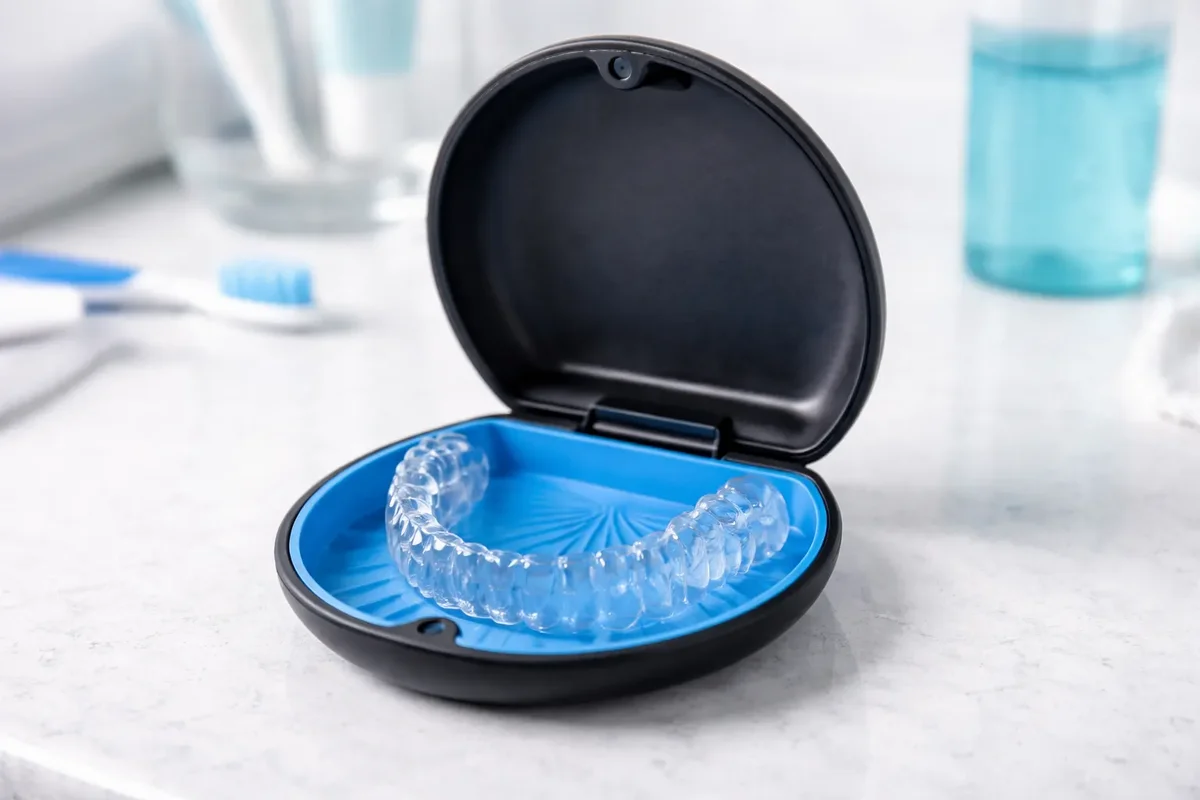
Cost of Invisalign Retainers and What to Expect
When patients finish orthodontic treatment, one of the most practical and frequently asked questions is: are Invisalign retainers expensive, and what should you expect in terms of cost? Understanding the financial aspect of retainers is essential because they are not just a one-time purchase—they are part of your long-term dental care plan. 😊
Average Cost of Invisalign Retainers
To answer the question are Invisalign retainers affordable, we need to look at real-world pricing. The cost can vary depending on the provider, location, and type of retainer you choose.
Typical Price Range
In general, Invisalign retainers (especially Vivera retainers) cost between:
- $300 – $600 for a single set
- $600 – $1,200 for a full package (often 3–4 sets)
Many providers recommend purchasing multiple sets at once, as retainers can wear out or be lost over time. This helps answer the question: are Invisalign retainers a recurring cost? Yes, they can be, depending on usage and care.
What Influences the Cost?
The price of retainers is not fixed. Patients often ask: are Invisalign retainers priced the same everywhere? The answer is no—several factors influence the final cost.
1. Type of Retainer
Premium options like Vivera retainers tend to be more expensive due to their durability and precision.
2. Dental Clinic Location
Prices may vary depending on the region or country where treatment is provided.
3. Customization and Technology
Advanced digital scanning and custom fabrication can increase the cost but also improve comfort and effectiveness.
4. Replacement Frequency
Since retainers may need to be replaced periodically, long-term costs should be considered when evaluating are Invisalign retainers affordable.
Are Invisalign Retainers Covered by Insurance?
Another important consideration is insurance coverage. Patients often ask: are Invisalign retainers included in dental insurance plans?
Insurance Coverage
Some dental insurance plans may cover part of the cost, especially if retainers are considered medically necessary. However, coverage varies widely.
Flexible Spending Accounts (FSA/HSA)
Many patients use FSA or HSA accounts to pay for retainers, making them more affordable.
Cost vs. Value: Are They Worth It?
When evaluating cost, it’s important to consider value. Are Invisalign retainers worth the investment? In most cases, absolutely yes.
Protecting Your Investment
Orthodontic treatment can cost thousands of dollars. Retainers protect that investment by maintaining your results.
Avoiding Retreatment Costs
If teeth shift due to lack of retainer use, additional treatment may be required. This can be significantly more expensive than maintaining retainers.
Hidden Costs to Be Aware Of
While the initial price is important, patients should also consider potential hidden costs. This leads to the question: are Invisalign retainers associated with ongoing expenses?
Replacement Costs
Retainers may need replacement every 6–24 months depending on wear and care.
Cleaning Products
Specialized cleaning solutions may add to the overall cost.
Emergency Replacements
Losing a retainer can result in unexpected expenses, especially if replacement is urgent.
How to Save Money on Invisalign Retainers
There are several ways to manage costs effectively.
Buy Multiple Sets
Purchasing a package of retainers is often more cost-effective than buying individual sets.
Maintain Proper Care
Good cleaning habits can extend the lifespan of your retainers, reducing replacement frequency.
Follow Wear Instructions
Consistent use prevents tooth shifting and avoids the need for additional treatment.
Professional Guidance and Support
Dental professionals can help you understand the best options for your budget and needs. Organizations like the American Dental Association emphasize the importance of retention in maintaining oral health.
If you are considering Invisalign retainers or need advice on cost and maintenance, you can reach out through the Redent Klinik Contact Page for expert assistance.
Long-Term Financial Perspective
Looking at the bigger picture, are Invisalign retainers a cost or an investment? The answer is clearly an investment.
Maintaining Oral Health
Proper alignment contributes to better oral hygiene and reduces the risk of dental problems.
Boosting Confidence
A well-maintained smile can enhance self-confidence and overall quality of life.
Final Thoughts
So, are Invisalign retainers expensive? While there is a cost involved, they are an essential investment in maintaining your smile. Compared to the potential cost of retreatment, retainers are a cost-effective solution.
By understanding pricing, planning ahead, and following proper care routines, you can manage costs effectively while preserving your orthodontic results for the long term. 🌟