
Many people considering orthodontic treatment ask the same important question: are Invisalign worth it? With clear aligners becoming more popular every year, patients want to know whether Invisalign truly delivers enough value compared to traditional braces. The answer depends on several factors, including your dental condition, lifestyle, cosmetic expectations, and treatment goals. In this detailed guide, we will explain everything you need to know before deciding if Invisalign is the right investment for your smile 😁.
When patients search online asking are Invisalign worth it, they are usually looking for honest information about cost, comfort, treatment results, and long-term benefits. Invisalign aligners are transparent removable trays designed to gradually move teeth into better positions without using metal brackets or wires. Because they are nearly invisible, many adults and teenagers prefer them over traditional braces.
One of the main reasons why people believe Invisalign is worth the investment is aesthetics. Unlike metal braces, Invisalign aligners are discreet and difficult to notice during daily conversations. For professionals, students, and adults who care about appearance, this can significantly improve confidence during treatment. If you often attend meetings, social events, or public activities, Invisalign may help you feel more comfortable while straightening your teeth.
Another important factor when discussing are Invisalign worth it is comfort. Traditional braces may cause irritation due to brackets and wires rubbing against the inside of the mouth. Invisalign trays are smooth and custom-made, reducing discomfort for many patients. Although some pressure is normal when switching aligners, most users describe the experience as more comfortable than braces.
Many patients also ask whether Invisalign produces effective results. In mild and moderate orthodontic cases, Invisalign can successfully correct crowding, gaps, overbites, underbites, and crooked teeth. Advances in digital scanning and treatment planning have made Invisalign much more precise than earlier clear aligner systems. Today, dentists can create highly customized treatment plans using advanced 3D imaging technology.
For patients wondering are Invisalign worth it financially, treatment costs are a major consideration 💰. In 2026, Invisalign treatment in many countries generally ranges between:
- Mild cases: $2,000 – $3,500
- Moderate cases: $3,500 – $5,500
- Complex cases: $5,500 – $8,000+
The total price depends on the complexity of tooth movement, treatment duration, dentist expertise, and geographic location. Some dental insurance plans may partially cover orthodontic treatment, reducing overall expenses. Flexible payment plans are also available at many clinics.
However, asking are Invisalign worth it is not only about money. It is also about lifestyle convenience. Invisalign trays are removable, allowing patients to eat normally without dietary restrictions. Unlike traditional braces, there is no need to avoid popcorn, nuts, sticky candy, or crunchy foods. You can simply remove the aligners before meals and brush your teeth afterward.
Oral hygiene is another major advantage. Patients using braces often struggle to clean around wires and brackets, increasing the risk of plaque buildup. Invisalign aligners can be removed for brushing and flossing, making oral care much easier 🦷. Better hygiene during treatment may reduce the risk of cavities and gum inflammation.
Some people asking are Invisalign worth it worry about treatment discipline. Invisalign requires commitment because aligners should be worn 20–22 hours daily for optimal results. Patients who frequently forget to wear them may experience slower progress or ineffective treatment outcomes. Therefore, Invisalign is most successful for responsible individuals who follow instructions carefully.
Another factor to consider is treatment duration. Invisalign treatment usually lasts between 6 and 24 months depending on the complexity of the case. Mild cosmetic corrections may finish relatively quickly, while severe bite problems may require longer treatment or traditional orthodontics.
Long-term confidence is one of the biggest reasons why many patients believe Invisalign is worth it ✨. Straight teeth can improve smile aesthetics, self-esteem, speech clarity, and overall oral function. Correcting bite alignment may also help reduce uneven tooth wear and improve chewing efficiency over time.
When evaluating are Invisalign worth it, patients should also compare Invisalign with alternative
Are Invisalign Worth It? Full 2026 Guide
Many people considering orthodontic treatment ask the same important question: are Invisalign worth it? With clear aligners becoming more popular every year, patients want to know whether Invisalign truly delivers enough value compared to traditional braces. The answer depends on several factors, including your dental condition, lifestyle, cosmetic expectations, and treatment goals. In this detailed guide, we will explain everything you need to know before deciding if Invisalign is the right investment for your smile 😁.
When patients search online asking are Invisalign worth it, they are usually looking for honest information about cost, comfort, treatment results, and long-term benefits. Invisalign aligners are transparent removable trays designed to gradually move teeth into better positions without using metal brackets or wires. Because they are nearly invisible, many adults and teenagers prefer them over traditional braces.
One of the main reasons why people believe Invisalign is worth the investment is aesthetics. Unlike metal braces, Invisalign aligners are discreet and difficult to notice during daily conversations. For professionals, students, and adults who care about appearance, this can significantly improve confidence during treatment. If you often attend meetings, social events, or public activities, Invisalign may help you feel more comfortable while straightening your teeth.
Another important factor when discussing are Invisalign worth it is comfort. Traditional braces may cause irritation due to brackets and wires rubbing against the inside of the mouth. Invisalign trays are smooth and custom-made, reducing discomfort for many patients. Although some pressure is normal when switching aligners, most users describe the experience as more comfortable than braces.
Many patients also ask whether Invisalign produces effective results. In mild and moderate orthodontic cases, Invisalign can successfully correct crowding, gaps, overbites, underbites, and crooked teeth. Advances in digital scanning and treatment planning have made Invisalign much more precise than earlier clear aligner systems. Today, dentists can create highly customized treatment plans using advanced 3D imaging technology.
For patients wondering are Invisalign worth it financially, treatment costs are a major consideration 💰. In 2026, Invisalign treatment in many countries generally ranges between:
- Mild cases: $2,000 – $3,500
- Moderate cases: $3,500 – $5,500
- Complex cases: $5,500 – $8,000+
The total price depends on the complexity of tooth movement, treatment duration, dentist expertise, and geographic location. Some dental insurance plans may partially cover orthodontic treatment, reducing overall expenses. Flexible payment plans are also available at many clinics.
However, asking are Invisalign worth it is not only about money. It is also about lifestyle convenience. Invisalign trays are removable, allowing patients to eat normally without dietary restrictions. Unlike traditional braces, there is no need to avoid popcorn, nuts, sticky candy, or crunchy foods. You can simply remove the aligners before meals and brush your teeth afterward.
Oral hygiene is another major advantage. Patients using braces often struggle to clean around wires and brackets, increasing the risk of plaque buildup. Invisalign aligners can be removed for brushing and flossing, making oral care much easier 🦷. Better hygiene during treatment may reduce the risk of cavities and gum inflammation.
Some people asking are Invisalign worth it worry about treatment discipline. Invisalign requires commitment because aligners should be worn 20–22 hours daily for optimal results. Patients who frequently forget to wear them may experience slower progress or ineffective treatment outcomes. Therefore, Invisalign is most successful for responsible individuals who follow instructions carefully.
Another factor to consider is treatment duration. Invisalign treatment usually lasts between 6 and 24 months depending on the complexity of the case. Mild cosmetic corrections may finish relatively quickly, while severe bite problems may require longer treatment or traditional orthodontics.
Long-term confidence is one of the biggest reasons why many patients believe Invisalign is worth it ✨. Straight teeth can improve smile aesthetics, self-esteem, speech clarity, and overall oral function. Correcting bite alignment may also help reduce uneven tooth wear and improve chewing efficiency over time.
When evaluating are Invisalign worth it, patients should also compare Invisalign with alternative
How Much Does Invisalign Cost in 2026?
One of the biggest questions patients ask before beginning clear aligner treatment is simple: are invisalign worth it when considering the total price? Invisalign has become one of the most popular orthodontic solutions worldwide because it offers a discreet and comfortable way to straighten teeth. However, many people still wonder whether the investment truly delivers long-term value. Understanding the real cost of Invisalign in 2026 can help patients decide whether the treatment matches their goals, lifestyle, and budget. 😊
In 2026, Invisalign prices vary depending on the country, the complexity of the dental case, the dentist’s experience, and how long treatment will last. For some people, the answer to are invisalign worth it is obvious because they prioritize aesthetics and convenience. For others, the decision depends heavily on treatment costs and financing options.
Average Invisalign Costs in 2026
The average Invisalign treatment cost in 2026 is generally between $3,000 and $8,000. Mild alignment problems usually require fewer aligners and shorter treatment plans, while severe bite corrections require more trays and advanced monitoring.
Estimated Invisalign Prices in 2026
- Mild Cases: $3,000 – $4,500
- Moderate Cases: $4,500 – $6,500
- Complex Cases: $6,500 – $8,000+
- Retainers After Treatment: $200 – $600
- Consultation Fees: Often free, but some clinics charge $100 – $300
When patients compare these numbers with traditional braces, they often ask again: are invisalign worth it if braces may cost less? The answer depends on personal priorities. Invisalign offers benefits that traditional braces cannot always provide, including removable trays, easier oral hygiene, and a more professional appearance during treatment.
What Factors Affect Invisalign Pricing?
Several important factors influence Invisalign costs in 2026. Patients researching whether are invisalign worth it should understand these details before making a final decision.
1. Complexity of Tooth Movement
Simple spacing issues usually cost less because fewer aligners are required. Severe crowding, bite misalignment, and jaw problems need more advanced planning and longer treatment durations. Complex movements require more aligner sets and additional dentist supervision.
2. Dentist Experience
Highly experienced Invisalign providers may charge more because they have advanced training and better treatment success rates. Choosing an experienced dentist can significantly improve treatment quality and final results.
3. Geographic Location
Prices differ greatly between countries and even cities. Invisalign treatment in major metropolitan areas is often more expensive due to higher operational costs.
4. Additional Dental Procedures
Some patients require tooth extractions, attachments, whitening, or enamel contouring before or after Invisalign treatment. These additional procedures increase the total investment.
Are Invisalign Worth It Compared to Braces?
Many patients compare Invisalign with traditional braces before deciding. This comparison is essential when evaluating whether are invisalign worth it in 2026.
Traditional braces are often effective for complex orthodontic issues and may sometimes cost slightly less. However, braces are highly visible, can irritate the mouth, and make cleaning teeth more difficult. Invisalign aligners are removable, nearly invisible, and easier to maintain. These lifestyle advantages strongly influence why many adults choose Invisalign over metal braces.
For working professionals, social confidence is another major factor. Adults often prefer Invisalign because they can straighten their teeth discreetly without changing their appearance dramatically during treatment.
Insurance Coverage for Invisalign
Dental insurance may cover part of Invisalign treatment in some countries. Coverage depends on the insurance provider and the patient’s policy. Some plans cover orthodontics up to a lifetime maximum amount.
Patients should always ask their provider about:
- Orthodontic coverage limits
- Age restrictions
- Monthly reimbursement policies
- Coverage percentages
- Retainer inclusion
Insurance support can significantly reduce out-of-pocket expenses, making the answer to are invisalign worth it even more positive for many families.
Flexible Payment Plans
Most dental clinics now offer monthly financing plans to make Invisalign more accessible. Instead of paying thousands of dollars upfront, patients can spread payments over several months or years.
Common financing structures include:
- 0% interest payment plans
- Monthly installments
- Low down-payment options
- Third-party medical financing
This flexibility allows many people to begin treatment sooner without creating major financial pressure.
Long-Term Value of Invisalign
One of the strongest arguments supporting why are invisalign worth it involves long-term dental health benefits. Straight teeth are easier to clean, reducing the risk of cavities, gum disease, and enamel wear. Correcting bite problems may also improve chewing efficiency and reduce jaw discomfort.
Patients often report increased confidence after treatment. Straighter teeth can positively impact professional interactions, social experiences, and overall self-esteem. These emotional benefits are difficult to measure financially but are extremely important for many individuals.
According to the American Dental Association, maintaining proper dental alignment can contribute to better oral hygiene and long-term oral health outcomes.
Choosing the Right Invisalign Provider
Selecting the right clinic plays a major role in treatment success. Patients searching online for answers to are invisalign worth it should prioritize provider quality over choosing the cheapest option available.
A good Invisalign provider should offer:
- Comprehensive digital scans
- Transparent treatment planning
- Before-and-after examples
- Flexible financing options
- Regular monitoring appointments
- Clear communication throughout treatment
If you are considering Invisalign treatment and want professional guidance tailored to your smile goals, you can contact experienced dental professionals through the Redent Klinik Contact Page.
Final Thoughts About Invisalign Costs
Ultimately, the answer to are invisalign worth it depends on personal priorities, dental needs, and lifestyle expectations. Invisalign is not simply about cosmetic appearance. It can improve oral health, confidence, comfort, and overall quality of life.
For patients who value convenience, aesthetics, and flexibility, Invisalign often provides excellent long-term value despite the higher upfront cost. While the price may initially seem expensive, many patients believe the benefits justify the investment after seeing their final smile transformation. 😁
Who Is the Best Candidate for Invisalign Treatment?
One of the most important questions patients ask before starting orthodontic treatment is whether they are actually a good candidate for Invisalign. Many people researching clear aligners online eventually ask themselves: are invisalign worth it for their specific dental condition? The answer depends heavily on the patient’s oral health, alignment problems, lifestyle habits, and commitment to wearing the aligners correctly. Invisalign has transformed modern orthodontics by offering a discreet and comfortable alternative to traditional braces, but it is not automatically the best solution for every individual.
Understanding who benefits most from Invisalign can help patients make a smarter and more informed decision. While clear aligners work extremely well for millions of people, treatment success depends on proper case selection and patient cooperation. 😊
How Invisalign Works
Before discussing ideal candidates, it is important to understand how Invisalign functions. Invisalign uses a series of transparent custom-made aligners that gradually move teeth into their correct positions. Patients typically switch to a new aligner set every one or two weeks. Unlike traditional braces, Invisalign trays are removable, nearly invisible, and designed for comfort.
Because Invisalign depends heavily on patient discipline, dentists carefully evaluate each individual before recommending treatment. This is one reason why people frequently ask: are invisalign worth it for everyone, or only certain types of patients?
Ideal Candidates for Invisalign
The best Invisalign candidates usually have mild to moderate orthodontic issues and are motivated to follow treatment instructions consistently. Invisalign can successfully correct many common dental problems while offering excellent aesthetics and convenience.
1. Adults Seeking a Discreet Orthodontic Option
Adults are among the most common Invisalign patients. Many working professionals want straighter teeth but prefer to avoid the appearance of metal braces during meetings, presentations, or social interactions. Invisalign aligners are almost invisible, making them highly attractive for adults concerned about aesthetics.
For adults asking are invisalign worth it, the answer is often yes because Invisalign allows orthodontic treatment without significantly affecting professional appearance.
2. Teenagers with Good Responsibility
Teenagers can also be excellent Invisalign candidates if they are responsible enough to wear aligners consistently. Invisalign trays must generally be worn 20–22 hours per day for successful results. Teens who frequently remove aligners or forget to wear them may experience delayed progress.
Modern Invisalign systems even include compliance indicators that help parents and dentists monitor wear time.
3. Patients with Mild to Moderate Alignment Issues
Invisalign works especially well for:
- Mild crowding
- Small gaps between teeth
- Minor bite problems
- Slight tooth rotations
- Relapse after previous braces
Patients with these conditions often achieve excellent results using clear aligners. For many of these individuals, the answer to are invisalign worth it becomes very positive once they see the final smile transformation.
Cases That May Still Require Traditional Braces
Although Invisalign technology has improved dramatically over the years, some severe orthodontic conditions may still respond better to traditional braces. This does not necessarily mean Invisalign cannot help, but complex cases may require additional orthodontic tools or longer treatment periods.
Complex Bite Problems
Patients with severe overbites, underbites, or crossbites may require more advanced orthodontic planning. In some situations, traditional braces provide greater control over difficult tooth movements.
Severe Crowding
Extremely crowded teeth sometimes require extractions or stronger orthodontic force than clear aligners alone can provide efficiently.
Poor Compliance Habits
Patients who know they may struggle to wear aligners consistently should carefully consider whether Invisalign is the right option. Since aligners are removable, treatment success depends heavily on patient cooperation.
This is one reason orthodontists carefully evaluate lifestyle habits before recommending treatment. Some patients asking are invisalign worth it may discover that braces are actually a more reliable choice for their specific situation.
Oral Health Requirements Before Invisalign
Healthy teeth and gums are extremely important before beginning Invisalign treatment. Dentists usually recommend treating existing dental problems before starting orthodontics.
Healthy Gums
Patients with active gum disease may need periodontal treatment first. Moving teeth while gum disease is present can create serious complications.
Cavity-Free Teeth
Untreated cavities should also be repaired before Invisalign begins. Since aligners cover the teeth for most of the day, poor oral hygiene can worsen existing decay.
Good Daily Hygiene Habits
Patients must brush and floss regularly because aligners can trap food particles and bacteria if oral hygiene is neglected.
According to the American Dental Association, maintaining strong oral hygiene habits is essential during any orthodontic treatment.
Lifestyle Advantages for Invisalign Patients
One reason many patients decide that are invisalign worth it is because Invisalign fits more comfortably into daily life compared to traditional braces.
Easier Eating
Since aligners are removable, patients can continue eating most foods without restrictions. Sticky candies, popcorn, and crunchy foods that often damage braces are generally not a concern with Invisalign.
Improved Comfort
Clear aligners are made from smooth plastic, reducing irritation to the cheeks and gums compared to metal brackets and wires.
Simpler Cleaning Routine
Patients can remove aligners while brushing and flossing, allowing better oral hygiene maintenance throughout treatment.
Psychological and Confidence Benefits
Many Invisalign patients report significant emotional benefits during and after treatment. Straighter teeth can improve self-esteem, social confidence, and willingness to smile openly in photographs or conversations.
Adults especially appreciate the subtle appearance of Invisalign because they can undergo orthodontic treatment discreetly. This emotional comfort strongly influences why many people conclude that are invisalign worth it despite the financial investment.
Consultation Is the Best Way to Know
The only reliable way to determine whether Invisalign is right for you is through a professional dental consultation. Every smile is unique, and treatment recommendations should always be personalized.
A proper Invisalign consultation usually includes:
- Digital 3D scanning
- Bite analysis
- Photographs and X-rays
- Treatment timeline estimation
- Cost breakdown
- Smile simulation preview
If you are considering clear aligners and want expert guidance, you can reach experienced professionals through the Redent Klinik Contact Page.
Final Thoughts on Invisalign Candidates
Ultimately, the answer to are invisalign worth it depends on the patient’s orthodontic needs, lifestyle, and commitment level. Invisalign works exceptionally well for many adults and teenagers who want a discreet, comfortable, and modern solution for straighter teeth.
Patients with mild to moderate alignment issues, strong oral hygiene habits, and the discipline to wear aligners consistently are usually excellent candidates. However, severe orthodontic problems may still require alternative approaches. Consulting a qualified dental professional is always the safest and smartest first step toward achieving a healthier and more confident smile. 😁
Are Invisalign Worth It for Mild and Severe Cases?
Many patients considering orthodontic treatment eventually ask the same important question: are invisalign worth it for both mild and severe dental problems? Invisalign has become one of the most recognized orthodontic systems in the world because it offers a modern, discreet, and comfortable alternative to traditional braces. However, not every dental condition is identical, and treatment success often depends on the complexity of the patient’s case.
Some people only need minor cosmetic improvements, while others require major bite correction and extensive tooth movement. Understanding how Invisalign performs in both mild and severe orthodontic situations can help patients make informed treatment decisions. 😊
How Invisalign Handles Mild Orthodontic Cases
Invisalign is extremely effective for mild orthodontic problems. In fact, many dentists believe that clear aligners are ideal for small to moderate alignment corrections because they combine excellent aesthetics with efficient treatment results.
Mild Crowding
Patients with slightly overlapping teeth are often excellent Invisalign candidates. Mild crowding usually responds very well to clear aligners because only small tooth movements are required.
For these patients, the answer to are invisalign worth it is frequently yes because treatment may be completed relatively quickly while maintaining a nearly invisible appearance throughout the process.
Small Gaps Between Teeth
Spacing problems are another area where Invisalign performs extremely well. Small gaps can often be corrected efficiently using a series of carefully designed aligners that gradually guide teeth closer together.
Minor Tooth Rotation
Slightly rotated teeth can usually be repositioned successfully using Invisalign aligners. Modern Invisalign technology allows dentists to create very precise digital treatment plans for these cosmetic corrections.
Advantages of Invisalign for Mild Cases
Patients with mild orthodontic concerns often choose Invisalign because the benefits go far beyond aesthetics alone.
Shorter Treatment Time
Mild cases may sometimes be completed within 6 to 12 months, depending on patient compliance and treatment goals.
Minimal Lifestyle Disruption
Unlike traditional braces, Invisalign aligners are removable. Patients can continue eating their favorite foods and maintain easier oral hygiene routines.
Professional Appearance
Adults especially appreciate the discreet appearance of Invisalign in workplace and social environments. This convenience is one of the biggest reasons why many adults decide that are invisalign worth it for mild cosmetic improvements.
Can Invisalign Treat Severe Orthodontic Cases?
One of the biggest misconceptions about Invisalign is that it only works for simple cases. Invisalign technology has advanced dramatically over the years, and today many moderate to severe orthodontic conditions can also be treated successfully using clear aligners.
However, severe cases usually require more advanced planning, longer treatment times, and close monitoring by experienced dental professionals.
Severe Crowding
Patients with severe crowding may still qualify for Invisalign treatment, although additional procedures such as enamel reduction or tooth extractions may sometimes be necessary.
In these situations, patients often wonder again: are invisalign worth it when treatment becomes more complex? The answer often depends on whether the patient values aesthetics and comfort enough to justify the potentially longer treatment process.
Overbite and Underbite Correction
Modern Invisalign systems can correct many bite problems, including:
- Overbites
- Underbites
- Crossbites
- Open bites
Advanced attachments and elastics may be used to improve treatment efficiency for these more complicated movements.
Large Tooth Rotations
Severely rotated teeth are more difficult to move with clear aligners compared to braces. However, experienced Invisalign providers can often achieve excellent outcomes using specialized treatment strategies.
Limitations of Invisalign in Severe Cases
Although Invisalign has become highly advanced, certain limitations still exist.
Patient Compliance Is Critical
Severe cases require excellent discipline. Aligners must usually be worn 20–22 hours per day. Inconsistent use may delay treatment significantly or reduce effectiveness.
Longer Treatment Duration
Complex Invisalign cases may take 18–30 months or longer depending on the severity of the orthodontic issue.
Some Cases Still Require Braces
In extremely difficult situations involving jaw discrepancies or major skeletal problems, traditional braces or surgical orthodontics may still provide better overall results.
This is why professional evaluation is essential before deciding whether are invisalign worth it for a severe case.
Technology Improvements in Invisalign
One reason Invisalign has become more effective for difficult cases is the rapid improvement in digital orthodontic technology.
SmartTrack Material
Modern Invisalign aligners use advanced SmartTrack materials designed to apply more consistent and predictable force.
Digital 3D Planning
Dentists now use highly detailed digital simulations to plan tooth movement with remarkable precision.
Attachments and Elastics
Small tooth-colored attachments help aligners grip teeth more effectively during complex movements. Elastics can also assist with bite correction.
These innovations have significantly expanded the types of cases Invisalign can successfully treat.
Cost Considerations for Mild vs Severe Cases
The severity of the orthodontic issue directly affects Invisalign pricing. Mild cases generally cost less because they require fewer aligners and shorter treatment periods.
Estimated Invisalign Costs by Complexity
- Mild Cases: $3,000 – $4,500
- Moderate Cases: $4,500 – $6,500
- Severe Cases: $6,500 – $8,500+
Patients with complex orthodontic needs sometimes question whether are invisalign worth it at higher price levels. For many individuals, the comfort, appearance, and convenience still make Invisalign highly valuable despite increased costs.
Psychological Benefits During Treatment
One advantage often overlooked in severe cases is emotional confidence during treatment. Adults with major orthodontic problems may feel uncomfortable wearing highly visible braces for several years.
Invisalign allows patients to improve their smiles more discreetly, which can positively affect:
- Professional confidence
- Social interactions
- Self-esteem
- Willingness to smile openly
For many people, these emotional benefits strongly influence why they conclude that are invisalign worth it even in difficult orthodontic situations.
Choosing an Experienced Invisalign Provider
The success of Invisalign treatment for severe cases depends heavily on provider experience. Complex tooth movements require advanced orthodontic planning and careful monitoring.
Patients should look for providers who offer:
- Extensive Invisalign experience
- Digital smile simulations
- Clear treatment timelines
- Before-and-after patient examples
- Comprehensive orthodontic evaluations
If you are considering Invisalign treatment for either mild or severe orthodontic concerns, professional guidance is essential. You can connect with experienced dental professionals through the Redent Klinik Contact Page.
According to the American Dental Association, individualized orthodontic planning is essential for achieving safe and successful treatment outcomes.
Final Thoughts on Invisalign for Different Cases
Ultimately, the answer to are invisalign worth it depends on the patient’s specific orthodontic condition, treatment goals, and lifestyle preferences. Invisalign performs exceptionally well for mild cosmetic corrections and has also become highly capable of treating many severe orthodontic cases.
While some complex conditions may still benefit more from traditional braces, modern Invisalign technology can now address far more issues than many patients realize. With proper case selection, patient compliance, and an experienced provider, Invisalign can deliver life-changing smile improvements for both mild and severe orthodontic problems. 😁
Daily Life with Invisalign: Comfort, Eating, and Cleaning
One of the main reasons people choose Invisalign over traditional braces is the promise of a more comfortable and convenient lifestyle during orthodontic treatment. Many patients researching clear aligners online eventually ask: are invisalign worth it when it comes to daily comfort, eating habits, oral hygiene, and social confidence? For millions of patients worldwide, the answer is yes because Invisalign can integrate into everyday life far more easily than metal braces.
Unlike traditional orthodontic systems that use wires and brackets, Invisalign aligners are smooth, removable, and nearly invisible. This combination allows patients to maintain many of their normal routines while gradually improving their smile. However, successful treatment still requires discipline, consistency, and proper care habits. 😊
Comfort Advantages of Invisalign
Comfort is one of the strongest reasons why patients decide that are invisalign worth it. Traditional braces often involve metal brackets that can irritate the inside of the cheeks, lips, and gums. Invisalign aligners are designed differently.
Smooth Plastic Design
Invisalign trays are made from smooth medical-grade plastic that fits closely over the teeth. Because there are no sharp wires or brackets, many patients experience significantly less irritation compared to conventional braces.
Reduced Emergency Visits
Traditional braces sometimes require emergency orthodontic appointments due to broken wires or loose brackets. Invisalign aligners eliminate many of these problems, making treatment more convenient for busy adults and teenagers.
Gradual Pressure Instead of Tightening
Instead of major tightening appointments, Invisalign uses gradual aligner changes that apply controlled pressure over time. Patients may feel mild tightness when switching trays, but this usually disappears within a few days.
For patients sensitive to discomfort, this smoother orthodontic experience strongly supports the belief that are invisalign worth it.
Eating with Invisalign
One of the biggest lifestyle improvements Invisalign offers is freedom during meals. Traditional braces often come with long lists of food restrictions, but Invisalign works differently because the aligners are removable.
No Major Food Restrictions
Patients can remove their aligners before eating, allowing them to continue enjoying many foods without worrying about damaging orthodontic hardware.
With Invisalign, patients can typically continue eating:
- Popcorn
- Crunchy vegetables
- Steak
- Nuts
- Chewing gum
- Sticky foods
This flexibility is one of the biggest reasons adults and teenagers conclude that are invisalign worth it compared to braces.
Important Eating Rules
Although Invisalign allows more freedom, patients must still follow important guidelines:
- Always remove aligners before eating
- Avoid drinking sugary beverages while wearing trays
- Brush teeth before reinserting aligners
- Store aligners safely during meals
Failure to clean properly after meals can increase the risk of cavities and staining.
Drinking Habits During Invisalign Treatment
Patients often ask whether they can drink beverages while wearing aligners. Water is always safe, but many other drinks require caution.
Safe Beverage Choice: Water
Plain water is the safest option because it does not stain the aligners or increase cavity risk.
Hot Drinks Can Damage Aligners
Hot coffee or tea may warp the plastic aligners, affecting their fit and effectiveness.
Sugary Drinks Increase Decay Risk
Drinking soda, juice, or energy drinks while wearing aligners can trap sugar against the teeth for long periods, increasing the risk of tooth decay.
Patients committed to proper habits often feel that are invisalign worth it because the treatment becomes easy to manage after developing a routine.
Cleaning Invisalign Aligners Properly
Keeping Invisalign trays clean is essential for both oral hygiene and appearance. Dirty aligners may develop odors, discoloration, or bacteria buildup.
Daily Cleaning Routine
Most dentists recommend cleaning aligners twice daily using:
- A soft toothbrush
- Clear antibacterial soap
- Special Invisalign cleaning crystals
- Lukewarm water
Patients should avoid toothpaste with abrasive particles because it can scratch the aligners and reduce transparency.
Avoiding Common Cleaning Mistakes
Some mistakes can damage aligners or reduce treatment quality:
- Using hot water
- Leaving aligners exposed to sunlight
- Cleaning with harsh chemicals
- Wrapping aligners in napkins during meals
Maintaining proper aligner hygiene helps preserve the nearly invisible appearance that makes Invisalign so attractive.
Oral Hygiene During Invisalign Treatment
One of Invisalign’s biggest advantages over braces is easier oral hygiene maintenance. Patients can remove the trays before brushing and flossing normally.
Lower Plaque Accumulation
Traditional braces create many hard-to-clean areas where plaque and food particles accumulate. Invisalign removes many of these cleaning challenges.
Healthier Gums
Patients who maintain good oral hygiene during Invisalign treatment may experience healthier gums and reduced inflammation.
According to the American Dental Association, maintaining strong oral hygiene habits is extremely important during orthodontic treatment.
Social and Professional Confidence
Another major factor influencing why patients believe are invisalign worth it involves appearance and self-confidence.
Nearly Invisible Appearance
Unlike metal braces, Invisalign aligners are discreet and difficult to notice in conversations or photographs.
Professional Benefits
Adults working in business, healthcare, media, or customer-facing industries often prefer Invisalign because it allows orthodontic treatment without dramatically affecting appearance.
Improved Social Comfort
Many patients feel more comfortable smiling, speaking, and attending social events during Invisalign treatment compared to traditional braces.
Challenges of Daily Invisalign Wear
Although Invisalign offers many lifestyle benefits, there are still some challenges patients should understand.
Discipline Is Essential
Aligners must typically be worn 20–22 hours daily for successful treatment. Removing them too often can slow progress significantly.
Frequent Brushing
Patients often need to brush their teeth more frequently throughout the day after meals and snacks.
Temporary Speech Adjustments
Some patients experience a mild lisp during the first few days of wearing aligners, although speech usually normalizes quickly.
For most individuals, these small adjustments are manageable, reinforcing the idea that are invisalign worth it despite minor inconveniences.
Tips for Success During Invisalign Treatment
Patients can improve their Invisalign experience by following simple habits:
- Carry a travel toothbrush and toothpaste
- Use a protective aligner case
- Set reminders to wear aligners consistently
- Clean trays every morning and night
- Attend regular dental checkups
If you are considering Invisalign and want personalized treatment guidance, you can contact experienced dental professionals through the Redent Klinik Contact Page.
Final Thoughts on Daily Life with Invisalign
Ultimately, many patients conclude that are invisalign worth it because the treatment fits comfortably into everyday life while delivering impressive orthodontic improvements. Invisalign allows greater eating freedom, easier cleaning, improved comfort, and more confidence during treatment compared to traditional braces.
Although Invisalign still requires commitment and proper hygiene habits, the convenience and discreet appearance make it an excellent option for many adults and teenagers. With consistency and professional supervision, patients can enjoy a smoother orthodontic experience while working toward a healthier and more attractive smile. 😁
Invisalign Treatment Timeline and Expected Results
One of the most common concerns patients have before starting orthodontic treatment is how long the process will take and what kind of results they can realistically expect. People researching clear aligners often ask: are invisalign worth it when considering the treatment timeline, commitment, and final smile outcome? For many patients, Invisalign offers an excellent balance between convenience, aesthetics, and predictable results, but understanding the full treatment process is extremely important before beginning.
Invisalign treatment timelines vary depending on the complexity of the orthodontic issue, patient compliance, and the experience of the dental provider. Some patients complete treatment within several months, while others require two years or longer for major corrections. Despite these differences, Invisalign has become one of the most trusted modern orthodontic systems because it can deliver highly satisfying smile improvements for both cosmetic and functional dental problems. 😊
How Invisalign Treatment Begins
The Invisalign journey starts with a professional orthodontic consultation. During this appointment, the dentist evaluates the patient’s teeth, bite alignment, jaw position, and oral health condition.
Digital Smile Scanning
Most modern Invisalign providers use advanced 3D digital scanners instead of traditional dental impressions. These scanners create a precise virtual model of the patient’s mouth.
Customized Treatment Planning
The dentist uses specialized Invisalign software to design a personalized treatment plan that maps out every stage of tooth movement.
Patients can often preview a digital simulation of their expected smile transformation before treatment even begins. This technology strongly influences why many patients believe are invisalign worth it compared to older orthodontic methods.
Average Invisalign Treatment Timeline
The length of Invisalign treatment depends heavily on the complexity of the dental case.
Typical Invisalign Treatment Durations
- Mild Cases: 6–12 months
- Moderate Cases: 12–18 months
- Complex Cases: 18–30 months
Patients with minor spacing or crowding issues often see visible improvements relatively quickly. More severe bite problems or major crowding naturally require additional aligners and longer treatment periods.
For many individuals, the gradual improvements throughout treatment help reinforce the belief that are invisalign worth it even if the process takes over a year.
The Importance of Wearing Aligners Consistently
One of the biggest factors affecting Invisalign treatment speed is patient compliance. Unlike traditional braces that remain attached to the teeth permanently, Invisalign aligners are removable.
Recommended Wear Time
Most dentists recommend wearing Invisalign trays for 20–22 hours daily. Aligners should only be removed for:
- Eating
- Drinking beverages other than water
- Brushing and flossing
- Cleaning the aligners
What Happens if Aligners Are Not Worn Properly?
Patients who frequently remove aligners or fail to wear them long enough may experience:
- Delayed treatment progress
- Poor aligner fit
- Additional treatment costs
- Longer overall treatment duration
Consistent aligner use is one of the most important reasons successful patients conclude that are invisalign worth it.
How Often Are Aligners Changed?
Patients usually switch to a new aligner set every one to two weeks, depending on the dentist’s recommendations and treatment plan.
Gradual Tooth Movement
Each aligner set is designed to make small controlled tooth movements. Over time, these tiny adjustments create major smile improvements.
Mild Pressure Is Normal
Patients often experience mild pressure or tightness for the first few days after switching aligners. This sensation usually indicates that the aligners are actively moving the teeth.
Monitoring Progress During Invisalign Treatment
Regular dental checkups are important throughout the Invisalign process.
Routine Progress Appointments
Most patients visit their provider every 6–10 weeks to monitor tooth movement and receive additional aligners.
Digital Progress Tracking
Some modern clinics now use remote digital monitoring systems that allow patients to upload photos of their teeth between appointments.
These technological advancements improve treatment accuracy and contribute to why many patients feel that are invisalign worth it compared to traditional braces.
When Do Patients Start Seeing Results?
Visible improvements often appear sooner than many patients expect.
First Visible Changes
Some patients notice small alignment improvements within the first few weeks of treatment.
Significant Smile Improvements
Major smile transformations usually become more noticeable after several months of consistent aligner wear.
Final Refinements
Some patients require additional refinement aligners near the end of treatment to perfect small details.
Seeing gradual improvements throughout treatment is one of the strongest emotional motivators for patients asking are invisalign worth it.
Expected Results After Invisalign
Invisalign can produce dramatic smile improvements for many orthodontic conditions.
Cosmetic Improvements
Patients often experience:
- Straighter teeth
- Improved smile symmetry
- Reduced spacing
- Less crowding
Functional Improvements
Beyond aesthetics, Invisalign may also improve:
- Bite alignment
- Chewing efficiency
- Speech clarity
- Long-term oral hygiene
According to the American Dental Association, correcting orthodontic problems can contribute to better long-term oral health outcomes.
The Role of Retainers After Treatment
Completing Invisalign treatment is not the final step. Retainers are extremely important for maintaining results.
Why Retainers Matter
Teeth naturally attempt to shift back toward their previous positions after orthodontic treatment.
Retainer Wear Schedule
Most patients initially wear retainers full-time before gradually transitioning to nighttime-only wear.
Patients who maintain proper retainer habits are more likely to enjoy long-lasting results, strengthening the conclusion that are invisalign worth it for the long term.
Factors That Affect Final Results
Several variables influence Invisalign treatment success:
- Patient compliance
- Severity of the orthodontic issue
- Provider experience
- Oral hygiene habits
- Consistency with retainer use
Choosing an experienced provider is especially important for achieving predictable and attractive outcomes.
Psychological Benefits Throughout Treatment
Many Invisalign patients report increased confidence even before treatment ends. Watching the smile gradually improve can positively affect:
- Self-esteem
- Professional confidence
- Social interactions
- Comfort in photographs
These emotional improvements are another reason many patients ultimately decide that are invisalign worth it.
If you are considering Invisalign and want a personalized evaluation of your expected treatment timeline and smile goals, you can contact experienced dental professionals through the Redent Klinik Contact Page.
Final Thoughts on Invisalign Timelines and Results
Ultimately, patients who follow treatment instructions carefully often achieve highly satisfying outcomes with Invisalign. While treatment timelines vary depending on case complexity, Invisalign offers a modern and discreet path toward straighter teeth and improved oral health.
For many adults and teenagers, the combination of comfort, aesthetics, predictable progress, and long-term smile improvement strongly supports the idea that are invisalign worth it. With proper commitment and professional supervision, Invisalign can create life-changing results that last for many years. 😁
Common Problems Patients Experience with Invisalign
Although Invisalign is one of the most advanced and popular orthodontic systems available today, patients should still understand that no treatment method is completely perfect. Many individuals researching clear aligners ask: are invisalign worth it despite the possible challenges and side effects? The truth is that Invisalign offers many impressive benefits, but patients may still experience temporary discomfort, lifestyle adjustments, and treatment-related difficulties during the process.
Understanding these common Invisalign problems can help patients prepare realistically and improve their overall treatment experience. Most issues are temporary, manageable, and significantly less severe than many people initially fear. 😊
Mild Pain and Pressure
One of the most common Invisalign complaints involves temporary discomfort when switching to a new aligner set.
Why Pressure Happens
Each new aligner is designed to move the teeth slightly closer to their final positions. This creates controlled pressure on the teeth and surrounding tissues.
When Discomfort Is Strongest
Most patients notice tightness during the first 24–72 hours after changing aligners. The sensation usually decreases quickly as the teeth adapt.
For many patients, this mild discomfort is acceptable compared to traditional braces, which is one reason they still conclude that are invisalign worth it.
How to Reduce Invisalign Pain
- Switch aligners before bedtime
- Use cold water to soothe irritation
- Eat soft foods during adjustment days
- Take dentist-approved pain relief if necessary
Speech Changes and Temporary Lisp
Some patients notice slight speech changes during the first few days of Invisalign treatment.
Why Speech Changes Occur
The aligners slightly alter tongue positioning inside the mouth, which may temporarily affect pronunciation.
How Long Does the Lisp Last?
For most people, speech normalizes within several days as the tongue adapts to the aligners.
Reading aloud and speaking regularly can help patients adjust faster.
Difficulty Wearing Aligners Consistently
One major challenge with Invisalign is patient compliance. Since the aligners are removable, treatment success depends heavily on discipline.
Recommended Daily Wear Time
Dentists usually recommend wearing Invisalign trays for 20–22 hours per day.
Common Compliance Mistakes
- Removing aligners too frequently
- Forgetting to reinsert trays after meals
- Leaving aligners out for long periods
- Skipping aligner changes
Patients who struggle with consistency may experience delayed results, which sometimes leads them to question whether are invisalign worth it for their lifestyle.
Cleaning and Hygiene Challenges
Maintaining excellent oral hygiene during Invisalign treatment is extremely important.
Food Trapping and Bacteria
If patients place aligners back onto unclean teeth after eating, bacteria and food particles can become trapped against the enamel.
Bad Breath and Odor
Poor aligner cleaning habits may cause unpleasant odors or bad breath over time.
Stained Aligners
Drinking coffee, tea, wine, or colored beverages while wearing aligners can stain the trays and reduce their transparency.
Despite these maintenance responsibilities, many patients still believe that are invisalign worth it because cleaning is generally easier compared to braces.
Attachment Irritation
Some Invisalign treatments require small tooth-colored attachments bonded to the teeth.
Purpose of Attachments
Attachments help the aligners grip teeth more effectively during difficult movements.
Temporary Mouth Irritation
Although smaller and smoother than braces, attachments may occasionally irritate the lips or cheeks during the adjustment period.
Most patients adapt quickly, and irritation usually decreases after several days.
Aligners Can Feel Inconvenient During Meals
Although Invisalign offers greater food freedom than braces, some patients find the constant removal process inconvenient.
Frequent Removal and Cleaning
Patients must remove aligners before eating or drinking anything except water.
Brushing After Meals
Many patients need to brush their teeth multiple times daily before reinserting aligners.
For busy professionals or students, this routine may initially feel time-consuming. However, most patients gradually adapt to the habit and continue feeling that are invisalign worth it.
Risk of Losing Aligners
Because Invisalign trays are removable, they can occasionally be lost or accidentally thrown away.
Common Situations
- Wrapping aligners in napkins at restaurants
- Leaving trays on tables
- Misplacing aligner cases
- Accidental damage by pets
Why Aligner Cases Matter
Using a protective aligner case greatly reduces the risk of loss or damage.
Treatment May Take Longer Than Expected
Some Invisalign patients experience longer treatment timelines than originally estimated.
Reasons for Delays
- Inconsistent aligner wear
- Complex tooth movement
- Missed appointments
- Need for refinement aligners
What Are Refinement Aligners?
Refinements are additional aligners created to improve small details near the end of treatment.
Although refinements can extend treatment slightly, they often improve final smile quality significantly.
Cost Concerns
Cost is another common issue patients consider before treatment.
Typical Invisalign Cost Concerns
- Higher upfront investment compared to braces
- Potential refinement costs
- Replacement fees for lost aligners
- Retainer costs after treatment
Some patients initially hesitate because of pricing, but many later feel that are invisalign worth it due to the comfort, aesthetics, and confidence improvements they experience.
Psychological Challenges During Treatment
Orthodontic treatment requires patience, and some patients become frustrated during slower phases of progress.
Impatience with Tooth Movement
Since Invisalign works gradually, some individuals may feel discouraged if they expect dramatic results too quickly.
Temporary Appearance Adjustments
Although Invisalign is discreet, attachments and aligners may still feel noticeable to some patients initially.
Fortunately, most patients adapt emotionally within a few weeks.
How to Improve the Invisalign Experience
Patients can reduce many common Invisalign problems by following proper habits and dentist recommendations.
Helpful Invisalign Tips
- Wear aligners consistently
- Keep aligners clean daily
- Carry a travel toothbrush
- Use an aligner storage case
- Attend regular dental appointments
- Communicate concerns early with the dentist
According to the American Dental Association, patient cooperation and proper oral hygiene are critical for successful orthodontic outcomes.
If you are considering Invisalign treatment and want personalized guidance about potential challenges and solutions, you can contact experienced professionals through the Redent Klinik Contact Page.
Final Thoughts on Invisalign Problems
Ultimately, every orthodontic treatment method comes with some temporary inconveniences. Invisalign is no exception. Patients may experience pressure, speech adjustments, cleaning responsibilities, and the need for strong compliance habits. However, most of these issues are temporary and manageable.
For many adults and teenagers, the benefits of comfort, aesthetics, convenience, and improved confidence strongly outweigh the disadvantages. This is why millions of patients worldwide still conclude that are invisalign worth it despite the occasional challenges that can occur during treatment. 😁
Expert Dentist Advice: Are Invisalign Worth It Long Term?
When patients begin researching orthodontic treatment, one of the most important questions they eventually ask is: are invisalign worth it in the long term? While short-term cosmetic improvements are attractive, many people want to know whether Invisalign truly delivers lasting oral health benefits, stable smile results, and meaningful value over many years. Dentists and orthodontists frequently discuss this topic because long-term success depends on far more than simply straightening teeth temporarily.
Modern Invisalign treatment has evolved significantly over the years, becoming one of the most trusted orthodontic systems worldwide. However, understanding the long-term advantages, limitations, maintenance requirements, and professional expectations can help patients make smarter decisions before investing in clear aligners. 😊
Why Dentists Recommend Invisalign
Many dental professionals recommend Invisalign because it combines modern technology with strong orthodontic effectiveness. While traditional braces remain highly effective, Invisalign offers several long-term advantages that appeal to both dentists and patients.
Improved Smile Aesthetics
Straighter teeth can significantly improve smile appearance, facial harmony, and self-confidence. Many patients who complete Invisalign treatment report feeling more comfortable smiling in photographs, social settings, and professional environments.
This emotional improvement is one major reason patients often conclude that are invisalign worth it for their overall quality of life.
Better Oral Hygiene Access
Since Invisalign aligners are removable, patients can brush and floss normally during treatment. This can reduce plaque accumulation and make long-term oral hygiene maintenance easier compared to traditional braces.
Comfort and Convenience
Many dentists appreciate Invisalign because patients often experience fewer emergency visits related to broken wires or brackets.
Long-Term Oral Health Benefits
One of the strongest professional arguments supporting why are invisalign worth it involves the long-term health improvements associated with properly aligned teeth.
Easier Cleaning Between Teeth
Crowded or overlapping teeth create difficult-to-clean areas where plaque and bacteria accumulate more easily. Straightening teeth may improve flossing access and brushing effectiveness.
Reduced Gum Disease Risk
Improved oral hygiene access may reduce the long-term risk of gum inflammation and periodontal disease.
Lower Risk of Uneven Tooth Wear
Misaligned bites can create uneven pressure during chewing, leading to excessive enamel wear over time. Correcting bite alignment may help distribute chewing forces more evenly.
According to the American Dental Association, maintaining proper tooth alignment can contribute to healthier long-term oral function and hygiene.
Do Invisalign Results Last Forever?
One important reality patients must understand is that no orthodontic treatment automatically lasts forever without maintenance.
Teeth Naturally Shift Over Time
Even after successful orthodontic treatment, teeth naturally attempt to move back toward their original positions. This process is called orthodontic relapse.
Retainers Are Essential
To maintain Invisalign results long term, patients must wear retainers after treatment.
Most dentists recommend:
- Full-time retainer wear initially
- Nighttime-only retainer wear later
- Regular retainer replacement when needed
Patients who follow retainer instructions carefully are much more likely to maintain stable results for many years. This is a major reason why many dentists confidently say that are invisalign worth it when patients remain committed after treatment.
How Invisalign Affects Confidence Long Term
The psychological benefits of Invisalign are often underestimated.
Professional Confidence
Many adults report feeling more comfortable during business meetings, presentations, interviews, and professional networking after improving their smile.
Social Confidence
Patients often smile more freely after treatment, improving social interactions and self-esteem.
Motivation for Better Oral Care
After investing time and money into Invisalign, many patients become more motivated to maintain excellent oral hygiene habits long term.
These emotional and behavioral improvements strongly influence why patients feel that are invisalign worth it beyond purely cosmetic reasons.
Potential Long-Term Challenges
Although Invisalign offers many advantages, dentists also explain that some long-term challenges may occur if patients neglect maintenance.
Failure to Wear Retainers
The most common long-term problem is failing to wear retainers consistently after treatment.
This can cause:
- Gradual tooth shifting
- Bite changes
- Loss of alignment results
Poor Oral Hygiene Habits
Patients who neglect brushing, flossing, or routine dental visits may still develop cavities or gum disease even after orthodontic treatment.
Incomplete Treatment Compliance
Patients who fail to wear aligners consistently during treatment may experience compromised long-term outcomes.
Are Invisalign Worth It Financially Long Term?
Another major concern patients have is whether Invisalign provides sufficient value relative to the financial investment.
Potential Long-Term Value of Invisalign
- Improved oral hygiene access
- Reduced risk of future dental complications
- Greater self-confidence
- Enhanced smile aesthetics
- Improved bite function
- Long-lasting results with proper retainer use
While Invisalign may initially appear expensive, many patients feel the long-term benefits justify the investment. For adults especially, the discreet appearance and flexibility during treatment often provide additional lifestyle value.
This combination of cosmetic, functional, and emotional benefits strongly contributes to why many patients answer yes to the question: are invisalign worth it.
Expert Advice for Long-Term Invisalign Success
Dentists often provide several key recommendations to maximize long-term Invisalign success.
Choose an Experienced Provider
Provider experience significantly affects treatment planning quality and final outcomes.
Wear Aligners Consistently
Patients should follow the recommended 20–22 hour daily wear schedule carefully.
Never Skip Retainers
Retainers are essential for preserving the final smile.
Maintain Regular Dental Visits
Routine cleanings and examinations help protect oral health long after Invisalign treatment ends.
Who Benefits Most Long Term?
According to many dental professionals, the patients who benefit most from Invisalign long term are those who:
- Maintain strong oral hygiene habits
- Wear retainers consistently
- Attend routine dental checkups
- Follow treatment instructions carefully
- Value both aesthetics and oral health
For these patients, Invisalign often provides lasting improvements that continue benefiting them for decades.
Modern Invisalign Technology Continues Improving
Invisalign technology continues advancing each year.
Improved Materials
Modern aligner materials are more comfortable and effective than earlier generations.
Advanced Digital Planning
3D treatment simulations now allow highly precise tooth movement planning.
Expanded Treatment Capabilities
Today’s Invisalign systems can successfully treat many more orthodontic problems than in the past.
These innovations strengthen professional confidence when recommending Invisalign for long-term smile improvement.
If you are considering Invisalign treatment and want personalized guidance about your long-term smile goals, you can contact experienced dental professionals through the Redent Klinik Contact Page.
Final Thoughts from Dental Experts
Ultimately, many dentists believe that are invisalign worth it for patients who value aesthetics, comfort, oral health, and long-term confidence. Invisalign is not simply a cosmetic trend. When properly planned and maintained, it can provide durable smile improvements and functional oral health benefits for many years.
Like all orthodontic treatments, long-term success depends heavily on patient commitment, retainer use, and professional supervision. However, for responsible patients seeking a modern and discreet orthodontic solution, Invisalign often delivers excellent long-term value that extends far beyond cosmetic appearance alone. 😁
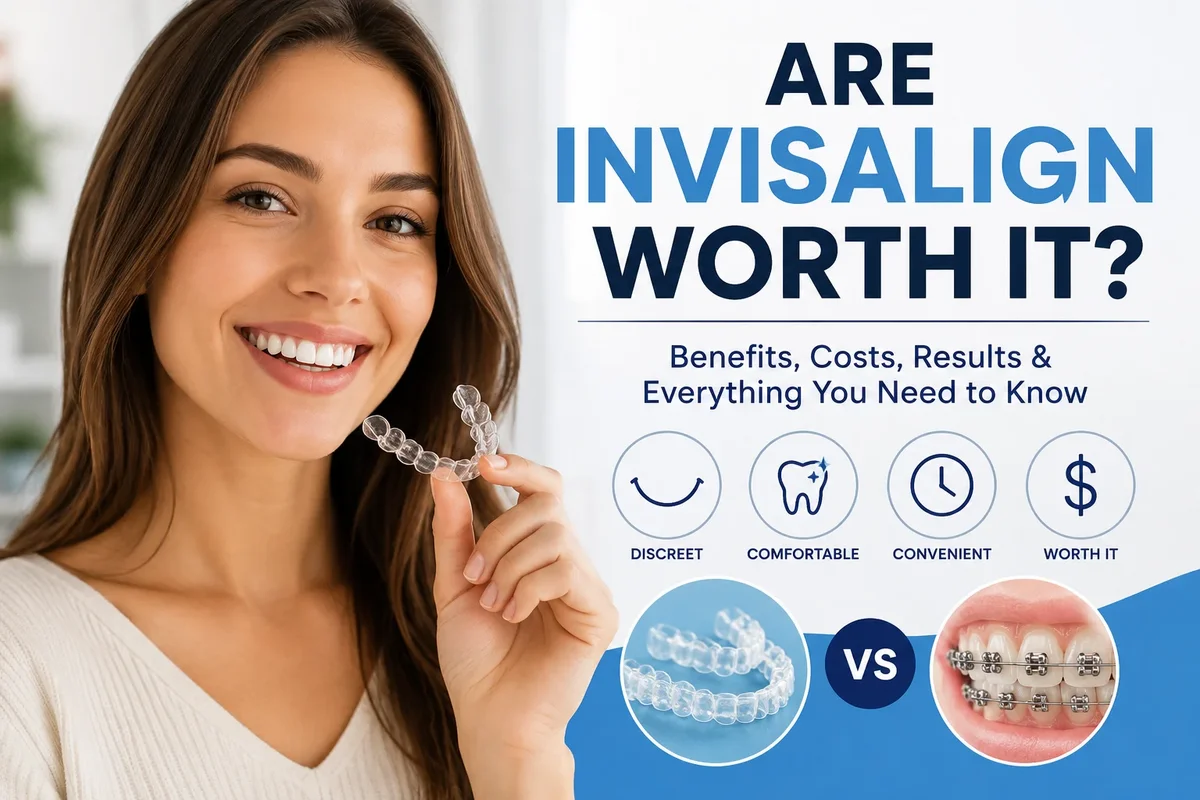
Final Verdict: Are Invisalign Worth It in 2026?
After exploring treatment costs, comfort, daily routines, expected results, long-term outcomes, and potential challenges, many patients still ask one final question before making their decision: are invisalign worth it in 2026? The answer depends on personal priorities, orthodontic needs, lifestyle expectations, and commitment to treatment. However, for millions of adults and teenagers around the world, Invisalign continues to be one of the most attractive orthodontic options available today.
Modern Invisalign treatment offers a combination of aesthetics, convenience, comfort, and technology that traditional braces often cannot fully match. While Invisalign is not perfect for every single case, advancements in orthodontic technology have made clear aligners highly effective for a wide range of dental conditions. 😊
Why Invisalign Continues to Grow in Popularity
Over the past decade, Invisalign has become increasingly popular among both younger and older patients. Several important factors explain why so many people researching orthodontics conclude that are invisalign worth it.
Discreet Appearance
One of the biggest advantages of Invisalign is the nearly invisible appearance of the aligners. Many adults prefer clear aligners because they allow orthodontic treatment without the highly visible look of metal braces.
Improved Comfort
Unlike traditional braces, Invisalign trays are made from smooth plastic without sharp wires or brackets. This often creates a more comfortable orthodontic experience.
Modern Digital Technology
Advanced 3D scanning and treatment simulation technology allow dentists to create highly customized treatment plans with remarkable accuracy.
The Biggest Benefits of Invisalign
Many patients feel that are invisalign worth it because the treatment provides both cosmetic and functional improvements.
Better Smile Appearance
Straighter teeth can dramatically improve smile aesthetics and overall facial harmony.
Greater Confidence
Many patients report increased self-esteem after Invisalign treatment. Feeling more comfortable smiling openly can positively affect both social and professional interactions.
Improved Oral Hygiene Access
Since aligners are removable, brushing and flossing are usually easier compared to traditional braces.
Flexible Lifestyle
Patients can remove aligners during meals, making eating more convenient and reducing food restrictions.
Important Realities Patients Should Understand
Although Invisalign offers many impressive advantages, responsible dental professionals also explain the limitations honestly.
Invisalign Requires Discipline
Aligners must usually be worn for 20–22 hours daily. Patients who remove them too frequently may experience slower progress or reduced treatment effectiveness.
Not Every Case Is Ideal for Invisalign
Some extremely severe orthodontic conditions may still respond better to traditional braces or combined orthodontic approaches.
Retainers Are Essential
After Invisalign treatment ends, retainers are necessary to maintain results long term.
Patients who fully understand these responsibilities are more likely to feel that are invisalign worth it because they enter treatment with realistic expectations.
Financial Considerations in 2026
Cost remains one of the most important concerns for many patients considering Invisalign.
Average Invisalign Costs in 2026
- Mild Cases: $3,000 – $4,500
- Moderate Cases: $4,500 – $6,500
- Complex Cases: $6,500 – $8,500+
- Retainers: $200 – $600
Although Invisalign may cost more than traditional braces in some situations, many patients believe the added comfort, aesthetics, and flexibility justify the investment.
Flexible financing plans and insurance coverage can also make Invisalign more accessible for families and working professionals.
Long-Term Oral Health Value
One major reason dentists often support Invisalign is the long-term oral health improvement that proper orthodontic treatment can provide.
Healthier Gum Tissue
Straighter teeth are generally easier to clean effectively, which may reduce the risk of gum disease.
Reduced Enamel Wear
Correcting bite alignment can help distribute chewing forces more evenly across the teeth.
Better Functional Bite Alignment
Orthodontic correction may improve chewing efficiency and overall oral function.
According to the American Dental Association, orthodontic treatment can contribute to better long-term dental health when properly maintained.
Who Is Most Likely to Be Happy with Invisalign?
Patients who typically experience the greatest satisfaction with Invisalign often share several common characteristics.
Strong Compliance Habits
Successful patients wear aligners consistently and follow dentist instructions carefully.
Good Oral Hygiene
Patients who already maintain healthy brushing and flossing routines often adapt well to Invisalign care requirements.
Realistic Expectations
Understanding that orthodontic treatment takes time helps patients remain patient and motivated throughout the process.
For these individuals, the answer to are invisalign worth it is very often yes.
Comparing Invisalign with Traditional Braces
Traditional braces remain highly effective and may still be preferable for some severe orthodontic conditions. However, Invisalign offers several lifestyle advantages that continue attracting modern patients.
Advantages Invisalign Often Has
- Nearly invisible appearance
- Fewer food restrictions
- Easier oral hygiene
- More comfortable materials
- Reduced emergency visits
Advantages Braces Sometimes Have
- Better for some extremely complex cases
- No risk of forgetting to wear them
- Often slightly lower cost
Ultimately, the best treatment depends on the individual patient’s needs and goals.
Psychological and Emotional Impact
Many Invisalign patients describe emotional benefits that go far beyond straighter teeth.
More Willingness to Smile
Improved confidence can positively affect relationships, career opportunities, and social interactions.
Positive Self-Image
Feeling happier with one’s appearance often contributes to stronger self-esteem and emotional well-being.
These psychological benefits strongly influence why so many adults conclude that are invisalign worth it despite the financial investment and treatment commitment.
How to Maximize Invisalign Success
Patients who want the best possible Invisalign results should:
- Choose an experienced Invisalign provider
- Wear aligners consistently
- Maintain excellent oral hygiene
- Attend regular appointments
- Wear retainers after treatment
- Communicate concerns early with the dentist
If you are considering Invisalign treatment and want expert guidance tailored to your smile goals, you can connect with experienced dental professionals through the Redent Klinik Contact Page.
Final Conclusion
So, are invisalign worth it in 2026? For many adults and teenagers seeking a discreet, comfortable, and modern orthodontic solution, the answer is absolutely yes. Invisalign offers excellent cosmetic improvements, functional oral health benefits, greater convenience, and increased confidence throughout treatment.
While Invisalign requires discipline, financial investment, and long-term retainer use, millions of satisfied patients worldwide continue choosing clear aligners because the advantages often outweigh the disadvantages. With proper planning, professional supervision, and patient commitment, Invisalign can provide life-changing smile improvements that last for many years. 😁