
The art of dentistry represents far more than clinical procedures—it is a sophisticated blend of science, aesthetics, precise craftsmanship, and patient-centered care. Modern patients seek dental solutions that not only restore oral health but also enhance confidence, facial harmony, and long-term well-being. In this comprehensive guide, we explore how the art of dentistry shapes every stage of dental treatment, from diagnosis to the final aesthetic result, ensuring a fully personalized experience that meets both functional and cosmetic goals. 🦷✨
At its core, the art of dentistry involves understanding the unique characteristics of each smile—its symmetry, proportions, tooth color, gum contour, and overall harmony with the patient’s facial structure. Dentists who master this artistic dimension elevate routine dental care into an experience that reflects beauty, precision, and innovation. This approach requires exceptional attention to detail and a deep understanding of human anatomy, ensuring that every restoration or cosmetic adjustment feels natural, comfortable, and visually pleasing.
In recent years, the art of dentistry has evolved through advancements in technology such as digital scanning, 3D smile design, AI-driven diagnostics, and minimally invasive techniques. These tools allow clinicians to plan treatments with remarkable accuracy, create previews of expected outcomes, and reduce patient discomfort. For example, digital smile design enables patients to visualize how their smile could transform even before treatment begins—an empowering experience that builds trust and enhances satisfaction. 🎨
But aesthetics are only one dimension of the art of dentistry. True dental artistry ensures that the teeth function well, enabling proper chewing, alignment, and speech. An attractive smile is meaningless if it compromises oral health, which is why world-class dentists balance beauty with essential structural integrity. This harmony is achieved through meticulous planning, precise execution, and a strong foundation rooted in dental science.
Communication plays an equally important role in the art of dentistry. Understanding a patient’s goals, fears, lifestyle, and expectations ensures a collaborative treatment journey. Many people seek dental care due to discomfort, aesthetic concerns, or past negative experiences. Skilled clinicians approach each case with empathy and attentiveness, transforming the dental chair into a safe and supportive environment. Patients who feel understood are more likely to complete their treatment plans and maintain excellent oral hygiene long term.
Another vital component of the art of dentistry is preventive care. Seemingly simple habits—professional cleanings, early detection of gum disease, and routine examinations—are essential to preserving the beauty and health of the smile. Prevention is, in many ways, an art form itself: it requires timing, precision, consistency, and a proactive mindset that empowers individuals to protect their oral health for a lifetime.
Education also plays a central role in the art of dentistry. By understanding the connection between oral health and overall wellness, patients can make informed decisions. Scientific evidence increasingly shows that oral diseases influence systemic conditions such as diabetes, cardiovascular disease, and inflammation. By highlighting these links, dentists encourage patients to view dental care not as an isolated activity but as an integral part of comprehensive health.
If you’re considering improving your smile or seeking guidance on maintaining excellent oral health, reaching out to professionals is the best first step. You can contact our team directly through the
Redent Klinik Contact Page for personalized support. For broader scientific guidelines, the American Dental Association also offers valuable insights.
Ultimately, the art of dentistry is a continuous process of learning, adaptation, and refinement. It is shaped by new discoveries, evolving patient expectations, and the dentist’s unwavering commitment to excellence. Whether through cosmetic enhancements, restorative procedures, or preventive strategies, this unique blend of science and artistry allows modern dentistry to deliver smiles that are not only healthy but truly transformative. 🌟
Understanding the Art of Dentistry in Modern Dental Care
The art of dentistry has evolved into a dynamic discipline that blends medical science with artistic precision, ensuring that every patient receives personalized, high-quality care. In modern dental practice, understanding the art of dentistry means recognizing the intricate connection between oral health, aesthetics, psychological well-being, and long-term functionality. Today’s dental professionals must go beyond basic treatment and engage in a holistic, patient-centered approach that prioritizes beauty, comfort, and structural integrity simultaneously. This comprehensive perspective is what sets the modern dental era apart. 🦷✨
To fully appreciate the art of dentistry, we must explore how modern dentistry approaches diagnosis, planning, treatment implementation, and long-term maintenance. Each step requires meticulous skill, advanced technological tools, and a deep understanding of materials, anatomy, biomechanics, and facial harmony. Patients increasingly value not just “fixing a tooth” but achieving an outcome that harmonizes with their natural features, expresses confidence, and supports overall wellness.
The Evolution of Dental Aesthetics and Functionality
Throughout history, dentistry primarily addressed pain, infection, and structural repair. However, in the modern era, the art of dentistry integrates function with aesthetics, ensuring that every restoration—from fillings to veneers—feels natural and enhances the patient’s appearance. This progression reflects an important shift in patient expectations and professional skill sets. A beautiful smile must not compromise bite stability, speech, or oral health, and this delicate balance is where dental artistry truly shines.
Modern patients expect results that look real, fit seamlessly, and support long-term oral health. Dentists now use advanced materials such as zirconia, lithium disilicate, and composite resins designed to mimic natural enamel, allowing restorations to blend perfectly with surrounding teeth. But choosing the right material is only one part of the artistic process—the clinician must shape, shade, and position each restoration with remarkable precision. This level of craftsmanship exemplifies the modern art of dentistry.
The Role of Digital Technology in Enhancing Accuracy
Technology has revolutionized the dental field, elevating the art of dentistry by enabling enhanced accuracy, predictability, and patient comfort. Tools such as digital scanners, CBCT imaging, intraoral cameras, and 3D printers allow dentists to visualize, plan, and execute treatments with extraordinary detail. Digital impressions, for example, eliminate the discomfort of traditional molds while producing highly accurate models for crowns, aligners, and implant restorations.
Computer-aided design and manufacturing (CAD/CAM) systems further enhance the art of dentistry by allowing same-day restorations that are both precise and aesthetically pleasing. With these tools, clinicians can design restorations that fit flawlessly and reflect natural translucency, brightness, and texture. Patients benefit from shorter treatment times, fewer visits, and greater satisfaction.
Digital Smile Design: A Modern Artistic Breakthrough
Digital Smile Design (DSD) is one of the most significant innovations shaping today’s art of dentistry. This technology allows clinicians to analyze facial proportions, tooth dimensions, and smile dynamics, creating a digital preview of the anticipated result. Patients can see their potential transformation before undergoing treatment—a powerful and motivating experience. This interactive approach fosters collaboration, aligns expectations, and ensures personalized outcomes.
DSD combines scientific analysis with artistic vision. Through high-resolution imaging and digital modeling, dentists craft customized treatment plans that highlight symmetry, balance, and natural beauty. This modern technique exemplifies how the art of dentistry integrates technological precision with creative judgment.
Material Science and Its Contribution to the Art of Dentistry
Understanding dental materials is essential to mastering the art of dentistry. Natural teeth possess unique properties—translucency, light reflection, micro-texture, and a distinct color gradient. Modern restorative materials replicate these characteristics, allowing dentists to create lifelike restorations that enhance both appearance and function.
Mastering material science means understanding not just how these materials behave aesthetically but also how they respond mechanically over time. For example, zirconia offers exceptional durability, making it ideal for molars exposed to heavy chewing forces, while lithium disilicate combines strength with exceptional translucency, perfect for visible teeth requiring aesthetic precision. Knowing when and how to use these materials is a fundamental component of the art of dentistry.
Holistic Care and the Psychology of a Beautiful Smile
Modern dentistry recognizes that the benefits of the art of dentistry extend far beyond the physical aspects of oral health. A confident smile influences emotional well-being, social interaction, and self-perception. Patients who undergo aesthetically focused treatments often report improved self-esteem, renewed motivation, and enhanced quality of life. 😄
Dentists practicing the true art of dentistry understand the psychological and emotional dimensions of smile enhancement. They take time to listen, communicate, and personalize care based on each patient’s story, goals, and concerns. This empathetic approach elevates treatment outcomes, ensuring not just a healthier smile but a more fulfilled patient.
Collaborative Planning and Patient Education
Another hallmark of the art of dentistry is patient involvement. Modern clinicians encourage patients to participate actively in their treatment decisions, providing education on procedures, materials, and long-term maintenance. A well-informed patient feels empowered, engaged, and more capable of preserving their oral health.
For guidance or personalized consultation, individuals can reach out directly through the
Redent Klinik Contact Page.
To further explore dental standards and scientific guidelines, the
American Dental Association remains one of the most reliable and authoritative resources.
All these advancements, from technology to patient communication, demonstrate how the art of dentistry continues to evolve. Each innovation strengthens the synergy between craftsmanship and science, ensuring that every patient receives care that is not only medically sound but artistically exceptional.
The Role of Aesthetic Principles in the Art of Dentistry
Aesthetic science forms the foundation of the art of dentistry, guiding clinicians in designing smiles that look harmonious, natural, and uniquely suited to each individual. While functional improvements are essential, the modern patient also seeks visually appealing dental outcomes that enhance overall facial balance. This is why today’s dental professionals integrate artistic principles into every stage of treatment. By blending anatomy, symmetry, color science, and proportional analysis, the art of dentistry elevates routine procedures into transformative experiences that support both beauty and health. ✨
Understanding the aesthetic dimension of the art of dentistry requires more than learning technical skills. Dentists must evaluate how teeth interact with facial features such as the lips, gums, jawline, and smile width. This holistic perspective ensures that cosmetic enhancements blend seamlessly with the patient’s natural expressions. A beautiful smile does not stand alone—it must fit the person. This is where modern dentistry showcases its brilliance, balancing the artistic and scientific elements required for outstanding aesthetic outcomes.
The Foundations of Dental Aesthetics
The art of dentistry relies on several core aesthetic principles that guide treatment planning. These include symmetry, tooth proportions, the smile arc, color harmony, and gingival contour. Each principle contributes to a cohesive and attractive appearance. When one of these elements is out of balance, the entire smile can appear unnatural. Skilled dentists analyze these details meticulously, ensuring that every restoration aligns with the patient’s inherent facial characteristics.
One of the most important concepts in dental aesthetics is the “Golden Ratio,” a mathematical proportion found throughout art, nature, and architecture. This ratio helps dentists determine ideal tooth widths and spacing. While not every smile must perfectly match this proportion, it serves as a valuable guideline for achieving visually pleasing results. The art of dentistry adapts this ratio to fit the patient’s personal preferences, facial geometry, and natural tooth shape.
Color Science and Natural Tooth Aesthetics
Another essential part of the art of dentistry is understanding shade matching and color theory. Natural teeth contain subtle translucencies, variations, and undertones that influence overall appearance. The ability to replicate these characteristics requires expert knowledge of material science and lighting conditions. Dentists also consider how tooth color interacts with skin tone, lip color, and even the patient’s age. Younger teeth appear brighter and more translucent, while mature teeth often display deeper hues.
Modern shade guides, digital imaging systems, and high-resolution photography allow dentists to analyze color with exceptional precision. This accuracy ensures that veneers, crowns, composite restorations, and whitening treatments blend seamlessly with existing teeth. Such meticulous attention to color is a defining feature of the art of dentistry, elevating treatment results from satisfactory to exceptional.
Gingival Aesthetics: The Frame of the Smile
A smile is not defined solely by the teeth. The gums create the visual “frame” around the smile, making gingival aesthetics a crucial component of the art of dentistry. Ideally, gums should appear symmetrical, pink, and properly contoured. Excessive gum display—or a “gummy smile”—can disrupt harmony even when teeth are perfectly aligned. Conversely, receding gums may create the illusion of elongated teeth or aging.
Modern treatments, including laser contouring, crown lengthening, and soft tissue grafting, help restore proper gingival balance. These procedures illustrate how the art of dentistry extends beyond enamel and restorations to include every element visible in the smile. Even small adjustments in gum shape can dramatically improve aesthetics and boost patient confidence.
Facial Harmony and Smile Dynamics
When practicing the art of dentistry, clinicians must consider the entire face—not just the mouth. Teeth influence lip support, cheek structure, and overall facial balance. If teeth are too short, too long, or improperly angled, they can distort facial expressions. This is especially important in cosmetic procedures, where the goal is to enhance—not alter—the patient’s natural features.
Dentists analyze smile dynamics, including how the lips move during speech and laughter. A smile that looks attractive when still must also remain visually appealing when animated. High-definition imaging and video analysis help capture these movements, enabling clinicians to design restorations that complement natural expression. This approach highlights how the art of dentistry integrates aesthetics with functional biomechanics.
Material Selection for Optimal Aesthetics
Selecting the appropriate material is one of the most critical decisions in the art of dentistry. Each material offers unique aesthetic properties, translucency levels, and durability. Porcelain veneers, for example, provide exceptional optical qualities, reflecting light similarly to natural enamel. Composite resin is highly versatile and ideal for minimally invasive enhancements, while zirconia offers strength suitable for posterior teeth without compromising beauty.
The success of a restoration depends on the dentist’s ability to manipulate these materials artistically. Layering techniques, surface texturing, and customized shading ensure the final result looks lifelike. This craftsmanship distinguishes true dental artistry from standard dental practice.
Patient Collaboration and Personalized Aesthetic Planning
An essential element of the art of dentistry is patient collaboration. Aesthetic dentistry is highly subjective; what one person finds beautiful, another may not. Dentists use digital previews, detailed consultations, and photographic simulations to ensure clear communication. Patients can express their goals, preferences, and concerns before treatment begins, leading to outcomes that reflect their unique personality and style.
For personalized guidance or a detailed aesthetic evaluation, individuals may reach out through the
Redent Klinik Contact Page.
Trusted professional standards can also be explored via the
American Dental Association, a globally recognized authority on dental excellence.
Altogether, aesthetic principles are the heart of the art of dentistry, shaping every decision from tooth contouring to material selection. Through an intricate blend of science, creativity, and personalization, modern dentists craft smiles that radiate confidence, health, and natural beauty—one carefully planned detail at a time.
How the Art of Dentistry Enhances Oral Health and Function
The art of dentistry is often associated with the visual transformation of smiles, but its influence extends far beyond aesthetics. At its core, the art of dentistry is deeply rooted in the enhancement of oral health, function, and long-term stability. Modern dental care must restore natural biomechanics, protect the integrity of tissues, and ensure every tooth plays its proper role in maintaining a healthy, balanced oral environment. This fusion of beauty and biology is what makes the art of dentistry a truly holistic discipline designed to support patients through every stage of their oral health journey. 🦷💙
Unlike traditional approaches that focused solely on treating isolated problems, contemporary dentistry embraces a comprehensive strategy that considers the entire mouth as a functional ecosystem. Each tooth, gum tissue, joint, and muscle contributes to the system’s overall harmony. Misalignment, missing teeth, improper bite, or untreated decay can disrupt this balance, leading to complications that affect not only the smile but the patient’s digestion, speech, posture, and quality of life. The art of dentistry ensures not only that these issues are treated but that the underlying structure is restored in a way that feels natural, comfortable, and aesthetically pleasing.
Restoring Functional Harmony Through Precision Dentistry
One of the most important aspects of the art of dentistry is maintaining or restoring the proper function of the bite (occlusion). A harmonious bite allows the teeth to meet correctly when chewing and speaking. When the occlusion is imbalanced—even slightly—it can lead to headaches, jaw tension, uneven tooth wear, sensitivity, and even TMJ-related discomfort. Modern dentists apply advanced diagnostic tools, digital mapping, and anatomical knowledge to ensure restorative treatments such as crowns, implants, fillings, and veneers align precisely with the patient’s natural bite pattern.
When performing restorative procedures, clinicians employ a highly detailed approach, manipulating materials and shaping restorations to mimic the natural anatomy of each tooth. This attention to detail is a core feature of the art of dentistry, ensuring that restorations not only look good but also contribute positively to chewing efficiency and oral stability.
The Role of Proper Tooth Alignment
Tooth alignment is another key functional element influenced by the art of dentistry. Misaligned teeth can trap food more easily, make cleaning difficult, cause gum irritation, and wear down unevenly. Orthodontic treatments—whether clear aligners or traditional braces—help reposition teeth into harmony with the jaw and surrounding structures.
Modern orthodontics uses digital planning software and 3D simulations to visualize alignment goals before treatment even begins. This precision ensures that the bite, jaw movement, and smile aesthetics are all considered. A well-aligned smile functions better, reduces the risk of disease, and enhances patient comfort—an essential outcome guided by the principles of the art of dentistry.
Strengthening Oral Health Through Preventive Care
Preventive dentistry is a cornerstone of the art of dentistry, emphasizing early detection and proactive treatment. By identifying issues such as decay, gum inflammation, enamel wear, and bite irregularities before they advance, dentists protect not only the appearance of the smile but also its long-term health. Regular cleanings, periodontal maintenance, X-rays, and comprehensive examinations help prevent serious complications and preserve natural tooth structure.
Patients often underestimate the importance of prevention, but preventive care supports the structural integrity of the entire oral system. When combined with patient education, dietary guidance, and individualized oral hygiene plans, prevention becomes a powerful tool within the art of dentistry that keeps smiles healthy for decades.
Enhancing Function With Restorative Dentistry
Restorative dentistry focuses on repairing or replacing teeth to restore optimal function. Whether through fillings, crowns, bridges, implants, or dentures, restorative treatments aim to mimic natural tooth form and behavior. The art of dentistry elevates these treatments by emphasizing shape, contours, texture, and translucency—ensuring the restored tooth integrates seamlessly with surrounding structures.
Dental implants are a remarkable example of blending science with artistry. Implants replace missing teeth with a stable, long-lasting solution that supports chewing, preserves bone density, and enhances facial aesthetics. The implant crown is crafted with meticulous precision to match shape, shade, and alignment—another demonstration of the art of dentistry.
Biocompatible Materials and Long-Term Health
Selecting the right material is crucial for long-term oral function. Biocompatible materials such as zirconia, porcelain, and advanced composites replicate natural properties while offering durability and safety. They must withstand forces of chewing, resist staining, and support gum health. A deep understanding of these materials is essential to the art of dentistry, as the wrong choice can compromise comfort or introduce new issues.
Material choice becomes even more important when working near the gum line or in patients with metal sensitivities. Today’s advanced materials enable dentists to create restorations that feel smooth, look natural, and behave like enamel—a perfect demonstration of artistic and scientific mastery.
The Connection Between Oral Health and Overall Wellness
The art of dentistry also acknowledges the profound link between oral health and systemic wellness. Conditions such as periodontal disease are associated with cardiovascular issues, diabetes, respiratory infections, inflammation, and pregnancy complications. Maintaining a healthy mouth supports whole-body health, making dental care a vital part of preventative medicine.
By addressing inflammation, improving alignment, strengthening enamel, and restoring natural function, the art of dentistry helps patients achieve not only a beautiful smile but a healthier life. A functional, disease-free smile contributes to better digestion, clearer speech, improved nutrition, and increased comfort.
Partnering With Professionals for Comprehensive Care
Achieving optimal oral health requires collaboration with skilled dental professionals who understand the full depth of the art of dentistry. Whether seeking restorative care, orthodontic solutions, preventive guidance, or cosmetic enhancements, patients benefit most when working with clinicians who balance scientific knowledge with artistic expertise.
For personal consultation or functional assessment, individuals can reach out through the
Redent Klinik Contact Page.
Additional scientific guidelines and oral health standards can be explored through the
American Dental Association.
Ultimately, the art of dentistry creates lasting improvements by ensuring every aspect of the oral system functions harmoniously. Through meticulous planning, advanced techniques, and a deep understanding of biology and aesthetics, dentists deliver results that enhance not only smiles but overall quality of life—transforming routine dental care into a truly holistic healing practice.
Mastering Smile Design: Techniques That Define the Art of Dentistry
The art of dentistry reaches its highest expression in smile design, a process that blends artistic intuition with scientific precision to create smiles that are both beautiful and functional. Smile design goes far beyond surface-level improvements—it requires meticulous planning, a deep understanding of facial anatomy, and mastery of modern technologies. The ultimate goal is to produce a smile that enhances the patient’s natural features, supports oral function, and reflects their unique personality. Through this comprehensive, individualized approach, the art of dentistry creates life-changing results that elevate confidence and long-term dental health. 😁✨
Modern smile design is not simply about making teeth look “straight and white.” Instead, it takes into account facial proportions, lip dynamics, gum symmetry, tooth morphology, bite patterns, and psychological factors that influence how a person perceives their smile. Each case is approached like a custom artwork. The dentist becomes both a technician and a sculptor, using a combination of digital tools, aesthetic principles, and material science to achieve results that feel natural and harmonious. This is precisely where the art of dentistry demonstrates its transformative power.
The Foundations of Smile Design in the Art of Dentistry
Smile design begins with a thorough evaluation of the facial structure. Dentists analyze the midline, smile arc, buccal corridors, incisal edge position, and gingival zenith. These factors determine how well the smile fits within the patient’s natural expressions. Because no two faces are identical, the art of dentistry requires a fully customized approach that respects individual aesthetics rather than applying universal templates.
During the initial stages of smile design, high-quality photographs, videos, and digital scans are captured to evaluate how the teeth appear in various facial movements—laughing, speaking, smiling softly, or smiling broadly. These subtle movements offer insight into the patient’s natural expression patterns. This detailed analysis ensures the final smile design does not appear artificial or mismatched with the rest of the face—a critical aspect of the art of dentistry.
Tooth Proportion and the Golden Ratio
Tooth size, shape, and proportion significantly influence the overall aesthetics of a smile. The “Golden Ratio,” frequently used in classical art and architecture, is also a key guideline in dental smile design. Although not every patient must conform perfectly to this ratio, it serves as a foundational tool to achieve visually balanced results. Dentists analyze the width-to-length ratio of each tooth, ensuring consistency across the entire smile.
This analysis is vital in the art of dentistry because proportion affects not only appearance but also function. Teeth that are too short can compromise bite stability, while teeth that are too long may cause speech or comfort issues. Achieving proportionate, harmonious teeth involves a refined blend of science and artistic judgment.
Digital Smile Design (DSD): A Modern Artistic Revolution
One of the most powerful innovations shaping the art of dentistry is Digital Smile Design (DSD). This technology uses advanced software to simulate the potential results of aesthetic treatments. Patients can preview their future smile in realistic detail, offering clarity and emotional reassurance. Through DSD, dentists can evaluate symmetry, gingival contours, and tooth positioning with exceptional precision.
Digital simulations allow clinicians to test various tooth shapes, sizes, and shades before committing to irreversible procedures. This reduces guesswork and improves patient satisfaction. DSD also facilitates interdisciplinary collaboration, ensuring orthodontists, periodontists, and restorative dentists work seamlessly toward a unified aesthetic goal—a hallmark of the art of dentistry.
3D Printing and Mock-Up Models
The integration of 3D printing further enhances the art of dentistry by transforming digital plans into tangible models. Dentists can create mock-up restorations that patients try in their mouths to evaluate function, speech, and appearance. This step allows for real-time adjustments and ensures the final treatment outcome will be both comfortable and visually stunning.
Mock-ups also give patients a sense of ownership in the design process. They can request changes and preview different aesthetic possibilities, strengthening communication and collaboration. This hands-on approach is essential for achieving the best results in the art of dentistry.
Material Selection for Smile Perfection
Material science plays a major role in smile design. The suitability of porcelain, composite resin, zirconia, or lithium disilicate depends on the desired aesthetic outcome and functional demands. Porcelain veneers, for example, provide exceptional translucency and lifelike texture, making them ideal for front teeth. Meanwhile, zirconia offers unmatched strength for posterior restorations.
The art of dentistry involves choosing materials that not only replicate natural enamel but also withstand daily wear. The surface texture, gloss level, and layering techniques mimic youthful enamel and create a radiant, natural-looking smile.
The Psychological Impact of Smile Transformation
Smile design influences more than appearance—it can dramatically enhance a person’s emotional and social well-being. Many patients pursue treatment after years of self-consciousness or dissatisfaction with their teeth. Through the art of dentistry, smile design restores confidence, encourages positive self-expression, and improves quality of life.
When patients feel proud of their smiles, they engage more socially, speak more confidently, and often experience improvements in mental well-being. This psychological transformation underscores the power of the art of dentistry and its ability to create long-lasting change.
Interdisciplinary Collaboration for Optimal Smile Design
Creating a perfect smile often requires the combined expertise of multiple dental specialties. Orthodontics may be needed to correct alignment, periodontics to enhance gum symmetry, and restorative dentistry to improve tooth structure. These disciplines work together to achieve results guided by the art of dentistry.
This collaborative approach ensures that every aspect of the smile—from roots to enamel and gums to jaw function—is optimized for beauty and health. The team effort minimizes complications and produces highly predictable, long-lasting outcomes.
Partnering With Experts for Personalized Smile Planning
Patients interested in comprehensive smile design benefit greatly from consulting professionals who master the art of dentistry. Through detailed analysis, digital simulations, and artistic expertise, clinicians create individualized treatment plans that align with both functional and aesthetic goals.
Individuals seeking guidance may reach out through the
Redent Klinik Contact Page.
For scientific guidelines and dental standards, the
American Dental Association remains a trusted reference.
Through meticulous craftsmanship, innovative technology, and a profound understanding of biology and aesthetics, smile design showcases the brilliance of the art of dentistry. It is both a science and an art form—capable of reshaping not just smiles, but entire lives.
Advanced Dental Technologies Shaping the Art of Dentistry
The evolution of modern technology has transformed the art of dentistry into a highly precise, patient-centered, and efficiency-driven field. Today’s dental professionals have access to tools that allow them to diagnose earlier, treat more accurately, and enhance the patient experience at every stage of care. These innovations are not merely conveniences—they fundamentally elevate the quality of outcomes by improving aesthetics, function, comfort, and long-term predictability. In many ways, advanced technology represents the new frontier of the art of dentistry, redefining what is possible in restorative, cosmetic, orthodontic, and preventive treatments. 🦷🚀
From digital imaging to robotic-assisted implant placement, modern tools help dentists work with unparalleled precision. These technologies minimize human error, reduce treatment times, and allow patients to visualize expected outcomes before committing to procedures. By integrating innovation with artistic expertise, the art of dentistry becomes a powerful blend of science and creativity that benefits patients of all ages. Technology does not replace the dentist’s artistic skill—instead, it amplifies it.
Digital Scanning and Intraoral Imaging
One of the most significant breakthroughs in the art of dentistry is the shift from traditional impressions to digital scanning. Intraoral scanners capture highly detailed, 3D images of teeth and gums without the discomfort of impression materials. These digital scans provide the foundation for accurate treatment planning in restorations, orthodontics, implants, and occlusal analysis.
Unlike conventional molds, digital scans eliminate distortion and produce models that are incredibly precise. They also allow dentists to share data instantly with dental laboratories, speeding up fabrication times for crowns, veneers, aligners, and surgical guides. This technological advancement strengthens the art of dentistry by enabling clinicians to create results that look more natural and fit more comfortably.
High-Resolution Photography and Smile Simulation
Photography plays a critical role in aesthetic dentistry. High-resolution photographs allow clinicians to analyze facial proportions, tooth shape, color, and smile dynamics. When combined with smile simulation software, these photos help create digital previews that guide patients through their transformation.
This step brings clarity and confidence, enabling patients to visualize results that align with their goals. Such precision ensures that the art of dentistry delivers beautiful, predictable outcomes that match natural facial characteristics.
3D Printing and CAD/CAM Systems
3D printing and CAD/CAM (Computer-Aided Design and Computer-Aided Manufacturing) systems have revolutionized the way dental restorations are created. In the past, fabricating crowns, bridges, and veneers required multiple visits and lengthy wait times. Today, CAD/CAM technology allows dentists to design and mill restorations in a single appointment.
This precision is crucial in the art of dentistry, as it ensures restorations have the correct anatomy, translucency, and fit. 3D printers also enable dentists to fabricate surgical guides, temporary restorations, dentures, and even orthodontic aligners with exceptional accuracy. These technologies support minimally invasive treatment strategies by reducing preparation depth and preserving natural tooth structure.
Surgical Guides for Implant Dentistry
Implant dentistry demonstrates the powerful integration of technology with the art of dentistry. Digital scans and CBCT imaging allow dentists to plan implant placement with millimeter-level precision. 3D-printed surgical guides then transfer this plan directly into the patient’s mouth.
This guided approach minimizes surgical risks, improves implant survival rates, and enhances aesthetic outcomes. By combining digital planning with clinical artistry, dentists ensure implants look and function like natural teeth—an essential achievement in the art of dentistry.
Laser Dentistry: A Minimally Invasive Revolution
Laser technology has significantly expanded the possibilities of the art of dentistry. Dental lasers can reshape gum tissue, remove decay, perform frenectomies, and disinfect periodontal pockets with exceptional precision. Patients benefit from faster healing, minimal discomfort, and reduced bleeding.
Cosmetic procedures such as gum contouring benefit greatly from lasers, as the technology allows for highly detailed sculpting of the gingival outline. This improves symmetry, enhances tooth proportions, and contributes to a more balanced smile. Lasers therefore support the artistic dimension of modern dental care as much as the clinical one.
Soft-Tissue and Hard-Tissue Laser Applications
Soft-tissue lasers help shape gums, treat inflammation, and sterilize tissues, while hard-tissue lasers are used to treat cavities without the need for anesthesia in many cases. These tools showcase how the art of dentistry prioritizes comfort alongside precision.
The ability to perform delicate procedures while preserving healthy tissue demonstrates the advanced artistic control that modern dentistry offers.
CBCT Imaging and Anatomical Mapping
Cone Beam Computed Tomography (CBCT) offers three-dimensional imaging of the teeth, jaw, sinus, airway, and surrounding structures. This detailed visualization allows dentists to identify anatomical variations, locate nerves, evaluate bone density, and plan complex surgeries.
CBCT is indispensable in implant dentistry, orthodontics, oral surgery, and endodontics. The insights provided by CBCT contribute significantly to the art of dentistry by enabling clinicians to understand both the functional and aesthetic implications of their treatment plans. A beautiful restoration must not compromise underlying structures, and CBCT ensures safe, predictable outcomes.
AI-Enhanced Diagnostics and Predictive Dentistry
Artificial Intelligence (AI) represents one of the newest and most impactful additions to the art of dentistry. AI-powered software can detect early signs of decay, periodontal issues, and structural abnormalities with remarkable accuracy. These tools support dentists in making faster, more informed decisions.
Predictive dentistry uses data from scans, photos, and patient records to anticipate future issues before they develop. This proactive approach aligns perfectly with the art of dentistry, ensuring patients receive personalized preventive care that prioritizes long-term health.
Enhancing the Patient Journey Through Innovation
Advanced dental technologies do more than improve clinical outcomes—they enhance the entire patient experience. Faster procedures, digital communication, reduced discomfort, and greater transparency empower patients to take an active role in their oral health.
For individualized consultation or technology-supported treatment planning, patients can reach out via the
Redent Klinik Contact Page.
For scientific standards and technological guidelines, the
American Dental Association offers trusted resources.
Ultimately, technology is reshaping the art of dentistry in ways once thought impossible. By merging advanced tools with clinical artistry, modern dentistry achieves outstanding precision, efficiency, and beauty—creating a future where every smile transformation is more predictable, comfortable, and aesthetically refined.
The Artistic Approach to Restorative Dentistry
Restorative care is one of the most powerful expressions of the art of dentistry, merging technical expertise with aesthetic craftsmanship to rebuild teeth that look, feel, and function like natural structures. Whether a patient needs a simple filling, a complex full-mouth reconstruction, or a dental implant-supported restoration, the guiding principles of artistry ensure that every detail—from contour to color, from bite alignment to material selection—is meticulously crafted. This blend of creativity and science allows restorative dentistry to deliver long-lasting, lifelike results that restore confidence, comfort, and health. 🦷🎨
The modern art of dentistry views restorative work as more than repairing damage. It aims to re-create the essence of natural dentition by respecting anatomy, harmony, biomechanics, and facial aesthetics. When a damaged or missing tooth disrupts chewing function, speech, or appearance, restorative treatments must not only restore structure but also reintegrate balance into the entire oral system. This requires skillful shaping, precise engineering, and a deep understanding of human biology—truly demonstrating how restorative dentistry becomes an art form.
Understanding Natural Tooth Anatomy as the Foundation
To master the art of dentistry in restorative procedures, dentists must first understand the intricacies of natural tooth anatomy. Every cusp, ridge, groove, and curve plays a role in distributing chewing forces, guiding the bite, and supporting the surrounding tissues. Accurate replication of these features is essential for creating restorations that not only look aesthetic but also function reliably.
Dentists use detailed anatomical knowledge to sculpt materials like composite resin or porcelain with incredible precision. The more closely a restoration mimics natural structure, the more comfortable and natural it feels to the patient. This anatomical mastery is what elevates routine restorative procedures into sophisticated demonstrations of the art of dentistry.
Recreating Texture, Translucency, and Color
One of the most artistically demanding challenges in restorative dentistry is replicating the optical properties of natural enamel. Teeth interact with light in complex ways due to their layered structure. Color is not uniform; it varies from the incisal edge to the gum line, influenced by translucency, opacity, and underlying dentin.
Achieving this natural optical effect requires dentists to layer restorative materials strategically, using multiple shades and varying translucencies. Surface textures must also be crafted with precision, from micro-grooves to enamel gloss levels. These details may seem subtle, but they play an essential role in the art of dentistry, ensuring the restoration blends seamlessly with surrounding teeth.
The Artistic Precision of Composite Restorations
Composite fillings are a prime example of the art of dentistry in daily practice. While composites restore teeth damaged by decay or trauma, they also must match the color, shape, and texture of natural tooth surfaces. Dentists sculpt these materials directly in the mouth, shaping them to mimic the exact contours of the original tooth.
Advanced composite layering techniques allow clinicians to replicate everything from dentin opacity to enamel translucency. When done properly, the restoration becomes virtually indistinguishable from natural tooth structure. This artistic approach enhances both aesthetic and functional outcomes.
Minimally Invasive Techniques
Modern materials enable minimally invasive procedures that preserve natural tooth structure. Smaller, more precise restorations offer improved longevity, better aesthetics, and enhanced comfort. The ability to restore a tooth with minimal removal of healthy enamel demonstrates the refined precision central to the art of dentistry.
The Role of Crowns, Inlays, and Onlays in Restorative Artistry
When a tooth is too damaged for a composite filling, crowns, inlays, or onlays become essential. These restorations must integrate harmoniously with the natural bite and adjacent teeth. Using digital scanning and CAD/CAM technology, dentists can design restorations that match the patient’s anatomy down to microns.
However, technology alone cannot achieve perfect aesthetic results. The art of dentistry guides dentists in choosing the right shade, shape, and material for each patient. Porcelain or zirconia crowns must be artistically finished, layered, and polished to replicate natural enamel. Inlays and onlays require seamless adaptation to existing tooth surfaces, demanding exceptional craftsmanship.
Implant Restorations: The Ultimate Blend of Science and Art
Dental implants are among the most technically advanced yet artistically demanding procedures in the art of dentistry. Successful implants require precise surgical placement, biologically compatible materials, and prosthetic restorations that mimic natural teeth in every way.
The implant crown must align properly with the bite, match the shade of surrounding teeth, and maintain proper gum contours. Dentists often use digital imaging, 3D printed models, and custom abutments to ensure accuracy. The artistic component lies in shaping the implant crown to reflect natural morphology and blend flawlessly with the smile.
Soft Tissue Management for Aesthetic Results
A natural-looking implant requires healthy gum tissue. Dentists must sculpt soft tissues to ensure proper emergence profiles, symmetry, and color. This delicate work showcases how much the art of dentistry depends on mastering both hard and soft tissue aesthetics.
Full-Mouth Reconstruction and Functional Balance
For patients experiencing severe wear, trauma, or functional collapse, full-mouth reconstruction becomes necessary. This process involves rebuilding multiple teeth or the entire bite, restoring both beauty and function. It is one of the most complex applications of the art of dentistry.
Dentists must evaluate jaw movement, muscle dynamics, tooth height, and occlusal stability. Restorations are shaped to optimize chewing efficiency and prevent long-term damage. Every detail—from shade selection to anatomical contouring—requires artistic precision.
Restoring Confidence Through Artful Dentistry
Restorative dentistry improves more than oral health—it boosts self-esteem and emotional well-being. Patients who once struggled with chipped, discolored, or missing teeth experience renewed confidence after receiving artistically crafted restorations. This emotional transformation is at the heart of the art of dentistry, demonstrating its power to change lives.
For personalized restorative care or detailed treatment planning, patients can contact experts through the
Redent Klinik Contact Page.
To explore reputable standards for restorative procedures, the
American Dental Association provides valuable resources.
Ultimately, restorative dentistry represents the perfect harmony of science and artistry. Through meticulous craftsmanship, advanced technology, and a profound understanding of natural anatomy, the art of dentistry restores not only smiles but also confidence, function, and quality of life—leaving patients with results that feel as beautiful as they look.
Why Patient-Centered Care Is Essential in the Art of Dentistry
One of the most defining elements of the art of dentistry is its unwavering focus on patient-centered care. While clinical expertise, technology, and aesthetic techniques are vital, they cannot reach their full potential without a deep understanding of the patient’s needs, expectations, emotions, and long-term goals. Dentistry is not simply about restoring teeth—it is about restoring confidence, comfort, and quality of life. This human-centered approach transforms dentistry from a purely technical discipline into a compassionate art form. ❤️🦷
Patient-centered care ensures that every treatment plan is personalized, that communication is transparent, and that patients feel supported at every stage of their dental journey. The art of dentistry thrives on empathy, trust, and collaboration. Patients are not passive observers; they are active participants whose preferences, fears, and values guide the decision-making process. This holistic philosophy strengthens outcomes, increases satisfaction, and encourages long-term oral health habits.
Understanding the Patient Beyond the Smile
Dentists who practice the art of dentistry recognize that each patient brings a unique story, medical background, and set of expectations to the dental chair. Before developing a treatment plan, the dentist must understand the patient’s lifestyle, oral hygiene routines, health conditions, aesthetic preferences, and personal concerns. This in-depth evaluation allows clinicians to tailor their approach and avoid one-size-fits-all solutions.
For example, a patient seeking cosmetic treatment may want a dramatic transformation or a subtle enhancement. Another patient may prioritize comfort over aesthetics or need special accommodations due to anxiety or medical limitations. The art of dentistry ensures these nuances are acknowledged and respected.
Building Trust Through Active Listening
Listening is one of the most powerful tools in patient-centered care. Dentists must give patients the space to express their fears, hopes, and expectations. By listening attentively, clinicians demonstrate respect, validate concerns, and build rapport. Patients who feel heard are more likely to follow through with treatment, communicate openly, and maintain long-term oral health.
This trust-building process also reduces anxiety. Many individuals experience dental fear due to past negative experiences or misconceptions. The art of dentistry uses active listening and clear communication to create a sense of calm and safety, laying the foundation for positive outcomes.
Personalized Treatment Planning
A core component of the art of dentistry is the development of individualized treatment plans. Rather than applying generic treatment protocols, patient-centered dentists craft tailored solutions that prioritize the patient’s goals, oral health conditions, and financial preferences. Modern technology, such as digital smile design, CBCT imaging, and diagnostic photography, enhances this customization by providing detailed insights into the patient’s anatomical structure.
These personalized plans may include options for restorative care, orthodontics, cosmetic enhancements, or preventive strategies. Each option is explained thoroughly so the patient can make an informed decision. This collaboration strengthens the dentist–patient relationship and leads to more predictable and satisfying results.
Shared Decision-Making and Transparency
Shared decision-making is essential in the art of dentistry. Patients must understand the advantages, risks, costs, and long-term implications of each treatment choice. High-quality care depends on transparency, including honest communication about expected outcomes and realistic timelines.
Transparency empowers patients and reduces misunderstandings. It also reinforces trust, making patients feel respected and involved in their own care.
Managing Dental Anxiety and Emotional Well-Being
The art of dentistry acknowledges the emotional dimensions of dental care. Anxiety, fear, or past trauma can significantly influence how patients perceive treatment. Patient-centered care includes strategies such as sedation options, gentle communication, slower pacing, and detailed explanations that help reduce fear.
Some clinics also offer relaxation techniques, noise-canceling headphones, warm blankets, or visual entertainment to create a calming atmosphere. These small gestures demonstrate compassion and elevate the patient experience.
The Psychological Benefits of a Healthy Smile
A confident smile positively affects mental and emotional health. Patients who undergo restorative or cosmetic treatments often experience improvements in self-esteem, social interactions, and overall happiness. The art of dentistry recognizes these psychological benefits and seeks to support patients holistically—mind, body, and smile.
Long-Term Support and Preventive Guidance
Patient-centered care does not end after a procedure. Follow-up appointments, preventive maintenance, and educational guidance are essential to long-term success. Dentists who honor the art of dentistry help patients develop habits that protect their investment and preserve oral health.
This guidance may include nutritional advice, proper brushing techniques, instructions for caring for restorations, and recommendations for professional cleanings. Empowering patients with knowledge promotes independence, reduces risk of disease, and strengthens long-term oral wellness.
Adapting Care to Individual Needs
Every patient is different. Some require faster treatments due to busy schedules, while others may prefer slower progression to reduce anxiety. Some patients need financial flexibility, while others require medical accommodations. The art of dentistry adapts care to meet these needs without sacrificing quality.
This adaptability ensures equitable access to dental care and supports patients from all backgrounds.
Professional Collaboration for Comprehensive Wellness
Patient-centered dentistry often involves collaboration with orthodontists, periodontists, prosthodontists, surgeons, and other medical professionals. This integrative approach ensures that even complex cases receive comprehensive, coordinated care.
Such collaboration reflects the heart of the art of dentistry—bringing together knowledge, empathy, and innovation to support each patient’s well-being.
For personalized consultations or compassionate patient-centered support, individuals can reach out via the
Redent Klinik Contact Page.
To explore evidence-based dental care standards, the
American Dental Association remains a trusted authority.
Ultimately, patient-centered care elevates the art of dentistry by fostering trust, improving outcomes, and creating meaningful, lasting relationships. When patients feel understood, respected, and empowered, dentistry becomes more than a clinical service—it becomes a transformative experience built on compassion and artistry.
The Art of Dentistry in Preventive Treatments and Long-Term Wellness
Preventive care is one of the most powerful and foundational expressions of the art of dentistry. While modern dentistry often highlights dramatic smile transformations, the true mastery of dental care lies in maintaining health before problems develop. Preventive dentistry relies on early detection, continuous monitoring, personalized education, and minimally invasive strategies to protect teeth and gums for a lifetime. In essence, the art of dentistry is not only about restoring what is lost—it is about preserving what is natural, preventing disease, and promoting whole-body wellness. 🦷🌿
The art of dentistry in prevention requires a deep understanding of oral biology, risk assessment, patient habits, and individualized care planning. Instead of applying generic treatment protocols, dentists evaluate each patient’s unique anatomy, lifestyle, genetics, and medical history. This allows practitioners to create preventive programs tailored specifically to the patient’s needs. Such customization ensures long-term oral health, reduces the likelihood of expensive restorative treatments, and improves overall quality of life.
Early Detection: The First Line of Defense
One of the most important principles of the art of dentistry is catching problems early before they evolve into serious conditions. Tooth decay, gum disease, bite problems, and enamel wear often begin subtly. When detected early through routine exams, digital imaging, and thorough clinical evaluation, these issues can be addressed with minimally invasive treatments.
Advanced diagnostic tools such as digital X-rays, intraoral scanners, fluorescence caries detection, and 3D imaging dramatically enhance early identification. These technologies allow dentists to visualize areas of concern with extraordinary detail. This precision empowers clinicians to intervene promptly, preserving more natural tooth structure—a hallmark of the art of dentistry.
Oral Cancer Screening and Systemic Health
Preventive care includes screening for oral cancer, one of the most critical yet often overlooked components of the dental examination. Early detection significantly increases treatment success. Dentists trained in the art of dentistry examine the tissues for abnormalities and use advanced screening devices when necessary.
Oral cancer screening is essential not only for oral health but also for safeguarding overall wellness, highlighting the integral link between dental professionals and whole-body health.
Professional Cleanings and Gum Health Maintenance
Gingival health is central to long-term wellness. Preventive cleanings remove plaque and tartar buildup that cannot be eliminated through brushing and flossing alone. When plaque hardens into calculus, it becomes a breeding ground for bacteria that cause inflammation, bleeding, and periodontal disease.
The art of dentistry emphasizes gentle yet thorough cleaning techniques that protect delicate tissues while restoring gum health. Modern ultrasonic scalers, precision hand instruments, and antimicrobial therapies help maintain the periodontal foundation on which every beautiful smile depends.
Periodontal Therapy as Preventive Art
Early-stage gum disease can often be reversed through scaling, root planing, and laser therapy. These procedures remove toxins and encourage tissue healing. The artistic aspect lies in tailoring treatment to the patient’s specific needs, ensuring comfort, precision, and long-term stability.
Fluoride Treatments and Enamel Strengthening
Enamel is the body’s hardest tissue, yet it is vulnerable to acid erosion, sugar consumption, grinding, and age-related wear. Fluoride treatments reinforce enamel, making it more resistant to decay. This simple yet powerful intervention plays a vital role in the art of dentistry, especially for patients prone to cavities or those with weakened enamel.
Customized fluoride applications, fluoride varnishes, and remineralization therapies help rebuild mineral density, offering long-term protective benefits. The art lies in identifying the right treatment method and frequency for each patient.
Sealants: Preventing Decay Before It Starts
Dental sealants are thin, protective coatings applied to grooves of molars to prevent food particles and bacteria from becoming trapped. These grooves are often difficult to clean and highly susceptible to early decay.
The art of dentistry employs sealants especially in children, teenagers, and adults with deep grooves or high cavity risk. Sealants create a smooth, easy-to-clean surface that significantly lowers the chances of decay during crucial developmental years.
Occlusal Analysis: Protecting the Bite
The bite (occlusion) plays a vital role in preventing enamel wear, jaw discomfort, and structural damage. Dentists practicing the art of dentistry evaluate bite alignment regularly to prevent early signs of fractures, chipping, or TMJ strain. Nightguards, bite splints, or small adjustments may be recommended when necessary.
Protective appliances are especially beneficial for patients who grind or clench their teeth—a condition known as bruxism. Customized nightguards prevent enamel erosion, reduce jaw tension, and improve long-term comfort.
Sports Guards for Active Patients
Athletes face a higher risk of dental trauma. Custom-made sports guards, crafted through precision digital impressions, provide superior protection compared to store-bought versions. Creating these guards requires both technical accuracy and aesthetic consideration—another demonstration of the art of dentistry.
Nutritional and Lifestyle Counseling
Diet and lifestyle choices significantly influence oral health. High sugar intake, acidic beverages, smoking, and inadequate hydration can damage teeth and gums. Dentists guide patients on how to modify habits to reduce the risk of disease.
The art of dentistry integrates this counseling into preventive care, recognizing that small daily behaviors have long-term consequences for oral wellness. Patients learn how to support enamel health, reduce inflammation, and maintain balance in their oral microbiome.
Holistic Prevention and Whole-Body Wellness
Preventive dentistry extends beyond the mouth. Oral inflammation has been linked to systemic issues such as heart disease, diabetes, respiratory infections, and pregnancy complications. Dentists practicing the art of dentistry understand these interconnections and work collaboratively to support total patient well-being.
A healthy mouth reduces bodily inflammation, supports proper digestion, improves speech clarity, and enhances overall comfort—reinforcing the essential role of dentistry in whole-body health.
Empowering Patients Through Education
Patient education is a cornerstone of preventive care. When patients understand the “why” behind oral hygiene practices, they are more likely to adopt consistent habits. Visual tools, digital scans, hands-on demonstrations, and personalized instruction help patients take ownership of their oral health.
Through the art of dentistry, education becomes a collaborative, empowering experience rather than a lecture. This shift leads to stronger long-term results and healthier smiles.
For personalized preventive guidance or routine care, patients may contact experts through the
Redent Klinik Contact Page.
For scientifically approved preventive standards, the
American Dental Association provides evidence-based resources.
Ultimately, preventive dentistry demonstrates the true brilliance of the art of dentistry. By focusing on early detection, personalized care, and long-term wellness, dentistry becomes not just a treatment—but a lifelong partnership in protecting and enhancing the patient’s oral health and overall well-being.
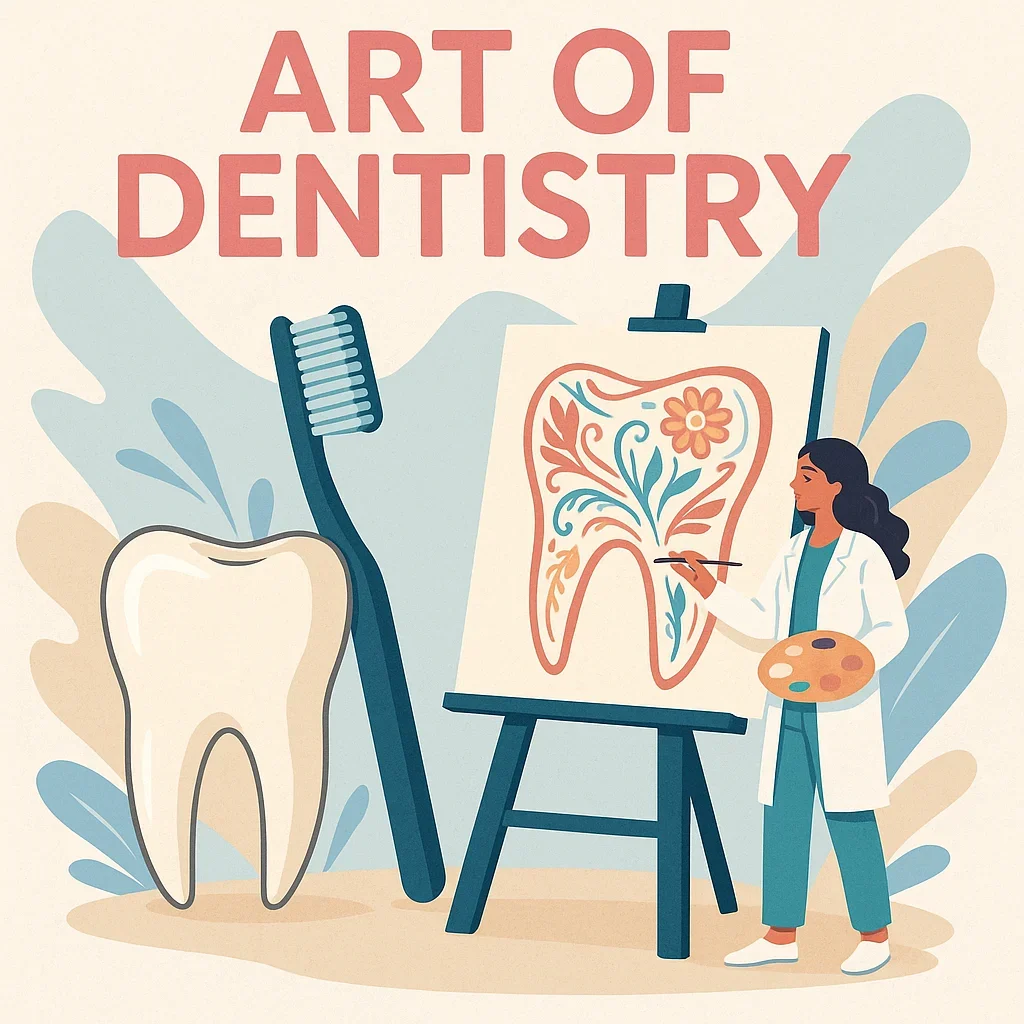
Choosing the Right Clinic: What Defines True Excellence in the Art of Dentistry?
Selecting a dental clinic is one of the most important decisions a patient can make, and it plays a major role in determining the success of any treatment. A clinic that practices the art of dentistry does far more than perform procedures—it delivers personalized care, uses advanced technologies, employs highly skilled professionals, and creates an environment where patients feel supported, informed, and understood. In today’s competitive dental landscape, recognizing the qualities that define a truly exceptional clinic helps patients make confident, informed decisions that benefit their oral health and overall wellness. 🦷🌟
The art of dentistry is reflected not only in clinical outcomes but in the entire patient experience, from the first consultation to long-term maintenance. Excellence requires precision, empathy, innovation, and a dedication to continuous improvement. Whether a patient seeks cosmetic enhancements, restorative treatments, preventive care, or full-mouth rehabilitation, choosing a clinic that excels in the art of dentistry significantly influences comfort, satisfaction, and long-term success.
Expertise and Training: The Foundation of Dental Excellence
A clinic that truly practices the art of dentistry employs dentists who have extensive education, advanced training, and ongoing professional development. Dentistry continually evolves, with new materials, techniques, and technologies emerging every year. Exceptional clinicians stay current with these advancements through workshops, certifications, and specialized training in areas such as aesthetic dentistry, digital smile design, implantology, and restorative artistry.
Patients benefit from this ongoing commitment to learning, receiving care that reflects the latest scientific knowledge and the highest standards of dental artistry. Expertise ensures precision; artistry ensures beauty; together, they define excellence.
Specialized Skills and Interdisciplinary Collaboration
The most successful clinics integrate multiple dental disciplines—orthodontics, periodontics, prosthodontics, endodontics, and oral surgery—to deliver comprehensive care. The art of dentistry thrives in environments where experts collaborate seamlessly to achieve unified goals. For example, creating a perfect smile may require gum contouring, orthodontic alignment, and porcelain veneers. Each specialist contributes to a cohesive treatment plan that supports both function and aesthetics.
Interdisciplinary teamwork ensures that every aspect of the patient’s oral health is considered, leading to predictable, long-lasting results.
State-of-the-Art Technology for Precision and Comfort
Technology is a defining component of clinics that excel in the art of dentistry. Advanced tools significantly improve diagnostics, treatment accuracy, patient comfort, and overall efficiency. Clinics committed to excellence invest in digital scanners, CBCT imaging, CAD/CAM systems, 3D printing, laser technology, smile simulation software, and AI-supported diagnostics.
These technologies allow dentists to diagnose problems earlier, visualize outcomes more clearly, and deliver treatments with minimal discomfort. Patients benefit from shorter appointments, more accurate restorations, and a highly personalized experience—all central features of the art of dentistry.
Digital Smile Design and Treatment Visualization
Clinics practicing the art of dentistry frequently offer Digital Smile Design (DSD), enabling patients to preview their transformed smiles before treatment begins. This technology enhances communication, reduces uncertainty, and empowers patients to participate actively in planning their treatment.
The ability to visualize the end result provides emotional reassurance and sets realistic expectations, leading to increased satisfaction and trust.
Patient-Centered Philosophy and Communication
Excellence in the art of dentistry goes beyond clinical expertise—it requires a deep commitment to patient-centered care. Exceptional clinics prioritize communication, transparency, empathy, and respect. Dentists listen closely to patients, understand their goals, address their fears, and provide clear explanations of all available treatment options.
This collaborative approach creates a supportive environment where patients feel valued and confident. When patients participate in decision-making, treatment outcomes become more predictable and personally meaningful.
Comfort, Safety, and Emotional Well-Being
An outstanding clinic recognizes that dentistry involves emotional as well as physical experiences. This is why clinics that excel in the art of dentistry incorporate amenities such as comfortable seating, soothing atmospheres, gentle techniques, and options for sedation dentistry. These features reduce anxiety, increase comfort, and make each visit positive and stress-free.
Safety protocols—sterilization, infection control, and adherence to international health standards—are also essential. Patients should feel confident that they are receiving care in a clean, secure, and meticulously maintained environment.
Quality Materials and Long-Term Reliability
Materials used in treatments significantly influence the longevity, function, and aesthetics of the final result. Clinics that master the art of dentistry select premium materials such as zirconia, porcelain, lithium disilicate, and high-performance composites that mimic natural enamel while providing strength and durability.
Using high-quality materials ensures restorations look lifelike, resist staining, and maintain integrity over time. This commitment to excellence leads to fewer complications and greater patient satisfaction.
Attention to Detail in Every Stage of Care
Whether crafting a veneer, placing an implant, or designing a crown, clinics that practice the art of dentistry demonstrate exceptional attention to detail. Every contour, shade, and texture is meticulously shaped to achieve a natural, harmonious appearance. This dedication separates ordinary care from extraordinary results.
Reputation, Reviews, and Proven Outcomes
A clinic’s reputation reflects its track record. Positive patient testimonials, before-and-after photos, long-term results, and professional referrals indicate excellence in the art of dentistry. Patients should seek clinics with transparent documentation of their work and consistent success in delivering aesthetically pleasing, functional, and durable outcomes.
A strong reputation provides assurance that the clinic’s standards are consistently high and patient satisfaction is a top priority.
Accessibility, Convenience, and Ongoing Support
Choosing the right clinic also involves evaluating accessibility, scheduling flexibility, and long-term support. Clinics that excel in the art of dentistry offer streamlined scheduling, clear communication, and thorough follow-up care. They provide reminders, educational guidance, and preventive maintenance plans to keep patients on track for lasting wellness.
Long-term support builds trust, strengthens results, and reinforces the value of personalized dental care.
Patients seeking a high-quality dental experience tailored to their needs can reach out through the
Redent Klinik Contact Page.
To explore globally recognized professional standards, the
American Dental Association offers reliable, science-backed information.
Ultimately, excellence in the art of dentistry is defined by a harmonious blend of expertise, innovation, empathy, and precision. By choosing a clinic that embodies these qualities, patients ensure they receive care that is not only clinically effective but also transformative—supporting a lifetime of confidence, comfort, and oral wellness.