
1. What Is Artistic Dentistry and How Does It Differ from Traditional Dentistry?
In 2025, artistic dentistry has become a leading approach in cosmetic dental care, focusing not only on oral health but also on the visual beauty of the smile. While traditional dentistry primarily addresses functional issues such as cavities, gum disease, and tooth restoration, artistic dentistry takes an advanced, design-driven perspective. It blends dental science with the principles of art, proportion, and facial harmony to create a natural, aesthetically pleasing smile that reflects a patient’s unique personality. 🦷✨
The concept of smile artistry, often used as a synonym for artistic dentistry, goes beyond filling teeth or installing crowns. It involves carefully analyzing the patient’s facial structure, skin tone, lip shape, and even personality traits before crafting a customized treatment plan. This is a significant departure from the “one-size-fits-all” approach that can sometimes be seen in conventional dental treatments.
Key Differences Between Artistic and Traditional Dentistry
- Focus on Aesthetics: Traditional dentistry focuses on repairing damage and restoring function, while artistic dentistry emphasizes visual harmony, symmetry, and the natural beauty of the smile.
- Advanced Technology: Artistic approaches often utilize cutting-edge tools such as Digital Smile Design (DSD), 3D imaging, and AI-powered smile simulations.
- Customization: Every artistic dentistry case is uniquely tailored; no two smiles are identical.
- Material Selection: High-grade ceramics, ultra-thin veneers, and biocompatible materials are chosen for durability and aesthetic quality.
For example, a traditional dentist may repair a chipped tooth with a standard composite filling. In contrast, an artistic dentistry specialist would ensure the restoration perfectly matches the surrounding teeth in color, translucency, and shape, making the repair completely invisible.
The Interdisciplinary Approach
Artistic dentistry often involves collaboration between cosmetic dentists, orthodontists, and even maxillofacial surgeons. This ensures that functional corrections, like bite alignment, blend seamlessly with aesthetic enhancements such as veneers, whitening, or gum contouring. The goal is to ensure the patient leaves with a smile that is as healthy as it is beautiful.
Why 2025 Is a Breakthrough Year
Advances in dental technology and materials have made artistic dentistry more accessible than ever. Today’s patients benefit from same-day crown fabrication, digitally guided veneer placement, and AI-assisted treatment planning. These innovations save time and provide a level of precision that was nearly impossible a decade ago.
When to Consider Artistic Dentistry
Patients often seek out artistic dentistry for:
- Smile makeovers before major life events like weddings or public appearances.
- Correcting asymmetrical or discolored teeth.
- Reversing damage from accidents or aging.
- Boosting self-confidence with a harmonious, bright smile.
Trusted Resources and Professional Guidance
If you are considering artistic dentistry, it’s essential to choose a clinic with experienced professionals. At Redent Klinik Contact Page, patients receive tailored consultations and access to state-of-the-art procedures. Additionally, the American Dental Association offers valuable information on current cosmetic dentistry standards and patient care guidelines.
Conclusion
In summary, artistic dentistry is not simply about fixing teeth; it’s about creating smiles that enhance a person’s overall appearance and self-esteem. By combining the precision of dental science with the creativity of art, this approach has set a new gold standard for cosmetic dental care in 2025. For anyone seeking a blend of beauty and health in their smile, artistic dentistry offers the ideal solution.
1. What Is Artistic Dentistry and How Does It Differ from Traditional Dentistry?
In 2025, artistic dentistry has become a leading approach in cosmetic dental care, focusing not only on oral health but also on the visual beauty of the smile. While traditional dentistry primarily addresses functional issues such as cavities, gum disease, and tooth restoration, artistic dentistry takes an advanced, design-driven perspective. It blends dental science with the principles of art, proportion, and facial harmony to create a natural, aesthetically pleasing smile that reflects a patient’s unique personality. 🦷✨
The concept of smile artistry, often used as a synonym for artistic dentistry, goes beyond filling teeth or installing crowns. It involves carefully analyzing the patient’s facial structure, skin tone, lip shape, and even personality traits before crafting a customized treatment plan. This is a significant departure from the “one-size-fits-all” approach that can sometimes be seen in conventional dental treatments.
Key Differences Between Artistic and Traditional Dentistry
- Focus on Aesthetics: Traditional dentistry focuses on repairing damage and restoring function, while artistic dentistry emphasizes visual harmony, symmetry, and the natural beauty of the smile.
- Advanced Technology: Artistic approaches often utilize cutting-edge tools such as Digital Smile Design (DSD), 3D imaging, and AI-powered smile simulations.
- Customization: Every artistic dentistry case is uniquely tailored; no two smiles are identical.
- Material Selection: High-grade ceramics, ultra-thin veneers, and biocompatible materials are chosen for durability and aesthetic quality.
For example, a traditional dentist may repair a chipped tooth with a standard composite filling. In contrast, an artistic dentistry specialist would ensure the restoration perfectly matches the surrounding teeth in color, translucency, and shape, making the repair completely invisible.
The Interdisciplinary Approach
Artistic dentistry often involves collaboration between cosmetic dentists, orthodontists, and even maxillofacial surgeons. This ensures that functional corrections, like bite alignment, blend seamlessly with aesthetic enhancements such as veneers, whitening, or gum contouring. The goal is to ensure the patient leaves with a smile that is as healthy as it is beautiful.
Why 2025 Is a Breakthrough Year
Advances in dental technology and materials have made artistic dentistry more accessible than ever. Today’s patients benefit from same-day crown fabrication, digitally guided veneer placement, and AI-assisted treatment planning. These innovations save time and provide a level of precision that was nearly impossible a decade ago.
When to Consider Artistic Dentistry
Patients often seek out artistic dentistry for:
- Smile makeovers before major life events like weddings or public appearances.
- Correcting asymmetrical or discolored teeth.
- Reversing damage from accidents or aging.
- Boosting self-confidence with a harmonious, bright smile.
Trusted Resources and Professional Guidance
If you are considering artistic dentistry, it’s essential to choose a clinic with experienced professionals. At Redent Klinik Contact Page, patients receive tailored consultations and access to state-of-the-art procedures. Additionally, the American Dental Association offers valuable information on current cosmetic dentistry standards and patient care guidelines.
Conclusion
In summary, artistic dentistry is not simply about fixing teeth; it’s about creating smiles that enhance a person’s overall appearance and self-esteem. By combining the precision of dental science with the creativity of art, this approach has set a new gold standard for cosmetic dental care in 2025. For anyone seeking a blend of beauty and health in their smile, artistic dentistry offers the ideal solution.
2. The Role of Aesthetic Design in Modern Smile Makeovers
In the world of artistic dentistry, aesthetic design plays a central role in transforming an ordinary dental treatment into a work of art. The concept revolves around tailoring each smile makeover to the patient’s unique facial structure, personality, and lifestyle. Rather than following a rigid formula, artistic dentistry embraces an individualized, design-first approach, ensuring that the final result looks natural and enhances the person’s overall appearance. 🎨🦷
The process begins with an in-depth analysis of the patient’s smile using advanced imaging technology, such as 3D facial scans and Digital Smile Design (DSD) software. This allows the dentist to virtually plan and visualize changes before any procedure begins. By integrating principles of symmetry, proportion, and color harmony, artistic dentistry ensures that every angle of the smile appears balanced and aesthetically pleasing.
Principles of Aesthetic Smile Design
- Golden Ratio: Many artistic dentistry professionals use the golden ratio (1.618) to determine ideal tooth proportions.
- Facial Harmony: Teeth are designed to complement the patient’s face shape and lip curvature.
- Color Matching: Shade guides and custom staining techniques ensure that veneers, crowns, or implants blend seamlessly with natural teeth.
- Texture and Translucency: Surface details mimic natural enamel for a realistic finish.
This approach is what sets artistic dentistry apart from generic cosmetic dentistry treatments. A veneer, for example, is not just a uniform white shell—it’s a customized piece that reflects light like natural enamel, with slight color variations to enhance realism.
Technology’s Role in Aesthetic Precision
By 2025, modern smile makeovers in artistic dentistry have become more precise thanks to CAD/CAM systems, intraoral scanners, and AI-based diagnostic tools. These technologies eliminate guesswork, allowing dentists to preview the end result with exceptional accuracy. This not only increases patient satisfaction but also reduces the need for revisions.
One of the most innovative tools in artistic dentistry is augmented reality (AR) smile previews, where patients can “try on” their new smile in real time before committing to the treatment. This interactive approach helps manage expectations and ensures the final design matches the patient’s vision.
The Emotional Impact of Design
Beyond physical appearance, the design phase in artistic dentistry deeply influences a patient’s self-esteem. A well-designed smile can make a person look younger, more confident, and more approachable. In fact, studies from 2025 show that patients who underwent comprehensive smile makeovers reported an average 40% boost in social confidence.
Integrating Function with Aesthetics
While the primary focus of artistic dentistry is aesthetics, function is never compromised. Proper bite alignment, speech clarity, and chewing efficiency are factored into the design. For example, in a full mouth reconstruction, the dentist ensures that the cosmetic changes also support long-term oral health.
Where to Experience Advanced Aesthetic Design
Patients interested in this high level of customization can consult reputable clinics such as Redent Klinik Contact Page, where smile design specialists apply the latest artistic dentistry techniques. You can also learn more about aesthetic standards by visiting the American Dental Association, which provides resources on best practices and innovations.
Conclusion
Aesthetic design is the heart of artistic dentistry, turning dental care into an art form. By combining scientific precision with creative vision, modern smile makeovers in 2025 deliver results that are both beautiful and functional—helping patients radiate confidence every time they smile.
3. Popular Artistic Dentistry Procedures in 2025
In 2025, artistic dentistry offers a wide variety of procedures that combine advanced dental science with aesthetic excellence. These treatments are designed not only to improve oral health but also to create a visually appealing, natural-looking smile. Patients seeking artistic dentistry often look for options that are highly customized, minimally invasive, and capable of delivering long-lasting results.
Porcelain Veneers
Porcelain veneers remain one of the most sought-after treatments in artistic dentistry. These ultra-thin shells are bonded to the front of teeth to correct imperfections such as discoloration, minor misalignment, or chips. In artistic dentistry, veneers are carefully shaped and shaded to blend seamlessly with natural teeth, ensuring a harmonious and realistic appearance. Thanks to modern materials, veneers in 2025 are more durable, stain-resistant, and require less enamel removal than before.
Teeth Whitening with Precision Color Matching
While traditional whitening treatments can sometimes result in overly bright or uneven shades, artistic dentistry uses precision-guided whitening systems. Dentists evaluate each patient’s skin tone, eye color, and lip pigmentation to determine the most flattering tooth shade. This individualized approach prevents the “artificial” look that can occur with generic whitening methods.
Digital Smile Design (DSD)
Digital Smile Design has become a cornerstone of artistic dentistry. This technology allows dentists to create a digital mock-up of a patient’s future smile using high-resolution photos, videos, and 3D scans. The result is a highly accurate treatment plan that ensures the final outcome matches the patient’s expectations.
Dental Implants with Customized Crowns
Dental implants are no longer just functional—they’re now aesthetic masterpieces. In artistic dentistry, implant crowns are designed to match surrounding teeth in shade, size, and texture. This meticulous customization ensures the implant looks indistinguishable from natural teeth while providing strong bite functionality.
Gum Contouring and Pink Aesthetics
In addition to enhancing teeth, artistic dentistry also focuses on gum aesthetics. Gum contouring uses laser technology to reshape uneven gum lines, making teeth appear longer and more proportional. This is often combined with teeth whitening or veneers for a complete smile transformation.
Clear Aligners with Smile Design Integration
Orthodontic treatment in artistic dentistry goes beyond straightening teeth. Clear aligner systems, such as Invisalign, are paired with smile design planning to ensure that once the teeth are aligned, they also meet the patient’s aesthetic goals for shape, size, and symmetry.
Full Mouth Rehabilitation
For patients with multiple dental issues—such as worn enamel, missing teeth, and bite problems—artistic dentistry offers full mouth rehabilitation. This involves a combination of procedures, including implants, veneers, crowns, and bite adjustment, to restore both function and beauty.
Average Costs in 2025
Porcelain Veneers (per tooth): $900 – $2,500
Professional Whitening: $300 – $1,200
Dental Implants (per tooth): $3,000 – $6,000
Gum Contouring: $600 – $1,500
Clear Aligners: $3,000 – $7,500
Where to Get These Treatments
For patients seeking premium artistic dentistry procedures, clinics like Redent Klinik Contact Page provide state-of-the-art treatments tailored to individual needs. You can also consult the American Dental Association for more information on recognized cosmetic dentistry practices.
Conclusion
From veneers and implants to gum contouring and digital design, the procedures offered by artistic dentistry in 2025 cater to both functional and aesthetic needs. By combining artistry with advanced technology, dentists can craft smiles that are beautiful, healthy, and uniquely yours.
4. How Digital Smile Design Enhances Artistic Dentistry Results
Digital Smile Design (DSD) has revolutionized artistic dentistry by allowing dentists to merge creativity with technology for unmatched precision. This innovative tool enables patients to preview their future smiles before committing to any procedure, ensuring complete satisfaction and eliminating guesswork. In 2025, DSD has become an integral part of artistic dentistry practices worldwide, helping to bridge the gap between patient expectations and clinical results.
The Concept of Digital Smile Design
Digital Smile Design involves capturing high-resolution images, 3D scans, and facial videos to analyze the patient’s current smile. Using specialized software, artistic dentistry professionals can simulate various treatment outcomes—from minor adjustments to full smile makeovers. The patient participates in the design process, offering feedback until the desired aesthetic is achieved.
Benefits of DSD in Artistic Dentistry
- Visual Accuracy: Patients see a realistic preview of their post-treatment smile, increasing confidence in the procedure.
- Customized Planning: Every detail—from tooth length to gum contour—is personalized.
- Interdisciplinary Coordination: Dentists, orthodontists, and prosthodontists can collaborate using the same visual blueprint.
- Reduced Treatment Time: Clear planning minimizes errors and adjustments during the procedure.
Integration with Advanced Technology
In modern artistic dentistry, DSD is often paired with CAD/CAM systems, AI diagnostics, and 3D printing. For example, after the digital design is finalized, a 3D-printed mock-up can be created for a “test drive” of the smile. This allows patients to physically experience their future teeth before any permanent work is done.
Case Example
Imagine a patient with misaligned teeth, uneven gum lines, and discoloration. Using DSD, the artistic dentistry team designs a smile with perfectly aligned teeth, reshaped gums, and a natural shade match. The mock-up is then placed temporarily, giving the patient a clear vision of the final outcome. Once approved, treatments like veneers, whitening, and gum contouring are performed according to the digital plan.
Emotional Impact of Smile Previews
One of the most powerful aspects of DSD in artistic dentistry is its emotional effect on patients. Seeing a transformed smile—before treatment even begins—can dramatically boost motivation and trust in the dentist. Many patients report increased excitement and reduced anxiety after viewing their digital smile simulation.
Costs and Accessibility
Digital Smile Design Consultation: $150 – $500
Comprehensive DSD with Full Makeover Plan: $1,000 – $3,000
While the cost of DSD may vary, many clinics include it in full smile makeover packages. Leading facilities like Redent Klinik Contact Page offer advanced DSD services as part of their artistic dentistry treatments, ensuring patients receive both beauty and functionality. Additional resources can be found at the American Dental Association.
Conclusion
By merging technology with creativity, Digital Smile Design enhances every stage of artistic dentistry. It empowers patients, improves treatment accuracy, and delivers smiles that look as natural as they feel. In 2025, DSD stands as one of the most valuable tools in achieving the perfect blend of art and science in modern dentistry.
5. Benefits of Choosing Artistic Dentistry for Your Oral Health
Choosing artistic dentistry in 2025 offers far more than just a visually appealing smile—it also delivers substantial benefits for long-term oral health and overall well-being. While traditional dentistry focuses mainly on function, artistic dentistry ensures that function and aesthetics work hand in hand. This comprehensive approach not only transforms your appearance but also contributes to better dental stability, comfort, and confidence. 😁
Holistic Smile Enhancement
Artistic dentistry considers every detail of your facial profile, bite alignment, and oral health when planning treatments. By addressing both beauty and structure, dentists can prevent potential issues such as jaw pain, uneven tooth wear, or gum irritation while creating a smile that feels and looks natural.
Boost in Self-Confidence
A beautiful, balanced smile has a profound psychological impact. Patients who undergo artistic dentistry treatments often report feeling more comfortable in social settings, professional environments, and personal relationships. The combination of symmetry, proportionality, and natural color matching enhances facial harmony, making patients appear more vibrant and approachable.
Improved Oral Function
Unlike purely cosmetic solutions, artistic dentistry ensures that restorations and enhancements also improve functionality. For example, custom-designed veneers or crowns enhance chewing efficiency, while orthodontic adjustments improve bite alignment, reducing strain on the jaw and teeth.
Personalized Treatment Plans
Every artistic dentistry case is tailored to the patient’s unique goals, facial features, and oral health needs. This level of personalization ensures that results are long-lasting and require minimal maintenance. Digital tools such as smile simulations and mock-ups allow patients to actively participate in shaping their desired outcome.
Use of Advanced, Biocompatible Materials
In 2025, artistic dentistry uses premium materials like high-translucency ceramics, zirconia, and resin composites that mimic the look and feel of natural enamel. These materials are also biocompatible, reducing the risk of allergic reactions or gum irritation.
Preventive Health Benefits
By improving tooth alignment, gum health, and bite function, artistic dentistry can help prevent future oral health problems. A well-aligned bite minimizes wear and tear, while proper gum contouring reduces the risk of periodontal disease.
Long-Term Value
Although some artistic dentistry procedures may involve higher upfront costs, the long-term benefits—both functional and aesthetic—often outweigh the expense. Properly executed treatments can last many years, reducing the need for frequent replacements.
Estimated Costs in 2025
Custom Veneers: $900 – $2,500 per tooth
Aesthetic Crowns: $1,200 – $3,000 each
Orthodontics with Smile Design: $3,500 – $7,500
Professional Care and Support
Clinics like Redent Klinik Contact Page specialize in integrating oral health with cosmetic goals, making them an excellent choice for patients who value both beauty and function. The American Dental Association also offers reliable resources on how to choose qualified professionals for artistic dentistry treatments.
Conclusion
Opting for artistic dentistry means investing in a healthier, more attractive smile that will serve you for years to come. By blending the principles of art and science, this approach provides a unique balance of beauty, function, and long-term dental health—making it the preferred choice for patients seeking the best of both worlds in 2025.
6. Artistic Dentistry Costs: What to Expect in 2025
Understanding the costs of artistic dentistry in 2025 is essential for anyone planning a smile transformation. While prices can vary based on location, dentist expertise, and the complexity of the case, artistic dentistry often involves a higher investment than traditional dental care due to its customized, detail-oriented nature. Patients are not simply paying for a procedure—they are investing in advanced design, premium materials, and the expertise of skilled professionals who blend science with artistry. 💎
Factors Influencing Artistic Dentistry Costs
- Complexity of the Case: More extensive smile makeovers require multiple procedures, impacting the total cost.
- Materials Used: High-grade ceramics, zirconia, and biocompatible composites used in artistic dentistry cost more than standard dental materials.
- Technology Involved: Digital Smile Design (DSD), 3D printing, and AI-assisted planning add precision but also affect pricing.
- Dentist’s Expertise: Renowned artistic dentistry specialists typically charge higher fees due to their training and reputation.
Average Price Ranges in 2025
Porcelain Veneers (per tooth): $900 – $2,500
Aesthetic Crowns (per tooth): $1,200 – $3,000
Dental Implants with Custom Crowns: $3,000 – $6,000
Teeth Whitening (customized): $300 – $1,200
Gum Contouring: $600 – $1,500
Full Mouth Rehabilitation: $25,000 – $70,000+
Why Artistic Dentistry Is Worth the Investment
Unlike standard dental procedures, artistic dentistry focuses on long-term aesthetics, durability, and patient satisfaction. The customization process ensures that restorations look natural, match facial harmony, and maintain functionality. Many patients also find that the confidence boost from a well-designed smile far outweighs the initial expense.
Insurance and Financing Options
In most cases, insurance does not fully cover artistic dentistry because it is considered elective. However, certain procedures—such as crowns or implants—may be partially covered if they address functional issues. Many clinics, including Redent Klinik Contact Page, offer flexible payment plans to make treatments more accessible. Financing options like zero-interest monthly installments are increasingly popular in 2025.
Value vs. Price
When evaluating artistic dentistry costs, it’s important to focus on value rather than the lowest price. Cheaper options may compromise on materials, technology, or expertise, leading to unsatisfactory results or the need for costly corrections later.
Cost-Saving Tips Without Sacrificing Quality
- Combine multiple treatments into a single smile makeover package for discounted rates.
- Choose a clinic that offers in-house lab services to reduce outsourcing costs.
- Schedule during promotional events or seasonal offers.
Expert Guidance
The American Dental Association provides resources to help patients understand treatment pricing and select qualified providers. Consulting with multiple clinics ensures you get a realistic cost estimate tailored to your needs.
Conclusion
While artistic dentistry may require a significant investment, the results—both in aesthetics and function—can be life-changing. By choosing a reputable clinic and experienced professionals, patients can enjoy a stunning smile that offers confidence, durability, and long-term value.
7. Choosing the Right Artistic Dentist: Key Qualifications
Selecting the right professional for artistic dentistry is one of the most important steps in achieving your dream smile. In 2025, patients have more options than ever before, but this also means it’s crucial to carefully evaluate a dentist’s qualifications, experience, and approach before making a decision. Artistic dentistry is as much about creativity as it is about technical skill, so finding a provider who excels in both areas is essential. 🎯
Essential Qualifications for an Artistic Dentist
- Formal Education and Training: The dentist should have advanced cosmetic dentistry training, ideally with certifications from reputable institutions specializing in artistic dentistry.
- Portfolio of Work: A comprehensive before-and-after gallery demonstrates the dentist’s ability to achieve natural, customized results.
- Membership in Professional Associations: Affiliations with organizations like the American Dental Association indicate commitment to ongoing education and industry standards.
- Experience with Modern Technology: Proficiency in Digital Smile Design (DSD), CAD/CAM systems, and 3D printing is vital for achieving precise outcomes in artistic dentistry.
Questions to Ask Before Committing
When consulting with a dentist about artistic dentistry, consider asking:
- How many years have you been practicing artistic dentistry?
- Can you provide examples of cases similar to mine?
- What technologies do you use for smile design and customization?
- What is your approach to balancing aesthetics with oral health?
The Importance of Communication and Trust
Successful artistic dentistry relies heavily on clear communication between patient and dentist. The dentist should take time to understand your goals, answer questions, and provide realistic expectations based on your dental condition and facial structure. Trust and transparency are key to avoiding misunderstandings and ensuring satisfaction with the final results.
Signs of a Skilled Artistic Dentist
- They use a personalized, patient-centered approach rather than a one-size-fits-all method.
- They integrate artistic principles such as symmetry, proportion, and natural shading in all restorations.
- They demonstrate precision in both design and execution.
Why Experience Matters
While newer dentists may have excellent training, years of practical experience in artistic dentistry often lead to more refined techniques and better problem-solving skills. Experienced practitioners can anticipate challenges and adjust treatment plans for optimal outcomes.
Choosing the Right Clinic
Reputable clinics like Redent Klinik Contact Page employ highly trained professionals who specialize in combining technical excellence with aesthetic artistry. They also offer comprehensive consultations that include digital previews, ensuring that patients fully understand their treatment plan before starting.
Conclusion
The success of your artistic dentistry treatment depends greatly on the skill, experience, and vision of your dentist. By thoroughly evaluating qualifications, reviewing past work, and establishing clear communication, you can confidently choose a professional who will deliver a smile that is both beautiful and healthy for years to come.
8. Aftercare Tips for Maintaining Your Artistic Dentistry Results
Investing in artistic dentistry is only the first step toward achieving a long-lasting, beautiful smile. Proper aftercare ensures that your results remain flawless for years to come. In 2025, dentists emphasize personalized maintenance routines for artistic dentistry patients, focusing on both oral health and the preservation of aesthetic enhancements. 🪥✨
Daily Oral Hygiene Practices
Maintaining your artistic dentistry results begins with consistent oral hygiene. Brush at least twice daily using a soft-bristled toothbrush and non-abrasive toothpaste to prevent scratching veneers, crowns, or implants. Floss once a day to remove plaque and food particles from between teeth and along the gumline, which helps protect both natural teeth and dental restorations.
Professional Dental Check-Ups
Schedule professional cleanings and exams every six months—or more often if recommended by your dentist. Regular check-ups allow artistic dentistry specialists to monitor the condition of your restorations, detect early signs of wear, and make any necessary adjustments.
Dietary Considerations
While modern materials used in artistic dentistry are highly durable, avoiding excessive consumption of staining foods and drinks—such as coffee, red wine, and dark berries—can help maintain brightness. If you indulge, rinse your mouth with water or brush shortly afterward to prevent discoloration.
Protecting Against Damage
If you grind your teeth at night (bruxism), wearing a custom nightguard is essential to protect your artistic dentistry work. Avoid chewing on hard items like ice, pens, or fingernails, as these habits can chip or crack restorations.
Whitening Maintenance
Even with artistic dentistry procedures like veneers or crowns, your natural teeth can still stain over time. Professional touch-up whitening sessions every 1–2 years can help maintain a consistent shade across your entire smile.
Managing Gum Health
Healthy gums are crucial for long-lasting artistic dentistry results. Use antimicrobial mouthwash and practice gentle gum massage to promote circulation. Gum inflammation can undermine the fit and appearance of restorations, so early intervention is key.
Estimated Annual Maintenance Costs
Professional Cleaning: $100 – $300 per visit
Nightguard: $300 – $800
Touch-Up Whitening: $150 – $500
Repair of Minor Veneer/Restoration Damage: $200 – $800
Partnering with Your Dentist
Clinics like Redent Klinik Contact Page provide tailored aftercare plans, ensuring that artistic dentistry results remain both beautiful and functional. They also track progress over time with detailed photographic records and regular assessments. The American Dental Association offers guidelines for maintaining both natural teeth and dental restorations.
Conclusion
Aftercare is a vital part of the artistic dentistry journey. By following a disciplined oral hygiene routine, making smart lifestyle choices, and staying connected with your dental care provider, you can protect your investment and enjoy a radiant, confident smile for many years to come.
9. Real-Life Before and After Cases of Artistic Dentistry
One of the most compelling aspects of artistic dentistry is seeing the dramatic difference it can make in real patients’ lives. In 2025, before-and-after case studies have become a vital tool for demonstrating the transformative power of artistic dentistry. These examples not only showcase the technical skills of the dentist but also highlight the emotional impact of a successful smile makeover. 📸✨
Case 1: Full Smile Makeover for a Bride-to-Be
A 28-year-old patient preparing for her wedding wanted a bright, symmetrical smile. The artistic dentistry plan included Digital Smile Design, porcelain veneers, and laser gum contouring. The result was a balanced smile that complemented her facial features. On her wedding day, she reported feeling more confident and smiling more naturally in photos.
Case 2: Restoring Confidence After an Accident
A 40-year-old man suffered dental trauma in a sports accident, resulting in chipped teeth and gum recession. Using artistic dentistry techniques, the dentist applied custom crowns, gum grafting, and enamel reshaping. The final result restored not only his smile but also his self-esteem, allowing him to return to public speaking engagements with confidence.
Case 3: Subtle Anti-Aging Smile Enhancement
A 55-year-old woman sought a rejuvenated appearance without invasive cosmetic surgery. Her artistic dentistry treatment involved tooth whitening, replacing worn crowns, and slight gum contouring. The changes softened her facial lines and made her look more youthful, with friends and family commenting on her refreshed appearance.
Case 4: Correcting a Gummy Smile
A young professional with a “gummy smile” felt self-conscious during presentations. Through artistic dentistry, laser gum reshaping and custom veneers created a more balanced tooth-to-gum ratio. The transformation was immediate, boosting his professional confidence and social interactions.
Key Elements Behind the Transformations
- Customized smile design based on facial proportions and personality traits.
- Use of high-quality materials for lifelike results.
- Integration of function and aesthetics for long-term satisfaction.
The Emotional Impact
Beyond the physical changes, these artistic dentistry cases demonstrate profound emotional benefits. Patients often describe feeling more attractive, outgoing, and happy after treatment. Studies in 2025 confirm that smile improvements can significantly enhance self-esteem and social confidence.
Estimated Costs from Case Studies
Full Smile Makeover: $20,000 – $50,000
Single Tooth Veneer: $900 – $2,500
Laser Gum Contouring: $600 – $1,500
Crown Replacement: $1,200 – $3,000 each
Finding Trusted Clinics for Transformations
Reputable facilities like Redent Klinik Contact Page specialize in delivering life-changing artistic dentistry results. They document each step of the process, so patients can see their journey from start to finish. The American Dental Association also offers resources for locating accredited cosmetic dentists.
Conclusion
Real-life before-and-after cases serve as powerful proof of what artistic dentistry can achieve. These stories highlight not only the technical expertise required but also the deep emotional impact a beautiful smile can have. For many, the transformation goes far beyond appearance—it’s a renewed sense of identity and confidence.
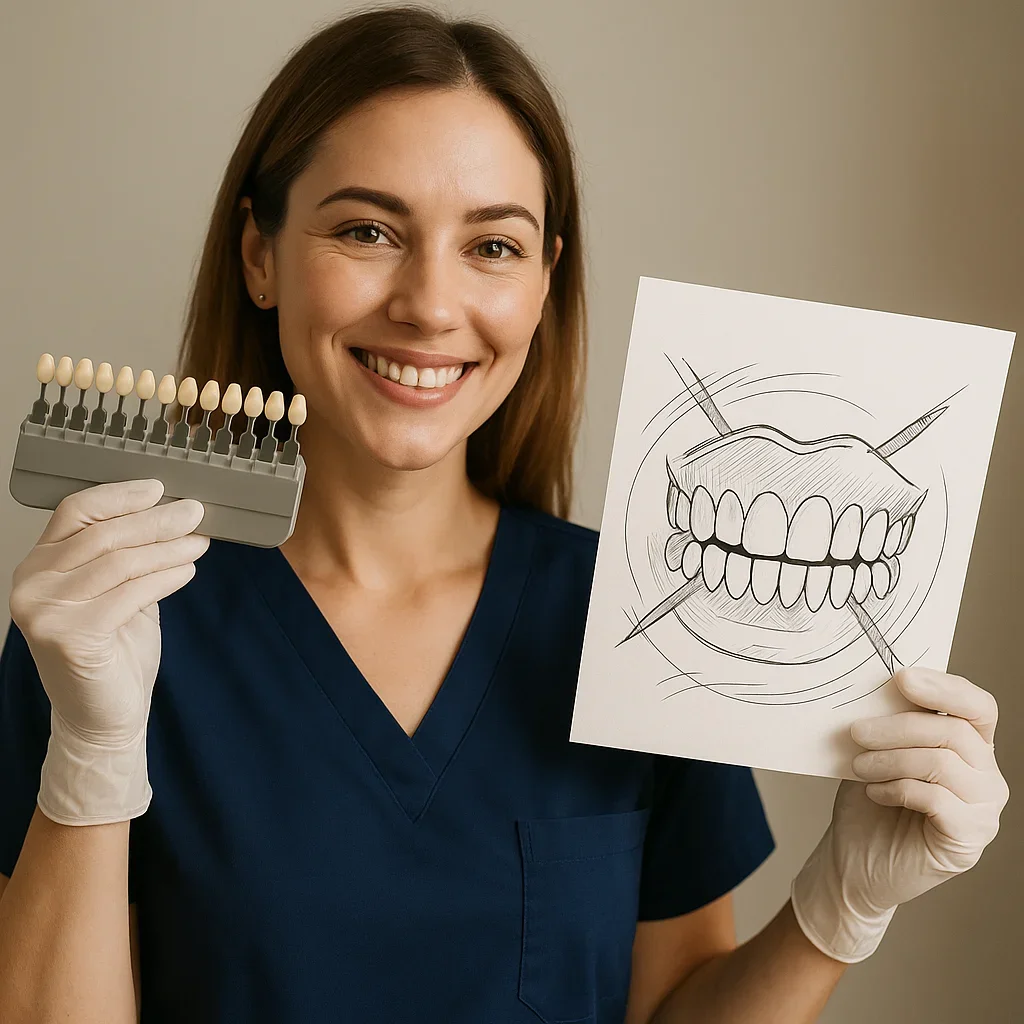
10. Future Trends in Artistic Dentistry You Should Know
As technology and design principles continue to evolve, artistic dentistry in 2025 is already setting the stage for exciting innovations in the coming years. Dentists and researchers are developing new techniques, materials, and digital tools to enhance precision, reduce treatment time, and deliver even more personalized results. The future of artistic dentistry promises to make smile transformations faster, more natural-looking, and more accessible than ever before. 🚀
AI-Powered Smile Design
Artificial intelligence is becoming a key player in artistic dentistry. AI algorithms can analyze facial symmetry, predict long-term treatment outcomes, and suggest design improvements based on global aesthetic trends. This technology allows for hyper-personalized smiles that blend perfectly with each patient’s unique features.
Next-Generation Materials
Emerging nanoceramics and bioactive composites are revolutionizing artistic dentistry. These materials not only mimic the optical properties of natural enamel but also promote remineralization and gum health. By 2030, patients can expect restorations that are both aesthetically flawless and biologically supportive.
Augmented Reality in Consultations
Augmented reality (AR) will soon allow artistic dentistry patients to view their new smile in real-time using smartphones or AR glasses. This interactive preview experience will make consultations more engaging and help patients make informed decisions with confidence.
3D Printing for Same-Day Restorations
While 3D printing is already used in artistic dentistry, advancements in speed and material quality will soon allow for same-day delivery of veneers, crowns, and even implant components without sacrificing precision or durability.
Minimally Invasive Smile Enhancements
The trend toward minimally invasive artistic dentistry will continue to grow, with techniques like ultra-thin veneers and laser gum sculpting that preserve more natural tooth structure. Patients will benefit from faster recovery times and more comfortable procedures.
Integration with Wellness and Anti-Aging Treatments
In the future, artistic dentistry will increasingly be integrated with facial rejuvenation treatments such as dermal fillers and skin tightening. This holistic approach will provide patients with a more youthful and harmonious appearance overall.
Eco-Friendly Dental Practices
Sustainability is becoming an important focus for artistic dentistry. Biodegradable impression materials, energy-efficient equipment, and eco-friendly packaging are expected to become standard in progressive clinics.
Estimated Future Cost Changes
AI Smile Design Consultation: $200 – $600
Ultra-Thin Veneers: $1,000 – $2,800 per tooth
Same-Day 3D Printed Crown: $1,000 – $2,200
Where to Stay Updated
Patients can stay informed about the latest artistic dentistry trends through reputable clinics like Redent Klinik Contact Page and professional organizations such as the American Dental Association. These sources provide up-to-date insights on emerging technologies, materials, and techniques.
Conclusion
The future of artistic dentistry is full of innovation, offering patients an unprecedented blend of science, technology, and artistry. From AI-powered smile design to eco-friendly practices, upcoming trends will ensure that smile makeovers are more precise, sustainable, and personalized than ever before. For those considering a transformation, the best is yet to come.