
When sudden tooth pain strikes or an unexpected dental injury disrupts your day, finding an asap dentist becomes the only thing that matters. Dental emergencies rarely happen at convenient times, and the faster you receive proper treatment, the better your long-term outcome will be. In urgent situations, delayed care can lead to spreading infections, worsening pain, tooth loss, and costly future procedures. That is why understanding how emergency dentistry works — and knowing when to act — is essential for protecting your oral health. ⏱️🦷
This comprehensive guide explains everything you need to know about getting immediate dental care from an asap dentist, what to expect during treatment, and how emergency protocols help save teeth while relieving pain fast. Whether you’re experiencing sharp tooth sensitivity, a cracked crown, swelling, bleeding, or a knocked-out tooth, immediate intervention can make the difference between a minor fix and a major dental procedure. Because the term “asap dentist” focuses on urgent treatment, many patients also search for phrases like same-day dentist or urgent dental care, which all fall under the same category of rapid-response dentistry.
A true asap dentist follows specific protocols designed to address emergencies quickly, safely, and effectively. When patients arrive at an emergency dental clinic, the first priority is identifying the root cause of the problem: Is the pain from decay? A fractured tooth? A deep infection? Nerve inflammation? Trauma to the surrounding gums and bone? Understanding the underlying issue allows the dentist to stabilize the situation quickly and provide fast relief. Most emergency visits begin with brief diagnostic steps — digital X-rays, visual examination, and sometimes percussion testing — to determine how far the issue has progressed.
Once the condition is diagnosed, the asap dentist creates a personalized treatment plan designed to eliminate pain and prevent complications. For example, if an infection is present, antibiotics may be prescribed, and a drainage or cleaning procedure may be performed. If the tooth structure is compromised, bonding, crowns, temporary restorations, or even root canal therapy may be required. In cases of severe trauma, such as a knocked-out tooth, immediate reimplantation gives the highest chance of saving the tooth. This rapid-response decision-making is one of the top advantages of choosing an asap dentist instead of waiting for a regular appointment. ⚡
Another essential aspect of emergency dental treatment is controlling swelling, bleeding, or nerve exposure. Patients often arrive with significant discomfort, and an asap dentist is trained to manage pain using local anesthesia, prescription medications, and fast-acting dental techniques. Their goal is to stabilize oral structures and create an environment where healing can begin as soon as possible. Emergency procedures are not always the final solution; sometimes they serve as temporary measures until a comprehensive restorative treatment can be completed.
Accessibility is also a key element of seeking an asap dentist. Many clinics have extended hours, weekend availability, or on-call specialists to accommodate sudden issues. This is especially important for travelers, people with demanding schedules, or parents with young children experiencing unexpected dental trauma. When swelling or infection becomes severe, emergency care is not just optional — it becomes medically necessary. By consulting professionals trained in fast dental response, individuals significantly reduce the risk of complications such as abscesses, bone infections, and systemic issues.
If you’re currently experiencing symptoms such as persistent bleeding, unbearable tooth pain, a loose tooth due to injury, broken dental work, or facial swelling, locating an asap dentist should be your immediate priority. These symptoms should never be ignored, as they indicate conditions that can rapidly worsen without intervention. You may find helpful guidance through trusted dental organizations such as the American Dental Association, which offers resources on emergency oral health.
For patients seeking fast treatment options or assistance booking an urgent appointment, you can reach out to our clinic through the Redent Klinik Contact Page. Getting prompt help from an asap dentist ensures that your pain is addressed, your oral health is protected, and your long-term dental function is preserved. When a dental emergency arises, every minute counts — and having access to trained professionals who can act immediately is the key to safeguarding your smile. 😊
Understanding Emergency Dental Care: When You Need Help ASAP
When a dental emergency strikes unexpectedly, it can be overwhelming, painful, and frightening. At moments like these, understanding how emergency dental care works — and knowing when you need an asap dentist — can significantly improve outcomes. Dental emergencies happen without warning, and because oral structures are delicate, even a small issue can become severe in a short period of time. Quick action is the key to preventing long-term complications. In this detailed guide, we break down how emergency dentistry functions, which situations demand urgent intervention, and why having access to an asap dentist is essential for anyone who wants to safeguard their oral health efficiently and responsibly. 🦷⚡
What Exactly Counts as a Dental Emergency?
A dental emergency refers to any condition that requires immediate attention to stop bleeding, manage severe pain, prevent infection, or save a tooth. Many people underestimate dental problems, assuming they will resolve on their own. However, teeth, gums, and surrounding tissues do not heal like other parts of the body — once damage begins, it often progresses rapidly. This is why having an asap dentist available is so valuable. Their role is to diagnose urgent conditions quickly and provide fast, targeted treatment. Common emergencies include cracked or fractured teeth, sudden swelling, deep infections, abscesses, gum injuries, lost fillings or crowns, and severe sensitivity that disrupts daily life.
Patients sometimes search for alternatives using terms like urgent dentist or same-day dental care, which are closely aligned with what an asap dentist provides. These synonymous terms reflect the same underlying need: quick, effective treatment that preserves oral function and eliminates discomfort as soon as possible.
Why Delaying Treatment Can Make Problems Worse
Delaying dental care when experiencing sharp pain or trauma can magnify the severity of the issue dramatically. Oral infections, for example, can spread to surrounding tissues, cause severe swelling, or even affect breathing in extreme cases. A chipped tooth can quickly escalate into nerve exposure, making treatment more complex. By the time symptoms become unbearable, the problem may require more invasive procedures. This is exactly why an asap dentist plays such a critical role in preserving long-term health. Their rapid intervention prevents conditions from worsening and reduces the likelihood of expensive future treatments.
In many situations, patients underestimate signs such as mild swelling, sensitivity to temperature, or a dull ache. These symptoms often indicate deeper issues such as pulp inflammation, microfractures, or developing infections. Seeking help early gives your dentist more treatment options and allows you to avoid complications that are harder to manage later on.
Diagnostic Steps an Asap Dentist Uses
When you arrive at an emergency dental clinic, the first priority is diagnosing the problem with precision. An asap dentist will begin by asking about the onset of symptoms, any recent injuries, and the level of discomfort you are experiencing. From there, a series of diagnostic tests are performed, typically including:
- High-resolution digital X-rays to identify fractures, decay, or infections.
- Visual examination of gums, teeth, and soft tissues.
- Gentle percussion tests to determine nerve sensitivity.
- Thermal tests to evaluate pulp health.
These tools allow dentists to pinpoint the exact cause of the issue and choose the most effective treatment. Accurate diagnosis is essential because oral pain can originate from multiple sources, and treating the wrong area can lead to ineffective results. Fortunately, asap dentist protocols are designed to minimize guesswork and promote precise care.
Immediate Treatments You May Receive
Once the dentist understands the root cause, they will decide which treatment to administer to stabilize the issue. Emergency dental procedures may include applying temporary restorations, performing root canal therapy, draining infections, prescribing antibiotics, or reattaching broken fragments. In cases of trauma, such as a knocked-out tooth, timing is critical — the tooth has the highest chance of survival if reinserted within 30 to 60 minutes. This level of urgency is the reason many people rely on an asap dentist rather than waiting for standard appointment availability.
Pain Management and Swelling Reduction
Pain and swelling are often the most distressing symptoms during a dental emergency. An asap dentist uses a combination of local anesthesia, anti-inflammatory medications, cold compression recommendations, and targeted procedures to reduce discomfort rapidly. Controlling inflammation early prevents additional complications and creates a more stable environment for healing.
How Emergency Dentistry Protects Long-Term Oral Health
The primary purpose of emergency dental care is immediate relief, but the long-term benefits are equally important. Prompt treatment reduces the risk of tooth loss, limits the spread of infection, protects the jawbone, and minimizes the need for extensive restorative procedures later. Addressing emergencies early also helps maintain overall oral alignment and bite function.
For those seeking professional assistance or wishing to schedule an urgent consultation, you can reach our team through the Redent Klinik Contact Page. Additionally, trusted resources such as the American Dental Association offer guidance on identifying emergency symptoms accurately.
Ultimately, understanding when and why you need an asap dentist empowers you to protect your health proactively. Dental emergencies don’t wait — and neither should you. Acting quickly ensures your smile stays strong, healthy, and pain-free. 😊
Top Signs You Should See an Asap Dentist Right Away
Dental emergencies often begin with subtle symptoms that quickly escalate into severe pain or structural damage. Recognizing these early warning signs and seeking help from an asap dentist can prevent complications, save your teeth, and protect your overall oral health. Many patients hesitate to seek immediate care because they assume problems will resolve naturally — but oral tissues rarely heal on their own. Instead, untreated issues typically worsen, leading to infections, nerve damage, or tooth loss. Below is a comprehensive guide to the most important signs indicating you need urgent dental attention. 🦷⚠️
Severe or Persistent Tooth Pain
One of the clearest indicators that you need an asap dentist is intense or continuous tooth pain. Unlike temporary sensitivity caused by cold drinks or minor irritation, severe tooth pain often stems from deeper issues such as pulp infection, exposed nerves, cracked enamel, or trauma. Pain is your body’s way of signaling that something is wrong and requires professional evaluation. Patients may experience throbbing discomfort, sharp shooting pain, or aches that persist even when the mouth is at rest. If chewing or simply touching the tooth triggers pain, the issue is likely advanced and cannot wait.
Why Tooth Pain Should Never Be Ignored
Tooth pain rarely fades on its own because the dental pulp does not regenerate the way muscles or skin do. When bacteria reach the inner structures of the tooth, the nerve becomes inflamed, leading to a condition called pulpitis. Without treatment, this inflammation can develop into an abscess, requiring more invasive procedures like root canal therapy or extraction. Seeking help from an asap dentist ensures the issue is managed promptly and effectively.
Swelling in the Face or Gums
Swelling is often a sign of infection or trauma, and it is considered a dental emergency. Infections that cause swelling can spread rapidly through soft tissues, sometimes affecting the jaw, neck, or even airways if left untreated. If you notice swelling accompanied by fever, tenderness, or a foul taste, you need urgent intervention. The presence of swelling indicates that bacteria are multiplying and may be creating pockets of pus, known as abscesses, within the gums or tooth roots.
How an Asap Dentist Responds to Swelling
An asap dentist will typically begin by taking digital X-rays to determine the source of the infection. Treatment may include draining the abscess, prescribing antibiotics, or starting root canal therapy. Immediate attention not only reduces pain but also prevents systemic complications.
Broken, Cracked, or Fractured Teeth
Teeth can break or crack due to accidents, biting into hard foods, sports injuries, or weakened enamel. Even a small hairline crack can expose the sensitive inner layers of the tooth, leading to sharp pain and increased vulnerability to bacteria. A fractured tooth requires quick stabilization to prevent the break from spreading further.
What Happens If You Delay Treatment?
Delaying care after cracking a tooth can result in nerve damage or complete structural failure. An asap dentist can apply bonding material, place a temporary crown, or perform corrective procedures to secure the tooth and prevent further harm.
Loose or Knocked-Out Teeth
Adults should never experience loose permanent teeth. Any movement in the tooth socket indicates trauma, bone loss, or infection. A knocked-out tooth is one of the most time-sensitive emergencies in dentistry — the highest chance of saving it is within 30 to 60 minutes. Keeping the tooth moist in milk or saline and reaching an asap dentist immediately significantly increases the chances of successful reimplantation.
Uncontrolled Bleeding in the Mouth
Bleeding that doesn’t stop within 10 to 15 minutes after an injury must be evaluated urgently. This type of bleeding could come from deep cuts, gum trauma, or underlying infections. In some cases, bleeding may also indicate periodontal disease or a disruption to the gums caused by trauma or dental appliances.
Broken Dental Restorations
Crowns, bridges, veneers, and fillings can become loose or detached due to wear, trauma, or decay beneath the restoration. When a restoration breaks, the tooth underneath becomes exposed and vulnerable. An asap dentist will replace or temporarily secure the restoration to prevent sensitivity, bacterial invasion, and further damage.
Signs of Oral Infection or Abscess
Abscesses form when bacteria reach deep into the root or gum tissue, creating pockets of infection. Symptoms may include throbbing pain, swelling, sensitivity, pus drainage, or a persistent bad taste. This condition must be addressed immediately because abscesses can spread to the jawbone and bloodstream, posing serious risks.
When to Contact Your Emergency Dentist
If you’re experiencing any of the symptoms listed above, you should contact an asap dentist as quickly as possible. Emergency clinics are equipped to handle urgent conditions efficiently and safely. You can reach out to our clinic anytime through the Redent Klinik Contact Page for immediate assistance.
For additional emergency guidelines, professional organizations such as the American Dental Association provide educational resources to help you recognize urgent symptoms early and take the correct action.
Dental emergencies require quick decisions — and understanding the top signs that you need immediate care empowers you to act fast. When symptoms arise, prioritizing rapid intervention from an asap dentist protects your oral health, your comfort, and your long-term smile. 😊
Common Dental Emergencies and How an Asap Dentist Treats Them
Dental emergencies often happen unexpectedly and can escalate quickly if not treated promptly. Understanding the most common emergencies — and how an asap dentist responds to them — is essential for protecting your oral health and preventing long-term complications. Patients frequently underestimate symptoms such as pain, swelling, or minor fractures, believing they will resolve on their own. Unfortunately, dental issues typically worsen with time, especially when infection or structural damage is involved. In this comprehensive section, you will learn how urgent dental conditions develop, what to expect during emergency care, and how an asap dentist uses advanced techniques to restore function and comfort efficiently. 🦷⚡
Toothaches and Severe Pain
Tooth pain is one of the most common reasons people seek emergency dental care. A toothache can stem from various issues, including extensive decay, infected pulp tissues, gum disease, or cracks within the tooth structure. Patients may experience sharp, throbbing pain, sensitivity to pressure or temperature, or persistent discomfort that interferes with eating and sleeping. When a toothache becomes unbearable, an asap dentist must intervene quickly to diagnose the root cause using X-rays and clinical testing.
Treatment Protocol for Toothaches
Once the cause is identified, the asap dentist may administer local anesthesia to ease immediate pain. If decay has reached the pulp, root canal therapy is often necessary to save the tooth. If gum infection is responsible, deep cleaning or antibiotic therapy may be recommended. In cases where the tooth is severely damaged, extraction may be the safest option. The goal of an asap dentist is always to preserve the natural tooth whenever possible.
Chipped, Cracked, or Fractured Teeth
Teeth can chip or crack from accidents, biting into hard foods, or grinding. A cracked tooth is considered a dental emergency because bacteria can easily enter the fracture and infect the pulp. Some cracks cause intermittent pain when chewing; others expose the nerve and result in continuous sensitivity. Regardless of severity, quick action is essential.
How an Asap Dentist Fixes Cracks
Minor chips are usually repaired with bonding materials that match the tooth’s natural shade. Moderate cracks often require a dental crown to stabilize the structure and prevent further damage. If the crack extends into the pulp, root canal treatment may be needed before the tooth is restored. Severe fractures that split the tooth into multiple sections typically cannot be saved and must be extracted to prevent infection. An asap dentist evaluates the crack type and recommends the most effective approach.
Knocked-Out (Avulsed) Teeth
A knocked-out tooth remains one of the most time-sensitive dental emergencies. When a tooth is completely displaced from its socket, the surrounding cells responsible for reattachment begin dying within minutes. The best outcomes occur when the tooth is reimplanted within 30 to 60 minutes.
Emergency Treatment for Avulsed Teeth
Patients should handle the tooth only by the crown (top), never by the root, and gently rinse it if dirty. If possible, placing the tooth back into the socket offers the highest chance of survival. If not, storing it in milk or saline keeps the root cells moist. When you reach an asap dentist, they will irrigate the socket, evaluate for fractures, and reinsert the tooth. A splint may be applied to stabilize it during healing.
Lost or Damaged Dental Restorations
Fillings, crowns, veneers, or bridges can loosen or fall out due to wear, underlying decay, or accidental trauma. When a restoration is lost, the exposed tooth becomes highly sensitive and vulnerable to further damage. An asap dentist will inspect the tooth for decay, smooth sharp edges, and either reapply the restoration or provide a temporary replacement until a permanent solution is ready.
Abscesses and Infection
Abscesses occur when bacterial infections create pockets of pus within the gum or tooth root. These infections are dangerous and can spread to surrounding structures. Symptoms include swelling, fever, a foul taste, severe pain, and sensitivity to biting. Immediate treatment is critical because advanced infections may enter the bloodstream.
How an Asap Dentist Treats Abscesses
Treatment typically includes draining the abscess, prescribing antibiotics, and performing root canal therapy if the infection originated inside the tooth. In severe cases, extraction may be necessary to stop the infection from progressing. An asap dentist acts quickly to eliminate bacteria, reduce swelling, and prevent life-threatening complications.
Soft Tissue Injuries
Accidents can cause injuries to the tongue, cheeks, gums, or lips. Heavy bleeding, deep cuts, or persistent pain require professional evaluation. An asap dentist will clean the area, check for foreign fragments, and use sutures if necessary to promote healing.
When to Seek Professional Help
If you experience any symptoms such as sharp pain, bleeding that will not stop, swelling, a loose tooth, or damaged dental work, contact an asap dentist immediately. You can reach our clinic by visiting the Redent Klinik Contact Page. The American Dental Association also provides guidelines on managing dental emergencies effectively.
Prompt and accurate care ensures that emergencies are handled safely and efficiently. Understanding how an asap dentist treats common dental issues empowers you to take the right steps when urgency matters most. 😊
Severe Tooth Pain Solutions Provided by an Asap Dentist
Severe tooth pain is one of the most common and distressing reasons patients seek emergency care, and it often indicates a deeper problem that requires immediate professional attention. When discomfort reaches the point where eating, speaking, or even resting becomes challenging, an asap dentist becomes essential for fast relief and proper diagnosis. Tooth pain can arise suddenly or intensify over time, but when it becomes unbearable, it should never be ignored. Understanding how an asap dentist evaluates, treats, and manages severe dental pain can help you make informed decisions and protect your oral health. 🦷🔥
Understanding the Causes of Severe Tooth Pain
Tooth pain can stem from multiple sources, and determining the exact cause requires thorough evaluation. Unlike muscles or skin, teeth contain nerves and blood vessels within the pulp chamber, making them extremely sensitive to damage. When these structures become irritated or inflamed, pain intensifies rapidly. An asap dentist typically investigates the following common causes:
- Pulpitis: Inflammation of the dental pulp caused by decay or trauma.
- Dental abscess: Infection creating pressure around the root or gum tissue.
- Fractured tooth: A crack reaching the nerve or root structure.
- Impacted food: Particles trapped near the gumline causing severe irritation.
- Gum infections: Gingivitis or periodontitis leading to deep inflammation.
- Sinus pressure: Occasionally triggering pain in upper molars.
Because tooth pain can come from multiple sources, self-diagnosis is rarely accurate. Patients experiencing sharp, throbbing, or persistent pain need an asap dentist to determine the root cause using advanced diagnostic tools such as X-rays and vitality tests.
How an Asap Dentist Diagnoses Severe Pain
To identify the exact issue, an asap dentist follows a structured assessment protocol. This begins with a detailed description of symptoms — when the pain started, what worsens it, and whether it radiates to other areas. During examination, the dentist checks the gums, surrounding tissues, and tooth surfaces for visible signs of decay or trauma.
Diagnostic Tools Commonly Used
Modern emergency dental clinics rely on precise technology to pinpoint the issue efficiently. Common diagnostic tools include:
- Digital X-rays: Reveal decay, infection, fractures, and bone loss.
- Percussion tests: Determine if the pain originates from the tooth root.
- Thermal sensitivity tests: Check for nerve vitality or necrosis.
- Transillumination: Helps detect hairline cracks invisible to the naked eye.
These steps ensure that the asap dentist identifies the correct treatment path rather than addressing only the symptoms.
Immediate Solutions for Tooth Pain
Once the cause of the pain is confirmed, treatment begins immediately. An asap dentist focuses on eliminating the source of discomfort as quickly and safely as possible. Treatment options vary depending on the severity of the underlying issue.
Root Canal Therapy
If the pain is caused by infection or inflammation of the dental pulp, root canal therapy becomes the most effective treatment. This procedure removes infected tissues, cleans the canals, and seals the tooth to prevent reinfection. Many patients experience significant relief almost immediately after the pulp is treated.
Emergency Dental Fillings or Bonding
If severe decay is causing the pain, the dentist may remove the decayed portion and place a filling to prevent further damage. For cracked teeth, bonding material may be used to stabilize the structure until a long-term solution, such as a crown, is created.
Antibiotics for Infection
When swelling, fever, or abscess formation is present, antibiotics may be prescribed to fight the infection. However, antibiotics alone are not a final solution — the source of the infection must be treated by an asap dentist to prevent recurrence.
Extraction When Necessary
If the tooth is severely damaged or cannot be saved, extraction may be the healthiest choice. Removing an infected or fractured tooth prevents the spread of bacteria and reduces systemic health risks.
Pain Management Techniques Used by an Asap Dentist
In addition to procedural treatments, an asap dentist may use several methods to manage pain effectively:
- Local anesthesia to numb the affected area.
- Anti-inflammatory medications to reduce swelling.
- Prescribed pain relievers for short-term comfort.
- Cold compression recommendations to minimize inflammation.
These techniques ensure that patients experience immediate comfort while the primary issue is being addressed.
Preventing Severe Tooth Pain in the Future
While emergencies cannot always be avoided, proper oral hygiene, routine cleanings, and early intervention help reduce the risk of severe pain. Addressing minor sensitivity or early decay before it worsens makes future emergencies less likely.
If you are currently experiencing severe discomfort, do not wait. Immediate treatment from an asap dentist is essential. You can schedule urgent care through the Redent Klinik Contact Page. For additional information on emergency dental symptoms, reputable resources such as the American Dental Association offer further guidance.
Severe tooth pain is a signal your body cannot ignore. Acting quickly with the help of an asap dentist ensures rapid relief, prevents complications, and protects your long-term oral health. 😊
How an Asap Dentist Handles Broken, Chipped, or Knocked-Out Teeth
Dental trauma can strike without warning — from biting into something hard to slipping on the pavement or sustaining a sports injury. When a tooth becomes broken, chipped, or completely knocked out, the situation demands immediate professional attention. An asap dentist is specifically trained to evaluate dental injuries quickly, minimize complications, preserve tooth structure, and relieve pain as efficiently as possible. Because time is a critical factor in traumatic dental events, understanding how an asap dentist manages each type of injury helps you respond confidently when emergencies occur. 🦷🚨
Understanding the Nature of Dental Trauma
Dental injuries vary in severity, from small enamel chips to deep fractures involving the pulp or root. Each injury type requires unique treatment steps, and determining the correct approach is vital for long-term oral health. An asap dentist evaluates the trauma carefully, checking surrounding tissues, gums, nerves, and bone structure. Some injuries are visually obvious, while others require digital X-rays to detect hidden cracks, root issues, or signs of infection.
Traumatic injuries often fall into three primary categories: chipped teeth, fractured teeth, and fully avulsed (knocked-out) teeth. Knowing how an asap dentist treats each ensures that patients receive the most appropriate and timely intervention.
Chipped Teeth: Cosmetic and Functional Repair
Chipped teeth are one of the most common dental emergencies. While small chips may seem minor, they can lead to sensitivity, increasing damage, and aesthetic concerns. A chip can occur due to weakened enamel, accidental trauma, or chewing hard foods such as ice or nuts. Even surface-level chips should be examined promptly to prevent deeper cracks.
How an Asap Dentist Fixes Chipped Teeth
The most common treatment for chips is composite bonding. An asap dentist uses tooth-colored resin to rebuild the damaged area, restoring both function and appearance. For larger chips, a porcelain veneer or dental crown may be recommended. These restorations provide added strength and protect the tooth from future fractures. In all cases, the goal is to ensure structural integrity and prevent bacteria from entering weakened areas.
Fractured or Cracked Teeth: Protecting the Internal Structures
A cracked tooth is more serious than a small chip because it often affects deeper layers of the tooth. Cracks can result from trauma, grinding (bruxism), weakened enamel, or aging. Symptoms may include sensitivity, pain when chewing, or discomfort when releasing bite pressure. An asap dentist will determine how deep the crack extends to decide whether the tooth can be saved.
Treatment Options for Cracked Teeth
Depending on the severity and location of the crack, treatment options may include:
- Dental bonding: Ideal for superficial cracks limited to enamel.
- Crown placement: Used when the crack extends into the dentin but the tooth is still structurally stable.
- Root canal therapy: Necessary when the crack reaches the pulp, causing inflammation or infection.
- Extraction: Required when the crack extends below the gumline or splits the tooth vertically.
By responding quickly, an asap dentist can preserve the tooth and reduce the risk of bacterial invasion that could cause further infection.
Knocked-Out Teeth: The Most Time-Sensitive Emergency
A completely knocked-out tooth, also known as an avulsed tooth, requires immediate intervention. The success of reimplantation depends on how quickly the tooth is handled and how soon the patient reaches an asap dentist. Ideally, the tooth should be returned to the socket within 30 to 60 minutes.
What to Do Before You Reach the Dentist
Patients should follow these steps while heading to an emergency clinic:
- Pick up the tooth carefully by the crown — never the root.
- Rinse gently if dirty, without scrubbing root tissue.
- Place the tooth back into the socket if possible.
- If reimplantation isn’t possible, store the tooth in milk or saline.
- Apply gentle pressure to stop bleeding while heading to an asap dentist.
These steps preserve periodontal ligament cells, increasing the chances of successful reattachment.
How an Asap Dentist Reimplants a Tooth
When the patient arrives, the dentist cleans the area, examines surrounding tissues, and gently places the tooth back into its socket. A stabilization splint is usually applied for 1–2 weeks to allow proper healing. Follow-up appointments ensure that the tooth reintegrates successfully and that infection does not develop.
Managing Pain, Swelling, and Infection Risks
Dental trauma often comes with swelling, bleeding, and discomfort. An asap dentist may use local anesthesia, pain relievers, anti-inflammatory medications, or cold compress instructions to reduce discomfort. If infection is suspected, antibiotics may be prescribed. Addressing these symptoms promptly prevents complications and promotes proper healing.
Long-Term Restoration After Emergency Treatment
Emergency care focuses on stabilizing the tooth, but long-term treatment may include crowns, veneers, root canal therapy, or orthodontic adjustments depending on the severity of the injury. The goal is to restore full strength, functionality, and aesthetics.
If you experience any form of dental trauma, seek help immediately. You can contact our emergency care team through the Redent Klinik Contact Page. Additional trauma guidelines are available through the American Dental Association, offering trusted insights into emergency dental response.
Prompt treatment from an asap dentist makes the difference between saving or losing a tooth. Acting fast ensures better outcomes, fewer complications, and a healthier long-term smile. 😊
Benefits of Choosing an Asap Dentist for Urgent Oral Care
When a dental emergency strikes, every second matters. Whether you’re facing severe tooth pain, a chipped tooth, swelling, or a knocked-out tooth, seeking help from an asap dentist is the most efficient way to protect your oral health and avoid long-term complications. Emergency dentistry is a specialized field that focuses on rapid diagnosis, immediate relief, and targeted treatment to stabilize urgent dental conditions. Choosing an asap dentist offers a unique blend of speed, precision, and expertise that simply isn’t available during a standard scheduled appointment. This section breaks down every advantage — from fast pain relief to advanced technology — so you fully understand why an asap dentist is your best choice during urgent situations. 🦷⚡
Immediate Pain Relief When You Need It Most
One of the most important benefits of an asap dentist is the speed at which they can relieve pain. Dental pain often becomes unbearable, especially when caused by infections, nerve exposure, or severe fractures. Emergency dentists use targeted approaches such as local anesthesia, anti-inflammatory medications, and advanced procedures to rapidly reduce discomfort. Instead of waiting days or weeks for a regular appointment, patients get fast relief that allows them to regain comfort and function.
How Quick Pain Relief Improves Outcomes
Immediate treatment prevents pain from escalating and minimizes the need for more invasive procedures later. When infections or fractures are treated early, the tooth has a greater chance of being saved. By reducing inflammation quickly, an asap dentist prevents bacteria from spreading, which can reduce the need for antibiotics or surgical intervention.
Accurate and Fast Diagnosis
Another major advantage of choosing an asap dentist is their ability to deliver fast and accurate diagnoses. Dental emergencies often present with overlapping symptoms — swelling, sensitivity, and pain may indicate multiple potential causes. Emergency dentists have extensive experience identifying these issues quickly using precise diagnostic tools such as digital X-rays, transillumination, and pulp vitality testing.
Why Accurate Diagnosis Matters
Correct diagnosis prevents unnecessary treatments and ensures the right therapy is applied immediately. When a patient is in pain, guessing is not an option. An asap dentist uses data-driven evaluation to pinpoint the source of discomfort and recommend the most effective solution, helping you avoid drawn-out procedures or delays.
Reduced Risk of Tooth Loss
Speed is a crucial factor in preventing tooth loss. Conditions such as abscesses, deep decay, and trauma worsen quickly without treatment. The longer you wait, the greater the chance that the tooth becomes non-restorable.
The Role of Emergency Care in Tooth Preservation
An asap dentist acts quickly to stabilize the tooth, drain infections, repair fractures, or reimplant avulsed teeth. In cases of knock-outs, timing is everything — when you reach the dentist within 30 to 60 minutes, the chance of saving the tooth is significantly higher. Emergency dentists follow protocols designed specifically to maximize tooth survival and minimize long-term oral damage.
Prevention of Systemic Health Complications
Untreated dental infections can spread rapidly, affecting facial tissues, the jawbone, and even the bloodstream. Severe infections such as abscesses or cellulitis can be life-threatening if ignored. Choosing an asap dentist ensures infections are managed quickly before they pose systemic health risks.
How Emergency Dentists Protect Your Overall Health
By draining abscesses, prescribing medications, and performing essential procedures, emergency dentists stop infections from advancing. Early intervention also reduces swelling, improves airway safety, and prevents bacteria from spreading to other organs. This is one of the most critical benefits of immediate dental care.
Access to Advanced Technology and Tools
Modern emergency dental clinics use state-of-the-art technology to manage urgent conditions efficiently. These tools allow an asap dentist to treat injuries with more precision and less discomfort.
- Digital imaging: Fast, detailed visuals of fractures, decay, and infections.
- Intraoral cameras: Enhanced views of hard-to-see areas.
- Laser dentistry: Minimally invasive treatment for soft tissue injuries.
- Advanced anesthesia systems: Provide comfortable and quick numbing effects.
Access to advanced tools ensures high-quality care and faster recovery times for patients experiencing urgent dental problems.
Convenience and Extended Availability
One of the strongest advantages of choosing an asap dentist is availability. Many emergency dental clinics offer extended hours, weekend appointments, and same-day service. This flexibility allows patients to receive rapid care even outside normal business hours.
Why Extended Hours Matter
Dental emergencies rarely happen at convenient times. When pain strikes at night or during events, having immediate access to an asap dentist prevents unnecessary suffering and avoids the risks associated with delaying treatment.
Customized Treatment Plans
Emergency dentistry is not a one-size-fits-all approach. Every patient has unique needs and concerns. An asap dentist creates personalized plans that take into account the type of emergency, the patient’s medical history, and long-term oral goals.
These custom treatment strategies ensure that both immediate and future needs are addressed. Some patients require temporary restorations before a full crown is placed; others may need follow-up care after swelling subsides. Personalized planning guarantees the best long-term outcomes.
If you need urgent dental help, fast and expert care is available through the Redent Klinik Contact Page. To learn more about emergency recommendations and safe dental practices, you can explore trusted resources at the American Dental Association.
Choosing an asap dentist ensures rapid relief, prevents complications, and protects your long-term oral health. In emergencies, every moment counts — and having the right expert makes all the difference. 😊
What to Expect During Your First Visit to an Asap Dentist
Experiencing a dental emergency can be stressful, especially if it’s your first time seeking urgent care. Knowing exactly what happens during a visit to an asap dentist can reduce anxiety, help you prepare, and ensure you receive the most effective treatment. Emergency dentists are trained to respond quickly, evaluate symptoms accurately, and deliver immediate relief while protecting your long-term oral health. This section provides a complete, step-by-step breakdown of the entire process — from arrival to diagnosis, treatment, and follow-up. Understanding these steps empowers you to act confidently and get the care you need when every minute counts. 🦷⏱️
Arrival and Initial Assessment
When you arrive for emergency care, the first step is an intake evaluation conducted by the dental team. They will ask about your pain level, symptoms, and how the emergency occurred. Because time is critical, an asap dentist prioritizes cases based on urgency. For example, a knocked-out tooth, uncontrolled bleeding, or severe swelling is treated immediately. This triage-like approach ensures that patients experiencing life-threatening or time-sensitive issues get help first.
Information You May Be Asked to Provide
To assist the dentist in making the right decisions, you may be asked:
- When the symptoms started and how they progressed.
- Whether you experienced trauma, a fall, or an accident.
- If you have taken any medications recently.
- Whether the pain worsens during chewing or temperature changes.
- Details about swelling, bleeding, or sensitivity.
These details help the asap dentist quickly narrow down possible causes and determine whether infection, nerve involvement, or structural damage is present.
Comprehensive Emergency Examination
Once the initial assessment is complete, the asap dentist performs a detailed clinical examination. Emergency dentists rely on both visual inspection and advanced diagnostic tools to assess the condition accurately. This phase usually includes a combination of X-rays, vitality tests, and tactile evaluations.
Diagnostic Tools Used During Emergency Visits
The dentist may use:
- Digital X-rays to identify infections, hidden fractures, and decay.
- Thermal testing to determine nerve health.
- Transillumination to spot hairline cracks or enamel issues.
- Percussion testing to locate inflammation around the root.
- Gum probing to detect periodontal abscesses or pockets.
These diagnostic steps allow an asap dentist to pinpoint the exact problem and determine whether immediate treatment or staged procedures are needed.
Discussing Treatment Options With the Dentist
Once your condition is diagnosed, the dentist reviews your treatment options. Unlike routine visits, emergency appointments prioritize fast stabilization, pain management, and preventing the condition from worsening. The asap dentist explains the severity of the issue, recommended treatment, possible risks, and expected outcomes.
Examples of Emergency Treatment Recommendations
Depending on your condition, the dentist may suggest:
- Root canal therapy for infections or nerve exposure.
- Bonding or temporary restoration for fractures.
- Abscess drainage to relieve pressure and eliminate bacteria.
- Antibiotics for controlling severe infections.
- Extraction if the tooth cannot be saved safely.
- Crown placement to restore stability.
The goal is to provide immediate relief while protecting your long-term oral health. Emergency care may also involve temporary solutions until a full restorative procedure is scheduled later.
Pain Relief and Immediate Stabilization
Emergency dental care heavily focuses on relieving pain right away. Many patients arrive unable to eat, sleep, or speak comfortably. An asap dentist uses effective pain management techniques that may include local anesthesia, anti-inflammatory medications, or draining infections to reduce pressure.
Types of Pain Management Techniques Used
You may receive:
- Local anesthetic to numb the affected area during treatment.
- Prescription pain relievers for severe discomfort.
- Anti-inflammatory drugs to manage swelling.
- Cold compress instructions to reduce inflammation at home.
An asap dentist always aims to eliminate both the immediate discomfort and the underlying cause.
Temporary vs. Permanent Treatment Solutions
Depending on the severity of the emergency, the dentist may provide a temporary solution first. This is common in cases involving swelling, infection, or trauma where permanent treatment cannot be performed safely right away.
When a Temporary Treatment Is Necessary
Temporary interventions allow the patient to stabilize before undergoing more complex procedures. This includes:
- Temporary crowns or fillings.
- Medication to control infection before root canal therapy.
- Suture placement for soft tissue injuries.
- Splints for loose or knocked-out teeth.
Once the immediate threat is addressed, a follow-up visit is scheduled for permanent restoration.
Aftercare Instructions and Follow-Up Appointments
At the end of the visit, the asap dentist will provide detailed aftercare instructions tailored to your specific emergency. Proper aftercare ensures the treatment area heals correctly and reduces the risk of complications. You may be advised to avoid certain foods, keep the area clean, or use prescribed medications.
If necessary, the dentist will schedule a follow-up visit to complete long-term treatment. This may involve placing a permanent crown, finishing root canal therapy, or evaluating healing progress.
For immediate assistance or to schedule emergency care, you can contact our clinic via the Redent Klinik Contact Page. To learn more about emergency protocols and safe practices, you can visit the American Dental Association.
With the right care from an asap dentist, your first emergency visit will be efficient, comfortable, and highly effective — ensuring your smile is protected when you need it most. 😊
How to Prevent Dental Emergencies Before They Happen
While an asap dentist is essential when emergencies strike, the ideal scenario is preventing these painful, disruptive situations altogether. Dental emergencies are often the result of untreated decay, unnoticed cracks, gum infections, trauma, or poor oral habits that gradually weaken the teeth and supporting structures. By adopting preventive strategies, maintaining consistent hygiene routines, and understanding which activities increase risk, you can significantly reduce the likelihood of needing urgent dental care. This section provides a deep, comprehensive look into how prevention works — from daily habits and diet choices to protective devices and early intervention practices. 🦷✨
Building a Strong Oral Hygiene Routine
The foundation of preventing dental emergencies begins with proper oral hygiene. Many severe conditions — such as abscesses, nerve infections, and advanced decay — develop because plaque and bacteria accumulate unnoticed over time. Establishing a disciplined routine ensures your teeth and gums stay strong, healthy, and resistant to damage.
Daily Practices That Prevent Emergencies
To minimize the risk of sudden oral problems, you should:
- Brush twice a day using fluoride toothpaste to strengthen enamel.
- Floss daily to remove plaque in areas toothbrushes cannot reach.
- Rinse with antibacterial mouthwash to reduce harmful bacteria.
- Clean your tongue to prevent bacterial buildup that leads to infections.
- Replace toothbrushes every 3 months or after an illness.
Consistent hygiene removes harmful bacteria and prevents small issues from becoming emergencies in the first place.
The Importance of Regular Dental Checkups
Even those with excellent home care cannot catch every issue early. Visiting your dentist twice a year significantly reduces the risk of emergencies because early signs of decay, gum disease, fractures, and infection are detected before they become serious. These visits allow your dentist — and potentially an asap dentist if needed — to intervene at the earliest stages.
What Happens During Routine Visits?
Routine dental visits include:
- Professional cleanings to remove tartar buildup.
- Exams and digital X-rays to identify hidden issues.
- Gum evaluations to detect periodontal disease.
- Cavity checks before decay reaches the nerve.
These preventive measures reduce the likelihood of severe pain, infection, or tooth loss — all situations that would typically require an asap dentist.
Protecting Your Teeth During Physical Activity
Sports and physical activities are among the leading causes of traumatic dental injuries. A sudden fall, impact, or collision can fracture or knock out a tooth instantly. Wearing the right protective equipment dramatically lowers these risks.
Using Mouthguards for Injury Prevention
An asap dentist often treats patients whose injuries could have been avoided with a mouthguard. There are three main types of mouthguards:
- Stock mouthguards: Pre-formed and inexpensive, but less protective.
- Boil-and-bite mouthguards: Customizable and widely used in sports.
- Custom-made mouthguards: Created by dentists for maximum fit and safety.
Custom-made mouthguards offer superior comfort and protection, reducing the likelihood of cracked, chipped, or knocked-out teeth.
Diet Choices That Strengthen (or Harm) Teeth
Nutrition plays a major role in dental health. Foods high in sugar or acids weaken enamel, making teeth more vulnerable to decay and fractures. A balanced diet supports strong teeth and reduces emergency risk.
Foods to Enjoy
- Dairy products for calcium and enamel support.
- Leafy greens rich in vitamins and minerals.
- Crunchy fruits and vegetables that stimulate saliva flow.
- Nuts and seeds which provide essential nutrients.
Foods to Limit
- Sticky candies that cling to teeth and promote decay.
- Acidic drinks like sodas and energy beverages.
- Hard foods that can crack or chip enamel.
- Frequent snacking that increases bacterial activity.
By making smart dietary choices, you strengthen your enamel and reduce the likelihood of needing an asap dentist for broken or decayed teeth.
Avoiding Habits That Damage Teeth
Certain lifestyle habits significantly increase the risk of dental emergencies. These habits often seem harmless but can gradually weaken teeth or trigger sudden injuries that require urgent attention.
High-Risk Behaviors to Stop
- Using teeth as tools (opening bottles, tearing packaging).
- Chewing ice, pens, or non-food items.
- Grinding teeth (bruxism) without a nightguard.
- Smoking, which weakens gum tissue and bone support.
If you struggle with grinding, ask your dentist for a nightguard — a common cause of emergency visits treated by an asap dentist.
Addressing Small Problems Before They Escalate
One of the biggest reasons people end up seeking an asap dentist is that they ignore early signs of dental issues. Minor pain, sensitivity, or a small chip may not seem urgent, but these symptoms often indicate deeper problems that require timely intervention.
Warning Signs You Should Not Ignore
- Persistent sensitivity to heat or cold.
- Minor cracks or chips in enamel.
- Bleeding gums when brushing or flossing.
- Lingering pain after chewing.
- Inflamed or swollen gum tissue.
Addressing these issues early prevents the need for emergency treatment and protects long-term oral health.
When Prevention Isn’t Enough
Even with perfect preventive care, emergencies can still happen. Accidents, sudden infections, or unexpected dental fractures require immediate attention. If you ever find yourself in an urgent situation, contact our team directly through the Redent Klinik Contact Page. For more preventive guidance, the American Dental Association provides evidence-based resources.
By taking proactive steps, practicing good habits, and addressing small issues early, you greatly reduce the risk of needing an asap dentist and keep your smile healthy, strong, and resilient. 😊
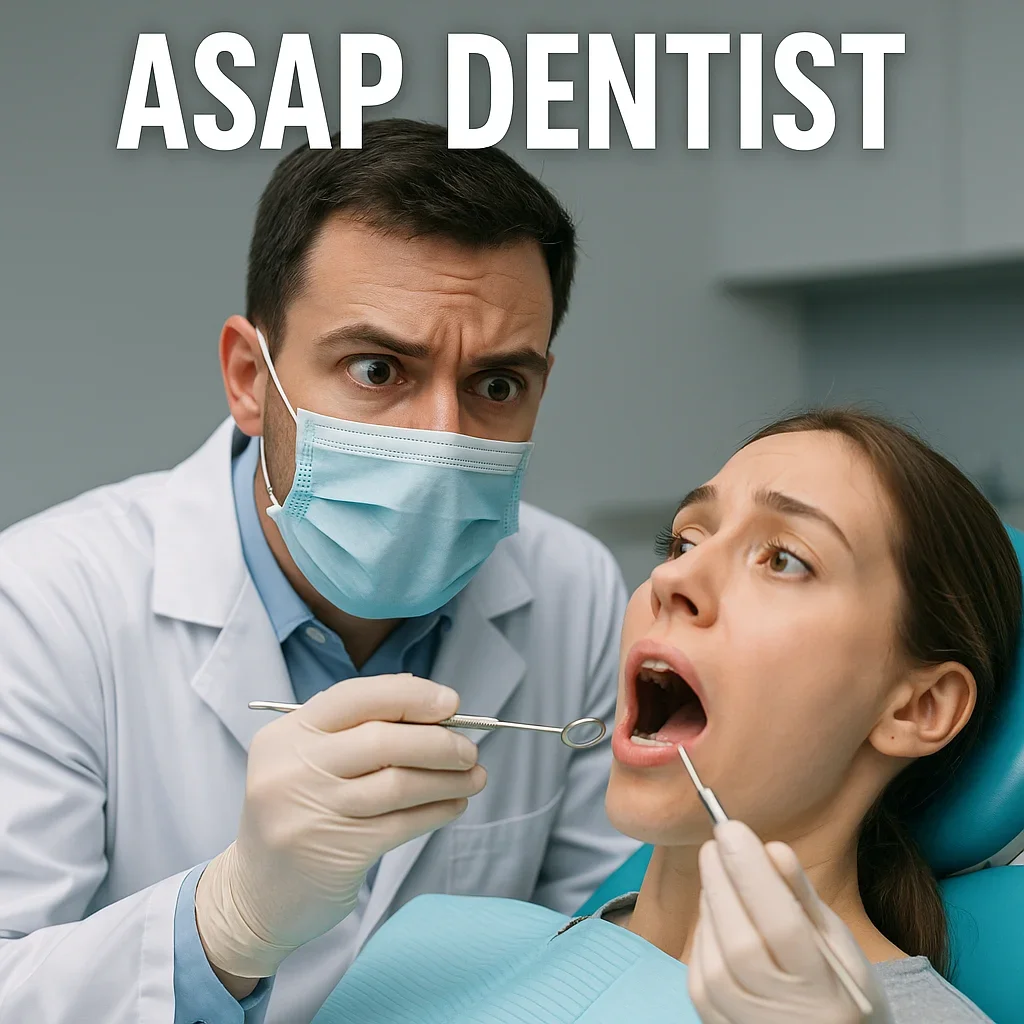
Finding a Reliable Asap Dentist Near You: Expert Tips
When a dental emergency occurs, the last thing you want is to scramble through dozens of clinics hoping to find immediate help. A reliable asap dentist can make the difference between saving a tooth and facing long-term complications. But how do you identify a trustworthy emergency dental provider who offers fast, high-quality care when you need it most? This detailed guide walks you through the essential steps, features, and considerations that ensure you choose the right professional — one who delivers expertise, rapid response, and compassionate treatment when urgency matters. 🦷⚡
Why Choosing the Right Emergency Dentist Matters
Not all dental clinics are equipped for emergencies. Some lack advanced technology, while others do not offer same-day appointments or rapid diagnostic tools. A qualified asap dentist understands the importance of immediate intervention and provides specialized care designed to protect teeth, stop pain, and prevent complications. Making an informed choice ensures fast, effective treatment and avoids unnecessary delays.
The Role of an Asap Dentist During Emergencies
An emergency dentist ensures:
- Immediate pain relief through targeted treatments.
- Accurate diagnoses using X-rays and clinical tests.
- Timely intervention for fractures, abscesses, and trauma.
- Tooth preservation whenever possible.
- Infection control to prevent systemic complications.
Choosing the right provider ensures you receive the best possible care during stressful moments.
Researching Local Emergency Dental Clinics
Your search for a reliable asap dentist should begin with exploring clinics in your area. Not all dentists offer emergency services, so it is important to filter clinics based on availability, specializations, and patient reviews.
Important Factors to Consider When Researching
- 24/7 or extended hours: A dependable emergency clinic should offer flexible scheduling.
- Same-day appointments: Essential for urgent treatment.
- Fast diagnostic tools: Such as digital X-rays and imaging systems.
- Online booking: Useful during stressful situations.
- Emergency-specific services: Including trauma care, extraction, and infection management.
Checking these details helps you narrow your options and ensure you find an asap dentist prepared for true emergencies.
Evaluating Dentist Credentials and Specializations
Credentials matter — especially in an emergency. You want an asap dentist with proper training, experience, and proven skill in handling urgent situations. Look for dentists who participate in continuing education, emergency dentistry workshops, and trauma management certification programs.
Questions to Ask or Verify
- Does the dentist have experience with trauma and surgical procedures?
- Do they frequently treat infections, fractures, or knocked-out teeth?
- Are their training and certifications up to date?
- Do they have access to advanced surgical tools?
Verifying qualifications ensures the dentist is equipped to handle both simple and complex emergencies with speed and accuracy.
Reading Patient Reviews and Feedback
One of the most effective ways to find a reliable asap dentist is by reading real patient experiences. Reviews give insight into how quickly the clinic responds, how compassionate the staff is, and how satisfied patients were with the care they received.
What to Look for in Reviews
- Praise for quick appointment availability.
- Positive feedback about pain management skills.
- Mentions of successful emergency treatments.
- Clear communication about procedures and pricing.
- Consistency in professionalism and cleanliness.
Reviews reveal patterns and help you understand whether the dentist consistently performs well under pressure.
Assessing Clinic Technology and Equipment
Advanced technology plays a major role in emergency dental success. A reliable asap dentist uses high-quality tools to diagnose conditions quickly and apply precise treatments.
Must-Have Equipment in an Emergency Dental Clinic
- Digital X-ray systems for fast, clear imaging.
- Intraoral cameras for detailed visual exams.
- Laser equipment for soft tissue emergencies.
- Sedation options for patients with severe pain or anxiety.
- Emergency surgical kits for trauma and extractions.
Clinics with advanced technology provide quicker, safer, and more predictable results.
Availability and Response Time
Emergencies do not follow schedules — which is why access and response time are crucial considerations. A dependable asap dentist should offer:
- Same-day or walk-in availability
- Rapid response to phone calls or messages
- Emergency triage when multiple cases occur
Quick access to care significantly improves treatment outcomes, especially in cases involving fractures or avulsed teeth.
Confirming Accepted Insurance and Costs
Before choosing an asap dentist, it is wise to confirm accepted insurance plans and potential treatment fees. Emergencies often involve unexpected costs, but many clinics offer payment plans, financing options, or transparent pricing.
Typical Emergency Dental Procedures and Estimated Price Ranges
Below are general online-based price research ranges (actual costs vary by region and clinic):
- Emergency exam: $50–$150
- Digital X-ray: $25–$100
- Tooth extraction: $150–$450
- Root canal therapy: $700–$1,500
- Crown placement: $900–$2,000
- Abscess drainage: $200–$800
Discussing pricing early prevents surprises and allows you to plan accordingly.
Getting Recommendations From Trusted Sources
Word-of-mouth referrals remain one of the most reliable ways to locate a qualified asap dentist. Friends, family members, coworkers, and even local community groups can share their experiences.
You can also consult professional organizations like the American Dental Association for verified listings of licensed providers.
When You’ve Found the Right Emergency Dentist
After researching clinics, reading reviews, and checking credentials, the final step is choosing the dentist who best meets your needs. Ask yourself:
- Do they offer fast, dependable access?
- Are their credentials and equipment up to date?
- Do patients praise their handling of emergencies?
If the answer is yes, you’ve likely found a reliable asap dentist.
Whenever you need urgent dental assistance, you can reach our trusted team through the Redent Klinik Contact Page. For additional guidance on safe and reliable emergency care providers, the ADA remains one of the best sources of trusted information.
Finding a dependable asap dentist ensures that when emergencies strike, you receive fast, effective, and compassionate care. With preparation and the right professional by your side, you can protect your smile and your health with confidence. 😊