
Dental implants have become one of the most reliable and long-lasting solutions for replacing missing teeth. However, many patients hesitate to move forward because of cost concerns. This is where assistance with dental implants becomes essential. Understanding the different ways you can access financial help, payment support, and affordable treatment options can make a life-changing dental procedure far more accessible than you might think. 😊
Assistance with dental implants refers to any type of financial aid, discount program, insurance support, or structured payment option that helps reduce the overall cost of implant treatment. Since dental implants are often considered a cosmetic or elective procedure, many patients assume there is no support available. In reality, there are multiple ways to receive assistance with dental implants, ranging from insurance contributions to nonprofit programs and clinic-based financing solutions.
Dental implants themselves involve a multi-step process that includes surgical placement of a titanium post into the jawbone, healing time for osseointegration, and placement of a crown or prosthetic tooth. Because of this complexity, costs can vary significantly depending on the patient’s needs. This is why assistance with dental implants is not just helpful—it is often necessary for many individuals seeking treatment.
Patients who explore assistance with dental implants options early in their journey are more likely to receive timely treatment and avoid complications associated with missing teeth. Delaying treatment can lead to bone loss, shifting teeth, and even changes in facial structure. With proper support, patients can move forward confidently and restore both function and aesthetics.
There are several categories of assistance with dental implants that patients should be aware of. These include insurance coverage, financing plans, government-supported programs, dental school clinics, and international treatment options. Each of these can significantly reduce the financial burden, making implants a realistic option for a wider range of patients.
For example, some dental clinics offer in-house financing or partner with third-party lenders to provide monthly payment plans. This type of assistance with dental implants allows patients to spread the cost over time instead of paying a large upfront fee. Additionally, certain nonprofit organizations and community health programs provide grants or discounted services for eligible patients.
Another important aspect of assistance with dental implants is understanding how insurance works. While many standard dental insurance plans do not fully cover implants, some may cover parts of the procedure, such as extractions or crowns. This partial coverage can still make a meaningful difference in the overall cost.
Patients should also consider reaching out directly to clinics for guidance. Many reputable dental providers, including international clinics, specialize in helping patients find the best assistance with dental implants solutions tailored to their situation. If you are considering treatment and want personalized support, you can contact professionals directly through the Redent Klinik Contact Page.
It is also highly recommended to stay informed using trusted dental authorities such as the American Dental Association. These organizations provide valuable insights into treatment standards, safety, and patient rights, helping you make informed decisions when seeking assistance with dental implants.
In addition to financial benefits, assistance with dental implants can also include guidance and consultation services. Some clinics offer free initial assessments, treatment planning, and cost breakdowns. This transparency allows patients to understand exactly what they are paying for and where they can save money.
It is important to remember that affordable dental implant care does not mean compromising on quality. Many clinics that provide assistance with dental implants still use advanced technology, high-quality materials, and experienced specialists. The goal is to make treatment accessible while maintaining high standards of care.
Ultimately, assistance with dental implants empowers patients to take control of their oral health without being limited by financial barriers. Whether through insurance, financing, or alternative care options, there is almost always a solution available. By researching your options and working with the right clinic, you can achieve a healthy, confident smile without unnecessary stress. 😁
In the following sections, we will explore each type of assistance with dental implants in detail, including how to qualify, where to apply, and how to maximize your benefits. This comprehensive guide will ensure that you have all the information needed to make the best decision for your dental health and financial situation.
What Is Assistance with Dental Implants and Why It Matters
Understanding assistance with dental implants is the first step toward making this advanced dental solution more accessible and less intimidating. Many patients initially assume that dental implants are financially out of reach, but with the right knowledge and planning, assistance with dental implants can significantly reduce the burden. This concept includes various forms of support such as financial aid, insurance contributions, clinic-based discounts, and flexible payment plans that make implant procedures achievable for a broader range of patients. 😊
Defining Assistance with Dental Implants Clearly
At its core, assistance with dental implants refers to any structured help that lowers the cost or simplifies the payment process for implant treatment. Dental implants are not just a single procedure—they involve consultation, imaging, surgery, healing, and restoration. Because of this multi-stage approach, costs can accumulate quickly. This is exactly why assistance with dental implants plays such a critical role in modern dentistry.
There are multiple forms of assistance with dental implants, including:
- Insurance reimbursements for specific procedure components
- Monthly installment plans offered by clinics
- Discount programs or membership plans
- Government-supported or nonprofit aid programs
- Dental tourism options for cost-effective treatment
Each of these options contributes to making assistance with dental implants more accessible, ensuring that patients are not forced to compromise their oral health due to financial limitations.
Why Assistance with Dental Implants Is So Important
Dental implants are widely considered the gold standard for replacing missing teeth. Unlike dentures or bridges, implants integrate with the jawbone, providing stability and long-term durability. However, without assistance with dental implants, many patients delay treatment, which can lead to more serious oral health issues.
When a tooth is missing, the surrounding bone begins to deteriorate over time. This bone loss can affect facial structure, cause adjacent teeth to shift, and lead to bite problems. With proper assistance with dental implants, patients can act early and prevent these complications. Early intervention often results in simpler procedures and lower overall costs.
Health Benefits Supported by Assistance
Receiving timely assistance with dental implants not only restores your smile but also improves overall health. Missing teeth can affect chewing ability, which in turn impacts nutrition. By accessing assistance with dental implants, patients can regain full function and maintain a balanced diet.
Additionally, implants help preserve jawbone density and prevent premature aging caused by facial collapse. This makes assistance with dental implants an investment not just in dental health, but in long-term well-being.
Financial Impact and Accessibility
One of the biggest misconceptions is that dental implants are only for high-income individuals. In reality, assistance with dental implants has evolved significantly, making treatment accessible to a much wider audience. Clinics now understand the importance of affordability and actively provide solutions tailored to different budgets.
For example, many patients benefit from structured financing plans that allow them to pay monthly instead of upfront. This type of assistance with dental implants removes the barrier of large initial costs and enables patients to proceed with treatment immediately.
If you are exploring personalized options, it is highly recommended to consult directly with a clinic. You can easily start by visiting the Redent Klinik Contact Page to receive tailored guidance based on your needs.
Role of Trusted Institutions
When researching assistance with dental implants, it is essential to rely on credible sources. Organizations such as the American Dental Association provide reliable information about treatment standards, safety protocols, and patient rights. These resources can help you better understand your options and ensure that you are receiving quality care.
Transparency and Patient Awareness
Another key benefit of assistance with dental implants is increased transparency. Clinics that offer support programs typically provide detailed treatment plans, cost breakdowns, and alternative options. This level of clarity allows patients to make informed decisions without unexpected expenses.
Patients should always ask questions, compare options, and explore every available form of assistance with dental implants. Being proactive can lead to significant savings and a smoother treatment journey.
Emotional and Psychological Benefits
Beyond the financial and physical aspects, assistance with dental implants also has a strong emotional impact. Missing teeth can affect self-confidence, social interactions, and overall quality of life. By making treatment more accessible, assistance with dental implants helps patients regain their confidence and feel comfortable smiling again. 😁
Patients who receive timely treatment often report improved self-esteem and better social engagement. This highlights how assistance with dental implants goes far beyond cost—it directly contributes to mental and emotional well-being.
Long-Term Value of Assistance with Dental Implants
While the initial cost of implants may seem high, the long-term value is undeniable. With proper care, implants can last decades, making them a cost-effective solution over time. Through assistance with dental implants, patients can access this long-term benefit without facing immediate financial strain.
In many cases, investing in implants with the help of assistance with dental implants can actually save money compared to repeated repairs or replacements associated with other dental solutions. This makes assistance programs not just helpful, but financially strategic.
In summary, assistance with dental implants is a powerful tool that bridges the gap between advanced dental care and affordability. By understanding what it includes and why it matters, patients can take control of their oral health journey with confidence and clarity. In the next section, we will explore the different types of assistance with dental implants available and how you can take advantage of them effectively.
Types of Financial Assistance with Dental Implants Available
When considering dental implants, one of the most important steps is understanding the different types of assistance with dental implants available. Many patients are surprised to learn that there are multiple financial pathways designed to make implant treatment more affordable and accessible. Instead of viewing implants as an unreachable luxury, exploring assistance with dental implants options can completely change your perspective and allow you to move forward confidently. 😊
Insurance-Based Assistance with Dental Implants
One of the most common forms of assistance with dental implants comes from dental insurance. While not all insurance plans fully cover implants, many do provide partial support. For example, insurance may cover preliminary procedures such as tooth extractions, X-rays, or crowns. This type of assistance with dental implants can significantly reduce the overall cost.
Patients should carefully review their insurance policies to identify what is included. Even if implants themselves are not fully covered, combining partial reimbursements with other forms of assistance with dental implants can make treatment far more affordable.
Key Tip for Insurance Use
To maximize insurance-based assistance with dental implants, always request a detailed treatment plan from your dentist. This allows you to submit claims in advance and understand exactly what portion will be covered.
In-House Financing and Payment Plans
Another highly effective type of assistance with dental implants is clinic-based financing. Many modern dental clinics offer flexible payment plans that allow patients to spread costs over several months or even years. This form of assistance with dental implants eliminates the need for a large upfront payment.
These plans often come with low or zero interest rates, depending on the clinic and agreement. By using this type of assistance with dental implants, patients can begin treatment immediately and manage their budget more effectively.
Advantages of Payment Plans
- No need for full upfront payment
- Flexible monthly installments
- Faster access to treatment
- Reduced financial stress
This makes financing one of the most practical forms of assistance with dental implants for many patients.
Government and Public Health Programs
In some regions, government-supported programs provide assistance with dental implants for eligible individuals. These programs are often designed for low-income patients, seniors, or individuals with specific medical conditions. While availability varies by country, this type of assistance with dental implants can offer significant cost reductions.
Applicants typically need to meet certain criteria, such as income thresholds or medical necessity. Although the application process may require documentation, the benefits of receiving assistance with dental implants through public programs can be substantial.
Non-Profit and Charity Organizations
Another valuable source of assistance with dental implants comes from nonprofit organizations and charitable foundations. These groups aim to improve access to dental care for underserved populations. They may offer free or discounted implant procedures, depending on funding and eligibility.
Many patients overlook this option, but nonprofit-based assistance with dental implants can be life-changing for those who qualify. It is always worth researching local and international organizations that provide dental support.
How to Find These Programs
You can start by consulting trusted resources such as the American Dental Association, which often provides guidance on accessing dental care programs. Additionally, clinics themselves may have partnerships with organizations offering assistance with dental implants.
Dental Schools and Training Clinics
Dental schools are another excellent option for assistance with dental implants. These institutions often provide treatments at reduced costs because procedures are performed by supervised students or trainees. Despite the lower cost, the quality of care remains high due to strict oversight by experienced professionals.
This form of assistance with dental implants is ideal for patients who are flexible with scheduling and willing to participate in a teaching environment. It can significantly lower costs while still delivering effective results.
Dental Tourism as a Cost-Effective Solution
In recent years, dental tourism has become a popular method of accessing assistance with dental implants. Patients travel to countries where high-quality dental care is available at a fraction of the cost compared to their home country.
Clinics specializing in international patients often provide complete packages that include consultation, treatment, accommodation, and transportation. This comprehensive approach to assistance with dental implants makes it both convenient and affordable.
If you are considering this option, you can explore professional guidance and personalized treatment plans through the Redent Klinik Contact Page.
Discount Plans and Membership Programs
Some clinics and dental networks offer membership-based discount plans as a form of assistance with dental implants. These plans typically require an annual fee in exchange for reduced treatment costs. While not insurance, they function as a practical alternative for patients seeking immediate savings.
This type of assistance with dental implants is especially useful for individuals without traditional insurance coverage.
Combining Multiple Assistance Options
One of the most effective strategies is combining different types of assistance with dental implants. For example, a patient might use insurance for initial procedures, financing for the remaining balance, and discounts from a clinic membership plan. This layered approach maximizes savings and minimizes financial strain.
By exploring all available options, patients can create a personalized plan for assistance with dental implants that fits their specific needs and budget.
In conclusion, there is no single solution when it comes to assistance with dental implants. Instead, there are multiple pathways that can be combined to make treatment both accessible and affordable. By understanding these options in detail, patients can take control of their dental health journey and move forward with confidence. 😁
Insurance Coverage and Assistance with Dental Implants Explained
One of the most frequently asked questions by patients is whether insurance can help reduce the cost of dental implants. The answer is not always straightforward, but understanding how insurance interacts with assistance with dental implants can make a significant difference in your financial planning. While many dental insurance plans do not fully cover implants, they often provide partial support that can be combined with other forms of assistance with dental implants to lower overall expenses. 😊
Do Dental Insurance Plans Cover Implants?
Traditionally, dental implants were considered a cosmetic procedure, which meant limited or no coverage. However, modern dentistry recognizes implants as a functional necessity in many cases. As a result, some insurance providers have started to include partial assistance with dental implants in their plans.
Coverage typically depends on the provider and policy details. Some plans may cover:
- Initial consultations and diagnostic imaging (X-rays, CT scans)
- Tooth extractions required before implant placement
- Bone grafting procedures (in some cases)
- The crown or prosthetic component placed on the implant
Even if the implant post itself is not covered, these components still contribute to meaningful assistance with dental implants and can reduce total treatment costs.
Important Note About Coverage Limits
Most insurance plans have annual maximums, which means they will only pay up to a certain amount per year. This limitation is crucial when planning your assistance with dental implants, as treatment may need to be spread across multiple years to maximize benefits.
Medical Insurance vs Dental Insurance
In some cases, medical insurance may also provide assistance with dental implants. This typically applies when implants are considered medically necessary, such as after an accident, injury, or certain health conditions affecting oral function.
For example, if tooth loss results from trauma or a medical condition, your health insurance may contribute to surgical aspects of the procedure. This additional layer of assistance with dental implants can significantly reduce costs when combined with dental insurance benefits.
When Medical Coverage Applies
- Accidental injury causing tooth loss
- Reconstructive surgery following illness
- Conditions affecting jawbone structure
Understanding these scenarios allows patients to access broader assistance with dental implants beyond traditional dental plans.
How to Maximize Insurance-Based Assistance
To get the most out of your insurance-related assistance with dental implants, it is essential to take a proactive approach. Start by requesting a detailed treatment plan from your dentist. This document outlines each step of the procedure and associated costs, making it easier to submit claims and verify coverage.
Additionally, always confirm whether your dentist is within your insurance network. Choosing an in-network provider can increase the level of assistance with dental implants you receive and reduce out-of-pocket expenses.
If you need personalized help understanding your coverage, professional clinics can guide you through the process. You can start by reaching out via the Redent Klinik Contact Page for tailored advice.
Pre-Authorization and Claim Strategy
Another critical step in securing assistance with dental implants is obtaining pre-authorization from your insurance provider. This process involves submitting your treatment plan in advance to determine what will be covered.
Pre-authorization helps avoid unexpected costs and ensures that you are fully aware of your benefits. It is one of the most effective ways to optimize assistance with dental implants and plan your treatment timeline accordingly.
Tips for Successful Claims
- Submit complete documentation, including X-rays and treatment plans
- Follow up regularly with your insurance provider
- Keep records of all communications and approvals
By following these steps, you can significantly improve your chances of receiving maximum assistance with dental implants through insurance.
Combining Insurance with Other Assistance Options
Insurance alone may not cover the full cost of implants, but it can be combined with other forms of assistance with dental implants for better results. For example, patients often pair insurance benefits with financing plans, clinic discounts, or nonprofit programs.
This layered approach allows patients to build a comprehensive strategy for assistance with dental implants, minimizing financial stress and making treatment more accessible.
Trusted Resources for Insurance Information
When navigating insurance policies, it is essential to rely on credible sources. Organizations such as the American Dental Association provide valuable guidance on dental insurance, patient rights, and treatment standards. These resources can help you better understand your options and make informed decisions regarding assistance with dental implants.
Common Misconceptions About Insurance and Implants
Many patients believe that insurance will not provide any assistance with dental implants, which is not entirely accurate. While full coverage is rare, partial benefits can still make a meaningful difference. Another misconception is that only high-end plans offer support, but even basic policies may include certain elements of assistance with dental implants.
It is important not to assume your coverage without verification. Taking the time to explore your policy can reveal hidden opportunities for assistance with dental implants that you might otherwise overlook.
Long-Term Financial Planning with Insurance
Strategic planning is key when using insurance as part of your assistance with dental implants. Since many plans have annual limits, patients can schedule different stages of treatment across multiple years. This approach maximizes insurance payouts and reduces personal expenses.
For example, preliminary procedures can be completed in one year, while implant placement and restoration can be scheduled in the next. This structured use of assistance with dental implants ensures optimal financial efficiency.
In conclusion, insurance plays a valuable role in assistance with dental implants, even if it does not cover the entire procedure. By understanding your policy, utilizing pre-authorization, and combining insurance with other support options, you can significantly reduce costs and make dental implants a realistic solution. With the right strategy, assistance with dental implants becomes a powerful tool for achieving both oral health and financial balance. 😁
Government and Non-Profit Programs Offering Dental Implant Support
Government initiatives and nonprofit organizations play a vital role in expanding assistance with dental implants for individuals who might otherwise be unable to afford treatment. While many patients initially focus only on insurance or clinic financing, public and charitable programs can provide substantial assistance with dental implants when explored correctly. These programs are designed to bridge the gap between essential oral healthcare and financial limitations, making advanced treatments like implants more accessible. 😊
Understanding Government-Based Assistance with Dental Implants
Government programs offering assistance with dental implants typically operate within public healthcare systems or specialized support initiatives. Although implants are often categorized as elective procedures, there are important exceptions where public healthcare may provide partial or full assistance with dental implants.
These exceptions usually apply when dental implants are medically necessary. For example, patients who have experienced trauma, oral cancer, or severe bone loss may qualify for assistance with dental implants through public health coverage. In such cases, implants are no longer considered cosmetic but essential for restoring function and health.
Who Qualifies for Government Assistance
- Patients with medically necessary tooth loss
- Individuals with disabilities affecting oral function
- Low-income households meeting eligibility thresholds
- Seniors under specific healthcare benefit programs
Meeting these criteria can unlock important assistance with dental implants, although application processes may vary by region.
Public Healthcare Limitations and Opportunities
While government programs can provide meaningful assistance with dental implants, they often come with limitations. These may include long waiting times, restricted treatment options, and strict eligibility rules. However, even partial assistance with dental implants can significantly reduce financial burden when combined with other solutions.
Patients should not dismiss public programs simply because coverage is limited. Instead, they should view them as one component of a broader strategy for obtaining assistance with dental implants.
Non-Profit Organizations Supporting Dental Implant Access
Nonprofit organizations are a powerful source of assistance with dental implants, especially for underserved populations. These organizations often collaborate with volunteer dentists, clinics, and sponsors to provide free or reduced-cost treatments.
Unlike government programs, nonprofit-based assistance with dental implants may be more flexible and patient-focused. Many charities prioritize individuals facing financial hardship, offering tailored solutions that include implants as part of comprehensive dental care.
Common Types of Non-Profit Support
- Full sponsorship of implant procedures for selected patients
- Partial grants covering surgical or restorative phases
- Access to volunteer dental professionals
- Community-based dental care initiatives
This form of assistance with dental implants can dramatically change a patient’s ability to receive treatment.
Application Process for Assistance Programs
Applying for government or nonprofit assistance with dental implants requires preparation and attention to detail. Most programs require documentation such as income verification, medical records, and a professional dental treatment plan.
Patients should ensure all documents are accurate and complete to avoid delays. Clinics can often assist with preparing applications and identifying suitable programs. For personalized support, you can consult professionals through the Redent Klinik Contact Page.
Steps to Improve Approval Chances
- Submit a detailed and clear treatment plan
- Demonstrate financial need or medical necessity
- Apply to multiple assistance programs simultaneously
- Maintain communication with program coordinators
Following these steps increases the likelihood of receiving assistance with dental implants successfully.
Combining Government and Non-Profit Assistance
One of the most effective strategies is combining different forms of assistance with dental implants. For example, a patient might receive partial coverage from a government program while using nonprofit support or clinic financing to cover the remaining costs.
This layered approach maximizes available resources and ensures that assistance with dental implants is utilized efficiently. Patients who explore multiple options often achieve the best financial outcomes.
Reliable Resources for Finding Assistance Programs
When searching for legitimate sources of assistance with dental implants, it is crucial to rely on trusted organizations. The American Dental Association provides valuable information about dental care access and helps patients identify credible programs.
Using verified resources ensures that patients receive safe and effective assistance with dental implants without falling victim to misinformation or scams.
Challenges to Consider
Despite their benefits, government and nonprofit programs offering assistance with dental implants may present challenges. These include limited funding, high demand, and strict eligibility requirements. Patients should be prepared for waiting periods and consider alternative options if immediate treatment is needed.
Even with these challenges, assistance with dental implants from these programs remains an essential option for many individuals.
Impact on Quality of Life
Receiving assistance with dental implants through public or charitable programs can significantly improve a patient’s quality of life. Restoring missing teeth enhances not only oral function but also confidence and social well-being. 😁
Patients often report better self-esteem, improved nutrition, and greater comfort in daily activities after receiving assistance with dental implants.
Conclusion: Expanding Access Through Support Programs
Government and nonprofit programs are key pillars in the broader system of assistance with dental implants. While they may not be universally available, they provide essential support for those who qualify. By combining these resources with other financial options, patients can overcome cost barriers and achieve long-term oral health.
Ultimately, assistance with dental implants is about accessibility, empowerment, and ensuring that everyone has the opportunity to restore their smile with confidence.
Dental Schools and Clinics Providing Affordable Implant Assistance
One of the most practical and often underestimated ways to access assistance with dental implants is through dental schools and teaching clinics. These institutions provide high-quality care at significantly reduced costs, making them an excellent option for patients seeking affordable solutions. For individuals who are unable to cover full treatment expenses, this form of assistance with dental implants can make a substantial difference. 😊
How Dental Schools Offer Assistance with Dental Implants
Dental schools operate as educational institutions where students receive hands-on clinical training under the supervision of experienced and licensed professionals. Because of this structure, they are able to offer assistance with dental implants at lower prices compared to private clinics.
Patients treated at dental schools benefit from a collaborative approach. Multiple professionals—including instructors, specialists, and students—are involved in the treatment planning and execution. This ensures that even though costs are reduced, the quality of care remains high. As a result, assistance with dental implants through dental schools combines affordability with professional oversight.
Why Costs Are Lower
- Procedures are part of student training programs
- Institutions receive funding or subsidies
- Focus is on education rather than profit
These factors allow dental schools to provide meaningful assistance with dental implants without compromising treatment standards.
Types of Treatments Available at Dental Schools
Many dental schools offer comprehensive implant services, including consultation, imaging, surgery, and prosthetic placement. This means patients can receive full assistance with dental implants throughout the entire treatment process.
Common services include:
- Initial examinations and diagnostic imaging
- Tooth extractions and bone grafting
- Implant placement surgery
- Crown or prosthetic restoration
By covering all stages of treatment, dental schools provide complete assistance with dental implants in one location.
Advantages of Choosing Dental Schools for Implant Assistance
There are several advantages to seeking assistance with dental implants through dental schools. The most obvious benefit is cost reduction, but there are additional advantages that patients should consider.
Key Benefits
- Significantly lower treatment costs
- Access to modern equipment and techniques
- Supervision by experienced dental professionals
- Detailed and thorough treatment planning
These benefits make dental schools a reliable source of assistance with dental implants, especially for budget-conscious patients.
Limitations to Consider
While dental schools offer valuable assistance with dental implants, there are some limitations to keep in mind. Treatment times may be longer due to the educational nature of the environment, and appointment availability may be limited.
Patients should be prepared for a slower pace and flexible scheduling. However, for many individuals, the financial savings provided by assistance with dental implants outweigh these minor inconveniences.
Private Clinics Offering Affordable Assistance
In addition to dental schools, many private clinics also provide structured assistance with dental implants. These clinics often offer discounted packages, promotional pricing, or bundled services to make treatment more accessible.
Some clinics specialize in working with international patients, offering comprehensive solutions that include consultation, treatment, and follow-up care. This type of assistance with dental implants is especially popular in dental tourism destinations, where high-quality care is available at lower costs.
If you are looking for personalized options, you can explore professional guidance through the Redent Klinik Contact Page.
Comparing Costs: Dental Schools vs Private Clinics
Understanding cost differences can help patients choose the best form of assistance with dental implants. Below is a general comparison:
- Dental Schools: $800 – $1,500 per implant
- Private Clinics (Local): $3,000 – $6,000 per implant
- International Clinics: $800 – $2,500 per implant
These figures show how different forms of assistance with dental implants can dramatically impact affordability.
Ensuring Quality and Safety
When choosing any provider for assistance with dental implants, quality and safety should always be a priority. Dental schools and reputable clinics follow strict protocols to ensure patient safety and successful outcomes.
Patients should verify credentials, ask about experience, and review treatment plans carefully. Trusted organizations such as the American Dental Association provide guidelines that can help patients evaluate providers offering assistance with dental implants.
Who Should Consider This Option?
Dental schools and affordable clinics are ideal for patients who:
- Have limited budgets
- Do not have comprehensive insurance coverage
- Are willing to accommodate flexible schedules
- Want high-quality care at reduced costs
For these individuals, assistance with dental implants through educational or specialized clinics can be the most effective solution.
Long-Term Benefits of Affordable Implant Assistance
Choosing the right form of assistance with dental implants is not just about saving money—it is about investing in long-term oral health. Dental implants provide durability, stability, and improved quality of life. Accessing affordable treatment ensures that patients do not delay necessary care.
In many cases, early intervention made possible through assistance with dental implants prevents more costly and complex procedures in the future. This makes affordable options both financially and medically beneficial. 😁
Final Thoughts on Dental Schools and Clinics
Dental schools and affordable clinics represent a powerful and practical form of assistance with dental implants. By combining professional supervision with reduced costs, they make advanced dental care accessible to a wider audience.
Patients who explore these options can achieve high-quality results without excessive financial strain. Ultimately, assistance with dental implants through these providers ensures that everyone has the opportunity to restore their smile and improve their overall well-being.
Payment Plans and Financing Options for Dental Implant Assistance
For many patients, one of the most practical and accessible ways to receive assistance with dental implants is through structured payment plans and financing options. While implants can involve a significant upfront investment, modern dental clinics and financial institutions have developed flexible systems that allow patients to spread costs over time. This makes assistance with dental implants more manageable and removes one of the biggest barriers to treatment. 😊
Understanding Payment Plans for Assistance with Dental Implants
Payment plans offered by dental clinics are one of the most common forms of assistance with dental implants. These plans allow patients to divide the total cost into smaller monthly payments instead of paying everything upfront.
Clinics may offer in-house financing or partner with third-party financial providers. In both cases, the goal is to make assistance with dental implants accessible without compromising treatment quality.
Typical Features of Payment Plans
- Monthly installment options (3–36 months or longer)
- Low-interest or interest-free periods
- No large upfront payment required
- Flexible terms based on patient budget
This type of assistance with dental implants is ideal for patients who want immediate treatment but need time to manage the financial aspect.
Third-Party Financing Solutions
In addition to clinic-based plans, many patients use third-party financing companies as a form of assistance with dental implants. These companies specialize in healthcare financing and provide loans specifically for medical and dental procedures.
Patients can apply for financing online or through their dental clinic. Once approved, the financing provider pays the clinic directly, and the patient repays the loan in installments. This system provides immediate assistance with dental implants while offering flexible repayment options.
Advantages of Third-Party Financing
- Quick approval processes
- Extended repayment periods
- Access to higher funding amounts
- Customizable payment schedules
This approach expands the possibilities for assistance with dental implants, especially for patients requiring complex or multiple implant procedures.
Interest Rates and Cost Considerations
When choosing financing as a form of assistance with dental implants, it is important to understand interest rates and total repayment costs. Some plans offer zero-interest promotional periods, while others may include standard interest rates depending on credit history.
Patients should carefully review terms and conditions to ensure that their chosen assistance with dental implants option aligns with their financial situation. Transparency is key to avoiding unexpected costs.
Example Cost Breakdown
- Total implant cost: $4,000
- Down payment: $500
- Remaining balance: $3,500
- Monthly payment (24 months): approximately $145–$170
This example shows how assistance with dental implants through financing can transform a large expense into manageable payments.
Combining Financing with Other Assistance Options
One of the most effective strategies is combining financing with other forms of assistance with dental implants. For instance, patients may use insurance to cover part of the procedure and then apply financing to the remaining balance.
This layered approach ensures maximum savings and allows patients to benefit from multiple types of assistance with dental implants simultaneously.
Clinic-Specific Financing Programs
Many modern clinics have developed their own financing programs as part of their commitment to patient care. These programs are designed to provide direct assistance with dental implants without involving external lenders.
Clinic-based financing often comes with more flexible terms and personalized options. Patients can discuss their financial situation directly with the clinic and create a customized plan for assistance with dental implants.
If you want to explore tailored financing solutions, you can contact professionals through the Redent Klinik Contact Page.
Eligibility and Approval Process
Applying for financing as part of assistance with dental implants usually involves a simple approval process. Patients may need to provide basic financial information, including income details and credit history.
Approval times are often quick, allowing patients to proceed with treatment without delay. This efficiency makes financing one of the fastest ways to secure assistance with dental implants.
Factors That Affect Approval
- Credit score and financial history
- Income stability
- Existing financial obligations
Understanding these factors helps patients prepare and improve their chances of receiving assistance with dental implants through financing.
Trusted Guidance and Financial Safety
When considering financing options, it is important to rely on trusted sources. Organizations such as the American Dental Association provide valuable information about patient rights and financial transparency. These resources help ensure that your chosen assistance with dental implants is safe and reliable.
Benefits Beyond Affordability
Financing does more than just reduce immediate costs—it also enables timely treatment. Delaying dental implants due to financial concerns can lead to additional complications and higher costs in the future. By using assistance with dental implants through payment plans, patients can address issues early and avoid further damage.
This proactive approach improves both oral health and long-term financial outcomes. 😁
Final Thoughts on Financing and Payment Plans
Payment plans and financing options are among the most flexible and widely available forms of assistance with dental implants. They empower patients to take control of their treatment timeline and budget, making advanced dental care accessible to more people.
By understanding how these systems work and combining them with other support options, patients can create a comprehensive strategy for assistance with dental implants. This ensures that financial concerns do not stand in the way of achieving a healthy, confident smile.
How to Qualify for Assistance with Dental Implants Easily
Understanding how to qualify for assistance with dental implants is one of the most important steps in making treatment affordable and accessible. Many patients assume that financial support is difficult to obtain, but in reality, there are clear pathways that can help you secure assistance with dental implants quickly and effectively. By knowing what providers and programs look for, you can significantly improve your chances of approval. 😊
Basic Eligibility Requirements for Assistance with Dental Implants
Different programs and providers have varying criteria, but most forms of assistance with dental implants share common eligibility requirements. These criteria are designed to ensure that support reaches patients who genuinely need it.
Typical eligibility factors include:
- Proof of financial need or limited income
- Medical necessity for dental implants
- Lack of adequate insurance coverage
- Commitment to completing the full treatment plan
Meeting these requirements increases your chances of receiving assistance with dental implants through multiple channels.
Medical Necessity vs Cosmetic Need
One key factor in qualifying for assistance with dental implants is whether the treatment is considered medically necessary. Patients who require implants due to injury, disease, or severe functional issues are more likely to receive support compared to those seeking purely cosmetic improvements.
Preparing the Required Documentation
Documentation plays a crucial role in securing assistance with dental implants. Most programs require detailed records to evaluate your eligibility. Being well-prepared can speed up the approval process and improve your chances of success.
Essential Documents You May Need
- Dental examination reports and treatment plans
- X-rays or 3D imaging results
- Proof of income or financial statements
- Insurance policy details (if applicable)
- Medical history records
Having these documents ready ensures a smoother application process for assistance with dental implants.
Steps to Apply for Assistance with Dental Implants
Applying for assistance with dental implants involves a structured approach. Following the correct steps can significantly increase your chances of approval.
Step-by-Step Application Process
- Schedule a consultation with a dental professional
- Obtain a detailed treatment plan and cost estimate
- Research available assistance programs and financing options
- Submit applications with complete documentation
- Follow up regularly with providers or organizations
This systematic approach ensures that you maximize your opportunities for assistance with dental implants.
Improving Your Chances of Approval
There are several strategies you can use to increase your likelihood of receiving assistance with dental implants. Being proactive and organized can make a significant difference.
Proven Tips for Success
- Apply to multiple programs instead of relying on one option
- Clearly explain your financial situation and medical needs
- Work with experienced dental clinics that offer guidance
- Ensure all documents are accurate and complete
These strategies help strengthen your application for assistance with dental implants and reduce the risk of rejection.
Role of Dental Clinics in the Qualification Process
Dental clinics play an important role in helping patients secure assistance with dental implants. Many clinics offer consultation services that include financial guidance, application support, and personalized treatment planning.
Experienced clinics can identify the best options for your situation and assist with paperwork. If you are unsure where to start, you can reach out through the Redent Klinik Contact Page for professional guidance on obtaining assistance with dental implants.
Common Mistakes to Avoid
When applying for assistance with dental implants, avoiding common mistakes is essential. Many applications are rejected due to simple errors that can easily be prevented.
Frequent Errors
- Submitting incomplete or inaccurate documents
- Failing to demonstrate medical necessity
- Not following up on applications
- Relying on a single source of assistance
By avoiding these mistakes, you can improve your chances of receiving assistance with dental implants successfully.
Using Trusted Resources for Guidance
Reliable information is crucial when navigating the process of assistance with dental implants. Trusted organizations such as the American Dental Association provide valuable insights into patient rights, treatment standards, and available support options.
Using these resources ensures that your approach to assistance with dental implants is informed and effective.
Timeline for Approval and Treatment
The timeline for receiving assistance with dental implants can vary depending on the type of program or financing option. Some solutions, such as clinic financing, offer immediate approval, while government or nonprofit programs may take longer.
Patients should plan accordingly and consider combining multiple forms of assistance with dental implants to avoid delays in treatment.
Emotional Benefits of Taking Action
Taking steps to secure assistance with dental implants can have a positive emotional impact. Many patients feel empowered once they realize that treatment is within reach. This confidence helps them move forward with their dental care journey and improve their overall quality of life. 😁
Final Thoughts on Qualification
Qualifying for assistance with dental implants is not as difficult as many people think. By understanding eligibility requirements, preparing the right documentation, and following a structured application process, patients can access the support they need.
Ultimately, assistance with dental implants is about making advanced dental care accessible to everyone. With the right strategy and guidance, you can successfully qualify and take the next step toward restoring your smile.
Comparing Costs: With vs Without Dental Implant Assistance
One of the most important factors influencing a patient’s decision is cost. Understanding the difference between paying full price and using assistance with dental implants can completely change how you approach treatment. Many patients delay or avoid implants simply because they are unaware of how much assistance with dental implants can reduce expenses. When analyzed properly, the financial gap between assisted and non-assisted treatment is significant. 😊
Average Cost of Dental Implants Without Assistance
Without any form of assistance with dental implants, the cost of treatment can be quite high, especially in countries with elevated healthcare expenses. A single dental implant typically includes multiple components such as consultation, surgery, and restoration.
Typical Cost Breakdown (Without Assistance)
- Consultation and imaging: $200 – $500
- Implant placement (per tooth): $2,000 – $4,000
- Abutment and crown: $1,000 – $2,500
- Bone graft (if needed): $500 – $3,000
In total, a single implant can cost between $3,500 and $8,000 without any assistance with dental implants. For full-mouth restoration, costs can exceed $20,000 to $50,000, making it financially challenging for many patients.
Cost Reduction Through Assistance with Dental Implants
When patients utilize assistance with dental implants, these costs can be reduced significantly. Assistance may come from insurance coverage, financing, discounts, or alternative treatment locations.
Example Cost with Assistance
- Insurance coverage: reduces $500 – $2,000
- Clinic discounts or promotions: reduces $300 – $1,500
- Dental school treatment: reduces up to 50–70%
- International clinics: reduces up to 60–80%
With proper assistance with dental implants, the cost of a single implant can drop to approximately $800 to $2,500 in many cases. This demonstrates how powerful assistance with dental implants can be in making treatment affordable.
Comparing Total Financial Impact
The difference between using and not using assistance with dental implants becomes even more apparent when looking at long-term financial impact. Without assistance, patients may delay treatment, leading to additional complications such as bone loss or gum disease.
These complications often require extra procedures, increasing overall costs. In contrast, early intervention supported by assistance with dental implants helps prevent these issues and reduces long-term expenses.
Long-Term Cost Comparison
- Without assistance: higher upfront cost + potential future complications
- With assistance: reduced upfront cost + fewer future treatments
This clearly shows that assistance with dental implants is not just about saving money today—it also protects your financial future.
Hidden Costs Without Assistance
Patients who do not seek assistance with dental implants may face hidden costs that are often overlooked. These include:
- Repeated repairs for temporary solutions like dentures
- Additional treatments due to delayed care
- Loss of productivity or confidence affecting daily life
By contrast, assistance with dental implants allows patients to choose a permanent solution earlier, avoiding these hidden expenses.
Value of Combining Multiple Assistance Options
One of the most effective ways to maximize savings is by combining different forms of assistance with dental implants. For example, a patient might use insurance for part of the procedure, financing for the remaining balance, and a clinic discount for additional savings.
This multi-layered approach ensures that assistance with dental implants is fully optimized, resulting in the lowest possible cost.
Real-Life Scenario Comparison
To better understand the impact of assistance with dental implants, consider the following example:
Scenario A: Without Assistance
- Total cost for one implant: $5,000
- Paid upfront: $5,000
- No cost reduction
Scenario B: With Assistance
- Total cost: $5,000
- Insurance coverage: -$1,000
- Clinic discount: -$500
- Financing plan: remaining $3,500 paid monthly
In Scenario B, assistance with dental implants reduces immediate financial pressure and overall cost, making treatment far more accessible.
Choosing the Right Provider for Cost Efficiency
Selecting the right clinic is essential for maximizing assistance with dental implants. Clinics that specialize in patient-centered care often provide transparent pricing, flexible payment options, and personalized solutions.
If you want to explore cost-effective treatment plans, you can start by contacting professionals through the Redent Klinik Contact Page. They can help you identify the best assistance with dental implants options for your needs.
Importance of Reliable Information
Accurate information is critical when comparing costs and evaluating assistance with dental implants. Trusted sources such as the American Dental Association provide guidelines that help patients understand treatment costs and standards.
Using reliable resources ensures that your decisions regarding assistance with dental implants are informed and effective.
Emotional and Lifestyle Benefits
The financial benefits of assistance with dental implants are important, but the emotional impact should not be overlooked. Patients who can afford treatment experience improved confidence, better social interactions, and enhanced quality of life. 😁
By reducing financial barriers, assistance with dental implants allows patients to focus on the positive outcomes of treatment rather than the cost.
Final Thoughts on Cost Comparison
Comparing costs with and without assistance with dental implants clearly shows how valuable these support systems are. From reducing upfront expenses to preventing long-term complications, assistance programs provide both financial and medical advantages.
Ultimately, assistance with dental implants transforms what might seem like an expensive procedure into a realistic and achievable investment in your health and confidence.
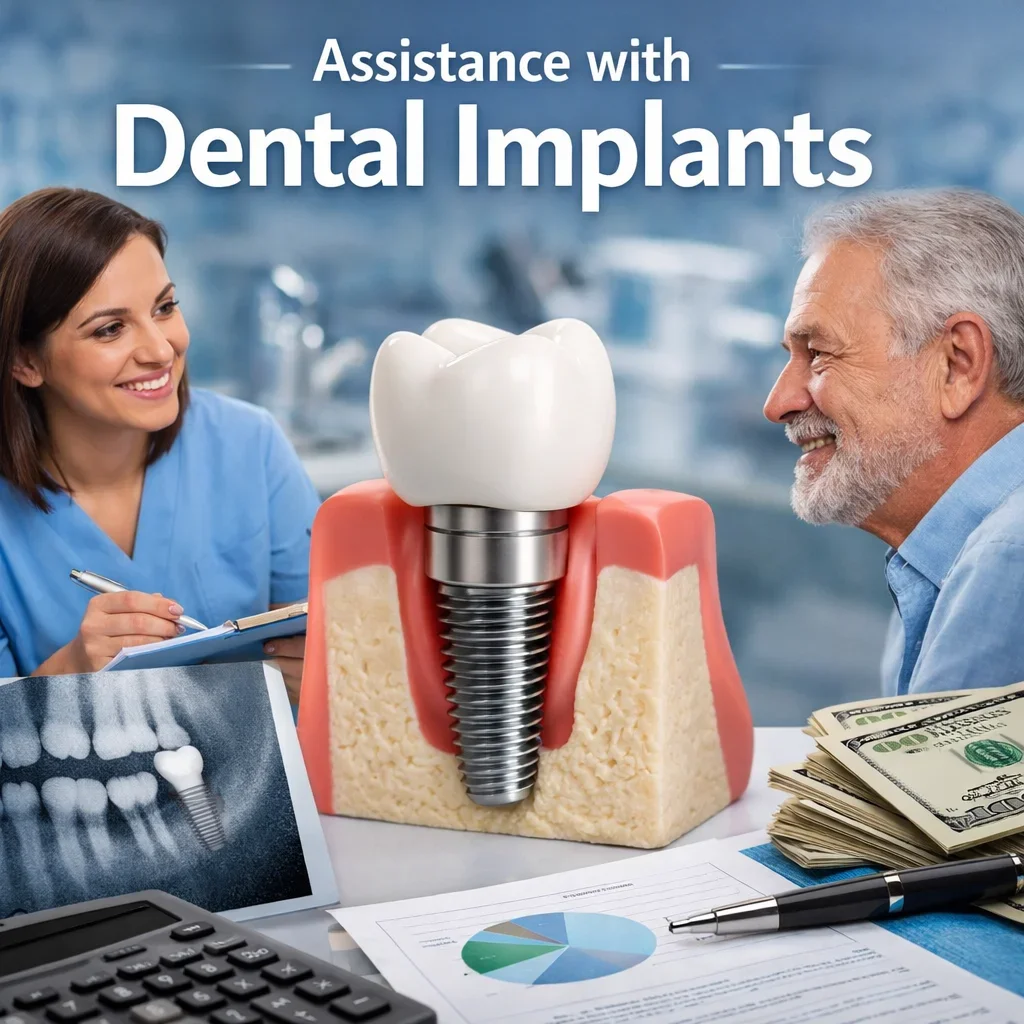
Tips to Maximize Your Assistance with Dental Implants Benefits
Once you understand the different ways to access support, the next step is learning how to maximize your assistance with dental implants. Many patients receive some level of help but fail to fully optimize it, leaving potential savings and benefits unused. By applying the right strategies, you can significantly increase the value of your assistance with dental implants and make your treatment more affordable and efficient. 😊
Plan Your Treatment Timeline Strategically
One of the most effective ways to maximize assistance with dental implants is by carefully planning your treatment timeline. Since many insurance plans have annual limits, spreading procedures across different years can increase total coverage.
For example, you might complete preliminary treatments such as extractions and imaging in one year, and schedule implant placement and restoration in the next. This approach allows you to fully utilize your assistance with dental implants benefits multiple times.
Timeline Optimization Tips
- Use annual insurance limits more than once
- Schedule major procedures in phases
- Coordinate with your dentist for long-term planning
This structured approach ensures that your assistance with dental implants is used to its full potential.
Combine Multiple Assistance Sources
Relying on a single form of assistance with dental implants may limit your savings. Instead, combining multiple options can provide a more powerful financial solution. For example, you can use insurance coverage, financing plans, and clinic discounts together.
This layered strategy allows you to build a customized system of assistance with dental implants that reduces both upfront and long-term costs.
Example Combination Strategy
- Insurance covers diagnostics and part of restoration
- Clinic discount reduces surgical costs
- Financing spreads remaining balance into monthly payments
By combining these elements, assistance with dental implants becomes far more effective.
Choose the Right Clinic for Maximum Benefits
The dental clinic you choose plays a critical role in how much assistance with dental implants you can access. Clinics experienced in working with financial programs often provide better guidance, more flexible options, and transparent pricing.
Look for clinics that offer personalized consultations and detailed cost breakdowns. If you need professional assistance, you can reach out through the Redent Klinik Contact Page to explore tailored assistance with dental implants solutions.
Understand Your Insurance in Detail
Many patients underutilize their insurance benefits simply because they do not fully understand their coverage. Reviewing your policy carefully can reveal hidden opportunities for assistance with dental implants.
Check what procedures are covered, what annual limits apply, and whether your provider is in-network. This knowledge helps you maximize your assistance with dental implants and avoid unexpected costs.
Key Insurance Questions to Ask
- What parts of the implant process are covered?
- What is the annual maximum benefit?
- Are there waiting periods?
- Is pre-authorization required?
Answering these questions ensures that your assistance with dental implants is used effectively.
Take Advantage of Promotions and Discounts
Many clinics offer seasonal promotions or special discounts as part of their assistance with dental implants programs. These offers can significantly reduce costs if timed correctly.
Patients who stay informed about promotions can benefit from additional savings, making assistance with dental implants even more impactful.
Maintain Good Oral Health Before Treatment
Preparing your oral health before starting treatment can also maximize assistance with dental implants. Addressing issues such as gum disease or infections early can prevent the need for additional procedures.
This reduces overall treatment costs and ensures that your assistance with dental implants is focused on essential procedures rather than corrective treatments.
Pre-Treatment Preparation Tips
- Maintain proper oral hygiene
- Schedule regular dental check-ups
- Follow your dentist’s recommendations
These steps help you make the most of your assistance with dental implants.
Use Trusted Resources for Guidance
Reliable information is essential when optimizing assistance with dental implants. Trusted organizations such as the American Dental Association provide guidance on treatment standards and patient rights.
Using credible sources ensures that your approach to assistance with dental implants is informed and effective.
Avoid Common Mistakes
Many patients miss out on valuable assistance with dental implants due to avoidable mistakes. Being aware of these pitfalls can help you maximize your benefits.
Common Errors
- Not exploring all available assistance options
- Failing to plan treatment timing strategically
- Ignoring clinic discounts or promotions
- Submitting incomplete insurance claims
Avoiding these mistakes ensures that your assistance with dental implants delivers maximum value.
Long-Term Financial and Health Benefits
Maximizing assistance with dental implants is not just about saving money—it is about improving long-term health outcomes. Early and effective treatment prevents complications, reduces future expenses, and enhances overall quality of life.
Patients who fully utilize assistance with dental implants often experience better oral health, increased confidence, and greater satisfaction with their treatment. 😁
Final Thoughts on Maximizing Benefits
Getting the most out of assistance with dental implants requires planning, knowledge, and proactive decision-making. By combining multiple support options, understanding your benefits, and choosing the right provider, you can significantly reduce costs and improve your treatment experience.
Ultimately, assistance with dental implants is a powerful tool that allows you to access high-quality dental care without unnecessary financial stress. With the right approach, you can turn a complex and costly procedure into a manageable and rewarding investment in your health.