
In today’s fast-paced world, more people are searching for convenient and affordable ways to achieve a confident, healthy smile 😁. At home aligners have quickly become one of the most popular innovations in modern dentistry. These clear, removable trays are designed to gradually straighten your teeth without the need for frequent in-office visits. By using advanced 3D scanning technology and remote monitoring, at home aligners give users the flexibility to transform their smiles from the comfort of their homes — saving both time and money.
In this complete 2025 guide, we’ll explore everything you need to know about at home aligners — from how they work and who they’re best suited for, to the expected results, safety, and cost considerations. Whether you’re curious about how these aligners compare to traditional braces, or wondering if they can fix your unique dental concerns, this comprehensive article provides clear, expert-level insights backed by trusted dental sources like the American Dental Association. 🦷
At home aligners are clear plastic trays customized to fit your teeth perfectly. The process starts with a digital impression, often taken using an at-home kit. Once your dental impressions are reviewed by a licensed orthodontist or dentist, a series of aligners is created to move your teeth little by little. Each set is worn for about 1–2 weeks before progressing to the next one. Over the course of several months, these subtle shifts result in a beautifully aligned smile without the pain or hassle of metal brackets and wires.
Unlike traditional braces, which require regular adjustments in a clinic, at home aligners are remotely monitored by dental professionals using advanced tele-dentistry systems. This means that your progress can be reviewed online — making it an ideal option for busy professionals, students, or anyone who prefers a more private and flexible treatment plan. With most treatments lasting between 4 to 12 months, it’s possible to see noticeable improvements in just a few weeks.
One of the biggest advantages of at home aligners is their nearly invisible design. Because they’re made from transparent BPA-free plastic, most people won’t even notice that you’re wearing them. This is especially appealing for adults who may feel self-conscious about metal braces. Furthermore, these aligners can be easily removed while eating, brushing, or attending special occasions — offering a level of comfort and convenience that traditional orthodontics simply can’t match.
Still, the rise of at home aligners doesn’t mean they’re suitable for everyone. They work best for mild to moderate alignment issues such as small gaps, crowding, or slightly crooked teeth. Severe bite problems, jaw misalignments, or complex orthodontic cases may still require in-person evaluation and traditional braces. That’s why it’s important to undergo a virtual or in-person consultation before starting treatment. Reputable companies always include dental supervision to ensure safe and predictable results.
With a growing number of brands offering at home aligners, consumers have more options than ever. Some focus on affordability, while others emphasize faster treatment times or advanced AI-based tracking systems. Comparing these brands involves looking at factors like dentist involvement, customer reviews, aligner material quality, and aftercare services. Trusted clinics like Redent Klinik Contact Page can also provide professional guidance to help you choose the right system for your needs.
As technology continues to evolve, at home aligners are becoming increasingly accurate and effective. Many modern aligners use smart tracking apps that monitor your daily wear time, remind you when to switch to the next set, and allow you to upload progress photos directly to your dental provider. This kind of remote innovation is reshaping how people think about orthodontics — making it more accessible and user-friendly than ever before.
According to dental research published in 2025, patients using at home aligners report satisfaction rates above 90%, largely due to the combination of convenience, aesthetics, and affordability. The results often rival those achieved with in-office treatments, provided that patients wear the aligners as instructed for 20–22 hours a day. Discipline plays a crucial role — since aligners only work when they’re worn consistently, commitment to the treatment plan is essential.
In summary, at home aligners offer a revolutionary way to achieve straighter teeth without the stress of traditional orthodontics. With their discreet appearance, lower cost, and remote supervision, they represent a perfect balance between modern technology and dental science. As we move deeper into 2025, the demand for convenient and customizable dental solutions continues to grow — and at home aligners stand at the forefront of that transformation. 🌟
What Are At Home Aligners and How Do They Work?
At home aligners are a modern alternative to traditional orthodontic braces, designed to help people straighten their teeth conveniently and discreetly 🦷. Unlike metal braces that require frequent in-office visits, these aligners are delivered directly to your home and can be worn without constant professional supervision. This innovative approach has revolutionized how people achieve a better smile — combining advanced technology, digital monitoring, and comfort.
Understanding the Basics of At Home Aligners
Essentially, at home aligners are a series of transparent, custom-made trays that fit snugly over your teeth. They apply gentle, controlled pressure to move your teeth gradually into their correct positions. Each aligner in the series makes minor adjustments until the final desired alignment is achieved. The process is similar to traditional orthodontics but uses cutting-edge tele-dentistry and 3D scanning for precision and convenience. 😁
These aligners are made from high-quality, medical-grade, BPA-free plastic that is safe for long-term wear. Since they’re virtually invisible, most users feel confident wearing them during meetings, social events, or daily routines. They are also removable — allowing you to eat your favorite foods and maintain proper oral hygiene without the challenges that come with fixed braces.
The Step-by-Step Process of At Home Aligner Treatment
1. Initial Consultation and Impression Kit
Your journey with at home aligners usually begins with an online consultation. Reputable providers often send you an impression kit, which you use to take molds of your teeth. Some companies also offer in-person 3D scanning at partner clinics for even greater accuracy. Once your impressions or scans are received, a licensed orthodontist reviews them to determine if you’re a suitable candidate.
2. Customized Treatment Plan
After the assessment, a personalized treatment plan is created using advanced software that maps the movement of your teeth from start to finish. This virtual plan includes 3D visualizations so you can preview your expected results before treatment begins. Each set of at home aligners is then designed to gradually shift your teeth into the correct position, typically over a period of 4 to 12 months, depending on your case’s complexity.
3. Receiving and Wearing Your Aligners
Once your aligners are ready, they are shipped directly to your home. Most companies provide detailed instructions on how to wear and care for them. Typically, you’ll wear each aligner set for about 1–2 weeks for 20–22 hours per day. Only remove them while eating, drinking anything other than water, or brushing your teeth. Consistency is key — skipping aligner wear can delay results or cause discomfort later on.
4. Remote Monitoring and Adjustments
One of the greatest advantages of at home aligners is remote monitoring. Using smartphone apps or photo check-ins, dental professionals can track your progress without requiring frequent in-office visits. Some systems even use AI-powered image analysis to ensure that teeth are moving correctly. If adjustments are needed, new aligners are sent directly to your home, making the entire process efficient and patient-friendly.
Who Oversees the Treatment Process?
Even though at home aligners are marketed as a do-it-yourself option, professional supervision remains a vital part of the process. Reputable brands work with licensed orthodontists or dentists who review each patient’s case, design treatment plans, and monitor progress remotely. This ensures both safety and effectiveness, minimizing the risks associated with unsupervised tooth movement. The American Dental Association emphasizes the importance of professional oversight in any orthodontic treatment — whether remote or in-office.
Advantages of Digital Orthodontics
The rise of at home aligners has been largely driven by digital orthodontics — a field that combines 3D imaging, artificial intelligence, and virtual treatment planning. Unlike traditional impressions made with messy dental putty, modern aligners are based on precise digital scans. This technology not only improves comfort and accuracy but also enables faster production times and better predictability of results.
Furthermore, some brands use AI algorithms to simulate your final smile outcome, allowing you to visualize progress and stay motivated throughout the process. These innovations also reduce errors, as aligner adjustments can be made virtually before physical production begins. For users, this means a smoother, more efficient journey to their ideal smile.
Comfort and Maintenance Tips
Since at home aligners are made from smooth materials, they typically cause less irritation than metal braces. However, you may experience slight pressure during the first few days of each new aligner set — a sign that the trays are working effectively. Maintaining your aligners is simple: clean them with lukewarm water and a soft toothbrush, avoid harsh chemicals, and store them properly in the provided case when not in use. These small habits help maintain hygiene and extend the lifespan of your trays.
Potential Limitations and When to Seek In-Office Care
While at home aligners are excellent for minor to moderate misalignments, they’re not ideal for severe orthodontic cases. Issues such as major bite problems, rotated teeth, or jaw discrepancies may require direct supervision and more complex appliances. In such cases, visiting a professional dental clinic — like Redent Klinik Contact Page — ensures that your oral health is evaluated comprehensively before deciding on treatment. This hybrid approach, combining remote technology with expert evaluation, yields the safest and most effective results.
Summary: A Revolution in Smile Design
In summary, at home aligners offer a seamless blend of technology, convenience, and professional care. They allow users to achieve straighter teeth without the inconvenience of traditional braces or constant clinic visits. By using clear, removable trays and remote digital tracking, these aligners have made orthodontic care more accessible than ever. With proper use, adherence to guidelines, and professional oversight, at home aligners can help you achieve a confident smile faster and more comfortably than you ever thought possible. 🌟
Benefits of At Home Aligners Compared to Traditional Braces
In recent years, at home aligners have transformed orthodontic treatment by offering a faster, more convenient, and discreet alternative to traditional braces. For many adults and teens, the idea of wearing bulky metal brackets for years is far from appealing. Thanks to digital dentistry and tele-orthodontics, people can now straighten their teeth from the comfort of home — without constant clinic visits or visible wires. This section explores the key advantages of at home aligners and why they’ve become the preferred choice for millions worldwide. 😁
1. Convenience and Flexibility for Modern Lifestyles
One of the greatest benefits of at home aligners is their incredible convenience. Traditional braces require frequent appointments — often every 4 to 6 weeks — for tightening and adjustments. In contrast, at home aligner treatment operates primarily through remote supervision. You can upload progress photos using a mobile app or platform, and your dentist monitors your progress virtually. This means fewer disruptions to your schedule and no long hours spent in waiting rooms.
Additionally, at home aligners fit perfectly into busy lifestyles. Whether you’re a student, working professional, or parent, you can manage your treatment from anywhere. Since they are removable, you can take them out for important meetings, family events, or meals — a level of flexibility that braces can’t provide.
2. Aesthetic Appeal: Nearly Invisible Design
Many adults hesitate to get braces because of their appearance. Traditional braces involve metal brackets and wires that are noticeable and can make people feel self-conscious. At home aligners, on the other hand, are clear and practically invisible. Made from transparent, BPA-free plastic, they blend naturally with your teeth, allowing you to smile confidently throughout your treatment. ✨
This aesthetic advantage is particularly important for professionals and public-facing individuals. Whether you’re giving a presentation or taking photos, at home aligners let you maintain a natural look without drawing attention to your orthodontic treatment.
3. Comfort and Ease of Use
Unlike metal braces that can cause mouth sores or irritation from sharp edges, at home aligners are smooth and gentle on your gums. Each tray is carefully trimmed to fit your unique gumline, minimizing discomfort. Users typically experience only mild pressure during the first few days of a new aligner set — a sign that the treatment is working effectively.
Better Oral Hygiene
Because at home aligners are removable, maintaining good oral hygiene is much easier. You can brush and floss your teeth normally, without having to maneuver around brackets and wires. This reduces the risk of plaque buildup, staining, and gum disease — common issues with traditional braces. Keeping both your teeth and aligners clean ensures better results and a healthier mouth overall.
4. Faster Results and Predictable Progress
With the help of digital treatment planning and AI-driven simulations, at home aligners provide a clear timeline and expected results before you even begin. Most cases achieve desired outcomes within 4 to 12 months, depending on complexity. Traditional braces, by contrast, often require 18 to 24 months or longer. Remote monitoring also allows for quick adjustments if your teeth are moving slower or faster than expected, ensuring consistent progress.
5. Cost-Effectiveness and Transparency
Traditional orthodontic treatment can be expensive, with costs often reaching several thousand dollars due to clinic overhead and ongoing visits. In contrast, at home aligners typically cost significantly less because the process is streamlined and remote. Most brands offer clear pricing plans with no hidden fees, and some even provide monthly payment options to make treatment accessible to a wider audience.
It’s important, however, to work with reputable providers that include professional dental oversight. Clinics like Redent Klinik Contact Page offer expert consultations to help you select the safest and most effective aligner system for your specific needs.
6. Reduced Clinic Visits and Tele-Dentistry Benefits
Another significant benefit of at home aligners is reduced dependency on in-office visits. Thanks to tele-dentistry, patients can communicate with their dentist online, submit digital progress photos, and receive expert advice without traveling. This accessibility has made orthodontic care more inclusive, especially for those living in remote areas or those with limited mobility.
Tele-dentistry has also proven beneficial during times when in-person visits are restricted — ensuring that treatment continues without interruption. According to the American Dental Association, such digital innovations have made dental care more efficient and accessible for patients globally.
7. No Dietary Restrictions
Anyone who has worn traditional braces knows the frustration of avoiding sticky or hard foods like popcorn, caramel, and nuts. With at home aligners, there are no such restrictions. Since you remove your aligners while eating, you can enjoy all your favorite meals without worrying about damaging your orthodontic device. Simply rinse or brush your teeth before reinserting your trays, and you’re good to go!
8. Improved Confidence and Lifestyle Freedom
Because at home aligners are discreet and comfortable, users often experience a confidence boost early in their treatment. They can smile freely, communicate comfortably, and maintain their normal lifestyle. The psychological benefit of being in control of one’s smile journey cannot be overstated — many patients report feeling more motivated and empowered when using at home aligners versus braces.
9. Environmentally Conscious Design and Modern Materials
Some modern at home aligners are designed with sustainability in mind, using recyclable materials and minimal packaging. This eco-conscious approach aligns with the growing demand for greener healthcare solutions. Moreover, as production technology improves, aligner companies are finding ways to reduce waste while maintaining high levels of precision and durability.
Summary: Why At Home Aligners Are the Future of Orthodontics
In summary, at home aligners offer a wide range of advantages over traditional braces — from convenience and affordability to aesthetics and comfort. They make teeth straightening a modern, flexible experience that fits into your lifestyle, rather than disrupting it. With tele-dentistry oversight, digital monitoring, and user-friendly design, it’s no surprise that millions are choosing at home aligners to achieve their dream smile faster, easier, and more confidently than ever before. 🌟
The Step-by-Step Process of Getting At Home Aligners
The process of getting at home aligners is designed to be simple, efficient, and user-friendly. It combines the precision of digital dentistry with the comfort of remote care, making it possible to achieve a beautifully aligned smile without constant visits to a dental clinic. Each step, from the first consultation to the final retainers, is carefully planned by professionals to ensure predictable, safe, and long-lasting results. Below, we’ll walk through every stage of the journey — so you’ll know exactly what to expect before beginning your own at home aligners treatment. 🦷
1. Initial Consultation: Determining Eligibility
The first step in getting at home aligners is an initial consultation, usually done online. This stage determines whether your dental condition is suitable for remote orthodontic treatment. Most companies require you to complete a short questionnaire and provide photos of your teeth. Based on this information, a licensed orthodontist or dentist evaluates whether you are a candidate. Mild to moderate alignment issues such as crowding, gaps, and minor bite corrections are typically ideal for this method.
If your case is too complex, you may be referred to an in-person dental specialist for evaluation. Reputable clinics like Redent Klinik Contact Page can also perform this pre-assessment in person or through high-resolution imaging, ensuring you start your journey safely and correctly.
2. Dental Impressions or 3D Scanning
Once you’re approved, you’ll receive a dental impression kit at home or schedule a visit to a partner clinic for a 3D scan. These scans or impressions provide precise digital models of your teeth. The accuracy of this step is crucial, as it determines how well your at home aligners fit and function.
At-Home Impression Kit
If you choose the at-home option, you’ll receive a kit with putty and trays to make your dental molds. Detailed instructions are included, often supported by video tutorials. Once completed, you’ll ship your impressions back to the company’s lab. There, a team of orthodontic professionals converts your molds into 3D digital images for treatment planning.
In-Clinic 3D Scanning
Alternatively, some providers use advanced intraoral scanners at designated clinics. This technology captures thousands of precise digital images to construct a virtual model of your teeth. Scanning eliminates the risk of errors that sometimes occur with manual impressions and ensures your at home aligners are custom-tailored with maximum accuracy.
3. Creating Your Personalized Treatment Plan
After your dental data is received, orthodontists use advanced software to design a personalized treatment plan. This digital model shows how each tooth will gradually shift over time, often with a 3D simulation video so you can visualize your expected results. Every set of at home aligners is carefully programmed to make precise adjustments — usually less than 0.25 mm per tray — ensuring safe, controlled tooth movement.
During this stage, you’ll also receive an estimated treatment duration. Most people wear at home aligners for 4 to 12 months, depending on the severity of their misalignment. The software allows orthodontists to track progress remotely and modify the plan if necessary.
4. Manufacturing and Delivery
Once your treatment plan is approved, your aligners are fabricated using high-grade, BPA-free thermoplastic material. These trays are then trimmed to match your gum line for enhanced comfort. The complete set — typically 10 to 30 aligners — is shipped directly to your home, neatly packaged and labeled in sequential order. This allows you to follow your treatment step by step with minimal confusion.
5. Wearing and Maintaining Your Aligners
After receiving your first set, you’ll begin wearing your at home aligners as instructed, usually for 20–22 hours a day. Each aligner is worn for one to two weeks before moving on to the next one in the series. The key to success is consistency — failing to wear your aligners as recommended can delay or even reverse progress.
Cleaning and Care
Keeping your at home aligners clean is essential. Always rinse them with lukewarm water (never hot, as heat can warp the plastic) and use a soft-bristled toothbrush to gently clean them. Avoid harsh chemicals or colored soaps that could discolor the trays. For deeper cleaning, aligner-specific tablets can be used a few times a week to maintain clarity and hygiene.
6. Remote Monitoring and Progress Tracking
Throughout your treatment, you’ll be monitored remotely by dental professionals. Many providers offer mobile apps where you can upload weekly photos or progress scans. Artificial intelligence tools and dentist evaluations ensure that your teeth are shifting as planned. If any misalignment occurs, adjustments can be made quickly, and new aligners may be sent if required.
This step reflects one of the key benefits of at home aligners: continuous care without in-person visits. It combines the efficiency of digital technology with the reassurance of professional oversight.
7. Completion and Retainers
Once your final set of at home aligners is complete, you’ll transition to the retainer phase. Retainers are custom-made to preserve your new alignment and prevent teeth from shifting back. Typically, retainers are worn full-time for the first few weeks and then only at night for long-term maintenance.
Providers often include your first set of retainers in the treatment package, while additional sets can be purchased later. Following your dentist’s instructions during this stage ensures your results remain permanent and beautiful.
8. Post-Treatment Care and Dental Checkups
Even after your at home aligners treatment is complete, maintaining oral health is crucial. Regular brushing, flossing, and routine dental checkups help keep your teeth and gums healthy. Visiting professionals like those at Redent Klinik Contact Page can ensure your results are stable and your oral health remains optimal.
9. Safety and Professional Oversight
While at home aligners are designed for convenience, professional involvement is non-negotiable for safety. The American Dental Association advises that any orthodontic movement should be monitored by licensed dentists to prevent complications such as gum recession, bite issues, or root resorption. Always choose a provider that guarantees professional supervision throughout your journey.
Summary: A Digital Journey Toward a Confident Smile
In conclusion, the process of getting at home aligners is a carefully structured journey combining technology, precision, and professional care. From the initial assessment to final retainers, every step is designed to deliver effective, comfortable, and lasting results. With consistent wear, proper hygiene, and ongoing monitoring, you can achieve a straight, radiant smile — all from the comfort of your home. 🌟
Who Is a Good Candidate for At Home Aligners?
Not everyone is an ideal candidate for at home aligners. While these modern orthodontic systems provide a convenient and cost-effective solution for many people, certain dental conditions still require in-office treatment or more advanced correction methods. Understanding who qualifies — and who doesn’t — is crucial for achieving safe, predictable results. This guide explains the characteristics, oral health conditions, and lifestyle habits that determine if you’re a good candidate for at home aligners treatment. 🦷
1. People with Mild to Moderate Alignment Issues
The most successful candidates for at home aligners are individuals with mild to moderate dental misalignments. These include small gaps between teeth, slight crowding, or minor rotation of individual teeth. In such cases, the aligners can apply gentle, controlled pressure to move teeth into proper alignment over time. For these mild issues, at home aligners can often deliver results similar to those achieved with in-office Invisalign or traditional braces — but with greater flexibility and comfort.
Common Correctable Cases
- Minor crowding or overlapping front teeth
- Small gaps (diastemas) between teeth
- Slight rotations of premolars or canines
- Minor overbites or underbites
- General alignment improvements for aesthetic purposes
For individuals who fall into these categories, at home aligners offer a highly effective, minimally invasive solution. With regular use (20–22 hours per day), noticeable improvements can often be seen in as little as 8–12 weeks.
2. Adults and Teens with Fully Developed Teeth
At home aligners are best suited for adults and older teenagers whose jawbones and teeth have fully developed. Orthodontic movement requires stable bone structures, which usually form completely by late adolescence. Younger teens and children whose teeth are still erupting are not ideal candidates, as ongoing growth can interfere with aligner fit and results. In such cases, traditional orthodontic treatment under in-person supervision is usually recommended.
3. Individuals with Healthy Gums and Teeth
Healthy oral structures are essential before beginning treatment with at home aligners. Gum disease, untreated cavities, or loose teeth can all compromise the safety and success of aligner therapy. Before starting, a comprehensive dental exam is recommended to ensure your mouth is free from infection or decay. Aligners work by applying pressure to your teeth — and this pressure must be supported by healthy gums and bone for the movement to occur safely.
Pre-Treatment Dental Care
Before starting at home aligners, patients should:
- Address any cavities or tooth decay
- Treat gum inflammation or periodontal disease
- Get a professional dental cleaning
- Ensure all dental restorations (fillings, crowns, etc.) are stable
Performing these steps not only ensures a healthier smile but also helps aligners fit properly and work efficiently throughout the treatment process.
4. Patients Looking for Aesthetic Improvements
Many candidates choose at home aligners for cosmetic reasons. If your teeth are mostly healthy and straight but slightly misaligned, aligners can enhance your appearance quickly and discreetly. They’re especially appealing to professionals who want subtle changes without the inconvenience of traditional braces. The nearly invisible design ensures you can continue social and professional activities with confidence throughout treatment.
5. People Who Are Committed and Self-Disciplined
Since at home aligners are removable, they require a high level of personal responsibility. Unlike braces that stay fixed, aligners must be worn consistently for 20–22 hours daily to achieve the desired results. Individuals who are forgetful, travel frequently, or lack routine discipline may experience delayed progress. Consistency is the single most important factor in successful treatment.
Tips for Staying on Track
- Set daily reminders to wear and clean aligners
- Use tracking apps provided by your aligner company
- Keep your aligners in their protective case when not in use
- Upload progress photos regularly for remote dentist monitoring
6. People Without Complex Bite Problems
While at home aligners are highly effective for minor misalignments, they’re not suitable for complex orthodontic cases. Patients with severe crossbites, deep overbites, jaw misalignments, or rotated molars often require in-person orthodontic treatment. These advanced cases typically need stronger mechanical forces, special attachments, or rubber bands that can’t be applied through at-home systems.
Conditions Not Ideal for At Home Aligners
- Severe overbite, underbite, or crossbite
- Major crowding or overlapping teeth
- Jaw asymmetry or skeletal issues
- Previous complex orthodontic treatment requiring adjustment
If you’re unsure about your suitability, a professional evaluation at Redent Klinik Contact Page can help determine the best approach. In many cases, hybrid treatment (combining in-office and remote care) can provide optimal outcomes.
7. Candidates Comfortable with Remote Supervision
Because at home aligners rely on tele-dentistry, patients must be comfortable using technology for communication. You’ll need to submit progress photos or 3D scans periodically to your supervising dentist. The American Dental Association advises that remote treatments can be effective when professional oversight is maintained, making this model ideal for tech-savvy individuals who prefer convenience.
8. Non-Smokers and Those with Healthy Habits
Smoking, vaping, or frequent consumption of staining beverages like coffee and red wine can discolor or damage aligners. At home aligners are clear and require proper care to remain transparent and odor-free. Non-smokers generally have better outcomes because their aligners stay clearer and their gums stay healthier. Patients with good hygiene routines — brushing after meals, flossing daily, and cleaning aligners — are ideal candidates.
9. Summary: The Ideal Profile for At Home Aligner Success
In summary, the best candidates for at home aligners are adults or mature teens with mild to moderate misalignments, healthy gums, and the discipline to follow treatment instructions. They value convenience, affordability, and discretion while maintaining a proactive approach to oral health. Those with complex orthodontic needs should seek hybrid or in-office alternatives to ensure safety and long-term success. With professional supervision and consistent effort, at home aligners can deliver life-changing smile transformations — comfortably and confidently. 🌟
Top Brands Offering At Home Aligners in 2025
In 2025, the market for at home aligners has grown tremendously, giving consumers more options than ever before to improve their smiles without traditional orthodontic visits. Choosing the right brand, however, is a critical step in achieving safe, effective, and predictable results. Each company differs in pricing, treatment speed, professional oversight, and technology used in their aligners. In this section, we’ll explore the top at home aligners brands available in 2025, analyze their unique features, and explain what sets them apart in today’s competitive orthodontic landscape. 🦷
1. SmileDirectClub – The Pioneer of At Home Aligners
SmileDirectClub remains one of the most recognized names in the at home aligners industry. Founded in 2014, the company was among the first to introduce remote orthodontic care on a large scale. They provide both impression kits and in-person 3D scanning options at SmileShops around the world. Each treatment plan is designed and approved by licensed dentists or orthodontists, ensuring that the aligners are safe and effective.
Key Features:
- Hybrid model: in-person scans or mail-in impressions
- Remote monitoring via mobile app
- Average treatment time: 4–10 months
- Financing options available
SmileDirectClub’s transparency and flexibility make it a popular choice for people seeking quick, cost-effective results. Their customer service operates globally, and they have expanded their aligner materials for improved comfort and clarity. However, their success still depends on consistent wear and adherence to instructions — a rule that applies to all at home aligners.
2. Byte – The Fastest Treatment Option
Byte has become well-known for offering one of the fastest treatment timelines in the aligner industry. Thanks to its exclusive HyperByte technology — a small vibrating device that helps aligners fit better and reduces treatment time — many patients complete their orthodontic journey in as little as three to six months.
Key Features:
- HyperByte device accelerates tooth movement
- Lifetime “Byte-for-Life” guarantee
- Both daytime and nighttime aligner options
- Professional monitoring throughout treatment
Byte’s AI-powered platform ensures precise adjustments and ongoing remote supervision from orthodontic professionals. It’s particularly suitable for those who value speed and convenience without sacrificing quality. Many users find at home aligners from Byte especially comfortable due to their slim and flexible material design.
3. Candid – A Clinician-Guided Hybrid Approach
Candid stands out by combining remote treatment with in-office dental partnerships. This hybrid model ensures that each patient’s case is reviewed and initiated by a local orthodontist. Candid’s treatment focuses on both cosmetic improvements and long-term oral health by monitoring root movement and bite balance.
Key Features:
- 3D scanning at partner dental clinics
- Remote progress tracking via CandidApp™
- Professional supervision throughout
- Excellent for mild to moderate bite issues
This hybrid structure addresses one of the main concerns about at home aligners — lack of professional oversight. By partnering with licensed providers, Candid delivers the convenience of home treatment with the safety of in-person care. Their transparent aligners are praised for durability and stain resistance, making them ideal for long-term use.
4. ALIGNERCO – Budget-Friendly At Home Aligners
For individuals seeking affordable options, ALIGNERCO offers one of the lowest-cost aligner systems in 2025. Despite the competitive pricing, they still provide professional supervision, 3D virtual treatment previews, and multiple payment options. Their treatment is entirely remote, with no requirement for clinic visits.
Key Features:
- Low-cost packages with installment plans
- Night-only aligners available
- Average treatment duration: 6–11 months
- Custom retainers included post-treatment
ALIGNERCO’s affordability makes at home aligners accessible to a broader audience, including college students and budget-conscious adults. While treatment speed may be slower compared to other premium brands, the results remain reliable when instructions are followed correctly.
5. NewSmile – Comfort and Aesthetic Innovation
NewSmile has gained popularity for its lightweight, ultra-clear aligners that offer a comfortable fit. The company provides both impression kits and 3D scans, along with 24/7 virtual support. Users particularly appreciate their transparent pricing and detailed progress reports.
Key Features:
- Ultra-clear, low-profile design
- Virtual consultation with licensed dentists
- Flexible wear schedules (day or night)
- Post-treatment whitening kit included
NewSmile’s approach is ideal for those prioritizing comfort and aesthetics during their treatment. Their at home aligners are nearly invisible, allowing users to maintain professional and social confidence throughout their journey.
6. Invisalign Express – Premium Option for Complex Cases
Although Invisalign is primarily known for in-office orthodontics, its “Invisalign Express” line offers a hybrid model where mild cases can be monitored remotely. This makes it a premium alternative to standard at home aligners for patients who want full access to Invisalign’s advanced SmartTrack™ material and digital precision.
Key Features:
- Professional 3D scans and dentist involvement
- High predictability and comfort
- Advanced SmartForce™ attachments available
- Best suited for mild cosmetic corrections
Although more expensive, Invisalign Express combines the expertise of trained orthodontists with remote tracking — providing a safe option for patients who want trusted brand assurance with modern convenience.
7. Choosing the Right Brand for You
Selecting the right at home aligners depends on several factors: the complexity of your dental case, your budget, and your willingness to follow the treatment plan consistently. Those with simple alignment issues might prefer ALIGNERCO for affordability, while individuals who value professional oversight might choose Candid or Invisalign Express. Byte, meanwhile, remains ideal for fast results and high-tech monitoring.
Professional Guidance Matters
Before committing to any provider, it’s wise to consult a trusted dental professional. Clinics like Redent Klinik Contact Page can offer personalized recommendations based on your oral health and expectations. A professional evaluation ensures that your treatment plan is both safe and effective.
8. Summary: The 2025 Landscape of At Home Aligner Brands
The at home aligners industry in 2025 offers a range of solutions catering to different needs — from speed and affordability to precision and professional care. With innovation in tele-dentistry, AI monitoring, and improved materials, today’s aligners deliver faster, more comfortable results than ever before. By choosing a reputable brand, committing to daily wear, and staying connected with your dental provider, you can achieve a confident, perfectly aligned smile that truly represents the future of orthodontic care. 🌟
For more reliable information on dental safety and standards, visit the American Dental Association website for professional insights.
Common Mistakes to Avoid When Using At Home Aligners
While at home aligners offer a convenient, affordable, and discreet way to straighten your teeth, their success largely depends on the user’s habits and consistency. Many people begin treatment excitedly but unintentionally make small mistakes that slow down progress or compromise results. Understanding these common pitfalls helps ensure that your smile transformation stays on track and delivers the beautiful, healthy outcome you’re aiming for. Below, we explore the top mistakes to avoid during your at home aligners journey and explain how to get the most out of your treatment. 🦷
1. Not Wearing the Aligners for the Recommended Time
The biggest reason why some users experience delays or poor results with at home aligners is inconsistent wear. Aligners must be worn for 20–22 hours per day to be effective. Each tray applies gentle, continuous pressure that guides your teeth into their new positions. When you remove them too often — even for short periods — your teeth may shift back, forcing you to restart or extend treatment.
Best Practice:
Only remove your aligners for meals, brushing, or drinking anything other than water. Use a reminder app or timer to track wear time. Some brands provide built-in monitoring technology, ensuring you stay compliant with your daily usage goals.
2. Failing to Clean Aligners Properly
Because at home aligners are worn almost all day, they can accumulate bacteria, plaque, and odor if not cleaned properly. Simply rinsing them with water is not enough. Failing to maintain hygiene can lead to bad breath, discoloration, or even gum irritation. Moreover, dirty aligners can appear cloudy, defeating their “invisible” appeal.
How to Clean Aligners Effectively:
- Use a soft-bristled toothbrush and clear, unscented soap (avoid toothpaste—it’s abrasive).
- Rinse with lukewarm water only — hot water can warp the plastic.
- Use aligner cleaning tablets 2–3 times per week.
- Store aligners in their protective case when not in use to prevent contamination.
Maintaining clean at home aligners also supports better oral hygiene overall, helping your treatment stay comfortable and effective.
3. Skipping Aligner Sets Too Soon
Some users, eager to see results faster, switch to the next set of at home aligners earlier than recommended. This can cause pain, improper alignment, or even damage to teeth and gums. Each aligner set is carefully designed to move your teeth gradually; rushing through them disrupts the biological process of tooth movement and risks long-term instability.
Correct Approach:
Follow the schedule given by your provider — usually one set every 1–2 weeks. If you feel excessive tightness, discomfort, or gaps between aligners and teeth, contact your dental provider before advancing to the next set. Patience is essential in orthodontics; safe progress leads to lasting results.
4. Ignoring Regular Progress Check-Ins
Modern at home aligners rely on tele-dentistry, meaning your progress is monitored remotely by dental professionals. Neglecting to submit progress photos or skipping scheduled check-ins prevents your dentist from spotting potential issues early. Without this oversight, small alignment deviations can worsen, requiring expensive corrections later.
Smart Tip:
Set reminders to upload your photos or scans on time. Platforms like Byte and Candid provide user-friendly apps for tracking progress. Regular updates ensure your treatment plan stays accurate and customized for your smile.
5. Eating or Drinking While Wearing Aligners
Although it might seem harmless to take a sip of coffee or snack while wearing at home aligners, doing so can cause staining, warping, or even cracking. Food particles can also get trapped inside the trays, leading to bacteria growth and unpleasant odors. Hot beverages are particularly risky as they can deform the aligner’s structure.
Recommendation:
Always remove your aligners before eating or drinking anything except water. Rinse your mouth and clean your aligners before putting them back in. Following this rule keeps your trays clear, odor-free, and effective throughout treatment.
6. Poor Oral Hygiene During Treatment
Wearing at home aligners doesn’t mean you can skip brushing and flossing. In fact, because the trays cover your teeth for most of the day, food debris and bacteria can get trapped, increasing your risk of cavities and gum inflammation. Aligners work best on healthy teeth — poor hygiene can slow down progress or cause discomfort.
Essential Daily Routine:
- Brush your teeth after every meal before reinserting aligners.
- Floss at least once daily to remove debris between teeth.
- Use fluoride mouthwash for added enamel protection.
Regular checkups at a professional dental clinic such as Redent Klinik Contact Page are also recommended during aligner treatment to maintain overall
Common Mistakes to Avoid When Using At Home Aligners
While at home aligners offer a convenient, affordable, and discreet way to straighten your teeth, their success largely depends on the user’s habits and consistency. Many people begin treatment excitedly but unintentionally make small mistakes that slow down progress or compromise results. Understanding these common pitfalls helps ensure that your smile transformation stays on track and delivers the beautiful, healthy outcome you’re aiming for. Below, we explore the top mistakes to avoid during your at home aligners journey and explain how to get the most out of your treatment. 🦷
1. Not Wearing the Aligners for the Recommended Time
The biggest reason why some users experience delays or poor results with at home aligners is inconsistent wear. Aligners must be worn for 20–22 hours per day to be effective. Each tray applies gentle, continuous pressure that guides your teeth into their new positions. When you remove them too often — even for short periods — your teeth may shift back, forcing you to restart or extend treatment.
Best Practice:
Only remove your aligners for meals, brushing, or drinking anything other than water. Use a reminder app or timer to track wear time. Some brands provide built-in monitoring technology, ensuring you stay compliant with your daily usage goals.
2. Failing to Clean Aligners Properly
Because at home aligners are worn almost all day, they can accumulate bacteria, plaque, and odor if not cleaned properly. Simply rinsing them with water is not enough. Failing to maintain hygiene can lead to bad breath, discoloration, or even gum irritation. Moreover, dirty aligners can appear cloudy, defeating their “invisible” appeal.
How to Clean Aligners Effectively:
- Use a soft-bristled toothbrush and clear, unscented soap (avoid toothpaste—it’s abrasive).
- Rinse with lukewarm water only — hot water can warp the plastic.
- Use aligner cleaning tablets 2–3 times per week.
- Store aligners in their protective case when not in use to prevent contamination.
Maintaining clean at home aligners also supports better oral hygiene overall, helping your treatment stay comfortable and effective.
3. Skipping Aligner Sets Too Soon
Some users, eager to see results faster, switch to the next set of at home aligners earlier than recommended. This can cause pain, improper alignment, or even damage to teeth and gums. Each aligner set is carefully designed to move your teeth gradually; rushing through them disrupts the biological process of tooth movement and risks long-term instability.
Correct Approach:
Follow the schedule given by your provider — usually one set every 1–2 weeks. If you feel excessive tightness, discomfort, or gaps between aligners and teeth, contact your dental provider before advancing to the next set. Patience is essential in orthodontics; safe progress leads to lasting results.
4. Ignoring Regular Progress Check-Ins
Modern at home aligners rely on tele-dentistry, meaning your progress is monitored remotely by dental professionals. Neglecting to submit progress photos or skipping scheduled check-ins prevents your dentist from spotting potential issues early. Without this oversight, small alignment deviations can worsen, requiring expensive corrections later.
Smart Tip:
Set reminders to upload your photos or scans on time. Platforms like Byte and Candid provide user-friendly apps for tracking progress. Regular updates ensure your treatment plan stays accurate and customized for your smile.
5. Eating or Drinking While Wearing Aligners
Although it might seem harmless to take a sip of coffee or snack while wearing at home aligners, doing so can cause staining, warping, or even cracking. Food particles can also get trapped inside the trays, leading to bacteria growth and unpleasant odors. Hot beverages are particularly risky as they can deform the aligner’s structure.
Recommendation:
Always remove your aligners before eating or drinking anything except water. Rinse your mouth and clean your aligners before putting them back in. Following this rule keeps your trays clear, odor-free, and effective throughout treatment.
6. Poor Oral Hygiene During Treatment
Wearing at home aligners doesn’t mean you can skip brushing and flossing. In fact, because the trays cover your teeth for most of the day, food debris and bacteria can get trapped, increasing your risk of cavities and gum inflammation. Aligners work best on healthy teeth — poor hygiene can slow down progress or cause discomfort.
Essential Daily Routine:
- Brush your teeth after every meal before reinserting aligners.
- Floss at least once daily to remove debris between teeth.
- Use fluoride mouthwash for added enamel protection.
Regular checkups at a professional dental clinic such as Redent Klinik Contact Page are also recommended during aligner treatment to maintain overall oral health.
7. Exposing Aligners to Heat or Improper Storage
Aligners are crafted from medical-grade thermoplastic that can warp or lose shape when exposed to heat. Leaving them in a car, near sunlight, or rinsing them with hot water can alter their fit, rendering them ineffective. Similarly, storing them loosely outside the case increases the risk of losing or damaging them.
Storage Guidelines:
Always use the provided aligner case for safekeeping. Store it in a cool, dry place away from direct sunlight. If your aligner becomes misshapen, contact your provider immediately for a replacement.
8. Neglecting Retainer Use After Treatment
Completing your at home aligners treatment doesn’t mean your journey ends there. Teeth naturally tend to shift back over time, especially in the first few months after treatment. Failing to wear retainers can undo months of progress and investment.
Retention Plan:
Most providers recommend wearing retainers full-time for the first few weeks, then nightly afterward. This ensures long-term stability and maintains your perfect smile. Consider purchasing extra sets of retainers from your provider to replace them every 6–12 months.
9. Ignoring Professional Guidance
Some patients make the mistake of treating at home aligners as a completely DIY project. While it’s true that these systems are designed for remote use, professional supervision remains essential for safety. The American Dental Association strongly advises that any tooth movement must be monitored by licensed dental professionals to prevent issues like gum damage, tooth mobility, or bite irregularities.
Never attempt to adjust or trim your aligners yourself, and always contact your assigned dentist or clinic if discomfort or irregular movement occurs. Trusted centers like Redent Klinik can review your progress and recommend safe adjustments if needed.
10. Summary: Smart Habits for Successful Treatment
In summary, achieving the best results with at home aligners requires commitment, cleanliness, and consistent communication with your dental team. Avoiding common mistakes — such as skipping wear time, neglecting hygiene, or ignoring check-ins — can make all the difference between mediocre and stunning results. Treat your aligners with care, follow your schedule precisely, and stay proactive about your oral health. By combining discipline with professional guidance, your journey toward a straighter, more confident smile will be smooth, successful, and rewarding. 🌟
How Long Do At Home Aligners Take to Straighten Teeth?
One of the most frequently asked questions about at home aligners is how long it takes to achieve visible results. The answer depends on several factors, including the complexity of your dental condition, your consistency in wearing the aligners, and your body’s natural rate of tooth movement. Generally, treatment with at home aligners ranges from 4 to 12 months, but every smile is unique. Understanding the timeline — and what influences it — will help you set realistic expectations and stay motivated throughout your treatment journey. 🦷
1. Factors That Influence Treatment Duration
Every patient’s experience with at home aligners is different because tooth movement varies from person to person. Here are the key factors that determine how long your treatment will take:
Severity of Misalignment
The greater the misalignment, the longer it typically takes to correct. Mild spacing or crowding might be resolved in as little as four months, while more moderate cases could take up to a year. Severe orthodontic problems — such as bite misalignments or rotated molars — usually require in-office treatment, not remote aligners.
Patient Compliance
At home aligners only work when worn as instructed — usually 20 to 22 hours per day. Skipping even a few hours daily can delay progress and cause discomfort when switching to new trays. Consistency is the number one factor influencing how fast you’ll see results.
Biological Response
Each person’s body responds differently to orthodontic pressure. Age, bone density, and gum health all play roles in determining how quickly your teeth move. Younger patients may experience faster movement due to more flexible bone tissue, while older adults might need additional time for stabilization.
2. Typical Treatment Timeline
The process of using at home aligners follows a predictable sequence of stages. While timing may vary, most treatment plans are structured similarly.
First Month: Getting Started
During the first few weeks, your aligners focus on initial tooth movements, targeting visible front teeth and minor gaps. You’ll start noticing subtle changes — often within the first 3–4 weeks. It’s normal to feel mild pressure during this phase, which means the aligners are effectively working.
Months 2–6: Active Alignment Phase
This is when the most significant shifts occur. Your at home aligners gradually reposition your teeth using a sequence of aligner trays. You’ll typically switch to a new set every 7–14 days, depending on your provider’s plan. Most users begin to notice clear aesthetic improvements around the 8–10 week mark.
Months 7–12: Refinement and Stabilization
In the later phase, aligners fine-tune your bite and alignment. Even minor adjustments at this stage are crucial for long-term stability. Refinement trays might be issued to perfect your results. After this, retainers are used to maintain your new smile.
3. Comparing At Home Aligners to Traditional Braces
Traditional metal braces usually require 18–24 months to complete, depending on the case’s complexity. In contrast, at home aligners significantly shorten that timeframe because they target mild to moderate alignment issues. Additionally, the remote nature of aligner treatment eliminates delays caused by scheduling or manual adjustments at clinics.
However, shorter treatment doesn’t mean cutting corners. Advanced 3D modeling, AI tracking, and dentist supervision ensure accuracy and safety throughout the process. Clinics like Redent Klinik Contact Page offer hybrid aligner programs, combining home convenience with expert oversight for precise results.
4. Accelerating Your Treatment Safely
Some modern brands use vibration technology or AI-guided feedback systems to help accelerate movement. For example, Byte’s HyperByte tool applies micro-pulses to encourage faster adaptation. While these innovations can shorten the process, it’s crucial not to rush or skip aligner sets. Gradual movement ensures the bones and ligaments around your teeth adapt properly, preventing relapse.
5. Post-Treatment Maintenance
After completing your at home aligners program, you’ll transition to retainers. Wearing retainers consistently for the first 3–6 months is vital to keep your teeth stable in their new positions. Retainers are usually worn full-time initially and then only at night once stability is achieved. Neglecting this step can lead to teeth shifting back — undoing all your progress.
6. Professional Monitoring and Adjustments
The American Dental Association emphasizes that any orthodontic treatment, including at home aligners, should be professionally supervised. Remote monitoring apps and periodic dentist check-ins help identify early issues and ensure your progress stays on schedule.
7. Summary: Patience Pays Off
In conclusion, the duration of treatment with at home aligners typically ranges between 4 and 12 months, depending on your specific case and level of commitment. Wearing aligners as instructed, maintaining good hygiene, and keeping up with progress check-ins all contribute to achieving the fastest and safest results. Remember: orthodontic success is not about speed — it’s about precision and consistency. With patience and discipline, you can enjoy a beautifully straight smile that lasts a lifetime. 🌟
Costs and Payment Options for At Home Aligners
Understanding the cost of at home aligners is an important step before beginning treatment. These systems have gained popularity not only because they are discreet and effective, but also because they’re typically more affordable than traditional orthodontic options. However, prices vary depending on the brand, the complexity of your dental case, and whether your plan includes in-person supervision. Below, we’ll break down the typical costs, available financing options, and factors that influence the total investment in your new smile. 💸
1. Average Price Range in 2025
As of 2025, most at home aligners cost between $1,200 and $2,800 USD for a full treatment plan. This is significantly lower than traditional braces or Invisalign, which can range from $4,000 to $8,000 depending on complexity. The main reason for this price difference is efficiency — remote care reduces overhead, clinic visits, and manual labor costs. Still, some premium aligner brands offering hybrid dentist monitoring may be slightly more expensive but provide enhanced accuracy and safety.
Estimated Cost Comparison:
| Treatment Type | Average Cost (USD) |
|---|---|
| At Home Aligners | $1,200 – $2,800 |
| Traditional Metal Braces | $4,000 – $7,000 |
| Invisalign (In-Office) | $3,500 – $8,000 |
While prices are lower for at home aligners, it’s important to choose a provider with proper dental oversight to ensure long-term success.
2. What’s Included in the Price?
Most aligner kits include a complete series of trays, impression or 3D scanning kits, and remote dentist supervision. Some companies also provide whitening kits, retainers, and post-treatment refinements within the package. However, not all packages include replacements or follow-up retainers — an important cost to factor in for future maintenance.
Typical Inclusions:
- Personalized aligner sets (10–30 trays depending on treatment)
- Remote check-ins and dental supervision
- Initial impression or scanning kit
- Progress tracking app access
- One set of post-treatment retainers
Before committing, confirm whether replacement retainers or refinements are included. If not, these can add $100–$200 to the total cost.
3. Factors That Affect Cost
The total expense of at home aligners can vary depending on several factors:
- Severity of misalignment — more complex cases require more trays.
- Provider brand — premium brands with AI or dentist monitoring charge more.
- Treatment duration — longer plans typically cost more.
- Additional services — such as teeth whitening or refinement aligners.
Working with reputable providers ensures your investment is worthwhile and your treatment is safe. Clinics like Redent Klinik Contact Page can provide expert advice on selecting the best aligner plan for your budget and dental needs.
4. Payment Options and Financing
Many at home aligners brands make orthodontic care more accessible through flexible payment plans. Most companies allow patients to pay in monthly installments, often with 0% interest options for qualified applicants. Common financing methods include:
Flexible Plans:
- Monthly Installments: Payments between $70–$120 per month, depending on duration.
- Down Payment Discounts: Paying upfront can reduce total cost by 5–10%.
- Third-Party Financing: Options like Affirm, Klarna, or CareCredit for extended plans.
These payment models make at home aligners affordable for a wider range of users, particularly younger adults or students managing a tight budget.
5. Insurance Coverage for At Home Aligners
Depending on your insurance provider, a portion of your at home aligners treatment may be covered under orthodontic benefits. Most dental insurance plans that cover braces also cover clear aligners to some extent. It’s best to check with your insurer directly or have your aligner company provide a pre-approval form to confirm eligibility.
Pro Tip:
Even if your insurance doesn’t cover aligners directly, you can use Health Savings Accounts (HSA) or Flexible Spending Accounts (FSA) to pay for treatment — making it a tax-advantaged investment in your smile.
6. Long-Term Maintenance Costs
After completing your at home aligners treatment, you’ll need retainers to maintain your new alignment. Retainers typically cost between $100 and $200 per set, and replacements are recommended every 6–12 months. Some brands offer subscription plans for automatic retainer delivery, ensuring your smile stays in perfect shape long-term.
7. Comparing Value and Quality
While low-cost options may seem appealing, the cheapest aligners aren’t always the best. The American Dental Association advises patients to prioritize dental supervision over price alone. A slightly higher investment in a clinically monitored system ensures better alignment, lower risk, and longer-lasting results.
8. Summary: Investing Wisely in Your Smile
In conclusion, the cost of at home aligners in 2025 typically ranges between $1,200 and $2,800, making them one of the most affordable orthodontic options available. With flexible financing, potential insurance support, and remote professional oversight, these systems make achieving a straighter smile more accessible than ever. Always choose a reputable provider, stay consistent with your treatment plan, and invest in proper maintenance — because a healthy, confident smile is truly priceless. 🌟
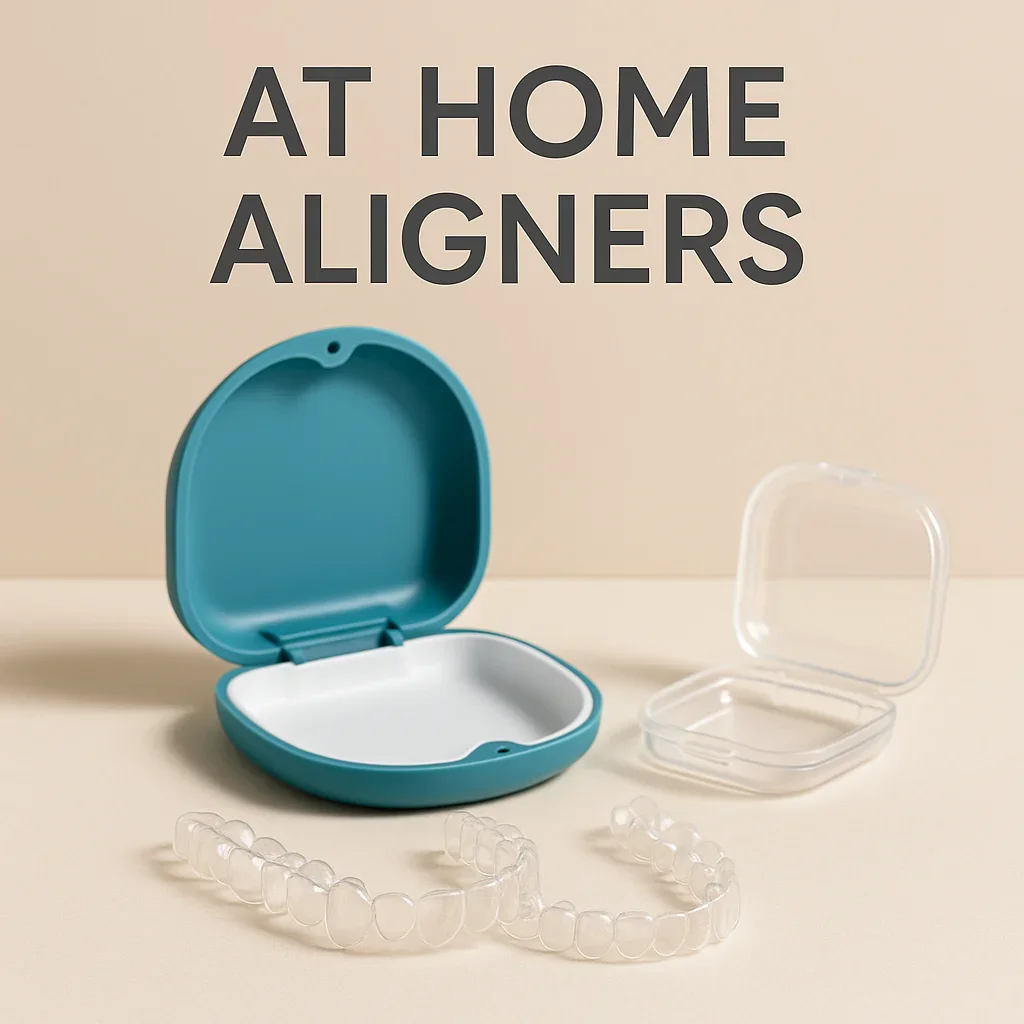
Are At Home Aligners Right for You? Expert Guidance and Final Thoughts
Deciding whether at home aligners are the right solution for your smile is an important step — one that should balance convenience, cost, safety, and long-term results. These clear aligner systems have transformed modern orthodontics by allowing patients to straighten their teeth from home under remote dental supervision. However, not everyone is an ideal candidate. Understanding who benefits most from at home aligners — and who should consider traditional options — ensures your journey toward a perfect smile is both safe and effective. 🦷
1. Who Is the Ideal Candidate for At Home Aligners?
The best candidates for at home aligners are those with mild to moderate dental misalignments. These may include small gaps between teeth, slight crowding, or minor rotations. Because aligners apply gentle, consistent pressure, they can effectively correct simple cosmetic issues without the need for braces or frequent orthodontist visits.
Perfect Candidates Often Have:
- Good overall oral health (no gum disease or cavities).
- Mild spacing or crowding (less than 6mm).
- No major bite problems (e.g., overbite, underbite, or crossbite beyond mild range).
- Commitment to wearing aligners 20–22 hours per day.
Patients who meet these criteria tend to see excellent results with at home aligners — often within 4 to 9 months, depending on their specific case. The predictability and precision of modern remote orthodontic systems make them ideal for people who value flexibility and privacy.
2. Who Should Avoid At Home Aligners?
Although at home aligners are effective for many, they are not suitable for every dental situation. Individuals with severe bite issues, complex jaw misalignments, or missing teeth may require direct clinical oversight. Additionally, those with active gum disease, untreated cavities, or loose teeth must address these issues before starting any alignment program.
Not Recommended For:
- Patients with significant bite irregularities (e.g., open bite or deep overbite).
- Those needing tooth extractions or complex orthodontic corrections.
- People who cannot commit to consistent wear time.
- Anyone with unresolved dental infections or periodontal disease.
For these cases, traditional braces or hybrid orthodontic approaches with in-person supervision are more appropriate. Consulting a licensed dentist or orthodontist is always essential before beginning treatment — even if your plan involves remote aligners.
3. The Role of Professional Consultation
The American Dental Association emphasizes that all orthodontic treatments, including at home aligners, should include a professional assessment. A licensed provider can determine whether your teeth and gums are healthy enough for movement and ensure your treatment plan is safe and tailored to your anatomy. This prevents potential complications like root resorption, gum recession, or bite imbalance.
For individuals considering remote treatment, clinics such as Redent Klinik Contact Page offer expert evaluations and hybrid programs. These allow patients to begin their journey at home while maintaining access to professional care when needed — achieving the best of both worlds.
4. Psychological and Lifestyle Considerations
Choosing at home aligners isn’t just a dental decision — it’s also a lifestyle choice. These systems appeal to adults and teens who want discreet treatment that fits into busy lives. Working professionals, travelers, and remote workers particularly appreciate the convenience of avoiding frequent clinic visits. However, the success of this treatment depends heavily on personal discipline. Aligners must be worn daily, cleaned properly, and tracked according to the plan. Without commitment, even the best technology cannot deliver results.
Tip for Busy Users:
Set smartphone reminders or use treatment-tracking apps provided by your aligner brand. Most apps let you log daily wear time and upload progress photos directly to your dentist — ensuring accountability and support throughout your smile transformation.
5. Benefits That Make At Home Aligners Worth Considering
When used correctly, at home aligners provide a long list of benefits that make them appealing compared to traditional orthodontic treatments:
- Discreet Appearance: Clear trays are nearly invisible, perfect for adults seeking professional confidence.
- Comfort: Smooth BPA-free plastic reduces irritation common with metal brackets.
- Convenience: No frequent appointments or manual adjustments.
- Hygiene: Aligners are removable, making brushing and flossing easier.
- Affordability: Most treatments cost less than half the price of braces.
- Remote Monitoring: Advanced apps and tele-dentistry keep progress on track without in-person visits.
These features explain why the global demand for at home aligners continues to grow year after year. Patients enjoy not only the physical transformation but also the confidence boost that comes from seeing their progress at every stage.
6. Limitations to Keep in Mind
Despite their advantages, at home aligners have limitations that potential users should acknowledge. They cannot fix complex orthodontic issues such as jaw asymmetry, significant bite shifts, or vertical tooth movements. Furthermore, results depend entirely on user cooperation — if you don’t wear them consistently, your teeth may relapse or fail to move as expected.
Understanding Realistic Expectations:
While results can be impressive, aligners are not magic. Teeth move through controlled, biologically guided pressure, which takes time. Rushing the process or ignoring professional advice can jeopardize your results. The most successful patients are those who stay patient, consistent, and diligent with care instructions.
7. Combining At Home Aligners with Professional Dental Care
Many clinics now recommend combining at home aligners with periodic in-office visits for optimal results. This hybrid approach ensures that patients benefit from both convenience and safety. Dentists can perform X-rays, deep cleanings, and bite checks to verify that tooth movement stays within safe biological limits. By complementing at-home treatment with occasional professional reviews, patients minimize risk and maximize long-term success.
8. Post-Treatment Commitment and Retainers
Once your alignment journey ends, maintaining results is crucial. Wearing retainers as directed helps prevent teeth from shifting back into their original positions. Most providers supply retainers designed from your final scan, ensuring perfect fit and stability. Regular follow-ups and dental cleanings every six months will help keep your smile healthy and bright long after your treatment concludes.
9. Summary: Making the Smart Choice for Your Smile
Ultimately, at home aligners can be an excellent choice for those who prioritize convenience, affordability, and aesthetics — but only if they’re used responsibly. Ideal candidates are individuals with minor to moderate alignment issues, good oral hygiene, and the motivation to follow treatment instructions precisely. If you have any doubt about your suitability, seek an expert evaluation from a trusted clinic like Redent Klinik to ensure your plan aligns with your dental health goals.
By balancing personal commitment with professional supervision, you can confidently embark on your aligner journey knowing your smile is in safe hands. The future of orthodontics is personalized, digital, and accessible — and at home aligners are at the forefront of this dental revolution. 🌟