
In recent years, the at home braces kit has become a popular option for people looking to improve their smile without frequent dental visits. Social media advertisements, online reviews, and direct-to-consumer orthodontic companies have increased awareness of the at home braces kit, making it seem like a convenient and affordable alternative to traditional braces. However, before purchasing any at home braces kit, it is important to understand how these systems work, their limitations, potential risks, and whether they are suitable for your specific dental needs.
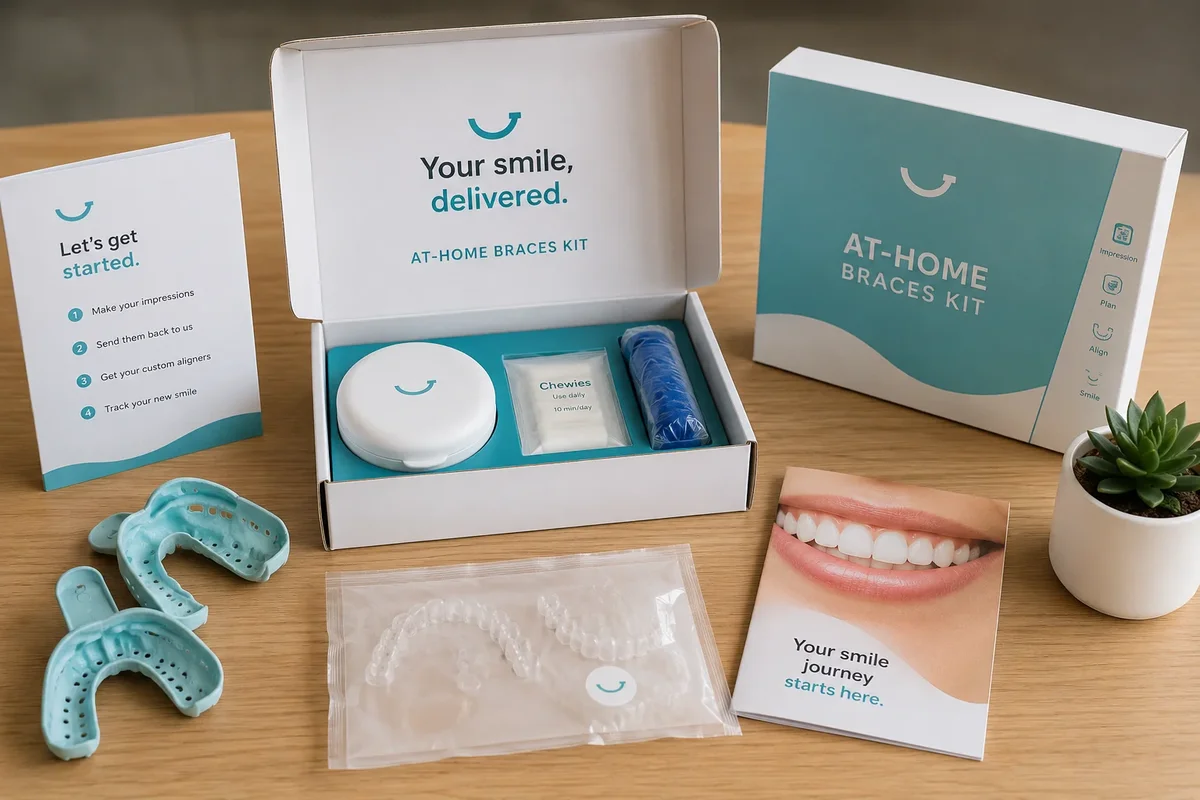
An at home braces kit generally refers to a remote teeth-straightening system that allows patients to begin treatment from home. Most companies provide an impression kit or a digital scanning process that captures the current position of the teeth. After reviewing the impressions, dental professionals create a treatment plan and manufacture a series of clear aligners designed to gradually move the teeth into a more desirable position. While many consumers use the term at home braces kit, most modern systems actually utilize clear aligner technology rather than traditional metal braces.
One of the biggest reasons people consider an at home braces kit is convenience. Instead of attending multiple orthodontic appointments, users can often complete much of the process online. The treatment plan is reviewed remotely, aligners are shipped directly to the patient’s home, and progress monitoring is conducted through photographs and virtual check-ins. For busy professionals, students, and individuals living far from orthodontic clinics, this convenience can be highly appealing. 😊
Cost is another factor contributing to the growing popularity of the at home braces kit. Traditional braces typically involve comprehensive orthodontic treatment, regular office visits, adjustments, and continuous supervision. In contrast, many remote aligner systems offer lower upfront costs. However, lower costs do not always mean better value. Patients should carefully evaluate the quality of care, the level of professional supervision, and the complexity of their dental condition before choosing an at home braces kit.
Understanding the limitations of an at home braces kit is essential. These systems are generally designed for mild to moderate orthodontic issues, such as minor crowding, small gaps between teeth, and slight alignment problems. Severe bite issues, significant crowding, impacted teeth, jaw discrepancies, or complex orthodontic conditions often require direct supervision from an orthodontist. In these situations, an at home braces kit may not provide the necessary level of treatment to achieve healthy, predictable results.
Another important consideration is diagnosis. Before beginning any orthodontic treatment, dental professionals typically evaluate oral health through clinical examinations, X-rays, and sometimes 3D imaging. These diagnostic tools help identify hidden issues such as bone loss, gum disease, cavities, impacted teeth, or root abnormalities. Some at home braces kit providers rely primarily on impressions and photographs, which may not reveal every underlying dental concern. This is one reason why many dental professionals recommend a comprehensive examination before starting treatment.
Patients should also recognize that moving teeth is a biological process. Teeth do not simply slide into place without affecting surrounding structures. Bone, gums, ligaments, and roots all respond to orthodontic forces. While an at home braces kit may successfully align teeth cosmetically, proper monitoring is important to ensure that movement occurs safely and predictably. Improper tooth movement can potentially contribute to gum recession, bite problems, or tooth sensitivity if not carefully managed.
Despite these concerns, many users report positive experiences with an at home braces kit when their cases are appropriate for remote treatment. Individuals with mild spacing or slight crowding often appreciate the discreet appearance of clear aligners and the flexibility of home-based treatment. Success largely depends on patient compliance, accurate impressions, realistic expectations, and ongoing professional oversight.
When evaluating any at home braces kit, consumers should carefully research the company behind the product. Important factors include the qualifications of supervising dental professionals, customer support availability, treatment guarantees, refund policies, and clinical transparency. Reading independent reviews and seeking professional dental advice before purchasing can help reduce potential risks.
The growing popularity of clear aligners has also led many people to use related terms such as remote orthodontic treatment, DIY teeth straightening systems, and home aligner kits. While these terms are often used interchangeably with at home braces kit, consumers should understand that not all systems offer the same level of clinical supervision or treatment effectiveness.
For patients considering orthodontic treatment, consulting a qualified dental professional remains one of the most important steps. A professional assessment can determine whether an at home braces kit is appropriate or whether traditional orthodontic care would provide safer and more effective results. Trusted organizations such as the American Dental Association emphasize the importance of professional dental evaluations before beginning any treatment that affects tooth movement.
If you are unsure whether an at home braces kit is suitable for your smile goals, seeking personalized guidance from experienced dental professionals can help you make an informed decision. You can also reach out through the Redent Klinik Contact Page to discuss orthodontic options and receive expert advice tailored to your individual needs.
Ultimately, an at home braces kit can be a useful solution for selected patients with mild alignment concerns, but it is not a one-size-fits-all treatment. Understanding the benefits, risks, costs, and clinical limitations will help you choose the safest path toward a healthier, more confident smile. 😁
What Is an At Home Braces Kit and How Does It Work?
An at home braces kit is a modern orthodontic solution designed to help individuals improve the alignment of their teeth without making frequent visits to a dental clinic. While the name suggests traditional braces, most products marketed as an at home braces kit actually use a series of clear aligners rather than metal brackets and wires. These systems are promoted as a convenient, discreet, and often more affordable alternative to conventional orthodontic treatment.
As demand for remote healthcare services continues to grow, the popularity of the at home braces kit has increased significantly. Many people are attracted by the ability to start treatment from the comfort of their home, complete assessments online, and receive aligners directly through the mail. However, understanding exactly how an at home braces kit works is essential before deciding whether it is the right choice for your dental needs.
Understanding the Basics of an At Home Braces Kit
The primary goal of an at home braces kit is to gradually move teeth into a more desirable position over time. Similar to professional clear aligner systems, the treatment relies on gentle, controlled pressure that encourages teeth to shift within the jawbone.
Unlike traditional braces, which use metal brackets attached to the teeth, an at home braces kit typically consists of a series of transparent plastic trays. Each tray is custom-made to fit the patient’s teeth and is worn for a specific period before being replaced by the next aligner in the sequence.
Over several months, each aligner makes small adjustments to tooth positioning. The cumulative effect of these movements can improve spacing issues, minor crowding, and certain cosmetic alignment concerns.
The Step-by-Step Process of Using an At Home Braces Kit
Most providers follow a structured treatment process. While details may vary between companies, the general steps are usually similar.
1. Initial Assessment
The journey with an at home braces kit usually begins with an online questionnaire. Patients provide information about their dental history, treatment goals, and current oral health condition. Some companies may also request photographs of the teeth from multiple angles.
This initial screening helps determine whether the candidate may be suitable for remote orthodontic treatment.
2. Taking Dental Impressions or Digital Scans
After approval, the company sends an impression package. This component is often considered the most important part of the at home braces kit process because accurate impressions are necessary for creating aligners that fit correctly.
Patients are instructed to bite into impression trays filled with molding material. Some providers alternatively offer digital scanning centers where advanced 3D images of the teeth are captured.
The resulting impressions or scans are then sent to the treatment provider for analysis.
3. Development of a Treatment Plan
Once the dental records are received, licensed dental professionals review the case. Using specialized software, they create a virtual treatment plan that illustrates how the teeth are expected to move throughout the process.
Many at home braces kit providers allow patients to preview their projected smile transformation before committing to treatment. This simulation can help patients understand expected outcomes and treatment timelines.
4. Manufacturing Custom Aligners
After the treatment plan is approved, a series of custom aligners is manufactured. Each aligner in the at home braces kit is designed to produce small, gradual movements.
These aligners are usually made from medical-grade plastic and are nearly invisible when worn. This discreet appearance is one of the primary reasons many adults prefer clear aligners over traditional braces.
5. Wearing the Aligners
Patients typically wear each aligner for 20 to 22 hours per day. The aligners should only be removed for eating, drinking anything other than water, brushing, and flossing.
Consistency is crucial when using an at home braces kit. Failure to wear the aligners as directed can delay progress and affect final results.
Most treatment plans involve changing aligners every one to two weeks, depending on the provider’s recommendations.
6. Remote Monitoring
Throughout treatment, progress is usually monitored remotely. Patients may upload photographs of their teeth through a mobile application or online portal. Dental professionals review these updates to ensure the treatment is progressing as planned.
Remote monitoring is one of the defining features of an at home braces kit, although the frequency and quality of supervision can vary significantly between providers.
What Dental Problems Can an At Home Braces Kit Address?
An at home braces kit is generally designed for mild to moderate orthodontic concerns. Common issues that may respond well to treatment include:
- Minor tooth crowding
- Small gaps between teeth
- Slightly rotated teeth
- Minor alignment irregularities
- Cosmetic smile improvements
For these types of cases, an at home braces kit may provide satisfactory results when used correctly and under appropriate professional supervision.
Limitations of an At Home Braces Kit
While an at home braces kit can be effective for certain patients, it is important to recognize its limitations. More complex orthodontic problems often require direct in-person care from an orthodontist.
Examples include:
- Severe crowding
- Major bite abnormalities
- Crossbites and open bites
- Impacted teeth
- Jaw alignment problems
- Significant tooth rotations
- Advanced periodontal disease
In these situations, traditional braces or professionally supervised aligner therapy may provide safer and more predictable outcomes.
Why Professional Evaluation Still Matters
Even if an at home braces kit appears convenient, a comprehensive dental examination remains important. X-rays, periodontal evaluations, and clinical assessments can identify issues that may not be visible in photographs or impressions alone.
Organizations such as the American Dental Association emphasize the importance of professional dental oversight whenever teeth are being moved orthodontically.
If you are considering an at home braces kit and want personalized guidance regarding your oral health, you can contact experienced dental professionals through the Redent Klinik Contact Page.
Final Thoughts
An at home braces kit offers a modern approach to smile correction by combining digital technology, clear aligners, and remote monitoring. For individuals with mild alignment concerns, it can provide a convenient alternative to traditional orthodontic treatment. However, understanding the full process, limitations, and importance of professional evaluation is essential before beginning treatment. The more informed you are about how an at home braces kit works, the better equipped you will be to make a safe and confident decision for your long-term oral health. 😁
Can an At Home Braces Kit Really Straighten Teeth?
One of the most common questions people ask before starting orthodontic treatment is whether an at home braces kit can actually straighten teeth effectively. The short answer is yes—an at home braces kit can straighten teeth in certain situations. However, the success of treatment depends on several important factors, including the complexity of the dental problem, the quality of the treatment plan, patient compliance, and the level of professional supervision involved.
As remote orthodontic solutions become more popular, many consumers are attracted by the convenience and affordability of an at home braces kit. Marketing campaigns often showcase impressive before-and-after photos, leading many people to believe that these systems can solve any orthodontic issue. In reality, while an at home braces kit can produce excellent results for selected patients, it is not suitable for every dental condition.
How Teeth Actually Move During Orthodontic Treatment
To understand whether an at home braces kit can straighten teeth, it helps to understand how orthodontic treatment works. Teeth are not permanently fixed within the jawbone. Instead, they are connected by a specialized structure called the periodontal ligament.
When controlled pressure is applied to a tooth, biological changes occur within the surrounding bone. Bone tissue breaks down on one side of the tooth and rebuilds on the other side, allowing gradual movement. This process is the same whether someone uses traditional braces, professional clear aligners, or an at home braces kit.
The key difference is not whether teeth can move, but how effectively and safely that movement is planned and monitored.
Cases Where an At Home Braces Kit Can Be Effective
An at home braces kit tends to work best for mild to moderate orthodontic concerns. These situations often involve cosmetic improvements rather than major functional corrections.
Minor Crowding
If several teeth overlap slightly or are mildly crowded, an at home braces kit may be capable of creating enough movement to improve alignment and appearance.
Small Gaps Between Teeth
Many patients use an at home braces kit to close small spaces between teeth. These gaps are often easier to correct than severe bite-related issues.
Mild Tooth Rotation
Slightly rotated teeth can sometimes respond well to treatment using an at home braces kit, especially when the movement required is limited.
Relapse After Previous Orthodontic Treatment
Some adults experience minor shifting after previously wearing braces. In these cases, an at home braces kit may help restore alignment if the relapse is relatively small.
For patients with these types of concerns, remote aligner systems can often deliver noticeable improvements when treatment is properly planned and followed.
Situations Where an At Home Braces Kit May Not Be Enough
Although an at home braces kit can move teeth, it has important limitations. Certain orthodontic problems require advanced treatment techniques that cannot easily be managed through remote care.
Severe Crowding
When teeth are significantly overcrowded, treatment may require enamel reduction, tooth extraction, or highly controlled orthodontic mechanics. These procedures usually require direct clinical supervision.
Major Bite Problems
Overbites, underbites, crossbites, and open bites often involve more than simple tooth alignment. These issues may affect chewing, speech, jaw function, and long-term oral health. An at home braces kit may not provide sufficient control to correct these conditions safely.
Complex Tooth Movement
Certain tooth movements require attachments, elastics, or advanced orthodontic techniques. Traditional orthodontic treatment can often achieve results that an at home braces kit cannot replicate.
Underlying Dental Disease
If gum disease, bone loss, untreated cavities, or root problems are present, moving teeth without proper evaluation may increase risks. This is why comprehensive examinations remain important before starting an at home braces kit.
Research and Clinical Outcomes
Clinical experience suggests that mild orthodontic cases often respond well to clear aligner therapy, including some forms of an at home braces kit. However, outcomes vary significantly depending on case selection.
One important point many consumers overlook is that successful treatment is not measured only by straighter-looking teeth. A successful result should also maintain healthy gums, proper bite function, stable tooth positions, and balanced jaw relationships.
Some patients may achieve cosmetic improvements with an at home braces kit while still developing bite issues that require future correction. This highlights the importance of ongoing monitoring and professional oversight.
The Importance of Patient Compliance
Even the most carefully designed at home braces kit cannot work if the patient fails to follow instructions. Clear aligners must generally be worn for 20 to 22 hours each day.
Patients who frequently remove aligners, skip aligner stages, or fail to wear retainers after treatment often experience disappointing results.
Successful outcomes depend heavily on:
- Consistent aligner wear
- Proper oral hygiene
- Following the prescribed schedule
- Attending remote check-ins
- Reporting concerns promptly
In many cases, compliance plays an equally important role as the design of the at home braces kit itself.
Advantages That Support Successful Results
Several features contribute to the effectiveness of an at home braces kit for appropriate candidates:
- Customized treatment planning
- Digital smile simulations
- Gradual tooth movement
- Convenient home delivery
- Virtually invisible aligners
- Remote progress tracking
For patients with realistic expectations and relatively simple orthodontic concerns, these advantages can make treatment both practical and effective.
Why Professional Evaluation Remains Important
Before purchasing an at home braces kit, patients should consider obtaining a professional dental assessment. X-rays and clinical examinations can reveal hidden conditions that may affect treatment outcomes.
Professional evaluation can also determine whether a patient is truly a good candidate for remote orthodontic care or whether traditional treatment would provide safer, more predictable results.
The American Dental Association emphasizes the importance of professional involvement in orthodontic treatment planning and monitoring.
If you are unsure whether an at home braces kit is suitable for your smile goals, experienced dental professionals can help you evaluate your options. Personalized guidance is available through the Redent Klinik Contact Page.
Final Verdict: Can an At Home Braces Kit Really Straighten Teeth?
Yes, an at home braces kit can straighten teeth when used for the right type of case. Mild crowding, small gaps, and minor alignment concerns are often treatable through remote aligner systems. However, an at home braces kit is not a universal solution for all orthodontic problems. Complex bite issues, severe crowding, and significant dental abnormalities typically require in-person orthodontic care.
Ultimately, the effectiveness of an at home braces kit depends on proper case selection, professional planning, patient commitment, and ongoing monitoring. When these factors come together, many patients can achieve meaningful smile improvements while enjoying the convenience of modern remote orthodontic treatment. 😁
Benefits of Choosing an At Home Braces Kit
The growing popularity of the at home braces kit is not surprising. In a world where convenience, affordability, and digital healthcare solutions are increasingly valued, many people are exploring alternatives to traditional orthodontic treatment. For suitable candidates, an at home braces kit can provide several advantages that make smile correction more accessible and less disruptive to everyday life.
While an at home braces kit is not appropriate for every orthodontic case, many patients with mild to moderate alignment concerns find the process appealing. Understanding the benefits can help prospective users make a more informed decision and determine whether this treatment approach aligns with their goals.
Convenience and Flexibility
One of the biggest reasons people choose an at home braces kit is convenience. Traditional orthodontic treatment often requires multiple in-person appointments for consultations, adjustments, and progress evaluations. For busy professionals, students, parents, or individuals who travel frequently, these appointments can be difficult to schedule.
With an at home braces kit, much of the treatment process can be completed remotely. Patients typically receive impression kits or digital scans, communicate with providers online, and have their aligners delivered directly to their homes.
Reduced Travel Requirements
Many users appreciate that an at home braces kit minimizes the need for repeated office visits. This can save significant time and reduce transportation expenses, especially for individuals who live far from orthodontic clinics.
Remote Monitoring
Most modern at home braces kit providers offer virtual check-ins that allow patients to submit photos and receive feedback without leaving home. This digital approach makes treatment more accessible for many people.
More Affordable Than Traditional Orthodontics
Cost is often one of the most significant advantages associated with an at home braces kit. Traditional braces and in-office clear aligner treatments can be expensive due to clinical overhead, ongoing adjustments, and extensive chairside supervision.
By streamlining the treatment process, many at home braces kit companies are able to offer lower pricing structures.
Typical Cost Comparison
Estimated Orthodontic Costs (2026)
- At Home Braces Kit: Approximately $1,200–$3,000
- Professional Clear Aligners: Approximately $3,000–$8,000+
- Traditional Metal Braces: Approximately $3,000–$7,500+
Actual pricing varies based on location, provider, treatment complexity, and additional services. However, for many consumers, the lower cost of an at home braces kit is a major deciding factor.
Discreet Appearance
Another attractive benefit of an at home braces kit is aesthetics. Unlike traditional braces that use visible metal brackets and wires, most remote orthodontic systems rely on clear aligners.
These aligners are designed to fit snugly over the teeth and are often difficult for others to notice during everyday interactions.
Popular Among Adults
Many adults postpone orthodontic treatment because they are concerned about appearance in professional or social settings. An at home braces kit offers a more subtle solution that allows users to improve their smiles while maintaining confidence at work, school, or social events.
Improved Comfort
Many patients report that an at home braces kit feels more comfortable than traditional braces. Since clear aligners do not use metal brackets or wires, there is generally less risk of irritation to the cheeks, lips, and gums.
Although some pressure and mild discomfort are expected when switching to a new aligner, the experience is often more manageable than the adjustments associated with traditional braces.
Smooth Material Design
The aligners included with an at home braces kit are typically manufactured from smooth medical-grade plastic, which reduces friction and irritation inside the mouth.
Removable Design for Greater Freedom
One major advantage of an at home braces kit is that the aligners can be removed when necessary. Unlike fixed braces, users can take out their aligners during meals, brushing, flossing, and special occasions.
No Food Restrictions
Traditional braces often require patients to avoid sticky, hard, or crunchy foods that could damage brackets or wires. Because an at home braces kit uses removable aligners, patients can generally continue enjoying their favorite foods without major dietary restrictions.
Easier Oral Hygiene
Maintaining oral hygiene is often easier with an at home braces kit. Users can remove aligners before brushing and flossing, allowing them to clean their teeth more thoroughly compared to navigating around brackets and wires.
Digital Treatment Planning
Many at home braces kit providers utilize advanced digital technology to create customized treatment plans. Before beginning treatment, patients may be able to view a virtual simulation showing how their smile could change over time.
This feature helps patients develop realistic expectations and better understand the proposed treatment process.
Personalized Approach
Each at home braces kit is typically designed based on individual dental impressions or digital scans. This customization allows aligners to fit the patient’s unique tooth anatomy and treatment goals.
Increased Accessibility
For individuals living in rural or underserved areas, access to orthodontic specialists may be limited. An at home braces kit can provide an alternative pathway to orthodontic treatment for patients who might otherwise delay care due to geographic barriers.
The ability to complete much of the process remotely can help bridge access gaps and make smile improvement available to a wider population.
Potential Psychological Benefits
Improving dental alignment can have a positive impact on self-esteem and confidence. Many patients who successfully complete an at home braces kit report feeling more comfortable smiling, speaking, and interacting socially.
Although cosmetic improvements are not the sole purpose of orthodontic treatment, increased confidence is often an appreciated benefit.
Important Considerations
Despite the many advantages, it is important to remember that an at home braces kit is not appropriate for everyone. The benefits described above are most relevant for individuals with mild to moderate orthodontic concerns who are suitable candidates for remote treatment.
Before starting any orthodontic program, a professional evaluation can help identify underlying dental issues that may affect treatment outcomes. The American Dental Association encourages professional involvement when planning orthodontic treatment and monitoring tooth movement.
If you are considering an at home braces kit and would like expert guidance regarding your options, you can consult experienced dental professionals through the Redent Klinik Contact Page.
Final Thoughts
An at home braces kit offers numerous potential advantages, including convenience, affordability, discreet appearance, removable aligners, easier oral hygiene, and improved accessibility. For the right candidate, an at home braces kit can be an effective way to address mild orthodontic concerns while fitting comfortably into a modern lifestyle. However, achieving the best possible results still requires proper case selection, realistic expectations, and professional oversight whenever necessary. By carefully evaluating both the benefits and limitations, patients can make informed decisions about whether an at home braces kit is the right path toward a healthier and more confident smile. 😁
Risks and Potential Complications of an At Home Braces Kit
While an at home braces kit offers convenience, affordability, and accessibility, it is important for consumers to understand that orthodontic treatment always involves certain risks. Teeth are living structures supported by bone, gums, ligaments, and surrounding tissues. Any attempt to move teeth—even with a professionally designed at home braces kit—must be approached carefully.
Many marketing campaigns focus heavily on the advantages of an at home braces kit, but prospective users should also be aware of the potential complications. Understanding these risks allows patients to make informed decisions and recognize when professional dental supervision may be necessary.
It is important to note that complications are not inevitable. Many people complete an at home braces kit successfully and achieve improved smiles. However, risks increase when treatment is used inappropriately, when underlying dental problems are overlooked, or when patients fail to follow instructions properly.
Why Orthodontic Tooth Movement Requires Careful Monitoring
Every at home braces kit works by applying gentle pressure to the teeth. This pressure stimulates biological changes within the bone and supporting tissues, allowing teeth to gradually shift position.
Although this process sounds simple, tooth movement is actually complex. Small differences in force, treatment planning, and patient anatomy can significantly influence outcomes.
Traditional orthodontists monitor patients closely because unexpected issues may develop during treatment. While many at home braces kit providers offer remote supervision, the absence of frequent in-person examinations can sometimes make it more difficult to identify complications early.
Inaccurate Impressions and Treatment Planning Errors
Poor Impression Quality
One of the most common challenges with an at home braces kit occurs during the impression stage. Since patients often take their own dental impressions, there is a possibility of errors.
If the impressions do not accurately capture the shape and position of the teeth, the resulting aligners may not fit correctly. This can affect treatment accuracy and potentially lead to unwanted tooth movement.
Limited Diagnostic Information
Unlike traditional orthodontic consultations that often include X-rays and clinical examinations, some at home braces kit systems rely primarily on impressions and photographs.
This means certain underlying conditions may go undetected, including:
- Bone loss
- Hidden tooth decay
- Impacted teeth
- Root abnormalities
- Periodontal disease
Without comprehensive diagnostics, treatment planning may be based on incomplete information.
Gum and Periodontal Complications
Gum Recession
One potential complication associated with an at home braces kit is gum recession. This occurs when gum tissue gradually pulls away from the tooth surface, exposing more of the root.
Gum recession can contribute to sensitivity, aesthetic concerns, and increased vulnerability to decay.
Individuals who already have thin gum tissue or periodontal problems may face a higher risk during orthodontic treatment.
Existing Gum Disease
If periodontal disease is present before beginning an at home braces kit, tooth movement may worsen the condition. Inflammation and bone loss can reduce the stability of teeth, making orthodontic forces more difficult to manage safely.
This is one reason why many dental professionals recommend a full periodontal evaluation before starting treatment.
Bite Problems and Functional Issues
One of the lesser-known risks of an at home braces kit involves bite changes.
Unbalanced Tooth Contact
Even when teeth appear straighter, the way upper and lower teeth fit together may change. Some patients may develop uneven contact patterns that affect chewing efficiency and comfort.
In severe situations, bite imbalances may require additional orthodontic correction.
Open Bite Development
Some patients undergoing aligner treatment have reported the development of an anterior open bite, where the front teeth no longer touch properly when biting down.
Although not common, this highlights the importance of monitoring treatment progress throughout the course of an at home braces kit.
Root Resorption Risk
Root resorption refers to the shortening of tooth roots during orthodontic treatment. While mild root resorption can occur during many forms of orthodontics, excessive root shortening may weaken long-term tooth support.
Because root resorption cannot usually be detected without radiographic imaging, patients using an at home braces kit may not be aware of the issue unless professional examinations are performed.
The risk is generally low but should still be acknowledged as a potential complication of any tooth-moving treatment.
Tooth Sensitivity and Discomfort
Expected Sensitivity
Most users experience some level of discomfort when starting an at home braces kit. This is usually a normal response to tooth movement and often improves after a few days.
Persistent Pain
However, severe or prolonged pain may indicate a problem with aligner fit or treatment progression. Patients should never ignore persistent discomfort while using an at home braces kit.
Prompt communication with the supervising provider is essential whenever unusual symptoms develop.
Treatment Delays and Unpredictable Results
Not every patient responds to orthodontic forces in the same way. Biological differences can affect the speed and predictability of tooth movement.
As a result, an at home braces kit may not always achieve the exact outcome shown in initial treatment simulations.
Some patients require refinements, additional aligners, or even alternative treatment approaches to reach their desired results.
Patient Compliance Issues
The effectiveness of an at home braces kit depends heavily on patient cooperation.
Problems can occur when patients:
- Do not wear aligners long enough each day
- Skip aligner stages
- Lose aligners
- Fail to attend virtual check-ins
- Ignore provider instructions
Poor compliance significantly increases the likelihood of treatment complications.
Psychological Risks and Unrealistic Expectations
Some consumers begin an at home braces kit expecting dramatic smile transformations that may not be realistic for their specific case.
When expectations exceed what remote orthodontic treatment can deliver, disappointment may occur even if the treatment technically succeeds.
Understanding the limitations of an at home braces kit is therefore just as important as understanding its benefits.
How to Reduce Risks When Using an At Home Braces Kit
Patients can significantly improve safety by taking several precautions before starting treatment:
- Obtain a comprehensive dental examination
- Address cavities and gum disease first
- Choose reputable providers
- Follow aligner instructions carefully
- Maintain excellent oral hygiene
- Report problems immediately
- Wear retainers after treatment completion
These steps can help maximize the chances of a positive outcome with an at home braces kit.
The Importance of Professional Guidance
Dental organizations such as the American Dental Association emphasize the importance of professional evaluation and oversight whenever orthodontic treatment is being considered.
If you are uncertain whether an at home braces kit is appropriate for your situation, consulting qualified dental professionals can provide valuable guidance. Personalized assistance is available through the Redent Klinik Contact Page.
Final Thoughts
An at home braces kit can be a useful orthodontic option for carefully selected patients, but it is not without risks. Potential complications may include inaccurate treatment planning, gum recession, bite problems, root resorption, discomfort, treatment delays, and unmet expectations. Fortunately, many of these risks can be minimized through proper evaluation, responsible provider selection, and ongoing monitoring.
Before beginning any at home braces kit, patients should take the time to fully understand both the advantages and the potential drawbacks. An informed decision is the foundation of safe, effective, and successful orthodontic treatment. 😊
Who Is a Good Candidate for an At Home Braces Kit?
One of the most important questions prospective patients should ask before beginning treatment is whether they are actually a suitable candidate for an at home braces kit. While marketing materials often present these systems as a simple solution for anyone seeking a straighter smile, the reality is more nuanced. An at home braces kit can be highly effective for certain individuals, but it is not appropriate for every orthodontic situation.
The success of an at home braces kit depends heavily on proper case selection. Patients with mild alignment concerns and healthy oral structures may achieve excellent results, while those with complex orthodontic problems often require direct supervision from an orthodontist. Understanding who is most likely to benefit from an at home braces kit can help prevent disappointment and reduce the risk of complications.
Ideal Candidates for an At Home Braces Kit
Generally speaking, the best candidates for an at home braces kit are adults or older teenagers who have relatively minor orthodontic concerns and maintain good oral health.
These individuals often seek cosmetic improvements rather than major functional corrections.
People With Mild Tooth Crowding
Mild crowding is one of the most common reasons patients consider an at home braces kit. When a few teeth overlap slightly or appear mildly misaligned, clear aligner systems can often create enough movement to improve the smile.
Minor crowding usually requires less complex tooth movement, making it more suitable for remote orthodontic treatment.
People With Small Gaps Between Teeth
Patients with small spaces between their teeth are often good candidates for an at home braces kit. These gaps may develop naturally, result from previous orthodontic relapse, or occur due to differences in tooth size.
Many remote aligner systems are specifically designed to address mild spacing issues effectively.
Individuals Seeking Cosmetic Improvements
Some patients are primarily interested in improving the appearance of their smile rather than correcting severe bite abnormalities. For these individuals, an at home braces kit may provide a practical and convenient solution.
Cosmetic alignment goals often respond well when the required tooth movement is relatively simple.
Adults Who Previously Had Braces
A large percentage of at home braces kit users are adults who wore braces earlier in life but experienced minor relapse over time.
Teeth naturally tend to shift as people age, especially if retainers are not worn consistently after orthodontic treatment. In these situations, an at home braces kit may help restore alignment without requiring a full course of traditional braces.
Minor Orthodontic Relapse
If previous orthodontic treatment was successful and only small changes have occurred since then, remote aligner therapy may be sufficient to correct the problem.
These cases often involve predictable tooth movement and are commonly accepted by providers offering an at home braces kit.
Patients With Healthy Teeth and Gums
Oral health is one of the most important factors in determining candidacy for an at home braces kit.
Before teeth can be moved safely, the supporting structures must be healthy and stable.
Healthy Periodontal Condition
Patients with healthy gums and adequate bone support are generally better candidates for orthodontic treatment. Gum disease can weaken tooth support and increase the risk of complications during tooth movement.
For this reason, a comprehensive dental examination is recommended before beginning an at home braces kit.
No Untreated Cavities
Active tooth decay should be addressed before orthodontic treatment begins. Untreated cavities may worsen during aligner therapy if oral hygiene is neglected.
A patient considering an at home braces kit should ensure that all necessary restorative treatment has been completed beforehand.
Individuals Who Can Follow Instructions Consistently
Patient compliance plays a major role in determining whether an at home braces kit will be successful.
Unlike fixed braces, aligners are removable. This flexibility offers convenience but also creates opportunities for noncompliance.
Commitment to Wearing Aligners
Most providers recommend wearing aligners for 20 to 22 hours each day. Patients who are disciplined and capable of following these guidelines are more likely to achieve successful results with an at home braces kit.
Willingness to Attend Virtual Check-Ins
Remote monitoring is an important component of most at home braces kit programs. Good candidates are willing to upload progress photos, respond to provider requests, and communicate promptly if concerns arise.
People With Realistic Expectations
Another characteristic of a good candidate for an at home braces kit is realistic expectations.
Remote aligner treatment can produce meaningful improvements, but it may not deliver the same level of correction as comprehensive orthodontic treatment in complex cases.
Understanding Treatment Limitations
Patients who understand that an at home braces kit is designed primarily for mild to moderate alignment issues tend to be more satisfied with their outcomes.
Unrealistic expectations often lead to frustration even when treatment is technically successful.
Situations That May Require Further Evaluation
Some individuals fall into a gray area where additional professional assessment is necessary before determining whether an at home braces kit is appropriate.
Examples include:
- Moderate crowding
- Previous dental trauma
- Extensive restorations
- Minor bite discrepancies
- History of periodontal disease
In these situations, a dentist or orthodontist can provide personalized guidance based on clinical findings.
Why Professional Assessment Is Still Valuable
Even when someone appears to be a strong candidate for an at home braces kit, professional evaluation remains beneficial. Clinical examinations and diagnostic imaging can reveal issues that may not be visible in photographs or impressions.
The American Dental Association supports professional involvement in orthodontic treatment planning to help ensure safe and predictable outcomes.
If you are considering an at home braces kit and would like personalized advice about your suitability for treatment, experienced dental professionals can assist through the Redent Klinik Contact Page.
Final Thoughts
A good candidate for an at home braces kit is typically someone with mild crowding, small gaps, minor orthodontic relapse, healthy teeth and gums, and the ability to follow treatment instructions consistently. These individuals often benefit from the convenience, affordability, and discreet appearance that an at home braces kit can provide.
However, candidacy should never be based solely on online advertisements or self-assessment. Careful evaluation, realistic expectations, and professional guidance remain essential for achieving safe, effective, and satisfying orthodontic results. By determining whether you truly fit the profile of an ideal candidate, you can make a more informed decision about whether an at home braces kit is the right choice for your smile journey. 😁
Who Should Avoid Using an At Home Braces Kit?
Although an at home braces kit can be an effective solution for certain individuals, it is not suitable for everyone. One of the biggest misconceptions surrounding an at home braces kit is the belief that any person with crooked teeth can benefit from remote orthodontic treatment. In reality, many dental conditions require direct clinical supervision, advanced diagnostics, and specialized orthodontic techniques that cannot be fully replicated through a remote treatment model.
Understanding who should avoid an at home braces kit is just as important as understanding who may benefit from it. Choosing the wrong treatment approach can lead to unsatisfactory results, unnecessary expenses, prolonged treatment times, and potential oral health complications. Before purchasing any at home braces kit, patients should carefully evaluate their dental condition and seek professional advice when needed.
Patients With Severe Crowding Should Avoid an At Home Braces Kit
One of the most common reasons an at home braces kit may not be appropriate is severe dental crowding. When there is insufficient space within the dental arch, teeth may overlap significantly or become rotated in complex ways.
Why Severe Crowding Is More Complicated
Correcting severe crowding often requires advanced orthodontic planning. In some cases, treatment may involve:
- Tooth extractions
- Interproximal reduction (enamel reshaping)
- Orthodontic attachments
- Elastics or auxiliary appliances
- Frequent in-office adjustments
Most at home braces kit systems are designed for mild to moderate alignment concerns and may not be capable of safely managing these more complex situations.
People With Significant Bite Problems
An at home braces kit is often focused on cosmetic tooth alignment rather than comprehensive bite correction. Patients with significant bite abnormalities generally require direct orthodontic supervision.
Examples of Complex Bite Issues
- Severe overbite
- Underbite
- Crossbite
- Open bite
- Deep bite
- Jaw asymmetry
These conditions affect not only appearance but also chewing efficiency, speech, jaw comfort, and long-term oral health. An at home braces kit may not provide sufficient control to address these problems effectively.
Patients With Active Gum Disease
Healthy gums are essential for successful orthodontic treatment. Individuals with untreated periodontal disease should avoid starting an at home braces kit until their gum condition has been fully evaluated and treated.
Why Gum Disease Increases Risk
Periodontal disease damages the structures that support the teeth, including the gums and bone. When teeth are moved in the presence of active disease, complications may occur such as:
- Accelerated bone loss
- Increased tooth mobility
- Gum recession
- Treatment instability
Because some at home braces kit programs rely heavily on photographs and impressions, underlying periodontal issues may not always be fully recognized without a comprehensive dental examination.
People With Untreated Dental Problems
An at home braces kit should never be used as a substitute for routine dental care. Patients with unresolved oral health problems should seek treatment before beginning orthodontic movement.
Conditions That Require Attention First
- Untreated cavities
- Broken teeth
- Dental infections
- Abscesses
- Failing restorations
- Advanced tooth wear
Moving teeth without first addressing these conditions can complicate treatment and potentially worsen existing problems.
Patients Who Need Comprehensive Orthodontic Treatment
Some orthodontic cases involve far more than simply straightening visible teeth. In these situations, an at home braces kit may not provide the level of control necessary to achieve optimal results.
Complex Tooth Movements
Certain movements are difficult to achieve remotely, including:
- Large tooth rotations
- Vertical tooth movement
- Major arch expansion
- Significant root repositioning
Orthodontists often use specialized attachments, elastics, and other appliances to accomplish these movements safely and effectively.
An at home braces kit may have limitations when treating these more advanced orthodontic needs.
Individuals With Jaw Alignment Problems
Some orthodontic concerns originate from skeletal discrepancies rather than simple tooth misalignment. In these cases, the position of the jaws contributes significantly to the problem.
Examples of Skeletal Issues
- Severe underbite caused by jaw position
- Pronounced overbite related to jaw growth
- Facial asymmetry
- Developmental jaw discrepancies
Because an at home braces kit primarily moves teeth rather than modifying jaw structure, these patients usually require direct orthodontic evaluation and, in some cases, surgical consultation.
People Who Cannot Commit to Treatment Requirements
Successful use of an at home braces kit requires discipline and consistency. Patients who are unable or unwilling to follow treatment instructions may not be ideal candidates.
Compliance Challenges
Aligners typically need to be worn for 20 to 22 hours per day. Individuals who frequently remove aligners, forget to wear them, or fail to follow the prescribed schedule may experience:
- Treatment delays
- Poor fit of future aligners
- Incomplete correction
- Unpredictable tooth movement
For these patients, an at home braces kit may not produce the desired outcome.
Patients Seeking Instant Results
Orthodontic treatment is a gradual biological process. Anyone expecting dramatic overnight changes should reconsider their expectations before purchasing an at home braces kit.
Realistic Treatment Timelines
Depending on case complexity, treatment may take several months or longer. Tooth movement must occur slowly to protect supporting tissues and maintain oral health.
An at home braces kit can improve alignment, but patience remains essential throughout the process.
People With Extensive Dental Restorations
Patients who have multiple crowns, bridges, veneers, implants, or other restorative work should seek professional evaluation before using an at home braces kit.
Restored teeth sometimes respond differently to orthodontic forces, and treatment planning may require special considerations that are difficult to address through remote assessment alone.
Why Professional Evaluation Is Critical
Determining whether someone should avoid an at home braces kit often requires more information than photographs or self-assessment can provide. Clinical examinations, X-rays, and periodontal evaluations help identify underlying conditions that may affect treatment safety and effectiveness.
The American Dental Association continues to emphasize the importance of professional dental oversight when planning orthodontic treatment.
If you are uncertain whether an at home braces kit is suitable for your specific dental situation, personalized guidance from experienced dental professionals can help you make a safer and more informed decision. You can seek expert advice through the Redent Klinik Contact Page.
Final Thoughts
While an at home braces kit offers many advantages, it is not the right solution for everyone. Patients with severe crowding, significant bite problems, active gum disease, untreated dental issues, jaw discrepancies, extensive restorations, or poor treatment compliance should proceed with caution. In these situations, traditional orthodontic care often provides a safer and more predictable path to achieving long-term oral health and functional results.
Choosing the correct treatment option begins with understanding your individual needs. By recognizing when an at home braces kit may not be appropriate, patients can avoid unnecessary risks and pursue the orthodontic care that best supports a healthy, confident smile. 😊
At Home Braces Kit vs Traditional Orthodontic Treatment
When considering options for straightening teeth, many people find themselves comparing an at home braces kit with traditional orthodontic treatment. Both approaches aim to improve dental alignment, enhance smile aesthetics, and support better oral health. However, the methods, level of supervision, treatment capabilities, costs, and expected outcomes can differ significantly.
Choosing between an at home braces kit and traditional orthodontic treatment is not simply a matter of convenience or price. The best choice depends on the complexity of the orthodontic issue, the patient’s oral health status, lifestyle preferences, and long-term treatment goals. Understanding the differences between these two approaches can help patients make informed decisions and avoid unrealistic expectations.
Understanding the Fundamental Difference
The most important distinction between an at home braces kit and traditional orthodontic treatment is the level of direct clinical supervision.
At Home Braces Kit Approach
An at home braces kit typically relies on remote treatment planning and monitoring. Patients take impressions or obtain digital scans, receive aligners by mail, and communicate with dental professionals through online platforms. Progress is usually tracked through photographs and virtual check-ins.
This model prioritizes convenience and accessibility while reducing the need for frequent office visits.
Traditional Orthodontic Approach
Traditional orthodontic treatment involves in-person examinations, diagnostic imaging, regular adjustments, and direct supervision by an orthodontist. Treatment may utilize metal braces, ceramic braces, lingual braces, or professionally managed clear aligners.
Because the orthodontist can physically evaluate the patient throughout treatment, adjustments can be made immediately if problems arise.
Diagnostic Capabilities
Proper diagnosis is one of the most important components of orthodontic care.
Diagnosis With an At Home Braces Kit
Most at home braces kit providers use dental impressions, digital scans, and photographs to evaluate patients. While these tools can provide valuable information, they may not always reveal underlying issues such as:
- Bone loss
- Impacted teeth
- Root abnormalities
- Jaw discrepancies
- Periodontal disease
Some providers recommend obtaining dental examinations independently before beginning treatment.
Diagnosis With Traditional Orthodontics
Traditional orthodontic treatment generally includes comprehensive diagnostics such as:
- Clinical examinations
- Digital X-rays
- Panoramic imaging
- Cephalometric analysis
- Periodontal assessments
- 3D imaging when necessary
These tools provide a more complete understanding of the patient’s oral health and orthodontic needs.
Types of Cases Each Option Can Treat
Cases Suitable for an At Home Braces Kit
An at home braces kit is generally best suited for mild to moderate orthodontic concerns, including:
- Minor crowding
- Small gaps between teeth
- Slight tooth rotations
- Minor orthodontic relapse
- Cosmetic alignment improvements
For these situations, an at home braces kit may offer satisfactory results with fewer office visits.
Cases Suitable for Traditional Orthodontics
Traditional orthodontic treatment can address significantly more complex conditions, including:
- Severe crowding
- Large spacing problems
- Crossbites
- Open bites
- Deep bites
- Underbites
- Jaw alignment issues
- Impacted teeth
- Complex tooth movement
These cases often require techniques that extend beyond the capabilities of an at home braces kit.
Level of Professional Supervision
Remote Monitoring
One of the defining characteristics of an at home braces kit is remote supervision. Patients submit photographs and communicate through digital platforms.
While many providers offer professional oversight, the frequency and depth of monitoring may vary.
In-Person Monitoring
Traditional orthodontic treatment provides direct observation during every appointment. Orthodontists can assess gum health, bite development, tooth movement, and treatment progress firsthand.
This hands-on approach often allows problems to be identified and addressed earlier.
Cost Comparison
Cost is often one of the main reasons people explore an at home braces kit.
Estimated 2026 Cost Comparison
Approximate Orthodontic Treatment Costs
- At Home Braces Kit: $1,200–$3,000
- Professional Clear Aligners: $3,000–$8,000+
- Traditional Metal Braces: $3,000–$7,500+
- Ceramic Braces: $4,000–$8,500+
These figures are estimates and may vary depending on geographic location, provider expertise, treatment duration, and case complexity.
Although an at home braces kit is usually less expensive, patients should evaluate overall value rather than focusing solely on price.
Convenience and Lifestyle Considerations
Advantages of an At Home Braces Kit
Many patients choose an at home braces kit because it offers:
- Fewer office visits
- Home-based treatment
- Remote communication
- Flexible scheduling
- Discreet aligner appearance
For busy individuals, these conveniences can be highly attractive.
Advantages of Traditional Orthodontics
Traditional orthodontics may require more appointments, but patients benefit from direct access to professional care and immediate intervention when treatment adjustments are necessary.
Many people find reassurance in knowing that their orthodontist is actively monitoring every stage of treatment.
Treatment Predictability
Predictability is another important factor when comparing an at home braces kit with traditional orthodontics.
Predictability of Remote Treatment
For straightforward cases, an at home braces kit can produce predictable outcomes. However, unexpected tooth movement may require refinements or additional aligners.
Biological responses vary from person to person, which can affect treatment progression.
Predictability of Traditional Orthodontics
Because traditional orthodontists can continuously adjust treatment based on real-time observations, complex cases are often more predictable under direct supervision.
Additional tools such as attachments, elastics, and specialized appliances can further improve treatment control.
Long-Term Oral Health Considerations
Orthodontic treatment should support not only cosmetic improvements but also long-term oral health.
An at home braces kit may successfully improve appearance for selected patients, but traditional orthodontic treatment often provides more comprehensive management of bite function, jaw relationships, and overall dental stability.
This distinction becomes increasingly important in complex cases where functional correction is required.
When an At Home Braces Kit May Be the Better Choice
An at home braces kit may be appropriate when:
- Orthodontic issues are mild
- The patient has healthy teeth and gums
- Convenience is a priority
- Budget limitations exist
- The patient can follow instructions consistently
When Traditional Orthodontics May Be the Better Choice
Traditional orthodontic treatment may be preferable when:
- Complex bite issues are present
- Severe crowding exists
- Jaw discrepancies are involved
- Advanced diagnostics are needed
- The patient desires maximum clinical supervision
Expert Guidance Matters
Dental organizations such as the American Dental Association continue to emphasize the value of professional evaluation before beginning orthodontic treatment.
If you are uncertain whether an at home braces kit or traditional orthodontics is best for your specific situation, experienced dental professionals can help you evaluate your options. Personalized consultations are available through the Redent Klinik Contact Page.
Final Thoughts
Both an at home braces kit and traditional orthodontic treatment have legitimate roles in modern dentistry. An at home braces kit offers affordability, convenience, and accessibility for suitable candidates with mild orthodontic concerns. Traditional orthodontics, on the other hand, provides comprehensive diagnostics, advanced treatment capabilities, and direct professional supervision for more complex cases.
The right choice depends on your individual oral health needs, treatment goals, and expectations. By understanding the strengths and limitations of each option, patients can confidently choose the orthodontic solution that best supports a healthy, functional, and attractive smile. 😁
How Much Does an At Home Braces Kit Cost in 2026?
Cost is often one of the first factors people consider when researching an at home braces kit. In fact, affordability is one of the main reasons why remote orthodontic treatment has gained popularity worldwide. Compared to traditional braces and in-office clear aligners, an at home braces kit can offer a lower upfront investment while still helping eligible patients improve the appearance of their smile.
However, understanding the true cost of an at home braces kit requires more than simply looking at the advertised price. Different providers offer different levels of professional supervision, treatment complexity, customer support, refinements, retainers, and payment plans. For this reason, prospective patients should evaluate both the initial price and the overall value they receive.
In this guide, we will examine the average cost of an at home braces kit in 2026, the factors that influence pricing, hidden expenses to consider, and how these costs compare with traditional orthodontic treatment.
Average Cost of an At Home Braces Kit in 2026
As of 2026, most reputable providers offer an at home braces kit within a fairly predictable price range. Although exact pricing varies by company and location, consumers can generally expect the following costs.
Estimated Price Range
Average 2026 Orthodontic Pricing
- At Home Braces Kit: $1,200 – $3,000
- Professional Clear Aligners: $3,000 – $8,000+
- Traditional Metal Braces: $3,000 – $7,500+
- Ceramic Braces: $4,000 – $8,500+
- Lingual Braces: $8,000 – $13,000+
These estimates reflect general market averages and may vary depending on geographic location, provider reputation, treatment complexity, and included services.
For many patients with mild alignment concerns, the lower price of an at home braces kit makes orthodontic treatment more financially accessible.
Why an At Home Braces Kit Costs Less
Many people wonder why an at home braces kit is often significantly less expensive than traditional orthodontic treatment.
Reduced Clinical Overhead
Traditional orthodontic practices require office space, specialized equipment, clinical staff, and frequent in-person appointments. These operational expenses contribute to the overall cost of treatment.
By contrast, an at home braces kit relies heavily on digital communication, remote monitoring, and centralized manufacturing processes, reducing overhead expenses.
Fewer Office Visits
Most at home braces kit providers minimize the need for in-person consultations and adjustments. This streamlined approach helps lower costs for both providers and patients.
Standardized Treatment Models
Many remote orthodontic companies focus on treating mild to moderate alignment issues using highly standardized workflows. Because treatment is often less complex, pricing can remain relatively competitive.
Factors That Influence the Cost of an At Home Braces Kit
Not every at home braces kit costs the same. Several important factors affect pricing.
Case Complexity
Patients with minor spacing issues may require fewer aligners and shorter treatment times than individuals with moderate crowding.
More complex cases often result in higher costs because additional aligners and treatment planning may be necessary.
Provider Reputation
Well-established companies that offer extensive customer support, licensed dental supervision, and advanced treatment technology may charge more for an at home braces kit than newer or less comprehensive providers.
Treatment Duration
Longer treatment plans often involve additional aligners, refinements, and monitoring, which can increase overall costs.
Included Retainers
Some providers include retainers in the cost of the at home braces kit, while others charge separately.
Since retainers are essential for maintaining results after treatment, patients should carefully review what is included in the quoted price.
Potential Hidden Costs
Although many advertisements promote a low-cost at home braces kit, additional expenses may arise during treatment.
Replacement Aligners
If aligners are lost or damaged, replacement fees may apply.
Refinement Aligners
Some patients require additional aligners after completing their initial treatment plan. Depending on the provider, these refinements may or may not be included.
Retainer Costs
After completing an at home braces kit, patients typically need retainers to prevent teeth from shifting back toward their original positions.
Replacement retainers may be needed periodically throughout life.
Independent Dental Examinations
Many dental professionals recommend obtaining a comprehensive dental examination before starting an at home braces kit. These evaluations may involve separate fees for:
- X-rays
- Dental cleanings
- Periodontal assessments
- Cavity treatment
While these services increase overall costs, they can help improve treatment safety.
Monthly Payment Options
Many providers understand that patients may prefer spreading costs over time.
Financing Plans
Most major at home braces kit companies offer financing programs that allow patients to make monthly payments rather than paying the entire cost upfront.
Depending on the provider, monthly payments may range from approximately $50 to $150 per month.
Patients should carefully review interest rates, financing terms, and total repayment amounts before enrolling in any payment plan.
Cost Versus Value
When evaluating an at home braces kit, focusing solely on price can be misleading.
A lower-cost option may not always provide the best overall value if it lacks sufficient professional oversight, customer support, treatment guarantees, or refinement options.
Questions to Ask Before Purchasing
- Are licensed dental professionals involved?
- Are refinements included?
- Are retainers included?
- What happens if treatment does not progress as planned?
- Is customer support readily available?
- What is the refund policy?
Evaluating these factors helps determine whether an at home braces kit offers true value rather than simply the lowest price.
Is an At Home Braces Kit Worth the Cost?
For appropriate candidates, an at home braces kit can provide excellent value. Individuals with mild crowding, small gaps, or minor orthodontic relapse often achieve meaningful improvements at a lower cost than traditional treatment.
However, patients with complex orthodontic needs may ultimately require additional treatment if a remote solution proves insufficient. In these cases, choosing traditional orthodontics from the beginning may be more cost-effective in the long run.
Professional Guidance Before Making a Decision
Before investing in an at home braces kit, obtaining professional advice can help determine whether remote treatment is appropriate for your specific dental condition.
The American Dental Association supports professional evaluation before orthodontic treatment begins, helping patients identify potential issues that may affect outcomes.
If you would like personalized recommendations regarding orthodontic treatment options, experienced dental professionals can assist through the Redent Klinik Contact Page.
Final Thoughts
The average cost of an at home braces kit in 2026 typically ranges between $1,200 and $3,000, making it one of the most affordable orthodontic solutions available for eligible patients. While an at home braces kit can deliver substantial savings compared to traditional braces and professional aligners, patients should look beyond the advertised price and consider treatment quality, professional supervision, included services, and long-term value.
By carefully evaluating costs and understanding exactly what is included, patients can make informed decisions that support both their budget and their long-term oral health goals. A well-chosen at home braces kit may provide a practical pathway toward a straighter, healthier, and more confident smile. 😁
Expert Dental Advice Before Buying an At Home Braces Kit
The decision to purchase an at home braces kit should never be based solely on convenience, social media advertisements, or attractive pricing. While an at home braces kit can be an effective solution for certain individuals, dental professionals consistently emphasize the importance of informed decision-making before beginning any orthodontic treatment.
Orthodontics is far more complex than simply making teeth appear straighter. Every tooth movement affects the surrounding bone, gums, bite relationship, and long-term oral health. For this reason, expert dental advice remains one of the most valuable resources available to anyone considering an at home braces kit.
Before investing in an at home braces kit, patients should understand what dental professionals recommend, which warning signs to watch for, and how to maximize the chances of a successful outcome.
Start With a Comprehensive Dental Examination
One of the most common recommendations from dentists and orthodontists is to schedule a comprehensive dental examination before purchasing an at home braces kit.
Although many remote orthodontic providers rely on photographs, digital scans, and impressions, these tools do not always reveal every underlying dental issue.
Why an Examination Matters
A professional dental assessment can identify problems that may interfere with orthodontic treatment, including:
- Tooth decay
- Gum disease
- Bone loss
- Impacted teeth
- Root abnormalities
- Jaw joint issues
- Existing bite problems
Discovering these conditions before beginning an at home braces kit can help prevent complications and improve treatment outcomes.
Understand That Not Every Smile Is Suitable for Remote Treatment
One of the biggest mistakes consumers make is assuming that every orthodontic issue can be corrected with an at home braces kit.
In reality, remote aligner systems are generally designed for mild to moderate alignment concerns. More complicated orthodontic problems often require direct supervision and advanced treatment techniques.
Questions to Ask Yourself
- Do I have severe crowding?
- Do my upper and lower teeth fit together properly?
- Have I experienced jaw pain or clicking?
- Do I have gum disease?
- Have I previously been told I need braces for bite correction?
If the answer to any of these questions is yes, professional evaluation becomes especially important before purchasing an at home braces kit.
Research the Provider Carefully
Not all at home braces kit companies offer the same level of service, supervision, or clinical involvement.
Before committing to treatment, patients should thoroughly investigate the provider’s qualifications and policies.
Important Factors to Evaluate
- Are licensed dentists or orthodontists involved?
- How often is progress reviewed?
- Is customer support easily accessible?
- What happens if treatment does not go as planned?
- Are refinements included?
- Is there a satisfaction guarantee?
- What is the refund policy?
Choosing a reputable at home braces kit provider can significantly improve both the treatment experience and final results.
Be Realistic About What an At Home Braces Kit Can Achieve
One of the most valuable pieces of expert advice is to maintain realistic expectations.
An at home braces kit can often improve mild crowding, small gaps, and minor alignment concerns. However, it may not provide the same level of correction available through comprehensive orthodontic treatment.
Cosmetic Improvement vs Functional Correction
Many patients focus primarily on appearance, but orthodontists also evaluate:
- Bite function
- Jaw alignment
- Chewing efficiency
- Long-term stability
- Periodontal health
An at home braces kit may successfully improve aesthetics while still leaving certain functional issues unresolved.
Follow Instructions Precisely
Even the highest-quality at home braces kit cannot deliver good results without patient cooperation.
Clear aligner treatment depends heavily on consistent wear and proper compliance.
Expert Recommendations for Success
- Wear aligners 20–22 hours daily
- Change aligners according to schedule
- Maintain excellent oral hygiene
- Store aligners properly
- Attend all virtual check-ins
- Report concerns immediately
Dental professionals frequently emphasize that treatment success depends not only on the aligners themselves but also on the patient’s commitment.
Do Not Ignore Signs of Trouble
While many people complete an at home braces kit without complications, patients should remain alert for warning signs that may require professional attention.
Symptoms That Should Not Be Ignored
- Persistent pain
- Severe gum irritation
- Loose teeth
- Bleeding gums
- Bite changes that interfere with chewing
- Aligners that no longer fit properly
- Unexpected tooth movement
If any of these issues occur during treatment, contacting both the provider and a local dental professional is advisable.
Plan for Retention After Treatment
Many consumers focus exclusively on completing their at home braces kit but overlook one of the most important aspects of orthodontics: retention.
Without proper retention, teeth naturally tend to shift back toward their original positions.
Why Retainers Matter
After finishing an at home braces kit, retainers help preserve the improvements achieved during treatment.
Dental experts generally recommend:
- Wearing retainers as instructed
- Replacing worn retainers when necessary
- Attending periodic dental evaluations
Long-term success often depends more on retainer compliance than on the active treatment phase itself.
Consider the Long-Term Value, Not Just the Price
Although affordability is one of the primary attractions of an at home braces kit, dental professionals encourage patients to evaluate overall value rather than focusing solely on cost.
Key Considerations
- Quality of supervision
- Provider reputation
- Treatment limitations
- Availability of refinements
- Long-term oral health impact
A slightly more expensive at home braces kit with stronger professional oversight may ultimately provide better results and greater peace of mind.
Seek a Second Opinion When Unsure
If there is any uncertainty regarding candidacy for an at home braces kit, obtaining a second opinion can be extremely valuable.
Orthodontists and experienced dentists can assess whether remote treatment is likely to succeed or whether traditional orthodontic care would be more appropriate.
This additional step may help prevent unnecessary complications and expenses later.
Professional Organizations Support Informed Treatment Decisions
Trusted organizations such as the American Dental Association continue to emphasize the importance of professional involvement in orthodontic treatment planning and monitoring.
Patients who combine the convenience of an at home braces kit with appropriate professional guidance often place themselves in the strongest position for success.
If you would like expert guidance before choosing an at home braces kit, personalized consultation and professional advice are available through the Redent Klinik Contact Page.
Final Thoughts
Purchasing an at home braces kit is a significant decision that can affect both the appearance and health of your smile. Expert dental advice consistently highlights the importance of proper diagnosis, realistic expectations, careful provider selection, excellent treatment compliance, and long-term retention planning.
For suitable candidates, an at home braces kit can provide a convenient and cost-effective path toward improved dental alignment. However, the safest and most successful outcomes occur when patients approach treatment with accurate information, professional guidance, and a clear understanding of both the opportunities and limitations involved. By following expert recommendations, you can make a confident and informed decision about whether an at home braces kit is the right choice for your orthodontic journey. 😁