
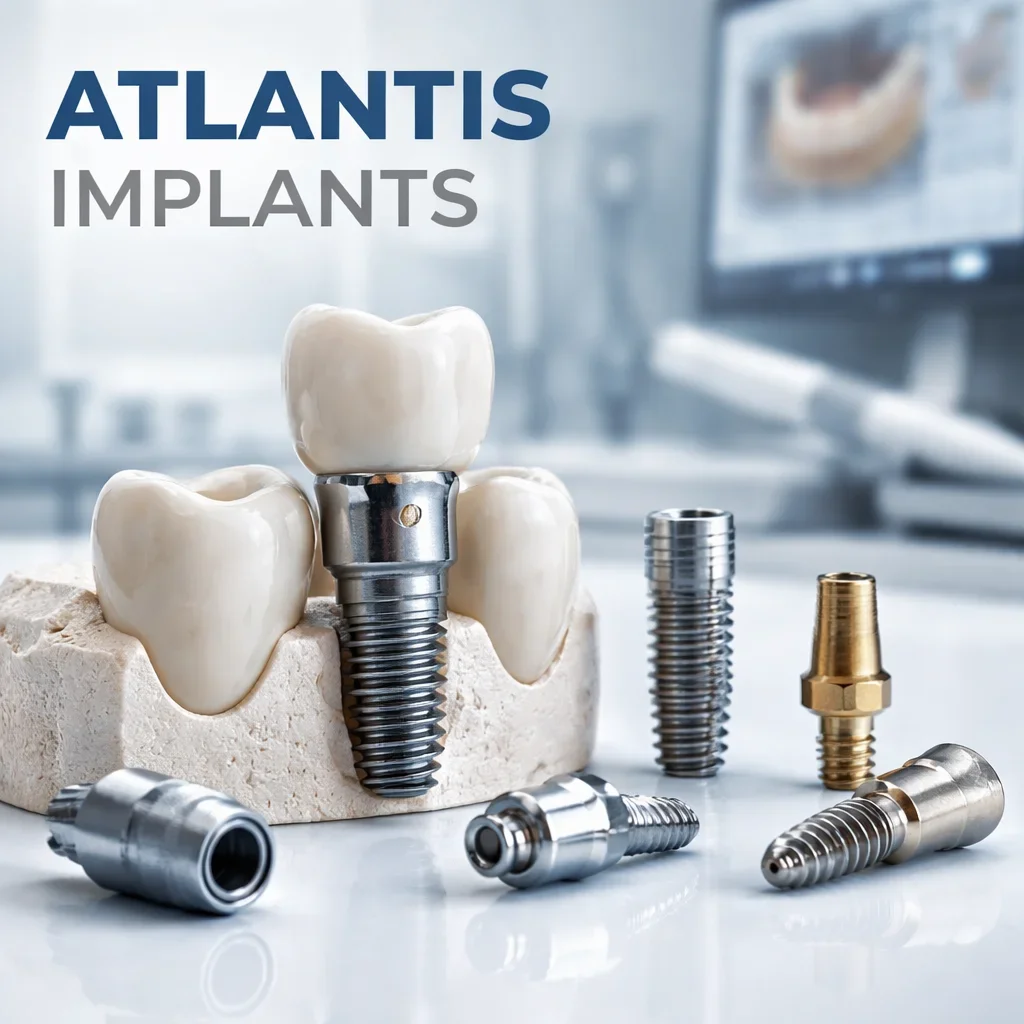
When patients research advanced dental implant solutions, one name that often stands out is atlantis implants. Known for their precision engineering and custom design philosophy, atlantis implants are developed to provide highly individualized restorative outcomes. Unlike traditional implant systems that rely on standardized components, atlantis implants focus on patient-specific abutments and prosthetic solutions designed through digital workflows. This customized approach improves fit, comfort, aesthetics, and long-term stability.
At their core, atlantis implants are part of a digitally driven restorative concept that integrates advanced scanning, CAD/CAM technology, and precision manufacturing. After a dental implant fixture is placed into the jawbone and allowed to integrate with the bone (a process known as osseointegration), the restorative phase begins. This is where atlantis implants play a crucial role. Instead of using a generic abutment, a customized component is designed specifically for the patient’s anatomy, gum contour, and prosthetic requirements.
One of the main reasons patients and clinicians prefer atlantis implants is the personalized design process. Digital impressions or traditional impressions are converted into 3D models. Specialized software analyzes the implant position, surrounding soft tissue, occlusion, and desired crown shape. The abutment is then digitally designed to optimize emergence profile, tissue support, and long-term hygiene access. This level of customization significantly reduces mechanical stress and enhances aesthetic integration.
From a clinical standpoint, atlantis implants support both single-tooth restorations and more complex multi-unit rehabilitations. Whether replacing a single missing tooth or supporting a full-arch prosthesis, atlantis implants can be tailored to meet individual needs. This flexibility makes them highly suitable for patients seeking both functional reliability and natural-looking results.
Another defining feature of atlantis implants is compatibility. They are designed to work with many major implant systems, which allows clinicians to integrate them into existing treatment protocols. This compatibility ensures that patients benefit from precision-engineered components without being restricted to a single implant brand. The result is a restorative solution that balances innovation with versatility.
In terms of materials, atlantis implants commonly utilize high-quality titanium or zirconia for custom abutments. Titanium offers exceptional strength and biocompatibility, making it ideal for posterior restorations where bite forces are higher. Zirconia, on the other hand, provides excellent aesthetic properties, especially in the anterior region where natural appearance is critical. By offering material options, atlantis implants address both functional and cosmetic expectations.
Patients are often concerned about longevity. Clinical experience shows that properly planned and maintained atlantis implants can last for decades. Success depends on several factors, including bone quality, surgical precision, oral hygiene, and regular dental follow-ups. According to guidance from the American Dental Association, dental implants generally demonstrate high long-term survival rates when supported by good oral care and professional maintenance. Atlantis implants enhance this success by optimizing prosthetic fit and minimizing micro-movements at the implant-abutment interface.
Beyond functionality, aesthetics play a major role in modern dentistry. Atlantis implants are designed with soft tissue management in mind. The custom emergence profile supports healthy gum contours and reduces the risk of food impaction or plaque accumulation. This contributes to healthier peri-implant tissues and a more natural smile line. For patients seeking a seamless result, atlantis implants offer a refined balance between engineering precision and artistic dental design.
Another important aspect is patient comfort. Because atlantis implants are digitally customized, they reduce the likelihood of misfit or pressure points. A well-fitted abutment and crown combination improves bite alignment and distributes forces evenly. This not only enhances comfort but also reduces mechanical complications over time.
If you are considering advanced implant restoration and would like a personalized evaluation, you can consult directly through the Redent Klinik Contact Page. A detailed assessment including 3D imaging and digital planning can determine whether atlantis implants are suitable for your specific case.
In summary, atlantis implants represent a modern evolution in implant prosthetics. Through digital design, custom fabrication, and biocompatible materials, they provide a precise and individualized solution for missing teeth. Patients benefit from improved aesthetics, long-term stability, and enhanced comfort. As dentistry continues to embrace digital workflows, atlantis implants remain at the forefront of precision-based restorative care, offering predictable results and a confident, natural-looking smile.
What Are Atlantis Implants and How Do They Work?
Understanding how atlantis implants function begins with understanding the structure of a dental implant system. A complete implant restoration typically consists of three main components: the implant fixture placed in the jawbone, the abutment that connects to the implant, and the final crown or prosthesis. Atlantis implants refer specifically to a highly advanced, customized abutment and restorative concept that enhances the precision and long-term performance of implant-supported restorations.
The Core Concept Behind Atlantis Implants
Unlike traditional, prefabricated abutments that come in standardized shapes and sizes, atlantis implants are digitally designed for each individual patient. After the implant fixture integrates with the bone through osseointegration, a digital scan or physical impression is taken. This data is then used in CAD/CAM software to design a custom abutment that precisely matches the patient’s gum contour, implant angulation, and prosthetic needs.
The key principle behind atlantis implants is patient-specific design. Instead of adapting the gum tissue and crown to a generic component, the abutment is engineered to adapt perfectly to the patient’s anatomy. This leads to improved soft tissue support, more natural crown emergence, and reduced mechanical stress on the implant.
Step-by-Step: How Atlantis Implants Work
1. Implant Placement
The process begins with the surgical placement of a titanium implant fixture into the jawbone. This fixture acts as an artificial tooth root. Over a healing period of several weeks to months, the bone fuses with the implant surface in a process called osseointegration.
2. Digital Impression and Data Collection
Once healing is complete, a digital intraoral scan or traditional impression is taken. For atlantis implants, digital workflows are especially important because the data is used to create a 3D model of the patient’s mouth. This model captures implant position, gum levels, neighboring teeth, and bite alignment.
3. Custom Abutment Design
Using advanced software, technicians design the abutment based on the collected data. With atlantis implants, the design process focuses on optimizing the emergence profile, which is the way the restoration transitions from the implant through the gum tissue. This customization ensures healthier soft tissue contours and easier cleaning access.
4. Precision Manufacturing
The finalized design is manufactured using high-precision milling technology. Atlantis implants may be fabricated from medical-grade titanium or zirconia, depending on aesthetic and functional requirements. The manufacturing process ensures micron-level accuracy, minimizing gaps at the implant-abutment interface.
5. Final Crown Placement
Once the custom abutment is secured to the implant, the final crown is placed. Because atlantis implants are designed with the final prosthetic shape in mind, the crown fits more naturally and often requires minimal adjustment.
Why Customization Matters in Atlantis Implants
The success of implant therapy depends not only on the surgical placement but also on the restorative phase. Poorly fitting abutments can create micro-gaps where bacteria accumulate, potentially leading to peri-implant inflammation. Atlantis implants address this risk by ensuring a highly accurate connection that reduces bacterial infiltration and mechanical complications.
Another important factor is load distribution. Bite forces must be evenly distributed across the implant to prevent overload. Because atlantis implants are designed with precise angulation and alignment, they help distribute occlusal forces more evenly. This reduces stress on the implant fixture and surrounding bone, contributing to long-term stability.
Compatibility and Versatility
One of the advantages of atlantis implants is their compatibility with multiple major implant systems. This means patients are not restricted to a single implant brand. Instead, clinicians can integrate atlantis implants into various treatment plans, whether for single-tooth replacements, bridges, or full-arch restorations.
This versatility makes atlantis implants suitable for both simple and complex cases. For example, in aesthetic zones such as the front teeth, zirconia abutments can be selected for improved translucency. In posterior regions where strength is critical, titanium abutments provide superior durability.
Clinical Safety and Professional Standards
Dental implant treatments, including those involving atlantis implants, should always follow established professional guidelines. Organizations such as the American Dental Association emphasize proper diagnosis, treatment planning, and maintenance to ensure implant success. Digital planning and customized components enhance predictability and reduce potential complications.
Patients considering atlantis implants should undergo comprehensive evaluation, including radiographic imaging and bite analysis. A well-planned treatment strategy ensures that both surgical and restorative phases align perfectly.
Patient Benefits of Atlantis Implants
From the patient’s perspective, atlantis implants offer multiple advantages: improved comfort, enhanced aesthetics, better gum health, and long-term durability. Because the abutment is tailored to the individual, it supports natural gum contours and minimizes food trapping. This contributes to easier hygiene and reduced inflammation risk.
Additionally, many patients report that restorations supported by atlantis implants feel more natural compared to traditional implant restorations. The custom design reduces pressure points and improves bite harmony.
If you are exploring advanced implant solutions and want to determine whether atlantis implants are appropriate for your situation, professional consultation is essential. A detailed evaluation can clarify treatment steps, expected outcomes, and maintenance requirements.
In summary, atlantis implants represent a technologically advanced approach to implant restoration. By combining digital planning, custom design, and precision manufacturing, they optimize both function and aesthetics. Their individualized concept enhances long-term success, making them a reliable solution for patients seeking durable and natural-looking dental implant restorations.
Key Benefits of Atlantis Implants for Long-Term Success
When choosing a dental implant restoration system, patients and clinicians both look for durability, aesthetics, and biological compatibility. Atlantis implants are specifically designed to address all three of these priorities. Thanks to their patient-specific digital workflow and precision engineering, atlantis implants offer a range of advantages that significantly contribute to long-term success. Understanding these benefits helps patients make informed decisions about their restorative treatment.
Customized Precision for Better Fit
One of the most important advantages of atlantis implants is their fully customized design. Traditional implant systems often rely on prefabricated abutments, which may not perfectly match the patient’s soft tissue contours or implant angulation. In contrast, atlantis implants are digitally designed based on the individual’s anatomy, ensuring a precise fit at the implant-abutment interface.
This precision minimizes micro-movements and reduces the risk of mechanical complications such as screw loosening. A better fit also decreases the likelihood of bacterial infiltration at the connection point, which can help protect surrounding tissues from inflammation. Over time, this level of accuracy contributes directly to the stability and longevity of atlantis implants.
Enhanced Soft Tissue Health
Optimized Emergence Profile
The emergence profile—the way the restoration transitions from the implant through the gum tissue—is critical for both aesthetics and hygiene. Atlantis implants are engineered with a customized emergence profile that supports natural gum contours. This design reduces the formation of deep pockets where bacteria can accumulate.
Improved Hygiene Access
Because atlantis implants are tailored to each patient, they allow for easier cleaning around the implant crown. Proper hygiene is essential for preventing peri-implant mucositis and peri-implantitis. A well-contoured restoration promotes healthy tissue attachment and simplifies daily oral care routines.
Healthier soft tissue not only enhances comfort but also protects the underlying bone structure. Over the long term, this biological stability is one of the defining benefits of atlantis implants.
Superior Aesthetic Outcomes
Modern implant dentistry must deliver results that look as natural as they function. Atlantis implants excel in aesthetic zones, especially in the front teeth where appearance is critical. Because the abutment is designed according to the final crown shape, it allows for ideal support of the restoration.
Material options such as zirconia further enhance aesthetic results. Zirconia abutments used in atlantis implants reduce the risk of gray shading through thin gum tissue. The final crown blends seamlessly with surrounding teeth, offering patients a confident and natural-looking smile 😊.
Improved Load Distribution and Mechanical Stability
Another key benefit of atlantis implants is their ability to distribute bite forces more evenly. Misaligned or poorly fitted abutments can concentrate stress on certain areas of the implant or bone. Over time, this can increase the risk of mechanical failure.
With digital planning, atlantis implants are designed to align with the patient’s occlusion and chewing dynamics. This optimized load distribution reduces stress on the implant components and surrounding bone, enhancing durability. Clinical experience shows that balanced force management significantly contributes to long-term implant survival.
Compatibility with Major Implant Systems
One of the practical advantages of atlantis implants is their broad compatibility with many leading implant brands. This flexibility allows clinicians to incorporate atlantis implants into diverse treatment plans without being limited to a single manufacturer. Patients benefit from advanced customization regardless of the specific implant fixture used during surgery.
This compatibility ensures that atlantis implants can be applied in single-tooth cases, implant-supported bridges, or even full-arch restorations. Whether the goal is replacing one missing tooth or reconstructing an entire arch, atlantis implants provide adaptable solutions.
Long-Term Clinical Reliability
Longevity is one of the most important concerns for patients considering implant treatment. According to professional guidelines from the American Dental Association, dental implants demonstrate high long-term success rates when properly planned and maintained. Atlantis implants enhance this predictability by optimizing restorative precision and minimizing risk factors associated with misfit components.
By reducing mechanical complications and supporting healthy soft tissue, atlantis implants contribute to stable outcomes that can last for decades with proper care. Regular dental check-ups and professional cleanings remain essential to maintaining implant health.
Patient Comfort and Confidence
Comfort plays a major role in overall satisfaction. Because atlantis implants are designed specifically for the individual, they reduce pressure points and improve bite harmony. Patients often report that restorations supported by atlantis implants feel more natural compared to conventional systems.
Additionally, the psychological benefit of a stable, aesthetic restoration cannot be underestimated. A confident smile improves social interactions and overall quality of life. Knowing that atlantis implants are engineered for durability and precision provides peace of mind for many patients.
Personalized Consultation and Treatment Planning
To maximize the benefits of atlantis implants, comprehensive treatment planning is essential. Digital imaging, bite analysis, and soft tissue evaluation help ensure optimal outcomes. Patients who are interested in learning more about customized implant solutions can schedule a consultation through the Redent Klinik Contact Page.
In conclusion, atlantis implants offer significant advantages in precision, aesthetics, hygiene, and mechanical stability. Their customized design philosophy addresses the limitations of standard abutments and enhances long-term success. For patients seeking reliable and natural-looking implant restorations, atlantis implants represent a modern, technologically advanced solution that prioritizes both health and beauty.
Materials and Technology Behind Atlantis Implants
The success of atlantis implants is not only based on customization but also on the advanced materials and digital technologies that support their design and manufacturing. Modern implant dentistry has evolved significantly over the past two decades, and atlantis implants represent a combination of biocompatible materials, CAD/CAM engineering, and precision production workflows. Understanding the materials and technological processes behind atlantis implants helps patients appreciate why they are considered a premium restorative solution.
High-Quality Materials Used in Atlantis Implants
The long-term performance of atlantis implants depends heavily on the materials selected for the custom abutments. The two most commonly used materials are medical-grade titanium and high-strength zirconia. Each material serves specific functional and aesthetic purposes.
Titanium Abutments
Titanium has been used in implant dentistry for decades due to its excellent biocompatibility and mechanical strength. In atlantis implants, titanium abutments are frequently chosen for posterior restorations where chewing forces are higher. Titanium offers outstanding resistance to fracture and corrosion, making it ideal for long-term durability.
Another important advantage of titanium in atlantis implants is its ability to integrate well with surrounding tissues. The material minimizes inflammatory reactions and supports stable bone maintenance when properly maintained. This contributes to the predictable longevity of atlantis implants.
Zirconia Abutments
For patients concerned about aesthetics, zirconia is often the preferred material in atlantis implants. Zirconia is a ceramic material known for its tooth-like color and translucency. It is especially beneficial in the anterior region where gum tissue may be thin. Unlike metallic components, zirconia reduces the risk of gray discoloration shining through the gums.
In addition to its aesthetic advantages, zirconia used in atlantis implants is highly durable and resistant to wear. It provides a strong yet visually natural foundation for ceramic crowns, ensuring both beauty and function.
Digital Workflow and CAD/CAM Technology
A defining feature of atlantis implants is their fully digital design process. CAD (Computer-Aided Design) and CAM (Computer-Aided Manufacturing) technologies are central to their precision. After implant placement and healing, digital impressions are captured using intraoral scanners or high-resolution laboratory scans.
The digital data is processed in advanced software that analyzes implant position, gum contours, and occlusion. This software calculates optimal abutment geometry, ensuring proper angulation, margin placement, and emergence profile. The customization offered by atlantis implants significantly reduces human error and improves reproducibility.
Precision Milling and Manufacturing
Once the design phase is complete, the abutment for atlantis implants is manufactured using high-precision milling machines. These machines operate with micron-level accuracy, ensuring a perfect fit at the implant-abutment connection. The tight tolerances achieved through this process reduce micro-gaps and improve mechanical stability.
This manufacturing precision is one of the main reasons atlantis implants demonstrate consistent long-term outcomes. The accurate fit decreases the likelihood of screw loosening and reduces bacterial colonization at the interface.
Advanced Surface Engineering
While the implant fixture itself integrates with bone, the abutment design in atlantis implants plays a crucial role in supporting soft tissue health. Smooth, precisely contoured surfaces reduce plaque retention and promote easier cleaning. Proper surface finishing enhances tissue attachment and reduces irritation.
Modern production techniques ensure that atlantis implants maintain optimal surface characteristics without compromising strength. This careful balance supports both biological compatibility and mechanical integrity.
Integration with Modern Implant Systems
Another technological advantage of atlantis implants is their compatibility with many leading implant brands. The digital design system recognizes specific implant connection geometries, allowing precise adaptation to various platforms. This interoperability ensures that atlantis implants can be incorporated into diverse treatment plans without limitations.
Because of this compatibility, clinicians can combine surgical implant placement from established manufacturers with the customized restorative benefits of atlantis implants. This flexibility enhances treatment planning options and ensures patient-centered solutions.
Quality Control and Clinical Standards
High-level quality control is essential in implant dentistry. The production of atlantis implants follows strict manufacturing protocols and regulatory standards. Organizations such as the American Dental Association emphasize evidence-based treatment planning and the use of reliable materials to ensure patient safety.
Digital traceability within the atlantis implants workflow allows clinicians to monitor design parameters and manufacturing consistency. This transparency contributes to predictable restorative outcomes.
Future-Oriented Innovation
As dental technology continues to evolve, atlantis implants remain aligned with innovations such as artificial intelligence-assisted design and improved digital scanning accuracy. These advancements further refine the customization process and reduce turnaround times.
Patients who choose atlantis implants benefit from a system built on continuous technological improvement. The integration of cutting-edge materials and digital precision ensures that restorations not only look natural but also function reliably for many years.
In conclusion, the materials and technology behind atlantis implants represent a synergy of biocompatible science and digital engineering. Through titanium and zirconia options, CAD/CAM precision, and strict quality standards, atlantis implants provide durable, aesthetic, and predictable restorative solutions. This technological foundation is one of the primary reasons they are widely regarded as an advanced choice in modern implant dentistry.
Atlantis Implants vs Traditional Implant Systems
When patients explore implant-supported restorations, one of the most common questions is how atlantis implants compare to traditional implant systems. While both options aim to replace missing teeth with stable, long-lasting solutions, there are important differences in design philosophy, customization, workflow, and long-term performance. Understanding these distinctions helps patients choose a treatment approach that aligns with their functional and aesthetic expectations.
Standardized Components vs Customized Design
Traditional implant systems often rely on prefabricated, stock abutments. These components come in predetermined shapes, angles, and sizes. While they can work effectively in many cases, they are not specifically designed for the individual patient’s gum contour or implant angulation. Minor adjustments are often required to adapt them to the clinical situation.
In contrast, atlantis implants are built around a patient-specific concept. The abutment is digitally designed using 3D scans and advanced CAD/CAM software. Rather than adapting the patient’s tissue to a standard component, atlantis implants adapt the component to the patient. This difference in customization significantly improves fit and tissue support.
Precision and Fit at the Implant-Abutment Interface
Traditional Implant Systems
With stock abutments, minor discrepancies at the implant-abutment interface can occur due to standardized manufacturing. Although these systems are clinically successful, small misfits may increase mechanical stress or create micro-gaps where bacteria can accumulate.
Atlantis Implants
Atlantis implants are manufactured with micron-level precision. Because they are digitally designed based on exact implant position and tissue contours, the fit at the connection interface is optimized. This reduces the risk of screw loosening and limits bacterial infiltration. Over time, improved connection accuracy can contribute to better peri-implant health and mechanical stability.
Aesthetic Outcomes: A Clear Distinction
In the aesthetic zone, especially for front teeth, customization plays a major role. Traditional implant systems may require additional adjustments to achieve ideal gum shaping and natural crown emergence. In some cases, metallic abutments can create subtle gray shading under thin gum tissue.
With atlantis implants, the emergence profile is digitally planned from the beginning. Zirconia abutments can be selected for highly aesthetic cases, supporting natural translucency and minimizing discoloration. Because atlantis implants are designed with the final crown form in mind, they allow for smoother integration with surrounding teeth.
Load Distribution and Biomechanics
Proper force distribution is essential for implant longevity. Traditional systems rely on clinician skill to adapt stock components in a way that aligns with the patient’s bite. While experienced professionals can achieve excellent results, the process may involve manual adjustments.
Atlantis implants use digital planning to calculate optimal angulation and margin placement. This precision helps distribute occlusal forces more evenly. Balanced load distribution reduces stress on the implant fixture and surrounding bone, potentially enhancing long-term success.
Workflow Efficiency and Digital Integration
Another difference between traditional implant systems and atlantis implants lies in the workflow. Stock abutments are readily available but may require chairside modification. This can increase appointment time and introduce variability.
Atlantis implants follow a streamlined digital workflow. After scanning, the design is finalized in specialized software and then manufactured precisely. While fabrication requires laboratory coordination, the final placement appointment is often more efficient due to the accurate fit. Digital integration also enhances documentation and reproducibility.
Clinical Reliability and Professional Standards
Both traditional systems and atlantis implants can achieve high success rates when properly planned and maintained. According to the American Dental Association, long-term implant success depends on factors such as proper case selection, surgical technique, and ongoing maintenance.
Atlantis implants add an extra layer of predictability through digital customization. By reducing the need for manual adjustments and optimizing tissue support, they may lower the risk of certain mechanical and biological complications.
Cost Considerations
Patients often ask whether atlantis implants are more expensive than traditional options. In general, custom abutments may have a higher laboratory cost due to digital design and precision manufacturing. However, this investment can translate into fewer complications and potentially reduced long-term maintenance expenses.
While prices vary by region and clinical complexity, implant-supported restorations typically range between $2,500 and $4,500 per tooth in many international markets. The use of atlantis implants may slightly increase the restorative component cost, but many patients consider the added precision and aesthetic improvement worthwhile.
Which Option Is Right for You?
The choice between traditional implant systems and atlantis implants depends on individual needs, anatomical conditions, and aesthetic priorities. For straightforward posterior cases, stock components may perform adequately. For highly aesthetic or complex cases, atlantis implants offer enhanced customization and predictability.
Patients who value precision engineering, improved gum contour management, and digital accuracy often prefer atlantis implants. A comprehensive consultation—including 3D imaging and occlusal analysis—can determine the most suitable approach.
In summary, while traditional implant systems remain effective and widely used, atlantis implants represent an advanced evolution in restorative dentistry. Through digital design, precise manufacturing, and patient-specific customization, they offer significant advantages in fit, aesthetics, and biomechanical stability. For individuals seeking a modern and highly tailored solution, atlantis implants provide a reliable and forward-thinking alternative.
The Step-by-Step Procedure for Atlantis Implants
Understanding the full treatment journey helps patients feel more confident about choosing atlantis implants. While every case is unique, the overall process follows a structured sequence designed to maximize safety, precision, and long-term success. Atlantis implants are part of a digitally driven restorative approach, meaning each step is carefully planned to ensure optimal functional and aesthetic results.
Initial Consultation and Comprehensive Evaluation
The first step in receiving atlantis implants is a detailed clinical assessment. During this appointment, the dentist evaluates oral health, bone density, gum condition, and bite alignment. Digital X-rays and often 3D cone-beam computed tomography (CBCT) scans are used to analyze bone volume and anatomical structures.
This diagnostic phase is critical because successful atlantis implants depend on accurate planning. The clinician determines whether additional procedures—such as bone grafting or sinus lifting—are required before implant placement. A personalized treatment plan is then created, outlining surgical and restorative phases.
Surgical Placement of the Implant Fixture
Preparing the Implant Site
Once planning is complete, the surgical procedure begins. Under local anesthesia, the dentist carefully prepares the implant site in the jawbone. Precision is essential to ensure correct angulation and depth.
Insertion of the Implant
The titanium implant fixture is inserted into the prepared site. This fixture acts as the artificial root. Although atlantis implants focus primarily on the customized restorative phase, proper surgical placement is the foundation for long-term success.
After placement, the healing phase begins. Osseointegration—where the bone fuses with the implant surface—typically takes between 8 and 16 weeks, depending on bone quality and patient health.
Healing and Temporary Restoration
During the healing period, a temporary crown or healing cap may be placed to protect the implant site. Maintaining excellent oral hygiene is essential during this stage. Patients are advised to follow professional guidelines similar to those recommended by the American Dental Association, including proper brushing and routine check-ups.
Healthy healing ensures that the implant provides a stable foundation for the customized phase of atlantis implants.
Digital Impression and Data Collection
After osseointegration is confirmed, the restorative phase of atlantis implants begins. A digital intraoral scanner captures a highly accurate 3D image of the implant position, surrounding gum tissue, and adjacent teeth. In some cases, a traditional impression may be taken and converted into a digital model.
This data forms the basis for designing the custom abutment. Precision at this stage directly influences the final outcome of atlantis implants.
Custom Abutment Design
Digital Planning
Using CAD software, dental technicians design the abutment according to the patient’s specific anatomy. The emergence profile, margin placement, and angulation are carefully calculated. This digital customization distinguishes atlantis implants from traditional stock abutments.
Material Selection
Depending on the case, titanium or zirconia may be selected. Zirconia is often chosen for aesthetic zones, while titanium is preferred for areas exposed to high chewing forces. The flexibility of material selection enhances the versatility of atlantis implants.
Precision Manufacturing
Once the design is finalized, the custom abutment for atlantis implants is manufactured using high-precision milling technology. The production process ensures micron-level accuracy, optimizing the implant-abutment connection and reducing mechanical stress.
This precision is one of the reasons atlantis implants offer reliable long-term performance. A well-fitting abutment minimizes bacterial gaps and supports healthy soft tissue adaptation.
Final Crown Placement
After the custom abutment is securely attached to the implant fixture, the final crown is placed. Because atlantis implants are designed with the final prosthetic shape in mind, the crown often fits seamlessly with minimal adjustments.
The dentist evaluates bite alignment, aesthetics, and comfort before completing the procedure. Patients immediately notice improved function and a natural appearance.
Post-Treatment Care and Maintenance
Long-term success of atlantis implants depends on proper maintenance. Patients should maintain daily brushing, flossing, and regular professional cleanings. Customized abutment design typically allows easier hygiene access, which supports healthy gum tissue over time.
Routine follow-up visits enable early detection of potential issues. With consistent care, atlantis implants can remain stable and functional for decades.
Patient Experience and Recovery Timeline
Most patients report minimal discomfort during the surgical phase, especially when performed by experienced professionals. Swelling and mild soreness may occur for a few days but are generally manageable with prescribed medication.
The restorative phase of atlantis implants is typically comfortable and straightforward. Because of digital accuracy, fewer adjustments are needed, reducing chair time and improving overall patient satisfaction.
In conclusion, the step-by-step procedure for atlantis implants combines surgical precision with advanced digital customization. From initial consultation to final crown placement, each phase is carefully coordinated to maximize functional stability and aesthetic harmony. By integrating technology, biocompatible materials, and personalized design, atlantis implants offer a predictable and patient-centered solution for modern implant dentistry.
Who Is a Good Candidate for Atlantis Implants?
Choosing the right restorative solution requires a personalized evaluation, and atlantis implants are no exception. While many patients with missing teeth can benefit from implant therapy, certain clinical and anatomical factors determine whether atlantis implants are the ideal option. Because atlantis implants focus on customized abutment design and digital precision, they are particularly advantageous in cases where accuracy, aesthetics, and long-term tissue health are top priorities.
General Health Requirements for Atlantis Implants
Before recommending atlantis implants, dentists assess the patient’s overall health. Good systemic health supports proper healing and successful osseointegration. Patients with controlled medical conditions such as diabetes may still qualify, provided their condition is well managed.
Smoking, however, can increase the risk of implant failure due to impaired healing and reduced blood flow. While smokers are not automatically excluded from receiving atlantis implants, they are often advised to reduce or quit smoking before and after treatment to improve outcomes.
Adequate Bone Volume and Quality
Bone Density Evaluation
Successful placement of atlantis implants depends on sufficient bone density and volume. During the initial consultation, 3D imaging such as CBCT scans is used to evaluate the jawbone structure. If bone loss has occurred due to prolonged tooth loss or periodontal disease, additional procedures like bone grafting may be necessary.
When Bone Grafting Is Needed
Patients with reduced bone support can still become candidates for atlantis implants after regenerative procedures. Bone grafting strengthens the implant site, providing a stable foundation for long-term integration. Once healing is complete, the customized restorative phase of atlantis implants can proceed safely.
Patients Seeking High Aesthetic Standards
One of the strongest indications for atlantis implants is when aesthetics are critical. In the anterior region—where the front teeth are visible when smiling or speaking—customized emergence profiles are essential. Atlantis implants allow for precise shaping of the gum contour and crown interface, producing highly natural-looking results.
Patients with thin gum tissue especially benefit from zirconia abutments used in atlantis implants. These reduce the risk of metal shadowing and create a more seamless appearance. Individuals who prioritize cosmetic excellence are often ideal candidates for atlantis implants.
Patients with Complex Implant Angulation
In some cases, anatomical limitations or previous bone loss may require implants to be placed at specific angles. Traditional stock abutments may not compensate optimally for such variations. Atlantis implants are particularly suitable for these situations because their digital design allows correction of angulation at the restorative level.
By customizing the abutment geometry, atlantis implants help align the final crown correctly even when the implant fixture is placed at a challenging angle. This enhances both function and aesthetics.
Single-Tooth and Multi-Unit Restorations
Single Missing Tooth
Patients missing a single tooth are often excellent candidates for atlantis implants. The customized abutment ensures that the crown integrates smoothly with neighboring teeth, maintaining harmony in bite and appearance.
Multiple Missing Teeth
Atlantis implants are also suitable for implant-supported bridges and full-arch restorations. In complex cases, digital customization helps achieve consistent fit across multiple units, supporting long-term stability.
Commitment to Oral Hygiene and Maintenance
Long-term success of atlantis implants depends heavily on patient cooperation. Proper brushing, flossing, and routine dental visits are essential to prevent peri-implant disease. According to recommendations from the American Dental Association, maintaining consistent oral hygiene significantly improves implant longevity.
Patients who are committed to maintaining their oral health and attending regular check-ups are ideal candidates for atlantis implants. Customized abutment contours typically allow easier cleaning access, but professional monitoring remains essential.
Age Considerations
Adults of nearly any age can benefit from atlantis implants, provided bone growth is complete. Younger patients must wait until jaw development has finished, usually in late adolescence or early adulthood. Older adults, even those in their 70s or 80s, can successfully receive atlantis implants if their overall health supports minor surgical procedures.
Patients Looking for Long-Term Reliability
Many individuals choose atlantis implants because they seek a durable, long-lasting solution. Custom abutment design reduces mechanical stress and improves tissue stability, which can enhance longevity compared to standardized components. Patients who value predictability and precision often prefer atlantis implants over traditional restorative options.
When Atlantis Implants May Not Be Suitable
While atlantis implants are versatile, certain conditions may delay or prevent treatment. Severe uncontrolled systemic diseases, active untreated periodontal infections, or inadequate bone volume without the possibility of grafting may require alternative solutions. A comprehensive evaluation determines the safest and most effective path forward.
If you are unsure whether you qualify for atlantis implants, a professional consultation is the best first step. Personalized assessment, digital imaging, and treatment planning will clarify your eligibility and outline the recommended approach.
In summary, ideal candidates for atlantis implants include patients with sufficient bone support, good systemic health, and a commitment to oral hygiene. Individuals seeking superior aesthetics, complex angulation correction, or highly customized restorations particularly benefit from this advanced solution. With proper evaluation and maintenance, atlantis implants provide a reliable and sophisticated pathway to restoring function and confidence.
Recovery Timeline and Aftercare for Atlantis Implants
Proper healing and consistent maintenance are essential for the long-term success of atlantis implants. While the technology behind atlantis implants focuses on customization and precision, recovery and aftercare play an equally important role in ensuring stable, healthy, and long-lasting results. Understanding the healing timeline and knowing what to expect after each stage of treatment helps patients feel prepared and confident throughout the process.
Immediate Post-Surgical Recovery (First 72 Hours)
After the surgical placement of the implant fixture, patients may experience mild swelling, tenderness, or slight bruising around the treatment area. These symptoms are normal and typically subside within a few days. Cold compresses and prescribed medications help control discomfort during this phase.
Although atlantis implants are primarily associated with the restorative phase, the success of the entire system depends on proper healing after surgery. Patients are advised to avoid strenuous physical activity, smoking, and hard foods during the first 48–72 hours. Maintaining gentle but thorough oral hygiene is critical to prevent infection.
Osseointegration Phase (2–4 Months)
Bone Integration Process
During this period, the implant fixture integrates with the surrounding jawbone in a process called osseointegration. This biological bonding provides the stable foundation required for atlantis implants to function effectively.
Dietary Recommendations
Patients should follow a soft-food diet in the initial weeks and gradually return to normal chewing as advised by their dentist. Excessive pressure on the implant site should be avoided to protect the healing bone.
Regular follow-up appointments allow the dentist to monitor healing progress. Once osseointegration is complete, the restorative phase involving atlantis implants can begin.
Restorative Phase Recovery
When the custom abutment and crown are placed, recovery is typically minimal compared to the surgical stage. Because atlantis implants are digitally designed for precision fit, adjustments are often limited, reducing irritation or discomfort.
Some patients may notice slight sensitivity as the bite adapts to the new restoration. This adjustment period usually resolves within a few days. If discomfort persists, minor bite refinements can be performed to ensure optimal load distribution.
Oral Hygiene Guidelines for Atlantis Implants
Daily Cleaning Routine
Maintaining excellent oral hygiene is critical for protecting atlantis implants. Patients should brush twice daily using a soft-bristled toothbrush and non-abrasive toothpaste. Flossing or using interdental brushes around the implant-supported crown helps remove plaque buildup.
Use of Antimicrobial Rinses
In some cases, dentists may recommend antimicrobial mouth rinses during the early healing phase. These rinses reduce bacterial accumulation and support healthy gum tissue.
The customized emergence profile of atlantis implants often allows easier access for cleaning, which supports long-term tissue health. However, proper technique and consistency remain essential.
Professional Maintenance and Check-Ups
Routine dental visits are necessary to monitor the condition of atlantis implants. Professional cleanings remove plaque and tartar from areas that may be difficult to reach at home. Dentists also evaluate the stability of the implant, gum health, and bite alignment.
According to guidance from the American Dental Association, ongoing professional care significantly improves implant survival rates. Most patients are advised to schedule check-ups every six months, although some may require more frequent visits depending on risk factors.
Managing Potential Complications
While atlantis implants are designed for precision and durability, complications can occur if aftercare guidelines are not followed. Warning signs include persistent swelling, bleeding gums, unusual mobility, or discomfort while chewing.
Early detection is key. Prompt professional evaluation can address minor issues before they develop into more serious conditions such as peri-implantitis. With proper care, complications remain relatively uncommon.
Long-Term Expectations and Durability
One of the major advantages of atlantis implants is their potential for long-term performance. With consistent oral hygiene and professional monitoring, implant-supported restorations can last for decades. The custom abutment design reduces mechanical stress and supports stable gum contours over time.
Patients often report that atlantis implants feel and function like natural teeth. Maintaining a balanced diet, avoiding excessive grinding, and wearing a night guard if necessary can further protect the restoration.
Lifestyle Considerations
Healthy lifestyle choices positively influence the longevity of atlantis implants. Avoiding tobacco use, managing systemic conditions, and maintaining a balanced diet support optimal healing and tissue stability. Staying hydrated and consuming nutrient-rich foods also contribute to overall oral health.
In conclusion, recovery and aftercare are essential components of successful treatment with atlantis implants. From the immediate post-surgical period to long-term maintenance, each phase requires attention and consistency. By following professional guidance, maintaining excellent oral hygiene, and attending regular check-ups, patients can enjoy stable, functional, and aesthetically pleasing results for many years. Proper care ensures that atlantis implants continue to provide confidence, comfort, and durability well into the future.