
Understanding the average cost of one dental implant is one of the most common questions patients have when considering tooth replacement treatments. Dental implants are widely regarded as the gold standard for restoring missing teeth because they provide a natural look, long-lasting durability, and improved oral health benefits. However, the price can vary significantly depending on multiple factors such as location, materials used, the dentist’s expertise, and additional treatments required. In this section, we will break down everything you need to know about the costs, from what is included in the base price to what hidden fees may arise, so you can make an informed decision. 🦷
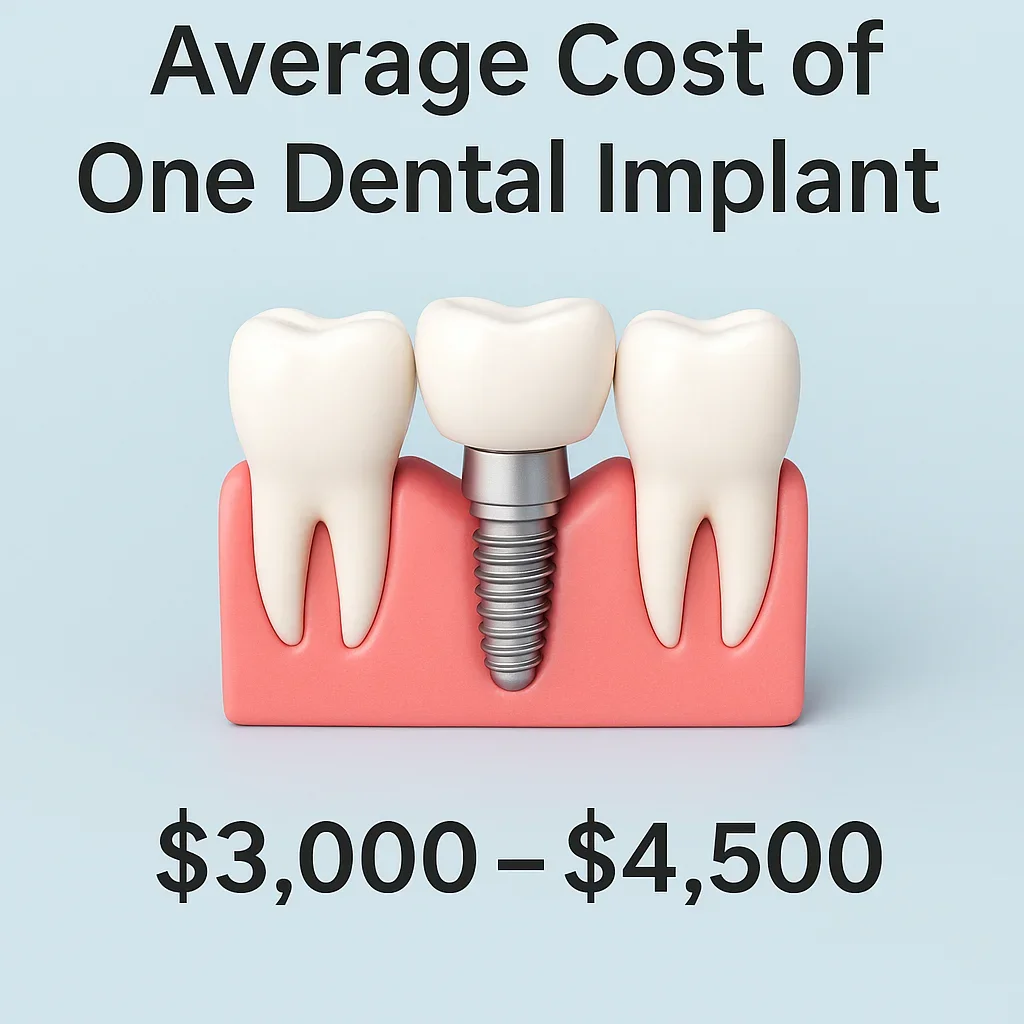
On average, the cost of a single dental implant in the United States ranges between $3,000 and $6,000. This figure usually includes the implant post, abutment, and crown. But it’s important to remember that this is just an estimate, and the final bill can be higher or lower depending on your personal dental needs. For example, if you require bone grafting or sinus lift surgery before implant placement, the costs can increase considerably. Patients often underestimate these add-ons, which makes understanding the complete average cost of one dental implant essential for budgeting purposes.
Globally, the prices vary as well. In countries like Turkey, Mexico, or Thailand, patients can find high-quality dental implants at much lower prices, often ranging between $800 and $2,000 per implant. This has fueled the growth of dental tourism, where patients travel abroad not just for cost savings but also for comprehensive care packages. While affordability is a key factor, it’s crucial to evaluate the clinic’s reputation, dentist qualifications, and post-treatment support before making a decision. For instance, at Redent Klinik Contact Page, patients can receive detailed cost breakdowns and personalized treatment plans to ensure transparency.
Another reason why the average cost of one dental implant fluctuates is the material used. Titanium implants, the most commonly used type, are generally more affordable and well-studied in terms of long-term success. Zirconia implants, on the other hand, are more aesthetic and metal-free, which appeals to patients with allergies or specific cosmetic preferences, but they often come at a higher cost. Both materials provide excellent durability, but choosing between them can influence the total bill by several hundred dollars.
When patients hear about dental implant costs, they often wonder whether these prices are truly worth it. Compared to bridges or dentures, implants are a more permanent solution that prevents bone loss, improves chewing ability, and boosts confidence. Over time, the longevity of implants makes them more cost-effective, since alternatives often require frequent adjustments or replacements. A dental bridge, for example, may cost $1,500–$2,500 initially, but if it needs replacing every 7–10 years, the cumulative expenses can surpass the one-time average cost of one dental implant.
Another major consideration is dental insurance. Most insurance policies still classify implants as elective or cosmetic procedures, meaning coverage is limited. However, partial reimbursements for related procedures such as extractions or crowns may reduce the patient’s out-of-pocket expenses. Some clinics also provide financing plans, allowing patients to spread out payments over several months or years. This makes it easier for individuals to afford treatment without compromising on quality.
It is also essential to recognize the hidden costs that can appear during treatment. These may include initial consultations, 3D imaging scans, anesthesia fees, and follow-up appointments. While they may seem small compared to the main procedure, they can add hundreds of dollars to the total. Patients are advised to request an all-inclusive quote to avoid surprises later on. Many reputable organizations, such as the American Dental Association, emphasize the importance of understanding every detail of your treatment plan, both medically and financially.
Let’s look at a sample price breakdown in the U.S. market:
- Initial consultation and X-rays: $150 – $500
- Tooth extraction (if required): $100 – $700
- Bone grafting (if needed): $200 – $3,000
- Implant placement surgery: $1,500 – $3,000
- Abutment and crown: $1,000 – $3,000
Total estimated range: $3,000 – $6,000+
Ultimately, the average cost of one dental implant is not a fixed figure but a combination of various elements. Patients should approach the process with a comprehensive mindset, considering not only the immediate expenses but also the long-term value and health benefits. By investing in quality dental care, you ensure both functional and aesthetic improvements that can last a lifetime. ✨
In conclusion, while the numbers may seem high initially, implants are one of the few dental solutions that offer permanent results with minimal maintenance. By understanding the factors that influence the price and by comparing treatment options locally and internationally, patients can find the best balance between affordability and quality. The key is to view the average cost of one dental implant not just as a financial expense but as an investment in long-term oral health and overall well-being.
What Factors Influence the Average Cost of One Dental Implant?
The average cost of one dental implant is not a fixed figure; it can change considerably based on a wide range of personal, clinical, and geographic factors. Patients often wonder why prices vary so much from one clinic to another or even from one city to another. To make informed choices, it is essential to understand the key factors that determine how much you will ultimately pay. From the dentist’s expertise to the quality of materials used, every component plays a role in shaping the final bill. 🦷
1. Geographic Location and Clinic Standards
Where you live and where you choose to undergo treatment is one of the largest cost determinants. In major U.S. cities like New York or Los Angeles, the average cost of one dental implant is usually on the higher side—ranging between $4,000 and $6,000—because overhead costs such as rent, staff salaries, and equipment are more expensive. Conversely, in smaller towns or international destinations like Turkey or Hungary, patients may pay as little as $1,000–$2,000 per implant without sacrificing quality. Dental tourism has gained popularity for precisely this reason, allowing patients to save significantly while still accessing top-tier dental care.
2. The Dentist’s Expertise and Credentials
Another factor that influences the average cost of one dental implant is the experience and specialization of the dentist performing the procedure. A general dentist who performs occasional implant surgeries may charge less than a board-certified oral surgeon or periodontist with decades of expertise. While it may be tempting to opt for the lower cost option, remember that implants are a long-term investment in oral health. An experienced dentist ensures higher success rates, precise placement, and fewer complications—all of which can save patients money in the long run.
3. Type and Quality of Implant Materials
The material chosen for the implant post significantly affects cost. Most clinics offer titanium implants as the standard option. Titanium is durable, biocompatible, and well-studied, making it a cost-effective choice. Zirconia implants, on the other hand, are metal-free and highly aesthetic, preferred by patients with allergies or specific cosmetic needs. However, zirconia can add $500–$1,000 more per implant. Thus, the material selection directly impacts the average cost of one dental implant and should be carefully considered based on personal needs and budget.
4. Preparatory Procedures and Additional Treatments
Not all patients are immediately ready for an implant procedure. Many require additional treatments that drive up the final bill. These may include:
- Bone grafting: Necessary if the jawbone is too thin or weak to support an implant. Costs range from $200 to $3,000 depending on complexity.
- Sinus lift surgery: Common for upper jaw implants; can add $1,000–$2,500 to the total.
- Tooth extraction: If the damaged tooth hasn’t been removed yet, this can cost $100–$700 per tooth.
These preparatory procedures often account for a significant portion of the expenses, which explains why the average cost of one dental implant is higher than many patients expect.
5. Type of Crown and Abutment Used
Once the implant post is surgically placed and healed, it requires an abutment (a connector) and a crown to complete the restoration. The crown’s material—whether porcelain fused to metal, ceramic, or zirconia—can add between $1,000 and $3,000 to the total. The choice of abutment, customized or prefabricated, also contributes to the cost. A custom abutment ensures better aesthetics and functionality but may be pricier.
6. Technology and Equipment Used
Modern dental clinics often use advanced imaging technologies like 3D cone beam computed tomography (CBCT) scans for precise implant planning. While this improves accuracy and long-term results, it adds additional fees to the patient’s bill. Cutting-edge tools and sterilization protocols also enhance the quality of treatment but influence the average cost of one dental implant.
7. Anesthesia and Sedation Options
Implant placement is typically done under local anesthesia, which is included in the base price. However, patients with dental anxiety may request sedation dentistry, such as IV sedation or general anesthesia. These options can add $500–$2,000 to the treatment, further affecting the overall cost.
8. Aftercare, Follow-Ups, and Warranty
A comprehensive treatment plan doesn’t end when the implant is placed. Regular follow-ups, professional cleanings, and sometimes adjustments are necessary for ensuring long-term success. Some clinics even offer warranties or maintenance packages. While these add to the upfront costs, they provide reassurance and long-term savings if issues arise.
Key Takeaway on Cost Influences
Every patient’s situation is unique, and so is their bill. Two people receiving implants in the same clinic may pay very different amounts depending on their oral health status, bone density, and desired materials. That’s why it’s always recommended to request a personalized treatment plan and a full cost breakdown before committing. Trusted dental clinics—such as Redent Klinik Contact Page—offer detailed consultations to help patients understand every factor involved in the average cost of one dental implant.
In summary, the price you see advertised is rarely the final cost you’ll pay. Geographic location, dentist qualifications, implant material, preparatory treatments, and follow-up care all influence the total bill. Patients who understand these factors are better prepared to budget effectively and avoid unpleasant financial surprises. By considering these elements in advance, you can view the average cost of one dental implant not just as an expense, but as an investment in long-lasting oral health and confidence. ✨
Average Cost of a Single Tooth Implant in the USA
The average cost of one dental implant in the United States often surprises patients because it is higher than in many other parts of the world. Dental implants in the U.S. typically range between $3,000 and $6,000 per tooth, depending on factors like location, the clinic’s reputation, and the complexity of the case. This price usually covers the implant post (screw), the abutment (connector), and the crown (tooth cap). However, the final cost can be significantly higher if additional procedures, such as bone grafting, sinus lifts, or extractions, are required. In this section, we’ll dive deeply into what makes American implants so expensive, how the prices are broken down, and what patients can expect during treatment. 🇺🇸
Why Are Dental Implants More Expensive in the USA?
Compared to countries like Mexico or Turkey, the U.S. has higher healthcare costs overall. The average cost of one dental implant reflects factors such as high clinic operating expenses, advanced technology standards, and malpractice insurance costs. Dentists in the U.S. often undergo years of specialized training, which adds to the value but also contributes to the price. Moreover, strict sterilization and safety protocols are enforced by dental authorities, ensuring high-quality care but at a higher cost to the patient.
Typical Price Breakdown in the U.S.
Let’s look at a more detailed price breakdown for a single tooth implant in the U.S.:
- Consultation & diagnostic imaging (X-rays/3D scan): $150 – $500
- Tooth extraction (if needed): $100 – $700
- Bone grafting: $200 – $3,000
- Implant placement surgery: $1,500 – $3,000
- Abutment placement: $300 – $800
- Dental crown: $1,000 – $3,000
Total: $3,000 – $6,000+
This estimate shows how quickly costs can add up. Patients often underestimate the extras, which is why it’s essential to ask for an all-inclusive quote before starting treatment. The American Dental Association also encourages patients to request detailed treatment plans that outline every step and associated cost.
Regional Price Differences Within the USA
The city or state where you receive treatment significantly influences the average cost of one dental implant. For example:
- New York City & Los Angeles: $4,500 – $6,500 per implant
- Midwestern cities (Chicago, Cleveland, St. Louis): $3,500 – $5,000
- Southern states (Texas, Florida, Georgia): $3,000 – $4,500
- Rural areas: Often 20–30% lower than metropolitan clinics
This variance is primarily due to cost of living, overhead expenses, and patient demand. In highly populated urban centers, where demand is high, the average cost of one dental implant is also elevated.
Insurance Coverage for Implants in the USA
One of the most significant challenges U.S. patients face is limited insurance coverage. Most dental insurance providers consider implants a cosmetic procedure and do not cover the full expense. However, some plans may cover partial costs such as extractions, bone grafting, or crowns. Patients should carefully review their policy and consult with both their insurance provider and dentist. Additionally, many clinics offer flexible payment plans or financing programs to make the treatment more accessible.
Financing Options and Payment Plans
Many American dental clinics provide financing options to help patients manage the average cost of one dental implant. These plans allow monthly payments spread over 6 to 24 months. Some clinics even offer zero-interest financing if the balance is paid within a set timeframe. This makes it possible for patients who cannot afford the lump sum to still receive high-quality care without financial strain.
Comparison With Other Tooth Replacement Options
Although implants may seem costly, their long-term value is unmatched compared to alternatives:
- Dental Bridges: $1,500 – $2,500, but typically need replacement every 7–10 years.
- Partial Dentures: $1,000 – $1,500, with frequent adjustments required.
- Implants: $3,000 – $6,000, but can last a lifetime with proper care.
When considering durability, aesthetics, and oral health benefits, the average cost of one dental implant becomes more justifiable, especially since implants prevent jawbone deterioration and do not compromise adjacent teeth.
Real Patient Expectations in the U.S.
Patients often ask whether the quoted price is worth the result. The answer is yes—if the procedure is performed by a qualified professional. In fact, implants have a success rate of 95–98% in the U.S. With proper care, they can last decades, offering superior function and appearance compared to dentures or bridges. Many patients report that the investment dramatically improves their quality of life, making the average cost of one dental implant worthwhile.
Key Takeaway
In the U.S., the higher cost reflects high-quality standards, advanced technology, and experienced specialists. While the initial expense may seem steep, patients should view it as a long-term investment in oral health and overall well-being. By researching regional price differences, exploring financing options, and consulting trusted clinics such as Redent Klinik Contact Page, patients can make well-informed decisions that balance affordability with quality care. Ultimately, the average cost of one dental implant in the USA is a reflection of value, safety, and long-lasting benefits.
Comparing Implant Prices Across Different Countries
When exploring the average cost of one dental implant, patients quickly realize that prices differ drastically depending on the country. This variation is not due to differences in quality alone but also influenced by local economic conditions, healthcare systems, labor costs, and government regulations. For many patients, this price gap leads to a growing trend known as dental tourism, where individuals travel abroad to save on treatment costs while still receiving excellent care. In this section, we’ll compare implant prices across the globe and explain why these differences exist. 🌍
Implant Costs in the United States vs. International Markets
In the U.S., the average cost of one dental implant ranges between $3,000 and $6,000 per tooth. As previously discussed, this includes the implant screw, abutment, and crown, but not always additional procedures. In contrast, international destinations such as Turkey, Mexico, and Hungary often offer the same treatment for $800 to $2,500. While these figures may seem shockingly low, they reflect differences in operational costs rather than lower-quality standards.
Popular Dental Tourism Destinations
Several countries are known for affordable yet high-quality implant treatments. Patients often travel to these destinations because clinics cater specifically to international visitors and provide comprehensive packages.
- Turkey: $800 – $1,500 per implant. Known for modern clinics, highly trained dentists, and excellent hospitality services. Istanbul and Antalya are dental tourism hubs.
- Mexico: $1,000 – $2,500 per implant. Popular among U.S. patients due to proximity and lower travel costs.
- Hungary: $1,200 – $2,200 per implant. Budapest is renowned for its long history in dental care and advanced clinics.
- Thailand: $1,500 – $2,500 per implant. A top destination in Asia, combining affordable dental treatment with vacation opportunities.
Why Are Costs Lower Abroad?
Several reasons explain the lower average cost of one dental implant in these countries:
- Lower labor costs: Dentists and staff are paid less compared to Western nations.
- Favorable currency exchange rates: Foreign patients benefit from strong currencies like the USD, GBP, or EUR.
- Reduced overhead expenses: Clinics abroad face lower rent, equipment, and insurance costs.
- Government support: Some countries actively promote medical tourism, offering tax incentives to clinics.
Quality and Safety Considerations
Although the lower price is attractive, patients must ensure that standards are comparable. Many international clinics adhere to strict sterilization protocols, use globally recognized implant brands, and employ English-speaking staff. Reputable facilities provide warranties on their work, ensuring patients receive reliable treatment even after returning home. Organizations such as the American Dental Association recommend that patients verify the credentials of any overseas clinic before committing.
Hidden Costs of Dental Tourism
When calculating the average cost of one dental implant abroad, patients must also consider travel-related expenses. Flights, hotels, meals, and possible follow-up visits can significantly increase the total bill. For example, a patient traveling to Turkey for $1,200 implants may still spend an additional $1,000–$2,000 on travel and accommodation. Additionally, if complications arise later, patients may need to return overseas, adding further expenses. Thus, while the base implant price may be lower, the total cost may approach or even surpass domestic treatment costs depending on the circumstances.
Follow-Up and Aftercare Abroad
One of the biggest challenges of dental tourism is aftercare. While many clinics provide short-term follow-up, long-term complications may require local intervention. Patients should always ask whether the clinic offers international warranties or collaborates with local dentists in the patient’s home country. Reliable institutions such as Redent Klinik Contact Page provide clear information on follow-up care to ensure patients feel secure even after traveling home.
Comparative Value: U.S. vs. Overseas Treatment
In the U.S., patients pay a premium for accessibility, legal protections, and consistent aftercare. Overseas, patients benefit from significant savings and sometimes even vacation packages included in the treatment plan. The decision often comes down to balancing cost against convenience and peace of mind. For many, the potential savings of $2,000–$4,000 per implant make international treatment worth considering, especially when multiple implants are needed.
Key Takeaway
The average cost of one dental implant varies widely across countries, from $800 abroad to $6,000 in the United States. While lower costs overseas can provide substantial savings, patients should weigh additional travel expenses, follow-up care challenges, and quality assurance factors. Those who do their research and choose reputable international clinics can achieve excellent results at a fraction of the cost, making dental tourism an increasingly attractive option. ✈️🦷
Hidden Costs: Consultation, X-Rays, and Follow-Up Care
When people search for the average cost of one dental implant, they usually focus on the price of the implant screw, abutment, and crown. However, there are numerous hidden costs that can significantly increase the total bill. These include initial consultations, diagnostic imaging, preparatory treatments, anesthesia, and follow-up care. Ignoring these smaller yet essential elements can lead to financial surprises down the road. To gain a true understanding of what dental implants cost, patients must carefully consider all these components. Let’s break them down in detail. 💡
Initial Consultation and Examination Fees
Before any procedure begins, patients must undergo an initial consultation with their dentist. This appointment allows the specialist to evaluate oral health, bone density, and gum condition. The fee for this consultation can range between $100 and $300 in the United States. Some clinics offer free consultations, while others include them in package deals. Although the price seems small compared to the overall average cost of one dental implant, skipping this step is not possible since it is the foundation of a successful treatment plan.
Diagnostic Imaging: X-Rays and 3D Scans
Advanced imaging is another hidden cost often overlooked by patients. Standard X-rays may cost $50–$150, while a 3D cone beam computed tomography (CBCT) scan can cost between $250 and $750. These scans are critical for precise implant placement because they provide a detailed view of the jawbone and surrounding structures. High-quality imaging reduces the risk of complications and ensures long-term implant success. The average cost of one dental implant almost always includes such imaging, but it’s wise to confirm this with the clinic beforehand.
Preparatory Treatments
In many cases, additional dental work is required before implant surgery can be performed. These hidden procedures can greatly affect the total price:
- Tooth extractions: $100 – $700 per tooth
- Bone grafting: $200 – $3,000, depending on complexity
- Sinus lift surgery: $1,000 – $2,500
Since not every patient requires these steps, they are rarely included in the advertised average cost of one dental implant. However, for patients with bone loss or other complications, these treatments can be unavoidable and add thousands to the total expense.
Anesthesia and Sedation Options
Most dental implants are placed using local anesthesia, which is typically included in the base price. However, patients who experience dental anxiety or who require extensive procedures may choose sedation dentistry. Options such as oral sedatives, IV sedation, or general anesthesia can increase costs by $200 to $2,000. These fees are often separate from the implant package, which means they contribute to the “hidden” expenses behind the average cost of one dental implant.
Follow-Up Appointments and Aftercare
After the implant is placed, patients need follow-up visits to monitor healing and ensure proper osseointegration (the fusion of the implant with the jawbone). These visits may be included in the total treatment plan or billed separately. In the U.S., each follow-up session can cost $100–$300. International clinics catering to dental tourists often bundle these appointments into their packages. Still, patients traveling abroad must consider whether long-term follow-up will be practical once they return home.
Professional Cleanings and Maintenance
Even after successful implantation, ongoing care is essential. Professional dental cleanings every 6–12 months are recommended to prevent gum disease, which can compromise implants. These visits cost between $80 and $200 each. While not technically part of the surgical fee, they are necessary to protect your investment. Over a decade, these routine costs add up, further impacting the true average cost of one dental implant.
Temporary Restorations During Healing
In many cases, patients receive a temporary crown or denture while waiting for the implant site to heal. These temporary solutions ensure functionality and aesthetics but come at an additional cost of $300–$1,000. Since healing can take several months, this is a practical necessity, especially for implants in visible areas like the front teeth.
Warranties and Extended Care Packages
Some premium clinics offer warranties or extended care packages, which can provide peace of mind but also increase initial costs. A warranty may cover repair or replacement if an implant fails within a certain timeframe. Although optional, these packages can be valuable for patients seeking reassurance. Including these extras can alter the overall average cost of one dental implant, but they often provide financial protection in the long run.
Travel and Miscellaneous Costs
For patients traveling for dental tourism, hidden costs also include airfare, accommodation, and meals. While the implant itself may be cheaper abroad, these extra expenses must be factored into the total calculation. For example, saving $2,000 on surgery may be offset by $1,500 in travel-related costs.
Key Takeaway: Look Beyond the Base Price
The average cost of one dental implant is rarely just the number you see in advertisements. Consultations, imaging, preparatory treatments, anesthesia, follow-ups, and maintenance all contribute to the final bill. Patients should always ask for a complete cost breakdown from their dentist and clarify which services are included. Clinics like Redent Klinik Contact Page are transparent about these additional fees, ensuring patients avoid unexpected surprises. By factoring in these hidden costs, you can prepare a realistic budget and make a truly informed decision about your dental implant journey. 🦷💳
Dental Implant Materials: Titanium vs. Zirconia Prices
When evaluating the average cost of one dental implant, one of the most significant factors is the material used to create the implant itself. The two most common options are titanium and zirconia. While both are durable, biocompatible, and effective, they come with different price ranges, aesthetic considerations, and long-term benefits. Choosing the right material is not just a matter of cost—it also affects comfort, appearance, and overall success rates. 🦷
The Role of Implant Materials in Pricing
The implant post acts as the root of the artificial tooth, integrating with the jawbone to provide stability. Because this component must last a lifetime, the material quality directly influences the total expense. Titanium implants are generally less costly, while zirconia implants are priced higher due to their advanced aesthetics and hypoallergenic properties. This difference impacts the average cost of one dental implant by several hundred to a thousand dollars.
Titanium Implants: The Gold Standard
Titanium implants have been used for decades and are considered the industry standard. They are lightweight, strong, and highly biocompatible, meaning they fuse seamlessly with the jawbone (a process called osseointegration). Titanium is also versatile—it can be manufactured in two-piece systems (implant post and abutment separately), which allows greater flexibility in complex dental cases.
Cost-wise, titanium implants are more affordable. On average, titanium implant systems in the U.S. add around $3,000 to $5,000 to the total treatment cost. This price typically includes the implant post but not always the abutment and crown. Because they are so widely available, titanium implants usually represent the baseline when calculating the average cost of one dental implant.
Advantages of Titanium
- Proven long-term success rate (95–98% over decades)
- Widely available, making costs more competitive
- Flexible for different dental cases and jawbone conditions
- Durability and resistance to fractures
Potential Drawbacks of Titanium
- Possibility of metal sensitivity or allergic reactions (rare)
- Dark color may sometimes show through gums in patients with thin tissue
Zirconia Implants: The Aesthetic Alternative
Zirconia implants are a newer option, often chosen for their natural white color, which blends seamlessly with teeth and gums. They are entirely metal-free, making them ideal for patients with allergies or sensitivities. Zirconia implants are typically manufactured as a one-piece system, which can reduce complications but also limit flexibility in certain clinical cases.
Because zirconia is harder to produce and less common, it increases the average cost of one dental implant. In the U.S., zirconia implants often range from $4,000 to $6,500 per tooth, making them $500–$1,000 more expensive than titanium. Patients are essentially paying extra for aesthetics and biocompatibility, which can be worth it depending on individual needs.
Advantages of Zirconia
- Metal-free, ideal for patients with sensitivities
- Superior aesthetics due to tooth-colored appearance
- Excellent resistance to corrosion and plaque buildup
Potential Drawbacks of Zirconia
- Higher costs compared to titanium
- Limited long-term research compared to titanium’s decades of data
- More brittle, with a slightly higher risk of fracture under extreme force
Price Comparison Between Titanium and Zirconia
Here’s a simplified cost comparison to show how material choice impacts the average cost of one dental implant in the U.S.:
- Titanium Implant: $3,000 – $5,000
- Zirconia Implant: $4,000 – $6,500
Internationally, the gap between titanium and zirconia is smaller. For example, in Turkey, titanium implants may cost $800–$1,200, while zirconia ranges from $1,200–$1,800. Patients who prioritize budget often choose titanium, while those seeking superior aesthetics may lean toward zirconia.
Other Factors Affecting Material Costs
Aside from the implant material itself, other elements influence the final price:
- Abutment choice: Titanium or zirconia abutments further impact costs.
- Laboratory fees: Customized zirconia crowns cost more to design and manufacture.
- Clinic expertise: Not all dentists are experienced with zirconia systems, which can increase fees if special training is required.
Which Option Is Better Value?
The decision often comes down to individual needs. Patients who want proven durability and a more affordable solution may prefer titanium, keeping the average cost of one dental implant lower. On the other hand, patients concerned with aesthetics and allergies may find zirconia worth the higher price tag.
Key Takeaway
Both titanium and zirconia are excellent options, but they directly influence the average cost of one dental implant. Titanium is more affordable, well-researched, and versatile, while zirconia offers unmatched aesthetics and is metal-free but more expensive. Patients should discuss their goals, health considerations, and budget with a qualified dentist. Clinics like Redent Klinik Contact Page provide detailed consultations, ensuring you choose the right implant material for both long-term health and financial peace of mind.
Insurance and Financing Options for Dental Implants
One of the biggest concerns patients face when evaluating the average cost of one dental implant is whether their dental insurance will cover any part of the treatment. Since implants are often categorized as elective or cosmetic procedures, many insurance providers do not cover them fully. However, partial coverage, alternative financing options, and flexible payment plans can make implants more accessible. Understanding these options is essential for patients who want to invest in long-term oral health without overwhelming financial stress. 💳
Does Dental Insurance Cover Implants?
Traditional dental insurance policies generally cover preventive care, basic treatments like fillings, and sometimes restorative procedures such as crowns and bridges. Unfortunately, they rarely cover the full average cost of one dental implant. Instead, coverage may apply to certain stages of the treatment, such as:
- Tooth extraction: Often covered if the tooth is non-restorable
- X-rays and CT scans: Frequently included in diagnostic benefits
- Dental crown: In some cases, partially reimbursed as a restorative service
- Bone grafting: Sometimes covered if considered medically necessary
Even with partial coverage, patients usually face significant out-of-pocket expenses. Insurance caps—often $1,000 to $1,500 annually—barely cover a fraction of the average cost of one dental implant.
Medical Insurance Possibilities
In rare circumstances, medical insurance may help. If a tooth loss is linked to an accident, trauma, or a medical condition such as oral cancer, medical insurance might contribute to the cost. However, this depends heavily on the policy and requires thorough documentation. Patients should ask both their dental and medical insurance providers about specific scenarios that could lead to partial coverage.
Employer-Sponsored Plans and Supplemental Coverage
Some employers offer enhanced dental plans that include partial implant coverage. Supplemental dental insurance plans are also available for purchase independently. While these policies may have higher monthly premiums, they often expand coverage to include more restorative treatments, reducing the personal share of the average cost of one dental implant.
Flexible Spending Accounts (FSA) and Health Savings Accounts (HSA)
Patients can also take advantage of FSAs or HSAs to pay for implants with pre-tax dollars. This doesn’t reduce the actual implant price, but it lowers the patient’s taxable income, effectively saving 20–30% depending on tax brackets. For someone facing a $5,000 implant bill, this could translate into $1,000 or more in tax savings.
Financing Options for Patients
Since insurance coverage is limited, many dental clinics offer financing solutions to make payments more manageable. These options allow patients to spread out the cost of implants over time instead of paying everything upfront.
In-House Financing
Many clinics offer their own payment plans, allowing patients to divide costs into monthly installments. Interest rates vary, but some clinics provide zero-interest plans if payments are completed within a set timeframe. This approach makes the average cost of one dental implant more affordable for patients who might otherwise delay treatment.
Third-Party Financing Companies
Companies such as CareCredit or LendingClub specialize in healthcare financing. They allow patients to borrow funds specifically for medical or dental treatments and repay them in manageable installments. Interest rates depend on credit scores, but these options can make implants possible for individuals without insurance coverage.
Discount Plans and Membership Programs
Some clinics offer membership programs where patients pay an annual fee to receive discounts on various procedures, including implants. These plans aren’t insurance but can reduce the total bill by 10–20%. For patients concerned about the average cost of one dental implant, these programs offer predictable savings without the restrictions of insurance.
Comparing Financing With Other Tooth Replacement Options
When compared to alternatives like bridges or dentures, implants may seem more expensive upfront. However, financing allows patients to treat implants like an investment, paying gradually while benefiting from their durability and aesthetics. For instance:
- Dentures: $1,000 – $2,500, but frequent adjustments required.
- Bridges: $1,500 – $2,500, with replacements needed every 7–10 years.
- Implants: $3,000 – $6,000, but long-term stability with proper care.
When spread across years of use, the average cost of one dental implant becomes more competitive and often less expensive in the long run than repeatedly replacing cheaper options.
How to Maximize Savings
Patients should always request a written treatment plan with a detailed cost breakdown before proceeding. Consulting multiple providers, asking about payment flexibility, and verifying insurance details can lead to significant savings. Clinics like Redent Klinik Contact Page offer transparent quotes and financing discussions to help patients plan realistically.
Key Takeaway
Insurance coverage for implants is often limited, but with smart use of supplemental plans, FSAs, HSAs, and financing options, patients can make treatment more affordable. While the average cost of one dental implant may seem high initially, these financial strategies empower patients to move forward confidently. Instead of viewing implants as unattainable, patients can approach them as a manageable long-term investment in health, function, and confidence. ✅
Long-Term Value: Are Dental Implants Worth the Cost?
When patients first see the average cost of one dental implant, they may hesitate, as the price seems significantly higher than other tooth replacement options such as bridges or dentures. However, dental implants are not just a short-term fix—they are a long-term investment in oral health, function, and confidence. To fully evaluate whether implants are worth the expense, it is important to consider their durability, benefits to oral health, lifestyle advantages, and overall financial value over time. 🦷✨
The Durability of Dental Implants
One of the strongest arguments in favor of implants is their longevity. While dentures typically last 5–8 years and bridges last 7–10 years, a well-placed dental implant can last 20 years or more, and often a lifetime with proper care. This extended lifespan dramatically reduces the need for costly replacements. When calculating the average cost of one dental implant, patients must consider not just the upfront fee but the long-term savings achieved by avoiding frequent replacements.
Cost Breakdown Over Time
For example, let’s assume the following over a 20-year period:
- Dentures: $1,500 initially + replacements every 7 years = $4,500+
- Bridges: $2,000 initially + replacements every 10 years = $4,000+
- Implant: $4,500 initially, with no replacement needed = $4,500 total
While the implant cost appears higher at first, over time the financial difference evens out. In many cases, implants turn out to be more cost-efficient, especially when considering quality of life.
Oral Health Benefits
Another factor that adds long-term value is oral health preservation. Implants prevent jawbone loss by stimulating the bone in the same way natural teeth roots do. Dentures and bridges, on the other hand, do not provide this benefit, leading to bone shrinkage, shifting teeth, and eventual changes in facial appearance. These issues can result in additional dental treatments, indirectly raising costs. Thus, the average cost of one dental implant includes not only the procedure itself but also a lifetime of healthier oral structures.
Lifestyle and Comfort Advantages
Beyond finances and oral health, implants improve daily life. They function like natural teeth, restoring the ability to chew and speak comfortably. Dentures can slip, cause sore spots, or require adhesives, while implants remain firmly anchored. Patients who invest in implants often report higher self-confidence, especially when smiling or eating in public. This boost in quality of life is an intangible yet powerful return on investment.
Psychological Value
Confidence and peace of mind are invaluable. Patients who once avoided social gatherings due to missing teeth often find themselves reengaging with life after implants. When viewed through this lens, the average cost of one dental implant is not just a medical expense—it’s an investment in mental well-being and social comfort.
Maintenance Costs vs. Other Options
Implants require minimal maintenance compared to dentures or bridges. Patients simply need to practice good oral hygiene and attend regular dental check-ups. In contrast, dentures often require relining, adjustments, and special cleaning solutions, while bridges may eventually weaken the surrounding teeth. Over time, these additional costs increase, making implants more cost-effective.
Potential Risks and Longevity Concerns
Of course, implants are not risk-free. Failures can occur due to poor bone integration, infection, or patient health factors like smoking or uncontrolled diabetes. However, the failure rate remains low—between 2% and 5%. Choosing an experienced dentist significantly reduces these risks. Even when accounting for rare failures, the average cost of one dental implant still reflects long-term value because successful implants rarely need replacement.
Warranty and Clinic Guarantees
Many modern clinics offer warranties on their implants, covering repairs or replacements within a certain period. While this may slightly increase upfront costs, it enhances long-term value by protecting the patient financially in case of complications. Clinics such as Redent Klinik Contact Page emphasize transparent warranties, giving patients confidence in their investment.
Comparison With Other Medical Expenses
When comparing implants to other medical or cosmetic expenses, their value becomes even clearer. For instance, patients may spend thousands on orthodontics, cosmetic surgery, or vision correction—all designed to improve quality of life. Dental implants fall into the same category but with the added benefit of preventing medical issues like bone loss and gum disease. Thus, the average cost of one dental implant should be seen in context with other lifelong health investments.
Key Takeaway
While the average cost of one dental implant may initially seem high, the long-term financial savings, health benefits, and lifestyle improvements make them an excellent value. Unlike temporary solutions, implants provide durability, stability, and confidence that last decades. Patients who choose implants are not just paying for a procedure—they are investing in a future of better health, functionality, and quality of life. When measured over time, dental implants are not only worth the cost—they often prove to be the smartest choice available. ✅
Alternatives to Dental Implants and Their Costs
For patients evaluating the average cost of one dental implant, it’s natural to compare this option with alternatives such as dental bridges, partial dentures, and full dentures. Each alternative has its own set of benefits, limitations, and price ranges. While implants remain the gold standard due to their longevity and natural feel, alternatives can be more budget-friendly in the short term. Understanding these options allows patients to make decisions that align with both their health needs and financial situation. 🦷💡
Dental Bridges: A Common Alternative
Dental bridges are one of the most widely used alternatives to implants. A bridge consists of one or more artificial teeth anchored by crowns placed on adjacent natural teeth. This method can restore function and appearance effectively, but it does not address the issue of bone loss in the jaw.
Cost: The average cost of a dental bridge ranges from $1,500 to $2,500 per tooth replaced. While this is less than the average cost of one dental implant, bridges generally last only 7–10 years before needing replacement. Over time, this can make them less cost-effective than implants.
Pros of Dental Bridges
- Lower initial cost compared to implants
- Quick procedure with shorter healing time
- Effective for patients who cannot undergo surgery
Cons of Dental Bridges
- Requires grinding down healthy adjacent teeth
- Does not prevent bone loss
- Higher long-term costs due to replacements
Removable Partial Dentures
Partial dentures are another alternative for patients missing a few teeth. These removable devices consist of artificial teeth attached to a gum-colored base, sometimes held in place by clasps around natural teeth. They are cost-effective and non-invasive, making them appealing for patients seeking a budget-friendly option.
Cost: Partial dentures generally range from $1,000 to $1,500. Compared to the average cost of one dental implant, this is significantly lower. However, partial dentures require frequent adjustments and may need to be replaced every 5–7 years, increasing long-term costs.
Pros of Partial Dentures
- Affordable and accessible
- Non-surgical, suitable for patients with health limitations
- Quick turnaround time
Cons of Partial Dentures
- Less comfortable than implants
- May cause sore spots or slipping during eating and speaking
- Requires removal for cleaning and maintenance
Full Dentures
For patients missing all teeth in the upper or lower arch, full dentures are the most common solution. These removable prosthetics are custom-made to fit the mouth and restore appearance and function. While dentures improve aesthetics and basic chewing ability, they lack the stability and durability of implants.
Cost: A full set of dentures typically costs $1,500 to $3,000. Although this is much less than replacing a full arch with implants (which can cost $20,000+), the comfort and function of dentures are not comparable to implants. Patients must also factor in relining, adjustments, and replacement every 5–10 years, which adds to the long-term expense.
Pros of Full Dentures
- Affordable for patients missing all teeth
- Non-invasive procedure
- Immediate improvement in smile and facial support
Cons of Full Dentures
- Require adhesives or suction for stability
- May slip or cause speech difficulties
- Accelerates jawbone loss, altering facial appearance over time
Implant-Supported Dentures: A Middle Ground
For patients who want the stability of implants but cannot afford individual implants for every missing tooth, implant-supported dentures offer a middle ground. A few implants are placed in the jaw, and the denture snaps securely onto them. This improves stability and chewing ability while reducing overall costs compared to replacing each tooth with a single implant.
Cost: Implant-supported dentures generally range between $6,000 and $15,000, depending on how many implants are used. While this is higher than standard dentures, it is significantly less than full-arch implant solutions. This option balances cost and long-term benefits, providing patients with a better experience while lowering the average cost of one dental implant per tooth in cases of multiple replacements.
Long-Term Financial Considerations
Although dentures and bridges are cheaper upfront, their maintenance and replacement costs add up over time. Patients may spend the same—or even more—over decades compared to choosing implants initially. This is why many professionals highlight the long-term value of implants when discussing the average cost of one dental implant with patients.
Key Takeaway
While bridges, partial dentures, and full dentures offer lower initial costs, they come with compromises in durability, comfort, and oral health preservation. Implant-supported dentures provide a balanced alternative for patients who cannot afford full implants but still want enhanced stability. Ultimately, the choice depends on the patient’s budget, health condition, and lifestyle preferences. Clinics like Redent Klinik Contact Page help patients weigh these options carefully. When all factors are considered, the average cost of one dental implant often proves to be a worthwhile long-term investment, even compared with its lower-cost alternatives.
How to Save Money on Dental Implants Without Sacrificing Quality
The average cost of one dental implant can feel overwhelming, especially for patients without comprehensive insurance coverage. However, there are practical strategies that help reduce expenses while still ensuring high-quality treatment. From exploring dental tourism to leveraging financing plans and researching reputable clinics, patients can make informed decisions that balance affordability with safety. In this section, we’ll cover proven ways to lower implant costs without compromising results. 💰🦷
Research and Compare Clinics
One of the most effective ways to save money is to compare multiple clinics. Prices for the same procedure can vary widely even within the same city. By requesting detailed quotes that include consultation, imaging, implant placement, abutment, and crown, patients gain transparency. This also avoids hidden fees that inflate the average cost of one dental implant.
Seek Clinics With Transparent Pricing
Trustworthy clinics publish package prices or provide upfront breakdowns. Clinics like Redent Klinik Contact Page are known for offering clear treatment plans so patients understand exactly what they are paying for. Choosing a clinic that values transparency helps avoid surprise bills later.
Consider Dental Tourism
Traveling abroad for treatment is increasingly popular. Countries such as Turkey, Hungary, and Mexico offer implant treatments at a fraction of U.S. prices, often between $800 and $2,000 per implant. While patients must consider travel and accommodation costs, the overall savings can still be significant. For patients needing multiple implants, dental tourism can lower the average cost of one dental implant by 50% or more.
Weighing Travel Costs
Before committing to treatment abroad, calculate total expenses including flights, hotels, and meals. For some, the savings outweigh travel costs, but for others, local treatment may be more practical. It’s also vital to confirm the clinic’s reputation and aftercare options.
Choose the Right Implant Material
Titanium implants are typically less expensive than zirconia implants. While zirconia offers superior aesthetics, titanium provides excellent durability at a lower price. Patients prioritizing cost efficiency may choose titanium to keep the average cost of one dental implant lower without sacrificing functionality or safety.
Ask About Financing Plans
Many clinics offer payment plans that spread costs over several months or years. Some provide zero-interest financing if payments are completed within a set period. Financing does not reduce the actual implant price, but it makes the average cost of one dental implant easier to manage for patients on a budget.
Using FSAs and HSAs
Patients in the U.S. can use Flexible Spending Accounts (FSAs) or Health Savings Accounts (HSAs) to pay for implants with pre-tax dollars. This can save up to 20–30% depending on income tax brackets. While it doesn’t directly lower the dentist’s bill, it effectively reduces the personal financial burden.
Look for Dental School Programs
Universities with dental schools often provide implant procedures performed by advanced students under professional supervision. These treatments can cost 30–50% less than private clinics, lowering the average cost of one dental implant substantially while maintaining high standards of care.
Check for Discounts and Membership Plans
Some clinics offer loyalty programs or annual membership plans that provide discounts on implants and other treatments. Patients can save 10–20% through these plans, which may include preventive care and follow-up visits. While not insurance, they help reduce long-term expenses.
Promotional Offers and Seasonal Discounts
Clinics occasionally run promotions, especially for patients booking multiple implants. Being flexible with treatment scheduling can allow patients to take advantage of these discounts, reducing the effective average cost of one dental implant.
Prioritize Preventive Oral Care
Sometimes the best way to save money is to avoid complications that raise costs. Maintaining good oral hygiene, quitting smoking, and treating gum disease early prevent the need for additional procedures like bone grafting or sinus lifts. Preventive care ensures patients avoid thousands in extra fees.
Negotiate or Seek Second Opinions
Many patients don’t realize that dental treatment costs are sometimes negotiable. Asking for itemized bills and inquiring about possible discounts for upfront payments can lead to meaningful savings. Getting a second opinion also ensures the proposed treatment is necessary and fairly priced.
Key Takeaway
The average cost of one dental implant does not have to be a financial barrier. Patients can save money through careful research, exploring international options, selecting cost-efficient materials, and taking advantage of financing or tax-advantaged accounts. Clinics that prioritize transparency, such as Redent Klinik Contact Page, ensure patients can confidently move forward with treatment. By applying these strategies, implants become more accessible without sacrificing quality, safety, or long-term success. ✅