
The average cost per dental implant is one of the most frequently searched topics among patients who want to restore their smile with a long-lasting, natural-looking solution. Dental implants have become the gold standard for replacing missing teeth because they look, feel, and function like real teeth. However, the financial aspect is just as important as the clinical one, and understanding the full picture helps patients make confident, informed decisions. This detailed guide explains every factor that contributes to the average cost per dental implant, giving you a transparent and realistic understanding of what influences pricing in 2025. 🦷✨
Most people begin their research with a single question: “How much does a dental implant really cost?” But the truth is that the average cost per dental implant varies widely depending on a number of clinical, technological, geographic, and patient-specific factors. For example, your bone density, gum health, chosen implant material, and even the country where you receive treatment can change the overall cost significantly. While some patients may only need a single implant, others may require bone grafting, sinus lifts, or temporary prosthetics — each of which affects the total treatment value.
Before diving into pricing specifics, it is important to understand that dental implants are not just a single product; they are a multi-step treatment. The average cost per dental implant therefore includes not only the implant screw, but also the abutment, crown, diagnostics, imaging, and the labor and expertise of your surgeon. This structure is what makes comparing dental implant prices across different clinics challenging — and why patients must look beyond simple sticker prices to evaluate the true value they receive. High-quality implant systems from trusted brands, along with advanced surgical planning technologies like CBCT imaging, tend to increase precision, long-term success, and patient satisfaction.
Another vital factor influencing the average cost per dental implant is the surgeon’s experience. Implantology requires meticulous planning and skill, and specialists who perform these procedures regularly typically achieve higher success rates. Their fees often reflect their expertise, but patients benefit from reduced complication risks and better long-term stability. Choosing a reputable clinic — such as those guided by international treatment standards like those outlined by the
American Dental Association —
ensures patients receive safe, evidence-based care from trained professionals.
Patients researching the average cost per dental implant should also understand that the long-term value outweighs the initial investment for many individuals. Compared with bridges or removable dentures, implants can last decades or even a lifetime with proper care. This durability decreases the need for future replacements, making implants a financially efficient option in the long run. In fact, many people consider implants a form of “oral health investment” because they prevent bone loss, preserve facial structure, and allow comfortable, natural chewing. These functional benefits mean the long-term value often exceeds the upfront average cost per dental implant.
It’s also worth noting that the average cost per dental implant may differ based on national healthcare pricing policies, currency fluctuations, and medical tourism trends. For example, some countries offer significantly lower implant fees due to reduced overhead costs, without compromising quality. Clinics in Turkey, for instance, are known for providing internationally accredited dental care with experienced surgeons, advanced technology, and high patient satisfaction — all at competitive prices. This is why many patients researching implant costs ultimately compare local fees with global alternatives.
If you’re considering booking a consultation or asking for an exact personalized estimate, you can easily reach out through the
Redent Klinik Contact Page.
A tailored evaluation is always essential because your clinical needs, expectations, and oral health condition directly influence the average cost per dental implant. Additionally, during your consultation, you can ask about brand options, crown materials, surgical planning, and payment plans to ensure the treatment aligns perfectly with your goals.
Overall, this guide aims to help patients navigate the complexities surrounding the average cost per dental implant, empowering them with the clarity they need to make educated decisions. As we continue through each section of this article, you will gain an in-depth understanding of implant pricing, hidden factors, international comparisons, and practical ways to save on treatment without compromising safety. With the right knowledge, you can confidently evaluate your options and choose the best possible treatment path for a healthy, functional, and beautiful smile. 😁🌍
What Determines the Average Cost per Dental Implant?
Understanding what truly shapes the average cost per dental implant is essential for patients preparing for treatment. Implant dentistry is highly personalized, and every mouth is different. Because of these individual needs, two people receiving the same type of restoration may still face different overall costs. This section explains each factor in detail, showing why the average cost per dental implant can vary significantly across clinics, countries, and patient situations. The goal is to provide complete clarity so you can make educated decisions with realistic expectations. 🦷💡
Diagnostic Evaluations and Preparatory Procedures
Before planning any implant surgery, dentists must assess your bone structure, gum health, and oral stability. These elements directly influence the average cost per dental implant. Advanced diagnostic tools such as digital X-rays and CBCT scans help the surgeon map out exact bone density, nerve locations, and anatomical limitations. Although these scans add to the total expense, they drastically reduce surgical complications and increase implant longevity.
Additionally, some patients require preparatory procedures, which significantly influence the average cost per dental implant. These may include:
- Bone grafting – Needed when the jawbone is too thin or weak to support an implant.
- Sinus lifts – Often necessary for upper molar implants when the sinus cavity is too close.
- Gum disease treatment – Ensures a healthy environment for implant integration.
- Tooth extraction – If the site still contains damaged or decayed teeth.
Every preparatory step adds value and improves treatment success, but naturally increases the overall average cost per dental implant. These foundational stages are critical for long-term durability and comfort, which is why clinics emphasize them during consultations.
Implant Material Quality and Brand Choice
Another major factor shaping the average cost per dental implant is the type of implant system used. Implants are typically made from high-grade titanium or zirconia. Titanium is widely trusted for its biocompatibility and long-term stability, while zirconia offers a metal-free, aesthetic alternative. Premium global implant brands invest heavily in research, clinical testing, and quality assurance, which is why their prices tend to be higher.
Choosing reputable brands often reduces implant failure rates and ensures better integration with the jawbone. For this reason, many clinics recommend globally recognized systems supported by long-term scientific data (including guidelines from the
American Dental Association). While these choices may slightly increase the average cost per dental implant, they greatly improve predictability and patient confidence.
Implant Components Affect Total Pricing
A complete implant restoration consists of three components:
- The implant screw – Surgically placed into the jawbone.
- The abutment – Connects the screw to the crown.
- The dental crown – The visible tooth replacement.
Each part has its own cost, and variations in materials (e.g., porcelain fused to metal, zirconia, or full ceramic crowns) influence the average cost per dental implant. Higher-end crowns deliver superior aesthetics, stronger durability, and better long-term performance.
The Surgeon’s Experience and Clinical Expertise
One of the most significant influences on the average cost per dental implant is the experience of the implant specialist. Implant surgery requires meticulous skill, precision, and anatomical understanding. Surgeons who perform dozens or hundreds of implant procedures each year typically have:
- Higher success rates
- Shorter surgery times
- Lower complication risks
- More accurate implant positioning
As with any advanced medical service, highly trained professionals often charge more. Still, this investment improves treatment safety, longevity, and overall satisfaction. Patients benefit not just from the surgery itself but from expert planning, follow-up, and personalized aftercare — all of which influence the average cost per dental implant.
Geographic Location and Clinic Infrastructure
Geography plays a major role in determining the average cost per dental implant. For example:
- Clinics in the U.S. and Western Europe often have higher treatment fees due to increased labor and operational costs.
- Countries with advanced medical tourism systems, like Turkey, provide the same high-quality implants at more competitive prices.
A clinic’s technological level also matters. Facilities equipped with digital scanners, guided surgery software, sterilization technology, and modern laboratories offer safer and more precise treatment — which can influence the average treatment fee.
Patients seeking personalized pricing can always reach out through the
Redent Klinik Contact Page
for an accurate evaluation tailored to their oral health and expectations.
Additional Factors Affecting the Final Cost
Other variables that influence the average cost per dental implant include:
- Type of anesthesia (local, sedation, or general)
- Complexity of the surgical site
- Prosthetic design choices
- Follow-up visits and maintenance needs
All of these details contribute to the full value of implant treatment. Combined, they help explain why the average cost per dental implant can range widely from patient to patient. Some clinics even include aftercare packages or long-term warranties, offering additional support and enhancing treatment reliability.
Understanding these elements helps clarify why no single global price exists. Instead, the average cost per dental implant reflects personalized medical care built around restoring your smile safely and beautifully. With this knowledge, patients can approach consultations confidently, knowing exactly which factors shape the final outcome in both cost and quality. 🦷🌟
How Implant Materials Influence the Average Cost per Dental Implant
One of the most important factors affecting the average cost per dental implant is the type and quality of materials used throughout the restoration. Implant dentistry involves several components — the implant screw, the abutment, and the crown — each made from specific materials that vary in durability, appearance, and clinical performance. Because every material offers its own benefits and cost implications, understanding these differences is essential for patients who want a transparent overview of how material selection affects the overall value of treatment. 🌟🦷
In this section, we will examine titanium implants, zirconia implants, crown materials, abutment options, and laboratory processes — all of which help shape the average cost per dental implant. These details not only influence the appearance and strength of the final result but also affect how long your implant will last and how well it integrates with your jawbone.
Titanium Implants: The Gold Standard in Durability
Titanium implants have been the most widely used implant material for decades due to their exceptional biocompatibility. Titanium integrates with the jawbone through a process called osseointegration, which is crucial for implant stability. Because of this long-term success, titanium remains one of the strongest contributors to the average cost per dental implant.
Advantages of titanium implants include:
- High success rates backed by extensive clinical research
- Long-term durability (20+ years with proper care)
- Compatibility with a wide range of abutments and crowns
- Lower risk of implant rejection or biological complications
Titanium implants are manufactured in various grades and surface textures. Premium-grade titanium implants with advanced surface treatments tend to cost more, increasing the average cost per dental implant, but they offer significantly better healing and integration with the bone structure.
Zirconia Implants: The Metal-Free, Aesthetic Alternative
Zirconia implants have gained popularity as a metal-free solution, especially among patients who prefer highly aesthetic outcomes or have concerns about metal sensitivities. Zirconia’s natural white appearance makes it ideal for visible areas, and its biocompatibility is excellent. Because zirconia implants require specialized manufacturing, they typically raise the average cost per dental implant compared to standard titanium options.
Benefits of zirconia implants:
- Superior aesthetics with a tooth-colored material
- Resistance to corrosion and plaque accumulation
- Highly biocompatible with low inflammation risk
- Strong structural stability
Despite these advantages, zirconia implants are more technique-sensitive, and not all surgeons offer them. This exclusivity contributes to their higher cost. The growing demand for holistic dental care has made zirconia an attractive option for many patients — but it also adds a measurable impact on the average cost per dental implant.
Crown Material Options and Their Influence on Cost
While the implant screw is hidden beneath the gumline, the dental crown is the visible part of your restoration. Crown material plays a major role in both appearance and function, and it significantly influences the average cost per dental implant.
Porcelain-Fused-to-Metal (PFM) Crowns
PFM crowns combine metal strength with porcelain aesthetics. They are highly durable but may show a faint gray line near the gum over time. Patients looking for a balance between affordability and longevity often choose this type. Their moderate pricing helps maintain a stable average cost per dental implant.
Full Zirconia Crowns
Zirconia crowns are extremely strong and resistant to chipping, making them one of the best long-term choices. They also offer excellent aesthetics, especially newer monolithic zirconia designs. Because of their premium quality, zirconia crowns typically raise the average cost per dental implant, but they deliver unmatched durability.
All-Ceramic Crowns
All-ceramic crowns provide outstanding aesthetics and are ideal for front teeth. Although not as strong as zirconia, they offer unmatched translucency and natural beauty. Their cost varies depending on the laboratory process and brand, which can influence the overall average cost per dental implant.
Abutment Material and Customization
The abutment is the connector that links the implant screw to the crown. Abutments may be prefabricated or custom-made using titanium or zirconia materials. Custom abutments generally increase the average cost per dental implant because they require personalized design to perfectly fit the gum contour.
Titanium abutments are sturdy and reliable, while zirconia abutments offer better aesthetics for front teeth. Advanced CAD/CAM-designed abutments can greatly enhance the final result, but their precision and manufacturing costs influence treatment pricing.
Manufacturing, Technology, and Laboratory Expertise
Dental implants rely heavily on advanced engineering and laboratory craftsmanship. High-end digital manufacturing processes, including CAD/CAM milling and 3D printing, allow for precise implant components and perfectly fitting crowns. These sophisticated techniques require specialized equipment and skilled technicians, increasing the average cost per dental implant but also dramatically improving outcomes.
Clinics that collaborate with premium laboratories often deliver more natural, longer-lasting restorations due to:
- Enhanced bite accuracy
- Better color matching and translucency
- Improved structural strength
- Longer lifespan of prosthetic components
These technological enhancements ensure that patients receive long-term value rather than temporary solutions. For more personalized information about materials and treatment options, you can contact specialists through the
Redent Klinik Contact Page.
In summary, the materials chosen for each stage of implant treatment — from the screw to the abutment to the crown — play a central role in shaping the average cost per dental implant. Whether opting for titanium durability or zirconia aesthetics, patients should balance cost with long-term value, ensuring their investment leads to a healthy, functional, and beautiful smile for years to come. 😁🔬
Comparing Dental Implant Costs by Country in 2025
In 2025, patients researching the average cost per dental implant increasingly compare prices across different countries to determine where they can receive the highest-quality care at the most reasonable rate. Dental implants are one of the most sought-after restorative treatments worldwide, yet the cost can vary dramatically depending on location. This variation is influenced by labor costs, healthcare regulations, implant brand availability, technology standards, and economic factors. Understanding these differences helps patients make informed decisions about whether to undergo treatment domestically or explore international dental tourism options. 🌍🦷
While the average cost per dental implant in one country may seem high, another country may offer equally advanced treatment for a fraction of the price — often without compromising quality. This section provides a detailed comparison of implant costs across the United States, the United Kingdom, Germany, Canada, and Turkey, offering clarity on why prices differ and what patients should consider when evaluating global treatment options.
Typical Implant Costs in High-Income Countries
Developed countries with high living expenses, strict regulatory systems, and elevated operational costs generally display higher implants fees. As a result, the average cost per dental implant tends to reflect not only clinical expertise but also economic factors independent of dentistry itself.
United States
The U.S. consistently reports some of the highest dental implant fees worldwide. This is due to advanced technology costs, private healthcare systems, insurance model limitations, and high dental school tuition. On average:
United States — Average Cost per Implant (2025 Estimate):
• Single implant + abutment + crown: $3,500 – $6,500
• Additional procedures (bone graft, sinus lift): $300 – $3,000
Because the average cost per dental implant is so high, many U.S. patients explore overseas options where pricing is significantly more accessible. However, the U.S. offers world-class implant technology, experienced specialists, and strict safety regulations.
United Kingdom
The U.K. also reports relatively high implant fees, influenced by clinician training costs, dental laboratory fees, and practice overheads. Costs are rarely covered by the National Health Service, so private clinics set competitive, but often steep, prices.
United Kingdom — Average Cost per Implant (2025 Estimate):
• Single implant restoration: £2,500 – £3,800
• Preparatory surgery (as needed): £250 – £1,500
As a result, thousands of U.K. patients research treatment abroad each year to reduce the average cost per dental implant while maintaining quality.
Germany
Germany is known for premium engineering, strong medical standards, and high-precision dental work. German implants are often placed using leading technologies and top-tier implant brands.
Germany — Average Cost per Implant (2025 Estimate):
• Complete implant restoration: €3,000 – €5,000
• Bone grafting (if required): €300 – €1,500
These prices reflect world-class quality, but they significantly increase the average cost per dental implant for both domestic and international patients.
Competitive Pricing in Middle-Income Countries
In contrast, countries with strong healthcare systems but lower operational expenses are able to offer the same implant brands and surgical technologies at substantially reduced costs. This is why dental tourism has become increasingly popular.
Canada
Canada’s healthcare system regulates medical practices thoroughly, but dental care remains primarily private. Implant fees are slightly more affordable than in the U.S., yet still considerably higher than global averages.
Canada — Average Cost per Implant (2025 Estimate):
• Single implant: $3,000 – $5,000 CAD
• Optional grafting: $250 – $2,000 CAD
Canadian patients frequently compare overseas prices to lower their average cost per dental implant without sacrificing safety.
Turkey
Turkey has become a global leader in dental tourism, offering European-standard implant treatments at a fraction of Western prices. Clinics adhere to international protocols, use advanced digital imaging, and work with globally approved implant brands — all while keeping costs significantly more affordable due to lower operational expenses.
Turkey — Average Cost per Implant (2025 Estimate):
• Single implant + abutment + crown: $700 – $1,500
• Preparatory procedures: $150 – $600
This pricing dramatically alters the global average cost per dental implant, making Turkey one of the most cost-effective yet high-quality destinations. Extensive case experience and advanced technology further enhance treatment reliability. Patients seeking detailed, personalized pricing can contact specialists through the
Redent Klinik Contact Page.
Why Do Implant Costs Vary So Much Between Countries?
Several structural factors explain the massive difference in the average cost per dental implant worldwide:
- Labor costs — Surgeons’ fees vary depending on regional living standards.
- Import taxes — Implant brands often cost more in countries with high import duties.
- Clinic operational expenses — Rent, equipment, staffing, and insurance affect pricing.
- Healthcare system models — Private vs. public models influence treatment accessibility.
- Medical tourism incentives — Some countries offer lower pricing to attract international patients.
Despite these variations, treatment quality can remain consistently high when clinics follow international standards recommended by organizations like the
American Dental Association. Patients should evaluate clinic credentials, implant brand availability, surgeon experience, and safety protocols rather than comparing cost alone.
Choosing the Best Location for Your Needs
Deciding where to undergo treatment depends on your clinical needs, budget, travel flexibility, and expectations. The average cost per dental implant should be evaluated alongside factors such as:
- Aesthetic expectations
- Material options (titanium vs. zirconia)
- Clinic reputation and accreditation
- Total travel and accommodation costs
- Aftercare arrangements
A balanced approach ensures that patients receive safe, predictable, and long-lasting implant restorations — regardless of where they choose to undergo treatment. With global pricing clarity, patients can now make informed decisions that align with both their oral health goals and financial considerations. 🌐😁
Hidden Expenses That Affect the True Average Cost per Dental Implant
When patients begin researching the average cost per dental implant, they often focus only on the price of the implant screw, the abutment, and the crown. However, dental implant treatment is a multi-stage process, and several additional elements may influence the final cost. These hidden or overlooked expenses can significantly shape a patient’s total investment, especially for those with complex oral health needs. Understanding every step of the process helps you accurately evaluate the true average cost per dental implant and avoid unexpected fees. 🦷💡
This section breaks down all the potential extra costs associated with implant treatment — from diagnostics and sedation to laboratory customization and post-treatment care — to ensure patients have complete clarity before making financial decisions.
Diagnostic and Pre-Treatment Evaluations
High-quality implant planning begins with detailed diagnostic examinations. These assessments ensure safe, accurate placement and long-term stability. Although essential, they can increase the average cost per dental implant if not included in an all-in-one package.
CBCT Scans and Digital Imaging
A Cone Beam CT (CBCT) scan provides a 3D view of the jawbone, allowing surgeons to evaluate bone density, nerve location, and sinus positioning. This scan is critical for precision but comes with an additional fee at many clinics.
Typical 2025 Diagnostic Imaging Costs:
• CBCT Scan: $100 – $350
• Full-mouth X-rays: $50 – $150
• Digital impressions: $60 – $200
These tools reduce surgical risks and ensure optimal implant placement. Even though they increase the average cost per dental implant, they play a crucial role in long-term success.
Oral Health Treatments Before Implant Placement
Patients with gum disease, infections, or active inflammation may require periodontal treatment before surgery. These procedures significantly affect the overall value of the treatment plan.
- Deep cleaning (scaling and root planing)
- Antibiotic therapy
- Gum contouring or corrective surgery
Each of these steps supports healing and implant integration, but they also influence the average cost per dental implant depending on the severity of the patient’s oral condition.
Preparatory Bone and Sinus Procedures
Some implant candidates require additional surgical procedures to build a strong foundation for implantation. These procedures are essential but often overlooked in price discussions.
Bone Grafting
Bone grafting becomes necessary when the jawbone is too soft or thin to support an implant. The cost varies depending on the material used (synthetic, donor bone, or autograft) and the complexity of the procedure.
Approximate Bone Grafting Costs:
• Small graft (minor site enhancement): $150 – $500
• Extensive grafting: $600 – $2,000+
Since bone grafting significantly shapes the final average cost per dental implant, surgeons usually evaluate and discuss these requirements during your consultation.
Sinus Lift Surgery
A sinus lift is needed when the upper jaw’s bone height is insufficient due to natural anatomy or tooth loss. This procedure is more complex and adds a considerable amount to the total value.
Typical Sinus Lift Fee Range:
• Standard sinus lift: $800 – $3,000
Although it increases the average cost per dental implant, a sinus lift dramatically enhances implant success rates in the upper molar region.
Sedation, Anesthesia, and Comfort Options
Some patients require sedation for comfort or anxiety management. Clinics may offer various sedation methods, each affecting the final treatment cost.
- Local anesthesia (usually included)
- Oral sedation (moderate additional fee)
- IV sedation (higher fee, requires anesthesiologist)
- General anesthesia (used only in complex cases)
Sedation costs vary widely but can meaningfully influence the average cost per dental implant for patients who prefer deeper relaxation during surgery.
Laboratory Fees and Custom Prosthetics
Every implant-supported crown is crafted in a dental laboratory. Higher-end laboratories offering precision aesthetics, digital design, and advanced materials typically raise the average cost per dental implant but also deliver better long-term results.
Custom Abutments vs. Standard Abutments
Custom abutments are tailored to your gum shape, bite, and aesthetics. Because they require specialized design and fabrication, they cost more than prefabricated options.
Custom Abutment Cost Range:
• Titanium or zirconia custom abutment: $250 – $800
Although this step increases the average cost per dental implant, it ensures better alignment, improved aesthetics, and enhanced crown stability.
Crown Fabrication
Crowns made from zirconia or high-grade ceramic materials often cost more due to their longevity, translucency, and natural appearance. Advanced CAD/CAM fabrication also carries a fee.
Typical Crown Costs:
• Zirconia crown: $400 – $1,200
• Ceramic crown: $300 – $900
These variations contribute significantly to the average cost per dental implant but influence the beauty and functional performance of the final restoration.
Post-Surgery Care and Maintenance Costs
After receiving an implant, follow-up visits and maintenance help ensure long-term stability. Although usually not substantial, these costs can still affect the final average cost per dental implant.
- Follow-up X-rays or imaging sessions
- Professional cleanings
- Occlusal (bite) adjustments
- Protective night guards for grinding
Dentists may also recommend periodic evaluations to check the implant’s integration and crown condition. This preventive care supports implant health and reduces the risk of future complications.
Patients wanting a transparent, personalized implant cost breakdown can reach out directly through the
Redent Klinik Contact Page.
During consultation, specialists will review all potential expenses so you can clearly understand your complete treatment plan.
In conclusion, while the base pricing provides an initial idea, the true average cost per dental implant depends on diagnostic, procedural, laboratory, and postoperative components. By recognizing these hidden expenses, patients can better prepare financially and ensure their treatment is predictable, safe, and long-lasting. 🌟🦷
Insurance, Financing, and Payment Options for Implant Patients
Many patients researching the average cost per dental implant wonder how much of the treatment is covered by insurance or whether flexible payment options are available. Because dental implants are considered one of the most effective long-term solutions for tooth loss, understanding financial support options is essential for making the treatment accessible and stress-free. While implant fees may seem high at first glance, various insurance plans, third-party financing systems, installment programs, and clinic-specific payment structures can dramatically reduce the financial burden. This section provides a complete, detailed explanation of how patients can make implant treatment more affordable without compromising quality. 💳🦷
Since insurance policies vary widely from country to country and even from one provider to another, the average cost per dental implant may be partially or fully supported depending on your coverage. Knowing how to navigate these policies empowers patients to maximize their benefits and avoid unnecessary expenses.
How Insurance Companies View Dental Implants
Historically, many insurance companies classified dental implants as an elective or cosmetic procedure. However, as scientific evidence has grown and international organizations such as the
American Dental Association
recognize implants as a functional and medically necessary treatment, more providers now offer partial coverage. Still, limitations exist, and understanding the fine print is crucial when calculating your true average cost per dental implant.
Common Types of Insurance Coverage
Insurance plans typically fall into three categories when addressing implant costs:
- Full coverage for implant-related procedures – Rare but available with premium plans.
- Partial coverage – Covers specific stages such as extraction, bone grafting, or crown placement.
- No coverage – More common with basic plans or policies that classify implants as elective.
Even when implants themselves are not covered, many related procedures are covered, which reduces the overall average cost per dental implant. Examples include diagnostic imaging, periodontal therapy, and surgical extractions.
Annual Maximums and Limitations
One challenge patients often face is that most dental insurance plans have annual maximums ranging from $1,000 to $2,000. Since the average cost per dental implant typically exceeds these amounts, many patients combine insurance support with financing options to manage the remaining balance.
Common limitations include:
- Waiting periods before major treatment is approved
- Restrictions on implant materials or treatment types
- Limits on the number of implants covered
- Requirements to try removable dentures first (in older policies)
Understanding these conditions in advance helps avoid financial surprises and ensures treatment begins smoothly.
Dental Financing Companies and Monthly Payment Plans
Even when insurance covers only a small portion of the average cost per dental implant, patients can still complete treatment comfortably thanks to financing programs. These plans convert the total cost into manageable monthly payments.
Third-Party Financing Providers
Many clinics partner with reputable financing companies, offering patients immediate approval and flexible repayment terms. These programs typically allow 6-, 12-, 24-, or 36-month installment options, sometimes with 0% interest for qualifying applicants.
- CareCredit
- LendingClub Patient Solutions
- Sunbit
- Alphaeon Credit
These companies make it easier to fit the average cost per dental implant into a regular household budget, eliminating the need for large upfront payments.
In-House Clinic Financing
Some dental clinics, especially those specializing in implant dentistry, offer in-house financing options. These plans allow patients to split payments over several months directly through the clinic without additional intermediaries. Terms differ among clinics, but they typically simplify the payment process and support patients with limited credit.
If you are considering treatment and want detailed financial options tailored to your situation, contacting the clinic through the
Redent Klinik Contact Page
is an effective way to receive personalized guidance.
Health Savings Accounts (HSAs) and Flexible Spending Accounts (FSAs)
HSAs and FSAs provide tax-advantaged ways to reduce the average cost per dental implant. These accounts allow patients to set aside pre-tax income specifically for medical and dental expenses.
HSA Benefits
- Funds roll over annually
- Higher contribution limits
- Applicable to most implant-related procedures
FSA Benefits
- Immediate access to the total yearly amount
- Ideal for spreading implant treatment over the course of a year
Because these accounts reduce taxable income, they help lower the effective average cost per dental implant, often significantly.
Government Programs and Supplemental Coverage
In some countries, supplemental programs support patients who require medically necessary implants. While not universally available, certain situations — such as injury, congenital defects, or severe functional impairment — may qualify for partial coverage.
- Reconstruction after trauma
- Implants needed for oral rehabilitation after cancer treatment
- Congenital conditions affecting tooth development
These special cases may reduce the average cost per dental implant by covering specific surgical procedures or prosthetic components.
Long-Term Financial Advantage of Choosing Implants
Although the upfront average cost per dental implant can seem high, implants often save money in the long run due to their longevity. Unlike dentures or bridges, implants do not require frequent replacements, adhesives, or adjustments. Their durability means the lifetime cost of implants is often lower compared to traditional alternatives.
Additionally, implants prevent bone loss and maintain facial structure — reducing the likelihood of future dental complications and associated expenses.
Ultimately, understanding your insurance options, evaluating financing plans, and reviewing all available payment programs can make the average cost per dental implant far more manageable. With a well-structured financial plan, patients can receive high-quality implant treatment comfortably and confidently, without delaying essential oral rehabilitation. 💰🦷
Long-Term Value: Why the Average Cost per Dental Implant Pays Off
When patients first encounter the average cost per dental implant, the price can seem higher compared to other tooth-replacement options such as dentures or bridges. However, implants offer an unmatched level of durability, functionality, comfort, and long-term oral health benefits. These advantages often make dental implants the most cost-effective solution over a lifetime. Instead of viewing implants as a one-time purchase, it is more accurate to recognize them as a long-term investment in oral health, facial aesthetics, chewing performance, and overall quality of life. 🦷✨
In this comprehensive section, we will examine why the average cost per dental implant results in superior lifetime value, how implants prevent additional expenses, and why they remain the preferred choice for patients seeking lasting oral rehabilitation.
Implant Longevity and Lifetime Durability
One of the core reasons the average cost per dental implant is worthwhile is the exceptional lifespan of implants. Unlike dentures or bridges that typically require replacement every 5–10 years, dental implants can last 25 years or longer with proper care. Some patients even enjoy a lifetime of stability from a single implant.
This durability is due to:
- Biocompatible materials such as titanium and zirconia
- Strong osseointegration, allowing implants to fuse with the jawbone
- High resistance to decay and gum disease when properly maintained
- Advanced surface technology that enhances bone bonding
While the upfront average cost per dental implant may be greater, its long-lasting performance significantly reduces the need for repeat treatments or replacements, saving patients substantial money in the long term.
Prevention of Bone Loss and Facial Structure Collapse
Tooth loss leads to progressive bone resorption — a natural shrinking of the jawbone once the tooth root is gone. Over time, this can cause:
- Premature aging of facial features
- Sunken cheeks
- Shifting of surrounding teeth
- Weakened bite strength
Dental implants are the only treatment that stimulates the jawbone like natural tooth roots. This is one of the biggest reasons the average cost per dental implant becomes a long-term savings advantage. Dentures and bridges do not stop bone loss; instead, they may accelerate it, leading to future corrective procedures.
Bone Preservation = Financial Savings
By preventing bone deterioration, implants help patients avoid costly future treatments such as:
- Bone grafting surgery
- Facial cosmetic correction
- Orthodontic alignment due to shifting teeth
- Repeated denture relines or replacements
Therefore, the total lifetime value of implants far exceeds their initial price.
Superior Chewing Efficiency and Digestive Health
Implants restore nearly 90% of natural chewing power, compared to dentures that offer roughly 25–30%. This improved function allows patients to eat a wider variety of foods, supporting better digestion and long-term nutritional health.
Patients who choose dentures often experience:
- Difficulty eating fiber-rich foods
- Reduced bite force
- Food discomfort beneath the denture base
- Chronic sore spots and irritation
This leads to long-term dietary restrictions and potential medical issues. When calculating true lifetime value, the average cost per dental implant supports healthier, more natural eating habits, which pays off significantly over the years.
Stability, Comfort, and Psychological Benefits
Implants do not slip, loosen, or interfere with speech. This stability provides unique benefits compared to removable prosthetics:
- No worry about dentures falling out during meals or conversations
- No adhesives required
- No bulky acrylic covering the palate
- Significantly improved confidence and self-esteem
These functional and emotional benefits contribute to the long-term value of implants and support the argument that the average cost per dental implant is justified by life quality improvements.
Reduced Future Dental Expenses
It may seem surprising, but implants often save patients more money over time. Bridges require replacement and can damage neighboring teeth; dentures need repeated adjustments. Implants, by contrast, support neighboring teeth and stabilize the entire mouth.
Why Implants Lower Lifetime Expenses
- They do not decay
- They preserve bone and gum health
- They do not rely on adjacent teeth for support
- They require fewer emergency visits or repairs
As a result, the average cost per dental implant becomes the more economical long-term solution.
Aesthetic Advantages and Their Financial Impact
A beautiful smile not only improves confidence but also enhances quality of life and even professional opportunities. Implants provide this benefit better than any other dental restoration.
High-quality crowns crafted from zirconia or ceramic offer:
- Natural translucency and color matching
- Long-lasting stain resistance
- A perfect fit with gum contours
Because these crowns do not discolor or deform easily, patients save money by avoiding repeated cosmetic upgrades — further enhancing the lifetime value of the average cost per dental implant.
Why Implants Offer the Best Overall Return on Investment
When evaluating long-term financial value, implants outperform bridges and dentures in nearly every category:
- Function and stability
- Aesthetic longevity
- Bite strength
- Bone preservation
- Durable materials
- Reduced maintenance
While the upfront average cost per dental implant may seem high, the long-term return on investment — in health, comfort, and quality of life — is unmatched. Patients who want personalized guidance, clear cost estimates, and treatment planning can visit the
Redent Klinik Contact Page
for expert support.
In conclusion, implants provide extraordinary lifetime value, making the average cost per dental implant one of the most worthwhile and health-promoting investments a patient can make. 🌟🦷
How to Reduce the Average Cost per Dental Implant Safely
While the average cost per dental implant can initially seem high, many patients are relieved to learn that there are safe, effective, and medically responsible ways to lower their treatment expenses without compromising quality. Dental implants are a long-term investment in oral health, but that does not mean patients must overpay or settle for substandard care. By taking a strategic approach — including researching clinics, comparing implant materials, optimizing treatment timing, and using smart financial resources — patients can significantly reduce their total costs.
This section provides comprehensive guidance on how to safely minimize the average cost per dental implant while still receiving world-class treatment that follows scientific guidelines and international dental standards.
Choose Clinics with Transparent, All-Inclusive Pricing
One of the most effective ways to reduce the average cost per dental implant is to choose a clinic that offers clear, bundled pricing. Many clinics may advertise low base prices but exclude essential components such as the abutment, crown, imaging, or grafting procedures. This can lead to unexpected expenses and confusion.
Benefits of All-Inclusive Pricing Packages
- Prevents financial surprises or hidden fees
- Ensures full treatment transparency
- Allows patients to compare prices more accurately
- Often includes follow-up care and adjustments
A trustworthy clinic will clearly explain what is included in the treatment plan and how each component influences the average cost per dental implant. Patients seeking a customized quote can reach out to specialists through the
Redent Klinik Contact Page.
Take Advantage of Medical Tourism for High-Quality, Affordable Care
Dental tourism has become one of the most efficient ways to reduce the average cost per dental implant. Countries like Turkey offer internationally accredited dental treatment with highly experienced surgeons, advanced digital technology, and globally recognized implant brands — all at significantly lower prices than in the U.S., Canada, or Western Europe.
Why Dental Tourism Lowers Costs
- Lower operational and labor expenses
- Competitive pricing due to high patient volume
- Government-supported medical tourism infrastructure
- Access to premium-quality materials at more affordable rates
Patients traveling for implants can save 50–70% compared to Western prices while still receiving premium care. This is one of the most reliable ways to lower the average cost per dental implant without compromising on results.
Compare Implant Materials and Brands
The type of implant system used has a direct impact on the average cost per dental implant. While premium brands offer exceptional long-term success, mid-range implant systems with strong clinical data can also provide excellent outcomes at a more affordable price point.
How to Choose Cost-Effective Implant Materials
- Ask which brands are available (premium vs. mid-range)
- Evaluate long-term clinical success rates
- Discuss abutment and crown material options
- Balance durability, esthetics, and affordability
Patients can safely reduce costs by selecting materials that fit both their budget and clinical needs. Responsible clinics will never compromise quality but can offer alternatives that maintain reliability while adjusting the average cost per dental implant.
Address Oral Health Issues Early
Gum disease, tooth infections, or extensive bone loss can significantly increase the average cost per dental implant because they require additional procedures such as bone grafting or sinus lift surgery.
Patients can save money by:
- Treating gum disease early
- Maintaining excellent oral hygiene
- Avoiding prolonged delay after tooth loss
- Scheduling regular checkups
The longer a patient waits to replace a missing tooth, the more bone loss may occur — leading to more expensive preparatory treatments. Taking action early helps minimize overall costs.
Use Financing and Payment Strategies Wisely
Even when insurance coverage is limited, financing solutions can help break down the average cost per dental implant into manageable monthly payments. Strategic planning makes high-quality treatment accessible without overwhelming patients financially.
Smart Financial Techniques Include:
- Applying for 0% interest financing if eligible
- Using HSA or FSA accounts for tax advantages
- Spreading treatment over two calendar years to maximize insurance benefits
- Requesting itemized treatment plans for transparency
These strategies do not reduce treatment quality; instead, they help distribute the average cost per dental implant in a more affordable structure.
Evaluate Restorative Options Carefully
The crown material, abutment choice, and prosthetic design all influence the final treatment cost. Patients can reduce expenses by selecting cost-effective prosthetic materials while still maintaining excellent aesthetic and functional outcomes.
Options That Offer Savings Without Sacrifice
- Choosing durable but budget-friendly crown materials
- Selecting standard abutments when clinically appropriate
- Opting for alternative implant designs for multi-tooth restorations
Checking these options with the treating dentist ensures the average cost per dental implant remains within budget while maintaining treatment integrity.
Seek Clinics with High Patient Volume and Advanced Technology
Clinics that specialize in implants and treat high volumes of patients can offer more competitive pricing. Their efficiency, experience, and streamlined workflows help reduce the average cost per dental implant while improving treatment success rates.
Advantages include:
- Better pricing on implant systems due to bulk purchasing
- Highly experienced surgical teams
- Faster treatment timelines
- Advanced CAD/CAM and 3D imaging technologies
These factors enable clinics to deliver top-tier care at reasonable rates — a win for both patient outcomes and financial planning.
Summary: Safe Ways to Lower Implant Costs
Patients can greatly reduce the average cost per dental implant by taking strategic steps such as choosing reputable clinics with clear pricing, selecting appropriate implant materials, addressing oral health issues early, exploring dental tourism, and using smart financial tools. These methods ensure that patients receive safe, high-quality, long-lasting dental implants while staying within their desired budget.
For individualized guidance on cost-saving strategies and personalized treatment plans, patients can contact a specialist directly through the
Redent Klinik Contact Page.
By applying these informed strategies, patients achieve excellent results safely, confidently, and cost-effectively — proving that reducing the average cost per dental implant is entirely possible with the right approach. 🦷💙
Choosing the Right Clinic: Factors Beyond the Average Cost per Dental Implant
When evaluating the average cost per dental implant, many patients understandably compare prices between clinics. However, while cost is important, it should not be the only factor guiding your decision. Successful implant treatment depends heavily on clinical expertise, technology, safety standards, implant materials, and long-term support. Selecting the right clinic ensures not only a strong and natural-looking restoration but also a safe surgical experience and long-term stability.
This section offers a detailed exploration of the essential criteria patients should consider before committing to treatment. Understanding these factors helps ensure that your investment in the average cost per dental implant leads to outstanding clinical results, lasting comfort, and high-quality oral health.
The Role of Implant Surgeon Expertise
A highly skilled implantologist is one of the most decisive factors in successful implant treatment. Even the best implant systems and materials cannot compensate for poor surgical technique. Experienced specialists understand the nuances of jaw anatomy, bone density variations, and optimal implant positioning — all of which influence long-term outcomes and reduce complications.
Why Experience Matters
- Higher accuracy in implant placement
- Lower risk of infection or implant failure
- More predictable aesthetic outcomes
- Better management of complex cases
While experienced surgeons may charge more, their expertise ensures that the average cost per dental implant results in a more reliable and durable restoration. Choosing a clinic based on expertise rather than price alone is one of the smartest long-term decisions a patient can make.
Clinic Technology and Treatment Infrastructure
Advanced technology plays a significant role in the success of implant treatment and directly affects a patient’s overall comfort and safety. Clinics equipped with modern imaging tools, digital planning systems, and 3D surgical guides provide more precise treatment plans and minimize complications.
Technologies to Look For
- CBCT scans for 3D bone assessment
- Digital impressions for accurate crown fit
- CAD/CAM systems for custom prosthetics
- 3D surgical guides to optimize implant placement
- In-house laboratories for faster, more personalized design
These innovations help enhance treatment accuracy, reduce healing times, and improve long-term implant stability. Although clinics offering advanced technology may charge slightly more, these features significantly improve the overall value and justify the average cost per dental implant.
Quality of Implant Systems and Materials Used
Not all dental implants are created equal. The quality of the implant brand, abutment type, and crown material directly impacts durability, aesthetics, and overall patient satisfaction. Premium implant systems offer superior engineering, strong clinical research, and long-term reliability.
Choosing a reputable clinic ensures that only globally approved implant systems are used — an essential factor when evaluating the average cost per dental implant.
Key Material Considerations
- Titanium implants for maximum strength
- Zirconia implants for metal-free aesthetics
- Custom abutments for better gum contouring
- Zirconia or ceramic crowns for natural appearance
High-quality materials may cost slightly more upfront but reduce long-term complications, making them a smarter investment.
Comprehensive Case Planning and Diagnostics
Clinics that provide thorough diagnostic evaluations ensure safer and more predictable outcomes. This includes assessing bone density, gum health, bite alignment, and facial structure. Proper planning is crucial because it determines whether additional procedures — such as bone grafting or sinus lifts — are needed.
Detailed planning also influences the total average cost per dental implant, but it dramatically improves treatment longevity and patient satisfaction.
Elements of a High-Quality Treatment Plan
- Comprehensive CBCT imaging
- Detailed periodontal analysis
- Transparent explanation of all treatment phases
- Custom-designed implant positioning maps
Clinics that skip or rush this step may offer low prices but often sacrifice long-term predictability.
Reputation, Patient Reviews, and Before/After Cases
A reputable clinic should proudly share testimonials, case studies, patient reviews, and before/after photos. These real results offer valuable insight into the surgeon’s expertise and the clinic’s service quality.
- Look for consistent success stories
- Check implant longevity in past patients
- Review independent ratings and verified testimonials
- Evaluate the natural appearance of finished crowns
These indicators help determine whether the clinic can deliver results worth the average cost per dental implant.
Post-Treatment Support and Long-Term Follow-Up
Dental implants require proper aftercare to ensure long-lasting success. A responsible clinic provides follow-up appointments, hygiene advice, and annual evaluations to monitor implant stability.
Post-treatment support includes:
- Regular check-ups
- Professional cleanings
- Occlusal (bite) adjustments
- Guidance on oral hygiene techniques
Clinics offering comprehensive follow-up care provide exceptional value, reinforcing that the average cost per dental implant supports a lifetime of oral health benefits.
Clear Communication and Ethical Transparency
A trustworthy clinic explains all treatment steps, material options, risks, and expected outcomes without hiding details. Transparent communication ensures that patients feel informed and confident throughout the process.
Ethical clinics will:
- Provide written treatment plans with detailed cost breakdowns
- Explain alternative treatment options
- Answer all patient questions thoroughly
- Never pressure patients into unnecessary procedures
This clarity helps patients evaluate whether the average cost per dental implant is justified based on the value provided.
Why the Right Clinic Matters More Than Price
Choosing the right clinic ensures safety, long-term success, and beautiful results. Even if the average cost per dental implant varies slightly, quality treatment prevents complications, reduces future expenses, and provides a stable foundation for oral health.
Patients wanting professional guidance or personalized treatment recommendations can reach out through the
Redent Klinik Contact Page.
Ultimately, the best clinic is the one that balances expertise, technology, transparent pricing, and patient-centered care — offering far greater long-term value than simply choosing the lowest bid. By prioritizing these factors, patients ensure that their investment in the average cost per dental implant leads to exceptional comfort, beauty, and durability for many years to come. 🦷💙
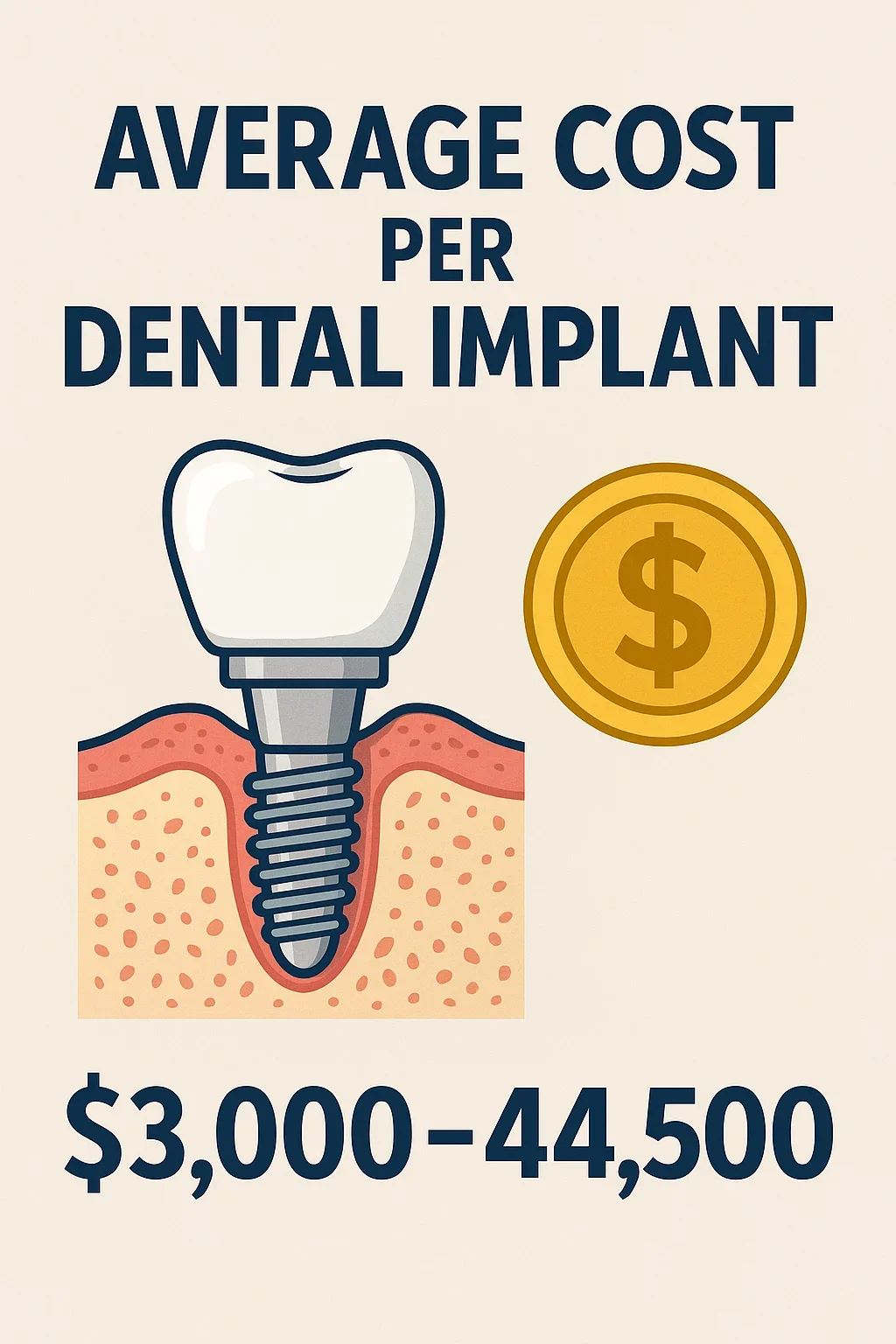
Understanding Price Variations: What Makes the Average Cost per Dental Implant Different for Each Patient?
Even though many clinics publish general price ranges, the average cost per dental implant is not a fixed number. It varies significantly from one patient to another based on clinical needs, anatomical conditions, treatment complexity, and material preferences. Because dental implants are not a one-size-fits-all procedure, every treatment plan is fully customized. This final section explains in depth why two patients receiving implants at the same clinic may still pay different amounts — and why these variations are normal, predictable, and clinically justified.
By understanding the factors that influence the average cost per dental implant, patients can better evaluate treatment plans, ask informed questions, and set realistic expectations about both pricing and outcomes. This comprehensive guide ensures complete clarity to support confident decision-making.
Variation in Bone Density, Gum Health, and Anatomical Structure
One of the most influential factors behind price variation is the patient’s bone and gum condition. Dental implants can only succeed in a healthy, stable environment. Some patients have strong bone and excellent gum health, requiring minimal preparation. Others may need additional procedures to create a supportive foundation.
How Oral Health Affects Implant Pricing
- Bone Density: Low bone volume often requires grafting, which increases cost.
- Gum Health: Untreated periodontal disease must be corrected before implant placement.
- Sinus Structure: Upper jaw implants may require sinus lifts depending on sinus position.
- Anatomical Complexity: Unique nerve or bone positioning can require advanced surgical techniques.
Because these biological factors differ between individuals, the average cost per dental implant also varies, even when the implant brand and surgical plan are similar.
The Number of Implants Required and Treatment Scope
Some patients need one implant, others may need three or four, and some may require full-mouth restoration. Naturally, the total treatment scope influences the average cost per dental implant. More implants require additional surgical time, more prosthetic components, and potentially more extensive planning.
Single vs. Multiple Implants
The cost per implant usually decreases when placing multiple implants because certain expenses — such as imaging and consultations — are not repeated for each tooth. However, the overall total is higher due to the number of implants needed.
- Single Implant: Simple placement with one crown.
- Implant-Supported Bridge: Two implants supporting three or more connected crowns.
- Full-Arch Solutions: Four to six implants supporting an entire jaw of teeth.
This difference in treatment scale explains why the average cost per dental implant cannot be applied universally across different patient cases.
Variations in Implant Systems and Prosthetic Materials
Dental implants come in many designs, brands, and material options. Premium implant systems with decades of clinical research, advanced surface treatments, and superior component engineering naturally cost more than basic systems. Similarly, crowns and abutments come in a range of materials — from standard titanium to premium ceramic or zirconia options.
Material Factors That Influence Pricing
- Implant Brand: Global brands offer higher longevity and more stable designs.
- Crown Material: Zirconia and high-translucency ceramics cost more than traditional PFM.
- Abutment Type: Custom-milled abutments offer superior gum contouring but increase cost.
- Laboratory Quality: Master dental technicians provide higher precision restorations.
Each of these variables contributes to the average cost per dental implant and ensures the final restoration meets each patient’s personal aesthetic and functional expectations.
Surgical Technique and Level of Clinical Expertise
Not all implants require the same surgical approach. Some cases are straightforward and completed within 30 minutes, while others are complex, requiring guided surgery, flapless techniques, bone regeneration, or nerve repositioning. The more advanced the surgical approach, the more expertise is required — and the more this can affect the overall average cost per dental implant.
Elements Affecting Surgical Pricing
- Use of surgical guides (digital planning)
- Advanced imaging or navigation systems
- Specialized sedation methods
- Management of high-risk anatomical structures
Experienced surgeons also naturally charge more due to skill, training, and clinical success rates. This expertise reduces risks and ensures long-term implant stability, providing greater lifetime value for the average cost per dental implant.
Geographic Location and Local Economic Factors
Where you receive treatment plays a major role in determining the average cost per dental implant. Countries with high operational and labor costs — such as the U.S. or U.K. — charge significantly more compared to countries like Turkey, where the cost of operation is lower but clinical standards remain high.
- Cost of living affects staff salaries and clinic rent.
- Import taxes influence implant material prices.
- Healthcare regulations can add compliance expenses.
- Competition levels vary by region.
This explains why the geographic factor alone can dramatically shift the average cost per dental implant even when the same implant brand and surgical technique are used.
Short-Term vs. Long-Term Treatment Approaches
Some clinics offer immediate loading implants (teeth placed the same day), while others follow traditional methods requiring several months of healing. Immediate loading often involves additional technology and stronger prosthetics, affecting the average cost per dental implant.
Factors Influencing Treatment Timing
- Healing speed
- Bone stability
- Bite force characteristics
- Patient preference and lifestyle
Understanding these timing differences helps patients interpret pricing variations more accurately.
Why Every Patient Receives a Unique Cost Estimate
Ultimately, dental implant treatment is fully personalized. Two patients with identical implant brands may still receive different pricing due to their unique oral structures, required procedures, comfort preferences, and aesthetic goals.
For a personalized, accurate treatment plan tailored to your needs, patients can visit the
Redent Klinik Contact Page.
A detailed consultation ensures that your average cost per dental implant reflects your actual clinical requirements — not a generic price tag.
The more you understand the factors influencing implant pricing, the more confidently you can plan your treatment. By looking beyond simple averages and recognizing individual variations, patients gain clarity, control, and realistic expectations for transforming their smile safely and successfully. 🦷🌟