
The average price of full mouth dental implants is one of the most researched topics among patients considering full dental restoration. Whether you’ve lost teeth due to decay, trauma, or aging, dental implants offer a life-changing solution that restores both function and aesthetics. However, before making this investment, understanding the real costs, what affects them, and what you receive in return is essential. This comprehensive 2025 guide explains everything you need to know — from what full mouth implants are, to why prices vary, and how you can make the best decision for your dental health and budget.
In simple terms, full mouth dental implants replace all of a person’s missing or damaged teeth using a combination of titanium posts and custom-made crowns or bridges. Unlike removable dentures, which can slip or feel uncomfortable, implants permanently bond with the jawbone, providing a natural and stable bite. This makes them the gold standard for long-term oral rehabilitation 🦷. Patients not only regain confidence in their smile but also restore proper chewing and speech function.
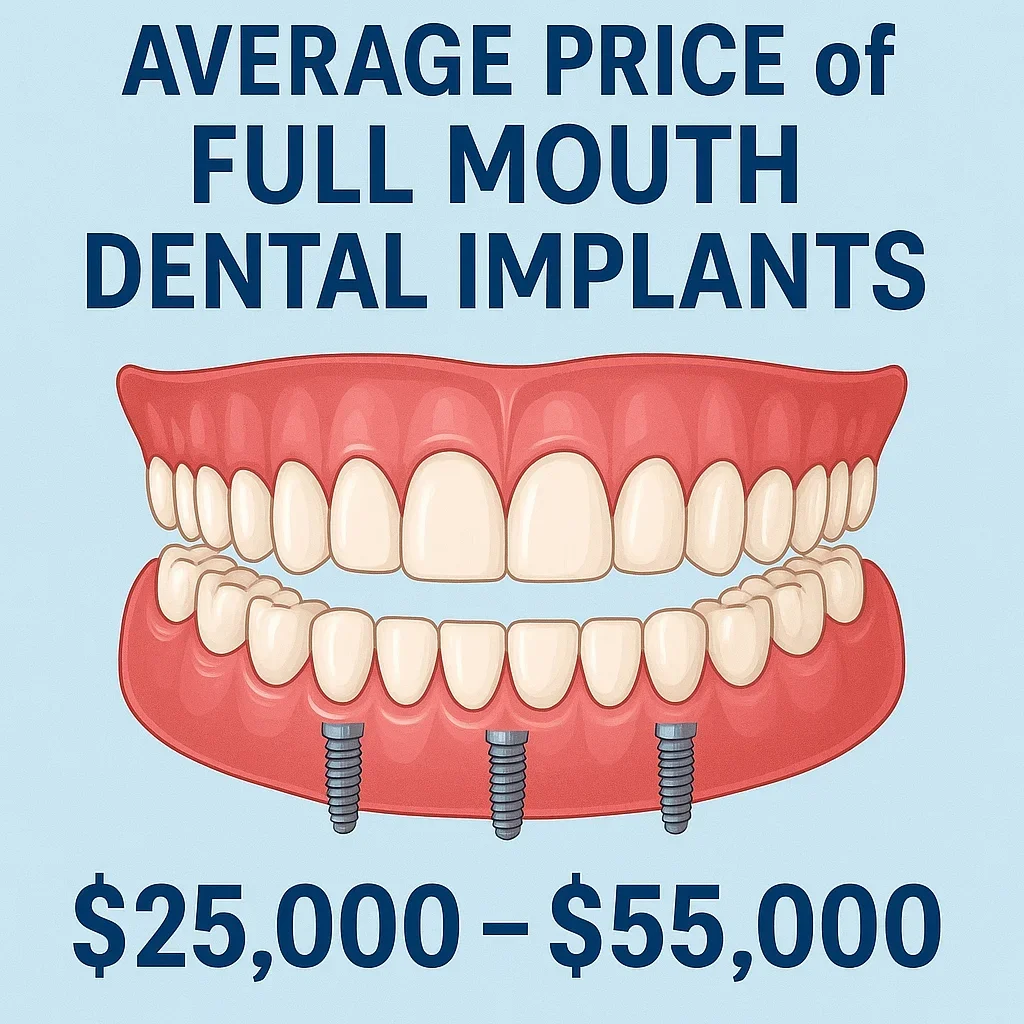
When researching the average price of full mouth dental implants, most people discover that costs vary widely depending on factors such as the clinic’s location, the number of implants used, the quality of materials, and the dentist’s expertise. In the United States, for example, the average cost can range from $25,000 to $80,000 per arch, meaning a full mouth restoration might exceed $100,000 in total. However, countries like Turkey offer the same treatment — often with high-quality standards — for a fraction of that price, sometimes between $7,000 and $15,000 for a full mouth, including accommodation and transfers.
It’s important to note that while pricing is a key factor, patients should also focus on value. The average price of full mouth dental implants should be considered alongside the experience of the dental team, the technology used, and the long-term success rate of the implants. A slightly higher upfront cost can often lead to fewer complications, longer-lasting results, and a more natural aesthetic appearance.
Most full mouth implant procedures are completed using one of three main techniques:
- All-on-4 implants: A minimally invasive method using four titanium implants to support an entire arch of teeth.
- All-on-6 implants: Offers added stability, ideal for patients with good bone density.
- Zygomatic implants: Used for patients with significant bone loss who are not candidates for traditional implants.
Each method influences the overall average price of full mouth dental implants. For instance, All-on-4 treatments are often more affordable, while zygomatic implants require advanced surgical skills and higher costs. However, all these options deliver a permanent, functional, and visually pleasing result.
According to the American Dental Association, dental implants have a success rate exceeding 95%, making them one of the most reliable long-term dental procedures available today. Patients often report an improved quality of life, better nutrition, and enhanced self-esteem after undergoing the treatment. These psychological and health benefits are often overlooked but are integral to understanding why so many people consider implants a worthwhile investment rather than a mere cosmetic procedure.
When analyzing the average price of full mouth dental implants, another key aspect to consider is what the total package includes. Some clinics quote only the surgical portion of the treatment, while others provide a full service that includes digital scanning, temporary teeth, final zirconia restorations, post-operative care, and warranties. Always ask for a detailed cost breakdown before proceeding. Transparent clinics such as Redent Klinik Contact Page allow you to receive a personalized treatment plan based on your oral condition and aesthetic goals.
In 2025, advances in 3D imaging, guided implant surgery, and same-day prosthetic manufacturing have significantly optimized treatment outcomes while reducing time and cost. Clinics equipped with in-house dental labs can fabricate custom restorations more quickly and precisely, which also influences the average price of full mouth dental implants. Moreover, global medical tourism has made it possible for patients to access premium-quality dental care at a fraction of Western costs without compromising safety or quality standards.
In summary, the average price of full mouth dental implants depends on a variety of clinical, geographic, and personal factors. While prices may range widely — from as low as $7,000 in some countries to over $100,000 in others — understanding the full scope of treatment helps you make an informed decision. Beyond price, choosing an experienced dental team, modern facilities, and reliable materials ensures a lasting and confident smile for years to come. Investing in your smile is truly investing in your overall well-being and quality of life. 😁
Understanding Full Mouth Dental Implants 🦷
Before diving into the average price of full mouth dental implants, it’s crucial to understand what full mouth dental implants actually are and why they have become the gold standard in modern restorative dentistry. These implants are designed to replace all the teeth in either the upper or lower jaw — or both — providing a permanent, functional, and natural-looking smile. Unlike traditional dentures, which rest on the gums, dental implants integrate with the jawbone through a process called osseointegration, creating a stable foundation that mimics natural tooth roots.
What Are Full Mouth Dental Implants?
Full mouth dental implants typically consist of several titanium posts surgically placed into the jawbone, upon which a fixed bridge or denture is securely attached. Depending on the individual’s bone structure and oral health, the procedure may involve four, six, or even eight implants per arch. The most common techniques are All-on-4, All-on-6, and Zygomatic implants, each offering specific benefits in terms of support and stability. The entire system is designed to function like natural teeth — allowing patients to eat, smile, and speak confidently.
Each dental implant acts as an artificial root that fuses with the jawbone over time. This fusion prevents bone loss, maintains facial structure, and provides a strong base for the prosthetic teeth. The result is a long-lasting solution that not only restores functionality but also improves aesthetics dramatically.
The Evolution of Full Mouth Dental Implants
The concept of replacing missing teeth dates back thousands of years, but modern dental implants as we know them were first developed in the 1950s when titanium’s compatibility with bone was discovered. Since then, technological advancements — from 3D digital imaging to guided implant surgery — have made full mouth implants more precise, faster, and safer. Today, clinics can complete a full arch restoration in just a few appointments, thanks to computer-aided design and manufacturing systems (CAD/CAM).
These innovations have also influenced the average price of full mouth dental implants. While earlier methods required multiple surgeries and months of healing, today’s techniques streamline the process, saving both time and cost. Yet, despite these efficiencies, prices still vary depending on the complexity of the case and the type of materials used for the crowns or bridges (e.g., acrylic, zirconia, or porcelain).
Benefits of Full Mouth Dental Implants
Full mouth dental implants offer numerous benefits that go far beyond aesthetics. Patients who choose implants over removable dentures enjoy:
- Permanent stability: Implants don’t slip or move, allowing you to eat any food you desire.
- Improved oral health: Unlike bridges, implants don’t rely on adjacent teeth for support, preserving your natural enamel.
- Prevention of bone loss: Titanium implants stimulate bone tissue, maintaining jaw density and facial contours.
- Enhanced speech and comfort: No adhesives or uncomfortable friction points, providing a natural feel.
- Long-term cost-effectiveness: Although the initial investment may seem high, implants can last decades with proper care — lowering lifetime costs.
Given these benefits, the growing demand for implants worldwide directly influences the average price of full mouth dental implants. More patients are opting for this treatment not only for cosmetic reasons but also for the health benefits it brings.
Who Is a Good Candidate for Full Mouth Dental Implants?
Ideal candidates are individuals who have lost most or all of their teeth and are seeking a permanent replacement solution. Sufficient bone density is important for supporting the implants, although bone grafting can often correct deficiencies. Patients should also have good general health, as certain medical conditions like uncontrolled diabetes or heavy smoking can affect healing.
A qualified implantologist will conduct a thorough examination using digital X-rays or 3D scans to evaluate bone structure and determine the most suitable approach. Understanding the biological and structural factors helps the dentist create a personalized treatment plan that aligns with both medical needs and budget expectations.
Understanding the Treatment Stages
The process of getting full mouth implants involves several stages:
- Consultation and planning: The dentist assesses your oral health, discusses goals, and presents a cost estimate.
- Implant placement: Titanium posts are surgically inserted into the jawbone under local anesthesia or sedation.
- Healing and osseointegration: Over 3–6 months, the bone fuses with the implant surface, creating stability.
- Abutment and crown placement: The final prosthetic bridge or denture is attached, completing the smile transformation.
Each phase contributes to the overall average price of full mouth dental implants. Advanced diagnostic imaging, high-quality zirconia materials, and sedation options all play a role in determining the final cost. For this reason, patients should always request a detailed breakdown of services before beginning treatment.
Material Quality and Longevity
Another factor influencing the average price of full mouth dental implants is the choice of materials. Titanium implants are widely regarded as the gold standard due to their strength and biocompatibility. However, zirconia implants — a newer, metal-free option — are gaining popularity for their aesthetic advantage and hypoallergenic properties. The crowns themselves can be made from acrylic, porcelain, or zirconia, with zirconia being the most durable and lifelike option but also the most expensive.
Properly maintained implants can last 25 years or more, while prosthetic bridges may require replacement every 10–15 years depending on wear and oral hygiene. This long-term reliability makes the investment worthwhile, as patients often experience decades of comfort and confidence after treatment.
Emotional and Lifestyle Impact
Beyond the technical and financial aspects, full mouth dental implants have a profound emotional impact. Patients who once avoided smiling or struggled to eat in public regain their confidence and joy of living. Many report feeling rejuvenated, socially active, and more positive overall. This psychological transformation is one of the most underrated but valuable aspects of the treatment — and a significant reason why so many people are willing to invest despite the average price of full mouth dental implants being relatively high compared to other options.
Key Takeaway
In essence, understanding full mouth dental implants means recognizing them as a long-term investment in both oral health and self-esteem. The average price of full mouth dental implants is determined by factors such as surgical complexity, material quality, and clinic reputation. Yet, beyond the numbers, the value lies in the restored ability to smile, speak, and eat with confidence — every single day. 🦷
Why Full Mouth Dental Implants Are Worth the Investment
When people first learn about the average price of full mouth dental implants, the initial reaction is often surprise at how high the numbers seem. However, understanding the long-term value behind this investment completely changes the perspective. Dental implants are not just about replacing missing teeth — they are about restoring comfort, confidence, and quality of life. From medical, psychological, and aesthetic standpoints, full mouth implants are one of the most transformative procedures in modern dentistry, offering benefits that far outweigh their cost.
The True Value Behind the Cost
Unlike dentures or bridges, full mouth dental implants are designed to last decades — often a lifetime. While removable dentures may seem cheaper initially, they require regular replacement, adhesives, and maintenance, which add up over the years. The average price of full mouth dental implants reflects the use of advanced technology, biocompatible materials like titanium and zirconia, and the expertise of skilled dental surgeons. These elements ensure long-term stability, functionality, and aesthetics that simply cannot be matched by temporary solutions.
Moreover, implants help preserve bone density and facial structure. When teeth are missing, the jawbone begins to deteriorate due to lack of stimulation. Implants prevent this process through osseointegration, where the implant fuses directly with the bone, maintaining strength and preventing the “sunken face” look commonly associated with tooth loss. This preservation effect alone makes the treatment invaluable, as it contributes not only to appearance but also to overall oral health.
Health Benefits Beyond Aesthetics
Dental implants are not purely cosmetic. They play a crucial role in restoring essential oral functions. Patients who receive full mouth implants experience improved digestion, clearer speech, and better nutrition — since they can chew all types of food again, including fruits, nuts, and meats. These benefits contribute to overall health and vitality, which is why many professionals argue that the average price of full mouth dental implants should be seen as a health investment rather than a cosmetic expense.
In addition, implants eliminate the discomfort and irritation that many denture wearers face. Because implants are fixed and do not move, there is no friction against the gums, no slipping while talking or eating, and no need for messy adhesives. For patients who value freedom and confidence in daily life, this stability is priceless.
Longevity and Cost Efficiency
From a financial standpoint, dental implants offer long-term savings. While traditional dentures must be replaced every 5–7 years, well-maintained implants can last a lifetime. Over a 20-year span, dentures may cost more in maintenance and replacements than implants cost upfront. Thus, the average price of full mouth dental implants represents not only an upfront fee but also an investment in decades of comfort, reliability, and aesthetics.
In many clinics, patients receive warranties on implant materials and workmanship, ensuring peace of mind. This type of guarantee is rarely available for cheaper dental restorations. When factoring in the costs of potential repairs, realignment, and replacement of removable dentures, implants often emerge as the most cost-effective option in the long run.
Emotional and Social Advantages
The emotional value of full mouth dental implants is immense. Many patients who once avoided smiling or social interactions regain confidence after their treatment. They no longer worry about dentures slipping or avoiding hard foods. Smiling freely and speaking confidently in public has an immeasurable impact on personal and professional life. The average price of full mouth dental implants becomes secondary when compared to the positive psychological transformation patients experience.
Patients often describe the feeling as “getting their life back.” The boost in self-esteem affects every aspect of life — relationships, work, and even posture. Scientific research supports this connection, showing that people who smile more often tend to have higher confidence levels and better social engagement.
Technological Innovation and Quality Assurance
Another reason why the average price of full mouth dental implants can be considered an investment lies in the cutting-edge technology involved in the process. Modern implant dentistry relies on 3D digital scans, computer-guided surgery, and CAD/CAM design to create custom prosthetics that fit perfectly. This precision not only enhances comfort and aesthetics but also reduces the risk of complications. Every step of the procedure, from planning to execution, is designed to achieve long-lasting and natural-looking results.
Clinics equipped with in-house laboratories and digital design tools can produce final restorations faster and with better accuracy. The combination of artistry and engineering in implant dentistry ensures that each patient receives a result tailored to their facial structure and bite pattern. This level of personalization adds significant value to the treatment, further justifying the average price of full mouth dental implants.
Long-Term Oral Health Maintenance
Once the implants are placed and integrated, maintenance is simple — similar to caring for natural teeth. Regular brushing, flossing, and professional cleanings are sufficient to keep them healthy. There’s no need for soaking solutions, adhesives, or special products. Because implants help distribute bite forces evenly, they also reduce the risk of jaw strain and other dental issues, making them a holistic improvement to oral health.
Comparing Lifetime Costs to Other Solutions
To fully appreciate the value, it’s useful to compare long-term costs. Let’s say a full set of dentures costs around $2,000–$4,000 but requires replacement and relining every few years. Over a 20-year period, total expenses could exceed $20,000–$30,000 — not to mention the ongoing inconvenience. Meanwhile, the average price of full mouth dental implants might initially seem higher, but it delivers lasting results, fewer follow-ups, and immeasurably greater comfort.
Some clinics even provide bundled packages that include accommodation, airport transfers, and follow-up care, especially in dental tourism destinations such as Turkey, Thailand, or Mexico. These comprehensive packages offer international patients high-quality care at a much lower price compared to U.S. or European clinics, making implants a smart financial and medical choice.
Conclusion: A Lifetime Investment in Yourself
In conclusion, the average price of full mouth dental implants represents far more than a dental procedure — it’s a long-term investment in one’s health, self-confidence, and happiness. While the upfront cost may seem high, the long-term benefits are undeniable. Implants offer superior durability, natural aesthetics, and life-changing comfort that can’t be matched by any temporary alternative. Investing in your smile today ensures decades of confidence, functionality, and wellness tomorrow — truly a priceless return. 🌟
Factors That Influence the Average Price of Full Mouth Dental Implants
The average price of full mouth dental implants can vary significantly from one patient to another — sometimes even between clinics in the same city. This variation occurs because many medical, technical, and logistical factors contribute to the total cost. Understanding these factors helps patients plan their treatment budget realistically and ensures that they receive quality care without unpleasant surprises. In this section, we’ll explore all major elements that shape implant pricing, from geographic location to material quality and professional expertise.
1. Geographic Location and Clinic Standards 🌍
One of the most influential factors determining the average price of full mouth dental implants is the country and city where the treatment is performed. For example, a full mouth implant restoration that costs $60,000–$100,000 in the United States might cost only $7,000–$15,000 in Turkey or $10,000–$18,000 in Mexico. This difference does not necessarily reflect a lower quality of care — in many cases, it’s due to differences in labor costs, currency value, and operational expenses.
Clinics in countries with a strong reputation for dental tourism often include added-value services such as airport transfers, hotel stays, and translation assistance. These benefits make dental tourism increasingly popular among patients from the U.S., U.K., and Europe. For example, at clinics like Redent Klinik Contact Page, patients can receive high-quality, internationally certified dental implant care at a fraction of the cost they’d pay in their home country.
2. Dentist Expertise and Experience
The skill and experience of the dental surgeon are among the top factors affecting the average price of full mouth dental implants. Implant dentistry is both a science and an art. Highly experienced implantologists with years of surgical experience and international certifications tend to charge higher fees. However, this premium often guarantees greater precision, lower risk of complications, and superior aesthetic results. Choosing a specialist with a proven track record may slightly increase costs but dramatically enhances long-term outcomes.
In complex cases — such as when bone grafting or sinus lifting is required — advanced surgical techniques may be necessary. These procedures require additional training and precision, adding to the total cost but ensuring safety and success.
3. Type of Implant System and Materials Used
Different implant brands and materials also play a significant role in determining the average price of full mouth dental implants. Premium systems like Straumann, Nobel Biocare, and Zimmer Biomet offer superior engineering, surface technology, and clinical longevity. They are extensively tested for biocompatibility and durability, leading to higher costs compared to generic or unbranded alternatives.
Implant Material: Titanium vs. Zirconia
Titanium implants are the industry standard due to their proven strength and long-term biocompatibility. However, some patients prefer zirconia implants, which are metal-free and more aesthetic because of their tooth-colored appearance. Zirconia options tend to be slightly more expensive, adding a few hundred dollars per implant to the overall price. Still, both materials are reliable, with success rates above 95% when properly placed and maintained.
4. Number of Implants and Type of Restoration
The total number of implants required to support a full mouth restoration directly affects cost. An All-on-4 system uses four implants per arch and is generally the most affordable, while All-on-6 or All-on-8 systems provide greater stability at a higher cost. The type of prosthetic restoration — whether it’s acrylic, porcelain-fused-to-metal, or monolithic zirconia — also influences the average price of full mouth dental implants. Zirconia bridges, though costlier, are favored for their exceptional durability, stain resistance, and natural translucency.
Breakdown Example:
- All-on-4 acrylic hybrid: $12,000–$18,000 per arch
- All-on-6 zirconia bridge: $18,000–$25,000 per arch
- Full zirconia fixed bridge (premium): $25,000–$35,000 per arch
Patients should note that “cheaper” options are not necessarily inferior, but longevity and appearance should always be considered alongside cost. Spending slightly more upfront for high-quality materials often reduces the need for repairs or replacements later.
5. Pre-Treatment Procedures
Before placing implants, some patients require preparatory treatments such as extractions, bone grafting, or sinus lifts. These procedures can increase the average price of full mouth dental implants by several thousand dollars but are crucial for ensuring implant stability. Without proper bone support, implants may fail prematurely, so investing in these preparatory steps is essential for long-term success.
For example, a bone graft may cost between $400–$1,200 per site, and sinus augmentation can range from $2,000–$4,000. These procedures may seem costly, but they are one-time investments that strengthen the foundation for your new smile.
6. Technology and Equipment Used
Advanced technology significantly enhances precision and comfort during the implant process. Clinics that use 3D CBCT scans, intraoral scanners, and guided surgical software provide safer, more predictable outcomes. However, these modern tools come with higher operational costs that influence the average price of full mouth dental implants. For example, computer-guided surgery minimizes human error and shortens recovery time, which is worth the extra investment for most patients.
7. Aftercare, Warranties, and Maintenance
Reliable clinics offer follow-up care, cleaning instructions, and sometimes even long-term warranties on implants and prosthetics. These services contribute to the overall cost but also provide peace of mind. A clinic that includes one to two years of free checkups or a lifetime implant warranty typically reflects a higher level of quality and accountability. When evaluating the average price of full mouth dental implants, it’s essential to consider these inclusions rather than focusing solely on the base cost.
8. Aesthetic and Customization Level
Customization plays a major role in pricing. Personalized smile design, digital wax-ups, and shade matching ensure that the prosthetics complement your facial structure perfectly. The more natural and artistic the final smile appears, the higher the skill and time invested by the dental team. This attention to detail is what makes a smile look truly natural — and influences the total average price of full mouth dental implants.
9. Summary: Understanding What You’re Paying For
When evaluating quotes, patients should ask for itemized breakdowns that specify what’s included — consultation fees, X-rays, surgical stages, anesthesia, prosthetic materials, and follow-ups. This transparency helps compare clinics fairly. A lower quote may exclude essential elements, whereas a slightly higher one might offer an all-inclusive package.
In conclusion, the average price of full mouth dental implants is determined by numerous interrelated factors — from the dentist’s skill and implant brand to technology, country, and aftercare. The key is to strike the right balance between affordability and quality, ensuring you receive a durable, beautiful, and functional smile that stands the test of time. 🦷✨
Cost Comparison: United States vs. Turkey and Other Countries 🌍
When evaluating the average price of full mouth dental implants, one of the most eye-opening factors for patients is how dramatically costs vary between countries. Geography plays a decisive role in determining dental treatment prices. The United States, for example, is known for high-quality healthcare, but also for some of the world’s highest dental costs. Meanwhile, destinations like Turkey, Mexico, and Thailand have become global leaders in affordable, world-class dental tourism. In this section, we’ll make a detailed comparison between these countries, exploring cost differences, quality standards, patient safety, and what each destination offers for those seeking full mouth dental implants.
1. United States: Excellence at a High Price 🇺🇸
In the United States, the average price of full mouth dental implants typically ranges between $25,000 and $45,000 per arch, meaning a complete set for both upper and lower jaws can easily exceed $80,000–$100,000. Several factors contribute to this high cost: dental insurance limitations, expensive lab fees, and higher operating costs due to labor and technology expenses. While the U.S. is home to some of the world’s best dental professionals and advanced clinical technologies, these benefits often come at a premium.
For patients who prioritize having treatment close to home, American clinics offer convenience, easy communication, and follow-up access. However, the elevated price point makes implants inaccessible for many people. Additionally, most dental insurance plans cover only a portion of the procedure, often classifying implants as “cosmetic,” which leaves patients paying the majority of costs out of pocket.
Typical U.S. Cost Breakdown (per arch):
- Consultation and diagnostic imaging: $500–$1,200
- Implant placement surgery: $15,000–$25,000
- Abutments and crowns (zirconia or porcelain): $10,000–$20,000
- Follow-up care and maintenance: $1,000–$2,000
While these prices reflect world-class standards, they are often financially overwhelming for patients seeking full mouth restoration.
2. Turkey: Premium Quality at Affordable Prices 🇹🇷
Turkey has become one of the top destinations for dental tourism, particularly for full mouth dental implants. The average price of full mouth dental implants in Turkey ranges from $7,000 to $15,000 for a complete set, including both arches. The country combines European-grade medical standards with affordable costs — largely due to lower labor expenses, a favorable exchange rate, and government support for medical tourism.
Clinics such as Redent Klinik Contact Page offer comprehensive implant packages that include airport transfers, hotel accommodation, panoramic X-rays, and lifetime warranties. These services make the overall experience seamless and appealing for international patients. Turkish dental professionals are highly trained, often educated or certified in European institutions, and use the same global implant systems as those found in U.S. and U.K. clinics — such as Straumann, Nobel Biocare, and Osstem.
What Makes Turkey So Cost-Effective?
- Lower operational costs: Reduced overheads and labor expenses compared to Western countries.
- Currency advantage: The Turkish Lira’s favorable exchange rate significantly lowers prices for foreign patients.
- High patient volume: Dental tourism allows clinics to operate efficiently, passing savings on to patients.
- Comprehensive packages: Many clinics bundle treatment, accommodation, and transportation into one all-inclusive price.
Thanks to these advantages, patients can save up to 70% compared to what they would pay in the U.S. while maintaining excellent quality and safety standards.
3. United Kingdom: High Demand and Moderate Prices 🇬🇧
In the U.K., the average price of full mouth dental implants ranges from £20,000 to £35,000 for both arches, slightly lower than the U.S. but still expensive. The National Health Service (NHS) rarely covers implants, classifying them as elective treatments, which pushes most patients into private dental clinics. These clinics are regulated by the General Dental Council (GDC), ensuring high safety standards but contributing to increased operating costs.
Although British clinics maintain strong clinical reputations, many U.K. residents are now choosing to travel abroad — especially to Turkey or Eastern Europe — for cost savings without compromising quality. The growing popularity of “dental holidays” is a direct result of these significant price gaps.
4. Mexico: Affordable Dentistry Close to the U.S. 🇲🇽
Mexico is another popular destination for American patients looking to reduce expenses. The average price of full mouth dental implants there ranges from $9,000 to $16,000, including both arches. Many clinics are located near border cities such as Tijuana, Cancun, and Los Algodones, making access easy for North American travelers. Mexican clinics often use the same implant brands and digital technologies as those in the U.S., offering impressive results at roughly one-third of the cost.
However, patients should verify that the clinic is internationally accredited and that dentists are licensed implant specialists. While Mexico offers outstanding value, there can be variations in quality between clinics.
5. Thailand and Hungary: Asia and Europe’s Dental Tourism Hubs 🇹🇭🇭🇺
Thailand and Hungary are also emerging as major centers for dental tourism. The average price of full mouth dental implants in Thailand typically ranges from $10,000 to $18,000, while in Hungary it averages around €8,000 to €14,000. Both countries are known for combining advanced dental infrastructure with attractive tourism options, allowing patients to recover while enjoying their stay. Bangkok and Budapest, in particular, are home to internationally accredited dental centers offering European-quality treatments at highly competitive prices.
What Patients Value Most in These Destinations:
- Affordable yet premium-level dental care
- Modern clinics using advanced technologies
- Experienced English-speaking dentists
- Tourism-friendly infrastructure and comfortable recovery options
6. Quality and Safety Comparison
Contrary to common misconceptions, lower prices in countries like Turkey or Thailand do not imply inferior care. Many international clinics adhere to American Dental Association (ADA) or ISO standards, use FDA-approved materials, and maintain strict sterilization protocols. In fact, dental tourism countries often provide a more personalized experience because of smaller patient-to-doctor ratios and dedicated treatment coordinators.
7. Final Verdict: The Global Cost Perspective 🌎
Ultimately, the average price of full mouth dental implants varies depending on where you choose to receive treatment:
| Country | Average Cost (Full Mouth) | Quality Rating | Tourism Advantage |
|---|---|---|---|
| United States | $60,000–$100,000 | ⭐⭐⭐⭐⭐ | Low |
| Turkey | $7,000–$15,000 | ⭐⭐⭐⭐⭐ | High |
| United Kingdom | $25,000–$45,000 | ⭐⭐⭐⭐ | Moderate |
| Mexico | $9,000–$16,000 | ⭐⭐⭐⭐ | High |
| Thailand / Hungary | $8,000–$18,000 | ⭐⭐⭐⭐ | High |
For most international patients, traveling abroad provides access to top-tier dental care at significantly reduced prices — without sacrificing safety or results. The key is selecting a clinic with proven credentials, transparent communication, and verifiable reviews. Whether you choose a local or overseas clinic, remember that the average price of full mouth dental implants represents an investment in your long-term health, confidence, and well-being — not just a dental procedure. ✈️🦷
Types of Full Mouth Dental Implants and Their Pricing
Understanding the different types of full mouth dental implants is key to making an informed decision about your treatment. The average price of full mouth dental implants largely depends on which implant system and technique your dentist recommends. Modern dentistry offers several approaches to suit different needs, bone structures, and budgets — from the cost-effective All-on-4 system to advanced zygomatic implants for patients with severe bone loss. Each method comes with its own advantages, recovery times, and cost implications. Let’s explore each in depth so you can choose the most appropriate option for your oral health goals and financial comfort.
1. All-on-4 Dental Implants: The Most Popular Solution
The All-on-4 dental implant system is one of the most widely used methods worldwide for full mouth rehabilitation. It involves placing four strategically positioned implants per arch — two near the front and two angled implants in the back — to support a fixed full-arch bridge. This configuration allows even patients with mild bone loss to receive implants without bone grafting. Because fewer implants are required, the average price of full mouth dental implants using this method is significantly lower than traditional full-mouth restorations.
Average Cost and Features
- Average price range (both arches): $10,000 – $25,000
- Healing time: 3–6 months
- Materials used: Titanium implants with acrylic or zirconia prosthetics
- Ideal for: Patients seeking an affordable, minimally invasive, and stable solution
Patients often appreciate that All-on-4 implants can sometimes be completed in one visit using the “teeth in a day” approach. This immediate-load method allows temporary teeth to be fitted right after surgery, eliminating the need to go toothless during healing. Overall, All-on-4 offers a balance between affordability, efficiency, and functionality — making it a top choice for those comparing the average price of full mouth dental implants across systems.
2. All-on-6 Dental Implants: Added Stability and Strength
As the name suggests, the All-on-6 implant technique uses six titanium implants per arch instead of four, providing greater distribution of bite force and additional support for the prosthesis. This approach is recommended for patients with adequate bone density who want maximum long-term durability and a more natural chewing sensation.
The average price of full mouth dental implants for the All-on-6 method is slightly higher, reflecting the extra implants and surgical precision required. However, the added cost is justified by superior mechanical stability and longevity. Patients can expect reduced wear and tear over time and an improved ability to chew hard foods comfortably.
Average Cost and Features
- Average price range (both arches): $14,000 – $30,000
- Healing time: 4–6 months
- Materials used: Premium titanium implants with zirconia bridges
- Ideal for: Patients seeking high endurance and natural bite sensation
Many clinics also offer lifetime warranties for the implants themselves, which enhances long-term value. When factoring in this longevity, the average price of full mouth dental implants using All-on-6 technology is considered a smart, future-proof investment.
3. All-on-8 Dental Implants: Maximum Support and Aesthetics
The All-on-8 system uses eight implants per arch to provide the most stable and evenly distributed foundation possible. This option mimics natural dentition more closely than other techniques, offering enhanced bite strength and the most lifelike aesthetics. Because of the higher number of implants, the procedure requires more precise planning, advanced surgical tools, and longer healing periods.
Average Cost and Features
- Average price range (both arches): $18,000 – $40,000
- Healing time: 5–8 months
- Materials used: High-grade titanium with zirconia or porcelain bridges
- Ideal for: Patients seeking the highest possible stability and luxury-level finish
The average price of full mouth dental implants with the All-on-8 system may seem steep, but the long-term performance and superior load distribution justify the investment. This option is particularly favored by patients who want premium results with no compromise in comfort or aesthetics.
4. Zygomatic Implants: For Severe Bone Loss
Zygomatic implants are an advanced solution for patients who have suffered significant bone loss in the upper jaw and are not suitable candidates for conventional implants. Instead of being anchored in the jawbone, these implants are anchored in the zygomatic bone (cheekbone), which provides strong support even when the maxilla lacks sufficient bone volume.
This highly specialized procedure requires advanced surgical training and 3D imaging for accurate placement. Consequently, it commands one of the highest fees among implant systems. The average price of full mouth dental implants using zygomatic techniques typically ranges from $25,000 to $50,000 or more, depending on the complexity of the case.
Average Cost and Features
- Average price range (both arches): $25,000 – $50,000+
- Healing time: 6–9 months
- Materials used: Extended-length titanium implants anchored in cheekbone
- Ideal for: Patients with extreme bone loss avoiding bone grafting
Although this treatment option comes at a premium, it eliminates the need for bone grafts and multiple surgeries. For many patients, the overall timeline and reduced number of procedures make it both time-efficient and cost-effective in the long term.
5. Mini Dental Implants: The Budget-Friendly Option
Mini implants are smaller in diameter than traditional implants and are typically used for stabilizing dentures rather than supporting a full bridge. However, in certain cases, they can serve as a temporary or cost-effective solution for full mouth restoration. Because they require less bone density and are simpler to place, they are significantly cheaper — though not as durable as traditional systems.
Average Cost and Features
- Average price range (both arches): $6,000 – $10,000
- Healing time: 2–3 months
- Materials used: Small-diameter titanium posts
- Ideal for: Patients with low budgets or medical limitations
While mini implants can make treatment more accessible, they are considered a semi-permanent solution. Patients should discuss with their dentist whether the lower cost is worth the potential trade-off in long-term durability. The average price of full mouth dental implants may be lower here, but so is the expected lifespan of the restoration.
6. Comparing All Implant Systems: Which Is Best for You?
| Implant Type | Number of Implants | Approx. Cost (Both Arches) | Main Advantages |
|---|---|---|---|
| All-on-4 | 4 per arch | $10,000 – $25,000 | Affordable, fast recovery, minimal surgery |
| All-on-6 | 6 per arch | $14,000 – $30,000 | Enhanced stability and lifespan |
| All-on-8 | 8 per arch | $18,000 – $40,000 | Maximum support and aesthetics |
| Zygomatic | 4–6 per arch | $25,000 – $50,000+ | Ideal for severe bone loss; no grafting needed |
| Mini Implants | Variable | $6,000 – $10,000 | Affordable but less durable option |
Conclusion: Choosing the Right Type for Your Smile
The average price of full mouth dental implants depends heavily on the chosen implant system and materials. While the All-on-4 method offers excellent value and fast results, All-on-6 and All-on-8 systems provide superior stability and aesthetics for patients seeking a long-term investment. For those with advanced bone loss, zygomatic implants offer a life-changing solution without additional grafting. Ultimately, your dentist’s evaluation, bone structure, and budget will guide the ideal choice. Regardless of the system selected, all types of full mouth dental implants share one goal — restoring your confidence, functionality, and quality of life with a lasting, beautiful smile. 😁
How to Find Affordable Full Mouth Dental Implant Packages
When researching the average price of full mouth dental implants, many patients wonder how to make such a significant procedure more affordable without compromising quality. Dental implants are a lifetime investment in your oral health and confidence, but that doesn’t mean you have to pay premium prices to receive top-quality care. With proper research, comparison, and planning, you can find affordable full mouth dental implant packages that offer world-class results at a fraction of the cost. In this section, we’ll explore proven strategies, package options, and insider tips to help you secure the best value for your dental implant journey.
1. Understanding What’s Included in a Dental Implant Package
Before comparing prices, it’s essential to understand what a “package” typically includes. The average price of full mouth dental implants can differ greatly depending on whether the quoted amount covers the entire treatment or just part of it. A comprehensive implant package should include several key components:
- Initial consultation and 3D diagnostics – This includes panoramic X-rays, CT scans, and treatment planning.
- Implant placement surgery – The surgical insertion of titanium implants into the jawbone.
- Temporary prosthetics – Often provided immediately after surgery for aesthetic comfort during healing.
- Final restorations – The custom-made zirconia or porcelain bridges attached to the implants.
- Post-operative care and follow-up – Regular check-ups, adjustments, and maintenance guidance.
- Optional inclusions – Such as anesthesia, bone grafts, or accommodation for international patients.
Knowing exactly what’s included prevents hidden costs later and ensures you’re comparing packages fairly. Always request an itemized estimate to confirm that your treatment quote reflects the total average price of full mouth dental implants rather than just one stage of it.
2. Exploring Dental Tourism for Cost Savings 🌍
One of the most effective ways to find affordable implant packages is by considering dental tourism. Countries such as Turkey, Mexico, Hungary, and Thailand offer competitive pricing for high-quality dental care. The average price of full mouth dental implants in these destinations is typically 60–70% lower than in the United States or Western Europe — often with the same global implant brands and materials.
Why Dental Tourism Works
- Lower operating costs: Clinics abroad benefit from reduced labor and overhead expenses.
- Currency advantage: Favorable exchange rates make treatments more affordable for international patients.
- Comprehensive care packages: Many clinics include airport transfers, hotel stays, and local transportation in the price.
- Expertise: Many dentists abroad are internationally certified and trained in Europe or the U.S.
For example, clinics such as Redent Klinik Contact Page in Turkey specialize in all-inclusive implant packages that combine advanced dental technology, lifetime warranties, and five-star hospitality. These features make traveling abroad not only cost-effective but also convenient and safe for patients seeking premium outcomes.
3. Comparing Local and International Offers
When comparing quotes, don’t just look at the total cost — examine what’s included. The average price of full mouth dental implants may appear lower in one clinic, but if it excludes key components like anesthesia, final crowns, or follow-up visits, it might actually be more expensive in the long run. Always request a written treatment plan that outlines each phase, including materials and timelines.
Example Comparison:
| Service | U.S. Clinic | Turkey Clinic |
|---|---|---|
| Consultation & 3D Scan | $800 | Included |
| Implant Placement (All-on-6 per arch) | $20,000 | $5,000 |
| Temporary Bridge | $3,000 | Included |
| Final Zirconia Bridge | $12,000 | $3,500 |
| Hotel & Transfers | Not Included | Included |
| Total (Full Mouth) | $70,000+ | $10,000–$12,000 |
As shown, international dental packages can deliver extraordinary savings without sacrificing results. The key is to choose accredited clinics that maintain high standards of hygiene, technology, and professional care.
4. Utilizing Financing and Payment Plans
Even if you prefer treatment locally, you can make implants more affordable through financing options. Many clinics offer monthly payment plans or work with medical financing companies such as CareCredit or LendingClub. These plans spread the cost over 12–60 months, making the average price of full mouth dental implants easier to manage. In some cases, interest-free financing is available for shorter terms, especially for established patients.
Tips for Financing Success
- Check your credit score in advance to secure favorable terms.
- Ask if the clinic provides in-house installment options.
- Look for special promotional periods with 0% interest rates.
- Ensure you understand the total repayment cost before signing.
By spreading payments over time, you can invest in your smile without feeling the immediate financial strain of the full amount upfront.
5. Seeking Seasonal Promotions and Loyalty Discounts
Some clinics offer seasonal promotions or discounts for returning patients. For instance, dental tourism hubs like Istanbul, Budapest, or Bangkok often provide special packages during off-peak travel seasons. The average price of full mouth dental implants can be 10–20% lower during these promotional periods, offering additional savings. Additionally, clinics that perform a high volume of implant cases can negotiate better prices with implant manufacturers — which can translate into reduced costs for patients.
6. The Role of Technology in Cost Efficiency
Modern digital dentistry has made implant treatment more efficient and cost-effective. Clinics using 3D-printed surgical guides, digital smile design, and CAD/CAM milling can perform procedures faster, with fewer appointments. These efficiencies help reduce overall costs and make the average price of full mouth dental implants more accessible to patients worldwide. Moreover, clinics that have in-house laboratories avoid outsourcing fees, passing further savings to clients.
7. Choosing Quality Over the Lowest Price
While affordability matters, it’s crucial not to sacrifice safety or longevity for a cheaper deal. Always verify that your dentist is certified and that the implants used are from reputable brands like Nobel Biocare, Straumann, or Osstem. Avoid offers that seem too good to be true — especially if they lack transparency about the materials or procedure details. The true value of dental implants lies not just in their cost but in their quality, durability, and the confidence they bring.
Conclusion: Smart Planning Leads to Smart Savings 💎
Finding affordable implant packages is about balancing cost and quality through research, comparison, and clear communication. By understanding what’s included in your quote, considering reputable dental tourism options, and exploring financing or seasonal deals, you can make the average price of full mouth dental implants far more achievable. The best clinics provide transparency, modern technology, and personalized care — ensuring you get not only a beautiful new smile but also long-lasting peace of mind. Investing wisely means saving both money and future dental complications while gaining a confident, radiant smile that lasts for decades. 😁
Hidden Costs You Should Know Before Getting Implants
When researching the average price of full mouth dental implants, it’s easy to focus on the main treatment cost and overlook several additional expenses that can affect your total budget. These hidden costs often surprise patients once treatment begins — ranging from diagnostic procedures to maintenance care. Understanding these extra costs upfront helps you plan realistically and avoid unexpected financial stress. In this section, we’ll detail all potential hidden costs, why they matter, and how to minimize them without compromising on quality.
1. Diagnostic Imaging and Pre-Treatment Consultations
Before a dentist can proceed with implant surgery, they must perform a comprehensive evaluation using panoramic X-rays, 3D CBCT scans, and digital impressions. These diagnostics ensure that your jawbone, nerves, and sinuses are properly analyzed. The fees for these imaging services are often excluded from initial price quotes. Typically, they add $200 to $800 to the total average price of full mouth dental implants. Some clinics bundle these services into all-inclusive packages, while others bill separately.
Tip:
Ask your dental provider if the initial consultation, X-rays, and 3D scans are included in the quoted price. Many international clinics — particularly in Turkey or Mexico — provide these assessments for free to attract international patients, which can reduce your initial costs significantly.
2. Bone Grafting and Sinus Lift Procedures
One of the most common hidden expenses associated with full mouth restoration is bone grafting. If you’ve been missing teeth for a long time, bone resorption can occur, making your jawbone too weak to support implants. To fix this, dentists may perform bone grafting or a sinus lift to build sufficient structure for implant placement. These procedures can increase the average price of full mouth dental implants by $1,500 to $5,000 depending on the complexity and materials used.
Bone Grafting Materials and Costs
- Synthetic grafts: $500 – $1,500
- Bovine or human-derived grafts: $800 – $2,500
- Sinus lift surgery: $1,500 – $3,500
While necessary for long-term success, these additional steps can significantly affect the total cost. In many dental tourism destinations, clinics include grafting in their all-inclusive prices, which helps stabilize the overall average price of full mouth dental implants.
3. Temporary Teeth and Healing Appliances
After implant placement, your jaw requires several months to heal before permanent bridges can be attached. During this period, temporary teeth — often acrylic dentures or provisional bridges — are provided to maintain aesthetics and functionality. These interim restorations are sometimes not included in the base price, adding anywhere from $500 to $2,000 to the total average price of full mouth dental implants.
In contrast, clinics offering “Teeth in a Day” solutions usually include temporary restorations within the overall package. When evaluating quotes, confirm whether temporary prosthetics are part of the deal, especially if your treatment involves multiple phases across several months.
4. Anesthesia and Sedation Costs
Implant surgeries are performed under local anesthesia, but some patients prefer conscious sedation or general anesthesia for comfort. These options can raise the average price of full mouth dental implants by $400 to $2,000 depending on the type and duration of sedation used. Hospitals or clinics with in-house anesthesiologists tend to charge higher rates, whereas dental tourism clinics often include sedation in their full-service packages.
Common Sedation Types:
- Local anesthesia: Usually included
- IV sedation: $800 – $1,500
- General anesthesia: $1,500 – $2,000
Choosing the right sedation method depends on your comfort level and medical history, but always confirm if it’s part of your initial estimate to prevent unexpected charges later.
5. Post-Operative Medications and Follow-Up Visits
Post-operative care plays a crucial role in healing and implant success. After surgery, most patients require antibiotics, anti-inflammatory drugs, and special mouth rinses to prevent infection. Although these costs might seem small individually, they can add up — typically $100 to $300. Moreover, follow-up appointments, adjustments, and cleaning sessions may not always be included in your implant package, which can increase the total average price of full mouth dental implants over time.
Tip:
Ask your clinic for a full breakdown of post-operative care and maintenance costs, especially if you’re traveling abroad for treatment. Some clinics include free follow-up appointments for one year, while others charge per visit.
6. Upgrade Fees for Premium Materials
When you compare treatment quotes, you’ll notice that prices vary depending on the material of the final prosthesis. Basic implant bridges are made of acrylic or composite resin, whereas premium options use zirconia or porcelain fused to metal. Choosing higher-grade materials can add $2,000 to $5,000 to your final cost, affecting the average price of full mouth dental implants considerably. While more expensive, premium materials offer greater durability, stain resistance, and natural aesthetics — making them a wise investment for long-term satisfaction.
7. Travel, Accommodation, and Miscellaneous Expenses ✈️
If you’re considering dental tourism, don’t forget to include travel costs in your total budget. Airfare, hotel stays, local transportation, and meals can collectively add $1,000 to $3,000 to your overall spending. However, most reputable clinics — especially in Turkey and Thailand — provide all-inclusive packages that cover these logistics. When evaluating the average price of full mouth dental implants abroad, factor in these travel-related expenses to get an accurate total cost comparison.
8. Long-Term Maintenance and Warranty
Even after your treatment is complete, regular maintenance is crucial to protect your investment. Professional cleanings, check-ups, and occasional repairs can cost around $200 to $500 per year. Some clinics offer lifetime warranties on implants but only if you adhere to their maintenance schedule. Others may charge extra for extended warranties. Always ask how long your warranty lasts and what conditions apply to keep it valid. These factors can influence the overall average price of full mouth dental implants over time.
9. The Importance of Transparency in Pricing
Hidden costs are often the result of poor communication between patient and clinic. Reputable providers issue detailed, itemized treatment plans that list every step, cost, and material involved. Avoid clinics that refuse to provide clear written quotes or that pressure you into immediate decisions. Transparency is key to accurately understanding the true average price of full mouth dental implants.
Conclusion: Plan Ahead, Pay Smart 💰
While the base average price of full mouth dental implants gives you a general idea of costs, the total investment often includes additional services that ensure long-term success and comfort. From diagnostics and grafting to sedation and maintenance, each step adds value but also impacts your final budget. The smartest way to avoid surprises is to request a comprehensive quote upfront, ask about every possible extra cost, and choose a clinic that practices full transparency. By planning ahead, you can achieve a healthy, confident smile with complete peace of mind — knowing exactly where every dollar goes and why. 🦷✨
Insurance and Financing Options for Full Mouth Implants 💳
The average price of full mouth dental implants can feel overwhelming at first glance, but with proper planning and financing, it becomes an achievable investment. Many patients mistakenly assume that implants are unaffordable because they focus solely on the upfront cost. In reality, various insurance policies, third-party financing programs, and in-house payment plans make it possible to restore your smile without straining your finances. In this section, we’ll explore every available option — from insurance coverage to global financing methods — so you can choose the most practical way to pay for your treatment.
1. Understanding Insurance Coverage for Dental Implants
Traditional dental insurance has historically excluded implants, categorizing them as a “cosmetic procedure.” However, as implants have become recognized as essential for oral health, more insurers now provide partial coverage. It’s important to clarify exactly what part of the average price of full mouth dental implants your insurance plan will cover before treatment begins.
Typical Insurance Coverage Options:
- Diagnostic and consultation fees: Some plans cover initial exams, X-rays, or CT scans used to prepare for implant placement.
- Tooth extraction: If the tooth removal is medically necessary, it’s often covered under standard dental insurance.
- Bone grafting or sinus lift: Partial coverage may apply if these are considered reconstructive, not cosmetic.
- Crown or prosthetic components: Some premium policies reimburse up to 50% of the prosthetic part attached to the implant.
Most dental plans have an annual maximum benefit of around $1,500 to $2,000, which means full implant coverage is limited. Still, combining dental insurance with flexible spending accounts (FSAs) or health savings accounts (HSAs) can substantially reduce your total out-of-pocket expenses. These tax-advantaged programs allow you to pay for part of the average price of full mouth dental implants using pre-tax income, providing additional savings.
2. Health Savings Accounts (HSA) and Flexible Spending Accounts (FSA)
Both HSAs and FSAs are popular tools to help manage healthcare costs, including dental procedures. They work by setting aside pre-tax income to cover eligible medical and dental expenses. The IRS recognizes dental implants as medically necessary, which means you can use HSA or FSA funds for this purpose.
Key Benefits:
- Tax savings: Funds used from HSAs or FSAs are exempt from income taxes, effectively reducing the total cost.
- Ease of payment: Many clinics directly accept HSA/FSA cards for the average price of full mouth dental implants.
- Roll-over advantage (HSA only): HSA funds roll over annually, while FSA balances typically expire each year.
Combining HSA/FSA savings with insurance benefits offers one of the smartest ways to manage implant costs without incurring interest or financing charges.
3. Dental Financing Through Third-Party Lenders
For many patients, third-party financing companies bridge the gap between immediate affordability and long-term investment. These lenders specialize in healthcare loans and credit lines designed specifically for dental treatments. Popular options include CareCredit, LendingClub Patient Solutions, and Proceed Finance.
How Dental Financing Works:
- Patients apply for credit through the clinic or directly on the lender’s website.
- Approved applicants receive instant access to funds, allowing treatment to begin right away.
- Payments are made monthly, often with low or zero interest promotional periods.
Interest-free plans typically range from 6 to 24 months, depending on the clinic’s partnership with the lender. For longer-term loans (24–60 months), interest rates apply but are still lower than standard credit cards. This method spreads the average price of full mouth dental implants into manageable installments, often as low as $250–$500 per month.
4. In-House Payment Plans Offered by Clinics
Some dental clinics offer direct payment plans that don’t involve third-party lenders. These in-house arrangements can be more flexible and accessible for patients with limited credit history. Many clinics divide payments into three or four stages — consultation, surgery, restoration, and final delivery — so you can pay gradually as treatment progresses.
Advantages of In-House Plans:
- No credit check: Easier approval for patients with low credit scores.
- Interest-free terms: Often 0% interest if payments are made within agreed timelines.
- Custom scheduling: Payments align with treatment phases, reducing pressure.
For example, some international clinics, such as Redent Klinik Contact Page, provide installment options that include surgery, accommodation, and final prosthetics within a fixed, transparent package. This approach simplifies budgeting and gives patients full clarity over the average price of full mouth dental implants.
5. Dental Tourism Financing Options
If you’re traveling abroad for dental care, several global financing companies now cater to medical tourists. They provide specialized loans covering airfare, accommodation, and full treatment costs. These packages make it easier to combine travel and healthcare, particularly for countries where the average price of full mouth dental implants is significantly lower than in Western nations.
Example:
- Turkey or Hungary: $7,000–$12,000 (full mouth)
- Mexico: $9,000–$14,000 (full mouth)
- United States: $40,000–$80,000 (full mouth)
These cost differences make financing abroad even more appealing. In some cases, monthly payments for treatment overseas may be lower than a single arch procedure in the U.S., even after travel costs are included.
6. Employer-Based Dental Benefits and Reimbursements
Some employers provide extended health plans or wellness stipends that reimburse partial dental implant costs. It’s worth checking with your HR department to see if your company covers restorative dental care. Even partial reimbursements — $2,000 or $3,000 per year — can significantly reduce the average price of full mouth dental implants you pay out of pocket.
Additionally, if you experience tooth loss due to workplace injury, worker’s compensation or occupational health insurance may cover implants as part of medical recovery benefits.
7. Nonprofit and Discount Programs
There are several nonprofit organizations and dental schools offering low-cost implant programs. Dental students perform procedures under expert supervision, reducing labor costs. Programs such as American Dental Association-affiliated clinics often run these initiatives for qualifying patients. While these services may take longer due to training schedules, they provide reliable, affordable access to care for individuals on limited budgets.
8. Tips for Maximizing Financial Efficiency
Combine Benefits Wisely:
Layering multiple funding sources — such as insurance, HSA/FSA funds, and financing — can dramatically reduce total costs. For instance, insurance may cover diagnostics, HSAs can handle pre-tax payments, and financing can distribute the remaining balance over time.
Negotiate and Compare:
Always request itemized treatment quotes and compare at least three clinics. Many providers are open to negotiation, especially for comprehensive full mouth cases. A small discount or payment flexibility can significantly lower your overall average price of full mouth dental implants.
Conclusion: Financial Freedom for a Lasting Smile 💎
The key to managing the average price of full mouth dental implants lies in understanding your financial options. Insurance, HSAs, FSAs, in-house plans, and third-party lenders all exist to make the process more affordable. With the right combination of benefits, financing, and planning, you can transform your smile without overwhelming your budget. Whether through structured payments or international packages, achieving a healthy and beautiful smile is no longer out of reach — it’s a carefully planned reality. 🌟
Tips to Save Money Without Compromising on Quality
For many patients, the average price of full mouth dental implants can initially seem like a significant financial commitment. However, there are smart strategies to reduce costs while still ensuring exceptional results, long-term durability, and safety. The goal is not to find the cheapest deal, but to achieve the best balance between affordability and quality. Below, we’ll explore practical, evidence-based ways to make your implant journey more cost-effective without sacrificing care standards or outcomes.
1. Choose the Right Country and Clinic
Geographic location is one of the most important determinants of implant pricing. The same procedure that costs $60,000–$90,000 in the U.S. may cost only $7,000–$15,000 in countries such as Turkey, Hungary, or Mexico. This enormous price difference doesn’t automatically mean lower quality — it usually reflects differences in labor, operating costs, and currency value. Selecting a country known for dental tourism can reduce the average price of full mouth dental implants by up to 70% while maintaining world-class standards.
What to Look for When Selecting a Clinic:
- Accreditation: Ensure the clinic follows international standards (e.g., ISO, ADA, or EU health certifications).
- Technology: Modern clinics use 3D CBCT scans, CAD/CAM milling, and guided implant surgery.
- Patient reviews: Look for verified testimonials from previous international patients.
- Transparency: The clinic should provide clear, itemized quotes with no hidden costs.
For example, clinics like Redent Klinik Contact Page in Turkey provide full mouth implant packages that include accommodation, transportation, and lifetime warranties — reducing total cost while simplifying the experience.
2. Opt for All-in-One Treatment Packages
Choosing an all-inclusive implant package is one of the easiest ways to manage expenses. These packages typically cover the surgery, prosthetics, diagnostics, follow-up care, and sometimes even hotel stays. When bundled, clinics can reduce operational overhead and pass savings directly to patients. As a result, the average price of full mouth dental implants in such packages often becomes significantly lower than paying for each service separately.
Benefits of All-Inclusive Packages:
- Predictable, fixed costs with no surprises.
- Streamlined logistics for international patients.
- Access to premium materials and technology under one plan.
Always review what’s included: some packages exclude temporary prosthetics or anesthesia, which can alter the total cost. Transparent communication with your clinic ensures you’re comparing true overall values.
3. Compare Implant Systems — But Don’t Always Choose the Cheapest
Different implant brands vary in design, engineering, and long-term performance. While lesser-known brands may appear cheaper initially, reputable names such as Straumann, Nobel Biocare, and Zimmer Biomet offer decades of clinical data and global support. Their slightly higher cost contributes to lower long-term maintenance expenses. Thus, a slightly higher upfront investment can reduce your lifetime average price of full mouth dental implants through fewer repairs and replacements.
Smart Approach:
- Ask your dentist for comparisons between 2–3 implant systems.
- Evaluate success rates, warranty terms, and availability of parts worldwide.
- Select mid-range options offering a balance of affordability and proven reliability.
4. Take Advantage of Dental Tourism Seasons ✈️
Just like the travel industry, dental tourism has high and low seasons. Off-peak months (typically between November and February) often feature discounted implant packages, airfare deals, and hotel promotions. Clinics in Turkey, Thailand, and Eastern Europe commonly offer 10–20% off during these times. By scheduling your procedure strategically, you can reduce the average price of full mouth dental implants considerably without compromising the quality of care.
5. Use Medical Financing Wisely
Instead of delaying treatment, explore healthcare financing plans that allow you to pay in affordable monthly installments. Using third-party financing options like CareCredit or in-house payment plans can help you manage costs effectively. Some programs even offer 0% interest for up to 24 months. When structured properly, this makes the average price of full mouth dental implants more accessible and manageable without increasing total spending.
Pro Tip:
Combine financing with a dental tourism package to minimize both treatment and travel costs. Paying in installments while saving on international treatment prices creates a powerful cost advantage.
6. Maintain Excellent Oral Hygiene After Surgery
Preventive care is one of the best long-term savings strategies. Implants can last 25+ years when properly maintained, but neglecting oral hygiene can lead to peri-implantitis — an infection that may require expensive corrective procedures. By maintaining consistent hygiene habits, you preserve your results and effectively lower the lifetime average price of full mouth dental implants.
Key Maintenance Tips:
- Brush twice daily with a soft-bristled toothbrush and non-abrasive toothpaste.
- Use interdental brushes or floss designed for implants.
- Schedule professional cleanings every six months.
- Avoid smoking, as it increases implant failure risk.
These small daily habits protect your investment and ensure that your implants continue to function and look their best for decades.
7. Avoid “Too-Good-to-Be-True” Offers
Extremely low-cost implant deals often involve compromises in materials, hygiene, or surgical expertise. While saving money is important, choosing unverified clinics can result in long-term complications, infection, or implant failure. Always verify the dentist’s credentials, clinic certifications, and implant brand details before committing. Quality clinics provide detailed written treatment plans and clear warranty terms. Remember: a failed procedure can cost far more to fix, dramatically increasing your total average price of full mouth dental implants.
8. Consider a Phased Treatment Plan
If full payment upfront isn’t feasible, ask your dentist about phased treatment. Some patients restore one arch (upper or lower) first and complete the second later. This approach allows financial flexibility while ensuring continuous oral improvement. While this slightly extends the treatment timeline, it helps you manage the average price of full mouth dental implants in smaller, affordable steps.
9. Participate in Dental School Programs or Research Trials
Dental universities often run implant training programs supervised by certified oral surgeons. Patients who qualify can receive high-quality implants at discounted rates — sometimes 40–60% cheaper than private clinics. Similarly, clinical trials occasionally offer free or subsidized implants in exchange for participation and follow-up. These opportunities can significantly lower your total average price of full mouth dental implants while maintaining safe, professional standards.
10. Combine Quality with Smart Negotiation 💡
Many patients overlook negotiation as a cost-saving tool. Polite negotiation, especially for full-mouth cases, can result in price reductions or added bonuses such as free hotel stays, check-ups, or temporary prosthetics. Clinics appreciate long-term or referral-based patients and may offer exclusive discounts for returning clients. The key is to maintain professionalism and transparency while explaining your budget expectations. Even a 10% discount can make a noticeable difference in the average price of full mouth dental implants.
Conclusion: Smart Patients Save More and Smile Better 😁
Saving on dental implants isn’t about finding the cheapest option — it’s about making informed, strategic decisions. By selecting the right country, trusted clinic, and all-inclusive package, you can reduce the average price of full mouth dental implants while preserving safety, quality, and aesthetics. Combine this with preventive care, proper financing, and negotiation skills, and you’ll enjoy premium results at an affordable price. Remember, true savings come not from cutting corners but from investing wisely in the smile that will last you a lifetime. 🦷✨