
When people decide to get braces, one of the first questions that comes to mind is, “How long will I have to wear them?” The average time for braces varies from person to person, depending on the complexity of the case, the type of braces chosen, and how well a patient follows their orthodontist’s instructions. While some individuals achieve a perfect smile in as little as 12 months, others may require up to 36 months or more. Understanding this process can help set realistic expectations and make your orthodontic journey smoother and less stressful. 😁
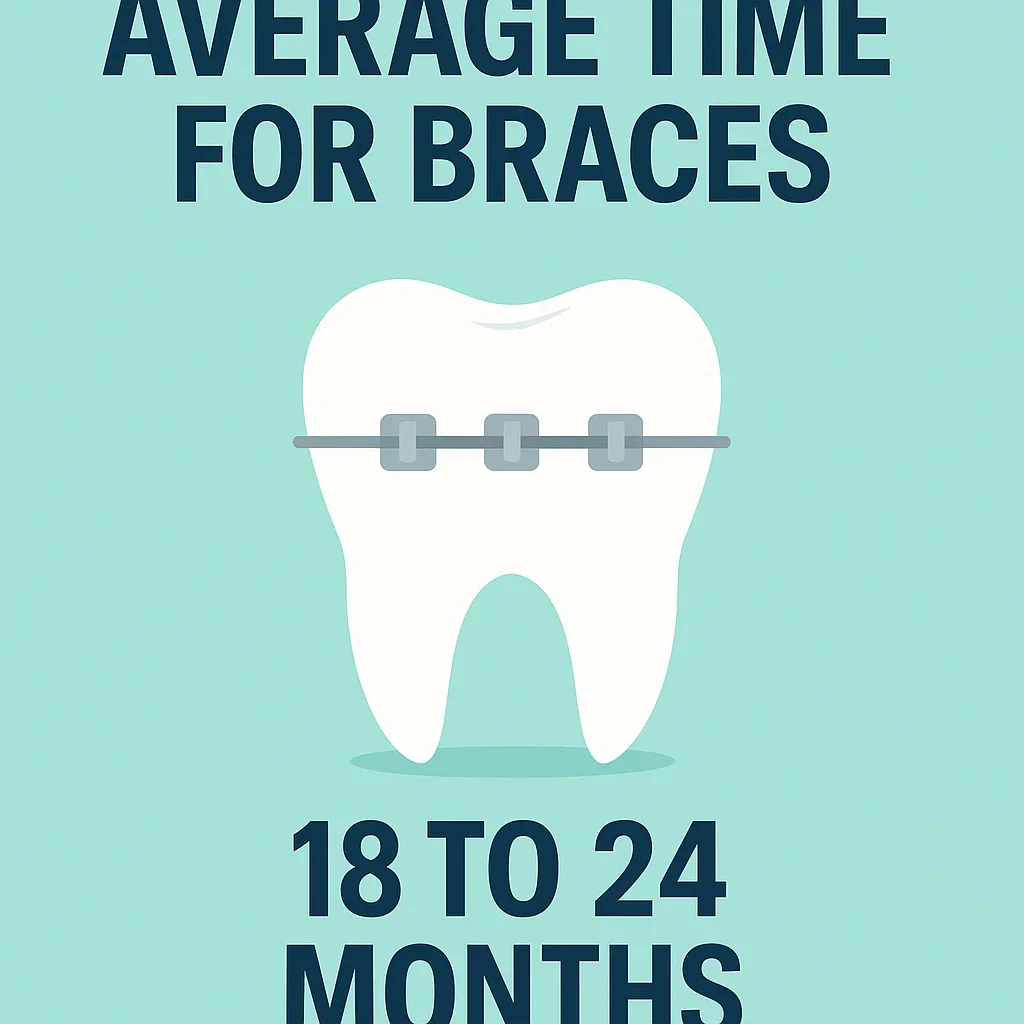
Generally, the average time for braces treatment is around 18 to 24 months. This is the time it usually takes for your teeth to move into the desired position, stabilize in their new alignment, and allow your bite to be properly adjusted. However, this timeframe isn’t fixed—it depends on a combination of biological, mechanical, and behavioral factors. Let’s explore the process in depth so you can understand what happens before, during, and after wearing braces.
Understanding the Braces Timeline
The journey toward straight teeth begins with an initial consultation and a customized treatment plan. During this phase, your orthodontist will take X-rays, dental impressions, and photos of your teeth to design the ideal treatment strategy. Once the braces are applied, your teeth begin to move gradually under controlled pressure. Every adjustment appointment helps fine-tune this process, ensuring teeth shift into their correct positions over time.
In most cases, the average time for braces is divided into three main phases:
- Alignment Phase (Months 1–6): This is when teeth start to move into a straight line. You may notice visible differences in as little as three months. This phase is exciting, as improvements are often noticeable early on.
- Correction Phase (Months 7–18): The focus here shifts to bite correction. Overbites, underbites, and crossbites are adjusted gradually. This is often the longest stage of the process.
- Finishing Phase (Months 19–24+): Small adjustments are made to perfect your bite and smile symmetry. Retainers may be introduced later to maintain results.
Patients with mild spacing issues might complete their treatment in about a year, while complex orthodontic problems, such as severe crowding or jaw misalignment, can extend the average time for braces to 30–36 months. These timelines aren’t universal, but they offer a realistic idea of what to expect.
Factors That Influence the Average Time for Braces
Every smile is unique, which means the average time for braces is never identical for two patients. Several key factors influence treatment duration:
- Age: Younger patients often experience faster results since their bones and tissues are more adaptable. Adults may require slightly longer treatment due to denser bone structure.
- Type of Braces: Modern options like self-ligating braces or clear aligners (e.g., Invisalign) may shorten treatment times compared to traditional metal braces, depending on compliance and case complexity.
- Severity of Misalignment: The more complex the case, the longer it takes to correct. Mild crowding requires less movement than severe bite issues.
- Patient Compliance: Consistent hygiene, avoiding hard foods, and attending regular adjustment appointments can all reduce the average treatment time.
Orthodontists emphasize that cooperation plays a huge role in success. Even the most advanced braces system can’t deliver fast results if instructions aren’t followed. Missing appointments or breaking brackets can extend the average time for braces significantly.
Modern Advancements and Treatment Efficiency
Thanks to modern orthodontic technology, the average time for braces has decreased in recent years. Innovations such as heat-activated archwires, 3D imaging, and AI-assisted tooth movement simulations have made it easier for orthodontists to predict and control tooth movement with high precision. As a result, many patients now enjoy shorter and more comfortable treatments than they did a decade ago.
Some orthodontic clinics also offer accelerated treatment systems that use gentle vibration devices or micro-pulses to stimulate faster bone remodeling. While these methods can shorten treatment duration by several months, results depend on individual biology and consistency of use.
Maintaining Oral Health During Treatment
Keeping your teeth clean during braces treatment is vital for achieving the best results within the average time for braces. Plaque buildup can slow down progress by inflaming the gums and causing unwanted complications. Regular brushing, flossing with special orthodontic tools, and using mouthwash can keep your teeth healthy and help you finish treatment faster.
Visiting your dentist for professional cleanings every 3–6 months is also recommended. If you’re ever unsure about proper care or experience discomfort, reach out to your orthodontist immediately. You can also contact a professional through the Redent Klinik Contact Page for expert advice and personalized support.
Expert Insight from the American Dental Association
According to the American Dental Association, orthodontic treatment is one of the most effective long-term solutions for correcting misaligned teeth and improving oral function. They emphasize that while each patient’s timeline differs, following an orthodontist’s plan carefully can make a significant difference in achieving faster, more predictable outcomes. 🦷
Final Thoughts
The average time for braces might seem long at first, but it’s an investment that pays off with lifelong benefits. By understanding the factors that affect treatment length and maintaining good oral hygiene, you can ensure a smoother journey to a confident, healthy smile. Remember, every small step—each adjustment, each cleaning, and every ounce of patience—brings you closer to the smile you’ve always wanted.
Ultimately, the average time for braces depends on cooperation, care, and consistency. So follow your orthodontist’s advice closely, maintain excellent hygiene, and stay motivated throughout your journey. The day your braces come off will be well worth the wait! 🌟
How Long Do Braces Usually Take to Work?
When patients begin orthodontic treatment, one of the most common questions they ask is, “How long will braces take to work?” While the average time for braces is typically between 18 and 24 months, the actual duration can vary greatly depending on your unique dental situation. Some patients may see noticeable changes within a few months, while others require up to three years for complete alignment. Understanding how braces work and the biological process behind tooth movement can help set realistic expectations for your smile transformation journey. 🦷
The Biological Process Behind Braces
Braces work by applying continuous, gentle pressure to your teeth through brackets and wires. This pressure stimulates the periodontal ligaments that hold your teeth in place, allowing them to shift gradually. Over time, bone tissue around the teeth breaks down and rebuilds, enabling new tooth positioning. This biological process, called bone remodeling, is what determines much of the average time for braces.
Because this process happens at a cellular level, it cannot be rushed beyond what your body naturally allows. Each adjustment visit every 4–8 weeks gives your orthodontist a chance to fine-tune the direction and amount of pressure applied to continue steady movement without damaging the roots or bone structure. The key is consistency—maintaining appointments and following care recommendations helps ensure your braces work efficiently and safely.
Early Changes: What to Expect in the First Months
During the first three months of treatment, most patients notice visible differences. Crowded or rotated teeth begin to align, and spacing issues start to improve. It’s important to remember that these early changes are mostly cosmetic; the deeper bite correction and root alignment take longer. At this stage, the average time for braces is still in its early phase, and patience is essential.
You might experience slight discomfort or tightness after adjustments—this is normal and shows that your braces are actively working. Eating soft foods and maintaining excellent oral hygiene during this period will help you adapt more comfortably to your braces.
Key Tip for Early Progress 🪥
To maximize your results during the first few months, avoid foods that can damage brackets (like sticky candies or hard nuts) and brush after every meal. Even minor damage can slow tooth movement and increase your average time for braces.
Factors That Impact How Fast Braces Work
Several factors influence how quickly braces start to work. These include:
- Severity of Misalignment: Mild crowding or spacing can be corrected more quickly than severe bite or jaw issues. The more complex the problem, the longer the braces need to stay on.
- Patient Age: Teenagers often experience faster results because their jawbones are still growing, while adults may require longer due to denser bone tissue.
- Type of Braces: Traditional metal braces tend to work faster than clear aligners for complex cases, while newer self-ligating braces can shorten the average time for braces by reducing friction on the wires.
- Orthodontist’s Technique: Experienced orthodontists use precision-based approaches and technology such as 3D imaging and digital alignment models to optimize tooth movement and improve treatment efficiency.
- Patient Compliance: Following the orthodontist’s instructions—such as wearing elastics or retainers—has a direct impact on how long treatment takes.
Milestones Throughout the Treatment
It’s helpful to understand how progress typically unfolds across different phases of treatment. While these timeframes are averages, they represent a common pattern for most orthodontic cases:
| Phase | Duration | Expected Progress |
|---|---|---|
| Initial Adjustment | 0–3 months | Teeth start aligning; noticeable cosmetic changes begin. |
| Major Movement | 4–12 months | Significant correction of misalignments and bite issues. |
| Fine-Tuning | 13–24 months | Small adjustments to perfect smile and bite alignment. |
Each phase plays a critical role in achieving long-lasting results. Rushing any of these steps can cause teeth to relapse or shift back after treatment. Thus, patience and precision are the keys to completing your average time for braces successfully.
How to Shorten the Average Time for Braces
Although the treatment process is naturally gradual, there are steps you can take to help braces work more efficiently:
- Maintain Excellent Oral Hygiene: Clean teeth and gums allow braces to work without interruptions caused by inflammation or infection.
- Attend All Adjustment Appointments: Missing appointments can delay progress and extend the average time for braces.
- Follow Dietary Guidelines: Avoid hard, sticky, or chewy foods that could break brackets and wires.
- Wear Elastics or Appliances as Instructed: Compliance with rubber bands or other devices is vital for correcting bite alignment on time.
Some orthodontic offices also use advanced systems like AcceleDent or vibration-based devices designed to stimulate bone remodeling and speed up treatment. These methods, although optional, have been shown to reduce the average time for braces by several months when used consistently.
When Results Become Noticeable
Most patients notice visible improvements within the first six months. However, full correction requires time for roots to stabilize within the jawbone. Prematurely removing braces can lead to relapse, so orthodontists ensure the teeth are securely set before completing treatment. Even after braces come off, wearing a retainer is crucial for maintaining the alignment you’ve worked hard to achieve.
Encouragement for Every Patient 🌟
Remember that the average time for braces represents a general range—not a strict rule. Some people finish early, while others need a little longer due to their individual anatomy and lifestyle. By being patient and consistent, you’re ensuring that your results will last for decades.
Final Takeaway
Braces begin working the moment they’re applied, but the real transformation happens over time. The average time for braces may vary, yet the reward—a straight, healthy, and confident smile—is worth every month of effort. Whether you choose metal, ceramic, or clear braces, the key is cooperation and trust in your orthodontist’s process. Every adjustment brings you one step closer to the perfect smile you’ve always dreamed of. 🪄
What Affects the Average Time for Braces Treatment?
While many patients hope for a fast orthodontic journey, the average time for braces treatment depends on multiple factors that vary from one person to another. Understanding these elements can help you estimate your treatment length more accurately and prepare for each stage with confidence. Orthodontists carefully evaluate your individual dental anatomy, lifestyle, and compliance to create a customized plan that ensures both speed and safety. Let’s explore the main factors that influence how long braces take to achieve that perfect smile. 😁
1. The Severity of the Dental Problem
The most important factor determining the average time for braces is the complexity of the dental issue being treated. Mild cases involving slight spacing or minimal crowding can be corrected in 12 to 18 months, while moderate to severe cases—such as crossbites, deep overbites, or skeletal misalignments—may require 24 to 36 months. The more movement your teeth need, the longer the process will take. Orthodontists often divide these cases into three categories:
- Mild Cases (12–18 months): Small spacing or minimal crowding; faster results due to limited movement.
- Moderate Cases (18–24 months): Misaligned arches or overlapping teeth that require multiple stages of adjustment.
- Severe Cases (24–36+ months): Jaw alignment problems or severe crowding that involve bite correction and possibly elastics or appliances.
It’s essential to note that these estimates represent an average. Some patients experience faster progress, especially when using advanced orthodontic systems and adhering to all instructions.
2. The Type of Braces You Choose
Your choice of braces plays a crucial role in determining the average time for braces. While all types of braces are designed to align teeth, their efficiency differs based on material, friction, and mechanical design. Here’s how different options compare:
| Type of Braces | Average Treatment Time | Key Characteristics |
|---|---|---|
| Traditional Metal Braces | 18–24 months | Durable and effective; best for complex cases. |
| Self-Ligating Braces | 16–20 months | Use clips instead of elastic bands, reducing friction and time. |
| Ceramic Braces | 20–30 months | Less visible but slightly slower due to increased friction. |
| Lingual Braces | 24–36 months | Placed behind teeth; effective but may take longer adjustments. |
| Clear Aligners (e.g., Invisalign) | 12–18 months | Removable and aesthetic, ideal for mild to moderate corrections. |
Choosing the right type depends on your aesthetic preferences, lifestyle, and orthodontic goals. If speed is your top priority, self-ligating braces or clear aligners might be ideal, as they often shorten the average time for braces when used correctly.
3. Age and Bone Density
Age significantly impacts the average time for braces because tooth movement relies on bone remodeling. Younger patients—especially teenagers—tend to achieve faster results since their jawbones are still developing and more adaptable. Adults, however, have denser bone structures, which means their teeth move more slowly and require longer stabilization periods. This doesn’t mean adult orthodontics is ineffective—it simply requires patience and consistent follow-ups to ensure safe, controlled movement.
Fun Fact 🦷
According to the American Dental Association, adult orthodontic treatments have increased by more than 30% in the last decade, showing that age is no barrier to a beautiful smile—only a factor influencing the timeline.
4. Patient Cooperation and Oral Habits
No matter how skilled your orthodontist is or how advanced your braces are, your cooperation plays a defining role in your average time for braces. Missing appointments, eating sticky foods that damage brackets, or neglecting to wear rubber bands (elastics) can all delay progress. Consistency is the foundation of success in orthodontics.
Patients who follow every instruction—keeping appointments, maintaining oral hygiene, and avoiding damage—often complete their treatment up to 20% faster than those who don’t. On the other hand, those who frequently break brackets or skip checkups can easily extend treatment by several months.
5. The Orthodontist’s Technique and Technology Used
Not all orthodontic practices use the same tools or treatment philosophies. The skill and technology of your orthodontist can significantly affect your average time for braces. Clinics that use 3D imaging, computer-guided treatment planning, and digital scans can reduce the guesswork in tooth movement, leading to more efficient results. Advanced techniques, such as customized archwires or AI-assisted systems, help align teeth with fewer adjustments and less discomfort.
For example, at specialized clinics like Redent Klinik, orthodontists use personalized plans tailored to the patient’s dental anatomy and treatment goals. If you wish to discuss your specific case, you can reach out via the Redent Klinik Contact Page for expert advice.
6. Biological Response and Genetics
Every individual’s body reacts differently to orthodontic pressure. Some people’s bone and gum tissues respond quickly, while others require more time to adapt. This biological variability explains why two patients with identical cases might complete treatment at different times. Genetics can also influence the average time for braces—for instance, people with naturally denser bone or thicker gum tissue may experience slower tooth movement.
7. Additional Appliances or Complications
Sometimes, braces alone aren’t enough to achieve the desired results. Additional orthodontic appliances—like expanders, headgear, or elastics—may be required to correct bite or jaw discrepancies. While these devices enhance outcomes, they can also lengthen the total treatment period. Similarly, dental complications such as cavities, gum inflammation, or wisdom teeth eruption can disrupt the process if not addressed promptly.
Pro Tip 💡
Keep up with your routine dental checkups and cleanings during treatment. Preventing issues before they start helps maintain the normal average time for braces and avoids unnecessary delays.
8. Motivation and Consistency Matter
Staying motivated throughout the process is crucial. Patients who keep a positive mindset and stay consistent with their care tend to experience smoother progress. Taking “before and after” photos can help you see the progress and remind you that every month brings you closer to your goal. Remember: orthodontic treatment is a partnership between you and your orthodontist, and your dedication can directly influence how long it takes to achieve your dream smile.
Final Thoughts
To sum up, the average time for braces isn’t determined by a single factor—it’s a blend of biological, behavioral, and technical elements. By understanding what influences treatment length and following your orthodontist’s advice closely, you can shorten your time in braces while ensuring lasting, healthy results. Whether your treatment takes 12 months or 30 months, every step contributes to building the foundation for a confident and lifelong smile. 🌟
Different Types of Braces and Their Typical Duration
One of the main factors influencing the average time for braces is the type of orthodontic system chosen. Modern dentistry offers various options to fit different aesthetic preferences, lifestyles, and treatment goals. Each type of braces has its own mechanics, efficiency, and maintenance requirements — all of which affect how long treatment takes. Understanding these differences helps patients make informed decisions about their orthodontic care and set realistic expectations for how long they’ll wear braces. 🦷
1. Traditional Metal Braces
Traditional metal braces are the most common and time-tested orthodontic treatment. They use high-grade stainless steel brackets and archwires to move teeth efficiently. Despite their visibility, they remain the gold standard for correcting complex orthodontic cases.
On average, patients with metal braces complete their treatment in 18 to 24 months. However, the average time for braces with metal systems can vary depending on the severity of misalignment. Severe bite problems, overcrowding, or jaw discrepancies can extend treatment closer to 30 months. Regular adjustments every 4–8 weeks are essential to maintain steady progress.
Pros and Cons of Metal Braces
- Advantages: Most effective for complex cases, durable, and often more affordable than other options.
- Disadvantages: Highly visible, may cause mild discomfort initially, and can trap food easily if not cleaned properly.
Despite being traditional, metal braces often offer the most predictable results and are preferred for younger patients or those requiring significant bite correction.
2. Ceramic Braces
Ceramic braces are similar to metal braces but feature clear or tooth-colored brackets, making them more discreet. They’re especially popular among adults who want effective treatment without the metallic look.
The average time for braces made of ceramic material is slightly longer—typically 20 to 30 months. The reason? Ceramic brackets have more friction between the wire and the bracket, slowing down tooth movement slightly. Additionally, they are more delicate and may require extra care to avoid breakage.
Care Tips for Ceramic Braces 🌟
- Avoid foods that can stain, such as coffee, tea, and tomato sauce.
- Brush and rinse after every meal to prevent discoloration of brackets.
- Visit your orthodontist regularly to ensure the archwires remain secure.
While ceramic braces may extend the average time for braces slightly, they provide an excellent balance between aesthetics and functionality, making them a top choice for professionals and image-conscious patients.
3. Self-Ligating Braces
Self-ligating braces use a modern design that eliminates the need for elastic bands to hold the wire in place. Instead, they feature small clips or sliding mechanisms, reducing friction and allowing teeth to move more freely.
Because of their efficiency, self-ligating systems can shorten the average time for braces to around 16 to 20 months. They also require fewer adjustment visits, making them more convenient for busy patients.
Advantages of Self-Ligating Systems
- Reduced friction means faster tooth movement.
- Smaller brackets make them more comfortable and easier to clean.
- Shorter chair time during adjustment appointments.
Although these braces can be slightly more expensive, the time saved and increased comfort often justify the investment. Studies published by the American Dental Association have noted that self-ligating technology may improve overall treatment efficiency without compromising results.
4. Lingual Braces
Lingual braces are an excellent option for those who want completely invisible orthodontic treatment. These braces are attached to the back (lingual) surfaces of the teeth, hidden from view when you smile. However, they require specialized expertise and more precise customization.
The average time for braces placed on the lingual side tends to be longer, typically 24 to 36 months. Since the positioning process is more delicate, adjustments take more time. Additionally, patients may experience temporary speech changes or tongue irritation during the adaptation period.
Who Should Choose Lingual Braces?
- Professionals who need a completely invisible orthodontic solution.
- Patients with mild to moderate crowding who can commit to regular adjustments.
- Those willing to adapt to more meticulous cleaning routines.
While lingual braces require more patience, they deliver the same high-quality results as traditional systems with the added benefit of full discretion.
5. Clear Aligners (Invisalign and Similar Systems)
Clear aligners have revolutionized orthodontics by offering a removable, transparent alternative to traditional braces. Each aligner tray is custom-made and gradually shifts teeth into the desired position. Patients typically change trays every 1–2 weeks as progress continues.
The average time for braces using clear aligners is between 12 and 18 months. However, this depends heavily on patient compliance — aligners must be worn at least 20–22 hours per day. Missing even a few days can delay treatment progress.
Key Benefits of Clear Aligners 😁
- Virtually invisible and removable for eating or brushing.
- Less discomfort and irritation compared to brackets and wires.
- No dietary restrictions — just remember to keep them in most of the time!
Clear aligners are ideal for mild to moderate misalignments. For more severe cases, orthodontists may recommend combining aligners with attachments or rubber bands to achieve the same results as traditional braces.
6. Accelerated Orthodontic Systems
In recent years, new technologies have emerged to shorten the average time for braces. Accelerated orthodontic systems, such as vibration devices and micro-osteoperforations, help stimulate bone remodeling, enabling faster tooth movement. While results vary by patient, some individuals finish treatment up to 30% sooner with these techniques.
Important Note:
Not everyone is a candidate for accelerated orthodontics. The effectiveness depends on your biological response and case complexity. Always consult your orthodontist before using any supplementary method to shorten treatment time.
7. Comparing Treatment Durations at a Glance
| Braces Type | Typical Duration | Visibility |
|---|---|---|
| Metal Braces | 18–24 months | Visible |
| Ceramic Braces | 20–30 months | Tooth-colored, semi-visible |
| Self-Ligating Braces | 16–20 months | Less noticeable |
| Lingual Braces | 24–36 months | Invisible (behind teeth) |
| Clear Aligners | 12–18 months | Invisible |
Final Thoughts
Choosing the right orthodontic system directly impacts your average time for braces and overall satisfaction. Traditional metal braces remain the fastest and most reliable option for complex cases, while clear aligners and self-ligating braces provide comfort and discretion with excellent efficiency. Ultimately, the best choice depends on your lifestyle, aesthetic goals, and the recommendation of your orthodontist. If you’d like expert guidance on which braces are best for your case, visit the Redent Klinik Contact Page to schedule a professional consultation. Your dream smile might be closer—and faster—than you think! 🌈
How Age and Oral Health Influence Braces Duration
One of the most significant yet often overlooked factors affecting the average time for braces is a patient’s age and oral health condition. While orthodontic treatment works effectively at any stage of life, the biological response of your teeth, gums, and bones changes with age. Younger patients typically experience faster and easier tooth movement, while adults often require longer treatment and more complex care. Similarly, the overall health of your teeth, gums, and jaw plays a crucial role in determining how efficiently braces can work. Let’s explore in detail how age and oral health shape the entire orthodontic timeline. 🦷
1. Why Age Matters in Orthodontic Treatment
The average time for braces is generally shorter for children and teenagers compared to adults. This is because younger individuals have more flexible bone structures and growing jaws that adapt more quickly to orthodontic pressure. In contrast, adult bones are denser and less responsive to movement, which means teeth shift more slowly.
In children and adolescents, orthodontists can take advantage of the natural growth process to guide the alignment of both teeth and jaw. This allows for not only faster treatment but also more stable long-term results. For adults, however, orthodontists often need to compensate for limited bone flexibility, gum recession, and pre-existing dental work.
Typical Treatment Time by Age Group
| Age Group | Average Treatment Duration | Key Characteristics |
|---|---|---|
| Children (8–13 years) | 12–18 months | Active bone growth allows quicker adjustments and easier corrections. |
| Teens (14–19 years) | 18–24 months | Ideal balance between growth and compliance; excellent long-term stability. |
| Adults (20+ years) | 24–36 months | Denser bone structure slows movement; treatment may require extra appliances. |
As this table shows, age can influence the average time for braces by several months to years. However, modern orthodontic innovations have significantly reduced the gap between adult and youth treatment times.
2. The Role of Bone Density and Biological Response
Teeth move because the bone around them remodels—breaking down in one area and rebuilding in another. The efficiency of this process largely depends on bone density. Younger patients usually have softer, more adaptable bone tissue, allowing teeth to move faster and with less resistance. Adults, on the other hand, have fully developed, denser bones that resist change, extending the average time for braces.
Additionally, the body’s cellular response to pressure diminishes with age. Osteoblasts and osteoclasts (cells responsible for bone regeneration) work more slowly, meaning adults must wear braces longer to achieve the same degree of correction that a teenager might complete in less time. This is one reason orthodontists stress early intervention when possible—it allows for more efficient and predictable outcomes.
3. Gum and Periodontal Health
Healthy gums are the foundation of any successful orthodontic treatment. Gum disease or inflammation can dramatically affect how efficiently braces work. Patients with compromised periodontal health may require longer and more cautious treatment, as applying too much pressure can lead to bone loss or gum recession.
To ensure optimal progress, orthodontists often collaborate with periodontists to monitor and maintain gum health throughout treatment. Regular cleanings, scaling, and root planing may be recommended. This ensures that braces movement stays on track and the average time for braces is not prolonged unnecessarily.
Tips for Protecting Gum Health During Treatment 🌿
- Brush and floss meticulously around brackets and wires.
- Use interdental brushes or a water flosser for deeper cleaning.
- Schedule professional cleanings every 3–4 months during treatment.
Gum inflammation is one of the most common reasons orthodontic treatments take longer than expected. Preventing this through consistent hygiene can make a noticeable difference in treatment time.
4. Tooth Health and Pre-existing Dental Work
Adults often have dental restorations such as crowns, fillings, or bridges, which can influence how braces are applied and how effectively teeth move. These factors can slightly increase the average time for braces since adjustments must be more precise to avoid damaging existing dental work. Furthermore, untreated cavities or worn enamel can complicate the bonding of brackets and delay progress.
Before beginning orthodontic treatment, patients should ensure all restorative work is complete and oral health is stable. Orthodontists may also coordinate with general dentists to create a comprehensive treatment plan that protects the integrity of both the teeth and the braces.
5. Impact of Oral Hygiene on Treatment Speed
Oral hygiene isn’t just about aesthetics—it directly affects how long braces treatment lasts. Poor hygiene can lead to plaque buildup, cavities, and gum inflammation, all of which can slow tooth movement and extend the average time for braces. Regular brushing, flossing, and mouthwash use ensure the mouth stays healthy and the orthodontic process stays efficient.
Neglecting oral care can lead to white spots on enamel or gum infections that force orthodontists to pause treatment. This interruption can add months to the overall process. Therefore, commitment to daily care is one of the strongest predictors of treatment success.
Quick Hygiene Checklist for Faster Results 🪥
- Brush for two full minutes after every meal.
- Floss once daily using orthodontic threaders.
- Use fluoride toothpaste and antibacterial mouthwash.
- Avoid sugary or acidic foods that increase plaque buildup.
6. The Influence of Lifestyle and Habits
Certain habits can also impact how quickly braces work. Smoking, teeth grinding (bruxism), and frequent consumption of sugary beverages can all interfere with bone remodeling and gum health. Smokers, in particular, tend to experience longer treatment durations because nicotine constricts blood vessels, reducing oxygen flow to the gums and slowing healing.
Eliminating or minimizing these habits during orthodontic care can significantly shorten the average time for braces and improve final results. Orthodontists often recommend using mouthguards for grinders and adopting a balanced diet to support oral and bone health.
7. The Advantage of Early Orthodontic Intervention
Early orthodontic treatment—often called interceptive orthodontics—can prevent more serious problems later in life. By addressing issues like crowding or crossbite early, orthodontists can guide jaw growth and tooth eruption naturally, reducing the need for extensive treatment in adulthood. This early start typically leads to a shorter average time for braces and more stable results overall.
Parents are encouraged to schedule their child’s first orthodontic evaluation by age 7, as recommended by the American Dental Association. Early assessments allow orthodontists to spot growth issues before they become complex, potentially saving years of future treatment.
8. Final Thoughts
Both age and oral health are powerful factors in determining the average time for braces. While children and teens benefit from biological flexibility, adults can still achieve exceptional results through modern orthodontic techniques and disciplined care. Maintaining healthy gums, avoiding harmful habits, and following the orthodontist’s instructions are key to minimizing treatment duration and achieving a radiant smile sooner.
If you’re unsure how your age or dental condition might influence treatment, consider scheduling a consultation at Redent Klinik Contact Page. A professional evaluation will help determine your personalized treatment time and ensure your orthodontic journey is both effective and efficient. 🌟
What to Expect During the First Few Months of Braces
The first few months after getting braces are often the most crucial — and the most exciting. It’s the beginning of your orthodontic transformation, when your teeth start moving into alignment, your bite begins to adjust, and your confidence in your future smile grows. Understanding what happens during this period can help you adapt faster and stay motivated. The average time for braces typically spans 18 to 24 months, and the initial months lay the foundation for how smoothly and efficiently that journey will progress. Let’s explore what to expect step by step, so you can make the most of this critical early phase. 😁
1. The First Appointment: Getting Your Braces On
Your first orthodontic visit is usually the longest, lasting about 1–2 hours. During this appointment, the orthodontist carefully attaches brackets to each tooth using a special adhesive, followed by threading an archwire through them. This wire applies gentle, consistent pressure that initiates the movement of your teeth.
Most patients feel little to no pain during the procedure, but some mild discomfort may appear within the first 24–48 hours as your teeth and gums adjust to the new pressure. Don’t worry — this is completely normal. You may also notice some tightness or tenderness when biting down, which generally subsides within a week. These early adjustments mark the beginning of the average time for braces process, signaling that your teeth have started responding to treatment.
Tips for Your First Week 🦷
- Stick to soft foods such as yogurt, soup, or mashed potatoes to minimize discomfort.
- Use orthodontic wax to prevent irritation from brackets rubbing against your cheeks.
- Rinse with salt water to soothe sore gums.
Adapting to braces takes a few days, but once you get used to the feeling, daily life becomes much easier. Maintaining a positive attitude during this phase sets the tone for the rest of your average time for braces journey.
2. The Adjustment Period: Weeks 2 to 6
During the first month, your teeth begin their initial movements. This phase is essential for setting the correct foundation for alignment. You’ll likely have your first adjustment visit around 4–6 weeks after the braces are placed. These early adjustments ensure the pressure applied is optimal and that no bracket has shifted or come loose.
It’s during this period that many patients start noticing subtle but exciting changes — such as teeth becoming straighter or small gaps closing. These visual improvements help you stay motivated as you progress through the average time for braces treatment. However, it’s important to remember that orthodontic movement is a gradual biological process; visible results take time but are guaranteed with patience and proper care.
Early Adjustment Checkpoints 🔍
- Minor discomfort after each tightening session — a normal sign of progress.
- Gums may feel slightly tender as teeth begin shifting.
- Brackets and wires might require minor repositioning to improve precision.
During this stage, maintaining proper oral hygiene becomes vital. Plaque buildup can cause inflammation, slow down tooth movement, and extend your average time for braces. Using interdental brushes and floss threaders helps you clean effectively around brackets and wires.
3. Managing Discomfort and Oral Hygiene
As your mouth adjusts to braces, you may experience soreness in your cheeks, tongue, or gums. This is temporary and can be managed with orthodontic wax, mild pain relievers, and gentle brushing techniques. It’s also essential to establish a consistent oral care routine to prevent cavities and decalcification marks that can appear around brackets.
Brushing should be done at least three times per day using a soft-bristled toothbrush or an electric one with an orthodontic head. Flossing once daily is equally crucial. If you’re unsure about your cleaning technique, your orthodontist or dental hygienist can demonstrate the best method to avoid plaque accumulation and keep treatment on track.
Pro Cleaning Tip ✨
Using a fluoride mouth rinse strengthens enamel and prevents demineralization — a key step to avoid delays in your average time for braces due to oral complications.
4. The Role of Diet in Early Progress
What you eat during the first few months can significantly affect the speed and comfort of your orthodontic treatment. Hard or sticky foods can break brackets and wires, leading to emergency visits and potentially lengthening your average time for braces. Following dietary recommendations helps your treatment stay on schedule.
Here’s a quick guide to braces-friendly foods during the first months:
- Safe foods: Soups, smoothies, pasta, scrambled eggs, rice, steamed vegetables, and soft fruits like bananas or berries.
- Avoid: Hard candies, popcorn, ice cubes, caramel, and crunchy snacks like chips or nuts.
Chewing sugar-free gum may help stimulate saliva flow, reducing the risk of dryness and irritation. Remember, even small breakages can delay adjustments and extend the average time for braces, so following the right diet is essential.
5. Emotional and Physical Adaptation
The first few months of wearing braces can be emotionally challenging. You may feel self-conscious about your appearance or speech changes. However, these feelings are temporary and usually fade as you adapt. Many patients report that by the second month, braces feel like a natural part of their daily life.
Physically, your teeth are undergoing gradual movement. Small pressure sensations are a sign that your braces are doing their job. Staying committed during this period ensures faster adaptation and helps keep your average time for braces on schedule.
Encouragement for Beginners 🌈
Remember, every smile begins with a single adjustment. Each visit, each week, and each meal brings you one step closer to your perfect smile. Trust the process — the results will be worth it.
6. The First Adjustment Appointment
At around six weeks, you’ll have your first adjustment appointment. During this visit, your orthodontist will check tooth movement progress, replace elastic ties, and possibly change the archwire to maintain consistent pressure. It’s a key milestone because it marks your first measurable progress toward alignment.
These appointments are vital for keeping treatment efficient. Missing or delaying adjustments can disrupt the momentum of tooth movement and extend the average time for braces significantly. Always reschedule missed visits as soon as possible to stay on track.
7. Preparing for Life with Braces
Beyond oral care, small lifestyle changes can make living with braces more comfortable. Keep a small “braces kit” with you, including a toothbrush, floss picks, orthodontic wax, and a travel-sized mouthwash. This allows you to clean your teeth after meals and manage any irritation immediately. Being proactive ensures that your treatment stays smooth and predictable.
8. Monitoring Progress and Staying Consistent
During the first few months, consistency is everything. Follow all instructions from your orthodontist, maintain your appointments, and monitor any changes in comfort or bite. Most importantly, maintain good oral hygiene and healthy habits — they have a direct impact on reducing your average time for braces.
Final Thoughts
The first few months with braces set the foundation for your entire orthodontic journey. While it might feel challenging at first, this phase passes quickly — and the results last a lifetime. With proper care, regular checkups, and a positive mindset, you’ll notice steady improvements that make every adjustment worthwhile. 🌟
If you have any discomfort or need expert advice, don’t hesitate to contact professionals through the Redent Klinik Contact Page. Their orthodontic specialists can help you stay comfortable and ensure that your average time for braces remains on track for the best possible results. 🪄
Tips to Speed Up Your Braces Treatment Time ⏱️
One of the most common questions orthodontists hear from patients is: “Can I make my treatment go faster?” The good news is that, yes, there are proven ways to help reduce the average time for braces while still achieving safe and long-lasting results. Your orthodontist’s skill, the type of braces used, and your own daily habits all play a major role in how quickly your teeth move. While every smile is unique and biological limits exist, following the right strategies can help you reach your dream smile months sooner. Let’s look in detail at the most effective techniques to shorten braces time safely and efficiently. 😁
1. Attend Every Adjustment Appointment
Regular orthodontic appointments are the backbone of efficient treatment. Each visit allows your orthodontist to tighten wires, replace elastics, and monitor tooth movement. Missing or delaying these visits interrupts this progress and can extend the average time for braces significantly.
Even a single missed appointment can cause several weeks of delay because tooth movement must be continuous for effective results. These adjustments also help prevent complications such as uneven pressure or bracket loosening, ensuring every part of your braces is working optimally.
Tip for Busy Schedules 🗓️
Book your next appointment before leaving the clinic. Setting reminders on your phone ensures you stay consistent and keep your braces working efficiently.
2. Practice Excellent Oral Hygiene
Poor oral hygiene can slow down tooth movement by causing inflammation or infection in the gums. Swollen or unhealthy gum tissue creates resistance, making it harder for teeth to shift. To maintain a healthy pace throughout your average time for braces, keep your teeth and gums clean every day.
- Brush after every meal using a soft-bristled toothbrush or an electric one with an orthodontic head.
- Floss daily using a threader or water flosser to clean between brackets.
- Rinse with an antiseptic mouthwash to kill bacteria and reduce inflammation.
Healthy gums allow teeth to move freely within the jawbone, promoting smoother and faster orthodontic progress. Neglecting hygiene can lead to plaque buildup and extend treatment by months.
Bonus Tip 🌿
Use fluoride toothpaste to strengthen enamel and protect against decalcification marks, keeping your smile bright and healthy throughout the average time for braces.
3. Follow Dietary Guidelines Strictly
Your diet has a bigger impact on the average time for braces than most people realize. Hard or sticky foods can break brackets and bend wires, forcing emergency repairs that interrupt treatment. Each repair visit can set back progress by two to four weeks.
To avoid these delays, stick to braces-friendly foods like pasta, rice, yogurt, soups, steamed vegetables, and soft fruits. Avoid popcorn, nuts, chewing gum, hard candy, and crunchy snacks that can damage your braces. Additionally, limit sugary foods and acidic beverages that can erode enamel and harm gum health.
Smart Eating Strategy 🍽️
Cut solid foods into smaller pieces before eating — this reduces stress on your braces and keeps everything functioning smoothly. Remember, consistency in care shortens the average time for braces dramatically.
4. Wear Orthodontic Elastics or Appliances as Directed
Many patients underestimate the importance of elastics (rubber bands) and other orthodontic accessories. These tools are essential for correcting bite alignment and speeding up tooth movement. Not wearing them consistently can delay your average time for braces by several months.
Always follow your orthodontist’s instructions precisely — wear elastics for the full recommended duration each day, even if your mouth feels slightly sore at first. Consistency is key; removing them too often disrupts progress and forces your orthodontist to readjust the plan, extending treatment time.
Helpful Tip 💡
Keep spare elastics with you at all times. If one breaks or gets lost, replace it immediately to avoid slowing down your braces’ work.
5. Avoid Bad Habits That Slow Progress
Small habits can make a big difference in how efficiently your braces work. Actions like nail-biting, chewing on pens, or biting hard objects can loosen brackets and wires, requiring repair appointments. Similarly, smoking reduces blood flow to gum tissue, hindering bone remodeling and delaying results.
To ensure your average time for braces remains optimal, focus on breaking these habits early. Every disruption — even a minor one — can set back progress. Remember: consistent, healthy behavior directly translates into faster, smoother treatment.
6. Use Orthodontic Technology to Your Advantage
Today’s orthodontics offers modern technologies designed to shorten treatment safely. Devices such as AcceleDent or Propel Orthodontics use gentle vibrations or micro-pulses to stimulate bone remodeling, helping teeth move more quickly through the jawbone.
These tools can reduce the average time for braces by up to 20–30% in some cases. However, they must be used consistently and under professional supervision. Discuss these options with your orthodontist to determine if accelerated orthodontics is right for you.
Example: Accelerated Results ⚙️
Patients who used vibration-assisted devices daily for 20 minutes often completed treatment up to 4–6 months earlier than expected, according to studies cited by the American Dental Association.
7. Stay Consistent with Retainers (Post-Braces Phase)
Even after your braces are removed, your orthodontic journey isn’t entirely over. Wearing retainers ensures that your teeth remain stable and prevents them from shifting back into their old positions. Failure to wear retainers can undo months of progress, forcing you to undergo another round of treatment — essentially doubling your average time for braces.
Orthodontists usually recommend wearing retainers full-time for the first 6–12 months and then nightly afterward. Clean your retainers regularly and store them safely when not in use to avoid damage or misplacement.
8. Communicate Regularly with Your Orthodontist
Open communication is essential throughout your orthodontic treatment. If you experience pain, broken brackets, or any unusual sensation, contact your orthodontist right away. Ignoring these issues can lead to longer treatment durations or uneven tooth movement.
Regular feedback allows your orthodontist to adjust the plan in real time, keeping the average time for braces as short and efficient as possible. Consider scheduling quick check-ins if you notice delayed progress or discomfort — early intervention prevents bigger delays later on.
9. Maintain Overall Health and Nutrition
Strong teeth and healthy bones respond better to orthodontic pressure. Consuming a diet rich in calcium, vitamin D, and phosphorus supports bone density and helps teeth move more efficiently. Likewise, staying hydrated and exercising regularly promote good circulation, which aids in gum health and healing.
Patients who maintain excellent overall health often notice that their average time for braces is shorter because their bodies respond optimally to orthodontic adjustments.
Nutrition for Faster Results 🥦
- Include foods rich in calcium (milk, yogurt, almonds).
- Eat leafy greens like spinach and kale for added minerals.
- Drink plenty of water to keep tissues hydrated.
10. Stay Motivated and Patient
Finally, maintaining a positive mindset can go a long way in your orthodontic journey. Braces are a marathon, not a sprint. Staying disciplined and patient ensures you’ll achieve results worth waiting for. Track your progress through photos — you’ll be amazed by the transformation every few months!
Remember: every step you take to protect your braces and follow your orthodontist’s guidance contributes directly to a shorter average time for braces and a stunning, lasting smile.
Final Thoughts
Shortening your average time for braces isn’t about shortcuts — it’s about consistency, discipline, and smart habits. Attend your appointments, maintain excellent hygiene, eat carefully, and communicate openly with your orthodontist. These small, daily choices accumulate into faster, healthier, and more satisfying results. 🌟
If you’d like expert orthodontic advice or a customized treatment plan, reach out via the Redent Klinik Contact Page today. Their team can help you achieve your ideal smile in record time — the safe, professional way. 🦷
When Will You Start Seeing Visible Results?
For anyone beginning orthodontic treatment, one of the most exciting questions is: “When will I actually see results?” While every smile is different, most patients begin noticing changes within the first few months. However, the average time for braces to produce visible and lasting results varies based on the severity of misalignment, the patient’s cooperation, and biological factors like bone density and gum health. Understanding what happens at each stage of treatment helps manage expectations and keeps motivation high throughout your journey. 🌟
1. The First Few Weeks: Subtle Beginnings
In the first few weeks, braces begin applying gentle but consistent pressure to your teeth. You might not notice much visible movement right away, but beneath the surface, your bone tissue is already remodeling. This process is known as bone resorption and deposition — the biological mechanism that allows teeth to move into their new positions.
During this initial stage, minor shifts occur that set the foundation for future alignment. You may start to notice your teeth feeling slightly looser, which is a normal and healthy sign that your orthodontic treatment has begun working. These small changes are the building blocks that ultimately shape your smile over the full average time for braces.
Signs of Early Progress 👀
- Minor gaps beginning to close.
- Teeth starting to feel “different” when you bite down.
- Slight pressure after each adjustment appointment.
Although these early changes may be subtle, they are essential for achieving lasting alignment. Patience during this phase sets the tone for successful results later on.
2. The 2–3 Month Mark: Noticeable Alignment Changes
By the two- to three-month mark, most patients begin noticing visible differences in their smile. Crooked teeth start to line up, crowding reduces, and the overall shape of the dental arch becomes smoother. This period often brings a boost in confidence as the progress becomes visible in photos or mirrors.
The average time for braces often starts showing visible milestones around this stage, but remember — each tooth moves at its own pace. Front teeth may align faster, while molars or rotated teeth take longer due to their size and position. It’s also common to have periodic “plateaus,” where movement seems to slow. This is normal and just part of the biological process of stabilization.
What to Expect in Months 2–3
- Archwires may be changed for thicker or more flexible ones to guide further movement.
- Elastics or power chains might be introduced to close larger gaps.
- Improved symmetry and visible straightening of front teeth.
Regular orthodontic visits are essential during this phase. Skipping appointments can delay progress and extend your average time for braces. Each adjustment fine-tunes the pressure, ensuring your teeth move steadily toward their ideal positions.
3. Months 4–6: Major Transformation Phase
This is where the most dramatic changes occur. By the fourth to sixth month, your smile starts looking significantly straighter, and your bite alignment improves. You may notice that chewing and speaking feel more comfortable as your jaws begin to work in harmony.
The middle stage of treatment is also when orthodontists may introduce elastics or specialized attachments to refine bite correction. Compliance during this period has a major impact on the total average time for braces. Following instructions carefully can prevent setbacks and ensure the treatment stays on track.
Transformation Highlights ✨
- Visible straightening of most teeth.
- Improved midline and jaw alignment.
- Decreased spacing and more uniform arch form.
Many patients find this stage the most rewarding because their hard work starts paying off. Friends, family, and colleagues may begin to notice the difference, boosting your confidence even further.
4. The Second Half of Treatment: Fine-Tuning and Precision
Once major alignment goals are achieved, the focus shifts toward perfecting the bite and adjusting minor details. This phase usually takes place between months 6 and 18, depending on the case. Even though most of the visual transformation is complete, these refinements ensure your teeth function correctly and that the results will last for decades.
Orthodontists may use thinner or more flexible wires to make precise adjustments during this stage. Patients with excellent cooperation — wearing elastics, maintaining hygiene, and attending appointments — often complete their treatment faster than the projected average time for braces.
Key Fine-Tuning Goals ⚙️
- Ensuring all teeth fit together perfectly when biting.
- Eliminating small gaps or rotations.
- Strengthening bone and tissue around the moved teeth.
This phase might not bring dramatic visual changes, but it’s critical for ensuring long-term stability. Skipping appointments or poor hygiene at this stage can reverse progress or prolong treatment time.
5. Factors Affecting How Fast You See Results
The pace of visible improvement varies for every patient. Some of the most influential factors include:
- Type of braces: Self-ligating and clear aligners often move teeth more efficiently than traditional metal braces.
- Age: Teens generally experience faster results due to ongoing bone growth.
- Case complexity: Severe crowding or jaw misalignment takes longer to correct.
- Patient compliance: Following instructions and maintaining hygiene reduce delays.
In ideal conditions, visible alignment can be seen as early as eight weeks, but achieving complete correction still requires completing the average time for braces as prescribed by your orthodontist.
6. The Psychological Impact of Early Results
Seeing your teeth begin to straighten can be incredibly motivating. Patients often report increased self-esteem and enthusiasm for treatment after the first few visible changes. This psychological boost plays a big role in keeping you disciplined — following care instructions more precisely, maintaining hygiene, and staying consistent with appointments. All of these habits, in turn, help reduce the total average time for braces.
7. Tracking Progress Over Time
To stay motivated, many orthodontists recommend taking monthly photos of your smile. Comparing progress images allows you to see subtle improvements that may not be obvious day-to-day. This practice also helps identify potential issues early, such as uneven movement or bracket misplacement, which can then be corrected promptly to keep your treatment on schedule.
Progress Tracking Tools 📸
- Monthly smile photos for visual motivation.
- Braces treatment journals to note discomfort and milestones.
- Regular orthodontic reports to review adjustments made.
Tracking progress visually and emotionally reinforces consistency — a key factor in completing your average time for braces efficiently.
8. The “Plateau” Phase and Why It Happens
Almost every patient experiences a period where movement seems to slow down. This “plateau” phase occurs when the bone and surrounding tissues are adjusting to new tooth positions. While it may feel frustrating, it’s actually a critical stage that stabilizes movement and prevents relapse.
During plateaus, it’s essential to stay committed. Skipping appointments or neglecting care during this time can cause regression, ultimately lengthening your average time for braces. Remember: orthodontic progress isn’t linear — patience pays off.
9. When Final Results Become Visible
For most patients, the complete transformation becomes obvious between 12 and 18 months. Complex cases may take longer, while minor corrections can finish sooner. The average time for braces ends when your orthodontist confirms that both aesthetics and function are perfectly balanced. At that point, retainers are introduced to preserve the beautiful alignment you’ve achieved.
Final Thoughts
Seeing results from braces is a gradual but deeply rewarding process. Early changes build excitement, while continued progress reinforces patience and discipline. Whether you start noticing improvements in two months or six, remember that every stage brings you closer to your final, confident smile. 🦷
For personalized orthodontic assessments and an accurate estimate of your average time for braces, schedule a consultation through the Redent Klinik Contact Page. You’ll receive a customized plan designed to deliver visible results as quickly and safely as possible — because your smile deserves precision and care. 💎
Average Time for Braces by Case Type (Mild, Moderate, Severe)
The average time for braces varies significantly depending on the complexity of each individual’s orthodontic case. Not every patient requires the same level of correction — some may need only slight alignment adjustments, while others might require extensive bite correction and jaw repositioning. Understanding your specific case type can help set realistic expectations for treatment duration and ensure you stay motivated throughout the journey. In this section, we’ll break down how the average time for braces differs for mild, moderate, and severe cases, including what to expect at each stage and the key factors that influence progress. 🦷
1. Understanding Case Classifications
Orthodontists typically classify cases into three categories — mild, moderate, and severe — based on the degree of misalignment, crowding, spacing, and bite irregularities. This classification helps determine the ideal treatment approach, such as whether traditional metal braces, ceramic braces, or clear aligners will be most effective.
- Mild Cases: Slight crowding, minimal spacing, or small aesthetic adjustments.
- Moderate Cases: Noticeable crowding, rotated teeth, or bite discrepancies like overbites or crossbites.
- Severe Cases: Complex skeletal issues, jaw misalignment, or severe crowding that affects chewing and speech.
The more complex your orthodontic case, the longer the average time for braces will be, as additional correction and bone remodeling are required to achieve a functional and beautiful smile.
2. Mild Orthodontic Cases: Quick Results and Shorter Treatment
Mild orthodontic cases are usually the quickest to correct because they involve minimal movement. Patients with mild crowding or spacing may complete treatment in as little as 6 to 12 months. The goal here is often aesthetic improvement rather than functional correction.
Characteristics of Mild Cases ✅
- 1–3 mm of crowding or spacing.
- No major bite issues (normal overbite/underbite).
- Healthy gums and bone density.
Patients with mild cases often experience noticeable changes within the first few months, as teeth respond quickly to orthodontic pressure. However, maintaining oral hygiene and following the orthodontist’s instructions are still crucial. Neglecting care or missing appointments can easily extend even a simple case’s average time for braces.
Treatment Options for Mild Cases 🌟
For mild corrections, orthodontists often recommend clear aligners (like Invisalign) or self-ligating braces. These systems apply continuous, gentle pressure that moves teeth more efficiently. Because they require fewer adjustments, the overall treatment time can be shortened by several months compared to traditional braces.
3. Moderate Orthodontic Cases: The Standard Treatment Range
Most patients fall into the moderate category, which involves more noticeable misalignment or bite discrepancies. These cases typically require 18 to 24 months of treatment to achieve optimal alignment and bite function. This range represents the typical average time for braces for the majority of orthodontic patients.
Characteristics of Moderate Cases ⚙️
- 4–6 mm of crowding or spacing.
- Moderate overbites, underbites, or crossbites.
- Some tooth rotations or mild jaw discrepancies.
In these cases, orthodontists may use additional tools such as elastics, power chains, or interproximal reduction (slight enamel reshaping) to optimize space and alignment. Consistency in wearing elastics and attending appointments becomes critical to maintaining progress and completing treatment on time.
During the moderate stage, patients usually start noticing major improvements around month six, including visibly straighter teeth and a more balanced bite. Still, the fine-tuning phase can take several additional months to perfect. Skipping appointments or ignoring hygiene instructions can easily extend the average time for braces by 3–6 months or more.
Managing Moderate Cases Successfully 🪥
- Follow your orthodontist’s instructions closely for elastics or appliances.
- Keep your gums healthy with regular brushing and professional cleanings.
- Stick to your adjustment schedule — timing is key to efficient tooth movement.
In most moderate cases, visible improvements are steady and motivating. The transformation becomes apparent between the 6th and 12th month, which helps patients stay committed through the remaining months of treatment.
4. Severe Orthodontic Cases: Long-Term, Life-Changing Results
Severe orthodontic cases are the most complex and typically require the longest treatment duration. Patients with major bite problems, severe crowding, or skeletal imbalances may need 24 to 36 months or even longer to complete treatment. However, these cases also tend to yield the most dramatic, life-changing results.
Characteristics of Severe Cases 🚨
- 7 mm or more of crowding or spacing.
- Severe overbite, underbite, or crossbite.
- Jaw asymmetry or skeletal misalignment.
- Possibly combined with surgical orthodontics for optimal results.
Because of their complexity, these cases often require multiple orthodontic techniques — including traditional braces, temporary anchorage devices (TADs), and sometimes orthognathic (jaw) surgery. The average time for braces in such cases is extended due to the biological limits of safe tooth movement and the need for bone and tissue stabilization.
Managing Severe Cases with Precision ⚖️
Patience and consistency are key. Orthodontists must carefully plan each stage of movement to avoid root damage or gum stress. Patients who strictly follow care routines and attend every scheduled visit often see treatment time reduced by several months compared to those who don’t.
It’s also important to maintain regular communication with your orthodontist during this stage. If brackets loosen or wires break, immediate repair is necessary to prevent regression, which can extend the average time for braces.
5. Factors That Influence Case Duration Across All Levels
Regardless of whether your case is mild, moderate, or severe, several key factors can influence the total duration of treatment:
- Age: Younger patients often experience faster tooth movement due to more active bone remodeling.
- Oral hygiene: Poor hygiene leads to inflammation, which slows progress.
- Biological response: Each person’s bone density and cellular activity differ, affecting speed.
- Compliance: Following instructions for elastics, diet, and appointments ensures steady progress.
- Technology used: Advanced systems like self-ligating braces or clear aligners can reduce time.
When all these factors align — consistent care, modern technology, and patient commitment — the average time for braces can be reduced significantly without compromising safety or quality.
6. Average Treatment Durations Summary Table
| Case Type | Complexity Level | Average Duration |
|---|---|---|
| Mild | Low | 6–12 months |
| Moderate | Medium | 18–24 months |
| Severe | High | 24–36+ months |
7. The Role of Retainers in Every Case Type
No matter how long your braces treatment lasts, wearing retainers afterward is non-negotiable. Without retainers, teeth can slowly shift back toward their original positions — effectively undoing months or years of progress. Proper retainer use ensures that your smile remains stable long after the average time for braces has ended.
Most orthodontists recommend full-time retainer wear for the first 6–12 months, then nightly wear indefinitely. This simple step preserves results and protects your investment in time and care.
8. Choosing the Right Orthodontic Provider
The experience and precision of your orthodontist can make a substantial difference in your treatment duration. Skilled professionals use advanced diagnostics, customized archwires, and modern materials to move teeth efficiently and safely. Choosing a clinic with a strong reputation ensures that your average time for braces is optimized without compromising the health or appearance of your smile.
For expert evaluation and a tailored plan for your specific case type, visit the Redent Klinik Contact Page. The clinic’s specialists can help determine your unique timeline and recommend the most effective treatment for achieving lasting, beautiful results. 🌟
Final Thoughts
The average time for braces depends heavily on your case complexity, cooperation, and orthodontist’s approach. Mild cases may be completed in less than a year, while moderate to severe cases require longer commitment. Regardless of duration, each stage brings you closer to a healthy, confident smile that lasts a lifetime. 🪄
With patience, discipline, and professional guidance, you can ensure that every month of treatment contributes effectively toward your perfect smile. Whether your case is mild, moderate, or complex, consistency remains the key to success. 🦷
After Braces: Retainers and Long-Term Results
Finishing orthodontic treatment and getting your braces removed is one of the most rewarding moments in your smile journey. However, the work doesn’t end there — the post-treatment phase is equally important to ensure your new alignment stays perfect for life. The average time for braces might take 18 to 24 months, but maintaining your beautiful results depends on what you do afterward. Retainers, ongoing dental care, and healthy habits are key to keeping your smile straight and stable. Let’s explore everything you need to know about life after braces and how to make sure your results last for decades. 😁
1. The Importance of the Retention Phase
The retention phase begins the moment your braces are removed. At this point, your teeth are aligned, but the supporting bone and soft tissues are still adapting to their new positions. Without reinforcement, teeth naturally have a tendency to shift back toward their original state — a process called relapse. That’s why retainers are essential.
Orthodontists often remind patients that while braces create your new smile, retainers preserve it. The average time for braces can easily be undone if retainers are neglected, even for a few weeks. During this critical adjustment period, your bone structure is stabilizing, and consistent retainer use ensures long-term results.
Why Retainers Matter 🦷
- They hold teeth in their final positions while bone and ligaments adapt.
- They prevent relapse and shifting of alignment.
- They maintain the bite balance achieved through orthodontic treatment.
In short, retainers are the safeguard that keeps all your hard work from being lost. Think of them as an insurance policy for your smile — a small, manageable step that guarantees lifelong results after completing your average time for braces.
2. Types of Retainers and Their Differences
Retainers come in several forms, each with its own advantages depending on your dental needs and lifestyle. Your orthodontist will recommend one or a combination of these based on your specific case. Let’s break down the main types:
Fixed Retainers
A fixed (or permanent) retainer consists of a thin wire bonded to the back of your teeth, usually the lower front ones. It’s invisible from the outside and offers 24/7 retention without requiring daily removal.
- Pros: Constant stability, no risk of forgetting to wear it, discreet.
- Cons: Requires careful cleaning to avoid plaque buildup and tartar.
Removable Retainers
Removable retainers can be taken out for eating and brushing. The two main types are Hawley and clear plastic retainers (Essix type).
- Hawley retainers: Made of acrylic and metal wires, highly durable and adjustable.
- Essix retainers: Transparent, comfortable, and nearly invisible — ideal for aesthetics.
Each option offers different benefits, but consistency in wear is what ultimately determines success. The average time for braces will only pay off if the retainer phase is respected with daily diligence.
3. How Long Should You Wear Retainers?
One of the most common questions after braces removal is: “How long do I need to wear my retainers?” The general guideline is full-time wear for the first 6–12 months, followed by nighttime wear indefinitely. However, exact timelines vary depending on age, bone density, and the degree of correction achieved during your average time for braces.
Typical Retainer Wear Schedule 📆
- First 6 months: 20–22 hours per day (only remove for eating and cleaning).
- 6–12 months: Nighttime wear every night.
- After 1 year: Nighttime wear 3–5 nights per week for maintenance.
Skipping retainer wear even for a short period can lead to minor relapse. While slight shifting may be reversible, significant movement might require partial retreatment — effectively restarting the average time for braces all over again. Staying consistent ensures that your orthodontic investment remains intact.
4. Caring for Your Retainers
Retainers require proper hygiene to stay effective and comfortable. Bacteria, plaque, and calcium deposits can accumulate if not cleaned regularly, potentially leading to unpleasant odors and gum irritation.
Cleaning Tips for Long-Lasting Retainers 🪥
- Rinse your retainer with lukewarm water after every meal (avoid hot water — it can warp plastic types).
- Use a soft toothbrush and mild soap for daily cleaning — avoid toothpaste as it can scratch surfaces.
- Soak removable retainers in a specialized cleaning solution weekly to eliminate bacteria.
- Store them in a ventilated case when not in use to prevent bacterial growth.
Clean retainers help maintain oral health, ensuring that your results from the average time for braces remain perfect and your smile stays healthy and fresh.
5. Post-Braces Dental Care Routine
Once braces are off, maintaining excellent oral hygiene becomes easier — but it’s also more important than ever. With teeth now aligned, you can brush and floss effectively, minimizing the risk of cavities or gum disease.
After completing your average time for braces, follow these care tips:
- Brush twice daily using fluoride toothpaste.
- Floss daily to remove plaque between teeth.
- Visit your dentist every six months for checkups and professional cleanings.
- Maintain a balanced diet and avoid excessive sugar to preserve enamel health.
Healthy gums and teeth ensure your alignment remains stable and your smile continues to look its best. Regular care keeps the foundation strong for decades to come.
6. Managing Tooth Sensitivity After Braces
Some patients experience mild tooth sensitivity after braces removal. This occurs because your teeth have been under continuous pressure for months or years. As your mouth adjusts to the new state, minor tenderness is normal and temporary.
Quick Relief Tips 🌿
- Use desensitizing toothpaste containing potassium nitrate.
- Avoid extremely hot or cold foods for the first few days.
- Rinse with warm salt water to soothe the gums.
If sensitivity persists beyond a week, consult your orthodontist. Addressing discomfort early prevents complications and helps maintain the balance achieved through your average time for braces.
7. Lifestyle Tips to Preserve Long-Term Results
Once your braces are off, it’s tempting to forget about orthodontic care altogether — but maintaining results requires mindfulness. Avoid bad habits like nail-biting, teeth grinding, or chewing on pens, as these can shift teeth and undo years of progress. Likewise, wearing a night guard (if recommended) protects against bruxism, ensuring your alignment remains stable.
Diet also continues to play a role. Avoid excessive staining foods such as coffee, red wine, or dark sauces immediately after braces removal, as enamel is slightly more porous and susceptible to discoloration. Proper care ensures your smile remains bright, healthy, and well-aligned long after your average time for braces has ended.
8. Orthodontic Checkups After Braces
Your orthodontist may recommend follow-up visits every 6–12 months post-treatment to ensure everything remains stable. During these appointments, they’ll check your bite, examine retainer fit, and evaluate gum health. These quick visits prevent minor issues from becoming major setbacks and protect your long-term investment.
Skipping these appointments could result in unnoticed shifting or retainer wear issues that lead to relapse. By maintaining routine checkups, you ensure that the results from your average time for braces last for years — or even a lifetime.
9. Psychological Impact of a Post-Braces Smile
Beyond the physical benefits, having your braces removed often brings an emotional transformation. Patients report higher self-esteem, better confidence in social settings, and improved motivation for maintaining oral hygiene. A straight smile doesn’t just change how you look — it can influence how you feel about yourself and how others perceive you. 🌟
Final Thoughts
Completing the average time for braces is only half the journey — maintaining your results through proper retainer use and oral care ensures lasting success. By following your orthodontist’s guidance, cleaning your retainers regularly, and staying consistent with follow-up care, you can keep your teeth perfectly aligned for decades.
Your new smile is a lifelong reward for patience, discipline, and care. If you’re looking for expert advice on post-braces maintenance or custom retainer options, visit the Redent Klinik Contact Page. Their orthodontic team provides personalized retention plans to help you protect your smile — long after your braces journey has ended. 🦷💎