
Choosing to become a dental hygienist is one of the smartest career decisions for people who want to work in healthcare, help patients improve their oral health, and enjoy long-term career stability. Many students today want to become a dental hygienist because the profession offers excellent salary potential, flexible work schedules, strong job demand, and rewarding daily responsibilities. If you are planning to become a dental hygienist, understanding the education process, licensing requirements, career expectations, and professional skills is extremely important before starting your journey. 🦷
A dental hygienist is a licensed oral healthcare professional who works closely with dentists to provide preventive dental care. Professionals who become a dental hygienist are trained to clean teeth, examine patients for oral diseases, take dental X-rays, educate patients about oral hygiene, and assist with preventive treatments. In modern dental clinics, hygienists play a critical role in helping patients maintain healthy gums and teeth. Many people who want to become a dental hygienist choose this path because they enjoy patient communication and want a hands-on healthcare career without spending many years in medical school.
The process to become a dental hygienist usually starts with completing high school or earning an equivalent diploma. Students should focus on science-based subjects such as biology, chemistry, anatomy, and health sciences. Strong communication skills are also valuable because professionals who become a dental hygienist interact with patients daily. After high school, the next step is enrolling in an accredited dental hygiene program. Most programs are offered by community colleges, technical schools, and universities.
To successfully become a dental hygienist, students typically complete an associate degree in dental hygiene, although some pursue bachelor’s degrees for advanced career opportunities. Associate degree programs usually take around two to three years to complete and include classroom education, laboratory training, and clinical experience. During training, students learn about dental anatomy, periodontal disease, radiography, infection control, nutrition, patient care, and preventive dentistry. Clinical training allows future professionals to practice real-world procedures under supervision.
Another important requirement to become a dental hygienist is obtaining professional licensure. In the United States, graduates must pass the National Board Dental Hygiene Examination and meet state licensing requirements. Some states may also require additional clinical exams or jurisprudence exams. The licensing process ensures that every professional who wants to become a dental hygienist has the skills and knowledge necessary to provide safe patient care. For updated licensing information and educational standards, students can visit the American Dental Association.
One of the main reasons people decide to become a dental hygienist is the attractive salary potential. Dental hygienists often earn competitive incomes compared to many other healthcare professions requiring similar education lengths. Salaries can vary depending on location, education, experience, and workplace type. In many areas of the United States, professionals who become a dental hygienist may earn between $70,000 and $110,000 annually. Some experienced hygienists working in specialized clinics or metropolitan areas may earn even more.
Here is a general salary overview for professionals who become a dental hygienist in different work settings:
- 🦷 Private dental clinics: $75,000–$100,000 per year
- 🏥 Specialty dental offices: $85,000–$110,000 per year
- 🎓 Educational institutions: $70,000–$95,000 per year
- 🌎 Public health clinics: $65,000–$90,000 per year
- 💼 Corporate dental organizations: $80,000–$115,000 per year
Daily responsibilities after you become a dental hygienist can include performing dental cleanings, removing plaque and tartar, applying fluoride treatments, taking digital X-rays, recording patient histories, and educating patients about brushing and flossing techniques. Many professionals who become a dental hygienist enjoy building long-term relationships with patients and helping them improve their confidence through better oral health.
In addition to technical abilities, professionals who become a dental hygienist need strong interpersonal skills. Compassion, patience, communication, organization, and attention to detail are extremely important. Dental anxiety is common among patients, and hygienists often help create a calm and comfortable environment. This patient-centered role is one reason many healthcare-focused students choose to become a dental hygienist instead of pursuing other medical careers.
The career outlook for individuals who become a dental hygienist remains very positive due to increasing awareness of preventive oral healthcare. As more patients prioritize routine dental visits, clinics continue hiring qualified hygienists. Preventive dentistry, oral disease management, and cosmetic dental treatments are expanding globally, increasing the demand for skilled professionals in this field. Many graduates who become a dental hygienist also continue their education later and transition into teaching, research, dental sales, public health, or clinic management roles.
If you are interested in global dental care opportunities, cosmetic dentistry, or modern treatment planning, contacting experienced clinics can help you better understand the industry. You can learn more about professional dental services through the Redent Klinik Contact Page.
Ultimately, choosing to become a dental hygienist offers financial stability, career flexibility, personal fulfillment, and long-term professional growth. Whether you are a recent graduate, a career changer, or someone passionate about preventive healthcare, deciding to become a dental hygienist can open the door to a rewarding healthcare profession that continues to grow worldwide. 🌟
What Does It Mean to Become a Dental Hygienist?
Choosing to become a dental hygienist means entering a respected healthcare profession focused on preventive oral care, patient education, and long-term dental wellness. Many people who want to become a dental hygienist are attracted by the opportunity to work closely with patients while helping them improve their smiles and overall health. Dental hygienists are essential members of every modern dental clinic because they help prevent oral diseases before they become serious problems. 🦷
When you decide to become a dental hygienist, you are preparing for a career that combines science, communication, technical skills, and patient care. Unlike many healthcare professions that require extremely long education periods, the path to become a dental hygienist is often shorter while still offering excellent salary potential and career stability. This balance between education length, income, flexibility, and meaningful patient interaction is one reason the profession continues to grow worldwide.
The Main Role of a Dental Hygienist
Professionals who become a dental hygienist focus primarily on preventive dentistry. Their goal is to help patients maintain healthy gums, teeth, and oral tissues. Dental hygienists work under the supervision of licensed dentists and perform many important procedures during routine dental visits. These healthcare professionals are often the first team members patients meet during appointments, making communication and trust extremely important.
Daily responsibilities after you become a dental hygienist may include:
- ✨ Professional dental cleanings
- 🦷 Removing plaque and tartar buildup
- 📸 Taking dental X-rays
- 💉 Applying fluoride treatments
- 🪥 Teaching oral hygiene techniques
- 📋 Recording patient histories
- 🔍 Checking for signs of gum disease
- 😊 Educating patients about preventive care
Every patient interaction matters when you become a dental hygienist. Many patients feel nervous before dental appointments, so hygienists often help create a calm, comfortable, and reassuring environment.
Why Many Students Want to Become a Dental Hygienist
There are many reasons students decide to become a dental hygienist. One major advantage is job flexibility. Dental hygienists may work full-time, part-time, or in multiple clinics depending on their goals and schedules. Some professionals who become a dental hygienist also choose to specialize in pediatric dentistry, orthodontics, cosmetic dentistry, or periodontal care.
Another reason people choose to become a dental hygienist is financial stability. Dental hygiene is considered one of the fastest-growing healthcare careers in many countries. Preventive dentistry continues to expand because more patients understand the connection between oral health and overall health.
Growing Demand in Preventive Dentistry
The demand for professionals who become a dental hygienist continues increasing due to rising awareness about oral health. Patients today are more educated about gum disease, tooth decay, and preventive treatments. Dental clinics rely heavily on skilled hygienists to manage preventive care programs and improve patient outcomes.
Modern dental technology has also transformed the profession. Digital X-rays, ultrasonic cleaning devices, laser treatments, and advanced sterilization systems allow professionals who become a dental hygienist to work more efficiently and comfortably than ever before.
Education and Training Expectations
If your goal is to become a dental hygienist, you must complete formal education and clinical training. Most students begin with an accredited dental hygiene program offered through community colleges or universities. These programs teach anatomy, radiography, oral pathology, infection control, and preventive dentistry.
Students who want to become a dental hygienist also spend significant time practicing clinical procedures in supervised environments. This hands-on experience is critical because hygienists work directly inside patients’ mouths every day.
Most programs include:
- 📚 Classroom education
- 🧪 Laboratory practice
- 🏥 Clinical patient training
- 🦷 Preventive treatment techniques
- 📖 Oral disease education
- 💻 Dental software and imaging systems
Important Skills Needed to Become a Dental Hygienist
To successfully become a dental hygienist, technical knowledge alone is not enough. The profession also requires excellent soft skills because hygienists interact with patients constantly throughout the day.
Some essential skills include:
- 🤝 Communication skills
- 🎯 Attention to detail
- 😊 Compassion and patience
- 🖐️ Strong hand coordination
- 📅 Organization and time management
- 🧠 Critical thinking abilities
Patients often ask questions about oral hygiene, dental treatments, gum disease, and cosmetic procedures. Professionals who become a dental hygienist must explain information clearly and help patients feel informed about their treatment options.
Career Opportunities After You Become a Dental Hygienist
Many people assume hygienists only work in general dental clinics, but professionals who become a dental hygienist can pursue many different career paths. Some work in specialty dental practices, while others move into public health, teaching, research, or dental product sales.
Potential career environments include:
- 🏥 General dental offices
- 😁 Cosmetic dentistry clinics
- 👶 Pediatric dental practices
- 📚 Universities and colleges
- 🌍 Public health organizations
- 🧪 Dental research facilities
For additional professional dental information and patient-centered treatment approaches, readers can explore the Redent Klinik Contact Page.
Professional Standards and Industry Support
Every professional who wants to become a dental hygienist should stay updated with modern industry standards and continuing education. Organizations such as the American Dental Association provide educational resources, oral health guidelines, and updates about dental care advancements.
Ultimately, choosing to become a dental hygienist means entering a healthcare profession built around prevention, patient trust, education, and long-term wellness. It is a rewarding path for individuals who enjoy helping others, working in clinical environments, and building meaningful patient relationships every day. 🌟
Education Requirements to Become a Dental Hygienist
If you want to become a dental hygienist, understanding the educational pathway is one of the most important steps in your career journey. The dental hygiene profession requires specialized training, clinical experience, and professional licensing to ensure patients receive safe and effective oral healthcare. Many students choose to become a dental hygienist because the education process is shorter than many other healthcare careers while still providing strong income potential and long-term job stability. 🦷
The process to become a dental hygienist begins with building a strong academic foundation. Dental hygiene programs are competitive, and schools often look for students who perform well in science and health-related subjects. Courses such as biology, chemistry, anatomy, physiology, and mathematics are especially valuable for students planning to become a dental hygienist. Communication and psychology courses are also helpful because hygienists interact with patients constantly during clinical care.
High School Preparation Before You Become a Dental Hygienist
Preparation to become a dental hygienist often starts during high school. Students interested in healthcare careers should focus on maintaining good grades and developing strong study habits. Many dental hygiene programs require prerequisite courses before admission, making academic preparation extremely important.
Helpful high school subjects include:
- 📚 Biology
- 🧪 Chemistry
- 🦴 Anatomy and physiology
- ➗ Mathematics
- 💬 Communication studies
- 💻 Computer literacy
Volunteering at dental clinics or shadowing dental professionals can also help students better understand what it means to become a dental hygienist. This real-world exposure allows future students to observe patient care, infection control procedures, and dental office workflows.
Choosing the Right Dental Hygiene Program
The next major step to become a dental hygienist is enrolling in an accredited dental hygiene program. Accreditation is extremely important because only graduates from approved programs are usually eligible for licensing examinations.
Most people who want to become a dental hygienist choose one of the following educational options:
- 🎓 Associate degree in dental hygiene
- 📖 Bachelor’s degree in dental hygiene
- 🏥 Advanced dental hygiene programs
Associate Degree Programs
An associate degree is the most common path to become a dental hygienist. These programs usually take between two and three years to complete, depending on prerequisites and program structure. Community colleges and technical schools commonly offer these programs.
Associate degree programs focus heavily on clinical skills and preventive dental care. Students who become a dental hygienist through associate programs learn how to perform professional cleanings, take dental radiographs, recognize gum disease, educate patients, and maintain infection control standards.
Bachelor’s Degree Programs
Some students choose bachelor’s degree programs to become a dental hygienist because they offer broader educational opportunities and advanced career options. Bachelor’s programs often include leadership training, public health education, research methods, and healthcare management courses.
Professionals who become a dental hygienist with bachelor’s degrees may later pursue careers in teaching, research, administration, or corporate dental healthcare organizations.
Core Subjects You Study to Become a Dental Hygienist
During dental hygiene education, students complete both theoretical coursework and hands-on clinical training. The curriculum is designed to prepare future professionals for real patient care situations.
Students training to become a dental hygienist commonly study:
- 🦷 Dental anatomy
- 🧫 Oral pathology
- 📸 Dental radiography
- 🦠 Infection control
- 💉 Local anesthesia basics
- 🪥 Preventive dentistry
- 🍎 Nutrition and oral health
- 📋 Patient assessment
- 🏥 Clinical dental hygiene procedures
Clinical education is especially important because students who become a dental hygienist must feel comfortable working directly with patients. Clinical training allows students to practice procedures under professional supervision before entering the workforce independently.
Licensing Requirements After Education
Completing an educational program alone is not enough to become a dental hygienist. Graduates must also pass licensing examinations before legally practicing dental hygiene.
In the United States, licensing requirements often include:
- ✅ Graduation from an accredited program
- 📝 National Board Dental Hygiene Examination
- 🏥 Clinical licensing examination
- 📖 State-specific law or ethics exams
The licensing process ensures every individual who wants to become a dental hygienist meets professional competency standards and understands patient safety protocols.
Estimated Education Costs to Become a Dental Hygienist
The total cost to become a dental hygienist varies depending on the school type, location, and program length. Community colleges are usually more affordable than universities.
| Education Type | Estimated Cost |
|---|---|
| Community College Associate Degree | $5,000–$25,000 |
| University Bachelor’s Degree | $30,000–$90,000+ |
| Books, Instruments, Uniforms | $2,000–$7,000 |
| Licensing and Exam Fees | $500–$2,000 |
Many students who want to become a dental hygienist apply for scholarships, grants, or financial aid programs to reduce educational expenses.
Continuing Education After You Become a Dental Hygienist
Learning does not stop after you become a dental hygienist. Most states require continuing education to maintain active licenses. Dental technology and treatment methods constantly evolve, making ongoing education extremely important.
Continuing education may include:
- 📚 Advanced periodontal therapy
- 💻 Digital dentistry training
- 🦷 Laser dentistry courses
- 😁 Cosmetic dental procedures
- 🧠 Patient communication training
Trusted organizations such as the American Dental Association provide educational resources and industry updates for professionals who become a dental hygienist.
Students researching modern dentistry careers and patient-centered treatment philosophies may also explore the Redent Klinik Contact Page to learn more about professional dental care environments.
Ultimately, the educational path to become a dental hygienist requires dedication, scientific knowledge, patient care skills, and clinical practice. However, for motivated students who enjoy healthcare and helping others, the journey to become a dental hygienist can lead to a rewarding and stable professional future filled with growth opportunities and meaningful patient relationships. 🌟
Best Dental Hygiene Programs and Certifications
Choosing the right educational program is one of the most important decisions if you want to become a dental hygienist. The quality of your education directly affects your clinical skills, licensing opportunities, career confidence, and future employment options. Many students who plan to become a dental hygienist spend significant time researching accredited schools, certification requirements, tuition costs, and clinical training opportunities before applying. 🦷
Dental hygiene programs are designed to prepare students for professional patient care, preventive dentistry, oral disease management, and dental clinic operations. Since dental hygienists work directly with patients every day, choosing a strong educational environment is essential if your goal is to successfully become a dental hygienist. Schools with experienced instructors, modern equipment, and strong clinical training often provide better preparation for real-world dental practice.
Why Accreditation Matters When You Become a Dental Hygienist
Accreditation is one of the most critical factors to evaluate before enrolling in any program to become a dental hygienist. Accredited programs meet educational standards established by professional organizations and licensing authorities. In many countries, graduating from an accredited program is mandatory before taking licensing examinations.
Students who want to become a dental hygienist should always verify accreditation status before applying. Attending a non-accredited school may create serious problems later when applying for licenses or employment opportunities.
Benefits of Accredited Programs
- ✅ Eligibility for licensing exams
- 🎓 Higher educational quality standards
- 🏥 Better clinical training opportunities
- 💼 Improved employment prospects
- 📚 Access to financial aid programs
- 🌎 Greater professional recognition
Organizations such as the American Dental Association provide valuable educational resources and accreditation information for students planning to become a dental hygienist.
Types of Programs Available to Become a Dental Hygienist
There are several educational pathways available for students who want to become a dental hygienist. The best option depends on your career goals, financial situation, timeline, and long-term professional plans.
Associate Degree Programs
The associate degree remains the most popular route to become a dental hygienist. These programs are usually offered through community colleges and technical schools. Most associate programs take approximately two to three years to complete, including prerequisite coursework.
Students in associate programs learn:
- 🦷 Dental cleaning techniques
- 📸 Radiography procedures
- 🦠 Infection control methods
- 📋 Patient assessment skills
- 😁 Preventive oral healthcare
- 💬 Patient education techniques
Many people choose associate degrees to become a dental hygienist quickly while minimizing educational expenses.
Bachelor’s Degree Programs
Some students pursue bachelor’s degrees to become a dental hygienist because these programs provide broader education and advanced career flexibility. Bachelor’s programs often include leadership, research, healthcare management, and public health courses.
Graduates who become a dental hygienist through bachelor’s programs may qualify for additional opportunities such as:
- 📚 Teaching positions
- 🏥 Public health administration
- 💼 Dental corporate management
- 🧪 Research careers
- 🌍 Community oral health programs
Clinical Training in Dental Hygiene Programs
Clinical experience is one of the most valuable parts of training to become a dental hygienist. Students must practice working with real patients under professional supervision before entering the workforce independently.
Clinical training helps students develop:
- 🖐️ Hand coordination skills
- 😊 Patient communication abilities
- 🦷 Scaling and polishing techniques
- 📸 X-ray positioning accuracy
- 🧼 Sterilization and safety protocols
- 📋 Clinical documentation skills
Programs with modern simulation labs and strong patient exposure are often better choices for students who want to become a dental hygienist successfully.
Important Certifications After You Become a Dental Hygienist
Completing a degree program alone is not enough to officially become a dental hygienist. Graduates must obtain certifications and licenses before practicing professionally.
National Board Dental Hygiene Examination
The National Board Dental Hygiene Examination is one of the most important licensing requirements for individuals who want to become a dental hygienist. This examination evaluates theoretical knowledge related to oral health, patient care, radiography, pathology, pharmacology, and preventive dentistry.
Clinical Licensing Exams
Most regions also require hands-on clinical examinations. During these exams, candidates demonstrate their ability to safely perform procedures on patients. Passing clinical exams is an essential milestone to officially become a dental hygienist.
CPR and Safety Certifications
Many employers require CPR certification for professionals who become a dental hygienist. Emergency preparedness and patient safety training are critical parts of modern dental practice.
Estimated Costs of Programs and Certifications
The total financial investment to become a dental hygienist depends on school type, program length, geographic location, and equipment requirements.
| Program Component | Estimated Cost |
|---|---|
| Associate Degree Program | $5,000–$25,000 |
| Bachelor’s Degree Program | $30,000–$90,000+ |
| Clinical Equipment and Instruments | $2,000–$6,000 |
| Licensing Examinations | $500–$2,500 |
| Books and Study Materials | $1,000–$4,000 |
Many students planning to become a dental hygienist reduce expenses through scholarships, grants, work-study programs, and community college enrollment.
How to Choose the Best Program
Before selecting a school to become a dental hygienist, students should carefully compare several factors.
Important considerations include:
- 🏆 Accreditation status
- 📈 Licensing exam pass rates
- 🏥 Clinical training quality
- 👩🏫 Instructor experience
- 💻 Modern dental technology access
- 💼 Graduate employment rates
- 📍 School location and flexibility
Students interested in learning more about modern dental clinic environments and patient-centered oral care approaches can also explore the Redent Klinik Contact Page.
Ultimately, choosing the right program and certification pathway is one of the most important steps to become a dental hygienist. A strong educational foundation provides the technical skills, confidence, and clinical experience necessary for long-term success in this rewarding healthcare profession. Whether you choose an associate degree or advanced university education, the decision to become a dental hygienist can lead to a stable, respected, and fulfilling career helping patients improve their oral health every day. 🌟
How Long Does It Take to Become a Dental Hygienist?
One of the most common questions students ask before starting their healthcare journey is how long it takes to become a dental hygienist. The answer depends on several factors, including your educational background, the type of degree you choose, program prerequisites, licensing requirements, and whether you study full-time or part-time. Many people choose to become a dental hygienist because the profession offers a relatively fast path into the healthcare industry compared to careers that require extensive medical school education. 🦷
In most cases, students can become a dental hygienist in approximately two to four years. Associate degree programs are usually the fastest option, while bachelor’s degree programs may take longer but offer expanded career opportunities. Understanding the complete timeline can help future students prepare financially, academically, and professionally before beginning their education.
Typical Timeline to Become a Dental Hygienist
The average timeline to become a dental hygienist often includes several stages:
- 📚 Completing prerequisite coursework
- 🎓 Finishing a dental hygiene degree program
- 🏥 Participating in clinical training
- 📝 Passing licensing examinations
- ✅ Applying for state licensure
Each stage plays an important role in preparing students to safely and effectively work with patients after they become a dental hygienist.
Fastest Educational Path
The quickest way to become a dental hygienist is typically through an associate degree program at an accredited community college. These programs generally require two to three years of study, including clinical practice and prerequisite science courses.
Some students already complete prerequisite courses during high school or college, which may shorten the timeline to become a dental hygienist. Others may need additional semesters to finish required science classes before entering the official dental hygiene program.
Prerequisite Courses Before You Become a Dental Hygienist
Before admission into many dental hygiene schools, students must complete prerequisite classes. These courses ensure applicants are academically prepared for advanced healthcare training.
Common prerequisites include:
- 🧪 General chemistry
- 🦴 Human anatomy
- 🧬 Physiology
- 📚 Biology
- ➗ College mathematics
- 💬 English composition
- 🧠 Psychology
Depending on the school, completing prerequisites may add six months to one year to the total time required to become a dental hygienist.
Associate Degree Timeline
The majority of students who want to become a dental hygienist choose associate degree programs because they offer a strong balance between affordability, speed, and career readiness.
Year One of Training
During the first year, students who plan to become a dental hygienist usually focus on foundational sciences and introductory dental courses. Topics often include:
- 🦷 Dental anatomy
- 🦠 Infection control
- 📸 Radiography basics
- 📖 Oral health sciences
- 🧼 Sterilization techniques
Students also begin practicing technical skills in simulation laboratories before treating real patients.
Year Two of Training
The second year is often more clinically focused. Students preparing to become a dental hygienist start working directly with patients under supervision while refining their professional skills.
Clinical education usually includes:
- 😁 Professional teeth cleaning
- 📋 Patient assessments
- 🪥 Preventive treatments
- 📸 Dental X-rays
- 💬 Oral hygiene instruction
- 🏥 Periodontal evaluations
By the end of the program, students who want to become a dental hygienist must demonstrate competency in both theoretical knowledge and hands-on clinical procedures.
Bachelor’s Degree Timeline
Students who pursue bachelor’s degrees to become a dental hygienist usually spend approximately four years in school. Bachelor’s programs include all clinical dental hygiene training plus advanced coursework in leadership, public health, education, and research.
Many students choose bachelor’s programs to become a dental hygienist because they want greater career flexibility later in life. These degrees may open opportunities in:
- 📚 Dental hygiene education
- 🌍 Public health administration
- 🧪 Clinical research
- 💼 Healthcare management
- 🏥 Specialized dental organizations
Licensing Process Timeline
Even after graduation, students still need additional time to officially become a dental hygienist through state licensure. Licensing examinations may take several weeks or months depending on scheduling availability.
National Board Examination
The National Board Dental Hygiene Examination tests theoretical knowledge related to oral healthcare. Graduates who want to become a dental hygienist usually spend several weeks studying intensively before taking this exam.
Clinical Licensing Examination
Clinical examinations evaluate real-world patient care abilities. Passing this exam is another important requirement to officially become a dental hygienist.
After passing all required exams, graduates submit applications for professional licenses through their state dental boards.
Factors That Can Affect Your Timeline
Several factors may increase or decrease the total time needed to become a dental hygienist.
These include:
- 📅 Full-time versus part-time enrollment
- 📚 Previously completed college credits
- 🏫 Competitive program waitlists
- 🧪 Prerequisite completion speed
- 💼 Work-life balance during school
- 📝 Licensing exam scheduling
Students who attend school full-time and complete prerequisites early may become a dental hygienist faster than those studying part-time while working.
Is the Time Investment Worth It?
For many students, the time required to become a dental hygienist is absolutely worthwhile because the profession offers strong job stability, competitive income, and flexible scheduling. Dental hygienists also enjoy meaningful patient interaction and opportunities for long-term professional growth.
Professionals who become a dental hygienist often work in comfortable clinical environments while helping patients improve both oral health and self-confidence.
Students interested in learning more about modern dental treatment environments and patient-centered care approaches can explore the Redent Klinik Contact Page.
Future dental professionals can also stay informed about educational standards and licensing information through the American Dental Association.
Ultimately, while the journey to become a dental hygienist requires dedication, education, and clinical training, the timeline is relatively manageable compared to many healthcare careers. With proper planning, motivation, and commitment, students can successfully become a dental hygienist and build a rewarding career helping patients maintain healthy smiles for years to come. 🌟
Essential Skills You Need to Become a Dental Hygienist
To successfully become a dental hygienist, education alone is not enough. Dental hygiene is a highly interactive healthcare profession that requires technical precision, strong communication, emotional intelligence, and excellent patient care abilities. Many students initially focus only on completing school requirements when preparing to become a dental hygienist, but long-term career success also depends heavily on personal and professional skills developed over time. 🦷
Dental hygienists work directly with patients every day, often helping individuals who feel anxious, uncomfortable, or uncertain about dental treatment. Because of this, professionals who become a dental hygienist must combine clinical expertise with compassion and professionalism. Developing these skills early can significantly improve patient trust, treatment outcomes, and career opportunities.
Communication Skills to Become a Dental Hygienist
Strong communication is one of the most important abilities required to become a dental hygienist. Hygienists constantly explain oral hygiene instructions, preventive care recommendations, treatment procedures, and home care routines to patients of all ages.
Patients often ask questions about:
- 🪥 Proper brushing techniques
- 🦷 Gum disease prevention
- 😁 Teeth whitening procedures
- 📸 Dental X-rays
- 🍭 Diet and oral health
- 💉 Dental treatments and sensitivity
Professionals who become a dental hygienist must explain these topics clearly in simple language patients can understand. Effective communication also helps reduce dental anxiety and improves patient cooperation during procedures.
Active Listening Matters
Listening carefully is another critical skill when you become a dental hygienist. Patients may describe pain, sensitivity, fear, or medical concerns that directly affect treatment planning. Hygienists who actively listen can provide more personalized care and improve the overall patient experience.
Manual Dexterity and Hand Coordination
Manual dexterity is essential if you want to become a dental hygienist. Dental hygienists perform delicate procedures inside small areas of the mouth using specialized instruments. Precision and steady hand control are necessary to safely remove plaque, polish teeth, and evaluate oral tissues.
Professionals who become a dental hygienist must often maintain excellent focus while working for long periods in detailed clinical environments. Good hand-eye coordination improves treatment quality and reduces patient discomfort.
Technical Procedures Requiring Precision
Examples of procedures requiring precision include:
- 🦷 Scaling and root planing
- 📸 Positioning dental X-rays
- 💎 Polishing teeth surfaces
- 🪥 Applying fluoride treatments
- 🦠 Periodontal measurements
- 💉 Assisting with preventive therapies
Students training to become a dental hygienist spend many hours developing these technical abilities during clinical education programs.
Attention to Detail in Dental Hygiene
Attention to detail is another extremely important skill required to become a dental hygienist. Oral diseases such as cavities, gingivitis, and periodontal disease may begin with very small warning signs. Hygienists must carefully examine teeth, gums, and oral tissues during every patient visit.
Professionals who become a dental hygienist also document patient histories, chart oral conditions, and monitor treatment progress. Even small documentation errors can affect patient care quality and treatment planning.
Examples of Detail-Oriented Responsibilities
- 📋 Recording periodontal pocket depths
- 📸 Reviewing dental radiographs
- 🦷 Detecting early gum inflammation
- 💬 Updating patient medical histories
- 🧼 Following sterilization protocols
- 📝 Maintaining accurate clinical notes
People who naturally pay close attention to detail often adapt very well when they become a dental hygienist.
Compassion and Patient Care Skills
Compassion is one of the most valuable qualities needed to become a dental hygienist. Many patients feel embarrassed about oral health problems or anxious about dental appointments. Hygienists often spend more one-on-one time with patients than dentists do, making emotional support extremely important.
Professionals who become a dental hygienist help patients feel respected, comfortable, and understood during treatment. A calm and supportive attitude can dramatically improve the patient experience.
Helping Nervous Patients
Dental fear is common among both children and adults. Hygienists who become a dental hygienist must know how to communicate calmly, explain procedures clearly, and create a welcoming environment for anxious individuals.
Simple actions such as maintaining eye contact, speaking gently, and checking patient comfort levels can make a significant difference during dental visits.
Time Management and Organization
Dental clinics often operate on busy schedules, making time management essential when you become a dental hygienist. Hygienists may see multiple patients daily while completing treatments, documenting records, preparing instruments, and coordinating with dentists.
Professionals who become a dental hygienist must balance efficiency with patient care quality. Staying organized helps clinics operate smoothly and minimizes patient wait times.
Daily Organizational Responsibilities
- 📅 Managing appointment schedules
- 🧼 Preparing sterilized instruments
- 📋 Updating patient files
- 🏥 Coordinating with dental assistants
- 💻 Using dental software systems
- 🦷 Preparing treatment rooms
Critical Thinking and Problem Solving
Critical thinking is another major skill required to become a dental hygienist. Every patient presents unique oral health conditions, medical histories, and treatment needs. Hygienists must evaluate information carefully and recognize potential issues before they become serious.
Professionals who become a dental hygienist often identify warning signs of gum disease, oral infections, tooth decay, or medical complications during routine examinations. Early detection can significantly improve patient outcomes.
Professionalism and Continuing Education
The dental field constantly evolves with new technologies, treatment methods, and infection control standards. People who become a dental hygienist must commit to lifelong learning and professional development.
Continuing education topics may include:
- 💻 Digital dentistry
- 🦷 Laser treatments
- 😁 Cosmetic dental procedures
- 🧪 Periodontal therapies
- 📚 Patient communication strategies
Professional organizations such as the American Dental Association provide educational updates and valuable resources for individuals who become a dental hygienist.
Students interested in learning more about patient-focused dental environments and modern oral healthcare can also explore the Redent Klinik Contact Page.
Ultimately, the journey to become a dental hygienist requires much more than technical training. Communication abilities, compassion, attention to detail, hand coordination, and professionalism all play major roles in long-term career success. Individuals who develop these essential skills before they become a dental hygienist are often better prepared to build strong patient relationships, deliver high-quality care, and enjoy rewarding professional growth throughout their careers. 🌟
Dental Hygienist Salary, Job Outlook, and Career Growth
One of the biggest reasons many students choose to become a dental hygienist is the strong combination of salary potential, career stability, and long-term professional growth. Dental hygiene is widely considered one of the most rewarding healthcare careers because it offers competitive earnings without requiring the extremely long education timelines associated with many medical professions. People planning to become a dental hygienist often want detailed information about income expectations, employment demand, work environments, and advancement opportunities before starting their education. 🦷
The healthcare industry continues to prioritize preventive care, and oral health awareness is increasing worldwide. Because of this, professionals who become a dental hygienist are expected to remain in high demand for many years. Modern dental clinics depend heavily on hygienists to provide preventive treatments, patient education, periodontal care, and ongoing oral health monitoring.
Average Salary After You Become a Dental Hygienist
The salary you may earn after you become a dental hygienist depends on several important factors, including geographic location, experience level, specialization, education, and workplace setting. In many regions, dental hygienists earn significantly higher salaries compared to other healthcare professions requiring similar educational timelines.
Many professionals who become a dental hygienist enjoy both strong hourly wages and flexible scheduling opportunities. Some hygienists work part-time while still earning competitive incomes due to high hourly pay rates.
Typical Annual Salary Ranges
| Experience Level | Estimated Annual Salary |
|---|---|
| Entry-Level Dental Hygienist | $65,000–$80,000 |
| Mid-Level Professional | $80,000–$100,000 |
| Experienced Hygienist | $100,000–$120,000+ |
| Specialized or Corporate Roles | $120,000+ |
In metropolitan areas with higher living costs, professionals who become a dental hygienist may earn even more due to increased patient demand and staffing shortages.
Factors That Affect Dental Hygienist Salaries
Several important variables influence income levels after you become a dental hygienist.
Location and Regional Demand
Cities and states experiencing dental staff shortages often offer higher salaries to attract qualified hygienists. Professionals who become a dental hygienist in urban areas or rapidly growing communities may have access to stronger compensation packages.
Some regions also provide signing bonuses, continuing education support, or flexible scheduling incentives for hygienists.
Education Level
Students who become a dental hygienist through bachelor’s degree programs may qualify for leadership, educational, or management positions that offer higher salaries compared to entry-level clinical roles.
Specialization Opportunities
Specialized practices can also influence income potential after you become a dental hygienist. Examples include:
- 😁 Cosmetic dentistry clinics
- 🦷 Periodontal specialty offices
- 👶 Pediatric dental clinics
- 🏥 Oral surgery practices
- 💎 Implant dentistry centers
Specialty environments may require additional expertise but often provide increased earning opportunities.
Job Outlook for Dental Hygienists
The employment outlook remains very strong for individuals who become a dental hygienist. Preventive oral healthcare continues expanding as patients become more aware of the connection between oral health and overall wellness.
Dental hygienists are essential because they help:
- 🪥 Prevent gum disease
- 🦷 Detect early oral health problems
- 📚 Educate patients about oral hygiene
- 😁 Improve long-term dental wellness
- 🏥 Support dentists during patient care
As populations age and preventive healthcare becomes more important, the demand for professionals who become a dental hygienist is expected to remain stable or continue growing in many countries.
Healthcare Industry Growth
The healthcare field overall continues expanding rapidly. Professionals who become a dental hygienist benefit from this broader healthcare growth because oral health is increasingly recognized as a critical part of general health management.
Conditions such as diabetes, cardiovascular disease, and immune disorders are closely connected to oral health. Because of this, preventive dental services are becoming more valuable within healthcare systems worldwide.
Career Growth Opportunities
Many people assume dental hygienists only perform routine cleanings, but there are actually many long-term growth opportunities after you become a dental hygienist.
Advanced Clinical Roles
Experienced hygienists may focus on advanced periodontal care, laser therapies, implant maintenance, or cosmetic dental procedures. Continuing education allows professionals who become a dental hygienist to expand their clinical expertise over time.
Teaching and Education Careers
Some hygienists transition into education after they become a dental hygienist. Colleges and technical schools often hire experienced professionals to teach future dental hygiene students.
Public Health and Research
Public health organizations and research institutions also employ professionals who become a dental hygienist. These roles may involve community outreach programs, oral health education campaigns, or clinical research studies.
Corporate and Management Positions
Corporate dental organizations increasingly hire hygienists for leadership and management positions. Professionals who become a dental hygienist may eventually work in:
- 💼 Clinic operations management
- 📈 Healthcare consulting
- 🧪 Dental product sales
- 📚 Continuing education coordination
- 🌍 Public healthcare administration
Work-Life Balance Benefits
Another major reason many students choose to become a dental hygienist is the potential for strong work-life balance. Unlike some healthcare professions requiring overnight shifts or emergency schedules, many dental hygienists work predictable daytime hours.
Professionals who become a dental hygienist often appreciate:
- 📅 Flexible scheduling
- 🏖️ Better work-life balance
- 💰 Competitive hourly wages
- 😊 Positive patient interaction
- 🏥 Comfortable clinical settings
This flexibility makes dental hygiene attractive for individuals seeking both professional success and personal time management.
Continuing Professional Development
Long-term success after you become a dental hygienist requires ongoing learning and professional development. Dental technologies, treatment methods, and patient care standards continue evolving.
Trusted organizations such as the American Dental Association provide valuable educational resources, industry updates, and continuing education opportunities for professionals who become a dental hygienist.
Students interested in exploring patient-centered dentistry and modern oral healthcare approaches can also visit the Redent Klinik Contact Page.
Ultimately, choosing to become a dental hygienist offers far more than just a stable paycheck. The profession provides strong job demand, career flexibility, advancement opportunities, meaningful patient relationships, and long-term professional satisfaction. For motivated healthcare-focused individuals, the decision to become a dental hygienist can lead to a financially secure and personally rewarding future in one of the fastest-growing areas of preventive healthcare. 🌟
Daily Responsibilities After You Become a Dental Hygienist
Understanding the daily responsibilities involved after you become a dental hygienist is extremely important before entering the profession. Many students are attracted to dental hygiene because of the strong salary potential and flexible schedules, but the career also involves significant patient interaction, technical precision, communication skills, and healthcare responsibility. Professionals who become a dental hygienist play a major role in preventive oral healthcare and contribute directly to improving patients’ long-term dental wellness. 🦷
Dental hygienists work closely with dentists, dental assistants, and administrative teams to ensure patients receive high-quality care. Every day can involve multiple patient appointments, oral evaluations, preventive treatments, digital imaging, patient education, and clinical documentation. Because of this, individuals who become a dental hygienist must develop strong organizational and multitasking abilities while maintaining excellent patient care standards.
Starting the Workday as a Dental Hygienist
Most professionals who become a dental hygienist begin their workday by preparing treatment rooms, sterilizing equipment, reviewing patient schedules, and checking clinical records. Proper preparation is essential because dental clinics often follow strict appointment schedules.
Before patients arrive, hygienists may:
- 🧼 Sterilize dental instruments
- 📋 Review patient histories
- 🦷 Prepare treatment rooms
- 💻 Organize digital patient charts
- 📸 Set up radiography equipment
- 🧪 Confirm infection control protocols
Professionals who become a dental hygienist must consistently follow strict hygiene and sterilization standards to protect both patients and staff.
Patient Assessments and Medical Histories
One of the first responsibilities after you become a dental hygienist is reviewing patient medical histories before treatment begins. Medical conditions, allergies, medications, and previous dental experiences can significantly affect oral healthcare procedures.
Dental hygienists often ask patients about:
- 💊 Current medications
- ❤️ Heart conditions
- 🩺 Diabetes and chronic illnesses
- 🤰 Pregnancy status
- 🦷 Previous dental concerns
- 😬 Tooth sensitivity or pain
Professionals who become a dental hygienist must carefully document this information because accurate records help dentists create safe and effective treatment plans.
Monitoring Oral Health Changes
Patients who visit regularly may still experience changes in oral health between appointments. Hygienists who become a dental hygienist are trained to monitor gum inflammation, plaque buildup, recession, cavities, and signs of periodontal disease during routine evaluations.
Professional Teeth Cleaning Procedures
Professional dental cleaning is one of the most recognized responsibilities after you become a dental hygienist. Hygienists remove plaque, tartar, and stains that regular brushing cannot eliminate effectively.
Cleaning procedures may include:
- 🦷 Scaling tartar from teeth
- 💎 Polishing tooth surfaces
- 🪥 Applying fluoride treatments
- 🧴 Using preventive sealants
- 😁 Performing deep cleanings
- 🦠 Managing periodontal maintenance
Professionals who become a dental hygienist use specialized hand instruments and ultrasonic devices during these treatments. Precision and patient comfort are extremely important throughout every procedure.
Deep Cleaning and Periodontal Care
Patients with gum disease may require advanced treatments such as scaling and root planing. Hygienists who become a dental hygienist often assist in managing periodontal conditions and educating patients about long-term gum care.
Taking Dental X-Rays and Digital Imaging
Radiography is another major responsibility after you become a dental hygienist. Dental X-rays help dentists identify hidden problems such as cavities, bone loss, infections, and impacted teeth.
Hygienists commonly perform:
- 📸 Bitewing X-rays
- 🦷 Full-mouth radiographs
- 😁 Panoramic imaging assistance
- 💻 Digital imaging preparation
- 🔍 Image quality evaluations
Professionals who become a dental hygienist must position imaging equipment accurately while minimizing patient radiation exposure.
Patient Education and Preventive Care
Patient education is one of the most valuable responsibilities after you become a dental hygienist. Preventive care is the foundation of modern dentistry, and hygienists spend significant time teaching patients how to maintain healthy oral habits at home.
Topics commonly discussed include:
- 🪥 Correct brushing techniques
- 🧵 Proper flossing methods
- 🍭 Nutrition and oral health
- 🚭 Smoking and gum disease risks
- 😁 Cosmetic oral hygiene tips
- 🦷 Preventive dental visits
Professionals who become a dental hygienist help patients understand that preventive care reduces the risk of expensive and painful dental problems later.
Supporting Nervous Patients
Dental anxiety is common, and hygienists often help patients feel calmer during appointments. Individuals who become a dental hygienist must communicate gently, explain procedures clearly, and create positive treatment experiences.
Clinical Documentation and Office Coordination
Accurate documentation is another critical responsibility after you become a dental hygienist. Hygienists record treatment details, patient concerns, periodontal measurements, and radiographic findings in clinical software systems.
Administrative responsibilities may include:
- 📋 Updating patient charts
- 💻 Managing digital records
- 📅 Coordinating future appointments
- 🏥 Communicating with dentists
- 🧼 Monitoring sterilization logs
- 📝 Recording treatment notes
Strong organization skills help professionals who become a dental hygienist maintain efficient clinic operations and improve patient satisfaction.
Working with Dentists and Dental Teams
Dental hygienists work closely with dentists during patient care. After you become a dental hygienist, collaboration becomes an essential part of daily clinical routines.
Hygienists may assist dentists by:
- 🦷 Identifying oral health concerns
- 📸 Providing radiographic findings
- 📋 Reporting periodontal measurements
- 💬 Discussing patient symptoms
- 😁 Recommending preventive care plans
Team communication is extremely important in busy dental practices because it improves efficiency and patient outcomes.
Continuing Learning in Daily Practice
The dental industry constantly evolves, meaning professionals who become a dental hygienist must continue learning throughout their careers. New technologies, treatment methods, and infection control standards regularly emerge in modern dentistry.
Continuing education may include:
- 💻 Digital dentistry systems
- 🦷 Laser periodontal therapy
- 😁 Cosmetic dental maintenance
- 📚 Advanced preventive care
- 🧪 Oral disease detection methods
Educational organizations such as the American Dental Association provide valuable resources for professionals who become a dental hygienist and want to stay updated with industry advancements.
Students interested in exploring modern patient-centered dental care environments can also visit the Redent Klinik Contact Page.
Ultimately, the daily responsibilities involved after you become a dental hygienist go far beyond routine cleanings. The profession combines preventive healthcare, patient communication, technical precision, teamwork, and education into a meaningful career that directly improves patients’ oral health and confidence. For individuals who enjoy healthcare, patient interaction, and professional growth, choosing to become a dental hygienist can lead to a rewarding and impactful future in modern dentistry. 🌟
Challenges and Benefits of Choosing Dental Hygiene as a Career
Before deciding to become a dental hygienist, it is important to understand both the advantages and challenges of the profession. Like every healthcare career, dental hygiene offers many rewarding opportunities but also requires dedication, patience, physical endurance, and strong interpersonal skills. Many students choose to become a dental hygienist because they are attracted by the stable income, flexible schedules, and patient-centered work environment. However, understanding the realities of daily clinical practice can help future professionals prepare for long-term success. 🦷
The dental hygiene profession is often considered one of the best healthcare careers for individuals seeking balance between professional fulfillment and lifestyle flexibility. Still, people who want to become a dental hygienist should carefully evaluate both the positive and demanding aspects of the role before committing to the educational process.
Major Benefits After You Become a Dental Hygienist
There are many reasons why thousands of students each year decide to become a dental hygienist. The profession offers strong employment opportunities, competitive salaries, and meaningful patient interaction.
Strong Salary Potential
One of the biggest advantages of choosing to become a dental hygienist is the earning potential. Compared to many careers requiring similar education lengths, dental hygiene salaries are often very competitive.
Professionals who become a dental hygienist may earn high hourly wages while enjoying flexible work schedules. In many areas, experienced hygienists can achieve excellent income levels without working excessive hours.
Excellent Work-Life Balance
Many healthcare professions involve overnight shifts, emergency schedules, or unpredictable hours. However, people who become a dental hygienist often work regular daytime schedules in comfortable clinical environments.
Common work-life balance benefits include:
- 📅 Flexible scheduling options
- 🏖️ More personal time
- 👨👩👧 Better family-work balance
- 💼 Part-time opportunities
- 🕒 Predictable work hours
This flexibility is one reason many career changers decide to become a dental hygienist later in life.
Meaningful Patient Relationships
Another rewarding aspect of choosing to become a dental hygienist is the ability to build long-term patient relationships. Hygienists often see the same patients regularly for years, allowing them to monitor oral health progress and create trust-based interactions.
Professionals who become a dental hygienist frequently help patients:
- 😁 Improve smile confidence
- 🦷 Prevent tooth loss
- 🪥 Develop healthier oral habits
- 💬 Understand oral healthcare needs
- 😊 Reduce dental anxiety
Many hygienists find emotional satisfaction in helping patients achieve healthier lives through preventive care.
Helping Patients Overcome Fear
Dental anxiety is extremely common. Professionals who become a dental hygienist often play a major role in calming nervous patients and creating positive dental experiences.
Compassionate communication can transform fearful patients into confident long-term dental care participants.
Career Stability and Job Demand
Healthcare careers generally offer strong job security, and this is especially true for individuals who become a dental hygienist. Preventive dentistry remains a critical part of modern healthcare systems worldwide.
As awareness of oral health grows, professionals who become a dental hygienist continue to experience strong employment demand in:
- 🏥 General dental clinics
- 😁 Cosmetic dentistry centers
- 👶 Pediatric practices
- 🌍 Public health programs
- 🧪 Research and education settings
The increasing connection between oral health and overall health also strengthens the long-term importance of dental hygiene services.
Physical Challenges of Dental Hygiene
Although many benefits exist after you become a dental hygienist, the profession also involves physical demands that future students should understand.
Repetitive Movements and Posture
Dental hygienists often spend long hours leaning over patients while performing detailed procedures. Repetitive hand movements and prolonged sitting positions can create physical strain over time.
Professionals who become a dental hygienist may experience:
- 💪 Neck tension
- 🖐️ Wrist fatigue
- 🦴 Back discomfort
- 😣 Shoulder strain
- 🪑 Posture-related stress
Proper ergonomics, stretching routines, and modern dental equipment can help reduce these physical challenges significantly.
Managing Difficult Patients
Not every patient interaction is easy after you become a dental hygienist. Some patients may feel anxious, impatient, embarrassed, or resistant to oral hygiene recommendations.
Professionals who become a dental hygienist must remain calm, professional, and empathetic even in stressful situations. Strong communication and emotional intelligence are extremely important for maintaining positive patient experiences.
Emotional Stress in Healthcare
Like many healthcare professions, dental hygiene can occasionally involve emotional stress. Hygienists who become a dental hygienist may treat patients experiencing pain, severe oral disease, or financial concerns related to dental care.
Learning how to balance empathy with professionalism is an important part of long-term career success.
Continuing Education Responsibilities
The dental industry constantly evolves with new technologies, treatment protocols, and infection control standards. Because of this, professionals who become a dental hygienist must continue learning throughout their careers.
Continuing education may involve:
- 📚 Advanced periodontal therapy courses
- 💻 Digital dentistry training
- 🦷 Laser treatment certifications
- 🧪 Oral pathology updates
- 😁 Cosmetic dentistry education
Although continuing education requires effort and time, it also helps professionals who become a dental hygienist remain competitive and improve patient care quality.
Opportunities for Career Advancement
Another major benefit after you become a dental hygienist is the opportunity for long-term career growth. Dental hygiene is no longer limited to routine clinical care alone.
Experienced hygienists may eventually transition into:
- 📚 Dental hygiene education
- 💼 Healthcare management
- 🌍 Public health leadership
- 🧪 Clinical research
- 💻 Dental technology consulting
- 🏥 Corporate dental organizations
These advanced opportunities allow professionals who become a dental hygienist to continue growing both financially and professionally throughout their careers.
Industry Support and Professional Development
Professional organizations provide valuable resources for individuals who become a dental hygienist. Groups such as the American Dental Association support continuing education, industry standards, and oral healthcare advancements.
Students interested in exploring modern patient-centered dental care environments can also visit the Redent Klinik Contact Page.
Ultimately, deciding to become a dental hygienist involves both exciting opportunities and professional responsibilities. While the career requires dedication, technical skill, physical endurance, and emotional intelligence, it also offers excellent salary potential, meaningful patient relationships, career stability, and long-term growth opportunities. For individuals passionate about preventive healthcare and helping others improve their confidence and oral health, choosing to become a dental hygienist can lead to an incredibly rewarding and fulfilling professional future. 🌟
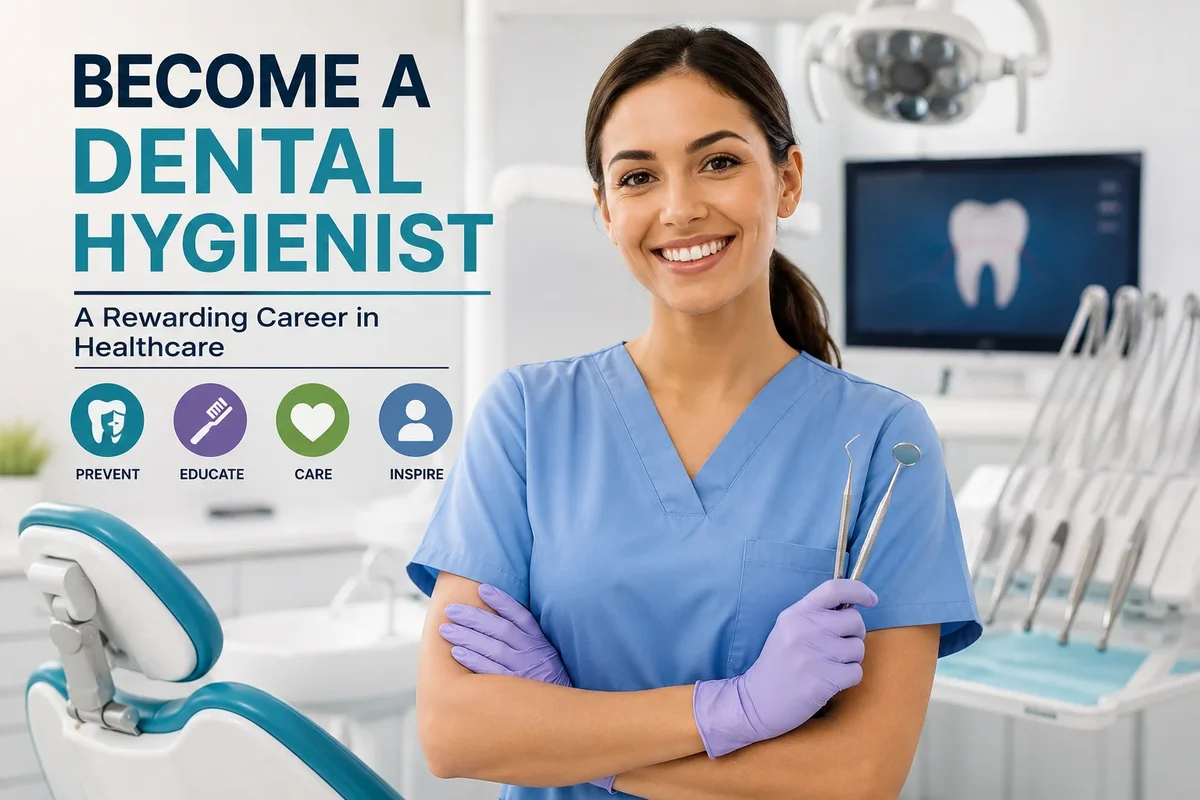
Tips to Successfully Become a Dental Hygienist in 2026
The journey to become a dental hygienist in 2026 is more competitive, technology-focused, and opportunity-rich than ever before. Modern dentistry continues evolving rapidly, creating exciting career possibilities for students interested in preventive healthcare and patient-centered treatment. However, successfully preparing to become a dental hygienist requires more than simply enrolling in a dental hygiene program. Students must develop strong study habits, clinical confidence, communication skills, and long-term professional goals to stand out in today’s healthcare industry. 🦷
Because dental hygiene programs are often competitive, future students should begin preparing early. Individuals who want to become a dental hygienist in 2026 should focus not only on academic performance but also on practical experience, networking, continuing education, and understanding modern dental technologies.
Research Accredited Programs Carefully
One of the first and most important tips to successfully become a dental hygienist is selecting the right accredited educational program. Accreditation ensures the program meets professional standards and qualifies graduates for licensing examinations.
Before applying, students should compare:
- 🏫 Accreditation status
- 📈 Licensing exam pass rates
- 🏥 Clinical training opportunities
- 👩🏫 Faculty experience
- 💻 Access to modern dental technology
- 💰 Tuition and financial aid options
Students who carefully evaluate schools before they become a dental hygienist are often better prepared for long-term career success.
Visit Schools Before Applying
If possible, visiting campuses and speaking with instructors can help future students better understand program quality. Observing simulation labs and clinical facilities provides valuable insight for anyone planning to become a dental hygienist.
Build Strong Science Knowledge Early
Science courses form the foundation of dental hygiene education. Students who want to become a dental hygienist should focus heavily on biology, anatomy, chemistry, and physiology.
Strong science preparation helps students succeed in:
- 🧬 Oral pathology
- 🦷 Dental anatomy
- 🧪 Infection control
- 💉 Pharmacology basics
- 📸 Radiography education
- 🏥 Clinical patient care
Many students who struggle academically after they become a dental hygienist candidates often underestimate the scientific complexity of dental hygiene programs.
Develop Excellent Communication Skills
Communication is one of the most valuable abilities needed to become a dental hygienist. Hygienists spend much of their day interacting directly with patients, explaining procedures, discussing oral hygiene habits, and helping patients feel comfortable during appointments.
Students should practice:
- 💬 Active listening
- 😊 Patient-friendly communication
- 🧠 Explaining medical information clearly
- 🤝 Building patient trust
- 😌 Managing anxious patients
Professionals who successfully become a dental hygienist are often excellent communicators who can combine clinical expertise with empathy and professionalism.
Learn to Handle Dental Anxiety
Dental fear is common among patients. Future professionals who want to become a dental hygienist should learn how to calmly guide nervous individuals through procedures and create reassuring treatment experiences.
Gain Real-World Dental Experience
Another important strategy to successfully become a dental hygienist is gaining exposure to real dental environments before entering school. Shadowing hygienists or volunteering in dental clinics can help students better understand daily responsibilities.
Benefits of early dental exposure include:
- 🏥 Understanding clinic workflows
- 🦷 Observing patient care procedures
- 📋 Learning sterilization standards
- 😁 Improving professional confidence
- 💼 Building industry connections
Hands-on observation helps students confirm whether they truly want to become a dental hygienist before committing to formal education.
Master Time Management Skills
Dental hygiene programs are demanding, and students who want to become a dental hygienist must learn how to balance coursework, clinical practice, examinations, and personal responsibilities.
Effective time management strategies include:
- 📅 Creating study schedules
- 📚 Reviewing material consistently
- 🧠 Practicing clinical techniques regularly
- ⏰ Avoiding procrastination
- 💻 Organizing digital notes efficiently
Students who stay organized while training to become a dental hygienist often experience less stress and better academic performance.
Stay Updated with Dental Technology
Modern dentistry changes rapidly, and students preparing to become a dental hygienist in 2026 should become comfortable with evolving technologies.
Important modern technologies include:
- 💻 Digital charting systems
- 📸 Digital radiography
- 🦷 Ultrasonic cleaning devices
- 😁 Cosmetic dentistry tools
- 🧪 Laser periodontal treatments
Clinics increasingly prefer hiring professionals who become a dental hygienist with strong digital and technical skills.
Adaptability Is Essential
The ability to adapt to new systems and procedures is extremely valuable after you become a dental hygienist. Technology will continue transforming preventive dentistry and patient care standards.
Focus on Physical and Mental Wellness
Dental hygiene can be physically demanding. Individuals planning to become a dental hygienist should prioritize posture, ergonomics, exercise, and stress management throughout their careers.
Helpful wellness habits include:
- 🧘 Stretching regularly
- 💪 Strengthening posture muscles
- 🥗 Maintaining healthy nutrition
- 😴 Getting proper sleep
- 🚶 Staying physically active
Healthy routines can reduce fatigue and help professionals who become a dental hygienist maintain long-term career longevity.
Build Professional Networks Early
Networking is another valuable strategy for students who want to become a dental hygienist. Building relationships with instructors, dentists, hygienists, and classmates can create future career opportunities.
Networking may help with:
- 💼 Job opportunities
- 📚 Continuing education recommendations
- 🏥 Internship placements
- 🌍 Professional mentorship
- 📈 Career advancement advice
Professional organizations such as the American Dental Association also provide educational resources and industry updates for students preparing to become a dental hygienist.
Choose Patient-Centered Learning Environments
Students should seek educational experiences that prioritize patient comfort, communication, and ethical healthcare practices. Individuals who become a dental hygienist in supportive learning environments often develop stronger clinical confidence and patient care abilities.
Those interested in modern patient-focused dentistry can also explore the Redent Klinik Contact Page to learn more about contemporary dental care approaches.
Ultimately, the path to become a dental hygienist in 2026 requires dedication, adaptability, clinical skill development, and strong interpersonal abilities. Students who prepare strategically, stay committed to continuous learning, and develop patient-centered communication skills are often the most successful in this growing healthcare profession. For motivated individuals passionate about preventive oral care and helping others, choosing to become a dental hygienist can lead to a stable, fulfilling, and highly rewarding career with long-term growth opportunities. 🌟
Disclosure: this page may contain affiliate links. We may earn a commission if you use them, at no extra cost to you.