
Losing most or all teeth can have a significant impact on daily life, affecting everything from eating and speaking to confidence and overall oral health. Fortunately, modern dentistry offers advanced solutions that can completely transform a patient’s smile and quality of life. One of the most effective treatments available today is full arch dental implant rehabilitation. When patients search for before and after full arch dental implants, they are often looking for real information about what changes they can expect, how the procedure works, and whether the results are truly life-changing.
The phrase before and after full arch dental implants represents more than simple cosmetic improvement. It describes a complete oral transformation that restores functionality, aesthetics, and self-confidence. Patients who once struggled with missing teeth, loose dentures, or severe dental deterioration often discover that full arch implant treatment provides a stable, long-lasting solution that closely resembles natural teeth.
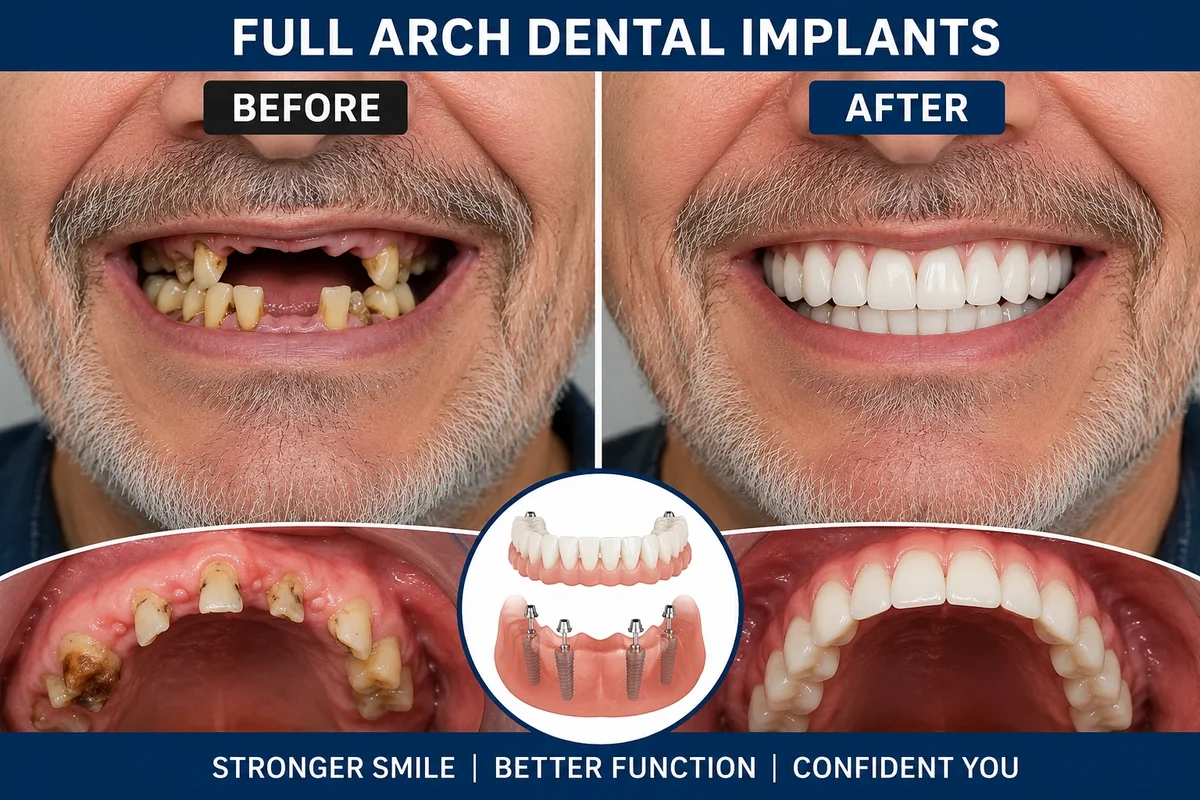
Before treatment, many patients experience difficulties chewing their favorite foods, avoiding social interactions because of embarrassment, and dealing with progressive jawbone loss. The condition of the mouth before treatment varies from person to person. Some individuals have worn traditional dentures for years, while others suffer from advanced periodontal disease or extensive tooth loss. Looking at before and after full arch dental implants examples helps patients understand how dramatically their oral health can improve.
Full arch dental implants involve strategically placing several dental implants into the jawbone to support a complete set of prosthetic teeth. Unlike removable dentures, these restorations are fixed securely in place, providing exceptional stability and comfort. This treatment is commonly known as full mouth implants, full arch restoration, implant-supported dentures, or All-on-4®-style treatment, depending on the specific technique used.
One of the most remarkable aspects of before and after full arch dental implants transformations is the restoration of facial appearance. Missing teeth often cause facial muscles to sag and the lower face to appear sunken. Because dental implants stimulate the jawbone similarly to natural tooth roots, they help preserve bone structure and support facial tissues. As a result, many patients appear younger after treatment and regain a healthier facial profile.
Functionality is another major benefit demonstrated in before and after full arch dental implants cases. Before treatment, patients frequently limit their diets to soft foods because chewing is painful or difficult. After successful implant placement and healing, most individuals can comfortably enjoy a wide variety of foods, including fruits, vegetables, meats, and nuts. This improvement not only enhances quality of life but also contributes to better overall nutrition.
Speech improvement is another important factor. Missing teeth and unstable dentures can interfere with pronunciation and communication. Many patients notice clearer speech patterns after treatment. Reviewing before and after full arch dental implants results often reveals how patients become more comfortable speaking confidently in both personal and professional situations.
Psychological benefits should not be overlooked. A complete smile restoration can dramatically improve self-esteem. Many patients report smiling more frequently, participating in social activities with greater confidence, and feeling less anxious about their appearance. These emotional improvements are commonly highlighted when discussing before and after full arch dental implants experiences.
Another important advantage is durability. High-quality implant systems are designed to last for many years when properly maintained. Unlike traditional dentures that may require frequent adjustments, implant-supported restorations provide a more predictable and stable long-term solution. This reliability is one reason why patients researching before and after full arch dental implants often view the procedure as a valuable investment in their future oral health.
The treatment process typically begins with a comprehensive consultation, including digital imaging, clinical examination, and personalized treatment planning. Dental professionals evaluate bone density, gum health, and overall oral conditions before determining the most suitable implant approach. Every successful before and after full arch dental implants journey starts with careful diagnosis and customized planning.
Patients considering treatment should also understand that healing and adaptation require time. While many modern protocols allow temporary teeth to be placed shortly after surgery, the jawbone must integrate with the implants during the healing phase. This biological process, known as osseointegration, creates the strong foundation necessary for long-term success. As healing progresses, the dramatic changes seen in before and after full arch dental implants outcomes become increasingly evident.
For individuals seeking expert guidance, consultation with experienced implant specialists is essential. Patients can learn more about treatment options through the Redent Klinik Contact Page. Reliable educational resources are also available through the American Dental Association, which provides information about oral health and modern dental treatments.
Ultimately, before and after full arch dental implants transformations represent one of the most advanced achievements in restorative dentistry. The procedure not only replaces missing teeth but also restores confidence, improves oral function, supports facial structure, and enhances overall quality of life. For many patients, the difference between their condition before treatment and their life after treatment is truly remarkable, making full arch dental implants one of the most transformative solutions available in modern dentistry today. ✨😁
What Are Full Arch Dental Implants and How Do They Work?
Full arch dental implants are one of the most advanced solutions available for patients who have lost most or all of their teeth in either the upper jaw, lower jaw, or both. Unlike traditional removable dentures, full arch implant systems provide a fixed and highly stable replacement for an entire row of teeth. When patients research before and after full arch dental implants, they are often amazed by the dramatic improvements in appearance, comfort, chewing ability, and overall quality of life that this treatment can deliver.
The concept behind full arch dental implants is relatively straightforward. Instead of replacing every missing tooth with an individual implant, a small number of strategically placed implants support a complete arch of prosthetic teeth. This approach allows patients to restore an entire smile while reducing treatment complexity and maximizing available bone support.
Understanding the Structure of Full Arch Dental Implants
A full arch implant restoration consists of three primary components. First, titanium dental implants are surgically inserted into the jawbone. Second, special connectors called abutments attach the implants to the final restoration. Third, a customized prosthetic bridge is secured onto the implants, creating a natural-looking and functional set of teeth.
The success seen in many before and after full arch dental implants cases is largely due to the unique way dental implants interact with the jawbone. Once placed, the implants gradually fuse with the surrounding bone through a biological process called osseointegration. This fusion creates an exceptionally strong foundation capable of supporting daily chewing and speaking activities.
Unlike conventional dentures that rest on top of the gums, implant-supported restorations become anchored directly within the jaw. This stability is one of the biggest differences patients notice when comparing before and after full arch dental implants outcomes.
How Many Implants Are Needed for a Full Arch?
The number of implants required depends on each patient’s anatomy, bone density, and treatment goals. In many cases, four to six implants can successfully support an entire arch of replacement teeth. Some patients may require additional implants for enhanced support, especially if they have unique anatomical considerations.
Modern treatment concepts such as All-on-4®, All-on-6®, and customized implant-supported bridges have revolutionized full-mouth rehabilitation. These approaches allow clinicians to maximize available bone while minimizing the need for extensive surgical procedures.
When reviewing before and after full arch dental implants examples, patients often discover that even individuals with significant tooth loss and advanced dental problems can become suitable candidates for treatment through careful planning and modern surgical techniques.
Why Strategic Implant Placement Matters
Strategic positioning is critical for long-term success. Dental specialists carefully evaluate bone volume, bite alignment, facial structure, and aesthetic goals before determining implant locations. Advanced digital imaging technologies such as CBCT scans allow highly precise treatment planning.
This level of planning contributes significantly to the outstanding transformations visible in before and after full arch dental implants cases. Proper implant positioning ensures balanced force distribution, improved durability, and natural-looking results.
The Treatment Process Step by Step
The journey toward a new smile typically begins with a comprehensive consultation. During this phase, dental professionals assess oral health, review medical history, and create a customized treatment plan.
The treatment process usually includes:
- Comprehensive oral examination
- Digital X-rays and 3D imaging
- Treatment planning and smile design
- Extraction of remaining damaged teeth if necessary
- Placement of dental implants
- Temporary prosthetic restoration
- Healing and osseointegration period
- Placement of the final custom restoration
Each stage contributes to the dramatic transformation showcased in many before and after full arch dental implants success stories.
How Full Arch Implants Differ from Traditional Dentures
Many patients considering treatment have previously worn removable dentures. While dentures can replace missing teeth, they often come with limitations such as slipping, discomfort, gum irritation, and reduced chewing efficiency.
One reason why before and after full arch dental implants transformations attract so much attention is because the improvement compared to dentures can be substantial. Implant-supported restorations remain securely fixed in place, allowing patients to eat, speak, and smile with greater confidence.
Another major advantage is bone preservation. Traditional dentures do not stimulate the jawbone, which can lead to progressive bone loss over time. Dental implants mimic natural tooth roots and help maintain bone structure, supporting long-term oral health.
Functional Improvements Patients Commonly Experience
Patients frequently report significant improvements after treatment, including:
- Enhanced chewing strength
- Improved speech clarity
- Greater comfort during daily activities
- Natural-looking smile aesthetics
- Reduced dependence on denture adhesives
- Increased self-confidence
- Improved facial support and appearance
These benefits explain why before and after full arch dental implants comparisons often reveal life-changing differences in both oral function and emotional well-being.
Long-Term Expectations and Results
With proper care and regular dental maintenance, full arch dental implants can provide excellent long-term performance. Daily oral hygiene, professional cleanings, and routine examinations help protect both the implants and surrounding tissues.
Many patients continue enjoying their restored smiles for years after treatment. The durability, stability, and aesthetic appeal associated with before and after full arch dental implants outcomes make this solution one of the most predictable and rewarding options in modern restorative dentistry.
Ultimately, full arch dental implants do much more than replace missing teeth. They restore oral function, improve facial aesthetics, support jawbone health, and help patients regain confidence in everyday life. For individuals seeking a permanent alternative to extensive tooth loss, understanding how these systems work is the first step toward appreciating the remarkable transformations seen in countless before and after full arch dental implants cases worldwide. 😊
Before and After Full Arch Dental Implants: Real Transformation Expectations
One of the most common reasons patients search for before and after full arch dental implants is to understand what kind of transformation they can realistically expect from treatment. While photographs often highlight dramatic cosmetic improvements, the true impact of full arch dental implants extends far beyond appearance alone. These restorations can improve oral function, facial aesthetics, self-confidence, speech, and overall quality of life. Understanding realistic expectations helps patients make informed decisions and prepare for every stage of their smile transformation journey.
Every patient begins treatment with a unique dental situation. Some individuals have been living with missing teeth for years, while others struggle with failing dentures, severe decay, or advanced gum disease. Because each case differs, the results shown in before and after full arch dental implants examples will vary from person to person. However, certain improvements are consistently observed among successful implant patients.
What Patients Typically Look Like Before Treatment
Before undergoing full arch implant treatment, many patients experience significant oral health challenges. Missing teeth often create functional and aesthetic concerns that affect daily life. The longer teeth remain missing, the more noticeable these effects can become.
Common conditions observed before treatment include:
- Multiple missing teeth throughout the arch
- Loose or uncomfortable dentures
- Difficulty chewing certain foods
- Speech problems caused by tooth loss
- Jawbone shrinkage and facial collapse
- Advanced periodontal disease
- Chronic dental infections
- Reduced self-confidence when smiling
Many before and after full arch dental implants cases demonstrate how these issues can significantly impact a person’s physical and emotional well-being. Patients often report avoiding photographs, social events, and even professional opportunities due to embarrassment about their smiles.
The Immediate Changes After Implant Placement
One of the most exciting aspects of modern implant dentistry is that many patients can receive temporary fixed teeth shortly after surgery. This means the visual transformation may begin much sooner than many people expect.
Immediately after implant placement, patients often notice:
- A more complete smile appearance
- Improved facial support
- Greater confidence when speaking
- Reduced anxiety about missing teeth
- Improved ability to eat softer foods
Although healing is still ongoing during this stage, many before and after full arch dental implants transformations already show dramatic improvements compared to the patient’s original condition.
Why Temporary Teeth Are Important
Temporary restorations allow patients to maintain normal social interactions while implants integrate with the jawbone. These provisional teeth also provide valuable insight into how the final restoration will look and function.
For many individuals, the psychological benefits become apparent almost immediately. Looking at their reflection and seeing a complete smile again can be a powerful emotional experience.
Long-Term Aesthetic Improvements
The final prosthetic restoration is carefully designed to complement each patient’s facial features, lip support, skin tone, and smile line. This customized approach helps create highly natural-looking results.
When reviewing before and after full arch dental implants outcomes, aesthetic improvements often include:
- Natural tooth proportions
- Improved smile symmetry
- Enhanced facial balance
- Healthier gum appearance
- More youthful facial contours
- Better lip support
Patients frequently comment that they not only look better but also appear younger. This is partly because implant-supported restorations help support facial tissues that may have collapsed due to long-term tooth loss.
Functional Improvements Beyond Appearance
While cosmetic changes attract attention, the functional benefits of before and after full arch dental implants are often even more significant. Missing teeth can severely restrict chewing efficiency and nutritional choices.
After successful treatment, many patients can comfortably eat foods that were previously difficult or impossible to enjoy. These may include:
- Fresh fruits
- Raw vegetables
- Steak and other meats
- Nuts and seeds
- Crusty bread
- Fibrous foods
Improved chewing function contributes to better digestion, nutrition, and overall health. Many patients describe this benefit as one of the most life-changing aspects of their transformation.
Speech and Communication Benefits
Missing teeth and unstable dentures often affect pronunciation and speech clarity. Certain sounds become difficult to produce correctly when teeth are absent or dentures move unexpectedly.
One frequently overlooked aspect of before and after full arch dental implants outcomes is improved communication. Patients commonly report clearer speech and increased confidence when participating in conversations, presentations, or social gatherings.
Emotional and Psychological Transformation
The emotional impact of full arch dental implants can be profound. Many individuals spend years hiding their smiles or feeling self-conscious about their appearance. Following treatment, patients often experience significant improvements in self-esteem and social confidence.
Common emotional benefits include:
- Greater confidence in public settings
- Improved professional interactions
- Reduced anxiety about appearance
- More willingness to smile naturally
- Enhanced quality of life
- Improved personal relationships
These emotional improvements are a recurring theme in many before and after full arch dental implants patient stories. The treatment frequently affects not only oral health but also overall well-being.
Setting Realistic Expectations
Although the results can be remarkable, patients should maintain realistic expectations. Factors such as bone quality, healing capacity, oral hygiene habits, smoking status, and overall health influence outcomes. Not every transformation looks identical, and healing timelines vary between individuals.
The most successful before and after full arch dental implants cases occur when patients actively participate in their treatment journey, follow professional recommendations, and maintain excellent oral hygiene after restoration placement.
Ultimately, before and after full arch dental implants transformations demonstrate the incredible capabilities of modern implant dentistry. Beyond restoring teeth, the procedure helps patients regain confidence, improve oral function, preserve facial structure, and enjoy a healthier lifestyle. While every patient’s journey is unique, the improvements seen in successful cases consistently show why full arch dental implants remain one of the most transformative treatments available in contemporary dentistry today. ✨😁
Who Is the Ideal Candidate for Full Arch Dental Implant Treatment?
One of the most important questions patients ask when researching before and after full arch dental implants is whether they are suitable candidates for the procedure. While full arch dental implants have helped thousands of people restore their smiles and oral function, not every patient begins treatment under the same conditions. A comprehensive evaluation is always necessary to determine whether the treatment can be performed safely and successfully.
Modern implant dentistry has made it possible for many individuals who were once considered unsuitable candidates to receive treatment. Thanks to advancements in digital planning, bone grafting techniques, and immediate loading protocols, a wider range of patients can now achieve the remarkable transformations seen in before and after full arch dental implants cases.
Understanding the characteristics of an ideal candidate helps patients set realistic expectations and prepare for their consultation with confidence.
Patients Missing Most or All Teeth
The most obvious candidates for full arch implant treatment are individuals who have already lost most or all of their teeth. These patients often experience significant functional and aesthetic challenges that affect their daily lives.
Common issues include:
- Difficulty chewing food properly
- Reduced speech clarity
- Embarrassment when smiling
- Facial changes caused by tooth loss
- Dependence on removable dentures
- Progressive jawbone deterioration
Many of the dramatic improvements highlighted in before and after full arch dental implants transformations involve patients who have struggled with complete tooth loss for many years. Full arch implants provide a fixed solution that restores both appearance and function.
Patients with Severely Damaged Teeth
Not all candidates are completely edentulous. Some individuals still have natural teeth, but those teeth may be severely damaged due to decay, trauma, infection, or advanced periodontal disease.
In certain situations, attempting to save multiple compromised teeth may offer a poor long-term prognosis. After careful evaluation, dental professionals may recommend extracting the remaining teeth and replacing them with a full arch implant restoration.
These patients often experience some of the most dramatic before and after full arch dental implants results because the treatment eliminates chronic dental problems while restoring a healthy, functional smile.
When Saving Teeth Is No Longer Predictable
Several conditions may indicate that full arch rehabilitation is a more predictable solution than extensive restorative work:
- Severe tooth mobility
- Advanced bone loss around teeth
- Repeated root canal failures
- Multiple fractured teeth
- Extensive decay affecting numerous teeth
- Long-term dentition instability
In these situations, patients often discover that the stability demonstrated in before and after full arch dental implants cases offers a more reliable long-term solution.
Patients Who Are Tired of Traditional Dentures
Many candidates seek treatment because they are frustrated with removable dentures. Although dentures can replace missing teeth, they often create challenges that negatively impact quality of life.
Common complaints include:
- Dentures slipping during meals
- Movement while speaking
- Gum irritation and sore spots
- Difficulty chewing tougher foods
- Need for denture adhesives
- Loss of confidence in social settings
When patients compare dentures to the results shown in before and after full arch dental implants examples, they often recognize the significant advantages of a fixed implant-supported restoration.
Importance of Jawbone Health
A healthy jawbone plays a major role in implant success because implants require sufficient bone support for stability. During the consultation process, clinicians evaluate bone volume and density using advanced diagnostic imaging.
Fortunately, limited bone volume does not automatically exclude a patient from treatment. Modern implant techniques can often accommodate reduced bone levels, and additional procedures may be recommended when necessary.
Can Patients with Bone Loss Still Qualify?
Yes, many patients with moderate or even significant bone loss remain eligible for treatment. Depending on the situation, clinicians may recommend:
- Bone grafting procedures
- Sinus augmentation
- Zygomatic implants in selected cases
- Angled implant placement techniques
- Customized treatment planning protocols
This flexibility explains why many impressive before and after full arch dental implants transformations involve patients who initially believed they had insufficient bone for implants.
General Health Considerations
Good overall health contributes to successful healing and long-term implant stability. Most healthy adults can safely undergo implant treatment, but certain medical conditions require careful management before surgery.
Factors that may influence candidacy include:
- Uncontrolled diabetes
- Severe immune disorders
- Active cancer treatment
- Certain medications affecting bone metabolism
- Heavy tobacco use
- Poor oral hygiene habits
Having one of these conditions does not necessarily prevent treatment. Instead, dental professionals work closely with patients and healthcare providers to create the safest treatment approach possible.
The Role of Patient Commitment
One factor that is sometimes overlooked when discussing before and after full arch dental implants is patient commitment. Successful outcomes depend not only on surgical expertise but also on long-term maintenance and oral hygiene.
Ideal candidates are willing to:
- Attend regular follow-up appointments
- Maintain excellent oral hygiene
- Follow post-operative instructions carefully
- Attend professional maintenance visits
- Protect restorations from excessive force
Patients who actively participate in their care typically enjoy the most predictable and long-lasting results.
Age and Full Arch Dental Implants
Many people wonder whether they are too old for implant treatment. In reality, there is no upper age limit for full arch dental implants. What matters most is overall health rather than chronological age.
Adults in their 60s, 70s, and even 80s have successfully undergone treatment and achieved excellent outcomes. Some of the most inspiring before and after full arch dental implants stories involve older patients who regained confidence, improved nutrition, and enhanced quality of life after years of struggling with tooth loss.
Final Thoughts on Candidacy
The ideal candidate for full arch dental implant treatment is not defined by a single factor. Instead, candidacy is determined through a combination of oral health, bone quality, medical history, treatment goals, and personal commitment. Modern dentistry has expanded treatment possibilities significantly, allowing more patients than ever before to benefit from implant-supported restorations.
Whether a patient is missing all teeth, struggling with failing dentures, or dealing with severe dental deterioration, a professional consultation can determine the most appropriate treatment approach. The remarkable improvements visible in countless before and after full arch dental implants cases demonstrate how transformative this procedure can be when carefully planned and properly executed. For many individuals, full arch dental implants provide not only a new smile but also renewed confidence, comfort, and long-term oral health. 😊
The Complete Consultation and Treatment Planning Process
The success of any full arch implant restoration begins long before surgery takes place. Every remarkable before and after full arch dental implants transformation starts with a detailed consultation and a carefully designed treatment plan. This planning phase is one of the most important steps in the entire process because it allows dental professionals to evaluate the patient’s oral health, identify potential challenges, and create a customized roadmap for achieving predictable results.
Many patients focus primarily on the final outcome when viewing before and after full arch dental implants photos. However, those dramatic transformations are only possible because of extensive preparation, advanced diagnostics, and personalized treatment planning. Understanding this process helps patients appreciate the precision and expertise involved in modern implant dentistry.
Why the Initial Consultation Is So Important
The consultation serves as the foundation for the entire treatment journey. During this appointment, implant specialists gather critical information about the patient’s oral condition, medical history, aesthetic goals, and functional concerns.
The purpose of the consultation is not simply to determine whether implants can be placed. Instead, it is designed to answer important questions such as:
- Is the patient a suitable candidate for treatment?
- How much bone support is available?
- Are extractions required?
- Will bone grafting be necessary?
- Which implant system is most appropriate?
- What aesthetic goals should be prioritized?
- How long will treatment take?
These assessments directly influence the quality of the final before and after full arch dental implants outcome.
Medical History Evaluation
Before proceeding with treatment, clinicians review the patient’s overall health status. Certain medical conditions can affect healing and implant success rates.
Important topics commonly discussed include:
- Diabetes management
- Heart conditions
- Bone-related disorders
- Immune system conditions
- Current medications
- Smoking habits
- Previous oral surgeries
A thorough medical review helps minimize risks and supports the long-term success demonstrated in many before and after full arch dental implants cases.
Comprehensive Oral Examination
The next stage involves a detailed evaluation of the mouth, gums, teeth, bite, and jaw structure. Even patients who have already lost most of their teeth require a complete oral assessment.
During this examination, clinicians evaluate:
- Remaining teeth and restorations
- Gum tissue health
- Signs of infection
- Jaw alignment
- Bite function
- Bone support levels
- Facial symmetry
The information gathered during this stage provides the foundation for designing the future smile and achieving the most natural-looking before and after full arch dental implants result possible.
Advanced Digital Imaging and Diagnostics
Modern implant dentistry relies heavily on advanced imaging technology. Traditional X-rays provide useful information, but three-dimensional imaging offers far greater diagnostic accuracy.
Most full arch implant patients undergo Cone Beam Computed Tomography (CBCT) scanning. This technology creates a highly detailed three-dimensional image of the jawbone and surrounding anatomical structures.
CBCT imaging allows clinicians to evaluate:
- Bone volume and density
- Nerve locations
- Sinus anatomy
- Bone quality
- Potential implant positions
- Existing pathology
Accurate diagnostics play a crucial role in producing successful before and after full arch dental implants transformations.
Digital Smile Design Technology
Many advanced clinics now use digital smile design software to simulate treatment outcomes before surgery begins. This technology allows patients to visualize potential results and actively participate in treatment planning.
Smile design software evaluates:
- Facial proportions
- Smile width
- Tooth size and shape
- Gum display
- Lip support
- Overall aesthetics
This level of customization contributes significantly to the natural appearance seen in many before and after full arch dental implants success stories.
Creating a Personalized Treatment Plan
No two patients require exactly the same treatment plan. After reviewing diagnostic information, the dental team develops a customized strategy based on the patient’s specific needs.
The treatment plan may include:
- Tooth extractions
- Bone grafting procedures
- Implant placement techniques
- Temporary restoration protocols
- Healing schedules
- Final prosthetic design
- Maintenance recommendations
This personalized approach is one reason why before and after full arch dental implants outcomes can be so consistently successful despite significant differences between patients.
Discussing Expectations and Treatment Goals
Patient communication is a critical component of the planning process. During consultations, clinicians discuss realistic expectations regarding treatment timelines, healing periods, aesthetics, functionality, and maintenance requirements.
Topics frequently addressed include:
- Expected recovery time
- Temporary teeth options
- Final restoration materials
- Long-term maintenance needs
- Potential risks and complications
- Expected functional improvements
Clear communication helps ensure that patients fully understand the process behind achieving the type of before and after full arch dental implants transformation they desire.
Treatment Timeline Planning
One of the most common questions patients ask concerns treatment duration. The answer depends on individual circumstances. Some patients qualify for immediate loading protocols, while others require additional preparatory procedures before implant placement.
A typical treatment timeline may include:
- Initial consultation and diagnostics
- Treatment planning phase
- Extractions if necessary
- Implant placement surgery
- Temporary restoration placement
- Healing and osseointegration
- Final prosthetic delivery
- Long-term maintenance appointments
Careful scheduling and planning contribute significantly to the predictable outcomes seen in successful before and after full arch dental implants cases.
The Importance of Customized Planning
The consultation and treatment planning phase is far more than a routine examination. It serves as the blueprint for the patient’s entire smile restoration journey. Every successful implant-supported full arch restoration begins with detailed analysis, advanced diagnostics, personalized design, and open communication between patient and clinician.
When patients view dramatic before and after full arch dental implants transformations, they often focus on the final smile. However, those impressive results are built upon careful planning, precise diagnostics, and individualized treatment strategies. By investing time in a comprehensive consultation process, clinicians maximize the likelihood of achieving a restoration that is not only beautiful but also functional, durable, and capable of enhancing the patient’s quality of life for many years to come. ✨🦷
Before and After Full Arch Dental Implants Recovery Timeline
One of the most important concerns patients have before starting treatment is understanding the recovery process. While the dramatic transformations visible in before and after full arch dental implants photos often focus on the final results, the journey between those two stages involves several important phases of healing and adaptation. Knowing what to expect during recovery helps patients feel more prepared, reduces anxiety, and contributes to a smoother treatment experience.
The recovery timeline for full arch dental implants varies depending on individual factors such as overall health, bone quality, surgical complexity, and whether additional procedures like tooth extractions or bone grafting are required. However, most patients follow a relatively predictable healing pattern. Understanding this timeline helps explain how patients progress from the “before” stage to the impressive outcomes showcased in many before and after full arch dental implants success stories.
The First 24 Hours After Surgery
The initial recovery period begins immediately after implant placement surgery. During the first day, it is normal to experience some swelling, mild discomfort, and minor bleeding. These symptoms are part of the body’s natural healing response.
Most patients are surprised to discover that discomfort is often less severe than expected. Modern surgical techniques, digital planning, and minimally invasive procedures have significantly improved patient comfort compared to traditional oral surgery methods.
During the first 24 hours, patients are usually advised to:
- Rest and avoid strenuous activity
- Apply cold compresses as instructed
- Take prescribed medications
- Stay hydrated
- Consume soft foods
- Avoid smoking and alcohol
These early care measures help support healing and contribute to the positive outcomes seen in before and after full arch dental implants cases.
Managing Swelling and Discomfort
Swelling typically reaches its peak between 48 and 72 hours after surgery. Mild bruising may also occur around the cheeks or jawline. These symptoms are temporary and generally resolve within several days.
Most patients can manage discomfort effectively using prescribed or recommended medications. Following post-operative instructions carefully helps minimize complications and supports a successful recovery process.
The First Week of Recovery
During the first week, patients gradually become more comfortable with their temporary restoration if one has been placed. The surgical sites continue healing, and swelling typically begins to decrease noticeably.
Common experiences during this phase include:
- Improved comfort levels
- Reduced swelling
- Better speech adaptation
- Adjustment to temporary teeth
- Increased confidence when smiling
Many patients already begin noticing some of the positive changes associated with before and after full arch dental implants transformations, particularly improvements in appearance and confidence.
The First Month After Implant Placement
By the end of the first month, most soft tissue healing has progressed significantly. Patients generally return to their normal daily routines and experience much greater comfort with their temporary prosthesis.
At this stage, dental professionals monitor healing closely to ensure:
- Healthy gum tissue response
- Proper implant stability
- Absence of infection
- Comfortable bite alignment
- Successful adaptation to the restoration
The progress achieved during the first month forms the foundation for the remarkable long-term improvements visible in before and after full arch dental implants outcomes.
Diet During Early Healing
Nutrition plays an important role in recovery. During the early healing period, patients are typically advised to consume softer foods that place minimal stress on the implants.
Recommended foods may include:
- Yogurt
- Soup
- Scrambled eggs
- Mashed vegetables
- Soft fish
- Smoothies
- Pasta
As healing progresses, dietary restrictions are gradually reduced under professional guidance.
The Osseointegration Phase
One of the most critical stages of recovery is osseointegration. This biological process occurs when the jawbone fuses directly with the titanium implant surfaces, creating a stable and durable foundation.
Osseointegration typically requires several months, although healing speed varies among individuals. During this period, patients may not notice dramatic external changes, but important biological events are occurring beneath the surface.
The success of osseointegration is one reason why before and after full arch dental implants results can remain stable and functional for many years.
Factors That Influence Healing Speed
Several factors can affect recovery and implant integration:
- Age
- Bone density
- Smoking habits
- Medical conditions
- Oral hygiene practices
- Nutritional status
- Compliance with post-operative instructions
Patients who maintain excellent oral hygiene and follow professional recommendations often experience the most predictable healing outcomes.
Receiving the Final Restoration
Once osseointegration is complete, the final prosthetic restoration can be fabricated and attached. This stage represents one of the most exciting milestones in the treatment journey.
The final restoration is carefully customized to optimize:
- Tooth shape
- Tooth color
- Smile aesthetics
- Bite function
- Facial harmony
- Long-term durability
Many patients feel that the true transformation highlighted in before and after full arch dental implants examples becomes fully apparent at this stage.
Long-Term Recovery and Adaptation
Even after the final restoration is placed, minor adaptation continues as patients become fully accustomed to their new teeth. Most individuals quickly adjust to chewing, speaking, and smiling with confidence.
Long-term maintenance includes:
- Regular dental examinations
- Professional implant cleanings
- Daily oral hygiene routines
- Monitoring of implant stability
- Protection against excessive bite forces
Consistent maintenance helps preserve the beautiful results seen in before and after full arch dental implants transformations.
What Patients Can Realistically Expect
Every recovery journey is unique, but most patients experience a gradual progression from healing and adaptation to full function and confidence. While the timeline varies between individuals, the majority of patients report that the process is highly worthwhile.
The transition showcased in before and after full arch dental implants cases is not an overnight change but rather a carefully guided journey involving consultation, surgery, healing, restoration, and long-term maintenance. Understanding each recovery phase helps patients approach treatment with realistic expectations and greater confidence.
Ultimately, the recovery period is a temporary investment that supports long-lasting benefits. The restored ability to eat comfortably, smile naturally, speak clearly, and enjoy improved quality of life explains why so many patients consider their before and after full arch dental implants transformation one of the most rewarding decisions they have ever made for their oral health and overall well-being. ✨🦷😁
Benefits of Full Arch Dental Implants Compared to Traditional Dentures
For decades, traditional dentures were considered the standard solution for replacing multiple missing teeth. While dentures continue to help many patients restore basic oral function, modern implant dentistry has introduced a significantly more advanced alternative. When people search for before and after full arch dental implants, they are often comparing the benefits of implant-supported restorations to the limitations of conventional dentures. Understanding these differences helps explain why full arch dental implants have become one of the most sought-after solutions in restorative dentistry.
The remarkable transformations seen in before and after full arch dental implants cases are not solely the result of improved aesthetics. The advantages extend to oral health, comfort, chewing ability, speech, confidence, and long-term quality of life. While dentures can provide a functional replacement for missing teeth, full arch implants often deliver a more natural and predictable experience.
Superior Stability and Security
One of the most significant differences between full arch implants and traditional dentures is stability. Conventional dentures sit on top of the gums and rely on suction, adhesives, and the shape of the jaw for retention. Over time, this can create challenges because dentures may loosen, shift, or move unexpectedly.
In contrast, implant-supported restorations are anchored directly to dental implants that have fused with the jawbone. This creates exceptional stability during daily activities.
Patients frequently report improvements such as:
- No slipping while eating
- No movement while speaking
- Greater confidence in public settings
- Reduced dependence on adhesives
- More comfortable everyday function
This enhanced stability is one reason the changes seen in before and after full arch dental implants transformations can be so life-changing.
Confidence During Social Situations
Many denture wearers worry about their prosthesis moving unexpectedly during conversations or meals. Full arch implants help eliminate these concerns by providing a fixed restoration that remains securely in place.
This added security often contributes to the increased confidence frequently highlighted in before and after full arch dental implants patient experiences.
Improved Chewing Performance
Chewing efficiency is another area where implant-supported restorations often outperform traditional dentures. Because dentures rest on soft gum tissue, biting forces may be significantly reduced. Some denture wearers avoid harder foods because chewing feels uncomfortable or unstable.
Full arch dental implants distribute chewing forces through the implants and into the jawbone, creating a more natural biting experience.
Many patients regain the ability to enjoy:
- Fresh vegetables
- Apples and other fruits
- Steak and meats
- Nuts and seeds
- Crusty breads
- Crunchy foods
These functional improvements are frequently emphasized when discussing before and after full arch dental implants outcomes.
Preservation of Jawbone Structure
One of the most important long-term advantages of dental implants is their ability to preserve bone tissue. Natural tooth roots stimulate the jawbone during chewing. When teeth are lost, that stimulation disappears, and bone resorption gradually occurs.
Traditional dentures do not replace tooth roots and therefore cannot prevent ongoing bone loss. As the jawbone shrinks, dentures may become loose and require periodic adjustments or replacement.
Dental implants function as artificial roots, helping maintain bone stimulation and reducing bone loss over time. This biological advantage plays a major role in the long-term success demonstrated in many before and after full arch dental implants cases.
Impact on Facial Appearance
Bone loss can significantly affect facial aesthetics. As the jaw shrinks, facial tissues may lose support, creating a sunken appearance around the mouth and cheeks.
By preserving bone volume, implant-supported restorations help maintain facial structure. Many patients notice a more youthful appearance after treatment, which is often evident in before and after full arch dental implants comparisons.
Enhanced Comfort
Denture wearers sometimes experience sore spots, gum irritation, and discomfort caused by movement during function. Because full arch implants are anchored to implants rather than resting directly on the gums, many of these issues can be minimized.
Patients often describe implant-supported restorations as feeling more like natural teeth than traditional dentures. While an adjustment period is normal, long-term comfort is frequently one of the most appreciated benefits.
This comfort advantage contributes significantly to the positive experiences associated with before and after full arch dental implants treatment.
Better Speech Quality
Speech difficulties can occur when dentures move during conversation. Certain sounds may become difficult to pronounce correctly, particularly if the denture lacks optimal stability.
Because implant-supported restorations remain securely fixed in position, patients often experience improved speech clarity and greater confidence during communication.
Many before and after full arch dental implants stories include noticeable improvements in speech and overall communication abilities.
Long-Term Durability
Durability is another area where full arch implants offer important advantages. While dentures may require periodic relining, adjustment, or replacement due to bone changes, implant-supported restorations are designed for long-term function.
With proper care, dental implants can remain stable for many years. Regular maintenance and professional follow-up appointments help maximize longevity.
This long-term reliability is one reason many patients view the investment associated with before and after full arch dental implants as worthwhile.
Maintenance Requirements
Although implants require daily care, maintenance is generally straightforward. Patients are encouraged to:
- Brush thoroughly every day
- Use recommended cleaning aids
- Attend professional cleanings
- Schedule regular examinations
- Monitor implant health over time
Consistent maintenance helps preserve both aesthetics and function for many years.
Psychological and Lifestyle Benefits
Beyond physical improvements, full arch dental implants often have a profound impact on emotional well-being. Many patients report feeling more confident, attractive, and socially engaged after treatment.
Common psychological benefits include:
- Increased self-esteem
- More frequent smiling
- Improved social interactions
- Greater professional confidence
- Reduced anxiety about appearance
- Enhanced overall quality of life
These emotional benefits are among the most frequently discussed aspects of successful before and after full arch dental implants transformations.
Why Many Patients Prefer Full Arch Implants
While traditional dentures remain a viable treatment option for some individuals, full arch dental implants offer significant advantages in terms of stability, comfort, function, bone preservation, aesthetics, and long-term satisfaction. The differences become especially apparent when patients compare their lives before treatment to their experiences afterward.
The remarkable improvements visible in before and after full arch dental implants cases reflect more than a cosmetic change. They demonstrate a comprehensive restoration of oral health, facial support, confidence, and daily function. For many patients seeking a permanent and predictable solution to extensive tooth loss, full arch dental implants provide benefits that extend far beyond what conventional dentures can typically achieve. ✨🦷😁
Common Challenges and How Patients Overcome Them
Although the outcomes associated with before and after full arch dental implants are often impressive, it is important for patients to understand that every dental treatment involves a journey. Full arch implant rehabilitation is one of the most predictable and successful procedures in modern dentistry, but patients may encounter challenges along the way. Knowing what these challenges are and how they are typically managed can help individuals approach treatment with realistic expectations and greater confidence.
When viewing before and after full arch dental implants photos, people usually focus on the final transformation. However, behind every successful result is a carefully planned process that includes consultation, surgery, healing, adaptation, and long-term maintenance. Understanding common obstacles and their solutions allows patients to appreciate the complete treatment journey rather than only the final outcome.
Fear and Anxiety Before Treatment
One of the most common challenges patients face occurs before treatment even begins. Dental anxiety affects millions of people worldwide and can prevent individuals from seeking the care they need.
Patients considering full arch dental implants often worry about:
- Surgical procedures
- Pain during treatment
- Recovery time
- Treatment outcomes
- Financial investment
- Potential complications
These concerns are completely understandable. Fortunately, modern implant dentistry uses advanced technology, digital planning, and patient-centered care to make treatment more comfortable than many people expect.
Many patients who later share their before and after full arch dental implants experiences report that the procedure was significantly easier than they originally imagined.
How Dental Teams Help Reduce Anxiety
Experienced implant providers often use several strategies to help patients feel more comfortable, including:
- Detailed treatment explanations
- Digital treatment simulations
- Sedation options when appropriate
- Personalized consultation appointments
- Ongoing communication throughout treatment
These approaches help patients gain confidence and prepare mentally for their transformation.
Adjusting to Temporary Restorations
Many full arch implant patients receive temporary teeth shortly after implant placement. While these provisional restorations provide immediate cosmetic and functional benefits, adapting to them can take time.
Some patients initially notice:
- Changes in speech patterns
- Minor bite adjustments
- Increased saliva production
- Awareness of the new restoration
These experiences are generally temporary and improve as the brain and oral muscles adapt to the new prosthesis. Most patients become increasingly comfortable within a relatively short period.
This adaptation phase is a normal part of many successful before and after full arch dental implants journeys.
Managing Post-Surgical Recovery
Healing after implant placement is another common concern. Although recovery experiences vary, most patients experience only mild to moderate discomfort that can be effectively managed with professional guidance.
Temporary symptoms may include:
- Swelling
- Bruising
- Mild tenderness
- Temporary dietary restrictions
- Minor fatigue after surgery
These symptoms are part of the body’s natural healing process and generally improve significantly during the first few days following treatment.
Tips for a Smoother Recovery
Patients can support healing by following post-operative instructions carefully. Common recommendations include:
- Taking prescribed medications
- Applying cold compresses
- Eating soft foods
- Maintaining excellent oral hygiene
- Avoiding tobacco products
- Attending follow-up appointments
Following these guidelines helps optimize the healing process and contributes to the excellent outcomes seen in before and after full arch dental implants cases.
Bone Loss and Anatomical Limitations
Some patients worry that bone loss will prevent them from receiving implants. Significant jawbone resorption can occur after prolonged tooth loss, particularly among long-term denture wearers.
Fortunately, modern implant dentistry offers numerous solutions for patients with reduced bone volume.
Potential treatment options may include:
- Bone grafting procedures
- Sinus augmentation
- Angled implant placement
- Specialized implant systems
- Advanced digital planning techniques
Many dramatic before and after full arch dental implants transformations involve patients who initially believed they lacked sufficient bone for treatment.
Learning New Oral Hygiene Habits
After receiving implant-supported restorations, patients must maintain a consistent oral hygiene routine to protect their investment. While implants cannot develop cavities, the surrounding gum tissues still require proper care.
Some individuals need time to learn new cleaning techniques and maintenance habits.
Recommended hygiene practices often include:
- Brushing twice daily
- Using specialized cleaning aids
- Cleaning beneath the prosthesis when recommended
- Scheduling professional maintenance visits
- Monitoring oral health regularly
Patients who maintain excellent hygiene are more likely to preserve the beautiful results associated with before and after full arch dental implants outcomes.
The Importance of Professional Maintenance
Routine examinations and professional cleanings allow clinicians to monitor implant health, evaluate tissue condition, and address potential concerns before they become serious problems.
Regular maintenance is a key factor in long-term implant success.
Adapting to Improved Function
Interestingly, one challenge many patients do not anticipate is adjusting to their restored chewing ability. Individuals who have lived with missing teeth or unstable dentures for years often develop compensatory habits.
After treatment, patients may need time to become comfortable eating a wider variety of foods again. This adjustment period is usually positive and often represents a major improvement in quality of life.
Many before and after full arch dental implants stories describe the joy of enjoying favorite foods again after years of dietary limitations.
Maintaining Realistic Expectations
Another important challenge involves expectations. While full arch dental implants can produce remarkable results, every patient heals differently and experiences unique outcomes.
Successful treatment requires:
- Patience during healing
- Commitment to maintenance
- Open communication with providers
- Realistic treatment goals
- Long-term oral care
Patients who understand the complete process are typically the most satisfied with their results.
Overcoming Challenges Leads to Transformation
Every successful smile restoration involves overcoming obstacles, whether they involve anxiety, healing, adaptation, or long-term maintenance. Fortunately, modern implant dentistry provides effective solutions for each of these challenges.
The stunning changes visible in before and after full arch dental implants cases are not achieved by chance. They result from careful planning, professional guidance, patient commitment, and advanced treatment techniques. While challenges may arise throughout the process, they are generally manageable and temporary.
Ultimately, the rewards often far outweigh the difficulties. Patients who successfully complete treatment frequently regain confidence, oral function, facial support, and quality of life. This is why so many individuals view their before and after full arch dental implants transformation as one of the most meaningful investments they have ever made in their long-term health and well-being. ✨🦷😁
How to Maintain Long-Term Results After Full Arch Dental Implants
Achieving a beautiful smile transformation is only the beginning of the journey. While the remarkable changes visible in before and after full arch dental implants cases often receive the most attention, maintaining those results over the long term is equally important. Full arch dental implants are designed to provide years of reliable function and aesthetics, but their longevity depends on proper care, regular maintenance, and healthy lifestyle habits.
Patients who invest time in protecting their restorations often enjoy stable, attractive smiles for many years. Understanding how to care for implant-supported restorations helps preserve the benefits demonstrated in countless before and after full arch dental implants success stories. Proper maintenance not only protects the implants themselves but also supports the health of surrounding tissues and contributes to long-term oral wellness.
Why Long-Term Maintenance Matters
Although dental implants cannot develop cavities like natural teeth, they are not completely maintenance-free. The surrounding gums and supporting bone remain vulnerable to inflammation and disease if oral hygiene is neglected.
Without proper care, patients may develop conditions such as:
- Plaque accumulation
- Gum inflammation
- Peri-implant mucositis
- Peri-implantitis
- Bone loss around implants
- Compromised implant stability
Fortunately, these risks can often be minimized through consistent daily care and professional monitoring. The long-term success observed in many before and after full arch dental implants transformations is closely linked to ongoing maintenance efforts.
The Difference Between Implants and Natural Teeth
While implants are highly durable, they interact with surrounding tissues differently than natural teeth. Natural teeth are connected to the jawbone through periodontal ligaments, whereas implants fuse directly to the bone through osseointegration.
This difference means that protecting the tissues around implants is especially important. Early detection of inflammation and prompt professional intervention can help preserve implant health for years to come.
Establishing an Effective Daily Oral Hygiene Routine
Daily oral hygiene is the foundation of long-term implant maintenance. Patients should follow personalized instructions provided by their dental team while maintaining consistent cleaning habits.
A typical daily care routine may include:
- Brushing at least twice daily
- Using a soft-bristle toothbrush
- Cleaning around implant restorations carefully
- Removing plaque from all accessible surfaces
- Using recommended cleaning devices
Maintaining these habits helps protect the beautiful outcomes achieved through before and after full arch dental implants treatment.
Specialized Cleaning Tools
Many patients benefit from using specialized cleaning aids designed specifically for implant-supported restorations. These tools help reach areas that may be difficult to access with traditional brushing alone.
Commonly recommended options include:
- Interdental brushes
- Water flossers
- Implant-specific floss products
- Soft proxy brushes
- Antimicrobial rinses when indicated
The appropriate cleaning tools vary depending on the design of the restoration and individual patient needs.
Regular Professional Maintenance Appointments
Professional maintenance visits play a critical role in preserving implant health. Even patients with excellent oral hygiene should attend regular examinations and cleanings.
During maintenance appointments, dental professionals may:
- Evaluate gum health
- Assess implant stability
- Remove hardened deposits
- Monitor bone levels
- Check bite alignment
- Inspect prosthetic components
Routine evaluations help ensure that the impressive results seen in before and after full arch dental implants cases remain stable over time.
Protecting the Implants from Excessive Force
Implants are strong, but they are not indestructible. Excessive biting forces can place unnecessary stress on the restoration and supporting structures.
Patients should be aware of habits such as:
- Teeth grinding (bruxism)
- Clenching during stress
- Chewing ice
- Biting hard objects
- Using teeth as tools
These behaviors may increase the risk of complications affecting the prosthesis or surrounding tissues.
Night Guards and Protective Appliances
For patients who grind or clench their teeth, a professionally fabricated night guard may be recommended. Protective appliances help distribute forces more evenly and reduce stress on implant-supported restorations.
This preventive approach contributes to the long-term durability often associated with successful before and after full arch dental implants outcomes.
The Impact of Lifestyle Choices
Lifestyle habits can significantly influence implant longevity. Certain behaviors support healing and maintenance, while others may increase the risk of complications.
Positive habits include:
- Maintaining a balanced diet
- Staying hydrated
- Managing systemic health conditions
- Attending regular dental visits
- Practicing excellent oral hygiene
Conversely, smoking remains one of the most important risk factors associated with implant complications. Patients considering treatment are often encouraged to reduce or eliminate tobacco use whenever possible.
The healthiest long-term before and after full arch dental implants results are typically observed among patients who combine excellent oral care with healthy lifestyle choices.
Monitoring Changes Over Time
Patients should remain attentive to any changes affecting their implants or restoration. Early detection of concerns often allows for simpler and more effective management.
Signs that warrant professional evaluation may include:
- Persistent gum bleeding
- Swelling around implants
- Unusual discomfort
- Changes in bite alignment
- Mobility of the prosthesis
- Difficulty cleaning certain areas
Prompt evaluation helps protect the long-term success demonstrated in many before and after full arch dental implants transformations.
How Long Can Full Arch Dental Implants Last?
One of the most frequently asked questions involves longevity. While individual outcomes vary, dental implants have demonstrated excellent long-term success rates when properly maintained.
Many patients enjoy decades of function from their implants. The prosthetic restoration itself may require periodic maintenance or replacement over time, but the implant foundation can remain stable for many years when oral health is carefully preserved.
This durability is one reason why so many patients are impressed by the lasting improvements visible in before and after full arch dental implants success stories.
Protecting Your Investment for Years to Come
Full arch dental implants represent a significant investment in oral health, comfort, appearance, and quality of life. Protecting that investment requires ongoing commitment and collaboration between patients and their dental team.
The stunning results showcased in before and after full arch dental implants cases do not occur solely because of advanced surgical techniques. They are sustained through consistent oral hygiene, regular professional care, healthy habits, and proactive maintenance. By following professional recommendations and remaining attentive to oral health, patients can maximize the longevity of their implant-supported restorations and continue enjoying the benefits of a confident, functional smile for many years to come. ✨🦷😁
Frequently Asked Questions About Before and After Full Arch Dental Implants
Patients researching before and after full arch dental implants often have many questions before deciding whether treatment is right for them. While photographs and patient testimonials can provide valuable insight into potential results, understanding the practical aspects of treatment is equally important. This section answers some of the most common questions people ask when exploring before and after full arch dental implants transformations and helps clarify what patients can realistically expect throughout their treatment journey.
The popularity of full arch dental implants continues to grow because they offer a long-lasting solution for extensive tooth loss. However, every patient begins treatment with unique concerns regarding recovery, durability, aesthetics, maintenance, and long-term success. The answers below address those concerns in detail.
How Dramatic Are Before and After Full Arch Dental Implants Results?
The degree of transformation depends on the patient’s starting condition. Individuals who have experienced extensive tooth loss, severe dental disease, or long-term denture use often notice especially dramatic improvements.
Many before and after full arch dental implants cases demonstrate benefits such as:
- A complete and natural-looking smile
- Improved facial support
- Enhanced chewing ability
- Clearer speech
- Greater confidence
- Improved quality of life
While every case is unique, most patients experience both functional and aesthetic improvements that significantly enhance daily living.
Do Results Look Natural?
Modern prosthetic design techniques allow clinicians to create highly realistic restorations. Tooth shape, color, size, and alignment are customized according to the patient’s facial characteristics and smile goals.
This individualized approach explains why many before and after full arch dental implants transformations appear natural rather than artificial.
How Long Does the Entire Treatment Process Take?
Treatment timelines vary based on several factors, including bone quality, healing speed, and whether additional procedures are required. Some patients qualify for immediate loading protocols that allow temporary teeth to be placed shortly after surgery.
In general, treatment may involve:
- Initial consultation and planning
- Diagnostic imaging
- Implant placement surgery
- Healing and osseointegration
- Final restoration placement
The complete process can range from several months to longer in more complex cases. Despite the timeline, many patients feel the impressive before and after full arch dental implants outcome makes the process worthwhile.
Are Full Arch Dental Implants Painful?
One of the most common concerns relates to discomfort during and after treatment. Modern surgical techniques, local anesthesia, and sedation options help ensure patient comfort throughout the procedure.
Most patients report that recovery is easier than expected. Mild swelling and soreness are normal during the healing period, but these symptoms are generally manageable with appropriate care and medication.
Patients who later share their before and after full arch dental implants experiences frequently state that their initial fears about pain were greater than the actual discomfort they experienced.
How Long Does Recovery Take?
Initial healing usually occurs during the first few weeks following surgery. However, complete osseointegration typically requires several months as the implants fuse with the jawbone.
Recovery timelines differ between individuals, but most patients gradually return to normal activities while enjoying the benefits of their new smile.
How Long Do Full Arch Dental Implants Last?
Dental implants are designed to provide long-term stability and function. With proper care, many implants remain successful for decades.
Several factors influence longevity, including:
- Oral hygiene habits
- Smoking status
- Bone quality
- Regular professional maintenance
- Overall health
- Bite forces and habits
The durability associated with before and after full arch dental implants outcomes is one reason many patients view treatment as a long-term investment in oral health.
Can Older Adults Receive Full Arch Dental Implants?
Yes. Age alone does not determine candidacy. Many patients in their 60s, 70s, and even 80s successfully undergo treatment and achieve excellent outcomes.
Overall health and bone quality are generally more important considerations than chronological age. Some of the most inspiring before and after full arch dental implants stories involve older adults who regained confidence and improved their quality of life through treatment.
Is There an Upper Age Limit?
There is no specific upper age limit for dental implants. Each patient is evaluated individually to determine the safest and most effective treatment approach.
Can Patients with Bone Loss Still Receive Treatment?
Many people assume that bone loss automatically prevents implant placement. While severe bone resorption can create challenges, modern implant dentistry offers numerous solutions.
Depending on the patient’s condition, treatment options may include:
- Bone grafting procedures
- Specialized implant systems
- Advanced digital planning
- Alternative implant placement techniques
As a result, many patients who initially believed treatment was impossible eventually achieve successful before and after full arch dental implants results.
How Should Full Arch Dental Implants Be Maintained?
Proper maintenance is essential for long-term success. Although implants cannot develop cavities, surrounding tissues must remain healthy.
Recommended maintenance includes:
- Daily brushing
- Routine cleaning of the restoration
- Regular professional examinations
- Professional cleanings
- Monitoring implant health
Patients who consistently follow maintenance recommendations are more likely to preserve the excellent outcomes seen in before and after full arch dental implants cases.
Do Implants Require Special Care?
While implant care is similar to natural tooth care in many ways, some patients may benefit from specialized cleaning tools or professional maintenance protocols tailored to their restoration design.
Are Full Arch Dental Implants Worth It?
For many patients, the answer is yes. The ability to restore oral function, improve appearance, preserve bone, and enhance confidence often makes full arch dental implants a highly rewarding treatment option.
The value extends beyond aesthetics. Many individuals report improvements in nutrition, speech, social interactions, and overall quality of life after treatment.
When evaluating before and after full arch dental implants transformations, patients frequently conclude that the benefits extend far beyond simply replacing missing teeth.
Final Thoughts
The growing interest in before and after full arch dental implants reflects the remarkable results that modern implant dentistry can achieve. While every patient’s situation is unique, full arch implant treatment consistently provides significant improvements in function, aesthetics, comfort, and confidence.
Understanding the answers to these common questions helps patients make informed decisions and approach treatment with realistic expectations. Whether the goal is replacing failing dentures, restoring multiple missing teeth, or rebuilding a complete smile, the transformative potential demonstrated in countless before and after full arch dental implants success stories continues to make this treatment one of the most effective solutions available in modern restorative dentistry. ✨🦷😁