
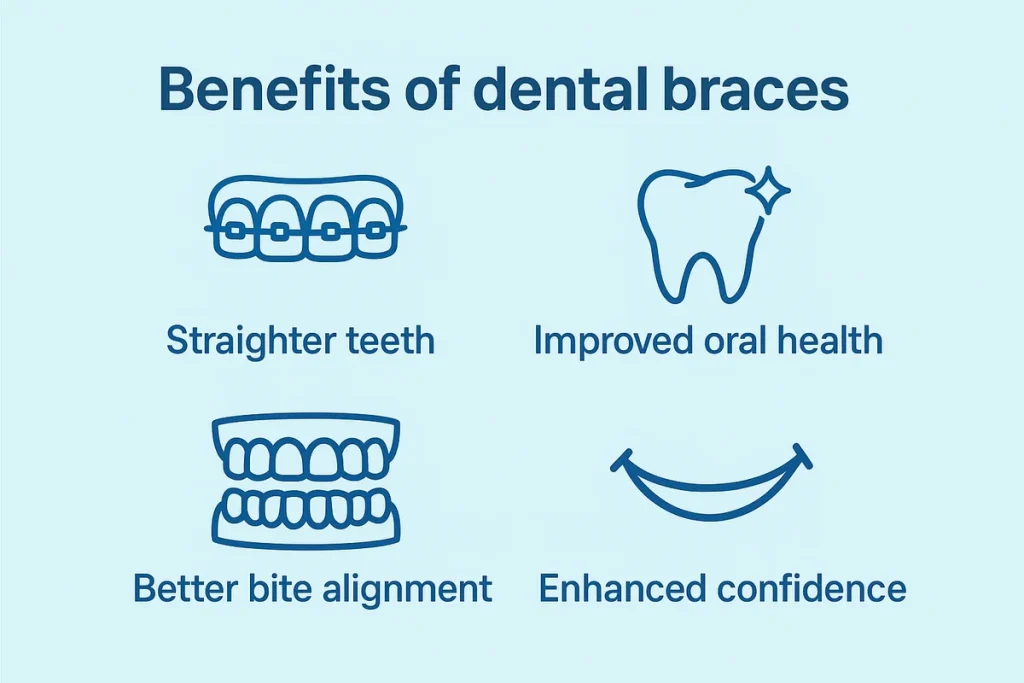
Dental braces have long been known as a transformative treatment in the field of orthodontics. Beyond the obvious improvement in aesthetics, the benefits of dental braces extend to overall oral health, proper jaw alignment, and long-term confidence. Whether you’re a teenager preparing for orthodontic treatment or an adult considering improving your smile, braces provide a range of physical, psychological, and functional benefits that go far beyond straightening teeth. 😁
The benefits of dental braces begin with how they effectively align your teeth. Misaligned teeth are not merely a cosmetic issue—they can lead to difficulty chewing, uneven tooth wear, and even speech problems. Braces gently and gradually reposition teeth using controlled pressure. Over time, this results in better bite function and improved dental harmony. When your upper and lower teeth align properly, you can chew food efficiently, speak clearly, and maintain balanced facial symmetry.
Another major advantage is the improvement in oral hygiene. Crowded or overlapping teeth often create hidden spaces where food particles and bacteria can accumulate. These areas are difficult to clean even with regular brushing and flossing. However, when teeth are properly aligned through braces, it becomes easier to reach all tooth surfaces, reducing the risk of cavities, gum inflammation, and plaque buildup. This means that one of the most important benefits of dental braces is the significant reduction in long-term oral health issues such as gingivitis or periodontal disease.
Psychological confidence also plays a crucial role in understanding the full benefits of dental braces. Many people feel self-conscious about crooked or gapped teeth, often hiding their smiles or avoiding social situations. After completing orthodontic treatment, patients frequently report increased self-esteem, confidence, and a more positive self-image. The ability to smile freely can positively influence both personal relationships and professional interactions, leading to better overall well-being. 🌟
In addition to aesthetics and confidence, braces also contribute to balanced jaw development and reduced strain on jaw joints. Misalignment can cause overbites, underbites, and crossbites, which may lead to chronic jaw pain or temporomandibular joint (TMJ) issues. Proper alignment achieved through orthodontic care helps distribute chewing forces evenly, minimizing tension and preventing premature enamel wear. This highlights another key aspect of the benefits of dental braces: they don’t just straighten teeth—they also improve overall dental biomechanics.
From a preventive perspective, braces can help avert more serious dental complications later in life. For example, untreated malocclusion (improper bite) can lead to tooth grinding (bruxism), speech difficulties, and even digestive problems due to insufficient chewing. By correcting these early, dental braces act as a long-term investment in both health and comfort. Studies endorsed by the American Dental Association confirm that well-aligned teeth contribute to better oral function and decreased dental trauma risk. This scientific validation strengthens the medical foundation of the benefits of dental braces.
Financially, some may view braces as a costly procedure, but the long-term advantages far outweigh the initial expense. Braces can prevent expensive treatments such as crowns, fillings, or gum surgeries that might be required due to misalignment-related damage. Investing in orthodontic care today can save thousands in dental restoration costs in the future. For personalized treatment plans and pricing details, you can visit the Redent Klinik Contact Page to consult directly with dental experts specializing in advanced orthodontics.
Moreover, the field of orthodontics has evolved significantly. Modern braces are more comfortable, aesthetically pleasing, and efficient. Options like ceramic braces, self-ligating systems, and clear aligners (Invisalign) allow patients to enjoy the benefits of dental braces without compromising on appearance. These innovations ensure minimal discomfort and shorter treatment durations while still delivering exceptional results. Adults who previously hesitated due to visibility concerns can now achieve the same health and aesthetic benefits discreetly. 😷
Another often-overlooked benefit is the positive impact braces have on speech clarity. When teeth are misaligned, air flow and tongue positioning during speech can be affected, resulting in lisping or pronunciation challenges. Correcting alignment through braces restores natural phonetics, helping you speak more confidently and clearly. This demonstrates that the benefits of dental braces extend beyond looks—they directly influence communication and daily life quality.
Finally, braces encourage discipline and oral health awareness. Orthodontic patients develop habits of regular cleaning, checkups, and maintenance, which continue even after treatment completion. This lifestyle change ensures that the investment in braces yields lifelong results. With straight, properly aligned teeth, not only does your smile look beautiful, but it also reflects a healthier you—inside and out. ❤️
In conclusion, the benefits of dental braces encompass much more than cosmetic enhancement. They represent a comprehensive improvement in oral function, health, confidence, and long-term well-being. Whether for a child, teen, or adult, braces remain one of the most rewarding dental treatments available today. A perfect smile isn’t just about appearance—it’s about comfort, balance, and confidence that lasts a lifetime.
1. How Dental Braces Improve Teeth Alignment and Bite Function
When people think about orthodontic treatment, the first thing that comes to mind is a beautiful smile. However, the benefits of dental braces go much deeper than aesthetics — they play a vital role in correcting bite problems and ensuring proper alignment of teeth and jaws. Understanding how braces function to align teeth and enhance oral biomechanics can help you appreciate their full therapeutic value. 😁
Understanding the Science Behind Teeth Alignment
Teeth alignment is not merely about positioning teeth in a straight line. The process involves guiding the movement of teeth within the jawbone using controlled pressure. Braces work by applying gentle, consistent force on specific teeth through brackets, wires, and elastic bands. Over time, this pressure remodels the bone structure surrounding the teeth, allowing them to shift into their ideal positions. This biological process, known as bone remodeling, is one of the key scientific foundations supporting the benefits of dental braces.
When teeth are misaligned, they can cause uneven distribution of bite force. This leads to excessive wear on certain teeth, making them more vulnerable to cracks or enamel erosion. By achieving proper alignment, braces restore even force distribution across the dental arch, protecting tooth structure and maintaining oral balance.
Improving Bite Function: More Than Just a Smile
One of the most overlooked benefits of dental braces is how they correct bite issues such as overbite, underbite, crossbite, and open bite. These conditions can affect how the upper and lower teeth come together when chewing or speaking. For example:
- Overbite – When upper teeth excessively overlap lower teeth, it can cause gum irritation and excessive wear on lower incisors.
- Underbite – Lower teeth extend beyond upper teeth, creating strain on the jaw and affecting facial symmetry.
- Crossbite – Misaligned upper and lower arches cause teeth to bite incorrectly, leading to enamel damage and jaw discomfort.
- Open bite – When the front teeth don’t touch even when the mouth is closed, it can interfere with proper chewing and speech.
Braces correct these irregularities by gradually repositioning the teeth and jaws, promoting balanced bite function and enhancing both comfort and health. Improved bite alignment also reduces pressure on jaw joints, helping prevent temporomandibular joint (TMJ) disorders — a frequent cause of chronic headaches and jaw pain. 🦷
The Role of Modern Orthodontic Technology
Thanks to modern advancements, today’s orthodontic treatments are faster, more efficient, and less intrusive than ever before. Self-ligating braces, heat-activated archwires, and digital 3D modeling have revolutionized how orthodontists plan and execute treatments. These technologies allow for more accurate tooth movement predictions and customized care plans. As a result, the benefits of dental braces are now available to a broader range of patients, including adults who once avoided braces due to discomfort or appearance concerns.
Moreover, innovations like clear aligners offer an aesthetic solution without compromising function. While not suitable for all cases, they represent a growing trend in personalized orthodontic care. The adaptability of modern orthodontics highlights that improving alignment and bite health can be both effective and visually subtle.
Functional and Long-Term Health Improvements
Misaligned teeth can contribute to numerous oral health challenges, such as gum disease, speech difficulties, and excessive tooth wear. Correcting alignment through braces ensures that chewing forces are evenly distributed, reducing the likelihood of chipping or fracturing teeth. Proper alignment also minimizes food trapping and bacterial buildup, which are often precursors to cavities and gum inflammation. Thus, the benefits of dental braces extend far beyond cosmetic appeal — they directly enhance functional health and hygiene.
In addition, properly aligned teeth can significantly improve digestion. Efficient chewing breaks food into smaller particles, aiding nutrient absorption and reducing strain on the stomach. People often overlook this physiological advantage, but it demonstrates that dental alignment has systemic health benefits as well.
Orthodontic Alignment and Facial Symmetry
Facial symmetry is an important aesthetic element that braces can help restore. Misaligned teeth and jaws may subtly distort the natural proportions of the face. Through precise repositioning of teeth and jaw structure, braces can enhance overall facial harmony. Patients often notice improvements in their profile, lip support, and chin alignment after treatment. This facial balance contributes to a more attractive and confident appearance, making the benefits of dental braces both functional and aesthetic.
How Orthodontists Evaluate and Plan Alignment Treatment
The process begins with a comprehensive evaluation that includes X-rays, 3D scans, and impressions. Orthodontists use these diagnostics to analyze tooth positioning, root structure, and jaw relationships. Based on these findings, a customized treatment plan is developed to address each patient’s unique needs. The plan may involve different types of braces — traditional metal, ceramic, or lingual — depending on the severity of misalignment. The precision of this planning stage ensures that each tooth moves efficiently and safely toward its ideal position, maximizing the benefits of dental braces.
Most orthodontic treatments take 18 to 24 months to complete, although modern systems can reduce this duration. Regular adjustments and progress monitoring are vital to ensure teeth move correctly without affecting root integrity or gum health. Following professional instructions carefully can prevent setbacks and ensure optimal results.
Supportive Practices During Alignment Treatment
For braces to work effectively, maintaining excellent oral hygiene is essential. Patients should brush after every meal, floss daily, and use orthodontic-friendly cleaning tools like interdental brushes or water flossers. Avoiding sticky or hard foods also prevents bracket damage and reduces treatment delays. Orthodontists often recommend fluoride mouthwash to strengthen enamel during alignment correction. These habits not only speed up results but also protect oral health throughout the process, amplifying the benefits of dental braces.
Additionally, periodic visits to a trusted clinic like Redent Klinik Contact Page allow professional oversight to ensure everything is progressing as planned. Consistent follow-up care ensures that both teeth and gums remain healthy while braces guide your smile to perfection.
Conclusion: A Perfect Alignment for a Lifetime of Health
Ultimately, the benefits of dental braces in improving teeth alignment and bite function cannot be overstated. They provide structural balance, aesthetic enhancement, and preventive care against future dental problems. By correcting malocclusion, improving chewing efficiency, and promoting jaw harmony, braces help create a foundation for lifelong oral health. Whether you opt for traditional braces or advanced clear aligners, the end result is the same — a well-aligned, confident smile that reflects both health and beauty. 🌟
2. Boosting Confidence and Self-Esteem with a Perfect Smile
One of the most powerful benefits of dental braces is the incredible boost they provide to confidence and self-esteem. A straight, healthy smile not only enhances your appearance but also transforms how you feel about yourself. Many people underestimate the psychological and emotional impact of having well-aligned teeth, yet it plays a crucial role in how we communicate, express joy, and engage socially. 😊
The Psychological Impact of a Beautiful Smile
Your smile is one of the first things people notice about you. Studies have shown that individuals with well-aligned, bright smiles are perceived as more approachable, confident, and trustworthy. Unfortunately, those with crooked, crowded, or gapped teeth often feel embarrassed to smile or speak freely. This lack of confidence can affect personal relationships, job performance, and even mental health. By improving dental alignment, the benefits of dental braces extend far beyond the physical — they help restore emotional balance and social ease.
After orthodontic treatment, patients often report dramatic improvements in self-image. Teenagers, for example, tend to feel more accepted by their peers, while adults find renewed confidence in professional environments. A beautiful smile enhances facial harmony, encouraging individuals to smile more often, which in turn releases endorphins — natural mood boosters that promote overall happiness and reduce stress levels.
Confidence in Professional and Social Situations
In today’s appearance-conscious world, first impressions matter. Whether you’re going for a job interview, giving a presentation, or attending a social event, your smile speaks volumes. People who smile frequently are often viewed as friendly, competent, and confident. The benefits of dental braces become evident when a person who once hid their teeth starts to smile naturally and proudly after treatment. This newfound confidence can influence career advancement, public speaking ability, and personal relationships.
Moreover, orthodontic treatment helps eliminate the social anxiety associated with visible dental imperfections. Adults who undergo braces later in life often describe the experience as life-changing. With modern aesthetic options like clear braces or aligners, patients can improve their smile discreetly while maintaining a professional appearance. These choices allow individuals to experience the benefits of dental braces without self-consciousness during treatment.
Smile Confidence and Body Language
Smiling isn’t just a facial expression — it’s a universal language of positivity. People who feel confident about their teeth tend to make more eye contact, engage in conversations easily, and radiate self-assurance. Conversely, those unhappy with their smile may subconsciously cover their mouth or avoid speaking up. Braces correct these concerns by aligning teeth and giving patients a reason to smile openly. Over time, this shift in behavior reinforces self-confidence and helps build a more assertive, charismatic personality.
Interestingly, psychologists have found that smiling can influence the brain to perceive situations more positively. This means that as you experience the benefits of dental braces, your improved smile can literally make you feel happier and more optimistic about life. 🌟
Improving Communication and Self-Expression
Speech clarity and pronunciation can also be affected by misaligned teeth. For instance, gaps or overlapping teeth may cause whistling sounds or difficulty pronouncing certain consonants. Once braces align your teeth correctly, air flow and tongue placement become more natural, resulting in clearer speech. This improvement allows you to communicate confidently without worrying about speech irregularities — another often-overlooked component of the benefits of dental braces.
Better communication leads to more meaningful interactions. Whether you’re expressing ideas in meetings or engaging in social discussions, your ability to speak clearly and confidently shapes how others perceive your intelligence and professionalism. Thus, orthodontic correction not only beautifies your smile but also enhances the way you express yourself.
Emotional Healing Through Orthodontic Transformation
Many people carry emotional scars from being teased or judged for their teeth during childhood or adolescence. These experiences can have long-lasting effects on self-esteem. Undergoing orthodontic treatment can serve as a form of emotional healing. Watching one’s teeth gradually align, smile improve, and facial harmony restore brings a profound sense of accomplishment and self-worth. The benefits of dental braces therefore go beyond aesthetics — they represent personal transformation, resilience, and emotional recovery.
Real-Life Stories: From Insecurity to Confidence
Consider individuals who avoided photographs or speaking in public due to crooked teeth. After completing their treatment, they often find themselves volunteering for leadership roles, smiling in pictures, and enjoying conversations without hesitation. These stories are common in clinics like Redent Klinik Contact Page, where patients not only receive world-class orthodontic care but also regain confidence that positively influences every aspect of their lives. 🦷
The Social Ripple Effect of a Confident Smile
The transformation achieved through braces often inspires others. Family members, friends, or colleagues witnessing your newfound confidence may become more motivated to care for their own oral health. This social ripple effect contributes to a culture of wellness and self-care. When you smile confidently, it encourages others to do the same — a reminder that the benefits of dental braces can extend beyond the individual to positively impact the community.
Furthermore, confident smiling improves social bonding. Psychological research suggests that people who smile often are perceived as more empathetic, trustworthy, and likable. These perceptions strengthen interpersonal relationships, making social interactions more enjoyable and fulfilling.
Beyond Aesthetics: Health and Confidence Connection
Good oral alignment doesn’t just improve appearance — it also prevents issues like jaw strain, tooth grinding, and speech difficulties. When you’re free from discomfort or embarrassment, confidence naturally increases. The benefits of dental braces encompass this holistic connection between health and self-esteem. Feeling physically better about your oral health translates to greater mental clarity and emotional stability.
Additionally, maintaining straight, easy-to-clean teeth enhances overall hygiene, leading to fresher breath and whiter smiles — both crucial elements in feeling socially confident. When you know your teeth look and feel good, you project that energy in every interaction.
Conclusion: The Power of a Confident Smile
Ultimately, the benefits of dental braces extend far beyond the straightening of teeth. They restore confidence, empower individuals to express themselves freely, and improve both mental and social well-being. A confident smile has the power to open doors, strengthen connections, and uplift your overall quality of life. By investing in orthodontic treatment, you’re not just improving your smile — you’re redefining your identity, your confidence, and your future. ✨
For professional consultation or to begin your smile transformation journey, visit American Dental Association for trusted guidance on orthodontic care or contact experts at Redent Klinik Contact Page to start building the confident smile you deserve.
3. Long-Term Oral Health Benefits of Dental Braces
While the aesthetic appeal of a straight smile is obvious, the true benefits of dental braces become even more significant when we consider their impact on long-term oral health. Properly aligned teeth are easier to clean, function better, and reduce the risk of future dental problems. Orthodontic treatment isn’t just about achieving a beautiful smile — it’s about ensuring the long-term stability and health of your teeth, gums, and jaw. 🦷
Why Alignment Matters for Oral Health
Misaligned or crowded teeth can create areas that are difficult to reach with regular brushing and flossing. Food debris and plaque tend to accumulate in these spaces, eventually leading to tooth decay and gum inflammation. Over time, this buildup can cause gingivitis and progress into more serious conditions like periodontitis. One of the major benefits of dental braces is that they align teeth into proper positions, making it much easier to maintain excellent oral hygiene and prevent such diseases from developing.
Furthermore, when your bite is properly balanced, pressure is distributed evenly across all teeth during chewing. This prevents certain teeth from bearing excessive stress, which could lead to enamel erosion or even cracks. In this way, braces protect teeth from structural damage and prolong their lifespan.
Preventing Gum Disease Through Proper Alignment
Gum health is a vital component of oral well-being. When teeth are crooked or overlapping, bacteria and food particles can accumulate near the gum line. This buildup causes inflammation and bleeding — early warning signs of gum disease. Over time, untreated gum problems can lead to bone loss and even tooth loss.
Braces eliminate these hiding spots for bacteria by aligning teeth and spacing them evenly. As a result, brushing and flossing become more effective. This preventive action is among the top benefits of dental braces, helping you maintain healthy gums for decades to come. Healthy gums not only preserve your natural teeth but also contribute to fresher breath and a more appealing smile. 🌿
Balanced Pressure and Joint Health
Another long-term advantage of braces is the protection they provide to the temporomandibular joint (TMJ). A misaligned bite often forces the jaw to compensate for improper contact between teeth, creating tension and pain in the jaw joint. Over time, this can develop into TMJ dysfunction, characterized by clicking sounds, headaches, and discomfort while chewing.
By aligning the teeth and correcting the bite, braces reduce strain on the jaw muscles and joints. This promotes smoother, more natural movement and minimizes the risk of chronic jaw disorders. These biomechanical improvements are an essential part of the benefits of dental braces that contribute to long-term comfort and health.
Preserving Tooth Enamel and Preventing Wear
When teeth do not meet properly, they can grind or scrape against each other during chewing. This leads to premature enamel wear, making teeth more sensitive and vulnerable to cavities. Braces ensure that your bite alignment minimizes friction between teeth, protecting the enamel and extending the life of your natural dentition.
Additionally, an even bite prevents the development of microfractures — tiny cracks that can worsen over time and eventually require fillings or crowns. Patients who complete orthodontic treatment often experience fewer restorative dental procedures later in life, emphasizing the long-term financial and health benefits of dental braces.
Improving Oral Hygiene Habits
Going through orthodontic treatment naturally encourages better oral hygiene routines. Because braces require extra care, patients become more disciplined in brushing, flossing, and using mouth rinses. This consistent care often becomes a lifelong habit, even after braces are removed. As a result, individuals maintain cleaner, healthier teeth and gums — another valuable dimension of the benefits of dental braces.
For optimal oral health during orthodontic treatment, it’s crucial to use specialized tools such as interdental brushes, orthodontic floss threaders, and water flossers. Orthodontists also recommend fluoride toothpaste and antibacterial mouthwashes to strengthen enamel and prevent decay. These efforts contribute to maintaining perfect oral health even while undergoing realignment.
The Role of Retainers in Long-Term Stability
After braces are removed, wearing retainers is essential to keep teeth in their new positions. The bone and soft tissues around teeth need time to adapt to their corrected alignment. Neglecting this step may cause teeth to shift back gradually, diminishing the long-term benefits of dental braces.
Retainers help stabilize results and protect your investment in orthodontic treatment. Orthodontists typically customize retainers for each patient and recommend wearing them nightly or as directed. With consistent use, the alignment achieved by braces can last a lifetime — providing enduring oral health advantages.
Reducing Risk of Tooth Injury and Decay
Protruding front teeth are more susceptible to trauma or injury, especially in children and athletes. Braces reposition these teeth to safer, more natural positions, reducing the likelihood of chipping or breaking. They also correct overlapping teeth, which can trap bacteria and cause localized decay. Thus, one of the most practical benefits of dental braces is protecting teeth from potential harm while improving both form and function.
In addition, braces help prevent abnormal tooth wear by aligning teeth vertically. This prevents excessive flattening of molars or uneven chewing patterns that can cause dental fatigue over time.
Supporting Whole-Body Health
Maintaining a healthy mouth contributes directly to overall wellness. Poor oral health has been linked to systemic issues such as heart disease, diabetes, and inflammation. By promoting proper alignment and reducing bacterial accumulation, braces indirectly support general health and well-being. The benefits of dental braces therefore extend beyond oral care — they also help protect your entire body from secondary health risks associated with poor dental hygiene.
For professional orthodontic guidance and preventive care, you can visit the American Dental Association for detailed recommendations or schedule a consultation at Redent Klinik Contact Page to receive personalized treatment advice. 🩺
Conclusion: Braces as a Lifelong Investment in Health
In summary, the long-term benefits of dental braces go well beyond creating an attractive smile. They help prevent gum disease, tooth decay, and enamel wear while maintaining jaw health and promoting better oral hygiene habits. Orthodontic treatment is one of the most valuable investments you can make for your lifelong dental wellness. By ensuring that your teeth are properly aligned and function harmoniously, braces provide enduring protection, improved comfort, and a confident smile that lasts for decades. 🌟
4. The Role of Braces in Preventing Tooth Decay and Gum Problems
Among the most valuable benefits of dental braces is their crucial role in preventing tooth decay and gum problems. Straight teeth are easier to clean, maintain, and protect, leading to better oral hygiene and fewer dental complications over a lifetime. Misaligned teeth, on the other hand, can trap food particles, promote plaque buildup, and cause chronic gum inflammation. Understanding how braces actively prevent these issues provides insight into their importance beyond aesthetics. 🦷
How Misalignment Contributes to Tooth Decay
When teeth are crooked or crowded, it becomes difficult to clean every surface effectively with a toothbrush or floss. Overlapping areas can harbor bacteria and leftover food particles, which eventually lead to plaque formation. Plaque, a sticky bacterial film, produces acids that erode tooth enamel — the outer protective layer of your teeth. Once enamel is compromised, cavities can form, causing pain, infection, and sensitivity.
One of the core benefits of dental braces is that they align teeth properly, closing gaps and straightening overlaps. This allows easier access to all tooth surfaces during brushing and flossing, significantly reducing the chances of plaque buildup and decay. In the long term, maintaining alignment helps preserve the enamel and ensures strong, healthy teeth well into adulthood.
Balancing Bite Pressure for Decay Prevention
Uneven teeth can also create abnormal chewing patterns, causing certain teeth to absorb more pressure than others. This stress may weaken enamel and make it more prone to damage or decay. Braces correct this imbalance by aligning teeth and optimizing how upper and lower arches meet when biting. The even distribution of force prevents premature enamel wear, one of the indirect benefits of dental braces often overlooked by patients.
The Connection Between Crooked Teeth and Gum Disease
Healthy gums are essential for supporting strong teeth, yet misalignment can make gum health difficult to maintain. When teeth overlap or tilt inward, bacteria and plaque accumulate near the gumline, leading to inflammation — a condition known as gingivitis. If left untreated, gingivitis can progress into periodontitis, a severe gum disease that damages soft tissue and bone.
Braces work to reposition teeth, ensuring that gums fit snugly around each tooth. This alignment creates fewer crevices where bacteria can thrive and makes cleaning the gumline much more effective. One of the long-term benefits of dental braces is their ability to protect gums from chronic inflammation and infection, ultimately reducing the risk of tooth loss. 🌿
Improving Circulation and Gum Health
Properly aligned teeth promote better gum circulation. When teeth are crowded or twisted, blood flow in certain areas of the gum tissue may become restricted. Once the alignment is corrected through braces, gums can receive adequate oxygen and nutrients, aiding healing and preventing disease. The visible outcome is a pink, firm gum line — a true sign of oral vitality.
Furthermore, well-aligned teeth make it easier for saliva to reach all corners of the mouth. Saliva plays an essential role in neutralizing acids and washing away bacteria. Thus, enhancing saliva flow is one of the physiological benefits of dental braces that naturally defends your teeth from decay and gum problems.
Preventing Periodontal Disease in the Long Run
Periodontal disease is one of the most common causes of adult tooth loss, and its progression is often linked to poor alignment. Crooked teeth create plaque traps that are hard to clean, encouraging bacterial growth. Once bacteria infect the gums and bone, the damage can become irreversible. Braces correct the underlying misalignment, removing the environmental conditions that allow gum disease to thrive.
By keeping the teeth in their correct positions, braces ensure that gum tissue remains tight and resilient, preventing periodontal pockets from forming. This proactive protection against advanced gum disease underscores why orthodontic treatment is both a cosmetic and medical investment.
The Role of Professional Care During Treatment
While braces provide enormous preventive benefits, maintaining oral hygiene during treatment is critical. Orthodontists recommend professional cleanings every 3–6 months to remove plaque that may build up around brackets. Special tools, such as interdental brushes and floss threaders, help patients clean around wires effectively. Consistent professional supervision ensures that patients enjoy the full benefits of dental braces while minimizing short-term challenges like plaque retention.
For example, dental experts at Redent Klinik Contact Page emphasize combining orthodontic treatment with regular preventive care to achieve optimal results. They advise using fluoride-based products to strengthen enamel and maintain gum resilience throughout the orthodontic process.
How Braces Support Long-Term Oral Ecosystem Health
Your mouth is an ecosystem of teeth, gums, saliva, and bacteria. When this ecosystem is in balance, oral health flourishes. Misalignment disrupts this balance by creating localized areas of bacterial overgrowth and poor circulation. Correcting these imbalances is among the most powerful benefits of dental braces.
When the teeth are properly aligned, the oral microbiome becomes healthier. Harmful bacteria have fewer hiding spots, and beneficial bacteria can thrive. This natural balance contributes not only to stronger teeth and gums but also to fresher breath and improved taste sensitivity. In essence, braces help restore harmony within the oral environment — a foundational step toward lifelong dental wellness. 🌟
Reducing the Risk of Tooth Sensitivity and Cavities
Teeth that are misaligned or crowded can develop uneven enamel thickness, especially along the edges that rub against other teeth. This friction exposes sensitive layers underneath the enamel, leading to discomfort when eating or drinking. Braces reduce these friction points by aligning the teeth into optimal positions. The even spacing protects enamel integrity and minimizes sensitivity — another valuable benefit of dental braces for long-term comfort.
By preventing plaque buildup, braces also reduce the chance of developing cavities, particularly between teeth. Straight teeth are simply easier to clean and maintain, reducing bacterial acid attacks on enamel surfaces. Over time, this preservation of enamel leads to healthier, whiter teeth and a more confident smile.
Conclusion: Braces as a Shield Against Decay and Disease
Ultimately, one of the greatest benefits of dental braces lies in their preventive power. They correct misalignment, make cleaning easier, and protect gums from inflammation and infection. By investing in orthodontic care, patients are not just improving how their smile looks — they are safeguarding it against future decay, gum disease, and enamel erosion. Proper alignment ensures a cleaner, healthier mouth, which directly contributes to overall well-being and confidence. 😁
For expert recommendations and trusted resources, visit the American Dental Association for professional insights or contact Redent Klinik for personalized orthodontic guidance and care options.
5. Modern Orthodontic Options: From Metal Braces to Invisalign
When discussing the benefits of dental braces, it’s important to recognize how modern orthodontic innovations have transformed both comfort and aesthetics. Gone are the days when braces were bulky, uncomfortable, and purely metallic. Today’s orthodontic options are smarter, more efficient, and highly customizable, making them suitable for all ages. Whether you prefer traditional metal braces, ceramic alternatives, or nearly invisible aligners like Invisalign, modern technology ensures faster results and greater comfort — without compromising effectiveness. 😁
The Evolution of Braces Technology
Orthodontics has come a long way over the past few decades. In the past, metal braces were the only solution for correcting misalignment. While effective, they were often uncomfortable and visually prominent. Thanks to scientific advancements, new materials and design improvements have led to more efficient tooth movement, less pain, and shorter treatment times.
Modern braces use heat-activated wires that respond to body temperature, gently shifting teeth into position. These materials apply constant, light pressure — a key factor in maximizing the benefits of dental braces. Self-ligating brackets, another innovation, reduce friction and eliminate the need for rubber bands, which makes treatment faster and cleaning easier. Today, orthodontists can use 3D digital scans to design personalized treatment plans with precision down to a fraction of a millimeter.
Traditional Metal Braces: Reliable and Effective
Metal braces remain one of the most widely used and reliable orthodontic options. They consist of stainless steel brackets attached to each tooth and connected by an archwire. This system gradually moves teeth into their correct alignment through controlled tension. One of the main benefits of dental braces in this traditional form is their ability to handle complex dental issues such as severe crowding, rotations, or bite irregularities.
Despite their visibility, modern metal braces are smaller, sleeker, and more comfortable than older versions. Patients can even choose colorful bands for a personalized appearance — a popular choice among teenagers. Metal braces typically offer the fastest results for complicated orthodontic cases, making them a top choice for those seeking maximum correction and durability.
Advantages of Metal Braces
- Highly effective for severe misalignment and bite issues.
- Durable and cost-effective compared to other orthodontic systems.
- Shorter average treatment time in complex cases.
- Suitable for patients of all ages.
Though they are the most noticeable type, their effectiveness and affordability make them an essential part of the benefits of dental braces available today.
Ceramic Braces: Aesthetic and Discreet
For patients concerned about appearance, ceramic braces offer a subtle alternative. These braces use tooth-colored or clear brackets that blend seamlessly with the natural teeth. They function similarly to metal braces but are less visible, making them ideal for adults or professionals who prefer a more discreet treatment. 🌟
One of the notable benefits of dental braces in ceramic form is that they provide both aesthetics and efficiency. However, they require careful maintenance because ceramic materials are more prone to staining if oral hygiene isn’t maintained. Orthodontists usually recommend avoiding dark-colored foods and beverages like coffee or red wine to keep them looking pristine.
Advantages of Ceramic Braces
- Blend naturally with tooth color for a discreet look.
- Provide similar effectiveness to metal braces.
- Ideal for adults seeking less noticeable orthodontic treatment.
Although slightly more fragile, the comfort and visual appeal of ceramic braces make them a highly popular choice among modern patients seeking the aesthetic benefits of dental braces.
Lingual Braces: Hidden Yet Powerful
Lingual braces are another advanced orthodontic option designed for those who want complete invisibility. These braces are placed on the inner (tongue-facing) surface of the teeth, making them virtually invisible to others. They work similarly to traditional braces but require specialized training for orthodontists to install and adjust properly.
Lingual braces offer one of the most discreet benefits of dental braces, as they deliver full corrective power without affecting external appearance. However, because of their position, they may initially cause mild tongue irritation and speech adjustment. With time, most patients adapt completely, and the treatment progresses as effectively as with external systems.
Advantages of Lingual Braces
- Completely invisible from the outside.
- Effective for both mild and complex alignment cases.
- Provide full correction without cosmetic compromise.
Lingual braces combine the aesthetic advantage of invisibility with the power of traditional systems, making them a favorite among celebrities and public figures who value discreet orthodontic care.
Invisalign and Clear Aligners: The Future of Orthodontics
Clear aligners such as Invisalign have revolutionized orthodontic treatment. These custom-made, transparent trays fit snugly over the teeth and gently move them into place over time. Each aligner is replaced every 1–2 weeks to gradually advance the correction process. Because they are removable, they allow for easier eating, brushing, and flossing — major conveniences that enhance the overall benefits of dental braces in the modern era. 🦷
One of the biggest advantages of Invisalign is its comfort. There are no brackets or wires, meaning no mouth irritation or emergency appointments for broken components. The aligners are nearly invisible, allowing patients to undergo treatment discreetly while maintaining their confidence in daily activities.
Advantages of Invisalign
- Virtually invisible — ideal for professional and social settings.
- Removable for meals and oral hygiene.
- Comfortable and custom-fit with digital precision.
- Fewer in-office visits compared to traditional braces.
However, Invisalign is best suited for mild to moderate alignment issues. For more severe malocclusions, traditional or ceramic braces may still be necessary. The choice ultimately depends on the patient’s dental structure, lifestyle, and goals.
Choosing the Right Orthodontic Option
With so many choices available, determining the best option requires professional consultation. Orthodontists analyze your bite, tooth alignment, and overall oral health before recommending the most effective treatment plan. Each type of brace offers unique advantages, but all share one universal outcome: a healthier, straighter, and more confident smile.
For expert advice and personalized evaluation, you can contact the specialists at Redent Klinik Contact Page. They provide comprehensive orthodontic consultations using the latest technology to help patients experience the full benefits of dental braces suited to their specific needs. Additionally, you can explore orthodontic research and patient education resources from the American Dental Association for detailed guidance.
Conclusion: Embracing Innovation for Better Smiles
The evolution of orthodontic technology has made it easier than ever to achieve a perfect smile. From durable metal braces to nearly invisible aligners, modern systems provide options for every age, lifestyle, and budget. Regardless of which method you choose, the long-term benefits of dental braces — improved oral health, confidence, and function — remain consistent. Investing in the right orthodontic solution today ensures a lifetime of comfort, beauty, and dental wellness. 🌟
6. Benefits of Early Orthodontic Treatment in Children
When it comes to achieving optimal oral health, one of the most significant benefits of dental braces lies in starting treatment at an early age. Early orthodontic intervention—often referred to as interceptive orthodontics—helps guide proper jaw growth, prevent severe misalignment, and reduce the need for complex treatments later in life. By addressing dental issues during childhood, orthodontists can ensure a lifetime of healthy smiles and functional bites. 🦷
Why Early Orthodontic Care Matters
The American Dental Association recommends that children have their first orthodontic evaluation by the age of 7. This is when the first permanent molars and incisors have typically erupted, giving orthodontists a clear view of how the jaw and teeth are developing. Detecting alignment problems early allows for proactive treatment before they worsen. One of the primary benefits of dental braces during childhood is that the jawbone is still developing and can be easily guided into proper alignment.
At this age, braces or other orthodontic appliances can correct issues such as crowding, overbites, underbites, crossbites, and spacing problems. Early intervention helps create enough space for incoming teeth, reduces the risk of tooth extractions, and ensures smoother development of facial structure and symmetry.
Common Problems Addressed by Early Treatment
- Crowding: Prevents teeth from overlapping by expanding the dental arch.
- Overbite or Underbite: Aligns the jaws to prevent long-term joint and facial imbalances.
- Crossbite: Corrects bite irregularities that can lead to uneven tooth wear and gum recession.
- Thumb-Sucking or Mouth Breathing: Early braces can help stop these habits before they affect jaw growth.
Each of these problems, if left untreated, can lead to more serious complications in adulthood—such as speech difficulties, tooth wear, or temporomandibular joint (TMJ) issues. Therefore, the preventive aspect is one of the most crucial benefits of dental braces in children.
Guiding Jaw Growth and Development
Children’s jaws are still flexible and responsive to orthodontic correction. Braces and other appliances, such as palatal expanders, can guide the growth of the jaw to accommodate permanent teeth more naturally. This approach not only corrects misalignment but also ensures that teeth erupt into their proper positions, reducing the risk of impaction or misplacement.
By managing jaw development early, orthodontists can prevent future skeletal problems that might otherwise require surgery. This growth guidance exemplifies how the benefits of dental braces extend beyond teeth alignment to encompass holistic facial harmony and function.
Enhancing Facial Symmetry and Aesthetics
Proper alignment in early years promotes balanced facial proportions. When the upper and lower jaws develop harmoniously, children grow with better facial symmetry, improved lip closure, and a more natural profile. This balance contributes to both aesthetic appeal and functional comfort, reinforcing one of the most rewarding benefits of dental braces—a confident, well-balanced smile that lasts into adulthood. 🌟
Preventing Long-Term Dental Issues
Early orthodontic treatment can save children from serious dental issues later in life. When misalignments are corrected early, they prevent future problems such as excessive tooth wear, gum recession, and difficulty chewing or speaking. A properly aligned bite also distributes chewing forces evenly, minimizing the risk of cracked teeth or enamel erosion.
Moreover, aligned teeth are easier to clean, reducing the risk of cavities and gum disease. This is especially important for children who are still developing consistent oral hygiene habits. In this sense, one of the preventive benefits of dental braces is creating the foundation for lifelong oral health and hygiene.
Boosting Confidence in Children
Children who receive braces at an early age often experience improved self-esteem and social confidence. Crooked or misaligned teeth can make a child feel self-conscious, potentially affecting their social interactions. As their teeth gradually straighten, they become more confident in smiling, speaking, and expressing themselves freely. Parents often report a noticeable boost in their child’s self-image once they begin seeing the transformation. 😊
The Right Time to Start Treatment
Not every child requires early braces, but timely assessment ensures that potential problems are detected early. Orthodontists typically divide treatment into two phases:
- Phase 1 (Interceptive Treatment): Begins between ages 6 and 9, focusing on jaw growth and space management for permanent teeth.
- Phase 2 (Comprehensive Treatment): Usually occurs during adolescence (ages 11–14) when all permanent teeth have erupted. This phase refines alignment and bite precision.
By addressing foundational issues in Phase 1, Phase 2 becomes shorter and more efficient, highlighting another strategic benefit of dental braces—minimizing complexity and treatment time later.
Parental Role and Monitoring Progress
Parents play an essential role in ensuring successful early orthodontic care. Encouraging children to maintain proper brushing, flossing, and regular dental check-ups is vital. Scheduling periodic orthodontic evaluations allows professionals to track growth changes and make timely adjustments. Partnering with experienced clinics such as Redent Klinik Contact Page ensures that your child receives comprehensive, compassionate care throughout their orthodontic journey.
Cost-Effectiveness and Long-Term Savings
While parents may view braces as a significant investment, early intervention is often more affordable than extensive corrective procedures required later in life. Preventing jaw surgery, tooth extractions, or complex restorations is one of the most practical benefits of dental braces. By addressing orthodontic concerns during childhood, families can save time, discomfort, and financial resources in the future.
Conclusion: Setting the Foundation for a Lifetime of Oral Health
In conclusion, the benefits of dental braces for children extend far beyond straight teeth. Early orthodontic care shapes jaw growth, prevents complex dental issues, enhances confidence, and ensures balanced facial development. By addressing alignment concerns during the formative years, braces not only create beautiful smiles but also promote lifelong oral health and well-being. 🦷✨
For professional guidance on early orthodontic assessments, visit the American Dental Association for educational resources or schedule an appointment with experts at Redent Klinik to explore customized orthodontic care for your child’s growing smile.
7. Cost and Value: Why Braces Are a Worthwhile Investment
When evaluating orthodontic care, one of the most important considerations for patients and parents alike is cost. However, the true measure lies not only in the price but in the lifelong benefits of dental braces. Braces are not merely a cosmetic improvement—they are a health investment that enhances oral functionality, prevents dental complications, and builds confidence. Understanding their long-term value helps you see why braces are among the wisest financial and health decisions you can make. 💎
Breaking Down the Cost of Braces
The cost of braces can vary based on several factors: the complexity of alignment issues, treatment duration, the type of braces selected, and the geographic location of your dental clinic. On average, traditional metal braces range between $3,000 and $7,000, ceramic braces between $4,000 and $8,000, and Invisalign between $4,000 and $9,000. Though these numbers may appear significant, they should be viewed in light of the lifelong benefits of dental braces — both in health and self-esteem.
Many orthodontic clinics offer flexible payment plans, interest-free installments, or family discounts to make treatment accessible. Some dental insurance plans also cover partial orthodontic costs, especially for children under 18. Therefore, investing in braces is not just a matter of expense but of long-term value and health preservation.
Comparing Braces to Other Dental Costs
Neglecting alignment issues can result in expensive dental treatments later in life. Misaligned teeth are prone to cavities, gum disease, and enamel wear — conditions that often require costly restorative work such as crowns, implants, or periodontal therapy. These treatments can easily exceed the initial cost of braces.
For instance, repairing a single dental implant may cost between $2,000 and $4,000, while multiple restorations can exceed $10,000. Preventing such problems through early orthodontic care demonstrates one of the most practical benefits of dental braces: avoiding high-cost interventions in the future. Over a lifetime, this investment pays for itself many times over.
The Long-Term Financial Value of Braces
While braces require an upfront cost, the long-term savings they offer are immense. Straight, properly aligned teeth are easier to clean, reducing the likelihood of cavities and periodontal disease. This directly cuts down on dental maintenance costs such as fillings, root canals, and gum treatments. The result is a healthier mouth with fewer recurring expenses over time.
Additionally, orthodontic treatment helps improve bite function, preventing jaw strain, headaches, and uneven tooth wear. This preventive effect not only enhances comfort but reduces the need for TMJ treatments or prosthetic replacements later in life. Thus, one of the greatest benefits of dental braces is their contribution to both immediate and future oral health savings.
Braces as a Health and Confidence Investment
Beyond the financial aspect, braces yield immense emotional and psychological returns. A confident, healthy smile can transform your social and professional life, improving first impressions, communication, and self-image. Studies have shown that individuals with straight, attractive teeth are perceived as more trustworthy, capable, and approachable — qualities that can indirectly boost career and relationship success. 🌟
When viewed through this lens, the benefits of dental braces encompass far more than cost—they represent personal empowerment, health, and opportunity.
Evaluating the Return on Investment (ROI) of Braces
In financial terms, braces offer a high return on investment (ROI). Consider this: a one-time expense during childhood or adolescence leads to benefits lasting 40–60 years or more. The cost of maintaining oral health with straight teeth is drastically lower than the cumulative costs of untreated alignment issues. Furthermore, orthodontic correction contributes to improved digestion, clearer speech, and stronger enamel — all of which translate to fewer medical and dental interventions over time.
The benefits of dental braces can even extend to better nutrition. Aligned teeth allow you to chew food more efficiently, improving digestion and nutrient absorption. This subtle but significant improvement in health quality contributes to overall well-being and vitality.
Psychological and Social Value
The emotional benefits of braces are equally valuable. People with straight teeth tend to smile more often, which increases the release of endorphins — the “feel-good” hormones. This creates a positive feedback loop: you feel better, smile more, and project greater confidence. Such confidence can impact job interviews, social relationships, and public speaking, underscoring that the benefits of dental braces have measurable psychological outcomes as well.
Flexible and Modern Payment Solutions
Modern dental clinics recognize that affordability is a concern for many families. As such, they offer multiple payment solutions, including:
- Zero-interest monthly installment plans.
- Family discounts for multiple treatments.
- Insurance coverage assistance and pre-authorization support.
- Early treatment packages that reduce overall costs.
Clinics like Redent Klinik Contact Page provide transparent pricing and customized financial plans that make orthodontic care accessible to all patients. Their goal is to ensure that everyone experiences the health, confidence, and functional benefits of dental braces without financial strain.
The Cost of Delaying Treatment
Delaying orthodontic treatment often increases both cost and complexity. Over time, misaligned teeth can cause enamel erosion, bite collapse, and shifting of neighboring teeth. Correcting these advanced issues requires more extensive procedures — often combining braces with surgery or restorative dentistry. Investing early prevents such complications and minimizes the need for invasive treatments later.
Thus, one of the most overlooked benefits of dental braces is that they save patients from future discomfort and financial burden. By acting early, you invest not just in your smile but in your lifelong comfort and health.
Conclusion: Braces as a Priceless Investment
In conclusion, while the initial expense of braces may seem considerable, the long-term rewards far outweigh the cost. The benefits of dental braces include healthier teeth and gums, improved bite function, enhanced appearance, and increased self-confidence — all contributing to a better quality of life. Financially, they offer an exceptional return on investment through reduced dental expenses and improved health outcomes.
For detailed information about orthodontic pricing, financing options, and treatment planning, visit the American Dental Association or reach out directly to Redent Klinik. Investing in braces today ensures a lifetime of beautiful, functional, and confident smiles. 💖
8. Psychological and Social Benefits of Dental Braces
While most people associate orthodontic treatment with aesthetics and oral health, the benefits of dental braces extend far beyond physical appearance. They profoundly impact emotional well-being, self-confidence, and social interactions. A well-aligned smile influences how individuals perceive themselves and how they are perceived by others. From improving self-esteem to fostering professional success and emotional balance, braces offer psychological transformations that last a lifetime. 😁
How Braces Influence Self-Esteem and Confidence
One of the most immediate benefits of dental braces is the boost in self-confidence that comes from having a more harmonious and attractive smile. Many people with crooked, crowded, or misaligned teeth feel self-conscious about smiling or speaking in public. This self-consciousness can limit social interaction, hinder communication, and even cause anxiety in professional environments.
Braces gradually correct these imperfections, allowing patients to feel more comfortable with their appearance. As teeth begin to align, individuals often experience increased self-esteem, becoming more expressive and confident in both personal and professional settings. This psychological transformation is one of the most rewarding outcomes of orthodontic care.
The Confidence Curve During Treatment
Interestingly, confidence levels often improve even during treatment. As patients see visible progress, they feel motivated and encouraged. By the time treatment is complete, many experience a renewed sense of self-worth that positively influences all aspects of their lives. This demonstrates how the benefits of dental braces are both progressive and enduring.
The Impact of a Smile on Social Perception
A smile is one of the first things people notice, and it plays a vital role in forming first impressions. Research published by the American Dental Association has shown that individuals with straight, clean teeth are perceived as more intelligent, friendly, and trustworthy. A confident smile not only enhances your appearance but also projects positivity, making you more approachable in social and professional circles.
By improving facial balance and symmetry, braces help patients exude a natural sense of confidence. This is particularly valuable in professions that involve public speaking, customer interaction, or leadership. The psychological and social benefits of dental braces thus contribute to greater opportunities and success across multiple areas of life.
Reducing Social Anxiety and Self-Consciousness
Many individuals with noticeable dental misalignment avoid social events, photographs, or speaking engagements due to embarrassment about their teeth. This avoidance behavior can lead to isolation, decreased self-esteem, and even depression in some cases. Braces correct the underlying dental issues, allowing people to smile freely and participate fully in social activities.
The process of orthodontic correction teaches patience and resilience. As patients witness steady progress, they gain confidence not only in their appearance but also in their ability to commit to self-improvement. This psychological growth is one of the often-overlooked benefits of dental braces—transforming self-perception and emotional stability.
Braces as a Symbol of Positive Change
For many, braces symbolize transformation and self-care. Choosing to undergo orthodontic treatment is an act of self-investment—an acknowledgment that one’s health and appearance are worth improving. This mindset shift fosters greater self-discipline and personal pride, attributes that contribute to emotional well-being beyond the dental realm. 🌟
The Link Between Oral Health and Mental Health
There is a growing body of research suggesting a close connection between oral health and mental health. Misaligned teeth can cause chronic discomfort, speech difficulties, and even digestive problems—all of which can lead to frustration or stress. When braces correct these functional issues, patients often report improved mood, better sleep, and reduced anxiety. This underscores that the benefits of dental braces reach deeper than aesthetics; they enhance mental and emotional balance as well.
Moreover, smiling itself has been scientifically proven to release endorphins and serotonin — hormones responsible for happiness and stress relief. Braces, by making smiles more confident and natural, indirectly help individuals experience more frequent and genuine joy in their daily lives. 😊
Professional and Academic Advantages
Another powerful aspect of the benefits of dental braces is their effect on career and academic success. A confident smile can significantly influence professional outcomes. People with straight, appealing teeth often feel more comfortable during interviews, presentations, and networking events. This increased self-assurance can lead to better performance and more career advancement opportunities.
In academic settings, young patients who undergo orthodontic treatment tend to participate more actively in class and social activities, contributing to personal growth and leadership development. By correcting physical imperfections, braces help eliminate mental barriers that hold people back from reaching their full potential.
Improving Communication and Expression
Misaligned teeth can sometimes interfere with speech articulation, affecting clarity and confidence when speaking. Braces help reposition the teeth and jaw, improving pronunciation and enunciation. This functional improvement enhances communication skills, which are vital in both professional and social interactions. Thus, one of the functional benefits of dental braces is clearer, more confident expression—a valuable asset in any setting.
Emotional Maturity and Patience Through Treatment
Orthodontic treatment is a gradual process that teaches discipline, patience, and self-care. Patients learn to maintain consistent oral hygiene, attend regular checkups, and manage temporary discomfort. This process fosters emotional resilience—a psychological benefit that extends well beyond dental health. Completing treatment successfully instills a sense of achievement and empowerment, reinforcing a lifelong appreciation for self-improvement.
Parents often report that their children become more responsible and self-aware during orthodontic treatment, learning the value of persistence and care. Such maturity is one of the intangible but lasting benefits of dental braces.
Social Acceptance and Inclusivity
In modern society, braces have become increasingly normalized and even fashionable among younger generations. Many people now view them as a sign of commitment to personal growth and health rather than something to be embarrassed about. This cultural shift enhances the social experience of those undergoing treatment, reducing stigma and promoting inclusivity.
Patients can also share their orthodontic journeys on social media or within their communities, inspiring others to embrace dental care. By promoting positive self-image, braces contribute to a more supportive social environment where health and aesthetics coexist harmoniously.
Conclusion: Smiles That Transform Lives
Ultimately, the psychological and social benefits of dental braces are as profound as their physical ones. They empower individuals to smile without hesitation, communicate with clarity, and approach life with confidence. From boosting self-esteem to enhancing social connections and professional opportunities, braces reshape not just teeth but entire lives. 🌈
To learn more about how orthodontic treatment can positively influence emotional and social well-being, visit the American Dental Association or schedule a personalized consultation at Redent Klinik Contact Page. Embrace your transformation today—and discover the true power behind your smile. 🦷✨
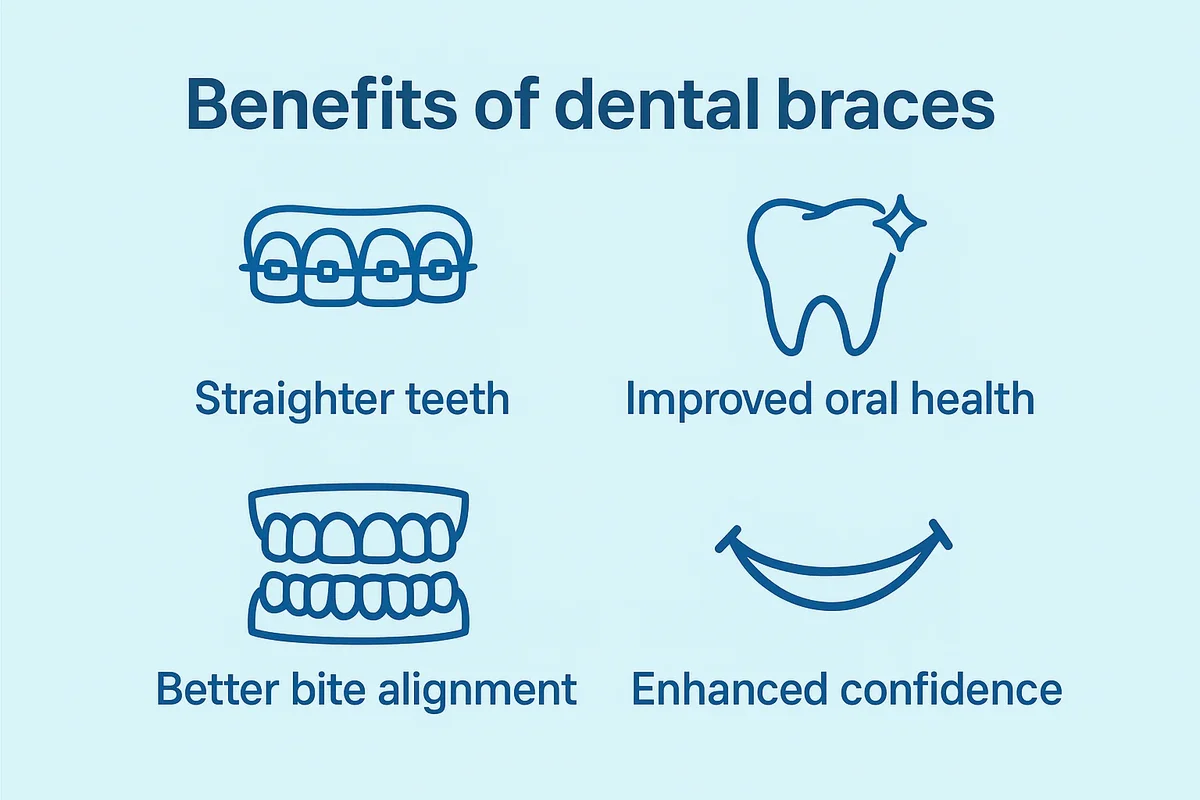
9. Maintaining Results: Post-Braces Care and Retention
Completing orthodontic treatment is a major milestone, but it’s not the end of the journey. The long-term benefits of dental braces can only be preserved with proper post-treatment care and maintenance. Once braces are removed, teeth tend to shift back to their original positions due to natural forces such as chewing, tongue pressure, and gum elasticity. This is where retainers and consistent oral hygiene come into play. Maintaining alignment requires diligence, but the rewards—a lifetime of a straight, confident smile—are well worth the effort. 😁
The Importance of Retainers After Braces
Retainers are custom-made orthodontic devices designed to hold your teeth in their new positions after the removal of braces. Without them, teeth can relapse into misalignment, undoing months or even years of progress. One of the most essential benefits of dental braces is long-term stability, but this benefit depends on how faithfully retainers are used. Orthodontists emphasize that retention is just as important as the active treatment phase.
There are several types of retainers available, each with unique features and advantages:
- Fixed (Bonded) Retainers: A thin wire permanently attached to the back of the teeth, offering constant support without daily removal.
- Removable Retainers: Usually made of acrylic and metal (Hawley retainer) or clear plastic (Essix retainer). They can be taken out for eating or cleaning.
- Clear Retainers: Virtually invisible and comfortable, these are ideal for patients who prefer a discreet maintenance option.
Each type plays a vital role in preserving the alignment achieved through braces. Orthodontists typically recommend wearing retainers full-time for several months after treatment, then gradually reducing to nighttime wear. This careful transition ensures that the benefits of dental braces remain intact for decades. 🦷
Understanding Retainer Wear Schedules
The schedule for retainer use varies from patient to patient. Generally, orthodontists advise wearing them 22 hours a day for the first 3–6 months post-braces. After that, nighttime wear is sufficient for maintenance. However, it’s crucial to follow the orthodontist’s personalized instructions, as individual cases differ based on bone density, age, and the severity of the original misalignment.
Ignoring retainer wear is one of the leading causes of post-braces relapse. To sustain the beautiful results achieved, patients must treat this phase with the same commitment they gave to wearing braces. The discipline pays off with lifelong alignment and the enduring benefits of dental braces.
Daily Oral Hygiene After Braces
Once braces are removed, maintaining impeccable oral hygiene becomes easier—but it remains essential. Plaque buildup, staining, or tartar can quickly compromise your new smile. Here are the key steps to keep your teeth healthy and radiant:
- Brushing: Use a soft-bristled toothbrush and fluoride toothpaste twice daily to remove plaque and food particles.
- Flossing: Floss carefully between teeth using waxed floss or water flossers to remove debris from hard-to-reach areas.
- Mouthwash: Use an antibacterial rinse to keep gums healthy and prevent bad breath.
- Professional Cleanings: Visit your dentist every 6 months for deep cleaning and evaluation.
These routines not only maintain oral health but also enhance the visual benefits of dental braces by keeping teeth bright and clean. Patients who neglect post-treatment care may experience discoloration, gum inflammation, or plaque accumulation, all of which detract from their new smile’s beauty.
Whitening and Cosmetic Enhancement
After braces removal, many patients choose professional whitening treatments to enhance their smiles further. Orthodontic adhesives can sometimes cause minor shade inconsistencies on tooth surfaces, which whitening can easily correct. Combined with the straight alignment achieved by braces, this results in a radiant and healthy-looking smile. 🌟
Monitoring Changes and Regular Check-Ups
Orthodontic follow-ups are an integral part of post-braces care. These visits allow the orthodontist to ensure that your teeth remain in their proper positions and that retainers fit correctly. Most patients have follow-ups at 1, 3, 6, and 12 months after removal. During these appointments, your orthodontist can make small adjustments or replace worn retainers to maintain the benefits of dental braces.
Consistent check-ups also allow for early detection of potential issues like tooth shifting, bite changes, or jaw discomfort. Addressing these problems early helps preserve your smile’s stability and function without requiring additional extensive treatment later.
Handling Common Post-Braces Challenges
After braces removal, some patients may notice mild discomfort or sensitivity as teeth adjust to their new freedom. This is temporary and can be managed by using fluoride toothpaste or desensitizing gels. It’s also common for gums to feel tender or appear slightly inflamed—this can be minimized through gentle brushing and rinsing with a saltwater solution.
If retainers feel tight or cause irritation, it’s important to contact your orthodontist promptly. Avoid forcing them into place, as this may damage the appliance or shift teeth unintentionally. Proper care and timely intervention help sustain the functional and aesthetic benefits of dental braces.
Maintaining Healthy Habits for Life
Keeping your post-braces smile in perfect shape requires adopting lifelong healthy habits. Avoid excessive consumption of sugary or acidic foods that can erode enamel and cause discoloration. Refrain from using teeth as tools to open packages or bite nails—these habits can misalign or chip teeth over time.
Another often-overlooked habit is staying hydrated. Drinking water helps neutralize acids, wash away bacteria, and maintain optimal saliva production—key elements in preserving oral health. Together, these small daily actions uphold the integrity of your teeth and ensure that the benefits of dental braces remain visible and functional for years to come.
Psychological Reinforcement: The Smile You’ve Earned
After years of effort and dedication, removing braces marks a significant psychological reward. Patients often feel a renewed sense of pride and accomplishment. Seeing their perfectly aligned teeth serves as a daily reminder of perseverance and self-care. The emotional satisfaction derived from maintaining results is a lifelong reinforcement of the benefits of dental braces.
Many people even find themselves smiling more often post-treatment, which in turn boosts mood and confidence. Smiling releases endorphins and serotonin, fostering a positive mental state—a true reflection of health and happiness combined.
Conclusion: Keeping Your Smile Perfect for Life
Maintaining results after braces is an active, ongoing commitment that ensures your investment in orthodontic treatment continues to pay off. The benefits of dental braces—from alignment and bite correction to enhanced confidence—can last a lifetime when supported by consistent retention, hygiene, and professional care. 💎
For expert advice on post-orthodontic maintenance and customized retainer plans, consult reputable dental professionals through the American Dental Association or schedule a follow-up with your trusted orthodontic team at Redent Klinik Contact Page. Remember, the key to a lasting, radiant smile lies in proper care—because your beautiful results deserve lifelong protection. 🦷✨
Disclosure: this page may contain affiliate links. We may earn a commission if you use them, at no extra cost to you.