
Choosing the best choice for dental implants can feel overwhelming when faced with so many treatment options, materials, and dental technologies available today. But the truth is, dental implants have become the gold standard for replacing missing teeth — both for their natural look and for their long-term durability. This guide will walk you through everything you need to know, from what makes dental implants special to how to choose the best option for your unique needs. 🦷✨
When people lose a tooth, their confidence often suffers. Smiling, eating, and speaking can feel unnatural or uncomfortable. Dentures and bridges can fill the gap temporarily, but implants go a step further — they fuse directly with your jawbone through a process called osseointegration. This makes them the best choice for dental implants among all tooth replacement options, ensuring both stability and functionality similar to natural teeth.
Unlike removable dentures that may slip or cause gum irritation, implants provide a fixed and permanent solution. They don’t just sit on your gums — they become part of your jaw structure. This prevents bone loss, one of the biggest challenges faced by people who lose teeth. Maintaining healthy bone density not only supports your implant but also preserves your facial shape, making you look younger and more confident. 😁
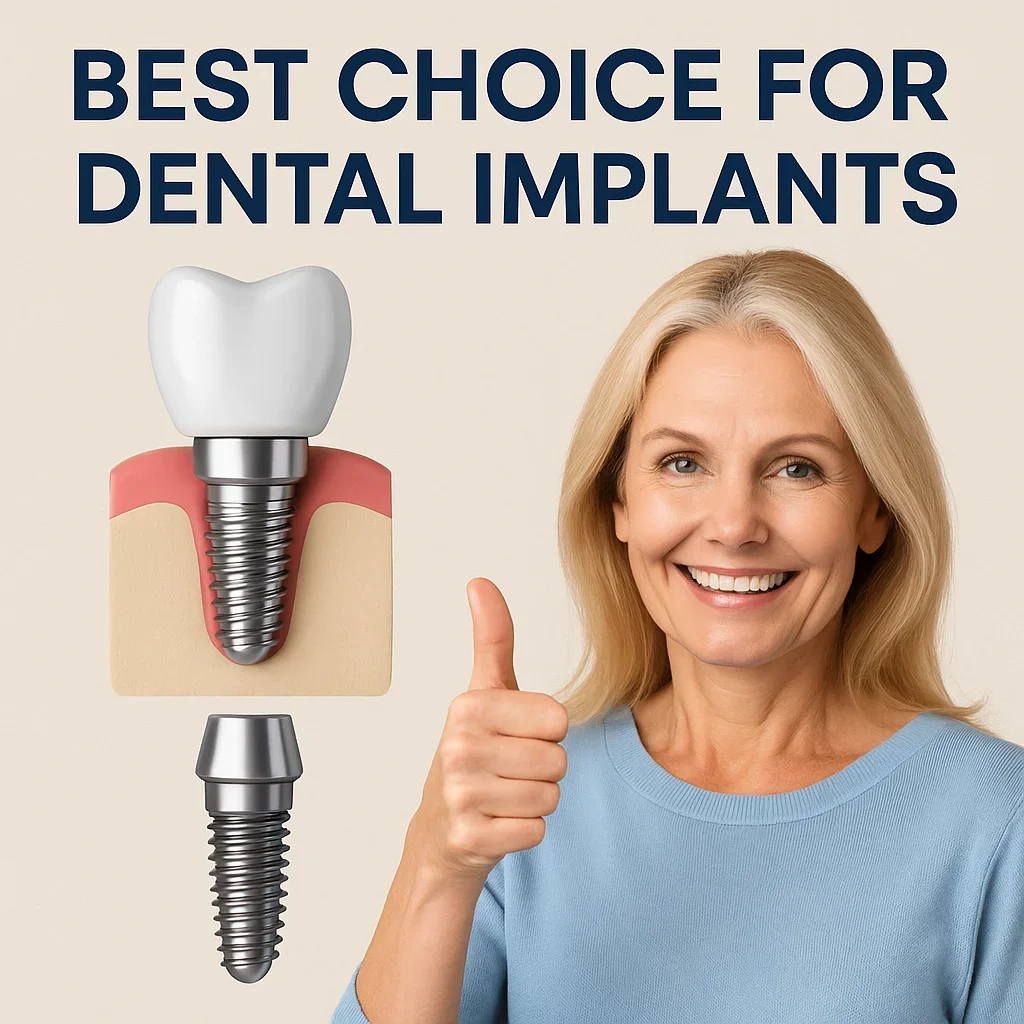
To understand why implants are considered the best choice for dental implants, it helps to know their three main components: the titanium post, the abutment, and the crown. The post acts as an artificial root, surgically placed into the jawbone. The abutment connects the post to the crown, which is the visible, tooth-colored part that restores your smile. Each component is carefully designed to replicate the function and appearance of a natural tooth — seamlessly integrating into your bite and smile.
From a health perspective, dental implants also promote oral wellness in ways that other solutions cannot. Since they are anchored directly into bone, they stimulate the jaw and prevent resorption — the natural shrinking of bone that happens when a tooth is lost. This makes them not only an aesthetic improvement but also a structural necessity for maintaining long-term dental health. 🌟
Patients often ask, “Am I a candidate for dental implants?” The good news is that most people are. The best choice for dental implants depends on individual bone density, gum health, and overall wellness. A skilled dentist will perform a thorough evaluation using X-rays or 3D scans to determine your suitability. Smokers, individuals with uncontrolled diabetes, or those with severe bone loss may require additional procedures such as bone grafts before implant placement — but advancements in modern dentistry have made these treatments more accessible than ever.
Another reason implants are considered the best choice for dental implants is their longevity. With proper care, they can last a lifetime. While other dental prosthetics often need replacement every 5–10 years, implants maintain their integrity and strength for decades. Their maintenance routine is simple — brush, floss, and schedule regular dental checkups. No adhesives, no soaking, no fear of slipping — just the comfort of a natural, confident smile. 🪥
Additionally, dental implants offer incredible value for money when viewed as a long-term investment. While the initial cost may seem higher than bridges or dentures, the durability and minimal maintenance make implants more economical over time. Investing in the best choice for dental implants means choosing a lifetime of comfort, functionality, and confidence — rather than repeating temporary fixes every few years.
As recommended by the American Dental Association, patients should always select a qualified implant specialist or prosthodontist for the procedure. A certified professional ensures precise placement, high-quality materials, and superior aftercare. If you’re considering this treatment, we invite you to contact our team at Redent Klinik Contact Page to schedule a personalized consultation and determine your own best choice for dental implants.
In summary, dental implants stand out because they restore more than just your smile — they rebuild your confidence, preserve your oral structure, and enhance your quality of life. Whether you’ve lost a single tooth or several, understanding why implants are the best choice for dental implants will help you make a decision that benefits both your health and happiness. 🌿
With continuous advancements in dental technology, biocompatible materials, and expert care, implants remain the most effective and trusted tooth replacement option available today. As you continue through this comprehensive guide, you’ll discover how to choose the perfect implant type, compare alternatives, and make the best choice for dental implants tailored to your unique needs.
What Makes Dental Implants the Best Choice for Missing Teeth?
When it comes to restoring missing teeth, dental implants have revolutionized modern dentistry — they are now widely recognized as the best choice for dental implants and tooth replacement options overall. Unlike removable dentures or bridges that merely rest on the gums, dental implants fuse directly into the jawbone, providing unmatched strength, stability, and a natural look that feels just like real teeth. 🦷
Understanding the Science Behind Dental Implants
At the core of what makes implants the best choice for dental implants lies the process of osseointegration — the natural fusion between a titanium implant post and the patient’s jawbone. This integration allows the implant to act as a real tooth root, ensuring that chewing pressure is distributed evenly and comfortably across the jaw. Over time, this bond becomes so strong that the implant essentially becomes part of the body’s structure, offering stability that other dental restorations cannot match.
By preserving bone tissue and stimulating the jaw, implants prevent one of the most common side effects of tooth loss: bone resorption. Without stimulation from tooth roots, the bone begins to shrink, leading to changes in facial appearance and sagging over time. Dental implants stop this process in its tracks, which is a major reason why they are considered the best choice for dental implants when compared to removable dentures or bridges.
The Functional Benefits of Dental Implants
Functionality is another critical factor that defines why implants are the best choice for dental implants. They allow patients to eat, speak, and smile confidently without fear of slippage or discomfort. Traditional dentures often shift while talking or chewing, but implants remain firmly anchored, restoring full biting strength. This makes it possible to enjoy hard or chewy foods such as apples, nuts, or steak — something most denture wearers avoid. 🍎🥩
Furthermore, implants don’t require grinding down adjacent healthy teeth, as dental bridges do. Instead, each implant supports itself independently, maintaining the natural integrity of surrounding teeth. This preservation of dental health is another reason why implants are seen as the best choice for dental implants by both dentists and patients alike.
Natural Appearance and Emotional Confidence
One of the most visible reasons implants are the best choice for dental implants is their incredibly natural look. Each crown is custom-designed to match the size, shape, and color of your existing teeth, ensuring a seamless blend with your smile. Unlike removable dentures, which can sometimes appear artificial, implants restore not just aesthetics but also confidence. Smiling, laughing, and engaging in daily life without worry about your teeth enhances your emotional well-being. 😊
Patients frequently report that dental implants help them feel more “complete” — as though their natural teeth have been restored. This psychological benefit is invaluable, especially for those who have experienced embarrassment or social anxiety due to missing teeth. Restoring self-esteem through a beautiful smile is one of the most rewarding outcomes of choosing the best choice for dental implants.
Durability and Long-Term Value
Durability plays a huge role in why implants are viewed as the best choice for dental implants. Made from high-quality materials such as titanium and zirconia, implants are designed to last decades — often a lifetime. With proper care, they resist decay, staining, and wear, unlike bridges or dentures, which may need replacement every 5–10 years. Over time, this longevity makes implants more cost-effective, even if the initial investment seems higher.
For patients concerned about maintenance, implants require the same daily care as natural teeth: brushing, flossing, and regular dental visits. There’s no need for special adhesives, soaking solutions, or constant adjustments. The simplicity of care reinforces why they’re universally known as the best choice for dental implants.
Comparing Comfort and Fit
When comparing comfort, implants have no competition. Once healed, most patients forget they even have them because they feel so natural. Dentures, in contrast, can cause sore spots or gum irritation, especially if they don’t fit perfectly. Bridges may trap food particles, leading to plaque buildup. Dental implants eliminate these issues entirely — another reason they’re the best choice for dental implants from both a medical and comfort perspective.
Health Benefits Beyond the Smile
Dental implants contribute not only to a beautiful smile but also to overall health. Poorly fitting dentures can interfere with nutrition by limiting food choices. Missing teeth can cause speech difficulties and digestive issues from improper chewing. Implants restore natural chewing efficiency, allowing patients to eat a balanced diet and maintain better digestion. Additionally, by preventing bone loss, implants also help keep surrounding teeth stable and properly aligned — supporting full oral function for life.
The American Dental Association emphasizes that implants are safe, effective, and highly predictable when performed by experienced specialists. For anyone considering this treatment, the Redent Klinik Contact Page offers direct access to professional evaluation and tailored implant solutions. Each patient’s anatomy and dental health are different, and personalized care ensures the best choice for dental implants is selected for optimal long-term success.
Why the Best Choice Lasts a Lifetime
Ultimately, dental implants are not just a cosmetic fix — they are a full restoration of your natural function and health. The fusion of technology, aesthetics, and biology makes them the most comprehensive solution for tooth loss. Whether you’ve lost one tooth or several, dental implants consistently deliver the best combination of beauty, comfort, and durability.
For anyone searching for the best choice for dental implants, the evidence is overwhelming: they look, feel, and perform like natural teeth, protect your bone structure, and give you back your confidence for life. 🌟
Comparing Dental Implants with Bridges and Dentures
When exploring the best choice for dental implants, it’s essential to understand how they compare to other common tooth replacement options like dental bridges and removable dentures. Each treatment offers unique benefits and drawbacks, but dental implants stand out for their natural function, longevity, and impact on oral health. This section takes a detailed look at how implants outperform the alternatives and why they remain the superior solution for restoring your smile. 😁
Dental Implants vs. Dental Bridges
Traditional dental bridges have been used for decades to replace missing teeth. A bridge relies on the adjacent teeth for support, which requires shaving down healthy enamel to attach crowns that hold the bridge in place. While this option provides a quicker fix, it sacrifices the structure of otherwise healthy teeth. In contrast, the best choice for dental implants is independent of surrounding teeth, meaning it preserves natural tooth integrity and avoids unnecessary damage.
Another crucial difference lies in longevity. A well-maintained dental bridge typically lasts between 7 to 10 years, while dental implants can last a lifetime with proper oral care. Because implants integrate directly into the jawbone through osseointegration, they provide unmatched strength and durability. Bridges, on the other hand, can fail due to decay beneath the crowns or wear over time. When considering long-term investment, the best choice for dental implants offers a significantly better return, both functionally and financially.
Functional and Aesthetic Differences
In terms of appearance, both bridges and implants can look natural, but implants take the lead due to their ability to mimic the root of a real tooth. This root-like integration prevents gum recession and bone loss that can occur with bridges. Additionally, implants are easier to clean — they can be brushed and flossed just like natural teeth. Bridges often require special cleaning tools to remove trapped food particles, which can lead to gum inflammation or bad breath if neglected.
From a functional standpoint, the best choice for dental implants provides superior bite force, enabling patients to eat confidently without worrying about shifting or damage. Bridges, although stable, may not handle the same chewing pressure, especially over time. The American Dental Association recommends implants as the preferred long-term solution for patients seeking both strength and aesthetics.
Dental Implants vs. Removable Dentures
For many years, removable dentures were the standard solution for missing teeth, particularly for patients missing several or all of their teeth. However, while dentures restore appearance, they do not provide the same level of stability or comfort. They rest on the gums and rely on suction or adhesive to stay in place, which can cause sore spots or slippage while eating or speaking. Dental implants, on the other hand, remain fixed in place, offering a secure and natural feel that truly makes them the best choice for dental implants.
Bone health is another major differentiator. When teeth are lost, the jawbone begins to deteriorate due to a lack of stimulation. Dentures do not address this issue because they sit above the gum line without anchoring into the bone. Implants, however, stimulate bone growth, preventing resorption and maintaining facial structure. This not only helps preserve a youthful facial appearance but also ensures a more comfortable and natural fit for the restoration. 🦷
Comfort and Maintenance
One of the biggest reasons patients transition from dentures to implants is comfort. Implants eliminate the need for messy adhesives or the fear of dentures slipping out unexpectedly. There is no bulky acrylic plate covering the palate, which improves speech clarity and taste perception. Cleaning is simple — no soaking overnight or special cleansers are required. You treat them just like natural teeth, which is why most patients agree that the best choice for dental implants provides the most natural and convenient lifestyle.
From a maintenance perspective, dentures often require periodic relining or replacement due to changes in gum shape. Implants, once healed, maintain their position indefinitely. This stability offers peace of mind and saves long-term costs related to adjustments and replacements. Over a lifetime, patients often find that choosing the best choice for dental implants is not only better for comfort but also more economical in the long run.
The Emotional and Psychological Impact
Beyond physical comfort, the emotional difference between implants, bridges, and dentures cannot be overstated. Many denture wearers experience reduced self-confidence due to the fear of slippage or speaking difficulties. Bridges, while fixed, can sometimes feel bulky or unnatural. Dental implants, however, restore not just your smile but your sense of self. Patients report feeling as if they have regained their real teeth — an irreplaceable psychological benefit that supports overall well-being and social confidence.
Long-Term Health Benefits
Choosing the best choice for dental implants is about more than aesthetics; it’s a commitment to oral and systemic health. Implants help prevent jawbone deterioration, maintain proper bite alignment, and reduce stress on remaining natural teeth. They also minimize the risk of gum disease that can arise from poorly fitted dentures or bridges. The result is a healthier mouth, better digestion, and improved quality of life overall.
According to the American Dental Association, implants are one of the most predictable and successful dental procedures, with a success rate exceeding 95%. For individuals seeking guidance, the Redent Klinik Contact Page provides personalized consultations to determine if implants are suitable for their unique oral condition and lifestyle goals.
Final Thoughts: Choosing the Superior Option
While bridges and dentures continue to serve many patients, technological advancements have made dental implants the gold standard in restorative dentistry. They outperform alternatives in every measurable category — function, appearance, comfort, and longevity. By stimulating the bone, preserving neighboring teeth, and providing a permanent solution, they truly represent the best choice for dental implants for anyone seeking to restore a natural and confident smile. 🌟
The Role of Technology in Finding the Best Choice for Dental Implants
Modern dentistry has entered a new era where advanced technology defines precision, comfort, and success in implantology. Today, choosing the best choice for dental implants isn’t just about materials or cost — it’s also about how technology ensures safety, accuracy, and long-lasting results. From 3D imaging to AI-assisted planning, innovations are transforming how dental professionals plan and place implants, making treatments faster, more predictable, and more comfortable than ever before. ⚙️🦷
Digital Imaging and 3D Scanning: The Foundation of Precision
One of the first steps in achieving the best choice for dental implants is accurate diagnosis and planning. This begins with digital imaging technologies such as cone-beam computed tomography (CBCT) and intraoral scanning. These advanced tools create highly detailed, three-dimensional models of a patient’s mouth, showing bone density, nerve locations, and sinus cavities. This allows dentists to determine the ideal implant position and angle with pinpoint accuracy — something that traditional X-rays simply cannot provide.
With CBCT, even the smallest variations in jawbone quality can be analyzed before surgery, significantly reducing risks. When this technology is combined with digital impressions, there’s no need for messy molds or guesswork. The result is a seamless, comfortable experience and a treatment plan that truly represents the best choice for dental implants in terms of precision and customization.
How Digital Mapping Enhances Patient Outcomes
Digital mapping enables dentists to virtually simulate implant placement before performing the actual procedure. This ensures that every implant is aligned correctly with surrounding teeth and bone. Using guided surgical templates based on these digital models, the operation becomes faster and more predictable. Patients benefit from reduced healing time, minimal discomfort, and better long-term stability — all hallmarks of the best choice for dental implants.
Computer-Guided Implant Surgery: Accuracy Redefined
Computer-guided implant surgery is one of the most revolutionary developments in dental implantology. Using software-generated blueprints, dentists can pre-plan every step of the implant procedure. The digital guide specifies the exact depth, angle, and position for each implant, leaving almost no room for human error. This not only improves clinical accuracy but also enhances patient safety.
For example, with the help of computer-guided systems, the dentist can avoid nerve pathways or sinus cavities — reducing postoperative complications and improving long-term implant success. These innovations make guided surgery the best choice for dental implants for patients who value precision and minimal invasiveness.
Minimally Invasive and Pain-Free Procedures
Technological advancements have also introduced minimally invasive methods. With laser-assisted surgery and flapless techniques, patients experience far less pain, swelling, and bleeding compared to traditional incisions. Recovery times are shorter, and there’s minimal disruption to soft tissues. These advancements reaffirm why technology-backed implants represent the best choice for dental implants — because comfort and efficiency are just as important as aesthetics.
Artificial Intelligence in Treatment Planning
Artificial Intelligence (AI) is increasingly being used to design personalized treatment plans for implant patients. AI systems can analyze patient data, including bone density, bite alignment, and medical history, to recommend the most suitable implant type and placement technique. This precision helps dentists make data-driven decisions and further ensures the best choice for dental implants based on individual anatomy and health factors.
AI-assisted simulations also predict potential complications and outcomes, helping dentists and patients make informed decisions. By merging AI with 3D imaging, dentistry achieves an unprecedented level of customization, safety, and predictability. The result? Implants that fit better, heal faster, and last longer. 🤖
CAD/CAM Technology for Implant Restorations
Once the implant post has integrated with the bone, the visible crown — the part that looks like your natural tooth — must be fabricated. This is where Computer-Aided Design and Manufacturing (CAD/CAM) technology plays a crucial role. It enables dentists to design and mill implant crowns with microscopic precision, ensuring perfect fit, natural appearance, and comfortable bite alignment. Patients walk away with restorations that look and feel just like real teeth, further proving that technology-driven implants are the best choice for dental implants.
Personalization Through Digital Dentistry
CAD/CAM allows customization that simply wasn’t possible with traditional methods. Using digital impressions, a patient’s crown can be crafted to match the exact shade, shape, and contour of their natural teeth. The entire process can often be completed in a single appointment, saving time and eliminating the need for multiple visits — a huge advantage for modern patients with busy schedules.
Material Science: Stronger, Safer, and More Biocompatible Implants
Technological innovations also extend to the materials used in dental implants. Titanium remains the gold standard due to its strength and biocompatibility, but newer materials like zirconia implants offer metal-free options for patients with sensitivities or aesthetic preferences. These advancements in material science ensure that every implant procedure truly represents the best choice for dental implants — safe, natural-looking, and long-lasting.
Zirconia implants are not only white and aesthetically appealing but also resistant to corrosion and plaque buildup. They’re ideal for patients with thin or receding gums, where metal implants might otherwise show through. Whether titanium or zirconia, both materials are designed to harmonize with the body’s tissues, making them dependable and health-friendly solutions.
Improved Healing and Regeneration Technologies
Healing and recovery have also improved thanks to modern regenerative technologies. Techniques like Platelet-Rich Plasma (PRP) and Platelet-Rich Fibrin (PRF) use the patient’s own blood to accelerate tissue regeneration and bone growth around the implant. These biological enhancements reduce healing time and increase the overall success rate — important factors that support the best choice for dental implants in clinical outcomes.
Conclusion: The Future of Implant Dentistry
Technology continues to redefine what makes the best choice for dental implants. From diagnostics to surgery and final restoration, digital tools ensure every stage is precise, efficient, and patient-focused. Innovations like AI, CAD/CAM, and regenerative medicine have set a new standard in implantology — one that prioritizes both science and patient comfort. For a truly personalized and advanced treatment experience, patients are encouraged to visit the Redent Klinik Contact Page for expert consultation and access to cutting-edge dental technologies. 🌟
According to the American Dental Association, the success rate of technologically guided implants exceeds 97%, reaffirming that the integration of digital dentistry has indeed made this treatment the most reliable, predictable, and transformative solution for modern smiles.
Materials That Define the Best Dental Implant Choice
When selecting the best choice for dental implants, understanding the materials used is one of the most crucial aspects of long-term success. The type of implant material determines not only the strength and stability of your new tooth but also its compatibility with your body, appearance, and overall lifespan. Modern dentistry offers several advanced materials designed for safety, aesthetics, and functionality — ensuring that every patient finds the perfect solution for their needs. 🦷✨
Why Material Matters in Dental Implants
Choosing the right material is about more than just appearance. It directly affects how well the implant integrates with the jawbone, resists corrosion, and withstands daily pressure from chewing. The best choice for dental implants must combine biocompatibility with durability to ensure a seamless fusion with the bone — a process known as osseointegration. The ideal material should also maintain its color, strength, and structural integrity for decades without adverse reactions in the mouth.
In dentistry, the two most widely used materials for dental implants are titanium and zirconia. Both have distinct benefits, and understanding their differences helps patients and dentists make an informed decision about which one represents the best choice for dental implants in each case.
Titanium Implants: The Trusted Industry Standard
Titanium has been the gold standard in implant dentistry for over 50 years. It is highly durable, lightweight, and biocompatible — meaning the body easily accepts it without triggering immune responses. This metal’s natural ability to fuse with bone makes it an excellent foundation for permanent restorations. Titanium implants typically consist of two components: the root-like implant and a separate abutment that connects to the crown. This design allows flexibility for future adjustments or repairs, which is one reason titanium remains the best choice for dental implants for many patients.
Advantages of Titanium Implants
- Proven Longevity: Clinical studies show that titanium implants can last 25 years or more with proper care.
- Excellent Bone Integration: Titanium’s unique surface promotes bone cell attachment, leading to stable and lasting osseointegration.
- High Strength-to-Weight Ratio: Despite being lightweight, titanium withstands heavy chewing forces, ideal for molar replacements.
- Flexibility: The two-piece structure makes repairs and restorations easier without replacing the entire implant.
Moreover, titanium’s oxide layer acts as a natural barrier, preventing corrosion and ensuring biocompatibility for decades. Its extensive track record and predictability make it the most reliable option — a hallmark of the best choice for dental implants.
Zirconia Implants: The Modern Metal-Free Alternative
While titanium remains dominant, zirconia implants have emerged as an appealing alternative, especially for patients seeking metal-free solutions. Made from zirconium dioxide — a ceramic-like material — zirconia implants combine aesthetics with health-conscious design. Their white color makes them blend seamlessly with natural teeth, eliminating the metallic hue that might appear under thin gums. For patients with metal sensitivities or aesthetic preferences, zirconia is often the best choice for dental implants.
Benefits of Zirconia Implants
- Superior Aesthetics: The natural white shade provides an ideal match for translucent gums, ensuring a flawless appearance.
- Hypoallergenic and Metal-Free: Perfect for patients with metal sensitivities or those who prefer holistic dental options.
- High Biocompatibility: Studies confirm that zirconia is equally safe and effective for bone integration.
- Resistance to Corrosion and Plaque: Its smooth surface reduces bacterial buildup and inflammation risks.
However, zirconia implants are typically designed as one-piece systems, which can limit flexibility during placement compared to titanium. Nonetheless, advancements in manufacturing continue to improve their adaptability, making them a viable contender for the best choice for dental implants — especially for patients prioritizing aesthetics and holistic health. 🌿
Comparing Titanium and Zirconia Implants
| Feature | Titanium Implants | Zirconia Implants |
|---|---|---|
| Material Type | Metal Alloy | Ceramic (Metal-Free) |
| Color | Silver/Grey | White/Natural |
| Longevity | 25+ years | 15–20 years (still evolving) |
| Customization | Two-piece, adjustable | Mostly one-piece design |
| Osseointegration | Excellent | Very Good |
| Aesthetic Appeal | May show through thin gums | Highly aesthetic, natural color |
While both materials perform exceptionally well, the best choice for dental implants depends on individual needs, gum structure, and aesthetic preferences. Titanium remains the preferred option for most patients due to its strength and proven track record, but zirconia continues to gain popularity for those seeking metal-free, holistic dental care.
Emerging Innovations in Implant Materials
Beyond titanium and zirconia, researchers are exploring hybrid materials that combine the best of both worlds. Surface coatings made from bioactive ceramics or nanotechnology-based textures improve osseointegration and healing speed. Some implant systems even use antibacterial coatings to minimize infection risk. These cutting-edge advancements make the future of implantology even more promising, ensuring the best choice for dental implants continues to evolve with science. ⚗️
Ensuring Biocompatibility and Safety
Biocompatibility is a cornerstone of successful implant therapy. The American Dental Association emphasizes that implant materials must pass strict safety and performance standards before being approved for clinical use. Patients are encouraged to consult with their dental specialists and review the materials’ certifications before treatment. A qualified clinic like Redent Klinik ensures that every implant used is certified, safe, and tailored to the patient’s anatomy, guaranteeing the best choice for dental implants from both a medical and ethical standpoint.
Conclusion: Matching Materials to Individual Needs
In the end, the best choice for dental implants depends on a combination of factors — including biocompatibility, aesthetics, lifestyle, and long-term expectations. Titanium offers unmatched durability and flexibility, while zirconia provides natural aesthetics and metal-free peace of mind. Whether you value strength or appearance, consulting an experienced implant specialist ensures the perfect balance for your unique smile. With the right material, technology, and expert care, dental implants can truly restore both confidence and oral health for a lifetime. 🌟
The Step-by-Step Process of Getting Dental Implants
Understanding the step-by-step process of getting dental implants is essential for patients who want to make an informed decision and ensure the best choice for dental implants. From the initial consultation to the final restoration, each stage plays a critical role in achieving long-term success, comfort, and aesthetics. This detailed guide explains every step of the journey, helping you feel confident and prepared for one of modern dentistry’s most transformative procedures. 🦷✨
Step 1: Comprehensive Consultation and Diagnosis
The journey to achieving the best choice for dental implants begins with a thorough dental consultation. During this stage, your dentist evaluates your overall oral health, bone density, and gum condition. Using advanced diagnostic tools such as 3D cone-beam computed tomography (CBCT) scans, your dentist obtains a precise digital model of your jawbone and surrounding structures. This allows for accurate planning and minimizes potential surgical risks.
At this stage, your medical history is also reviewed to identify any factors that may affect healing, such as diabetes, smoking, or certain medications. The dentist will then determine if you are an ideal candidate for implants or if preparatory procedures, like bone grafting, sinus lifting, or gum treatment, are necessary. This meticulous planning ensures your treatment represents the best choice for dental implants in terms of safety, comfort, and long-term success.
Key Evaluation Points
- Jawbone quality and volume assessment
- Gum health and infection screening
- Alignment and bite analysis
- Customized treatment planning for implant positioning
Step 2: Pre-Treatment Procedures (If Needed)
In some cases, patients require additional procedures before implant placement. For instance, if the bone is too soft or thin, a bone graft might be performed to strengthen it. Similarly, a sinus lift may be required if the upper jaw lacks sufficient height. These pre-treatments ensure the implant has a stable foundation, which is essential for achieving the best choice for dental implants.
These minor surgical procedures typically involve short recovery times, and modern techniques make them minimally invasive and comfortable. Laser technology and platelet-rich plasma (PRP) therapy can accelerate healing, ensuring the bone integrates efficiently before the implant surgery itself. 🧬
Step 3: Surgical Implant Placement
Once the jawbone is ready, the next step is to surgically place the titanium or zirconia implant into the bone. This step is often performed under local anesthesia, though sedation options are available for anxious patients. Using computer-guided implant technology, the dentist inserts the implant with millimeter precision, ensuring it aligns perfectly with the future crown placement. This accuracy is one of the key factors that define the best choice for dental implants.
What Happens During the Surgery?
After numbing the area, a small incision is made in the gum to expose the bone. The implant site is prepared, and the post is gently screwed into place. Once secured, the area is sutured, and a healing period begins. The entire process usually takes less than an hour for a single implant, and thanks to technological advancements, discomfort is minimal. Some clinics even offer same-day implants in select cases, where the crown can be attached immediately — a convenient and innovative solution for the best choice for dental implants.
Step 4: Healing and Osseointegration
After surgery, the implant undergoes a crucial phase called osseointegration — where the bone naturally fuses with the implant surface. This process typically lasts 3 to 6 months and ensures the implant becomes as stable as a natural tooth root. The quality of osseointegration determines the long-term success of your dental implant, which is why patience during this stage is vital to achieving the best choice for dental implants.
During healing, patients should maintain excellent oral hygiene, avoid excessive pressure on the area, and follow the dentist’s dietary guidelines. Regular checkups are scheduled to monitor progress and confirm that the bone and implant are bonding correctly. Some advanced materials, like surface-treated titanium, accelerate bone growth, reducing healing time without compromising safety.
Step 5: Abutment Placement
Once the implant has fused securely with the bone, a small connector piece known as an abutment is attached. This component links the implant to the crown and ensures a solid, stable base. The procedure is minor, typically requiring only local anesthesia, and healing takes a few weeks. The abutment also helps shape the gum tissue around it, creating a natural emergence profile for the final restoration — a detail that makes the best choice for dental implants visually seamless.
Temporary Restoration Option
During this phase, a temporary crown may be placed for aesthetic reasons, especially when front teeth are involved. This allows patients to maintain a confident smile while waiting for the final crown fabrication. 😁
Step 6: Crown Fabrication and Final Restoration
The final step involves attaching the permanent crown — the visible part of the implant that looks and functions like a natural tooth. Using CAD/CAM digital design technology, dental technicians craft the crown to perfectly match the size, color, and contour of your surrounding teeth. The crown can be made from porcelain, zirconia, or a combination of both for superior strength and aesthetics.
Once placed, the crown is securely bonded to the abutment. At this point, the transformation is complete — you can smile, eat, and speak naturally again. This moment marks the culmination of the best choice for dental implants, where functionality, aesthetics, and comfort come together harmoniously.
Step 7: Aftercare and Maintenance
To ensure long-term success, patients must maintain regular dental visits and proper home care. Brushing twice daily, flossing carefully around the implant, and using antibacterial mouthwash help keep the area clean. Regular professional cleanings are also important for preventing gum inflammation. With proper care, implants can last a lifetime — solidifying them as the best choice for dental implants in modern restorative dentistry.
Step 8: Follow-Up and Long-Term Evaluation
Your dentist will schedule periodic follow-ups to ensure your implant remains stable and that your gums stay healthy. Modern imaging allows early detection of potential issues, ensuring prompt correction and continuous success. Most patients report complete satisfaction with their implants, citing comfort, strength, and aesthetics as the main reasons they view them as the best choice for dental implants.
If you’re considering beginning this transformative process, the Redent Klinik Contact Page is the ideal place to start your personalized consultation. The clinic uses advanced technologies and high-quality materials recommended by the American Dental Association to ensure your treatment is safe, precise, and tailored to your needs. 🌟
Each phase of this journey — from planning to healing and restoration — is designed with patient comfort and excellence in mind. When done right, dental implants not only replace missing teeth but also restore confidence, health, and happiness, making them the undeniable best choice for dental implants for a lifetime of smiles. 😊
Factors That Influence the Cost and Quality of Dental Implants
When choosing the best choice for dental implants, understanding the factors that influence both cost and quality is essential. While dental implants are a long-term investment in oral health and confidence, the final price can vary significantly depending on materials, location, expertise, and the complexity of the treatment. This detailed breakdown helps you make an informed decision and ensures you receive exceptional quality that aligns with your budget and expectations. 💰🦷
1. Type and Material of the Implant
One of the most significant factors affecting both cost and quality is the type of material used. Titanium implants, considered the gold standard, have an extensive clinical track record and are usually more affordable due to widespread availability. Zirconia implants, on the other hand, are newer, metal-free alternatives known for superior aesthetics and biocompatibility but come at a slightly higher cost. Choosing between them depends on your priorities — durability, budget, or appearance — but both options can represent the best choice for dental implants when tailored to your needs.
Additionally, certain implant brands feature proprietary surface coatings or advanced designs that promote faster osseointegration. Premium systems may cost more upfront but deliver enhanced long-term performance, reducing the risk of complications or replacement needs later on.
2. Number of Implants and Type of Restoration
The total number of implants needed has a direct impact on cost. A single-tooth implant will naturally cost less than a full-arch restoration like All-on-4 or All-on-6. Full-mouth implant systems require more materials, planning, and surgical expertise. While these advanced procedures have a higher initial investment, they are often the best choice for dental implants for patients who want permanent, full-mouth rehabilitation with maximum comfort and stability.
Average Cost Ranges (Estimated)
| Implant Type | Approximate Cost (USD) |
|---|---|
| Single Implant with Crown | $2,000 – $4,000 |
| Multiple Implants (Partial Bridge) | $6,000 – $10,000 |
| Full-Arch All-on-4 Implants | $15,000 – $30,000 (per arch) |
These ranges can fluctuate based on the clinic’s location and expertise. However, when you consider longevity and performance, investing in the best choice for dental implants often proves more economical over time than repeated dental bridge or denture replacements. 💡
3. Dentist’s Expertise and Clinic Reputation
The skill and experience of the dental surgeon are among the most crucial factors in ensuring both quality and safety. A well-trained implantologist with years of experience can significantly reduce the risk of complications and guarantee optimal placement accuracy. Choosing a clinic that specializes in implantology — such as Redent Klinik — ensures that you receive the best choice for dental implants with advanced technology, sterilization protocols, and personalized treatment plans.
Experienced professionals use computer-guided implant placement and 3D imaging to minimize surgical trauma and ensure proper alignment. These technologies might increase initial costs but drastically improve success rates and healing time, adding long-term value to your investment.
4. Geographic Location and Clinic Facilities
Where you get your dental implants can also influence the total cost. Dental care in countries like Turkey, Hungary, or Thailand tends to be more affordable than in Western Europe or North America — without compromising on quality. This is due to lower operational costs rather than inferior materials or skills. Many international patients travel abroad for this reason, seeking the best choice for dental implants at globally accredited clinics with English-speaking specialists.
High-end dental facilities equipped with modern technology such as digital scanners, CAD/CAM design, and sedation options may charge slightly more, but these innovations enhance comfort and precision. Ultimately, choosing a reputable clinic with state-of-the-art equipment ensures that you are not just paying for a product but for excellence and safety. 🌍
5. Pre- and Post-Surgical Treatments
Some patients may require preparatory procedures before implants can be placed. These can include bone grafts, sinus lifts, or gum treatments to restore oral health. While they add to the total cost, they are vital for achieving a successful outcome and securing the best choice for dental implants. Skipping these steps can compromise implant stability and longevity, leading to higher expenses down the line.
Post-surgical care also matters — routine follow-ups, professional cleanings, and X-rays ensure that the implant remains healthy. Many clinics offer aftercare packages, including check-ups and maintenance plans, to preserve the results for years to come.
Common Add-On Procedures and Their Role
- Bone Grafting: Reinforces thin or weak bone to support implant placement.
- Sinus Lift: Increases upper jawbone height in the molar area.
- Gum Regeneration: Improves soft-tissue aesthetics and health.
6. Implant Brand and Warranty
Just like with medical devices, implant brands matter. Premium systems such as Straumann, Nobel Biocare, or Zimmer Biomet have decades of clinical research behind them, offering lifetime warranties on implant fixtures. These brands are known for superior design and surface treatments that improve bone bonding and healing. While cheaper alternatives exist, premium brands are generally the best choice for dental implants for patients who value quality assurance and global recognition.
Choosing a trusted brand also means easier maintenance worldwide — if you move or travel, other dentists can easily service or replace compatible parts, ensuring continuity of care.
7. Long-Term Value and Cost Efficiency
Although the initial investment in implants may seem higher than dentures or bridges, their long-term value far exceeds the alternatives. Implants can last a lifetime with proper care, while dentures often need replacement every 5–10 years. When viewed over decades, the best choice for dental implants actually saves money by reducing the need for frequent repairs and replacements.
Moreover, dental implants protect your bone structure and prevent facial collapse, helping you maintain a youthful appearance — an outcome that can’t be measured purely in cost. Investing in your smile is investing in your health, confidence, and quality of life. 🌟
8. Insurance, Financing, and Global Options
While most insurance policies cover only part of the procedure, many dental clinics offer financing plans to make treatment more accessible. Some patients also consider dental tourism options in accredited international clinics, where the total price can be 40–70% lower without sacrificing quality. However, always verify credentials and standards before traveling abroad to ensure you receive the best choice for dental implants.
For detailed pricing and personalized consultation, visit the Redent Klinik Contact Page — where expert specialists guide you through treatment options suited to your health, goals, and budget. According to the American Dental Association, selecting qualified professionals and quality-approved materials remains the most important factor in achieving long-term success with implants.
Conclusion: Balancing Cost, Quality, and Confidence
In summary, while cost varies based on several factors, the best choice for dental implants is always one that balances affordability with exceptional quality and expertise. High-quality materials, experienced specialists, and precise technology ensure a durable, beautiful smile that stands the test of time. By prioritizing value over price alone, patients can enjoy not only restored function and aesthetics but also the peace of mind that comes with a truly permanent solution. 😁
How to Find the Best Dental Implant Clinic and Specialist
Selecting the right clinic and professional is the most critical step in achieving the best choice for dental implants. Even the most advanced materials and technologies can fail if the procedure is not performed by a qualified specialist. The skill, precision, and experience of your dental implant provider determine not only the success rate of the surgery but also the longevity and aesthetics of your results. In this comprehensive guide, we’ll explore how to identify a reputable clinic, evaluate your dentist’s expertise, and make sure your investment results in the healthiest and most beautiful smile possible. 😁
1. The Importance of Choosing a Qualified Implant Specialist
Dental implantology is a specialized field that requires advanced surgical skills and in-depth knowledge of oral anatomy. A general dentist may perform simple procedures, but for complex cases, only a certified implantologist or prosthodontist ensures the best choice for dental implants. These experts undergo years of postgraduate training in surgical planning, bone grafting, sinus lifts, and prosthetic design.
Ask your potential dentist about their education, certifications, and experience specifically in implant dentistry. Membership in professional organizations such as the American Dental Association or the International Congress of Oral Implantologists (ICOI) reflects commitment to ongoing education and adherence to international safety standards.
Questions to Ask During Your Consultation
- How many dental implant procedures have you successfully completed?
- Do you use guided surgery or digital implant planning?
- Which implant brands and materials do you work with?
- Can I see before-and-after photos or patient testimonials?
The answers to these questions can help you gauge whether the clinic truly provides the best choice for dental implants or simply follows a one-size-fits-all approach.
2. Reputation and Patient Reviews
Reputation speaks volumes about a clinic’s professionalism and quality of care. Before committing to treatment, research online reviews, testimonials, and patient stories. Look for consistent feedback about comfort, transparency, and long-term satisfaction. Clinics that provide photographic results, follow-up support, and open communication are generally more trustworthy and focused on patient outcomes — the core traits of the best choice for dental implants.
Be cautious of clinics offering unusually cheap deals or “instant implants” without adequate consultation. Low-cost shortcuts often skip critical stages like bone assessment or healing time, leading to complications later. A trustworthy dental center will explain every step clearly, present realistic expectations, and ensure your comfort and safety from start to finish.
3. Technology and Facilities
State-of-the-art technology plays a crucial role in the precision and success of implant surgery. The best choice for dental implants always involves clinics equipped with the latest digital diagnostic tools and surgical innovations. Look for facilities that offer:
- 3D Cone-Beam Computed Tomography (CBCT): Provides detailed images of jawbone density and nerve positioning for accurate planning.
- Computer-Guided Surgery: Enhances accuracy and minimizes human error during implant placement.
- CAD/CAM Systems: Used for designing and milling custom crowns that perfectly match your smile.
- Laser Dentistry: Reduces bleeding, pain, and healing time during surgical procedures.
Clinics utilizing these tools offer faster recovery, minimal discomfort, and higher success rates — all essential characteristics of the best choice for dental implants.
4. Hygiene Standards and Safety Protocols
Implant surgery requires a sterile, hospital-grade environment. Before scheduling treatment, check whether the clinic adheres to strict infection control standards, uses single-use instruments, and sterilizes reusable tools with autoclaves. The American Dental Association recommends that every dental facility follow standardized disinfection and patient-safety protocols to avoid post-operative infections.
The best choice for dental implants isn’t just about technique — it’s also about maintaining a safe clinical environment where patient well-being is prioritized. A high-quality clinic will display its certifications openly and allow you to ask questions about sterilization processes or staff training.
5. Personalized Treatment Planning
Every patient’s mouth is unique — from bone structure and gum health to aesthetic preferences. The best choice for dental implants always includes a custom-tailored treatment plan rather than a generic template. During the consultation, your dentist should evaluate your specific needs through diagnostic imaging, digital scans, and a detailed medical review.
Advanced clinics often use 3D simulation software to show you a virtual preview of your new smile before treatment even begins. This personalized approach ensures the final result not only looks natural but also functions perfectly within your bite alignment and facial structure. 🌿
6. Cost Transparency and Value for Money
While cost shouldn’t be the only deciding factor, transparency is crucial. A trustworthy clinic will provide a detailed breakdown of all costs, including the implant surgery, abutment, crown, and any additional procedures like bone grafting or sinus lifts. The best choice for dental implants comes from professionals who prioritize honesty over hidden fees.
Some clinics offer affordable financing or installment plans, making treatment more accessible. It’s always better to invest in quality rather than opting for suspiciously cheap offers that might lead to future complications or re-treatments. Remember, a one-time investment in a reliable clinic saves money and discomfort in the long run.
7. Communication and Aftercare
Communication builds trust. The best choice for dental implants involves professionals who take time to explain the process, risks, and benefits in clear, understandable terms. After surgery, follow-up visits are essential to ensure proper healing and implant stability. Reputable clinics maintain consistent aftercare programs that include professional cleanings, bite checks, and long-term maintenance guidance.
Aftercare Checklist
- Regular checkups every 6–12 months
- Professional cleanings around the implant
- Digital X-rays to assess bone health
- Immediate support for any sensitivity or discomfort
Good aftercare prevents complications such as peri-implantitis and ensures that your implants remain strong and functional for decades — a defining feature of the best choice for dental implants.
8. International Accreditation and Dental Tourism
Many patients seek the best choice for dental implants abroad, in reputable destinations like Turkey, Germany, and South Korea, where clinics combine advanced technology with cost-effective care. Before choosing a clinic overseas, verify its international accreditations (ISO, TEMOS, or JCI) and patient care ratings. A professional team with multilingual staff and transparent communication ensures a stress-free treatment experience for international patients. 🌍
9. Where to Begin Your Search
If you’re unsure where to start, begin by scheduling a consultation with trusted experts at Redent Klinik. Their team specializes in dental implants for international patients, offering personalized plans that adhere to global standards of excellence. From digital planning to aftercare, every detail aligns with what the best choice for dental implants should deliver — safety, comfort, and stunning aesthetics.
Conclusion: Trust, Technology, and Expertise Define Success
Ultimately, finding the right clinic isn’t about choosing the cheapest or the nearest — it’s about selecting the one that offers skill, precision, and integrity. The best choice for dental implants lies in a perfect blend of professional experience, cutting-edge technology, and compassionate care. By taking time to research, verify credentials, and communicate openly with your dentist, you can ensure a smile that lasts a lifetime — beautiful, functional, and truly yours. 🌟
Long-Term Care: Keeping Your Implants the Best Choice for Life
Once you’ve achieved your dream smile, maintaining it is the next crucial step in ensuring your treatment remains the best choice for dental implants. Implants are designed to last for decades — often a lifetime — but their longevity depends on proper care, consistent oral hygiene, and regular professional follow-ups. This section provides a complete, step-by-step guide to keeping your implants strong, healthy, and beautiful for years to come. 🦷✨
1. The Importance of Post-Implant Maintenance
After your dental implants have been successfully placed, they behave just like natural teeth — but they require dedicated care to remain in perfect condition. Many patients mistakenly believe that implants are “maintenance-free.” In reality, while they cannot decay like natural teeth, the surrounding gums and bone still need ongoing protection. Proper maintenance is what transforms an implant from a good result into the best choice for dental implants over a lifetime.
The leading cause of implant failure is peri-implantitis, a bacterial infection that affects the soft tissue and bone around the implant. Preventing this condition is entirely possible with correct hygiene habits, professional cleaning, and healthy lifestyle choices. The goal is to preserve the implant’s stability and keep your smile vibrant for years. 🌿
2. Daily Oral Hygiene Routine
Just like natural teeth, implants require a disciplined oral care routine. Brushing twice a day with a soft-bristled or electric toothbrush helps remove plaque around the gum line. Flossing is equally essential — but it’s important to use implant-safe floss or interdental brushes to avoid damaging the surrounding tissue. Consistent hygiene ensures the best choice for dental implants continues to look and feel natural.
Recommended Daily Care Tools
- Soft or Electric Toothbrush: Ensures gentle yet thorough cleaning.
- Low-Abrasive Toothpaste: Protects implant surfaces without scratching.
- Interdental Brushes: Removes plaque in hard-to-reach areas around the implant.
- Antimicrobial Mouthwash: Reduces bacteria and promotes gum health.
Remember to clean your tongue as well — bacteria buildup here can indirectly affect implant health. Avoid over-brushing, as aggressive movements may irritate the gums or loosen prosthetic crowns over time. Maintaining consistent, gentle hygiene keeps your implants functioning as the best choice for dental implants every single day.
3. Regular Dental Checkups and Professional Cleanings
Even with excellent home care, professional maintenance is non-negotiable. Visiting your dentist every six months allows early detection of any issues like gum inflammation or minor shifts in bite alignment. Most implant specialists recommend special ultrasonic instruments that clean around implants without scratching their titanium or zirconia surfaces. These professional visits preserve the health and shine of your smile, reinforcing that your investment truly remains the best choice for dental implants.
During checkups, your dentist may perform X-rays or 3D scans to ensure the bone remains stable around the implant. Small changes in bone density or gum thickness can be corrected quickly with preventive care. Regular maintenance reduces the risk of long-term complications and strengthens your implant’s foundation for life. 🪥
4. Diet and Lifestyle Choices
While dental implants are incredibly durable, they still require sensible eating habits and a healthy lifestyle. Avoid biting on hard objects like ice, pen caps, or nutshells, as excessive force may stress the crown or abutment. Limiting sticky, sugary foods helps maintain gum health and prevents bacterial buildup.
Smoking is one of the biggest threats to implant success. Nicotine restricts blood flow to the gums, slowing healing and increasing the risk of infection. Quitting smoking or significantly reducing it can dramatically improve your implant’s long-term success rate. Patients who follow a healthy diet rich in calcium, vitamin D, and protein support strong bone structure, making the best choice for dental implants last even longer.
Foods That Strengthen Your Implants
- Leafy greens (for calcium and folate)
- Fish and eggs (for vitamin D and omega-3 fatty acids)
- Dairy products (for bone reinforcement)
- Fresh fruits and vegetables (for natural cleansing and vitamins)
5. Managing Bruxism (Teeth Grinding)
Many patients unconsciously grind or clench their teeth at night — a condition known as bruxism. This habit can put undue stress on implants and surrounding teeth. If you suspect this issue, your dentist can recommend a custom-made night guard. Wearing it regularly protects your restoration and ensures that your treatment continues to represent the best choice for dental implants.
6. Recognizing Warning Signs Early
Even with perfect care, implants should be monitored for potential issues. Early detection prevents complications and protects your investment. Watch out for these warning signs:
- Persistent redness, swelling, or bleeding around the gums
- Loose or wobbly sensation in the implant area
- Unusual discomfort or sensitivity when chewing
- Changes in gum color or bad breath
If any of these symptoms appear, contact your dentist immediately. Quick intervention ensures the best choice for dental implants continues to perform perfectly and avoids unnecessary re-treatment.
7. Long-Term Follow-Up and Imaging
Your dentist will likely schedule periodic imaging — such as digital X-rays or cone-beam scans — to monitor bone stability and implant positioning. This diagnostic vigilance allows for minor adjustments before major problems occur. Clinics that prioritize post-surgical evaluation demonstrate commitment to delivering the best choice for dental implants not just on day one, but for decades afterward.
8. Travel and Global Maintenance Options
For patients who receive implants abroad, it’s important to establish a maintenance plan once back home. Many international clinics, including Redent Klinik, offer digital follow-up services and collaborate with local dentists for long-term care. Consistent monitoring ensures that the best choice for dental implants remains effective, no matter where you are in the world. 🌍
9. The Role of Professional Guidance
Trusted specialists guide patients through every phase — from surgery to aftercare. Partnering with a skilled dentist means more than receiving implants; it means gaining a lifelong care partner. According to the American Dental Association, patients who maintain strong relationships with their dental professionals experience up to 95–98% success rates in implant longevity. This consistent, personalized care transforms your treatment into the best choice for dental implants for life.
10. Conclusion: A Lifetime of Confidence
Long-term implant care isn’t complicated — it’s about consistency, awareness, and professional partnership. By brushing daily, attending regular checkups, maintaining a healthy diet, and following your dentist’s guidance, your smile can remain radiant for decades. When properly maintained, dental implants not only replace missing teeth but also preserve bone structure, facial aesthetics, and confidence. With the right habits and expert support, your restoration truly becomes the best choice for dental implants — today, tomorrow, and for a lifetime. 🌟
Why Dental Implants Are the Future of Modern Dentistry
As technology and materials in dentistry continue to evolve, dental implants stand out as the most advanced and reliable tooth replacement method available today. They are more than a cosmetic solution — they restore functionality, improve oral health, and enhance confidence. This is precisely why they are considered the best choice for dental implants in the modern era. In this section, we’ll explore how innovations in dental science, materials, and digital technology have made implants the foundation of future oral care worldwide. 🦷🌍
1. The Evolution of Dental Implants
The concept of dental implants is not new — ancient civilizations once attempted to replace missing teeth using materials like seashells or carved stones. However, the true breakthrough came in the 1950s when Swedish orthopedic surgeon Dr. Per-Ingvar Brånemark discovered osseointegration — the natural process where bone fuses with titanium. This discovery transformed dental care forever and laid the foundation for what we now recognize as the best choice for dental implants.
Since then, dental implant technology has undergone massive advancements. Modern implants are now made from biocompatible titanium or zirconia, designed to integrate seamlessly with human bone. With advanced surface treatments, implants heal faster and bond more securely than ever before, minimizing recovery time and maximizing success rates.
Key Milestones in Implant Development
- 1952: Discovery of osseointegration
- 1980s: Commercial introduction of titanium implants
- 2000s: Emergence of computer-guided implant placement
- 2020s: Adoption of digital scanning and AI-assisted planning
These milestones reflect why implants are the undisputed best choice for dental implants — combining precision, comfort, and longevity in a way that no other dental restoration can match.
2. Technological Innovations Shaping the Future
Modern dentistry is entering a digital revolution, and dental implants are at the forefront of it. From diagnosis to final restoration, technology plays a vital role in creating perfect, natural-looking smiles. The integration of 3D imaging, artificial intelligence (AI), and advanced materials has made dental implant surgery safer, faster, and more predictable.
Revolutionary Technologies in Implant Dentistry
- 3D Cone-Beam CT Scanning: Enables ultra-precise bone mapping for safe implant placement.
- Digital Smile Design (DSD): Allows patients to preview their final smile before treatment begins.
- AI-Guided Planning Software: Predicts optimal implant positioning for maximum bone contact.
- CAD/CAM Milling: Creates custom crowns that perfectly match shape and color in a single appointment.
- Laser-Assisted Surgery: Minimizes swelling, pain, and recovery time.
Clinics that adopt these technologies — such as Redent Klinik — deliver world-class treatment outcomes. Patients not only receive the best choice for dental implants but also benefit from faster healing and a more comfortable overall experience. ⚙️
3. The Rise of Zirconia and Biocompatible Materials
While titanium has long been the preferred implant material, the recent surge in demand for metal-free solutions has led to the rise of zirconia implants. Zirconia offers a natural tooth-colored appearance, exceptional strength, and complete biocompatibility. It’s non-conductive, hypoallergenic, and resistant to corrosion — making it ideal for patients with metal sensitivities. As a result, zirconia implants are rapidly gaining popularity as the best choice for dental implants among patients prioritizing aesthetics and holistic health.
Additionally, nanotechnology has revolutionized implant surface design. Nano-textured coatings encourage faster bone cell attachment, reducing healing time and improving long-term success. These innovations continue to redefine what’s possible in restorative dentistry.
4. Digital Workflows and Same-Day Implants
One of the most exciting advances in implant dentistry is the ability to place implants and attach crowns in a single visit. Known as “same-day implants” or “immediate loading,” this procedure eliminates the traditional waiting period of several months. Thanks to digital planning and precision milling, patients can walk out with a new smile the same day. 😁
Digital workflows — from scanning to fabrication — ensure a perfect fit and reduced discomfort. Clinics utilizing this approach represent the best choice for dental implants for patients seeking convenience without compromising quality.
Benefits of Same-Day Implant Technology
- Instant functional and aesthetic results
- Reduced treatment time and fewer appointments
- No need for temporary dentures
- Enhanced patient comfort and satisfaction
However, same-day implants require careful case selection. Adequate bone density and good oral health are essential for success, underscoring the importance of professional consultation before proceeding.
5. Sustainability and Eco-Friendly Dentistry
The future of implant dentistry is also environmentally conscious. Many dental manufacturers now prioritize sustainable production, using recyclable materials and low-waste manufacturing. Advanced sterilization systems and digital recordkeeping reduce environmental impact. Choosing clinics that uphold these values not only supports the planet but also ensures that your treatment embodies the best choice for dental implants — combining innovation with responsibility. 🌱
6. Global Accessibility and Dental Tourism
Technological democratization has made high-quality implant care accessible worldwide. Countries such as Turkey, Hungary, and South Korea have become global leaders in affordable, high-standard implant treatments. International patients travel for advanced care, often saving up to 70% compared to prices in the U.S. or Western Europe — without sacrificing quality. Redent Klinik, for instance, combines advanced European technology and globally certified materials, making it one of the best choice for dental implants destinations in the world. 🌍
7. Future Trends: Smart Implants and Regenerative Dentistry
The next frontier in dental implants lies in “smart” technology — implants that can monitor their own health and communicate data to dentists via micro-sensors. These systems will detect early signs of stress, infection, or bone loss before symptoms appear. Meanwhile, regenerative dentistry aims to grow natural bone and tissue using stem cells, improving implant integration and recovery.
These innovations mark a new era where the best choice for dental implants will not only replace missing teeth but also enhance biological healing and overall health. Future implants may even be self-healing or bio-integrating, pushing dentistry closer to perfection than ever before.
8. Patient-Centered Care and Aesthetic Customization
Modern implant dentistry goes beyond functionality — it focuses on beauty and individuality. Patients can now customize crown shape, color, and translucency to perfectly match their facial features and smile design. Digital scanning allows the creation of lifelike, natural restorations that blend seamlessly with real teeth. This combination of artistry and science redefines what makes the best choice for dental implants.
9. Conclusion: A Future Built on Precision, Beauty, and Longevity
The future of dental implants is bright — merging advanced materials, artificial intelligence, and patient-centered design. Implants are no longer just a solution for missing teeth; they are the foundation of modern oral health, supporting facial structure, confidence, and longevity. With continuous innovations led by global standards such as those set by the American Dental Association, the world is moving toward an era where every patient can access the best choice for dental implants — perfectly engineered, biologically harmonious, and built to last a lifetime. 🌟
Disclosure: this page may contain affiliate links. We may earn a commission if you use them, at no extra cost to you.