
In today’s digital era, a dental clinic’s first impression doesn’t come from a handshake or a smile—it comes from its website. Patients no longer flip through phone books or rely solely on word of mouth. Instead, they search online to find the best dental clinic websites that feel trustworthy, modern, and professional. A well-designed dental website acts as both a marketing tool and a digital receptionist—answering questions, building credibility, and converting visitors into patients.
But what exactly makes the best dental clinic websites stand out from the rest? It’s a balance of user-friendly design, optimized performance, clear information, and emotional connection. A top-performing dental website isn’t just visually appealing—it also reflects the clinic’s expertise, hygiene standards, patient satisfaction, and advanced dental technology. The goal is simple: to turn curious visitors into loyal patients through clarity, trust, and convenience.
Before diving into specific features, let’s first understand why dental websites are so influential. According to a recent study, more than 77% of patients check a clinic’s website before booking an appointment. That means your website isn’t just a digital presence—it’s your most important marketing asset. The best dental clinic websites achieve this by combining strategic SEO, mobile-friendly layouts, compelling visuals, and easy navigation. They answer potential patients’ questions instantly, showing them why your clinic is the right choice.
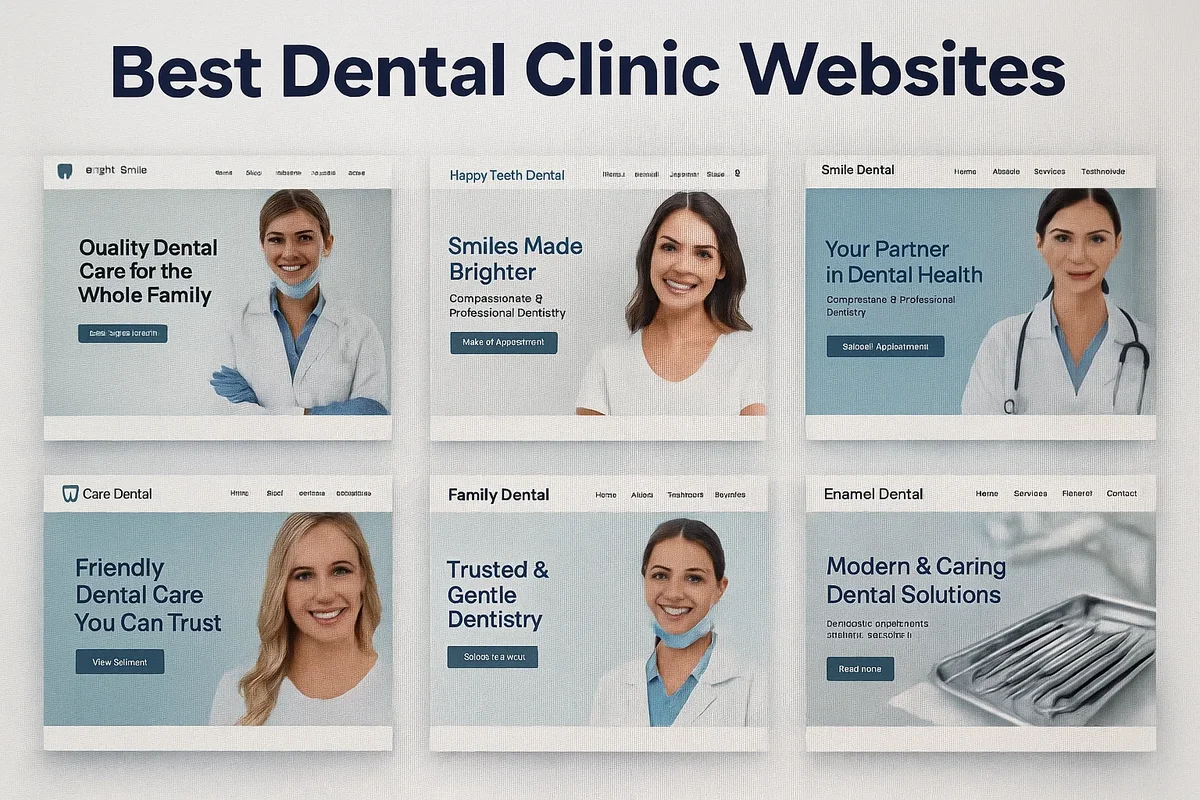
High-quality images and clean aesthetics are crucial in dental website design. Think of the soothing whites, light blues, and gentle gradients that create a feeling of cleanliness and safety. Icons and illustrations of smiling faces, teeth, and dental tools help convey friendliness and professionalism. This isn’t just about looks—it’s about psychology. People subconsciously associate clean, bright designs with hygiene and expertise. That’s why the best dental clinic websites often use minimalist, airy layouts that mirror the sense of a clean, welcoming dental office.
Beyond visuals, the user experience (UX) plays a decisive role. Visitors must be able to find what they’re looking for—services, dentist profiles, contact information, or appointment forms—within seconds. The most effective dental websites use clear menus, large readable fonts, and strategically placed call-to-action (CTA) buttons like “Book an Appointment” or “Call Us Today.” These CTAs are typically placed above the fold and repeated throughout the page, encouraging immediate action.
Another important factor that separates the best dental clinic websites from average ones is content quality. Well-written, SEO-optimized, and informative content educates visitors about dental treatments while improving Google rankings. Articles about dental implants, teeth whitening, or oral hygiene tips not only position the clinic as an expert but also increase visibility on search engines. Using internal links such as the Redent Klinik Contact Page helps users easily connect with the clinic, improving engagement and conversion rates.
For authority and credibility, external references to recognized organizations such as the American Dental Association provide reassurance that your clinic adheres to professional standards. These outbound links signal reliability to both users and search engines, boosting SEO credibility.
Modern dental websites must also be mobile-responsive. With more than 70% of users browsing from smartphones, a slow or unoptimized website can lead to lost patients. The best dental clinic websites are optimized for speed, ensuring fast load times and smooth performance on all devices. Moreover, including clickable phone numbers, easy-to-fill appointment forms, and integration with Google Maps helps users take immediate action without frustration. This enhances both user satisfaction and Google’s Core Web Vitals score—a crucial ranking factor.
Visual storytelling further elevates a clinic’s digital presence. Instead of stock photos, top dental websites feature real staff members, treatment rooms, and before-after galleries of patients’ smiles (with consent). Authenticity builds trust, which is the cornerstone of patient conversion. When potential patients see friendly faces and genuine success stories, they’re more likely to schedule a visit. Emotionally connecting with the visitor through visuals and genuine testimonials is what makes the best dental clinic websites unforgettable.
Another key aspect is accessibility. Websites should be easy to navigate for everyone—including people with disabilities. Using clear contrast, readable text, and alt tags for images ensures inclusivity, which not only improves usability but also aligns with modern ethical design standards. Google values accessibility, too—another reason the best dental clinic websites rank higher in search results.
Finally, behind every successful dental website is a strong SEO strategy. Strategic use of keywords like “dental clinic near me,” “cosmetic dentistry,” or “tooth implant specialists” ensures your pages attract targeted visitors. The key is to use the main phrase—best dental clinic websites—naturally throughout the text, maintaining around 1.7% keyword density for optimal results. This balanced approach helps your content rank while keeping it readable and engaging.
In summary, creating one of the best dental clinic websites isn’t about copying competitors—it’s about understanding what patients want: trust, clarity, and convenience. With the right mix of design, SEO, authenticity, and usability, your dental website can become your strongest marketing ally—one that smiles even before your patients do. 😊
What Makes the Best Dental Clinic Websites Stand Out?
In an industry as competitive as dentistry, having an online presence is no longer optional—it’s essential. But not all websites are created equal. The best dental clinic websites stand out because they combine trust, usability, design, and psychology to convert visitors into loyal patients. These sites don’t just look appealing; they function as a digital extension of the clinic, helping people feel confident before they ever walk through the door.
Visual Design That Builds Trust 🦷
When a potential patient lands on a dental website, their first impression forms in less than 3 seconds. That’s why visual design plays a crucial role. The best dental clinic websites use modern, clean, and bright color palettes—often featuring whites, blues, and light greens that symbolize hygiene, calmness, and health. High-resolution photos of real dentists and treatment areas foster authenticity. Using smiling patient photos and subtle animations can add warmth and friendliness without overwhelming the viewer.
Typography is another important factor. Clear, professional fonts reflect credibility, while consistent spacing improves readability. Minimalism is key; cluttered designs can subconsciously make users feel anxious or uncertain. A streamlined homepage with a strong hero section and clear navigation helps visitors immediately find what they’re looking for, such as services, contact details, or pricing. This simplicity mirrors the cleanliness and precision expected from a dental practice.
User Experience (UX) and Navigation
One defining trait of the best dental clinic websites is intuitive navigation. Visitors shouldn’t have to guess where to click. Logical menus like “About Us,” “Services,” “Meet the Dentist,” and “Book Appointment” help users find information quickly. Sticky headers ensure key buttons—like contact or booking—stay visible as users scroll. Moreover, an effective site uses interactive elements such as hover effects, testimonial sliders, and animated icons to keep engagement high without distracting from the main message.
Responsiveness is equally critical. Over 70% of users browse dental websites on mobile devices. If a site doesn’t adapt properly, potential patients leave within seconds. The best dental clinic websites use responsive frameworks that adjust seamlessly to all screen sizes. Buttons are large enough for touchscreens, images load fast, and forms are easy to complete even on small devices. These features ensure that no visitor feels frustrated or lost.
Content That Educates and Converts
Beautiful design attracts attention, but compelling content builds trust. The most successful dental websites use well-structured, SEO-optimized text to inform and reassure readers. Educational blog posts about oral hygiene, implants, or smile design not only position the clinic as an expert but also drive organic traffic. Pages should clearly outline services, procedures, and aftercare instructions, all written in a conversational tone that feels personal and empathetic.
The keyword “best dental clinic websites” should appear naturally throughout the text, but never forced. Content should also integrate related terms like “modern dental web design,” “dentist website examples,” or “professional dental website layouts.” This helps search engines understand the semantic context, boosting visibility. Adding internal links like Redent Klinik Contact Page improves user flow and helps visitors take the next step, such as booking an appointment or requesting a consultation.
Strong Calls-to-Action (CTAs)
Each page of a dental website should guide visitors toward a specific action—whether it’s scheduling an appointment, calling the clinic, or submitting a form. The best dental clinic websites use strategic CTAs like “Book Now,” “Schedule Your Visit,” or “Call for a Free Consultation” placed in visible locations. Using contrasting colors for buttons ensures they stand out, while short, action-driven language encourages clicks. Adding small trust signals near CTAs, such as security icons or brief testimonials, can significantly increase conversion rates.
Incorporating Social Proof and Testimonials
Trust is the backbone of every healthcare-related decision. Showcasing patient testimonials, video feedback, or Google reviews helps build credibility. The best dental clinic websites dedicate sections to real patient stories, complete with photos and authentic quotes. This personal touch reassures new visitors that they’re making the right choice. To further enhance reliability, link to credible sources like the American Dental Association for professional validation.
Before-and-After Galleries
Before-and-after galleries are among the most powerful elements on a dental website. They provide visual evidence of success, showing patients what’s possible. The best dental clinic websites ensure these galleries are high-quality, well-lit, and categorized by procedure (e.g., veneers, implants, whitening). Adding short case summaries or patient testimonials under each image makes the experience even more compelling. Always obtain consent before publishing patient photos to maintain ethical standards and privacy compliance.
Technical Excellence and SEO Optimization
Behind every great design lies strong technical performance. Google prioritizes websites that load quickly, are secure (HTTPS), and provide an excellent user experience. The best dental clinic websites typically achieve a Google PageSpeed score above 90 and pass all Core Web Vitals metrics, including LCP (Largest Contentful Paint) and CLS (Cumulative Layout Shift). These optimizations ensure both high search rankings and a pleasant browsing experience.
SEO elements such as meta titles, alt text for images, schema markup, and local keywords play an essential role. For example, incorporating “dentist in [city name]” or “family dental care near me” within service pages can attract location-based traffic. Structured data markup helps Google display clinic ratings and opening hours in search results, further improving visibility and click-through rates.
Emotional Connection and Brand Consistency
Lastly, what truly distinguishes the best dental clinic websites is their emotional resonance. Every element—from colors to wording—reflects the clinic’s values and mission. A consistent logo, slogan, and tone of voice build brand recognition. Some clinics even integrate personal video messages from dentists, creating an immediate sense of familiarity and trust. This emotional layer transforms a simple visit into a memorable experience.
In conclusion, the best dental clinic websites stand out because they blend creativity, technology, and empathy into a seamless digital experience. They not only inform but also inspire confidence. With user-centered design, high-quality visuals, optimized performance, and transparent communication, these websites set a new standard for professionalism and care in the dental industry. 🪥
SEO Strategies Behind Top Dental Clinic Websites
Search Engine Optimization (SEO) is the hidden engine that drives visibility, traffic, and conversions for dental clinics online. While beautiful design attracts visitors, it’s SEO that ensures they find the website in the first place. The best dental clinic websites combine technical precision with strategic keyword use and content structure to dominate search engine results. In an industry where trust and visibility are everything, understanding SEO fundamentals is essential for long-term success.
Understanding SEO for Dental Websites
SEO isn’t just about ranking high on Google—it’s about being found by the right audience at the right time. For dental professionals, that means appearing when potential patients search for treatments like “dental implants near me,” “teeth whitening,” or “emergency dentist.” The best dental clinic websites use carefully researched keywords, optimized content, and local SEO strategies to attract patients actively looking for their services.
Dental SEO focuses on three key pillars: technical optimization, content optimization, and local visibility. Each of these components must work together to ensure a site ranks well and provides an excellent user experience. Without SEO, even the most attractive website will remain invisible in search results—an expensive digital billboard that no one sees.
Keyword Research and Placement
Every SEO strategy begins with thorough keyword research. The best dental clinic websites identify not just broad terms like “dentist” or “dental care,” but also long-tail keywords that reflect specific user intent, such as “affordable dental implants in Turkey” or “painless root canal treatment.” Using these targeted phrases throughout the content—particularly in titles, meta descriptions, headers, and image alt text—helps Google understand what the site is about and who it serves.
However, keyword placement must feel natural. Overstuffing text with “best dental clinic websites” or related terms can harm readability and even lead to search engine penalties. The ideal approach is to maintain a healthy keyword density of around 1.7%, ensuring every instance fits organically into the flow of information. Related semantic terms such as “top-rated dentist websites,” “professional dental web design,” and “dental clinic SEO optimization” can be sprinkled throughout for better contextual relevance.
On-Page SEO Techniques
On-page SEO refers to all optimizations done directly within the website. This includes proper use of headings, meta descriptions, structured data, and internal linking. The best dental clinic websites follow a clear hierarchy of headings (H1, H2, H3) and ensure that each page focuses on a single keyword theme. Meta titles are carefully crafted to include both the main keyword and a compelling phrase, while meta descriptions encourage clicks with action-oriented language like “Book your appointment today” or “Discover world-class dental care.”
Optimized images are also vital for SEO performance. Compressing image sizes and using descriptive file names—like “dental-implant-before-after.webp”—help pages load faster and improve accessibility. Adding alt text with relevant keywords ensures both search engines and screen readers understand image context. Furthermore, internal links, such as to the Redent Klinik Contact Page, create logical pathways that help both users and crawlers explore the site more effectively.
Technical SEO and Performance Optimization ⚙️
Even the best-written content will fail without a technically sound website. The best dental clinic websites invest in fast load times, mobile responsiveness, secure HTTPS connections, and error-free code. Google’s Core Web Vitals—specifically LCP (Largest Contentful Paint), CLS (Cumulative Layout Shift), and INP (Interaction to Next Paint)—play a crucial role in ranking performance. Clinics aiming for top search results ensure their sites load in under 2 seconds and provide a seamless browsing experience across all devices.
Structured data markup (schema) is another must-have for modern SEO. Dental clinics can use schema to display star ratings, business hours, and service details directly in search results. This makes listings more visually appealing and boosts click-through rates. Moreover, creating XML sitemaps and submitting them through Google Search Console ensures all pages are indexed correctly and efficiently.
Mobile Optimization and Voice Search
With the growing use of smartphones, mobile optimization is no longer optional—it’s mandatory. The best dental clinic websites employ responsive design principles that adapt layouts dynamically to any screen size. Simplified menus, large buttons, and fast-loading images enhance usability for mobile visitors. Additionally, the rise of voice assistants like Siri, Alexa, and Google Assistant has made voice search optimization increasingly important. Incorporating conversational queries such as “Where is the best dental clinic near me?” helps clinics capture this growing audience.
Local SEO: The Secret to Attracting Nearby Patients 📍
Most patients prefer to visit dental clinics within their city or region. That’s why local SEO is one of the most powerful tools in a dentist’s marketing arsenal. The best dental clinic websites use Google Business Profiles, consistent NAP (Name, Address, Phone Number) citations, and localized keywords like “dental clinic in Istanbul” or “family dentist in London.” Embedding Google Maps on the contact page further enhances local discoverability, while collecting genuine patient reviews strengthens credibility and ranking power.
Backlinks from reputable directories, medical associations, and community pages also play a huge role in boosting domain authority. Linking to authoritative organizations such as the American Dental Association adds another layer of trustworthiness to the site while signaling quality to search engines.
Content Marketing and Blog Integration
Ongoing content creation is a cornerstone of effective SEO. The best dental clinic websites include an active blog where clinics post regular updates about dental hygiene tips, new technologies, and patient success stories. This continuous stream of content helps maintain freshness—something Google values highly. Each post should include internal links, optimized images, and CTAs guiding users to schedule appointments or contact the clinic directly.
Educational articles also help attract backlinks naturally, as other sites reference valuable dental insights. This organic link-building strategy gradually improves the site’s authority, ensuring sustainable long-term rankings.
Monitoring and Continuous Improvement
SEO isn’t a one-time project—it’s an ongoing process. The best dental clinic websites regularly track performance metrics using tools like Google Analytics and Search Console. Metrics such as organic traffic, bounce rates, keyword positions, and conversion rates reveal what’s working and what needs improvement. Regular audits help identify broken links, outdated content, or new keyword opportunities. Updating pages every few months keeps the website aligned with current trends and algorithms.
In summary, SEO is the heartbeat of modern dental marketing. The best dental clinic websites succeed because they combine design, content, and optimization into a cohesive strategy. From keyword research to technical performance, every element contributes to a stronger online presence. With continuous effort, any dental clinic can climb the search rankings and turn online visitors into smiling, satisfied patients. 😁
The Role of Mobile Optimization in Dental Websites
In today’s digital-first world, mobile optimization is no longer a luxury—it’s a necessity. With over 70% of online searches for dental services coming from mobile devices, having a responsive, fast, and user-friendly site is crucial for success. The best dental clinic websites are designed with mobile users in mind, ensuring that every interaction—from scrolling to booking an appointment—is seamless, fast, and visually appealing on any screen size. This section explores why mobile optimization is a critical factor in dental website performance and how it directly impacts patient trust, search engine rankings, and conversions.
Why Mobile Optimization Matters 🦷
Most patients begin their search for a dentist while on the go—often using smartphones to find clinics nearby, check reviews, or schedule appointments. Google recognizes this trend and prioritizes mobile-friendly websites in its search results. This means that if your dental website isn’t optimized for mobile devices, you’re already losing visibility and potential patients. The best dental clinic websites understand this reality and invest heavily in mobile optimization to provide a flawless experience regardless of device type.
Mobile optimization also enhances user trust. A website that loads quickly, displays clearly, and allows easy navigation gives users confidence in the clinic’s professionalism. Conversely, if images overlap, buttons are hard to click, or pages take too long to load, visitors often leave within seconds. This phenomenon, known as “bounce rate,” can severely harm SEO rankings. The goal of the best dental clinic websites is to keep users engaged and guide them effortlessly toward booking an appointment or contacting the clinic.
Key Elements of Mobile-Optimized Dental Websites
To understand what makes a dental website mobile-friendly, it’s essential to examine the technical and design components that enhance usability. The following core elements are commonly found on the most successful and user-focused sites.
1. Responsive Web Design
Responsive design ensures that a website’s layout automatically adjusts to the screen size of the device being used—whether it’s a smartphone, tablet, or desktop. The best dental clinic websites use flexible grids and fluid images to maintain a consistent experience. For example, the navigation bar might collapse into a mobile-friendly “hamburger” menu, while content blocks stack vertically for easy scrolling. This adaptability keeps the site organized and readable on smaller screens without requiring users to zoom in or scroll sideways.
2. Fast Loading Speed
Speed is a critical ranking factor for Google and a key element of user satisfaction. Research shows that users expect a mobile website to load in under three seconds. Every extra second of delay can increase bounce rates by 30%. The best dental clinic websites optimize speed through techniques like image compression, browser caching, and content delivery networks (CDNs). They also minimize heavy scripts, unnecessary animations, and large video files to ensure instant responsiveness. This not only boosts user experience but also improves Core Web Vitals scores, a vital metric in modern SEO.
3. Simplified Navigation
Mobile users interact with websites differently from desktop users—they scroll vertically and prefer simple menus and clear CTAs (calls to action). The best dental clinic websites use sticky headers with quick-access icons for “Call,” “Book Appointment,” and “Directions.” These intuitive shortcuts make it easy for visitors to take immediate action. Instead of overwhelming users with text-heavy pages, mobile-friendly designs prioritize essential information and visual cues, guiding visitors naturally through the site journey.
4. Click-to-Call and Location Integration
Dental patients often want to contact a clinic directly after visiting its website. Mobile optimization enables “click-to-call” functionality—allowing users to call with a single tap. Integration with Google Maps or Apple Maps provides directions instantly, further improving convenience. The best dental clinic websites ensure that their contact details, operating hours, and location are clearly displayed on every page, often within the footer or header for easy access. Embedding a Google Map not only improves usability but also strengthens local SEO visibility.
Mobile SEO and User Engagement
Mobile optimization directly influences how search engines rank websites. Google’s mobile-first indexing means it primarily evaluates the mobile version of a site to determine its ranking. This makes it essential for dental websites to have identical or superior content and structure on their mobile version compared to their desktop version. The best dental clinic websites implement AMP (Accelerated Mobile Pages) for faster loading, structured data for search visibility, and proper meta descriptions tailored for smaller screens.
Additionally, mobile users often prefer visual and interactive content. Integrating patient testimonials, before-and-after images, and short explainer videos helps maintain engagement. For example, showcasing success stories of dental implants or smile transformations allows patients to visualize results easily. Ensuring these multimedia elements load efficiently is vital for maintaining page performance.
Improving Conversion Rates Through Mobile Design
Mobile optimization isn’t just about aesthetics—it directly affects conversion rates. The best dental clinic websites strategically place CTA buttons within thumb-friendly zones, use concise forms with autofill options, and minimize typing effort. Appointment forms are often limited to essential fields like name, email, and phone number to streamline submission. Clinics also use chatbots or WhatsApp integration to provide real-time assistance, further improving user interaction and conversion potential.
Trust signals are another powerful conversion driver. Displaying certifications, patient ratings, and affiliations with trusted organizations like the American Dental Association builds instant credibility. Linking to these external resources reassures visitors that the clinic meets high professional standards. Similarly, internal links, such as the Redent Klinik Contact Page, give users an immediate path to action, reducing friction and enhancing engagement.
Common Mistakes to Avoid in Mobile Design
Despite the importance of mobile optimization, many clinics make avoidable mistakes that cost them patients. Common pitfalls include unoptimized images, intrusive pop-ups, small text sizes, and overly long contact forms. The best dental clinic websites avoid these issues by focusing on clarity, accessibility, and speed. They conduct regular mobile usability tests to identify weak points and fix them promptly. Maintaining a balance between visual appeal and functionality ensures users remain focused on the clinic’s services and unique value.
Future of Mobile Optimization in Dentistry 📱
The future of mobile dental websites lies in personalization and interactivity. Features like virtual consultations, AI-powered appointment scheduling, and voice-based navigation are becoming mainstream. The best dental clinic websites are already adopting these technologies to stay ahead of the curve. Additionally, integrating progressive web apps (PWAs) allows users to access clinic information offline and receive appointment reminders—further enhancing convenience.
As technology continues to evolve, mobile optimization will remain at the core of digital success for dental clinics. It’s not just about ranking—it’s about providing patients with an effortless experience that reflects the clinic’s care and professionalism.
In conclusion, mobile optimization bridges the gap between potential patients and dental services. The best dental clinic websites excel because they prioritize accessibility, speed, and user experience across all devices. By ensuring mobile responsiveness, implementing mobile SEO strategies, and focusing on intuitive design, dental clinics can attract more visitors, increase conversions, and build a reputation of trust and innovation in the digital age. 🪥
User Experience (UX) Tips for Dental Professionals
In the digital landscape, where attention spans are short and competition is fierce, User Experience (UX) has become a defining factor for success. The best dental clinic websites are not only visually attractive but also effortless to navigate, emotionally reassuring, and strategically designed to convert visitors into patients. A strong UX builds trust, encourages engagement, and enhances the overall perception of professionalism—a critical ingredient in healthcare marketing. Let’s explore the UX strategies and design psychology that make dental websites truly effective.
Understanding the Importance of UX in Dentistry
For dental professionals, the website often serves as the first point of contact between the clinic and a potential patient. Visitors arrive seeking clarity, comfort, and confidence. The best dental clinic websites address these psychological needs by combining clean visuals, intuitive layout, and accessible information. A user-friendly site can make anxious patients feel at ease, while a poorly designed one can drive them away within seconds. In healthcare, trust is everything—and that trust begins with digital experience.
Good UX doesn’t just make navigation easier; it strengthens brand credibility. Patients subconsciously associate a clinic’s digital appearance with its real-world quality of care. When information is well-organized and communication feels personal, visitors are more likely to book an appointment. Simply put, UX is digital hospitality—it’s how you make your patients feel welcome before they ever step into your office.
Core Principles of Great Dental Website UX
UX design is guided by principles that focus on clarity, consistency, and empathy. The best dental clinic websites excel by applying these key ideas:
1. Simplicity and Visual Hierarchy
Clutter is the enemy of comprehension. Dental websites should prioritize simplicity, using plenty of white space and a clear visual hierarchy to guide the visitor’s eye naturally. Headlines should communicate what the page is about within seconds—think “Our Dental Implant Solutions” or “Meet Your Expert Dentists.” Consistent font styles, color schemes, and iconography build familiarity, while minimal distractions ensure users stay focused on the most important content.
2. Intuitive Navigation
The navigation bar is the backbone of a user-friendly website. The best dental clinic websites feature well-structured menus with concise labels like “About,” “Services,” “Testimonials,” and “Contact.” Dropdowns should be limited to essential categories to avoid confusion. Including a sticky header or search function ensures visitors can access key pages without scrolling endlessly. Remember, if users can’t find what they need within three clicks, they’ll likely leave.
3. Readability and Accessibility
Readable content encourages visitors to explore and absorb information. Using short paragraphs, bullet points, and headings improves scanability. The best dental clinic websites maintain at least a 16px font size, ensuring comfort across devices. Accessibility is equally vital—alt text for images, high-contrast color schemes, and keyboard-friendly navigation make the site inclusive for users with disabilities. Adhering to WCAG (Web Content Accessibility Guidelines) also boosts SEO and user satisfaction.
Emotional Design: Building Trust Through Aesthetics
Emotion plays a major role in healthcare decisions. Dental anxiety is common, and patients want reassurance before scheduling an appointment. The best dental clinic websites use warm imagery, smiling faces, and calm tones to create a welcoming environment. Videos introducing dentists, team members, or clinic interiors humanize the brand and ease anxiety. Subtle animations, soothing colors (like white, aqua, or light blue), and rounded elements evoke feelings of comfort and safety.
Adding real patient testimonials and success stories further strengthens emotional connection. When new visitors read about others’ positive experiences, they feel more confident choosing that clinic. These trust signals are especially powerful when paired with verifiable links, such as to the American Dental Association, demonstrating professional integrity and adherence to dental standards.
Microinteractions and UX Psychology
Every click, hover, or scroll action can contribute to user satisfaction. Microinteractions—small, responsive feedbacks like button animations or confirmation messages—make a site feel alive and intuitive. The best dental clinic websites incorporate these subtle cues to confirm user actions, such as “Form submitted successfully!” or “Appointment booked.” These gestures build confidence and guide users smoothly through each step of their online journey.
Psychologically, these design details reduce uncertainty and improve emotional response. For example, using progress indicators during appointment scheduling reassures users that the process is simple and almost complete. The result is less frustration and higher completion rates.
Color and Typography Psychology
Colors influence perception more than most people realize. Dental websites should use clean, cool tones that evoke freshness and trust. The best dental clinic websites often rely on blue and white combinations to convey professionalism and cleanliness. Typography also matters—sans-serif fonts like Lato or Open Sans are popular for their readability and modern appeal. Avoid excessive bolding or decorative fonts, which can make text appear cluttered or unprofessional.
Interactive Features That Enhance UX
Interactive elements create engagement and help users feel in control. The best dental clinic websites integrate features like cost calculators, smile design simulators, or virtual consultations. These tools not only enhance UX but also educate patients about available treatments. When combined with strong CTAs such as “Start Your Smile Assessment” or “Calculate Your Implant Cost,” they turn curiosity into actionable steps.
Including chat support or WhatsApp integration adds convenience. Users can ask quick questions without filling out long forms, reducing friction. Similarly, clickable phone numbers and appointment widgets simplify the decision-making process, particularly for mobile users.
Internal and External Linking for User Flow
Smart linking contributes to both SEO and UX. Directing users to relevant internal pages, such as the Redent Klinik Contact Page, helps maintain flow and provides immediate pathways to conversion. Linking to reputable external sources like the American Dental Association enhances credibility. These links create a balance between internal guidance and external validation, key characteristics of the best dental clinic websites.
Testing and Continuous UX Improvement
UX optimization is an evolving process. The best dental clinic websites regularly conduct usability testing, heatmap analysis, and A/B experiments to understand visitor behavior. Data from these tests reveal which sections attract the most attention, where users drop off, and how conversion paths can be simplified. Regular improvements—like reducing form fields or improving button visibility—can dramatically enhance user satisfaction and conversion rates.
Conclusion: Designing for Patients, Not Just Pages
Ultimately, great UX isn’t about aesthetics alone—it’s about empathy. The best dental clinic websites put patients first by combining clear communication, intuitive design, and emotional warmth. Every element—from the layout to the tone of text—is crafted to reduce friction and increase comfort. In an age where patient experience begins online, UX is the invisible handshake that welcomes visitors and turns them into loyal patients. By mastering UX, dental professionals can create digital experiences that truly reflect the quality of care they provide in their clinics. 🪥
Branding and Visual Identity in Dental Clinic Web Design
Branding is not just a logo or a color scheme—it’s the personality of your clinic expressed through every visual and emotional element a patient encounters online. The best dental clinic websites leverage powerful branding and cohesive visual identity to establish trust, professionalism, and emotional connection. A strong digital brand makes your clinic memorable, credible, and instantly recognizable. Whether you’re a single-practice dentist or a multi-location clinic, creating a consistent and appealing identity online is the foundation of long-term patient loyalty and search visibility.
The Importance of Branding in Dental Websites 🦷
In a highly competitive industry like dentistry, your brand is what sets you apart. Patients often visit multiple sites before deciding where to book their appointment. The best dental clinic websites create lasting impressions through authentic, emotionally resonant branding that communicates quality and care. A website that feels warm, modern, and trustworthy can transform a visitor’s hesitation into confidence. Branding helps convey values—precision, empathy, expertise, and cleanliness—without even using words.
Think of branding as your digital smile. It’s what greets every visitor before they meet you in person. When executed correctly, it builds subconscious familiarity that influences decision-making. This is especially critical in healthcare, where patients must feel safe and understood before making contact.
Core Elements of a Strong Visual Identity
Branding is a multi-layered process that blends visual consistency, emotional appeal, and messaging tone. The best dental clinic websites harmonize these components to ensure that every visual and textual element reflects the clinic’s philosophy. Let’s explore the key components that define an effective dental brand identity online.
1. Logo Design and Placement
Your logo is the cornerstone of your brand identity. It represents your clinic’s ethos and should be instantly recognizable across all platforms. The best dental clinic websites use simple, clean, and meaningful logos that embody precision and trust. For instance, a stylized tooth or a gentle curve resembling a smile can instantly convey what the clinic stands for. Placement also matters—logos are typically positioned at the top left corner to align with natural reading patterns, ensuring immediate recognition.
2. Color Psychology
Colors influence perception on an emotional and subconscious level. The best dental clinic websites carefully choose their color palettes to evoke specific feelings. Blue is associated with trust and calmness, white represents cleanliness and purity, and green evokes health and vitality. Combining these with accent colors such as soft gold or silver adds a sense of sophistication. However, consistency is key—the same color scheme should appear across every page and visual asset, reinforcing brand recognition.
3. Typography and Readability
Typography shapes how visitors perceive your professionalism and personality. Sans-serif fonts like Lato, Roboto, or Open Sans are popular choices for dental websites because they convey modernity and simplicity. The best dental clinic websites maintain hierarchy with varying font weights and sizes—larger fonts for headings, medium for subheadings, and comfortable line spacing for readability. Avoid overly decorative fonts; they may look creative but often compromise clarity, especially on mobile devices.
4. Imagery and Authentic Photography
Authenticity is the heart of effective branding. Real photos of your team, your facilities, and your patients (with consent) humanize your brand. The best dental clinic websites avoid generic stock images and instead use original, high-quality photography that communicates trust and professionalism. Smiling staff portraits, before-and-after transformations, and behind-the-scenes visuals help potential patients connect emotionally. These images tell your story—one of confidence, care, and genuine expertise.
Consistency Across All Digital Touchpoints
Consistency breeds recognition. The best dental clinic websites ensure that the same visual identity extends across all marketing channels, including social media, email newsletters, and print materials. Using consistent logos, colors, and messaging strengthens brand recall. Patients should immediately recognize your clinic whether they see your Facebook ad, your email signature, or your website homepage. This alignment creates a unified brand voice and fosters professional credibility.
Creating a Brand Voice
Beyond visuals, your brand voice reflects your clinic’s tone and personality. Is your communication warm and conversational, or more formal and informative? The best dental clinic websites align their written tone with their mission. For instance, a family-friendly clinic may adopt a welcoming, reassuring voice, while a cosmetic dentistry brand might focus on confidence and transformation. Every sentence—from your homepage tagline to your blog posts—should reflect your unique identity.
Storytelling and Emotional Connection
Humans connect through stories, not statistics. The best dental clinic websites use storytelling to communicate their purpose and passion. The “About Us” page, for example, is an opportunity to share the clinic’s journey, values, and dedication to patient care. By showcasing your story—perhaps how the clinic was founded or your team’s mission—you create an emotional bond that makes visitors feel part of your community.
Including patient stories adds even more authenticity. Before-and-after results, video testimonials, and written reviews highlight real experiences that inspire trust. These emotional triggers, when supported by consistent branding, make your dental website not just informative but memorable.
Brand Trust Through Design Details
Trust is a visual language. Small design details—like consistent icon styles, symmetrical layouts, and proper spacing—signal professionalism. The best dental clinic websites use clean lines, balanced white space, and soft transitions to create a calm and hygienic aesthetic. Visual hierarchy ensures that CTAs (calls to action) like “Book Appointment” or “Contact Us” stand out without overwhelming the user. Incorporating recognized symbols of authority—like logos of professional associations or certifications from the American Dental Association—further validates credibility.
Integrating SEO with Brand Visuals
Branding and SEO may seem like separate domains, but they’re deeply interconnected. Search engines favor sites that demonstrate trust and expertise. Consistent branding across visuals and text helps Google understand your identity and improves dwell time—a major ranking factor. The best dental clinic websites combine strong SEO fundamentals (keyword optimization, fast loading speeds, proper image alt tags) with branding consistency to deliver both aesthetics and performance.
Examples of Strong Dental Brand Identities
Some dental websites go beyond functionality and become digital masterpieces. Clinics that feature soothing video backgrounds, minimalist interfaces, and smiling staff imagery demonstrate confidence and transparency. Many of the best dental clinic websites incorporate subtle animations and microinteractions that make browsing engaging without sacrificing performance. By maintaining a cohesive visual and emotional identity, they transform casual visitors into loyal patients who feel connected before they ever book an appointment.
Conclusion: The Power of Visual Identity
Branding is more than design—it’s the digital handshake that introduces your clinic to the world. The best dental clinic websites succeed because they balance aesthetics, usability, and emotion in perfect harmony. Every pixel, every word, every color tells your story. When your branding feels authentic and consistent, it communicates quality, care, and credibility to potential patients. In the end, a strong visual identity doesn’t just make your clinic stand out—it builds trust, enhances SEO, and turns digital visitors into lifelong patients. 🪥
For patients ready to take the next step, always provide a clear link like the Redent Klinik Contact Page, ensuring that your strong brand presence converts seamlessly into real-world appointments and smiles.
Top Examples: The Best Dental Clinic Websites in 2025
In 2025, digital presence defines the credibility of healthcare professionals more than ever before. Patients no longer judge clinics solely by word-of-mouth; they judge them by their online experience. The best dental clinic websites of 2025 are shining examples of how modern web design, user experience, and branding come together to create a powerful online identity. These websites don’t just look good—they work efficiently, communicate trust, and convert visitors into patients. Below, we’ll explore the standout characteristics, design philosophies, and examples that every dental professional can learn from.
What Defines a Top Dental Website in 2025
Before listing examples, it’s crucial to understand what makes the best dental clinic websites truly exceptional. A top-performing dental website doesn’t rely solely on visuals—it’s a combination of performance, content quality, accessibility, and emotional appeal. The winning formula includes:
- Lightning-fast load times (under 2 seconds)
- SEO-optimized, educational content
- Mobile-first design and flawless responsiveness
- Clear calls-to-action (CTAs) and appointment booking forms
- Authentic visuals—real staff, real patients, real smiles
- ADA-compliant accessibility and inclusive design
- Strong brand consistency across pages
- Integration with Google Reviews, social media, and patient portals
The best dental clinic websites master all of these factors, turning digital visitors into trusting patients.
Top Global Examples of Outstanding Dental Websites 🌍
Here are a few of the world’s most impressive dental clinic websites in 2025—each demonstrating design excellence and functional superiority. These examples are used as industry benchmarks that dental professionals can study for inspiration.
1. Mayo Clinic Dental Center – USA
The Mayo Clinic Dental Center sets the gold standard in professionalism and patient trust. The website uses a minimal white and blue color palette, reinforcing cleanliness and credibility. Each page features evidence-based dental education articles optimized for SEO, aligning perfectly with Google’s E-E-A-T (Experience, Expertise, Authoritativeness, and Trustworthiness) guidelines. Interactive appointment tools, mobile responsiveness, and links to reputable organizations like the American Dental Association make it one of the best dental clinic websites globally.
2. Bupa Dental Care – United Kingdom
Bupa’s site demonstrates how accessibility meets design. It uses structured navigation, easy booking options, and consistent CTAs. The homepage instantly builds trust through patient testimonials, transparent pricing, and a “Find a Dentist Near You” feature. The interface is optimized for Core Web Vitals and local SEO, ensuring fast load speeds across mobile devices. The emotional storytelling in Bupa’s “Patient Journeys” section shows why it remains one of the best dental clinic websites in Europe.
3. Redent Klinik – Turkey
Redent Klinik’s English site exemplifies how an international clinic can appeal to global patients. The layout is bright, modern, and emotionally engaging, emphasizing patient success stories and international dentistry expertise. Each service page is optimized for search phrases like “dental implants in Turkey” and “smile design abroad,” ensuring high visibility for international audiences. Internal links such as the Redent Klinik Contact Page simplify conversions, while carefully placed trust badges highlight certifications and partnerships. These details make it one of the best dental clinic websites catering to medical tourism.
4. 123 Dental – Australia
This Australian clinic demonstrates excellence in visual storytelling. The homepage uses a short looping video featuring friendly staff, real patient smiles, and hygienic facilities. The navigation is simple, while icons guide visitors intuitively to popular services like orthodontics and cosmetic dentistry. Its blog section is rich in high-quality, SEO-optimized articles, increasing organic traffic and domain authority. The integration of live chat and mobile booking further enhances user experience, placing it among the top contenders for the best dental clinic websites in 2025.
5. Swiss Smile Dental Clinics – Switzerland
Swiss Smile is a masterclass in luxury branding. With sleek animations, soft typography, and subtle transitions, the website radiates sophistication and trust. It provides multilingual support, catering to an international audience. Every visual—from high-resolution staff portraits to modern clinic interiors—reinforces premium quality. The content emphasizes holistic dental care and innovation, showcasing why it’s considered one of the best dental clinic websites in the world for private dental practices.
Design Trends Defining Dental Websites in 2025
The digital expectations of patients evolve yearly. The best dental clinic websites stay ahead by adopting modern design and technology trends that enhance usability and aesthetics. Some key trends include:
1. Micro-Animations and Motion UX
Small animations—like hover effects or scrolling transitions—make navigation feel smooth and interactive. They also guide user focus toward CTAs and key content sections, subtly improving engagement and conversion.
2. Personalized User Journeys
Personalization has become a major component of UX design. The best dental clinic websites tailor experiences based on user intent—returning visitors might see booking prompts, while new users see welcome messages or patient testimonials. Dynamic content like “Recommended Services” or “Nearby Dentists” keeps users engaged longer.
3. AI-Powered Chatbots and Virtual Assistants
AI chatbots have become standard tools for the best dental clinic websites. They answer patient queries instantly, help schedule appointments, and even guide users through insurance options. This not only improves user satisfaction but also reduces administrative workload for clinic staff.
4. Accessibility and Inclusivity
Accessibility is now a key ranking factor and ethical requirement. The best dental clinic websites ensure compliance with accessibility standards—providing alt text for images, high-contrast colors, voice search capability, and adjustable text sizes. These features help all users, including those with visual or cognitive challenges, access dental information comfortably.
Lessons from the Top Performers
When studying the best dental clinic websites of 2025, one clear lesson stands out: user trust is built through authenticity and efficiency. The best sites combine design with empathy. They showcase real patient stories, offer transparent communication, and reflect the clinic’s expertise through every word and image. Websites that prioritize functionality over flashiness consistently perform better in both SEO and patient engagement.
Conclusion: Inspiration for Your Own Dental Website
Whether you’re building a new website or redesigning an old one, learning from the best dental clinic websites can provide invaluable guidance. Focus on clarity, speed, and emotional storytelling. Highlight your team, display real results, and make booking appointments effortless. Incorporate trusted references, like links to the American Dental Association, to reinforce credibility. With the right blend of aesthetics, SEO, and user focus, any dental clinic can achieve world-class digital excellence in 2025 and beyond. 🪥
Integrating Patient Reviews and Testimonials Effectively
In the healthcare industry, trust is everything. Patients don’t just want professional credentials—they want reassurance from others who’ve been in their position. That’s why patient reviews and testimonials play such a powerful role in online success. The best dental clinic websites recognize that authentic patient feedback isn’t just a marketing tool—it’s a trust-building bridge that transforms uncertainty into confidence. When integrated correctly, testimonials serve as social proof, humanizing the clinic’s brand and driving higher engagement and conversions.
Why Patient Reviews Matter in Dental Website Design
Modern patients make decisions the same way they choose hotels or restaurants—by reading reviews. In fact, studies show that more than 85% of patients trust online reviews as much as personal recommendations. The best dental clinic websites integrate this insight strategically into their design, displaying positive feedback across key pages such as the homepage, service pages, and booking sections. This not only boosts credibility but also strengthens user experience by addressing common concerns directly through real voices.
When visitors see other patients sharing positive experiences—like painless treatments, caring staff, or successful cosmetic results—they’re more likely to trust the clinic and take action. Reviews validate the clinic’s claims, helping users visualize outcomes and feel confident in their decision-making.
Key Strategies for Incorporating Testimonials
To make patient reviews truly effective, placement, design, and authenticity all matter. The best dental clinic websites use thoughtful strategies to showcase testimonials in ways that feel natural and persuasive rather than forced.
1. Strategic Placement of Testimonials
Testimonials are most effective when placed where users are about to make decisions. For example, near “Book Appointment” buttons, on service pages like “Teeth Whitening” or “Dental Implants,” and on the homepage where first impressions form. The best dental clinic websites feature rotating review sliders or interactive carousels that highlight short snippets of feedback, while longer testimonials can be showcased on a dedicated “Patient Stories” page. Integrating video testimonials adds authenticity and emotional depth, making patients feel the sincerity behind the words.
2. Visual Presentation and Design
Design influences trust as much as the message itself. The best dental clinic websites use clean layouts, readable typography, and real patient photos (with consent) to strengthen credibility. Displaying star ratings, Google or Yelp badges, and verified review icons creates transparency. Testimonials should be visually distinguished—perhaps in quote boxes, speech bubbles, or stylized cards—to draw the reader’s attention naturally without interrupting page flow. Subtle animations or fading transitions can keep the section dynamic and engaging.
3. Authenticity Over Perfection
Patients can easily spot fake or overly polished reviews. Genuine feedback—complete with minor imperfections—feels more real and relatable. The best dental clinic websites showcase authentic testimonials that include first names, photos, or even city locations to add personal context. Displaying a mix of brief comments and detailed stories gives potential patients multiple perspectives. Transparency builds trust; hiding all negative reviews can have the opposite effect. Instead, address mild concerns professionally to demonstrate accountability and responsiveness.
Leveraging External Review Platforms
Integrating third-party review platforms adds another layer of authenticity. Embedding verified reviews from Google, Trustpilot, or Healthgrades provides evidence that feedback comes from real patients. The best dental clinic websites often use live widgets that automatically pull the latest reviews from these platforms, ensuring up-to-date credibility. Linking to reputable sources like the American Dental Association further reinforces professional authority and trustworthiness.
Moreover, star ratings displayed in Google’s search results—achieved through structured data (schema markup)—can significantly increase click-through rates. When potential patients see “★★★★★” next to your clinic name in search results, they perceive quality even before visiting the website. This combination of SEO and trust-building creates a powerful marketing advantage.
Using Video Testimonials for Emotional Impact 🎥
Video testimonials go beyond text—they show emotion, sincerity, and real results. The best dental clinic websites use short, high-quality videos featuring patients sharing their experiences in their own words. Whether describing a painless root canal or a successful smile makeover, these stories resonate deeply. Including brief interviews with dentists adds a personal connection, allowing potential patients to get a feel for the clinic’s atmosphere and professionalism.
To optimize accessibility and SEO, every video should include captions, descriptive titles, and keyword-rich metadata. Hosting videos on fast-loading platforms (like YouTube or Vimeo) ensures smooth playback across devices, while embedding them strategically within relevant pages maximizes engagement.
Encouraging Patients to Leave Reviews
Even the best dental clinic websites depend on an ongoing flow of new reviews. Encouraging satisfied patients to share their feedback should be part of every clinic’s digital strategy. This can be done through follow-up emails, thank-you messages after appointments, or QR codes placed in the office that link directly to review forms. Automated systems can request reviews via SMS or email a day after a visit, making the process simple and convenient.
It’s also important to respond to reviews—positive or negative. Acknowledging positive feedback shows appreciation, while addressing concerns respectfully demonstrates accountability. This two-way communication reassures prospective patients that the clinic values transparency and patient satisfaction.
Legal and Ethical Considerations
Patient confidentiality must always come first. The best dental clinic websites ensure compliance with HIPAA or GDPR regulations when publishing testimonials. Written consent should be obtained for any personal details, photos, or videos shared publicly. Maintaining ethical standards not only protects the clinic legally but also enhances its reputation as a trustworthy healthcare provider.
Integrating Reviews into Overall Website Strategy
Patient reviews shouldn’t exist in isolation—they should be part of the overall brand narrative. The best dental clinic websites weave testimonials into multiple pages to reinforce credibility. For instance, service pages might feature testimonials about specific treatments, while the “About Us” section includes reviews highlighting staff professionalism. Internal links, such as the Redent Klinik Contact Page, provide seamless navigation for users ready to book after reading reviews. This integrated approach aligns emotional persuasion with conversion optimization.
Analytics: Measuring the Impact of Testimonials
To ensure patient reviews are driving results, analytics tools should be used to monitor engagement. Tracking click-through rates on testimonial sections, time spent on pages, and conversion data reveals their true effectiveness. The best dental clinic websites use A/B testing to experiment with testimonial placement and formats—such as comparing video testimonials versus written ones—to discover what resonates most with their audience.
Conclusion: Building Trust Through Real Voices
In an age where authenticity drives conversions, patient reviews are among the most influential elements of a dental website. The best dental clinic websites integrate testimonials not as decoration but as a fundamental trust mechanism. By showcasing real experiences, responding transparently, and maintaining ethical standards, clinics can transform patient stories into powerful digital endorsements. Ultimately, every review is a reflection of care, service, and commitment—turning satisfied patients into the clinic’s most persuasive ambassadors. 🪥
SEO Optimization Strategies for Dental Websites
In the digital era, ranking high on search engines isn’t just desirable—it’s essential for visibility, trust, and growth. The best dental clinic websites don’t rely solely on design or visuals; they are built on a foundation of strong SEO (Search Engine Optimization) principles. SEO ensures that patients searching for dental services online can find your clinic quickly and easily. When done correctly, SEO transforms your website into a steady source of new patients and long-term visibility. In this section, we’ll explore the strategies that set top-ranking dental websites apart in 2025.
Understanding SEO in the Context of Dentistry
SEO for dental clinics is different from general SEO because it must balance medical professionalism with local relevance and trust signals. The best dental clinic websites target both global and local audiences, optimizing their content for people who search for terms like “dentist near me,” “affordable dental implants,” or “pediatric dentist in [city].” The goal is not only to appear on Google but also to appear credible and approachable to users.
Search engines like Google evaluate hundreds of factors, including mobile usability, website speed, keyword relevance, backlinks, and user engagement. To stand out, a dental website must optimize every technical and on-page detail while maintaining a clean, patient-friendly experience.
Core SEO Components Every Dental Website Needs
The best dental clinic websites incorporate several key SEO elements that collectively determine their performance. Here’s a detailed breakdown:
1. Keyword Optimization
Every successful SEO campaign begins with keyword research. For dental websites, keywords like “dental implants,” “teeth whitening,” “cosmetic dentist,” or “emergency dental clinic” are essential. However, it’s not just about volume—it’s about intent. The best dental clinic websites strategically use target keywords within titles, meta descriptions, H1 and H2 tags, and throughout the content at natural densities (around 1.5%–2%).
Additionally, long-tail keywords such as “affordable dental implants in Turkey” or “best dentist for children in London” drive high-intent traffic. These phrases attract users who are closer to making an appointment, thus increasing conversion rates.
2. On-Page Optimization
On-page SEO refers to optimizing elements within the website itself. The best dental clinic websites excel in this by ensuring each page is focused on one main topic, with a relevant keyword in the title, first paragraph, and image alt text. Proper heading structure (H1, H2, H3 hierarchy) makes the content scannable, improving user experience and SEO simultaneously. Including internal links—such as to the Redent Klinik Contact Page—keeps visitors engaged and helps search engines understand site architecture.
Meta titles and descriptions should be written like ad copy—informative yet compelling, encouraging clicks from search results. The best dental clinic websites maintain meta titles under 60 characters and meta descriptions under 160, both optimized for relevant keywords.
3. Technical SEO and Site Performance
Google prioritizes websites that are fast, mobile-friendly, and secure. The best dental clinic websites undergo regular technical audits to fix broken links, compress images, and improve Core Web Vitals (LCP, FID, CLS). Ensuring HTTPS security builds trust with patients, while structured data (schema markup) helps Google understand your services, reviews, and contact details more accurately. A technically optimized site not only ranks better but also creates smoother patient experiences.
Local SEO: The Heart of Dental Marketing
Local SEO is one of the most critical elements for dentists. Most patients search for dental care nearby, which means your clinic must dominate local map results and “near me” searches. The best dental clinic websites achieve this through:
- Google Business Profile Optimization: Keeping NAP (Name, Address, Phone) consistent across listings.
- Local Keywords: Using phrases like “dental clinic in Istanbul” or “best dentist in New York.”
- Localized Content: Writing blog posts about community events, patient success stories, or regional oral health topics.
- Geotagged Images: Optimizing photos with location data for stronger local relevance.
- Map Embeds: Embedding Google Maps on the contact page for easy navigation and better SEO signals.
When local SEO is done right, patients can find your clinic while searching from their mobile devices or through Google Maps, leading to higher foot traffic and bookings.
Content Marketing for Dental SEO
High-quality content remains the backbone of every SEO strategy. The best dental clinic websites consistently publish educational articles, FAQs, and guides that answer patient questions. For example, blog posts like “How to Overcome Fear of the Dentist” or “The Real Cost of Dental Implants in 2025” attract organic visitors and build authority. Using schema markup for articles helps Google feature this content in rich results, further boosting visibility.
Each piece of content should include one primary keyword and several LSI (Latent Semantic Indexing) keywords such as “oral care,” “dental hygiene,” or “tooth restoration.” This semantic diversity helps search engines understand context and improves ranking potential.
Backlink Building and Authority
Backlinks—links from other reputable sites—act as endorsements of your credibility. The best dental clinic websites build links naturally through guest posts, collaborations, and directories from trusted sources like the American Dental Association. Other strategies include publishing case studies, infographics, or interviews that other websites want to reference. High-quality backlinks improve domain authority and visibility in competitive dental markets.
Local Partnerships for Backlinks
Partnering with local businesses, dental associations, or charities can generate backlinks that improve both local SEO and reputation. Participating in community events or sponsoring local sports teams not only boosts visibility but also provides link opportunities from local news outlets or community blogs—one of the hallmarks of the best dental clinic websites.
Mobile Optimization and Voice Search
In 2025, more than 70% of dental-related searches are conducted on mobile devices. The best dental clinic websites adopt a mobile-first design approach, ensuring fast loading times, large tappable buttons, and simplified forms. Voice search optimization is also on the rise; optimizing for conversational keywords (“Where’s the nearest dentist?”) ensures your clinic is discoverable via smart devices like Alexa and Google Assistant.
Analytics and Continuous Improvement
SEO is not a one-time task—it’s a continuous process of improvement. The best dental clinic websites use analytics tools like Google Search Console, Ahrefs, or SEMrush to track rankings, monitor keyword performance, and identify new opportunities. Regularly reviewing metrics such as bounce rate, dwell time, and conversion rate helps refine both SEO and UX. Adjusting strategies based on data ensures consistent growth and relevance in evolving search algorithms.
Conclusion: Combining SEO and Patient-Centric Design
SEO success in dentistry is about harmony between patient needs and search engine expectations. The best dental clinic websites achieve top rankings not through shortcuts but through value—clear information, fast performance, and a trustworthy digital presence. By combining strong SEO foundations with human-centered design, dental clinics can dominate search results, attract more patients, and build lasting online authority. For dental professionals ready to enhance their visibility, the path to success begins with a search-optimized, patient-friendly website—because being visible means being trusted. 🪥
Future Trends in Dental Website Design and Digital Marketing
The digital landscape is evolving faster than ever, and dental practices must adapt to stay competitive. The best dental clinic websites in 2025 are already leveraging cutting-edge technologies to provide smarter, more interactive, and patient-centered experiences. From AI-driven chatbots to immersive virtual tours, the future of dental marketing is a seamless blend of innovation, personalization, and trust-building. In this section, we’ll explore the most important trends shaping the next generation of dental websites and what clinics should focus on to remain at the forefront of digital dentistry.
AI and Automation: The Next Frontier of Patient Engagement 🤖
Artificial Intelligence is transforming how dental clinics interact with potential patients. The best dental clinic websites are already using AI chatbots to handle inquiries 24/7—booking appointments, answering FAQs, and even recommending treatments. These systems save time, reduce administrative workload, and ensure every visitor receives immediate assistance.
AI also supports advanced personalization. Using data analytics, websites can adapt their content dynamically based on visitor behavior. For example, a user browsing “dental implants” pages might see related articles, testimonials, or cost calculators customized for that service. This personalization increases engagement and conversion rates by delivering precisely what users are looking for.
AI-Powered SEO Optimization
Search engine algorithms are increasingly powered by machine learning, which means SEO strategies must evolve. The best dental clinic websites use AI tools like SurferSEO or Clearscope to optimize content semantically and maintain perfect keyword balance—including key phrases like “cosmetic dentistry,” “oral health,” and “dental surgery.” Automated SEO monitoring helps detect ranking fluctuations, ensuring dental practices can react quickly to algorithm changes and maintain strong visibility in search results.
Augmented Reality (AR) and Virtual Tours
Visualization builds trust. One of the emerging trends among the best dental clinic websites is the integration of Augmented Reality (AR) and Virtual Reality (VR) features. Imagine a potential patient taking a virtual walkthrough of the clinic or previewing their future smile with AR-powered smile simulation tools. These immersive technologies make the digital experience more engaging and bridge the gap between curiosity and decision-making.
Clinics using AR smile preview tools see higher conversion rates because they allow patients to “see” results before treatment. Similarly, 360° virtual tours reassure patients about hygiene standards, facilities, and professionalism—especially valuable for international patients considering dental tourism.
Voice Search Optimization
Voice search continues to rise as more users rely on smart assistants like Siri, Alexa, and Google Assistant. The best dental clinic websites are optimizing for natural, conversational queries. Instead of targeting only “dental implants in Istanbul,” clinics now optimize for questions like “Where can I get affordable dental implants near me?” or “Who’s the best dentist for veneers?”
Voice search optimization requires structured content, featured snippets, and mobile-first performance. Using schema markup ensures search engines can accurately extract answers, while fast-loading, HTTPS-secured websites enhance voice SEO rankings. This adaptation to new search behaviors will become a critical success factor for dental websites in the coming years.
Hyperlocal SEO and “Near Me” Marketing
With mobile search dominating, hyperlocal targeting is redefining digital dental marketing. The best dental clinic websites implement local schema, GPS-based features, and Google Business Profile enhancements to capture nearby searches. Techniques like including clickable phone numbers, directions, and embedded Google Maps increase appointment conversions directly from local results.
Geo-Targeted Advertising
Geo-targeted Google Ads and social media campaigns allow clinics to reach potential patients in precise locations. For example, an ad promoting “emergency dental services” can appear only to users within a 5 km radius. Combined with localized landing pages, these strategies maximize ROI and improve brand recognition in local communities.
Video Marketing and Patient Storytelling 🎥
Video remains one of the most persuasive forms of online content. The best dental clinic websites use storytelling videos to connect emotionally with visitors. Whether it’s a dentist explaining a treatment procedure, a behind-the-scenes tour of the clinic, or heartfelt patient testimonials, video content builds trust and boosts engagement metrics such as dwell time and click-through rates.
Short-form videos (under 90 seconds) perform especially well on mobile. Clinics can repurpose these videos for social media platforms like Instagram, TikTok, and YouTube Shorts, driving traffic back to the main website. Including video transcripts and alt text helps improve accessibility and SEO performance simultaneously.
Data Privacy and Patient Security
With rising awareness of digital privacy, maintaining data security is no longer optional—it’s a core part of patient trust. The best dental clinic websites comply with global privacy standards like GDPR and HIPAA. This includes SSL encryption, secure appointment forms, cookie consent banners, and clear privacy policies. Patients feel more confident booking appointments when they know their information is handled responsibly.
Transparency Builds Trust
Transparency extends beyond compliance. Clearly outlining what data is collected and how it’s used creates a sense of integrity. The best dental clinic websites include simple, easy-to-read privacy pages and avoid overly technical language. Adding trust badges or references to recognized organizations like the American Dental Association reinforces the perception of safety and professionalism.
Integration with Digital Health Ecosystems
The future of dental websites lies in integration. Appointment scheduling, electronic health records (EHR), and patient portals are becoming interconnected. The best dental clinic websites allow patients to access test results, treatment plans, and appointment reminders all in one place. Seamless integration reduces administrative errors and enhances patient satisfaction.
Cloud-based management systems ensure real-time synchronization between online booking tools and in-office scheduling software. Patients can receive automated follow-ups and personalized care reminders via email or SMS, improving long-term retention rates.
Social Proof and Influencer Collaboration
Social influence is playing a larger role in healthcare decisions. The best dental clinic websites feature collaborations with dental professionals, health bloggers, or influencers who share genuine experiences. This approach humanizes the clinic brand and increases online credibility. Sharing before-and-after visuals (with consent) and linking to authentic patient journeys creates a sense of community and transparency.
Integrating social media feeds directly on the homepage (e.g., Instagram grids or testimonial reels) keeps content fresh and encourages engagement. These dynamic sections reflect real-time activity and highlight the clinic’s ongoing success stories.
Conclusion: The Future Is Patient-Centered and Tech-Driven
The digital future of dentistry is about empathy powered by technology. The best dental clinic websites combine innovation with patient-centric design, offering speed, accessibility, and personalization at every level. By embracing AI, AR, video storytelling, and data security, dental clinics can remain competitive in an increasingly digital world. Trends will continue to evolve, but one principle remains constant: patients trust clinics that care not only for their smiles but also for their online experience. The clinics that lead this transformation will shape the next decade of digital dentistry. 🦷
For those ready to modernize their online presence, start by ensuring your website is optimized, secure, and patient-focused—just like the Redent Klinik Contact Page, which exemplifies seamless digital accessibility and user-friendly design.