
Finding the best dental coverage for implants is one of the most important steps for anyone considering dental implant treatment. Dental implants are widely recognized as the most advanced and long-lasting solution for missing teeth, but they can also be a significant investment. This is why understanding how the best dental coverage for implants works, what it includes, and how to choose the right plan can make a huge difference in both your oral health and your financial planning. 😊
The best dental coverage for implants typically refers to insurance or financing plans that help reduce the overall cost of implant procedures, including consultations, surgery, and restoration. However, not all dental insurance plans are created equal. Many basic plans do not fully cover implants, while others may only provide partial reimbursement or require waiting periods. This makes it essential to carefully evaluate your options before making a decision.
Dental implants involve multiple stages, including the placement of a titanium post into the jawbone, healing time, and the final crown placement. The best dental coverage for implants should ideally cover each of these stages or at least provide meaningful financial assistance. Some plans cover diagnostic procedures like X-rays and consultations, while others extend to surgical costs and prosthetic components.
One of the key factors to consider when choosing the best dental coverage for implants is the annual maximum benefit. Many insurance providers set a yearly limit on how much they will pay for dental procedures. Since implant treatments can exceed these limits, it’s important to find a plan that offers higher caps or flexible payment options. Additionally, understanding deductibles and co-payment structures will help you estimate your out-of-pocket expenses more accurately.
Another crucial aspect of the best dental coverage for implants is whether the plan includes implant procedures under major restorative treatments. Some insurance companies categorize implants as cosmetic procedures, which may not be covered at all. However, more comprehensive plans recognize implants as medically necessary in many cases, especially when tooth loss affects oral function and overall health.
Patients should also pay attention to waiting periods. Many insurance plans offering the best dental coverage for implants require you to wait several months—or even a year—before you can claim benefits for implant procedures. While this might seem inconvenient, planning ahead can help you take full advantage of the coverage once the waiting period ends.
In addition to traditional insurance, alternative options such as dental savings plans and in-house clinic memberships can also provide access to the best dental coverage for implants. These options often offer discounted rates rather than reimbursements, making them a practical choice for patients without comprehensive insurance.
It is also highly recommended to consult trusted sources like the American Dental Association to better understand treatment standards and insurance practices. This ensures that you are making informed decisions based on reliable information.
If you are considering dental implants and want personalized guidance, you can always reach out through the Redent Klinik Contact Page. Professional consultation can help you identify the best dental coverage for implants tailored to your specific needs and treatment goals.
Ultimately, the best dental coverage for implants is not just about reducing costs—it’s about ensuring access to high-quality care without compromising your long-term oral health. By understanding the details of your coverage, comparing plans carefully, and seeking expert advice, you can confidently move forward with your dental implant journey. 🦷✨
What Is the Best Dental Coverage for Implants and How Does It Work?
Understanding the best dental coverage for implants starts with knowing what dental insurance actually covers and how implant procedures are categorized. Dental implants are considered a major restorative treatment, and the best dental coverage for implants is designed to reduce the financial burden of this multi-step procedure. However, coverage varies widely depending on the provider, the type of plan, and the specific policy details. 🦷
What Does the Best Dental Coverage for Implants Include?
The best dental coverage for implants typically includes several stages of the implant process. These stages can involve diagnostic exams, surgical placement of the implant, and the final restoration such as crowns or bridges. While some plans offer partial reimbursement, others provide more comprehensive support, making it easier for patients to manage costs effectively.
1. Diagnostic and Consultation Coverage
Before undergoing implant treatment, patients require X-rays, CT scans, and consultations. The best dental coverage for implants often covers these initial steps fully or at a high percentage, ensuring that patients can begin their treatment journey without significant upfront costs.
2. Surgical Procedure Coverage
The surgical placement of the implant is one of the most critical and costly parts of the process. The best dental coverage for implants may cover a portion of this expense, typically categorized under major procedures. Depending on the plan, coverage can range from 30% to 70%, significantly reducing out-of-pocket expenses.
3. Restoration and Prosthetics
After the implant integrates with the jawbone, a crown or prosthetic tooth is placed. The best dental coverage for implants should ideally include this stage, as it completes the functional and aesthetic restoration of the tooth. Some plans may cover crowns separately, so it is important to review policy details carefully.
How the Best Dental Coverage for Implants Works in Practice
The best dental coverage for implants operates through a combination of premiums, deductibles, co-payments, and annual maximums. Patients pay a monthly premium to maintain their insurance plan, and when they undergo treatment, the insurance provider covers a percentage of the costs based on the policy terms.
For example, if a dental implant procedure costs $3,000 and your plan covers 50% of major procedures, the best dental coverage for implants would pay $1,500, leaving you responsible for the remaining amount. However, this is also influenced by your annual maximum limit, which could restrict how much the insurance pays within a year.
Annual Maximum Limits
One of the most important aspects of the best dental coverage for implants is the annual maximum. Many plans set limits between $1,000 and $2,500 per year. High-quality plans offering the best dental coverage for implants may provide higher limits or allow benefits to roll over into the next year.
Waiting Periods
Most insurance plans that claim to offer the best dental coverage for implants include waiting periods. This means you may need to wait 6 to 12 months before you can access benefits for implant procedures. While this may seem inconvenient, it ensures that the insurance system remains sustainable.
Why the Best Dental Coverage for Implants Is Essential
Choosing the best dental coverage for implants is not just about saving money—it is about gaining access to high-quality dental care. Implants are a long-term solution for missing teeth, improving both functionality and aesthetics. Without the best dental coverage for implants, many patients may delay treatment, which can lead to further oral health complications.
Additionally, the best dental coverage for implants often includes access to a network of qualified dental professionals. This ensures that patients receive treatment from experienced specialists, increasing the success rate of the procedure.
Trusted Information and Professional Guidance
To make informed decisions about the best dental coverage for implants, it is important to rely on credible sources. Organizations like the American Dental Association provide valuable insights into dental treatments and insurance standards.
If you are unsure which plan suits your needs, consulting a professional clinic can help. You can get personalized advice and treatment planning through the Redent Klinik Contact Page, where experts can guide you toward the best dental coverage for implants based on your individual case.
In conclusion, the best dental coverage for implants works by combining financial support with access to quality care. By understanding how it functions and what it includes, you can make smarter decisions and move forward with confidence in your dental implant journey. 😊
Types of Insurance Plans Offering the Best Dental Coverage for Implants
When searching for the best dental coverage for implants, it is essential to understand that not all insurance plans are designed the same way. Different types of dental insurance and financial solutions offer varying levels of support for implant procedures. Choosing the best dental coverage for implants depends on your budget, treatment timeline, and long-term oral health goals. 🦷
Dental implants are considered a premium restorative treatment, and the best dental coverage for implants is typically found in more comprehensive plans. However, there are multiple types of plans available, each with its own advantages and limitations. Knowing how these plans work will help you make an informed decision and avoid unexpected costs.
1. Preferred Provider Organization (PPO) Plans
PPO plans are among the most popular options for patients seeking the best dental coverage for implants. These plans offer flexibility in choosing your dentist while still providing cost savings when you stay within the network. PPO plans often include partial coverage for major procedures like implants, making them a strong candidate for the best dental coverage for implants.
Advantages of PPO Plans
One major benefit of PPO plans is flexibility. You can visit both in-network and out-of-network dentists, although in-network providers typically offer lower rates. This flexibility is a key feature of the best dental coverage for implants, especially for patients who want to choose experienced implant specialists.
Limitations of PPO Plans
Despite their advantages, PPO plans may still have annual maximums and waiting periods. Even the best dental coverage for implants within a PPO plan might only cover 50% of the total cost, requiring patients to pay the remaining balance.
2. Health Maintenance Organization (HMO) Plans
HMO dental plans are generally more affordable but come with stricter limitations. While they may not always offer the best dental coverage for implants, they can still be useful for basic dental care and preventive services.
Advantages of HMO Plans
Lower monthly premiums and minimal paperwork make HMO plans appealing. However, when it comes to the best dental coverage for implants, these plans often fall short because they typically do not cover implant procedures extensively.
Limitations of HMO Plans
HMO plans require you to choose a primary dentist within the network and obtain referrals for specialists. This lack of flexibility can make it difficult to access the best dental coverage for implants, especially if your preferred implant specialist is not included in the network.
3. Indemnity or Fee-for-Service Plans
Indemnity plans offer the highest level of flexibility, allowing patients to visit any dentist without network restrictions. These plans can sometimes provide the best dental coverage for implants, depending on the reimbursement structure.
How Indemnity Plans Work
With indemnity plans, you typically pay for the procedure upfront and then submit a claim for reimbursement. The best dental coverage for implants in these plans often depends on the percentage of reimbursement and the annual limit set by the insurer.
Considerations for Patients
While indemnity plans offer freedom of choice, they may come with higher premiums. Patients seeking the best dental coverage for implants should carefully evaluate whether the higher cost is justified by the benefits.
4. Dental Savings Plans
Dental savings plans are not traditional insurance but can still provide access to the best dental coverage for implants in terms of cost reduction. These plans offer discounted rates at participating dental clinics, making them an attractive option for uninsured patients.
Benefits of Savings Plans
There are no waiting periods, deductibles, or annual maximums. This means patients can immediately access discounted implant procedures, which can feel like the best dental coverage for implants for those needing urgent treatment.
Drawbacks of Savings Plans
Unlike insurance, savings plans do not reimburse costs. Instead, they provide reduced fees at the time of service. While this can still be part of the best dental coverage for implants strategy, it requires upfront payment.
5. Employer-Sponsored Dental Plans
Many employers offer dental insurance as part of their benefits package. These plans can sometimes include the best dental coverage for implants, especially if they are comprehensive PPO plans.
Employees should review their policy details carefully to determine whether implants are covered and to what extent. The best dental coverage for implants within employer-sponsored plans often includes negotiated rates and partial reimbursements.
Expert Guidance and Reliable Sources
To better understand your options, it is advisable to consult trusted organizations like the American Dental Association, which provides valuable information on dental insurance and treatment standards.
If you need personalized advice, you can reach out through the Redent Klinik Contact Page. Their experts can help you identify the best dental coverage for implants based on your specific needs and financial situation.
In summary, the best dental coverage for implants depends on selecting the right type of plan that balances cost, flexibility, and coverage. By understanding the differences between PPO, HMO, indemnity plans, and alternative options, you can make a confident and informed decision for your dental health. 😊
How to Compare Plans for the Best Dental Coverage for Implants
Choosing the best dental coverage for implants requires more than simply picking the first insurance plan you find. With so many providers, policy structures, and cost variations, it is essential to carefully compare options to ensure you are getting the most value. The best dental coverage for implants should balance affordability, flexibility, and comprehensive benefits while aligning with your specific dental needs. 🦷
Dental implant procedures can be complex and expensive, which is why selecting the best dental coverage for implants involves evaluating multiple factors. From coverage percentages to network restrictions, each detail plays a crucial role in determining how much financial support you will receive.
Key Factors to Evaluate When Comparing Plans
To find the best dental coverage for implants, you must analyze several critical elements within each plan. These factors directly influence your out-of-pocket costs and the overall success of your treatment journey.
1. Coverage Percentage for Implants
The most important feature of the best dental coverage for implants is the percentage of costs covered for implant procedures. Most plans categorize implants as major restorative treatments, typically covering between 30% and 70%. A higher percentage means lower out-of-pocket expenses, making it a key factor when selecting the best dental coverage for implants.
2. Annual Maximum Limits
Another crucial factor is the annual maximum benefit. Many insurance plans cap their payouts at $1,000 to $2,500 per year. The best dental coverage for implants should offer higher limits or allow you to spread treatment across multiple years to maximize benefits.
3. Deductibles and Co-Payments
Understanding deductibles and co-payments is essential when evaluating the best dental coverage for implants. A lower deductible means you pay less before insurance kicks in, while reasonable co-payments ensure that your share of the cost remains manageable.
Network Restrictions and Dentist Choice
The flexibility to choose your dentist is another important aspect of the best dental coverage for implants. Some plans restrict you to a network of providers, while others allow you to visit any dentist.
In-Network vs. Out-of-Network Providers
The best dental coverage for implants often includes a wide network of experienced implant specialists. Staying within the network can significantly reduce costs, but having the option to go out-of-network provides additional flexibility for choosing highly qualified professionals.
Access to Specialists
Implant procedures require expertise, so the best dental coverage for implants should provide access to skilled oral surgeons and prosthodontists. This ensures higher success rates and better long-term results.
Waiting Periods and Policy Terms
Many insurance plans include waiting periods before you can access benefits for major procedures. The best dental coverage for implants should have shorter waiting periods or offer immediate coverage for certain treatments.
Understanding Waiting Periods
Waiting periods can range from 6 to 12 months. While this is common, the best dental coverage for implants minimizes these delays, allowing patients to begin treatment sooner.
Policy Exclusions
Carefully review what is not covered. Some plans exclude certain implant-related procedures, which can impact whether the plan truly qualifies as the best dental coverage for implants.
Cost vs. Value: Finding the Right Balance
While affordability is important, the cheapest plan is not always the best dental coverage for implants. Instead, focus on value—how much coverage you receive relative to the premium you pay.
For example, a plan with a slightly higher monthly premium but better implant coverage may save you thousands in the long run. Evaluating total costs, including premiums, deductibles, and out-of-pocket expenses, will help you identify the best dental coverage for implants for your situation.
Using Reliable Resources and Professional Advice
When comparing plans, it is wise to consult trusted organizations like the American Dental Association. They provide reliable information on dental treatments and insurance practices, helping you make informed decisions about the best dental coverage for implants.
You can also seek personalized guidance through the Redent Klinik Contact Page. Dental professionals can evaluate your oral health needs and recommend the best dental coverage for implants tailored to your treatment plan.
Practical Comparison Checklist
To simplify your decision-making process, use this checklist when evaluating options for the best dental coverage for implants:
- Coverage percentage for implant procedures
- Annual maximum benefit limits
- Deductibles and co-payment structure
- Network size and specialist availability
- Waiting periods and exclusions
- Total cost vs. long-term value
By systematically comparing these factors, you can confidently select the best dental coverage for implants that meets your needs. 😊
In conclusion, finding the best dental coverage for implants requires careful analysis and planning. By understanding key features, comparing plans thoroughly, and seeking expert advice, you can ensure that your investment in dental implants is both affordable and successful.
Average Costs and What the Best Dental Coverage for Implants Should Include
Understanding the true cost of dental implants is essential when searching for the best dental coverage for implants. Dental implant procedures are considered one of the most advanced and effective solutions for missing teeth, but they can also be one of the most expensive. This is why choosing the best dental coverage for implants is not just helpful—it is often necessary to make treatment financially manageable. 💰🦷
The total cost of dental implants can vary significantly depending on factors such as location, the complexity of the case, the dentist’s expertise, and the materials used. The best dental coverage for implants should take these variations into account and provide sufficient support across all stages of treatment.
Average Cost of Dental Implants
Before evaluating the best dental coverage for implants, it is important to understand the typical price range for implant procedures. While costs can differ globally, the following estimates provide a general idea:
Single Dental Implant Cost
A single dental implant, including the implant post, abutment, and crown, typically costs between:
- $2,500 – $3,500 per implant (basic cases)
- $3,500 – $6,000+ for complex procedures
The best dental coverage for implants can significantly reduce these costs by covering a portion of the procedure, especially when classified as a major restorative treatment.
Full Mouth Dental Implants
For patients requiring full-mouth restoration, costs can increase substantially:
- $15,000 – $30,000 per arch
- $30,000 – $60,000+ for full-mouth implants
In such cases, having the best dental coverage for implants becomes even more critical, as it can save thousands of dollars over the course of treatment.
What the Best Dental Coverage for Implants Should Include
Not all insurance plans offer the same level of benefits. The best dental coverage for implants should provide comprehensive support across multiple aspects of the treatment process.
1. Diagnostic and Imaging Coverage
The best dental coverage for implants should include coverage for X-rays, CT scans, and initial consultations. These are essential steps in planning a successful implant procedure and should not be overlooked.
2. Surgical Procedure Coverage
The surgical placement of the implant is the most critical phase. The best dental coverage for implants typically covers 40% to 70% of this cost, depending on the plan. This can significantly reduce the financial burden on patients.
3. Prosthetic Components
The final crown or bridge is what restores functionality and aesthetics. The best dental coverage for implants should include these prosthetic components, as they are essential for completing the treatment.
4. Bone Grafting and Additional Procedures
In some cases, additional procedures like bone grafting or sinus lifts are required. The best dental coverage for implants should ideally include partial coverage for these treatments, as they can add significant costs.
Hidden Costs to Watch Out For
Even with the best dental coverage for implants, patients should be aware of potential hidden costs that may not be fully covered.
Follow-Up Visits
Post-surgery check-ups and maintenance visits are essential for long-term success. The best dental coverage for implants should include these visits or offer reduced rates.
Replacement and Repairs
While implants are durable, crowns may need replacement over time. The best dental coverage for implants should provide some level of support for these future expenses.
Cost Comparison With and Without Insurance
To better understand the value of the best dental coverage for implants, consider this example:
- Total implant cost: $4,000
- Insurance coverage (50%): $2,000
- Out-of-pocket cost: $2,000
Without the best dental coverage for implants, the patient would pay the full $4,000. This demonstrates how important it is to have a comprehensive plan in place.
Reliable Information and Expert Support
For accurate and up-to-date information, it is recommended to consult trusted sources like the American Dental Association. They provide valuable insights into dental procedures and insurance standards.
If you are planning implant treatment and want to explore your options, you can contact professionals through the Redent Klinik Contact Page. They can help you find the best dental coverage for implants tailored to your needs and budget.
Final Thoughts on Costs and Coverage
The best dental coverage for implants is not just about reducing upfront costs—it is about ensuring long-term value and access to high-quality care. By understanding average costs, identifying what should be included in your plan, and being aware of hidden expenses, you can make informed decisions that protect both your oral health and your finances. 😊
Ultimately, investing time in selecting the best dental coverage for implants will pay off by making your dental implant journey smoother, more affordable, and more successful.
Waiting Periods and Limitations in the Best Dental Coverage for Implants
When evaluating the best dental coverage for implants, one of the most overlooked yet critical factors is the presence of waiting periods and policy limitations. Many patients focus only on coverage percentages or premiums, but the true value of the best dental coverage for implants depends heavily on how soon you can access benefits and what restrictions apply. ⏳🦷
Dental implants are classified as major restorative procedures, which means insurance providers often impose stricter rules compared to basic treatments. Understanding these rules is essential to avoid delays, unexpected costs, and frustration during your treatment journey.
What Are Waiting Periods in the Best Dental Coverage for Implants?
A waiting period is the amount of time you must wait after purchasing a dental insurance plan before you can use certain benefits. The best dental coverage for implants may still include waiting periods, especially for high-cost procedures like implants.
Typical Waiting Period Durations
Most plans offering the best dental coverage for implants include waiting periods ranging from:
- 6 months for basic procedures
- 6 to 12 months for major procedures like implants
- Up to 24 months in some premium or restrictive plans
This means that even if you have selected the best dental coverage for implants, you may need to delay your treatment until the waiting period is completed.
Why Waiting Periods Exist
Insurance companies implement waiting periods to prevent misuse of policies. Without these restrictions, individuals might purchase insurance only when they need expensive treatments. Even the best dental coverage for implants includes these safeguards to maintain fairness and sustainability within the system.
Limitations You Should Know About
Beyond waiting periods, the best dental coverage for implants often includes specific limitations that affect how much and what type of treatment is covered.
Annual Maximum Limits
Most insurance plans cap the amount they will pay per year. Even with the best dental coverage for implants, this limit typically ranges between $1,000 and $2,500. Since implant procedures often exceed this amount, patients may need to spread treatment over multiple years.
Procedure-Specific Restrictions
Some plans only cover certain parts of the implant process. For example, the best dental coverage for implants may include the crown but exclude the implant post itself. This makes it crucial to carefully review what is included in your policy.
Pre-Existing Condition Clauses
In some cases, tooth loss that occurred before purchasing insurance may not be covered. The best dental coverage for implants should ideally offer flexibility in this area, but many plans still enforce such exclusions.
How to Minimize the Impact of Waiting Periods
Although waiting periods are common, there are strategies to reduce their impact when selecting the best dental coverage for implants.
Choose Plans With No Waiting Periods
Some premium insurance plans or dental savings plans offer immediate access to benefits. While these may have higher premiums, they can still qualify as the best dental coverage for implants for patients needing urgent treatment.
Plan Your Treatment Timeline
If your dental needs are not urgent, you can purchase insurance in advance and wait for the coverage to activate. This proactive approach ensures you fully benefit from the best dental coverage for implants when you are ready for the procedure.
Combine Insurance With Savings Plans
Using a dental savings plan alongside traditional insurance can help bridge the gap during waiting periods. This combination strategy can effectively create the best dental coverage for implants by reducing immediate costs.
Understanding Policy Fine Print
Carefully reading the terms and conditions of your policy is essential. The best dental coverage for implants is transparent about its limitations and clearly outlines what is covered.
Ask the Right Questions
Before committing to a plan, ask your provider:
- How long is the waiting period for implants?
- What percentage of implant costs is covered?
- Are there any exclusions or hidden limitations?
These questions will help you identify whether a plan truly offers the best dental coverage for implants.
Trusted Resources and Professional Advice
To better understand insurance policies, consult reliable organizations like the American Dental Association. They provide accurate information about dental procedures and insurance practices.
You can also seek expert guidance through the Redent Klinik Contact Page, where professionals can help you navigate waiting periods and choose the best dental coverage for implants based on your needs.
Final Thoughts on Waiting Periods and Limitations
The best dental coverage for implants is not just about how much is covered—it is also about when and how you can access those benefits. Waiting periods and limitations are unavoidable in most plans, but understanding them allows you to plan effectively and avoid surprises.
By carefully evaluating these factors, you can select the best dental coverage for implants that offers both financial protection and timely access to treatment. This ensures a smoother and more successful dental implant experience. 😊
How to Maximize Benefits from the Best Dental Coverage for Implants
Choosing the best dental coverage for implants is only the first step. To truly benefit from your plan, you must understand how to use it strategically. Many patients fail to maximize their insurance benefits simply because they are unaware of how policies work in detail. By applying smart strategies, you can make the most out of the best dental coverage for implants and significantly reduce your out-of-pocket costs. 🦷💡
The best dental coverage for implants is designed to support you financially, but it requires careful planning, timing, and communication with your dental provider. From scheduling treatments to understanding policy limits, every decision can impact how much you save.
Plan Your Treatment Timeline Strategically
One of the most effective ways to maximize the best dental coverage for implants is to plan your treatment timeline carefully. Since many plans have annual maximum limits, spreading your treatment over multiple years can help you take full advantage of your benefits.
Split Procedures Across Benefit Periods
If your dental implant procedure involves multiple stages, you can schedule them across two calendar years. For example, the implant placement can be done at the end of one year, and the crown placement at the beginning of the next. This allows you to utilize two annual maximums, making the best dental coverage for implants even more valuable.
Start After Waiting Periods End
If your plan includes waiting periods, it is important to begin treatment only after they are completed. This ensures that you fully benefit from the best dental coverage for implants without missing out on reimbursement opportunities.
Choose In-Network Providers
Most insurance plans offering the best dental coverage for implants have a network of approved dentists and specialists. Staying within this network can significantly reduce your costs.
Lower Negotiated Rates
In-network dentists have pre-negotiated rates with insurance providers. This means the best dental coverage for implants will cover a larger portion of the reduced cost, lowering your financial burden.
Better Claim Processing
Working with in-network providers simplifies the claims process. They often handle paperwork directly, ensuring that you receive the full benefits of the best dental coverage for implants without delays.
Understand Your Policy in Detail
To fully utilize the best dental coverage for implants, you must thoroughly understand your policy. This includes knowing what is covered, what is excluded, and how reimbursement works.
Review Coverage Breakdown
Check whether your plan covers diagnostic procedures, surgery, and prosthetics. The best dental coverage for implants should ideally include all these components, but coverage levels may vary.
Monitor Your Annual Maximum
Keep track of how much of your annual limit you have used. This helps you plan future procedures and ensures you do not exceed the limits of your best dental coverage for implants.
Combine Insurance with Other Financial Options
Even with the best dental coverage for implants, there may still be out-of-pocket costs. Combining your insurance with other financial solutions can help you manage these expenses more effectively.
Dental Savings Plans
Using a dental savings plan alongside your insurance can provide additional discounts. This combination can enhance the value of the best dental coverage for implants by reducing overall costs.
Flexible Spending Accounts (FSA) and Health Savings Accounts (HSA)
FSAs and HSAs allow you to use pre-tax income for medical expenses. When combined with the best dental coverage for implants, these accounts can significantly lower your financial burden.
Communicate with Your Dentist
Your dentist plays a crucial role in helping you maximize the best dental coverage for implants. Open communication ensures that your treatment plan aligns with your insurance benefits.
Request a Pre-Treatment Estimate
Before starting the procedure, ask for a detailed cost estimate. This allows you to see how much the best dental coverage for implants will cover and what you will need to pay.
Adjust Treatment Plans if Necessary
In some cases, your dentist can modify the treatment plan to better fit your insurance coverage. This flexibility can help you make the most of the best dental coverage for implants.
Use Trusted Resources for Guidance
To better understand how to maximize your benefits, consult reliable sources like the American Dental Association. They provide valuable insights into dental insurance and treatment options.
For personalized assistance, you can contact professionals through the Redent Klinik Contact Page. Their experts can guide you in using the best dental coverage for implants effectively.
Final Thoughts on Maximizing Benefits
The best dental coverage for implants offers significant financial support, but only if used wisely. By planning your treatment timeline, choosing the right providers, understanding your policy, and exploring additional financial options, you can maximize your benefits and minimize costs.
Ultimately, the key to success is being proactive. When you fully understand how the best dental coverage for implants works and apply smart strategies, you can achieve high-quality dental care without unnecessary financial stress. 😊
Top Providers Known for the Best Dental Coverage for Implants
Choosing the best dental coverage for implants is not only about understanding policies but also about selecting the right insurance provider. Some companies are well-known for offering comprehensive dental plans that include implant coverage, flexible terms, and strong customer support. Identifying these providers can significantly improve your experience and ensure that you truly benefit from the best dental coverage for implants. 🏥🦷
While the availability of plans may vary depending on your location, several major insurance providers consistently stand out for their implant-friendly policies. These companies often offer higher annual maximums, broader networks, and better reimbursement rates, making them strong candidates for the best dental coverage for implants.
What Makes a Provider Offer the Best Dental Coverage for Implants?
Before exploring specific providers, it is important to understand the criteria that define the best dental coverage for implants. Not all insurance companies prioritize implant procedures, so evaluating key features is essential.
Comprehensive Implant Coverage
The best dental coverage for implants includes support for consultations, surgery, and prosthetic components. Providers that cover all stages of treatment are generally more reliable.
High Annual Maximums
Providers offering higher annual limits make it easier to afford implant procedures. The best dental coverage for implants often includes maximums above $2,000, which is crucial for costly treatments.
Flexible Network Options
The ability to choose your dentist is another hallmark of the best dental coverage for implants. Providers with large networks or out-of-network benefits give patients more freedom.
Leading Insurance Providers to Consider
Several well-established insurance companies are known for offering plans that can qualify as the best dental coverage for implants. Below are some of the most recognized options:
1. Delta Dental
Delta Dental is one of the largest dental insurance providers and offers a wide range of plans. Many of their PPO plans include partial coverage for implants, making them a strong contender for the best dental coverage for implants. Their extensive network of dentists also ensures easy access to qualified professionals.
2. Cigna Dental
Cigna offers flexible dental plans with varying levels of implant coverage. Some of their premium plans provide higher annual maximums and shorter waiting periods, which are key features of the best dental coverage for implants.
3. Aetna Dental
Aetna provides comprehensive dental insurance options, including plans that cover major restorative procedures. Their policies often include competitive reimbursement rates, making them a viable option for the best dental coverage for implants.
4. Humana Dental
Humana is known for offering affordable dental plans with optional implant coverage. While not all plans include implants, their higher-tier options can qualify as the best dental coverage for implants for budget-conscious patients.
5. Guardian Direct
Guardian Direct offers customizable dental plans with strong coverage for major procedures. Their flexibility and transparent pricing make them another candidate for the best dental coverage for implants.
Comparing Providers Effectively
Even among top providers, the best dental coverage for implants depends on the specific plan you choose. Comparing providers requires careful analysis of several factors.
Coverage Details
Review what each plan covers, including implant surgery, crowns, and related procedures. The best dental coverage for implants should include all essential components.
Customer Reviews and Reputation
Patient experiences can provide valuable insights. Providers with positive reviews are more likely to offer reliable best dental coverage for implants options.
Cost vs. Benefits
Evaluate premiums, deductibles, and out-of-pocket costs. The best dental coverage for implants balances affordability with comprehensive benefits.
Importance of Professional Guidance
Choosing the right provider can be challenging, especially with so many options available. Consulting trusted organizations like the American Dental Association can help you better understand insurance standards and treatment requirements.
Additionally, seeking advice from dental professionals is highly recommended. You can contact experts through the Redent Klinik Contact Page to receive personalized recommendations for the best dental coverage for implants.
Final Thoughts on Choosing the Right Provider
The best dental coverage for implants ultimately depends on selecting a provider that aligns with your needs, budget, and treatment goals. By focusing on reputable companies, comparing plan details, and seeking expert advice, you can ensure that you receive high-quality coverage.
Investing time in choosing the right provider will not only save you money but also give you peace of mind throughout your dental implant journey. With the best dental coverage for implants, you can confidently move forward toward a healthier and more confident smile. 😊
Alternatives If You Don’t Have the Best Dental Coverage for Implants
Not everyone has immediate access to the best dental coverage for implants, and this can make the cost of treatment feel overwhelming. However, the absence of traditional insurance does not mean you have to give up on getting dental implants. There are several practical and effective alternatives that can help you manage costs and still receive high-quality care. Understanding these options is essential for anyone seeking the best dental coverage for implants or a suitable substitute. 🦷💡
Dental implants are a long-term investment in your oral health, and while the best dental coverage for implants makes them more affordable, alternative financial solutions can also bridge the gap. These options are particularly valuable for patients who are uninsured, underinsured, or facing waiting periods.
Dental Savings Plans as an Alternative
Dental savings plans are one of the most popular alternatives to traditional insurance. While they are not technically the best dental coverage for implants, they can offer significant cost reductions.
How Dental Savings Plans Work
With a dental savings plan, you pay an annual membership fee and receive discounted rates on dental procedures from participating providers. These discounts can range from 10% to 60%, making them a practical alternative to the best dental coverage for implants.
Advantages of Savings Plans
There are no waiting periods, no deductibles, and no annual maximums. This means you can start treatment immediately, which is often not possible with the best dental coverage for implants that includes waiting periods.
Payment Plans Offered by Dental Clinics
Many dental clinics understand that not all patients have access to the best dental coverage for implants, so they offer flexible payment plans.
In-House Financing Options
Some clinics provide in-house financing, allowing patients to pay for implants in monthly installments. This approach can make treatment more accessible and serve as an alternative to the best dental coverage for implants.
Third-Party Financing Services
Companies like CareCredit offer healthcare financing options with low or no interest for qualified patients. These services can complement or replace the need for the best dental coverage for implants.
Health Savings Accounts (HSA) and Flexible Spending Accounts (FSA)
If you do not have the best dental coverage for implants, using an HSA or FSA can be an effective way to reduce costs.
Tax Advantages
Both HSAs and FSAs allow you to use pre-tax income for medical expenses, including dental implants. This can significantly lower the overall cost, making it easier to manage without the best dental coverage for implants.
Planning Ahead
By contributing regularly to these accounts, you can build a fund specifically for dental procedures, effectively creating your own version of the best dental coverage for implants.
Traveling Abroad for Affordable Treatment
Dental tourism has become a popular option for patients who lack the best dental coverage for implants. Countries like Turkey, Mexico, and Hungary offer high-quality implant procedures at a fraction of the cost.
Cost Savings
Patients can save up to 70% on dental implants by traveling abroad. Even without the best dental coverage for implants, this option can make treatment affordable.
Quality and Standards
Many international clinics follow strict quality standards and employ highly trained specialists. However, it is important to research thoroughly to ensure safety and reliability.
Government and Community Assistance Programs
In some regions, government programs or non-profit organizations provide assistance for dental care. While these may not offer the best dental coverage for implants, they can still help reduce costs.
Eligibility Requirements
These programs are often income-based and may have specific eligibility criteria. While limited, they can provide partial support for those without the best dental coverage for implants.
Local Dental Schools
Dental schools often offer reduced-cost treatments performed by supervised students. This can be a cost-effective alternative when the best dental coverage for implants is not available.
Combining Multiple Options
In many cases, the best strategy is to combine several alternatives. For example, using a dental savings plan along with a payment plan can mimic the benefits of the best dental coverage for implants.
This hybrid approach allows you to reduce upfront costs while spreading payments over time, making implants more accessible even without traditional insurance.
Trusted Resources and Professional Advice
For reliable information on dental care and treatment options, consult the American Dental Association. They provide valuable guidance for patients exploring alternatives to the best dental coverage for implants.
If you are considering dental implants and need expert advice, you can reach out through the Redent Klinik Contact Page. Their team can help you find cost-effective solutions that align with your needs, even if you do not currently have the best dental coverage for implants.
Final Thoughts on Alternatives
While having the best dental coverage for implants is ideal, it is not the only path to achieving a healthy and confident smile. By exploring alternative options such as savings plans, financing, and dental tourism, you can still access high-quality implant treatment.
The key is to stay informed, plan ahead, and seek professional guidance. With the right approach, you can overcome financial barriers and move forward with your dental implant journey—even without the best dental coverage for implants. 😊
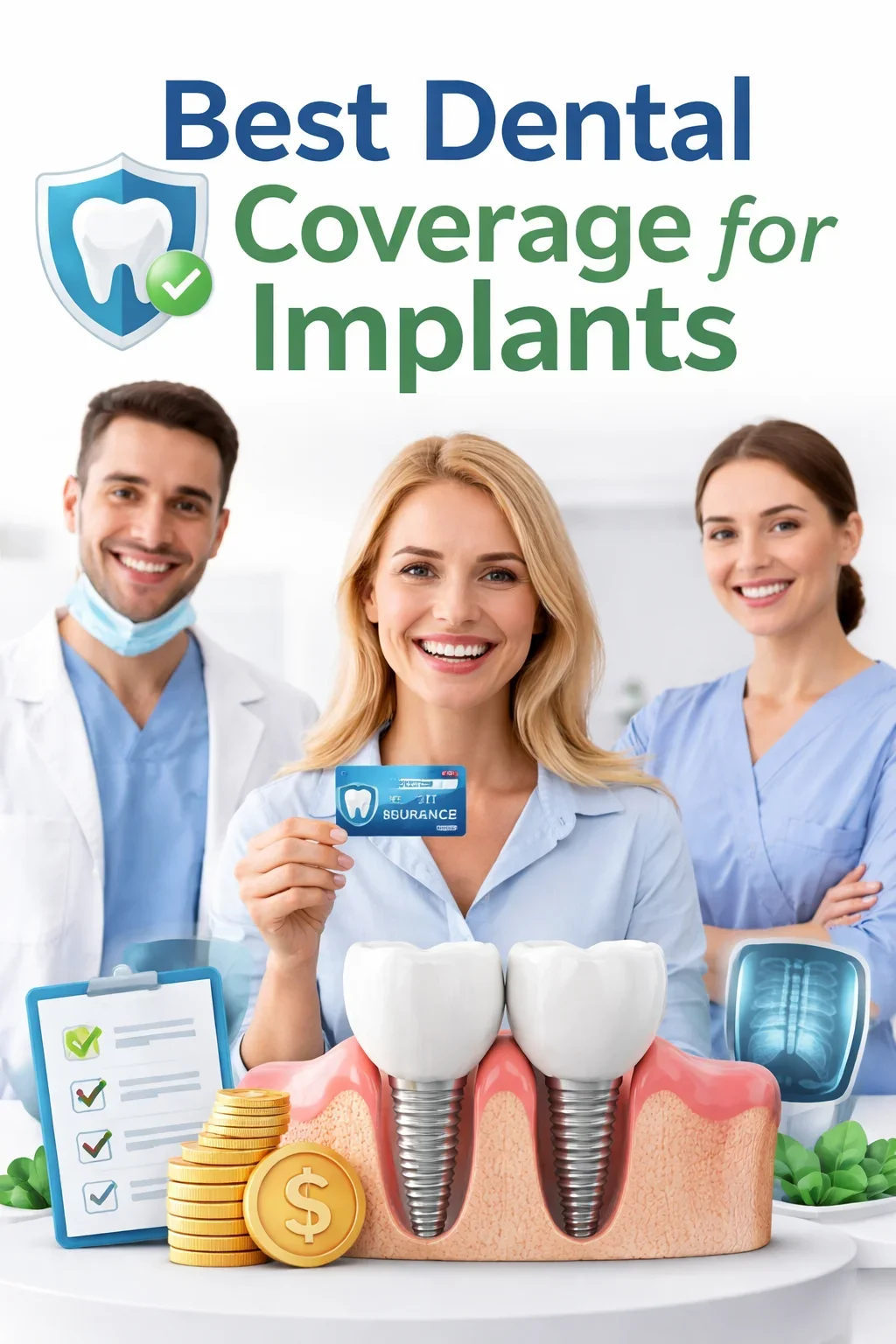
Common Mistakes to Avoid When Choosing the Best Dental Coverage for Implants
Selecting the best dental coverage for implants can be a life-changing decision, but many patients make critical mistakes during the process. These mistakes can lead to unexpected costs, limited coverage, and delays in treatment. Understanding what to avoid is just as important as knowing what to look for when choosing the best dental coverage for implants. 🚫🦷
Because dental implants involve multiple stages and significant investment, even small errors in selecting the best dental coverage for implants can result in thousands of dollars in additional expenses. By identifying common pitfalls, you can make smarter decisions and ensure your plan truly meets your needs.
1. Focusing Only on Monthly Premiums
One of the most common mistakes is choosing a plan based solely on its monthly cost. While affordability is important, the cheapest option is rarely the best dental coverage for implants.
Low Premiums vs. High Out-of-Pocket Costs
Plans with low premiums often have higher deductibles, lower coverage percentages, and stricter limitations. This means you may end up paying more overall, even if the plan appears to be the best dental coverage for implants at first glance.
Evaluating Total Value
Instead of focusing only on premiums, consider the total value of the plan. The best dental coverage for implants balances cost with comprehensive benefits, ensuring you receive meaningful financial support.
2. Ignoring Waiting Periods
Another major mistake is overlooking waiting periods. Many patients assume they can use their benefits immediately, only to discover delays.
Unexpected Treatment Delays
The best dental coverage for implants often includes waiting periods for major procedures. Failing to account for this can postpone your treatment plans.
Planning Ahead
To avoid this issue, always check the waiting period before selecting a plan. The best dental coverage for implants should align with your treatment timeline.
3. Not Checking Coverage Details Carefully
Some patients assume that all implant-related procedures are covered, which is not always the case. This misunderstanding can lead to unexpected expenses.
Partial Coverage Issues
The best dental coverage for implants should include surgery, prosthetics, and follow-up care. However, some plans only cover certain components, leaving patients to pay the rest.
Reading the Fine Print
Carefully reviewing policy details ensures that you are truly selecting the best dental coverage for implants rather than a plan with hidden limitations.
4. Overlooking Annual Maximum Limits
Annual maximum limits can significantly impact how much your insurance will pay. Ignoring this factor is a common mistake when choosing the best dental coverage for implants.
Limited Coverage Amounts
Many plans cap benefits at $1,000 to $2,500 per year. Since implant procedures often exceed this amount, the best dental coverage for implants should offer higher limits or allow flexible usage.
Strategic Planning
Understanding these limits helps you plan your treatment effectively and maximize the benefits of the best dental coverage for implants.
5. Choosing the Wrong Network
Network restrictions can limit your choice of dentists and affect treatment quality.
Limited Provider Options
Some plans require you to use specific dentists. The best dental coverage for implants should offer a wide network or out-of-network flexibility.
Quality of Care
Access to experienced implant specialists is crucial. Choosing a plan without considering this factor may prevent you from getting the best dental coverage for implants in terms of treatment quality.
6. Not Consulting Professionals
Many patients make decisions without seeking expert advice, which can lead to costly mistakes.
Importance of Professional Guidance
Consulting dental professionals ensures that you select the best dental coverage for implants based on your specific needs and treatment plan.
Reliable Information Sources
Trusted organizations like the American Dental Association provide valuable insights into dental insurance and procedures.
You can also get personalized recommendations through the Redent Klinik Contact Page, where experts can guide you toward the best dental coverage for implants.
7. Failing to Compare Multiple Plans
Relying on a single option is another common mistake. Without comparison, it is difficult to identify the best dental coverage for implants.
Importance of Research
Comparing multiple providers allows you to evaluate coverage, costs, and benefits. This process is essential for finding the best dental coverage for implants.
Using Comparison Tools
Online tools and professional consultations can simplify the process and help you make an informed decision.
Final Thoughts on Avoiding Mistakes
The best dental coverage for implants is not just about choosing a plan—it is about avoiding common pitfalls that can reduce its value. By focusing on total cost, understanding policy details, and seeking expert advice, you can make a confident and informed choice.
Ultimately, avoiding these mistakes ensures that you receive the full benefits of the best dental coverage for implants, making your dental implant journey smoother, more affordable, and more successful. 😊