
Choosing the best dental implants to get is one of the most important decisions you can make for your oral health, confidence, and long-term quality of life 😊. Dental implants are not just about replacing missing teeth; they are about restoring chewing function, preserving jawbone health, and achieving a natural-looking smile that feels like your own. Because implant treatment is a long-term investment, patients naturally want to know which options truly deliver the best results.
The best dental implants to get are those that balance medical reliability, proven materials, skilled clinical planning, and your individual needs. There is no single “one-size-fits-all” implant, and that is exactly why understanding the fundamentals is so important before starting treatment. A well-chosen implant can last decades, while a poorly planned one may lead to complications, bone loss, or additional costs.
From a medical perspective, the best dental implants to get are designed to integrate seamlessly with the jawbone through a process called osseointegration. This means the implant fuses with the bone, acting like a natural tooth root 🦷. High-quality implants stimulate the jawbone, preventing bone resorption and facial sagging, which often occur after tooth loss. This is a key advantage implants have over traditional dentures or bridges.
Another essential factor when evaluating the best dental implants to get is material quality. Modern implants are typically made from medical-grade titanium or zirconia. These materials are biocompatible, strong, and resistant to corrosion. The best implant systems are backed by decades of clinical research and long-term success rates above 95%, which gives patients peace of mind.
However, even the best dental implants to get will not perform well without proper diagnosis and planning. Advanced 3D imaging, digital smile design, and bone analysis are critical steps. A professional dental clinic evaluates bone density, gum health, bite alignment, and overall medical history before recommending the ideal implant solution. This personalized planning is what separates average results from excellent, long-lasting outcomes.
Patients often search for the best dental implants to get because they want a solution that looks natural. High-quality implants are paired with custom-made crowns that match your natural teeth in color, shape, and translucency ✨. When done correctly, even dentists may have difficulty distinguishing an implant crown from a natural tooth. This level of aesthetics is especially important for front teeth.
Another reason the best dental implants to get are so highly valued is comfort. Unlike removable dentures, implants are fixed securely in the jawbone. They do not slip, click, or cause sore spots on the gums. Patients can eat, speak, and smile with confidence, enjoying foods they may have avoided for years 🍎🥩.
Long-term reliability is a defining feature of the best dental implants to get. With proper oral hygiene and regular dental checkups, implants can last 20 years or more, often a lifetime. This makes them one of the most cost-effective tooth replacement options over time, despite the higher initial investment.
It is also important to understand that the best dental implants to get are placed by experienced clinicians who follow international standards. Reputable dental clinics align their protocols with organizations such as the American Dental Association, ensuring patient safety, sterilization, and ethical treatment planning. The expertise of the dentist is just as critical as the implant brand itself.
Many patients today choose treatment abroad, searching globally for the best dental implants to get at affordable prices without compromising quality. Clinics that specialize in international patients often combine advanced technology, experienced implantologists, and transparent communication. If you are considering professional guidance or want to discuss your individual case, you can reach out through the Redent Klinik Contact Page for personalized consultation 📞.
Ultimately, the best dental implants to get are those selected through careful evaluation, high-quality materials, and expert clinical execution. When these factors come together, dental implants do more than replace missing teeth—they restore confidence, function, and long-term oral health. Understanding this foundation will help you make informed decisions as you explore implant options in the sections ahead.
What Makes the Best Dental Implants to Get for Long-Term Success?
Understanding what truly defines the best dental implants to get is essential for achieving long-term success, not just short-term satisfaction. Many patients focus only on brand names or prices, but long-lasting dental implant success depends on a combination of medical, technical, and patient-specific factors 🧠. When these elements align, implants can function comfortably and reliably for decades.
The best dental implants to get are those that are selected after a thorough evaluation of your oral health, bone structure, lifestyle, and expectations. A successful implant is not accidental; it is the result of precise planning, quality materials, and expert execution. Let’s explore the most critical factors that determine long-term implant success.
Biocompatibility and Osseointegration
At the core of the best dental implants to get is biocompatibility. This refers to how well the implant material is accepted by the human body. High-quality implants are designed to integrate seamlessly with the jawbone through osseointegration, a biological process where bone cells grow and bond directly to the implant surface 🦴.
Implants that achieve strong osseointegration are more stable, more comfortable, and far less likely to fail. This is why medical-grade titanium and zirconia dominate the market. These materials are non-toxic, corrosion-resistant, and proven through decades of clinical research. Without proper osseointegration, even visually appealing implants can loosen or fail over time.
Precision Planning and Digital Diagnostics
Another defining feature of the best dental implants to get is precise treatment planning. Modern implant dentistry relies heavily on digital diagnostics, including 3D cone-beam CT scans and digital impressions. These tools allow dentists to evaluate bone density, nerve locations, and sinus anatomy with extreme accuracy.
Accurate diagnostics ensure that implants are placed at the correct angle, depth, and position. This minimizes surgical risks and maximizes stability and aesthetics. Clinics that invest in digital planning consistently deliver better long-term outcomes, making this step non-negotiable for high-quality implant treatment.
The Role of Customized Treatment Plans
No two mouths are the same, which is why the best dental implants to get are always part of a customized treatment plan. Factors such as bite force, jaw alignment, gum health, and even facial structure influence which implant system and technique will be most effective.
Customization also applies to the final crown placed on the implant. Custom-made crowns ensure proper bite function and a natural appearance, reducing stress on the implant and surrounding teeth. This personalized approach significantly extends the lifespan of dental implants.
Surgical Expertise and Clinical Experience
Even the best dental implants to get can fail if they are placed by an inexperienced clinician. Implant dentistry is both a science and an art, requiring advanced training and hands-on experience. Skilled implantologists understand how bone responds to surgical trauma and how to adapt techniques for complex cases.
Experienced clinicians also know how to manage potential complications, such as insufficient bone volume or gum recession. Their expertise ensures that implants are placed in a way that supports long-term bone stability and gum health 😷.
Implant Surface Technology
One often-overlooked factor when evaluating the best dental implants to get is surface technology. Modern implants feature specially treated surfaces that encourage faster and stronger bone integration. These micro-rough or chemically modified surfaces increase contact between bone and implant.
Improved surface technology reduces healing time and enhances long-term stability. This is particularly important for patients with lower bone density or those seeking faster functional loading of their implants.
Patient Commitment and Oral Hygiene
Long-term success with the best dental implants to get also depends on patient responsibility. Implants require consistent oral hygiene, including proper brushing, flossing, and regular dental checkups 🪥. While implants cannot decay like natural teeth, the surrounding gums and bone can still be affected by plaque and inflammation.
Patients who maintain good oral hygiene and follow professional advice enjoy significantly higher implant success rates. Smoking cessation, managing systemic conditions like diabetes, and attending follow-up visits all contribute to implant longevity.
Quality Standards and Ethical Protocols
The best dental implants to get are provided by clinics that adhere to international quality standards and ethical protocols. Trusted clinics align their procedures with guidelines from respected organizations such as the American Dental Association. This ensures sterilization, patient safety, and evidence-based treatment planning.
Ethical clinics also prioritize transparency, educating patients about realistic outcomes, potential risks, and alternative options. This honesty builds trust and leads to more successful, satisfying results.
In summary, the best dental implants to get are defined not by a single feature but by a comprehensive approach to care. Biocompatible materials, precise planning, expert placement, advanced technology, and patient commitment all work together to ensure long-term success. When these factors are present, dental implants become a reliable, life-changing solution rather than just a cosmetic fix 🌟.
Types of Dental Implants Explained: Which Option Is Right for You?
When patients search for the best dental implants to get, they are often surprised to learn that there are several different types of dental implants, each designed for specific clinical situations. Choosing the right type is just as important as selecting a high-quality implant brand or an experienced dentist. The correct implant type directly affects comfort, durability, aesthetics, and long-term oral health 😊.
The best dental implants to get are always determined by individual factors such as bone volume, gum condition, number of missing teeth, and overall health. Understanding the main implant types will help you make informed decisions and actively participate in your treatment planning process.
Endosteal Dental Implants: The Most Common Choice
Endosteal implants are the most widely used and often considered among the best dental implants to get for patients with sufficient jawbone density. These implants are placed directly into the jawbone and typically have a screw-like shape. Once healed, they act as artificial tooth roots that support crowns, bridges, or even full-arch restorations.
This type of implant offers excellent stability and long-term success rates. Endosteal implants are suitable for replacing a single tooth or multiple teeth and are known for their natural feel and appearance 🦷. For most patients with healthy bone structure, this option is usually the first recommendation.
Who Is an Ideal Candidate for Endosteal Implants?
The best dental implants to get in the endosteal category are ideal for patients who have good bone volume and density. If bone loss is present, bone grafting may be required before implant placement. Patients who maintain good oral hygiene and have no uncontrolled systemic conditions typically achieve excellent outcomes with this implant type.
Subperiosteal Dental Implants: An Alternative for Low Bone Density
For patients who lack sufficient jawbone height or density, subperiosteal implants may be among the best dental implants to get. Unlike endosteal implants, these are placed on top of the jawbone but beneath the gum tissue. A metal framework supports the prosthetic teeth without being embedded deep into the bone.
Subperiosteal implants are less common today due to advances in bone grafting, but they remain a valuable solution for patients who cannot undergo extensive bone augmentation. This option can reduce treatment time and surgical complexity for specific cases.
Zygomatic Implants: Advanced Solutions for Severe Bone Loss
Zygomatic implants are considered some of the best dental implants to get for patients with severe upper jaw bone loss. Instead of anchoring in the jawbone, these longer implants are secured into the cheekbone (zygoma), which provides strong support even when traditional implants are not possible.
This advanced technique is often used in full-arch restorations and allows patients to avoid bone grafting procedures. Zygomatic implants require highly skilled surgeons and precise planning, but when performed correctly, they offer life-changing results for complex cases 💡.
Mini Dental Implants: Smaller but Purposeful
Mini dental implants are narrower than traditional implants and may be considered among the best dental implants to get for patients with limited space or bone volume. They are commonly used to stabilize dentures or replace small teeth.
While mini implants offer faster placement and shorter healing times, they may not be suitable for high bite forces or long-span restorations. A thorough evaluation is necessary to determine whether mini implants can meet long-term functional demands.
Single-Tooth vs Multiple-Tooth Implants
The best dental implants to get also depend on how many teeth need replacement. Single-tooth implants are designed to replace one missing tooth without affecting neighboring teeth. They are highly conservative and preserve natural tooth structure.
For multiple missing teeth, implant-supported bridges or full-arch implant solutions may be recommended. These options restore chewing efficiency and aesthetics while preventing bone loss across a larger area of the jaw.
Immediate Load vs Delayed Load Implants
Another important distinction when choosing the best dental implants to get is the loading protocol. Immediate load implants allow a temporary crown to be placed shortly after surgery, giving patients quicker aesthetic results 😄.
Delayed load implants, on the other hand, allow full healing and osseointegration before attaching the final crown. While this approach requires more patience, it may be safer for patients with lower bone density or complex conditions.
Which Implant Type Is Truly the Best for You?
There is no universal answer when it comes to the best dental implants to get. The ideal implant type is determined through detailed clinical examination, imaging, and open communication between patient and dentist. Factors such as bone quality, budget, treatment timeline, and aesthetic expectations all play a role.
Clinics that follow international standards and evidence-based practices, including guidance from the American Dental Association, prioritize patient-specific solutions rather than generic recommendations.
In conclusion, understanding implant types empowers you to choose the best dental implants to get for your unique needs. Whether it is endosteal, subperiosteal, zygomatic, or mini implants, the right choice ensures long-term stability, comfort, and confidence. The next step is working with an experienced implant dentist who can translate this knowledge into a successful, personalized treatment plan 🌟.
Materials Matter: Titanium vs Zirconia Dental Implants
When evaluating the best dental implants to get, one of the most critical factors is the material used to manufacture the implant itself. Implant material directly affects biocompatibility, strength, aesthetics, long-term stability, and even how your body responds during healing. While many patients focus on brand names, the material choice is often the true foundation of implant success 🧬.
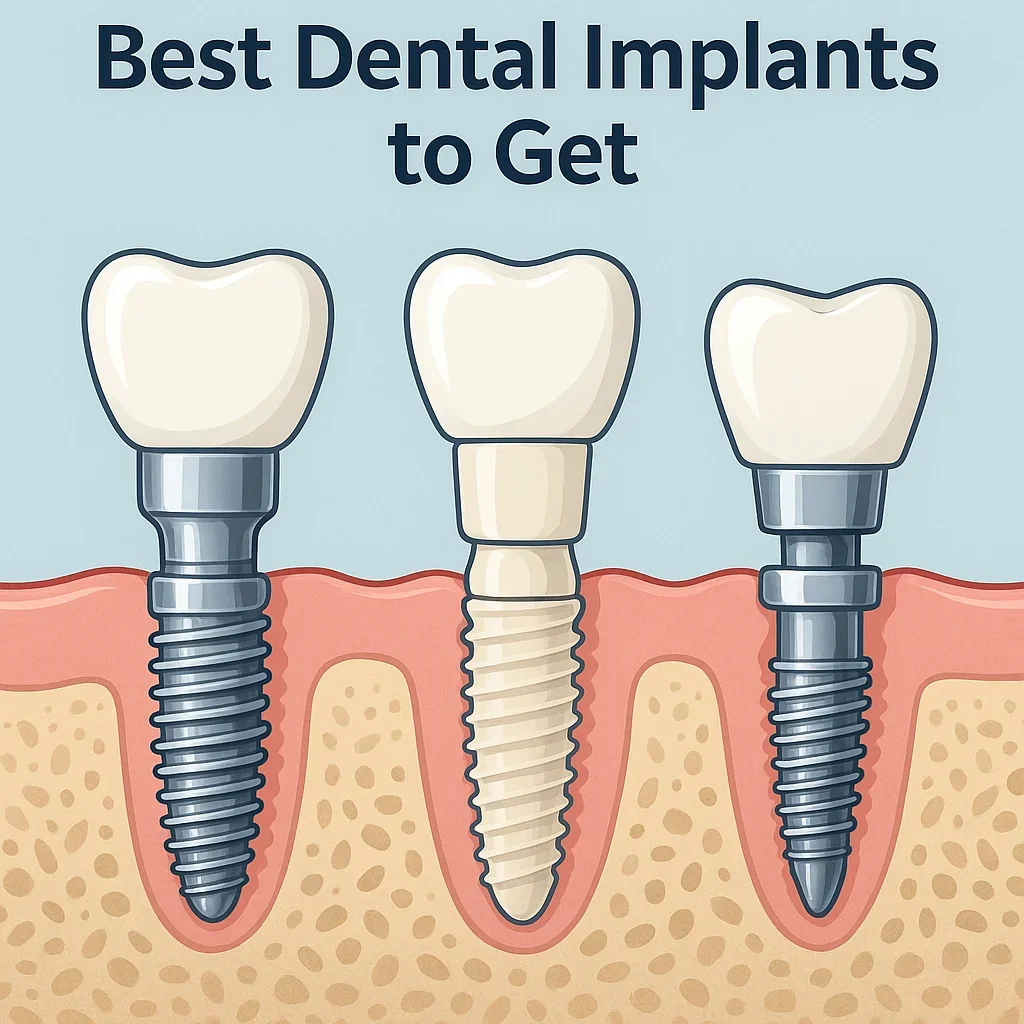
Today, the global dental industry relies primarily on two materials for the best dental implants to get: titanium and zirconia. Both are considered safe, effective, and medically approved, but they serve different patient needs and clinical situations. Understanding the strengths and limitations of each will help you make a confident, informed decision.
Titanium Dental Implants: The Gold Standard
Titanium has been used in medical implants for decades and is widely regarded as the benchmark material for the best dental implants to get. Its popularity comes from its exceptional biocompatibility and ability to bond directly with bone through osseointegration.
Once placed, titanium implants integrate with the jawbone at a microscopic level, creating a stable and durable foundation 🦷. This strong bone-to-implant connection is one of the reasons titanium implants have success rates exceeding 95% over long periods.
Advantages of Titanium Implants
The best dental implants to get often use titanium because of its unique advantages:
- Excellent long-term clinical success and reliability
- High resistance to fracture and mechanical stress
- Suitable for single-tooth, multiple-tooth, and full-arch restorations
- Extensive scientific research and long-term data support
Titanium implants are particularly effective for patients who grind their teeth, have strong bite forces, or require complex restorations. Their strength makes them ideal for back teeth where chewing pressure is highest.
Concerns Some Patients Have About Titanium
Although titanium is considered extremely safe, some patients exploring the best dental implants to get express concerns about metal sensitivity or aesthetics. In rare cases, individuals prefer metal-free solutions due to allergies or personal preference. Additionally, in patients with thin gum tissue, titanium may sometimes cause a slight gray shadow near the gum line, especially in the front teeth.
Zirconia Dental Implants: The Metal-Free Alternative
Zirconia implants have gained popularity as a modern alternative among patients seeking the best dental implants to get without metal components. Zirconia is a ceramic material known for its high strength, biocompatibility, and natural white color.
Because zirconia closely resembles natural tooth color, it offers superior aesthetics, especially in visible areas of the smile 😁. This makes zirconia implants particularly appealing for front-tooth restorations where cosmetic outcomes are a top priority.
Advantages of Zirconia Implants
The best dental implants to get for patients with aesthetic concerns or metal sensitivities may include zirconia due to the following benefits:
- 100% metal-free and hypoallergenic
- Excellent gum tissue response and reduced plaque accumulation
- Natural white color eliminates gray shadows
- High resistance to corrosion and chemical reactions
Zirconia implants also show promising results in reducing inflammation around the implant site, which may contribute to healthier gums over time.
Comparing Durability and Long-Term Performance
When discussing the best dental implants to get, durability is a major concern. Titanium implants currently have more long-term clinical data supporting their longevity, with many patients enjoying stable implants for 20 years or more.
Zirconia implants, while highly durable, are relatively newer in widespread clinical use. Ongoing studies show excellent performance, but long-term data is still developing. For this reason, titanium remains the most commonly recommended option for complex or high-load cases.
Which Material Is Better for Bone and Gum Health?
Both materials used in the best dental implants to get support healthy bone integration when placed correctly. Titanium’s surface technology has been refined over decades to enhance bone growth. Zirconia, on the other hand, shows excellent soft tissue compatibility, often resulting in healthier-looking gums.
The choice between the two often depends on whether bone stability or soft tissue aesthetics is the primary concern. A skilled implant dentist evaluates these factors carefully before making a recommendation.
Making the Right Choice for Your Needs
Ultimately, the best dental implants to get are not defined by one material alone. Titanium and zirconia are both excellent options when used appropriately. The ideal choice depends on your oral anatomy, aesthetic expectations, medical history, and long-term goals.
Reputable clinics follow evidence-based guidelines and international standards, including those supported by the American Dental Association, to ensure that material selection prioritizes patient safety and success.
In conclusion, material choice is a cornerstone of implant success. Whether you choose titanium for its proven strength or zirconia for its metal-free aesthetics, the best dental implants to get are those tailored specifically to you. With proper planning and expert care, both materials can deliver outstanding, long-lasting results that restore confidence and function 🌟.
Best Dental Implants to Get for Bone Loss and Complex Cases
Patients who experience bone loss often worry that they are no longer candidates for dental implants. Fortunately, modern implant dentistry offers advanced solutions, and the best dental implants to get today are specifically designed to handle complex cases involving bone deficiency, sinus issues, or long-term tooth loss. With proper planning and the right techniques, even patients with severe bone loss can achieve stable, long-lasting results 😊.
The best dental implants to get for bone loss focus on maximizing existing bone, stimulating regeneration, or bypassing weak areas altogether. Understanding these specialized approaches helps patients regain confidence and avoid unnecessary fear or misinformation.
Why Bone Loss Happens After Tooth Loss
Bone loss is one of the most common challenges in implant dentistry. When a tooth is lost, the jawbone no longer receives stimulation from chewing forces. Over time, this leads to bone resorption, shrinking the bone both in height and width 🦴.
Patients searching for the best dental implants to get often have a history of long-term missing teeth, ill-fitting dentures, gum disease, or trauma. The longer the tooth has been missing, the more bone loss typically occurs, making standard implant placement more challenging.
Bone Grafting: Rebuilding the Foundation
One of the most effective ways to enable the best dental implants to get in cases of bone loss is bone grafting. This procedure involves adding natural or synthetic bone material to areas with insufficient volume, allowing the body to regenerate new bone over time.
Types of Bone Grafting Procedures
- Socket grafting: Performed immediately after tooth extraction to preserve bone.
- Ridge augmentation: Restores bone width and height in severely resorbed areas.
- Sinus lift: Creates space for implants in the upper jaw near the sinuses.
Bone grafting increases the success rate of the best dental implants to get by creating a stable foundation. Although it adds time to the treatment process, it significantly improves long-term outcomes.
Short and Wide Implants: Maximizing Existing Bone
In some cases, the best dental implants to get do not require extensive grafting. Short or wide-diameter implants are designed to work within limited bone height or width. These implants distribute biting forces more evenly and can be highly effective when placed by experienced clinicians.
Advances in implant surface technology allow these implants to integrate successfully even in compromised bone conditions. This approach reduces surgical complexity and shortens overall treatment time.
Zygomatic Implants for Severe Upper Jaw Bone Loss
For patients with extreme bone loss in the upper jaw, zygomatic implants may represent the best dental implants to get. These implants anchor into the cheekbone rather than the jawbone, bypassing areas of severe resorption.
Zygomatic implants are often used in full-arch restorations and allow patients to avoid bone grafting altogether. This technique requires advanced training and precise planning but offers life-changing results for patients who were previously told implants were impossible 🌟.
All-on-4 and Full-Arch Solutions
Full-arch implant systems such as All-on-4 are frequently considered among the best dental implants to get for patients with generalized bone loss. This technique uses strategically angled implants to maximize bone contact and stability.
By placing implants at specific angles, dentists can avoid areas of weak bone and achieve strong anchorage. Many patients receive temporary fixed teeth on the same day, restoring function and aesthetics quickly.
Advanced Digital Planning for Complex Cases
The best dental implants to get for bone loss rely heavily on digital planning technologies. 3D cone-beam CT scans, computer-guided surgery, and digital simulations allow clinicians to plan implant placement with extreme precision.
This technology minimizes surgical risks, protects nerves and sinuses, and ensures optimal implant positioning. For complex cases, digital planning is not optional—it is essential.
Healing, Monitoring, and Long-Term Stability
Patients receiving the best dental implants to get in complex cases require careful monitoring during healing. Bone regeneration and osseointegration may take longer, but the results are highly predictable when protocols are followed.
Regular follow-up visits, excellent oral hygiene, and lifestyle adjustments such as quitting smoking significantly improve long-term success. Even in challenging cases, implant survival rates remain high when treatment is properly managed.
Expertise Matters More Than Ever
For bone loss cases, the best dental implants to get are inseparable from the skill of the implant dentist. Advanced procedures demand extensive experience and adherence to international guidelines, including those supported by the American Dental Association.
Clinics specializing in complex implant cases evaluate each patient individually and offer transparent treatment plans. If you are unsure whether implants are possible for you, a professional consultation can provide clarity and confidence. You may consider reaching out through the Redent Klinik Contact Page for a personalized assessment.
In summary, bone loss does not eliminate your chances of implant success. With modern techniques, advanced materials, and expert care, the best dental implants to get can restore function, aesthetics, and long-term oral health—even in the most complex cases 💪.
Implant Brands Dentists Trust Most Worldwide
When patients look for the best dental implants to get, one of the most common questions is about implant brands. While technique and planning are essential, the brand of the implant system plays a major role in long-term success, reliability, and global support 🌍. Trusted implant brands invest heavily in research, surface technology, and quality control, which directly benefits patients.
The best dental implants to get are almost always produced by manufacturers with decades of clinical data, international certifications, and widespread acceptance among implant dentists. These brands are not chosen randomly; they are selected because they consistently deliver predictable outcomes across millions of cases worldwide.
Why Implant Brand Quality Matters
Dental implants are medical devices that must withstand constant biting forces, moisture, and bacterial exposure. The best dental implants to get come from brands that follow strict manufacturing standards and conduct long-term clinical trials 🧪.
High-quality brands offer precise engineering, which ensures that the implant, abutment, and crown fit together perfectly. This precision reduces micro-movements and bacterial leakage, both of which are major causes of implant failure.
Top Global Implant Brands Used by Professionals
While there are many manufacturers on the market, dentists consistently rely on a select group of brands when recommending the best dental implants to get. These companies have earned global trust through proven results and continuous innovation.
Straumann
Straumann is widely regarded as one of the leaders in implant dentistry. Known for advanced surface technology and exceptional long-term data, Straumann implants are frequently chosen as the best dental implants to get for both simple and complex cases.
Their implants integrate quickly with bone and are suitable for immediate loading protocols. Straumann’s global presence also ensures that replacement parts and professional support are available worldwide.
Nobel Biocare
Nobel Biocare is another brand synonymous with the best dental implants to get. They pioneered many modern implant techniques, including full-arch solutions such as All-on-4.
This brand is especially trusted for complex cases, aesthetic zones, and full-mouth rehabilitations. Nobel Biocare implants are backed by extensive research and are commonly used in university hospitals and advanced clinics.
Zimmer Biomet
Zimmer Biomet brings orthopedic expertise into dental implantology. Their systems are often selected as the best dental implants to get for patients with high bite forces or challenging bone conditions.
Zimmer implants are known for mechanical strength and precision engineering, making them a reliable option for long-term durability.
Osstem and MIS Implants
Brands like Osstem and MIS have gained international recognition for offering high-quality implants at more accessible price points. Many clinics consider them among the best dental implants to get when balancing quality and affordability.
These brands are supported by growing clinical data and are widely used in international dental tourism centers, with excellent success rates when placed by experienced clinicians.
Certified Quality and International Standards
The best dental implants to get always come from manufacturers that meet international medical device regulations. Certifications such as CE marking and FDA approval indicate that implants meet rigorous safety and performance standards.
Reputable brands also align with evidence-based guidelines promoted by organizations like the American Dental Association, ensuring ethical and patient-centered care.
Availability of Parts and Long-Term Support
An often-overlooked factor when choosing the best dental implants to get is long-term accessibility. Implant systems should be supported globally so that replacement parts, repairs, or future modifications are easily available.
Well-established brands maintain consistent designs over time, ensuring that even years later, dentists can service or restore existing implants without complications.
Brand Alone Is Not Enough
Although brand quality is crucial, it is important to understand that the best dental implants to get are not determined by brand alone. Even the most advanced implant system can fail if placed incorrectly or without proper planning.
This is why top clinics combine trusted brands with digital diagnostics, experienced surgeons, and personalized treatment plans. The synergy between brand quality and clinical expertise produces the best outcomes.
How Dentists Choose the Right Brand for You
Professional dentists do not rely on a single brand for every patient. Instead, they select the best dental implants to get based on your bone quality, aesthetic needs, and functional demands.
Some brands excel in aesthetic zones, while others are better suited for full-arch or high-load applications. A skilled clinician understands these nuances and tailors the choice to your specific case.
In conclusion, the best dental implants to get are almost always produced by globally trusted brands with proven clinical success. When these brands are combined with expert care and proper planning, patients benefit from safe, durable, and natural-looking results that can last a lifetime ⭐.
Best Dental Implants to Get for Front Teeth vs Back Teeth
Choosing the best dental implants to get depends heavily on where the missing tooth is located. Front teeth and back teeth serve very different functions, and implant selection must reflect those differences. While front teeth prioritize aesthetics and natural appearance, back teeth must withstand strong chewing forces and provide long-term durability 🦷.
The best dental implants to get for each area of the mouth are selected based on bite pressure, visibility, gum thickness, and bone quality. Understanding these distinctions helps patients achieve both functional success and a confident smile.
Why Location Matters in Dental Implant Selection
Every tooth in the mouth plays a unique role. The best dental implants to get for front teeth focus on cosmetic harmony, while implants for back teeth emphasize strength and stability. Using the same approach for all teeth can compromise results.
Front teeth are part of the smile zone, meaning even minor imperfections are noticeable 😁. Back teeth, on the other hand, absorb the majority of chewing forces and must be engineered to handle pressure from daily eating.
Best Dental Implants to Get for Front Teeth
When replacing front teeth, aesthetics are the top priority. The best dental implants to get for front teeth must support a crown that looks indistinguishable from natural teeth in color, shape, and translucency.
Key Features for Front Tooth Implants
- Excellent gum integration to avoid visible metal edges
- Precise implant placement for natural tooth alignment
- Customized ceramic crowns for realistic aesthetics
Zirconia implants or titanium implants with zirconia abutments are often considered among the best dental implants to get for front teeth. These options reduce the risk of gray shadows under the gums and enhance the natural appearance.
Additionally, digital smile design and 3D planning play a crucial role. Proper positioning ensures that the implant supports the gums correctly, preventing recession and preserving a youthful smile.
Best Dental Implants to Get for Back Teeth
Back teeth, including molars and premolars, endure significant bite forces. The best dental implants to get for these areas must prioritize strength, stability, and long-term performance 💪.
Key Features for Back Tooth Implants
- High mechanical strength to withstand chewing pressure
- Wider implant diameter for better force distribution
- Strong osseointegration with dense jawbone
Titanium implants are commonly regarded as the best dental implants to get for back teeth due to their superior strength and long-term clinical success. They are especially suitable for patients who grind their teeth or have strong bite forces.
Crown Design Differences Between Front and Back Teeth
The best dental implants to get are only as good as the crowns placed on them. Front tooth crowns are typically made from high-translucency ceramics to mimic natural enamel. Back tooth crowns, however, are designed thicker and stronger to handle pressure.
Proper crown design prevents implant overload and ensures balanced bite alignment. A poorly designed crown can lead to implant failure, even if the implant itself is high quality.
Bone and Gum Considerations by Tooth Location
The bone structure differs between the front and back of the mouth. The best dental implants to get are selected with these anatomical differences in mind. Front teeth often have thinner bone and gums, requiring delicate surgical techniques.
Back teeth usually have denser bone but may be affected by sinus cavities in the upper jaw. In such cases, sinus lift procedures may be necessary before placing implants.
Immediate vs Delayed Placement by Location
In some cases, the best dental implants to get for front teeth may involve delayed placement to allow proper healing and gum shaping. This ensures optimal aesthetic outcomes.
For back teeth, immediate placement may be possible if bone conditions are favorable. This approach can shorten treatment time while maintaining stability.
Patient Expectations and Lifestyle Factors
The best dental implants to get also depend on patient lifestyle and expectations. Patients who prioritize appearance may focus more on front-tooth solutions, while those concerned with chewing comfort may emphasize back-tooth strength.
Open communication with your dentist ensures that implant selection aligns with your daily habits, dietary preferences, and long-term goals.
Expert Planning Makes the Difference
Selecting the best dental implants to get for different areas of the mouth requires advanced planning and experience. Clinics that follow evidence-based standards, including those supported by the American Dental Association, use digital diagnostics to optimize outcomes.
In summary, front and back teeth demand different implant strategies. By understanding these differences and working with an experienced implant dentist, you can ensure that the best dental implants to get deliver both beauty and strength—resulting in a healthy, confident smile that lasts for years 🌟.
Dental Implant Procedures Step by Step: What to Expect
Understanding the procedure behind the best dental implants to get helps reduce anxiety and allows patients to prepare both physically and mentally for treatment. Dental implant surgery is a carefully planned medical process, not a single appointment. When done correctly, each step builds toward long-term success, comfort, and natural function 😊.
The best dental implants to get follow evidence-based protocols that prioritize safety, precision, and predictable outcomes. While individual cases vary, the overall treatment journey follows a structured sequence designed to maximize implant stability and patient satisfaction.
Step 1: Comprehensive Consultation and Diagnosis
The journey toward the best dental implants to get always begins with a detailed consultation. During this stage, the dentist evaluates your medical history, oral health, bone structure, and expectations. Advanced diagnostic tools such as 3D cone-beam CT scans are used to assess bone volume, nerve positions, and sinus anatomy 🦷.
This step is critical because implant success depends heavily on accurate diagnosis. Poor planning is one of the leading causes of implant failure, which is why top clinics invest heavily in digital diagnostics and individualized treatment planning.
Digital Planning and Treatment Simulation
For the best dental implants to get, many clinics use digital implant planning software. This technology allows dentists to simulate implant placement virtually before surgery. It ensures ideal positioning, proper angulation, and optimal load distribution.
Digital planning reduces surgical risks, shortens procedure time, and improves long-term results, especially in complex or aesthetic cases.
Step 2: Tooth Extraction (If Necessary)
If a damaged tooth is still present, it may need to be removed before placing the best dental implants to get. In some cases, extraction and implant placement can be done on the same day, known as immediate placement.
When infection or bone loss is present, the dentist may recommend waiting for healing before proceeding. This cautious approach protects bone health and increases implant success rates.
Step 3: Bone Grafting and Site Preparation
Not all patients have sufficient bone to support the best dental implants to get. If bone volume is inadequate, bone grafting may be required. This step rebuilds the foundation needed for stable implant placement 🦴.
Bone grafts can be natural, synthetic, or donor-based and typically require several months to integrate. While this extends treatment time, it dramatically improves long-term outcomes.
Step 4: Implant Placement Surgery
The surgical placement of the implant is the core step in receiving the best dental implants to get. The procedure is usually performed under local anesthesia, and sedation options are available for anxious patients.
The dentist carefully places the implant into the prepared bone site following the pre-planned digital guide. The surgery is precise, minimally invasive, and typically takes less than an hour per implant.
Comfort and Pain Management
Most patients report minimal discomfort during and after implant surgery. Mild swelling or soreness is normal and usually managed with over-the-counter medication. Modern techniques make the placement of the best dental implants to get far more comfortable than many expect 😌.
Step 5: Osseointegration and Healing Phase
After placement, the implant undergoes osseointegration, where it fuses with the jawbone. This phase is essential for the long-term success of the best dental implants to get.
Osseointegration typically takes 3 to 6 months, depending on bone quality and overall health. During this time, the implant becomes a stable artificial root capable of supporting a crown.
Step 6: Abutment Placement
Once healing is complete, an abutment is attached to the implant. This small connector links the implant to the final crown. For the best dental implants to get, abutments are selected to optimize gum health and aesthetics.
In some cases, abutments are placed at the same time as the implant, reducing the number of procedures.
Step 7: Crown Design and Final Restoration
The final step in achieving the best dental implants to get is placing the custom-made crown. Digital impressions are taken to design a crown that matches your natural teeth in color, shape, and bite alignment ✨.
The crown is securely attached to the abutment, restoring full function and appearance. At this stage, the implant should feel and function like a natural tooth.
Follow-Up Care and Long-Term Maintenance
The best dental implants to get require ongoing care. Regular dental checkups, professional cleanings, and proper home oral hygiene are essential for maintaining implant health.
Clinics that follow international protocols and guidance from organizations such as the American Dental Association emphasize long-term monitoring and patient education.
In conclusion, dental implant treatment is a step-by-step process built on precision, planning, and patience. When each phase is executed correctly, the best dental implants to get deliver exceptional durability, comfort, and confidence—making the journey well worth the investment 🌟.
Recovery, Healing Time, and Longevity of Dental Implants
One of the most important concerns for patients researching the best dental implants to get is what happens after the procedure. Recovery, healing time, and long-term durability are critical factors that determine whether dental implants are truly worth the investment. Understanding the healing process helps set realistic expectations and ensures better long-term results 😊.
The best dental implants to get are designed not only to integrate securely with the jawbone but also to support a smooth recovery and provide decades of reliable function. While healing experiences can vary from person to person, modern implant dentistry follows predictable timelines supported by extensive clinical research.
Immediate Recovery After Implant Surgery
After receiving the best dental implants to get, most patients experience mild swelling, tenderness, or bruising around the surgical area. These symptoms are normal and typically peak within the first 48 hours. Pain is usually minimal and manageable with prescribed or over-the-counter medications.
Patients are generally advised to rest for the first 24–48 hours and avoid strenuous physical activity. Soft foods, good hydration, and gentle oral hygiene are essential during this initial recovery phase 🛌.
Tips for a Smooth First Week
- Avoid hard, hot, or crunchy foods
- Do not smoke or use tobacco products
- Follow all post-operative care instructions carefully
- Maintain gentle but consistent oral hygiene
Following these guidelines significantly improves healing outcomes and protects the best dental implants to get during their most vulnerable stage.
Osseointegration: The Most Critical Healing Phase
The success of the best dental implants to get depends largely on osseointegration—the biological process where the implant fuses with the jawbone 🦴. This phase transforms the implant into a stable artificial tooth root.
Osseointegration typically takes between 3 and 6 months, depending on bone quality, implant type, and overall health. During this period, the bone grows tightly around the implant surface, creating long-term stability.
Rushing this phase can compromise results. This is why experienced clinicians carefully monitor healing before proceeding with the final crown placement.
Factors That Affect Healing Time
Not all patients heal at the same pace. Several factors influence how quickly the best dental implants to get integrate and stabilize:
- Bone density and volume
- Smoking or tobacco use
- Systemic conditions such as diabetes
- Oral hygiene habits
- Implant material and surface technology
Patients who follow professional guidance and maintain healthy lifestyles often experience faster and more predictable healing.
Temporary Teeth During Healing
Many patients worry about appearance during healing. Fortunately, the best dental implants to get are often paired with temporary crowns or bridges, especially for visible areas. These temporary restorations allow patients to smile and speak confidently while the implant heals 😄.
However, temporary teeth are designed to minimize pressure on the implant, which is essential for successful osseointegration.
Long-Term Longevity of Dental Implants
The best dental implants to get are not a short-term solution. When properly placed and maintained, dental implants can last 20 years or more—and often a lifetime.
Clinical studies consistently show implant survival rates above 95% over long periods. This makes dental implants one of the most durable tooth replacement options available.
What Makes Implants Last So Long?
- Strong integration with the jawbone
- High-quality implant materials
- Proper bite alignment and crown design
- Regular professional dental care
While crowns may need replacement after many years due to normal wear, the implant itself often remains stable indefinitely.
Maintenance and Daily Care
To protect the best dental implants to get, long-term care is essential. Implants require the same level of oral hygiene as natural teeth, including brushing, flossing, and professional cleanings 🪥.
Although implants cannot decay, the surrounding gum and bone can still be affected by plaque-related inflammation. Conditions like peri-implantitis can compromise implant stability if left untreated.
Regular Checkups and Professional Monitoring
Routine dental visits allow dentists to monitor the health of the best dental implants to get. X-rays and clinical exams help detect early signs of inflammation or bite imbalance.
Clinics that follow evidence-based protocols and recommendations from organizations such as the American Dental Association emphasize prevention and early intervention to protect implant longevity.
Are Dental Implants Worth the Recovery Time?
While the healing process requires patience, most patients agree that the benefits far outweigh the waiting period. The best dental implants to get restore natural chewing ability, prevent bone loss, and eliminate the discomfort associated with removable dentures.
In the long run, implants offer unmatched stability, comfort, and confidence—making them a truly life-enhancing solution 🌟.
In summary, recovery and healing are essential stages in achieving the full benefits of dental implants. With proper care, professional monitoring, and realistic expectations, the best dental implants to get can provide reliable, long-lasting results that support oral health and quality of life for decades.
Cost Breakdown: How Much Do the Best Dental Implants Cost?
For many patients researching the best dental implants to get, cost is one of the most decisive factors. Dental implants are widely recognized as a premium tooth replacement solution, but understanding what you are paying for helps put the investment into perspective 💰. The total cost is not just about the implant itself; it reflects materials, technology, expertise, and long-term value.
The best dental implants to get may have a higher upfront cost compared to dentures or bridges, but they often prove more economical over time due to their durability, comfort, and minimal maintenance needs.
What Is Included in the Cost of Dental Implants?
The price of the best dental implants to get is usually a combination of several components rather than a single fee. Understanding these elements prevents confusion and unrealistic expectations.
Main Cost Components
- Initial consultation and diagnostic imaging (X-rays, 3D CT scans)
- The dental implant (fixture) itself
- Abutment (connector between implant and crown)
- Custom-made crown or prosthetic tooth
- Surgical procedure and anesthesia
- Follow-up visits and post-operative care
Clinics offering the best dental implants to get are transparent about these components and explain what is included in the quoted price.
Average Dental Implant Costs by Region
Prices for the best dental implants to get vary significantly depending on country, clinic standards, and clinician expertise. Below is an approximate cost comparison based on commonly reported international ranges.
Estimated Cost Range (Per Single Implant)
United States: $3,000 – $5,000
United Kingdom: £2,500 – £4,000
Western Europe: €2,000 – €4,000
Turkey: $800 – $1,500
These estimates typically include the implant, abutment, and crown, but additional procedures such as bone grafting may increase the total cost.
Why Prices Vary So Much
The wide price range for the best dental implants to get often raises questions. Several factors contribute to these differences:
- Cost of living and operating expenses in each country
- Implant brand and material quality
- Experience and reputation of the implant dentist
- Technology used (digital planning, guided surgery)
- Clinic standards and sterilization protocols
Lower cost does not automatically mean lower quality, but extremely cheap offers should always be evaluated carefully.
Are Cheaper Implants a Risk?
Patients searching for affordable solutions still want the best dental implants to get. The key is understanding where savings come from. Reputable clinics in countries known for dental tourism often reduce costs through lower overhead, not by compromising quality.
However, extremely low prices may indicate the use of unverified implant brands, limited follow-up care, or insufficient diagnostic planning. These shortcuts can lead to complications and higher long-term costs.
Cost vs Value: Looking Beyond the Price Tag
The best dental implants to get should always be evaluated based on value rather than price alone. A well-placed implant can last decades, whereas a poorly planned one may require replacement or corrective surgery.
When viewed as a long-term investment, dental implants often cost less over time than dentures or bridges, which may need frequent replacement or adjustment.
Insurance and Financing Options
In many countries, dental insurance provides limited coverage for implants. Patients seeking the best dental implants to get often explore financing options, payment plans, or treatment abroad to make care more accessible.
Clinics that treat international patients commonly offer package pricing that includes consultation, surgery, and follow-up care, improving cost predictability.
Full-Arch and Multiple Implant Costs
For patients needing extensive restoration, the best dental implants to get may involve full-arch solutions such as All-on-4 or All-on-6. While the upfront cost is higher, these treatments restore an entire arch with fewer implants.
Estimated full-arch costs range from $8,000 to $25,000 per arch depending on location, materials, and complexity. Despite the cost, these solutions dramatically improve quality of life and oral function.
Choosing the Right Clinic for Cost Transparency
Clinics offering the best dental implants to get prioritize transparency. They provide clear treatment plans, explain potential additional costs, and avoid hidden fees.
Professional clinics follow ethical standards and evidence-based care models supported by organizations such as the American Dental Association, ensuring patient safety and informed decision-making.
If you are considering treatment and want a clear, personalized cost estimate, you may contact a professional team through the Redent Klinik Contact Page to discuss your options in detail.
In summary, the cost of the best dental implants to get reflects quality, expertise, and long-term reliability. When chosen wisely, dental implants are not an expense but an investment in comfort, confidence, and lifelong oral health 🌟.