
Finding the best family dental insurance in 2025 is one of the smartest health decisions you can make for your loved ones. Oral health plays a crucial role in overall well-being, and with rising dental care costs, insurance coverage has become essential. A reliable family plan ensures that everyone—from young children to aging parents—receives proper preventive, restorative, and emergency dental care without financial stress. 🦷✨
In today’s healthcare landscape, families are more aware than ever of the importance of comprehensive coverage. By choosing the best family dental insurance, you not only secure affordable access to treatments but also enjoy peace of mind knowing that check-ups, cleanings, fillings, and even orthodontics are covered. This article will help you understand what makes a policy stand out, why it matters in 2025, and how you can identify the right plan tailored to your family’s needs.
The Growing Importance of Dental Insurance
Over the last decade, dental expenses have steadily increased. A routine dental exam that once cost $50 can now exceed $150 in many cities. Meanwhile, more complex procedures such as crowns, implants, or orthodontic treatments can cost thousands of dollars. Without proper insurance, these costs can place a heavy burden on families. That’s where the best family dental insurance becomes a financial safety net, ensuring affordability and timely care.
The importance of having coverage is further reinforced by professional bodies such as the American Dental Association, which emphasizes preventive care and early treatment. With the right plan, preventive measures such as fluoride treatments, cleanings, and exams are usually covered at little or no cost—helping families maintain long-term oral health.
What Makes the Best Family Dental Insurance?
Not all policies are created equal. To qualify as the best family dental insurance, a plan should include:
- Affordable premiums that fit within a family budget.
- Wide provider networks to ensure you can find a dentist nearby.
- Coverage for preventive, basic, and major treatments—from cleanings to root canals.
- Orthodontic options for children and teens.
- Transparent cost-sharing with clear deductibles, copays, and annual maximums.
Families should carefully review each plan’s details because a lower premium might come with higher out-of-pocket expenses. Conversely, a slightly higher monthly premium can sometimes mean fewer unexpected bills later on.
Why 2025 Is Different for Families
As of 2025, insurers are focusing more on family-centric benefits. Many companies now include tele-dentistry consultations, digital claim processing, and even wellness rewards for consistent check-ups. These additions make the best family dental insurance more practical and user-friendly than ever before.
Economic factors also play a role. With inflation influencing healthcare pricing, insurance companies are adapting by offering bundled plans that combine vision, dental, and sometimes hearing benefits. For families, this means more savings and convenience under one umbrella policy.
Example of Average Costs in 2025
Preventive Care (cleaning, exams): $120 – $180 per visit (often covered 100%)
Fillings: $150 – $300 per tooth
Crowns: $1,000 – $1,500 each
Braces (traditional for teens): $4,000 – $6,500
Dental Implants: $3,500 – $5,000 per tooth
These prices demonstrate why investing in the best family dental insurance can save thousands annually. Most insurance plans cover preventive care entirely and provide partial coverage for major procedures.
Peace of Mind and Long-Term Benefits
When evaluating insurance, it’s not just about the immediate savings—it’s about long-term health. Families who maintain regular visits often experience fewer dental emergencies, less gum disease, and healthier smiles overall. Children who grow up with access to dental care are less likely to develop cavities, and adults benefit from reduced risks of systemic issues linked to oral health, such as heart disease or diabetes complications.
If you’re considering switching or buying a new plan this year, take time to review all available options and compare them carefully. You can also reach out to a dental expert directly through the Redent Klinik Contact Page for personalized advice on which policy best suits your family.
Conclusion
Ultimately, choosing the best family dental insurance in 2025 ensures your loved ones receive the preventive and emergency dental care they need without breaking the bank. By focusing on comprehensive coverage, affordability, and reliable providers, you’re investing in a healthier, brighter future for your family. 🌟
As dental care continues to evolve, staying updated on policy options and insurer offerings will help you maximize both value and benefits. Whether it’s for your child’s first cleaning or an adult family member’s advanced treatment, the right insurance policy provides security, peace of mind, and a lasting smile.
Understanding Family Dental Insurance Basics
Before committing to the best family dental insurance in 2025, it’s important to understand what family dental insurance actually covers and how it works. Many people purchase insurance without fully grasping the structure, which can lead to unexpected costs or gaps in coverage. By learning the basics, you empower yourself to choose wisely and protect your entire household’s oral health. 🏡🦷
What Is Family Dental Insurance?
Family dental insurance is a type of health coverage specifically designed to meet the oral health needs of all members in a household. Unlike individual policies that only cover one person, family plans include benefits for parents, children, and sometimes even dependents up to age 26. The best family dental insurance ensures everyone receives preventive care such as cleanings, exams, and x-rays, while also covering basic treatments (fillings, extractions) and major procedures (crowns, bridges, orthodontics).
Most plans function through a system of premiums, deductibles, copayments, and annual maximums. Premiums are the monthly or yearly payments required to keep coverage active. Deductibles represent the amount you must pay out-of-pocket before insurance kicks in for certain services. Copayments are your share of treatment costs after insurance contributes, and annual maximums are the upper limit the insurance will pay in a given year. Understanding these terms is vital when evaluating the best family dental insurance for your needs.
Types of Family Dental Plans
When exploring options, you’ll find several different types of family dental plans:
- DHMO (Dental Health Maintenance Organization): Low-cost plans with limited networks. Great for families on a budget but less flexible in choosing providers.
- PPO (Preferred Provider Organization): Offers larger networks, flexibility to see out-of-network dentists, and a balance between affordability and convenience. Popular choice for the best family dental insurance.
- Indemnity Plans: Also known as fee-for-service plans, they allow maximum freedom in choosing dentists but often come with higher premiums.
- Discount Plans: Not true insurance, but members receive significant discounts from participating dentists. Useful as a supplement.
The right type of plan depends on your family’s specific needs, dental habits, and financial situation. For example, if you have young children requiring frequent visits, a PPO might be better since it provides more coverage options and flexibility. However, if affordability is your primary concern, a DHMO could serve as the best family dental insurance alternative.
Preventive vs. Restorative Coverage
The most valuable aspect of dental insurance is preventive care. Almost all family plans cover cleanings, x-rays, and exams at 100% because prevention is far cheaper than treatment. The best family dental insurance policies prioritize preventive care to help families avoid serious problems later on. Regular cleanings reduce the risk of gum disease, cavities, and tooth loss, ensuring better health and lower costs in the long run.
Restorative care, however, involves treatment once a problem arises—such as fillings, crowns, or root canals. These are often covered at 50%–80% depending on the policy. Major procedures like implants and orthodontics may require higher cost-sharing or waiting periods. A well-designed plan balances preventive and restorative coverage to give families complete protection.
Networks and Providers
Another critical factor is the provider network. The best family dental insurance will give you access to a wide network of dentists, making it easier to find local professionals. If you choose an out-of-network dentist, you may face higher fees or reduced reimbursement. Families should always confirm whether their preferred dentist accepts the plan. A large provider network not only improves convenience but also helps you access specialized care when needed.
Annual Maximums and Waiting Periods
Insurance companies often set an annual maximum limit, which is the most they will pay for covered services in a year. For family policies, this is usually between $1,000 and $3,000 per person. Once you hit that limit, you are responsible for all remaining costs. The best family dental insurance offers generous maximums, ensuring your family can afford multiple treatments in one year if necessary.
Waiting periods are another consideration. Many insurers require a 6–12 month waiting period for major procedures like crowns or orthodontics. Families should carefully review these conditions, as they can affect your ability to use coverage immediately after enrollment. In 2025, more companies are beginning to reduce waiting periods, making it easier for new policyholders to access benefits sooner.
Financial Benefits of Family Coverage
Purchasing a family policy is often more cost-effective than buying separate individual plans. Premiums are bundled, and children are included under one umbrella, which simplifies administration and billing. For households with two or more children, the best family dental insurance can result in substantial savings while still offering comprehensive coverage for everyone.
When to Enroll
Most employers offer open enrollment once per year, typically in the fall. However, you may also qualify for special enrollment periods after life events such as marriage, the birth of a child, or job changes. Families should plan ahead and mark enrollment dates to avoid lapses in coverage. Missing a deadline could mean waiting several months before getting access to dental benefits again.
Practical Example of Family Coverage in 2025
Family Premiums (per month): $60 – $120
Deductibles: $50 – $150 per person
Annual Maximum: $1,500 – $3,000 per person
Preventive Care: Covered 100%
Basic Procedures: Covered 70–80%
Major Procedures: Covered 40–60% (after waiting period)
This structure highlights why families should carefully compare plans. With the right provider, the best family dental insurance allows you to save money on both routine care and major treatments while keeping your household’s smiles healthy and bright. 🌟
Conclusion
Understanding the basics of family dental insurance is the first step toward making a smart decision in 2025. By learning about types of plans, preventive versus restorative coverage, provider networks, annual maximums, and waiting periods, you’ll be better equipped to select the best family dental insurance for your loved ones. Knowledge ensures protection, affordability, and lasting oral health for every member of your household.
Why the Best Family Dental Insurance Matters for 2025
In 2025, dental care is no longer a luxury—it is a necessity for maintaining overall health. Families are increasingly aware that oral health directly impacts long-term wellness, financial stability, and quality of life. Choosing the best family dental insurance ensures your loved ones can access preventive care, manage unexpected dental emergencies, and afford costly treatments without breaking the bank. In this section, we will explore why having a comprehensive family dental plan is more important than ever this year. 🦷💡
Rising Costs of Dental Care
One of the primary reasons families need the best family dental insurance is the dramatic rise in dental costs. According to industry data, the cost of preventive care such as exams and cleanings has risen by nearly 20% in the last five years. More advanced procedures such as crowns, implants, and orthodontics have increased even more sharply. Without insurance, families may face bills in the thousands for a single treatment.
Average Dental Costs in 2025:
- Routine Cleaning: $150 – $200
- Filling: $180 – $350 per tooth
- Crown: $1,200 – $1,800 each
- Root Canal: $1,000 – $1,600 per tooth
- Braces: $4,500 – $7,000 per child
- Dental Implant: $3,800 – $5,500 per tooth
These figures highlight how the best family dental insurance acts as a financial shield. Plans covering preventive services reduce out-of-pocket expenses, while cost-sharing on major treatments saves families thousands of dollars annually.
Preventive Care and Early Detection
Preventive dentistry is at the heart of every good plan. The best family dental insurance ensures that children, parents, and seniors alike receive regular cleanings, fluoride treatments, and x-rays. These services are not only affordable but also critical for catching problems early. For example, detecting a small cavity during a routine exam prevents costly root canals later.
Insurance companies understand that prevention saves money in the long run. That’s why most plans cover preventive care at 100%. By eliminating financial barriers, families are encouraged to visit the dentist regularly, resulting in healthier smiles and fewer emergencies. 😁
Impact on Children’s Oral Health
For families with children, dental coverage is even more crucial. Kids often require orthodontics, sealants, or cavity treatments as they grow. Without the best family dental insurance, parents may delay these treatments due to cost concerns, which can lead to long-term complications.
Proper oral care during childhood sets the foundation for a lifetime of good health. Studies have shown that children with consistent dental care miss fewer school days and perform better academically because they are not distracted by pain or discomfort. Investing in a strong policy today helps safeguard your child’s health and education for tomorrow.
Adult and Senior Needs
While children benefit from preventive care, adults and seniors often require restorative and major procedures. Gum disease, tooth loss, and the need for dentures or implants are common as people age. The best family dental insurance ensures these treatments are affordable and accessible.
For example, implants, which can cost upwards of $5,000 per tooth, are now more frequently covered under comprehensive family plans. Seniors also benefit from periodontal coverage, which helps manage gum disease and reduces the risk of systemic conditions linked to oral health, such as heart disease and diabetes.
Financial Security and Peace of Mind
Unexpected dental emergencies—such as a broken tooth, sudden infection, or sports injury—can be financially devastating. The best family dental insurance provides peace of mind, knowing that your family is protected against unpredictable expenses. Instead of worrying about cost, families can focus on getting the right treatment quickly.
Many policies in 2025 also offer emergency dental care coverage, ensuring you’re protected even while traveling. This is particularly beneficial for families who travel frequently or have children involved in sports, where accidents are more likely.
Why 2025 Is a Turning Point
Healthcare trends in 2025 emphasize integration, digital convenience, and preventive wellness. The best family dental insurance plans now offer:
- Tele-dentistry consultations for minor issues.
- Digital claims submission and faster reimbursements.
- Wellness rewards for consistent check-ups.
- Bundled dental, vision, and hearing coverage for cost savings.
These innovations make insurance more valuable than ever. Families benefit not only from financial savings but also from convenience and comprehensive care.
Connection Between Oral and Overall Health
Modern research shows a strong link between oral health and systemic health. Gum disease has been associated with cardiovascular issues, diabetes complications, and even pregnancy risks. By choosing the best family dental insurance, families can reduce the risk of these conditions through consistent dental care. Oral health is truly a gateway to overall well-being.
Conclusion
The significance of the best family dental insurance in 2025 cannot be overstated. Rising costs, the importance of preventive care, children’s oral development, adult restorative needs, and the peace of mind that comes with financial protection all underscore why families should prioritize insurance this year. By selecting a comprehensive plan, you not only secure your family’s smiles but also protect their long-term health and financial stability. 🌟
To get tailored guidance for your household, you can consult dental professionals directly through the Redent Klinik Contact Page, ensuring you find the coverage that perfectly fits your needs.
Key Features to Look for in Family Dental Plans
When searching for the best family dental insurance in 2025, it’s not enough to simply pick the first affordable option you find. Every family has unique needs, and dental plans vary significantly in what they cover, how much they cost, and how flexible they are. By understanding the most important features to look for, you can ensure your loved ones get the best protection and value. Below, we will break down the critical components every family should evaluate before committing to a policy. 🦷📋
1. Comprehensive Coverage
The best family dental insurance should cover the full spectrum of dental services. At a minimum, this means preventive care (cleanings, exams, and x-rays), basic treatments (fillings, extractions), and major procedures (crowns, bridges, and root canals). For families with children, orthodontic coverage is also essential. Without orthodontic benefits, parents often face bills of $4,500 to $7,000 for braces or clear aligners.
Plans that offer comprehensive coverage save families from worrying about sudden, expensive treatments. It’s not just about immediate needs—comprehensive plans ensure you’re prepared for long-term dental health as well.
2. Preventive Care at 100%
Almost all experts agree that prevention is cheaper than treatment. The best family dental insurance fully covers preventive care at 100%, meaning no out-of-pocket costs for cleanings, fluoride treatments, and exams. These services reduce the risk of cavities, gum disease, and tooth decay, especially in children.
Parents who prioritize preventive care help their children build healthy habits early. In turn, this reduces the chances of costly dental emergencies down the line. Families should always verify that preventive care is fully covered before choosing a plan.
3. Orthodontic Benefits
One of the most overlooked yet vital features of the best family dental insurance is orthodontic coverage. Many children and teens require braces, and increasingly, adults are opting for orthodontic treatment as well. Quality plans either include orthodontic benefits or offer them as optional add-ons. Make sure to check whether the plan includes both traditional braces and clear aligners, as preferences vary by family.
Some insurers may impose waiting periods or age restrictions for orthodontic care, so reading the fine print is crucial. Policies that provide flexible orthodontic options are more family-friendly and provide long-term savings.
4. Provider Network Size
Families should carefully consider the size of the provider network included in their plan. The best family dental insurance offers a broad network of dentists, ensuring that you can easily find a provider close to home, school, or work. Larger networks also reduce the need to see out-of-network dentists, which usually comes with higher costs.
If you already have a trusted dentist, confirm whether they are part of the plan’s network. Otherwise, you may be forced to switch providers, which can be inconvenient and stressful.
5. Affordable Premiums and Cost-Sharing
Price is often the first thing families consider. The best family dental insurance strikes a balance between affordable premiums and reasonable cost-sharing. Low premiums may seem attractive but often mean higher deductibles or smaller annual maximums. Conversely, higher premiums sometimes include more generous benefits that reduce out-of-pocket expenses overall.
Typical Cost Breakdown in 2025:
- Monthly Family Premiums: $65 – $120
- Deductibles: $50 – $150 per person
- Annual Maximums: $1,500 – $3,000 per person
- Preventive Care: 100% covered
- Basic Procedures: 70–80% covered
- Major Procedures: 40–60% covered
The right plan should align with your family’s typical dental usage. For example, if your family rarely needs major procedures, a lower-cost plan with modest coverage might be ideal. If you anticipate orthodontics or multiple major treatments, consider paying a bit more for a higher annual maximum.
6. Waiting Periods and Limitations
Many dental insurance companies impose waiting periods for certain services. The best family dental insurance minimizes these waiting times, particularly for major procedures. Some plans allow immediate use of preventive and basic services but require 6–12 months before covering crowns or orthodontics. Families should confirm waiting periods before purchasing a policy, especially if they expect to need treatment soon.
7. Emergency and Travel Coverage
Life is unpredictable, and dental emergencies can happen anywhere. The best family dental insurance includes emergency coverage, sometimes even while traveling abroad. For families with active children or frequent travelers, this feature is invaluable. It ensures that sudden injuries or infections are treated quickly without devastating financial consequences.
8. Annual Maximums and Rollover Options
The annual maximum is the cap on what the insurance company will pay each year. The best family dental insurance offers higher maximums, usually around $2,000 to $3,000 per person. Some modern policies even include rollover options, allowing unused benefits to carry over to the next year. This is especially useful for families who may not need treatment every year but want flexibility when larger expenses arise.
9. Digital Tools and Member Support
In 2025, convenience is just as important as cost. The best family dental insurance providers now include mobile apps, online claim submission, and tele-dentistry consultations. These features save time and streamline the process of managing your family’s dental health. Families should look for insurers that offer responsive customer support and easy-to-use digital platforms.
10. Bundled Benefits
Many insurers are now offering bundled packages that include dental, vision, and hearing coverage. For families, this can simplify administration and save money. The best family dental insurance often comes as part of a bundle, providing more comprehensive care across multiple areas of health under one plan.
Conclusion
Evaluating the best family dental insurance in 2025 requires more than just comparing premiums. Families must consider coverage options, provider networks, orthodontic benefits, waiting periods, and extra features like emergency protection and digital tools. By carefully analyzing these key features, you can secure a policy that not only saves money but also supports your family’s oral health for years to come. 🌟
If you’d like professional guidance on selecting the right plan, you can reach out directly to experts via the Redent Klinik Contact Page. Combining expert advice with thorough research ensures you’ll choose the policy that truly meets your household’s needs.
Comparing the Best Family Dental Insurance Providers
When choosing the best family dental insurance in 2025, families often face a dizzying array of providers. Each company markets its plans as the most affordable or the most comprehensive, but the real value comes from comparing them side by side. By examining premiums, coverage details, provider networks, and customer satisfaction, you can make an informed decision. Below, we explore some of the top dental insurance providers and compare what they offer to families seeking long-term oral health protection. 🏡🦷
Top Providers in 2025
Based on reputation, coverage quality, and accessibility, here are some of the leading companies offering the best family dental insurance this year:
- Delta Dental: One of the largest and most recognized dental insurers in the U.S. Known for wide provider networks and flexible plan options.
- Cigna Dental: Offers competitive premiums and comprehensive preventive care, with added perks such as orthodontic coverage.
- Aetna Dental: Popular for bundling options with health and vision insurance. Great for families seeking simplicity and savings.
- Humana Dental: Known for affordability and strong PPO plans that balance cost with flexibility.
- Guardian Dental: Provides high annual maximums and strong preventive coverage, making it a solid choice for large families.
Each of these companies structures their plans differently, so understanding their features helps families identify the best family dental insurance for their situation.
Premiums and Affordability
Monthly premiums are one of the most important factors when comparing providers. The best family dental insurance balances affordability with adequate coverage. Here is a look at average premiums from major providers in 2025:
Delta Dental: $70 – $110 per month (family)
Cigna Dental: $65 – $105 per month
Aetna Dental: $60 – $100 per month
Humana Dental: $55 – $95 per month
Guardian Dental: $75 – $115 per month
While Humana often comes in at the lower end, Guardian and Delta Dental tend to offer higher maximums and broader networks, which can justify slightly higher premiums. The right choice depends on your family’s expected dental usage.
Coverage for Preventive and Major Services
The best family dental insurance must offer robust preventive coverage while also reducing costs for major procedures. Most providers cover preventive care at 100%. However, differences emerge when it comes to restorative and orthodontic treatments:
- Delta Dental: Preventive 100%, Basic 80%, Major 50%.
- Cigna Dental: Preventive 100%, Basic 70–80%, Major 50%.
- Aetna Dental: Preventive 100%, Basic 80%, Major 50% (bundled vision/hearing available).
- Humana Dental: Preventive 100%, Basic 70%, Major 40–50%.
- Guardian Dental: Preventive 100%, Basic 80%, Major 50–60%.
Guardian often stands out by offering slightly better reimbursement for major procedures, which is useful for families anticipating crowns, implants, or orthodontics.
Orthodontic Coverage
Orthodontic care is one of the biggest concerns for families. Braces or aligners are expensive, and coverage varies widely among providers. The best family dental insurance ensures at least partial orthodontic coverage:
- Delta Dental: Orthodontics covered for children, with some adult options.
- Cigna Dental: Offers orthodontic benefits as an add-on for both children and adults.
- Aetna Dental: Provides orthodontic coverage, often requiring a 12-month waiting period.
- Humana Dental: Limited orthodontic coverage; best for basic dental needs.
- Guardian Dental: Strong orthodontic benefits, available for children and adults with high annual maximums.
Families with teenagers or adults planning orthodontic treatment should prioritize plans from Guardian or Delta Dental for more comprehensive support.
Network Size and Accessibility
The size of a provider network determines how easy it is to find a dentist. The best family dental insurance providers like Delta Dental and Cigna maintain massive nationwide networks, ensuring families can always find an in-network dentist nearby. Humana, while more affordable, sometimes has smaller networks in rural areas. Families in urban centers typically have more options across all providers.
Annual Maximums and Deductibles
Another point of comparison is the annual maximum—the total amount the insurer pays each year. The best family dental insurance providers offer maximums between $1,500 and $3,000 per person. Here’s how major providers stack up:
- Delta Dental: $1,500 – $2,500
- Cigna Dental: $1,500 – $2,000
- Aetna Dental: $1,500 – $3,000
- Humana Dental: $1,000 – $1,500
- Guardian Dental: $2,000 – $3,000
Guardian and Aetna often provide the highest annual maximums, which is especially useful for larger families who may need multiple major procedures in a single year.
Customer Service and Digital Tools
In 2025, families also expect convenience. The best family dental insurance providers offer user-friendly apps, online portals for claim submission, and tele-dentistry consultations. Cigna and Aetna excel in digital integration, while Delta Dental and Guardian are praised for responsive customer service hotlines.
Comparative Summary
When directly comparing providers, the differences can be summarized as follows:
- Delta Dental: Best for network size and reliable coverage.
- Cigna Dental: Great for flexibility and strong digital tools.
- Aetna Dental: Excellent for families seeking bundled benefits with health/vision.
- Humana Dental: Most affordable option, ideal for families needing basic coverage.
- Guardian Dental: Strongest for high maximums and orthodontic coverage.
Ultimately, the best family dental insurance for your household depends on your budget, dental needs, and priorities. For families expecting orthodontics, Guardian or Delta Dental stand out. For those on a tight budget, Humana may be the right fit. And for convenience with bundled benefits, Aetna is a solid choice.
Conclusion
Comparing providers is an essential step in finding the best family dental insurance in 2025. No single plan is perfect for every family, but by evaluating premiums, coverage, orthodontic benefits, provider networks, and digital features, you can select the one that delivers maximum value. Remember to align your choice with both immediate and long-term needs. 🌟
If you need expert guidance in comparing policies, reach out through the Redent Klinik Contact Page. Professional advice ensures you choose the plan that balances affordability and comprehensive care for your entire household.
Cost of Family Dental Insurance: What to Expect 💰
One of the most important questions families ask when looking for the best family dental insurance in 2025 is: “How much will it cost?” While dental insurance is typically more affordable than medical insurance, costs can still vary significantly depending on the provider, coverage options, and your family’s dental needs. Understanding premiums, deductibles, copays, and out-of-pocket maximums ensures you make a cost-effective decision without compromising on essential care. In this section, we’ll break down the costs you should expect when shopping for a family dental plan this year. 🏡🦷
Monthly Premiums
The monthly premium is the fixed amount you pay to keep your policy active. For the best family dental insurance, monthly premiums generally range between $60 and $120 in 2025. This cost depends on factors such as the insurer, geographic location, and whether orthodontic benefits are included. Larger families often benefit from bundled family rates, which are significantly more affordable than buying individual policies for each member.
Average Family Premiums (2025):
- Basic Plans: $60 – $80 per month
- Mid-Tier Plans: $85 – $100 per month
- Comprehensive Plans: $105 – $120 per month
Families who anticipate more dental needs—such as braces for teens or implants for adults—may save more in the long run by paying slightly higher premiums for more comprehensive coverage.
Deductibles
The deductible is the amount you pay out-of-pocket before your insurance starts covering treatments beyond preventive care. The best family dental insurance keeps deductibles low, typically between $50 and $150 per person. Some plans also include a family deductible, which caps the total deductible amount for all members combined.
For example, if your plan has a $50 per person deductible with a $150 family maximum, once three members of your household have met their deductibles, the entire family is considered covered for the rest of the year. This feature is especially helpful for larger families with multiple dependents.
Copayments and Coinsurance
Even after meeting the deductible, most plans require some form of cost-sharing. The best family dental insurance uses a coinsurance system, where you pay a percentage of the treatment cost while the insurer covers the rest. Typical breakdowns in 2025 are as follows:
- Preventive Services (exams, cleanings, x-rays): 100% covered, no copay.
- Basic Procedures (fillings, extractions): 70–80% covered by insurance.
- Major Procedures (crowns, root canals, implants): 40–60% covered.
- Orthodontics: 30–50% covered, often with a lifetime maximum cap.
This cost-sharing structure means that while preventive care is almost always free, families will need to budget for partial payments on major services. Choosing the best family dental insurance plan with higher reimbursement rates can save hundreds or even thousands annually.
Annual Maximums
The annual maximum is the total amount the insurer will pay per person in a year. For family policies, this typically ranges between $1,500 and $3,000. The best family dental insurance offers higher annual maximums, allowing for more coverage of costly procedures.
Average Annual Maximums (2025):
- Entry-Level Plans: $1,000 – $1,500
- Mid-Tier Plans: $1,500 – $2,000
- Premium Plans: $2,500 – $3,000
Families with multiple children or adults who may require crowns, implants, or orthodontics should prioritize plans with higher maximums. Some insurers even offer rollover options, where unused benefits carry into the next year, further increasing value.
Orthodontic and Specialty Costs
Orthodontics is often the most expensive aspect of family dental care. Without the best family dental insurance, braces can cost $4,500 to $7,000, while clear aligners may range from $3,500 to $6,000. Comprehensive family policies typically cover 30–50% of orthodontic treatment, with a lifetime maximum benefit of $1,500 to $3,000 per child.
Specialty services, such as periodontics (gum treatment) and prosthodontics (dentures, implants), are also partially covered by strong family plans. Without coverage, these treatments can quickly deplete savings, making insurance invaluable.
Hidden Costs to Watch Out For
Not all costs are obvious. The best family dental insurance minimizes hidden fees, but families should always check for:
- Waiting periods: Delays of 6–12 months before major procedures are covered.
- Out-of-network charges: Higher fees if you see a dentist outside the insurer’s network.
- Service limitations: Restrictions on how often cleanings, x-rays, or fluoride treatments are covered per year.
Understanding these limitations prevents unpleasant surprises and ensures you get maximum value from your plan.
Comparing Cost vs. Value
It’s tempting to choose the cheapest plan, but the best family dental insurance balances affordability with comprehensive coverage. A low-premium plan may seem attractive until you realize it only pays 40% for major procedures. On the other hand, a slightly more expensive plan that covers 60% of crowns and implants could save thousands in a single year.
Families should calculate expected annual dental costs (cleanings, fillings, potential orthodontics) and compare them against different plans. This ensures you select a policy that truly lowers your financial burden while maintaining quality care.
Conclusion
The cost of the best family dental insurance in 2025 is influenced by premiums, deductibles, coinsurance, and maximums. While basic plans are affordable, families anticipating higher dental needs should consider investing in mid-tier or premium coverage. Ultimately, the goal is not just to minimize costs but to maximize value, ensuring every member of the family gets the care they deserve. 🌟
For personalized guidance on which plan offers the best balance of cost and coverage, don’t hesitate to consult professionals via the Redent Klinik Contact Page. With the right advice, you can confidently choose the plan that protects your family’s smiles and financial future.
Coverage Options for Preventive and Major Treatments
When evaluating the best family dental insurance in 2025, one of the most important factors is the balance between preventive coverage and major treatment benefits. Families need reassurance that regular check-ups will be affordable while also knowing that costly procedures like crowns, implants, and orthodontics won’t create financial hardship. This section will explore what families can expect from modern insurance plans in terms of preventive, basic, and major care options, ensuring you make an informed choice. 🦷✨
Preventive Care Coverage
The cornerstone of the best family dental insurance is preventive care. Insurers know that prevention saves money over time, which is why most plans cover preventive services at 100%. This typically includes:
- Routine cleanings (two per year)
- Comprehensive exams (every 6–12 months)
- X-rays (once a year or as needed)
- Fluoride treatments for children
- Sealants for molars in younger children
Because these services are fully covered, families can maintain consistent oral health without worrying about cost. Children especially benefit, as early detection of cavities and alignment issues reduces the need for invasive treatment later in life. The best family dental insurance policies make preventive care both accessible and stress-free.
Coverage for Basic Procedures
In addition to preventive care, most families will require basic dental procedures at some point. The best family dental insurance covers treatments such as fillings, tooth extractions, and simple periodontal cleanings at 70–80%. These are the most common services for children and adults alike, making them an essential part of any family plan.
Without coverage, even a small filling can cost $200–$300, which quickly adds up if multiple teeth are affected. Insurance ensures these treatments remain affordable, encouraging families to seek prompt care instead of delaying due to cost concerns.
Major Restorative Treatments
Where the best family dental insurance truly proves its value is in major procedures. These include:
- Crowns and bridges
- Root canals
- Oral surgeries (such as wisdom tooth removal)
- Dental implants
- Dentures and partial dentures
Most plans cover major services at 40–60% after the deductible. For example, a dental crown costing $1,500 would leave the patient with $600–$900 out-of-pocket under a strong plan, compared to the full cost without insurance. Families who expect multiple members to need advanced treatments should prioritize plans with generous major coverage and higher annual maximums.
Orthodontic Coverage
Orthodontics is often a deciding factor for families seeking the best family dental insurance. Braces and aligners are expensive but necessary for many children and teens. Some plans also extend orthodontic benefits to adults. In 2025, typical orthodontic coverage includes:
- 30–50% of treatment costs covered
- Lifetime maximum benefits ($1,500–$3,000 per child)
- Coverage for traditional braces and sometimes clear aligners
Because orthodontics can cost upwards of $6,000, this benefit alone can save families thousands. Plans that include orthodontic coverage should be a top consideration for households with children.
Specialty Care Coverage
Beyond general dentistry, families sometimes need specialty care. The best family dental insurance often extends to specialists, including:
- Periodontists (gum disease treatment)
- Endodontists (root canal specialists)
- Oral surgeons
- Prosthodontists (dentures and implants)
Coverage for these services ensures that families aren’t restricted to general dentists when complex care is required. Policies with broad networks of specialists give families more options for high-quality treatment.
Emergency Dental Coverage
Accidents happen, and families with children are especially prone to dental emergencies. The best family dental insurance includes emergency coverage, sometimes even while traveling abroad. Examples include chipped teeth, sudden infections, or sports-related injuries. Emergency coverage ensures you can seek immediate treatment without facing devastating bills.
Waiting Periods and Limitations
One challenge to be aware of is waiting periods. While preventive care is typically available immediately, major services may require a waiting period of 6–12 months. The best family dental insurance minimizes these delays, allowing families to use their benefits sooner. Additionally, some plans place limits on how often certain services are covered—for example, only two cleanings per year or one set of x-rays annually.
Cost Examples of Coverage in 2025
Preventive Care: $150 per cleaning – Fully covered
Fillings: $200 – $300 – Covered at 70–80%
Crowns: $1,500 – Covered at 40–60%
Braces (teens): $5,500 – $6,500 – 30–50% covered
Implants: $4,000 – $5,500 – 40–50% covered
These examples show why comprehensive coverage is essential. Families without the best family dental insurance face high out-of-pocket expenses that can strain household budgets.
Conclusion
Choosing the best family dental insurance in 2025 means prioritizing plans that balance preventive and major treatment coverage. Preventive services should always be fully covered, while restorative and specialty procedures should receive significant cost-sharing benefits. Families with children should pay particular attention to orthodontic options, while adults and seniors may value implant and periodontal coverage. By carefully reviewing coverage details, you can secure a plan that keeps your family’s smiles healthy while protecting your finances. 🌟
For expert advice tailored to your unique needs, consider reaching out to professionals via the Redent Klinik Contact Page. With professional guidance, you can confidently select the plan that offers the right balance of preventive and major treatment coverage for your family.
How to Choose the Right Family Dental Insurance for You
Selecting the best family dental insurance in 2025 requires more than comparing price tags. Families must consider their unique dental health needs, budget constraints, and long-term goals to find a plan that provides both affordability and comprehensive coverage. With so many providers and policies available, it can feel overwhelming. However, by following a structured approach, you can confidently identify the plan that aligns with your household’s requirements. 🦷✅
Step 1: Assess Your Family’s Dental Needs
The first step in choosing the best family dental insurance is evaluating your family’s dental history and potential future needs. For example:
- If you have young children, prioritize plans with strong preventive coverage and orthodontic benefits.
- Adults may require restorative treatments like crowns or implants, so major coverage should be emphasized.
- Seniors may benefit from periodontal and prosthodontic coverage for gum disease or dentures.
By understanding your family’s specific requirements, you can avoid overpaying for coverage you don’t need or underinsuring yourself against future dental expenses.
Step 2: Set a Realistic Budget
While everyone wants the best family dental insurance, affordability is key. Families should calculate how much they are willing to spend monthly on premiums and annually on out-of-pocket costs. Remember, the cheapest plan is not always the most cost-effective. A slightly higher premium could save thousands if it covers a higher percentage of major treatments like root canals or implants.
Consider the following budget breakdown in 2025:
Basic Plan: $60–$80 monthly premium, $1,000 annual maximum
Mid-Tier Plan: $85–$100 monthly premium, $1,500–$2,000 annual maximum
Comprehensive Plan: $105–$120 monthly premium, $2,500–$3,000 annual maximum
Families expecting orthodontics or major procedures should lean toward mid-tier or comprehensive plans for better long-term savings.
Step 3: Compare Provider Networks
The size and accessibility of the provider network is a crucial factor. The best family dental insurance offers broad networks with dentists and specialists conveniently located near your home, school, or workplace. Before committing, verify whether your current dentist participates in the plan’s network. If not, you may face higher out-of-pocket expenses for out-of-network care.
Step 4: Review Coverage for Preventive, Basic, and Major Services
The hallmark of the best family dental insurance is comprehensive coverage across all service types:
- Preventive: Cleanings, exams, and x-rays—covered at 100%.
- Basic: Fillings, extractions, periodontal maintenance—covered at 70–80%.
- Major: Crowns, implants, dentures—covered at 40–60%.
- Orthodontics: 30–50% covered, with lifetime maximums for children and sometimes adults.
Plans that cover all these categories without excessive waiting periods are the strongest contenders for families.
Step 5: Consider Waiting Periods
Many policies impose waiting periods for major procedures. The best family dental insurance minimizes these delays, with some offering immediate coverage for preventive and basic services and reduced waiting times for major care. Families anticipating upcoming procedures should pay close attention to these details.
Step 6: Evaluate Annual Maximums and Deductibles
The annual maximum can significantly impact your savings. The best family dental insurance in 2025 typically provides between $1,500 and $3,000 per person annually. Higher maximums are better for families expecting orthodontics or multiple treatments. Deductibles should remain low—usually $50–$150 per person—with family caps to reduce the total burden.
Step 7: Look for Extra Benefits
Some insurers now include perks that add value beyond traditional coverage. When choosing the best family dental insurance, look for:
- Tele-dentistry consultations for emergencies or minor concerns.
- Digital apps for claim management and appointment scheduling.
- Wellness rewards programs for consistent preventive visits.
- Bundled options with vision and hearing coverage for all-in-one care.
These extras not only save money but also improve convenience and long-term satisfaction.
Step 8: Read the Fine Print
Families often overlook policy details, leading to unpleasant surprises later. The best family dental insurance is transparent about:
- Frequency limitations (e.g., two cleanings per year).
- Age limits for orthodontic coverage.
- Exclusions for cosmetic dentistry (veneers, whitening).
- Coverage rules for out-of-network providers.
Reading and understanding these rules ensures you know exactly what you are buying.
Step 9: Compare Providers Side by Side
Once you’ve narrowed your options, compare providers directly. Create a checklist of premiums, deductibles, maximums, and orthodontic coverage. The best family dental insurance will emerge as the one that aligns with your budget while meeting your family’s current and future needs. Guardian, Delta Dental, and Cigna often stand out, but the right choice ultimately depends on your household’s priorities.
Conclusion
Choosing the best family dental insurance in 2025 doesn’t need to be overwhelming. By systematically assessing your family’s needs, budget, network preferences, and coverage details, you can select a plan that ensures both affordability and quality care. Preventive coverage should always be prioritized, but don’t overlook the importance of major and orthodontic benefits for long-term savings. 🌟
If you’re uncertain about which plan fits your household best, consulting experts can help. Reach out via the Redent Klinik Contact Page for professional guidance tailored to your family’s needs. With the right advice and research, you’ll confidently secure a plan that protects your family’s smiles for years to come.
Common Mistakes to Avoid When Selecting a Policy ⚠️
Finding the best family dental insurance in 2025 is a critical decision, but many families unintentionally make mistakes that lead to wasted money, inadequate coverage, or unexpected out-of-pocket expenses. With dental care costs rising each year, these errors can be costly both financially and in terms of oral health. By being aware of the most common pitfalls, you can confidently select the right plan for your household and avoid regrets. 🦷⚡
Mistake 1: Choosing Based on Premiums Alone
One of the biggest mistakes is selecting a plan solely because it has the lowest premium. While affordability is important, the best family dental insurance balances premium costs with coverage benefits. A $60 monthly plan may seem appealing, but if it only pays 40% for major services, you may end up spending far more in the long run compared to a $100 monthly plan that covers 60% of crowns, implants, and orthodontics.
Families should always calculate the total expected costs, not just the premium, before committing to a plan.
Mistake 2: Ignoring the Provider Network
Many people forget to check whether their preferred dentist is in-network. The best family dental insurance offers wide networks, but each insurer has its own list of participating dentists. Seeing an out-of-network provider often results in significantly higher costs or reduced reimbursement rates. Before enrolling, always verify that your family’s current dentist is covered or be prepared to switch providers if necessary.
Mistake 3: Overlooking Orthodontic Benefits
Orthodontics is one of the costliest aspects of family dental care, yet many families neglect to confirm whether it is included in their policy. The best family dental insurance covers 30–50% of orthodontic treatments, with lifetime maximums for each child. Without this benefit, braces or aligners could cost $5,000–$7,000 entirely out-of-pocket. Families with children or teens should make orthodontic coverage a top priority when selecting a plan.
Mistake 4: Not Reviewing Waiting Periods
Most policies impose waiting periods for major treatments like crowns, root canals, or orthodontics. A common mistake is assuming coverage begins immediately. The best family dental insurance minimizes waiting periods, but many plans require 6–12 months before major services are eligible. Families anticipating near-term treatments must pay close attention to this detail, or they may be left uncovered when they need help the most.
Mistake 5: Ignoring Annual Maximums
The annual maximum is the most the insurer will pay per person per year. Some families overlook this number, focusing instead on premiums or deductibles. The best family dental insurance offers maximums of $1,500–$3,000 per person. If your plan only covers $1,000 annually, you could easily exceed this limit with a single crown or root canal. Families with multiple members needing care should prioritize higher maximums for long-term savings.
Mistake 6: Assuming All Preventive Care Is Covered
While most insurers advertise 100% preventive coverage, some limit the number of cleanings or x-rays allowed each year. The best family dental insurance clearly outlines preventive care benefits and ensures they are comprehensive. Families should always review the frequency limits and confirm that preventive care includes fluoride treatments, sealants for kids, and biannual cleanings without hidden restrictions.
Mistake 7: Overlooking Hidden Exclusions
Every policy has exclusions, and families often miss them by not reading the fine print. The best family dental insurance is transparent about what’s not included. Typical exclusions may involve:
- Cosmetic dentistry (teeth whitening, veneers).
- Experimental treatments or procedures not FDA-approved.
- Replacement of lost or stolen dentures before a certain time frame.
Understanding these exclusions prevents disappointment and ensures realistic expectations of what your policy covers.
Mistake 8: Failing to Consider Family-Specific Needs
Some families buy generic policies without considering their unique circumstances. For example, if you know your teenager needs braces, or if an adult family member anticipates needing implants, you should prioritize a plan with robust orthodontic and major procedure coverage. The best family dental insurance matches the policy to your household’s specific health needs rather than relying on a one-size-fits-all approach.
Mistake 9: Not Comparing Providers Side by Side
Rushing into the first policy offered without comparing multiple providers is another costly mistake. The best family dental insurance emerges when you evaluate plans side by side, considering premiums, coverage percentages, networks, maximums, and customer reviews. Families who take the time to compare often discover better options that save thousands in the long run.
Mistake 10: Forgetting About Customer Support and Digital Tools
In 2025, convenience matters as much as coverage. Families sometimes ignore the value of strong customer support and digital tools, which streamline claim management and appointment scheduling. The best family dental insurance providers offer mobile apps, tele-dentistry consultations, and 24/7 support lines. Choosing a plan without these modern tools can lead to frustration and wasted time when you need help quickly.
Conclusion
Avoiding common mistakes is just as important as understanding benefits when searching for the best family dental insurance. By considering network size, orthodontic coverage, waiting periods, maximums, preventive care details, and provider comparisons, you can sidestep financial pitfalls and ensure your family is truly protected. 🌟
If you’re uncertain about which mistakes to watch for or need expert advice on evaluating your options, connect with specialists via the Redent Klinik Contact Page. Taking the time to avoid these errors will guarantee that your chosen policy provides the security, affordability, and peace of mind your family deserves in 2025.
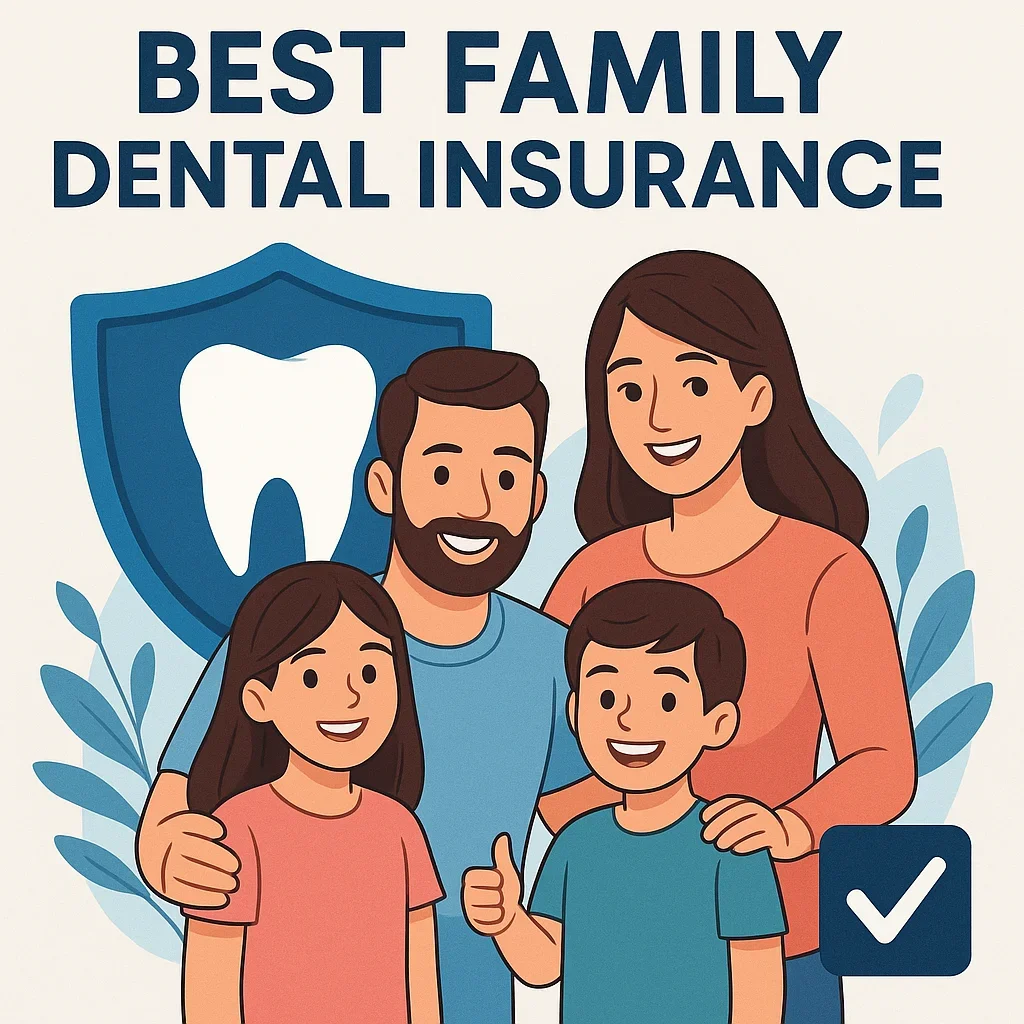
Expert Tips to Maximize Your Family Dental Benefits
Having the best family dental insurance is only the first step toward saving money and ensuring great oral health. Many families purchase policies but fail to fully take advantage of the benefits included. This results in wasted opportunities, higher out-of-pocket expenses, and underutilized preventive care. By following expert tips, you can maximize every dollar spent on premiums and ensure your household gets the most from your dental coverage. 🦷💡
Tip 1: Always Use Preventive Services
The best family dental insurance covers preventive care at 100%, which means there is no reason to skip regular checkups. Scheduling biannual cleanings, exams, and x-rays not only maintains oral health but also prevents small issues from becoming expensive emergencies. Skipping preventive care essentially wastes part of your premium because you’re not using the free services you’ve already paid for.
Tip 2: Schedule Treatments Strategically
Insurance plans operate on an annual cycle with maximum benefit limits. Families can maximize their coverage by scheduling treatments strategically. For example, if a child needs multiple fillings or an adult needs a crown and a root canal, consider spreading the procedures across two plan years to use two annual maximums instead of exhausting one. The best family dental insurance allows families to plan treatments around benefit resets for maximum savings.
Tip 3: Stay In-Network Whenever Possible
The best family dental insurance offers large provider networks, but out-of-network services usually come with higher costs. Families should make an effort to choose in-network providers for all major treatments. This can reduce expenses by 20–40% compared to out-of-network dentists. If your current dentist is not in-network, check whether they can join or explore nearby in-network alternatives to cut costs.
Tip 4: Take Advantage of Orthodontic Coverage
Many families underutilize orthodontic benefits. The best family dental insurance covers 30–50% of orthodontic treatment with lifetime maximums per child. If your teenager needs braces, don’t delay—use these benefits before your child ages out of eligibility. Some plans also include adult orthodontic coverage, which can significantly reduce the cost of clear aligners or braces for parents.
Tip 5: Understand Waiting Periods
Families often assume coverage begins immediately, only to discover that major services have waiting periods. The best family dental insurance may impose 6–12 months of waiting for crowns, implants, or orthodontics. Expert tip: schedule preventive and minor services immediately while waiting periods expire. Families should also look for insurers that waive waiting periods for switching from another plan, ensuring seamless coverage.
Tip 6: Use Flexible Spending Accounts (FSA) or Health Savings Accounts (HSA)
Pairing the best family dental insurance with FSA or HSA funds maximizes savings. These accounts allow families to set aside pre-tax dollars for dental expenses not fully covered by insurance, such as orthodontics or implants. This strategy effectively reduces taxable income while ensuring funds are available for out-of-pocket dental costs.
Tip 7: Track and Use Annual Maximums Wisely
Families sometimes fail to use their full annual maximums, leaving hundreds of dollars unused each year. The best family dental insurance allows you to use benefits strategically. For example, if you’re nearing the end of the year and still have available maximums, consider completing pending treatments before the reset date. Some insurers even allow rollover of unused benefits, but this usually requires proactive planning.
Tip 8: Combine Insurance With Discount Programs
In some cases, combining your best family dental insurance with a dental discount plan can reduce costs further. Discount programs offer reduced rates for services not fully covered by insurance, such as cosmetic dentistry or certain implants. While not a replacement for insurance, they serve as a valuable supplement for families with extensive dental needs.
Tip 9: Review Policies Annually
Dental insurance needs can change as your family grows. Children may outgrow pediatric benefits, teens may need orthodontics, and adults may require implants or periodontal treatments. Reviewing your plan annually ensures you still have the best family dental insurance for your evolving needs. Employers often allow changes during open enrollment, making this the perfect time to reassess and adjust coverage.
Tip 10: Leverage Professional Advice
Insurance policies are complex, and families sometimes miss opportunities simply because they don’t understand all the benefits. Consulting with dental professionals or insurance advisors can help identify the smartest ways to use your policy. For instance, some providers can recommend staging treatments over multiple years to maximize annual maximums. The best family dental insurance becomes far more valuable when combined with expert guidance.
Cost-Saving Example
Family of Four: Annual premium: $1,200. Annual maximum: $2,000 per person.
Preventive services (covered at 100%): $1,000 in value used each year.
Two fillings and a crown: $2,500 total cost, $1,500 covered by insurance, $1,000 out-of-pocket.
Strategically scheduling a second crown in the following year saves an additional $750–$1,000.
This example shows how strategic planning ensures the best family dental insurance provides maximum return on investment.
Conclusion
Owning the best family dental insurance in 2025 is only valuable if you use it wisely. By leveraging preventive services, scheduling treatments around benefit resets, staying in-network, and maximizing orthodontic benefits, families can significantly reduce dental expenses. Combining your plan with FSAs, discount programs, and professional advice ensures no benefit goes unused. 🌟
If you’d like personalized tips on how to optimize your insurance benefits, reach out to experts via the Redent Klinik Contact Page. With proper guidance, you can transform your dental plan into a powerful tool for savings, convenience, and long-term oral health.