
When it comes to restoring a confident smile and full dental function, the best full mouth dental implants are considered the gold standard in modern dentistry. Unlike traditional dentures that can slip, cause discomfort, or limit your food choices, implants provide a permanent, stable, and natural-looking solution. This comprehensive guide will cover what full mouth implants are, why they are increasingly popular, and what patients can expect when considering this transformative dental treatment.
Full mouth dental implants are designed to replace an entire arch (upper, lower, or both) of missing teeth. They involve surgically placing titanium or zirconia posts into the jawbone, which then serve as artificial roots. On top of these implants, a fixed bridge or denture is securely attached, creating a restoration that looks, feels, and functions just like natural teeth. For patients who have lost most or all of their teeth due to decay, trauma, or gum disease, this solution offers unmatched stability and confidence. 🦷
The term best full mouth dental implants refers not only to the implants themselves but also to the treatment plan, surgical techniques, and aftercare provided by a skilled dental team. It is not a one-size-fits-all approach. Dentists carefully evaluate bone density, gum health, bite alignment, and overall medical history to determine the most effective treatment plan. This ensures long-term success, both in aesthetics and functionality.
One of the most significant advantages of choosing full mouth implants is their durability. With proper care, they can last decades—often a lifetime—making them a worthwhile investment. Patients also enjoy freedom from messy adhesives, dietary restrictions, and the embarrassment that sometimes comes with removable dentures. Imagine biting into an apple, laughing freely, or speaking without worrying about slippage—that is the confidence implants restore.
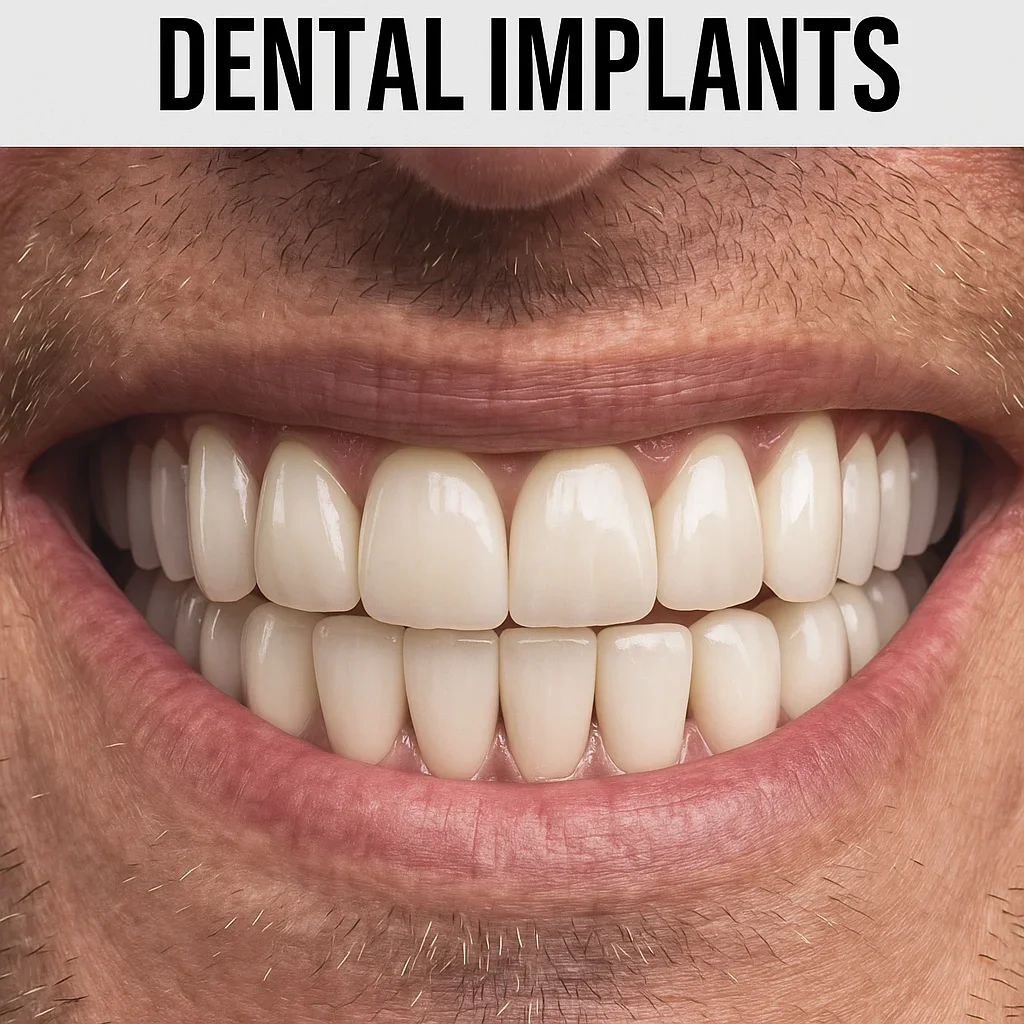
Of course, the best full mouth dental implants are not just about function; they are about aesthetics too. The crowns or bridges placed on implants are custom-designed to match the shape, size, and shade of natural teeth. This means that every smile is personalized, blending seamlessly with a patient’s facial features. Many people report looking years younger after the procedure, since implants help prevent bone loss in the jaw—a common issue with missing teeth. By stimulating the jawbone just like natural tooth roots, implants help maintain facial structure and prevent the sunken look often associated with long-term tooth loss.
The success rate of dental implants is also remarkably high, often above 95% when placed by experienced professionals. Advances in dental imaging, digital planning, and guided surgery have made the process safer and more predictable than ever before. The best clinics use technologies such as 3D CT scans to map the jawbone in detail, ensuring precise placement of each implant. This reduces healing time and minimizes complications.
For patients researching this treatment, cost is often a major factor. While the price of best full mouth dental implants can vary depending on country, clinic, and materials used, it is essential to see it as a long-term investment rather than a quick fix. Compared to replacing dentures every few years, implants offer permanence and a higher quality of life. Additionally, many clinics provide financing plans, making the procedure more accessible.
Beyond the technical details, it is important to recognize the life-changing impact implants can have. Many patients describe the experience as “getting their life back.” Being able to chew comfortably, smile without hesitation, and interact socially without fear of embarrassment significantly improves quality of life and overall well-being. Confidence, self-esteem, and even nutrition improve once patients can enjoy a full range of foods again. 🍎🥗
It is also worth noting that when choosing where to get the best treatment, patients should carefully research clinics and surgeons. Look for dental practices that are affiliated with professional organizations such as the American Dental Association, which uphold strict standards of safety and ethics. For those considering treatment abroad, reputable clinics like Redent Klinik Contact Page provide international patients with high-quality, cost-effective solutions. Turkey, for example, has become a global hub for dental tourism thanks to its advanced clinics and affordable pricing.
In summary, the best full mouth dental implants are the ultimate choice for patients seeking a permanent, natural, and functional replacement for missing teeth. They combine durability, beauty, and comfort in a way no other dental solution can match. From preventing bone loss to boosting self-confidence, implants truly redefine what is possible in modern dentistry. As you continue reading this guide, we will explore the benefits, process, costs, risks, and patient experiences in detail—ensuring you have all the information you need to make the right choice for your smile.
What Are the Best Full Mouth Dental Implants?
When people search for the best full mouth dental implants, they are typically looking for a treatment that combines longevity, comfort, natural appearance, and affordability. Dental implants are small titanium or zirconia posts that are surgically inserted into the jawbone, acting as artificial roots. These posts integrate with the bone over time (a process known as osseointegration) and provide a strong foundation for fixed bridges, dentures, or crowns. For patients who have lost all their teeth in one or both jaws, full mouth dental implants are the most advanced solution to restore both function and aesthetics. 🦷
The reason this treatment is considered the “best” option is that it addresses not only cosmetic concerns but also long-term oral health. Unlike dentures, which can irritate gums and accelerate bone loss, implants preserve jawbone integrity by stimulating it the same way natural tooth roots do. This prevents the sunken, aged look associated with missing teeth and ensures that patients maintain facial structure and youthful appearance. Furthermore, the best full mouth dental implants are designed to handle the same biting and chewing forces as natural teeth, allowing patients to enjoy a wide variety of foods without restriction.
Types of Full Mouth Dental Implants
Understanding the different types of full mouth dental implant systems helps patients decide what suits their needs. While all systems aim to provide complete tooth replacement, they vary in design, procedure, and cost. Below are the most commonly used approaches:
1. All-on-4 Implants
The All-on-4 system is one of the most widely recognized methods for full mouth restoration. It uses four strategically placed implants per jaw to support a full arch of prosthetic teeth. This technique is particularly useful for patients with low bone density, as it often avoids the need for bone grafting. It is a cost-effective and efficient solution that provides immediate results, making it one of the best full mouth dental implants choices for many patients.
2. All-on-6 Implants
Similar to the All-on-4 method, the All-on-6 technique uses six implants instead of four, offering even greater stability and support. This option is recommended for patients who want maximum strength and durability. With additional anchorage points, the prosthesis is more evenly distributed, reducing stress on each implant.
3. Traditional Full Arch Implants
In some cases, dentists may place 8–10 implants per jaw to support a fixed bridge. While more invasive and costly, this method provides exceptional strength and closely mimics the natural distribution of teeth. It is often considered the premium choice for those who want the absolute best longevity and function, especially for younger patients seeking lifelong solutions.
Materials Used in the Best Full Mouth Dental Implants
Another factor that determines quality is the material of the implant posts and the attached prosthetics. Titanium has long been the gold standard due to its high biocompatibility and strength. However, zirconia implants are becoming popular for patients seeking a metal-free alternative. Prosthetic teeth are typically made from porcelain or high-quality acrylic, both of which are designed to look natural and last many years.
Who Is a Good Candidate?
Not every patient qualifies for the best full mouth dental implants immediately. Ideal candidates should have adequate bone density, healthy gums, and no uncontrolled medical conditions that could interfere with healing. Patients with diabetes, smokers, or those with weakened immune systems may require additional treatment or evaluation. That said, modern dentistry has made implants accessible to a wide range of patients through advanced techniques such as bone grafting and sinus lifts.
How They Compare to Other Solutions
For patients weighing their options, it’s essential to compare implants to dentures and dental bridges:
- Conventional Dentures: Inexpensive but often uncomfortable, prone to slipping, and require adhesives.
- Bridges: Depend on neighboring teeth for support and may cause wear or damage to healthy teeth.
- Implants: Independent, long-lasting, preserve bone structure, and provide superior aesthetics.
When analyzed side by side, it becomes clear why the best full mouth dental implants consistently outrank other restorative methods. They deliver the closest experience to having natural teeth, both functionally and visually.
Benefits Beyond the Smile
It’s important to understand that implants improve more than just appearance. They also enhance speech clarity, chewing efficiency, and overall confidence. Patients often report significant improvements in social interactions, self-esteem, and even career opportunities after receiving implants. Unlike dentures, which can limit certain foods, implants allow patients to eat apples, nuts, and steak without worry. 🍎🥩
Longevity and Maintenance
The best full mouth dental implants can last decades when cared for properly. Patients should maintain excellent oral hygiene, brush and floss daily, and schedule regular dental checkups. Unlike dentures, which typically require replacement every 5–7 years, implants are a permanent solution. This long-term durability makes them a smart financial and health investment.
In conclusion, the best full mouth dental implants are not just artificial replacements but life-changing solutions that restore function, beauty, and confidence. By understanding the different types, materials, and candidacy requirements, patients can make informed decisions that align with their goals. Whether through All-on-4, All-on-6, or traditional full arch techniques, implants remain the most advanced and reliable choice for complete smile restoration in modern dentistry.
Benefits of Choosing Full Mouth Dental Implants Over Dentures
When comparing tooth replacement options, many patients ask why the best full mouth dental implants are considered superior to traditional dentures. While dentures have been a standard solution for decades, advancements in implant dentistry have redefined what is possible in terms of function, aesthetics, and long-term oral health. Choosing implants over dentures offers multiple advantages that extend far beyond just a beautiful smile. From improved chewing power to bone preservation, implants provide life-changing benefits that dentures simply cannot match.
Stability and Comfort
One of the biggest drawbacks of dentures is their tendency to slip or move during speaking and eating. Even with adhesive creams, dentures can shift, creating embarrassing moments or causing painful sores on the gums. In contrast, the best full mouth dental implants are anchored directly into the jawbone, providing a stable foundation for replacement teeth. Patients report that implants feel just like natural teeth, allowing them to eat, laugh, and talk without fear of slippage. This comfort is often described as “forgetting they ever lost their teeth.”
No More Messy Adhesives
Dentures often require daily application of adhesives to keep them in place. These products can be inconvenient, unpleasant-tasting, and costly over time. With implants, adhesives are unnecessary, giving patients a cleaner and more convenient experience. Once implants are placed, they integrate with the jawbone, eliminating the need for ongoing external support.
Improved Chewing and Nutrition
Traditional dentures reduce bite strength significantly, often limiting patients to soft foods. This restriction can negatively impact nutrition, leading to deficiencies and digestive issues. With the best full mouth dental implants, bite force is restored to nearly that of natural teeth. Patients can enjoy a wide range of foods—including crunchy fruits, vegetables, and proteins like steak or chicken—without discomfort or worry. 🍏🥩
Better Digestion Through Proper Chewing
Chewing thoroughly is essential for digestion and nutrient absorption. When patients are limited to soft foods, they often miss out on vital nutrients. Implants restore full chewing capacity, improving not just diet but overall health and energy levels.
Bone Preservation and Facial Structure
One of the most important differences between dentures and implants is their effect on jawbone health. When natural teeth are lost, the jawbone begins to deteriorate due to lack of stimulation. Dentures sit on top of the gums and do nothing to prevent this process, leading to bone resorption and a sunken facial appearance over time. By contrast, the best full mouth dental implants stimulate the jawbone just like natural roots, preserving bone density and maintaining facial structure. This helps patients avoid the premature aging effect that often accompanies long-term denture use.
Aesthetics and Natural Appearance
While modern dentures can look fairly natural, they still lack the seamless appearance of implant-supported teeth. The crowns or bridges used in implant systems are carefully crafted to match the size, shape, and color of natural teeth, blending flawlessly with a patient’s features. With implants, patients regain not just their smile but also their youthful facial contours, thanks to bone preservation and natural tooth alignment. This combination makes the best full mouth dental implants an unparalleled aesthetic solution.
Confidence in Social Situations
Dentures can create anxiety in social interactions due to their potential for movement or clicking sounds. Implants remove this concern entirely, boosting self-esteem and confidence. Patients often report feeling more comfortable in professional and personal environments once they switch from dentures to implants.
Longevity and Cost-Effectiveness
Although dentures are initially less expensive, they require frequent adjustments, relines, and replacements every 5–7 years. Over a lifetime, these costs add up and may even surpass the investment in implants. The best full mouth dental implants, when maintained properly, can last decades or even a lifetime. This durability makes implants not just a medical solution but a financial investment in long-term oral health.
Speech Improvements
Dentures often interfere with pronunciation, particularly with words requiring tongue-to-palate contact. They may slip while talking, causing muffled or slurred speech. Implants eliminate this issue by remaining firmly fixed in place, allowing for clear and natural speech. For many patients, this is one of the most noticeable improvements after switching from dentures to implants.
Oral Hygiene and Maintenance
Maintaining dentures can be tedious, requiring daily soaking, brushing, and adhesive applications. The best full mouth dental implants are far easier to care for, as they can be brushed and flossed like natural teeth. With regular checkups and proper oral hygiene, implants remain in excellent condition with minimal extra effort.
Psychological and Emotional Benefits
The transition from dentures to implants often leads to significant emotional improvements. Patients feel more youthful, self-assured, and free from the constant worry of dental limitations. Smiling, eating, and engaging socially become second nature again. This psychological impact is one of the most underrated yet life-changing benefits of choosing implants over dentures.
In conclusion, the best full mouth dental implants clearly outperform dentures in every major category: comfort, function, aesthetics, and long-term health. They provide a permanent, reliable, and natural-looking solution that restores both confidence and quality of life. While dentures may serve as a temporary option, implants are the ultimate standard for those seeking a lasting transformation in dental health and overall well-being.
Step-by-Step Process of Getting Full Mouth Dental Implants
For patients seeking the best full mouth dental implants, understanding the process from start to finish is essential. While every case is unique, the treatment generally follows a series of well-structured steps that ensure safety, precision, and long-term success. Below, we break down each phase so you know exactly what to expect on your journey to a fully restored smile. 🦷
Initial Consultation and Evaluation
The first step is always a comprehensive dental examination. During this stage, the dentist will:
- Review your medical history to ensure you are a suitable candidate.
- Conduct a thorough oral health check, including gum health and bite alignment.
- Take advanced imaging such as panoramic X-rays or 3D CT scans to assess bone density and jaw structure.
At this stage, your dentist will also discuss treatment goals and explain the different implant systems (e.g., All-on-4, All-on-6, or traditional implants). By aligning expectations early, patients feel more confident and informed about choosing the best full mouth dental implants.
Custom Treatment Planning
Once the evaluation is complete, a personalized treatment plan is created. This plan outlines the number of implants needed, whether bone grafting or sinus lifts are required, and the type of prosthetic teeth to be used. Many clinics now use digital smile design technology, which allows patients to preview their new smile virtually before treatment begins.
Preparatory Procedures
Not all patients are immediately ready for implant surgery. If there is insufficient bone density or existing oral health issues, additional procedures may be necessary:
- Tooth Extractions: Removing any remaining decayed or damaged teeth.
- Bone Grafting: Adding bone material to strengthen areas with bone loss.
- Sinus Lift: Increasing bone height in the upper jaw for secure implant placement.
Though these procedures may extend the timeline, they are vital for ensuring the long-term stability of the best full mouth dental implants.
Implant Placement Surgery
This is the most critical step in the process. Under local anesthesia, sedation, or general anesthesia (depending on the case), the dentist surgically places the titanium or zirconia posts into the jawbone. The number of implants placed varies depending on the chosen technique:
- All-on-4: Four implants per arch.
- All-on-6: Six implants per arch for added stability.
- Traditional Approach: Eight to ten implants per arch for maximum support.
The implants act as artificial tooth roots, integrating with the bone over time. Thanks to modern guided surgery techniques, implant placement today is highly precise, reducing complications and ensuring predictable outcomes.
Temporary Prosthetics
In many cases, patients receive temporary teeth on the same day of surgery. These provisional restorations allow you to leave the clinic with a functional smile while the implants heal. Though not as strong as the permanent prosthetics, they offer comfort and aesthetics during the healing phase.
Healing and Osseointegration
After implant placement, a crucial healing period begins. Over the next 3–6 months, the implants fuse with the jawbone in a process called osseointegration. This biological bond is what gives the best full mouth dental implants their unmatched strength and durability. During this time, patients must follow specific aftercare instructions, such as avoiding hard foods, practicing good oral hygiene, and attending follow-up appointments.
Abutment Placement
Once osseointegration is confirmed, the dentist attaches abutments to the implants. These small connectors link the implant posts to the final prosthetic teeth. Abutment placement may require a minor surgical procedure, but recovery is typically quick and straightforward.
Final Prosthetic Teeth Placement
The final stage is the placement of permanent prosthetic teeth. These are custom-made bridges or dentures designed to match the color, shape, and size of natural teeth. Modern prosthetics are so realistic that it is virtually impossible to distinguish them from natural teeth. With the best full mouth dental implants, patients achieve both functionality and aesthetics that last for decades.
Quality Assurance and Adjustments
Before finalizing the procedure, dentists check bite alignment, speech clarity, and comfort. Any minor adjustments are made to ensure the best possible fit. Patients are educated on maintenance routines, including brushing, flossing, and scheduling regular dental checkups.
Post-Treatment Care and Maintenance
Even after successful implant placement, long-term care is essential. Dentists recommend professional cleanings, yearly X-rays, and continuous oral hygiene practices. Patients should also avoid smoking and excessive alcohol consumption, as these can compromise implant success. With proper care, the best full mouth dental implants can last a lifetime.
Patient Experience and Expectations
Many patients describe the process as smoother and less painful than anticipated. Mild swelling and discomfort are common after surgery but typically resolve within a few days. The most significant change comes when patients realize they can chew, smile, and speak just like they did with natural teeth—sometimes even better. 😊
In conclusion, the journey to receiving the best full mouth dental implants is a carefully structured process that prioritizes patient safety, comfort, and long-term results. From the initial consultation to the placement of permanent prosthetics, every step is designed to restore not just your smile but also your confidence and quality of life. Understanding this process empowers patients to make informed decisions and fully embrace the life-changing benefits of full mouth implants.
Cost of the Best Full Mouth Dental Implants in 2025
One of the most common questions patients ask is: “How much do the best full mouth dental implants cost?” The answer is not simple, as prices vary depending on several factors such as location, clinic reputation, materials used, and whether additional procedures like bone grafting are necessary. While dental implants are a significant investment, they are also considered the most durable and life-changing solution for those who have lost all of their teeth. In 2025, the demand for implants continues to rise worldwide, and understanding the pricing structures helps patients make informed decisions about their treatment options.
Average Cost of Full Mouth Dental Implants
The average price for the best full mouth dental implants can range from $20,000 to $45,000 per arch in the United States, meaning a full set (upper and lower) may cost $40,000 to $90,000. In the United Kingdom, patients can expect to pay between £18,000 and £40,000 per arch. However, countries such as Turkey, Hungary, Mexico, and Thailand have become top dental tourism destinations, offering the same procedures for a fraction of the cost—often between $7,000 and $15,000 per arch. 🌍
Below is an approximate breakdown of average 2025 prices for full mouth implants by region:
- United States: $40,000 – $90,000 (full set)
- United Kingdom: £18,000 – £70,000 (full set)
- Canada: CAD $35,000 – $80,000
- Turkey: $7,000 – $15,000 (per arch)
- Mexico: $8,000 – $16,000 (per arch)
- Thailand: $10,000 – $18,000 (per arch)
Factors That Influence Cost
The total cost of the best full mouth dental implants depends on multiple factors. Understanding these helps patients prepare both financially and mentally for the procedure:
- Number of Implants: All-on-4 systems require fewer implants, reducing costs compared to All-on-6 or traditional full arch restorations.
- Material Quality: Titanium vs. zirconia implants, and acrylic vs. porcelain prosthetics, affect overall pricing.
- Pre-Surgical Procedures: Bone grafts, sinus lifts, or extractions increase costs but are often necessary for long-term success.
- Geographic Location: Clinics in countries with lower overhead costs (e.g., Turkey) can offer highly competitive pricing without compromising quality.
- Dentist Experience and Clinic Reputation: Leading implantologists with years of expertise may charge more but deliver higher success rates.
Hidden Costs to Consider
Patients should always ask about additional costs such as consultations, imaging (CT scans, X-rays), anesthesia, temporary prosthetics, and follow-up visits. Some clinics provide “all-inclusive” packages covering travel, accommodation, and aftercare—especially popular in dental tourism destinations. While these packages appear more affordable, patients must ensure that safety, materials, and aftercare standards meet international guidelines.
Insurance and Financing Options
In most countries, dental implants are classified as elective procedures, meaning insurance coverage is often limited or unavailable. However, some dental insurance plans now cover a portion of implant treatment, especially when tooth loss is linked to medical conditions or accidents. Patients should check with their providers about partial reimbursements.
Financing plans are widely available. Many clinics offer monthly payment options, allowing patients to spread the cost of the best full mouth dental implants over several years. Medical credit cards or personal loans are also alternatives for patients who prefer structured repayment plans.
Comparing Implants to Dentures: A Cost Perspective
At first glance, dentures may seem like the cheaper option. However, when long-term expenses are considered, implants often prove more economical. Dentures require replacement every 5–7 years, along with relining and adjustments. Over 20 years, the cumulative cost of dentures can rival or exceed the one-time investment in implants. More importantly, dentures do not prevent bone loss, which can lead to expensive corrective procedures later on. The best full mouth dental implants, by contrast, preserve bone structure and deliver permanent value.
Why Dental Tourism is Growing in 2025
Many patients are traveling abroad to access affordable yet high-quality dental care. Turkey, for example, has become a leading destination due to its internationally accredited clinics, advanced technology, and highly trained implantologists. Clinics such as Redent Klinik specialize in providing full mouth implant solutions to international patients at a fraction of U.S. or U.K. prices. Coupled with tourism opportunities, patients can save up to 70% on their dental treatments without compromising quality.
Investing in Long-Term Health and Confidence
While the cost of the best full mouth dental implants can feel overwhelming, it is crucial to view it as a long-term investment. Beyond aesthetics, implants restore chewing ability, protect jawbone health, and prevent premature aging. They also enhance psychological well-being by restoring confidence and eliminating the inconveniences of dentures. Considering their durability—often lasting a lifetime—implants provide unparalleled value compared to other tooth replacement solutions.
In summary, the cost of the best full mouth dental implants in 2025 varies significantly depending on country, materials, and procedure complexity. Patients should balance affordability with quality, ensuring they choose reputable clinics and experienced professionals. While the upfront expense may be considerable, the life-changing benefits of implants—both functional and emotional—make them one of the most worthwhile investments in modern dentistry.
Risks, Side Effects, and How to Avoid Them
While the best full mouth dental implants are known for their high success rates and life-changing results, like any medical or dental procedure, they carry certain risks and potential side effects. Fortunately, most complications are rare, and when they do occur, they can often be managed or prevented with proper planning and care. Understanding these risks helps patients make informed decisions and prepares them for every stage of treatment. Below, we outline the most common risks, their causes, and practical strategies to avoid them.
Common Side Effects After Implant Surgery
After receiving the best full mouth dental implants, patients may experience temporary side effects that are part of the natural healing process:
- Swelling and Bruising: Typically occurs around the gums and jaw for a few days after surgery.
- Mild Pain or Discomfort: Usually managed with prescribed pain medication or over-the-counter pain relievers.
- Minor Bleeding: Common within the first 24–48 hours but should subside as the healing progresses.
- Tender Gums: May feel sensitive during brushing and eating until the tissues adapt.
These side effects are normal and generally resolve within one to two weeks. Following the dentist’s post-operative instructions is crucial to reduce discomfort and speed recovery.
Potential Risks and Complications
Although the success rate of the best full mouth dental implants exceeds 95%, certain risks can arise if proper protocols are not followed. These include:
1. Infection at the Implant Site
Bacterial infection can occur if oral hygiene is neglected during recovery. Symptoms may include swelling, pus discharge, and persistent pain. Strict oral hygiene practices and regular follow-ups can minimize this risk.
2. Implant Failure or Rejection
Sometimes, an implant does not integrate with the jawbone, leading to loosening or failure. Causes may include poor bone density, smoking, or underlying medical conditions. Choosing an experienced implant dentist significantly reduces this risk.
3. Nerve Damage
Improperly placed implants may impinge on nerves, causing numbness, tingling, or pain in the lips, gums, or chin. This risk is rare when the surgery is guided by 3D imaging and digital planning.
4. Sinus Complications
For upper jaw implants, incorrect placement may intrude into the sinus cavity. Advanced imaging and sinus lift procedures prevent this complication in most cases.
5. Bone Loss Around the Implant
Just like natural teeth, implants require healthy gums and bone to remain stable. Poor oral hygiene or untreated gum disease can cause peri-implantitis, leading to bone loss and potential implant failure.
Patient-Related Risk Factors
Certain health and lifestyle factors can increase the chances of complications with even the best full mouth dental implants. These include:
- Smoking: Nicotine restricts blood flow, slows healing, and significantly increases implant failure rates.
- Uncontrolled Diabetes: Delays wound healing and increases infection risk.
- Osteoporosis: Reduces bone density, which may affect osseointegration.
- Bruxism (Teeth Grinding): Puts excessive stress on implants and prosthetics.
How to Minimize Risks and Ensure Success
The best way to avoid complications is to be proactive before, during, and after the implant procedure. Here are key strategies:
1. Choose an Experienced Dentist
Selecting a highly skilled implantologist is the most effective way to ensure the success of the best full mouth dental implants. Look for clinics affiliated with trusted organizations like the American Dental Association and check patient reviews and before-and-after photos.
2. Maintain Excellent Oral Hygiene
Brushing, flossing, and using antimicrobial rinses are essential for preventing infections around implants. Many dentists recommend specialized floss or interdental brushes for thorough cleaning.
3. Follow Post-Surgery Instructions
Patients should avoid strenuous activity, smoking, and alcohol during the healing period. Soft foods are recommended until osseointegration is complete. Proper compliance with aftercare guidelines drastically lowers risks.
4. Regular Checkups
Routine follow-up visits allow the dentist to monitor healing, detect early signs of complications, and make necessary adjustments. Professional cleanings every 6 months further extend implant longevity.
Long-Term Risk Management
Once the implants are fully healed, maintaining them is much like caring for natural teeth. However, patients must remain vigilant:
- Schedule annual implant assessments and X-rays to check bone stability.
- Address any signs of gum inflammation immediately.
- Wear a night guard if you grind your teeth.
By integrating these practices, patients can enjoy their best full mouth dental implants for decades without major issues.
Emotional Reassurance
For many patients, the idea of implant surgery can feel intimidating due to concerns about pain or complications. It is important to note that most procedures are well tolerated, with discomfort typically less than that of tooth extractions. Moreover, advances in guided surgery, anesthesia, and digital planning have made implant dentistry safer than ever before. Patients who follow professional advice rarely encounter serious problems, making implants one of the most reliable treatments in modern dentistry.
In summary, while the best full mouth dental implants do involve potential risks, these can be effectively minimized through proper planning, professional expertise, and good aftercare. By understanding possible side effects and taking proactive measures, patients can move forward with confidence, knowing they are choosing a treatment that delivers permanent results, improved health, and restored quality of life.
Recovery Timeline and Aftercare Tips 🦷
After undergoing surgery for the best full mouth dental implants, patients naturally want to know how long recovery takes and what steps they can follow to ensure the best possible outcome. While recovery timelines vary depending on the individual’s overall health, bone density, and the complexity of the procedure, most patients experience a structured healing process that can be clearly outlined. Proper aftercare during this period is essential to ensure long-term success, prevent complications, and maximize comfort. Below, we break down the recovery timeline in detail and provide practical aftercare tips for every stage.
Immediate Post-Surgery Period (First 24–48 Hours)
The first two days after implant placement are the most delicate. Patients may experience swelling, minor bleeding, and discomfort. These are normal side effects and typically subside with rest and proper care. To manage this stage effectively:
- Apply ice packs to reduce swelling.
- Stick to a liquid or soft-food diet to avoid pressure on the implants.
- Avoid rinsing the mouth vigorously or spitting to prevent disturbing the surgical site.
- Take prescribed antibiotics and pain medication exactly as directed.
Patients are advised to rest and avoid strenuous physical activity during this period. This early healing stage sets the foundation for successful integration of the best full mouth dental implants.
Early Recovery (First 2 Weeks)
During the first two weeks, gum tissues begin to heal around the implant sites. Some tenderness or sensitivity may persist, but most patients find their discomfort significantly reduced by the end of this period. It is crucial to maintain gentle oral hygiene practices:
- Brush teeth carefully using a soft-bristled toothbrush.
- Rinse with an antimicrobial mouthwash recommended by the dentist.
- Avoid smoking, as it slows healing and increases the risk of implant failure.
By the end of this stage, patients often notice improved comfort, and swelling typically disappears. Following instructions closely ensures the best full mouth dental implants remain stable during early healing.
Osseointegration Phase (3–6 Months)
The most important stage of implant recovery is osseointegration—the biological process where implants fuse with the jawbone. This stage typically lasts 3–6 months and is critical for ensuring long-term stability. During this time:
- Patients usually wear temporary prosthetics to maintain function and appearance.
- The dentist will monitor healing through follow-up visits and X-rays.
- It is vital to avoid hard or chewy foods that could place stress on the implants.
Successful osseointegration is what gives the best full mouth dental implants their strength and durability. Skipping checkups or ignoring aftercare can compromise the entire procedure.
What Patients Can Expect During Osseointegration
Some patients worry that they won’t be able to smile or eat properly during this phase, but temporary teeth allow for near-normal daily activities. While they are not as strong as permanent prosthetics, they provide aesthetics and comfort until the final teeth are placed.
Final Prosthetic Placement (4–6 Months After Surgery)
Once osseointegration is confirmed, abutments are attached, and the permanent prosthetics are fabricated and placed. Patients often describe this as the “life-changing moment” when they truly feel the transformation. The new teeth are custom-designed to match natural shape, color, and bite, delivering a natural-looking smile with full function. At this point, patients can enjoy all foods again, from crunchy apples to chewy meats. 🍎🥩
Long-Term Recovery and Maintenance
Even after the permanent prosthetics are placed, maintaining oral health remains essential. The best full mouth dental implants require the same level of care as natural teeth. This includes:
- Brushing twice a day with a soft or electric toothbrush.
- Flossing daily, using floss threaders or interdental brushes designed for implants.
- Scheduling dental checkups every 6 months to ensure the implants remain healthy.
- Professional cleanings to prevent peri-implantitis (gum inflammation around implants).
Lifestyle Adjustments for Long-Term Success
Patients should avoid excessive alcohol and stop smoking entirely, as these habits increase the risk of implant failure. Wearing a night guard is recommended for patients who grind their teeth (bruxism). A balanced diet rich in calcium and vitamin D also supports bone health and implant longevity.
Psychological and Emotional Recovery
Beyond physical healing, many patients experience a profound emotional transformation during recovery. After years of struggling with missing teeth or uncomfortable dentures, regaining a stable and natural smile significantly boosts confidence and quality of life. Smiling in photos, speaking clearly, and eating without fear are among the most celebrated milestones for patients with the best full mouth dental implants.
Potential Delays in Recovery
While most patients heal smoothly, certain conditions can slow recovery:
- Uncontrolled Diabetes: May slow healing time.
- Osteoporosis: May require additional time for osseointegration.
- Smoking: Can double the risk of implant failure.
In these cases, dentists may extend the healing timeline and recommend closer monitoring. Following professional advice is key to minimizing risks and ensuring the best full mouth dental implants last for decades.
In conclusion, the recovery process for the best full mouth dental implants is a structured journey that requires patience, discipline, and proper aftercare. From the immediate post-surgery period to long-term maintenance, every stage plays a vital role in achieving a healthy and beautiful smile. Patients who follow their dentist’s recommendations can expect not only a smooth recovery but also a lifetime of benefits from their investment in full mouth dental implants.
Best Countries for Affordable Full Mouth Dental Implants
In recent years, dental tourism has become increasingly popular, with thousands of patients traveling abroad each year to receive the best full mouth dental implants at a fraction of the cost in their home countries. This trend is fueled by the rising cost of dental care in places like the United States, Canada, and the United Kingdom, combined with the availability of world-class clinics overseas that provide the same or even superior levels of care. By carefully selecting a destination, patients can save up to 70% on implant procedures while enjoying a memorable travel experience. Let’s explore the top countries offering affordable and high-quality implant solutions in 2025.
Turkey: The Global Leader in Dental Tourism
Turkey has quickly become the number one destination for patients seeking the best full mouth dental implants. Clinics in Istanbul, Antalya, and Izmir are internationally accredited and staffed with highly trained implantologists. Turkish clinics offer modern facilities equipped with the latest technology, including 3D imaging and computer-guided surgery. Costs are remarkably affordable—ranging between $7,000 and $15,000 per arch compared to $40,000–$90,000 in the U.S. Patients often combine treatment with a relaxing vacation, making Turkey a popular choice for those seeking both dental care and tourism.
Clinics like Redent Klinik are especially known for offering international patients full-service packages that include airport transfers, accommodation, and aftercare—all while maintaining world-class quality.
Mexico: Convenient for U.S. and Canadian Patients
For North American patients, Mexico is a top choice due to its proximity and affordability. Border towns such as Tijuana, Los Algodones, and Cancun have become dental tourism hubs. Full mouth implants in Mexico generally cost between $8,000 and $16,000 per arch, making it a cost-effective alternative for patients who cannot afford U.S. prices. Many clinics in Mexico are staffed by dentists trained in both Mexico and the United States, ensuring high standards of care. This convenience and lower travel cost make Mexico an attractive destination for those seeking the best full mouth dental implants without flying across the globe.
Hungary: Europe’s Implant Capital
Hungary, particularly Budapest, is renowned as the dental capital of Europe. With a long tradition of excellence in dentistry, Hungary attracts patients from the U.K., Germany, and across Europe. Costs are significantly lower than in Western Europe, averaging €6,000–€12,000 per arch. Clinics here use state-of-the-art technologies and many have partnerships with universities and research centers, ensuring cutting-edge practices. For patients who want high-quality European standards at affordable prices, Hungary remains one of the best options for the best full mouth dental implants.
Thailand: Combining Dental Care with Exotic Travel
Thailand is another top destination, particularly for Australian and Asian patients. Bangkok, Phuket, and Chiang Mai host clinics that are internationally accredited and equipped with advanced dental technology. Full mouth implant costs in Thailand typically range from $10,000 to $18,000 per arch. Patients are drawn not only by affordability but also by Thailand’s reputation for warm hospitality and medical tourism infrastructure. For those who want to pair dental treatment with an exotic holiday, Thailand is a strong contender for the best full mouth dental implants.
India: Affordable and Skilled Implant Care
India has rapidly grown into a hub for medical and dental tourism. With internationally trained dentists and modern facilities, India provides implant services at highly competitive rates—averaging $6,000–$12,000 per arch. Popular cities include Delhi, Mumbai, Bangalore, and Chennai. Many clinics in India offer English-speaking staff and comprehensive aftercare packages. Patients traveling here not only benefit from cost savings but also from the expertise of surgeons who handle high case volumes each year, making India an excellent option for affordable yet high-quality best full mouth dental implants.
Poland: Accessible European Excellence
For patients in the U.K. and Western Europe, Poland offers excellent dental care at a fraction of the cost back home. Clinics in Warsaw, Kraków, and Gdańsk are well-regarded for their professionalism and use of modern technology. Costs average between €7,000 and €13,000 per arch, with packages that often include travel and accommodation. Poland’s accessibility and EU membership make it a convenient and trusted choice for European patients seeking the best full mouth dental implants.
Other Notable Destinations
While the above countries lead the market, other destinations such as Spain, Portugal, and Costa Rica are also growing in popularity for dental tourism. These locations offer high-quality implant procedures at competitive prices, often combined with appealing travel opportunities.
Important Considerations for Dental Tourism
While traveling abroad for the best full mouth dental implants can save significant money, patients should consider key factors before making a decision:
- Clinic Accreditation: Ensure the clinic is internationally accredited and has experienced implant specialists.
- Aftercare Plans: Choose a clinic that provides post-surgery follow-ups and guarantees.
- Travel and Recovery: Consider how travel may impact recovery time and comfort.
- Language and Communication: Opt for clinics with English-speaking staff to avoid misunderstandings.
Patients should balance affordability with quality and safety to avoid long-term complications. A slightly higher investment in a reputable clinic is always better than choosing the lowest cost option with poor standards.
Conclusion: Affordable Quality is Possible
In 2025, patients have more options than ever before when seeking the best full mouth dental implants. Countries like Turkey, Mexico, Hungary, Thailand, India, and Poland provide world-class care at a fraction of Western prices. By carefully researching clinics, checking reviews, and verifying credentials, patients can achieve life-changing results while saving thousands of dollars. Dental tourism not only makes implants more accessible but also allows patients to combine healthcare with memorable travel experiences, making it a truly global solution for restoring smiles and confidence.
Patient Reviews and Success Stories
When deciding on the best full mouth dental implants, reading patient reviews and learning from real-life success stories can provide valuable insights. Beyond clinical data and professional explanations, the voices of people who have undergone the procedure offer reassurance, motivation, and practical details about the recovery journey. These stories highlight not only the technical success of implants but also the emotional transformation patients experience once their smiles are restored.
First Impressions After Surgery
Many patients report that the procedure itself was much smoother than expected. Contrary to fears of extreme pain, most describe discomfort as minimal, often less than that of a simple tooth extraction. A patient from the United States noted: “I was nervous about the surgery, but to my surprise, I felt very little pain. The swelling went down within days, and I was already getting used to my temporary teeth.” These experiences reinforce the fact that the best full mouth dental implants are not only effective but also relatively comfortable when performed by skilled professionals.
Emotional Relief and Confidence Boost
One of the most common themes in reviews is the emotional relief patients feel once they regain their smile. For example, a patient in Turkey shared: “I avoided social gatherings for years because of my missing teeth. After getting my implants, I smiled in a family photo for the first time in over a decade.” Stories like these illustrate how dental implants don’t just improve function—they restore dignity and self-confidence. 😊
Daily Life Improvements
Patients often highlight the dramatic improvement in eating and speaking. Traditional dentures, while functional, come with restrictions that can make dining a frustrating experience. In contrast, the best full mouth dental implants allow patients to enjoy foods they had long avoided. A woman from the U.K. shared: “I hadn’t eaten a crisp apple in years. After my implants healed, biting into one was the highlight of my recovery!”
Success in Overcoming Health Challenges
Some reviews come from patients who faced additional health challenges such as diabetes or osteoporosis. With careful planning and aftercare, many of these individuals still achieved outstanding results. Their stories emphasize the importance of choosing an experienced implantologist who understands how to adapt procedures to each patient’s unique needs.
International Success Stories
Dental tourism has produced countless inspiring accounts from patients around the world. Many travelers praise the professionalism and hospitality of overseas clinics. For instance, an Australian patient who received treatment in Thailand said: “Not only did I save thousands of dollars, but I also received excellent care. The clinic organized my hotel, transport, and follow-ups. My implants feel perfect, and I even enjoyed a vacation while I was there.” These testimonials show why so many consider traveling abroad for the best full mouth dental implants.
Turkey as a Standout Destination
Patients treated in Turkey frequently mention the seamless process and high level of expertise. Reviews often highlight clinics such as Redent Klinik, where patients appreciate all-inclusive packages, modern technology, and compassionate staff. One reviewer wrote: “From the airport pickup to my final check-up, everything was handled with care. My new smile is worth every penny.”
Before-and-After Transformations
Perhaps the most powerful part of patient stories is the before-and-after comparison. Many describe years of embarrassment, difficulty chewing, and loss of confidence prior to treatment. Post-implant, they express joy at being able to smile in photos, dine with friends, and even pursue new career opportunities. These transformations underscore how the best full mouth dental implants impact not only oral health but also life satisfaction.
Career and Social Confidence
Reviews often mention professional and social benefits. For example, one business executive explained: “Before my implants, I avoided public speaking because I was self-conscious. Now, I lead presentations with confidence. It has changed my career trajectory.” Another patient noted how implants improved their dating life, saying, “I finally had the courage to start dating again. Smiling without fear has opened new opportunities in my personal life.”
Long-Term Success Reports
It is also valuable to hear from patients several years after their procedure. Many reviews confirm that with proper care, implants remain stable and functional for decades. Patients often express gratitude that they invested in the best full mouth dental implants instead of settling for temporary fixes. A long-term patient in Canada reported: “Ten years later, my implants are still strong and look as good as the day I got them. Best decision of my life.”
Lessons from Negative Reviews
While most reviews are positive, some highlight the importance of choosing the right clinic. Patients who cut costs too aggressively sometimes report issues with aftercare or prosthetic quality. These stories serve as cautionary tales: while affordability is important, quality and reputation should always come first. Choosing trusted clinics, especially those accredited by organizations like the American Dental Association, ensures higher success rates and satisfaction.
Conclusion: Patient Voices Matter
Ultimately, patient reviews and success stories offer a window into the real-world impact of the best full mouth dental implants. They reveal the emotional, functional, and social transformations that come with this advanced treatment. From enjoying everyday meals again to regaining confidence in social settings, these testimonials prove that implants are more than a dental solution—they are a life-changing investment. For prospective patients, reading these stories is an essential step in making an informed and confident decision about full mouth dental implants.
Expert Tips to Choose the Best Dental Clinic for Implants
Selecting the right dental clinic is one of the most critical decisions patients will make on their journey to receiving the best full mouth dental implants. The success of this life-changing procedure depends heavily on the skill of the dentist, the quality of materials, and the clinic’s approach to patient care. With so many options available worldwide, it can be overwhelming to decide where to go. To help, we’ve compiled expert-backed tips to guide patients in finding the clinic that will deliver safe, long-lasting, and aesthetically pleasing results.
1. Verify Qualifications and Experience
One of the first steps in choosing a clinic is evaluating the credentials of the implantologists. The best full mouth dental implants require specialized training beyond general dentistry. Patients should confirm that their dentist has completed post-graduate education in implantology, prosthodontics, or oral surgery.
- Check memberships with international organizations like the American Dental Association.
- Look for certifications from recognized implantology institutions.
- Ask how many full mouth implant cases the dentist has successfully completed.
Expertise matters because experience directly correlates with higher success rates and fewer complications.
2. Evaluate Technology and Facilities
The best clinics use advanced technology to ensure precision and safety. For instance, 3D cone beam computed tomography (CBCT) scans allow dentists to map the jawbone in detail, guiding implant placement with incredible accuracy. Digital planning software and guided surgery kits further enhance predictability.
Technology to Look For:
- CBCT Imaging: For detailed bone and nerve mapping.
- CAD/CAM Systems: To design custom prosthetics.
- Intraoral Scanners: For accurate impressions without discomfort.
- Sterilization Protocols: To ensure patient safety and infection control.
A clinic investing in these technologies demonstrates commitment to delivering the best full mouth dental implants.
3. Check Reviews and Patient Testimonials
Real-life feedback is one of the most reliable indicators of quality. Before committing, patients should read reviews on independent platforms, not just the clinic’s website. Video testimonials and before-and-after galleries are especially valuable, as they show tangible results.
Clinics with consistently positive reviews and visible transformations are more likely to provide excellent outcomes. Testimonials that highlight professionalism, comfort, and natural-looking results should weigh heavily in the decision-making process.
4. Ask About Materials and Brands Used
The quality of the implant system plays a major role in longevity. Trusted global brands such as Nobel Biocare, Straumann, and Zimmer Biomet are widely used in clinics offering the best full mouth dental implants. Patients should avoid clinics that use unbranded or low-cost systems, as these may not have proven long-term success.
Questions to Ask the Clinic:
- Which implant brands do you use, and why?
- Are the prosthetics made from high-quality zirconia or titanium?
- Do you provide warranties on implants and crowns?
Transparency in material sourcing is a strong indicator of a clinic’s integrity and professionalism.
5. Consider Aftercare and Follow-Up Services
Successful implant treatment doesn’t end with surgery—it requires long-term care and monitoring. Reputable clinics provide comprehensive aftercare, including checkups, adjustments, and professional cleanings. Some even offer international patients follow-up services in partnership with local dentists.
Patients should ask about:
- Frequency of follow-up visits during recovery.
- Emergency care options in case of complications.
- Long-term maintenance plans to preserve implant health.
The best full mouth dental implants will last decades, but only if supported by consistent aftercare.
6. Compare Costs and Value
While affordability is important, the cheapest option is not always the best. Patients should compare treatment plans across several clinics, ensuring they include all necessary steps (consultation, imaging, surgery, prosthetics, aftercare). Some clinics advertise low prices but add hidden fees later.
When reviewing costs, it’s essential to consider value rather than price alone. A slightly higher upfront investment at a reputable clinic often prevents costly revisions or failures later.
7. Communication and Patient Comfort
A patient-centered clinic prioritizes clear communication. Staff should be fluent in the patient’s language and take time to answer all questions thoroughly. Clinics that provide treatment coordinators or personal assistants for international patients offer an added layer of support and reassurance.
Additionally, patient comfort should be a top priority. Look for clinics that provide sedation options, pain management strategies, and a calming environment to reduce anxiety throughout the process of receiving the best full mouth dental implants.
8. Transparency in Treatment Planning
Trustworthy clinics provide a clear treatment roadmap before beginning surgery. This includes digital imaging results, detailed cost breakdowns, and realistic expectations about healing timelines. Avoid clinics that rush consultations or cannot provide detailed explanations.
Transparency is crucial to ensure patients feel confident and empowered in their decision-making process.
Conclusion: Making the Right Choice
Choosing the right clinic is the foundation for success with the best full mouth dental implants. By verifying qualifications, evaluating technology, checking reviews, and ensuring comprehensive aftercare, patients can significantly increase the likelihood of a positive outcome. A reputable clinic is not just about affordability—it’s about combining expertise, advanced tools, and compassionate care. Patients who follow these expert tips will not only protect their investment but also secure a healthy, confident smile that lasts a lifetime.