
Choosing the best home aligners has become one of the most popular ways to achieve a straighter and healthier smile without the need for frequent in-office visits. As more people search for convenient, budget-friendly, and dentist-supervised orthodontic solutions, at-home clear aligner systems have taken center stage. In this detailed guide, you’ll learn exactly how these systems work, what makes them effective, how they differ from traditional orthodontics, and how to determine whether they are the right solution for your unique situation. 😊
Home aligner systems use advanced 3D scanning, custom-made trays, and remote monitoring to gradually shift your teeth into a more aligned position. The goal is to provide a simplified process that still delivers professional-grade results. Because demand has grown rapidly, many brands now offer remote treatment options—some purely mail-order, others combining virtual dental supervision with digital check-ins. However, choosing the best home aligners requires understanding the differences between providers, treatment plans, safety protocols, and expected outcomes.
One of the biggest advantages of modern at-home aligner systems is convenience. Instead of scheduling monthly in-person orthodontic appointments, patients can follow a structured plan from the comfort of their homes. Treatment usually begins with an impression kit or a digital scan appointment. From there, a dentist or orthodontist reviews your case, designs a customized plan, and monitors progress remotely. Throughout the process, you wear aligner trays for 20–22 hours per day, removing them only for eating, drinking, and brushing. Because the trays are made from crystal-clear plastic, they are almost invisible—making them an appealing choice for professionals, students, and anyone who prefers discreet treatment.
It’s important to emphasize that although at-home systems provide a high level of freedom, they are still medical treatments. For this reason, choosing the best home aligners means selecting a provider that works only with licensed dental professionals. Many trusted brands partner with orthodontists who review scans, create 3D models, plan tooth movements, and monitor progression through photos or periodic check-ins. Reputable systems also follow strict guidelines recommended by authoritative organizations such as the
American Dental Association.
Some patients wonder whether at-home aligners can treat the same issues as in-office orthodontics. Generally, home aligner systems are best suited for mild to moderate cases of crowding, spacing, and minor bite irregularities. Those with severe bite misalignment, rotated teeth, or complex orthodontic needs may require in-office supervision. Still, thousands of people have successfully transformed their smiles using at-home systems—especially when they follow instructions carefully and stay consistent with treatment.
Beyond convenience, another appealing factor is cost transparency. Traditional orthodontic treatments can be expensive and unpredictable, whereas many home aligner programs offer fixed packages, financing options, and clear pricing structures. Before committing, patients are usually shown a digital preview of their future smile, helping them decide whether the treatment plan aligns with their expectations. If you ever need personalized assistance during the process, you can also reach out to dental clinics such as
Redent Klinik Contact Page
for professional guidance.
The rising popularity of remote aligner therapy has also introduced several LSI-related terms that help strengthen understanding: “clear aligner kits,” “DIY orthodontic alternatives,” and “remote teeth straightening systems.” These synonymous concepts all refer to variations of the best home aligners category—solutions that deliver orthodontic improvements without traditional braces. By becoming familiar with these related terms, readers gain a stronger grasp of how the industry functions and what differentiates premium home aligner brands from generic options.
In summary, choosing the best home aligners requires a blend of research, awareness, and careful evaluation of professional supervision. With remote dental monitoring, custom-designed aligners, digital progress tracking, and fast, discreet results, home aligners continue to revolutionize modern orthodontic care. 🌟 Whether you’re hoping to correct mild overcrowding or close small gaps, this treatment method offers a flexible, scientifically backed, and user-friendly path to achieving a healthier, more confident smile.
What Are the Best Home Aligners and How Do They Work?
The rising demand for the best home aligners has transformed the way people think about orthodontic treatment. Instead of multiple in-office visits, wires, brackets, and long treatment durations, at-home clear aligner systems offer a streamlined, dentist-supervised path to straighter teeth. This section explains in detail how these systems work, why they have become so popular, and what patients can expect during the entire treatment journey. By understanding the full process, you can make an informed decision about whether this type of orthodontic care is the ideal solution for achieving your smile goals. 😁
How Modern Home Aligner Systems Function
At their core, home aligner systems rely on digitally engineered trays designed to apply gentle, targeted pressure on specific teeth. The precision behind the best home aligners lies in their 3D-planned tooth movements. Using advanced imaging and computer-assisted modeling, dentists or orthodontists map out each stage of your treatment. Every new set of trays moves your teeth slightly closer to the final ideal alignment.
The process begins with either an impression kit sent to your home or an in-person 3D scan conducted at a partner clinic. High-quality scans allow dental professionals to create a digital simulation of your smile and design a personalized treatment roadmap. Once your aligner sets arrive, you begin wearing them for 20–22 hours each day—removing them only during meals, brushing, or drinking anything besides water. Because the trays are transparent, they provide a discreet solution for adults and teens looking for orthodontic improvement without attracting attention.
Remote Monitoring and Doctor Oversight
A common misconception is that home aligner systems lack professional involvement. In reality, the best home aligners rely on licensed orthodontists and dentists to oversee each case from start to finish. Your dentist monitors progress through digital check-ins, photo submissions, and periodic assessments. This remote system makes treatment flexible but still medically structured.
Many providers follow guidelines recommended by prestigious organizations such as the
American Dental Association,
ensuring proper case selection and safe treatment protocols. Whenever patients need clarification, support teams and supervising dentists are available to review concerns. If necessary, treatment plans can be adjusted to ensure safe and predictable progress.
The Full Treatment Journey Explained
1. Initial Assessment and Eligibility Check
Before receiving aligners, every patient undergoes a detailed screening to determine whether at-home aligners are appropriate. The best home aligners generally work well for mild to moderate crowding, spacing issues, and cosmetic alignment needs. Severe bite issues or complex orthodontic cases may require in-office management instead. This careful evaluation step ensures that only eligible patients proceed to treatment.
2. Impression Kit or Digital Scan
Depending on the provider, you will receive a mail-in impression kit or be asked to visit a local scanning center. Accurate impressions are essential because they determine the precision and fit of your aligners. During this phase, detailed 3D images of your teeth are captured and sent to a dental team for analysis.
3. Treatment Plan Creation
Using sophisticated dental software, orthodontists map out each stage of tooth movement. This simulation predicts how your smile will evolve as you switch from one aligner set to the next. You will typically receive a digital preview of your expected results before final approval. This step empowers patients by showing them a realistic outcome before committing.
4. Manufacturing and Delivery of Aligner Trays
Once approved, your aligners are manufactured with medical-grade, BPA-free plastic. The trays are trimmed for comfort around the gumline, making them smooth, safe, and easy to wear throughout the day. You will receive all trays at once or in batches, depending on the brand.
5. Wearing the Aligners Consistently
Consistency determines success. The best home aligners are designed for nearly full-time wear. Removing them frequently slows down progress and may lead to discomfort when switching trays. Each set is usually worn for 1–2 weeks before transitioning to the next one in the series. With each progression, teeth shift according to the predetermined plan.
6. Remote Check-Ins and Progress Tracking
Throughout treatment, patients submit photos or digital scans for evaluation. The dentist reviews alignment, fit, and gum health. This ensures the process is on track and adjusts quickly if any deviation occurs. Because everything happens remotely, you avoid unnecessary office visits while still benefiting from professional supervision.
7. Treatment Completion and Retainers
Once the final results are achieved, patients receive custom retainers to maintain alignment. This is a crucial stage, as teeth naturally shift over time. Proper retainer use ensures that the improvements achieved with the best home aligners remain stable for years.
Why Patients Choose Home Aligner Systems
Most individuals opt for at-home aligner treatment because of convenience, affordability, and discretion. With predictable timelines, transparent pricing, and no need for frequent visits, these systems fit seamlessly into busy lifestyles. Those who want additional guidance can always reach out to dental clinics like the
Redent Klinik Contact Page
for personalized support or consultation.
Semantically related terms such as “remote orthodontic solutions” and “clear at-home straightening systems” also fall under the umbrella of the best home aligners. These LSI keywords reflect the broader scope of modern orthodontic technology, reinforcing the idea that digital dentistry and remote care are shaping the future of smile transformation.
In summary, at-home aligner systems provide a structured, dentist-designed, and patient-friendly orthodontic solution. By combining remote monitoring with advanced 3D technology, the best home aligners deliver safe, effective, and highly accessible smile correction from the comfort of your home. 🌟
Benefits of Choosing At-Home Clear Aligners for Teeth Straightening
The growing popularity of the best home aligners is no coincidence. As digital dentistry advances, millions of people are discovering the advantages of straightening their teeth from the comfort of home. From affordability to convenience, at-home clear aligner therapy provides a modern alternative to traditional braces—one that is safe, dentist-guided, and ideal for mild to moderate orthodontic needs. In this section, we explore the full range of benefits in detail, helping you understand why home aligners have become a top choice for adults and teens alike. 😄
Convenience and Lifestyle Flexibility
One of the strongest advantages of using the best home aligners is the flexibility they offer. Unlike traditional braces that require monthly in-office visits, home aligners eliminate unnecessary appointments. This is especially beneficial for individuals with demanding schedules—professionals, students, caregivers, and frequent travelers. Instead of rearranging responsibilities to meet orthodontic appointments, patients can follow their treatment plan entirely from home.
The ability to manage treatment remotely also empowers people to stay consistent. With no wires or brackets breaking, fewer disruptions occur, and overall treatment time becomes more predictable. The aligners themselves are virtually invisible, allowing users to maintain a confident appearance during work meetings, social events, or daily interactions.
Cost-Effective Treatment Without Compromising Quality
Traditional orthodontic treatments can be expensive, often costing several thousand dollars and including unpredictable fees. In contrast, the best home aligners offer a more wallet-friendly solution without sacrificing professional oversight. Many top providers offer fixed pricing, installment plans, and guarantees. Because the treatment is streamlined and remote, operational costs decrease—making professional care accessible to a wider population.
Patients usually receive everything in one package: impression kits, aligner sets, whitening gels, check-ins, and retainers. This bundled model eliminates financial uncertainty and allows people to plan their budgets with confidence. Although prices may vary across brands, opportunities for savings are significantly higher compared to traditional orthodontics.
Discreet and Comfortable Aesthetic Treatment
For many adults, appearance plays a crucial role in choosing a dental treatment. Metal braces, while effective, can draw unwanted attention. Clear aligners solve this problem elegantly. The best home aligners are crafted from transparent, medical-grade plastic that fits snugly over the teeth, making them nearly invisible. Whether you’re on camera, attending a meeting, or socializing in person, the aligners blend seamlessly with your smile.
Comfort is another key advantage. Without sharp wires or brackets, irritation is minimized. Patients can easily remove aligners for meals and maintain normal brushing and flossing routines, which reduces the risk of plaque buildup and staining. This combination of invisibility and comfort makes at-home aligners one of the most user-friendly orthodontic technologies available today.
Remote Dentist Supervision for Safe Treatment
One myth about at-home alignment is that treatment happens without professional guidance. In reality, the best home aligners are monitored remotely by licensed dentists or orthodontists. These professionals assess eligibility, review 3D dental scans, create treatment plans, and track progress through periodic digital updates.
Many providers adhere to strict safety standards inspired by well-established dental authorities like the
American Dental Association.
This ensures patients receive legitimate, medically sound care that aligns with professional orthodontic guidelines. Remote supervision also means fewer clinic visits—ideal for patients who prefer convenience but still want expert oversight.
Faster Treatment Times Compared to Traditional Methods
On average, home aligner treatment lasts between 4 to 9 months, depending on the complexity of the case. For many individuals, this is significantly faster than metal braces, which may require 18 to 24 months. Because the best home aligners focus on cosmetic alignment and mild to moderate corrections, treatment plans are highly streamlined.
Each new set of trays moves teeth incrementally, and because the schedule is well-defined, progress tends to be steady and predictable. Patients receive their full set of aligners in advance or in periodic batches, allowing them to follow their plan without waiting for monthly adjustments.
Better Oral Hygiene Throughout Treatment
Maintaining good oral hygiene during orthodontic care is essential. Braces can trap food, increase plaque retention, and complicate brushing and flossing. Clear aligners, however, are removable—making daily care significantly easier.
With the best home aligners, you simply remove your trays before meals, brush and floss as usual, and reinsert them afterward. This reduces the risk of cavities, tooth staining, gum irritation, and tartar buildup. Additionally, because aligners are rinsed frequently, they remain hygienic and fresh throughout treatment.
Confidence Boost and Psychological Benefits
A straighter smile often leads to improved confidence, better social interactions, and enhanced self-esteem. Many patients describe the experience of transforming their smile as life-changing. The discreet design of the best home aligners allows you to enjoy this journey without feeling self-conscious during treatment.
Seeing progress photos—often required during remote check-ins—also motivates patients. Watching teeth shift over time reinforces commitment and builds anticipation for the final results. 😊
Access to Support When Needed
Even though treatment happens at home, patients are never alone. Customer support teams provide quick assistance through email, chat, or phone. Additionally, clinics such as the
Redent Klinik Contact Page
offer professional consultations for anyone seeking expert opinions or wishing to understand treatment options more deeply.
Overall, the best home aligners offer an impressive combination of convenience, affordability, aesthetics, and clinical reliability. From improved comfort to faster treatment and expert oversight, at-home aligners have reshaped the orthodontic landscape—making straighter smiles more accessible than ever before. 🌟
Step-by-Step Process: How to Start With Best Home Aligners
Beginning your journey with the best home aligners is a straightforward but carefully structured process designed to deliver safe, predictable, and dentist-supervised results. Understanding each step in detail helps ensure you know what to expect—and empowers you to make the right decisions at every stage. In this comprehensive guide, we walk through the full treatment pathway from your first evaluation to the moment you complete your smile transformation. 😁✨
Understanding the Eligibility and Initial Screening Process
Every treatment begins with determining whether you are a suitable candidate. The best home aligners are typically recommended for individuals with mild to moderate crowding, spacing, or minor bite issues. Because not every dental condition can be safely managed remotely, the initial screening step is crucial. Providers use digital tools, professional evaluations, and detailed questionnaires to confirm whether at-home treatment is an appropriate option.
1. Completing Your Online Dental Assessment
Most aligner companies require a brief questionnaire that covers your dental history, current oral habits, and aesthetic goals. This gives dentists insight into your needs and determines whether the next step—taking impressions or scans—is appropriate. This early evaluation protects patients by ensuring that only those who can achieve predictable results proceed with treatment.
2. Sharing Photos for Preliminary Review
Before moving to impressions, you may be asked to upload photos of your teeth from different angles. These images help dental professionals make an initial judgment and ensure no major structural issues—such as severe misalignment or gum disease—would interfere with treatment.
Taking Impressions or Getting a Digital Scan
Once approved for the next step, you’ll receive an impression kit or be scheduled for an in-person 3D scan, depending on the provider. The best home aligners require extremely accurate impressions, as small errors can affect the fit and effectiveness of the trays. This stage is essential because it forms the foundation for your digital treatment plan.
1. At-Home Impression Kit
You receive putty-filled trays along with detailed instructions. Carefully biting into the material allows you to capture the shape of your teeth. Many companies also offer video guidance or real-time support to ensure correctness. Your impressions are then mailed back using a pre-paid shipping label.
2. In-Person Digital Scan
Some providers partner with dental clinics to offer 3D intraoral scans. This method is more precise than impressions and eliminates the risk of errors. The scanner captures thousands of images per second, creating a highly accurate map of your teeth and bite.
Designing Your Customized Treatment Plan
After your impressions or scans are analyzed, dental professionals create a personalized treatment roadmap. This is where the best home aligners show their strength—each tooth movement is digitally calculated with precision. You will often receive a 3D interactive preview of how your smile will change over time.
1. Reviewing the Visual Simulation
Providers send you a digital model showing the step-by-step progression of your alignment. You can rotate, zoom, and compare before-and-after views. This gives you confidence in the expected outcome and allows you to approve the plan before manufacturing begins.
2. Understanding the Treatment Duration
Your aligner provider will estimate how long your treatment will take. Typically, plans range from 4 to 9 months, depending on the complexity. Because the best home aligners target mild to moderate misalignment, treatment tends to move steadily and predictably.
Manufacturing and Shipping the Aligners
After you approve your plan, the company begins producing your aligners using medical-grade, BPA-free plastic. Each tray corresponds to one stage of tooth movement. Aligners are trimmed carefully to minimize gum irritation while ensuring optimal comfort.
1. Receiving Your Full Aligner Kit
You may receive your entire treatment set at once or in small batches, depending on the provider. Kits often include:
- Clear aligner trays
- A storage case
- Chewies to help seat aligners properly
- Whitening gels (optional)
- Instructions and a treatment guide
2. Starting Your First Week of Treatment
When you begin wearing your first aligner set, you may feel gentle pressure—this is normal and indicates that the trays are working. The best home aligners are engineered to apply controlled, gradual force that safely shifts your teeth into the desired position.
Wearing Your Aligners Consistently
Aligner therapy is most effective when you wear your trays for 20–22 hours daily. Removing them too often can cause delays, discomfort, or poor tracking. You should only take aligners out for eating, brushing, and drinking anything other than water.
Tracking Your Progress Through Remote Monitoring
Providers require regular photo submissions or digital scans. Dentists evaluate your progress and ensure alignment stays on track. This remote oversight maintains the safety and precision expected from the best home aligners.
Completing Treatment and Transitioning to Retainers
Once you finish all aligner sets, you’ll receive custom retainers to maintain your smile. Retainers prevent teeth from gradually shifting back, which is a normal biological tendency. Wearing them as directed is essential to preserving results.
For additional professional guidance, you can consult clinics such as the
Redent Klinik Contact Page,
where experts can assist you with questions or unique dental needs.
Overall, the journey with the best home aligners is structured, predictable, and designed for maximum comfort. Every step—from evaluation to retainers—ensures you achieve a straighter smile safely and efficiently, all while enjoying the convenience of remote care. 🌟
Who Is a Good Candidate for Remote Clear Aligner Treatment?
Understanding whether you are a suitable candidate for the best home aligners is one of the most important first steps in your teeth-straightening journey. Not everyone requires in-office orthodontic care, and many adults and teens are pleasantly surprised to learn that they can achieve meaningful results through remote, dentist-guided treatment. In this detailed section, we explain exactly who qualifies, what conditions can be safely treated, and when in-clinic orthodontics may be a better option. By the end, you will have a clear understanding of whether at-home clear aligners match your needs and expectations. 😄
General Qualifications for At-Home Aligner Users
The best home aligners are specifically designed for individuals with mild to moderate orthodontic concerns. These systems use digitally mapped tooth movements to gradually reposition teeth. Because movement is controlled and predictable, they are ideal for cases that do not require heavy mechanical forces or complex biomechanical adjustments.
1. Mild to Moderate Dental Crowding
Crowding occurs when teeth overlap or rotate due to limited space in the jaw. Many people experience this in the lower front teeth, upper canines, or both. Clear aligners gently shift teeth into better positions by creating additional space over the course of treatment. If your crowding is moderate—meaning the alignment issues don’t involve severe rotation or jaw discrepancies—you are likely a strong candidate.
2. Mild to Moderate Gaps Between Teeth
Spacing issues are among the easiest problems to treat with the best home aligners. Even gaps of a few millimeters can be corrected efficiently through staged tooth movements. The goal is to bring teeth closer together without compromising bite harmony.
3. Minor Bite Irregularities
Some at-home aligner systems are capable of correcting mild cases of overbite, underbite, and crossbite. These cases involve minor discrepancies in the upper and lower tooth positions. When the issue is purely dental—not skeletal—aligners can shift teeth into more harmonious alignment. However, severe bite issues that stem from jaw structure typically require in-office orthodontic appliances or surgical correction.
Ideal Patient Profiles for the Best Home Aligners
Certain characteristics can make a person especially well-suited for remote orthodontic treatment. The following profiles reflect common candidates who achieve excellent outcomes through at-home systems.
1. Adults Seeking Cosmetic Improvements
Adults often choose clear aligners because they want discreet treatments that fit into their personal and professional lives. The best home aligners cater to individuals who wish to refine their smile without the visible appearance of metal braces. Adults who have experienced relapse after previous orthodontic treatment (such as not wearing retainers) are also excellent candidates for at-home aligners.
2. Teens Who Meet Specific Requirements
Some brands offer teen versions of home aligners, but eligibility is more selective. Teens must have fully erupted permanent teeth and demonstrate the maturity to wear aligners for 20–22 hours each day. Remote monitoring tools and parental supervision strengthen compliance, making home aligners a convenient option for older or highly responsible teenagers.
3. Individuals Looking for a Convenient Treatment Option
Remote aligners are especially appealing to people with busy schedules, those who travel frequently, or those who prefer minimal in-office visits. Because the best home aligners require only digital check-ins, they fit seamlessly into demanding lifestyles.
Medical and Dental Conditions That May Affect Eligibility
1. Gum Disease or Active Infection
Healthy gums are essential for safe aligner treatment. Gingivitis or periodontitis can compromise stability and may worsen if not treated prior to alignment. Dental professionals will always assess gum health before approving patients for at-home aligners.
2. Severe Orthodontic Misalignment
Certain conditions exceed the limits of home aligner systems, including:
- Severe overbites or underbites
- Significant jaw discrepancies
- Extremely rotated teeth
- Complex crossbites
In these cases, in-office orthodontics or dual-care systems may be required. Treatment must be safe, controlled, and predictable, which is why the best home aligners focus on cases that align with remote monitoring capabilities.
3. Dental Work That May Complicate Treatment
Crowns, bridges, and implants can sometimes limit movement. While some cases remain eligible, others require hybrid approaches that combine in-office alignments with remote monitoring. A supervising dentist evaluates these factors during the initial assessment.
Psychological and Behavioral Factors to Consider
Patient consistency is critical. Aligners must be worn for nearly the entire day to be effective. The best home aligners are ideal for individuals who are disciplined and motivated. Forgetting trays, removing them frequently, or failing to follow guidelines can lead to delays or suboptimal outcomes.
1. Commitment to Wearing Aligners Daily
Candidates must be committed to maintaining 20–22 hours of daily wear. This ensures that the teeth move according to the digital plan created by the supervising orthodontist.
2. Ability to Maintain Oral Hygiene
Because aligners fit snugly over the teeth, patients must brush and floss regularly to avoid trapping food particles or bacteria. Those who care for their oral hygiene tend to achieve the best outcomes.
When to Consider Professional In-Office Treatment Instead
Not every dental situation is suitable for at-home care. Patients who require complex tooth movement, advanced bite correction, or hands-on orthodontic adjustments must receive in-clinic treatment. This ensures safety and long-term bite stability.
If you are unsure where your case falls, you can always consult experts through the
Redent Klinik Contact Page
for clarification, additional evaluation, or personalized recommendations.
In summary, the best home aligners work exceptionally well for individuals with mild to moderate alignment needs, healthy gums, and strong treatment discipline. With remote monitoring and advanced digital planning, more people than ever can achieve a straighter, healthier smile from the comfort of home. 🌟
Comparing Popular At-Home Aligner Brands: Key Features and Differences
Choosing the best home aligners requires understanding how different brands compare in terms of quality, pricing, treatment methods, dentist involvement, materials, and expected outcomes. Because not all at-home aligner companies operate with the same standards or level of professional oversight, researching these differences is essential for your safety and satisfaction. In this comprehensive comparison, we examine the most important factors that separate leading brands—helping you make a well-informed decision before starting your treatment. 😄
Understanding What Makes an Aligner Brand Trustworthy
Reliability, transparency, and clinical supervision define the best home aligners in the industry. Before comparing popular brands, it’s crucial to understand the key criteria that make an at-home system safe and effective. These include professional dental oversight, the quality of materials used, the accuracy of impressions or digital scans, treatment predictability, and customer support responsiveness.
1. Professional Dental Oversight
A reputable aligner company always works with licensed orthodontists or dentists who design and supervise treatment plans. This is one of the most essential safety requirements recognized by authoritative institutions like the
American Dental Association.
Brands that fail to provide continuous dental oversight may compromise both results and oral health.
2. Transparent Treatment Processes
Trustworthy companies display clear timelines, pricing structures, and detailed expectations. This transparency helps patients remain confident throughout their journey with the best home aligners.
Side-by-Side Comparison of Major Home Aligner Providers
Although many brands exist today, several stand out due to their clinical accuracy, patient satisfaction, and long-term success rates. Below is a comparison of important factors that distinguish one aligner brand from another.
1. Impression Kits vs. In-Person Digital Scans
Some companies rely heavily on at-home impression kits, which require patients to bite into putty material. Other brands offer 3D digital scans performed by trained technicians at designated locations. Digital scanning tends to be more accurate and is often preferred by professionals. When evaluating the best home aligners, consider which scanning method you trust the most.
2. Material Quality and Tray Design
Aligner materials vary significantly across brands. Higher-quality aligners use BPA-free, medical-grade plastic that maintains clarity and resists discoloration. Some brands offer scalloped edges for comfort; others extend aligners over the gumline for additional tooth control. These differences influence comfort, appearance, and treatment efficiency.
3. Remote Monitoring Frequency
Monitoring frequency is one of the biggest differences between aligner companies. Some providers require photo check-ins every few weeks, while others allow monthly or even less frequent submissions. The best home aligners prioritize regular monitoring to detect issues early and ensure accurate tracking of tooth movement.
Comparing Treatment Speed and Effectiveness
Treatment duration varies based on brand protocols and case complexity. Some companies focus on extremely short treatment times by addressing primarily aesthetic corrections. Others offer more comprehensive plans that take longer but deliver more significant changes.
1. Short-Term Cosmetic Alignment Brands
These brands emphasize speed and convenience. They are ideal for treating small gaps, minor rotation, and mild crowding. Treatment typically ranges from 4 to 6 months.
2. Comprehensive Aligner Providers
Some companies offer wider tooth-movement capabilities and can correct more pronounced issues using multiple aligner phases. Treatment may last 6 to 12 months but produces more robust long-term results. These systems often provide a level of precision that rivals in-office orthodontics, making them strong contenders for the best home aligners.
Cost Comparison Across Popular Brands
The cost of aligner therapy varies widely and often reflects the level of professional supervision, material quality, and included accessories. Some providers offer fixed pricing, while others require additional fees for retainers or refinement trays.
Typical Cost Ranges (Based on Online Research)
• Budget-Friendly Brands: $1,100 – $1,600
• Mid-Range Options: $1,700 – $2,300
• Premium Comprehensive Systems: $2,400 – $3,500
These ranges represent approximate averages and may vary depending on location, promotional offers, or optional upgrades. The
best home aligners typically fall within the mid to premium tier, due to higher professional involvement and advanced scanning technologies.
Customer Support, Warranty Policies, and Refinement Options
Aftercare is a significant part of aligner success. Brands differ in how they support patients once treatment has begun—and after it ends.
1. Refinement Trays
Most reputable brands offer refinement trays to address teeth that require more adjustment. Some include them for free; others charge extra. Refinement availability is one of the defining characteristics of top-tier providers.
2. Retainer Options
Retainers preserve your results and are not optional. Premium aligner companies provide durable retainers designed to last several years. This long-term commitment to maintenance further distinguishes the best home aligners from lower-tier alternatives.
3. Customer Support Accessibility
Responsive support teams help ensure a smooth treatment journey. Providers with live chat, email support, and quick troubleshooting solutions tend to score higher in patient satisfaction.
How to Choose the Right Brand for Your Needs
Selecting the ideal aligner brand depends on your specific alignment issues, budget, comfort preferences, and monitoring expectations. If you are still unsure which brand suits your case, you can always consult dental professionals using the
Redent Klinik Contact Page
before making a commitment.
In summary, the best home aligners combine superior materials, dentist-guided planning, reliable remote monitoring, transparent pricing, and long-term support. By comparing brands based on these criteria, you can confidently select a system that delivers safe, predictable, and aesthetically pleasing results. 🌟
Professional Supervision: Are Best Home Aligners Safe and Dentist-Approved?
A critical question many people ask before starting treatment with the best home aligners is whether the process is genuinely safe, medically sound, and supervised by qualified dental professionals. Because at-home aligners have risen in popularity so quickly, misinformation often causes confusion. In this comprehensive section, we break down how professional oversight works, the safety standards followed by reputable brands, and the clinical guidelines that ensure predictable and healthy results. By understanding how dentist-approved remote orthodontics functions, you can move forward with confidence. 😄
How Dental Professionals Oversee At-Home Aligner Treatment
One of the biggest myths about home aligner therapy is that it happens without professional supervision. In reality, the best home aligners are designed and monitored by experienced orthodontists or general dentists with specialized training in tooth movement. Every step—from approving candidacy to evaluating progress—is completed under licensed supervision.
1. Reviewing Initial Photos and Dental History
Before treatment begins, patients submit high-quality images of their teeth along with a dental health questionnaire. Orthodontists use these materials to assess gum condition, tooth stability, bite patterns, and potential complications. This first step filters out cases that cannot be safely treated remotely.
2. Confirming Eligibility Through Impressions or Scans
After initial approval, a detailed impression kit or digital scan provides the data needed to create a precise 3D model of the patient’s teeth. Dental professionals rely on these records to evaluate tooth roots, spacing, and alignment. This step ensures the best home aligners can deliver safe and controlled movement.
3. Creating a Custom Treatment Plan
Orthodontists use advanced software to plot each stage of tooth movement. They determine which teeth shift, how far, and at what rate. This digital blueprint ensures predictable outcomes and minimizes the risk of complications. Patients usually receive a virtual preview to confirm the expected results before manufacturing begins.
Safety Standards Followed by Reputable Aligner Companies
Well-known aligner providers follow strict clinical guidelines similar to those used in traditional orthodontic environments. These standards prioritize patient safety, long-term oral health, and ethical treatment.
1. Professional Guidelines and Regulatory Requirements
The most respected aligner brands operate under dental regulations and align with principles advocated by organizations such as the
American Dental Association.
These standards ensure that each treatment plan is medically appropriate and supervised by licensed practitioners.
2. Use of BPA-Free, Medical-Grade Materials
The best home aligners use safe, FDA-approved materials. High-quality plastics are chosen for their biocompatibility, clarity, durability, and resistance to staining. Inferior materials may discolor, crack, or irritate gums—issues avoided by reputable brands.
3. Strict Hygiene and Manufacturing Protocols
Aligners are produced in controlled environments using precise molding and trimming technologies. This ensures smooth edges, proper fitting, and consistent pressure on the teeth. Manufacturing quality directly impacts treatment comfort and effectiveness.
Why Professional Oversight Is Essential for Safe Tooth Movement
Orthodontic treatment involves controlled biomechanical forces. Without dental oversight, improper movement can lead to gum recession, root damage, or bite instability. The best home aligners prevent these risks by ensuring experts guide every stage.
1. Monitoring Biological Response
During tooth movement, bone and periodontal tissues must adjust gradually. Dentists analyze progress photos to confirm healthy tissue response and identify early signs of misalignment or inflammation.
2. Tracking Aligner Fit and Tooth Tracking
Proper fit ensures that each tooth moves as intended. If a tray appears loose or a tooth fails to track, dentists can adjust the plan or provide refinement trays. This ensures the highest possible accuracy.
3. Preventing Complications Before They Escalate
Remote supervision enables dentists to catch issues early—such as gum irritation, improper seating, or delayed movement. This proactive approach supports both safety and satisfaction.
Remote Monitoring: How It Works Day-to-Day
Many patients are surprised by how hands-on remote monitoring actually is. The best home aligners incorporate modern digital tools to ensure the same level of attention you would expect from in-office care, but with greater convenience.
1. Digital Check-Ins
Patients typically submit photos or short videos every 1–3 weeks. Orthodontists evaluate alignment, gum health, and tray fit. These check-ins ensure timely intervention if needed.
2. Communication Through Online Portals
Most companies offer secure platforms to message your dental team, upload photos, or receive personalized guidance. This creates seamless communication between patient and provider.
3. Treatment Adjustments
When necessary, dentists may recommend extending wear time or pausing treatment briefly to allow tissues to stabilize. These adjustments ensure the best home aligners remain a medically sound solution.
Understanding When At-Home Aligners May Not Be Safe
Although highly effective, home aligners are not suitable for every case. Certain conditions require more advanced orthodontic intervention.
Cases That May Require In-Office Care
- Severe bite misalignment (deep overbite, severe underbite)
- Significant jaw discrepancies
- Impacted teeth
- Advanced periodontal disease
- Major tooth rotation or large spacing needs
If any of these apply, in-person orthodontics or a hybrid approach is recommended. Patients can seek expert evaluation through the
Redent Klinik Contact Page
to determine the safest treatment path.
Are Home Aligners Truly Dentist-Approved?
Yes—when you choose reputable brands. The best home aligners involve licensed professionals at every stage. This ensures treatments are not only dentist-approved but also dentist-managed. By choosing a brand with professional oversight, you benefit from safe tooth movement, predictable results, and a clinically guided experience from start to finish.
In summary, at-home aligners are safe, effective, and medically verified options for many patients when supervised by qualified professionals. With rigorous monitoring, reliable materials, and clear clinical standards, the best home aligners offer a secure pathway to achieving a straighter and healthier smile—all without frequent in-office visits. 🌟
Common Mistakes to Avoid When Using At-Home Teeth Aligners
Starting treatment with the best home aligners offers convenience, affordability, and a clear path toward a straighter smile—but only when used correctly. Even the most advanced aligner systems can underperform or cause complications if patients don’t follow essential guidelines. This section provides a comprehensive breakdown of the most common mistakes people make during at-home aligner treatment, why they happen, and how you can avoid them. Proper awareness ensures your smile transformation remains safe, predictable, and fully aligned with your treatment goals. 😁
1. Not Wearing the Aligners for the Recommended 20–22 Hours
The number one mistake patients make is insufficient wear time. The best home aligners rely on continuous, gentle pressure to shift teeth. If aligners are removed too often or worn inconsistently, teeth may not track properly, causing:
- Delayed results
- Pain when switching trays
- Misaligned progression
- The need for refinement trays
How to Avoid This Mistake
Set reminders, use smartphone alarms, or keep a progress journal. Remove aligners only when absolutely necessary—during meals, brushing, or drinking anything besides water.
2. Skipping Regular Remote Check-Ins
Remote monitoring is essential for safe treatment. The best home aligners require patients to upload photos or videos to ensure proper tracking. Skipping check-ins prevents dentists from catching early issues, such as:
- Improper tray fit
- Gum irritation
- Small alignment errors
- Delayed movement or stalled progress
How to Avoid This Mistake
Always follow your provider’s schedule for digital monitoring. If you miss a submission window, upload your progress images as soon as possible.
3. Eating or Drinking with Aligners Still in Place
Aligners are not designed to withstand chewing or heat exposure. Eating with aligners in place can crack or deform trays. Drinking sugary or hot beverages can stain or warp them. Even brands considered the best home aligners cannot resist damage from improper use.
Why This Matters
Damaged trays compromise treatment accuracy. If a tray becomes misshapen, tooth movement may stall or shift unpredictably.
How to Avoid This Mistake
Remove aligners before any meal or beverage except water. Rinse your mouth and trays before reinserting them.
4. Failing to Clean Aligners Properly
Bacteria, plaque, and staining can accumulate on trays if they aren’t cleaned regularly. Poor hygiene not only affects comfort but may also impact gum health. Even the best home aligners can develop odors or discoloration without proper cleaning.
How to Clean Aligners Safely
- Use soft toothbrushes and clear, mild soap
- Avoid toothpaste—it can scratch plastic
- Use recommended cleaning crystals or tablets
- Never use hot water
5. Advancing to the Next Aligner Too Quickly
Some patients mistakenly switch trays earlier than instructed, hoping to speed up results. This is one of the most harmful mistakes. The best home aligners follow a clinically mapped schedule to allow bone and gum tissue to adapt safely.
Risks of Switching Too Early
- Pain and gum trauma
- Tooth mobility (looseness)
- Misalignment
- Long-term bite issues
How to Avoid This Mistake
Always follow the treatment timeline established by your supervising dentist. Do not attempt to accelerate your plan.
6. Ignoring Early Signs of Gum or Tooth Sensitivity
Mild discomfort is normal during aligner transitions. However, sharp pain, bleeding gums, or persistent sensitivity may signal deeper issues. The best home aligners are designed to apply controlled pressure—unexpected pain often signals a fit or gum health problem.
What to Do If You Notice These Symptoms
Notify your provider immediately. You may need to extend wear time, modify the plan, or pause treatment briefly. If needed, consult a local dentist using trusted sources like the
Redent Klinik Contact Page.
7. Not Wearing Retainers After Finishing Treatment
One of the most damaging mistakes patients make occurs after treatment: neglecting retainers. Once alignment is complete, teeth naturally attempt to shift back toward their previous positions. Without retainers, the results achieved with the best home aligners may fade.
How to Maintain Results
Wear retainers nightly for the first several months, then transition to long-term maintenance as recommended by your provider.
8. Using Unapproved Third-Party Aligners or Buying Kits Online
Some individuals attempt to “DIY” orthodontic treatment by purchasing cheap, non-certified trays online. This is extremely risky and strongly discouraged. Only licensed professionals can safely plan tooth movement. The best home aligners always come with professional oversight, medical-grade materials, and accurate 3D planning.
Dangers of Non-Professional Treatment
- Permanent bite damage
- Jaw misalignment
- Root resorption
- Severe gum recession
9. Not Addressing Underlying Dental Issues First
Cavities, gum disease, or periodontal problems must be resolved before beginning aligner therapy. The best home aligners providers screen for these issues during the initial assessment, but patients must also take responsibility for maintaining oral health.
What to Discuss with Your Dentist Before Treatment
- Recent cleanings
- Gum health status
- Cavities or damaged restorations
- Sensitivity concerns
Why Avoiding These Mistakes Protects Your Smile
By understanding and preventing these common issues, you ensure your treatment progresses smoothly and predictably. Safe, consistent use of the best home aligners leads to beautiful results, long-term stability, and a healthier smile overall.
With proper discipline, guidance, and awareness, your at-home aligner experience can be comfortable, effective, and fully dentist-supervised. 🌟
Before-and-After Expectations: Realistic Results With Home Aligners
When beginning treatment with the best home aligners, most people imagine a dramatic transformation—a straight, confident, and photogenic smile that feels completely natural. While these outcomes are absolutely achievable, understanding the realistic expectations of before-and-after results is essential for staying motivated and committed throughout the process. This comprehensive section explains what changes you can expect, how long results typically take, what influences your progress, and how professional supervision ensures that aligner treatment remains both safe and predictable. 😊
Understanding What “Realistic Results” Truly Mean
Teeth straightening is a biological process that involves gradual movement through controlled pressure. Even the best home aligners require time, discipline, and proper use to create optimal results. A realistic before-and-after comparison reflects not only cosmetic improvements but also enhanced oral function and long-term dental stability.
Cosmetic Improvements You Can Expect
- Straighter front teeth in both upper and lower arches
- Reduced crowding and overlapping
- Closed gaps between teeth
- Smoother, more symmetrical smile lines
- Improved alignment that enhances facial proportions
Functional Improvements
- Better bite alignment (in mild to moderate cases)
- Enhanced chewing efficiency
- Reduced stress on specific teeth
These improvements become more noticeable from month to month, especially when using the best home aligners that are designed for high-precision tooth movement.
What Determines Your Final “After” Results?
Several factors influence how significant and how fast your transformation will be. Aligner technology is highly effective, but your cooperation plays an equally important role.
1. Case Complexity
Some alignment problems are simpler (e.g., small gaps), while others require more advanced tooth movements. The best home aligners can manage mild to moderate cases effectively, but extremely severe bite issues may require in-office orthodontics.
2. Wearing Aligners Consistently
The difference between excellent and average results often comes down to discipline. Wearing aligners 20–22 hours a day ensures biological consistency, allowing teeth to shift predictably.
3. Regular Monitoring
Submitting check-in photos and following your dentist’s guidance helps ensure safe and controlled progress. Missing check-ins can slow movement or lead to incorrect alignment.
4. Gum and Bone Health
Healthy gums support faster, safer tooth movement. If gum issues develop mid-treatment, results may be delayed until the condition is resolved.
Expected Timeline of Before-and-After Progress
While timelines vary, patients generally fall into predictable categories when using the best home aligners. Below is a realistic month-by-month overview.
Month 1: Initial Adjustment Phase
- Slight tightness or pressure as teeth begin shifting
- Visible improvements in minor spacing
- New routines forming around wear-time discipline
Month 2–3: Visible Transformation Phase
- Gaps closing noticeably
- Crowding starting to reduce
- Photos showing clearer alignment differences
Month 4–6: Major Alignment Phase
- The most dramatic before-and-after differences emerge
- Smile appears straighter and more symmetrical
- Mid-treatment refinements may be suggested
Month 6–12: Refinement and Perfection Phase
- Fine-tuning of rotations or stubborn teeth
- Detailed improvement of smile arc
- Transition toward retainers as final trays complete movement
These timelines represent typical expectations for users of the best home aligners, though individual results may vary based on consistency and biological response.
How Before-and-After Photos Are Evaluated by Dentists
Professional oversight is essential to ensure your teeth are moving safely and efficiently. Dentists compare your photos from each check-in to your treatment plan, assessing:
- Tooth rotation progress
- Tray fit and seating
- Bite alignment changes
- Movement symmetry
- Root stability and gum health
This clinical evaluation ensures that your progress aligns with predicted outcomes and that your “after” results remain healthy and stable.
What Stunning Before-and-After Results Typically Look Like
Patients who follow instructions carefully often achieve remarkable transformations—especially when using high-quality systems built on dentist-supervised planning. Typical “after” characteristics include:
- Evenly straightened teeth across both arches
- Well-defined dental midline
- Improved lip alignment due to better tooth positioning
- Consistent spacing between teeth
- Healthier-looking gums thanks to improved hygiene routines
The Importance of Retainers After Your “After” Photo
Even the most beautiful smile can shift back without proper retention. Once aligner treatment is complete, retainers preserve your results. Failing to wear them may undo months of progress achieved with the best home aligners.
Retainer Guidelines
- Wear nightly for the first 3–6 months
- Transition to several nights a week afterward
- Replace retainers every 6–12 months depending on wear
For personalized retainer recommendations, you can always contact your dental provider directly or reach out through the
Redent Klinik Contact Page.
Setting Realistic Expectations Leads to Better Satisfaction
Understanding what results are achievable—and how long they take—helps align your expectations with clinical reality. With discipline, proper monitoring, and a reputable brand, the best home aligners can deliver truly impressive, life-changing transformations. Patients who remain committed to wear time, hygiene, and follow-up retainers see the most consistent, stunning outcomes.
Your smile is an investment in confidence. With the right expectations and professional guidance, you can look forward to a gradual but powerful transformation that enhances both aesthetics and oral health. 🌟
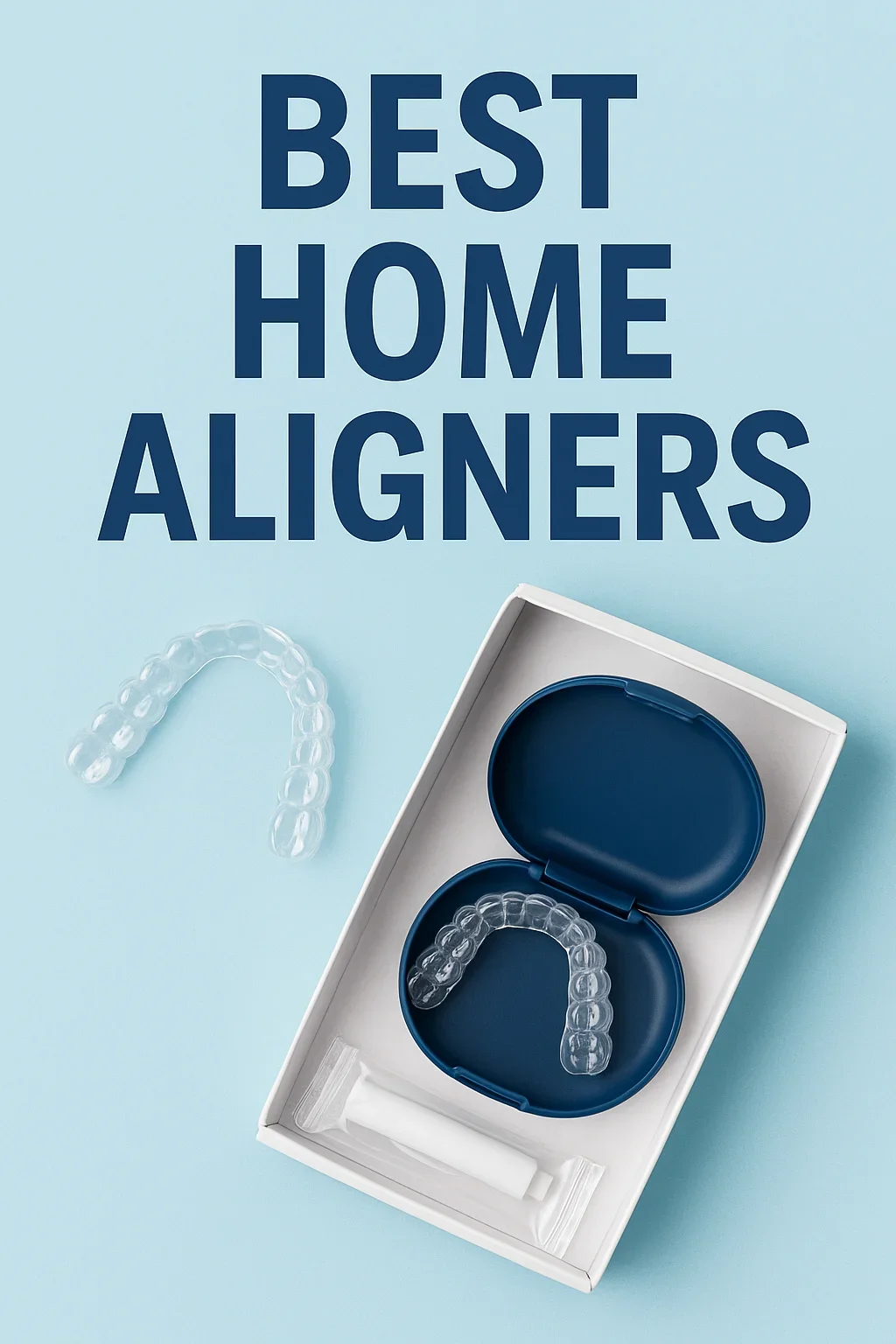
How to Maintain Your Smile After Completing Clear Aligner Treatment
Finishing your treatment with the best home aligners is a huge accomplishment—your teeth are now straighter, your smile more balanced, and your confidence higher than ever. But maintaining these results requires ongoing care, consistent habits, and a long-term retention plan. Without proper post-treatment maintenance, teeth can shift back, gums may lose their improved symmetry, and the investment you made into your new smile can gradually fade. This section provides a comprehensive, step-by-step guide to help you protect your results, preserve your alignment, and ensure your new smile stays beautiful for years to come. 😁
The Importance of Retainers After Aligner Treatment
Once treatment ends, the periodontal ligaments surrounding your teeth are still flexible. Without stabilization, they naturally push teeth back toward their previous positions—a process called “relapse.” Even the best home aligners cannot permanently hold your teeth in place without the support of retainers.
Why Retainers Are Necessary
- They stabilize teeth while bone and gum tissues solidify.
- They prevent spacing or crowding from returning.
- They protect long-term cosmetic results.
- They help maintain bite alignment in mild to moderate cases.
Retainers are the cornerstone of post-treatment success and must be treated with the same level of discipline used during aligner wear.
Types of Retainers and Which One Is Best for You
Several types of retainers exist, and understanding the differences helps you choose the most suitable option to protect your results.
1. Clear Removable Retainers
These look similar to the trays used during your treatment with the best home aligners. They are discreet, comfortable, and easy to maintain. Most patients prefer this style due to its aesthetic advantage.
2. Hawley (Wire-and-Acrylic) Retainers
This traditional option uses a metal wire across the front teeth and an acrylic piece fitted behind them. While slightly more visible, they are extremely durable and ideal for long-term retention.
3. Fixed (Bonded) Retainers
A thin metal wire permanently bonded behind the front teeth. They provide continuous support and are excellent for preventing relapse in cases with previous crowding. However, they require precise cleaning to prevent tartar buildup.
Your orthodontist or aligner provider can help determine which retainer type aligns best with your dental needs.
How Often You Should Wear Your Retainers
To maintain the results created by the best home aligners, consistency is key. Most providers recommend the following schedule:
Retainer Wear Schedule
- First 3–6 Months: Wear nightly, or 20–22 hours per day if instructed.
- Months 6–12: Wear nightly.
- After 1 Year: Transition to wearing retainers a few nights per week.
- Long-Term: Continue maintenance wear for life to prevent relapse.
While this may seem long, most patients find nighttime retainers easy to incorporate into their routine.
Essential Oral Hygiene Habits After Treatment
A straight smile is easier to clean than crowded teeth, but proper hygiene remains essential. Once your best home aligners journey ends, maintaining dental health becomes simpler—but still requires consistency.
Daily Oral Care Checklist
- Brush twice daily with fluoride toothpaste.
- Floss at least once a day.
- Use an alcohol-free mouthwash to protect gum health.
- Clean your retainers daily to prevent bacteria buildup.
Good hygiene prevents gum inflammation, tartar accumulation, and staining—which helps your new alignment look clean and healthy.
Preventing Teeth From Shifting Back
Teeth can shift for various reasons beyond disappearing retainer habits. Understanding these causes helps preserve the results earned with the best home aligners.
Factors That Cause Dental Relapse
- Grinding or clenching your teeth
- Jaw development changes (especially in younger patients)
- Untreated gum disease
- Not replacing damaged or worn retainers
- Impacted wisdom teeth pushing nearby teeth
How to Prevent These Issues
Wearing a nightguard, obtaining regular dental checkups, and addressing gum health problems early all help protect your alignment. If you suspect wisdom teeth are shifting your smile, scheduling a consultation through the
Redent Klinik Contact Page
may be necessary.
A Healthier Lifestyle Supports Long-Term Results
Your alignment is part of your overall wellness. Keeping your smile stable goes beyond retainers and includes making smart lifestyle choices.
Recommended Habits
- Maintain a balanced diet rich in calcium and vitamin D.
- Avoid chewing hard objects (ice, pens, fingernails).
- Limit sugary foods to prevent plaque and cavities.
- Drink plenty of water to wash away bacteria and acid.
These habits reinforce the structural improvements created by the best home aligners and keep your smile strong and stable.
When to Replace Your Retainers
Retainers don’t last forever. Even high-quality materials can warp or lose effectiveness. Replacing retainers regularly helps ensure continuous stability.
Signs You Need a New Retainer
- Cracks or visible thinning
- Persistent bad odors even after cleaning
- Retainer feels loose or tight
- Changes in bite sensation
On average, retainers should be replaced every 6–12 months for optimal retention.
Follow-Up Visits and Professional Monitoring
Even after completing treatment with the best home aligners, staying connected to dental professionals ensures your results remain stable. While many patients no longer need frequent monitoring, annual or biannual checkups are essential.
These Visits Help With:
- Checking gum and bone health
- Ensuring retainers still fit properly
- Detecting early signs of relapse
- Evaluating long-term bite stability
If you notice shifting or discomfort, contact your dental provider or reach out via the
Redent Klinik Contact Page
for tailored guidance.
Your Smile Is a Long-Term Investment
Completing treatment with the best home aligners is just the beginning. Maintaining your results involves discipline, good oral hygiene, proper retainer use, and lifestyle awareness. With consistent habits and routine checkups, your beautifully aligned smile can stay bright, healthy, and stable for a lifetime. 🌟