
Finding the best hygienist is one of the most important steps you can take to maintain long-term oral health. Many patients assume a hygienist’s role is limited to routine cleanings, but in reality, a top-performing dental hygienist plays a critical role in disease prevention, early diagnosis, patient education, and long-term wellness. This comprehensive guide explains exactly what you should expect from the best hygienist and how their expertise directly influences your gum health, comfort, and overall dental experience. 😊
The best hygienist is more than a clinical professional—they are a preventive care specialist who evaluates your oral health from multiple angles. Through careful assessment, personalized recommendations, and advanced cleaning techniques, they help identify early-stage gum disease, remove plaque and tartar before it becomes harmful, and ensure patients of all ages understand the importance of proper home care. This focus on prevention significantly reduces the likelihood of expensive or invasive dental treatments in the future.
Another characteristic that defines the best hygienist is their commitment to patient comfort and communication. Many patients experience anxiety during dental visits, and a skilled hygienist understands how to create a calm, supportive environment. They explain what they are doing, why they are doing it, and how each step supports your oral health. Their empathetic approach not only builds trust but also empowers patients with confidence to maintain better habits at home. This strong connection between education and prevention contributes to a lifetime of improved oral outcomes.
The best hygienist also stays up to date with modern dental technology. Today’s top hygienists utilize ultrasonic scalers, laser-assisted periodontal therapy, digital imaging tools, and advanced polishing systems to deliver safer, faster, and more effective results. These technologies help detect cavities earlier, improve plaque removal, and support precision gum assessments. With digital tools, hygienists can track your oral health changes over time and make tailored recommendations backed by accurate clinical data.
A major part of what makes the best hygienist exceptional is their expertise in identifying signs of systemic conditions that can appear in the mouth. Issues such as vitamin deficiencies, diabetes, immune disorders, and gastrointestinal complications can sometimes show oral symptoms before the patient even realizes something is wrong. Because of this, the hygienist serves as a valuable extension of your overall healthcare team. Their clinical observations can prompt patients to seek medical evaluations earlier, preventing complications beyond dental health.
In addition, the best hygienist emphasizes long-term gum health by evaluating inflammation, probing gum pockets, and monitoring early indicators of periodontitis. Gum disease is one of the most widespread chronic conditions, yet it is largely preventable with proper maintenance. By customizing treatment plans and scheduling professional cleanings based on the patient’s needs rather than a fixed schedule, top hygienists help ensure gum stability and reduce the risk of tooth loss. Their ability to detect subtle changes in gum tissue makes a tremendous difference in patient outcomes.
Patients often underestimate the educational role of the best hygienist. They provide tailored instructions based on your brushing technique, flossing habits, tooth sensitivity, and history of gum inflammation. Instead of offering generic advice, they guide you through personalized strategies that fit your lifestyle, dexterity, and oral health condition. Their expertise bridges the gap between professional dental care and daily home routines, making long-term success much easier for patients.
Choosing the best hygienist also means selecting someone who collaborates closely with the dentist. They share clinical findings, support diagnosis, help monitor restorative work, and play an active role in treatment planning. This teamwork ensures patients receive comprehensive care, as nothing is overlooked during routine visits. Working with a skilled hygienist can significantly enhance the overall efficiency and quality of dental care you receive.
If you want to take the next step toward excellent oral health, you can contact our team through the
Redent Klinik Contact Page. For more information about dental standards and professional guidelines, consider visiting the
American Dental Association.
The best hygienist is not just someone who cleans your teeth—they are a partner in your long-term health and wellbeing.
What Defines the Best Hygienist in Modern Dental Care?
Understanding what qualifies a professional as the best hygienist is essential for anyone seeking exceptional oral care. Today’s patients expect more than routine cleanings; they want precision, preventive expertise, modern technology, comfort-focused treatment, and personalized education. A truly outstanding hygienist excels in each of these categories, offering a unique blend of clinical skill and compassionate communication. This holistic approach ensures that every patient receives not only healthier gums and teeth but also a deeper understanding of their oral health, helping them stay proactive long after leaving the clinic.
The Core Clinical Competencies of the Best Hygienist
One of the most important characteristics of the best hygienist is strong technical proficiency. This includes expert-level skills in scaling, root planing, plaque detection, periodontal assessment, polishing, sealant application, and early detection of oral abnormalities. Patients rarely see the complexity behind what looks like a simple procedure, but every movement a hygienist makes is grounded in science, anatomy, and years of training. Their ability to remove tartar without damaging enamel, identify inflammation before it becomes advanced gum disease, and recognize early patterns of decay makes them an indispensable partner in preventive dentistry.
Mastering Periodontal Assessments
The best hygienist conducts periodontal evaluations with precision and consistency. This includes measuring pocket depths, detecting gum recession, analyzing bleeding points, and assessing plaque accumulation. These measurements are vital for diagnosing gingivitis and periodontitis at early stages. Since gum disease is one of the leading causes of tooth loss worldwide, early detection by a skilled hygienist dramatically improves patient outcomes. Their attention to detail allows patients to receive treatment plans that prevent disease progression and maintain long-term oral stability.
Modern Tools and Technology Used by the Best Hygienist
Another distinguishing trait of the best hygienist is proficiency in advanced dental technologies. Tools such as ultrasonic scalers, laser therapy devices, intraoral cameras, digital periodontal probes, and fluoridation systems elevate the hygienist’s ability to deliver accurate, minimally invasive care. With high-frequency ultrasonic vibrations, hygienists can remove stubborn tartar more efficiently and comfortably. Intraoral cameras allow patients to visually understand their oral condition, enhancing transparency and motivation. Digital probing systems record gum health more accurately than manual tools, helping track changes over time.
Integrating Evidence-Based Techniques
The best hygienist consistently applies evidence-based protocols recommended by professional organizations such as the
American Dental Association. Whether it involves polishing methods, fluoride recommendations, or periodontal therapies, these guidelines ensure patient care is safe, effective, and aligned with modern scientific research. Hygienists who prioritize continuing education remain at the top of their field, improving their skill set year after year.
Personalized Patient Care: A Defining Trait of the Best Hygienist
What truly separates the best hygienist from a standard provider is their emphasis on individualized care. Every patient has unique oral conditions, dietary habits, stress levels, medical history, and lifestyle factors that influence their dental health. Instead of offering generic advice, a skilled hygienist creates personalized plans that align with each patient’s needs. For example, someone with early gum inflammation may receive a tailored plan focusing on flossing techniques and mouth rinses, while someone prone to enamel wear may need brushing modifications and remineralization treatments.
Education and Communication
Patients often describe the best hygienist as someone who explains dentistry in a clear, friendly way. This includes demonstrating brushing angles, guiding proper flossing, explaining the purpose of fluoride, and outlining risk factors for gum disease. Their communication style reduces fear and increases cooperation, leading to better home care routines. Good education empowers patients to take control of their oral health rather than relying solely on periodic dental visits.
The Best Hygienist as a Preventive Health Advocate
Beyond cleaning, the best hygienist plays a critical role in early detection of systemic health issues. Conditions such as diabetes, anemia, vitamin deficiencies, acid reflux, and autoimmune disorders can show oral symptoms before they present clinically elsewhere. A well-trained hygienist recognizes these early warning signs and may recommend medical evaluation, supporting overall health—not just oral health. This makes the hygienist a vital part of a patient’s preventive healthcare team.
Holistic Patient Comfort and Anxiety Management
Patient experience matters deeply, and the best hygienist excels at easing anxiety. They use gentle techniques, explain every step before performing it, check on patient comfort frequently, and create a welcoming environment. Many people delay dental care due to fear, which can worsen oral conditions over time. A compassionate hygienist breaks this cycle by making each visit stress-free and positive. The emotional comfort they offer is just as important as their technical expertise.
For anyone seeking premium dental care, choosing the best hygienist is one of the smartest decisions you can make. Their blend of technical mastery, communication skills, preventive focus, and patient-centered care results in healthier smiles and improved long-term wellbeing. If you are looking for a qualified team that prioritizes your health and comfort, feel free to visit the
Redent Klinik Contact Page for expert support and appointment information.
How the Best Hygienist Improves Long-Term Gum Health
Long-term gum health depends heavily on the quality of preventive care you receive, and this is where the best hygienist plays a transformative role. While many people associate hygienists primarily with routine cleanings, their responsibilities extend far beyond plaque removal. A highly skilled hygienist works with precision, advanced diagnostic tools, and patient-centered strategies to protect the gums from inflammation, infection, and chronic periodontal disease. Their expertise acts as the first line of defense against gum deterioration, which makes choosing the best hygienist one of the most important decisions you can make for your oral wellbeing.
The Best Hygienist’s Role in Detecting Early Gum Disease
The earliest stages of gum disease are often painless, making them easy for patients to overlook. However, the best hygienist is trained to identify subtle signs of gingivitis and periodontitis long before they become severe. They evaluate gum color, texture, bleeding response, plaque buildup, and pocket depth changes. Even small increases in pocket measurements can indicate the beginning of periodontal breakdown. Early detection is crucial because it allows the hygienist to intervene before permanent damage occurs. This proactive skill is one of the leading reasons why top hygienists help patients maintain healthy gums for decades.
Understanding Periodontal Pocket Depth
A key metric in gum health is periodontal pocket depth, which measures how tightly the gum tissue adheres to the tooth. The best hygienist uses a calibrated periodontal probe to record depths in millimeters. Healthy gums usually measure between 1–3 mm. Anything deeper suggests inflammation or tissue loss. By tracking these measurements over time—visit by visit—the hygienist can monitor trends, detect risks early, and adjust care plans for maximum effectiveness. Accurate probing is both an art and a science, requiring training, sensitivity, and perfect technique.
Deep Cleaning and Root Planing Techniques
One of the advanced procedures performed by the best hygienist is scaling and root planing, often referred to as deep cleaning. This treatment targets plaque and calculus hidden beneath the gumline, where regular brushing and flossing cannot reach. When harmful bacteria accumulate, they trigger inflammation that slowly destroys the supporting bone and tissues. Root planing smooths tooth surfaces so bacteria have fewer places to attach. It is a cornerstone therapy for reversing early periodontal disease and slowing its progression. Patients treated by a skilled hygienist often notice less bleeding, reduced sensitivity, and healthier gum appearance within weeks.
The Importance of Biofilm Disruption
Gum disease is driven by bacterial biofilm—an organized colony of microbes that thrive in hard-to-clean areas. The best hygienist understands how resilient biofilm can be and uses ultrasonic scalers and specialized hand instruments to break it apart. Disrupting biofilm regularly prevents harmful bacteria from maturing into destructive colonies. This level of precision is essential for patients with chronic gum conditions, diabetes, or compromised immune systems.
Personalized Gum Care Recommendations
The best hygienist doesn’t rely on one-size-fits-all advice. Instead, they tailor gum care recommendations based on each patient’s medical history, plaque patterns, lifestyle, and risk factors. For example, someone suffering from dry mouth due to medication may require different care than someone who smokes or consumes acidic foods. Personalized recommendations may include:
- Specific brushing techniques to protect gum tissue
- Customized flossing or interdental cleaning tools
- Antimicrobial mouth rinses for high-risk patients
- Dietary adjustments that support gum healing
- Shortened cleaning intervals for periodontitis management
Patients benefit greatly from this individualized approach, as it creates a long-term strategy that aligns with their unique oral health challenges.
The Link Between Gum Health and Whole-Body Wellness
The best hygienist recognizes that gum health is not a standalone issue but deeply connected to overall systemic health. Research has shown strong correlations between gum disease and conditions such as diabetes, cardiovascular disease, respiratory infections, rheumatoid arthritis, and even complications during pregnancy. When harmful bacteria from the gums enter the bloodstream, they can trigger inflammation throughout the body. A hygienist who understands these connections takes a holistic view of oral health and educates patients on how caring for their gums can improve their general wellbeing.
Monitoring Inflammation as a Health Indicator
Gum inflammation is often a red flag for underlying issues. The best hygienist pays close attention to persistent bleeding, swelling, tenderness, and pocket depth changes. These symptoms may not just indicate periodontal disease—they can also reveal poor blood sugar control, nutritional deficiencies, or immune dysfunction. Hygienists frequently coordinate with dentists and physicians when they detect patterns that deserve medical evaluation, making them an integral part of a patient’s healthcare network.
Reducing Gum Recession and Sensitivity
Gum recession is another issue that the best hygienist helps prevent. Recession exposes the tooth root, increasing sensitivity and raising the risk of decay. Hygienists identify contributing factors such as aggressive brushing, clenching, misalignment, and chronic inflammation. They recommend protective strategies like soft-bristle brushes, gentle brushing motions, night guards, or fluoride varnishes. By addressing these causes, the hygienist helps patients maintain strong gum attachment and improved comfort.
Creating a Long-Term Prevention Blueprint
The ultimate strength of the best hygienist lies in building a preventive roadmap for each patient. They track gum measurements, monitor healing patterns, schedule maintenance visits strategically, and continually adjust treatment plans to ensure long-term stability. With the right hygienist, patients experience fewer complications, reduced treatment costs, and significantly healthier gums over time.
If you wish to consult a professional who prioritizes long-term gum protection and personalized preventive care, you can reach out through the
Redent Klinik Contact Page.
For scientific resources on periodontal health, professionals often reference the
American Dental Association.
The Best Hygienist’s Role in Preventive Dentistry
Preventive dentistry is the foundation of lifelong oral wellness, and no professional contributes more directly to this mission than the best hygienist. Their expertise extends far beyond routine cleanings; they are the guardians of your oral environment, ensuring that problems such as plaque accumulation, gum inflammation, and early decay are identified and treated before they develop into serious conditions. The best hygienist blends clinical precision with patient education, evidence-based strategies, and personalized treatment plans, making preventive dentistry both proactive and highly effective. This section explains in detail how the top hygienists elevate prevention to a sophisticated, science-backed system designed to protect your health for years.
What Preventive Dentistry Really Means
Preventive dentistry is not just about keeping teeth clean—it is about creating an oral environment resistant to disease. The best hygienist understands that prevention requires a multilayered approach involving plaque control, risk assessments, periodontal screening, lifestyle guidance, and long-term monitoring. Preventive dentistry reduces the need for invasive treatments, lowers healthcare costs, and strengthens the relationship between patients and their dental team. Because prevention is always more effective and less costly than treatment, the hygienist’s role is central to modern dentistry.
The Science Behind Prevention
Prevention focuses on disrupting bacterial biofilm, reinforcing enamel, controlling inflammation, and supporting healthy habits. The best hygienist is trained to identify early biological changes in the mouth, such as acid erosion, mineral loss, gum swelling, or the beginning stages of gingivitis. These microscopic shifts may seem small to the untrained eye, but they serve as powerful indicators of future oral complications. Through evidence-based assessments and diagnostic tools, hygienists stop these problems before they escalate.
Professional Cleanings as the First Line of Defense
The cornerstone of preventive care is the professional cleaning, a procedure that the best hygienist performs with exceptional skill. Cleanings remove plaque, tartar, and harmful bacterial colonies that brushing and flossing cannot reach. This process significantly reduces gum inflammation, prevents gum disease, and maintains strong enamel. The difference between a standard cleaning and one performed by a highly trained hygienist is noticeable—patients report less discomfort, more thorough results, and improved long-term outcomes. Their technique prioritizes tissue preservation, accurate detection of hidden deposits, and patient comfort.
Ultrasonic Scaling for Enhanced Prevention
The best hygienist often uses ultrasonic scalers, which emit high-frequency vibrations to break up hardened tartar. These tools are not only efficient but also gentler on the gums. By combining ultrasonic technology with traditional hand instruments, hygienists achieve a deeper level of cleaning that supports periodontal stability. This blend of precision and technology helps reduce harmful bacteria before they trigger inflammation.
Fluoride Treatments and Enamel Protection
Fluoride is a powerful mineral that reinforces enamel and protects against decay. The best hygienist customizes fluoride treatments based on patient risk levels. Children, patients with dry mouth, individuals with high sugar intake, and those with early demineralization benefit greatly from fluoride varnishes and gels. These treatments strengthen weakened enamel, making it more resistant to bacteria and acid attacks. A skilled hygienist understands how fluoride interacts with the enamel surface and tailors its application for maximum benefit.
Remineralization Strategies
The best hygienist also guides patients on remineralization techniques, including calcium-phosphate products, hydroxyapatite toothpaste, and dietary adjustments that support stronger enamel. By addressing enamel health proactively, hygienists help prevent cavities long before they become visible on X-rays.
Sealants and Protective Barriers
Sealants are thin protective coatings placed on the chewing surfaces of molars to prevent decay. The best hygienist identifies ideal candidates—typically children or adults with deep grooves that trap food. Sealants block bacteria from entering these vulnerable areas, reducing cavity risk by up to 80%. A precise application ensures long-lasting protection, often remaining effective for years.
Risk Assessments: A Core Responsibility of the Best Hygienist
A major part of preventive dentistry involves evaluating each patient’s risk factors for decay, gum disease, enamel erosion, and other oral conditions. The best hygienist conducts a thorough assessment that includes:
- Oral hygiene habits
- Dietary choices
- Genetic predispositions
- Stress levels and bruxism
- Systemic health conditions (e.g., diabetes)
- Saliva quality and flow rate
These factors determine the personalized prevention plan created for the patient. The best hygienist understands that two patients with similar plaque levels may require completely different approaches based on lifestyle, medical history, or risk tolerance.
Patient Education as the Heart of Prevention
Education is one of the strongest tools the best hygienist uses to prevent disease. Their guidance empowers patients to take ownership of their oral health. This includes training on:
- Correct brushing and flossing techniques
- Interdental cleaning tips
- Strategies for reducing gum inflammation
- Product recommendations tailored to the patient’s needs
- Techniques for reducing sensitivity and strengthening gums
The best hygienists communicate clearly, compassionately, and without judgment—creating a learning environment where patients feel motivated rather than embarrassed.
The Best Hygienist’s Collaboration With Dentists
Preventive dentistry succeeds when hygienists and dentists work together seamlessly. The best hygienist shares clinical findings, identifies abnormalities, monitors gum recession, and ensures the dentist is aware of all concerns before diagnosis. This collaborative approach enhances accuracy, accelerates treatment, and improves long-term outcomes.
If you want to prioritize prevention and receive care from a team committed to preserving your oral health, visit the
Redent Klinik Contact Page.
For additional information on preventive standards, dental professionals often reference the
American Dental Association.
Advanced Dental Technologies Used by the Best Hygienist
In today’s rapidly evolving dental landscape, the best hygienist stands out not only for exceptional clinical skills but also for the ability to integrate advanced technologies into preventive and periodontal care. Modern tools make treatments faster, more comfortable, more accurate, and far more effective. Patients benefit from early detection, minimally invasive techniques, and more personalized treatment plans. Understanding the technologies used by the best hygienist helps patients appreciate how sophisticated and science-driven modern hygiene care has become. This section explores the most important devices, tools, and digital systems that elevate dental hygiene to world-class standards.
Ultrasonic Scalers: Precision Cleaning With Modern Vibrational Technology
One of the most widely recognized technologies used by the best hygienist is the ultrasonic scaler. This device uses high-frequency vibrations to break apart tartar and bacterial biofilm more efficiently than manual tools alone. Water irrigation from the scaler helps flush debris from periodontal pockets while cooling the tip to ensure patient comfort. Compared to traditional instruments, ultrasonic scaling reduces treatment time and often minimizes discomfort—an advantage especially appreciated by patients with gum sensitivity or heavy tartar buildup. The hygienist’s ability to combine ultrasonic and hand scaling ensures a deep and comprehensive cleaning.
Cavitation: A Powerful Anti-Bacterial Effect
Ultrasonic scalers also produce tiny bubbles through a process known as cavitation. When these bubbles collapse, they create energy capable of disrupting bacterial cell walls. This antimicrobial benefit is one reason the best hygienist relies heavily on ultrasonic technology for patients with gum disease or chronic inflammation. By breaking apart harmful bacteria at a microscopic level, the hygienist provides far deeper periodontal cleaning than manual scaling alone.
Intraoral Cameras: Enhancing Patient Understanding and Diagnostic Accuracy
Intraoral cameras have transformed how patients perceive their own oral health. The best hygienist uses these small, high-resolution cameras to capture detailed images of gum tissue, tooth surfaces, restoration margins, and potential problem areas. Patients can see exactly what the hygienist sees—making explanations more clear and motivating. For example, viewing plaque deposits, receding gums, or early cavities on a screen helps patients understand why specific treatments or habits are necessary. This transparency builds trust and strengthens patient engagement in their long-term care.
Magnification and Real-Time Visualization
With magnified imagery, the best hygienist can identify issues that might be missed with the naked eye. Small cracks, minor decay, early tartar formation, and irregular tissue texture become more visible, which improves early detection. Real-time visualization also helps monitor progress during cleaning and periodontal therapy.
Digital Periodontal Probing Systems
Traditional gum probing relies on manual pressure and estimation, which can vary slightly between clinicians. The best hygienist often uses digital periodontal probes, which provide electronic measurements of pocket depth, attachment levels, and gum recession. Digital systems enhance accuracy, eliminate guesswork, and store data automatically in patient records. Over time, this allows hygienists to compare historical measurements and detect subtle trends that may indicate early disease progression.
Objective and Consistent Measurements
Digital probing ensures consistent pressure regardless of who performs the exam. The best hygienist values this precision because accurate periodontal data is essential for diagnosing gum disease and planning appropriate therapies. Patients with chronic periodontitis benefit greatly from this technology because even a 1 mm change in pocket depth can be clinically significant.
Laser-Assisted Periodontal Therapy
Dental lasers are increasingly incorporated into hygiene care, and the best hygienist is trained to use them for soft-tissue treatments. Lasers can reduce bacteria, remove inflamed tissue, and promote healing with minimal discomfort. For patients with gum pockets or persistent inflammation, laser therapy offers a targeted, minimally invasive alternative to traditional techniques.
Faster Healing and Reduced Inflammation
Lasers encourage bio-stimulation, which means they help tissues heal faster at a cellular level. The best hygienist may use lasers to disinfect periodontal pockets after root planing, improving treatment outcomes and reducing the risk of recurrence. Patients often report improved comfort and quicker recovery.
Digital X-Rays and Low-Radiation Imaging
Digital radiography allows the best hygienist to detect hidden decay, bone loss, cysts, and early-stage periodontal changes more efficiently. Digital X-rays emit significantly less radiation compared to traditional film, making them safer for patients. Images appear instantly on the screen, allowing the hygienist to review them with patients in real time.
Early Diagnosis Through Enhanced Imaging
Digital imaging’s sharp detail enables the best hygienist to identify tiny changes in tissue density that may indicate infection or bone loss. Early diagnosis means early intervention, which is essential for maintaining healthy gums and preventing tooth loss.
Saliva Testing and Oral Microbiome Analysis
Oral health depends heavily on bacterial balance, and the best hygienist incorporates saliva diagnostics when needed. These tests analyze bacterial species in the mouth, identify risk for gum disease, and help customize treatment plans. Understanding a patient’s oral microbiome provides deeper insight into why inflammation occurs and how it can be controlled.
Tailored Treatment Based on Biological Data
By using saliva test results, the best hygienist can recommend targeted rinses, probiotics, or periodontal therapies aimed at balancing harmful bacteria. This personalized, biological approach enhances treatment effectiveness dramatically.
The Role of Technology in Patient Education and Motivation
The best hygienist utilizes technology not only for treatment but also for education. Visual tools such as digital charts, before-and-after images, and periodontal graphs help patients track improvements over time. When patients understand their progress, they become more motivated to follow home-care instructions, leading to stronger long-term outcomes.
If you want to experience care powered by modern dental technologies, you can book an appointment through the
Redent Klinik Contact Page.
For authoritative information on dental technologies and professional standards, visit the
American Dental Association.
How to Choose the Best Hygienist for Your Family
Selecting the best hygienist for your family is one of the most important healthcare decisions you can make. Oral health affects overall wellness, confidence, and daily comfort, so choosing a hygienist who provides exceptional preventive care, strong communication, and a compassionate approach is essential. However, with so many clinics and providers available, knowing how to identify the best hygienist can be challenging. This comprehensive guide will walk you through every factor that matters, ensuring your family receives top-level care that supports long-term dental health.
What Qualities Should You Look for in the Best Hygienist?
The best hygienist demonstrates a balanced combination of clinical skill, up-to-date knowledge, patient-centered communication, and a genuine passion for preventive care. But beyond these general traits, there are specific measurable qualities that help you determine whether a hygienist is truly suited for your family. These include their approach to diagnosis, their comfort with children and anxious patients, their ability to explain treatments clearly, and their use of modern dental technology. Selecting a hygienist with these qualities greatly improves your experience and oral health outcomes.
Experience Working With All Age Groups
Because every family includes individuals with different dental needs, the best hygienist must be skilled at working with children, teens, adults, and seniors. Pediatric patients require gentle, playful communication; teens may need guidance on braces or lifestyle habits; adults often need periodontal monitoring; and seniors may require specialized care due to medical conditions or reduced dexterity. A hygienist who adapts to every age group ensures that your entire family receives consistent, effective, and personalized attention.
Evaluating Communication Skills and Patient Comfort
A defining characteristic of the best hygienist is the ability to make patients feel relaxed and understood. Many individuals experience dental anxiety, and a hygienist who communicates clearly and calmly can transform the entire experience. Ask yourself the following questions:
- Do they explain each step before performing it?
- Do they answer questions with patience and clarity?
- Do they make your children feel safe and comfortable?
- Do they listen to your concerns without judgment?
These behaviors demonstrate empathy and professionalism—key indicators that the hygienist is committed to providing care that is both effective and emotionally supportive.
Creating a Stress-Free Environment
The best hygienist understands that dental visits can be overwhelming. They check on your comfort frequently, use gentle techniques, and take breaks when needed. This approach is especially important for patients with sensitive gums, past dental trauma, or high anxiety levels. A calming hygienist helps patients stay consistent with appointments, which leads to better overall health.
Assessing Their Commitment to Preventive Dentistry
The best hygienist is proactive, not reactive. They don’t simply clean teeth—they analyze gum health, measure pocket depths, identify early decay, and explain how lifestyle habits affect oral wellness. This commitment to prevention helps families avoid costly procedures later. When evaluating a hygienist, look for evidence of:
- Regular periodontal charting
- Personalized home-care recommendations
- Advanced cleaning techniques
- Holistic assessments linking oral and overall health
- Educational guidance tailored to each family member
A hygienist who helps you understand the “why” behind oral health decisions is truly invested in your long-term wellbeing.
Encouraging Healthy Habits at Home
The best hygienist offers practical tips that make home care easier—especially important for children and teens who often struggle with consistent brushing habits. They may suggest fun tools, explain proper brushing angles, or recommend specific fluoride products for cavity-prone individuals. Their guidance helps families feel confident and capable between visits.
Checking for Continued Education and Professional Development
Dental science evolves constantly, and the best hygienist stays current by pursuing advanced training and certifications. Ask if they attend professional workshops, follow guidelines from the
American Dental Association, or specialize in modern periodontal therapies. Hygienists who invest in continuous learning provide higher-quality, evidence-based care.
Mastery of New Technologies
A top hygienist is comfortable using tools such as ultrasonic scalers, lasers, intraoral cameras, and digital periodontal probes. These devices allow for earlier detection, improved cleaning precision, and a more comfortable patient experience. If you want your family to benefit from the latest advancements, selecting a technologically adept hygienist is essential.
Understanding Cost Transparency and Treatment Planning
While hygienists do not set prices themselves, the best hygienist explains treatment needs clearly and helps patients understand what may require additional visits or specialized procedures. Families appreciate transparent explanations about whether a service is preventive, therapeutic, or related to periodontal care. This clarity helps avoid confusion during treatment planning.
Insurance and Scheduling Convenience
A family-friendly hygienist works within a system that offers flexible scheduling, accessible appointment times, and assistance with insurance questions. While administrative tasks are not the hygienist’s responsibility, the overall environment reflects their commitment to patient convenience and satisfaction.
Reading Reviews and Seeking Personal Recommendations
To identify the best hygienist, research online reviews and ask friends or relatives about their experiences. Consistent praise for communication, gentle care, and thorough cleanings indicates a hygienist who values patient trust and quality service. Additionally, reputable clinics often highlight their hygienists’ qualifications and areas of expertise to help families make informed decisions.
If you are searching for exceptional dental hygiene care for your family, you can reach out through the
Redent Klinik Contact Page. Choosing the best hygienist ensures that your loved ones receive professional, preventive, and compassionate care throughout every stage of life.
What to Expect During an Appointment With the Best Hygienist
Visiting the best hygienist is far more than a routine dental appointment—it is a comprehensive, preventive, and educational experience designed to safeguard your long-term oral health. Knowing exactly what to expect helps reduce anxiety, improves cooperation during treatment, and empowers patients to take ownership of their care. This section offers a detailed, step-by-step look at every stage of a typical visit with the best hygienist, highlighting the clinical precision, modern technology, and compassionate communication that set top hygienists apart.
Step 1: A Thorough Pre-Appointment Review
Before your cleaning even begins, the best hygienist reviews your medical history, current medications, systemic health conditions, and past dental records. This is crucial because oral health is deeply connected to overall health. Conditions such as diabetes, autoimmune disorders, pregnancy, and high blood pressure can influence gum tissue and treatment choices. The hygienist may ask questions to better understand your lifestyle, including dietary habits, stress levels, smoking history, and oral hygiene patterns. This holistic review ensures your appointment is personalized from the very beginning.
Assessing Risk Factors
The best hygienist identifies risk factors such as dry mouth, acid reflux, heavy plaque accumulation, or a history of gum disease. These variables help shape a targeted care plan tailored to your unique needs. Patients with higher risk levels may require more frequent cleanings or specialized treatment strategies.
Step 2: Comprehensive Oral Examination
Next, the best hygienist performs a full oral examination. This includes evaluating your gums, tongue, palate, throat, and soft tissues for any abnormalities. They check for:
- Signs of gingivitis or periodontitis
- Gum recession or pocket formation
- Oral lesions or suspicious tissue changes
- Plaque and tartar distribution
- Signs of enamel erosion or cavities
Because early detection is vital, this examination often reveals concerns long before they cause noticeable symptoms. The best hygienist is trained to identify even the smallest signs of inflammation or tissue irregularity so you receive timely care.
Oral Cancer Screening
One of the most important components of the examination is the oral cancer screening. The best hygienist gently palpates the neck, checks lymph nodes, and inspects soft tissues for irregular shapes, discolorations, or growths. Early detection significantly improves outcomes, making this screening essential during every visit.
Step 3: Periodontal Evaluation
The periodontal examination focuses on the health of your gums and supporting structures. The best hygienist measures periodontal pocket depths with a calibrated probe, checks for bleeding, and assesses bone health through visual and radiographic evaluation. These measurements determine whether your gums are stable, inflamed, or at risk for disease progression.
Digital Probing for Enhanced Accuracy
Many clinics equipped with advanced tools allow the best hygienist to use digital periodontal probes, which produce electronic measurements with consistent pressure. This creates more accurate tracking of gum health over time and is especially beneficial for patients with chronic periodontitis.
Step 4: Professional Cleaning and Biofilm Removal
This is the part of the appointment most patients are familiar with, but the best hygienist performs it with exceptional detail and professionalism. The cleaning includes:
- Ultrasonic scaling to remove hardened tartar
- Hand scaling to fine-tune cleaning around delicate areas
- Polishing to smooth tooth surfaces and reduce plaque accumulation
- Fluoride or remineralization treatments if needed
The hygienist works carefully to protect the enamel and soft tissues while ensuring that biofilm and bacterial colonies are thoroughly removed. This not only improves appearance but also prevents gum inflammation and tooth decay.
Comfort-Focused Cleaning Techniques
The best hygienist frequently pauses to check your comfort level, adjusts their technique if you experience sensitivity, and ensures that the cleaning remains as gentle as possible. Their attention to patient comfort helps people with dental anxiety build confidence in their preventive care routine.
Step 5: Diagnostic Imaging When Required
If necessary, the best hygienist may recommend digital X-rays or intraoral photos to examine areas not visible during the clinical exam. These images help identify cavities between teeth, bone loss, cysts, impacted teeth, and early decay. Digital imaging offers instant results and minimal radiation exposure.
Enhancing Patient Understanding Through Visuals
Viewing images together helps patients understand their oral health status more clearly. The best hygienist explains what the images show, which promotes transparency and strengthens trust.
Step 6: Personalized Home-Care Instructions
After the cleaning, the best hygienist provides tailored recommendations for brushing, flossing, and lifestyle improvements. Rather than giving generic instructions, they focus on your specific needs—whether you require assistance with gum inflammation, enamel protection, or interdental cleaning.
- Custom flossing techniques
- Product recommendations based on enamel health
- Advice for managing dry mouth or bad breath
- Nutrition tips that promote stronger gums
The hygienist may also schedule periodontal maintenance visits if you show early signs of gum disease.
Step 7: Treatment Planning and Follow-Up Scheduling
Finally, the best hygienist collaborates with the dentist to discuss your exam findings, identify areas that need further care, and plan appropriate treatments. If you require fillings, deep cleaning, or specialist referral, these recommendations are explained clearly. Follow-up intervals may be adjusted based on your gum health, plaque levels, and lifestyle factors.
A Proactive Approach to Long-Term Health
By creating a personalized prevention plan and setting realistic goals, the best hygienist helps you maintain excellent oral health between visits. Their proactive mindset reduces the risk of future complications and empowers patients to stay consistent with home care.
If you want an appointment experience that prioritizes comfort, precision, and personalized care, you can schedule a visit through the
Redent Klinik Contact Page.
For further reference on dental standards and examination guidelines, you may also visit the
American Dental Association.
Common Myths About Working With the Best Hygienist
Despite the essential role that dental hygienists play in preventive care, many misconceptions continue to circulate about what they do, how they work, and what patients should expect. These misunderstandings can prevent people from receiving high-quality oral health support and may even cause unnecessary anxiety. This section uncovers the most common myths about visiting the best hygienist and clarifies the truth behind each one. By understanding how the best hygienist actually functions within modern dentistry, patients can make better decisions and feel more confident about their dental visits.
Myth 1: The Hygienist Only “Cleans Teeth”
One of the biggest myths is that hygienists are primarily responsible for cleaning teeth and little else. In reality, the best hygienist performs an extensive range of preventive, diagnostic, and educational tasks that directly influence long-term oral health. Their work includes evaluating gum health, measuring periodontal pocket depths, identifying early signs of oral disease, guiding home-care routines, and even teaching patients how nutrition affects their gums. The cleaning you receive is just one component of a much broader preventive system.
The Preventive Expertise Behind Every Appointment
When patients visit the best hygienist, they are receiving highly skilled healthcare from a licensed preventive specialist. Hygienists undergo years of training, participate in continuing education, and follow strict clinical protocols aligned with the
American Dental Association. Their professional responsibilities extend far beyond what most people imagine.
Myth 2: Hygienists Cause Pain During Cleanings
Another widespread misconception is that dental cleanings are inherently painful. In truth, the best hygienist focuses on patient comfort at every stage of treatment. Pain is not a normal part of routine cleaning—discomfort typically indicates underlying issues such as gum inflammation or heavy tartar buildup. When your gums are healthy, your cleaning should feel gentle and manageable.
Comfort-Based Techniques Reduce Sensitivity
The best hygienist uses modern tools such as ultrasonic scalers, ergonomic instruments, and warm-water irrigation to make cleanings smoother and less irritating. They frequently check your comfort level, adjust pressure as needed, and explain each step. Their goal is to ensure that every visit feels reassuring rather than stressful.
Myth 3: Only People With Dental Problems Need a Hygienist
Many people assume that hygienists are only necessary when something is already wrong, such as inflammation or visible plaque. In reality, the best hygienist is most valuable when used proactively. Preventive dentistry focuses on keeping problems from developing in the first place. Even patients with excellent oral hygiene need professional cleanings and evaluations at least twice per year.
The Importance of Prevention for Healthy Patients
Oral bacteria, plaque, and tartar accumulate even with meticulous brushing and flossing. The best hygienist helps maintain this balance by removing buildup, protecting enamel, and monitoring subtle changes in gum health. Preventive visits are essential for children, teens, adults, and seniors—even those with no current dental issues.
Myth 4: Hygienists and Dentists Perform the Same Job
Although both are essential members of the dental team, hygienists and dentists have distinct roles. The best hygienist focuses on preventive care, patient education, gum health, and early detection. Dentists diagnose conditions, create treatment plans, and perform restorative procedures like fillings, crowns, implants, and extractions.
A Perfect Partnership for Patient Health
The best hygienist and dentist work together seamlessly to ensure complete oral health. Hygienists gather essential diagnostic data—such as pocket depths, gum inflammation scores, and plaque distribution—which the dentist then uses to form accurate diagnoses. This teamwork allows for more efficient care and better outcomes.
Myth 5: Hygienists Cannot Identify Medical Problems
Some patients falsely believe that hygienists only examine the mouth and cannot detect broader health issues. In truth, the best hygienist is trained to identify oral symptoms that may point to systemic concerns. Conditions such as diabetes, vitamin deficiencies, autoimmune disorders, hormonal changes, and acid reflux often show early signs in the mouth.
Oral Health as a Window Into Overall Health
Because the best hygienist sees the mouth regularly and understands how systemic conditions affect gum tissue, they are often the first to notice early indicators that require medical evaluation. Their insight contributes to better total-body wellness.
Myth 6: Dental Cleanings Damage Enamel
Another misconception is that the tools used by hygienists can wear away enamel. This is scientifically false. The best hygienist uses specialized instruments designed to remove plaque and tartar without harming healthy tooth structure. Enamel damage typically results from aggressive brushing, acidic foods, or grinding—not from professional cleanings.
Evidence-Based Techniques Protect Your Teeth
Because the best hygienist follows evidence-based protocols, they use gentle, controlled techniques that preserve enamel integrity. Their training ensures that cleaning strengthens oral health rather than compromising it.
Myth 7: You Don’t Need a Hygienist if You Brush Well at Home
Even the most diligent brushers and flossers cannot remove hardened tartar or reach deep periodontal pockets. The best hygienist performs targeted procedures that home care cannot replicate. This includes scaling, gum measurements, plaque mapping, and deep biofilm removal.
Professional Tools Make a Critical Difference
The instruments used by the best hygienist—ultrasonic scalers, digital probes, and high-precision polishers—allow them to clean areas that toothbrushes simply cannot access. Their work complements your home routine, making it more effective.
If you have ever avoided dental care because of myths or misunderstandings, now is the perfect time to experience modern, compassionate, preventive dentistry. You can speak with a specialist through the
Redent Klinik Contact Page.
For additional clinical guidance, explore resources provided by the
American Dental Association.
Why the Best Hygienist Matters for Your Overall Wellness
When most people think about oral care, they imagine clean teeth, fresh breath, and the prevention of cavities. However, the true impact of visiting the best hygienist reaches far beyond the mouth. Modern research continues to reveal powerful links between oral health and systemic wellbeing. Conditions such as cardiovascular disease, diabetes, chronic inflammation, respiratory infections, and even cognitive decline have direct correlations with oral bacteria and gum disease. This is exactly why working with the best hygienist is not just beneficial—it is a critical component of maintaining lifelong health. In this detailed section, we will explore how exceptional hygiene care protects your body, strengthens immunity, improves daily comfort, and contributes to your overall quality of life.
The Mouth–Body Connection: How Oral Health Influences Systemic Wellness
Understanding the mouth–body connection is foundational to appreciating the value of the best hygienist. Your mouth is home to billions of bacteria—some beneficial, some harmful. When harmful bacteria multiply due to plaque accumulation or gum inflammation, they can enter the bloodstream and trigger widespread inflammation. This inflammatory response contributes to numerous chronic conditions, and early intervention by a skilled hygienist significantly reduces these risks. Their ability to prevent gum disease ultimately helps protect vital organs throughout your body.
Gum Disease and Heart Health
The best hygienist plays a major role in reducing cardiovascular risk. Studies show a strong association between periodontal disease and heart attacks, strokes, and atherosclerosis. Inflammation caused by gum disease increases the body’s inflammatory load, which contributes to arterial plaque formation. By controlling gum infections and monitoring periodontal pockets, the hygienist helps lower this systemic burden. Patients receiving consistent preventive care experience improved circulation, stronger immune responses, and reduced cardiovascular complications.
The Best Hygienist’s Role in Diabetes Management
Diabetes and gum disease have a bidirectional relationship: uncontrolled blood sugar worsens gum inflammation, and unresolved gum disease makes blood sugar harder to regulate. This cycle significantly impacts long-term health. The best hygienist understands this relationship and tailors care accordingly. They monitor inflammation closely, remove harmful bacteria, and educate diabetic patients on maintaining optimal home care. Through early intervention, they help stabilize gum tissues, which can contribute to improved blood sugar control and reduced systemic complications.
Detecting Early Oral Signs of Diabetes
Dry mouth, slow healing, persistent bleeding, and frequent gum infections may indicate uncontrolled diabetes. The best hygienist recognizes these early signs quickly and may recommend medical evaluation, allowing patients to receive timely diagnosis and treatment.
Respiratory Health and the Importance of the Best Hygienist
Oral bacteria can enter the lungs during breathing, especially in older adults or those with compromised immune systems. The best hygienist reduces harmful bacterial load through professional cleanings and targeted preventive care. This decreases the risk of respiratory infections such as pneumonia. For patients in assisted living facilities or those with chronic respiratory issues, consistent hygiene appointments are crucial for maintaining airway health.
How Oral Bacteria Affect the Lungs
Bacteria from untreated gum disease can migrate into the respiratory tract, contributing to inflammation and infection. The best hygienist helps interrupt this cycle by removing plaque and providing antimicrobial guidance that supports respiratory wellness.
Cognitive Health: A Growing Area of Research
Emerging studies have linked gum disease with cognitive decline and neuroinflammation. While research is ongoing, scientists suggest that oral pathogens may influence brain inflammation or cross the blood–brain barrier. This makes preventive care even more essential. The best hygienist plays a proactive role by preventing chronic oral infections that may contribute to long-term cognitive challenges.
The Role of Inflammation in Cognitive Decline
Chronic inflammation is a known risk factor for neurological disorders. Because the best hygienist helps minimize inflammatory triggers in the mouth, their preventive efforts may contribute indirectly to better cognitive health over time.
Enhancing Quality of Life Through Comfort and Confidence
Oral health affects more than medical conditions—it influences daily comfort, self-esteem, and social confidence. The best hygienist helps patients eliminate bad breath, manage sensitivity, improve gum tone, and maintain a bright smile. These improvements boost personal confidence and enhance daily interactions. When patients feel good about their smile, they are more likely to speak, laugh, and engage socially.
Mental Wellbeing and Oral Health
Research shows a strong correlation between oral health and mental wellbeing. Pain, inflammation, and cosmetic concerns can negatively affect mood. By providing preventive care that minimizes discomfort, the best hygienist contributes to emotional balance and stress reduction.
The Best Hygienist as an Early Detector of Health Issues
Because patients see their hygienist regularly, they often serve as early detectors of health issues that may be developing silently. The best hygienist can identify subtle changes in oral tissues that point to systemic disorders, including vitamin deficiencies, immune dysfunction, infections, and cancer. Early detection often leads to earlier treatment, better outcomes, and reduced long-term complications.
Working in Collaboration With Physicians
When needed, the best hygienist may recommend that patients consult a physician for further evaluation. Their collaborative approach supports holistic health and ensures that no symptom goes unnoticed.
Supporting Healthy Habits for a Lifetime
Beyond clinical treatments, the best hygienist provides personalized guidance that empowers patients to maintain healthy habits at home. This includes brushing techniques, flossing guidance, product suggestions, and dietary modifications. Their education strengthens daily routines that support oral and systemic wellness every single day.
To experience how professional hygiene care can improve your entire wellbeing, you can contact our team through the
Redent Klinik Contact Page.
For additional clinical resources on oral–systemic health, visit the
American Dental Association.
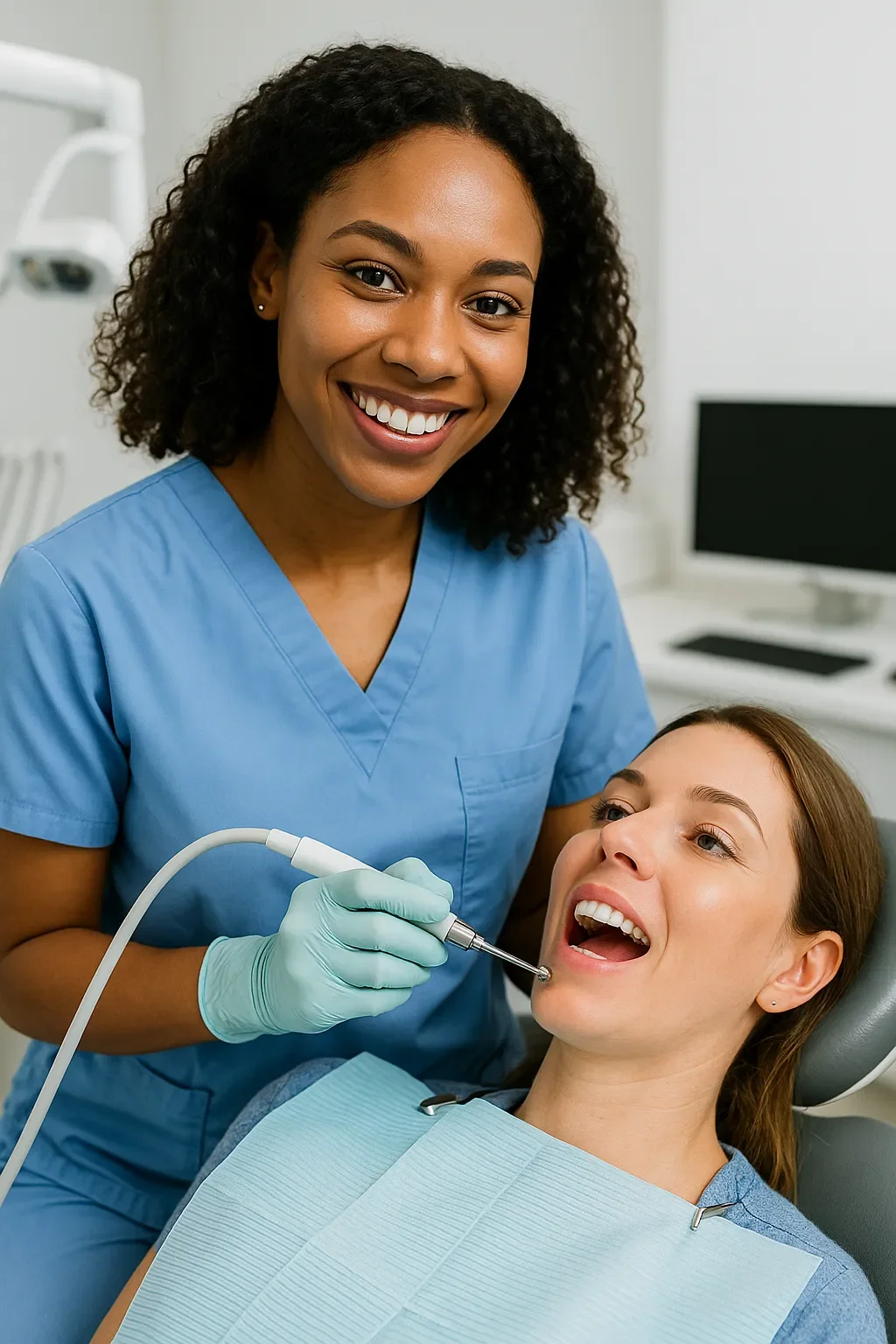
How the Best Hygienist Supports Long-Term Oral Health Maintenance
Achieving a healthy smile is not a one-time accomplishment—it’s an ongoing process that requires dedication, preventive care, and professional guidance. The best hygienist plays a central role in this long-term maintenance by providing consistent monitoring, personalized strategies, and early intervention. Their expertise ensures that oral health remains stable through every stage of life, from childhood to older adulthood. In this section, we will explore in detail how the best hygienist strengthens long-term oral wellness through advanced prevention, meticulous monitoring, tailored home-care recommendations, and a holistic approach connected to overall health.
Continuous Monitoring for Early Detection
One of the greatest advantages of working with the best hygienist is their ability to identify subtle changes before they develop into serious problems. During each visit, the hygienist checks gum pockets, tissue conditions, plaque distribution, enamel integrity, and signs of inflammation. These evaluations help catch early indicators of gum disease, enamel erosion, vitamin deficiencies, or systemic health concerns. Because oral conditions can worsen silently, early detection is essential for maintaining stability.
Tracking Periodontal Health Over Time
The best hygienist uses periodontal charting and digital tools to measure gum health at every appointment. Changes as small as 1 mm in pocket depth can signal an increased risk for gum disease. By tracking these measurements consistently, hygienists can intervene quickly with personalized treatments or preventive strategies, preventing major complications such as bone loss or recession.
Professional Cleanings That Support Long-Term Enamel and Gum Strength
Regular cleanings performed by the best hygienist are a foundation of long-term oral maintenance. These treatments remove plaque and tartar that brushing and flossing cannot reach, reducing the risk of inflammation and preventing the progression of gum disease. Cleanings also smooth the tooth surface, making it harder for new plaque to accumulate. Over time, consistent preventive cleanings help maintain strong enamel, stable gums, and comfortable oral function.
Managing Biofilm for Lasting Health
Dental biofilm forms continuously and can become pathogenic if left undisturbed. The best hygienist uses professional instruments—ultrasonic scalers, hand scalers, and polishing devices—to disrupt this biofilm before it causes gingivitis or periodontitis. By controlling biofilm, the hygienist significantly reduces long-term oral health risks.
Personalized Home-Care Guidance for Daily Maintenance
Daily habits play a major role in preserving oral health. The best hygienist evaluates each patient’s individual needs and offers tailored guidance rather than generic advice. This may include brushing techniques, flossing recommendations, interdental tools, lifestyle changes, and product suggestions. Personalized home-care support helps reinforce the effects of professional cleanings and ensures patients maintain good habits between visits.
Recommendations Based on Risk Level
The best hygienist identifies patients at higher risk for gum disease, cavities, enamel wear, or dry mouth and develops focused strategies to manage these concerns. For example:
- Patients with gum inflammation may receive antimicrobial rinse recommendations.
- Patients with dry mouth may be advised to use saliva substitutes or hydration strategies.
- Cavity-prone patients might use fluoride varnishes or remineralizing toothpaste.
- People with sensitive gums may be guided toward softer brushing techniques.
This level of customization ensures long-term results based on each patient’s unique oral environment.
Fluoride and Remineralization Maintenance
Fluoride strengthens enamel and helps prevent decay. The best hygienist assesses enamel condition during every visit and may recommend fluoride varnishes, gels, or prescription-strength toothpaste. These interventions protect vulnerable areas and support lifelong enamel health. Remineralization therapies also reverse early stages of demineralization, preventing cavities from forming.
Hydroxyapatite and Calcium-Based Solutions
In addition to fluoride, the best hygienist may suggest hydroxyapatite pastes or calcium-phosphate products to rebuild weakened enamel. These advanced technologies provide gentle but effective remineralization for long-term protection.
Periodic Deep Cleaning When Needed
Patients with periodontal disease or deep gum pockets may require periodic scaling and root planing. The best hygienist evaluates the need for these treatments and schedules them accordingly. Deep cleaning prevents bacteria from settling in deep pockets, protecting the bone and gum tissues that support the teeth. Over time, these treatments preserve oral structure and improve comfort.
Maintenance Therapy for Periodontal Patients
Patients with a history of periodontitis often need maintenance visits every 3–4 months. The best hygienist uses these appointments to prevent disease recurrence, measure gum stability, and manage inflammation. This ongoing care is essential for preserving long-term oral health in high-risk individuals.
Holistic Support for Systemic Wellness
The best hygienist recognizes that oral wellness is inseparable from overall health. Conditions such as diabetes, heart disease, pregnancy-related inflammation, and autoimmune disorders require modified care plans. By monitoring oral changes and communicating with dentists—and sometimes physicians—hygienists provide care that supports both oral and systemic wellness.
Identifying Early Signs of Systemic Conditions
Changes in gum texture, inflammation, or healing rates can indicate underlying issues. The best hygienist is trained to identify these signs early and may encourage the patient to seek medical evaluation. This collaborative care model contributes to improved whole-body health.
Building Long-Term Patient Relationships
Trust and consistency are key components of lifelong oral health maintenance. The best hygienist forms strong professional relationships with patients by listening to their concerns, tracking progress over time, and providing compassionate support. This partnership encourages patients to maintain regular visits, ask questions, and follow personalized care plans.
To experience comprehensive preventive care that protects your smile for life, you can connect with our team through the
Redent Klinik Contact Page.
For guidelines on long-term oral maintenance and professional standards, visit the
American Dental Association.