
If you are searching for the best insurance for dental bridge, the most important thing to know is that there is no single insurance plan that is ideal for everyone. The best insurance for dental bridge depends on your oral health, the reason you need the bridge, your annual insurance benefits, waiting periods, deductibles, and the percentage of treatment costs your policy covers. Understanding these details before treatment can help you avoid unexpected expenses and make a more confident decision.
A dental bridge is a common solution for replacing one or more missing teeth. Besides improving appearance, it helps restore chewing ability, supports clear speech, and prevents neighboring teeth from shifting. Because a bridge plays both a functional and cosmetic role, insurance coverage can vary significantly between providers. Some plans consider treatment medically necessary when tooth loss affects oral function, while others may classify portions of the procedure differently. This is why comparing policies carefully is an essential step when looking for the best insurance for dental bridge.
Many people begin researching the best insurance for dental bridge only after a dentist recommends treatment. While this is understandable, reviewing your benefits as early as possible gives you more time to understand waiting periods, annual maximums, exclusions, and co-payments. Some insurance plans require you to wait several months before covering major restorative procedures, while others may offer immediate benefits if specific conditions are met.
Another important consideration is how much of the treatment your insurance is expected to contribute. Many dental insurance policies categorize bridges as major restorative treatment, meaning they often reimburse only a percentage of eligible costs after deductibles have been met. The remaining balance depends on your individual treatment plan, materials selected, laboratory requirements, and your dentist’s clinical recommendations. Final costs should always be confirmed after a professional examination rather than estimated from general online information.
When evaluating the best insurance for dental bridge, it is helpful to compare several factors instead of focusing only on monthly premiums. Lower premiums sometimes come with lower annual maximums or longer waiting periods. Conversely, a slightly higher monthly premium may provide better long-term value if it includes stronger restorative coverage. Looking at the complete picture allows you to choose insurance that aligns with your expected dental needs instead of simply selecting the least expensive option.
Your own dental situation also matters. If you have healthy supporting teeth and your dentist believes a traditional bridge is an appropriate solution, your insurance considerations may differ from someone who also needs periodontal treatment, root canal therapy, or tooth extractions beforehand. Since every patient’s clinical situation is unique, the best insurance for dental bridge should be evaluated alongside a personalized treatment plan rather than in isolation.
Before choosing a policy, ask practical questions such as:
- Does the plan cover fixed dental bridges?
- Is there a waiting period for major restorative procedures?
- What percentage of bridge treatment is typically covered?
- Is there an annual maximum benefit?
- Can you visit your preferred dentist?
- Are high-quality bridge materials included?
These questions often provide more useful information than comparing premium prices alone. Reading the policy details carefully helps you understand exactly what benefits may be available for your individual circumstances.
Reliable information should always come from trusted professional organizations as well as your treating dentist. The American Dental Association provides educational resources that explain restorative dental treatments and general oral health information. While educational resources are valuable, they cannot replace a clinical examination because every patient has different needs.
If you are considering treatment abroad or comparing providers, discussing your options with an experienced dental team can make the process easier. At Redent Klinik, patients receive individualized treatment planning based on clinical findings rather than assumptions. If you have questions about your treatment options or documentation needed for your insurance provider, you can contact the clinic through the Redent Klinik Contact Page to request personalized guidance.
Ultimately, the best insurance for dental bridge is the policy that balances appropriate restorative coverage, reasonable out-of-pocket expenses, flexible provider access, and benefits that fit your oral health needs. Instead of searching only for the lowest premium or the highest advertised coverage, compare policies carefully and review them together with your dentist’s treatment recommendations.
Next step: If you think you may need a dental bridge, schedule a professional dental examination before purchasing or relying on an insurance plan. A personalized assessment can identify the type of restoration you need, explain which procedures may be involved, and help you understand how your insurance benefits may apply to your specific situation.
How to Compare the Best Insurance for Dental Bridge Plans
Finding the best insurance for dental bridge is not simply about choosing the lowest monthly premium or selecting the first policy you find online. Every insurance plan has different rules regarding coverage, waiting periods, deductibles, annual maximums, and provider networks. Understanding these details before beginning treatment can help you avoid unexpected expenses and make a more informed financial decision.
Many patients assume that every dental insurance policy provides similar benefits for restorative treatments, but this is rarely the case. A policy that works well for routine cleanings may not offer the same value when you need a dental bridge. Since bridges are usually classified as major restorative procedures, insurance benefits often differ more significantly than they do for preventive care.
If your goal is to choose the best insurance for dental bridge, the most effective approach is to compare multiple features instead of focusing on only one factor. Looking at the entire policy helps you understand how well it fits your personal dental needs rather than relying on marketing claims.
Understand What the Insurance Actually Covers
The first step when evaluating the best insurance for dental bridge is determining exactly what services are included. Some plans contribute toward the fabrication and placement of a traditional bridge, while others may only provide partial reimbursement. Coverage may also differ depending on whether supporting procedures are required before the bridge can be placed.
For example, additional treatments such as periodontal therapy, tooth extraction, root canal treatment, or replacement of existing crowns may influence the overall treatment plan. Insurance policies often apply different reimbursement percentages to each procedure.
Rather than assuming everything will be covered together, request a detailed treatment estimate from your dentist and compare it with your insurance policy’s benefits.
Compare Waiting Periods Carefully
One of the most overlooked aspects of selecting the best insurance for dental bridge is the waiting period. Many insurance providers require patients to wait several months before major restorative benefits become available.
If your missing tooth requires timely treatment, a long waiting period may delay insurance benefits. On the other hand, if treatment is not urgent, choosing a policy with a waiting period may still be worthwhile if the overall coverage better suits your long-term needs.
Always verify:
- Whether major restorative procedures have a waiting period.
- Whether previous dental insurance affects eligibility.
- When bridge coverage officially begins.
- Whether exceptions exist for emergencies.
Look Beyond Monthly Premiums
Many people searching for the best insurance for dental bridge naturally compare monthly premiums first. While premiums are important, they represent only one part of the total financial picture.
A lower monthly premium may include:
- Higher deductibles.
- Lower annual maximum benefits.
- Smaller reimbursement percentages.
- Limited provider networks.
- Longer waiting periods.
Meanwhile, a policy with a slightly higher premium could potentially provide broader restorative benefits depending on your circumstances.
The goal is not necessarily finding the cheapest insurance but finding the policy that provides the best overall value for your expected treatment.
Annual Maximum Benefits Matter
Another important factor when evaluating the best insurance for dental bridge is the annual maximum benefit. Many dental insurance plans place a yearly limit on how much they will contribute toward treatment.
If your bridge treatment requires additional restorative procedures, your annual maximum could be reached sooner than expected. Understanding this limit helps you discuss treatment timing with your dentist and determine whether completing treatment across different benefit years is appropriate for your individual case.
Treatment scheduling should always be based on clinical needs rather than insurance benefits alone.
Network Dentists Versus Freedom of Choice
Insurance plans generally operate with either preferred provider networks or broader reimbursement systems.
Preferred Provider Networks
Some insurance companies negotiate fees with participating dentists. Visiting an in-network provider may reduce your out-of-pocket costs depending on your policy.
Out-of-Network Flexibility
Other plans allow treatment from any licensed dentist, although reimbursement levels may vary. If you already trust your current dentist, confirming network participation before enrolling in a new insurance policy can prevent unnecessary surprises.
Material Choices May Influence Costs
Not every bridge uses identical materials. Ceramic, porcelain-fused-to-metal, zirconia, and other restorative materials differ in appearance, durability, and laboratory requirements.
The best insurance for dental bridge does not necessarily cover every material equally. Some policies reimburse based on a standard restoration while patients choosing upgraded materials may pay the difference themselves.
Rather than selecting materials based only on insurance reimbursement, discuss appearance, function, longevity, and suitability with your dentist.
Ask Questions Before Starting Treatment
Before committing to a treatment plan, consider asking both your dental office and insurance provider the following questions:
- Does my policy classify a dental bridge as major restorative care?
- What percentage of treatment may be reimbursed?
- Has my deductible already been met?
- Is pre-authorization recommended?
- Will replacement bridges have different coverage rules?
- Does my annual maximum affect this treatment?
Having clear answers allows you to plan more confidently while reducing uncertainty throughout the treatment process.
Personalized Planning Is Always Better Than General Estimates
Online comparisons provide useful background information, but they cannot determine which insurance policy is most appropriate for your oral health. Every patient presents a different clinical situation, treatment sequence, and financial priority.
For example, one patient may only require a single bridge, while another may need periodontal treatment, multiple restorations, or implant consultations before deciding whether a bridge is the most suitable option.
At Redent Klinik, treatment recommendations are based on a detailed clinical examination rather than assumptions. If you are comparing treatment options or preparing documentation for your insurance company, you can request personalized guidance through the Redent Klinik Contact Page.
For additional educational information regarding restorative dentistry and oral health, patients may also refer to the American Dental Association.
What You Should Check Before Making a Decision
Before choosing the best insurance for dental bridge, carefully review your policy’s restorative coverage, waiting period, annual maximum, deductibles, provider network, and reimbursement percentages. If a dentist has already recommended a bridge, ask for a personalized treatment estimate and compare it with your insurance benefits. Professional advice is especially valuable if you are deciding between different restorative options or if your treatment involves additional dental procedures before the bridge can be placed.
Who Benefits Most from the Best Insurance for Dental Bridge?
Choosing the best insurance for dental bridge begins with understanding whether a dental bridge is the most appropriate solution for your specific situation. While insurance plays an important role in managing treatment expenses, selecting the right policy should always come after a clinical evaluation that determines whether a bridge is suitable for your oral health. The best insurance for dental bridge is most valuable when it complements a well-planned treatment strategy rather than influencing the treatment choice itself.
A dental bridge can restore both function and appearance after the loss of one or more teeth. However, not every patient has identical treatment needs. Age, bone health, gum condition, the number of missing teeth, and the health of neighboring teeth all influence whether a bridge is recommended. Understanding these factors allows you to evaluate insurance policies with realistic expectations and choose the best insurance for dental bridge based on your likely treatment requirements.
Patients Missing One Tooth
Many people searching for the best insurance for dental bridge have lost a single tooth due to decay, trauma, or extraction. When the teeth on either side of the missing space are healthy enough to support a bridge, this restoration may provide an effective solution for restoring chewing function and maintaining alignment.
In this situation, insurance benefits often become an important consideration because a bridge involves multiple clinical and laboratory stages. Depending on your insurance policy, portions of these procedures may be eligible for reimbursement according to your plan’s restorative benefits.
Patients Missing Multiple Adjacent Teeth
If several neighboring teeth are missing, your dentist may discuss several treatment possibilities, including longer-span bridges, implant-supported restorations, removable prostheses, or a combination of treatments. The best insurance for dental bridge should ideally provide benefits that remain flexible enough to support individualized treatment planning rather than encouraging one solution over another.
Because larger restorations may require additional appointments and laboratory work, reviewing annual benefit limits before beginning treatment is particularly important.
Patients Who Already Have Crowns
Individuals who already have crowns on neighboring teeth sometimes discover that a bridge fits naturally into their overall treatment plan. Since supporting teeth may already be restored, preparing them for a bridge may involve different considerations compared with untouched natural teeth.
When comparing the best insurance for dental bridge, ask your insurance provider whether replacement restorations, crown modifications, or related procedures are covered differently from entirely new treatment.
When a Bridge May Not Be the Ideal Option
Although bridges are highly successful for many patients, they are not always the preferred solution. Significant gum disease, inadequate support from neighboring teeth, complex bite problems, or extensive bone loss may influence your dentist’s recommendation.
Insurance should never determine treatment on its own. Instead, the best insurance for dental bridge is the policy that supports the treatment your dentist believes is most appropriate following a comprehensive examination.
Alternative Treatments That May Be Discussed
- Single dental implants.
- Implant-supported bridges.
- Removable partial dentures.
- Monitoring when immediate replacement is not yet appropriate.
Each option has advantages and limitations that should be discussed individually. Your insurance benefits may differ significantly depending on the recommended treatment.
Health Factors That Influence Treatment Planning
Several medical and dental factors may influence whether a bridge is recommended and how insurance benefits apply. These include:
- Overall oral hygiene.
- Periodontal health.
- Bone support.
- Bite stability.
- Smoking status.
- Existing restorations.
- General medical history.
Although insurance companies focus on policy terms, dentists focus on clinical suitability. Both perspectives should be considered together before making a final decision.
Comparing Insurance Based on Your Personal Situation
The best insurance for dental bridge is not identical for every patient. Someone expecting only one bridge over many years may prioritize lower premiums, while another patient requiring multiple restorative procedures may benefit from broader major-treatment coverage or higher annual maximums.
When comparing policies, consider asking yourself:
- Will I likely need additional restorative treatment?
- Am I comfortable waiting through a waiting period?
- Does my preferred dentist participate in the network?
- Will my annual benefit likely cover part of the recommended treatment?
- Could future dental needs influence which policy offers better long-term value?
Answering these questions before enrolling often leads to a more practical insurance decision.
Why Professional Evaluation Matters
Online articles can explain insurance concepts, but they cannot determine whether a bridge is the right treatment for your individual oral condition. A comprehensive examination allows your dentist to evaluate supporting teeth, gums, bite alignment, existing restorations, and long-term prognosis before recommending treatment.
At Redent Klinik, every treatment plan is based on detailed clinical findings and patient goals rather than assumptions. If you are comparing restorative options or preparing insurance documentation, you can request personalized guidance through the Redent Klinik Contact Page.
Patients looking for additional educational resources regarding restorative dentistry can also visit the American Dental Association for general oral health information.
What to Review Before Making Your Decision
Before selecting the best insurance for dental bridge, confirm that your treatment recommendation is based on a professional examination rather than insurance coverage alone. Review your policy’s restorative benefits, waiting periods, annual maximums, provider network, and reimbursement percentages. If you have missing teeth or are uncertain whether a bridge is the most suitable option, schedule a dental consultation to receive a personalized assessment before making financial or treatment decisions.
What Affects the Cost When Using the Best Insurance for Dental Bridge?
Understanding treatment costs is one of the most important parts of choosing the best insurance for dental bridge. While many people begin by comparing insurance premiums, the real financial impact depends on how your policy works together with your personalized treatment plan. Dental bridges involve several clinical and laboratory stages, and the total cost can vary based on multiple factors. Rather than looking for a single price online, it is more helpful to understand what influences the final treatment estimate and how the best insurance for dental bridge may help reduce eligible expenses.
It is important to remember that no reputable dental clinic can guarantee an exact treatment fee without first performing a clinical examination. The condition of your remaining teeth, your gum health, the number of missing teeth, the materials selected, and any additional procedures all influence the final treatment plan. Because of these variables, the best insurance for dental bridge should be viewed as a financial support tool rather than a guarantee of a fixed out-of-pocket cost.
The Number of Missing Teeth
One of the primary factors affecting treatment cost is the number of teeth that need to be replaced. A bridge replacing a single missing tooth is generally less complex than one designed to restore multiple adjacent teeth. As the span of the bridge increases, additional planning, laboratory work, and clinical adjustments may also increase.
When reviewing the best insurance for dental bridge, check whether your policy applies different benefit limits depending on the complexity of restorative treatment. Some insurance providers reimburse a percentage of eligible procedures, while annual benefit maximums may influence how much assistance is available during a single benefit year.
Condition of the Supporting Teeth
A bridge depends on healthy supporting teeth or other forms of support. If these teeth require treatment before the bridge can be placed, the overall treatment process may become more comprehensive.
Examples of preliminary treatment may include:
- Removal of decay.
- Replacement of failing restorations.
- Root canal treatment when clinically indicated.
- Periodontal therapy to improve gum health.
- Adjustment of existing crowns.
The best insurance for dental bridge may provide different levels of coverage for these supporting procedures depending on your policy. Understanding these distinctions before treatment begins helps you prepare financially.
Bridge Material Selection
The materials chosen for your restoration also influence treatment planning. Dentists recommend materials based on clinical function, aesthetics, durability, bite forces, and the location of the missing tooth.
Common Bridge Materials
- Porcelain-fused-to-metal.
- All-ceramic restorations.
- Zirconia bridges.
- Other restorative materials selected for specific situations.
Different insurance providers may reimburse restorations according to a standard material allowance. If a patient chooses upgraded materials for aesthetic or functional reasons, additional costs may apply depending on the policy. The best insurance for dental bridge should therefore be evaluated not only by reimbursement percentages but also by how materials are covered.
Laboratory and Technical Work
Every dental bridge is individually fabricated to fit the patient’s mouth. Laboratory technicians create restorations using impressions or digital scans provided by the dental team. High-quality laboratory work contributes to proper fit, appearance, and function.
Although patients often focus on chair time, laboratory services represent an important component of restorative treatment. Insurance reimbursement policies vary regarding these technical costs, making it worthwhile to review your benefits carefully.
Insurance Deductibles and Annual Maximums
The best insurance for dental bridge should be evaluated based on more than monthly premiums. Deductibles and annual maximum benefits directly influence your overall financial responsibility.
Questions worth asking include:
- Has your annual deductible already been satisfied?
- How much annual benefit remains available?
- Does your policy reimburse a percentage of restorative treatment?
- Will additional procedures use part of your annual maximum?
These details often have a greater financial impact than premium differences between policies.
Does Timing Affect Costs?
In some situations, treatment timing may influence insurance reimbursement. If your remaining annual benefits are limited, your dentist may discuss whether treatment can reasonably be scheduled across different benefit years without compromising oral health. However, clinical needs should always take priority over insurance planning.
Delaying necessary treatment solely for financial reasons may not always be appropriate, particularly if additional oral health problems could develop while waiting.
Comparing Policies Before Treatment
When searching for the best insurance for dental bridge, compare the complete policy rather than focusing on advertisements that emphasize low premiums or high reimbursement percentages. A comprehensive comparison should include:
- Monthly premium.
- Waiting period.
- Annual maximum.
- Deductible.
- Network restrictions.
- Coverage percentage for major restorative treatment.
- Policy exclusions.
Reviewing all these factors together provides a clearer picture of your potential financial responsibility.
Personalized Treatment Planning Remains Essential
Online cost estimates are useful for general education, but they cannot accurately predict the treatment required for your specific oral condition. Every patient presents unique clinical findings that influence both treatment complexity and insurance reimbursement.
At Redent Klinik, each treatment recommendation is based on a comprehensive examination and individualized planning. If you are considering restorative treatment or would like assistance understanding documentation related to your insurance policy, you can contact the clinic through the Redent Klinik Contact Page for personalized guidance.
You can also learn more about restorative dental care and oral health by visiting the American Dental Association, which offers educational resources for patients.
What You Should Check Before Moving Forward
Before selecting the best insurance for dental bridge, review your deductible, annual maximum, reimbursement percentage, waiting period, and provider network. If your dentist has recommended a bridge, request a personalized treatment estimate and compare it with your insurance benefits before making a decision. Professional dental advice is recommended whenever you are unsure whether a bridge is the most appropriate restoration or if additional procedures may influence your treatment plan and insurance coverage.
The Dental Bridge Procedure and How the Best Insurance for Dental Bridge Can Help
Understanding the treatment process is an important part of choosing the best insurance for dental bridge. Many patients focus primarily on insurance coverage without fully understanding how a dental bridge is planned and placed. Knowing the stages involved allows you to compare insurance benefits more effectively, anticipate possible additional procedures, and prepare for conversations with your dentist. The best insurance for dental bridge is most valuable when it supports every appropriate stage of treatment, from diagnosis through the final restoration, according to the terms of your policy.
A dental bridge is designed to replace one or more missing teeth by using adjacent teeth or implants for support. Although the exact procedure varies depending on the patient’s oral condition, most treatments follow a structured sequence. Each stage plays an important role in achieving a restoration that functions comfortably and fits properly within your bite.
Step 1: Comprehensive Dental Examination
The first appointment focuses on evaluating your oral health and determining whether a bridge is an appropriate solution. During this examination, your dentist assesses the missing tooth area, supporting teeth, gum health, bite relationship, and any existing restorations.
Diagnostic records may include:
- Clinical examination.
- Dental X-rays.
- Digital scans or traditional impressions.
- Bite analysis.
- Assessment of surrounding teeth and periodontal health.
This evaluation provides the information needed to create a personalized treatment plan. It also helps determine whether the best insurance for dental bridge will likely contribute to the recommended restorative procedures according to your policy.
Step 2: Preparing the Supporting Teeth
If a traditional bridge is recommended, the neighboring teeth usually serve as supports for the final restoration. These teeth are carefully prepared to create sufficient space for the bridge while preserving as much healthy tooth structure as clinically appropriate.
In some cases, additional treatment may be necessary before preparation begins. Existing fillings, crowns, or decay may require attention to provide a stable foundation for the restoration.
When reviewing the best insurance for dental bridge, remember that supporting procedures may have different reimbursement levels than the bridge itself. Reviewing these details before treatment begins helps avoid misunderstandings later.
Step 3: Impressions or Digital Scanning
After tooth preparation, precise impressions or digital scans are taken. These records allow the dental laboratory to fabricate a bridge that matches your bite, neighboring teeth, and overall smile.
Traditional Impressions
Some dental practices continue to use highly accurate impression materials to capture detailed models of the teeth.
Digital Intraoral Scanning
Many modern clinics now use digital scanners to create highly detailed three-dimensional images. Digital technology may improve communication with the dental laboratory and can increase patient comfort during the impression process.
The fabrication method generally depends on the clinic’s technology and the specific restorative case rather than insurance coverage.
Step 4: Temporary Restoration
While the permanent bridge is being manufactured, your dentist may place a temporary restoration to protect prepared teeth and maintain appearance and function.
Temporary restorations allow patients to continue daily activities while the laboratory completes the final bridge. During this period, your dentist may recommend avoiding particularly hard or sticky foods to reduce the risk of damaging the temporary restoration.
Step 5: Laboratory Fabrication
The dental laboratory uses the impressions or digital files to manufacture the custom bridge according to the treatment plan. The laboratory considers:
- Shape.
- Color matching.
- Bite relationship.
- Material selection.
- Overall function.
The best insurance for dental bridge may reimburse laboratory-related restorative procedures differently depending on your insurance policy. Reviewing your benefits before treatment provides a clearer understanding of potential reimbursement.
Step 6: Bridge Placement
Once the permanent restoration is completed, your dentist checks its fit, appearance, bite, and overall comfort before final placement.
Minor adjustments are sometimes required to ensure the restoration functions properly within your bite. These adjustments are a normal part of achieving a comfortable and stable result.
Patients usually receive instructions regarding oral hygiene, chewing recommendations during the adjustment period, and long-term maintenance.
Follow-Up Care After Treatment
Maintaining a dental bridge requires good oral hygiene and regular professional examinations. Brushing, flossing with bridge-specific cleaning aids when recommended, and attending routine dental visits help support long-term oral health.
Insurance policies frequently provide separate benefits for preventive care, making regular maintenance an important part of protecting both your restoration and your remaining natural teeth.
Questions to Ask Before Beginning Treatment
When considering the best insurance for dental bridge, asking detailed questions before treatment begins can help you make informed decisions.
- Which procedures are expected to be covered?
- Will preliminary treatment affect insurance benefits?
- Does my policy require pre-authorization?
- What annual benefits remain available?
- Will additional appointments be needed?
- How should I care for the bridge after placement?
Discussing these topics in advance often makes the treatment process more predictable and helps patients understand both clinical and financial expectations.
Personalized Planning Leads to Better Decisions
Although the general treatment sequence is similar for many patients, every dental bridge is customized according to individual oral health needs. The best insurance for dental bridge should therefore support your personalized treatment plan rather than determine it.
At Redent Klinik, treatment recommendations are based on detailed examinations, diagnostic findings, and patient goals. If you would like personalized guidance regarding bridge treatment or documentation that may assist with insurance planning, you can visit the Redent Klinik Contact Page.
For additional educational information about restorative dentistry and oral health, patients can also consult the American Dental Association.
What You Should Review Before Starting Treatment
Before selecting the best insurance for dental bridge, confirm which stages of treatment your policy may cover, including examinations, preparatory procedures, bridge placement, and follow-up care. If you have questions about whether a bridge is the most appropriate solution for your missing tooth or whether additional treatment may be required first, schedule a professional dental consultation to receive individualized recommendations based on your oral health.
Potential Risks, Limitations, and Alternatives to Consider Before Choosing the Best Insurance for Dental Bridge
Searching for the best insurance for dental bridge is an important step, but insurance should never be the only factor influencing your treatment decision. Before committing to any restorative procedure, it is equally important to understand the potential risks, limitations, maintenance requirements, and available alternatives. The best insurance for dental bridge provides financial support for appropriate treatment, but only a professional dental evaluation can determine whether a bridge is the most suitable option for your individual oral health.
Every dental restoration has advantages and limitations. A bridge has helped many patients restore chewing ability, improve aesthetics, and maintain tooth alignment, yet success depends on proper case selection, healthy supporting teeth, and long-term oral hygiene. Knowing what to expect allows you to make informed decisions together with your dentist instead of relying solely on insurance benefits.
Understanding the Long-Term Commitment
A dental bridge is not simply a replacement tooth that requires no future attention. Like natural teeth, bridges require consistent daily care and routine professional examinations. Even when you have selected the best insurance for dental bridge, maintaining the restoration remains your responsibility.
Long-term success is supported by:
- Daily brushing.
- Cleaning underneath the bridge using appropriate oral hygiene aids when recommended.
- Routine dental examinations.
- Professional cleanings.
- Early management of any developing dental problems.
Insurance often contributes to preventive care separately from restorative treatment, making regular maintenance appointments an important part of protecting both your restoration and your remaining natural teeth.
Possible Clinical Limitations
Although dental bridges are suitable for many patients, there are situations where they may not be the ideal long-term solution. Supporting teeth must be healthy enough to withstand functional forces, and surrounding gum tissues should be stable before treatment begins.
Your dentist will carefully evaluate factors such as:
- The strength of supporting teeth.
- Periodontal health.
- Existing restorations.
- Bite alignment.
- The location of the missing tooth.
- The number of missing teeth.
If these conditions are not favorable, your dentist may recommend another restorative option even if you have already found the best insurance for dental bridge.
Potential Risks Following Treatment
Every dental procedure carries potential considerations that patients should understand before treatment. While many bridges function successfully for years with appropriate care, individual outcomes vary.
Possible Issues That May Require Attention
- Wear of the restoration over time.
- Changes in the supporting teeth.
- Development of decay around bridge margins if oral hygiene is inadequate.
- Changes in bite requiring adjustment.
- Gum inflammation if cleaning is difficult.
- The eventual need for repair or replacement.
These possibilities do not mean complications will occur, but they demonstrate why ongoing professional monitoring remains important after treatment.
Can Insurance Influence Your Choice?
Many patients understandably hope that the best insurance for dental bridge will identify the right treatment automatically. However, insurance policies are financial contracts rather than clinical guidelines. A policy may reimburse one treatment differently from another, but reimbursement alone should never determine the most appropriate restorative option.
Instead, treatment should be based on:
- Your clinical examination.
- Radiographic findings.
- Overall oral health.
- Long-term prognosis.
- Your functional and aesthetic goals.
Insurance should then be used to help support the treatment recommended by your dental professional.
Alternatives That May Be Discussed
If a bridge is not considered the most appropriate solution, your dentist may discuss several alternatives depending on your individual circumstances.
Dental Implants
Single implants or implant-supported bridges may be appropriate for some patients. Eligibility depends on bone quality, oral health, medical history, and other clinical factors.
Removable Partial Dentures
Some patients prefer removable restorations because they involve a different treatment approach and may be appropriate in selected situations.
Observation
Occasionally, immediate replacement may not be recommended until other dental issues have been addressed first. Your dentist will explain the reasons if this approach is appropriate.
The best insurance for dental bridge may also provide different levels of reimbursement for these alternative treatments, making it worthwhile to review your policy before making a final decision.
Questions Worth Asking Your Dentist
Before beginning treatment, consider discussing the following topics during your consultation:
- Why is a bridge recommended instead of another restoration?
- What benefits and limitations apply to my specific case?
- How should I maintain the bridge long term?
- Will additional procedures be needed before placement?
- How might my insurance benefits apply to the proposed treatment?
- What follow-up appointments will be recommended?
Open communication allows both clinical and financial expectations to be understood before treatment begins.
Insurance Planning and Personalized Care
The best insurance for dental bridge should complement individualized treatment planning rather than replace it. Online comparisons provide useful background information, but they cannot evaluate your teeth, gums, bite, or long-term oral health.
At Redent Klinik, every restorative recommendation is based on comprehensive clinical findings and the patient’s individual goals. If you are comparing bridge treatment with other restorative options or would like assistance understanding documentation related to your insurance provider, you can request personalized guidance through the Redent Klinik Contact Page.
For additional educational resources regarding restorative dentistry, oral hygiene, and preventive care, patients can also visit the American Dental Association.
What You Should Review Before Making Your Final Decision
Before selecting the best insurance for dental bridge, review whether your chosen policy supports the treatment recommended after your professional examination. Consider the long-term maintenance requirements, possible alternatives, coverage limitations, and follow-up care associated with your restoration. If you are uncertain whether a bridge is the best solution for your missing tooth or if your oral health has changed since your last dental visit, schedule a comprehensive consultation before making treatment or insurance decisions.
Financing Options Beyond the Best Insurance for Dental Bridge
Even after choosing the best insurance for dental bridge, many patients discover that their insurance policy does not cover every aspect of treatment. Dental insurance often helps reduce eligible costs, but deductibles, annual maximums, waiting periods, and percentage-based reimbursement can still leave patients responsible for part of the treatment expense. Understanding additional financing options before beginning treatment allows you to plan more confidently and avoid unnecessary financial stress.
The best insurance for dental bridge should be viewed as one component of your financial plan rather than the only source of support. Combining insurance benefits with available payment solutions may help make treatment more manageable while allowing you to proceed with clinically appropriate care when recommended by your dentist.
Understand Your Remaining Financial Responsibility
Before exploring financing, ask your dental office for a personalized treatment estimate based on your examination. This estimate helps clarify how your insurance benefits may apply and what portion of the treatment may remain your responsibility.
Rather than relying on general online cost estimates, request information that reflects:
- Your individual treatment plan.
- Your insurance benefits.
- Any preliminary procedures.
- Laboratory requirements.
- Expected appointments.
Once these details are available, it becomes easier to determine whether additional financing is necessary.
Monthly Payment Plans
Some dental clinics offer structured payment plans that allow eligible patients to divide treatment costs into smaller scheduled payments. Availability varies by clinic, location, and financial policies.
When discussing payment plans, consider asking:
- Are installment options available?
- Is a deposit required?
- What payment schedule is offered?
- Are administrative fees involved?
- Does financing affect treatment timing?
Even if you have the best insurance for dental bridge, monthly payment arrangements may still be useful when insurance does not fully cover restorative treatment.
Health Savings and Flexible Spending Accounts
Depending on your country, employer, and insurance arrangements, you may have access to health-related savings accounts or flexible spending programs that can help with eligible dental expenses.
These accounts often provide another way to manage treatment costs while working alongside the best insurance for dental bridge. Eligibility requirements vary, so always confirm current rules with your plan administrator or financial advisor.
Timing Treatment Around Insurance Benefits
Some patients ask whether treatment can be scheduled to maximize annual insurance benefits. In certain situations, your dentist may explain how insurance benefit years work and whether treatment timing could reasonably influence reimbursement.
However, treatment should never be delayed if doing so could negatively affect your oral health. Clinical priorities always come before financial planning.
The best insurance for dental bridge supports appropriate treatment, but your dentist will recommend scheduling based primarily on your dental condition rather than insurance deadlines.
Employer-Sponsored Dental Benefits
If you receive dental insurance through your employer, it may be worthwhile to review your policy annually. Benefit structures sometimes change during renewal periods, and new options may become available.
Before open enrollment, compare:
- Annual maximum benefits.
- Major restorative coverage.
- Waiting periods.
- Provider networks.
- Monthly premiums.
- Deductibles.
Reviewing these factors may help you identify the best insurance for dental bridge for your anticipated future dental needs rather than your current situation alone.
Preparing Insurance Documentation
Insurance companies sometimes request supporting documentation before processing claims for restorative treatment. Your dental office may assist by providing clinical records when appropriate.
Examples of Supporting Documentation
- Treatment plans.
- Dental radiographs.
- Clinical notes.
- Diagnostic information.
- Procedure codes.
Submitting complete documentation may help streamline communication with your insurance provider, although claim approval always depends on your individual policy terms.
Should Cost Alone Determine Treatment?
Patients naturally consider affordability when selecting treatment. However, choosing the least expensive option without considering long-term oral health may not always represent the best value.
The best insurance for dental bridge helps reduce financial uncertainty, but treatment decisions should also consider:
- Long-term function.
- Oral health stability.
- Aesthetic goals.
- Maintenance requirements.
- Clinical suitability.
Balancing financial planning with professional recommendations often leads to more satisfying long-term outcomes.
Discuss Financing During Your Consultation
Many patients hesitate to discuss financial questions during their dental appointment, yet understanding available payment options is an important part of treatment planning. Your dentist and administrative team can often explain available payment arrangements, insurance estimates, and documentation requirements before treatment begins.
At Redent Klinik, patients receive individualized treatment planning together with guidance that helps them better understand treatment recommendations and available administrative documentation. If you would like to discuss your personalized treatment plan or insurance-related questions, you can contact the clinic through the Redent Klinik Contact Page.
Patients seeking additional educational resources about restorative dentistry and preventive oral care can also visit the American Dental Association.
What You Should Review Before Proceeding
Before relying solely on the best insurance for dental bridge, review your expected out-of-pocket costs, annual benefit limits, deductible, and any available financing options offered by your dental provider. If you are unsure how your insurance benefits apply to your recommended treatment or need help understanding your financial responsibilities, request a detailed treatment estimate and discuss payment options during your professional consultation before beginning care.
Frequently Asked Questions About the Best Insurance for Dental Bridge
Patients researching the best insurance for dental bridge often have similar questions before making treatment and insurance decisions. While every insurance provider has its own policy terms, understanding the most common concerns can help you compare plans more effectively and prepare for conversations with both your insurance company and your dentist. The answers below provide general educational information and should always be considered alongside a personalized clinical examination and a review of your specific insurance policy.
Because every patient’s oral health needs are unique, the best insurance for dental bridge is not necessarily the same for everyone. Factors such as the number of missing teeth, supporting tooth health, waiting periods, annual maximums, and policy exclusions all influence which insurance plan may be the most appropriate for your circumstances.
Does Every Dental Insurance Plan Cover Bridges?
No. Although many dental insurance policies include benefits for restorative treatment, coverage for bridges varies considerably between providers. Some plans classify bridges as major restorative procedures and reimburse only a percentage of eligible costs after deductibles have been met. Others may include waiting periods or annual benefit limits.
When comparing the best insurance for dental bridge, carefully review your policy documents rather than assuming that bridge treatment is automatically included.
Can I Purchase Insurance After My Dentist Recommends a Bridge?
This depends on the individual insurance provider and policy terms. Some insurance plans include waiting periods before major restorative benefits become available. Others may have limitations related to pre-existing dental conditions or replacement restorations.
If you already know that bridge treatment may be necessary, review insurance options as early as possible so you clearly understand any waiting periods before treatment begins.
Will Insurance Pay the Entire Cost?
In many situations, dental insurance contributes toward eligible treatment rather than covering every expense. Your financial responsibility depends on factors such as:
- Your deductible.
- Your annual maximum benefit.
- Your reimbursement percentage.
- The treatment recommended by your dentist.
- The materials selected.
The best insurance for dental bridge can help reduce treatment costs, but final financial responsibility varies according to your individual insurance policy and personalized treatment plan.
Is the Cheapest Insurance Always the Best Choice?
Not necessarily. A lower monthly premium may appear attractive initially, but policies with lower premiums sometimes include longer waiting periods, lower annual maximums, reduced reimbursement percentages, or more limited provider networks.
Rather than selecting insurance based solely on price, compare the complete policy. The best insurance for dental bridge is usually the policy that provides the greatest overall value for your anticipated restorative needs rather than the lowest monthly payment.
Can My Dentist Help Me Understand My Insurance?
Dental clinics often help patients understand treatment estimates, procedure codes, and available documentation for insurance claims. However, insurance companies make final decisions regarding claim approval according to the terms of each individual policy.
Your dental office can explain recommended treatment and provide supporting documentation when appropriate, but the insurance provider determines reimbursement eligibility.
Should I Choose a Bridge or an Implant Based on Insurance?
No. Treatment recommendations should always be based on clinical suitability rather than insurance reimbursement alone. Depending on your oral health, your dentist may recommend a traditional bridge, an implant-supported restoration, or another treatment option.
The best insurance for dental bridge should support the restoration that is clinically appropriate instead of determining which treatment you receive.
Factors Your Dentist Will Evaluate
- Bone support.
- Gum health.
- Condition of neighboring teeth.
- Bite stability.
- Overall oral health.
- Your long-term treatment goals.
These clinical considerations are significantly more important than reimbursement percentages when selecting a treatment option.
How Long Does Bridge Treatment Usually Take?
The exact treatment timeline depends on your oral health, whether additional procedures are required, laboratory fabrication time, and scheduling considerations. Some patients complete treatment in relatively few visits, while others require additional appointments because of preliminary dental care.
Your dentist will explain the expected sequence after completing your examination.
Can I Compare Insurance Before Seeing a Dentist?
Yes. Comparing policies beforehand is a practical way to understand available benefits. However, selecting the best insurance for dental bridge becomes much easier after your dentist has identified the specific treatment you need.
Knowing whether you require a traditional bridge, replacement of existing restorations, periodontal treatment, or another procedure allows you to compare insurance benefits more accurately.
Where Can I Find Reliable Information?
Educational resources published by recognized professional organizations can help you better understand restorative dentistry. The American Dental Association provides patient education about oral health, restorative procedures, and preventive dental care.
If you would like individualized advice based on your clinical examination and treatment goals, Redent Klinik offers personalized consultations designed around each patient’s specific needs. You can request additional information through the Redent Klinik Contact Page.
Final Guidance Before Choosing Your Insurance
Before selecting the best insurance for dental bridge, compare waiting periods, annual maximums, deductibles, reimbursement percentages, provider networks, and restorative treatment benefits rather than focusing on premiums alone. If your dentist has already recommended a bridge, ask for a personalized treatment estimate and review it together with your insurance policy. Professional advice is recommended whenever you are uncertain about the most appropriate restorative option, the expected treatment sequence, or how your insurance benefits may apply to your individual oral health situation.
How to Make the Final Decision When Choosing the Best Insurance for Dental Bridge
After comparing insurance policies, learning about dental bridges, understanding treatment costs, and discussing restorative options with your dentist, the final step is bringing all of this information together to make a confident decision. Choosing the best insurance for dental bridge is not simply about selecting the policy with the highest advertised coverage or the lowest premium. Instead, it involves balancing your oral health needs, financial priorities, expected treatment, and long-term maintenance. A thoughtful approach helps ensure that both your treatment and your insurance work together effectively.
Many patients become overwhelmed by the number of insurance plans available. Marketing materials often emphasize attractive benefits while giving less attention to waiting periods, annual maximums, deductibles, exclusions, and provider restrictions. Taking time to review these details carefully allows you to identify the best insurance for dental bridge for your individual circumstances rather than relying on promotional claims.
Start with Your Clinical Needs
The first question should never be “Which insurance is best?” Instead, ask, “What treatment do I actually need?” Your dentist can answer this after performing a comprehensive examination.
Once your clinical needs are clearly understood, it becomes much easier to compare insurance plans that support your recommended treatment.
Your treatment plan may include:
- A traditional dental bridge.
- Replacement of an existing bridge.
- Additional restorative procedures.
- Periodontal treatment before restoration.
- Alternative restorative options.
The best insurance for dental bridge is one that aligns with these recommendations rather than influencing them.
Create an Insurance Comparison Checklist
Instead of comparing policies based on a single feature, prepare a checklist that allows you to evaluate each plan objectively.
Important Comparison Points
- Monthly premium.
- Annual deductible.
- Coverage for major restorative procedures.
- Waiting periods.
- Annual maximum benefit.
- Provider network.
- Replacement restoration policies.
- Claim submission requirements.
Reviewing these factors together provides a clearer understanding of which policy offers the greatest overall value for your anticipated dental care.
Think Beyond Today’s Treatment
Although your current concern may be replacing one missing tooth, your future dental needs are also worth considering. Selecting the best insurance for dental bridge may involve thinking several years ahead rather than focusing only on immediate treatment.
For example, future preventive care, additional restorations, replacement of older dental work, or other restorative procedures could influence the value of your insurance policy over time.
Choosing comprehensive coverage that matches your long-term oral health goals may provide greater value than selecting the lowest-cost policy available today.
Understand the Importance of Preventive Care
Many dental insurance policies provide separate benefits for preventive services such as examinations, professional cleanings, and diagnostic radiographs. Maintaining these appointments is important because preventing oral disease often helps reduce the likelihood of more complex restorative treatment in the future.
Even after receiving a bridge, regular maintenance appointments remain an essential part of protecting your restoration and surrounding teeth.
Communicate with Both Your Dentist and Insurance Provider
One of the best ways to reduce uncertainty is maintaining clear communication throughout the treatment planning process.
Ask your dental office:
- Which procedures are expected to be performed?
- Will additional treatment likely be needed?
- Can documentation be prepared for insurance submission?
- What maintenance will the bridge require?
Ask your insurance provider:
- What restorative procedures are covered?
- Are waiting periods applicable?
- How much annual benefit remains?
- Does my dentist participate in the provider network?
Gathering information from both sources helps ensure your expectations remain realistic throughout treatment.
Do Not Rush the Decision
Because restorative dentistry often represents a long-term investment in oral health, taking additional time to compare insurance plans is usually worthwhile. The best insurance for dental bridge should provide peace of mind rather than confusion.
If multiple policies appear similar, reviewing them together with your dentist may help identify which plan better matches your recommended treatment sequence.
Individualized Treatment Always Comes First
Every patient presents a unique combination of oral health conditions, personal goals, and financial considerations. Online articles can explain insurance concepts, but they cannot evaluate your teeth, gums, bite, or long-term restorative needs.
At Redent Klinik, every treatment recommendation begins with a comprehensive clinical examination and individualized planning. If you are comparing dental bridge options or would like assistance understanding documentation related to insurance benefits, you can request additional guidance through the Redent Klinik Contact Page.
Patients interested in learning more about restorative dentistry and preventive oral health can also explore educational resources published by the American Dental Association.
Final Checklist Before You Choose
Before selecting the best insurance for dental bridge, make sure you have reviewed your personalized treatment recommendation, compared policy benefits carefully, understood your deductible and annual maximum, confirmed provider participation, and clarified any waiting periods that may apply. If you still have questions about which restoration best suits your oral health or how your insurance benefits relate to your recommended treatment, arrange a professional consultation before making your final decision. A personalized assessment will provide the most reliable foundation for choosing both the appropriate treatment and the insurance plan that supports it.
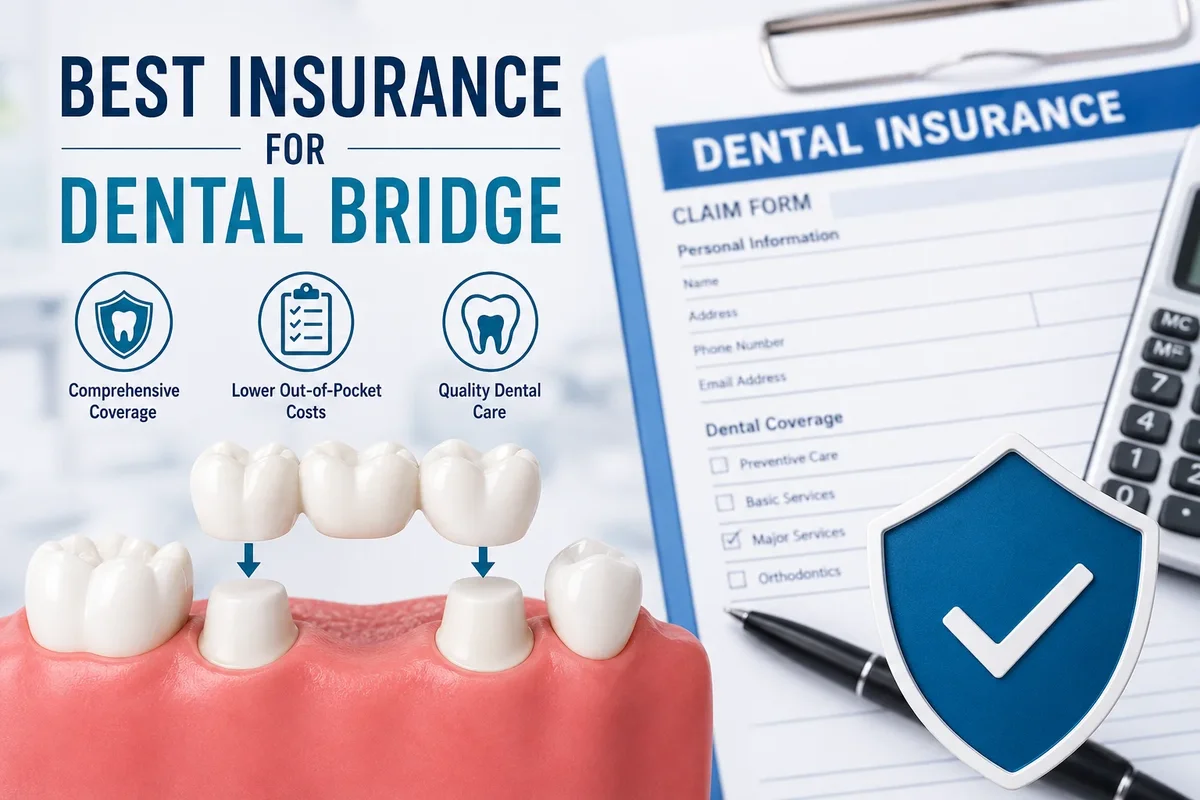
Final Thoughts: Choosing the Best Insurance for Dental Bridge with Confidence
By this point, you have explored how dental bridges work, what affects treatment costs, how insurance plans differ, the importance of professional evaluation, financing options, possible alternatives, and the most common questions patients ask before beginning treatment. The final step is bringing all of this information together so you can confidently choose the best insurance for dental bridge while also making an informed decision about your long-term oral health.
The best insurance for dental bridge is not simply the policy with the lowest premium or the highest advertised reimbursement percentage. Instead, it is the insurance plan that supports the treatment recommended after a comprehensive dental examination, fits your financial situation, provides appropriate restorative benefits, and allows you to receive care from a dentist you trust.
Choosing insurance without understanding your dental needs can lead to disappointment later. Likewise, selecting treatment based only on insurance coverage may not provide the most appropriate long-term solution for your oral health. The strongest approach combines professional clinical advice with careful insurance comparison.
Review Everything Before Making a Commitment
Before enrolling in a policy or scheduling treatment, spend time reviewing every important aspect of both your treatment plan and your insurance benefits. This careful review helps reduce unexpected costs and improves confidence throughout the restorative process.
Your checklist should include:
- Your dentist’s diagnosis.
- The recommended restorative option.
- The condition of supporting teeth and gums.
- Estimated treatment sequence.
- Your insurance deductible.
- Annual maximum benefit.
- Coverage percentage for major restorative care.
- Waiting periods.
- Provider network participation.
- Expected maintenance requirements after treatment.
Reviewing these items together provides a much clearer picture than comparing insurance advertisements alone.
Remember That Every Patient Is Different
Two patients searching for the best insurance for dental bridge may ultimately choose completely different insurance plans because their oral health, financial priorities, and treatment recommendations differ.
For example:
- One patient may require replacement of a single missing tooth.
- Another may need multiple restorations before bridge treatment.
- Some patients may already have healthy supporting crowns.
- Others may be better candidates for implant-supported treatment.
Because every situation is unique, insurance comparisons should always be personalized rather than based solely on general online rankings.
Think Beyond Immediate Costs
Although financial planning is important, long-term oral health should remain the primary objective. Choosing the best insurance for dental bridge involves considering future preventive care, maintenance appointments, and possible restorative needs in addition to the current procedure.
Regular examinations and professional cleanings remain valuable even after bridge placement. Maintaining healthy gums and supporting teeth helps protect your investment and contributes to the long-term function of your restoration.
Build a Partnership with Your Dental Team
The most successful treatment experiences are based on clear communication between patients and their dental professionals. Before treatment begins, discuss:
- Your treatment goals.
- Your insurance benefits.
- Expected appointments.
- Maintenance requirements.
- Possible alternatives.
- Questions about long-term oral health.
A collaborative approach allows treatment decisions to be based on accurate clinical information rather than assumptions.
Reliable Information Makes Better Decisions
Online research is an excellent starting point, but it cannot replace an individual examination. Educational articles explain insurance concepts and restorative options, yet they cannot evaluate your specific oral condition.
For this reason, the best insurance for dental bridge should always be selected after your dentist has determined which treatment is clinically appropriate. Insurance then becomes a tool that helps support the recommended care rather than directing it.
How Redent Klinik Can Help
At Redent Klinik, every treatment plan begins with a comprehensive clinical assessment and individualized recommendations. Rather than applying the same solution to every patient, the dental team evaluates oral health, functional needs, aesthetic expectations, and long-term treatment goals before recommending restorative options.
If you would like personalized guidance regarding bridge treatment, insurance documentation, or restorative planning, you can contact the clinic through the Redent Klinik Contact Page. Receiving individualized advice allows you to compare insurance benefits alongside a treatment plan that reflects your unique oral health needs.
Continue Learning from Trusted Sources
Patient education remains an important part of successful dental care. For additional information about restorative dentistry, preventive oral health, and maintaining healthy teeth and gums, the American Dental Association provides educational resources designed for the public.
Using trusted educational information together with professional dental advice allows patients to make well-informed treatment decisions supported by reliable evidence.
Your Next Step Toward the Right Decision
If you are currently comparing policies, avoid choosing the best insurance for dental bridge based only on premiums or advertising claims. Instead, schedule a comprehensive dental examination, obtain a personalized treatment recommendation, and compare insurance plans according to the procedures you are most likely to need. Carefully review waiting periods, deductibles, annual maximums, reimbursement percentages, and provider networks before enrolling in a policy.
Finally, if a dentist has already recommended a bridge or you are uncertain whether a bridge is the most suitable restoration for your situation, request professional guidance before making financial commitments. A personalized evaluation can help you understand your treatment options, expected care sequence, and how your insurance benefits may apply to your individual case. Taking this balanced approach gives you the greatest opportunity to choose both the appropriate restoration and the best insurance for dental bridge with confidence.
Disclosure: this page may contain affiliate links. We may earn a commission if you use them, at no extra cost to you.