
Finding the best insurance for dental implants is one of the first questions many people ask after learning they may need implant treatment. The short answer is that there is no single insurance plan that is best for everyone. The best insurance for dental implants depends on your oral health, the type of treatment you need, your annual insurance maximum, waiting periods, coverage percentages, and whether your preferred dentist or clinic accepts your plan. Understanding these factors before choosing a policy can help you avoid unexpected expenses and make more informed financial decisions.
Dental implants are considered one of the most reliable long-term solutions for replacing missing teeth because they are designed to restore appearance, chewing ability, and overall oral function. However, implant treatment often includes several stages such as examinations, digital imaging, tooth extraction if necessary, bone grafting in some cases, implant placement, healing, abutment placement, and the final crown. Since insurance companies may treat each stage differently, choosing the best insurance for dental implants requires looking beyond simple advertising claims.
Many people are surprised to discover that two insurance plans with similar monthly premiums may provide very different implant benefits. One plan may cover diagnostic examinations and crowns but exclude implant surgery, while another may contribute toward implant placement after a waiting period. Some plans apply annual benefit limits that may only cover part of the overall treatment. Because of these differences, comparing policies carefully is much more valuable than choosing the lowest monthly premium alone.
If you are researching the best insurance for dental implants, begin by asking several practical questions:
- Does the policy specifically mention dental implants?
- Is there a waiting period before implant benefits begin?
- What percentage of implant treatment is covered?
- What is the annual maximum benefit?
- Are bone grafting and related procedures included?
- Can you choose your own dentist or implant specialist?
- Are replacement crowns covered in the future?
These questions can quickly narrow your options and help identify the best insurance for dental implants based on your individual situation rather than general marketing claims.
It is equally important to understand that insurance should be viewed as one part of your treatment planning rather than the only deciding factor. An insurance plan with slightly lower reimbursement but broader provider flexibility may ultimately be more suitable than a policy with higher advertised coverage but significant treatment restrictions. Your overall treatment experience, the expertise of your dental team, and a personalized treatment plan remain essential parts of successful implant care.
Another common misunderstanding is that every missing tooth requires the same treatment. Some patients only need a single implant, while others may benefit from implant-supported bridges or full-arch restoration. Because treatment recommendations vary significantly, the best insurance for dental implants for one person may not be the ideal option for another. Your dentist will evaluate bone levels, gum health, medical history, and long-term goals before recommending the most appropriate solution.
Cost is naturally an important concern. Implant treatment often represents a larger investment than removable alternatives, but treatment costs differ depending on clinical complexity, geographic location, materials used, and additional procedures that may be required. For this reason, no responsible dental provider can guarantee an exact price without a comprehensive examination and treatment plan. Insurance can reduce some expenses, but patients should still request a detailed estimate before beginning treatment.
While comparing the best insurance for dental implants, remember that preventive dental care remains valuable. Maintaining healthy gums, attending regular dental examinations, and treating small problems early may reduce the likelihood of more extensive procedures later. Insurance that supports preventive care alongside implant benefits can provide greater long-term value than focusing only on implant reimbursement.
Patients considering treatment abroad should also review how their insurance policy handles international dental care. Some plans only reimburse treatment performed within certain provider networks or countries, while others may allow reimbursement after documentation is submitted. Understanding these rules before scheduling treatment can prevent unnecessary surprises.
If you are evaluating implant treatment options in Turkey, clinics such as Redent Klinik emphasize individualized treatment planning rather than one-size-fits-all recommendations. Before making any decisions, you can contact the clinic through the
Redent Klinik Contact Page
to discuss your situation, obtain preliminary information, and understand which documentation may be helpful if you intend to seek reimbursement from your insurance provider.
It is also worthwhile to review educational resources published by professional organizations. The
American Dental Association
provides general information about oral health and dental treatment that can help patients understand common procedures and terminology before discussing insurance benefits with their provider.
Ultimately, the best insurance for dental implants is the one that aligns with your treatment needs, financial situation, and long-term oral health goals. Rather than focusing only on premium cost, compare benefit limits, exclusions, waiting periods, provider flexibility, and overall value. A careful review today can make treatment planning more predictable and reduce uncertainty throughout your implant journey.
Practical Next Step
Before purchasing or using any insurance plan, schedule a professional dental consultation and request a personalized examination. Ask your dental team for a written treatment plan, then compare it with your insurance benefits line by line. This approach makes it much easier to determine whether your current policy represents the best insurance for dental implants for your individual needs and whether additional financing or alternative treatment options should also be considered.
Best Insurance for Dental Implants: The Quick Answer
If you are searching for the best insurance for dental implants, the most important thing to understand is that there is no universal policy that works for every patient. The right insurance depends on your oral health needs, the type of implant treatment you require, your budget, the insurance company’s annual benefit limits, waiting periods, and whether your preferred dental clinic participates in the provider network. Instead of looking for a policy that simply advertises implant coverage, focus on finding the best insurance for dental implants that fits your individual treatment plan.
Many people assume that every dental insurance plan covers implants in the same way. In reality, policies differ considerably. Some plans contribute toward implant surgery, while others may only help pay for the crown placed on top of the implant. Certain insurance companies cover diagnostic examinations, digital X-rays, or CT scans but exclude surgical procedures entirely. Because of these differences, comparing the details of each policy is much more valuable than comparing monthly premiums alone.
Why There Is No Single Best Insurance Plan
The phrase best insurance for dental implants often suggests there is one company that offers superior coverage in every situation. However, insurance is designed around individual circumstances rather than universal rankings. A younger patient replacing one missing tooth may benefit from a different plan than someone requiring multiple implants or full-mouth rehabilitation.
Your insurance choice should consider factors including:
- The number of implants recommended.
- Whether bone grafting is necessary.
- Your current oral health.
- Your expected treatment timeline.
- Annual insurance maximums.
- Waiting periods before implant benefits begin.
- Coverage percentages for restorative procedures.
These variables help determine which policy represents the best insurance for dental implants for your own circumstances.
Coverage Is More Than Implant Surgery
Dental implant treatment is often completed in multiple stages. Insurance may apply differently to each phase of treatment, including:
- Initial consultation
- Clinical examination
- Digital imaging
- CT scanning
- Tooth extraction if necessary
- Bone grafting when required
- Implant placement
- Healing period
- Abutment placement
- Final implant crown
The best insurance for dental implants is usually one that contributes across multiple treatment stages rather than covering only a single procedure.
Understand Annual Maximum Benefits
One of the biggest surprises for patients is discovering that insurance often has an annual maximum benefit. Even when implant procedures are covered, reimbursement may stop once this limit has been reached.
For example, a treatment plan extending over multiple appointments may cross into a new benefit year. In some situations, carefully scheduling treatment phases may allow patients to use benefits across more than one insurance period. Your dentist and insurance provider can explain whether this applies to your treatment plan.
Waiting Periods Matter
Many policies include waiting periods before major restorative treatments become eligible for reimbursement. Purchasing insurance immediately before scheduling implant surgery does not necessarily mean treatment will be covered.
When comparing the best insurance for dental implants, always verify:
- How long the waiting period lasts.
- Whether implants are specifically included.
- If missing teeth clauses apply.
- Whether previous tooth loss affects eligibility.
Understanding these conditions early helps prevent unrealistic expectations later.
Should Cost Be the Main Decision?
Cost certainly matters, but choosing insurance based solely on the lowest premium may not produce the greatest value. A slightly higher monthly premium could provide significantly broader implant benefits, shorter waiting periods, or access to a wider network of experienced providers.
Likewise, treatment costs themselves vary according to clinical complexity, materials selected, geographic location, laboratory work, and whether additional procedures such as bone grafting or sinus augmentation are necessary. Because every patient is different, no clinic can responsibly promise fixed treatment pricing before a comprehensive examination.
Choosing a Dental Clinic Alongside Insurance
Insurance should support your treatment rather than determine every clinical decision. Selecting an experienced implant provider remains essential for developing a personalized treatment plan that matches your oral health goals.
Patients considering treatment abroad frequently compare both insurance reimbursement possibilities and clinic experience. If you are exploring treatment options in Turkey, the Redent Klinik Contact Page allows you to request information about consultation procedures, treatment planning, and documentation that may assist with insurance reimbursement where applicable.
Educational information published by the American Dental Association can also help patients better understand implant procedures before discussing insurance benefits with their provider.
Questions to Ask Before Purchasing Insurance
- Does the policy specifically list implant coverage?
- Are crowns, abutments, and implant surgery covered separately?
- What is the annual maximum?
- What percentage of treatment is reimbursed?
- Are diagnostic scans included?
- Is there a waiting period?
- Can I choose my own implant dentist?
- Will future repairs or replacement crowns receive benefits?
Answering these questions often provides a much clearer picture of whether a policy represents the best insurance for dental implants for your needs.
Making the Right Decision
The goal is not simply to find the insurance policy with the biggest advertising claims. Instead, look for the best insurance for dental implants that balances meaningful implant coverage, realistic benefit limits, flexibility in choosing providers, and affordable premiums. Insurance works best when combined with a carefully planned treatment strategy developed by an experienced dental professional.
What Should You Check Next?
Before making a final decision, request a complete clinical examination and written treatment plan. Compare every recommended procedure with your insurance policy, including exclusions, waiting periods, annual limits, and reimbursement percentages. If anything remains unclear, ask both your insurance provider and your dental team for clarification before treatment begins. A professional consultation is especially important if you require multiple implants, bone grafting, or full-mouth rehabilitation, as these situations often involve more detailed planning than replacing a single missing tooth.
How to Compare the Best Insurance for Dental Implants Before You Buy
Selecting the best insurance for dental implants involves much more than comparing monthly premiums or choosing the policy with the highest advertised coverage percentage. Dental implant treatment is highly individualized, and insurance companies often apply different rules to examinations, implant surgery, restorations, bone grafting, and follow-up care. Before purchasing any policy, it is important to compare the details carefully so you can make a decision that fits both your oral health needs and your financial goals.
The best insurance for dental implants is usually the policy that provides balanced coverage, realistic benefit limits, flexibility in provider choice, and clear reimbursement rules. Rather than asking which insurance company is “the best,” it is more helpful to ask which plan works best for your particular treatment plan.
Start With Your Expected Treatment Plan
Insurance comparisons should always begin after understanding what type of implant treatment you may need. Someone replacing one missing tooth has very different insurance requirements than someone considering several implants or a full-arch restoration.
Ask your dentist whether your proposed treatment may include:
- Single dental implant
- Multiple implants
- Implant-supported bridge
- Full-mouth implant rehabilitation
- Bone grafting
- Sinus lift
- Temporary restoration
- Final implant crown
Once you know the expected procedures, comparing the best insurance for dental implants becomes much easier because you can match each procedure with your policy’s covered benefits.
Compare Coverage Instead of Marketing Claims
Many insurance advertisements highlight attractive percentages such as “up to 50% coverage.” However, these statements rarely tell the complete story. A policy may reimburse part of the implant crown but exclude implant placement itself. Others may include surgical coverage but limit reimbursement through low annual maximums.
When evaluating the best insurance for dental implants, always request the complete schedule of benefits rather than relying on promotional materials.
Important Coverage Areas
- Initial consultation
- Dental examination
- Digital X-rays
- 3D CT scans
- Tooth extraction
- Bone graft procedures
- Implant placement surgery
- Healing components
- Abutments
- Permanent crowns
- Follow-up maintenance
The more treatment stages included, the more comprehensive the policy may be for patients needing implant therapy.
Understand Waiting Periods Carefully
One of the biggest reasons patients become disappointed is misunderstanding waiting periods. Many policies require several months before major restorative procedures become eligible for reimbursement.
The best insurance for dental implants is not necessarily the policy with the shortest waiting period, but rather the one whose waiting period fits your expected treatment schedule.
Questions worth asking include:
- How many months before implant benefits begin?
- Are pre-existing missing teeth excluded?
- Does changing insurance restart waiting periods?
- Are there exceptions for emergency treatment?
Review Annual Maximum Benefits
Annual benefit limits deserve as much attention as reimbursement percentages. Even excellent implant coverage may become less valuable if the yearly maximum is reached early during treatment.
Complex implant rehabilitation frequently extends over several appointments. In some cases, treatment planning may naturally span different benefit years. Your dental provider can explain how scheduling may affect insurance reimbursement without making assumptions or guarantees.
Comparing annual limits is one of the smartest ways to identify the best insurance for dental implants for your long-term treatment needs.
Network Restrictions Can Influence Your Choice
Some insurance plans only reimburse treatment performed by dentists within their approved network. Others provide partial reimbursement when patients choose providers outside the network.
If you already have a trusted implant dentist, verify that your provider participates before purchasing new insurance. If you are considering treatment abroad, ask whether international reimbursement is available and what documentation is required after treatment.
Balance Monthly Premiums Against Overall Value
Many patients naturally focus on monthly premiums because they are easy to compare. However, lower premiums sometimes correspond with stricter exclusions, longer waiting periods, or smaller annual benefit limits.
The best insurance for dental implants should be evaluated using the overall value it provides rather than premium cost alone. Paying slightly more each month may provide broader implant coverage that better supports your treatment goals.
Questions You Should Ask Before Buying
- Does the policy specifically mention dental implants?
- What procedures are excluded?
- Are implant crowns covered separately?
- Does the plan cover bone grafting?
- Can I visit any implant specialist?
- How are pre-existing missing teeth handled?
- What documents are required for reimbursement?
- What happens if treatment continues into the following year?
Combining Insurance With Financial Planning
Insurance often represents only one part of paying for implant treatment. Many patients combine insurance benefits with personal savings or clinic financing options to spread treatment costs over time.
If you are considering treatment at Redent Klinik, you can request personalized information through the Redent Klinik Contact Page. A consultation allows the dental team to prepare an individualized treatment plan that you can compare directly with your insurance benefits before making any commitment.
For additional educational information about oral health and restorative dentistry, patients may also review resources published by the American Dental Association.
Making a Confident Decision
The best insurance for dental implants is the policy that supports your expected treatment rather than simply offering impressive marketing language. Carefully reviewing coverage details, provider flexibility, annual limits, waiting periods, and exclusions can significantly reduce uncertainty later in the treatment process.
Remember that dental implant costs vary according to clinical findings, treatment complexity, materials selected, and whether additional procedures are required. A personalized examination remains necessary before any accurate estimate can be provided.
What Should You Check Next?
Before purchasing a policy or beginning implant treatment, obtain a written treatment plan from your dentist and compare it with your insurance schedule of benefits. Verify coverage for each recommended procedure, confirm waiting periods, review annual maximums, and ask your insurance provider about any exclusions that may apply. If your treatment involves multiple implants, bone grafting, or complex rehabilitation, request professional guidance from both your dental team and your insurance company before making a final decision.
Understanding Costs and Coverage Limits for the Best Insurance for Dental Implants
One of the biggest concerns for patients researching the best insurance for dental implants is understanding how much financial assistance an insurance policy may actually provide. Many advertisements emphasize implant coverage, but the true value of a plan depends on much more than a simple reimbursement percentage. Coverage limits, annual maximums, waiting periods, deductibles, exclusions, and the overall treatment plan all influence what you may ultimately pay out of pocket. Learning how these factors work together can help you choose the best insurance for dental implants with realistic expectations rather than relying on marketing claims.
Dental implants are often considered a long-term investment in oral health because they replace missing tooth roots and support natural-looking restorations. However, implant treatment usually consists of several stages rather than one single procedure. Insurance companies frequently evaluate each stage independently, which is why understanding coverage details before treatment begins is essential.
Why Implant Treatment Costs Can Vary
No responsible dental clinic can provide guaranteed pricing before a comprehensive examination. Every patient’s oral health is unique, and treatment recommendations depend on multiple clinical findings. Factors that may influence the overall cost include:
- The number of missing teeth.
- The location of the missing teeth.
- Bone quantity and bone quality.
- Whether bone grafting is required.
- The need for tooth extraction.
- The type of implant restoration.
- Materials selected for the final crown or bridge.
- The complexity of the surgical procedure.
Because treatment plans vary, the best insurance for dental implants should be evaluated according to how well it supports your expected procedures rather than simply offering high reimbursement percentages.
Annual Maximum Benefits Explained
Annual maximum benefits are one of the most overlooked features when comparing insurance policies. Even if your plan covers implant treatment, payments usually stop once the annual benefit limit has been reached.
For example, a policy may reimburse eligible procedures until its yearly maximum has been exhausted. If your treatment requires several appointments across many months, remaining expenses may become your responsibility until a new benefit year begins.
When comparing the best insurance for dental implants, always compare annual maximums alongside reimbursement percentages. A policy with slightly lower reimbursement but a significantly higher annual benefit may provide greater overall value for complex treatment.
Deductibles and Co-Payments
Many insurance policies require patients to pay a deductible before benefits begin. Others include co-payments where the patient pays a portion of every covered procedure.
Before selecting the best insurance for dental implants, ask:
- What is the annual deductible?
- Does the deductible apply to implant procedures?
- Are co-payments required?
- How are major restorative procedures categorized?
These questions help estimate your potential financial responsibility more accurately.
Coverage Percentages Do Not Tell the Whole Story
Many insurance plans advertise coverage percentages such as 30%, 50%, or similar values for major restorative procedures. However, percentages alone rarely describe the complete picture.
For example, one policy may contribute toward implant surgery but exclude bone grafting. Another may reimburse implant crowns while excluding implant placement itself. Some plans only reimburse treatment completed by dentists within a restricted provider network.
The best insurance for dental implants is therefore the plan with the most appropriate combination of covered procedures rather than simply the highest advertised reimbursement percentage.
How Waiting Periods Affect Costs
Waiting periods can significantly influence your financial planning. Many policies require patients to maintain coverage for several months before implant benefits become available.
If you expect to begin treatment soon, choosing insurance with a waiting period longer than your intended schedule may reduce its practical value. Always confirm:
- How long the waiting period lasts.
- Whether implants are classified as major restorative treatment.
- If missing teeth clauses affect eligibility.
- Whether changing providers resets waiting periods.
Additional Procedures May Influence Coverage
Not every implant patient requires additional procedures, but some treatment plans include bone grafting, sinus augmentation, or tissue management before implant placement. Insurance companies sometimes evaluate these procedures separately from implant surgery.
When researching the best insurance for dental implants, carefully review whether these supporting treatments are included or excluded. Knowing this information before treatment begins makes budgeting considerably easier.
Comparing Policies Beyond Price
Choosing insurance solely because it has the lowest monthly premium can sometimes lead to higher long-term expenses. Instead, compare the complete value offered by each policy.
Consider the following:
- Annual benefit limits.
- Coverage for implant surgery.
- Coverage for crowns and abutments.
- Waiting periods.
- Provider flexibility.
- Coverage for diagnostic imaging.
- Support for follow-up care.
- Customer service and claim procedures.
The best insurance for dental implants should support your expected treatment while remaining financially practical for your circumstances.
Insurance Is Only One Part of Treatment Planning
While insurance can reduce certain treatment expenses, it should not replace careful clinical planning. Your dentist evaluates bone structure, gum health, bite alignment, medical history, and long-term oral health before recommending implant treatment.
If you are considering implant treatment at Redent Klinik, you can contact the team through the Redent Klinik Contact Page to request personalized information about examinations, treatment planning, and documentation that may assist with insurance reimbursement where appropriate.
Patients seeking independent educational information about implant dentistry can also explore resources provided by the American Dental Association, which explains restorative dental procedures and general oral health topics.
Making an Informed Financial Decision
Finding the best insurance for dental implants requires balancing insurance benefits with realistic treatment expectations. Rather than focusing only on monthly premiums or promotional advertisements, compare annual limits, deductibles, reimbursement percentages, waiting periods, exclusions, and provider flexibility. This broader approach often leads to better long-term value and fewer unexpected expenses during treatment.
What Should You Check Before Moving Forward?
Before beginning implant treatment or purchasing a new insurance policy, request a comprehensive examination and a written treatment plan from your dentist. Review each recommended procedure alongside your insurance benefits, paying close attention to annual maximums, waiting periods, deductibles, exclusions, and provider requirements. If you anticipate needing bone grafting, multiple implants, or full-mouth rehabilitation, request professional guidance from both your dental provider and your insurance company so you clearly understand your available benefits before treatment begins.
Who Should Consider the Best Insurance for Dental Implants?
Not every patient has the same dental needs, which is why choosing the best insurance for dental implants should begin with an honest assessment of your oral health, treatment goals, and financial priorities. While implant insurance can be valuable for many people, the ideal policy depends on factors such as the number of missing teeth, expected treatment complexity, existing dental coverage, and the likelihood of requiring future restorative procedures. Understanding whether implant insurance is suitable for your situation can help you make a confident and informed decision before beginning treatment.
The best insurance for dental implants is often most beneficial for individuals who expect significant restorative dental care in the future rather than those seeking only routine preventive treatment. Since implant therapy usually involves multiple appointments and several clinical stages, insurance may help reduce eligible expenses when the policy aligns with the recommended treatment plan.
Patients Missing One Tooth
If you have lost a single tooth because of trauma, decay, or periodontal disease, you may wonder whether purchasing implant insurance is worthwhile. For many individuals, replacing one missing tooth with a dental implant helps preserve surrounding teeth and maintain normal chewing function.
When comparing the best insurance for dental implants, single-tooth patients should focus on whether the policy covers implant placement, abutments, and crowns rather than looking only at general restorative benefits. It is also important to review waiting periods and annual benefit limits before making a decision.
Patients Missing Multiple Teeth
Individuals with several missing teeth often have more complex treatment plans that may include multiple implants or implant-supported bridges. Because treatment costs generally increase as the number of missing teeth grows, insurance can become a more important part of financial planning.
For these patients, the best insurance for dental implants should ideally provide:
- Coverage for multiple implant procedures.
- Benefits for implant-supported restorations.
- Reasonable annual maximums.
- Coverage for diagnostic imaging.
- Support for related surgical procedures where eligible.
Comparing policies carefully helps determine which option provides the greatest overall value for more extensive treatment.
Patients Considering Full-Arch Restoration
People who have lost most or all of their teeth may be considering full-arch implant solutions. These treatment plans are usually more comprehensive than replacing individual teeth and often require careful planning, digital imaging, and multiple appointments.
The best insurance for dental implants for full-arch treatment should be evaluated according to annual benefit limits, waiting periods, and coverage for restorative components rather than promotional advertisements alone. Since treatment may extend over several months, understanding how insurance benefits apply throughout the entire process is especially important.
Patients Who Already Have Dental Insurance
Many individuals already have dental insurance through an employer or private provider. Before purchasing an additional policy, review your existing benefits carefully.
Questions worth asking include:
- Does my current insurance already include implant coverage?
- Are implant crowns covered?
- What annual maximum applies?
- Is there a waiting period for major restorative care?
- Will changing policies affect existing benefits?
Sometimes your current plan already provides useful benefits, while in other situations an alternative policy may better support your future treatment needs.
Patients Planning Treatment Abroad
Many people explore dental implant treatment in other countries because of access to experienced clinicians or different treatment costs. However, international treatment may influence insurance reimbursement depending on the terms of your policy.
If you are comparing the best insurance for dental implants, verify whether your insurer reimburses treatment completed outside your home country and what documentation must be submitted afterward. Some companies require detailed invoices, treatment records, or radiographs before reviewing reimbursement requests.
Patients With Healthy Teeth and Gums
Insurance cannot replace good oral hygiene. Patients with healthy gums and well-maintained teeth generally have a stronger foundation for successful implant treatment if implants eventually become necessary.
Even if you are currently not planning implant surgery, researching the best insurance for dental implants before problems develop may provide additional time to satisfy waiting periods or compare policies carefully without making rushed decisions.
Patients With Complex Oral Health Needs
Some individuals require additional treatment before implants can be considered. Bone grafting, periodontal therapy, or tooth extractions may be recommended based on clinical findings.
In these situations, choosing the best insurance for dental implants involves reviewing whether the policy offers benefits for supporting procedures in addition to implant placement itself. Comprehensive coverage may provide greater value than focusing only on the implant surgery.
Insurance Is Only Part of the Decision
Although insurance can help reduce eligible treatment costs, it should never be the only factor influencing your choice of dental provider. Clinical experience, individualized treatment planning, diagnostic technology, communication, and long-term follow-up all contribute to successful implant care.
If you are considering implant treatment in Turkey, you may request personalized information through the Redent Klinik Contact Page. During a consultation, the dental team can evaluate your oral condition, explain available treatment options, and provide documentation that may help you understand how your insurance benefits could apply.
For additional educational resources about oral health and restorative treatment, patients may also consult information published by the American Dental Association.
Choosing the Right Policy for Your Situation
The best insurance for dental implants is not necessarily the policy with the highest reimbursement percentage or the lowest monthly premium. Instead, it is the plan that aligns with your expected treatment, financial circumstances, and long-term oral health goals. Reviewing provider flexibility, waiting periods, annual limits, exclusions, and covered procedures helps create a more realistic picture of your potential benefits.
What Should You Check Before Making a Decision?
Before purchasing insurance or scheduling implant treatment, arrange a comprehensive dental examination and obtain a written treatment plan. Compare every recommended procedure with your policy’s covered benefits, annual maximums, waiting periods, exclusions, and reimbursement requirements. If you anticipate multiple implants, bone grafting, or full-arch rehabilitation, request professional guidance from both your dentist and your insurance provider to ensure you fully understand your available options before treatment begins.
What Is Usually Included and Excluded in Dental Implant Insurance Plans?
Choosing the best insurance for dental implants requires more than checking whether a policy simply states that implants are covered. Insurance plans often distinguish between different parts of implant treatment, and understanding what is typically included or excluded can help you avoid unexpected costs later. While every insurance provider has its own policy terms, learning the common patterns found in dental insurance plans allows you to compare options more effectively and make better treatment decisions.
Many patients assume that implant coverage automatically includes every stage of treatment. In reality, implant therapy consists of several separate procedures, each of which may be evaluated differently by an insurance company. The best insurance for dental implants is generally the plan that provides meaningful support throughout multiple stages of treatment while clearly explaining any limitations or exclusions.
Procedures Commonly Included in Implant Insurance Plans
Although coverage varies, many insurance policies may contribute toward some of the following services when eligibility requirements are met:
- Initial dental consultation.
- Comprehensive oral examination.
- Routine dental X-rays.
- Diagnostic imaging.
- Periodontal evaluation.
- Certain tooth extractions.
- Implant-supported restorations.
- Implant crowns in eligible cases.
- Follow-up examinations.
However, coverage percentages, reimbursement methods, annual maximums, and waiting periods may differ considerably from one provider to another. Comparing these details carefully is one of the best ways to identify the best insurance for dental implants for your own treatment needs.
Procedures That Are Frequently Limited or Excluded
Insurance companies often apply separate rules to surgical and restorative procedures. Depending on your policy, some services may receive limited benefits or may not be covered at all.
Common exclusions or limitations may include:
- Cosmetic-only procedures.
- Certain implant surgery costs.
- Bone grafting in some policies.
- Sinus lift procedures.
- Soft tissue grafting.
- Replacement of recently completed work.
- Treatment performed before coverage begins.
- Procedures during waiting periods.
Since exclusions differ between providers, reading the complete policy documentation is essential before assuming any procedure will be reimbursed. The best insurance for dental implants should offer transparent information about what is covered and what is not.
Understanding Medical Necessity
Some insurance companies distinguish between procedures considered medically necessary and those classified as elective restorative treatment. Documentation from your dentist may be required before reimbursement decisions are made.
This is another reason why choosing the best insurance for dental implants involves more than comparing premiums. A policy with clear approval procedures may create a smoother treatment experience than one with complex authorization requirements.
How Waiting Periods Affect Included Benefits
Even when a procedure appears in the list of covered benefits, reimbursement may not begin immediately. Many insurance plans require patients to complete a waiting period before major restorative procedures become eligible.
Before purchasing insurance, ask:
- How long is the waiting period?
- Does it apply specifically to implants?
- Do previous missing teeth affect eligibility?
- Can benefits change after renewing the policy?
Understanding these details can help determine whether the policy truly represents the best insurance for dental implants for your treatment timeline.
Network Restrictions May Influence Coverage
Some insurance providers reimburse treatment only when it is completed by dentists participating in their approved provider network. Others allow reimbursement for out-of-network providers but at different benefit levels.
If you already have an implant dentist you trust, verify participation before purchasing new insurance. If you are considering treatment internationally, ask your insurance company whether overseas treatment qualifies for reimbursement and which documents must be submitted after treatment.
Documentation Often Matters
Insurance providers frequently request supporting documentation before approving benefits or processing reimbursement requests. Depending on your policy, you may need:
- Clinical examination records.
- Digital radiographs.
- 3D imaging reports.
- Written treatment plans.
- Itemized invoices.
- Procedure codes.
The best insurance for dental implants usually provides clear instructions regarding documentation requirements, reducing confusion during the claims process.
Insurance Should Support Clinical Decisions
While insurance benefits are important, treatment recommendations should always be based primarily on clinical findings rather than reimbursement alone. Your dentist evaluates bone quality, gum health, bite function, medical history, and long-term treatment objectives before recommending implant therapy.
Patients should avoid selecting or rejecting treatment solely because of insurance coverage. Instead, insurance should be viewed as one component of a broader treatment plan designed to improve oral health and function.
Planning Treatment With Professional Guidance
If you are considering dental implant treatment, an individualized consultation provides valuable information that insurance documents alone cannot offer. During a comprehensive examination, your dentist can determine whether additional procedures such as bone grafting, periodontal treatment, or tooth extraction are necessary before implant placement.
If you wish to learn more about individualized implant planning, you may contact the dental team through the Redent Klinik Contact Page. They can explain the treatment process, provide a written treatment plan, and help you understand which documents may be useful when communicating with your insurance provider.
For general educational information about oral health, restorative dentistry, and dental terminology, patients may also consult resources available through the American Dental Association.
Choosing the Right Insurance With Confidence
The best insurance for dental implants is not simply the plan with the largest advertised coverage percentage. Instead, it is the policy that clearly explains included services, exclusions, waiting periods, annual limits, reimbursement procedures, and provider flexibility. Carefully reviewing these details before treatment can reduce uncertainty and support better financial planning throughout your implant journey.
What Should You Check Before Requesting Treatment?
Before beginning implant treatment, request a detailed written treatment plan and compare every recommended procedure with your insurance policy. Confirm whether implant surgery, restorations, diagnostic imaging, bone grafting, and related procedures are covered, review waiting periods and annual maximums, and ask your insurance provider about any exclusions that may apply. If your case involves multiple implants or complex rehabilitation, seek professional guidance from both your dentist and your insurance company before making your final treatment decision.
Risks, Waiting Periods, and Common Mistakes to Avoid When Choosing Coverage
Finding the best insurance for dental implants involves more than comparing prices and benefit percentages. Many patients focus primarily on monthly premiums or advertising claims, only to discover later that waiting periods, exclusions, provider restrictions, or annual benefit limits significantly affect what their policy actually covers. Understanding these potential risks before purchasing insurance can help you make a more informed decision and reduce unexpected financial surprises during treatment.
The best insurance for dental implants is not simply the plan with the largest advertised reimbursement. Instead, it is the policy that clearly explains its limitations, fits your expected treatment schedule, and supports your long-term oral health needs. Taking time to review policy details carefully can often prevent costly misunderstandings later.
Waiting Periods Are One of the Most Important Factors
Many dental insurance plans include waiting periods before major restorative procedures become eligible for reimbursement. Patients sometimes purchase insurance expecting immediate implant coverage, only to learn that benefits will not begin until several months have passed.
When comparing the best insurance for dental implants, ask the insurance provider:
- How long is the waiting period?
- Does it apply specifically to implants?
- Does changing insurance restart the waiting period?
- Do pre-existing missing teeth affect eligibility?
Receiving clear answers before purchasing a policy can help you avoid delays if your dentist recommends beginning treatment soon.
Do Not Assume Every Procedure Is Covered
One of the most common mistakes is assuming that implant coverage automatically includes every stage of treatment. Implant therapy may involve diagnostic examinations, digital imaging, extractions, bone grafting, implant surgery, healing components, abutments, and final restorations. Insurance providers may evaluate each of these procedures differently.
The best insurance for dental implants should provide clear documentation explaining which procedures are eligible, which require prior authorization, and which may not be covered under the policy.
Annual Maximum Benefits Can Limit Reimbursement
Even when procedures qualify for reimbursement, annual benefit limits may reduce the amount your insurance contributes during a single benefit year. Patients planning complex implant rehabilitation should review annual maximums carefully before beginning treatment.
Ask your insurer:
- What is the annual maximum benefit?
- Does the maximum apply separately to restorative procedures?
- Can treatment spanning multiple benefit years affect reimbursement?
Understanding these details helps determine whether a policy truly represents the best insurance for dental implants for your treatment plan.
Ignoring Provider Networks
Another frequent mistake is overlooking provider network requirements. Some insurance plans reimburse treatment only when completed by participating dentists, while others offer partial reimbursement for out-of-network providers.
If you already have a preferred implant dentist, verify participation before purchasing insurance. If you are considering treatment in another country, ask whether international treatment qualifies for reimbursement and what documentation will be required afterward.
Focusing Only on Monthly Premiums
A lower monthly premium may appear attractive initially, but it does not necessarily provide the best overall value. Less expensive plans sometimes include:
- Lower annual benefit limits.
- Longer waiting periods.
- More exclusions.
- Reduced provider flexibility.
- Lower reimbursement percentages.
Comparing only premiums can result in higher out-of-pocket expenses later. The best insurance for dental implants should be evaluated based on its complete package of benefits rather than one individual feature.
Not Reading the Policy Carefully
Insurance policies often contain important details regarding exclusions, claim procedures, documentation requirements, and reimbursement rules. Many patients never review these sections until treatment has already begun.
Before selecting the best insurance for dental implants, carefully review:
- Benefit schedules.
- Covered procedures.
- Exclusions.
- Claim submission requirements.
- Provider network rules.
- Annual limits.
- Waiting periods.
- Appeal procedures.
Spending time reviewing these documents beforehand may help prevent misunderstandings during treatment.
Insurance Should Never Replace Professional Evaluation
Although insurance plays an important financial role, treatment decisions should always be based on clinical findings rather than reimbursement alone. Your dentist evaluates bone quality, gum condition, bite function, oral hygiene, and overall dental health before recommending implant treatment.
The best insurance for dental implants should support appropriate treatment rather than influence clinical decisions that are based on your individual oral health needs.
Planning Treatment With Confidence
Patients often feel more comfortable beginning implant treatment after receiving both a written treatment plan and a clear explanation of their insurance benefits. Comparing these documents together allows you to identify potential exclusions, estimate eligible reimbursement, and prepare financially before treatment starts.
If you are considering implant treatment, you may request additional information through the Redent Klinik Contact Page. During a consultation, the dental team can explain your recommended treatment plan and provide documentation that may assist when discussing reimbursement with your insurance provider.
Patients seeking reliable educational information about implant dentistry and oral health may also review resources available through the American Dental Association.
Making a Well-Informed Decision
The best insurance for dental implants is the policy that combines appropriate coverage, realistic annual limits, manageable waiting periods, transparent exclusions, and flexibility that matches your expected treatment. Looking beyond marketing claims and carefully reviewing policy details helps reduce uncertainty while supporting better long-term financial planning.
Remember that implant treatment recommendations and associated costs vary according to individual clinical findings. No insurance policy or dental provider can responsibly guarantee identical treatment plans or fixed costs for every patient without a comprehensive examination.
What Should You Check Before Proceeding?
Before purchasing insurance or scheduling implant treatment, request a detailed written treatment plan from your dentist and compare every recommended procedure with your insurance policy. Confirm waiting periods, annual benefit limits, provider network requirements, exclusions, reimbursement percentages, and documentation requirements. If you expect complex treatment involving multiple implants, bone grafting, or full-mouth rehabilitation, seek professional guidance from both your dental team and your insurance provider so you fully understand your available options before treatment begins.
Alternatives If You Do Not Have the Best Insurance for Dental Implants
Not everyone has access to the best insurance for dental implants, and many patients discover that their current policy provides limited benefits or excludes implant treatment altogether. Fortunately, lacking comprehensive insurance does not automatically mean dental implants are out of reach. There are several practical alternatives that may help make treatment more manageable while still allowing you to pursue a long-term solution for missing teeth. Understanding these options can help you choose an approach that fits both your oral health needs and your financial situation.
The best insurance for dental implants can certainly reduce eligible treatment costs, but it is only one part of the overall decision-making process. Careful treatment planning, financial preparation, and open communication with your dental provider can often provide additional flexibility even when insurance coverage is limited.
Use Your Existing Insurance Effectively
Before assuming your current policy offers no value, review the complete list of benefits carefully. Some insurance plans may not fully cover implant surgery but still contribute toward examinations, diagnostic imaging, extractions, implant crowns, or other restorative procedures.
Even if your policy is not the best insurance for dental implants, using available benefits strategically may reduce part of your overall treatment expenses.
Review your policy for:
- Diagnostic examination coverage.
- Digital imaging benefits.
- Extraction reimbursement.
- Crown coverage.
- Annual preventive care.
- Major restorative benefits.
Consider Treatment Planning Over Multiple Benefit Years
Some implant treatment plans naturally extend over several months due to healing periods. Depending on your insurance policy and your clinical needs, certain stages of treatment may occur during different benefit years.
This does not guarantee increased reimbursement, but discussing treatment timing with both your dentist and your insurance provider may help you better understand how annual benefit limits apply. The best insurance for dental implants may offer greater flexibility, but even more limited policies can sometimes provide value when treatment planning is carefully coordinated.
Clinic Financing Options
Many dental clinics offer financing solutions that allow eligible patients to divide treatment expenses into manageable payments. Financing does not replace insurance, but it can make treatment more accessible for patients whose policies provide only limited implant benefits.
Before accepting any financing arrangement, review:
- Monthly payment amounts.
- Repayment period.
- Interest or administrative fees if applicable.
- Eligibility requirements.
- Total repayment amount.
Comparing financing with your insurance benefits helps determine the most practical overall solution.
Health Savings and Flexible Spending Accounts
Depending on your country and employer, tax-advantaged healthcare accounts may be available for eligible dental expenses. These accounts sometimes help reduce the financial burden of implant treatment by allowing qualified healthcare funds to be used for approved procedures.
Eligibility rules differ by jurisdiction, so always verify current regulations before relying on these accounts as part of your treatment budget.
Choosing Treatment Abroad
Some patients investigate implant treatment in other countries because of differences in treatment costs or access to experienced implant teams. If you are considering this option, remember that the lowest advertised price should never be the only deciding factor.
Whether or not you have the best insurance for dental implants, evaluate:
- Clinical experience.
- Diagnostic technology.
- Treatment planning.
- Communication.
- Follow-up care.
- Documentation provided after treatment.
Additionally, confirm with your insurance company whether international treatment qualifies for reimbursement and what documentation must be submitted after treatment.
Alternative Tooth Replacement Options
Although dental implants are often considered a durable tooth replacement solution, they are not the only restorative option available. Depending on your oral health, your dentist may also discuss alternatives such as:
- Traditional dental bridges.
- Removable partial dentures.
- Complete dentures.
- Implant-supported removable overdentures.
Each treatment option has its own advantages, limitations, maintenance requirements, and long-term considerations. The most appropriate choice depends on your individual oral condition, expectations, and financial circumstances rather than insurance coverage alone.
Preventive Care Can Reduce Future Costs
Even if implant treatment is not immediately planned, maintaining good oral health remains one of the most effective long-term financial strategies. Regular dental examinations, professional cleanings, excellent oral hygiene, and early treatment of dental problems may reduce the likelihood of requiring more extensive restorative care in the future.
The best insurance for dental implants often includes preventive benefits that encourage early intervention, making these services valuable even if implants are never required.
Professional Consultation Is Still Essential
Whether you have comprehensive insurance, limited coverage, or no implant benefits at all, treatment recommendations should always be based on a thorough clinical examination. Your dentist evaluates bone quality, gum health, remaining teeth, bite function, medical history, and long-term treatment goals before recommending the most appropriate solution.
If you are considering implant treatment in Turkey, you may request personalized information through the Redent Klinik Contact Page. The dental team can explain available treatment options, prepare a customized treatment plan, and provide documentation that may be useful when communicating with your insurance provider.
Patients who would like additional educational information about restorative dentistry and oral health can also review materials published by the American Dental Association.
Making the Best Decision Without Perfect Insurance
Although having the best insurance for dental implants may reduce eligible treatment costs, it is not the only factor that determines successful treatment. A carefully developed treatment plan, realistic financial preparation, experienced clinical care, and a clear understanding of available alternatives all contribute to making an informed decision.
Every patient’s needs are different, and no single financial solution is appropriate for everyone. Taking time to compare insurance benefits, financing options, and alternative treatments can help you select the approach that best matches your circumstances.
What Should You Check Before Choosing an Alternative?
Before deciding on financing, overseas treatment, or an alternative restoration, request a comprehensive dental examination and a written treatment plan. Compare implant therapy with other tooth replacement options, review your insurance benefits carefully, and ask about financing or payment solutions if needed. If you are uncertain which option is most appropriate for your oral health, request professional advice from your dental provider before making a final treatment decision.
Frequently Asked Questions About the Best Insurance for Dental Implants
Patients researching the best insurance for dental implants often have many practical questions before choosing an insurance policy or beginning treatment. Since dental implant therapy involves several clinical stages and insurance companies use different benefit structures, understanding the most common questions can help you make informed decisions with greater confidence. The answers below provide general guidance, but every insurance policy and treatment plan is unique, so it is always advisable to verify specific details directly with your insurer and your dental provider.
Does Every Dental Insurance Plan Cover Dental Implants?
No. Not every dental insurance plan includes implant benefits. Some policies exclude implant surgery entirely, while others provide partial reimbursement for certain parts of treatment, such as implant crowns or diagnostic examinations. This is why comparing policies carefully is essential when searching for the best insurance for dental implants. Always request the complete schedule of benefits rather than relying on marketing summaries.
How Can I Tell If a Policy Is the Best Choice?
The best insurance for dental implants is usually the one that matches your specific treatment needs rather than the policy with the lowest premium or the highest advertised reimbursement percentage.
Important factors include:
- Annual maximum benefits.
- Waiting periods.
- Coverage for implant surgery.
- Coverage for implant crowns.
- Coverage for bone grafting where applicable.
- Provider network flexibility.
- Documentation requirements.
Comparing these details provides a much clearer picture than focusing on premium costs alone.
Will Insurance Cover the Entire Cost of Implant Treatment?
In many cases, insurance contributes toward eligible procedures but does not cover every treatment expense. Implant costs vary according to individual clinical findings, materials selected, treatment complexity, and whether supporting procedures such as bone grafting are necessary.
Even with the best insurance for dental implants, patients should expect that some out-of-pocket expenses may still apply depending on their policy and treatment plan.
Do Waiting Periods Always Apply?
Many dental insurance plans include waiting periods before major restorative procedures become eligible for reimbursement. The exact length varies between providers.
Before purchasing insurance, confirm:
- The length of the waiting period.
- Whether implants are specifically included.
- If missing teeth clauses affect eligibility.
- Whether changing policies restarts waiting periods.
Understanding these rules is essential when evaluating the best insurance for dental implants.
Can I Choose Any Dentist?
That depends on your insurance policy. Some providers require treatment within an approved network, while others reimburse both in-network and out-of-network treatment at different benefit levels.
If you already have a preferred implant provider, verify participation before purchasing insurance. If you are planning treatment abroad, ask whether international treatment is eligible for reimbursement and which documents will be required.
Is Dental Implant Insurance Worth Buying?
For many patients expecting implant treatment, insurance may help reduce eligible expenses. However, the value of a policy depends on its waiting periods, annual benefit limits, exclusions, and the procedures it actually covers.
The best insurance for dental implants is worthwhile when it aligns with your expected treatment timeline and provides meaningful benefits for the procedures your dentist recommends.
What Documents Are Usually Needed?
Insurance companies often request supporting documentation before approving claims or reimbursements.
Typical documents may include:
- Clinical examination reports.
- Digital X-rays.
- 3D imaging when appropriate.
- Written treatment plans.
- Procedure codes.
- Itemized invoices.
Requirements vary by insurer, so always confirm documentation standards before treatment begins.
Can Insurance Be Combined With Financing?
Yes. Many patients combine available insurance benefits with clinic financing or personal savings to help manage treatment expenses. Insurance and financing serve different purposes, and combining them may provide greater flexibility than relying on either option alone.
When comparing financing arrangements, review monthly payments, repayment periods, administrative fees if applicable, and total repayment costs before making a commitment.
Should Insurance Determine My Treatment?
No. Insurance should support appropriate treatment rather than determine it. Clinical recommendations should always be based on your oral health, bone condition, gum health, medical history, and long-term functional needs.
The best insurance for dental implants should help support your treatment plan, but your dentist should recommend procedures based on clinical findings rather than insurance limitations alone.
Can I Receive Treatment Abroad?
Many patients explore implant treatment in other countries for various reasons. If you plan to receive treatment internationally, verify with your insurance company whether overseas care qualifies for reimbursement and what documentation is required after treatment.
If you are considering treatment in Turkey, you may contact the dental team through the Redent Klinik Contact Page. They can explain the consultation process, provide individualized treatment planning, and prepare documentation that may assist when discussing reimbursement with your insurance provider.
Patients looking for additional educational information about oral health and restorative dentistry can also review resources provided by the American Dental Association.
Final Thoughts About Choosing Implant Insurance
Finding the best insurance for dental implants requires balancing coverage, flexibility, waiting periods, annual limits, and your expected treatment plan. There is no single policy that suits every patient, which is why comparing insurance documents carefully and discussing your options with both your insurer and your dentist is so important.
Dental implant treatment is highly individualized, and no insurance company or dental clinic can responsibly guarantee treatment recommendations or exact costs before a comprehensive examination has been completed.
What Should You Check Before Making Your Final Choice?
Before purchasing insurance or scheduling implant treatment, request a detailed written treatment plan from your dentist and compare it carefully with your insurance policy. Confirm waiting periods, covered procedures, annual maximums, exclusions, provider network requirements, and documentation needed for reimbursement. If you still have questions about your eligibility or expected benefits, request professional guidance from both your insurance provider and your dental team before beginning treatment.
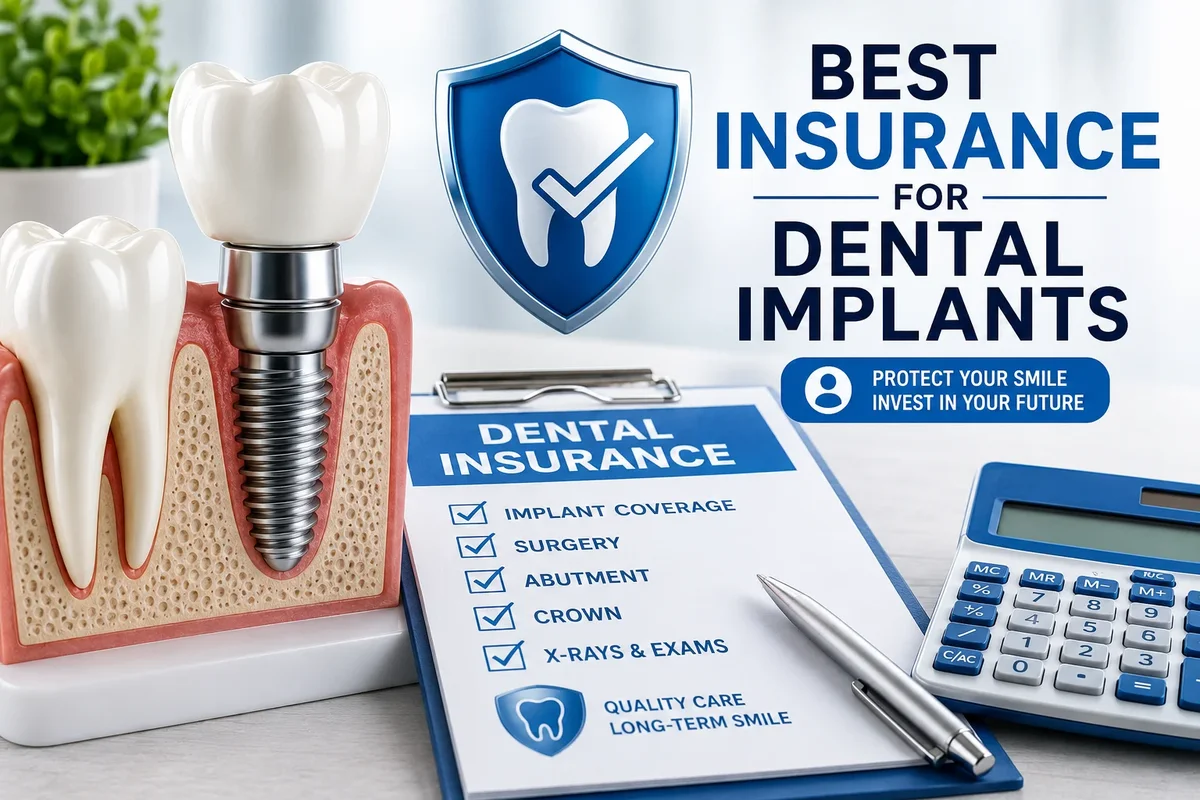
Your Next Step: How to Choose the Right Insurance and Treatment Plan for Long-Term Value
After learning about coverage options, waiting periods, exclusions, annual maximums, and treatment planning, the final step is bringing everything together into a practical decision. Choosing the best insurance for dental implants is not simply about finding the policy with the highest advertised reimbursement or the lowest premium. Instead, it involves matching your insurance benefits with your actual oral health needs, your expected treatment plan, and your long-term financial goals. Taking a structured approach now can help reduce uncertainty throughout the implant process and allow you to move forward with greater confidence.
The best insurance for dental implants should support—not replace—a personalized treatment plan prepared by an experienced dental professional. Insurance is one component of your decision, but your clinical needs, oral health condition, and long-term expectations remain equally important.
Step 1: Schedule a Comprehensive Dental Examination
Before comparing insurance plans in detail, begin with a professional dental evaluation. A comprehensive examination allows your dentist to determine exactly which procedures may be required before implant placement.
Your assessment may include:
- Clinical examination.
- Evaluation of missing teeth.
- Gum health assessment.
- Digital X-rays.
- Three-dimensional imaging when appropriate.
- Bite analysis.
- Evaluation of available bone.
- Review of your medical history.
Only after understanding your treatment requirements can you accurately determine which policy represents the best insurance for dental implants for your situation.
Step 2: Request a Written Treatment Plan
A written treatment plan provides a clear overview of every recommended procedure. Rather than estimating coverage based on general implant benefits, compare your insurance policy line by line with each recommended treatment stage.
Your written plan may include:
- Consultation.
- Diagnostic imaging.
- Extractions if required.
- Bone grafting when indicated.
- Implant placement.
- Healing period.
- Abutments.
- Final restorations.
This approach allows you to identify whether the best insurance for dental implants for your needs covers each stage or only selected procedures.
Step 3: Compare Insurance Benefits Carefully
When reviewing policies, avoid focusing on one feature alone. A plan advertising high reimbursement percentages may still include restrictive waiting periods or low annual benefit limits.
Review each policy by asking:
- Does it specifically include implants?
- Are implant crowns covered?
- What annual maximum applies?
- Is there a waiting period?
- Does it include bone grafting where eligible?
- Can I choose my own provider?
- How are claims submitted?
These questions provide a more realistic comparison than premium prices alone and help identify the best insurance for dental implants based on overall value.
Step 4: Think Beyond Immediate Costs
Although treatment expenses naturally influence decision-making, focusing only on immediate costs may overlook important long-term considerations. Implant treatment is intended to restore function, appearance, and oral health for many years, making treatment quality an important part of the overall value equation.
Insurance can contribute toward eligible expenses, but selecting an experienced dental provider, following recommended maintenance, and attending regular check-ups are equally important for preserving your oral health over time.
Step 5: Review Financing if Needed
If insurance does not cover every treatment stage, financing may provide additional flexibility. Many patients combine insurance benefits with financing arrangements or personal savings to manage treatment costs more comfortably.
Before agreeing to financing, review:
- Total repayment amount.
- Monthly payments.
- Repayment period.
- Administrative fees if applicable.
- Eligibility conditions.
Combining financing with the best insurance for dental implants may provide a balanced financial solution depending on your individual circumstances.
Choose Your Dental Provider Carefully
Insurance should support quality care rather than determine every aspect of treatment. Selecting a dental clinic with experience in implant planning, digital diagnostics, and personalized patient care remains an important part of achieving a successful outcome.
If you are considering implant treatment in Turkey, you may request additional information through the Redent Klinik Contact Page. During your consultation, the dental team can evaluate your oral health, explain available treatment options, prepare a personalized treatment plan, and provide documentation that may assist with insurance reimbursement when applicable.
Patients who wish to expand their understanding of restorative dentistry and oral health may also review educational resources published by the American Dental Association.
Remember That Every Treatment Plan Is Unique
No two patients have exactly the same oral health condition. Bone quality, gum health, existing restorations, medical history, and the number of missing teeth all influence treatment recommendations. As a result, the best insurance for dental implants for one person may not provide the greatest value for someone else.
Similarly, treatment costs vary according to clinical findings, materials, laboratory work, geographic location, and additional procedures that may be required. For this reason, neither insurance providers nor dental clinics can responsibly promise identical treatment plans or guaranteed pricing before a comprehensive examination.
Building Confidence in Your Decision
Choosing the best insurance for dental implants becomes much easier when you evaluate insurance and treatment planning together instead of separately. Reviewing benefit schedules alongside a personalized treatment plan helps you understand potential out-of-pocket expenses, identify coverage limitations, and prepare financially before treatment begins.
Taking time to compare options carefully may require additional effort initially, but it often leads to better long-term value and fewer unexpected surprises throughout the treatment process.
What Should You Check Before Moving Forward?
Before purchasing insurance or committing to implant treatment, schedule a comprehensive dental consultation, request a written treatment plan, and compare every recommended procedure with your insurance policy. Verify waiting periods, annual maximums, provider network requirements, exclusions, documentation requirements, and reimbursement percentages. If you are considering multiple implants, full-mouth rehabilitation, or supporting procedures such as bone grafting, request professional guidance from both your dentist and your insurance provider to ensure your treatment and financial plans are aligned before beginning care.
Disclosure: this page may contain affiliate links. We may earn a commission if you use them, at no extra cost to you.