
If you are searching for the best insurance for gum disease treatment, the short answer is that the right plan is usually one that provides meaningful benefits for preventive care, periodontal evaluations, deep cleanings (scaling and root planing), maintenance visits, and, when necessary, periodontal surgery. No single insurance policy is the best choice for everyone because coverage depends on the provider, your location, waiting periods, annual maximums, deductibles, and the specific treatment your dentist recommends. Instead of choosing a plan based only on the monthly premium, it is often more helpful to compare the overall value you receive if you actually need treatment for gum disease.
Many people are surprised to learn that gum disease is one of the most common oral health conditions. Early-stage gingivitis may improve with professional cleaning and better oral hygiene, while more advanced periodontal disease often requires additional procedures and ongoing maintenance. Because treatment plans vary from person to person, the best insurance for gum disease treatment is typically the one that helps reduce out-of-pocket expenses for the care you are most likely to need rather than simply offering the lowest premium.
When comparing plans, start by looking beyond marketing claims. Review whether periodontal examinations are included, whether scaling and root planing receive partial coverage, whether periodontal maintenance is covered after treatment, and whether surgical procedures such as flap surgery or bone grafting receive any benefits if they become necessary. Even if two plans have similar monthly costs, the actual financial value can differ significantly depending on these details. Understanding them before enrolling can help you avoid unexpected costs later.
The best insurance for gum disease treatment should also fit your own dental history. Someone with healthy gums who only needs preventive care may prioritize routine cleanings and examinations, while a patient who has already been diagnosed with periodontal disease may benefit more from stronger periodontal benefits, shorter waiting periods, and higher annual coverage limits. Choosing insurance that matches your current oral health often provides more practical value than selecting a plan based solely on advertisements or general rankings.
Another important point is that insurance should not determine whether you seek care. If you notice bleeding gums, persistent bad breath, swollen gum tissue, gum recession, loose teeth, or discomfort while brushing, scheduling a professional dental examination is usually more important than waiting until you find what seems like the best insurance for gum disease treatment. Delaying an evaluation may allow periodontal disease to progress, potentially leading to more complex treatment needs over time. An early assessment can identify whether the condition is mild, moderate, or advanced and help you understand the most appropriate treatment options.
It is also helpful to understand that dental insurance generally works as cost assistance rather than full payment. Many plans contribute toward covered periodontal procedures, but the percentage paid and the maximum annual benefit vary. Final treatment costs depend on the findings of your examination, the number of teeth involved, the severity of the disease, your overall oral health, and your personalized treatment plan. For that reason, it is wise to request a written treatment estimate and insurance benefit review before beginning treatment whenever possible.
Patients considering treatment abroad or comparing different dental providers should remember that insurance acceptance varies between clinics and countries. Some insurers reimburse treatment after submission of documentation rather than paying the clinic directly. If you are exploring your options internationally, discussing both your treatment needs and your insurance documentation requirements with the dental team can make the process easier. At Redent Klinik, patients who are seeking information about periodontal care can request an individualized consultation through the Redent Klinik Contact Page to better understand potential treatment pathways and required documentation. Likewise, educational information about oral health and periodontal care can be found through the American Dental Association.
Ultimately, the best insurance for gum disease treatment is the one that supports timely diagnosis, appropriate periodontal care, and long-term maintenance while fitting your budget and expected treatment needs. Comparing coverage for periodontal procedures, annual benefit limits, waiting periods, exclusions, and maintenance appointments can provide a much clearer picture than comparing premiums alone. Insurance is only one part of the decision—the quality of diagnosis, treatment planning, and ongoing preventive care remain equally important for protecting your oral health.
Practical next step: If you think you may have gum disease, arrange a comprehensive dental examination first. Once you know the exact diagnosis and recommended treatment plan, compare insurance benefits based on those specific procedures instead of choosing a plan based only on price or advertising. This approach makes it much easier to identify the best insurance for gum disease treatment for your personal situation and to make a confident, informed decision.
Best Insurance for Gum Disease Treatment: Quick Answer and What to Check First
If you are looking for the best insurance for gum disease treatment, the first thing to understand is that there is no universal policy that fits every patient. The right plan depends on your oral health, whether you already have periodontal disease, your budget, and the types of procedures you may need in the future. Rather than focusing only on the monthly premium, it is usually more beneficial to evaluate how well a plan covers periodontal examinations, deep cleanings, periodontal maintenance, surgical procedures, and follow-up care. A policy with a slightly higher monthly cost may provide better overall value if it significantly reduces your out-of-pocket expenses during treatment.
Many people begin searching for the best insurance for gum disease treatment only after noticing symptoms such as bleeding gums, persistent bad breath, gum recession, or loose teeth. While insurance is an important financial consideration, obtaining an accurate diagnosis should come first. An early dental examination allows your dentist to determine the stage of gum disease and recommend the most appropriate treatment plan. Once those recommendations are available, comparing insurance policies becomes much easier because you know exactly which procedures are likely to be involved.
Why Insurance Comparison Should Start with Your Dental Needs
The best insurance for gum disease treatment is not necessarily the plan with the lowest premium or the highest advertised coverage percentage. Every dental insurance policy has its own rules regarding covered procedures, annual maximums, deductibles, waiting periods, and exclusions. A patient with mild gingivitis may primarily benefit from preventive services, while someone with moderate or advanced periodontal disease may require multiple phases of treatment over several months.
Before choosing a plan, ask yourself a few practical questions:
- Have you already been diagnosed with gum disease?
- Has your dentist recommended scaling and root planing?
- Do you require periodontal maintenance appointments?
- Is periodontal surgery a possibility?
- Will ongoing follow-up visits likely be necessary?
Your answers will help determine which benefits matter most. The best insurance for gum disease treatment is generally the policy that aligns with your expected clinical needs instead of offering broad coverage that may never be used.
Key Coverage Features Worth Reviewing
When comparing dental insurance options, many people focus only on percentages such as “80% covered” or “50% covered.” While these numbers are important, they do not tell the entire story. Reading the policy details carefully often provides a much clearer picture of what you may actually receive.
Periodontal Diagnostic Services
Most quality plans include examinations and diagnostic X-rays, but coverage details vary. Since periodontal disease often requires regular monitoring, diagnostic benefits can become an important part of long-term care.
Scaling and Root Planing
Scaling and root planing, commonly called deep cleaning, is frequently recommended for moderate gum disease. Since this procedure represents a significant portion of treatment costs for many patients, checking whether it is included can help you identify the best insurance for gum disease treatment for your circumstances.
Periodontal Maintenance
After active treatment is completed, many patients require periodontal maintenance every few months. Unlike routine cleanings, these visits are specifically designed to help manage periodontal disease. Some insurance plans provide better maintenance coverage than others, making this an important feature to compare.
Surgical Periodontal Procedures
Advanced gum disease sometimes requires procedures such as flap surgery, bone grafting, or regenerative treatment. Not every patient will need these procedures, but understanding whether they receive any insurance benefits can help you avoid surprises if your treatment plan changes.
Cost Should Never Be Your Only Decision Factor
It is understandable to focus on affordability when searching for the best insurance for gum disease treatment. However, selecting insurance based solely on the lowest monthly payment may not provide the greatest financial benefit over time. A lower premium could come with higher deductibles, lower annual benefit limits, or longer waiting periods that reduce its overall value.
Similarly, higher-cost plans are not automatically better. If you only require preventive care and routine monitoring, paying for extensive surgical benefits that you may never use might not be the most practical decision. The goal is to match your insurance to your expected treatment requirements rather than purchasing the most comprehensive plan available.
Think Beyond Immediate Treatment
Gum disease management is often an ongoing process rather than a single appointment. Even after successful treatment, regular monitoring and professional maintenance remain important. For this reason, the best insurance for gum disease treatment should ideally support both immediate procedures and future maintenance visits.
When reviewing policies, consider how they fit into your long-term oral health rather than focusing only on your next dental appointment. A plan that provides reasonable coverage for continuing care may prove more valuable than one that mainly emphasizes initial treatment.
When Should You Schedule a Dental Consultation?
If you experience bleeding gums, persistent inflammation, gum recession, tooth mobility, ongoing bad breath, or discomfort while brushing, it is advisable to arrange a professional periodontal evaluation instead of delaying care while researching insurance. Insurance can help manage expenses, but it cannot replace an accurate diagnosis.
During your consultation, your dentist can assess the severity of your condition, explain whether periodontal treatment is necessary, and provide a personalized treatment plan. If you are considering treatment options at Redent Klinik, you can request further information through the Redent Klinik Contact Page. Additional educational resources about periodontal health are also available from the American Dental Association.
Making a Confident Decision
The best insurance for gum disease treatment is usually the policy that balances affordable premiums with practical periodontal benefits that match your individual needs. Comparing waiting periods, annual maximums, covered procedures, maintenance benefits, exclusions, and reimbursement policies will generally provide a clearer understanding than relying on advertisements or promotional materials alone.
What to check next: Before purchasing any dental insurance plan, request a complete summary of periodontal benefits, ask your dental provider which procedures are likely to be recommended based on your examination, and verify how those procedures are covered. If you already have symptoms of gum disease or have been advised to seek periodontal treatment, schedule a professional consultation promptly so your insurance decision can be based on an accurate diagnosis rather than assumptions.
Understanding the Cost of Gum Disease Treatment and Insurance Coverage
One of the biggest concerns for patients searching for the best insurance for gum disease treatment is understanding how much treatment may cost and how insurance can help reduce out-of-pocket expenses. Gum disease treatment is not a single procedure with a fixed price. Instead, costs depend on several factors, including the stage of periodontal disease, the number of teeth involved, the complexity of the treatment, your location, and the recommendations made after a comprehensive dental examination. Because every patient has unique clinical needs, it is important to focus on overall value rather than looking only for the lowest treatment estimate or the cheapest insurance premium.
The best insurance for gum disease treatment is usually the policy that provides meaningful support for the procedures you are actually likely to need. For example, a patient with early-stage gingivitis may only require professional cleaning and improved home care, while another patient with moderate or advanced periodontal disease may require deep cleaning, periodontal maintenance, surgical treatment, or regenerative procedures over an extended period. Comparing insurance benefits based on your expected treatment plan can help you make a more informed financial decision.
Why Treatment Costs Can Vary Significantly
Many people are surprised that there is no standard price for periodontal treatment. Unlike purchasing a product with a fixed cost, gum disease treatment is highly individualized. Before recommending any procedure, a dentist or periodontist evaluates the condition of your gums, supporting bone, tooth stability, periodontal pocket depth, medical history, and overall oral health.
Several factors commonly influence treatment costs:
- The severity of gum disease.
- The number of affected teeth.
- The amount of plaque and tartar below the gum line.
- Whether periodontal surgery is necessary.
- The need for bone regeneration or grafting.
- Future periodontal maintenance appointments.
- Your geographical location.
- The experience of the treating dental team.
Because these variables differ from patient to patient, no dentist can accurately provide final treatment costs without first performing a clinical examination. The best insurance for gum disease treatment should therefore be evaluated based on flexibility and coverage rather than assumptions about a single procedure.
How Insurance Can Reduce Financial Stress
Dental insurance generally helps share treatment costs instead of paying every expense in full. Depending on the policy, insurance may contribute toward preventive care, periodontal evaluations, scaling and root planing, periodontal maintenance, and some surgical procedures. The exact percentage covered varies between providers and plans.
When comparing the best insurance for gum disease treatment, consider the complete financial picture instead of focusing on one benefit. A policy with a slightly higher monthly premium may ultimately reduce your total treatment expenses if it offers stronger periodontal coverage or higher annual maximum benefits.
Annual Maximum Benefits
Many dental insurance plans include an annual maximum benefit, which is the highest amount the insurer contributes during a benefit year. If your treatment requires multiple procedures, understanding this limit is essential. Some patients may complete treatment within one benefit year, while others may schedule treatment over multiple years when clinically appropriate. Your dentist can explain whether staging treatment is suitable for your situation.
Waiting Periods
Waiting periods are another important factor when selecting the best insurance for gum disease treatment. Certain policies require you to wait several months before major periodontal procedures become eligible for benefits. If you already have symptoms or have been diagnosed with gum disease, reviewing waiting period requirements before enrolling is particularly important.
Deductibles and Co-payments
Insurance policies often include deductibles and patient co-payments. Even when treatment is covered, you may still be responsible for part of the cost. Understanding these details helps you prepare financially and reduces the likelihood of unexpected expenses during treatment.
Balancing Premiums with Real Coverage
It can be tempting to choose the lowest monthly premium available. However, inexpensive insurance is not always the most economical option in the long run. Some lower-cost plans offer limited periodontal benefits, lower annual maximums, or fewer covered procedures. In contrast, more comprehensive plans may provide greater financial support if you require extensive periodontal care.
The best insurance for gum disease treatment should balance affordability with practical coverage. Ask yourself whether the policy provides meaningful assistance for your likely treatment rather than simply comparing monthly costs.
It is equally important to remember that the most expensive policy is not automatically the best choice. If your dentist expects only preventive care and regular monitoring, purchasing a premium plan with extensive surgical benefits may not provide additional value. Choosing insurance that reflects your individual clinical situation is often the most practical approach.
Planning for Long-Term Periodontal Care
Successful periodontal treatment often continues beyond the initial deep cleaning or surgical procedure. Regular periodontal maintenance appointments help monitor gum health and reduce the risk of disease progression. When evaluating the best insurance for gum disease treatment, review how these follow-up visits are covered, since they may become part of your long-term oral health routine.
Patients sometimes focus only on immediate treatment costs and overlook maintenance benefits. However, long-term support may become one of the most valuable aspects of a comprehensive dental insurance policy.
Working with Your Dental Team
Your dentist plays an important role in helping you understand both treatment recommendations and insurance considerations. Following a complete examination, you can request a written treatment plan together with an estimate based on your available insurance benefits. This allows you to compare policies using actual clinical recommendations instead of making decisions based on general assumptions.
If you are considering periodontal treatment at Redent Klinik, you can request further information and schedule an individualized consultation through the Redent Klinik Contact Page. Educational resources about gum disease prevention, treatment, and oral health are also available from the American Dental Association.
Making a Well-Informed Financial Decision
The best insurance for gum disease treatment is not defined by advertisements or promotional claims. Instead, it is the plan that aligns with your diagnosis, anticipated treatment needs, budget, and long-term periodontal maintenance requirements. Reviewing annual maximums, deductibles, waiting periods, covered procedures, reimbursement policies, and maintenance benefits provides a more accurate understanding of the policy’s overall value.
What to check next: Before selecting an insurance plan, request a comprehensive dental examination if you have symptoms of gum disease. Review your proposed treatment plan alongside each policy’s periodontal benefits, annual limits, waiting periods, and maintenance coverage. If you are uncertain about your diagnosis or your treatment options, seek professional dental advice before making financial decisions based solely on estimated costs.
Who Benefits Most from the Best Insurance for Gum Disease Treatment?
Choosing the best insurance for gum disease treatment is not only about comparing premiums or looking for the broadest list of covered procedures. It is also about determining whether a particular policy matches your current oral health, your risk of periodontal disease, and your long-term dental goals. Some people may rarely need more than preventive care, while others may require ongoing periodontal maintenance or more advanced treatment. Understanding which category you fall into can help you select insurance that provides practical value rather than paying for benefits you are unlikely to use.
The best insurance for gum disease treatment is generally the one that supports your expected treatment journey. If your dentist has already diagnosed gum disease, your priorities may be very different from someone who is simply looking for preventive protection. Reviewing your own dental history before purchasing a policy often leads to a better financial and clinical decision.
Patients with Early Signs of Gum Disease
If you have recently noticed bleeding gums while brushing, mild gum inflammation, occasional bad breath, or tenderness around the gumline, you may be in the early stages of gum disease. At this stage, prompt professional care may help manage the condition before it progresses.
For these patients, the best insurance for gum disease treatment often emphasizes:
- Routine dental examinations.
- Professional cleanings.
- Diagnostic X-rays when necessary.
- Periodontal evaluations.
- Preventive education and follow-up care.
Insurance that supports preventive treatment may reduce future treatment needs if periodontal disease is identified and managed early. Although every patient’s situation is different, seeking care promptly is generally more beneficial than waiting until symptoms become severe.
Patients Already Diagnosed with Periodontal Disease
If your dentist has confirmed periodontal disease, your treatment needs may extend beyond routine preventive appointments. Depending on the severity of the condition, treatment could involve scaling and root planing, periodontal maintenance, localized antimicrobial therapy, or surgical procedures.
For these individuals, the best insurance for gum disease treatment is typically one that provides meaningful benefits for therapeutic periodontal procedures instead of focusing primarily on preventive cleanings. Reviewing annual benefit limits, waiting periods, and coverage percentages becomes especially important because treatment may be completed over several appointments.
Moderate Periodontal Disease
Patients with moderate periodontal disease frequently benefit from insurance that includes deep cleaning procedures and scheduled periodontal maintenance. These services may become an important part of preserving gum health over time.
Advanced Periodontal Disease
In advanced cases, treatment recommendations may include surgical periodontal procedures, regenerative techniques, or other specialized therapies. While not every patient requires these treatments, understanding whether your insurance offers benefits for advanced care can help you prepare financially if additional treatment becomes necessary.
People with Risk Factors for Gum Disease
Even if you have not been diagnosed with periodontal disease, certain factors may increase your likelihood of developing it. These individuals often benefit from carefully comparing insurance plans before problems arise.
Common risk factors include:
- Smoking or tobacco use.
- Diabetes.
- A family history of periodontal disease.
- Poor plaque control.
- Dry mouth.
- Certain medications.
- Hormonal changes.
- Previous history of gum disease.
If one or more of these risk factors applies to you, selecting the best insurance for gum disease treatment before symptoms develop may provide valuable financial protection should treatment become necessary later.
Patients Interested in Long-Term Oral Health
Some people search for the best insurance for gum disease treatment not because they currently have gum disease but because they want to protect their long-term oral health. This proactive approach may be especially valuable for adults who intend to preserve their natural teeth for many years.
Long-term periodontal health depends on more than one treatment. Regular examinations, professional cleanings, home oral hygiene, and ongoing monitoring all contribute to maintaining healthy gums. Insurance that encourages preventive care may help support these long-term goals.
Patients Considering Restorative or Implant Treatment
Healthy gums form the foundation for many restorative dental procedures, including crowns, bridges, and dental implants. If periodontal disease is present, it often needs to be managed before restorative treatment begins.
For patients planning future restorative care, choosing the best insurance for gum disease treatment may help address periodontal concerns before investing in more complex dental work. Treating gum disease first can contribute to a healthier environment for future restorative procedures, although every treatment plan should be based on an individual clinical evaluation.
Is Comprehensive Insurance Always Necessary?
Not every patient requires the most comprehensive dental insurance available. Someone with excellent gum health, low risk factors, and regular preventive care may find that a moderate plan meets their needs. On the other hand, individuals with existing periodontal disease or multiple risk factors may benefit from broader periodontal coverage.
The best insurance for gum disease treatment is therefore highly personal. Rather than assuming that the most expensive policy provides the greatest value, compare each plan according to your expected treatment requirements and overall oral health goals.
How Your Dentist Can Help You Decide
A professional dental examination provides valuable information that can guide your insurance decision. Your dentist can identify whether you have gingivitis, mild periodontal disease, moderate periodontitis, or more advanced gum disease. Once your diagnosis is confirmed, it becomes much easier to evaluate which insurance benefits are likely to be most useful.
If you are exploring periodontal care or would like an individualized assessment, you can contact Redent Klinik through the Redent Klinik Contact Page. Reliable educational resources about gum disease prevention and treatment are also available from the American Dental Association.
Making the Right Choice for Your Situation
The best insurance for gum disease treatment should fit your current oral health, future treatment expectations, and financial priorities. Instead of comparing policies only by premium or advertised coverage percentages, consider how well each plan supports preventive care, periodontal therapy, maintenance appointments, and any treatment your dentist may recommend following a clinical examination.
What to check next: Review your personal risk factors, ask your dentist for a detailed periodontal assessment if you have symptoms, and compare insurance plans based on the procedures that are most likely to be recommended. If you are uncertain whether you have gum disease or which level of coverage is appropriate, request professional dental advice before selecting an insurance policy.
How Gum Disease Treatment Works and What Insurance May Cover
Understanding how periodontal treatment is performed can make it much easier to choose the best insurance for gum disease treatment. Many patients compare insurance policies before they fully understand what procedures may actually be recommended. In reality, gum disease treatment is highly personalized. Two people with similar symptoms may receive different treatment plans depending on the severity of the disease, the amount of bone support around the teeth, their medical history, and how their gums respond to professional care. For that reason, the best insurance for gum disease treatment is usually the policy that offers meaningful benefits across multiple stages of periodontal care rather than focusing on a single procedure.
One important point to remember is that periodontal treatment is often completed in phases. The first phase usually focuses on controlling infection and reducing inflammation. After that, your dentist or periodontist evaluates healing before deciding whether additional procedures are necessary. Understanding this step-by-step approach helps explain why insurance coverage should be evaluated for the entire treatment journey instead of only the first appointment.
The Initial Periodontal Examination
Every treatment plan begins with a comprehensive evaluation. During this appointment, the dentist examines your gums, measures periodontal pocket depths, checks for gum recession, evaluates tooth mobility, reviews dental X-rays if needed, and discusses your symptoms and medical history.
The best insurance for gum disease treatment commonly includes benefits for diagnostic services because an accurate diagnosis is the foundation of successful care. Although benefit levels vary, many dental insurance plans contribute toward examinations and necessary diagnostic imaging.
Why Diagnosis Matters
Without a proper diagnosis, it is impossible to know whether you have gingivitis, mild periodontitis, moderate periodontal disease, or advanced periodontal disease. Since each stage requires a different treatment approach, selecting insurance before understanding your diagnosis may lead to choosing benefits that do not match your actual needs.
Professional Cleaning Versus Deep Cleaning
Many patients assume every dental cleaning is the same, but this is not the case. Routine preventive cleanings are intended for patients with healthy gums or very mild inflammation. When gum disease has progressed below the gumline, a more advanced procedure known as scaling and root planing—often referred to as deep cleaning—may be recommended.
The best insurance for gum disease treatment should clearly explain how these procedures are covered. Preventive cleanings are often treated differently from therapeutic periodontal procedures, making it important to understand the distinction before enrolling in a policy.
Scaling and Root Planing
Scaling removes plaque and hardened deposits from below the gumline, while root planing smooths the tooth roots to encourage healthier gum attachment. This procedure is commonly recommended for patients with periodontal disease and may significantly reduce inflammation when combined with proper home care and regular follow-up.
Because scaling and root planing is one of the most frequently recommended periodontal treatments, many people prioritize coverage for this procedure when searching for the best insurance for gum disease treatment.
Periodontal Re-Evaluation
Following initial treatment, your dentist usually schedules a re-evaluation appointment to assess healing. At this stage, pocket depths may be measured again, inflammation is reviewed, and the next phase of care is determined.
Some patients respond very well to non-surgical treatment and only require ongoing maintenance. Others may still have areas where additional therapy is recommended. The best insurance for gum disease treatment often includes support for follow-up evaluations because these visits help determine whether treatment has been successful.
Periodontal Maintenance
Once active treatment has been completed, many patients enter a periodontal maintenance program. Unlike standard dental cleanings, periodontal maintenance appointments are specifically designed for patients with a history of gum disease.
During these visits, the dental team monitors gum health, removes bacterial deposits, evaluates pocket depths when appropriate, and reinforces oral hygiene recommendations. Since periodontal disease can recur if maintenance is neglected, these appointments often become part of long-term care.
For this reason, the best insurance for gum disease treatment should ideally include reasonable benefits for periodontal maintenance rather than focusing only on the initial deep cleaning.
When Surgical Treatment May Be Recommended
Not every patient requires periodontal surgery. However, if deep periodontal pockets remain after non-surgical treatment or if significant bone loss has occurred, your dentist or periodontist may discuss additional treatment options.
Examples of Advanced Procedures
- Periodontal flap surgery.
- Bone grafting.
- Soft tissue grafting.
- Regenerative procedures.
- Crown lengthening when clinically appropriate.
Whether these procedures are suitable depends entirely on your individual diagnosis. The best insurance for gum disease treatment should clearly state whether advanced periodontal procedures receive any level of benefit and whether waiting periods or annual limits apply.
Understanding Insurance Limitations
Even comprehensive dental insurance does not necessarily pay every treatment expense. Coverage percentages, deductibles, annual maximums, waiting periods, exclusions, and reimbursement methods vary between insurance providers. Therefore, patients should avoid assuming that any single insurance plan will eliminate all treatment costs.
Instead, request a written treatment plan after your examination and compare it directly with your insurance benefits. This practical approach usually provides a much clearer understanding of your likely financial responsibility than relying on general policy summaries.
The Importance of Home Care
While the best insurance for gum disease treatment can help reduce financial barriers, successful periodontal care also depends on daily oral hygiene. Brushing twice a day, cleaning between the teeth, attending maintenance appointments, and following your dentist’s recommendations all contribute to healthier gums.
Insurance supports professional treatment, but maintaining long-term periodontal health remains a shared responsibility between the patient and the dental team.
Making an Informed Treatment Decision
Before beginning treatment, ask your dentist to explain each recommended procedure, why it is necessary, how it fits into your overall treatment plan, and which portions may be covered by your insurance. If you are considering periodontal treatment at Redent Klinik, you can request individualized guidance through the Redent Klinik Contact Page. Additional educational information about periodontal disease and oral health is available from the American Dental Association.
The best insurance for gum disease treatment is ultimately the policy that supports each appropriate stage of care—from diagnosis and deep cleaning to maintenance and, when clinically necessary, advanced periodontal procedures. Selecting insurance with this broader perspective often provides greater long-term value than comparing premiums alone.
What to check next: Review whether your insurance covers periodontal examinations, scaling and root planing, periodontal maintenance, follow-up evaluations, and any advanced procedures your dentist believes may become necessary. If you have bleeding gums, gum recession, loose teeth, or persistent inflammation, arrange a professional periodontal consultation before making insurance decisions based solely on estimated treatment costs.
Risks of Delaying Periodontal Treatment and Coverage Decisions
Many people spend weeks or even months comparing insurance policies before scheduling a dental appointment. While it is understandable to search for the best insurance for gum disease treatment, delaying an examination simply because you have not yet selected a policy may allow periodontal disease to progress. Gum disease often develops gradually, and the earliest stages may cause little or no pain. By the time discomfort becomes noticeable, the condition may already require more extensive care than it would have if diagnosed earlier.
The best insurance for gum disease treatment can certainly help reduce financial stress, but insurance should support timely treatment rather than become a reason to postpone it. A professional periodontal examination provides the information needed to understand your oral health, estimate future treatment needs, and compare insurance benefits based on actual clinical recommendations instead of assumptions.
Why Gum Disease Is Easy to Ignore
One reason periodontal disease is frequently diagnosed in its later stages is that early symptoms are often mild. Many patients assume occasional bleeding during brushing is normal or believe persistent bad breath is simply related to food or oral hygiene habits. Unfortunately, these signs may indicate inflammation beneath the gumline.
Common symptoms that deserve professional evaluation include:
- Bleeding while brushing or flossing.
- Red, swollen, or tender gums.
- Persistent bad breath.
- Gum recession.
- Sensitive teeth caused by exposed roots.
- Changes in the way teeth fit together.
- Loose teeth.
- Pus or discharge around the gums.
If any of these symptoms are present, finding the best insurance for gum disease treatment should go hand in hand with arranging a dental consultation rather than waiting until insurance enrollment is complete.
How Periodontal Disease Can Progress
Gum disease usually begins as gingivitis, where inflammation is limited to the gums. At this stage, professional cleaning combined with consistent oral hygiene may significantly improve gum health for many patients. If inflammation continues untreated, bacteria may spread deeper below the gumline, affecting the supporting tissues and bone around the teeth.
As periodontal disease progresses, treatment often becomes more complex. Instead of requiring only preventive care, patients may need scaling and root planing, periodontal maintenance, localized antimicrobial therapy, or surgical procedures. Because treatment recommendations vary according to the severity of the disease, early diagnosis often provides the greatest opportunity for conservative care.
This is one reason why choosing the best insurance for gum disease treatment should include considering coverage for early intervention as well as more advanced procedures if they become necessary.
The Financial Risk of Waiting
Many patients delay treatment because they hope to avoid costs. Ironically, postponing care may increase overall expenses if periodontal disease advances and requires additional procedures. While there is no guarantee that every case will progress, waiting without a professional evaluation can reduce treatment options in some situations.
Insurance Waiting Periods
Another financial consideration involves insurance waiting periods. Some dental insurance policies require several months before certain periodontal procedures become eligible for benefits. If you postpone both treatment and insurance enrollment, you may still need to complete the waiting period before receiving coverage for more extensive procedures.
For this reason, comparing the best insurance for gum disease treatment before problems become severe may offer greater flexibility than waiting until treatment is urgently required.
Annual Maximum Benefits
If advanced periodontal therapy becomes necessary, annual insurance maximums may influence how treatment is scheduled. Your dentist may discuss whether treatment can be completed in phases when clinically appropriate, but the timing should always be based on your oral health needs rather than insurance considerations alone.
Possible Effects on Future Dental Treatment
Healthy gums provide the foundation for many restorative dental procedures. If periodontal disease remains untreated, your dentist may recommend addressing gum health before placing crowns, bridges, dentures, or dental implants.
Choosing the best insurance for gum disease treatment can therefore support not only periodontal therapy but also future restorative plans by helping establish healthier supporting tissues before additional treatment begins.
The Importance of Ongoing Maintenance
Even after active periodontal treatment has been completed, regular maintenance appointments remain an important part of long-term care. Skipping these visits may increase the likelihood of recurring inflammation or disease progression in some patients.
When evaluating the best insurance for gum disease treatment, review whether periodontal maintenance appointments receive ongoing benefits. Long-term support may provide greater value than focusing exclusively on initial treatment coverage.
Balancing Insurance Research with Prompt Care
It is sensible to compare dental insurance carefully, but extensive research should not replace timely diagnosis. A practical approach is to schedule a periodontal examination first, obtain a written treatment plan, and then compare insurance benefits based on the procedures your dentist actually recommends.
This strategy allows you to evaluate policies more accurately because you know whether your treatment involves preventive care, deep cleaning, maintenance, or surgical procedures. In many cases, this approach makes identifying the best insurance for gum disease treatment much simpler than comparing policies without clinical information.
When Professional Advice Is Especially Important
You should not rely solely on online articles or insurance brochures if you experience ongoing symptoms or have complex dental needs. A dentist or periodontist can determine the stage of periodontal disease, explain appropriate treatment options, and help you understand how insurance may apply to your personalized treatment plan.
If you would like an individualized periodontal evaluation, you can contact Redent Klinik through the Redent Klinik Contact Page. Additional educational guidance about gum disease prevention, diagnosis, and treatment is available from the American Dental Association.
Making a Timely Decision
The best insurance for gum disease treatment is an important financial tool, but it should complement—not delay—professional dental care. Early diagnosis may allow simpler treatment options, while postponing evaluation could increase both treatment complexity and long-term expenses depending on how the disease progresses. Insurance decisions are most effective when they are based on a confirmed diagnosis rather than uncertainty.
What to check next: If you have bleeding gums, gum recession, loose teeth, persistent bad breath, or other signs of periodontal disease, schedule a comprehensive dental examination as soon as possible. After receiving your diagnosis and treatment recommendations, compare insurance policies by reviewing waiting periods, annual maximums, periodontal procedure coverage, maintenance benefits, and any exclusions. If you are uncertain whether your symptoms indicate gum disease, seek professional dental advice before delaying treatment while searching for the best insurance for gum disease treatment.
Alternatives When You Don’t Have the Best Insurance for Gum Disease Treatment
Not everyone has access to the best insurance for gum disease treatment, and many patients begin searching for coverage only after they have already been diagnosed with periodontal disease. Fortunately, lacking ideal insurance does not necessarily mean you must postpone professional care. There are several practical ways to manage treatment costs while still receiving appropriate periodontal care. The key is to understand your options, discuss them openly with your dental provider, and make decisions based on your clinical needs rather than financial concerns alone.
The best insurance for gum disease treatment can certainly reduce out-of-pocket expenses, but insurance is only one part of the decision-making process. Early diagnosis, preventive care, realistic treatment planning, and ongoing maintenance remain equally important. In many cases, working closely with your dentist allows you to create a treatment plan that balances oral health priorities with your available budget.
Start with a Professional Examination
If you do not currently have the best insurance for gum disease treatment, your first priority should still be obtaining an accurate diagnosis. Without a clinical examination, it is impossible to know whether you have gingivitis, early periodontitis, or more advanced periodontal disease.
A comprehensive examination typically allows your dentist to:
- Assess the severity of gum disease.
- Measure periodontal pocket depths.
- Evaluate bone support around the teeth.
- Determine whether treatment is urgent.
- Create a personalized treatment plan.
Having this information makes it much easier to decide whether immediate treatment is necessary or whether there is enough time to compare insurance options before beginning care.
Dental Payment Plans
Many dental clinics offer payment arrangements that allow eligible patients to spread treatment costs over time. Although availability varies between providers, payment plans may help make periodontal care more manageable if you do not currently have the best insurance for gum disease treatment.
Before agreeing to any payment arrangement, ask about:
- The repayment schedule.
- Administrative fees or financing charges.
- Whether payments affect treatment scheduling.
- Available payment methods.
Understanding these details allows you to compare financing with the potential benefits of purchasing dental insurance.
Health Savings Accounts and Flexible Spending Accounts
Depending on your country, employer, or healthcare system, you may have access to a Health Savings Account (HSA), Flexible Spending Account (FSA), or a similar healthcare spending program. These accounts may allow eligible dental expenses to be paid using pre-tax funds where applicable.
While these accounts do not replace the best insurance for gum disease treatment, they can reduce the overall financial burden for some patients. Eligibility requirements and covered expenses vary, so reviewing your account rules before treatment is advisable.
Prioritizing Essential Treatment
Not every periodontal treatment plan needs to be completed in a single visit. Depending on your diagnosis and your dentist’s clinical judgment, treatment may sometimes be organized in phases.
Initial Disease Control
The first stage often focuses on controlling infection and reducing inflammation through procedures such as scaling and root planing. Completing these essential treatments first may improve gum health while allowing additional treatment decisions to be made after healing has been evaluated.
Long-Term Maintenance
After initial treatment, regular periodontal maintenance appointments help monitor healing and reduce the risk of disease progression. Even if you are still searching for the best insurance for gum disease treatment, maintaining follow-up care remains an important part of preserving oral health.
Comparing Insurance Before Future Treatment
If your condition is stable and your dentist believes treatment timing allows, you may have an opportunity to compare insurance plans before additional procedures become necessary. Instead of focusing only on advertisements, compare policies based on:
- Coverage for periodontal examinations.
- Scaling and root planing benefits.
- Coverage for periodontal maintenance.
- Waiting periods.
- Annual benefit limits.
- Deductibles.
- Coverage for surgical periodontal procedures.
This practical comparison often makes it easier to identify the best insurance for gum disease treatment for your individual circumstances.
Do Not Delay Care Because of Insurance Alone
One of the most common mistakes patients make is postponing treatment while waiting to purchase insurance or hoping for a better policy. Although financial planning is important, delaying professional evaluation may allow periodontal disease to worsen. Earlier treatment may sometimes require fewer procedures than care that begins after the disease has progressed.
If you are uncertain whether treatment should begin immediately, ask your dentist to explain:
- Which procedures are time-sensitive.
- Which treatments could potentially wait.
- How delaying treatment may affect your oral health.
- Whether temporary monitoring is appropriate.
This information allows you to balance treatment priorities with financial planning instead of making decisions based solely on insurance availability.
Maintaining Healthy Gums at Home
Even without the best insurance for gum disease treatment, daily oral hygiene remains one of the most valuable investments you can make in your periodontal health. Brushing twice daily with fluoride toothpaste, cleaning between the teeth, following your dentist’s recommendations, avoiding tobacco products when possible, and attending scheduled dental appointments all contribute to healthier gums.
Home care cannot replace professional periodontal treatment when disease is present, but it plays a significant role in supporting treatment outcomes and maintaining gum health after therapy has been completed.
Working Together with Your Dental Team
Your dentist can help prioritize treatment, explain expected procedures, and discuss realistic financial options based on your diagnosis. If you are considering an individualized periodontal evaluation, you can contact Redent Klinik through the Redent Klinik Contact Page. Additional educational information about periodontal disease prevention and treatment is available from the American Dental Association.
The best insurance for gum disease treatment is valuable, but it should never become the only factor guiding your healthcare decisions. A personalized treatment plan, realistic budgeting, and consistent preventive care often work together to provide the best long-term outcome for your oral health.
What to check next: Review whether your current insurance already includes periodontal benefits, ask your dental provider about payment or financing options if needed, and request a written treatment plan before making financial decisions. If you have symptoms such as bleeding gums, gum recession, persistent bad breath, or loose teeth, arrange a professional periodontal consultation promptly rather than delaying care while continuing to search for the best insurance for gum disease treatment.
Financing Options Beyond the Best Insurance for Gum Disease Treatment
Although choosing the best insurance for gum disease treatment can significantly reduce treatment expenses, insurance is not the only way to make periodontal care more affordable. Many patients discover that their insurance covers only part of the recommended procedures or that they have reached their annual maximum benefit. Others may not have dental insurance at all. In these situations, understanding alternative financing options can help you move forward with appropriate treatment instead of postponing care because of financial uncertainty.
The best insurance for gum disease treatment remains an important consideration, but it should be viewed as one part of a broader financial strategy. Combining insurance benefits with payment plans, healthcare savings programs, careful treatment scheduling, and preventive care may help you manage costs while still receiving the treatment recommended by your dental professional.
Why Financial Planning Matters for Periodontal Care
Gum disease treatment often involves more than a single appointment. Depending on the diagnosis, care may include periodontal examinations, diagnostic imaging, scaling and root planing, periodontal maintenance, follow-up evaluations, and, in some situations, surgical treatment. Because treatment may extend over several months, planning your finances before treatment begins can reduce unnecessary stress.
Rather than asking only, “What is the best insurance for gum disease treatment?” it can also be helpful to ask:
- What procedures are recommended?
- Which procedures are covered by my insurance?
- What expenses may remain after insurance benefits?
- Are financing options available?
- Can treatment be completed in clinically appropriate phases?
These questions allow you to make decisions based on both your oral health needs and your financial situation.
Dental Clinic Payment Plans
Many dental practices offer payment plans that allow patients to spread treatment costs over time. The availability and structure of these plans vary between providers, so discussing payment options during your consultation is worthwhile.
Questions to Ask About Payment Plans
- How many installments are available?
- Are there administrative fees or financing charges?
- Is a deposit required before treatment begins?
- Will the payment schedule affect treatment timing?
- Are there penalties for early repayment or missed payments?
These questions help you compare payment plans with the financial benefits provided by the best insurance for gum disease treatment.
Health Savings and Flexible Spending Accounts
In some countries, employer-sponsored healthcare accounts such as Health Savings Accounts (HSAs) or Flexible Spending Accounts (FSAs) may be used for eligible dental expenses. If available to you, these programs may reduce your overall out-of-pocket costs by allowing qualified healthcare expenses to be paid with pre-tax funds.
While these accounts do not replace the best insurance for gum disease treatment, they can complement your insurance benefits or help cover costs that insurance does not reimburse. Since eligibility rules differ between healthcare systems, review your specific account requirements before planning treatment.
Using Insurance Benefits Strategically
One of the most practical ways to manage treatment expenses is to understand exactly how your insurance benefits apply. Instead of assuming every periodontal procedure receives identical coverage, request a written estimate that explains:
- Covered procedures.
- Estimated insurance contribution.
- Your expected financial responsibility.
- Annual benefit limits.
- Remaining insurance balance.
The best insurance for gum disease treatment provides the greatest value when you fully understand how benefits apply to your individualized treatment plan.
Annual Maximum Considerations
Many dental insurance policies include annual maximum benefits. If your treatment plan is extensive, your dentist may discuss whether treatment can be scheduled over multiple benefit periods when this is clinically appropriate. However, treatment timing should always prioritize oral health rather than financial considerations alone.
Budgeting for Long-Term Periodontal Maintenance
Many patients focus only on the initial treatment costs and overlook the importance of periodontal maintenance. After active therapy has been completed, regular maintenance visits help monitor gum health and reduce the likelihood of recurring disease.
When selecting the best insurance for gum disease treatment, review whether periodontal maintenance appointments receive ongoing coverage. Long-term support may provide substantial value for patients who require continuing periodontal care.
Preventive Care as a Financial Investment
One of the most cost-effective strategies for protecting your oral health is maintaining regular preventive care. Daily brushing, interdental cleaning, routine dental examinations, professional cleanings, and early management of gingivitis may reduce the likelihood of requiring more extensive periodontal treatment later.
Although preventive care cannot eliminate every future dental problem, combining healthy habits with the best insurance for gum disease treatment often provides stronger long-term financial and clinical benefits than relying on treatment alone.
Avoid Choosing Insurance Based Only on Premiums
Monthly premiums are important, but they represent only one part of the overall value of an insurance policy. A plan with a lower premium may have longer waiting periods, lower annual maximums, or limited periodontal coverage. Conversely, a higher-priced policy may provide benefits that exceed your actual needs.
The best insurance for gum disease treatment is usually the one that matches your expected treatment requirements while remaining financially sustainable over time. Comparing deductibles, exclusions, maintenance coverage, reimbursement percentages, and annual limits often provides a more accurate picture than premium costs alone.
Working with Your Dental Team
Your dentist can help you understand both the clinical and financial aspects of periodontal care. Following a comprehensive examination, you can request a detailed treatment plan together with an estimate based on your available insurance benefits. This information allows you to compare financing options objectively rather than making decisions based on advertisements or assumptions.
If you would like an individualized assessment of your periodontal health, you can contact Redent Klinik through the Redent Klinik Contact Page. For additional educational resources about gum disease prevention and periodontal treatment, visit the American Dental Association.
Planning Ahead with Confidence
The best insurance for gum disease treatment is an important financial resource, but combining insurance with practical budgeting, preventive care, and available financing options often provides the greatest flexibility. Rather than delaying treatment because of financial uncertainty, work with your dental provider to identify realistic solutions that support both your oral health and your budget.
What to check next: Ask your dentist for a written treatment estimate, review your insurance benefits carefully, compare available financing options, and confirm whether periodontal maintenance visits are included in your long-term plan. If you are experiencing symptoms such as bleeding gums, gum recession, or loose teeth, seek professional dental advice promptly so financial planning can be based on an accurate diagnosis and personalized treatment recommendations.
Frequently Asked Questions About the Best Insurance for Gum Disease Treatment
When comparing the best insurance for gum disease treatment, patients often have similar questions about coverage, eligibility, waiting periods, and how insurance works with different stages of periodontal disease. Understanding these common concerns can help you make informed decisions before purchasing a policy or beginning treatment. While every insurance provider has its own rules, knowing what questions to ask can make it much easier to compare plans objectively and choose coverage that matches your oral health needs.
The best insurance for gum disease treatment should not only help with treatment costs but also support preventive care, long-term maintenance, and timely diagnosis. The answers below provide general guidance, but your dentist and insurance provider can explain how specific policies apply to your individual situation.
Does Dental Insurance Usually Cover Gum Disease Treatment?
Many dental insurance plans include some level of coverage for periodontal care, but the extent of coverage varies significantly. Some policies focus primarily on preventive services, while others provide benefits for scaling and root planing, periodontal maintenance, or surgical procedures.
The best insurance for gum disease treatment generally offers balanced support across diagnostic services, active treatment, and long-term maintenance rather than emphasizing only routine cleanings.
Can I Buy Insurance After Being Diagnosed?
Yes, many people purchase dental insurance after learning they have gum disease. However, coverage does not always begin immediately. Some plans include waiting periods before major periodontal procedures become eligible for benefits.
For this reason, it is important to compare waiting periods when searching for the best insurance for gum disease treatment. If treatment is urgently needed, discuss the timing with both your dentist and insurance provider before delaying care.
Is the Cheapest Policy the Best Choice?
Not necessarily. A low monthly premium may seem attractive, but lower-cost policies sometimes have reduced annual maximums, limited periodontal benefits, or longer waiting periods.
The best insurance for gum disease treatment is usually the policy that provides the greatest overall value for your expected treatment rather than the lowest premium alone. Comparing deductibles, benefit limits, covered procedures, and maintenance coverage often provides a more accurate picture.
Will Insurance Pay the Entire Cost?
Dental insurance typically helps reduce treatment expenses rather than covering every cost. Patients may still be responsible for deductibles, co-payments, or costs that exceed annual benefit limits.
Because treatment recommendations vary from patient to patient, final expenses depend on your examination findings and personalized treatment plan. Requesting a written estimate before treatment begins can help you understand your expected financial responsibility.
Why Final Costs Cannot Be Predicted Online
Online articles can explain general pricing factors, but they cannot accurately estimate your treatment expenses. The number of affected teeth, the severity of periodontal disease, the procedures recommended, and your insurance benefits all influence final costs.
That is why the best insurance for gum disease treatment should always be evaluated after considering your dentist’s diagnosis rather than relying solely on general estimates.
How Important Are Periodontal Maintenance Visits?
Periodontal maintenance is an important part of long-term care for many patients who have been treated for gum disease. These appointments help monitor gum health, remove bacterial deposits, and evaluate whether additional treatment is needed.
When comparing the best insurance for gum disease treatment, review how maintenance visits are covered because they may continue long after active treatment has been completed.
Can Good Oral Hygiene Replace Professional Treatment?
Daily brushing, cleaning between the teeth, and maintaining good oral hygiene are essential for healthy gums, but they do not replace professional periodontal treatment when gum disease has already developed below the gumline.
Professional diagnosis allows your dentist to determine whether routine preventive care is sufficient or whether therapeutic procedures such as scaling and root planing are appropriate.
Should I Wait Until I Find Better Insurance?
Many patients ask whether they should postpone treatment until they purchase the best insurance for gum disease treatment. In general, delaying professional evaluation solely because of insurance concerns is usually not advisable if symptoms such as bleeding gums, gum recession, or loose teeth are present.
Scheduling an examination first allows your dentist to determine whether treatment is urgent and helps you compare insurance plans using your actual treatment recommendations instead of assumptions.
What Should I Ask My Insurance Company?
Before enrolling in any dental insurance plan, consider asking the following questions:
- Are periodontal examinations covered?
- Is scaling and root planing included?
- How are periodontal maintenance visits covered?
- Are there waiting periods for major periodontal procedures?
- What is the annual maximum benefit?
- What deductibles apply?
- Are surgical periodontal procedures eligible for reimbursement?
- Are there exclusions for pre-existing conditions?
Comparing these answers often provides a clearer understanding of which policy may represent the best insurance for gum disease treatment for your personal needs.
How Can My Dentist Help?
Your dentist can explain your diagnosis, identify which procedures are clinically appropriate, and provide a written treatment plan that can be reviewed alongside your insurance benefits. This personalized approach allows you to make insurance decisions based on professional recommendations rather than advertising claims.
If you would like an individualized periodontal consultation, you can contact Redent Klinik through the Redent Klinik Contact Page. For additional educational information about periodontal health, prevention, and treatment, visit the American Dental Association.
Making an Informed Decision
The best insurance for gum disease treatment is ultimately the policy that matches your diagnosis, expected treatment needs, financial priorities, and long-term oral health goals. Instead of focusing on a single feature such as premiums or advertised coverage percentages, compare the complete package of benefits, including preventive care, periodontal therapy, maintenance appointments, waiting periods, annual limits, and exclusions.
What to check next: Prepare a list of questions for both your dentist and your insurance provider before making a final decision. If you have symptoms of gum disease or have already received a periodontal diagnosis, arrange a professional consultation so your insurance comparison is based on an accurate treatment plan rather than general information. This approach will help you identify the best insurance for gum disease treatment for your individual situation while supporting informed, timely decisions about your oral health.
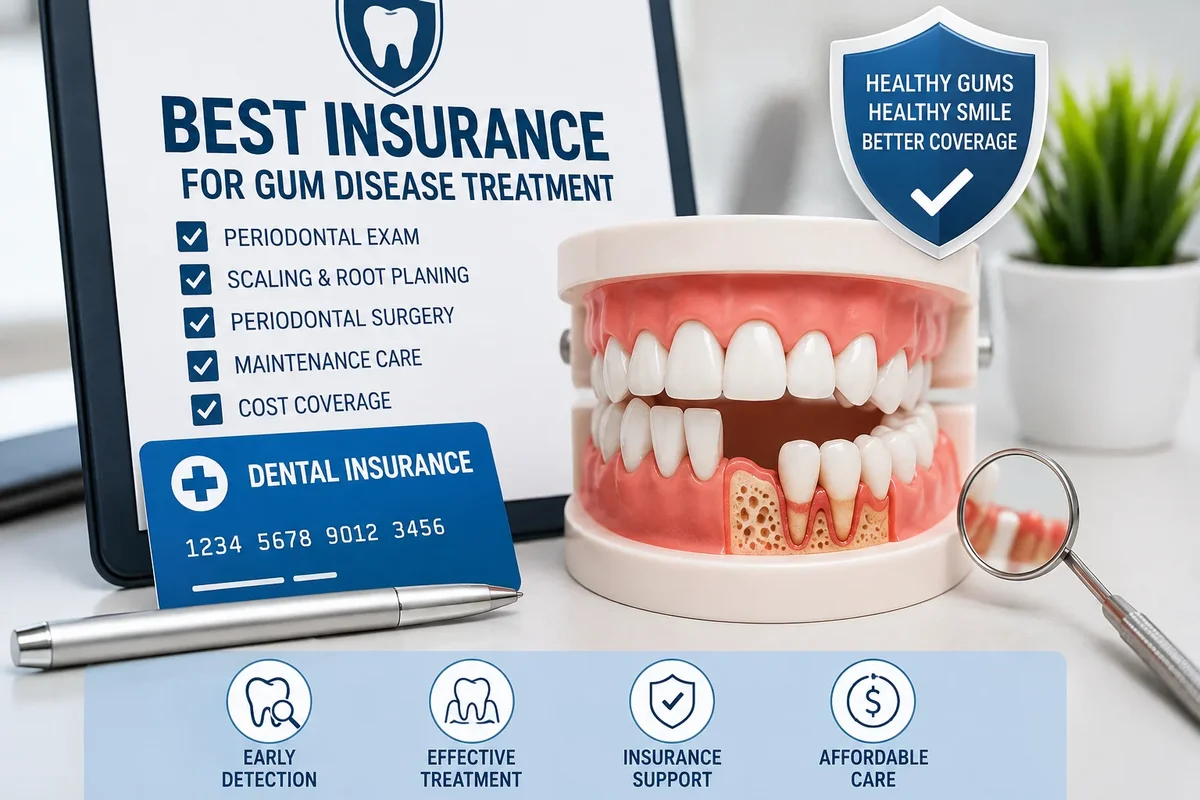
Your Next Step: Choosing the Best Insurance for Gum Disease Treatment and Scheduling a Professional Evaluation
After learning about coverage options, treatment procedures, financing alternatives, and long-term periodontal care, the final step is turning that information into a practical decision. Choosing the best insurance for gum disease treatment is not simply about finding the lowest premium or the highest advertised reimbursement percentage. Instead, it is about selecting a policy that matches your current oral health, expected treatment needs, financial situation, and long-term preventive goals. Equally important is knowing when to stop researching and schedule a professional dental evaluation so decisions are based on an accurate diagnosis rather than assumptions.
The best insurance for gum disease treatment becomes much easier to identify once you understand exactly what care your dentist recommends. A personalized treatment plan allows you to compare insurance benefits according to real clinical needs instead of relying on generalized marketing claims or online comparisons that may not apply to your situation.
Step 1: Arrange a Comprehensive Periodontal Examination
If you have not yet had a professional periodontal assessment, this should usually be your first priority. A dentist or periodontist can evaluate your gums, measure periodontal pocket depths, assess bone support, review diagnostic images when appropriate, and determine whether you have gingivitis, mild periodontitis, moderate periodontal disease, or advanced periodontal disease.
Without this information, choosing the best insurance for gum disease treatment becomes much more difficult because you do not yet know which procedures are likely to be necessary.
Symptoms That Should Prompt an Evaluation
- Bleeding gums during brushing or flossing.
- Persistent gum swelling or redness.
- Bad breath that does not improve with oral hygiene.
- Gum recession.
- Loose teeth.
- Sensitivity caused by exposed tooth roots.
- Changes in the way your teeth fit together.
If you experience any of these symptoms, scheduling a professional examination is generally more important than continuing to compare insurance plans without a confirmed diagnosis.
Step 2: Request a Written Treatment Plan
Following your examination, ask your dentist to provide a written treatment plan that explains:
- Your diagnosis.
- Recommended procedures.
- Whether treatment is urgent.
- Expected follow-up appointments.
- Possible periodontal maintenance requirements.
Having this information allows you to compare the best insurance for gum disease treatment using actual treatment recommendations rather than estimated scenarios.
Step 3: Compare Insurance Policies Carefully
Once you know which procedures are recommended, compare insurance plans using consistent criteria. Rather than focusing only on monthly premiums, evaluate the complete package of benefits.
Important Questions to Compare
- Are periodontal examinations covered?
- Is scaling and root planing included?
- How are periodontal maintenance visits reimbursed?
- Are surgical periodontal procedures eligible for benefits?
- What annual maximum applies?
- Is there a deductible?
- Are waiting periods required?
- Are there exclusions that could affect your treatment?
The best insurance for gum disease treatment is usually the policy that provides meaningful support for the procedures your dentist actually recommends while remaining financially sustainable over time.
Step 4: Consider Long-Term Oral Health
Successful periodontal care rarely ends after one appointment. Maintaining healthy gums often involves regular professional maintenance, consistent oral hygiene, and periodic examinations. Insurance that supports ongoing preventive care may provide greater long-term value than a policy focused primarily on one phase of treatment.
When reviewing the best insurance for gum disease treatment, think about your future oral health as well as your immediate needs. A balanced policy can help support preventive care, maintenance visits, and any additional treatment that may become appropriate following professional evaluation.
Step 5: Understand That Every Patient Is Different
No online guide can determine which insurance policy is perfect for every individual. Your age, medical history, oral hygiene habits, previous periodontal treatment, smoking status, and overall dental health all influence your treatment needs.
For this reason, the best insurance for gum disease treatment is always a personal decision rather than a universal recommendation. Comparing policies alongside your individualized treatment plan provides far more useful information than relying on rankings or advertisements alone.
Working Together with Your Dental Team
Your dentist is an important partner throughout this process. In addition to diagnosing gum disease, your dental team can explain why each procedure has been recommended, discuss possible treatment timelines, and help you understand how your insurance benefits may apply. This collaborative approach supports informed decision-making without relying on assumptions about coverage or treatment complexity.
If you are considering an individualized consultation regarding periodontal health, treatment planning, or insurance-related documentation, you can contact Redent Klinik through the Redent Klinik Contact Page. For additional educational resources about gum disease, prevention, and periodontal care, visit the American Dental Association.
Making a Confident Decision
The best insurance for gum disease treatment should help support timely diagnosis, evidence-based periodontal care, and long-term maintenance while fitting comfortably within your financial circumstances. Rather than searching endlessly for a perfect insurance policy, focus on obtaining a professional diagnosis, understanding your treatment plan, and selecting coverage that aligns with your actual clinical needs.
Remember that dental insurance is designed to assist with treatment costs, not replace professional evaluation or preventive care. Consistent oral hygiene, regular dental visits, and following your dentist’s recommendations remain essential regardless of the insurance policy you choose.
Final Recommendations Before You Decide
Before making your final decision, review your insurance policy carefully, ask your provider for clarification about periodontal benefits, and discuss your treatment recommendations with your dentist. Understanding waiting periods, annual benefit limits, maintenance coverage, and reimbursement policies will help you make a more informed choice.
What to check next: Schedule a comprehensive periodontal examination if you have not already done so, request a detailed written treatment plan, compare insurance benefits based on the recommended procedures, and seek professional dental advice whenever symptoms such as bleeding gums, gum recession, persistent inflammation, or loose teeth are present. Taking these steps will help you identify the best insurance for gum disease treatment for your individual situation while supporting healthier gums and better long-term oral health.
Disclosure: this page may contain affiliate links. We may earn a commission if you use them, at no extra cost to you.