
If you are searching for the best insurance for teeth whitening, the short answer is that most traditional dental insurance plans do not cover professional teeth whitening because it is generally considered a cosmetic procedure rather than a medically necessary treatment. However, this does not mean you should immediately assume whitening will always be paid entirely out of pocket. Some dental benefit plans, premium membership programs, employer-sponsored dental packages, or dental discount plans may reduce the overall cost of cosmetic services, including whitening, under certain conditions. Understanding these differences is the first step toward making a financially informed decision.
Before choosing the best insurance for teeth whitening, it is important to determine exactly what you want to achieve. Are you looking for a brighter smile before a wedding, job interview, or special event? Do you have staining caused by coffee, tea, smoking, or aging? Or have you recently completed restorative dental treatment and want your smile to have a more uniform appearance? Your answers will influence whether a traditional insurance policy, a dental savings plan, flexible financing, or paying directly for treatment makes the most practical sense.
One of the biggest misunderstandings surrounding the best insurance for teeth whitening is the belief that all dental insurance works the same way. In reality, every provider has different benefit structures, exclusions, waiting periods, annual maximums, and cosmetic treatment policies. Even when a plan advertises cosmetic benefits, the amount available for whitening may be limited or subject to specific conditions. Reading the policy details carefully before purchasing coverage can help prevent unexpected expenses later.
It is also worth remembering that whitening is not always the right solution for every smile. Tooth discoloration can have many causes, including natural aging, food and beverage stains, tobacco use, certain medications, trauma, worn enamel, or underlying dental conditions. Professional examination helps determine whether whitening is likely to produce the desired result or whether another cosmetic option would be more suitable. This is why searching only for the best insurance for teeth whitening without first understanding your oral health needs may lead to unnecessary spending.
Professional whitening performed under dental supervision generally offers stronger whitening agents, customized application, and monitoring throughout the process. Over-the-counter products may appear less expensive initially, but they often produce more gradual results and may not be appropriate for every type of discoloration. Comparing treatment options alongside the best insurance for teeth whitening allows you to evaluate both potential savings and the quality of care you receive.
If you already have dental insurance, checking your current benefits before purchasing additional coverage is a sensible first step. Contact your insurance provider and ask whether cosmetic whitening is excluded, whether any discounts are available through participating dental offices, and whether your annual benefit maximum could be applied to related procedures if medically indicated. Asking these questions can provide a much clearer picture than relying solely on marketing materials describing the best insurance for teeth whitening.
Another important consideration is your overall oral health. Teeth whitening is generally most successful when cavities, gum disease, leaking fillings, or tooth sensitivity have already been addressed. Whitening products can sometimes increase temporary sensitivity, especially in individuals with exposed root surfaces or weakened enamel. A dentist can identify these issues before treatment begins and recommend whether whitening should be delayed or modified. This personalized evaluation is often more valuable than focusing exclusively on finding the best insurance for teeth whitening.
Patients planning additional cosmetic procedures should also consider treatment timing. For example, crowns, veneers, bridges, and composite fillings do not usually change color during whitening. Many dentists therefore recommend whitening first so future restorations can be matched to your newly brightened natural teeth. Planning treatment in the correct sequence may improve both the cosmetic outcome and the overall value of your investment, regardless of which best insurance for teeth whitening option you ultimately choose.
If you are comparing clinics, remember that treatment quality should remain just as important as financial considerations. Choosing a qualified dental team allows your teeth and gums to be examined before whitening begins, reducing the chance of treating an undiagnosed condition first. Clinics such as Redent Klinik Contact Page can provide individualized assessments, discuss suitable whitening options, and explain available payment or treatment planning choices based on your specific needs.
Reliable oral health information should always come from trusted professional organizations in addition to your dentist. The American Dental Association offers educational resources about cosmetic dentistry, whitening safety, and maintaining healthy teeth, helping patients understand realistic expectations before undergoing treatment.
Ultimately, the best insurance for teeth whitening depends less on advertising claims and more on how well the coverage aligns with your individual goals, oral health, budget, and long-term dental care plan. Some patients may discover that a dental savings plan or flexible financing offers greater value than purchasing additional insurance specifically for whitening. Others may already have partial cosmetic benefits available through an existing employer-sponsored plan. Taking time to compare these possibilities can help you make a more confident decision.
Next step: Before committing to any whitening treatment or purchasing a new insurance policy, schedule a professional dental examination, review your existing insurance benefits carefully, ask for a personalized treatment estimate, and compare all available payment options. A customized consultation can help determine whether professional whitening is appropriate for your smile and whether the best insurance for teeth whitening is truly the most cost-effective choice for your situation.
السلام عليكم، أنا Rasim من تركيا. رأيت أن Sultan Building Cleaning Services تعمل في مسقط في التنظيف وتوفير office boys/office cleaners، لذلك الباقة الأنسب غالباً هي بولو/تي شيرت بشعار الشركة مع سترة عاكسة للفرق عند الحاجة. إذا كان لديكم مسؤول مشتريات أو تشغيل، فضلاً حوّلوني له. كبداية فقط أرسلوا الكمية التقريبية ومدينة التسليم في عمان، وهل يوجد شعار أو صورة/مواصفة. أراجع خيار تركيا بدون أي التزام بسعر أو موعد قبل التأكيد.
السلام عليكم، أنا Rasim من تركيا. رأيت أن Sultan Building Cleaning Services تعمل في مسقط في التنظيف وتوفير office boys/office cleaners، لذلك الباقة الأنسب غالباً هي بولو/تي شيرت بشعار الشركة مع سترة عاكسة للفرق عند الحاجة. إذا كان لديكم مسؤول مشتريات أو تشغيل، فضلاً حوّلوني له. كبداية فقط أرسلوا الكمية التقريبية ومدينة التسليم في عمان، وهل يوجد شعار أو صورة/مواصفة. أراجع خيار تركيا بدون أي التزام بسعر أو موعد قبل التأكيد.
Who Should Consider the Best Insurance for Teeth Whitening?
Not everyone searching for the best insurance for teeth whitening has the same goals, oral health condition, or financial priorities. Some people simply want a brighter smile before an important life event, while others are planning a complete smile makeover that includes whitening along with restorative or cosmetic dental procedures. Understanding whether you are actually a good candidate for purchasing additional coverage is just as important as comparing insurance providers. Rather than assuming every patient benefits equally from cosmetic dental insurance, it is better to evaluate your own treatment needs, expected dental expenses, and long-term oral health plans.
The best insurance for teeth whitening should fit into your overall dental care strategy rather than being selected only because it advertises cosmetic benefits. In many situations, patients achieve better value by combining preventive dental coverage with financing options or clinic membership programs instead of relying solely on traditional insurance. The right decision depends on your expected treatments over the coming months and years.
Patients Preparing for a Special Event
Many people begin looking for the best insurance for teeth whitening before weddings, graduations, professional photo sessions, business presentations, or other important milestones. A brighter smile can increase confidence, but timing is an important consideration.
Professional whitening should ideally be planned several weeks before the event rather than at the last minute. This allows enough time for a dental examination, treatment planning, possible management of tooth sensitivity, and any necessary adjustments. Waiting until the final few days before an event may limit your treatment options.
If your insurance includes waiting periods before cosmetic benefits become available, purchasing a new policy shortly before your event may provide limited practical value. Reviewing policy details early can help you make a more informed decision.
Patients Planning Multiple Dental Procedures
The best insurance for teeth whitening may provide greater overall value for patients who expect to receive several dental treatments rather than whitening alone.
Preventive Care
Routine examinations, professional cleanings, and X-rays are often covered under standard dental insurance. Completing preventive care before whitening helps ensure healthier teeth and gums while potentially reducing future dental costs.
Restorative Dentistry
Patients needing fillings, crowns, root canal treatment, or periodontal therapy may benefit more from comprehensive dental insurance than someone seeking cosmetic whitening only. Even if whitening itself receives little coverage, insurance can significantly reduce expenses related to medically necessary treatment.
Smile Makeovers
Some patients plan veneers, crowns, composite bonding, or orthodontic treatment alongside whitening. In these situations, discussing treatment sequencing with your dentist is essential because restorations generally do not lighten during whitening procedures. Choosing the correct order may improve the final cosmetic outcome while helping you use available insurance benefits more effectively.
Patients With Existing Tooth Sensitivity
Tooth sensitivity does not automatically prevent whitening, but it should influence how treatment is planned. If you have experienced discomfort from cold drinks, sweet foods, or previous whitening products, professional evaluation becomes especially important.
Instead of focusing only on the best insurance for teeth whitening, consider whether your chosen dental provider offers personalized whitening protocols for sensitive teeth. Dentists may recommend lower-concentration whitening agents, shorter application times, or desensitizing products depending on your individual needs.
Insurance coverage alone cannot replace careful clinical assessment when sensitivity or enamel wear is present.
Patients With Existing Dental Restorations
Crowns, veneers, bridges, implants, and tooth-colored fillings respond differently from natural enamel during whitening treatment. Because these restorations generally maintain their existing shade, whitening surrounding natural teeth may create uneven color if treatment is not carefully planned.
If you already have visible restorations, discuss this during your consultation before choosing the best insurance for teeth whitening. In some cases, replacing older restorations after whitening may produce a more consistent appearance. Since replacement restorations involve additional treatment planning and expense, understanding the complete process beforehand is beneficial.
Patients Concerned About Long-Term Value
A common mistake is evaluating only the immediate cost of whitening rather than considering long-term dental care. Patients who attend regular preventive visits, maintain good oral hygiene, and follow professional maintenance recommendations often preserve whitening results longer than those with inconsistent dental care.
The best insurance for teeth whitening may therefore be one that supports preventive dentistry as well as cosmetic goals. Regular examinations allow dentists to monitor oral health, identify problems early, and recommend maintenance strategies that help preserve both oral health and cosmetic results.
Who May Not Need Additional Insurance?
Although insurance can be valuable, not everyone needs to purchase a separate policy specifically for whitening.
- Patients seeking only one whitening treatment may find direct payment or financing more economical.
- Individuals whose employer already provides cosmetic discounts should review existing benefits before purchasing additional coverage.
- Patients eligible for dental membership programs may receive comparable savings without paying insurance premiums.
- People whose discoloration may require veneers or bonding rather than whitening should obtain a professional diagnosis before selecting insurance.
Comparing these alternatives often provides a more accurate picture than focusing exclusively on finding the best insurance for teeth whitening.
Making a Personalized Decision
Every patient’s smile is different. Age, oral health, previous dental treatment, lifestyle habits, tobacco use, coffee consumption, medication history, and cosmetic expectations all influence whether whitening is appropriate and how much value insurance may provide.
Rather than selecting coverage based solely on advertisements, schedule a consultation where your dentist can evaluate your oral health, identify the cause of discoloration, explain realistic treatment options, and discuss available payment solutions. Clinics such as Redent Klinik Contact Page can provide individualized treatment planning while helping you understand how your existing dental benefits or alternative financing options may fit your specific circumstances.
For additional educational guidance regarding cosmetic dental procedures and oral health maintenance, the American Dental Association offers trustworthy patient information that can help support informed decision-making.
Choosing the Right Option for Your Situation
The best insurance for teeth whitening is not necessarily the policy with the broadest marketing claims. Instead, it is the option that aligns with your complete dental treatment plan, expected future care, cosmetic goals, and financial preferences. Taking time to compare insurance with membership programs, financing, and preventive care benefits often leads to a more confident and cost-conscious decision.
Final treatment recommendations and total expenses always depend on your clinical examination, the whitening method selected, existing restorations, and the specific terms of your insurance or payment arrangement.
What to check next: Before choosing any insurance plan or whitening treatment, ask your dentist whether your discoloration is suitable for whitening, review your existing dental benefits, compare alternative payment options, and request professional advice if you have tooth sensitivity, crowns, veneers, extensive restorations, gum disease, or uncertainty about the most appropriate cosmetic treatment for your smile.
What Is the Teeth Whitening Process and Does Insurance Help?
Understanding how professional whitening works is just as important as comparing the best insurance for teeth whitening. Many people focus on finding the lowest treatment cost without first understanding the steps involved, the factors that influence results, or the role insurance actually plays throughout the process. While insurance may reduce the cost of some related dental services, it often provides limited or no direct coverage for cosmetic whitening itself. Knowing what to expect before treatment allows you to make a more informed financial and clinical decision.
Professional whitening is not simply a matter of applying a whitening gel. A successful treatment plan begins with evaluating your oral health, identifying the cause of tooth discoloration, determining whether whitening is appropriate, and selecting the technique most suitable for your smile. This comprehensive approach is often more valuable than focusing exclusively on finding the best insurance for teeth whitening.
Step 1: Professional Dental Examination
The whitening process should always begin with a complete dental examination. Before recommending any cosmetic treatment, a dentist evaluates your teeth, gums, existing restorations, enamel condition, and overall oral health.
This appointment helps identify issues such as cavities, cracked fillings, gum inflammation, exposed roots, worn enamel, or untreated decay. These conditions may require treatment before whitening begins to reduce discomfort and improve safety.
Although the best insurance for teeth whitening may not cover cosmetic whitening itself, many dental insurance plans provide benefits for examinations and preventive services. As a result, part of your preparation for whitening may already be included within your existing dental coverage.
Step 2: Identifying the Cause of Tooth Discoloration
Not every type of discoloration responds equally to whitening treatment. Determining the cause helps establish realistic expectations before treatment begins.
Extrinsic Stains
Surface stains caused by coffee, tea, red wine, tobacco, or certain foods often respond well to professional whitening after an appropriate cleaning.
Intrinsic Discoloration
Internal staining resulting from trauma, certain medications, developmental conditions, or previous dental treatment may respond differently. In some situations, veneers, bonding, or crowns may provide more predictable cosmetic improvement than whitening alone.
Understanding this distinction can prevent unnecessary spending on the best insurance for teeth whitening if whitening is unlikely to produce the desired result.
Step 3: Choosing the Whitening Method
Professional dentists typically recommend one of several whitening approaches depending on your goals, oral health, and lifestyle.
In-Office Whitening
This option is performed under professional supervision using carefully selected whitening agents and controlled application techniques. It is often chosen by patients seeking noticeable improvement within a shorter period, although treatment recommendations vary according to individual circumstances.
Custom Take-Home Whitening
Many dentists also provide customized whitening trays designed specifically for your teeth. These systems allow treatment to be completed gradually at home while following professional instructions.
Combination Treatment
Some patients benefit from an initial in-office whitening session followed by customized home maintenance. Your dentist can recommend whether this approach is appropriate for your smile.
When evaluating the best insurance for teeth whitening, ask whether any portion of these treatment methods qualifies for discounts or reduced fees under your specific plan.
Does Insurance Cover Any Part of the Whitening Process?
Although cosmetic whitening is frequently excluded, several parts of the overall treatment process may receive insurance benefits depending on your policy.
- Comprehensive oral examinations
- Routine dental cleanings
- Diagnostic X-rays when clinically indicated
- Treatment of cavities before whitening
- Management of gum disease when necessary
- Replacement of defective restorations if medically appropriate
This is why reviewing your complete dental policy is often more useful than searching only for the best insurance for teeth whitening. Preventive and restorative benefits may indirectly reduce your total treatment expenses even when whitening itself is excluded.
Possible Temporary Side Effects
Professional whitening is generally well tolerated, but temporary side effects may occur in some individuals.
- Temporary tooth sensitivity
- Mild gum irritation
- Short-term discomfort with cold foods or beverages
- Uneven whitening when restorations are present
These effects are usually discussed during your consultation, allowing your dentist to recommend adjustments if necessary. Patients with significant enamel wear or existing sensitivity may require modified treatment protocols.
Insurance coverage does not eliminate these considerations, making professional evaluation an important part of the decision-making process regardless of which best insurance for teeth whitening option you select.
Maintaining Your Whitening Results
Successful whitening does not end after the treatment appointment. Daily habits strongly influence how long results remain visible.
- Maintain consistent brushing and flossing.
- Attend routine professional dental cleanings.
- Limit frequent exposure to staining foods and beverages where practical.
- Avoid tobacco products whenever possible.
- Follow your dentist’s recommendations regarding maintenance whitening.
Patients often assume insurance will continue covering cosmetic maintenance, but this is uncommon. Therefore, when researching the best insurance for teeth whitening, ask whether any discounts apply to future maintenance visits or whitening touch-up treatments.
Why Personalized Treatment Planning Matters
Every smile responds differently to whitening. Age, enamel thickness, previous dental restorations, oral hygiene habits, medication history, and the cause of discoloration all influence treatment planning. For this reason, choosing the same whitening approach as someone else may not produce similar results.
A personalized consultation at Redent Klinik Contact Page allows your dentist to evaluate your oral health, discuss suitable whitening techniques, explain realistic expectations, and review available payment or financing options that fit your individual circumstances.
For additional patient education about cosmetic dental procedures and maintaining oral health, the American Dental Association provides reliable evidence-based information that complements professional dental advice.
Making an Informed Decision
The best insurance for teeth whitening should support your overall dental care rather than being your only consideration. Understanding the whitening process, recognizing the limitations of cosmetic insurance coverage, and comparing treatment options with financing alternatives can help you make a more confident decision based on your oral health goals and financial priorities.
Remember that final treatment recommendations, whitening techniques, expected outcomes, and total costs depend on your individual examination, the cause of discoloration, your existing restorations, and the specific terms of your insurance or payment arrangement.
What to check next: Before beginning whitening treatment, confirm whether your current insurance covers examinations or related dental care, ask your dentist which whitening method is most appropriate for your teeth, review the condition of any existing crowns or veneers, and request professional advice if you have tooth sensitivity, gum disease, severe discoloration, or questions about whether whitening is the most suitable cosmetic option for your smile.
What Risks and Limitations Should You Know Before Choosing the Best Insurance for Teeth Whitening?
Searching for the best insurance for teeth whitening often begins with the goal of saving money, but financial considerations are only one part of making a smart decision. Understanding the potential risks, treatment limitations, and insurance exclusions is equally important. Teeth whitening is considered a cosmetic procedure in most situations, and although it is widely performed by dental professionals, it is not suitable for every patient or every type of tooth discoloration. Knowing these limitations before purchasing insurance or scheduling treatment helps you set realistic expectations and avoid unnecessary expenses.
Many patients assume that if they find the best insurance for teeth whitening, every aspect of treatment will automatically be covered. In reality, most insurance providers distinguish between medically necessary dental care and elective cosmetic procedures. Even when a plan includes cosmetic discounts, it may not cover consultation fees, maintenance treatments, or additional procedures required before whitening can safely begin.
Understanding the Clinical Limitations of Teeth Whitening
Professional whitening can improve many types of external staining, but it does not change every type of tooth discoloration equally. The cause of discoloration has a significant influence on treatment success.
Surface Stains Often Respond Well
Stains caused by coffee, tea, tobacco, red wine, or natural aging frequently improve with professionally supervised whitening. After a dental examination and cleaning, these patients often have realistic expectations for cosmetic improvement.
Internal Tooth Discoloration May Require Other Treatments
Discoloration caused by trauma, certain medications, developmental conditions, or changes inside the tooth may respond less predictably to whitening. In these situations, your dentist may recommend alternatives such as veneers, bonding, or crowns rather than repeated whitening procedures.
For this reason, selecting the best insurance for teeth whitening without first identifying the cause of discoloration may not always be the most practical financial decision.
Possible Temporary Side Effects
Professional whitening is generally considered safe when performed under appropriate dental supervision, but temporary side effects are possible. Understanding these possibilities allows patients to prepare for treatment with realistic expectations.
- Temporary tooth sensitivity
- Mild irritation of the gums
- Increased sensitivity to cold beverages
- Short-term discomfort during or shortly after treatment
- Temporary uneven appearance while dehydration resolves immediately after whitening
These effects are usually temporary and vary between individuals. Patients with naturally sensitive teeth, exposed root surfaces, or enamel wear should discuss these concerns during their consultation before focusing solely on the best insurance for teeth whitening.
Existing Dental Restorations Create Important Limitations
One of the most overlooked aspects of whitening involves existing dental restorations. Crowns, veneers, bridges, implants, and tooth-colored fillings generally do not lighten during whitening treatment because they are made from materials that respond differently from natural enamel.
As a result, whitening surrounding natural teeth may create visible color differences if restorations are located in the smile zone. Your dentist may recommend whitening before replacing older restorations so new restorations can be matched to your brighter natural tooth shade.
When evaluating the best insurance for teeth whitening, ask whether replacement restorations or related treatment planning receive any insurance benefits, since whitening alone may not produce the final cosmetic result you expect.
Insurance Limitations You Should Review Carefully
Insurance policies frequently contain conditions that patients discover only after treatment planning has begun. Reading the policy thoroughly before purchasing coverage can help prevent misunderstandings later.
- Cosmetic treatment exclusions
- Waiting periods before benefits begin
- Annual maximum benefit limits
- Restrictions to participating provider networks
- Requirements for pre-authorization when applicable
- Coverage differences between preventive and cosmetic services
The best insurance for teeth whitening should always be evaluated according to the written policy rather than promotional advertisements alone.
Financial Risks of Choosing Insurance Too Quickly
Some patients purchase additional insurance expecting substantial cosmetic savings without calculating the overall financial commitment. Annual insurance premiums, deductibles, waiting periods, and excluded services can sometimes exceed the amount that would have been spent by paying directly for whitening treatment.
Comparing insurance with dental savings plans, clinic membership programs, installment financing, or employer-sponsored benefits often provides a more accurate understanding of overall value.
The best insurance for teeth whitening is not necessarily the policy with the lowest monthly premium. Instead, it is the option that supports your complete dental treatment plan while fitting your budget and expected future dental needs.
Why Professional Assessment Remains Essential
Even if you have already selected the best insurance for teeth whitening, professional evaluation remains an essential part of the treatment process. A dentist will assess your oral health, identify any conditions requiring treatment first, determine whether whitening is likely to achieve your goals, and explain realistic expectations.
This consultation may reveal that whitening is only one part of a broader treatment plan. Some patients benefit from professional cleaning before whitening, while others require restorative treatment or alternative cosmetic procedures depending on the condition of their teeth.
Alternatives When Whitening Is Not the Best Option
If whitening is unlikely to provide satisfactory improvement, your dentist may discuss other cosmetic solutions based on your specific diagnosis.
- Composite bonding
- Porcelain veneers
- Dental crowns
- Professional polishing for superficial staining
- Replacement of older restorations for improved shade consistency
Understanding these alternatives before purchasing the best insurance for teeth whitening can help prevent investing in coverage that may not align with your eventual treatment plan.
Choosing a Qualified Dental Provider
Treatment quality should remain a priority regardless of insurance coverage. A qualified dental team evaluates both cosmetic goals and oral health before recommending whitening. Personalized treatment planning helps minimize unnecessary procedures while maximizing safety and long-term satisfaction.
A consultation through the Redent Klinik Contact Page can help you understand your oral health condition, determine whether whitening is appropriate, review realistic treatment expectations, and discuss financing or insurance options that fit your individual circumstances.
For additional educational resources regarding cosmetic dentistry and oral health, the American Dental Association offers evidence-based patient information that complements professional dental advice.
Making a Balanced Decision
The best insurance for teeth whitening should never be selected based solely on price or marketing claims. A balanced decision considers your oral health, treatment objectives, existing restorations, insurance limitations, financial priorities, and long-term maintenance needs. Taking the time to understand these factors before beginning treatment often leads to greater confidence and better overall value.
Final recommendations, treatment timing, cosmetic outcomes, and total expenses depend on your clinical examination, the cause of tooth discoloration, and the specific terms of your insurance or payment arrangement.
What to check next: Before purchasing any insurance policy or beginning whitening treatment, review cosmetic exclusions, annual benefit limits, and waiting periods. Schedule a professional dental examination if you have sensitive teeth, extensive restorations, gum disease, severe discoloration, or uncertainty about whether whitening is the most appropriate cosmetic solution for your individual smile.
What Are the Best Alternatives If Insurance Does Not Cover Teeth Whitening?
Many patients discover that even the best insurance for teeth whitening offers little or no direct reimbursement because whitening is generally considered a cosmetic dental procedure. While this can initially seem disappointing, it does not mean professional whitening is out of reach. There are several practical alternatives that may reduce overall costs or provide greater value than purchasing additional insurance specifically for whitening. Understanding these options allows you to choose a solution that fits both your smile goals and your budget without relying entirely on insurance benefits.
The first step is to recognize that the best insurance for teeth whitening is only one possible way to manage treatment expenses. Depending on your oral health, financial priorities, and long-term dental needs, alternatives such as dental membership programs, savings plans, financing arrangements, or combining whitening with other necessary dental care may provide a better overall outcome.
Dental Membership Plans
Many dental clinics now offer membership programs designed for patients who do not have traditional dental insurance. These programs usually involve an annual or monthly fee in exchange for discounts on selected dental services.
Unlike traditional insurance, membership plans often have fewer administrative requirements. There are typically no claim forms, annual benefit maximums, or reimbursement delays. Depending on the clinic, cosmetic procedures such as whitening may be available at reduced rates.
For patients whose primary goal is cosmetic improvement, comparing a membership plan with the best insurance for teeth whitening may reveal that the membership option provides more immediate value.
Dental Savings Plans
Dental savings plans differ from insurance because they negotiate discounted fees with participating dental providers instead of reimbursing treatment after it is completed.
How They Work
After enrolling, patients generally receive reduced fees for participating dental services when visiting dentists within the plan’s network. Some plans include cosmetic procedures, although available discounts vary depending on the provider and the specific agreement.
Advantages Compared With Insurance
- No annual claim process in many cases.
- Immediate access without lengthy waiting periods in some programs.
- Potential cosmetic treatment discounts.
- Straightforward fee structure.
When evaluating the best insurance for teeth whitening, include dental savings plans in your comparison because they sometimes reduce cosmetic treatment costs more effectively than traditional insurance.
Flexible Payment and Financing Options
Many dental clinics recognize that cosmetic dentistry represents an important financial investment. As a result, flexible payment solutions have become increasingly common.
Depending on the dental practice and local regulations, patients may be able to spread treatment costs over several payments instead of paying the full amount upfront. This approach may improve affordability without requiring the purchase of a separate insurance policy.
Although financing does not reduce the total treatment cost, it can make professional whitening more manageable for patients whose budget would otherwise delay treatment. Comparing financing with the best insurance for teeth whitening helps determine which approach better matches your financial circumstances.
Employer Dental Benefits
Before purchasing additional coverage, review any dental benefits already available through your employer. Some workplace dental programs include negotiated cosmetic discounts or preferred provider arrangements that reduce whitening costs.
Employees sometimes overlook these existing benefits while searching independently for the best insurance for teeth whitening. Reviewing your current plan first may eliminate the need to purchase additional coverage.
Combining Whitening With Other Dental Treatment
If you require preventive or restorative dental care, discussing the complete treatment plan with your dentist may improve both convenience and financial planning.
Routine examinations, professional cleanings, periodontal therapy, fillings, or replacement of defective restorations are frequently covered by standard dental insurance when medically necessary. Completing these treatments before whitening may improve overall oral health while allowing insurance benefits to be used where they provide the greatest value.
Although the best insurance for teeth whitening may not directly cover cosmetic whitening, related preventive care often contributes significantly to your overall dental budget.
Professional Whitening Versus Over-the-Counter Products
Professional Whitening
Professionally supervised whitening includes a dental examination, individualized treatment planning, monitoring during treatment, and recommendations based on your oral health. Dentists can identify situations where whitening should be postponed or modified because of sensitivity, existing restorations, or untreated dental disease.
Over-the-Counter Products
Whitening strips, toothpaste, and generic whitening kits are widely available. While they may be appropriate for some individuals with mild surface staining, they do not replace a professional evaluation. They also vary considerably in strength, application methods, and expected outcomes.
When comparing these options with the best insurance for teeth whitening, consider not only the initial purchase price but also treatment quality, professional supervision, and your individual oral health needs.
Why a Personalized Consultation Can Save Money
Many people assume whitening is the correct solution whenever teeth appear darker. However, discoloration has many different causes, including aging, medication use, trauma, enamel wear, internal tooth changes, dietary habits, and tobacco use.
A professional consultation can identify the source of staining before treatment begins. If whitening is unlikely to produce your desired result, your dentist may recommend another cosmetic option that better matches your expectations. This personalized approach may prevent spending money on treatments that are unlikely to meet your goals, regardless of which best insurance for teeth whitening option you have selected.
Choosing a Reliable Dental Provider
Whether you use insurance, financing, or direct payment, selecting an experienced dental provider remains one of the most important decisions. A qualified dental team evaluates oral health before whitening, explains realistic expectations, discusses possible temporary sensitivity, and develops a treatment plan based on your individual needs rather than a standard protocol.
Patients seeking personalized guidance can schedule an assessment through the Redent Klinik Contact Page. During the consultation, your dentist can explain available whitening techniques, discuss alternative payment options, review your existing insurance benefits, and help determine whether whitening is the most appropriate cosmetic treatment for your smile.
For additional educational information regarding cosmetic dental care and oral health, the American Dental Association offers reliable resources that support informed treatment decisions.
Making the Right Choice for Your Situation
The best insurance for teeth whitening is only one part of the overall decision. Dental savings plans, membership programs, financing options, employer benefits, and comprehensive treatment planning may all provide meaningful alternatives depending on your needs. Rather than focusing exclusively on insurance, compare every available option while considering your oral health, cosmetic goals, expected future dental care, and financial priorities.
Final treatment recommendations and overall costs depend on your clinical examination, the whitening technique selected, your existing restorations, and the terms of any insurance or payment arrangement.
What to check next: Before choosing any payment method, compare your current insurance benefits with membership programs, financing plans, and dental savings options. Schedule a professional consultation if you are unsure whether whitening is appropriate, have tooth sensitivity, noticeable restorations, persistent discoloration, or would like personalized advice about the most suitable cosmetic treatment for your smile.
Financing Options Beyond the Best Insurance for Teeth Whitening
Although many people begin by searching for the best insurance for teeth whitening, insurance is only one way to manage the cost of cosmetic dental treatment. Since professional whitening is usually classified as an elective cosmetic procedure, traditional dental insurance often provides limited or no direct reimbursement. Fortunately, patients today have several financing alternatives that can make treatment more affordable while offering greater flexibility than purchasing a separate insurance policy.
The key is to compare every available payment method instead of assuming insurance automatically provides the greatest financial benefit. Depending on your oral health, future dental needs, treatment timeline, and budget, financing plans, dental membership programs, employer benefits, or staged treatment planning may offer better overall value than relying exclusively on the best insurance for teeth whitening.
Why Financing May Be Worth Considering
Professional teeth whitening is often performed as a planned cosmetic treatment rather than an emergency procedure. This allows patients time to compare payment options carefully before beginning treatment.
Instead of making a decision based solely on monthly insurance premiums, compare the total financial commitment over the entire course of treatment. Annual insurance costs, cosmetic exclusions, deductibles, waiting periods, and benefit limits should all be evaluated alongside available financing alternatives.
For some patients, spreading treatment costs over manageable installments provides greater flexibility than purchasing additional coverage that may never reimburse whitening expenses directly.
Dental Clinic Financing Programs
Many dental clinics recognize that cosmetic dentistry represents a significant investment for patients. As a result, financing programs are frequently available to make treatment costs more manageable.
Installment Payment Plans
Some clinics allow patients to divide treatment costs into several scheduled payments. Depending on local regulations and the individual provider, payment structures may vary. This approach allows patients to receive treatment while managing expenses within their personal budget.
Customized Financial Planning
Certain clinics provide individualized treatment plans that include detailed cost estimates, allowing patients to understand the anticipated financial commitment before treatment begins. This level of transparency can make comparing financing with the best insurance for teeth whitening much easier.
Dental Membership Programs
Membership programs continue to grow in popularity, particularly among patients without comprehensive dental insurance.
Instead of reimbursing treatment, these programs generally offer reduced fees on selected services in exchange for an annual or monthly membership. Depending on the practice, cosmetic procedures such as whitening may be included among the discounted services.
For patients whose primary concern is cosmetic treatment rather than comprehensive insurance coverage, membership programs may provide immediate savings without waiting periods or annual claim limits commonly associated with the best insurance for teeth whitening.
Dental Savings Plans
Dental savings plans function differently from insurance because they negotiate discounted treatment fees with participating providers rather than paying benefits after treatment.
These plans may include cosmetic procedures depending on the participating network. Patients considering the best insurance for teeth whitening should compare available savings plans as part of their overall financial evaluation.
When comparing options, ask whether whitening is specifically included, whether participating dentists are conveniently located, and whether annual membership costs justify the available discounts.
Employer-Sponsored Dental Benefits
Before purchasing additional coverage, review any dental benefits already available through your employer. Some workplace dental programs negotiate cosmetic discounts with participating providers or include optional benefit upgrades.
Employees occasionally overlook these existing benefits while searching independently for the best insurance for teeth whitening. Reviewing your current coverage first may prevent unnecessary duplication of benefits or additional insurance expenses.
Budgeting for Long-Term Smile Maintenance
Whitening is not necessarily a one-time investment. Lifestyle habits, dietary choices, tobacco use, and natural aging gradually influence tooth color over time.
When comparing financing with the best insurance for teeth whitening, consider future maintenance expenses as well as the initial treatment cost.
- Routine professional cleanings
- Maintenance whitening sessions if recommended
- Replacement of worn whitening trays when appropriate
- Daily oral hygiene products
- Preventive dental examinations
Planning for these ongoing expenses often provides a more realistic financial picture than focusing only on the initial whitening appointment.
Combining Preventive and Cosmetic Care
Patients who require preventive or restorative dental treatment before whitening may benefit from coordinating their treatment schedule carefully.
Routine examinations, cleanings, fillings, or periodontal therapy may qualify for insurance coverage when medically necessary. Completing these procedures first can improve oral health while allowing insurance benefits to be used where they provide the greatest value.
The best insurance for teeth whitening therefore becomes part of a broader financial strategy rather than the sole method of paying for cosmetic treatment.
Questions to Ask Before Choosing a Financing Option
Comparing payment solutions carefully can help prevent unexpected financial surprises later.
- Does the financing plan require a deposit?
- How many scheduled payments are available?
- Does the clinic offer membership discounts?
- Will future maintenance whitening receive reduced fees?
- Does your existing insurance already cover related preventive services?
- Would paying directly ultimately cost less than purchasing additional insurance?
Asking these questions provides a clearer understanding of overall affordability than comparing advertisements for the best insurance for teeth whitening alone.
Personalized Financial Planning With Your Dentist
Every patient’s treatment needs are different. Some individuals require only whitening, while others may need professional cleaning, fillings, periodontal therapy, or replacement of existing restorations before cosmetic treatment begins.
Discussing your complete treatment plan during a consultation allows your dentist to recommend the most practical payment strategy based on your oral health, treatment priorities, and financial preferences. This personalized approach often leads to greater satisfaction than selecting financing or insurance independently.
Patients interested in individualized treatment planning can arrange a consultation through the Redent Klinik Contact Page. During your visit, your dental team can assess your oral health, explain whitening options, review available financing solutions, and discuss how your existing dental benefits may contribute to other aspects of your care.
For reliable educational information about cosmetic dentistry, preventive care, and oral health, the American Dental Association provides evidence-based patient resources that complement professional clinical advice.
Choosing the Most Practical Payment Strategy
The best insurance for teeth whitening is not always the most economical solution for every patient. Financing plans, dental savings programs, membership options, employer benefits, and thoughtful treatment scheduling may all provide meaningful alternatives depending on your individual circumstances. Comparing every available option allows you to balance affordability with quality dental care and long-term oral health.
Final treatment recommendations, payment arrangements, and overall costs depend on your dental examination, the whitening method selected, your oral health condition, and the terms of any insurance or financing agreement.
What to check next: Before selecting any financing option or insurance policy, compare membership plans, installment arrangements, employer benefits, and your existing dental coverage. Request professional advice if you need multiple dental treatments, have concerns about affordability, or would like a personalized financial plan before beginning professional teeth whitening.
Frequently Asked Questions About the Best Insurance for Teeth Whitening
Patients comparing the best insurance for teeth whitening often discover that the answers are not as straightforward as they expected. Insurance policies, cosmetic dentistry rules, treatment options, and payment alternatives vary between providers, making it important to understand the details before making a decision. The following frequently asked questions address many of the concerns patients have when considering professional teeth whitening and evaluating whether insurance offers meaningful financial value.
Although every insurance plan has its own terms and conditions, these general answers can help you prepare informed questions for both your insurance provider and your dentist before treatment begins.
Does Dental Insurance Usually Cover Teeth Whitening?
In most situations, professional teeth whitening is classified as a cosmetic procedure rather than medically necessary dental treatment. Because of this, traditional dental insurance frequently excludes direct coverage for whitening services.
However, the best insurance for teeth whitening may still provide value by covering examinations, professional cleanings, diagnostic X-rays, or restorative procedures that need to be completed before cosmetic treatment. Always review your specific policy rather than assuming all dental insurance follows identical rules.
Is It Worth Buying Insurance Only for Whitening?
The answer depends on your overall dental needs. If whitening is the only treatment you expect to receive, purchasing an entirely new insurance policy may not always provide the greatest financial value. Annual premiums, waiting periods, deductibles, and cosmetic exclusions can reduce potential savings.
Many patients find it useful to compare the best insurance for teeth whitening with dental savings plans, clinic membership programs, financing options, or direct payment before making a final decision.
Can Existing Insurance Help Indirectly?
Yes. Even when whitening itself is excluded, insurance may reduce the cost of related dental care.
- Routine examinations
- Professional cleanings
- Diagnostic imaging when clinically appropriate
- Treatment of cavities before whitening
- Periodontal care when necessary
These benefits may lower your total dental expenses even if the cosmetic whitening procedure remains uncovered by the best insurance for teeth whitening.
How Can I Compare Insurance Plans?
When reviewing insurance policies, look beyond advertising headlines. Compare written policy details carefully before purchasing coverage.
Questions to Ask
- Are cosmetic procedures specifically excluded?
- Is there a waiting period?
- What is the annual benefit maximum?
- Are whitening discounts available through participating providers?
- Does the plan cover preventive care that supports whitening treatment?
- What total annual cost will you pay in premiums?
Evaluating these details provides a more realistic understanding of the best insurance for teeth whitening than comparing monthly premiums alone.
Will Whitening Work for Every Type of Stain?
No. Whitening effectiveness depends on the cause of tooth discoloration.
Surface stains caused by coffee, tea, tobacco, or natural aging frequently respond well to professional whitening. Internal discoloration resulting from trauma, medications, developmental conditions, or certain restorative materials may require alternative cosmetic treatments instead.
Before purchasing the best insurance for teeth whitening, ask your dentist whether whitening is likely to achieve your desired cosmetic result.
Can Crowns and Veneers Be Whitened?
No. Crowns, veneers, bridges, implants, and most tooth-colored fillings generally do not respond to whitening products in the same way as natural enamel.
If visible restorations are already present, your dentist may recommend whitening your natural teeth before replacing older restorations so the new restorations can be matched to the lighter shade.
This treatment sequence is often discussed during consultation regardless of which best insurance for teeth whitening option you choose.
Is Professional Whitening Safer Than Over-the-Counter Products?
Professional whitening includes individualized assessment, customized treatment planning, and supervision by a qualified dental professional. A dentist evaluates oral health before treatment, identifies conditions requiring attention first, and recommends the most suitable whitening method based on your clinical needs.
Over-the-counter whitening products may be appropriate for some individuals with mild staining, but they do not replace a comprehensive dental examination. Patients with tooth sensitivity, gum disease, or significant restorations particularly benefit from professional evaluation before beginning whitening.
How Long Do Whitening Results Last?
The duration of whitening results varies from one person to another. Daily habits such as coffee consumption, tea, red wine, tobacco use, oral hygiene practices, and regular dental maintenance all influence how long cosmetic improvements remain visible.
Rather than focusing only on the best insurance for teeth whitening, discuss long-term maintenance recommendations with your dentist during treatment planning.
Are There Alternatives If Insurance Does Not Cover Whitening?
Yes. Many patients successfully manage treatment expenses through alternatives such as:
- Dental membership plans
- Dental savings programs
- Flexible financing arrangements
- Employer-sponsored dental benefits
- Direct payment after comparing treatment options
Comparing these alternatives alongside the best insurance for teeth whitening often leads to a more practical financial decision.
Should I Consult a Dentist Before Purchasing Insurance?
Absolutely. A professional examination provides valuable information that can influence your financial decision. Your dentist can determine whether whitening is appropriate, identify the cause of discoloration, explain realistic expectations, and discuss alternative cosmetic procedures if whitening is unlikely to provide the desired improvement.
This personalized assessment may help prevent purchasing insurance that ultimately does not align with your actual treatment needs.
Patients seeking individualized guidance can arrange an assessment through the Redent Klinik Contact Page, where your dentist can review your oral health, discuss whitening techniques, explain financing options, and evaluate how your current dental benefits may contribute to your overall treatment plan.
For additional educational resources about cosmetic dentistry, preventive care, and oral health, the American Dental Association provides reliable evidence-based information that supports informed treatment decisions.
Final Thoughts
The best insurance for teeth whitening is not simply the policy with the broadest marketing claims. It is the option that fits your oral health needs, cosmetic goals, treatment timeline, and financial situation while complementing professional dental care. Comparing insurance with financing, savings plans, preventive benefits, and personalized treatment planning allows you to make a balanced decision based on long-term value rather than short-term advertising.
Remember that final treatment recommendations, whitening suitability, insurance eligibility, and overall expenses always depend on your individual clinical examination and the specific terms of your insurance or payment arrangement.
What to check next: Review your current dental benefits, compare insurance with membership or financing alternatives, ask your dentist whether whitening is appropriate for your type of discoloration, and request professional advice if you have existing restorations, tooth sensitivity, persistent staining, or questions about which cosmetic treatment is most suitable for your smile.
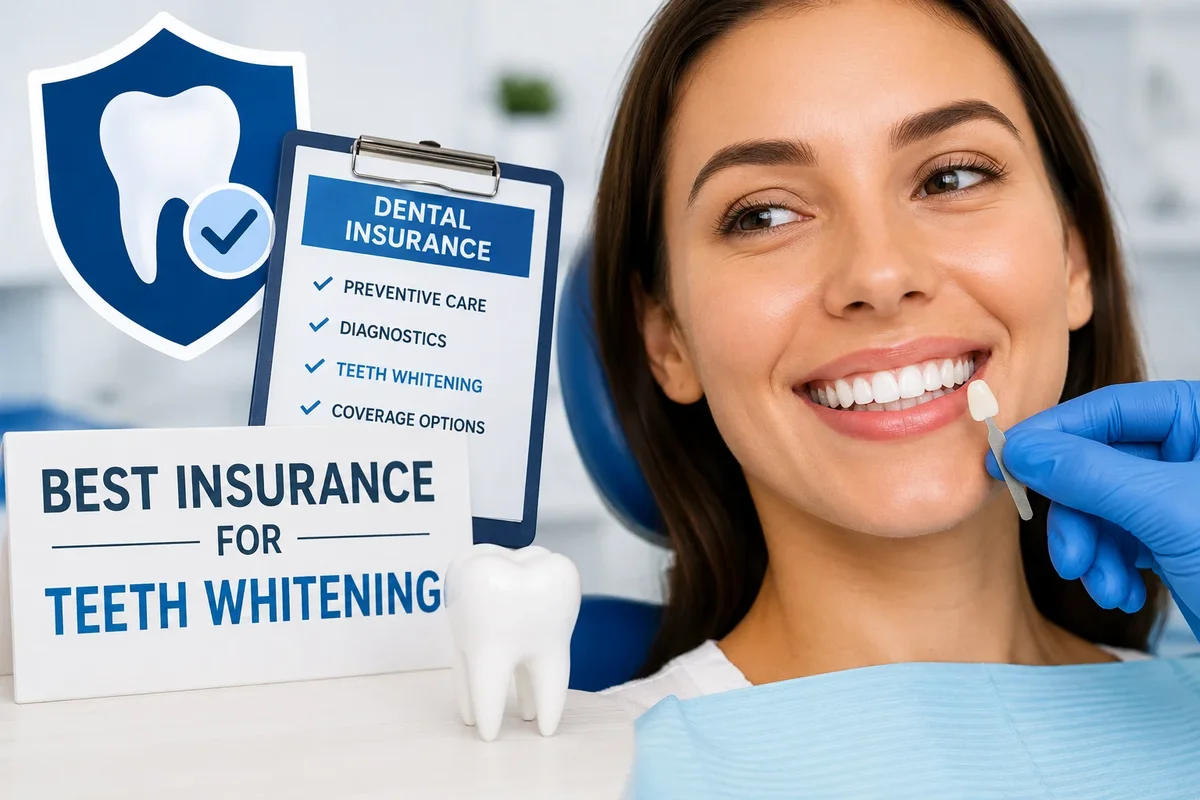
How to Decide on the Best Insurance for Teeth Whitening and Your Next Step
Choosing the best insurance for teeth whitening is about much more than comparing monthly premiums or searching for the lowest advertised treatment price. The right decision should balance your oral health, cosmetic goals, expected future dental care, financial preferences, and the actual benefits provided by an insurance plan. Since professional teeth whitening is generally considered a cosmetic procedure, many insurance policies offer limited or no direct coverage. For that reason, patients who carefully compare all available options often make more confident and financially sensible decisions than those who purchase coverage based solely on marketing claims.
As you reach the final stage of your research, it is helpful to think about your smile as part of your overall oral health rather than an isolated cosmetic concern. Teeth whitening can improve appearance, but achieving healthy, long-lasting results often begins with preventive care, accurate diagnosis, and individualized treatment planning. The best insurance for teeth whitening should therefore support your complete dental journey rather than serving as the only factor guiding your decision.
Step 1: Define Your Personal Goal
Before comparing insurance plans, take a moment to identify exactly what you hope to achieve.
- Do you want a brighter smile for an upcoming event?
- Are you concerned about years of coffee or tobacco staining?
- Are you planning additional cosmetic treatment such as veneers or bonding?
- Do you simply want to improve your smile while maintaining healthy teeth?
Your answers influence whether purchasing the best insurance for teeth whitening is likely to provide meaningful value or whether another payment option would better suit your circumstances.
Step 2: Review Your Existing Dental Benefits
Many patients immediately search for new insurance without first examining the coverage they already have. Employer-sponsored dental plans or existing private insurance may already include benefits that indirectly reduce whitening-related expenses.
Preventive Services
Routine examinations, cleanings, and diagnostic X-rays are frequently covered by standard dental insurance. Completing these services before whitening helps improve oral health while reducing out-of-pocket costs for necessary dental care.
Restorative Treatment
If cavities, gum disease, or defective restorations require treatment before whitening, existing insurance may contribute significantly to those procedures even if cosmetic whitening itself remains excluded.
Understanding these benefits allows you to evaluate the best insurance for teeth whitening within the context of your complete dental care plan.
Step 3: Compare Insurance With Alternative Payment Options
Traditional insurance is only one method of paying for cosmetic dentistry. Before making a commitment, compare every realistic alternative.
- Dental savings plans
- Dental clinic membership programs
- Flexible installment financing
- Employer-sponsored dental benefits
- Direct payment after reviewing treatment estimates
For some patients, these alternatives provide greater flexibility and lower overall costs than purchasing a separate policy marketed as the best insurance for teeth whitening.
Step 4: Schedule a Professional Consultation
A professional dental examination remains one of the most valuable investments you can make before beginning cosmetic treatment. During the consultation, your dentist evaluates your teeth, gums, existing restorations, and the underlying cause of discoloration.
This assessment helps determine whether whitening is the most appropriate treatment or whether another cosmetic procedure would better achieve your goals. It also allows your dentist to explain realistic expectations, possible temporary sensitivity, and the sequence of any additional treatment that may be recommended.
Even the best insurance for teeth whitening cannot replace individualized clinical evaluation when planning cosmetic dental care.
Step 5: Think About Long-Term Oral Health
While whitening can noticeably improve the appearance of natural teeth, maintaining your results depends largely on your daily oral hygiene habits and ongoing preventive care.
- Brush twice daily using appropriate techniques.
- Clean between your teeth every day.
- Attend routine professional examinations and cleanings.
- Limit frequent exposure to staining foods and beverages when practical.
- Follow your dentist’s recommendations regarding maintenance whitening.
The best insurance for teeth whitening becomes much more valuable when viewed as part of a long-term oral health strategy rather than a single cosmetic purchase.
Questions to Ask Before Making Your Final Decision
Before selecting an insurance plan or scheduling whitening treatment, consider asking the following questions:
- Does my current insurance already cover related preventive services?
- Does the new policy specifically include cosmetic whitening?
- Are there waiting periods or annual benefit limits?
- Would financing or a membership plan provide greater value?
- Is whitening appropriate for my type of discoloration?
- Do my crowns, veneers, or fillings affect treatment planning?
- Have I received a personalized clinical evaluation?
These questions help ensure that your decision is based on reliable information rather than assumptions about the best insurance for teeth whitening.
Working With an Experienced Dental Team
Selecting a qualified dental provider is just as important as choosing the right payment option. A comprehensive consultation allows you to receive individualized recommendations based on your oral health, cosmetic objectives, and financial preferences.
If you would like professional guidance, you can arrange a consultation through the Redent Klinik Contact Page. During your visit, your dentist can evaluate the cause of tooth discoloration, explain available whitening methods, review existing dental restorations, discuss financing alternatives, and help you understand how your current insurance benefits may fit into your overall treatment plan.
For additional educational resources about cosmetic dentistry, preventive oral care, and evidence-based dental recommendations, the American Dental Association offers trustworthy patient information that complements professional dental advice.
Final Decision Guide
The best insurance for teeth whitening is not automatically the plan with the lowest premium or the largest advertised discount. Instead, it is the solution that supports your complete oral health needs while fitting your cosmetic goals, treatment timeline, and financial priorities. Some patients benefit most from comprehensive insurance that covers preventive care, while others find greater value through financing, dental savings plans, or clinic membership programs.
Remember that whitening suitability, expected cosmetic improvement, treatment recommendations, insurance eligibility, and overall expenses vary from one patient to another. A personalized examination remains the most reliable way to determine which treatment approach and payment method are appropriate for your individual circumstances.
What to check next: Before making your final decision, review your existing dental insurance policy, compare all available payment options, request a written treatment plan from your dentist, and schedule a professional consultation if you have tooth sensitivity, existing restorations, persistent discoloration, questions about cosmetic treatment sequencing, or uncertainty about which option provides the greatest overall value for your smile.
Disclosure: this page may contain affiliate links. We may earn a commission if you use them, at no extra cost to you.