
If you are searching for the best insurance for veneers, the short answer is that most dental insurance plans do not fully cover veneers when they are placed for cosmetic reasons. However, this does not automatically mean you must pay the entire treatment cost yourself. Some insurance plans may provide partial benefits if veneers are considered medically necessary as part of restoring damaged teeth, while other plans may contribute to related procedures, examinations, X-rays, or restorative treatments completed before veneer placement. Understanding how the best insurance for veneers works can help you avoid unexpected costs and choose a treatment plan that matches both your oral health needs and your budget.
Many people begin researching the best insurance for veneers after learning that porcelain veneers can significantly improve the appearance of chipped, worn, stained, or slightly misaligned teeth. Although veneers are well known as a cosmetic treatment, every patient’s situation is different. Someone with trauma-related tooth damage may have different insurance possibilities than someone seeking a smile makeover for aesthetic reasons. This distinction is one of the most important factors when evaluating the best insurance for veneers.
Rather than focusing only on whether a policy says “covered” or “not covered,” it is helpful to understand what benefits may still be available. In some cases, diagnostic appointments, dental examinations, digital imaging, or restorative procedures may receive insurance benefits even if the veneers themselves are excluded. Reading the policy carefully and discussing it with both your insurance provider and dental clinic can help you make an informed decision.
Why People Search for the Best Insurance for Veneers
Choosing veneers is often a significant financial decision. For many patients, finding the best insurance for veneers is about reducing overall treatment expenses while maintaining high-quality dental care. Since insurance plans vary widely, comparing benefits before starting treatment can prevent disappointment later.
Patients commonly want answers to questions such as:
- Will my dental insurance pay for veneers?
- Does medical necessity change insurance coverage?
- Are consultations covered?
- Can financing be combined with insurance?
- Should I delay treatment until my insurance changes?
The answers depend on your individual dental condition, your insurance contract, and your dentist’s treatment recommendations. There is no universal policy that works for everyone, which is why researching the best insurance for veneers is an important first step.
What This Means for Your Situation
If your main concern is improving tooth color or creating a more symmetrical smile, you should expect that insurance coverage may be limited because cosmetic procedures are frequently excluded from standard dental plans. However, this should not discourage you from scheduling an evaluation. During an examination, your dentist can determine whether additional restorative treatment is needed and explain which parts of the overall treatment may qualify for insurance benefits.
If your teeth have fractures, extensive wear, enamel defects, or previous restorations that are failing, your treatment plan may involve procedures beyond veneers alone. Depending on your insurance policy, some of these restorative services may receive partial reimbursement. Understanding these details is an essential part of finding the best insurance for veneers.
Another important consideration is long-term value rather than simply initial cost. Selecting treatment based only on the lowest immediate price may not always produce the best outcome. Your dentist should evaluate your bite, gum health, enamel condition, and overall oral health before recommending veneers or discussing insurance options.
Why a Professional Consultation Matters
Insurance companies generally do not determine whether veneers are appropriate treatment. Instead, your dentist first evaluates your oral health, identifies existing problems, and recommends suitable options. After that, insurance providers review submitted documentation according to the specific terms of your policy.
This means an accurate clinical examination is one of the most valuable steps before making financial decisions. A dentist can explain whether veneers are suitable, discuss possible alternatives when appropriate, estimate the complexity of treatment, and help you understand which services may qualify for insurance benefits.
Clinics experienced in treating international and local patients often assist with treatment planning, documentation, and discussing available payment options. For example, patients considering cosmetic dentistry can contact the Redent Klinik Contact Page to request an individual evaluation and ask questions about treatment planning, expected procedures, and payment possibilities based on their specific circumstances.
Reliable Information Is Important
When researching the best insurance for veneers, it is easy to encounter conflicting advice online. Insurance policies change over time, employers may offer different benefit levels, and private dental plans often have unique exclusions, waiting periods, annual maximums, or documentation requirements.
For reliable oral health information, patients can also review educational resources provided by the American Dental Association. While these resources do not determine insurance eligibility, they can help patients better understand cosmetic and restorative dental treatments before making decisions.
Quick Next Step
If you are comparing the best insurance for veneers, avoid choosing a policy based only on advertising or headline benefits. Instead, request a professional dental examination first, ask for a personalized treatment plan, review your insurance benefits carefully, and compare any remaining costs with available financing options if needed. Taking these steps allows you to make a well-informed decision based on your own dental condition rather than assumptions or general online advice.
Is the Best Insurance for Veneers Worth It? A Quick Answer
Many people searching for the best insurance for veneers are ultimately trying to answer one practical question: Will buying or using dental insurance actually reduce my overall treatment costs? In many situations, the answer is that it depends on your oral health, your insurance policy, and the reason veneers are being recommended. While cosmetic veneers are frequently excluded from standard dental insurance, the best insurance for veneers may still provide value by covering consultations, diagnostic imaging, preventive care, or restorative procedures that are completed before veneer treatment. Looking at the entire treatment journey—not only the veneers themselves—often provides a clearer picture of the financial benefits.
Rather than assuming every insurance policy works the same way, it is better to compare benefits carefully and discuss your treatment plan with your dentist before making any financial commitment. This approach helps you understand what may be covered, what will likely remain your responsibility, and whether another treatment option might better suit your needs.
Why Insurance Coverage for Veneers Is Often Limited
One of the biggest misunderstandings about the best insurance for veneers is believing that every dental insurance plan pays for cosmetic improvements. In reality, many insurers classify porcelain veneers as elective cosmetic treatment when they are used to improve the appearance of healthy teeth. Cosmetic procedures are commonly excluded because insurance policies are generally designed to support treatments that maintain or restore oral function rather than enhance appearance alone.
However, this does not necessarily mean insurance provides no financial assistance. Depending on the policy, benefits may be available for:
- Routine dental examinations
- Digital X-rays and diagnostic imaging
- Periodontal evaluations
- Treatment of decay before veneer placement
- Necessary restorative procedures
- Emergency dental care when applicable
Understanding these distinctions can help you evaluate the best insurance for veneers more realistically instead of focusing solely on whether veneers themselves are covered.
When the Best Insurance for Veneers May Offer Better Value
The best insurance for veneers is not always the policy with the highest advertised reimbursement. Instead, the most useful policy is often the one that matches your actual dental needs.
If You Need Comprehensive Dental Care
If your dentist identifies gum disease, cavities, fractured fillings, enamel wear, or other oral health concerns before veneer treatment, insurance may contribute toward treating these conditions. Addressing these issues first is often necessary before cosmetic work can begin safely.
If You Already Receive Preventive Care
Patients who attend regular cleanings and examinations may already be receiving ongoing insurance benefits. Continuing preventive care can help maintain oral health before and after veneers, making the overall insurance plan more valuable than evaluating veneer coverage alone.
If Future Dental Treatment Is Likely
If you anticipate needing crowns, fillings, periodontal treatment, or other restorative procedures over the next several years, selecting the best insurance for veneers may provide broader long-term value through coverage of those additional services, even if veneers themselves remain partially or fully excluded.
Questions You Should Ask Before Choosing a Policy
Instead of asking only “Does this plan cover veneers?” consider asking more detailed questions such as:
- What annual maximum benefits are available?
- Is there a waiting period before major treatment?
- Are cosmetic procedures specifically excluded?
- Which diagnostic services are covered?
- Are pre-treatment estimates available?
- Can restorative procedures receive partial reimbursement?
- Are there preferred provider restrictions?
These questions often provide far more useful information than simply searching for the best insurance for veneers online.
Balancing Cost and Quality
Cost is naturally an important consideration, but it should not become the only deciding factor. Choosing veneers simply because an insurance policy appears to reduce expenses may not lead to the best outcome if the treatment is not appropriate for your dental condition.
A comprehensive dental examination allows your dentist to evaluate factors such as:
- Remaining enamel thickness
- Bite alignment
- Existing restorations
- Tooth sensitivity
- Gum health
- Long-term durability expectations
These clinical findings are often more important than insurance alone when deciding whether veneers are the right treatment.
Alternatives Worth Discussing
During your consultation, your dentist may explain that veneers are only one possible solution. Depending on your goals, alternatives may include:
- Professional whitening
- Dental bonding
- Orthodontic treatment for minor alignment concerns
- Crowns for significantly damaged teeth
- Monitoring without immediate cosmetic treatment
Understanding these alternatives allows you to compare overall value instead of focusing exclusively on the best insurance for veneers.
Working With an Experienced Dental Clinic
An experienced dental clinic can help you understand both the clinical and financial aspects of treatment. During a consultation, the dentist can explain why veneers are recommended, estimate the complexity of treatment, discuss expected preparation procedures, and help you understand how your insurance policy may interact with your personalized treatment plan.
Patients seeking individualized guidance can arrange an evaluation through the Redent Klinik Contact Page. A personalized consultation allows treatment recommendations to be based on your oral health rather than assumptions from general online information.
For additional educational information about oral health and restorative dentistry, patients may also review resources published by the American Dental Association.
Making a Confident Decision
Ultimately, the best insurance for veneers is the one that supports your overall oral health plan instead of simply advertising cosmetic benefits. Insurance can be valuable when it contributes to examinations, preventive care, restorative procedures, and long-term dental maintenance. Even when veneer coverage is limited, understanding your benefits ahead of time helps you prepare financially and avoid unexpected surprises.
Rather than choosing treatment based solely on insurance availability, focus on whether veneers are appropriate for your smile goals, oral health, and long-term expectations. A balanced decision considers both clinical recommendations and financial planning.
What to Check Before Moving Forward
Before starting veneer treatment, review your insurance policy for exclusions, waiting periods, annual benefit limits, and preauthorization requirements. Schedule a comprehensive dental examination if you have chipped teeth, significant discoloration, worn enamel, previous restorations, or bite concerns. Professional advice is particularly important if you are unsure whether veneers, another restorative option, or a combination of treatments would provide the most suitable long-term result for your individual situation.
How the Best Insurance for Veneers Affects Treatment Costs
For many patients, cost is the biggest concern when considering veneers. Searching for the best insurance for veneers is often an attempt to understand whether dental insurance can make treatment more affordable and whether waiting for better coverage is worthwhile. The reality is that the total cost of veneers depends on several factors, including your oral health, the number of teeth being treated, the material selected, the complexity of the case, and the insurance benefits available under your specific policy. Because every patient and every insurance plan is different, the best insurance for veneers should be evaluated as one part of your overall treatment plan rather than the only deciding factor.
It is also important to remember that advertised treatment prices rarely include every stage of care. A complete veneer treatment plan may involve consultations, diagnostic imaging, professional cleaning, minor restorative work, temporary restorations, follow-up visits, and long-term maintenance. Understanding how each of these elements contributes to the overall investment can help you make a more informed financial decision.
Why Veneer Costs Vary Between Patients
Two people receiving veneers may receive very different treatment plans. Even if both are looking for the best insurance for veneers, their final costs may differ because of their individual dental conditions.
Number of Veneers Needed
Some patients need only one or two veneers to repair damaged front teeth, while others choose veneers for a complete smile makeover involving several visible teeth. Naturally, treating more teeth generally increases the overall treatment investment.
Condition of Existing Teeth
Healthy teeth usually require less preparation than teeth affected by decay, fractures, worn fillings, or enamel damage. If restorative care is necessary before veneers can be placed, additional appointments and procedures may become part of the treatment plan.
Material Selection
Porcelain veneers and composite veneers differ in manufacturing methods, durability characteristics, aesthetics, and maintenance requirements. Your dentist will recommend the most appropriate option based on your goals, bite, oral health, and expectations rather than cost alone.
Laboratory Work
Custom veneers are designed to match your smile. The quality of the dental laboratory, digital technology, shade matching, and individual customization all influence the overall treatment process.
Where the Best Insurance for Veneers May Help Reduce Costs
Although cosmetic veneers themselves are frequently excluded from insurance benefits, the best insurance for veneers may still reduce some of the expenses surrounding treatment. This is why reviewing your policy carefully is worthwhile before scheduling treatment.
Depending on your plan, insurance may contribute toward:
- Initial dental examinations
- Routine oral health assessments
- Diagnostic X-rays
- Preventive cleanings
- Treatment of cavities before cosmetic procedures
- Necessary restorative care related to damaged teeth
- Emergency dental treatment when covered under your policy
These benefits vary considerably between insurance providers. Rather than assuming a particular level of reimbursement, ask your insurer exactly which services are eligible under your individual plan.
Looking Beyond the Initial Price
When comparing treatment options, it is easy to focus only on the immediate cost. However, selecting the best insurance for veneers should involve evaluating overall value instead of the lowest short-term expense.
For example, choosing a policy simply because it advertises cosmetic dental benefits may not provide meaningful financial support if it has low annual maximums, long waiting periods, or significant exclusions. Conversely, a policy with little cosmetic coverage may still offer excellent value if it helps pay for preventive care and restorative procedures that improve your oral health before veneers are placed.
A balanced financial decision should consider:
- Annual benefit limits
- Waiting periods
- Coverage exclusions
- Diagnostic benefits
- Preventive services
- Future restorative treatment needs
- Overall oral health maintenance
Should You Delay Veneers Until Insurance Changes?
This is one of the most common questions asked by patients researching the best insurance for veneers. The answer depends on why veneers are being considered.
If treatment is primarily cosmetic and your oral health is stable, waiting until you fully understand your insurance benefits may be reasonable. On the other hand, if your dentist identifies cracked teeth, failing restorations, significant enamel wear, or structural damage, delaying necessary care simply to obtain different insurance could allow dental problems to progress.
Your dentist can explain whether treatment is time-sensitive or whether monitoring your condition while reviewing insurance options is appropriate.
Financing May Be Part of the Overall Plan
Many patients discover that even after selecting the best insurance for veneers, some treatment costs remain their responsibility. For this reason, many dental clinics offer payment plans or financing options that can be combined with available insurance benefits.
Instead of viewing financing as a substitute for insurance, think of it as another tool that may help distribute treatment costs over time. Before making any decision, ask the clinic to explain available payment options, estimated treatment stages, and expected timing of appointments.
The Importance of a Personalized Cost Estimate
Online articles can provide general information, but they cannot accurately estimate your individual treatment expenses. Only a comprehensive clinical examination allows a dentist to evaluate your teeth, gums, bite, existing restorations, and cosmetic goals before preparing a personalized treatment plan.
During your consultation, the dentist can explain:
- Whether veneers are appropriate
- How many veneers may be recommended
- Whether additional treatment is needed first
- Which services may potentially qualify for insurance benefits
- What factors influence your overall treatment investment
Patients who want individualized guidance can request a consultation through the Redent Klinik Contact Page. An evaluation allows treatment recommendations to be based on your clinical findings rather than general assumptions.
For broader educational information about oral health, restorative treatment, and cosmetic dentistry, patients can also review resources provided by the American Dental Association.
Making a Smart Financial Decision
The best insurance for veneers should be viewed as one component of responsible treatment planning rather than the sole factor influencing your decision. Insurance can help reduce certain dental expenses, but selecting the right treatment also requires considering oral health, expected longevity, maintenance, aesthetics, and long-term value.
A thoughtful approach combines clinical recommendations, insurance benefits, realistic budgeting, and clear communication with your dental provider. This often leads to a more satisfying outcome than focusing exclusively on finding the lowest possible treatment cost.
What to Check Before Requesting Professional Advice
Before proceeding, review your insurance policy for annual benefit limits, exclusions for cosmetic dentistry, waiting periods, and documentation requirements. Schedule a professional dental consultation if you are unsure whether veneers are appropriate, if you have damaged or heavily restored teeth, or if you need a personalized explanation of how your treatment plan and insurance benefits may work together. An individualized evaluation provides the most reliable basis for making an informed decision.
Who Should Look for the Best Insurance for Veneers?
Not everyone considering veneers has the same goals, oral health condition, or financial priorities. That is why the best insurance for veneers is not a single policy that fits every patient. Instead, the right choice depends on why you are considering veneers, whether additional dental treatment is needed, and how your insurance benefits fit into your overall treatment plan. Understanding who benefits most from researching the best insurance for veneers can help you decide whether it is worth comparing policies, using your existing dental plan, or exploring other payment options.
Before focusing only on insurance coverage, ask yourself what problem you are trying to solve. Are you unhappy with the color of your teeth? Have you experienced a fracture? Are your teeth worn from grinding? Do you have several old fillings that are beginning to fail? Each of these situations may require a different treatment approach, and insurance benefits can vary accordingly.
Patients Who May Benefit Most From Comparing Insurance
Researching the best insurance for veneers can be especially valuable if you expect to receive multiple types of dental care rather than veneers alone. A comprehensive treatment plan often includes preventive or restorative procedures that may qualify for insurance benefits even if the veneers themselves do not.
Patients With Damaged Teeth
If one or more front teeth have been chipped, cracked, worn, or affected by previous dental work, your dentist may recommend restoring oral health before cosmetic improvements begin. Depending on your insurance policy, certain restorative procedures associated with damaged teeth may receive partial coverage.
In these situations, the best insurance for veneers is often the policy that provides strong support for restorative dentistry instead of focusing exclusively on cosmetic benefits.
Patients Planning a Smile Makeover
Some people choose veneers because they want a brighter, more symmetrical smile. If your teeth are healthy and the treatment is primarily cosmetic, insurance coverage may be more limited. However, comparing policies can still be worthwhile because diagnostic visits, preventive care, or related procedures may receive benefits.
A consultation allows your dentist to determine whether veneers are truly the most suitable solution or whether another treatment could achieve your goals with less preparation.
Patients With Multiple Dental Needs
Many adults do not require veneers alone. They may also need fillings, periodontal treatment, replacement of old restorations, or bite adjustments. In these cases, the best insurance for veneers is often the plan that supports comprehensive dental care rather than one cosmetic procedure.
Situations Where Veneers May Not Be the First Recommendation
Although veneers are an effective cosmetic option for many patients, they are not always the first treatment a dentist will recommend. Choosing veneers without first evaluating your oral health could result in unnecessary treatment or additional future maintenance.
Untreated Gum Disease
Healthy gums provide the foundation for successful cosmetic dentistry. If inflammation or periodontal disease is present, treatment usually focuses on improving gum health before veneers are considered.
Active Tooth Decay
Cavities should generally be treated before cosmetic procedures begin. Addressing decay first helps create a healthier foundation for any future restorative or aesthetic treatment.
Severe Teeth Grinding
Patients who grind or clench their teeth may place excessive force on veneers. Your dentist may recommend protective measures, such as a custom night guard, or discuss whether another restorative option would better suit your situation.
Major Bite Problems
Significant bite misalignment may require orthodontic treatment or other corrective procedures before veneers can provide the desired long-term outcome.
Questions to Ask Yourself Before Comparing Insurance
Searching for the best insurance for veneers becomes much easier when you first understand your own priorities. Consider asking yourself:
- Am I seeking cosmetic improvement, functional restoration, or both?
- Have I recently had a comprehensive dental examination?
- Will I likely need additional dental treatment over the next few years?
- Does my current insurance already provide useful preventive benefits?
- Am I comparing annual costs as well as coverage details?
- Would financing help if insurance only covers part of my treatment?
These questions often lead to better financial decisions than focusing solely on whether a policy advertises cosmetic coverage.
How Your Dentist Helps You Make the Right Choice
A dentist does much more than determine whether veneers can be placed. During a comprehensive examination, they evaluate your enamel, gum health, bite, existing restorations, tooth structure, and long-term oral health goals.
Based on these findings, your dentist can explain:
- Whether veneers are appropriate
- If another treatment may be more suitable
- Whether restorative work should be completed first
- Which procedures may potentially qualify for insurance benefits
- How treatment stages affect overall planning
This information allows you to evaluate the best insurance for veneers based on your actual clinical needs rather than general assumptions found online.
Thinking Beyond Insurance Alone
Insurance is only one part of a successful treatment decision. Patients sometimes delay consultations because they are waiting to find the “perfect” insurance plan. However, understanding your dental condition first often makes insurance comparisons much easier.
Even if cosmetic veneer coverage is limited, preventive care, restorative treatment, and long-term oral health maintenance may still receive insurance benefits. Combining these benefits with realistic budgeting and appropriate treatment planning usually leads to a more balanced decision.
Patients interested in discussing individualized treatment recommendations can arrange a consultation through the Redent Klinik Contact Page. A personalized evaluation helps determine whether veneers are suitable, what additional treatment may be needed, and how available insurance benefits may fit into the overall plan.
For broader educational guidance about maintaining oral health and understanding restorative and cosmetic dental care, patients can also consult resources published by the American Dental Association.
Choosing the Right Time to Move Forward
The best time to explore the best insurance for veneers is before treatment planning is finalized rather than after appointments have already been scheduled. Reviewing your benefits early allows you to understand potential limitations, compare payment options, and ask informed questions during your consultation.
Remember that insurance should support your treatment plan—not determine it. The primary goal should always be selecting the option that best protects your oral health while meeting your aesthetic expectations and financial circumstances.
What to Check Before Requesting Professional Advice
Before making a final decision, review your insurance policy for cosmetic exclusions, annual maximum benefits, waiting periods, and any requirements for pre-treatment documentation. Request a professional dental consultation if you have damaged teeth, existing restorations, bite concerns, gum problems, or uncertainty about whether veneers are the most appropriate solution. A personalized examination provides the clearest basis for deciding both your treatment plan and how the best insurance for veneers may fit into your overall dental care.
How Veneer Treatment Works and What Insurance May Cover
Understanding the treatment process is just as important as comparing the best insurance for veneers. Many patients assume insurance decisions are made before they visit the dentist, but in reality, insurance coverage is usually evaluated after a dentist has completed an examination and prepared a personalized treatment plan. Knowing how veneer treatment progresses—from the initial consultation to the final placement—can help you understand where the best insurance for veneers may provide benefits and where you should expect out-of-pocket expenses.
Although veneer treatment follows a structured process, every patient’s situation is unique. Some people require only cosmetic improvements, while others need restorative procedures before veneers can be safely placed. Because insurance policies typically distinguish between cosmetic and restorative dentistry, understanding each stage of treatment is essential when evaluating the best insurance for veneers.
Step 1: Initial Consultation and Oral Examination
The first appointment focuses on determining whether veneers are the most appropriate treatment for your smile goals and oral health. During this visit, the dentist evaluates:
- Overall tooth health
- Existing fillings or crowns
- Gum condition
- Tooth alignment
- Bite function
- Signs of grinding or clenching
- Enamel quality
This stage is important because veneers are not suitable for every patient. If gum disease, untreated decay, or structural tooth problems are present, these conditions are usually addressed first.
Depending on your dental insurance policy, the best insurance for veneers may contribute toward the cost of this consultation, particularly if routine examinations are included in your benefits.
Step 2: Diagnostic Records
Before treatment planning is finalized, additional diagnostic information may be required. Your dentist may recommend:
- Digital X-rays
- Intraoral photographs
- Digital smile analysis
- Bite evaluation
- Study models or digital impressions
These records allow the dentist to design veneers that fit your smile naturally while identifying any underlying dental problems that should be treated first.
Many insurance plans provide benefits for diagnostic procedures even when cosmetic treatment itself is excluded. This is one reason why researching the best insurance for veneers involves much more than checking whether veneers alone are covered.
Step 3: Personalized Treatment Planning
Determining Whether Veneers Are Appropriate
After reviewing your examination and diagnostic records, the dentist discusses your treatment options. Veneers may be recommended for concerns such as:
- Persistent tooth discoloration
- Small chips or fractures
- Minor gaps between teeth
- Uneven tooth shape
- Worn enamel
However, if orthodontic treatment, crowns, bonding, or restorative care would better address your dental condition, those alternatives should also be discussed before proceeding.
Reviewing Insurance Benefits
Once a treatment plan has been prepared, the dental team can often help you understand how your insurance policy may apply. Depending on your provider, certain preliminary procedures may qualify for reimbursement while cosmetic veneer placement remains excluded.
This personalized review is often much more useful than relying on generalized online advice about the best insurance for veneers.
Step 4: Tooth Preparation
If veneers are the chosen treatment, your dentist prepares the affected teeth according to the treatment plan. The amount of preparation varies depending on the type of veneer, the condition of the teeth, and the desired aesthetic result.
Some patients require only minimal enamel modification, while others need more extensive preparation. The dentist explains each step before treatment begins so that you understand the expected process and long-term maintenance requirements.
Insurance benefits at this stage depend entirely on your specific policy and the clinical reason for treatment. Cosmetic preparation alone is often excluded, but associated restorative procedures may receive different consideration.
Step 5: Veneer Fabrication
After tooth preparation, impressions or digital scans are sent to a dental laboratory where custom veneers are created. Each veneer is individually designed to match:
- Tooth color
- Smile proportions
- Facial appearance
- Bite relationship
- Natural translucency
This customization is one reason veneer treatment differs from standard restorative procedures. High-quality laboratory work contributes significantly to both appearance and function.
Step 6: Final Placement
When the veneers are ready, your dentist carefully evaluates their fit, appearance, and bite before bonding them permanently. Small adjustments may be made to improve comfort and aesthetics before the final result is completed.
Following placement, your dentist explains proper care, oral hygiene techniques, dietary recommendations when appropriate, and follow-up schedules.
Where the Best Insurance for Veneers May Provide Value
Patients often focus exclusively on whether insurance pays for veneers themselves. However, the best insurance for veneers may provide meaningful value through coverage of services completed before, during, or after treatment.
Potential covered services may include:
- Routine examinations
- Diagnostic X-rays
- Preventive cleanings
- Treatment of decay
- Periodontal therapy
- Replacement of failing restorations when appropriate
Coverage varies considerably between providers, making it important to verify your benefits before treatment begins.
How to Prepare Financially
Even after selecting the best insurance for veneers, some treatment costs may remain your responsibility. Asking for a written treatment plan allows you to understand the different stages of care and estimate expenses before scheduling appointments.
Many clinics can also discuss payment options that complement available insurance benefits, helping patients organize treatment according to both clinical priorities and financial planning.
Working With an Experienced Dental Team
Choosing an experienced dental provider is just as important as selecting appropriate insurance. During your consultation, the dentist should explain each treatment stage clearly, discuss alternatives when appropriate, answer questions about maintenance, and help you understand how insurance may interact with your personalized treatment plan.
Patients who would like an individualized assessment can request an appointment through the Redent Klinik Contact Page. A professional evaluation provides treatment recommendations based on your oral health rather than generalized online information.
Additional educational resources about oral health and restorative dentistry are also available through the American Dental Association.
What to Check Before Requesting Professional Advice
Before beginning veneer treatment, confirm that you understand every stage of the procedure, review your insurance policy for diagnostic and restorative benefits, and ask whether any preliminary treatments are recommended before veneers are placed. If you have gum disease, worn teeth, bite problems, extensive restorations, or uncertainty about whether veneers are the right solution, schedule a comprehensive dental consultation so your treatment plan can be tailored to your specific clinical needs rather than assumptions based on insurance coverage alone.
Risks, Limitations, and Coverage Exclusions You Should Know
Finding the best insurance for veneers is an important step, but insurance alone should never determine whether veneers are the right treatment. Before making a decision, it is equally important to understand the potential risks, long-term responsibilities, and common insurance exclusions associated with veneer treatment. Many patients focus only on coverage or price, only to discover later that maintenance requirements, policy limitations, or oral health conditions have a greater impact on their overall experience. Learning about these factors in advance allows you to make a balanced decision that considers both your smile goals and your long-term dental health.
The best insurance for veneers can help you manage certain dental expenses, but no insurance policy removes the need for careful treatment planning, realistic expectations, or ongoing oral care. Understanding what insurance usually does not cover is just as valuable as knowing what it may help pay for.
Understanding the Difference Between Cosmetic and Restorative Dentistry
One of the main reasons patients become confused while researching the best insurance for veneers is that insurance companies often separate cosmetic dentistry from restorative dentistry.
Cosmetic treatment is generally performed to improve the appearance of healthy teeth, while restorative treatment aims to repair damage or restore function. Insurance providers frequently prioritize restorative care because it addresses oral health rather than appearance alone.
This distinction explains why two patients receiving veneers may have very different insurance experiences even if they receive similar-looking final results.
Common Insurance Exclusions
Even the best insurance for veneers may contain exclusions that patients overlook during policy comparisons. Reading the full policy instead of relying on promotional summaries is an important part of responsible financial planning.
Purely Cosmetic Veneers
Many dental plans exclude veneers placed solely to improve tooth color, shape, or smile aesthetics when no underlying restorative need exists.
Waiting Periods
Some insurance policies require members to wait several months before certain benefits become available. Beginning treatment before the waiting period ends may affect reimbursement eligibility.
Annual Maximum Benefits
Dental insurance often includes an annual maximum benefit. Once this limit has been reached, additional treatment expenses may become the patient’s responsibility until the next benefit period begins.
Frequency Limitations
Certain policies restrict how often specific procedures or diagnostic services may be covered. Understanding these limits before treatment begins can help avoid unexpected financial surprises.
Preauthorization Requirements
Some insurance providers request clinical documentation or treatment estimates before approving benefits for particular procedures. Failing to follow these administrative requirements could influence reimbursement decisions.
Clinical Risks to Discuss With Your Dentist
Insurance is only one part of the decision. Regardless of the best insurance for veneers, every patient should understand the clinical considerations involved in veneer treatment.
Tooth Preparation
Depending on the treatment plan, some veneer cases require removal of a small amount of enamel. Your dentist will explain how much preparation is appropriate for your specific situation and discuss available alternatives when suitable.
Future Maintenance
Like many dental restorations, veneers require ongoing care. Regular examinations, professional cleanings, and good oral hygiene remain important after treatment. Insurance coverage for future maintenance varies by policy.
Grinding and Clenching
Patients who grind or clench their teeth place greater forces on veneers. If this habit is identified during your examination, your dentist may recommend protective measures such as a custom night guard.
Existing Dental Problems
Untreated gum disease, active tooth decay, or unstable restorations should usually be addressed before cosmetic treatment begins. Ignoring these conditions could affect the long-term success of your overall treatment plan.
Managing Expectations About Insurance
Many patients hope that finding the best insurance for veneers will eliminate most treatment costs. While insurance can certainly provide valuable assistance in some situations, it is important to maintain realistic expectations.
Instead of expecting complete coverage, consider insurance as one component of your financial planning. Benefits for examinations, preventive care, restorative procedures, and diagnostics may still reduce your overall dental expenses even if veneer placement itself receives little or no reimbursement.
Questions Worth Asking Before Treatment
Before committing to veneer treatment, consider asking both your dentist and insurance provider several practical questions.
- Why are veneers recommended instead of another treatment?
- Are any restorative procedures necessary first?
- Which parts of the treatment may qualify for insurance benefits?
- Does my policy require preauthorization?
- What annual benefit limits apply?
- Will future maintenance visits receive insurance coverage?
- What alternatives are available if veneers are not the most suitable option?
These conversations often provide more useful information than relying solely on online comparisons of the best insurance for veneers.
Considering Alternatives When Appropriate
Veneers are not the ideal solution for every patient. Depending on your examination findings, your dentist may discuss alternative treatments such as:
- Professional whitening
- Composite bonding
- Orthodontic treatment
- Crowns for structurally weakened teeth
- Preventive monitoring if immediate treatment is unnecessary
Comparing these options helps ensure that treatment decisions are based on your oral health rather than insurance availability alone.
The Importance of Individualized Planning
The best insurance for veneers becomes much more valuable when combined with a personalized treatment plan. Every patient’s teeth, bite, gum health, medical history, and cosmetic goals differ. A comprehensive examination allows the dentist to explain realistic expectations, identify possible risks, recommend appropriate treatment options, and help you understand how insurance benefits may apply.
Patients seeking individualized guidance can request an appointment through the Redent Klinik Contact Page. A consultation provides an opportunity to discuss treatment priorities, possible alternatives, expected maintenance, and financial planning based on your specific circumstances.
For additional educational information about oral health and restorative dental care, patients may also consult the American Dental Association.
Making a Balanced Decision
The most successful veneer decisions usually combine three factors: clinical suitability, realistic financial planning, and long-term oral health maintenance. Insurance is certainly valuable, but it should support a treatment plan rather than dictate it. Taking time to understand exclusions, limitations, and possible risks helps reduce uncertainty and allows you to move forward with greater confidence.
What to Check Before Requesting Professional Advice
Before starting treatment, review your insurance policy for cosmetic exclusions, annual benefit limits, waiting periods, and documentation requirements. Ask your dentist whether any existing oral health conditions should be treated before veneers are considered, and request professional advice if you have gum disease, tooth wear, grinding habits, fractured teeth, or uncertainty about whether veneers are the most appropriate solution. A personalized evaluation remains the most reliable way to determine how the best insurance for veneers fits into your overall dental treatment plan.
Alternatives If You Cannot Find the Best Insurance for Veneers
Not finding the best insurance for veneers does not automatically mean you have to postpone improving your smile. While many dental insurance plans provide limited benefits for cosmetic veneers, there are several practical alternatives that may help you achieve your dental goals without making a rushed financial decision. In many cases, the most suitable treatment is not determined by insurance coverage alone. Instead, it depends on your oral health, cosmetic expectations, treatment priorities, and long-term maintenance needs. Understanding these alternatives allows you to make a well-informed decision rather than choosing veneers simply because you found the best insurance for veneers or delaying treatment because comprehensive cosmetic coverage is unavailable.
Every patient has unique concerns. Some people primarily want whiter teeth, while others hope to repair chipped teeth, close small gaps, improve symmetry, or restore worn enamel. Since these problems have different causes, the most appropriate treatment may also differ. A professional dental examination is the best way to determine whether veneers are truly the most suitable solution or whether another option can provide the desired result.
Professional Teeth Whitening
If your main concern is tooth discoloration, professional whitening may be worth discussing before committing to veneers. Whitening preserves natural tooth structure and may achieve a noticeable improvement for many patients whose teeth are healthy but stained.
Who May Benefit?
- Patients with healthy enamel
- Individuals with surface staining
- People who want a brighter smile without altering tooth shape
Professional whitening will not change tooth alignment, repair fractures, or correct significant structural defects. However, for patients whose primary concern is color, it may represent a more conservative first step than cosmetic veneers.
If whitening produces the desired improvement, you may decide that searching for the best insurance for veneers is no longer necessary.
Composite Dental Bonding
Composite bonding is another treatment that may be appropriate for selected patients. Tooth-colored composite material is carefully shaped to improve the appearance of chipped teeth, close minor gaps, or correct small irregularities.
Potential Advantages
- Usually requires minimal tooth preparation
- Can often be completed in fewer appointments
- May be easier to modify or repair in some situations
- Suitable for selected cosmetic concerns
Whether bonding or veneers is the better option depends on factors such as tooth position, bite forces, enamel quality, and long-term expectations. Your dentist can explain the advantages and limitations of each approach.
Orthodontic Treatment
Some patients search for the best insurance for veneers because they are unhappy with crooked or uneven teeth. However, if tooth alignment is the primary concern, orthodontic treatment may address the underlying issue rather than covering it cosmetically.
Modern orthodontic options can improve alignment while preserving natural tooth structure. Once alignment has been corrected, some patients discover they no longer wish to proceed with veneers, while others may choose a combination of treatments for optimal aesthetics.
Dental Crowns
When teeth have extensive structural damage, large existing restorations, or significant fractures, veneers may not always be the most appropriate choice. In these cases, your dentist may recommend crowns instead.
When Crowns May Be Considered
- Extensively damaged teeth
- Large failing fillings
- Reduced remaining tooth structure
- Teeth requiring additional protection
Insurance policies often evaluate crowns differently from veneers because crowns are frequently considered restorative treatment rather than purely cosmetic treatment. This is another reason why comparing the best insurance for veneers should include reviewing broader restorative benefits.
Combining Multiple Treatments
Not every smile transformation depends on one procedure alone. Some patients benefit from combining treatments such as:
- Professional cleaning
- Periodontal therapy
- Whitening
- Bonding
- Orthodontics
- Selective veneer placement
A staged treatment approach may improve both clinical outcomes and financial planning. It also allows insurance benefits to be used where appropriate while spreading treatment over a manageable timeline.
Should You Wait Until You Find Better Insurance?
This depends entirely on your clinical situation. If your teeth are healthy and your interest in veneers is mainly cosmetic, waiting while comparing insurance options may be reasonable. However, if your dentist identifies tooth fractures, decay, gum disease, or failing restorations, delaying necessary treatment simply to continue searching for the best insurance for veneers may not always be the most appropriate decision.
Your dentist can explain whether treatment is urgent, advisable in the near future, or appropriate to postpone while you evaluate financial options.
Balancing Cost With Long-Term Value
Patients naturally want to reduce treatment expenses, but selecting dental care based solely on insurance availability may not produce the most satisfactory long-term outcome. Instead, consider several important questions:
- Does this treatment solve my actual dental problem?
- Will it preserve healthy tooth structure?
- What maintenance will be required?
- How long-term are my cosmetic goals?
- Am I choosing treatment because it is clinically appropriate or simply because insurance may contribute?
These questions often provide more meaningful guidance than focusing only on locating the best insurance for veneers.
Discussing Your Options With a Dental Professional
An experienced dentist evaluates much more than appearance alone. During a comprehensive examination, your oral health, bite function, gum condition, existing restorations, and aesthetic goals are all considered before recommending veneers or alternative treatments.
Patients interested in receiving individualized advice can arrange an evaluation through the Redent Klinik Contact Page. A personalized consultation helps determine whether veneers are appropriate, whether another treatment may better suit your needs, and how available insurance benefits can be incorporated into the treatment plan.
For additional educational information about maintaining healthy teeth and understanding restorative and cosmetic dental care, patients may also consult the American Dental Association.
Choosing the Right Alternative for Your Situation
The absence of comprehensive cosmetic insurance should not automatically discourage you from improving your smile. Many patients achieve excellent outcomes through conservative treatments, staged care, or combinations of restorative and cosmetic procedures. The most appropriate solution depends on your individual dental condition rather than insurance coverage alone.
By comparing treatment alternatives alongside the best insurance for veneers, you place yourself in a stronger position to make a decision that balances aesthetics, oral health, financial planning, and long-term maintenance.
What to Check Before Requesting Professional Advice
Before choosing veneers or an alternative treatment, ask your dentist to explain why a particular option is recommended, how much natural tooth structure will be preserved, whether restorative care should be completed first, and how your insurance benefits may apply to each stage of treatment. Request professional advice if you are uncertain whether veneers, whitening, bonding, orthodontics, or crowns would better address your specific concerns. A comprehensive examination provides the most reliable basis for selecting both the right treatment and the most appropriate financial approach.
Financing Options Beyond the Best Insurance for Veneers
Even after researching the best insurance for veneers, many patients discover that insurance alone does not cover every treatment expense. This is especially true when veneers are primarily recommended for cosmetic enhancement rather than restorative purposes. Fortunately, insurance is only one part of financial planning. A combination of payment strategies, financing options, and careful treatment planning can often make veneers more manageable without compromising the quality of care. Understanding these alternatives allows you to make decisions based on your oral health goals instead of feeling limited by insurance coverage alone.
Rather than asking only whether the best insurance for veneers will pay for treatment, a more practical question is: How can I create a financial plan that fits both my dental needs and my budget? Taking this broader approach often gives patients more flexibility and reduces unnecessary stress during the decision-making process.
Why Financing Is Often Part of Cosmetic Dentistry
Unlike emergency dental treatment or restorative procedures that address pain or infection, veneers are frequently planned in advance. This provides an opportunity to discuss payment arrangements before treatment begins.
Many patients schedule consultations months before starting treatment. During this planning period, they compare the best insurance for veneers, review available financing options, and determine whether treatment should be completed all at once or in carefully planned stages.
This preparation helps patients understand their financial responsibilities before appointments are scheduled.
Common Financing Options
Clinic Payment Plans
Some dental clinics offer structured payment arrangements that allow eligible patients to spread treatment costs over time. Availability, eligibility requirements, and payment terms differ between clinics, so it is important to discuss these details directly with your dental provider.
Payment plans may be especially helpful when insurance contributes toward examinations or restorative procedures but leaves cosmetic treatment as an out-of-pocket expense.
Healthcare Financing Providers
Depending on your country or region, independent healthcare financing companies may provide financing for eligible dental procedures. Approval criteria, repayment schedules, and financing terms vary by provider, making it important to review all conditions carefully before making a commitment.
Personal Savings
Some patients prefer saving gradually before beginning treatment. Since veneer treatment is often planned rather than urgent, setting aside funds over time may provide additional financial flexibility without relying entirely on credit.
Employer Dental Benefits
Some employers offer enhanced dental benefits beyond standard insurance policies. Reviewing your workplace benefits may reveal preventive or restorative coverage that supports parts of your overall treatment plan even if cosmetic veneers remain excluded.
Can Insurance and Financing Be Used Together?
Yes. In many situations, the best insurance for veneers and financing options work together rather than replacing one another.
For example, your insurance policy may contribute toward:
- Dental examinations
- Diagnostic X-rays
- Professional cleanings
- Treatment of cavities
- Restorative procedures completed before veneers
Any remaining treatment costs may then be addressed through available financing or staged treatment planning. Combining these approaches often provides greater flexibility than relying on insurance alone.
Is Staged Treatment a Good Idea?
For some patients, completing treatment in carefully planned stages may provide both clinical and financial advantages. Instead of scheduling every procedure at once, your dentist may recommend prioritizing oral health before cosmetic improvements.
Possible Treatment Sequence
- Comprehensive examination
- Diagnostic imaging
- Professional cleaning
- Treatment of existing decay or gum disease
- Evaluation of bite function
- Veneer placement when appropriate
This staged approach may allow insurance benefits to be used throughout different phases of care while giving patients additional time to prepare financially.
Budgeting Beyond the Initial Procedure
When comparing the best insurance for veneers, patients often focus exclusively on the initial treatment cost. However, responsible financial planning should also include future dental maintenance.
Ongoing expenses may include:
- Routine dental examinations
- Professional cleanings
- Night guards if recommended
- Maintenance of existing restorations
- Future restorative treatment unrelated to veneers
Choosing an insurance plan that supports preventive dental care may therefore provide valuable long-term benefits even when cosmetic procedures receive limited coverage.
Questions to Ask Before Accepting Financing
Whether you are comparing payment plans or reviewing financing offers, asking detailed questions helps prevent misunderstandings later.
- What services are included in the treatment estimate?
- Which procedures may receive insurance benefits?
- When are payments due?
- Can treatment be completed in stages?
- Are follow-up visits included?
- How will future maintenance be managed?
- Can the treatment plan change if additional dental problems are discovered?
These discussions are often just as important as selecting the best insurance for veneers.
Balancing Financial Decisions With Clinical Needs
Although cost is naturally important, treatment should never be selected based solely on financing availability. A dentist first evaluates whether veneers are appropriate by considering enamel quality, gum health, bite alignment, existing restorations, and overall oral health.
If another treatment would better preserve healthy tooth structure or address your dental concerns more effectively, your dentist should explain those alternatives before discussing payment methods.
Financial planning should support appropriate treatment—not replace sound clinical judgment.
Working With an Experienced Dental Team
Experienced dental clinics understand that financial planning is an important part of patient care. During a consultation, your dentist can explain the recommended treatment sequence, discuss possible alternatives, review available payment options, and help you understand how the best insurance for veneers may fit into your personalized treatment plan.
Patients who would like individualized guidance can request an evaluation through the Redent Klinik Contact Page. A personalized consultation provides an opportunity to discuss both clinical recommendations and practical financial planning based on your unique circumstances.
For additional educational information regarding oral health and restorative dentistry, patients can also review resources available through the American Dental Association.
Making a Financial Decision With Confidence
The best insurance for veneers can certainly reduce some treatment-related expenses, but it is rarely the only financial tool available. By combining insurance benefits, staged treatment when appropriate, realistic budgeting, and available financing options, many patients are able to create a treatment plan that aligns with both their oral health goals and financial priorities.
A thoughtful approach avoids unnecessary pressure and allows treatment decisions to be guided by long-term oral health rather than short-term financial concerns alone.
What to Check Before Requesting Professional Advice
Before moving forward, review your insurance policy to identify covered diagnostic and restorative services, request a detailed written treatment plan, and ask your dental clinic to explain available payment or financing options. Seek professional advice if you are unsure whether treatment should be completed in stages, if additional restorative procedures may be necessary before veneers, or if you would like help comparing financing with the benefits provided by the best insurance for veneers. A personalized consultation is the most reliable way to develop a treatment plan that is clinically appropriate and financially manageable.
Frequently Asked Questions About the Best Insurance for Veneers
Patients researching the best insurance for veneers often encounter conflicting information online. Some websites suggest that veneers are never covered, while others imply that the right insurance plan will pay for most of the treatment. In reality, neither statement is universally correct. Insurance coverage depends on several factors, including the reason for treatment, the details of your individual policy, your oral health condition, and the documentation provided by your dentist. This FAQ section addresses many of the questions patients ask before deciding whether veneers are the right choice and how the best insurance for veneers may fit into their treatment plan.
Does the Best Insurance for Veneers Usually Cover Cosmetic Veneers?
In many cases, dental insurance considers veneers to be a cosmetic procedure when they are placed primarily to improve appearance. Cosmetic services are frequently excluded from standard dental policies. However, every insurance provider has its own terms, exclusions, annual limits, and benefit rules.
Rather than assuming your plan offers no assistance, review the policy carefully and ask whether consultations, diagnostic imaging, preventive services, or restorative procedures completed before veneer placement are eligible for reimbursement.
Can Insurance Ever Help Pay for Veneers?
Yes, in certain situations insurance may contribute toward treatment that is related to restoring damaged teeth rather than cosmetic enhancement alone. Coverage decisions vary according to clinical findings and the specific wording of your insurance policy.
The best insurance for veneers is therefore not necessarily the plan that promises cosmetic benefits, but the one that provides meaningful support for your complete dental treatment plan.
Should I Buy New Insurance Before Getting Veneers?
This depends on your current dental needs and your existing coverage. Purchasing a new policy solely for veneers may not always provide the expected financial benefit, especially if waiting periods, annual benefit limits, or cosmetic exclusions apply.
Before changing insurance plans, compare:
- Annual maximum benefits
- Waiting periods
- Diagnostic coverage
- Preventive care benefits
- Restorative treatment coverage
- Cosmetic exclusions
A dentist can help you understand which parts of your treatment are most likely to interact with insurance benefits.
Will My Dentist Tell Me What Insurance Covers?
Your dentist can explain the recommended treatment and provide documentation that supports your care. Many dental clinics also help patients understand estimated insurance benefits based on the information available.
However, only your insurance provider can make the final decision regarding reimbursement under your individual policy. For this reason, it is always advisable to confirm benefits directly with your insurer before treatment begins.
Can I Combine Insurance With Financing?
Yes. Many patients use both financing and the best insurance for veneers as part of the same treatment plan.
Insurance may contribute toward eligible diagnostic or restorative procedures, while financing can help manage any remaining expenses according to the options offered by the dental clinic or an independent financing provider.
This combination often provides greater flexibility than relying exclusively on insurance coverage.
How Do I Know Whether Veneers Are Right for Me?
The decision should always begin with a comprehensive dental examination rather than insurance comparisons alone.
Your dentist evaluates:
- Tooth structure
- Enamel condition
- Gum health
- Bite alignment
- Existing restorations
- Smile goals
- Long-term maintenance expectations
Based on these findings, veneers may be recommended—or another treatment may better suit your oral health needs.
What If Another Treatment Is Better?
One of the advantages of a professional consultation is learning about alternatives before committing to cosmetic treatment.
Depending on your situation, your dentist may discuss:
- Professional whitening
- Composite bonding
- Orthodontic treatment
- Crowns
- Preventive monitoring
Choosing the right treatment based on your oral health often leads to better long-term results than selecting a procedure primarily because of insurance considerations.
How Can I Compare Insurance Policies More Effectively?
Instead of comparing advertisements, evaluate each policy using practical criteria.
Review Benefit Limits
Understand the annual maximum benefit and how quickly it may be reached if multiple procedures are required.
Check Cosmetic Exclusions
Read the policy carefully to identify exclusions relating specifically to cosmetic dentistry.
Evaluate Preventive Benefits
Preventive examinations and professional cleanings may provide long-term value even if veneers themselves receive limited coverage.
Understand Waiting Periods
Some insurance plans require members to wait before major benefits become available. This timing may influence your treatment planning.
Should Cost Be My Main Decision Factor?
Cost is understandably important, but it should not be the only consideration. The best insurance for veneers should support treatment that is clinically appropriate rather than encourage unnecessary procedures.
Choosing treatment based solely on financial incentives may overlook important factors such as bite function, gum health, tooth structure, and long-term maintenance.
A balanced decision considers:
- Clinical suitability
- Expected longevity
- Maintenance requirements
- Available insurance benefits
- Overall financial planning
Where Can I Get Personalized Advice?
General information is useful for understanding how insurance works, but it cannot replace an individual clinical assessment. During a consultation, your dentist can evaluate your oral health, explain whether veneers are appropriate, discuss possible alternatives, and help you understand how the best insurance for veneers may apply to your treatment plan.
Patients who would like personalized guidance can arrange an appointment through the Redent Klinik Contact Page. An individualized evaluation allows treatment recommendations to be based on your specific dental condition rather than general online information.
For additional educational resources about oral health, cosmetic dentistry, and restorative treatment, patients may also visit the American Dental Association.
Making an Informed Decision
The best insurance for veneers is one that supports your overall dental care while fitting your personal treatment goals and financial circumstances. Insurance can be valuable, but the most successful treatment decisions are based on a combination of professional evaluation, realistic expectations, thoughtful financial planning, and a clear understanding of your available options.
What to Check Before Requesting Professional Advice
Before scheduling veneer treatment, review your insurance policy for cosmetic exclusions, waiting periods, annual benefit limits, and documentation requirements. Ask your dentist whether veneers are the most appropriate option for your oral health or whether another treatment may better address your concerns. If you have chipped teeth, significant discoloration, worn enamel, bite problems, or questions about combining insurance with financing, request a comprehensive dental consultation to receive individualized recommendations before making your final decision.
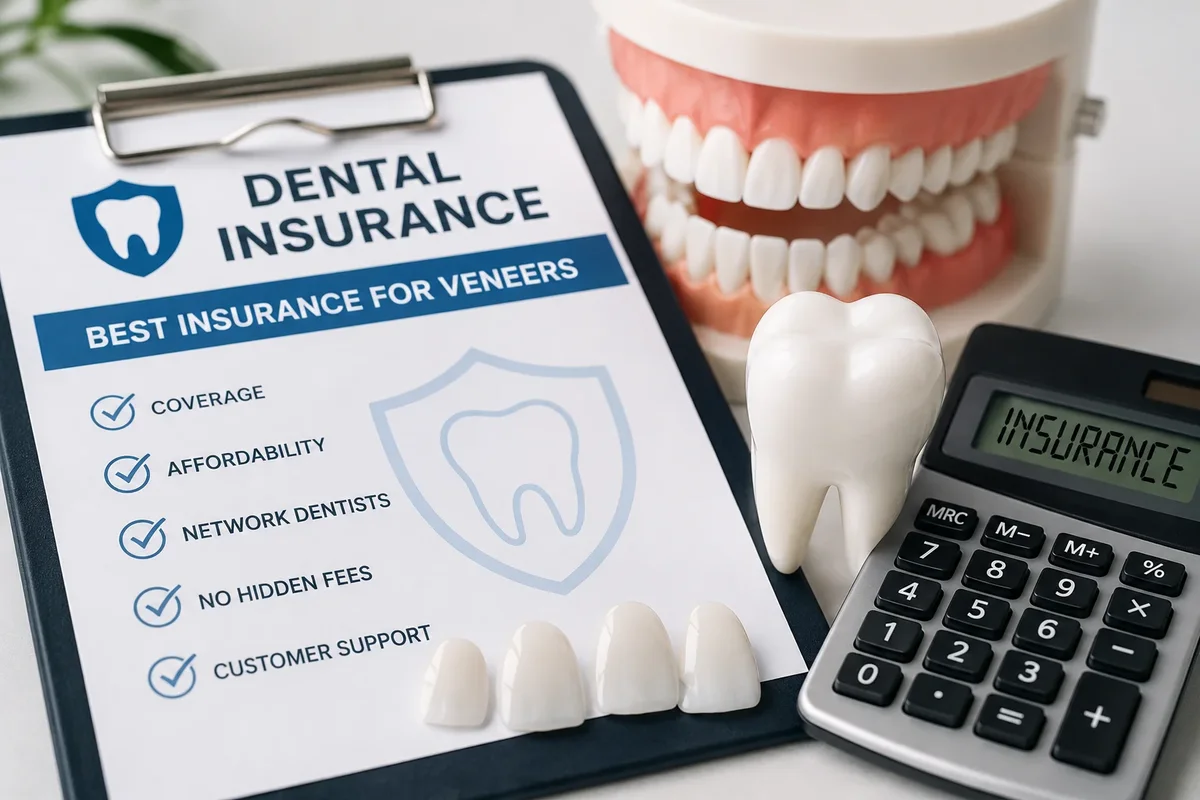
Your Next Step: Choosing the Best Insurance for Veneers and the Right Dental Clinic
After learning about treatment costs, insurance limitations, financing options, and possible alternatives, the final step is bringing all of this information together into a practical decision. Finding the best insurance for veneers is valuable, but insurance should support your treatment plan—not determine it. The right decision balances oral health, aesthetic goals, financial planning, and professional guidance. Whether you are planning your first cosmetic consultation or comparing several clinics, taking a structured approach will help you move forward with greater confidence.
Many patients spend weeks comparing insurance policies without first understanding whether veneers are actually the most appropriate treatment. In reality, the sequence should usually be reversed. A comprehensive dental examination identifies your clinical needs first, and then those findings can be compared with the benefits available through the best insurance for veneers. This approach reduces uncertainty and allows financial planning to be based on accurate clinical information rather than assumptions.
Step 1: Schedule a Comprehensive Dental Evaluation
Your first priority should be understanding the condition of your teeth and gums. During an examination, the dentist evaluates much more than the appearance of your smile.
The assessment may include:
- Overall oral health evaluation
- Assessment of tooth structure
- Digital X-rays when appropriate
- Bite analysis
- Gum health evaluation
- Review of existing fillings, crowns, or other restorations
- Discussion of your cosmetic goals
This information allows your dentist to determine whether veneers are suitable or whether another treatment would better address your concerns.
Step 2: Understand Your Personalized Treatment Plan
Every smile is different. Some patients require only minor cosmetic improvements, while others benefit from restorative treatment before veneers are considered.
Questions Worth Asking During Your Consultation
- Why are veneers recommended?
- Are there suitable alternatives?
- Will any restorative treatment be needed first?
- How many veneers are recommended?
- What maintenance will be required?
- How will my bite affect treatment?
Receiving clear answers to these questions allows you to evaluate the best insurance for veneers within the context of your own treatment rather than relying on general online advice.
Step 3: Review Your Insurance Carefully
Once you have a treatment plan, compare it with your insurance policy.
Important areas to review include:
- Annual maximum benefits
- Waiting periods
- Coverage exclusions
- Diagnostic benefits
- Preventive care coverage
- Restorative treatment benefits
- Preauthorization requirements
The best insurance for veneers is often the policy that supports your overall dental treatment rather than promising cosmetic coverage alone.
Step 4: Compare Long-Term Value Instead of Initial Cost
Patients naturally pay attention to treatment cost, but focusing exclusively on the initial investment can sometimes overlook factors that influence long-term satisfaction.
Consider:
- Experience of the dental team
- Quality of treatment planning
- Communication during consultations
- Follow-up care
- Long-term maintenance guidance
- Individualized treatment recommendations
Choosing treatment based only on price or insurance benefits may not always provide the most suitable long-term outcome.
Step 5: Think About Future Oral Health
Veneers are only one part of maintaining a healthy smile. Continuing preventive dental care remains important before and after cosmetic treatment.
Regular examinations, professional cleanings, and good oral hygiene habits help maintain overall oral health regardless of whether your insurance provides cosmetic benefits.
When comparing the best insurance for veneers, preventive care benefits should be considered alongside cosmetic exclusions because they contribute to your long-term dental health.
Choosing a Dental Clinic
Look Beyond Marketing Claims
Instead of selecting a clinic based solely on promotional offers, evaluate whether the team provides clear communication, comprehensive examinations, realistic treatment recommendations, and transparent discussions about expected procedures.
Ask About Individualized Planning
A high-quality consultation should focus on your oral health rather than a standardized cosmetic package. Personalized treatment planning allows your dentist to explain why veneers are—or are not—the most appropriate solution.
Discuss Financial Planning Early
An experienced clinic should be able to explain estimated treatment stages, discuss how insurance may interact with your treatment plan, and outline available payment options when appropriate.
Why Personalized Advice Matters
No online article can determine whether veneers are the right treatment for your smile. The best insurance for veneers also cannot answer clinical questions such as whether your enamel is healthy enough for veneers, whether bite adjustments are necessary, or whether another treatment would preserve more natural tooth structure.
A comprehensive consultation provides the opportunity to discuss these important topics while receiving recommendations based on your individual circumstances.
Patients seeking personalized guidance can request an evaluation through the Redent Klinik Contact Page. During a consultation, your dentist can explain treatment options, discuss realistic expectations, review insurance considerations, and help you develop a treatment plan that aligns with both your oral health needs and financial priorities.
For additional educational information regarding oral health and cosmetic dentistry, patients can also review resources published by the American Dental Association.
Making Your Final Decision
The best insurance for veneers should be viewed as one helpful component of responsible treatment planning rather than the primary reason for choosing cosmetic dentistry. The most successful outcomes are achieved when insurance, clinical recommendations, financial planning, and realistic expectations all work together.
By understanding your oral health first, comparing insurance benefits carefully, discussing alternatives when appropriate, and selecting a qualified dental provider, you place yourself in the strongest possible position to make a confident and informed decision.
What to Check Before Requesting Professional Advice
Before moving forward, confirm that you have received a comprehensive dental examination, understand every stage of your proposed treatment plan, and have reviewed your insurance policy for cosmetic exclusions, annual benefit limits, and documentation requirements. If you are uncertain whether veneers are appropriate, need clarification about treatment alternatives, or want to understand how the best insurance for veneers may apply to your individual situation, request a professional consultation. A personalized evaluation provides the most reliable foundation for making an informed decision that supports both your oral health and your long-term goals.
Disclosure: this page may contain affiliate links. We may earn a commission if you use them, at no extra cost to you.